Be yourself; Everyone else is already taken.
— Oscar Wilde.
This is the first post on my new blog. I’m just getting this new blog going, so stay tuned for more. Subscribe below to get notified when I post new updates.
Be yourself; Everyone else is already taken.
— Oscar Wilde.
This is the first post on my new blog. I’m just getting this new blog going, so stay tuned for more. Subscribe below to get notified when I post new updates.
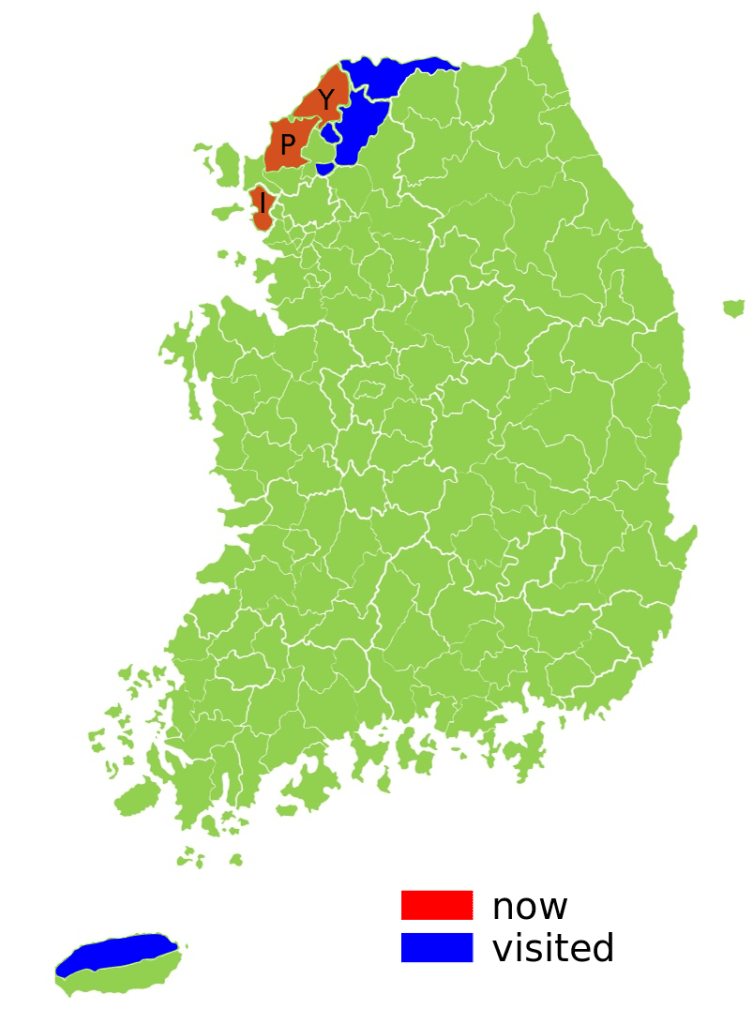
Today I am going to visit a few locations, Yeoncheon, Paju and Incheon.
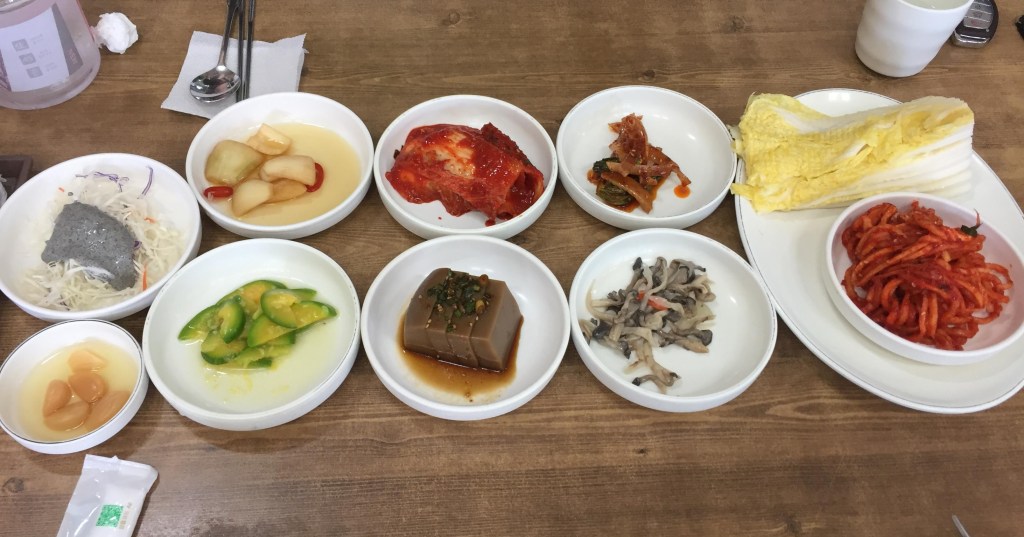
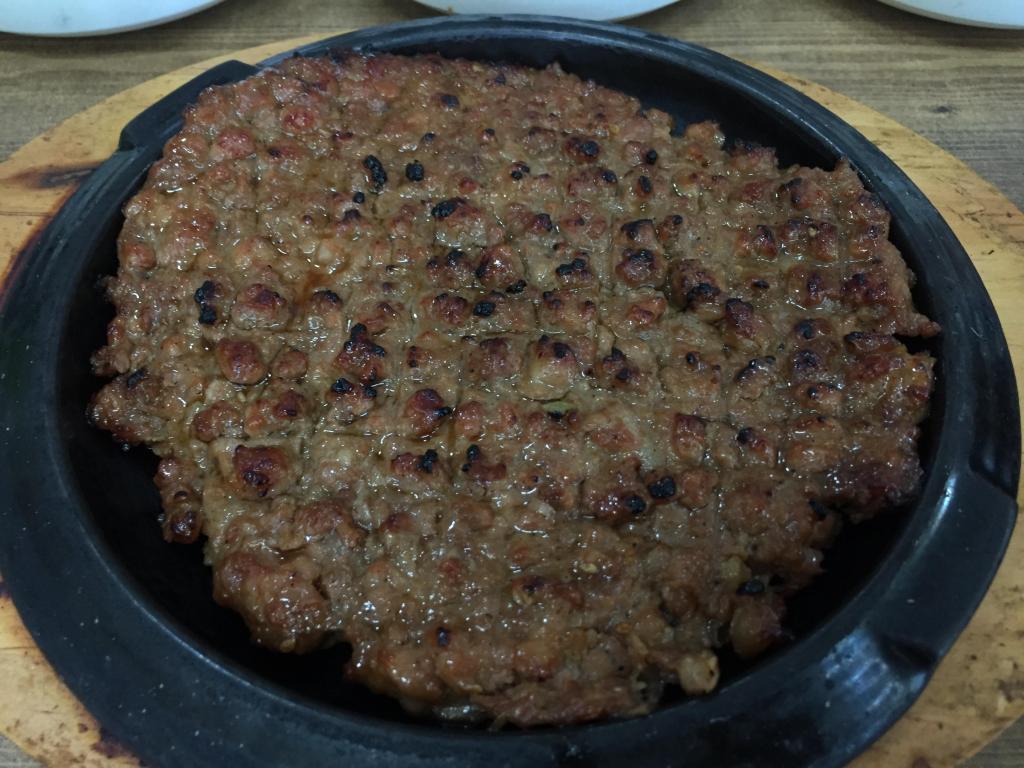
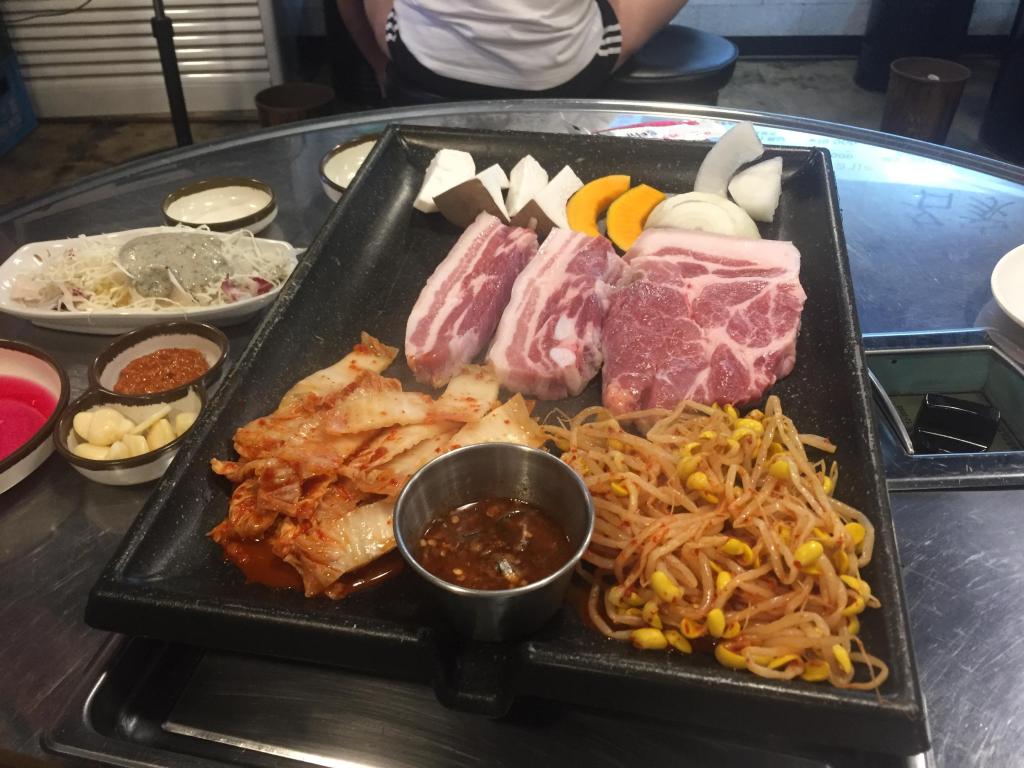
But, of course, the very first destination before the long trip is a restaurant with delicious food. It is a restaurant nearby Soyosan Mountain, if I m not mistaken I will visit it at least one more time the next year.
Yeoncheon is an ordinary county with a population of 43,824 people, but its location makes this place very special – boder with North Korea. That is what I am going to explore here.
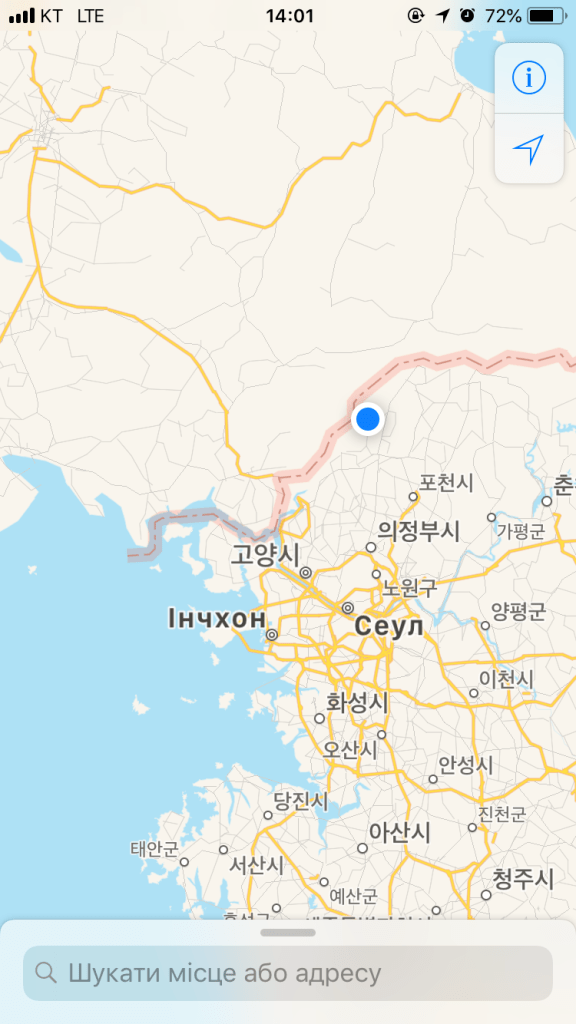
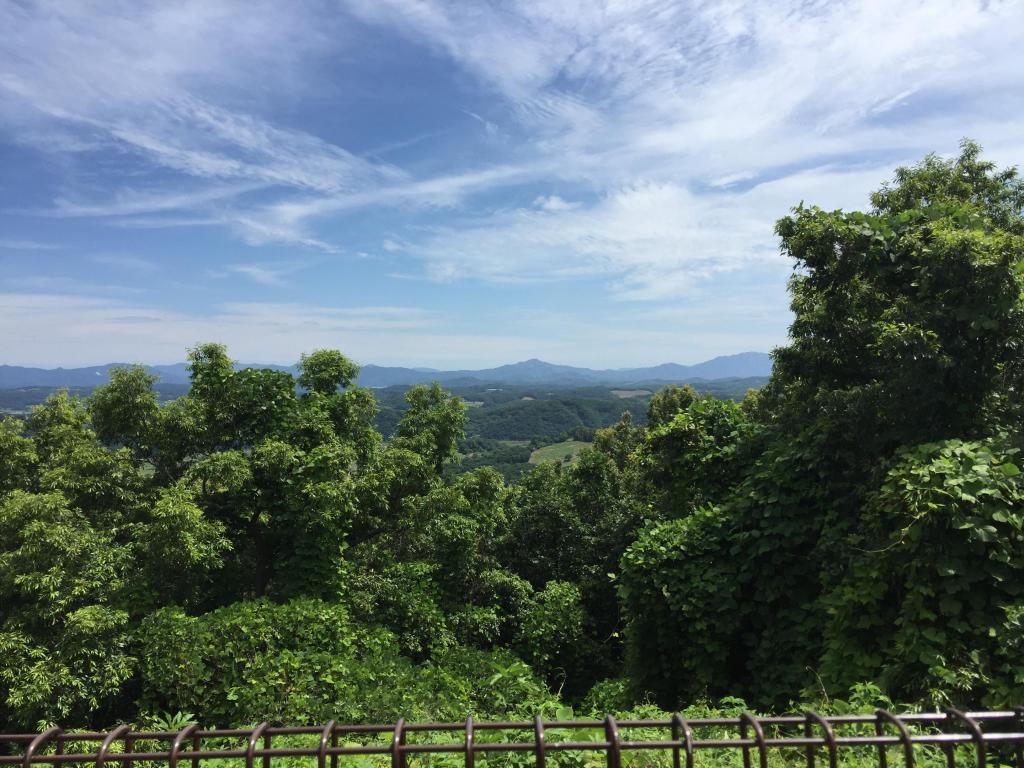
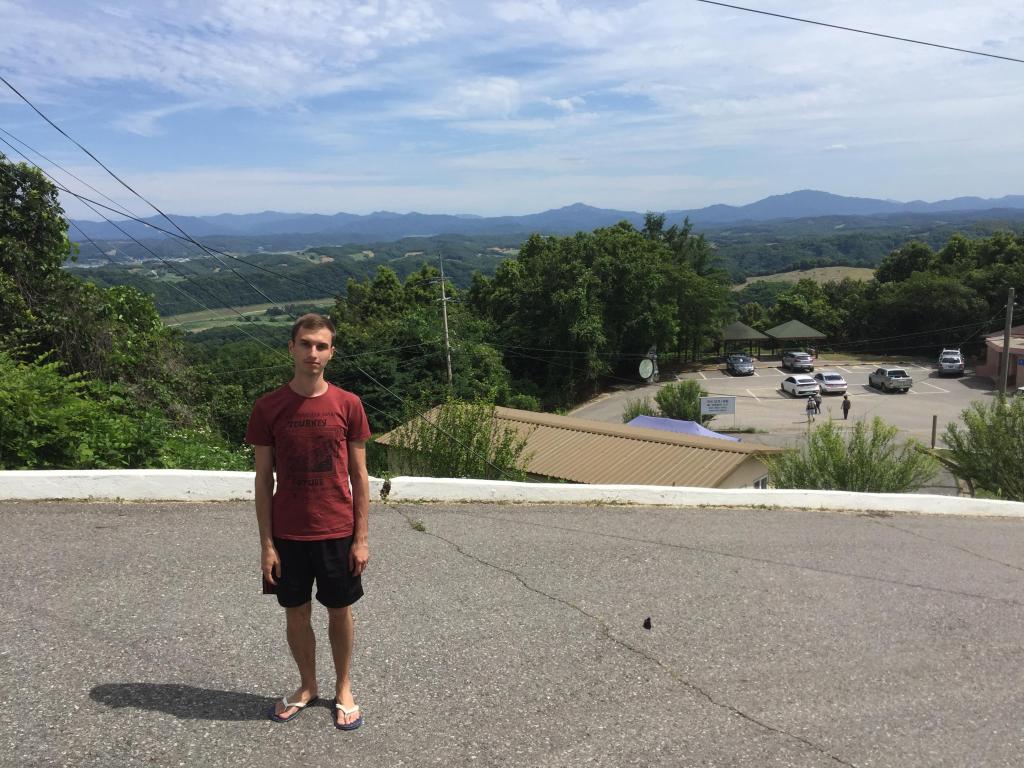
A conspicuous feature can be observed there, the hills on the North Korean side are almost empty, while on the South Korean side it is covered by forest. I was taking photos of that scene, but a soldier approached my friend and nicely asked to delete the photos I took. Also, as I remember, I passed my passport to a serviceman on a checkpoint to be allowed entering that area. Very serious control, and very special experience.
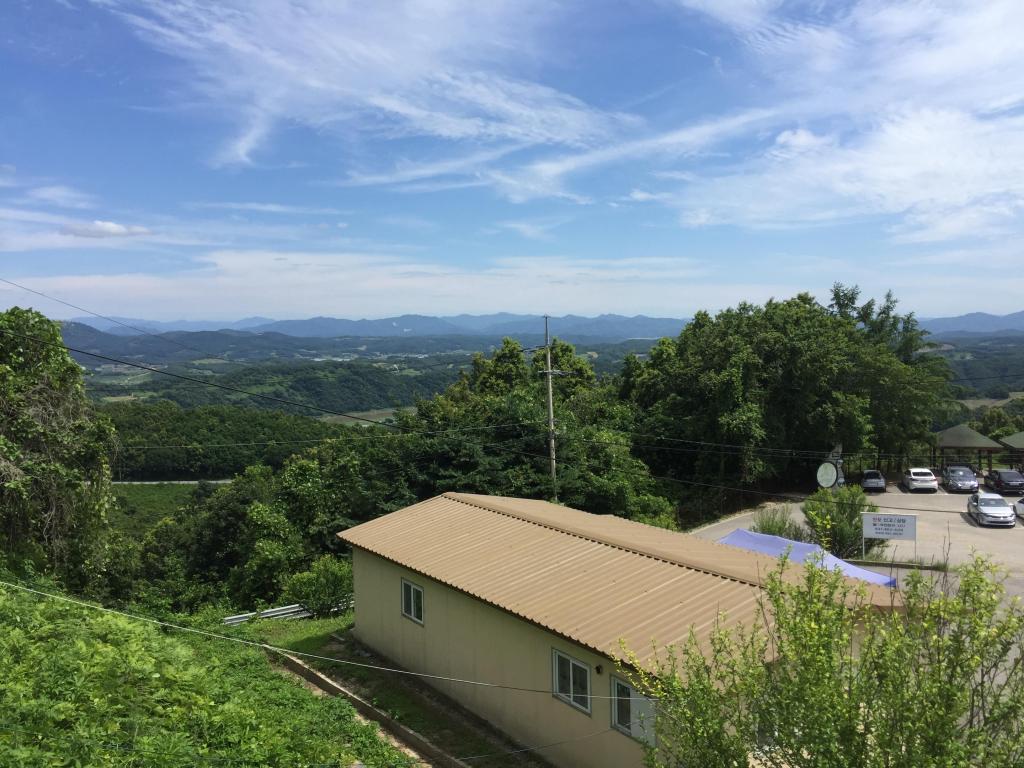
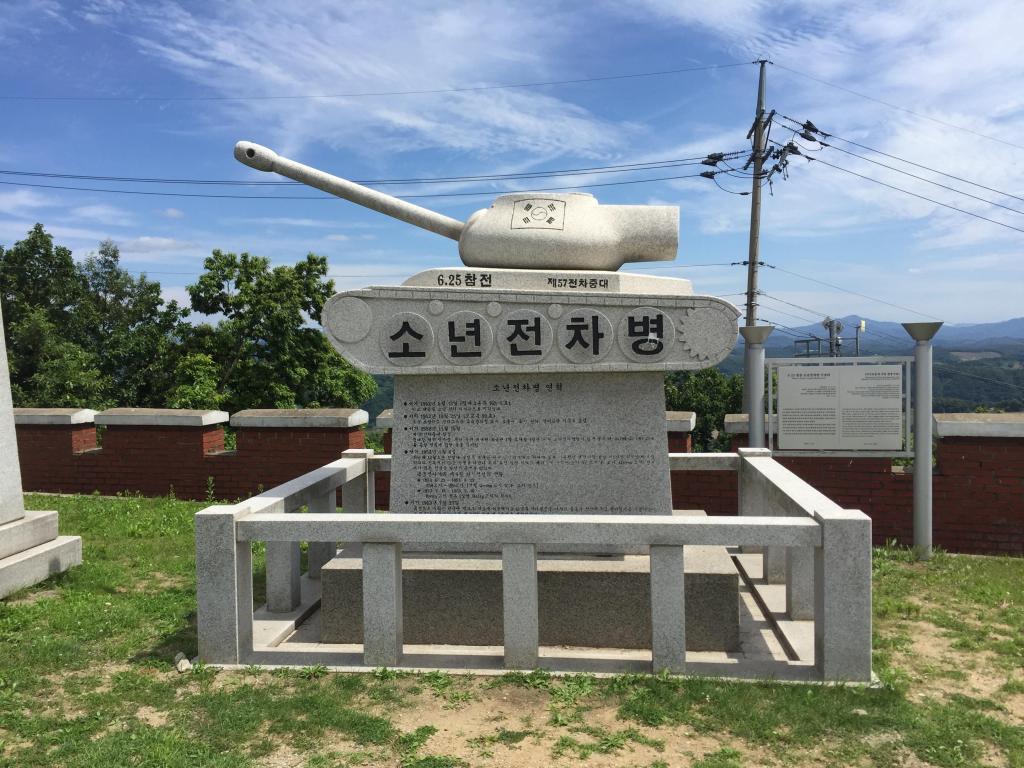
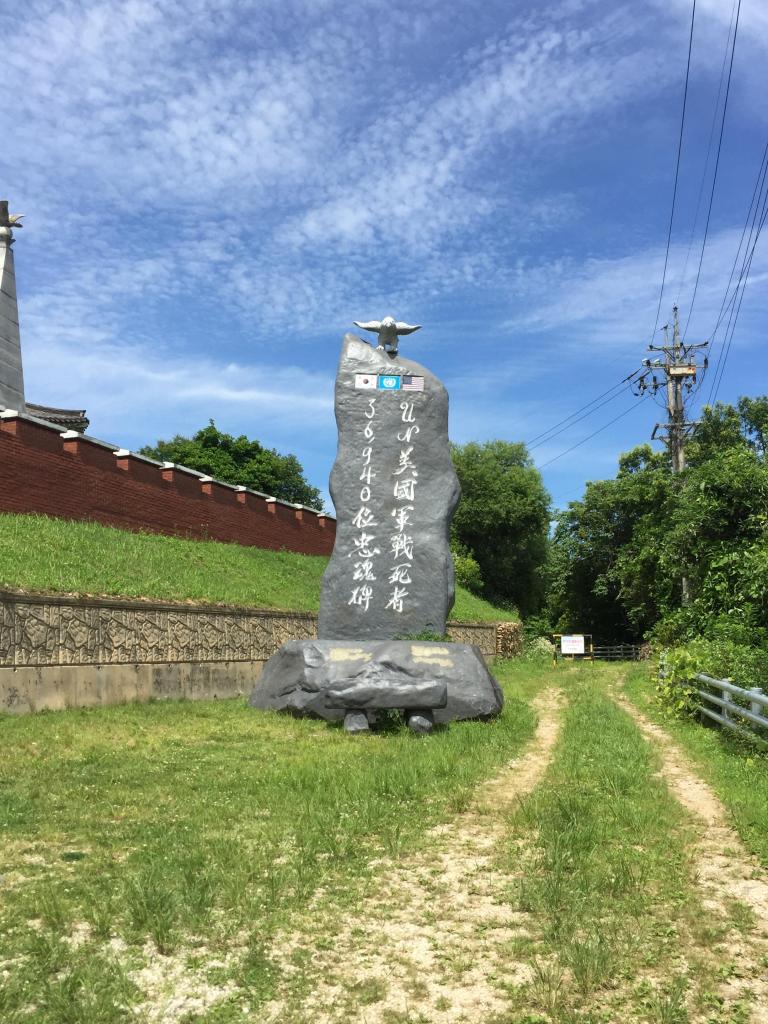
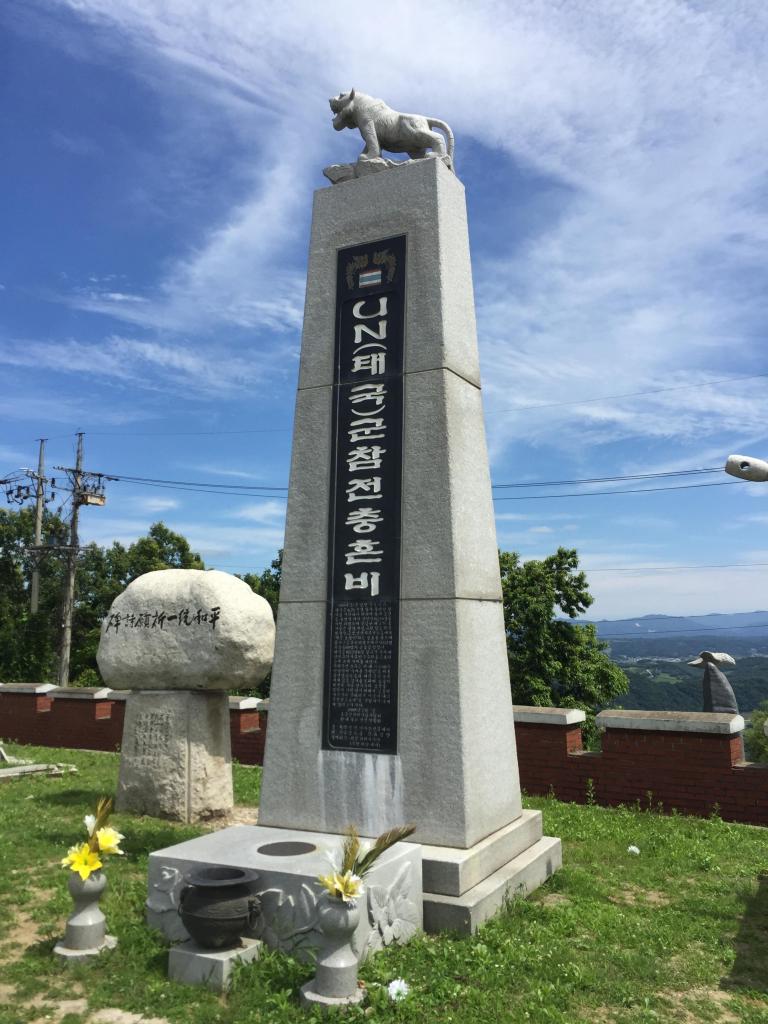
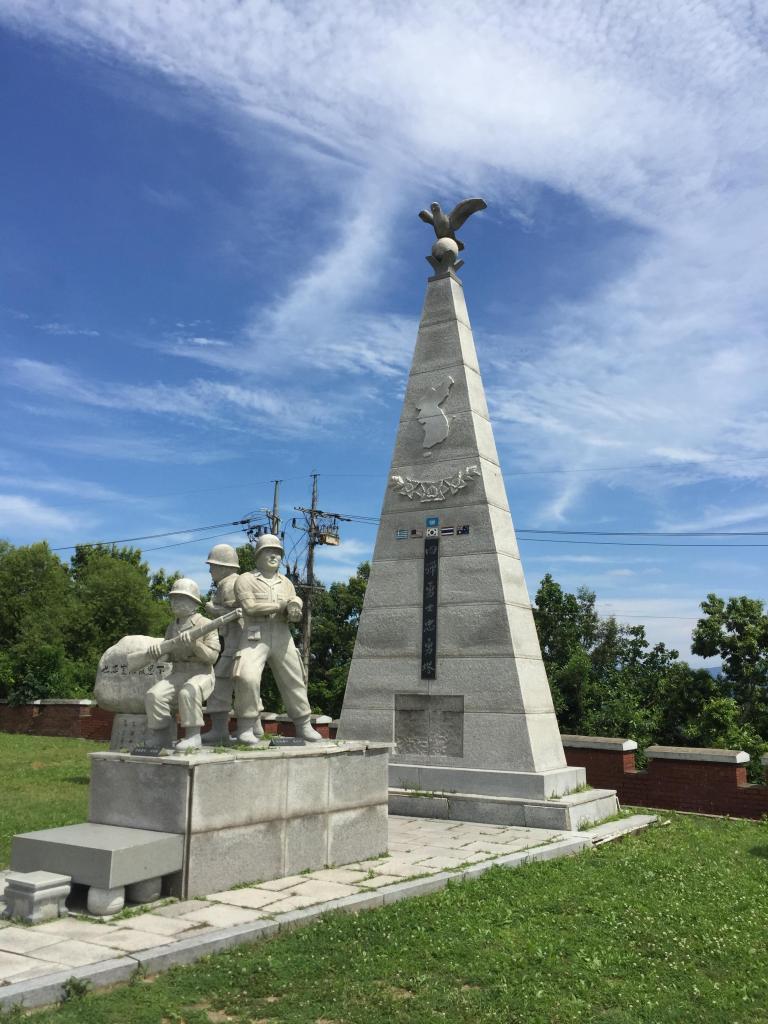
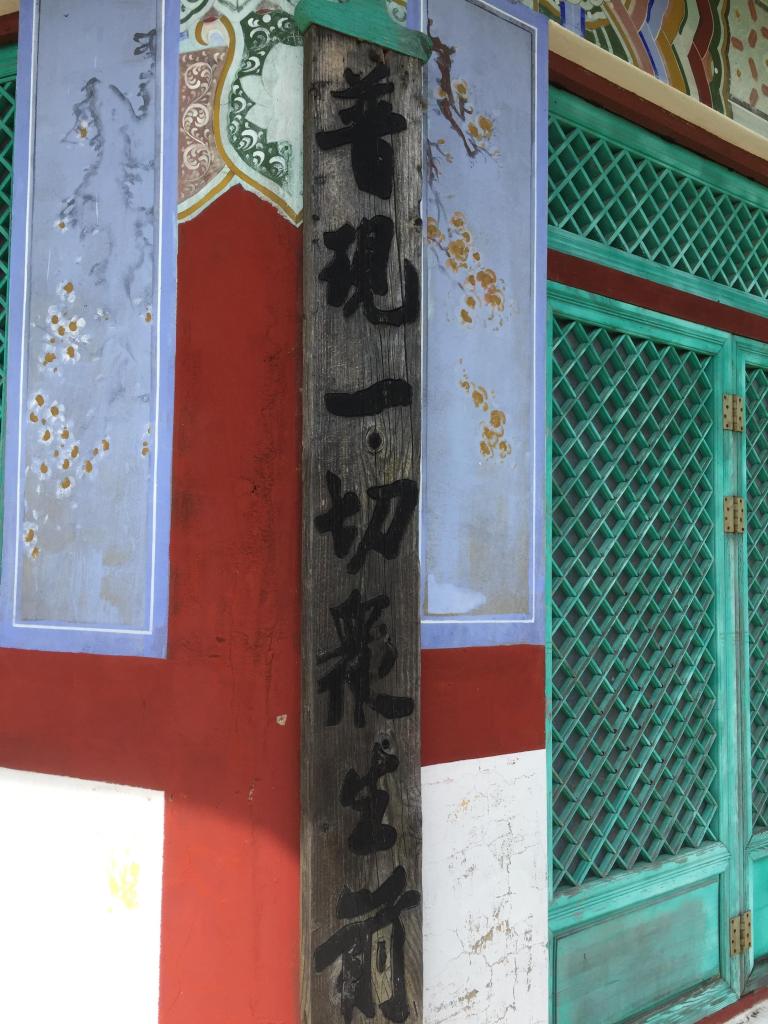
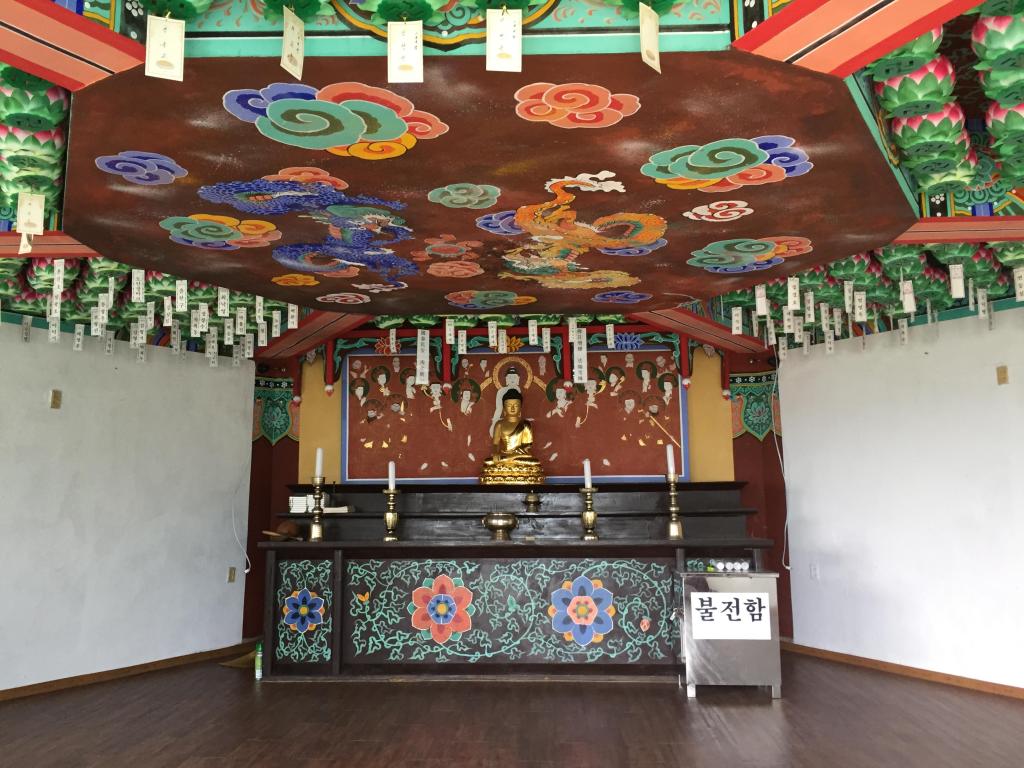
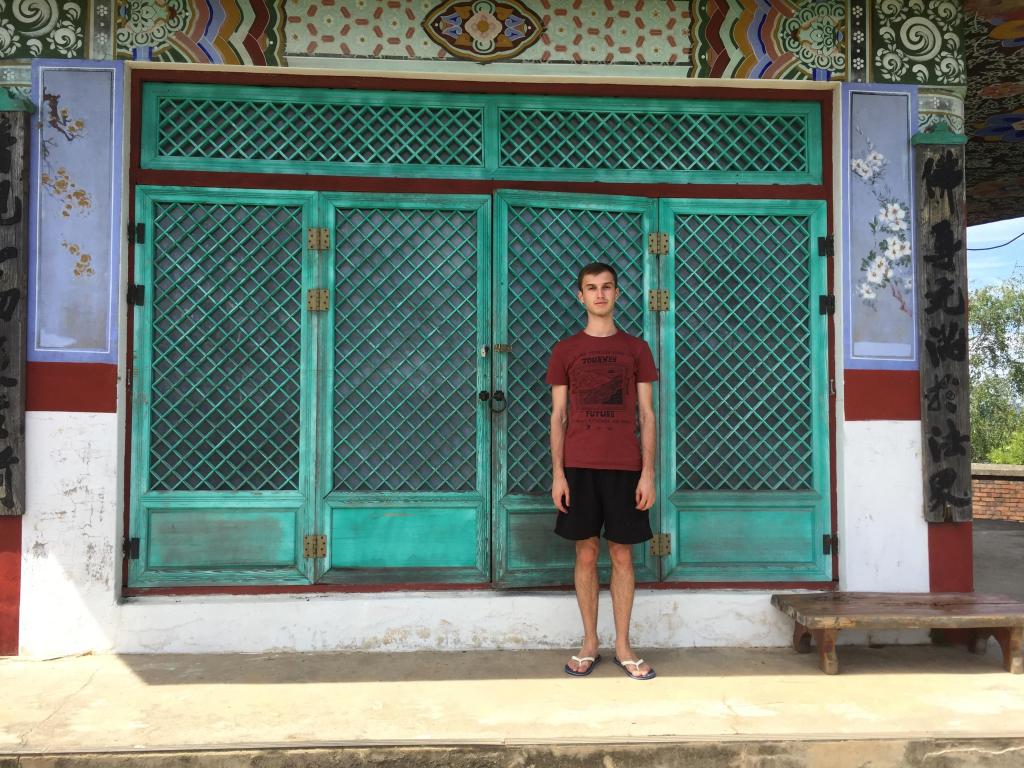
A temple on the territory of the observatory. There is a room made for meetings of soldiers with their visitors, I guess. Some photos hanging on the walls show moments of life out there.
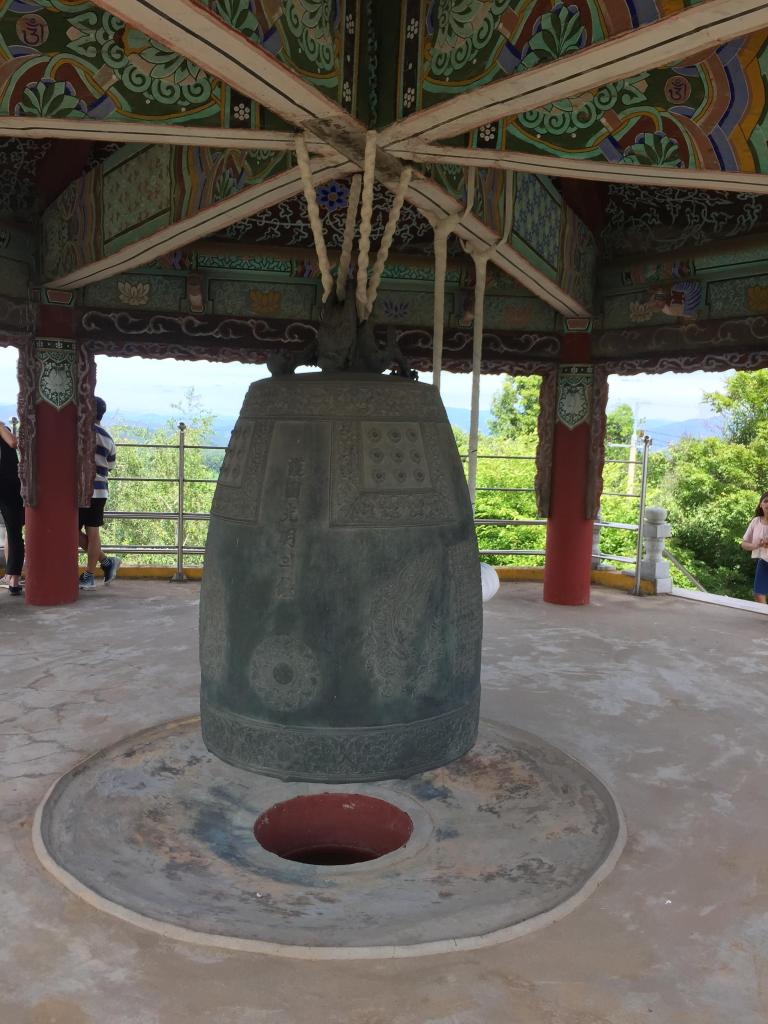
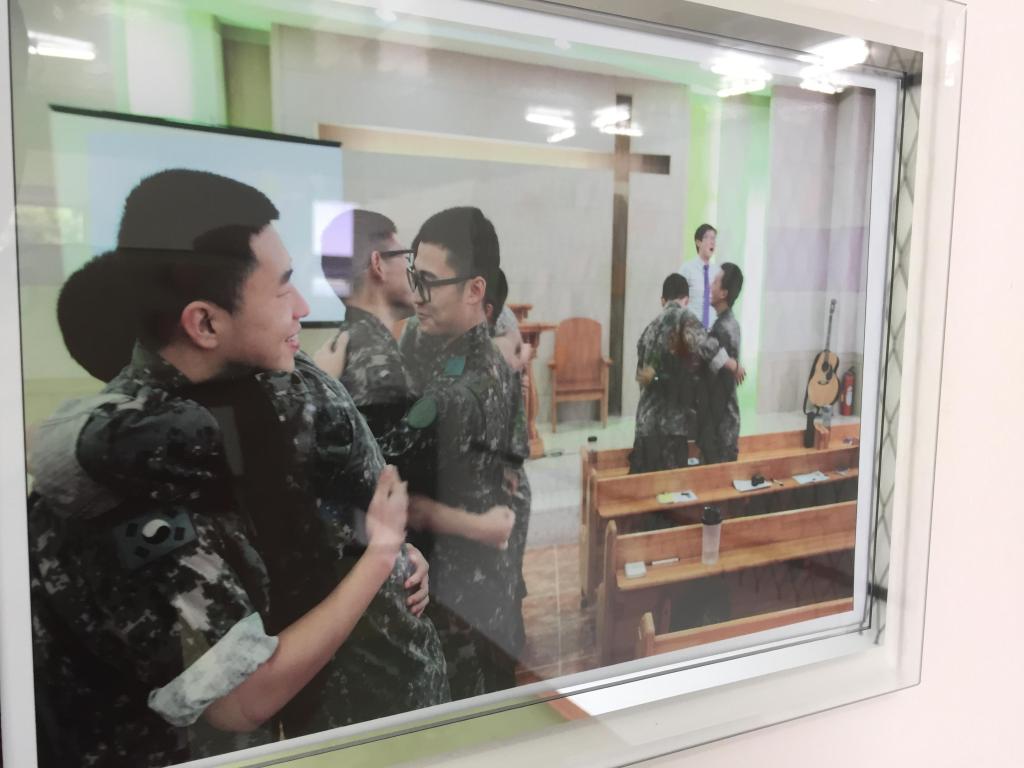
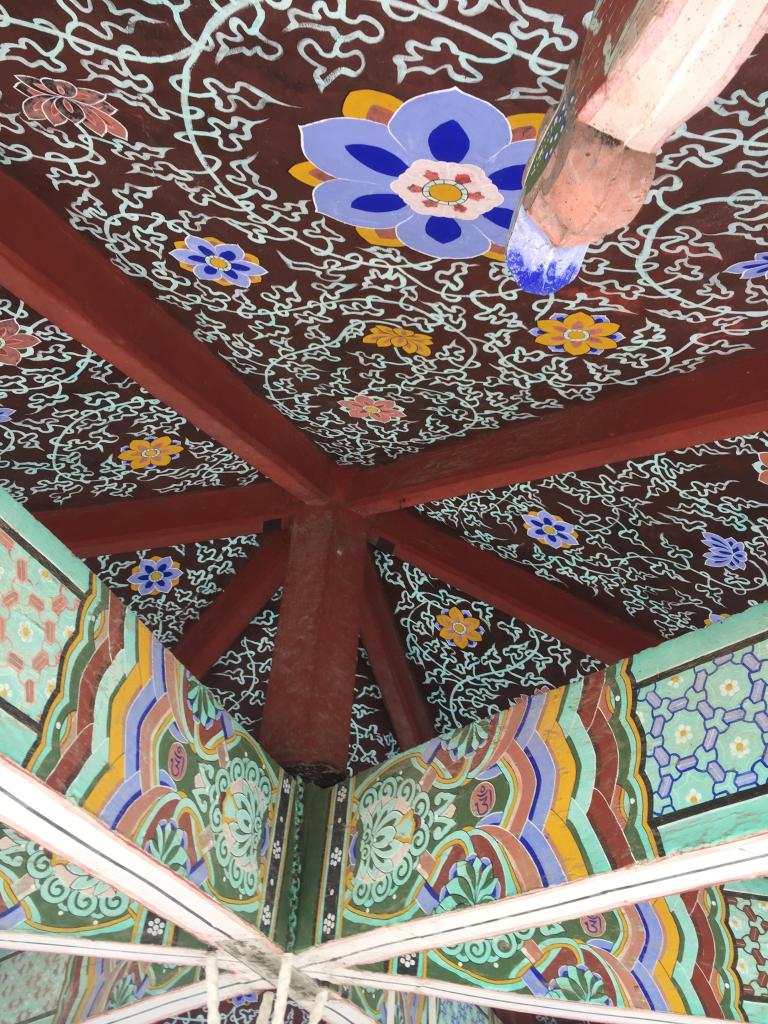
After having a doze of mixed feeling observing North Korea so close, I am going to relax at a peaceful park. So, the next destination is Imjingak Pyeonghwa-Nuri Park in Paju.
This park yearly in November hosts Paju Jangdan Bean Festival, however, this year, 2020, it is cancelled due to the coronavirus pandemic. The cultivation of the beans came from Manchuria to the Korean Peninsula, nowadays the beans are produced all over Korea and it is as important as rice in Korean cuisine. The name of beans – Jangdan -is not referred to a specific bean species but to the area, it is grown – Jangdan myeon in Paju City. Since I am visiting this park in July, I do not have a chance to attent to this festival, but I can visit at exhibition of soybean processing. This place was quite empty that time, all the people were attracted to other spots.
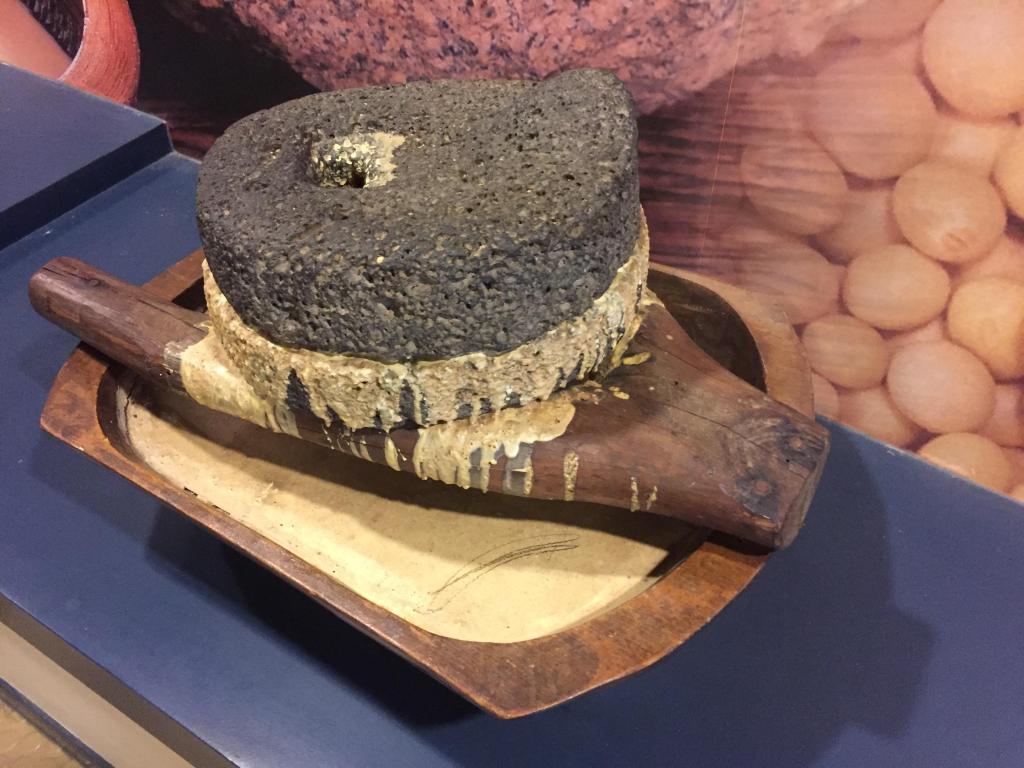
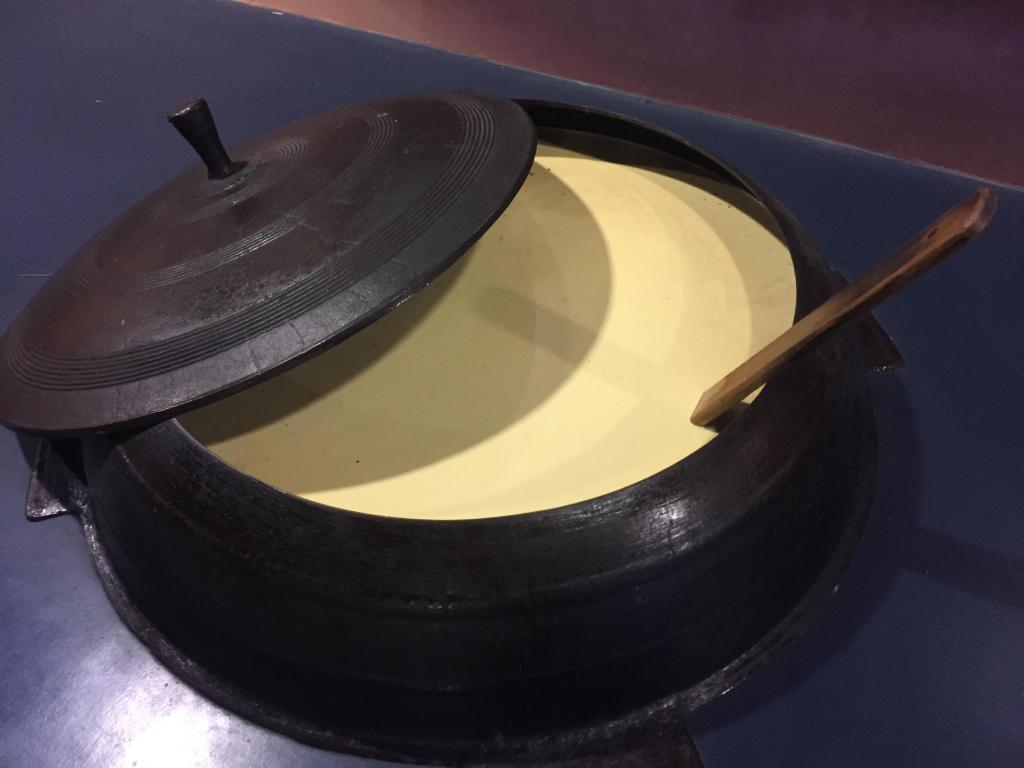
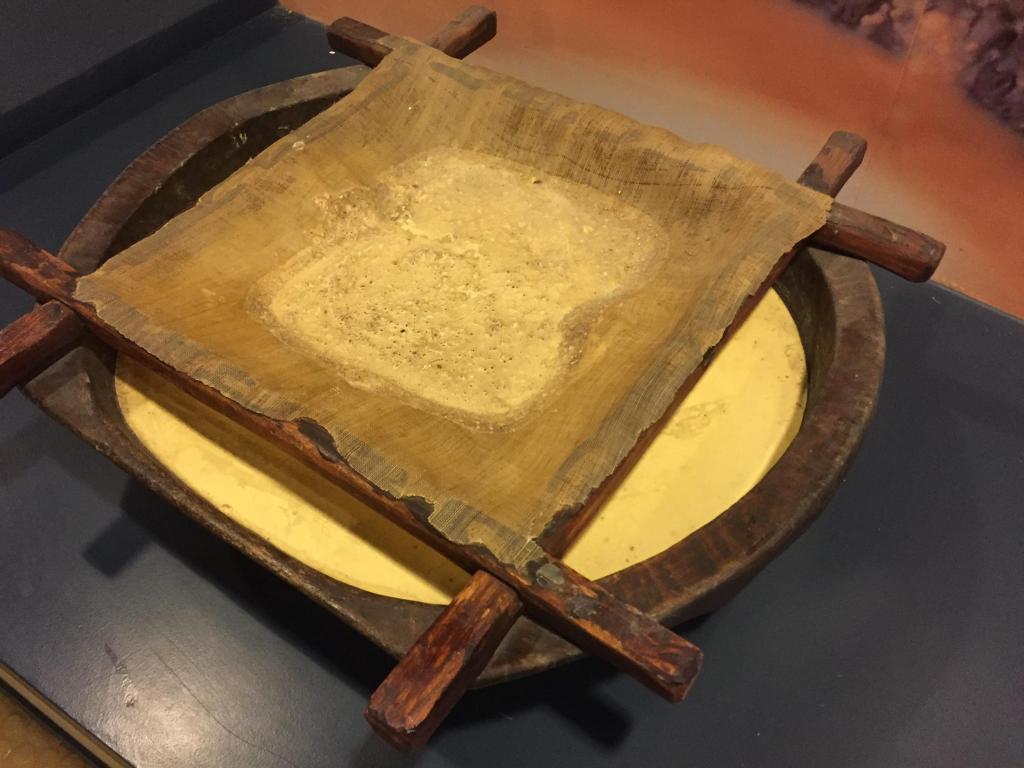
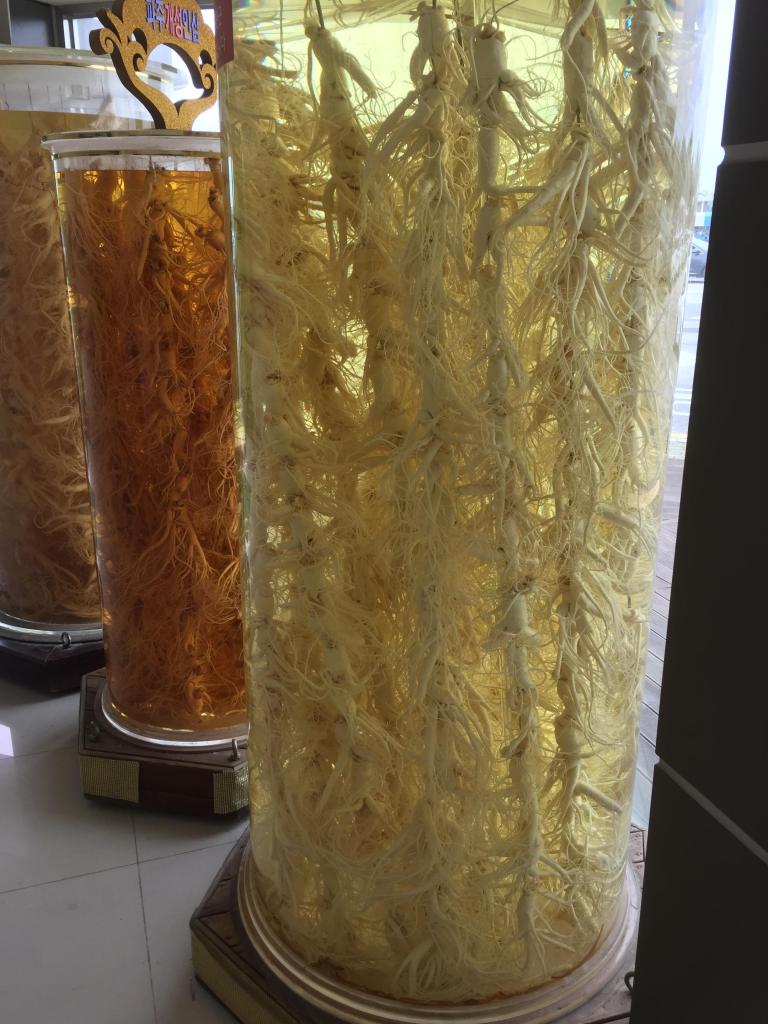
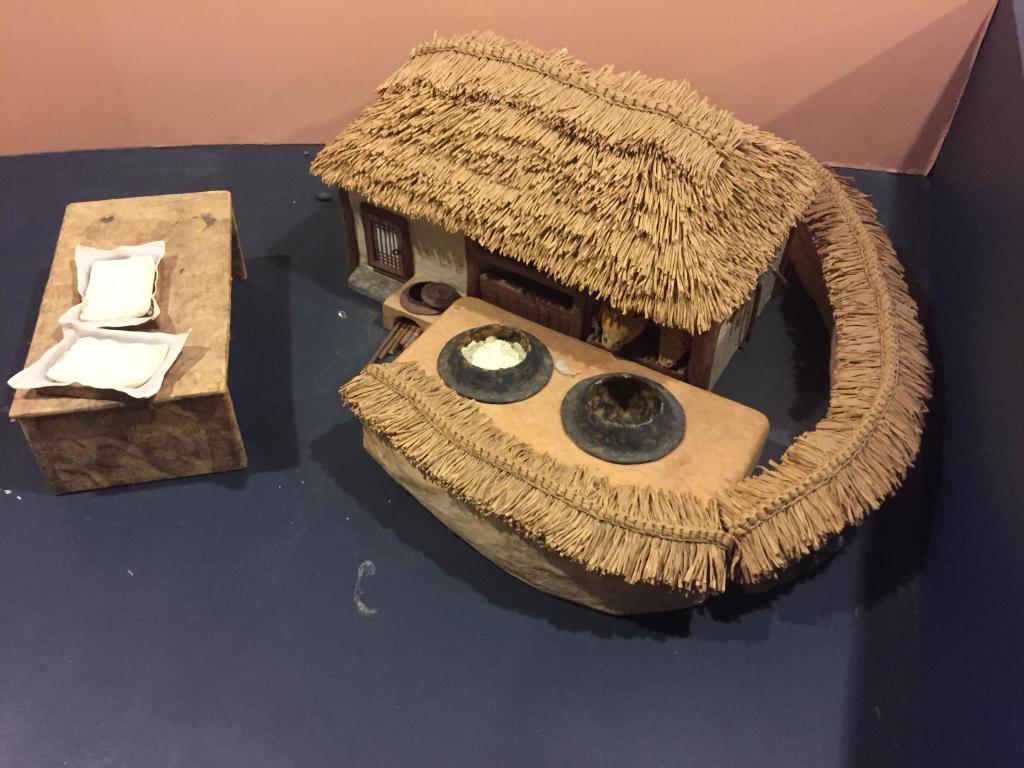
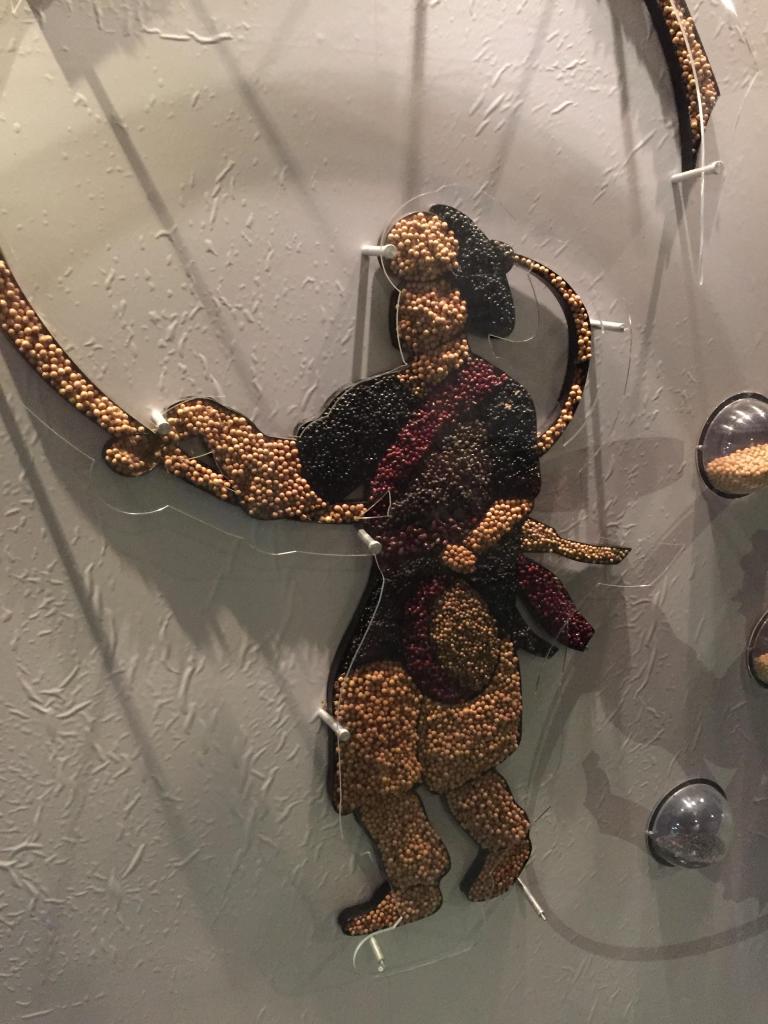
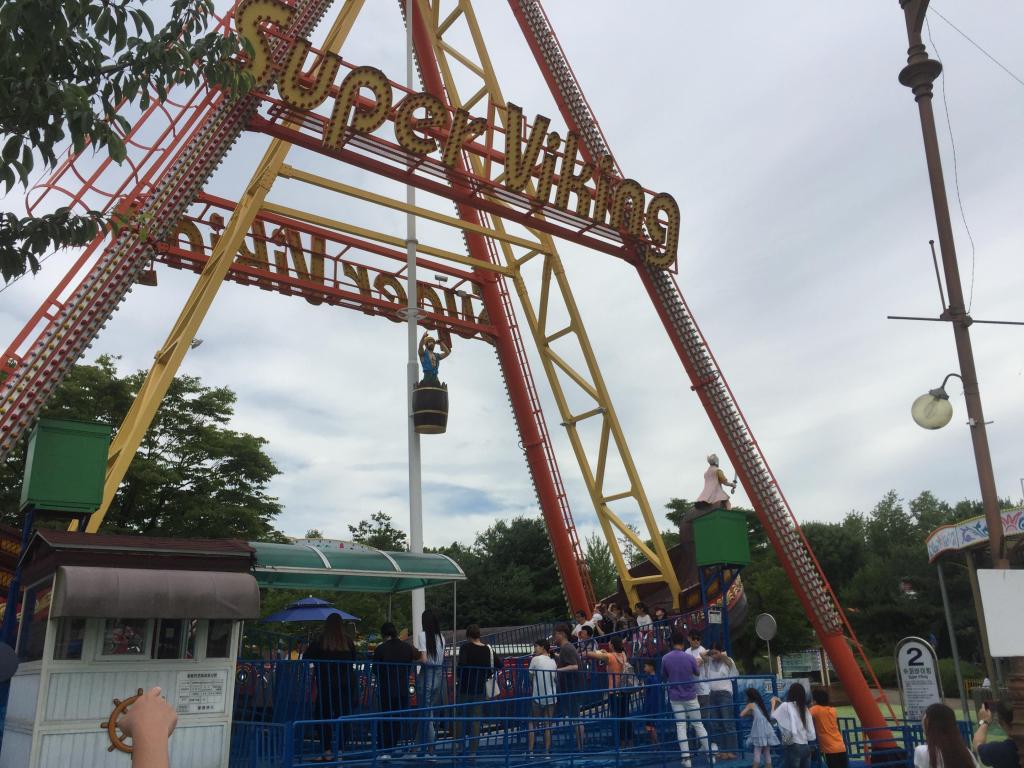
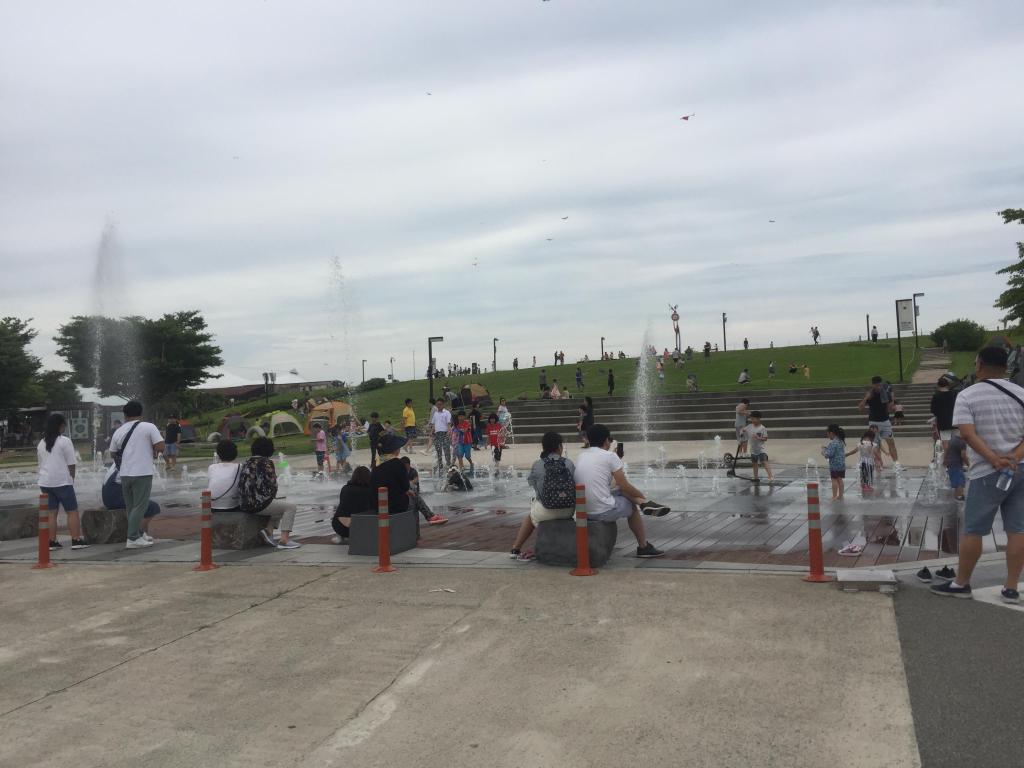
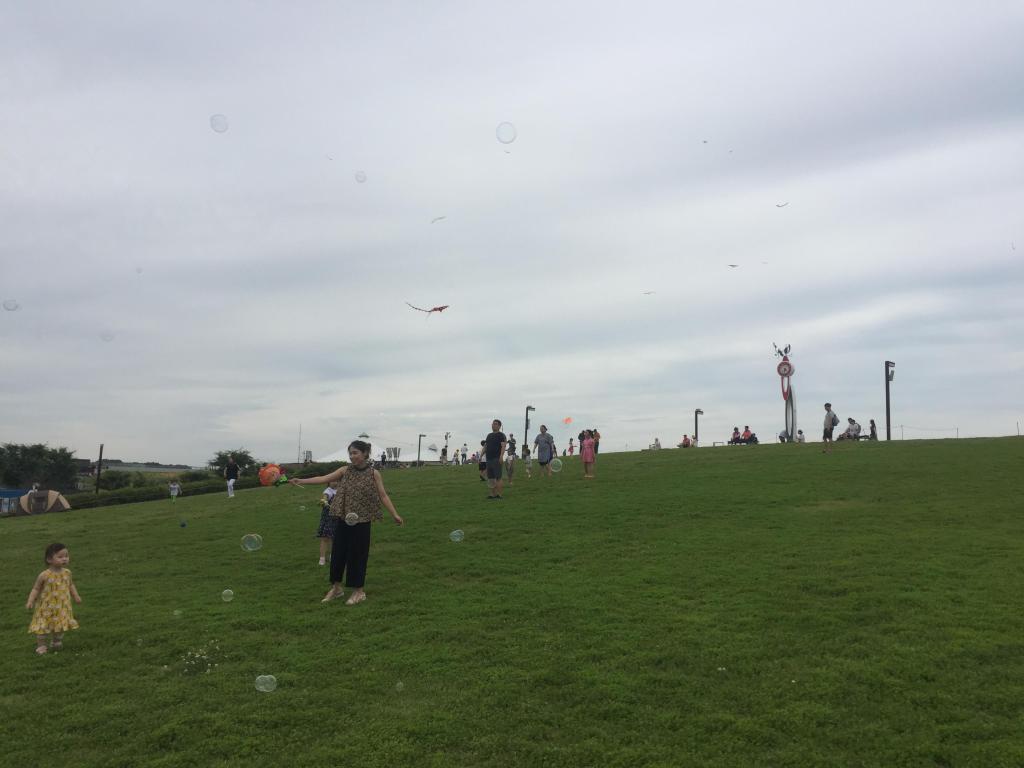
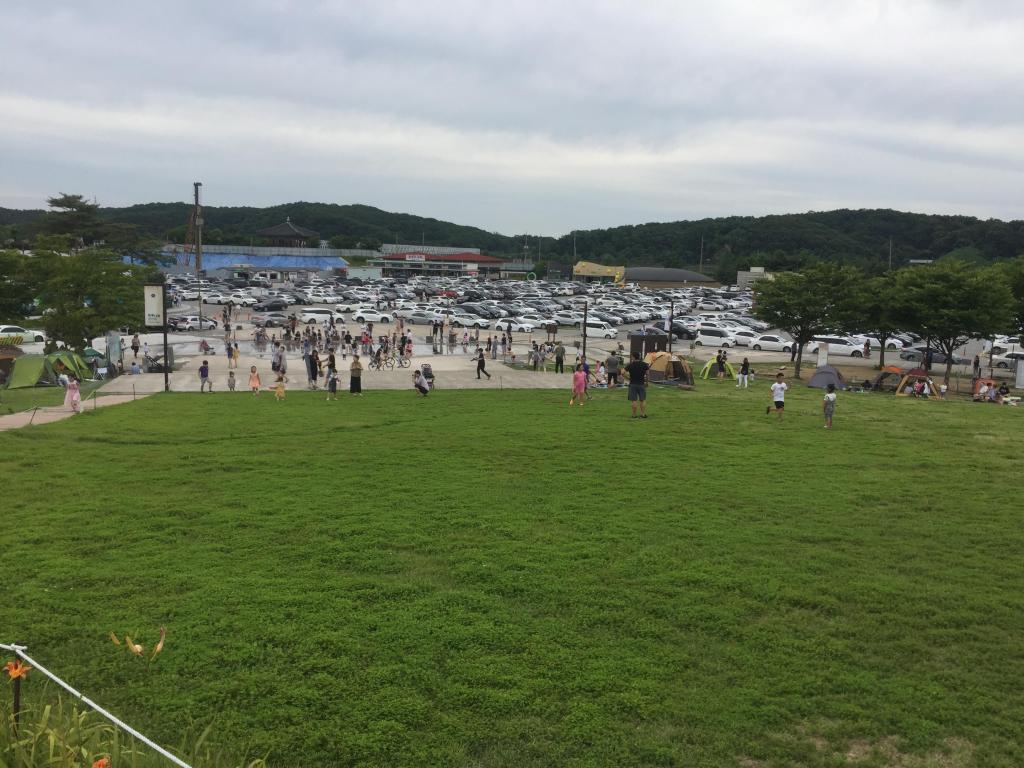
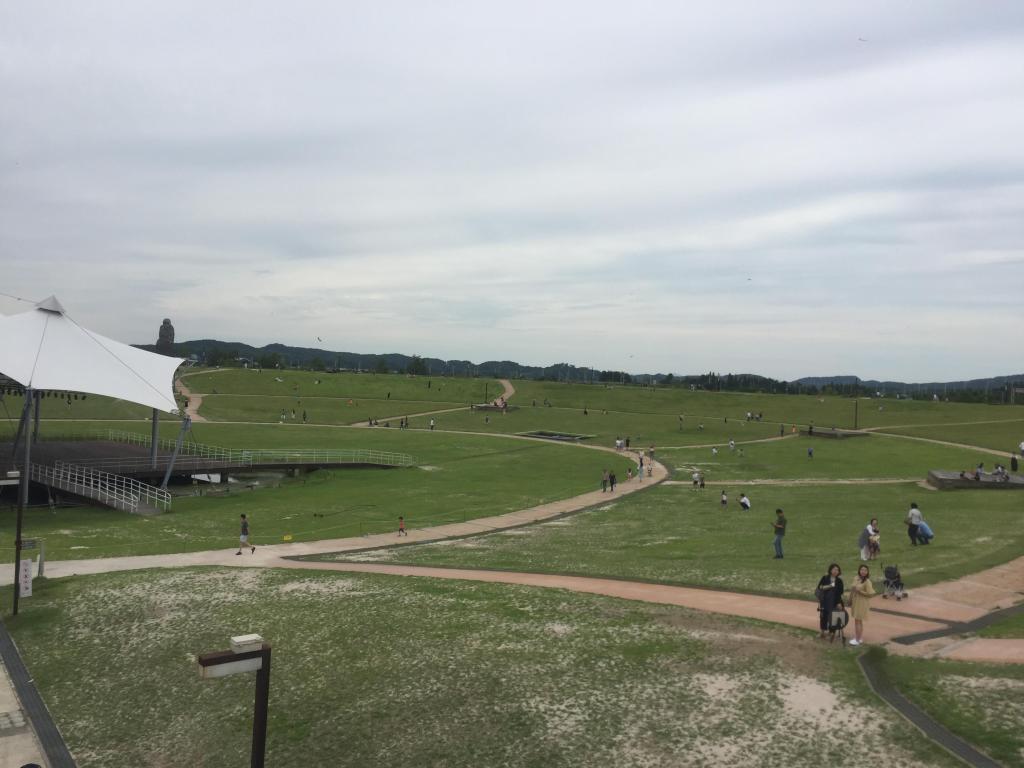
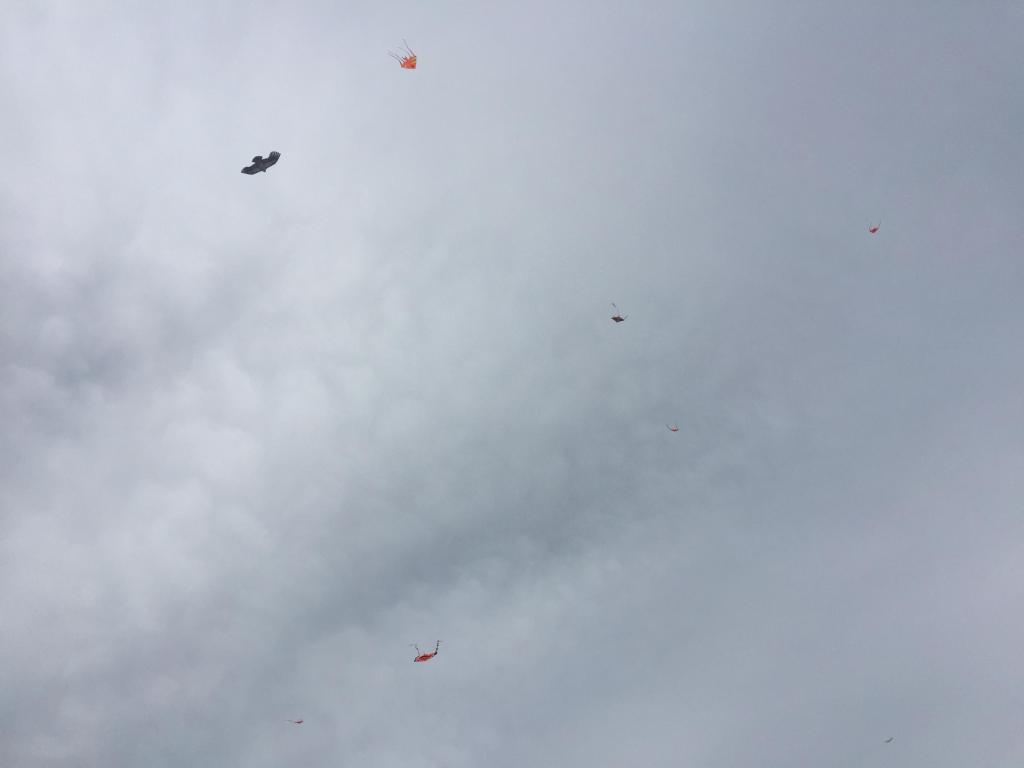
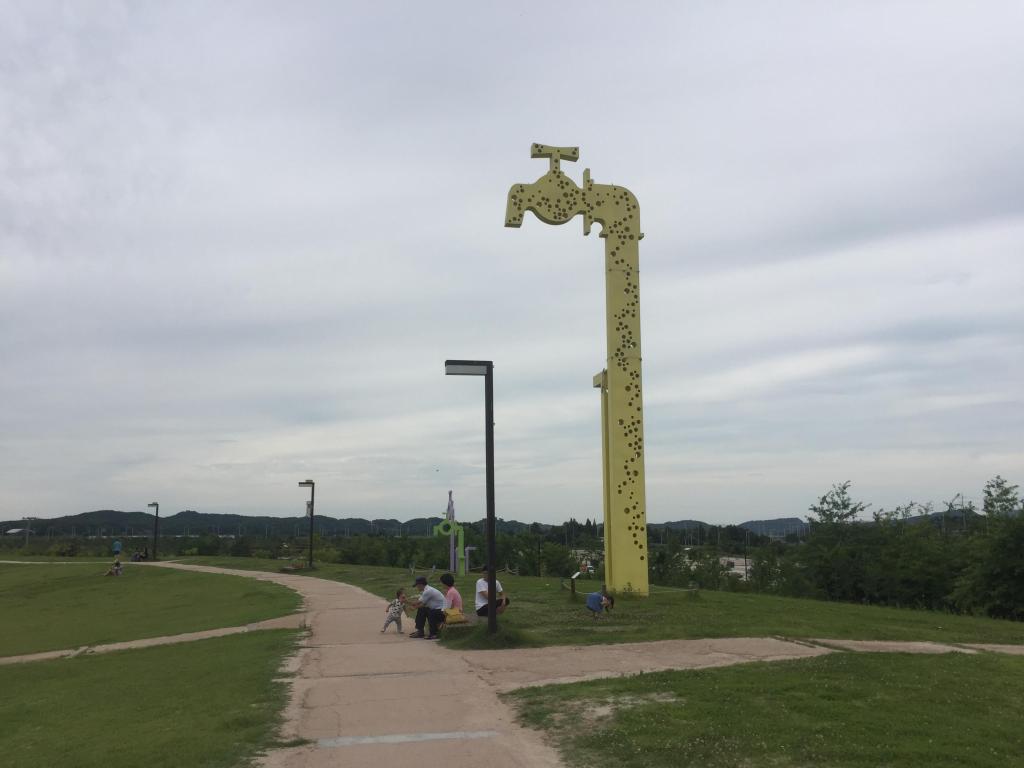
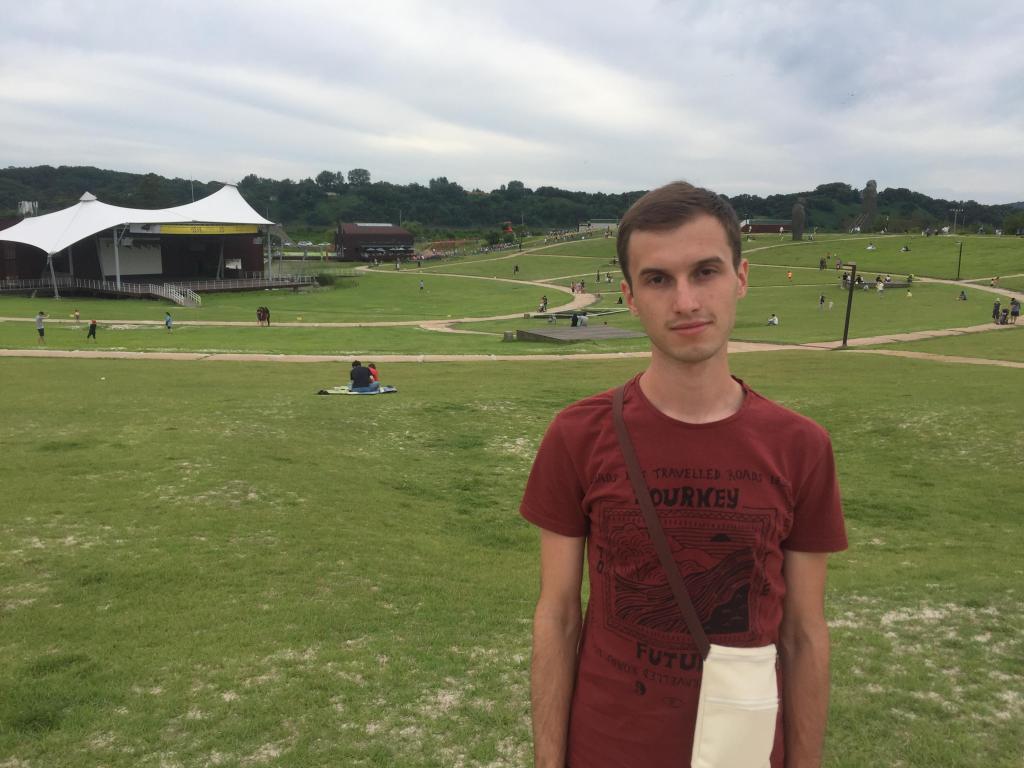
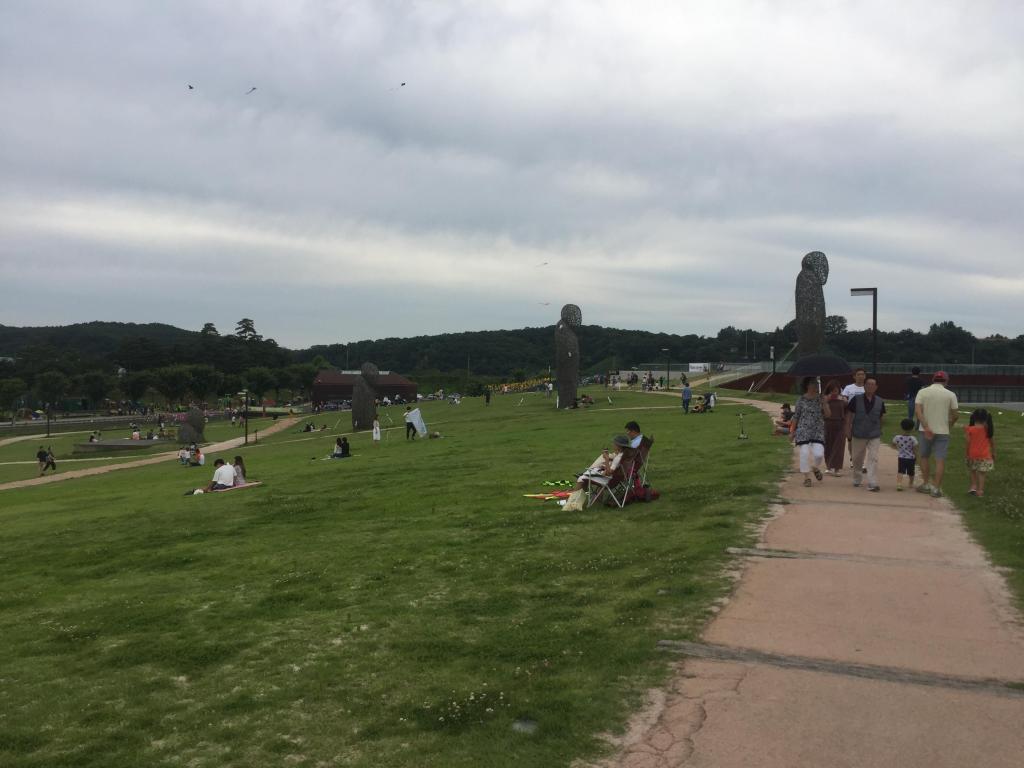
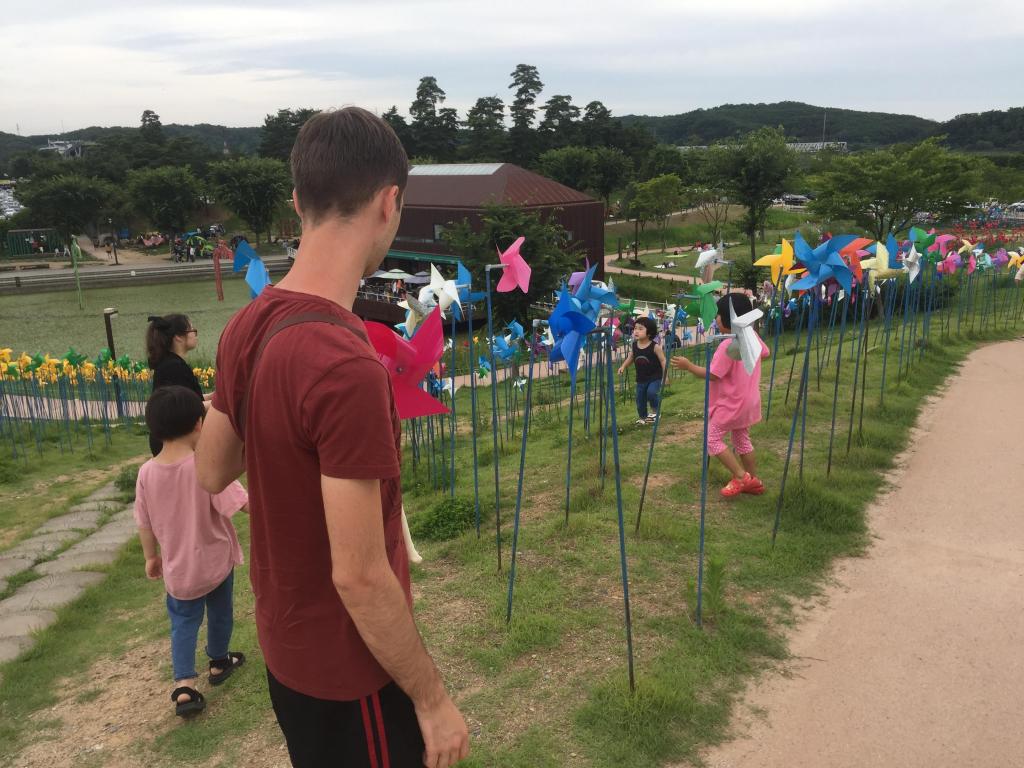
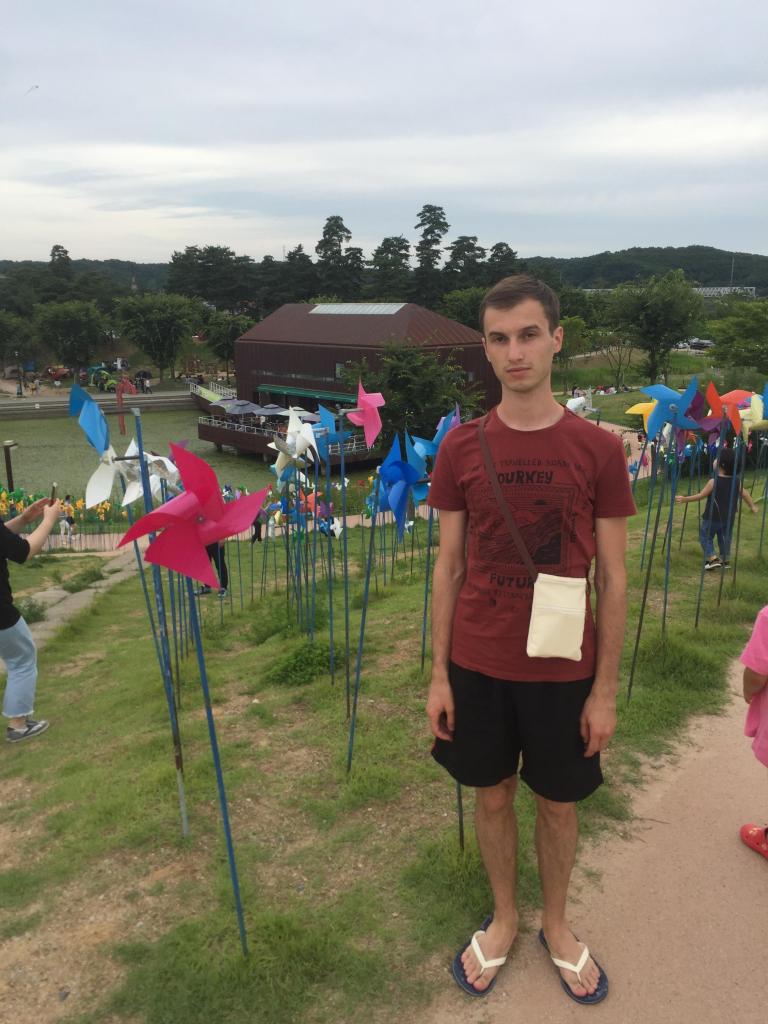
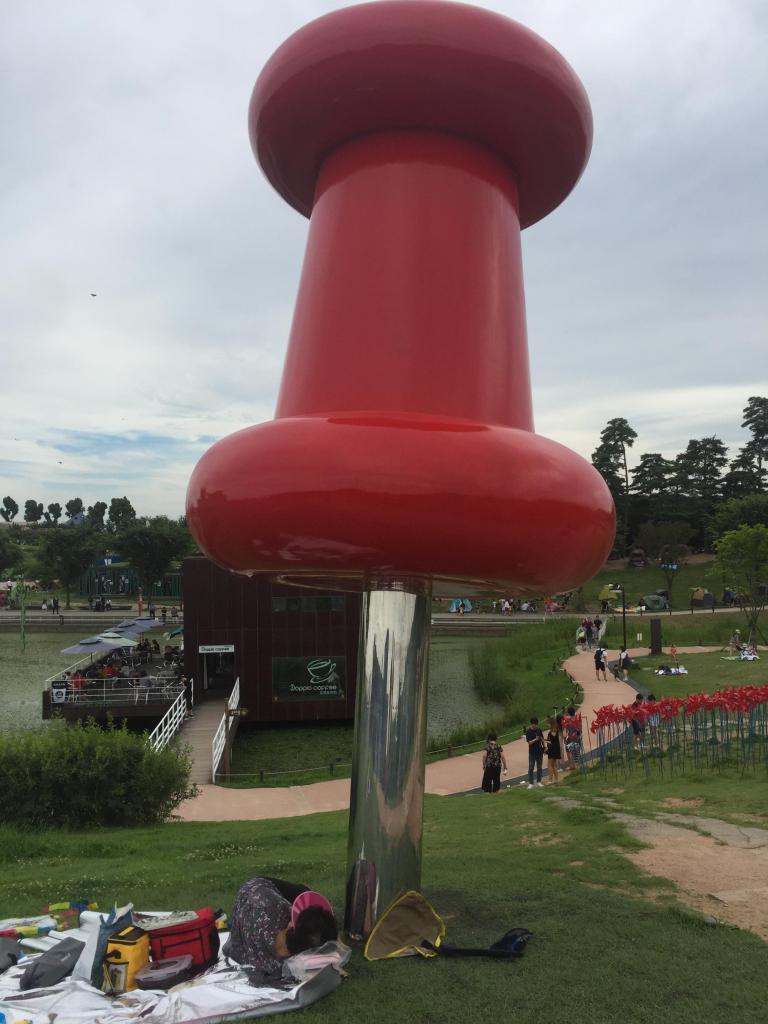
The park contain a huge bowl like area where people can have a picnic, lie down and dream for a while away from the busy life (however, Seoul is just about 60 km away from here). Many happy families arrived here, just look at the crowd at the parking, to fly kites with thier children here. There are many spots with interesting decorations for good photos.
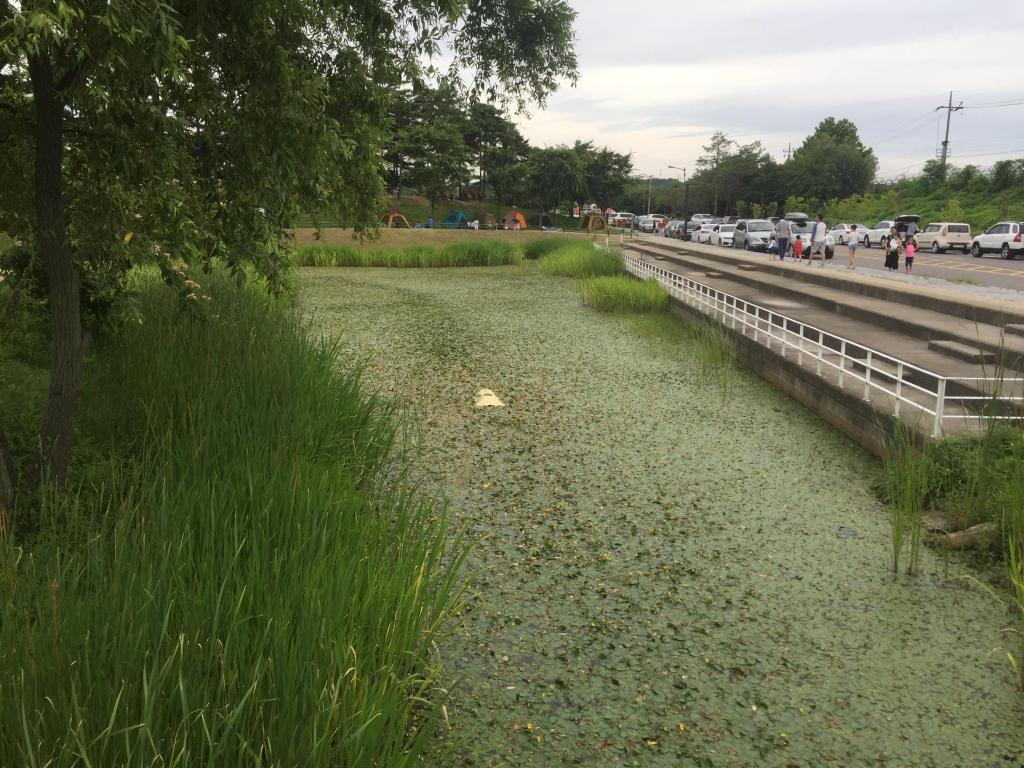
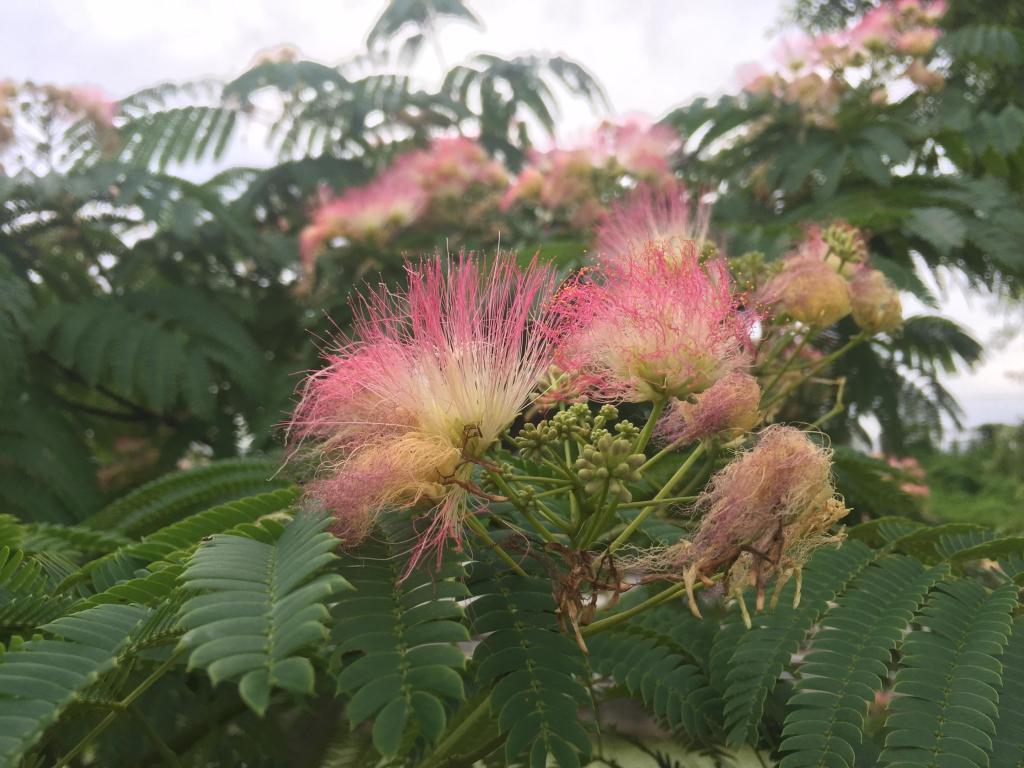
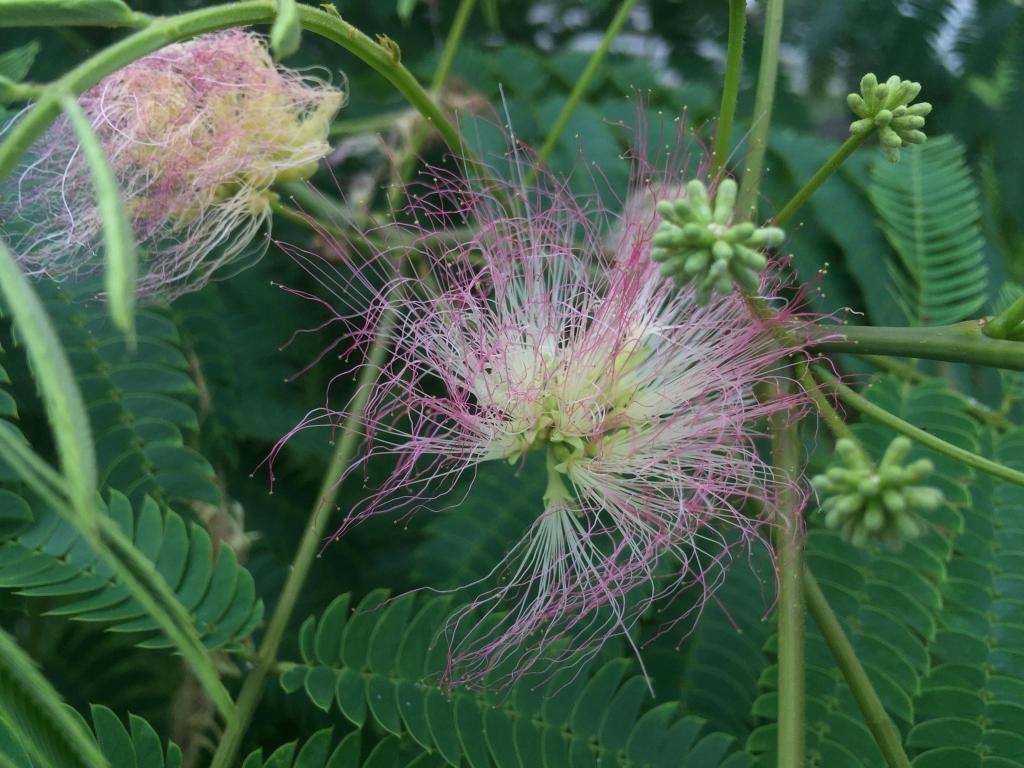
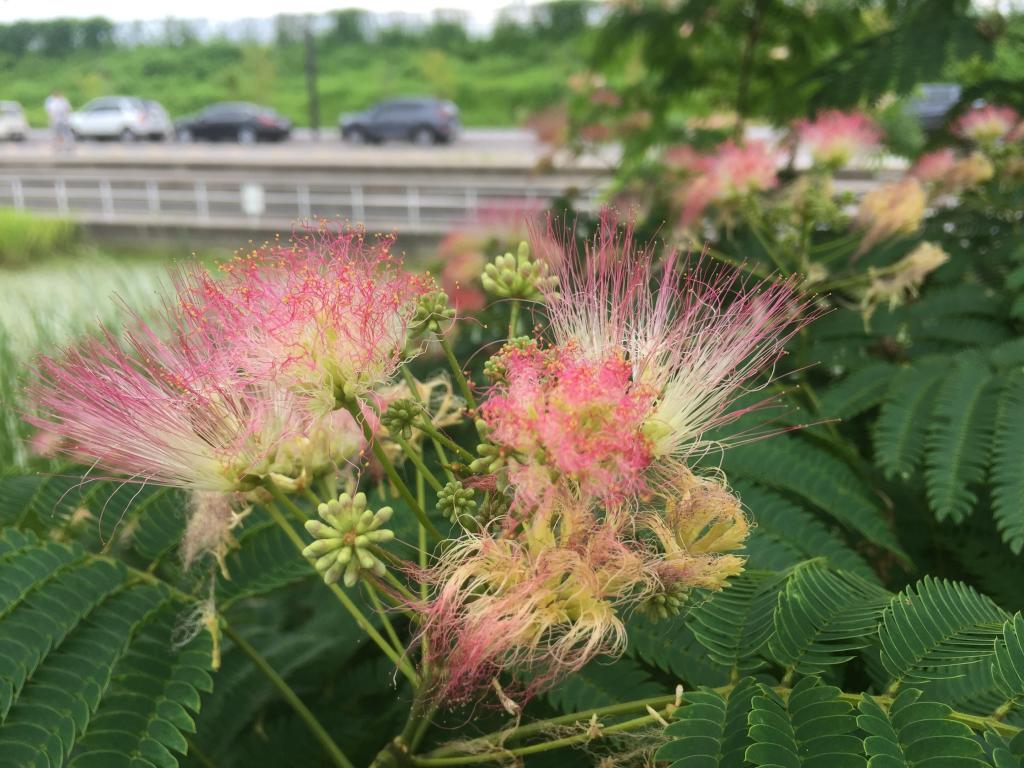
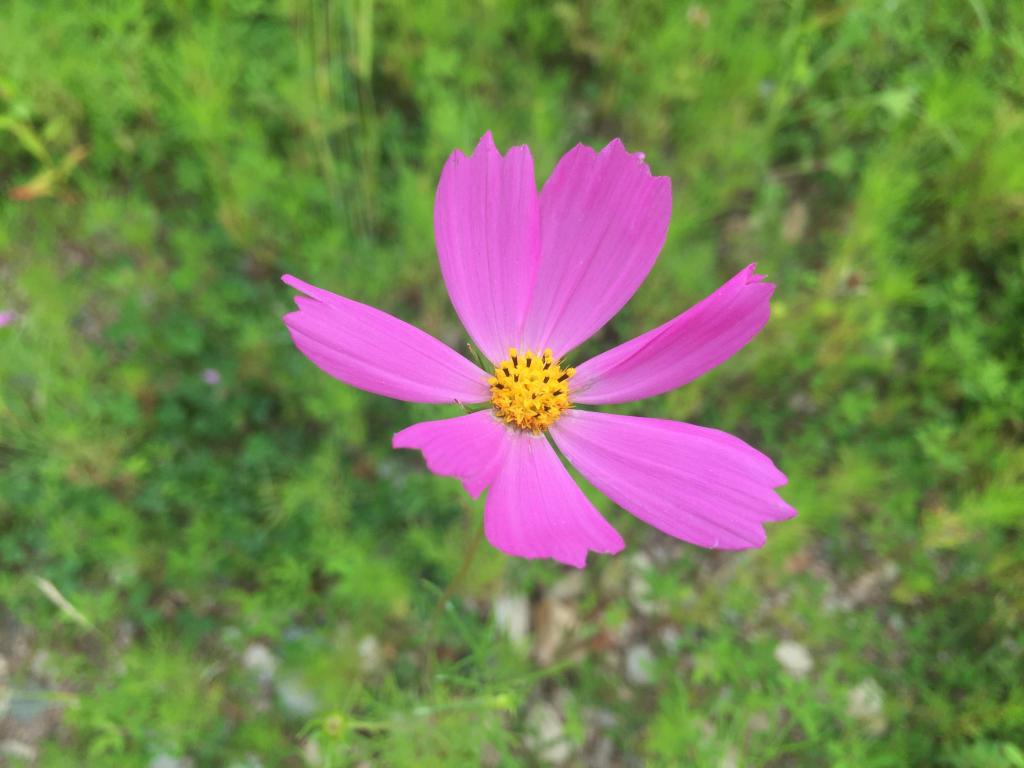
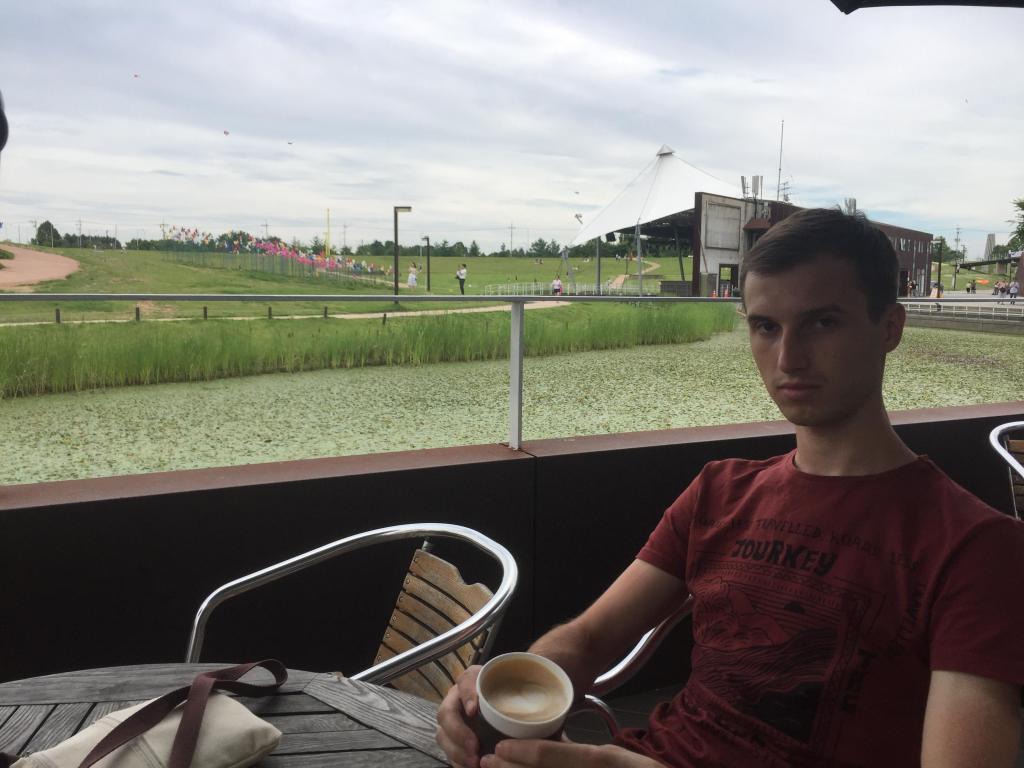
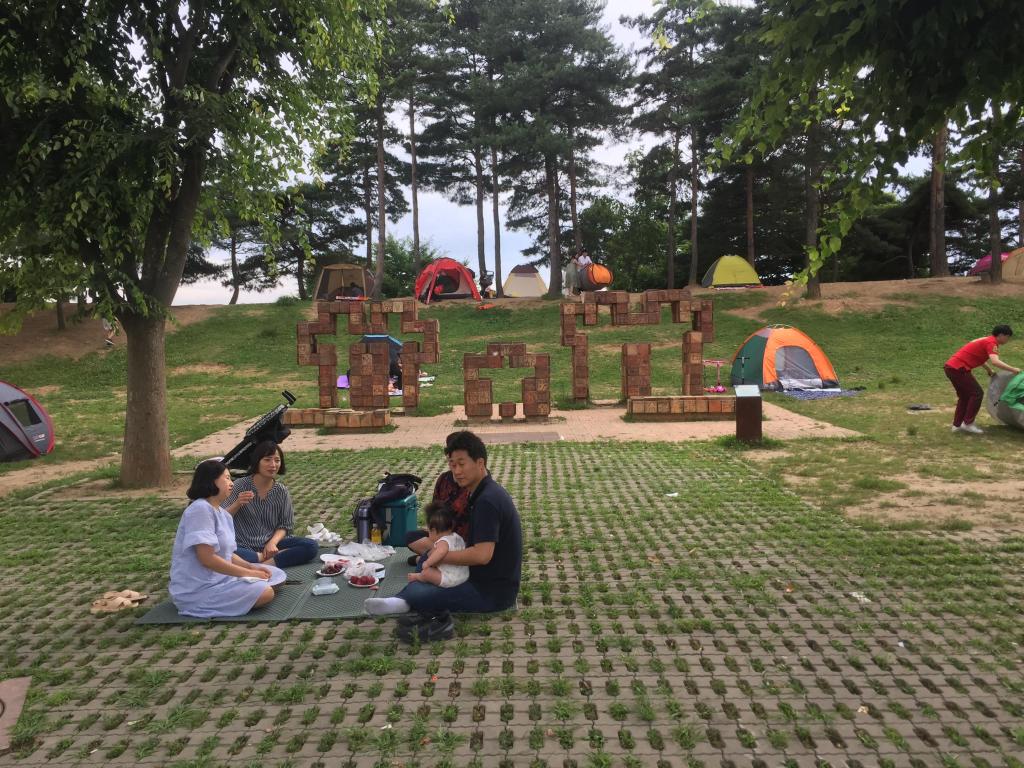
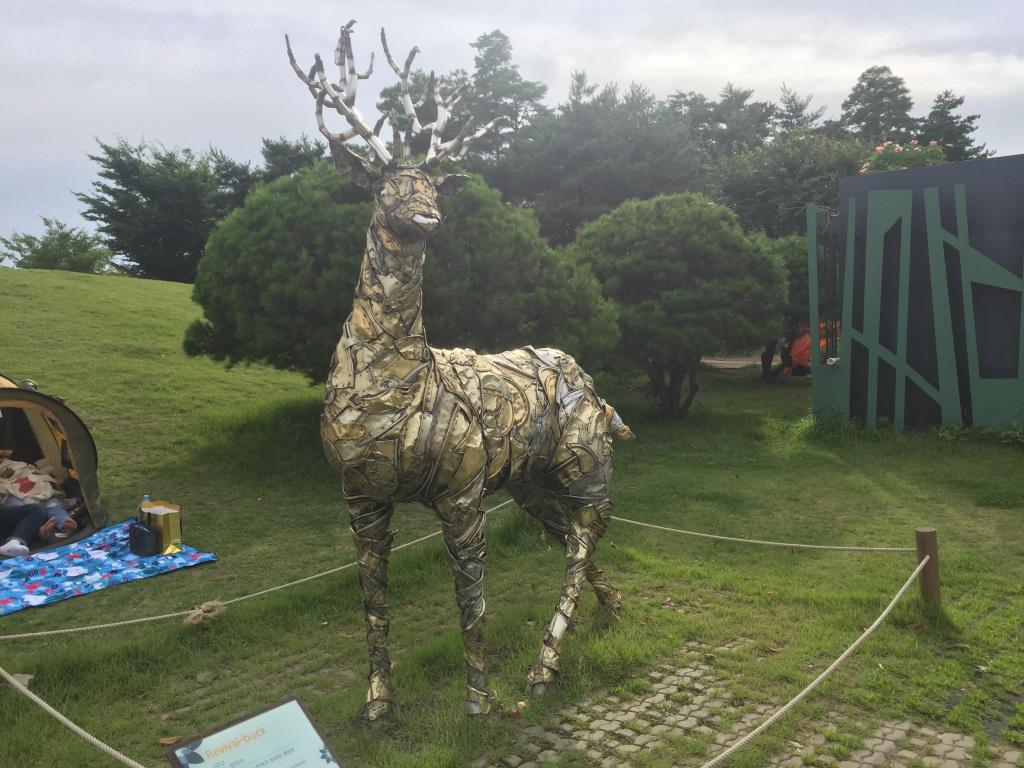
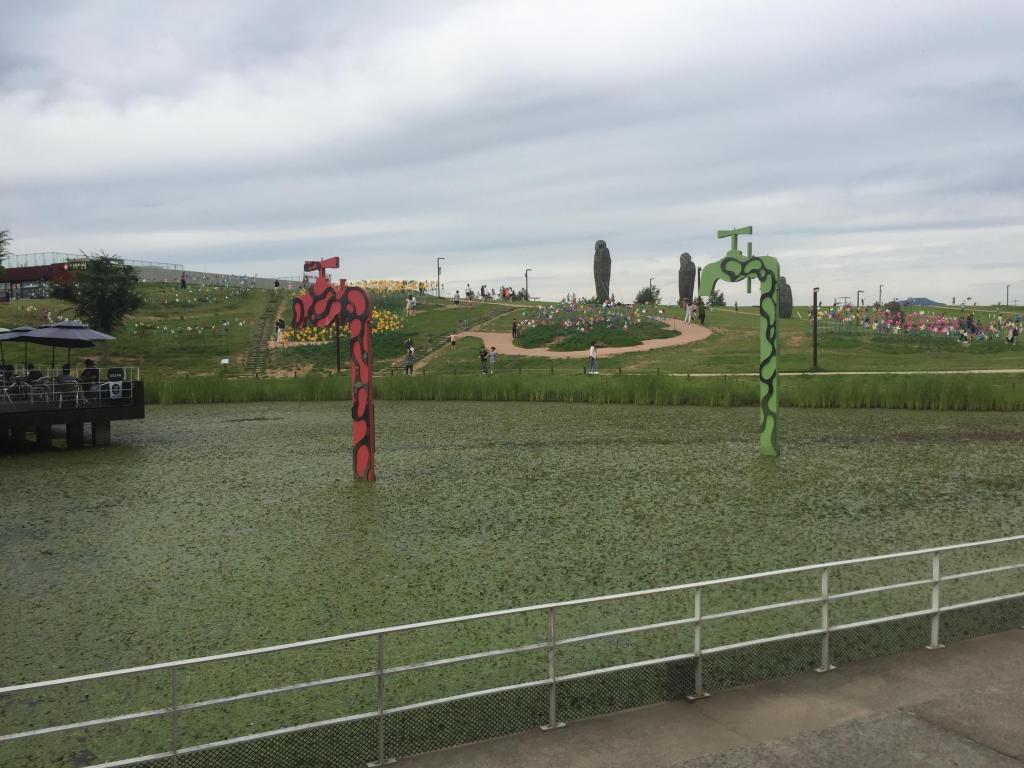
Having some coffee on a pond covered with green so tightly that it looks like a swamp. And move on!
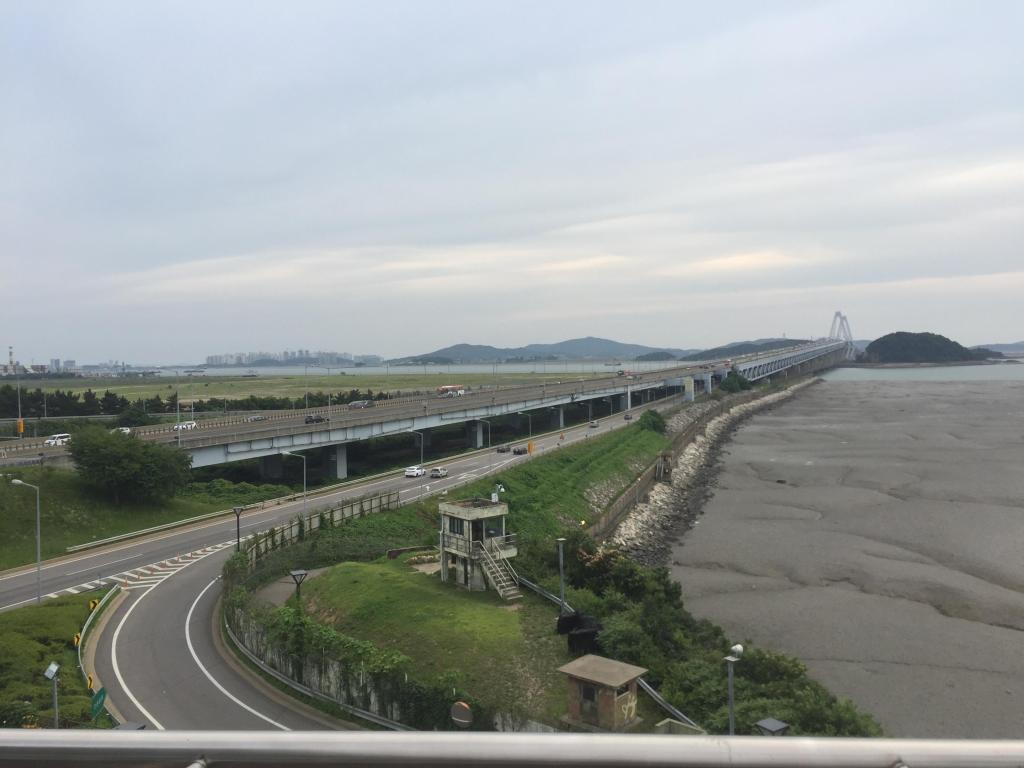
The next destination is seaside near the Yeongjong bridge, Incheon.
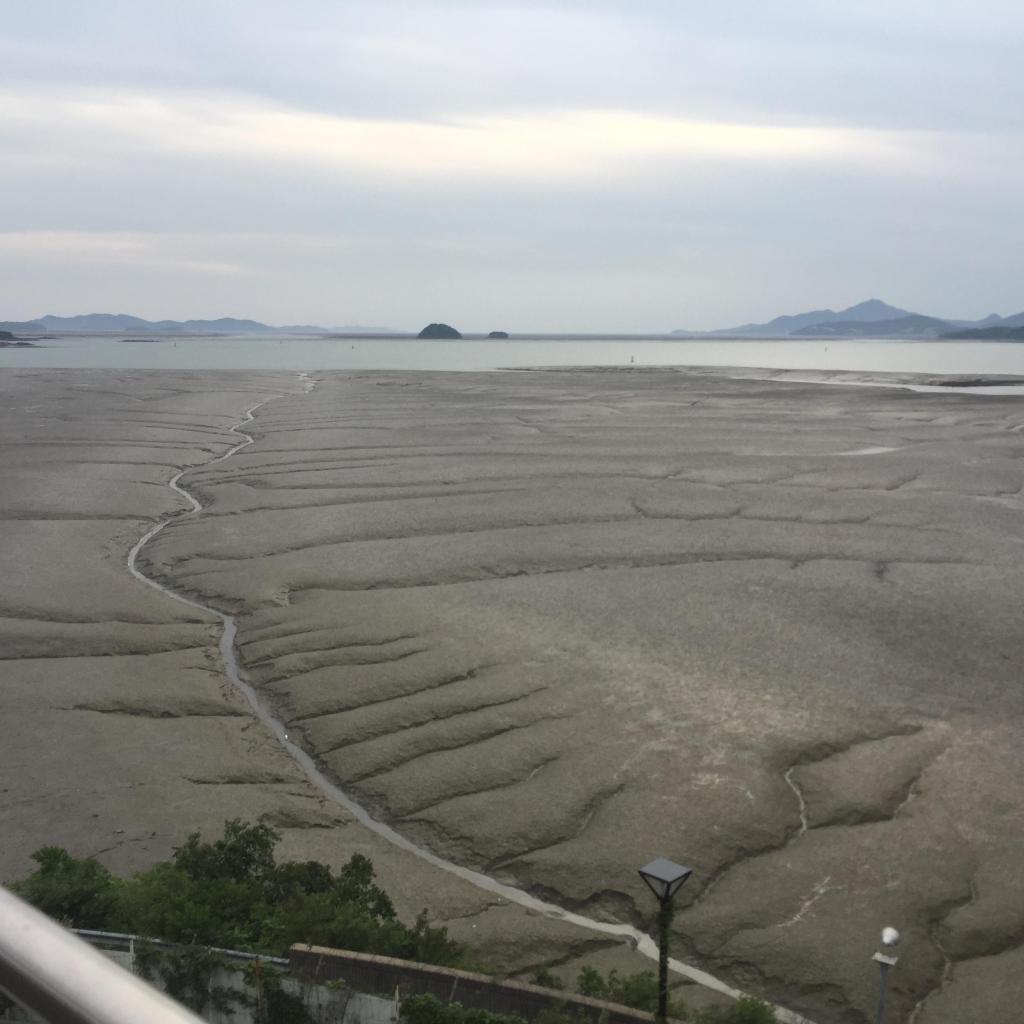
It was the time a had to lear new word such as “ebb” and “tide”. Here it became clear for me why washing powder brand is called Tide, and the “ebb” appeared wierd to me so it stock in my head for a while. So, here I saw the real ebb, before, I noticed changes of water level in the Black Sea, but here it was so dramatic that the bottom of the sea showed up during the ebb, fantastic show for me. Later, I saw a scene in a drama where an personage was digged in the mud so only his head was out and he ate a living crab which passed by, so I was cognizant enough to understand where one could find so many muds and the man could die during the tide.
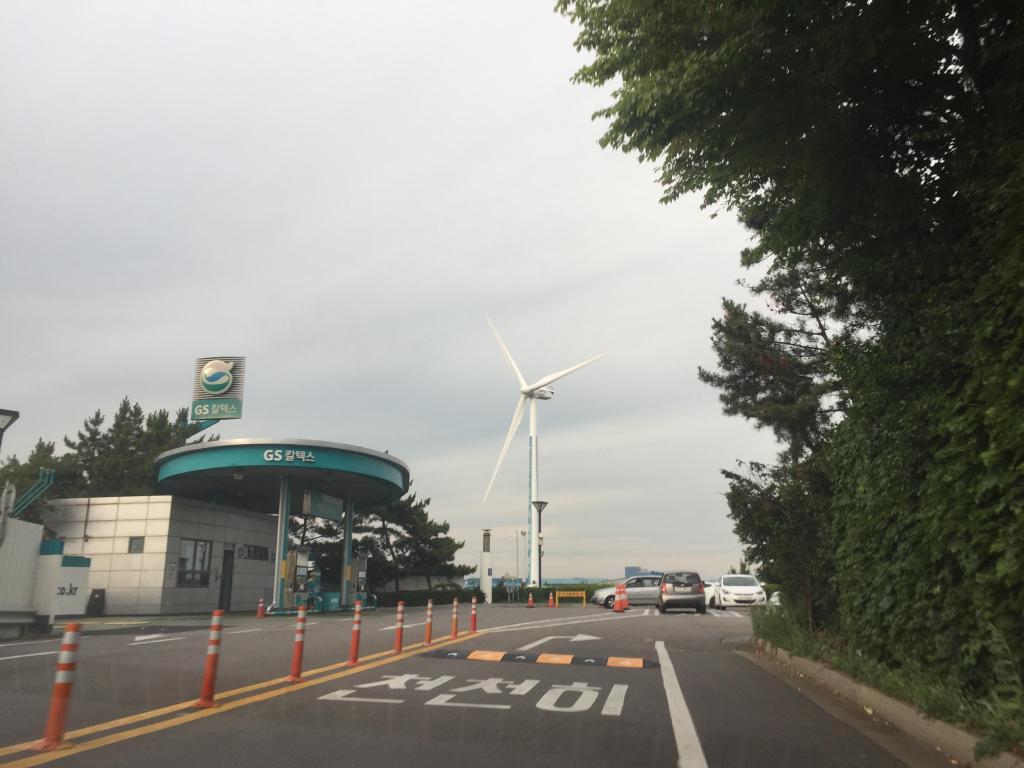
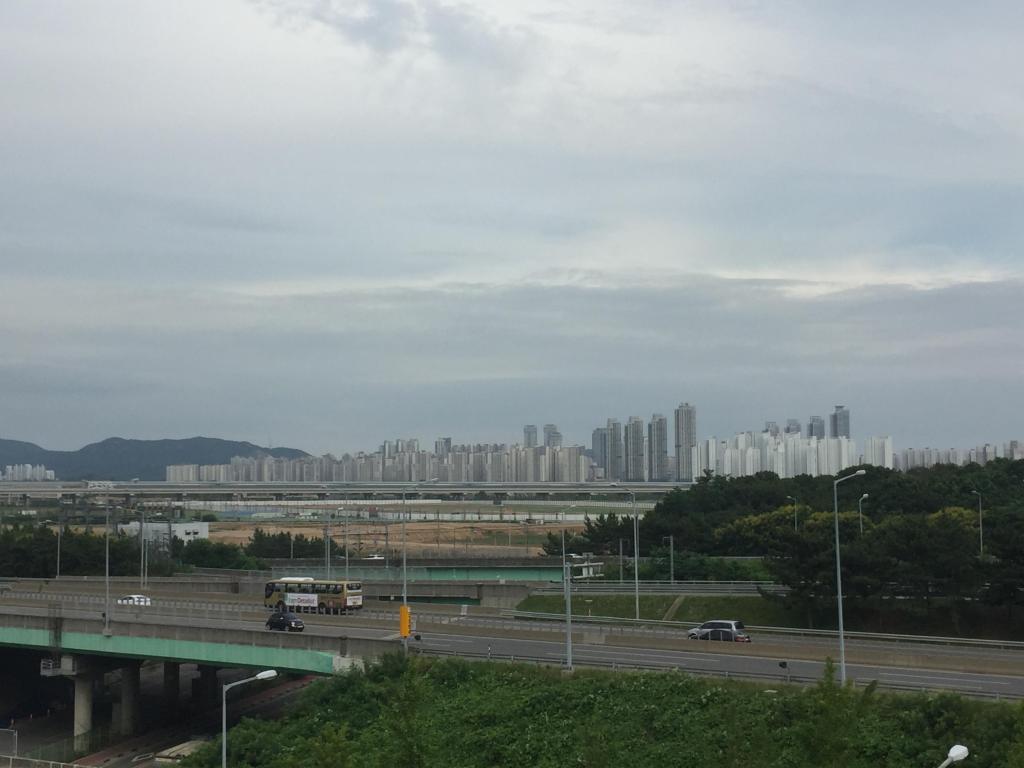
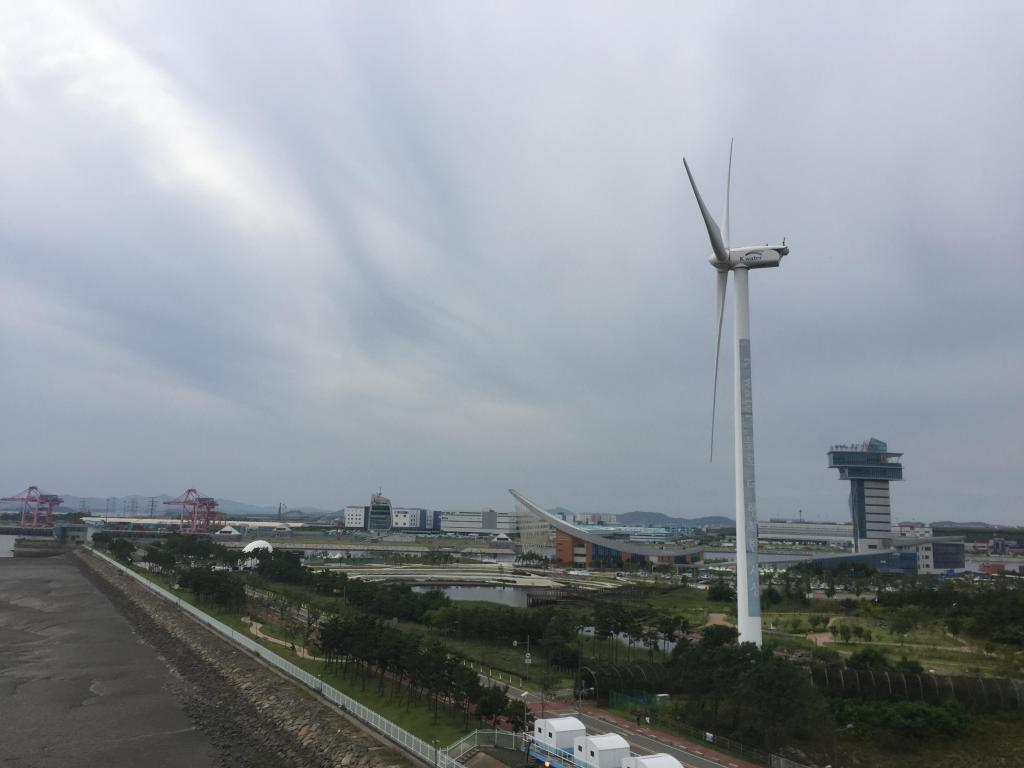
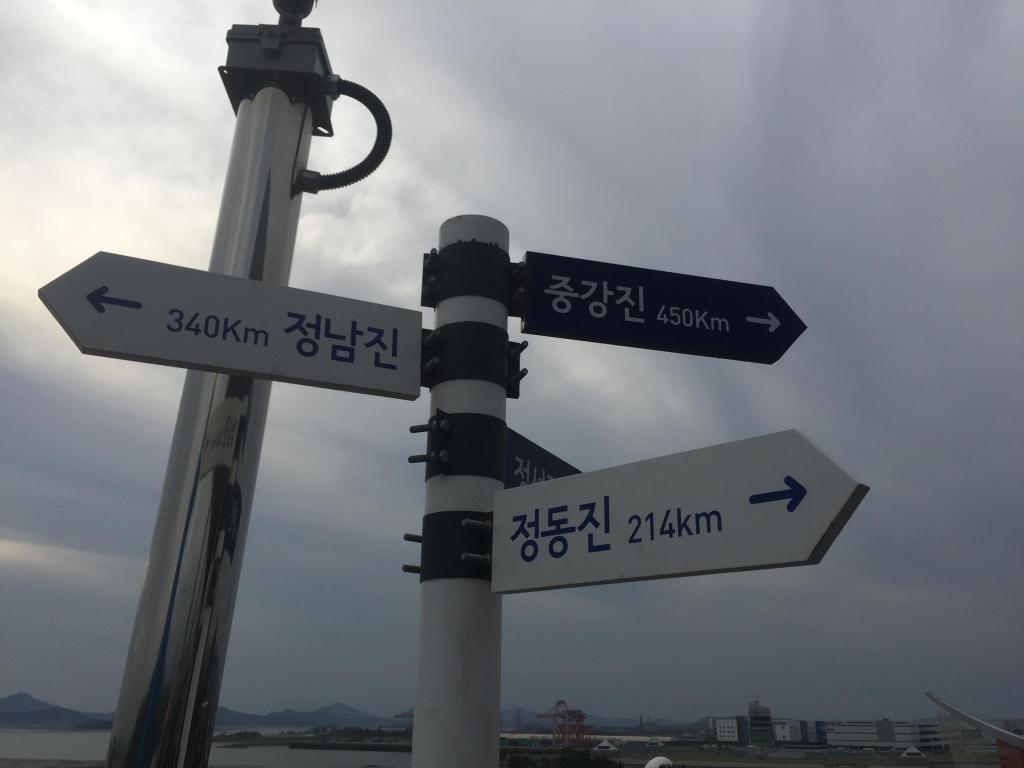
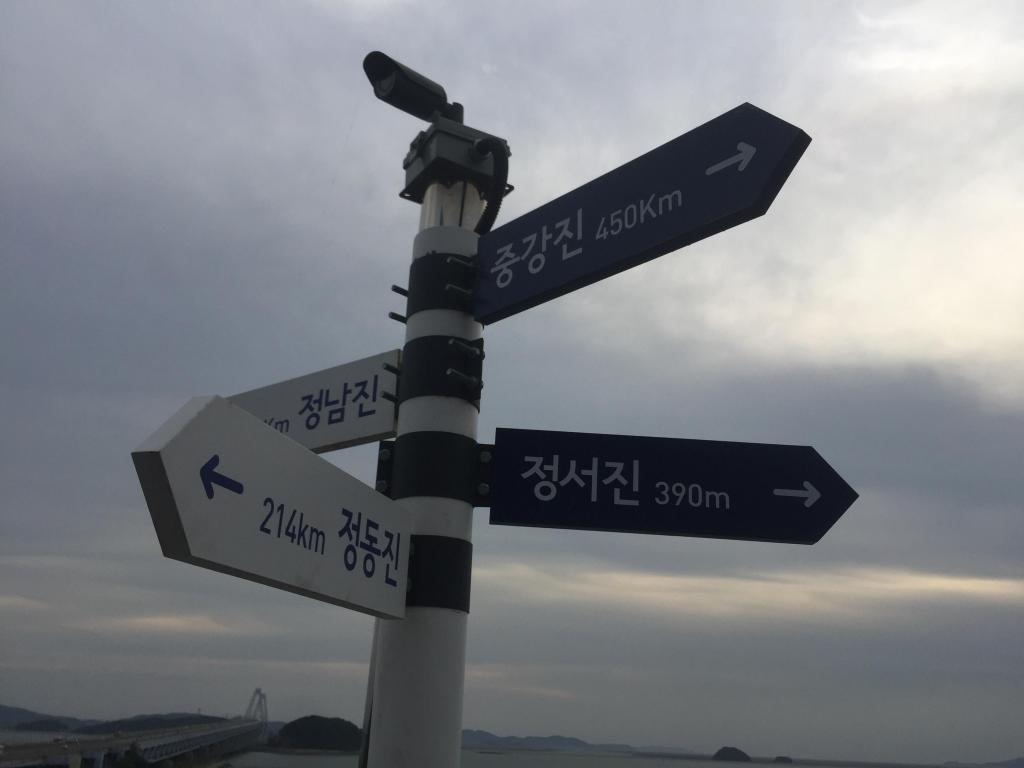
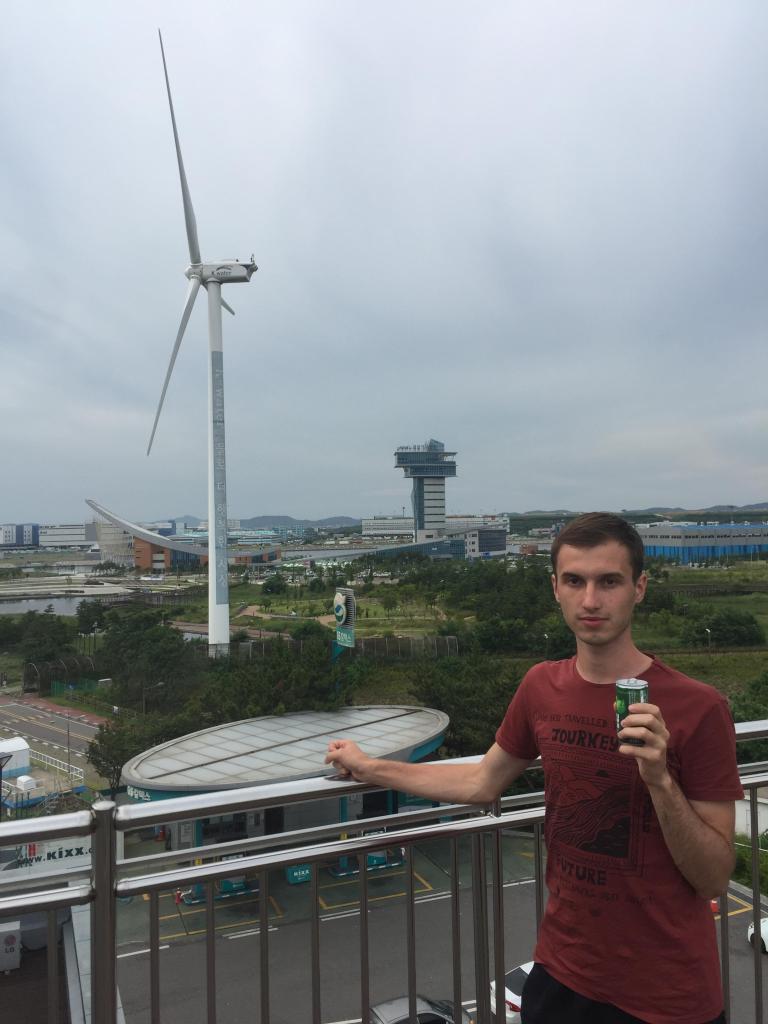
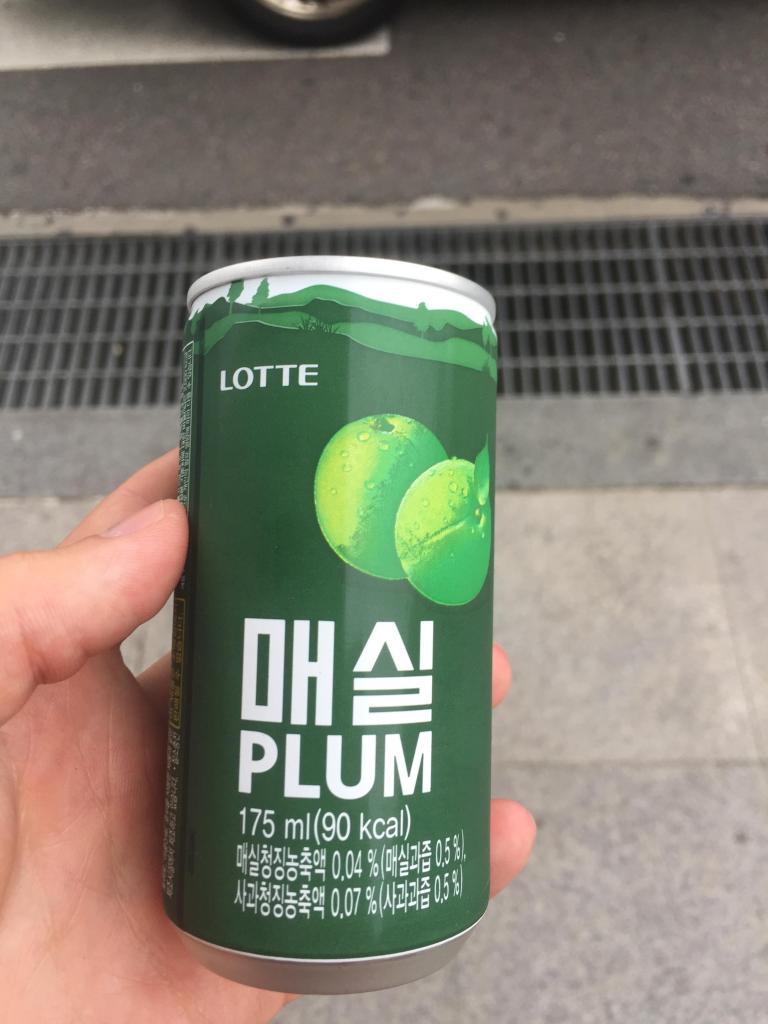
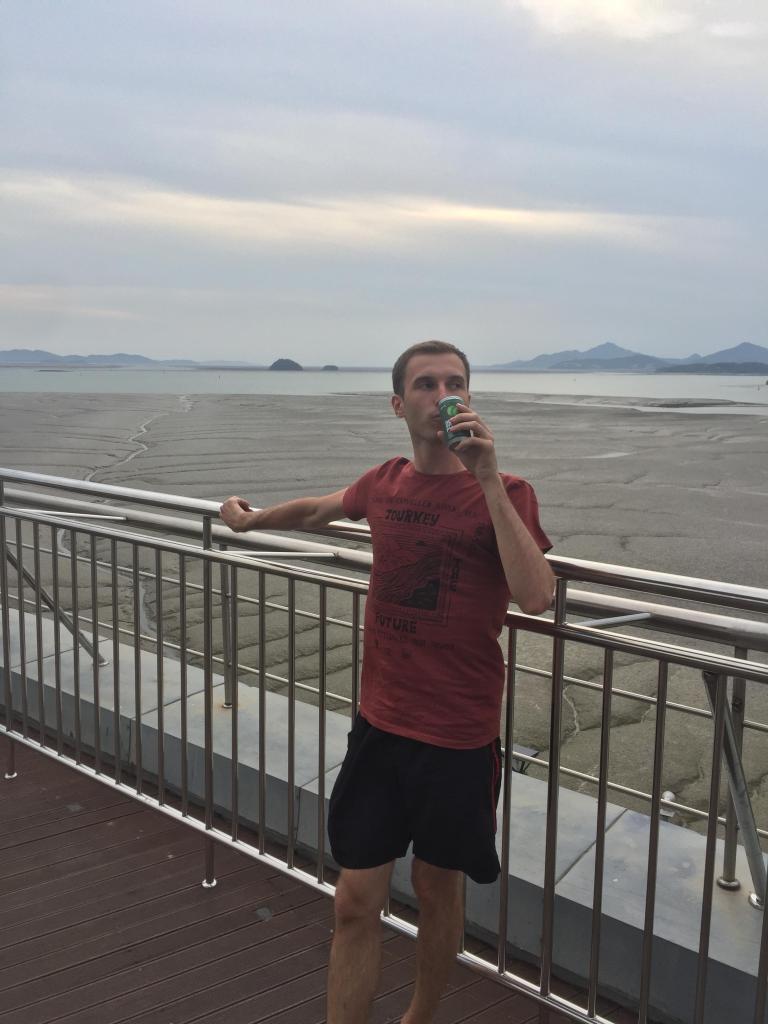
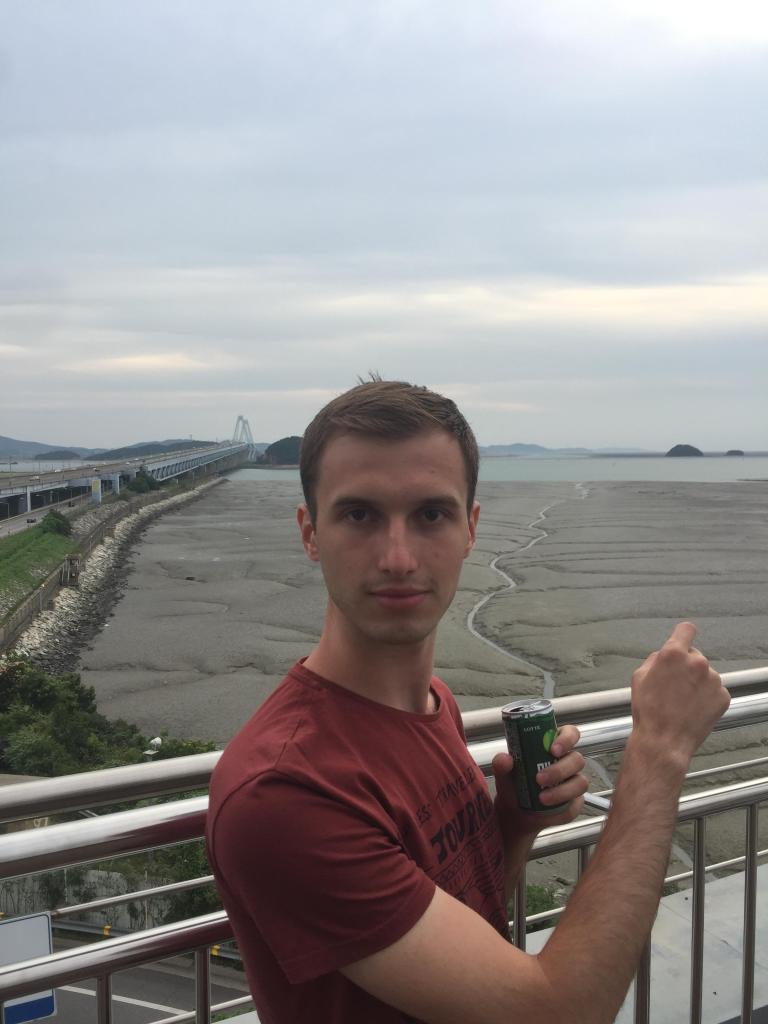
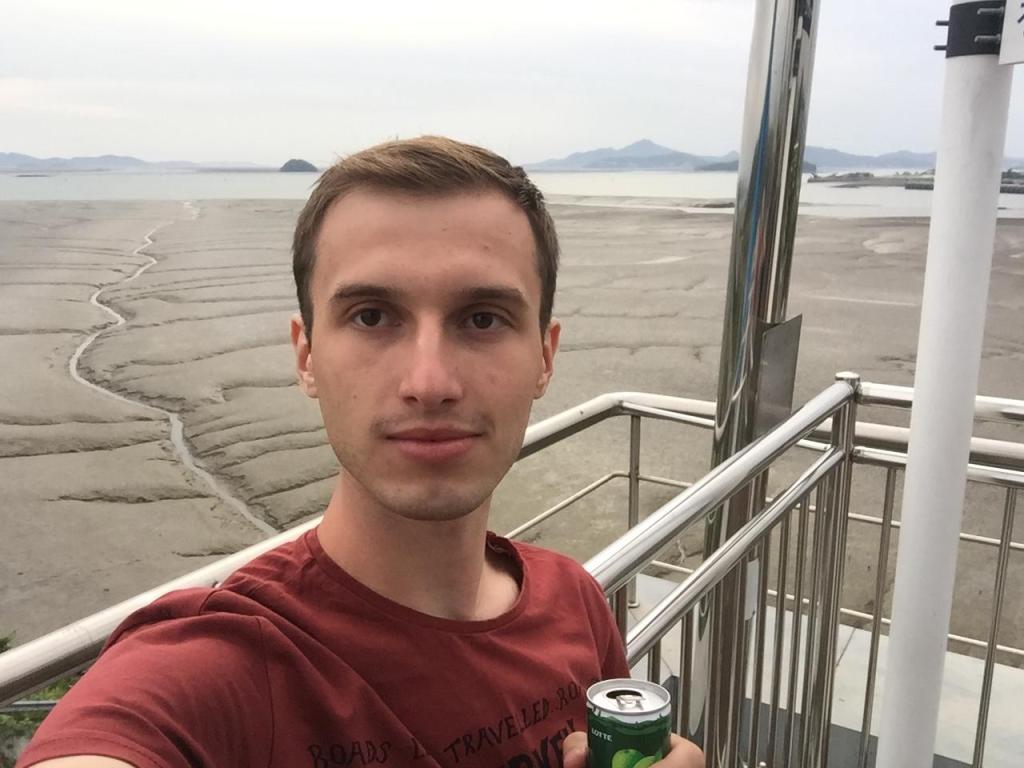
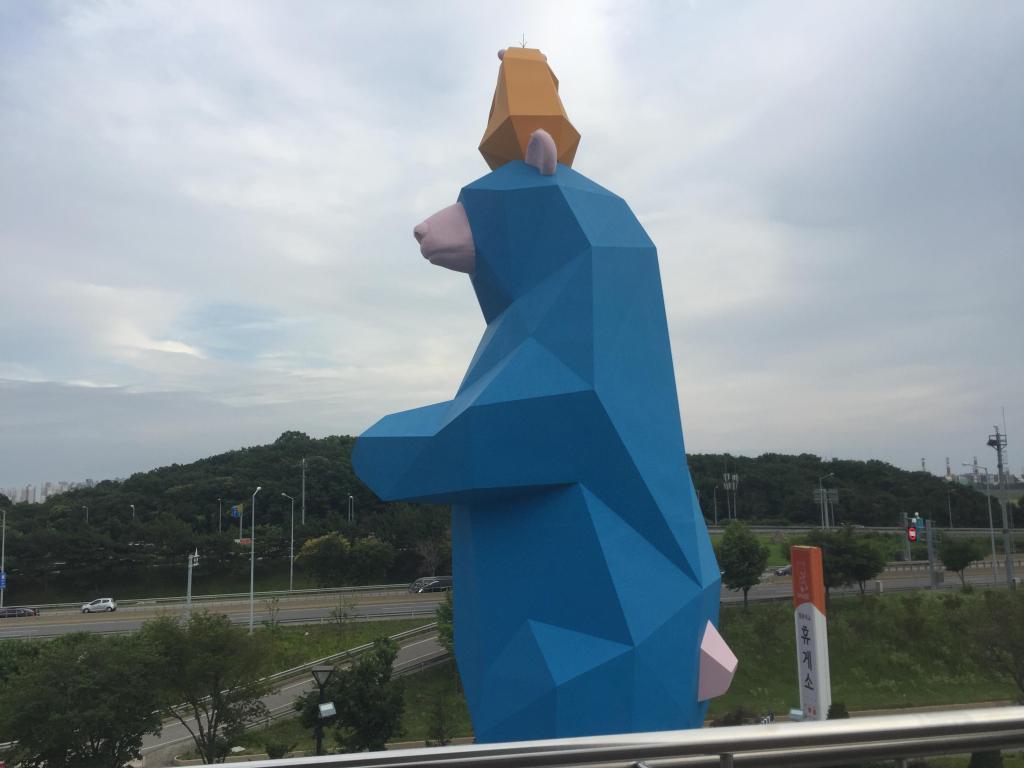
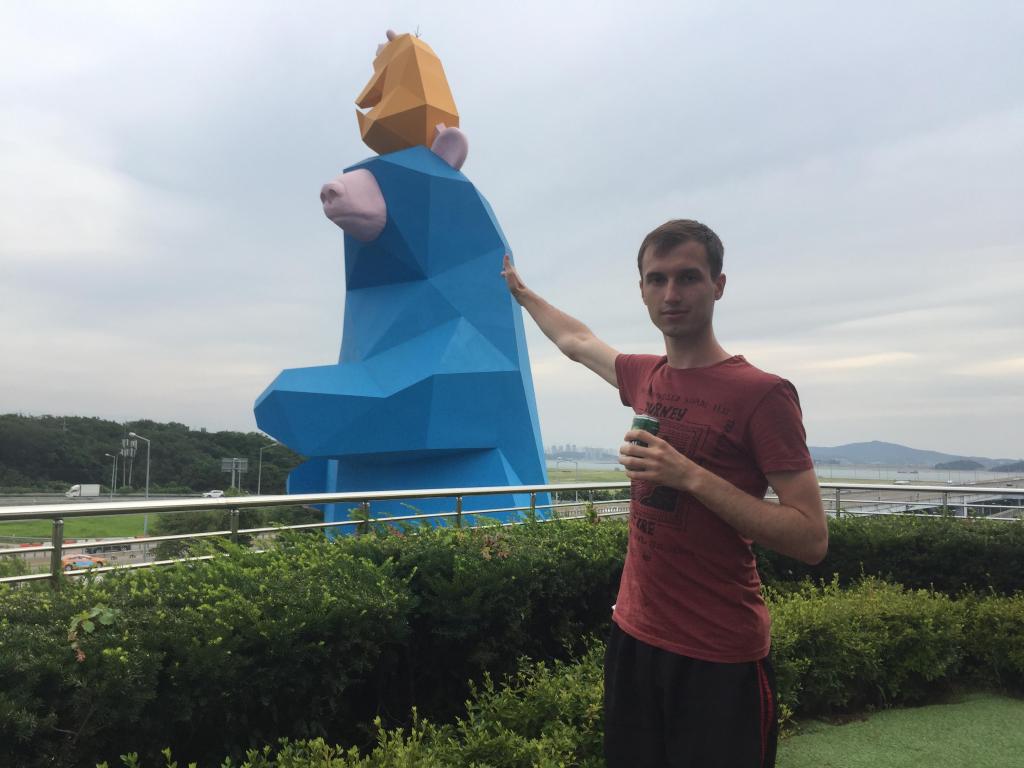
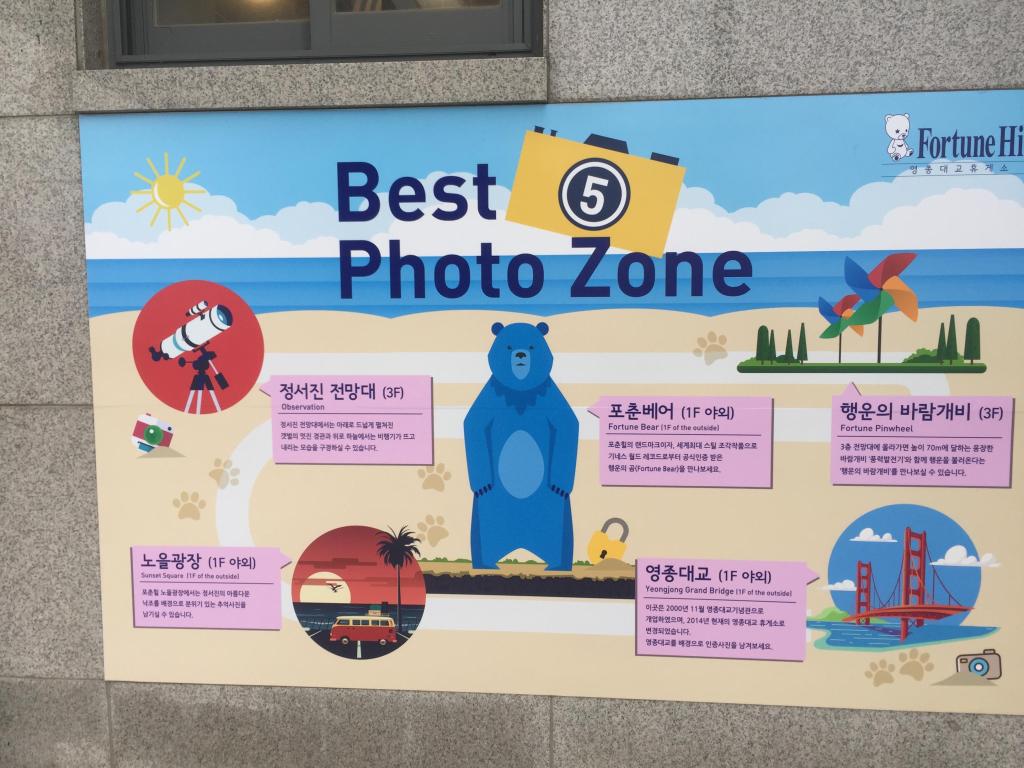
I like tasting various drinks in Korea, in Ukraine we do not have such a varyity and popularity of tastes, so every time I am very excited to buy a small can with an unusual drink for me, here it was plum. Also wirth to mention, this place have a map suggesting spots for good photos.
And more relax time is coming in evening after such a long ride.
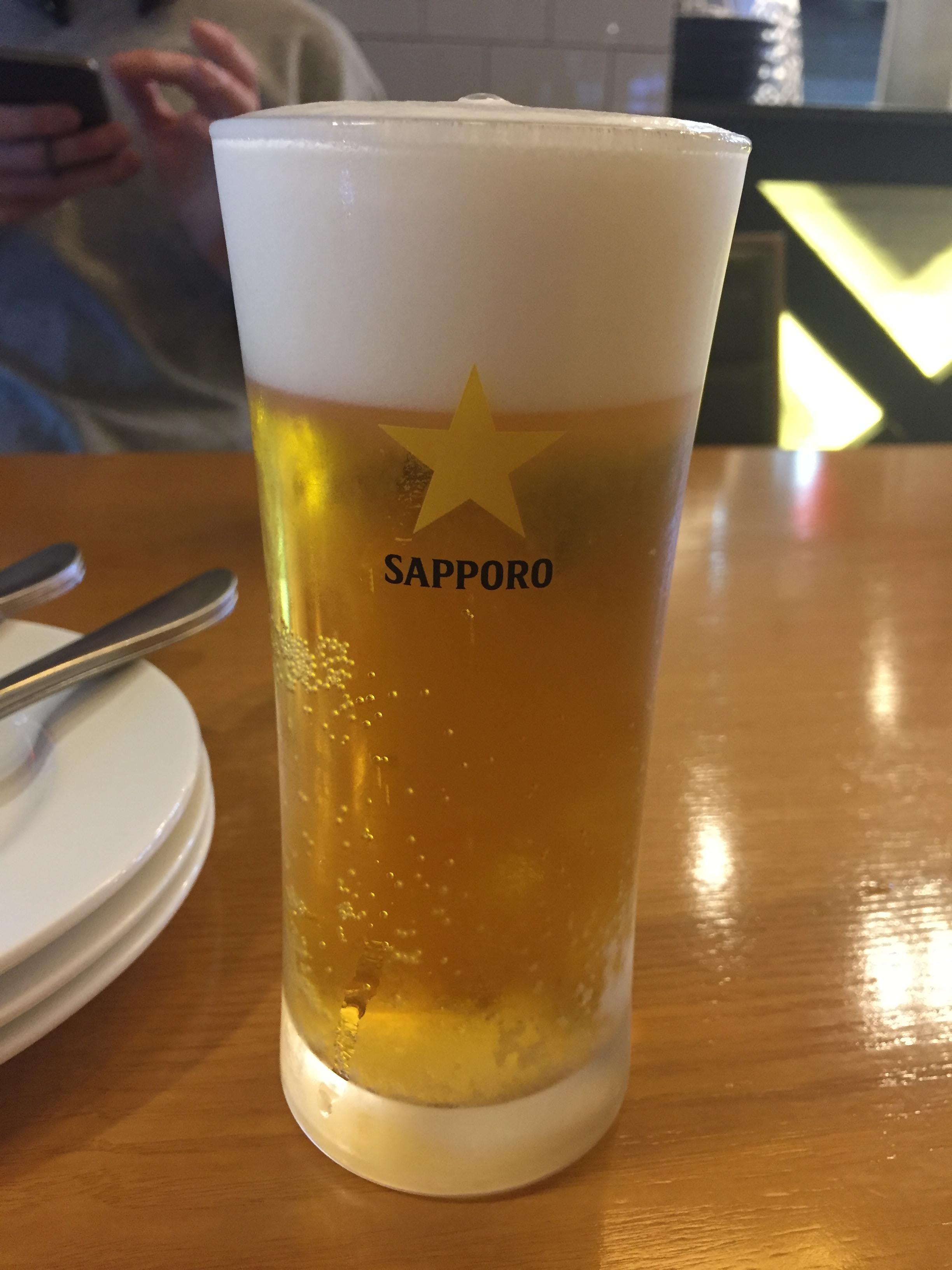
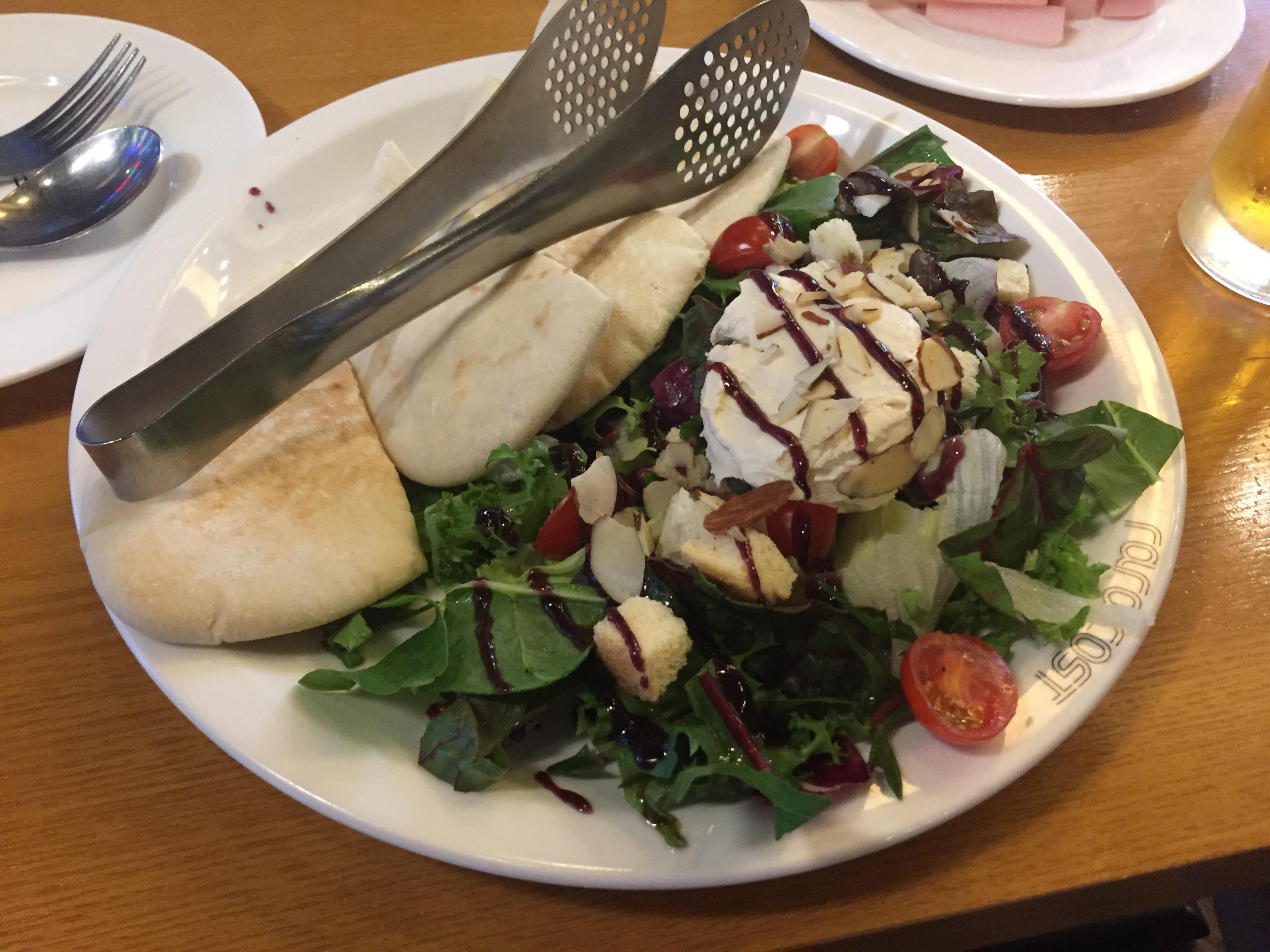
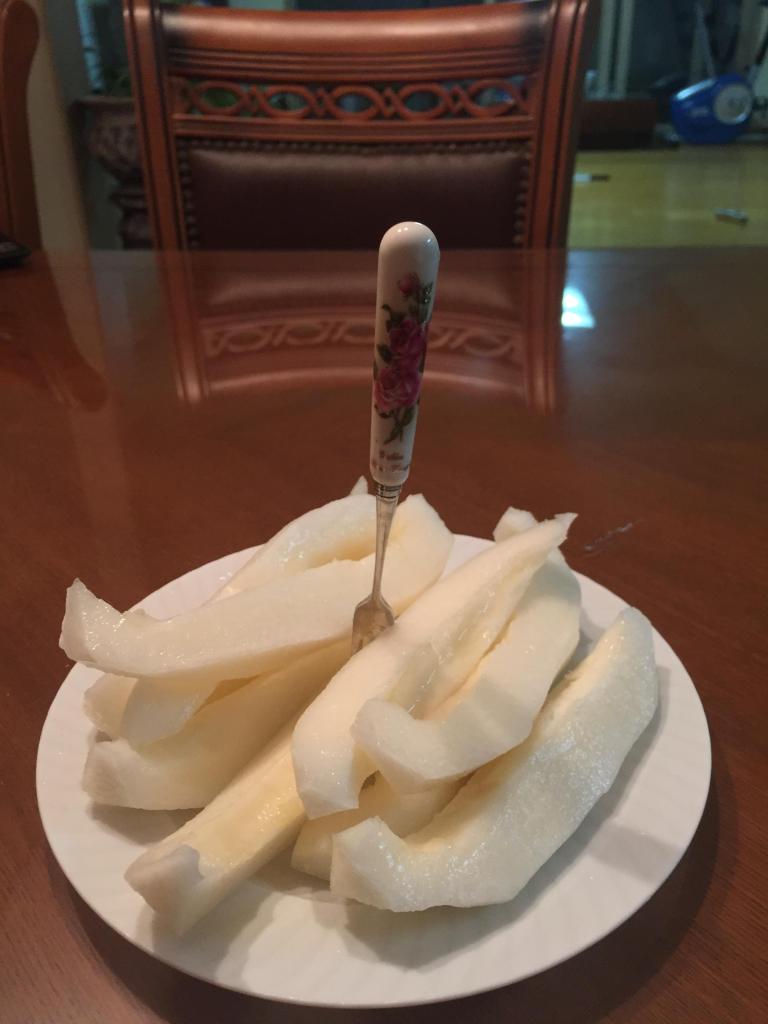
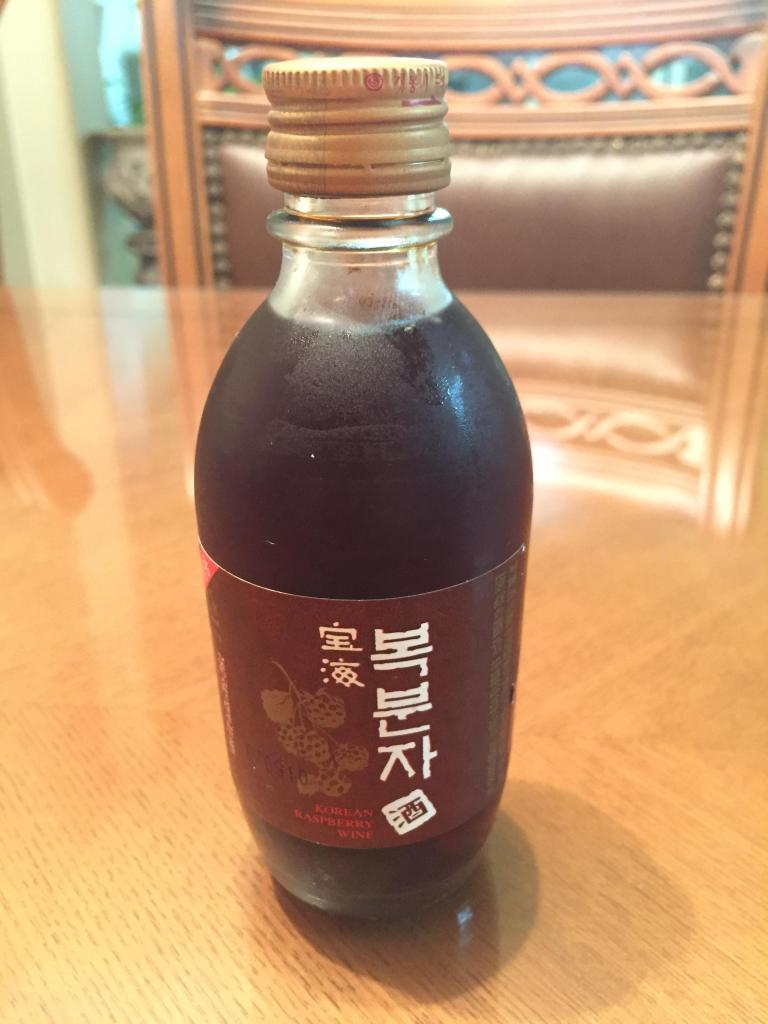
And even more, at home. Bokbunja ( black raspberry, I guess the same is grown at my village in Ukraine) alcohol drink, which seemed to be a kind of medicine, as I remember it was too sweet and I did not enjoy it, but I love Korean melon.
More trips ahead!
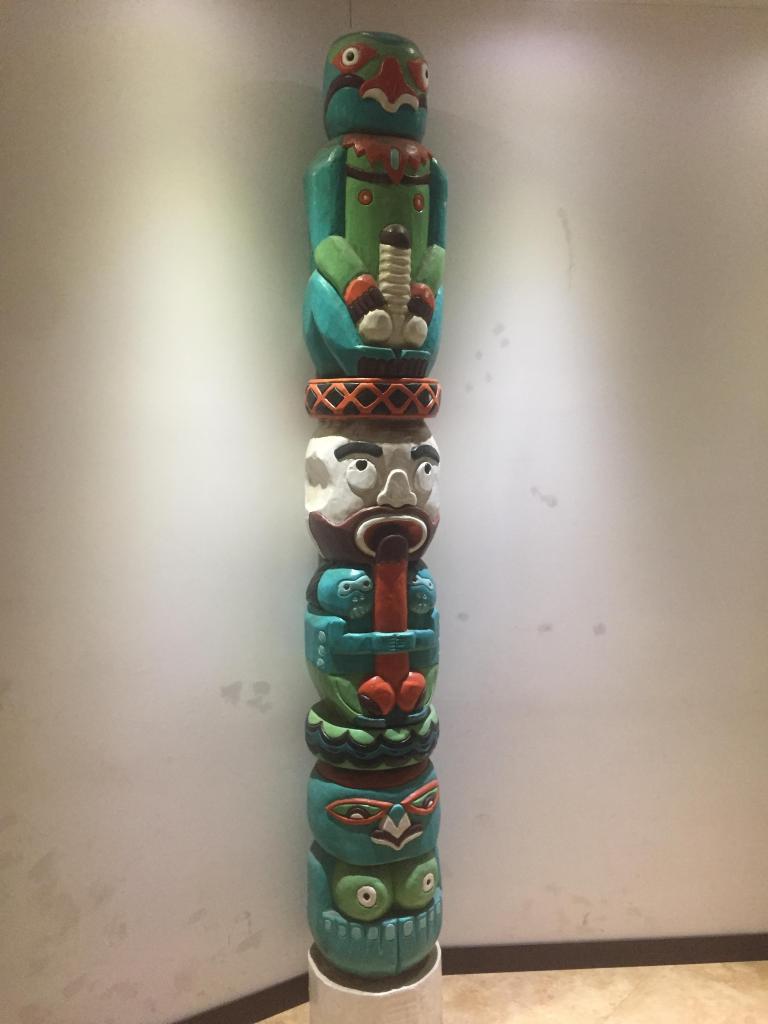
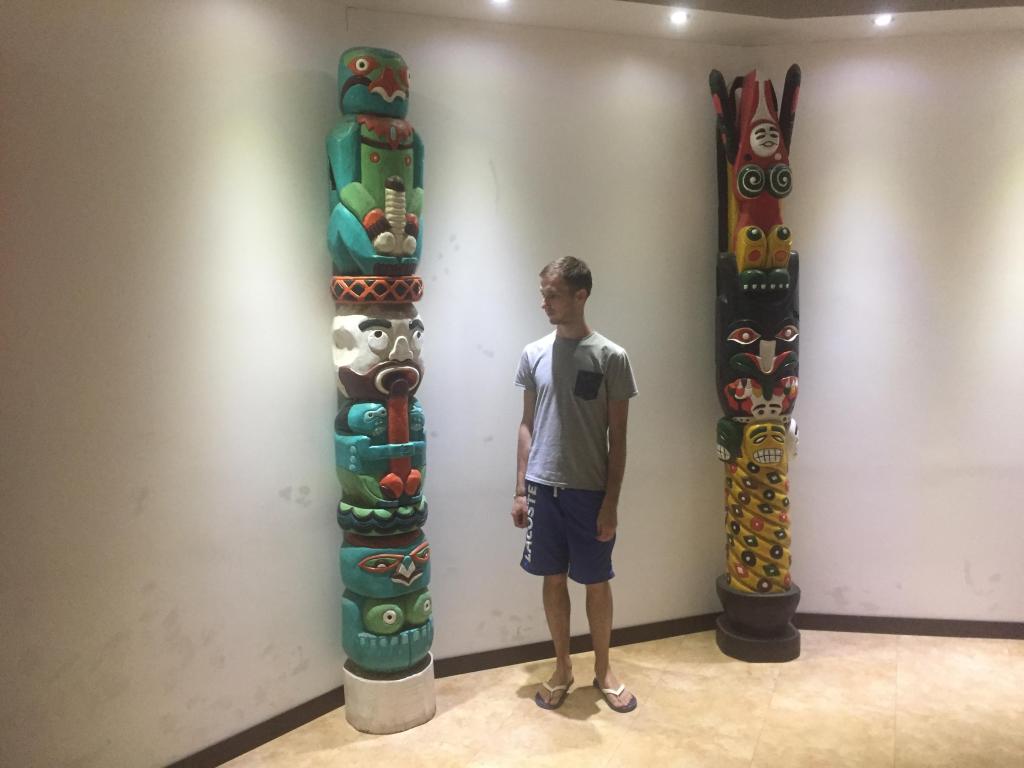
Here is the next destination! You come in, this place looks calm, palms, some statues ahead… They look strange, that must be a kind of modern art exhibition?
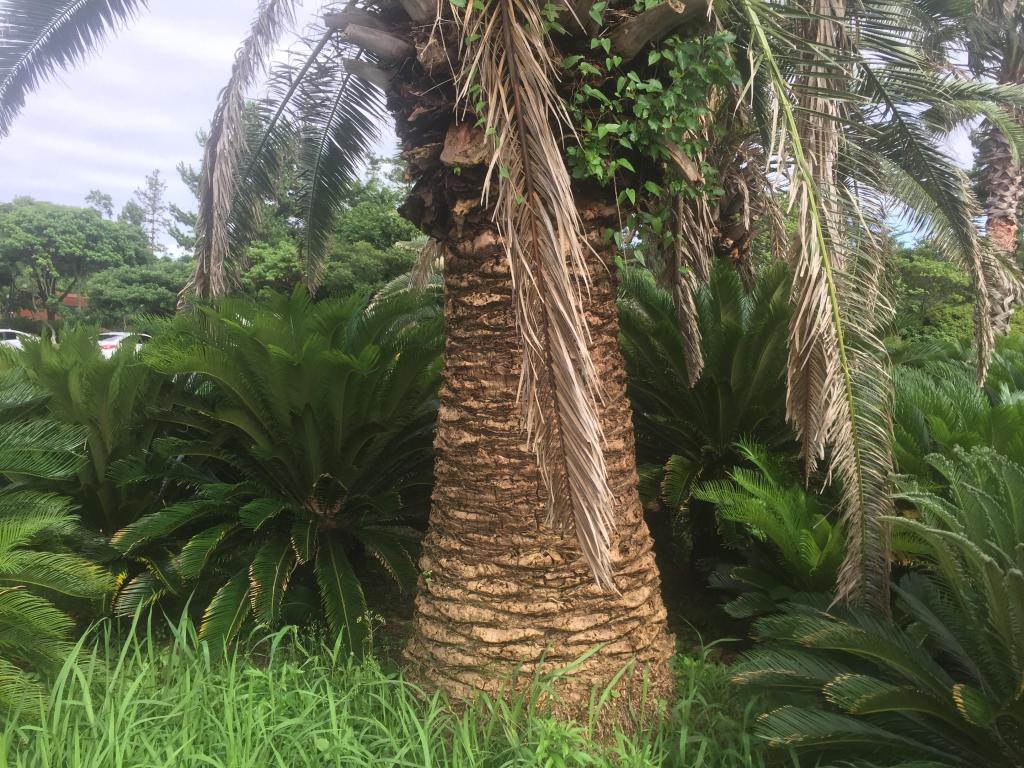
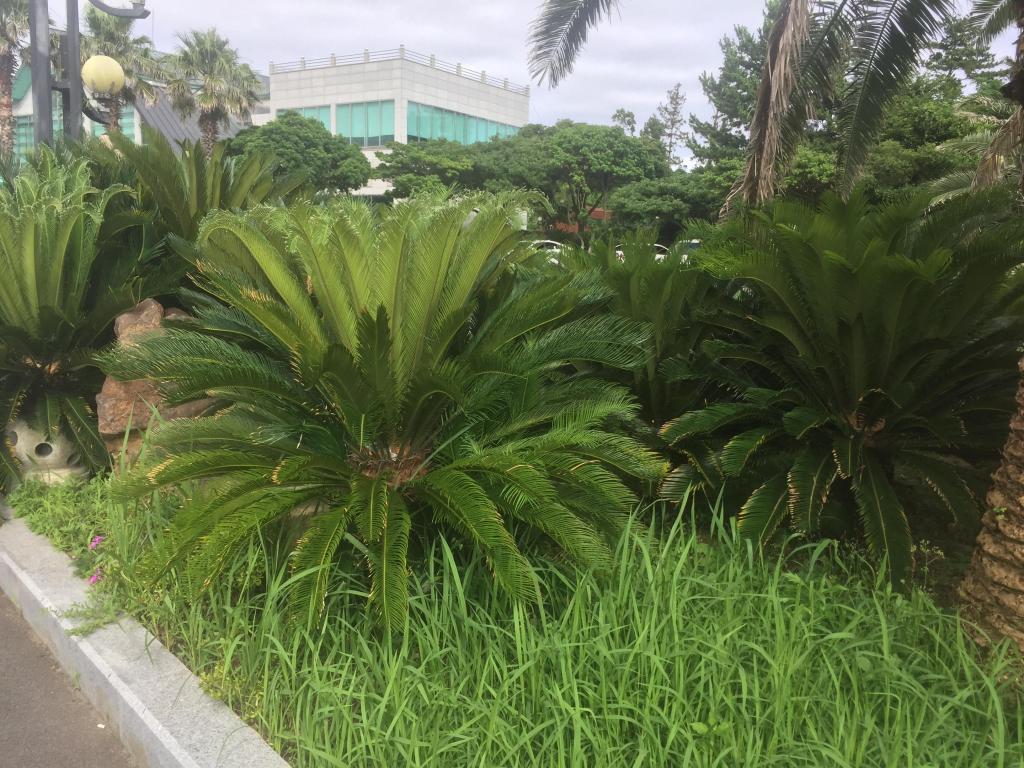
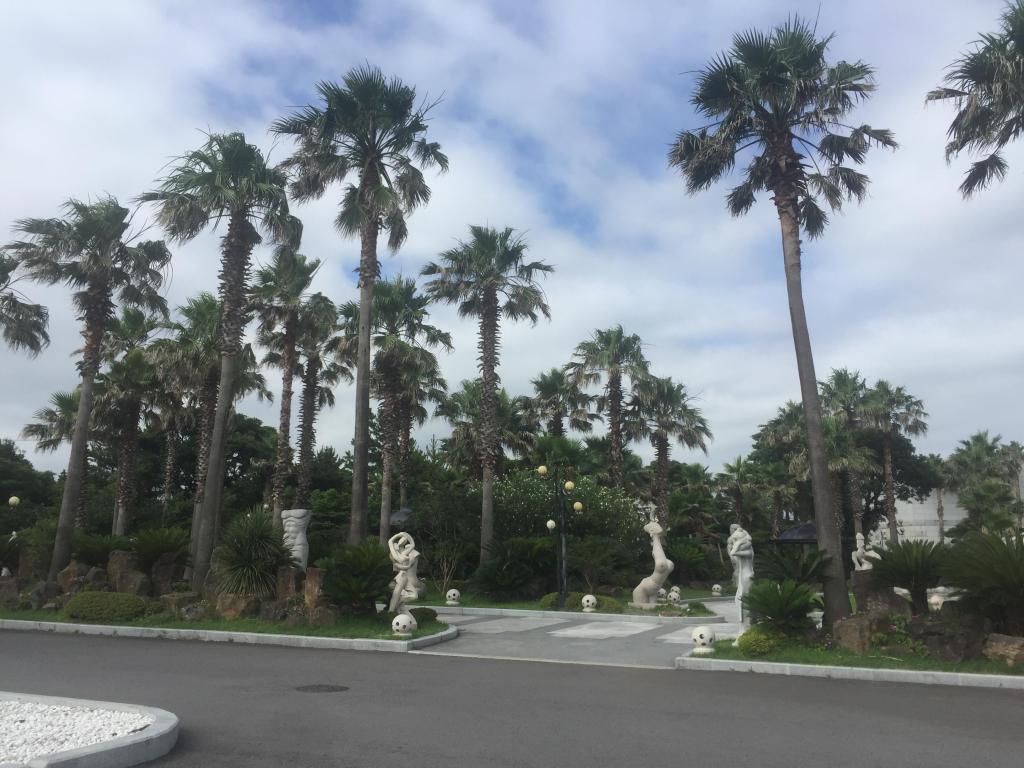
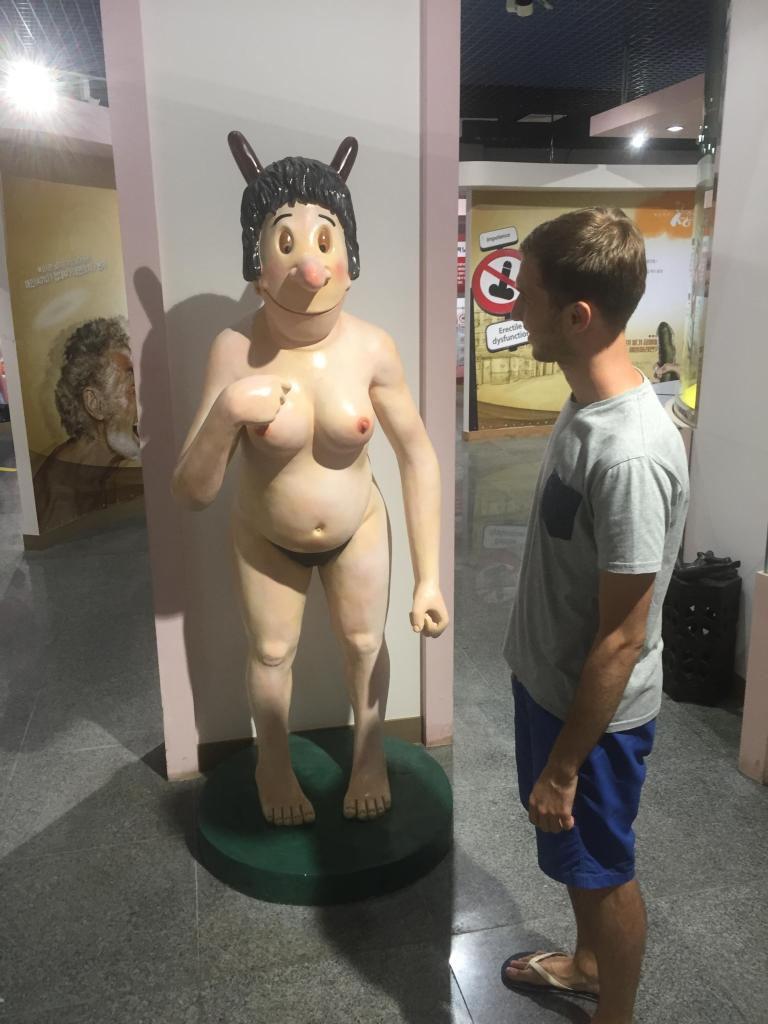
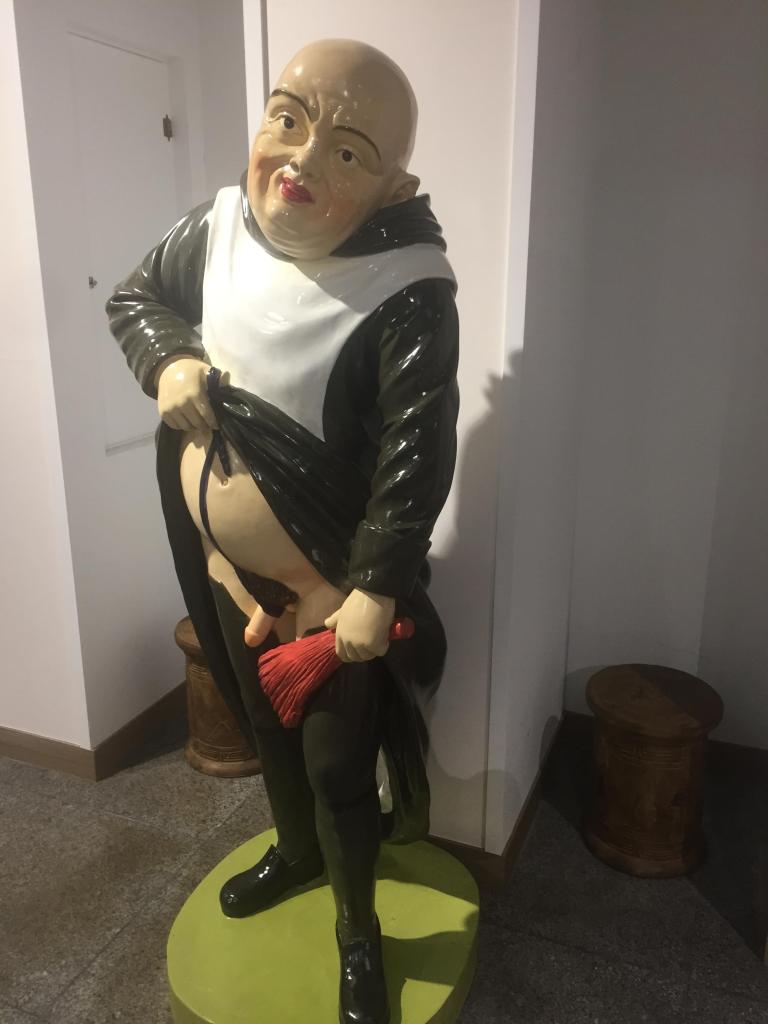
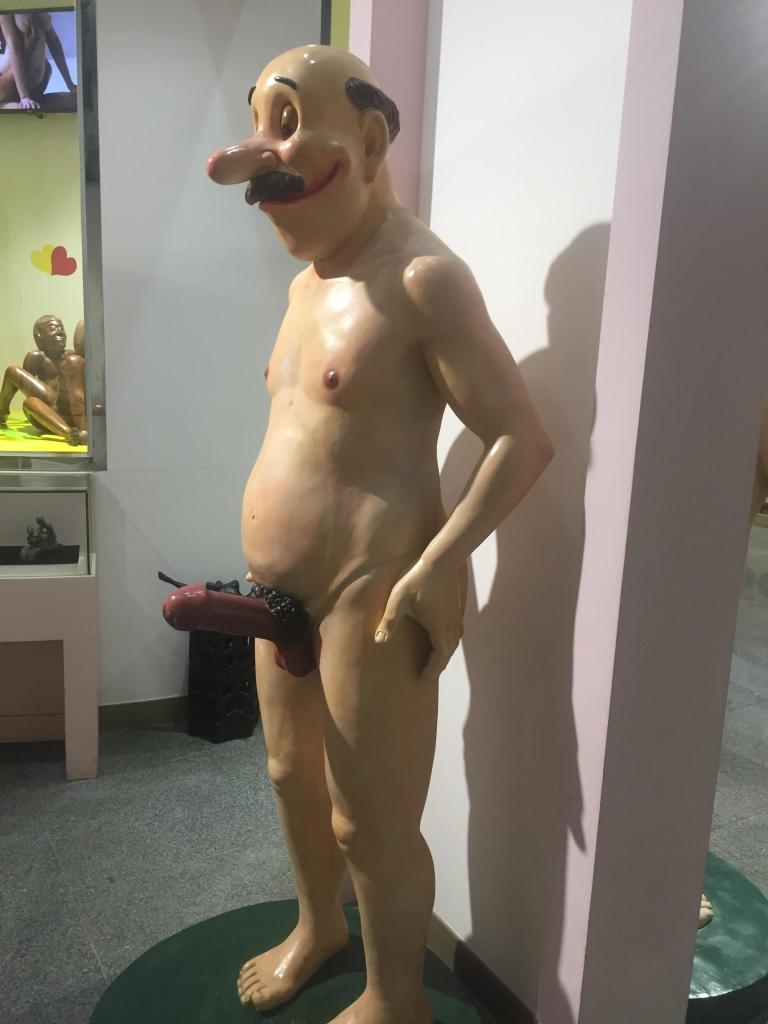
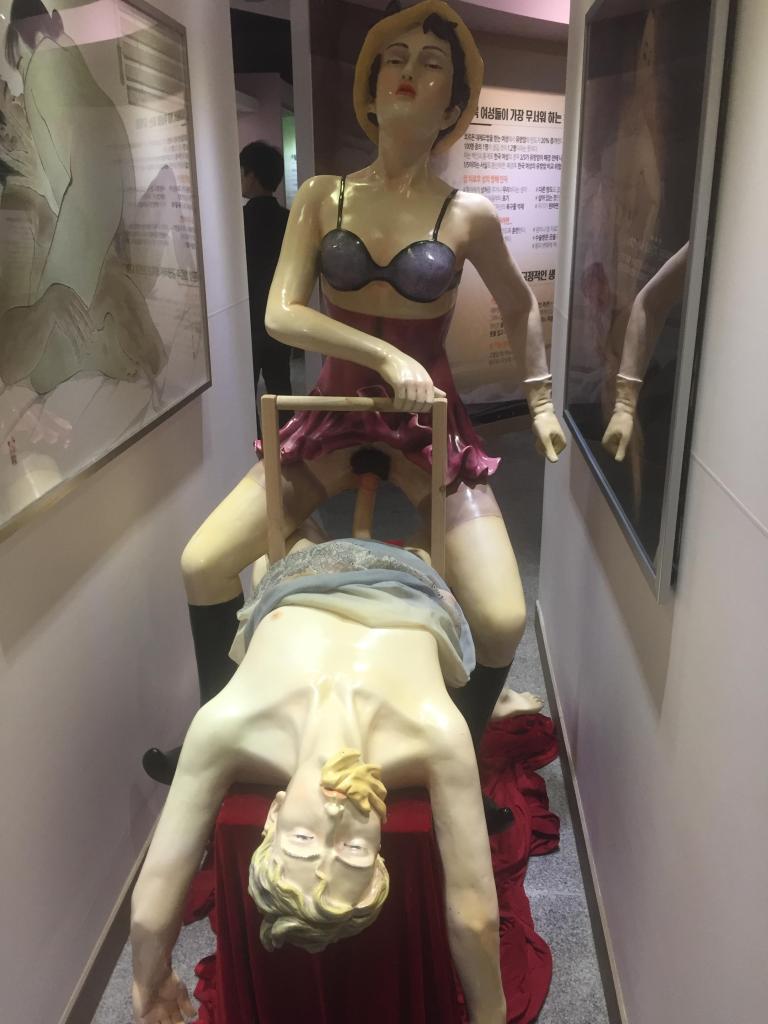
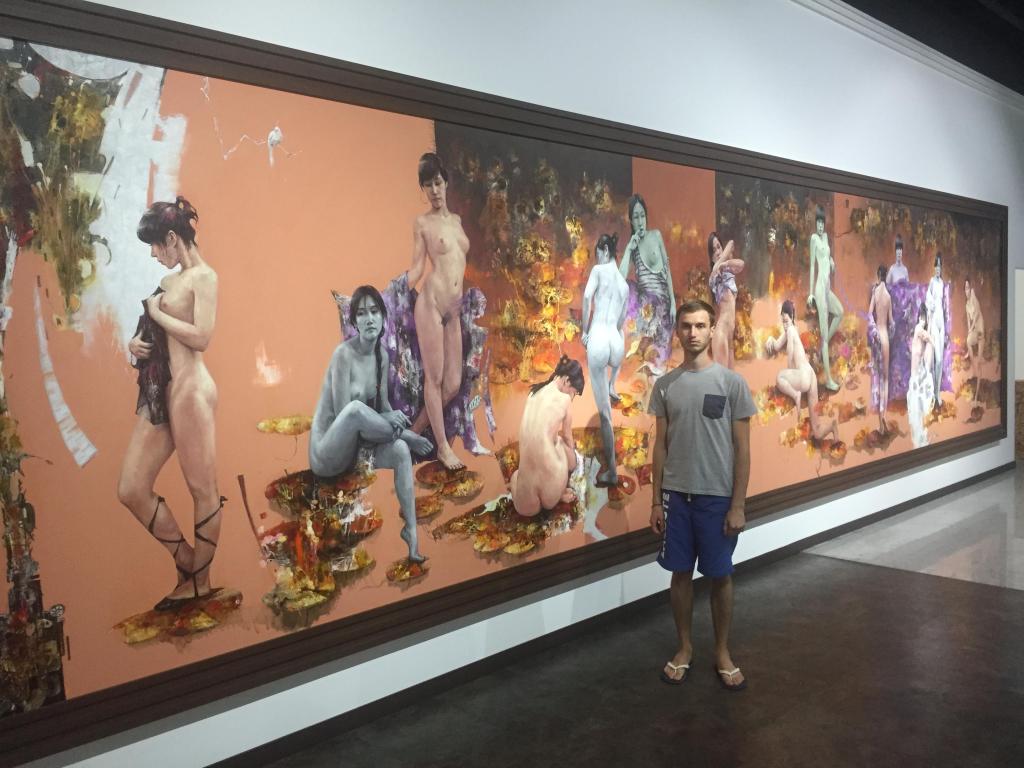
Wow, these statues look quite explicit! Where am I? Is it heaven?
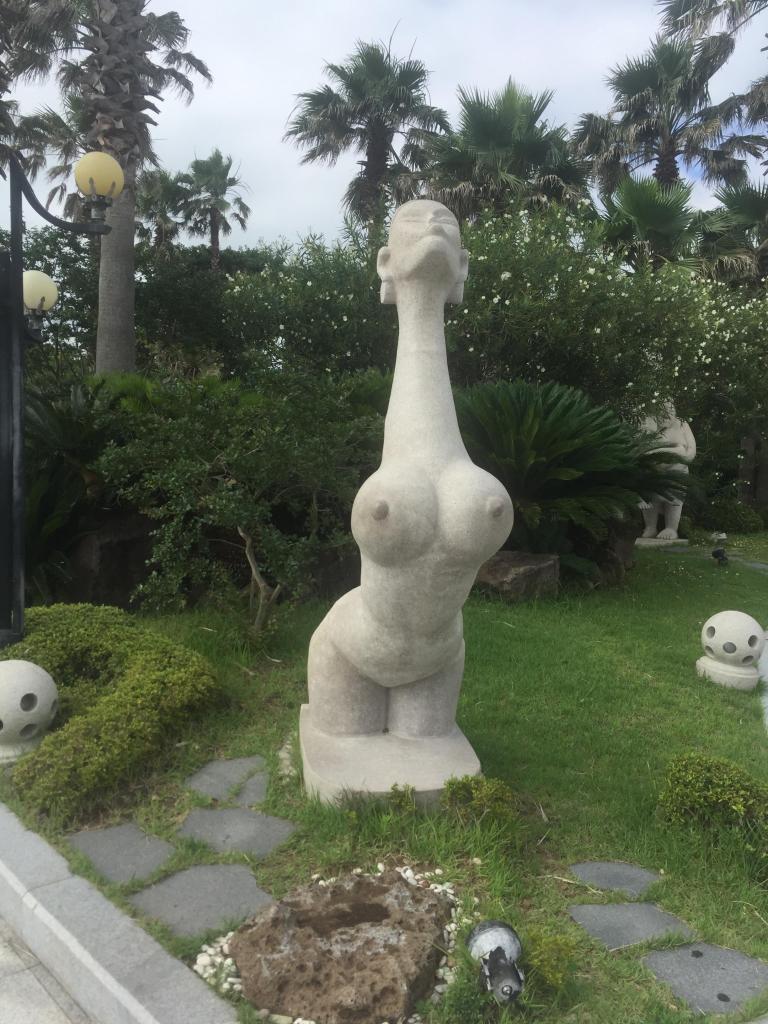
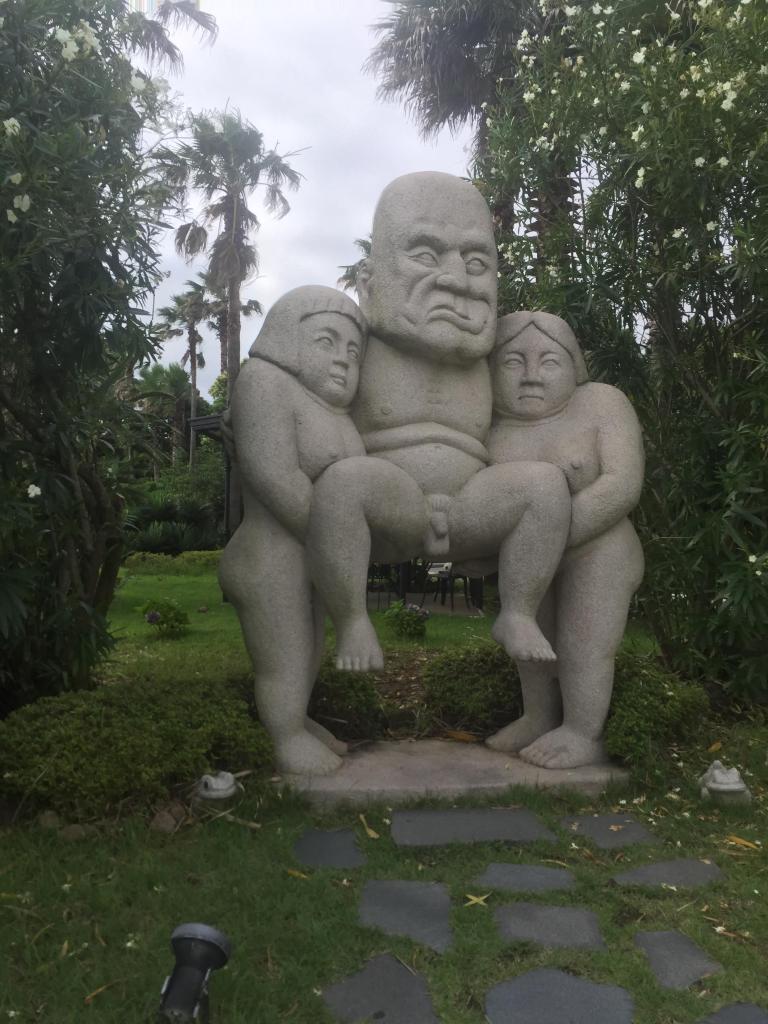
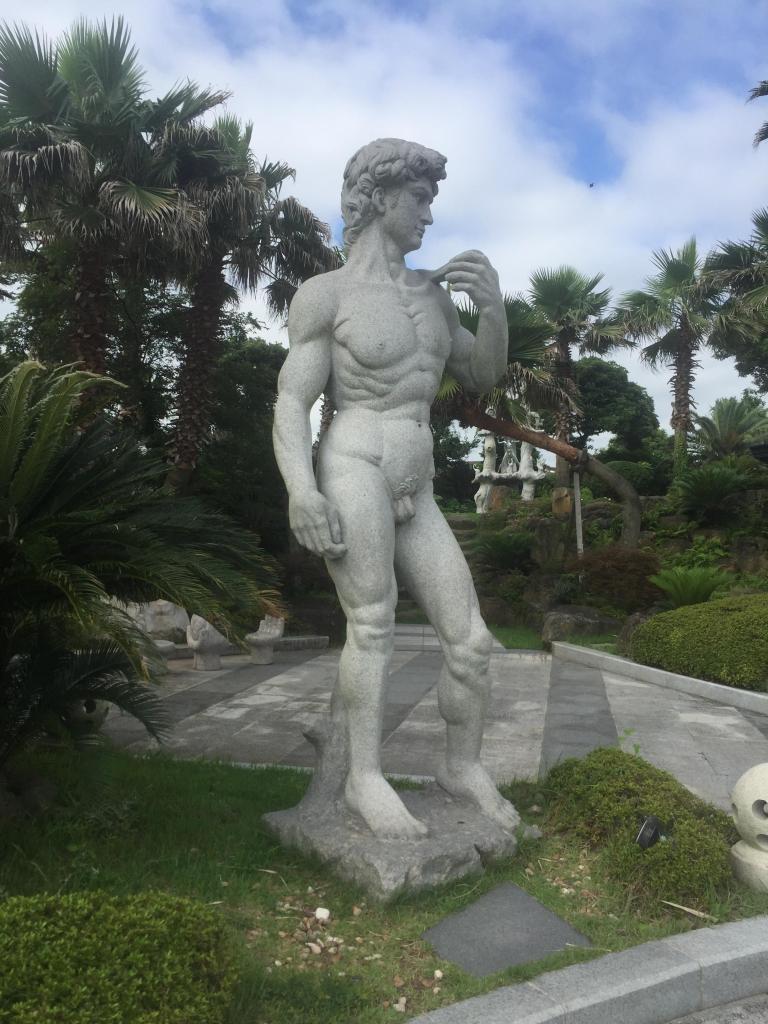
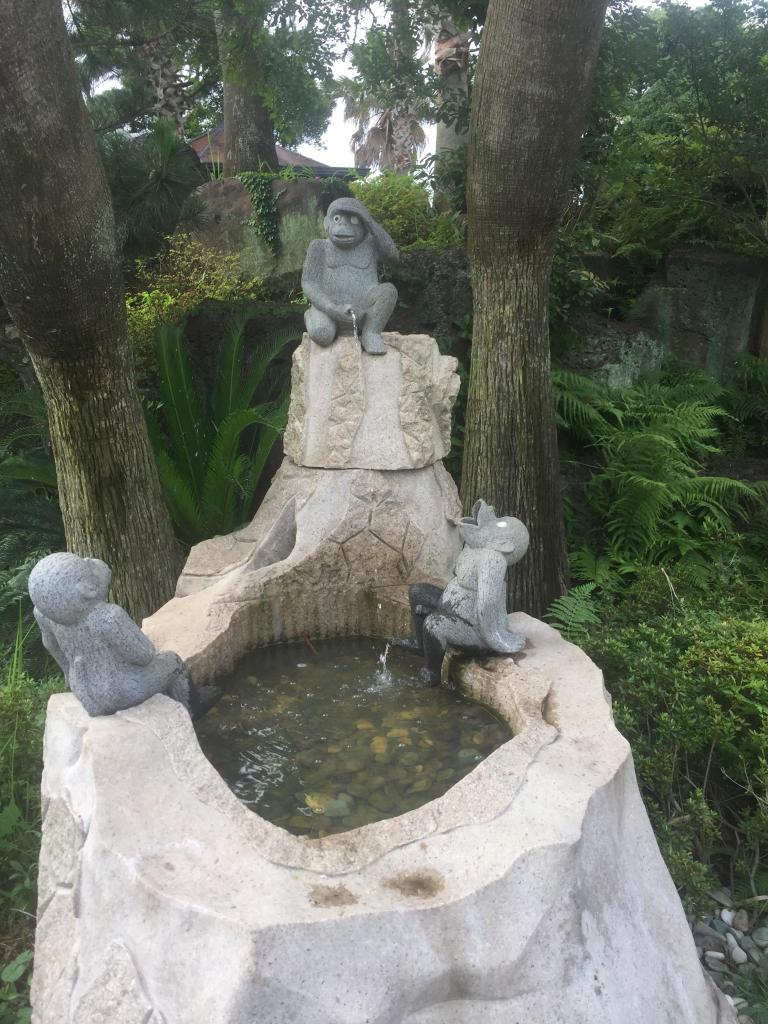
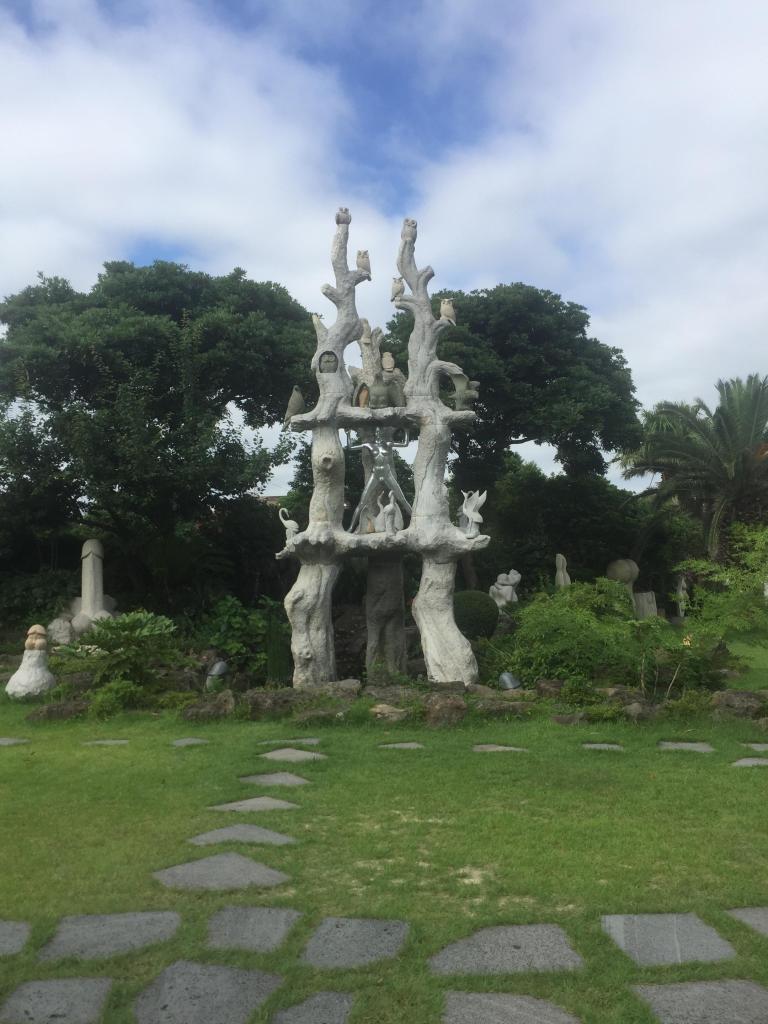
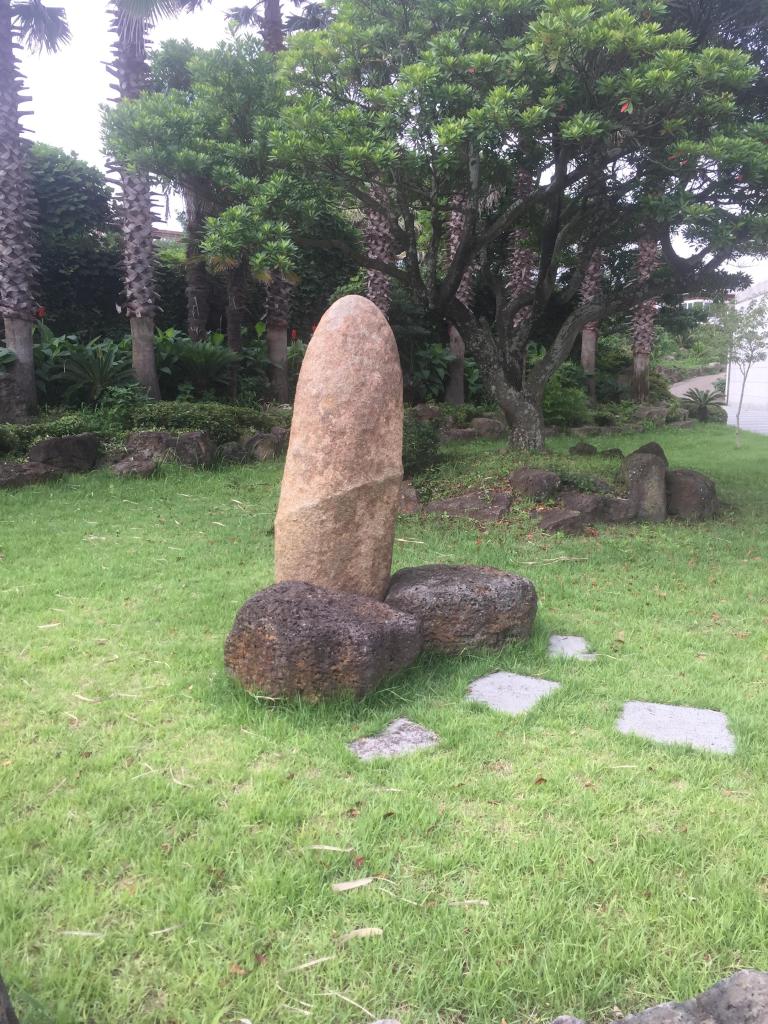
Is it time for me to get naked too? Maybe yes!
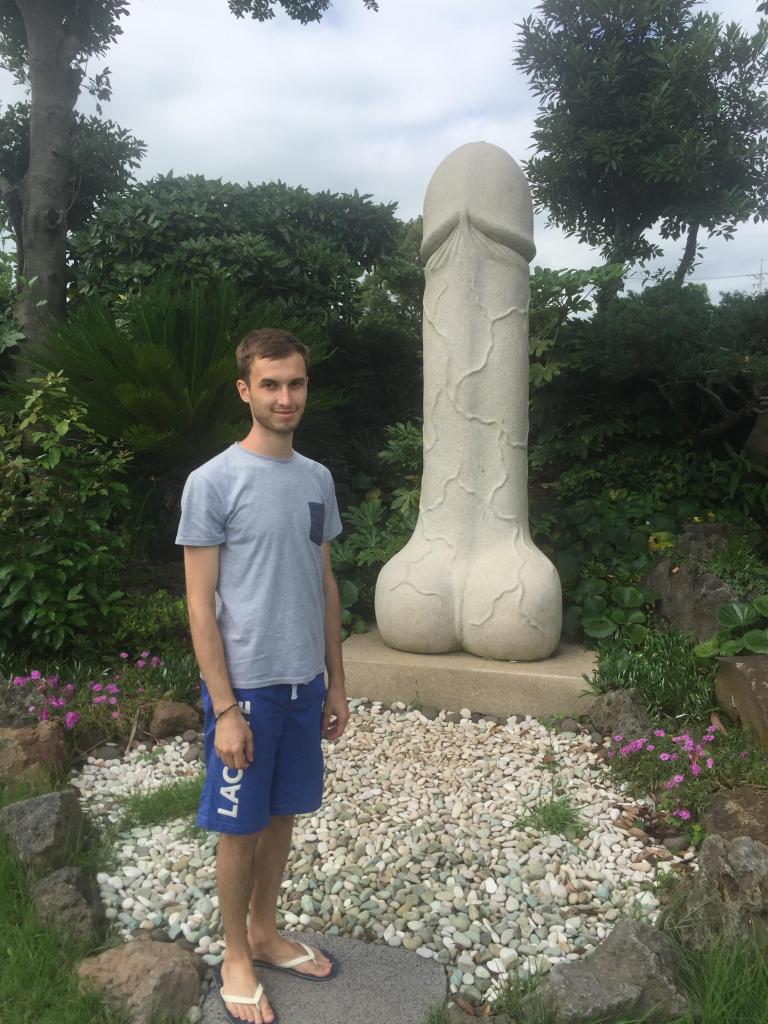
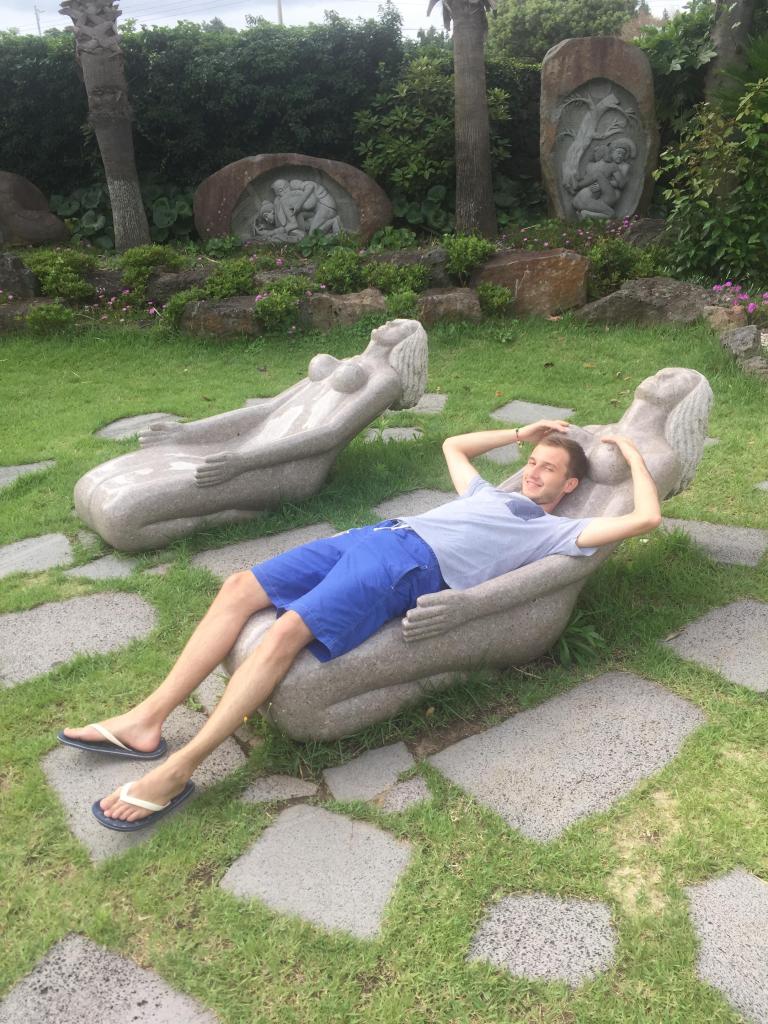
So, this is the yard of the Museum of Sex and Health.
“Health and Sex Museum is the world’s largest sex museum with themes of sex health, sex education, sex culture and sex art. It is the 50,000 sq.m. site and 7,000 sq.m. building with various sex health, sex education contents; more than 3,000 sex-related books, and more than 1,000 sex artefacts and works on display.” – Yoon Sung-jin, general manager ***
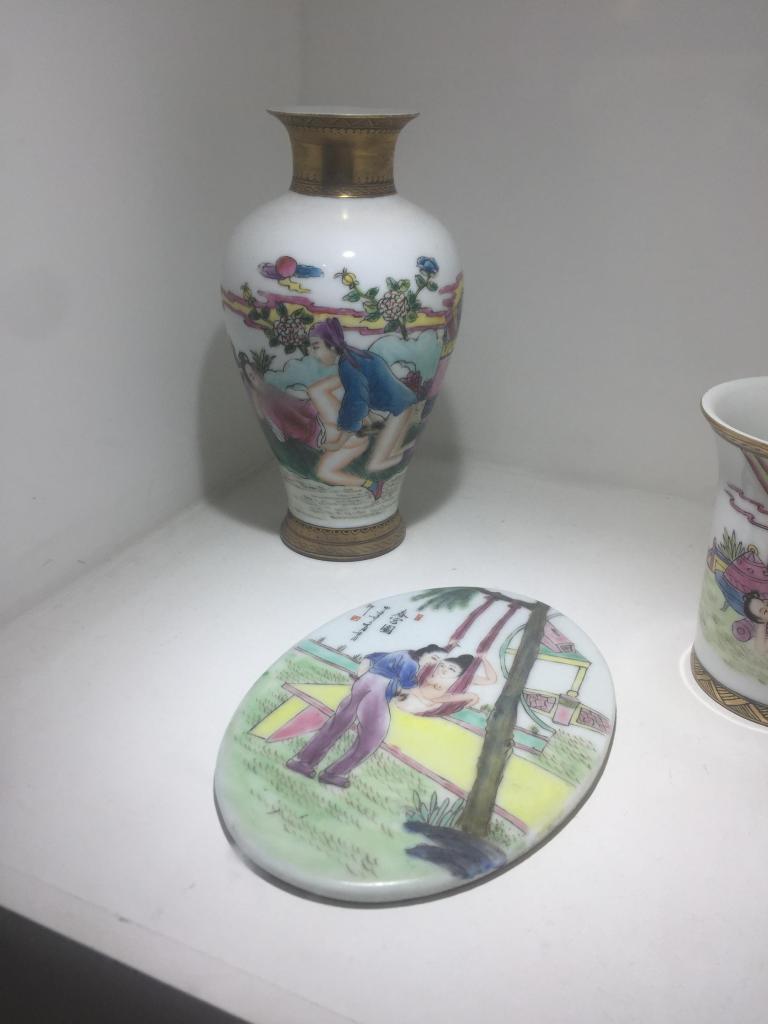
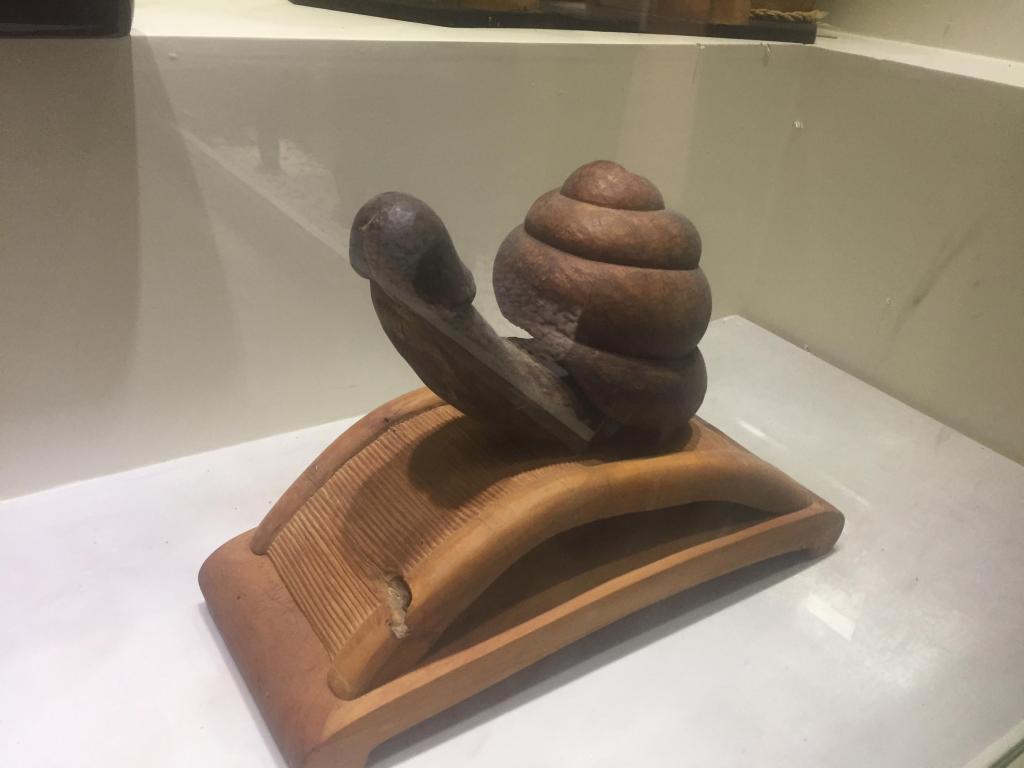
Items representing sexual traditions of various nations, like Chinese and Japanese.
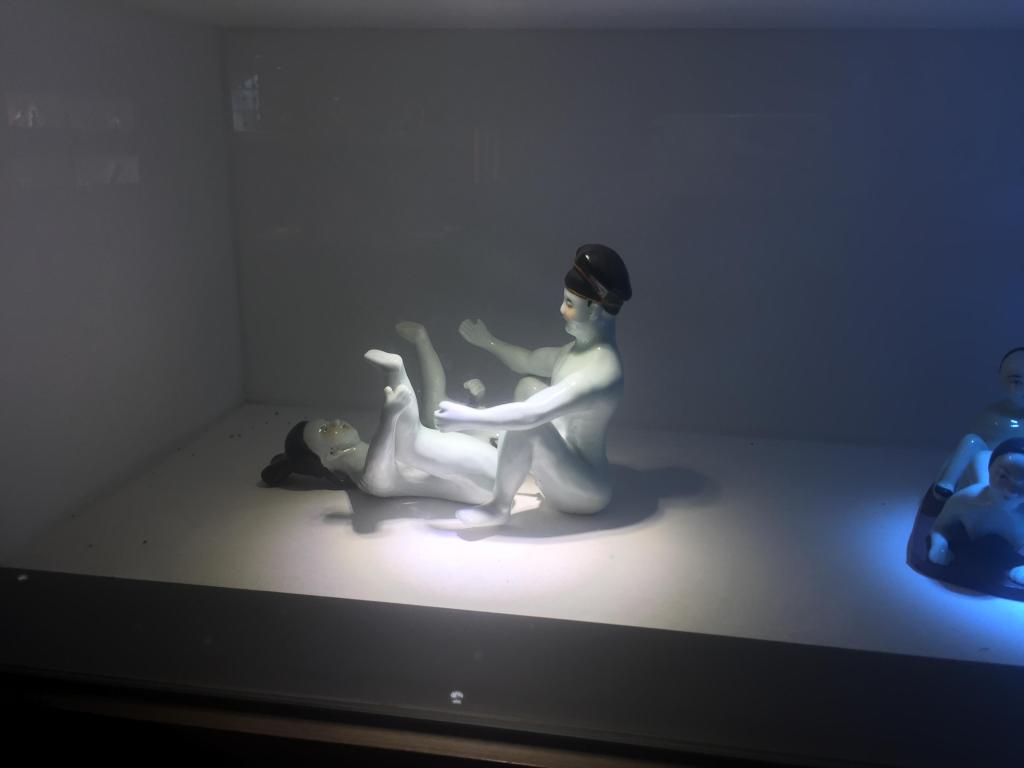
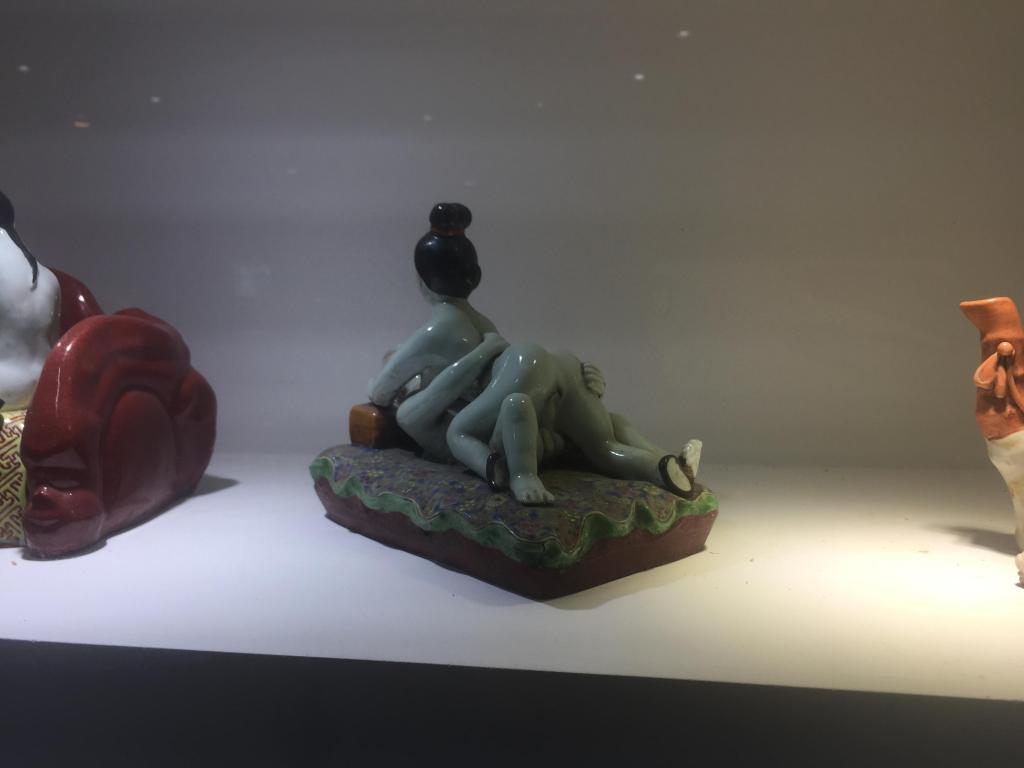
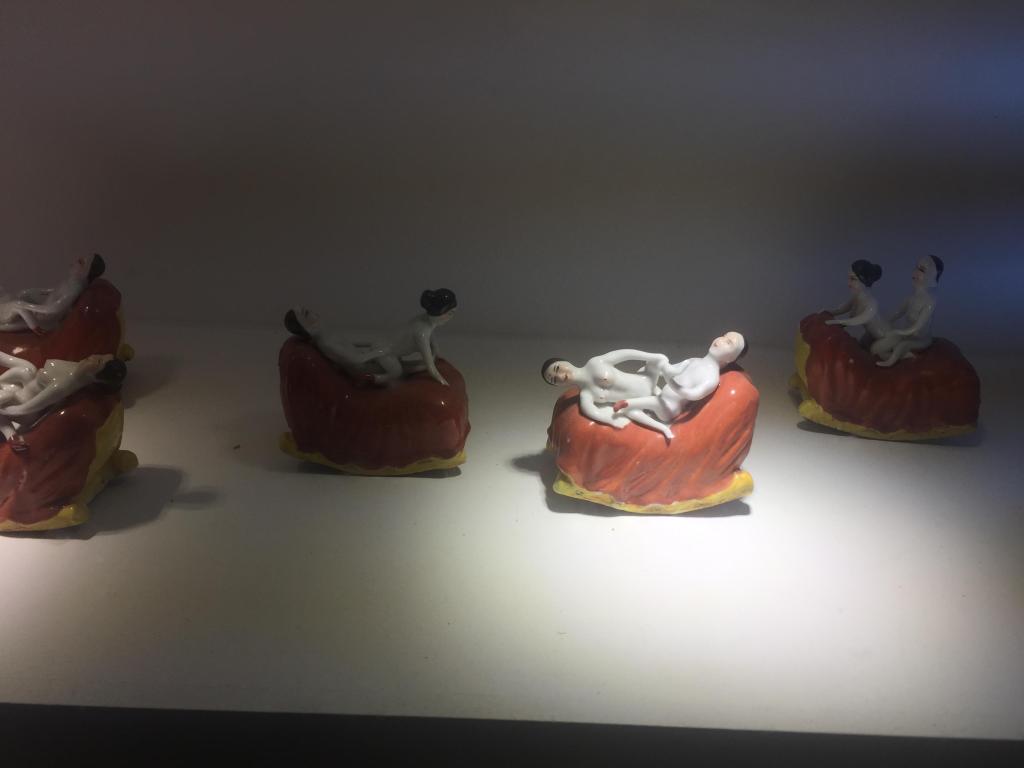
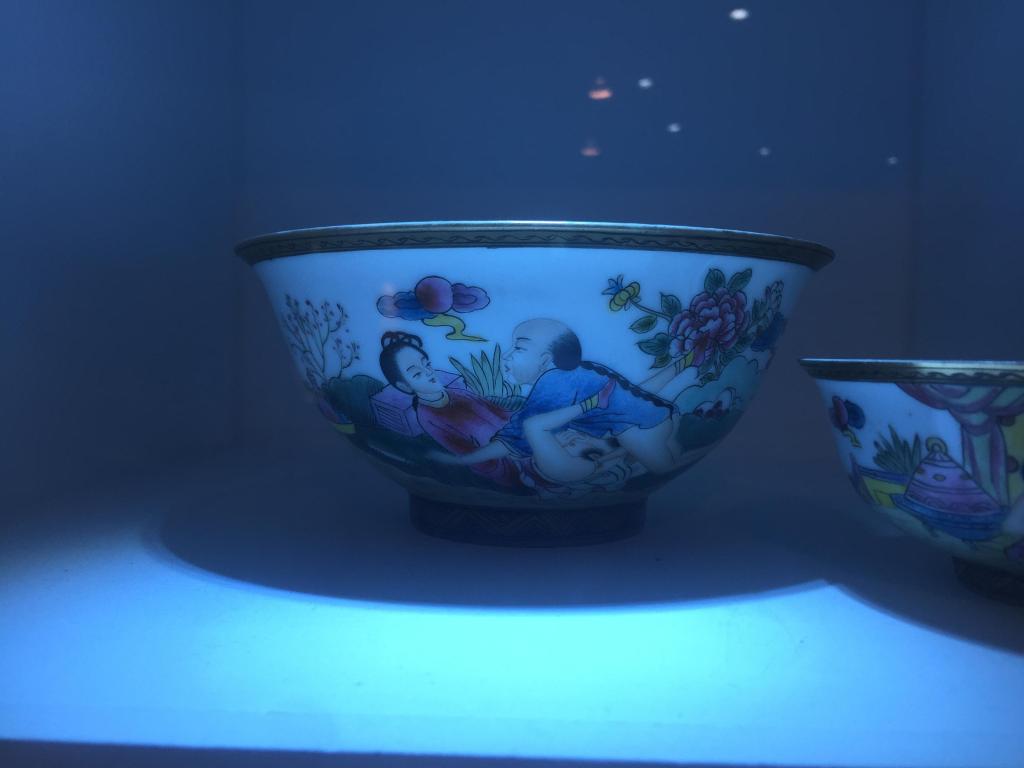
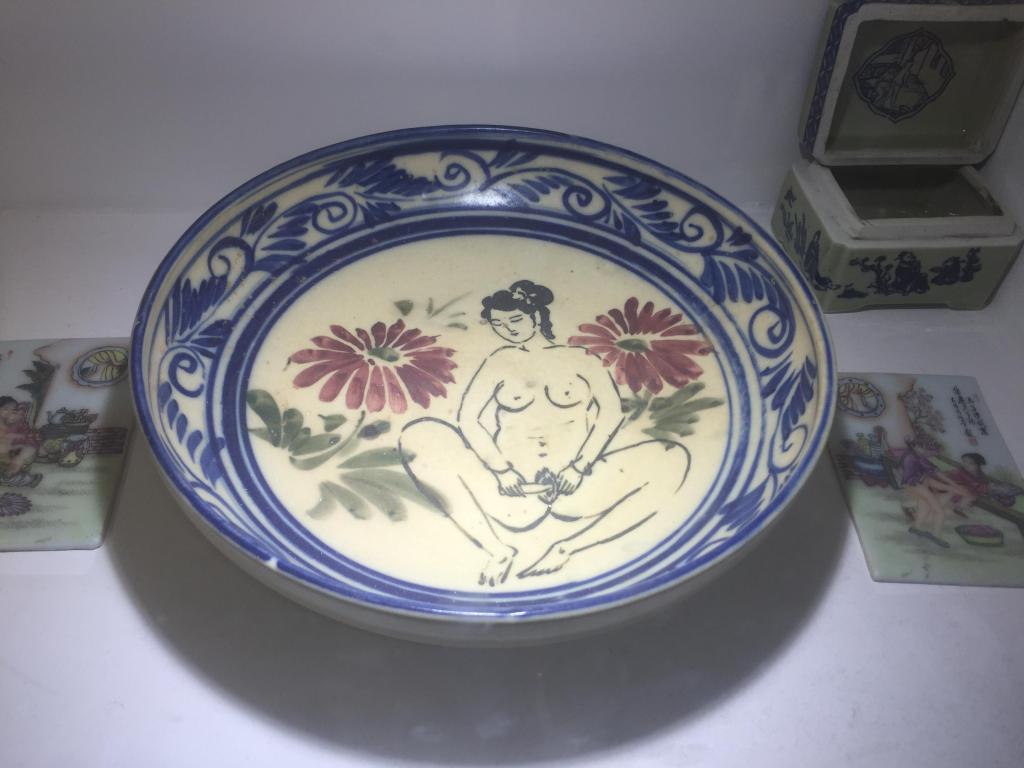
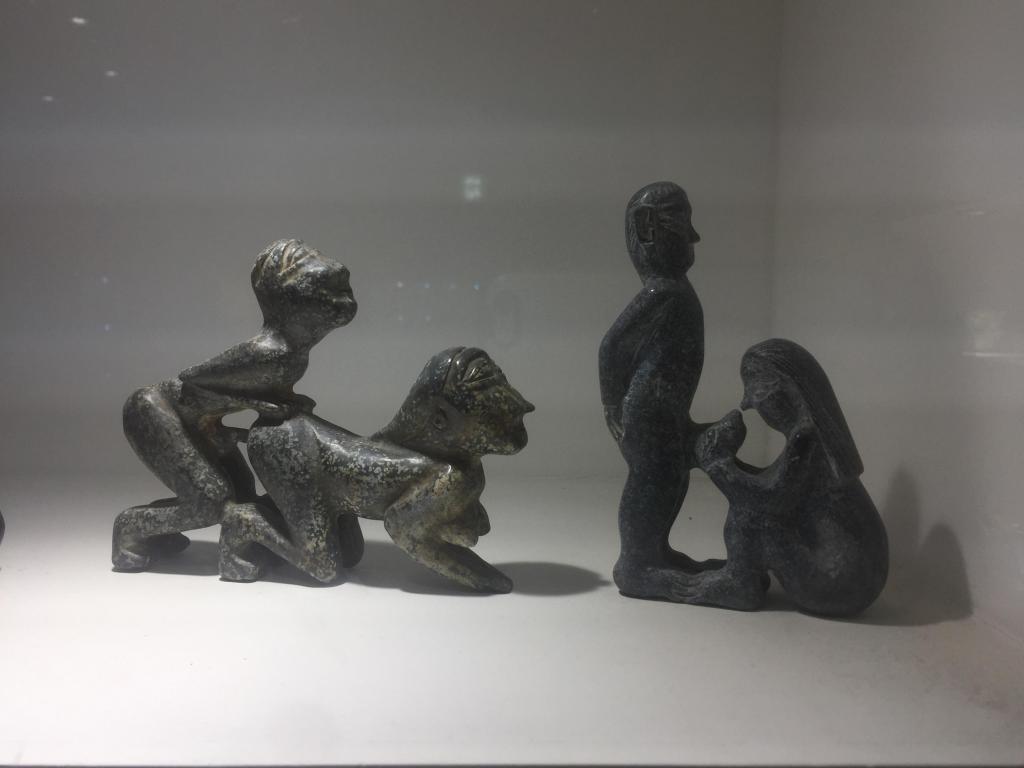
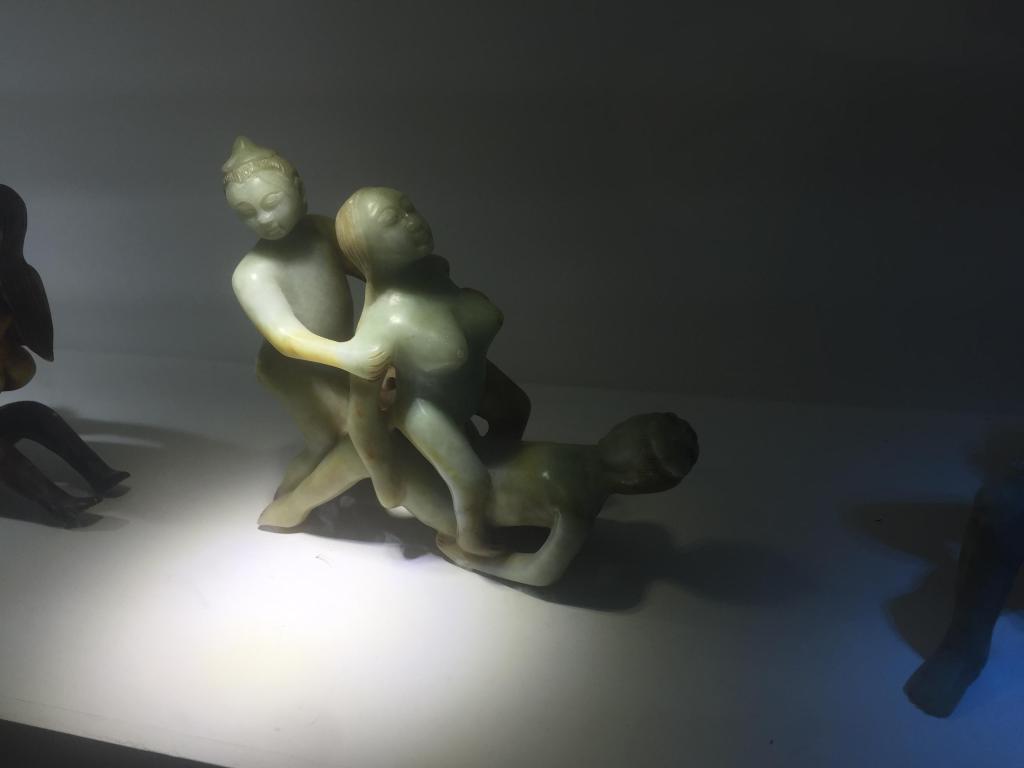
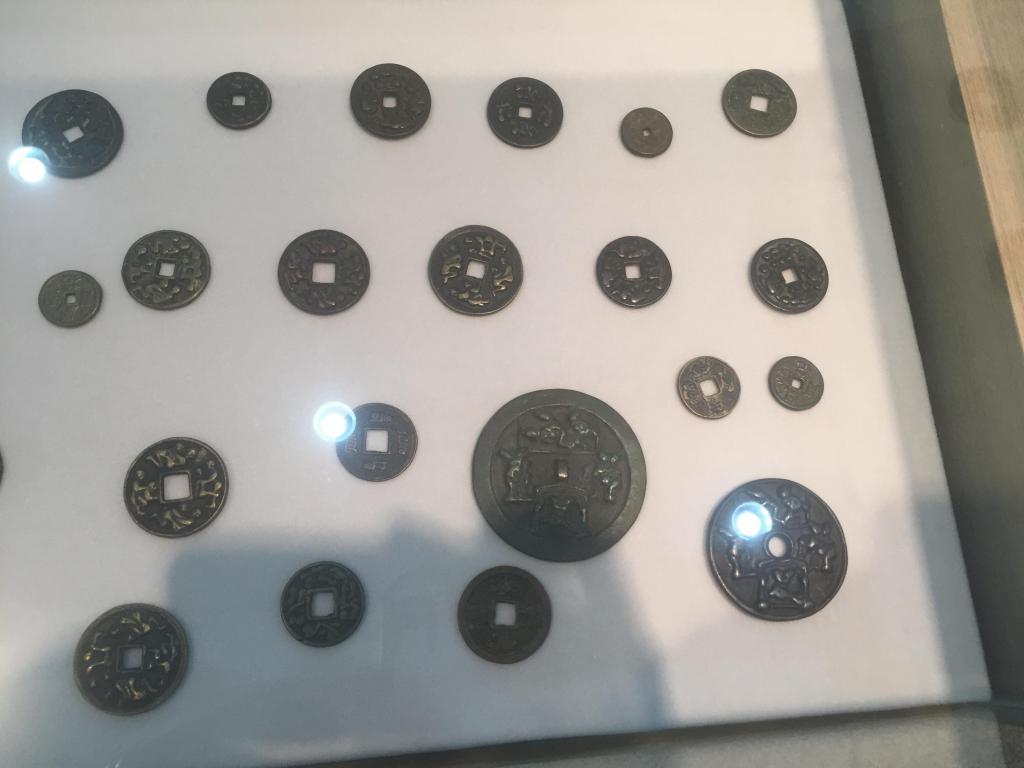
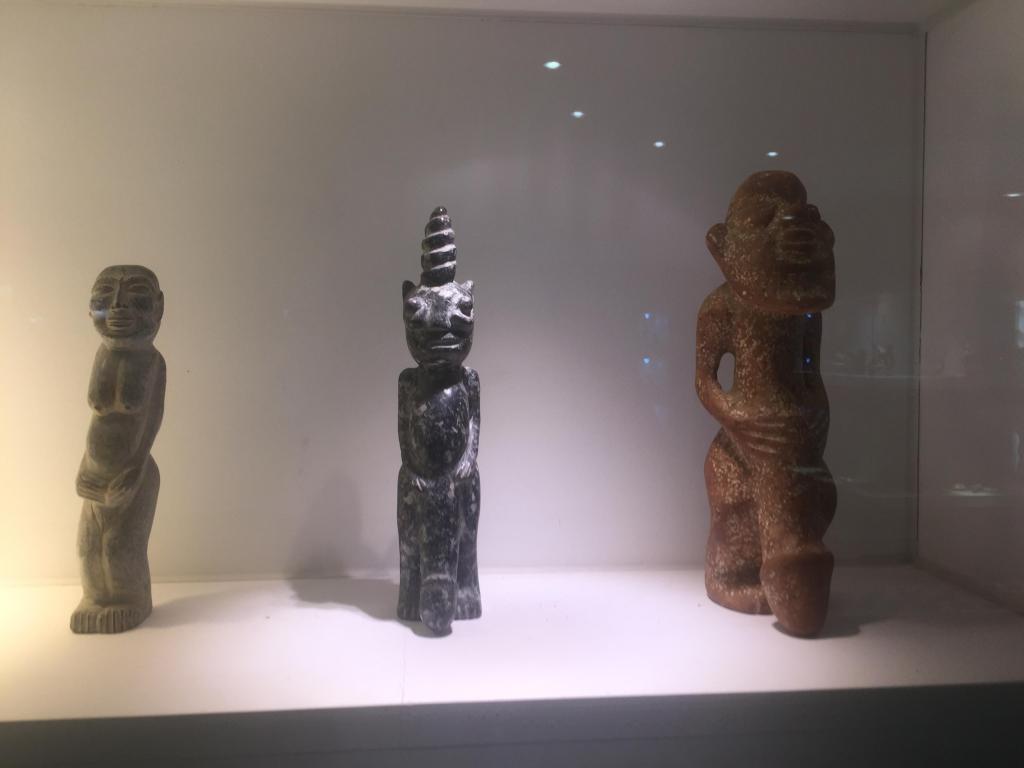
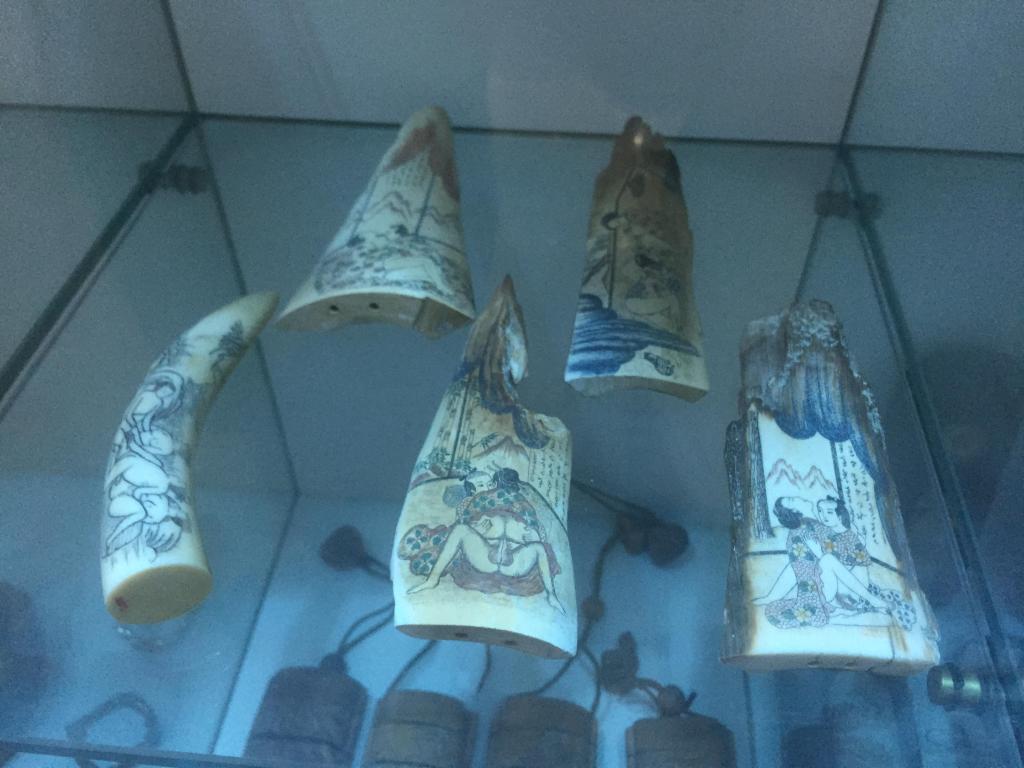
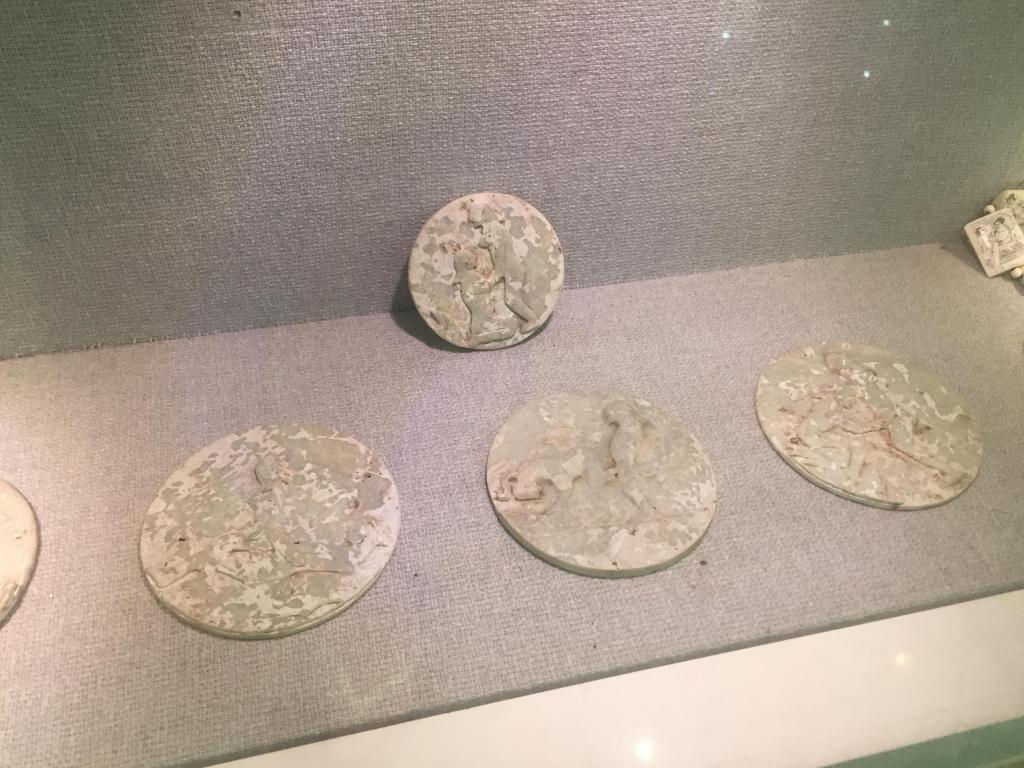
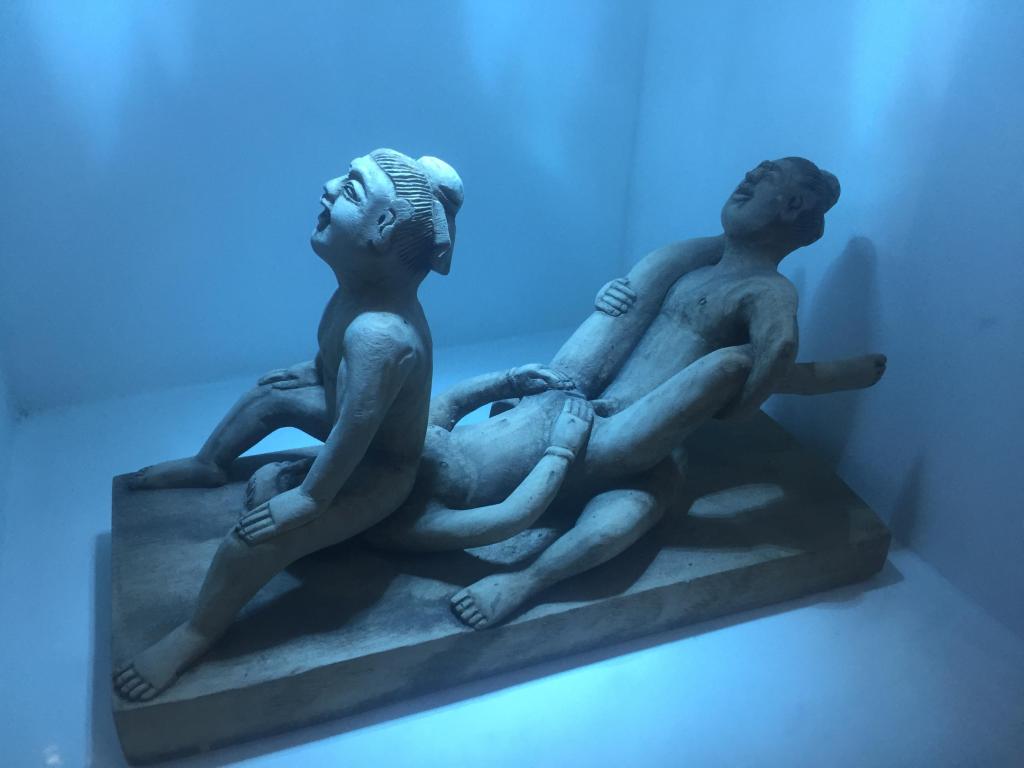
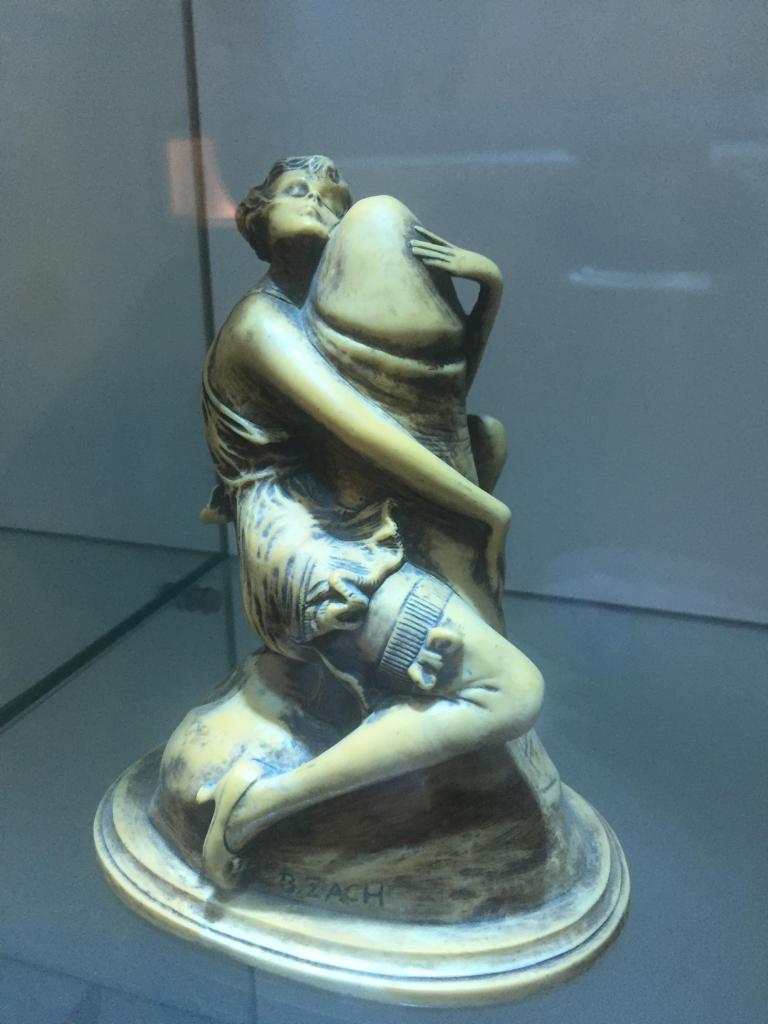
Modern installation. Not all of the items are here to be watched, some of them can be smelled and touched since those two sensations play a very important role during sexual intercourse.
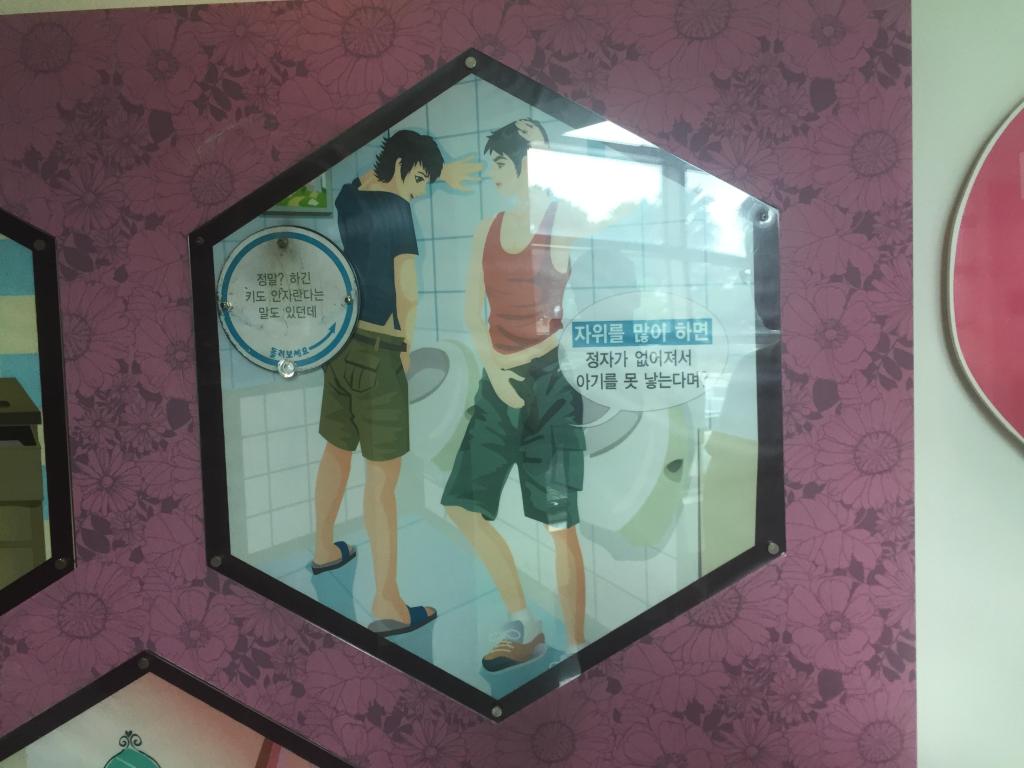
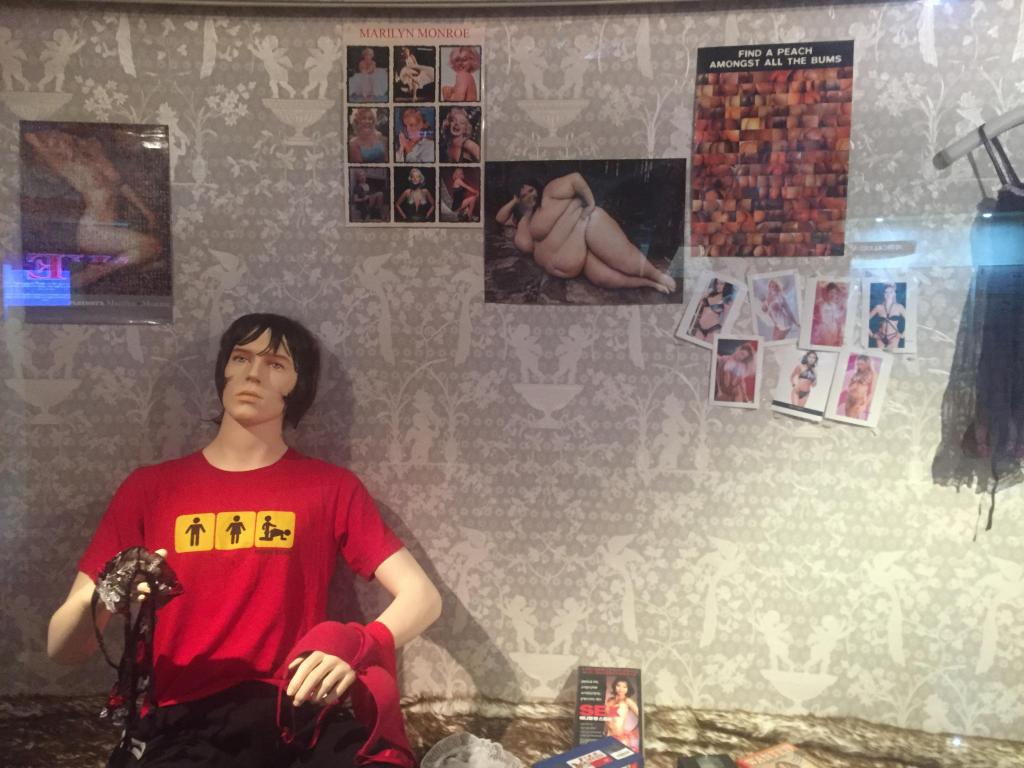
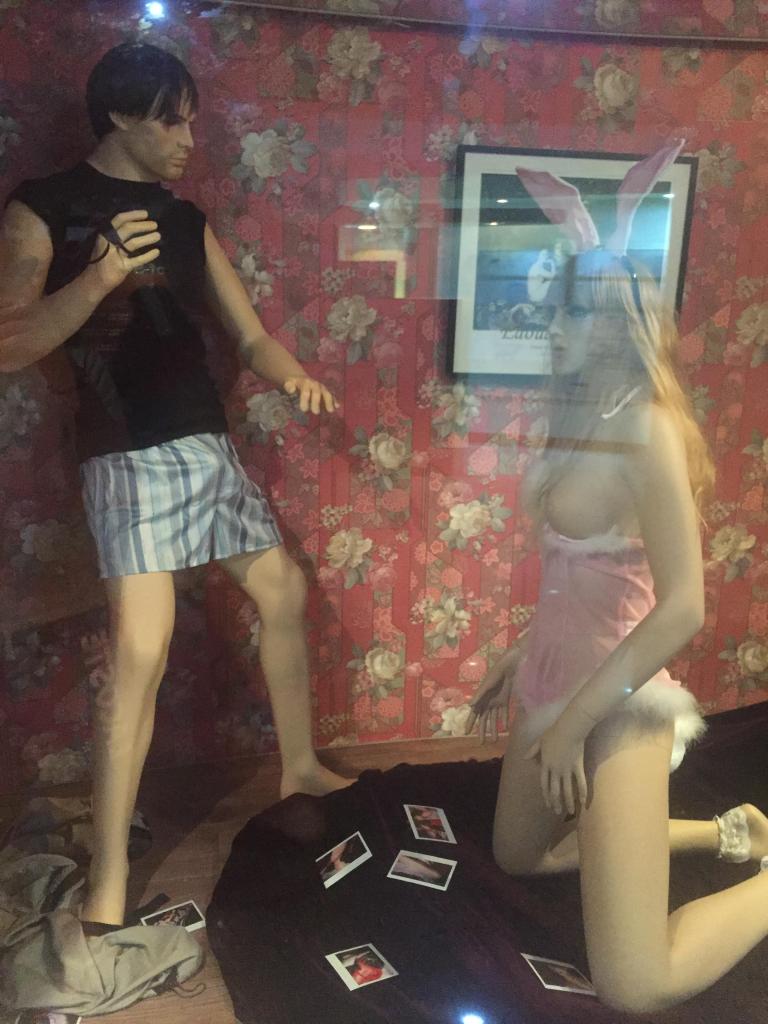
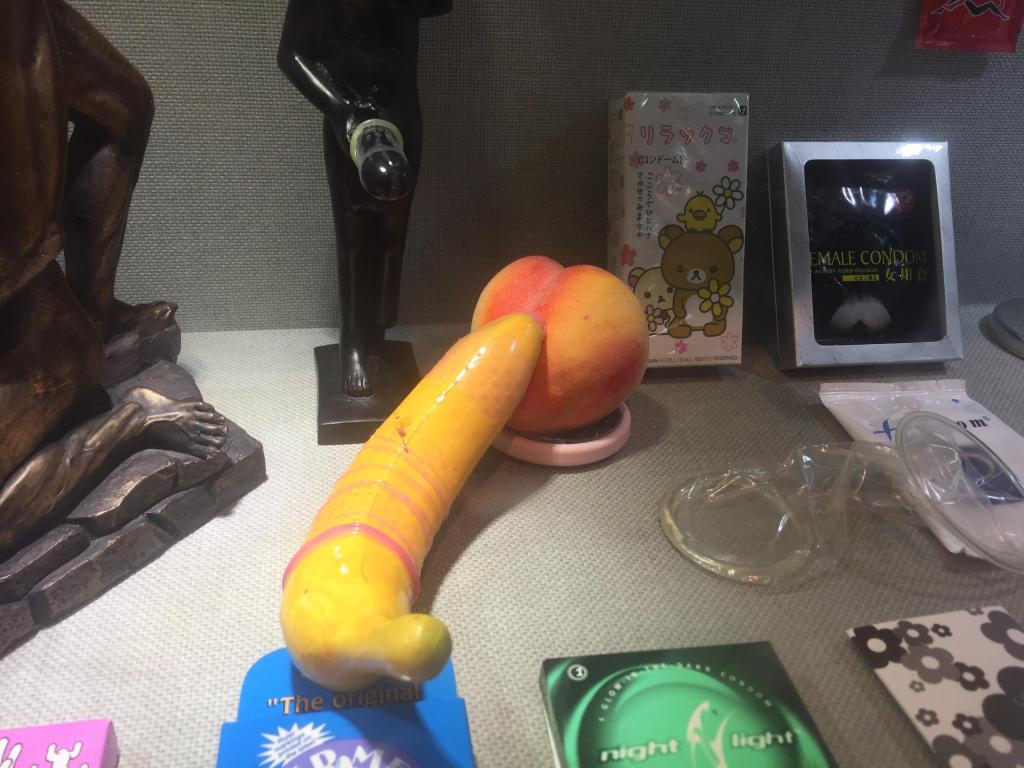
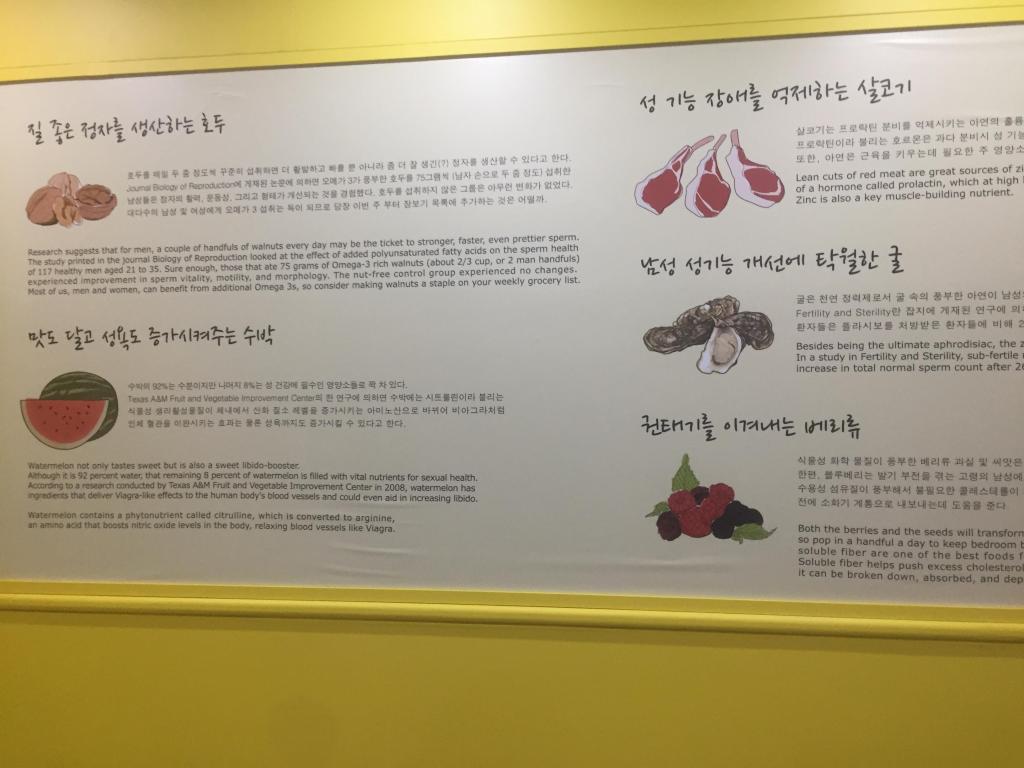
Something about medicine and nutrition. Be careful, watermelons are Viagra!
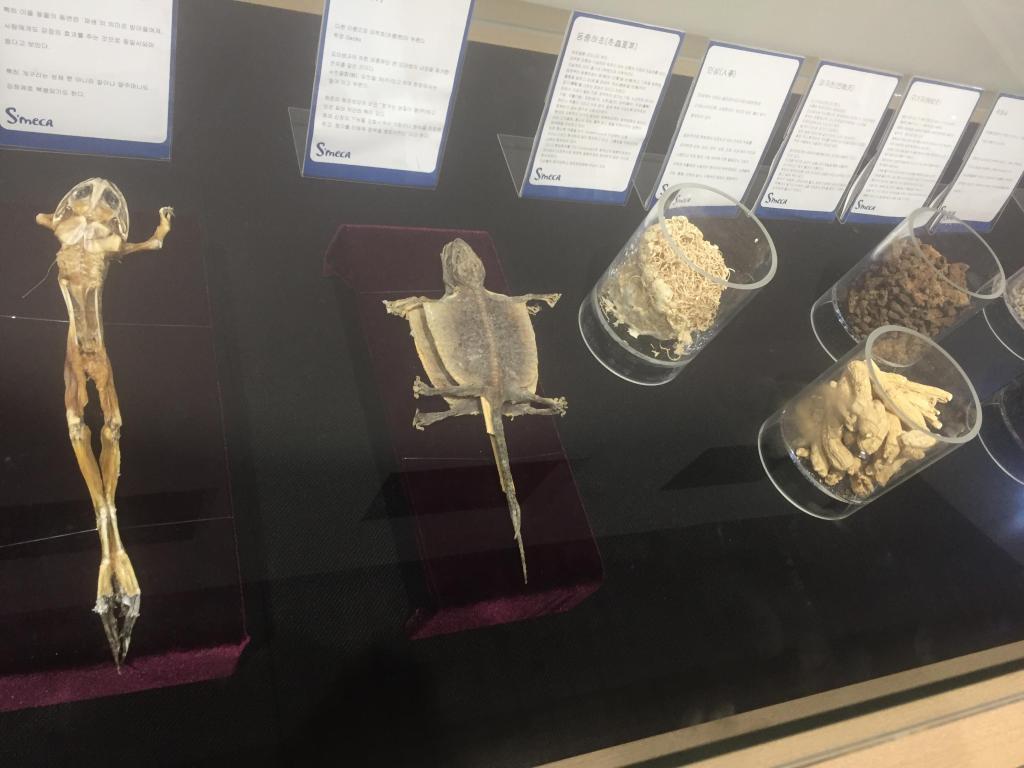
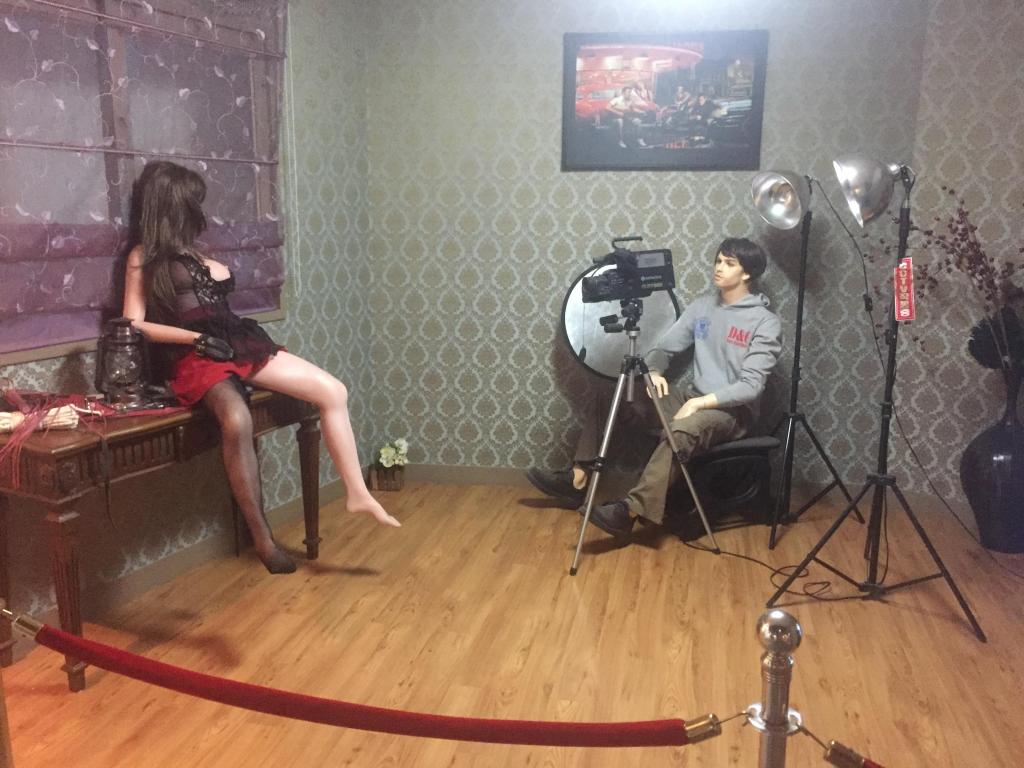
Some of the installations are made for fun, to take pictures, isn’t it a nice idea? And you can find it I suppose in every Korean museum.
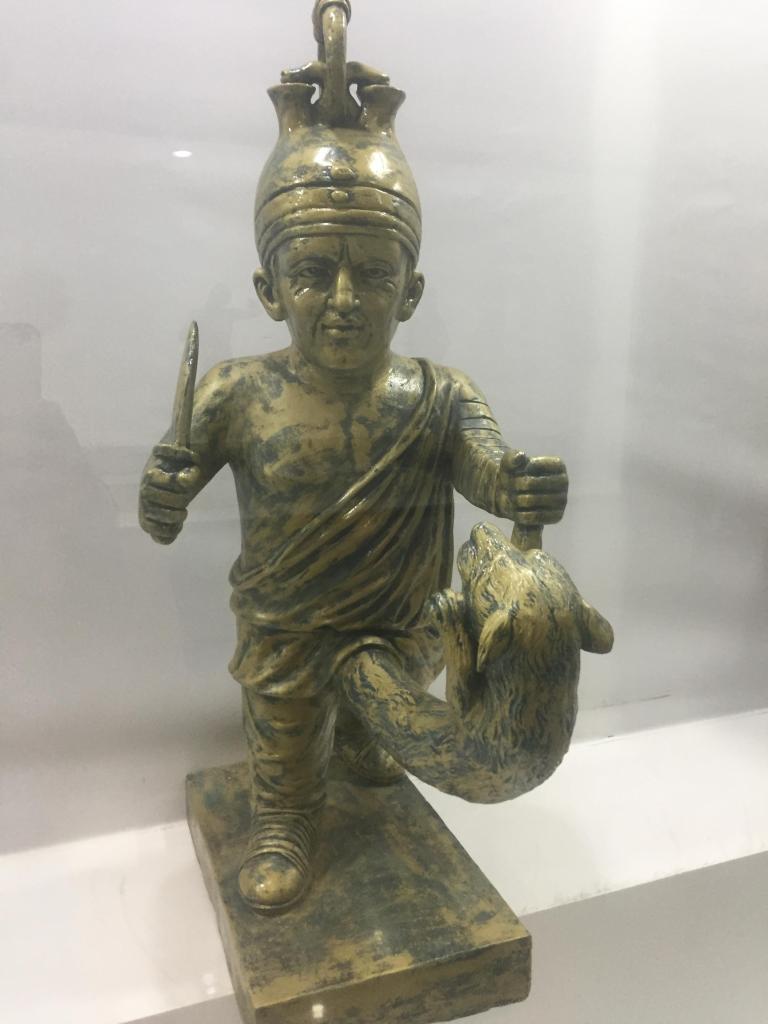
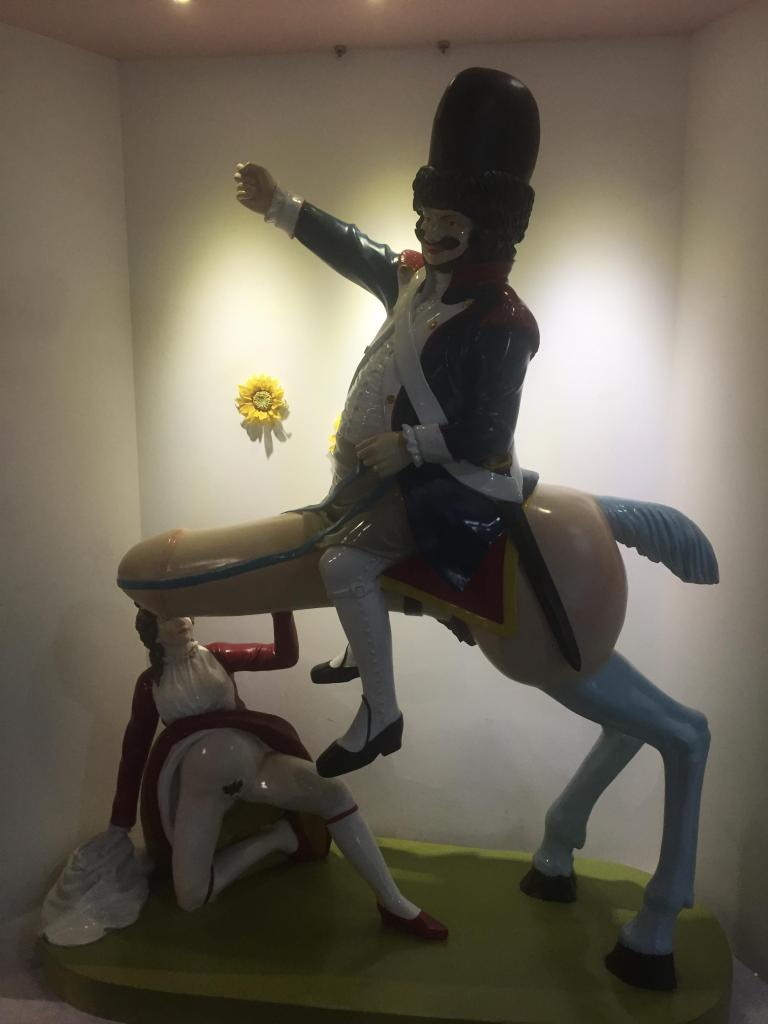
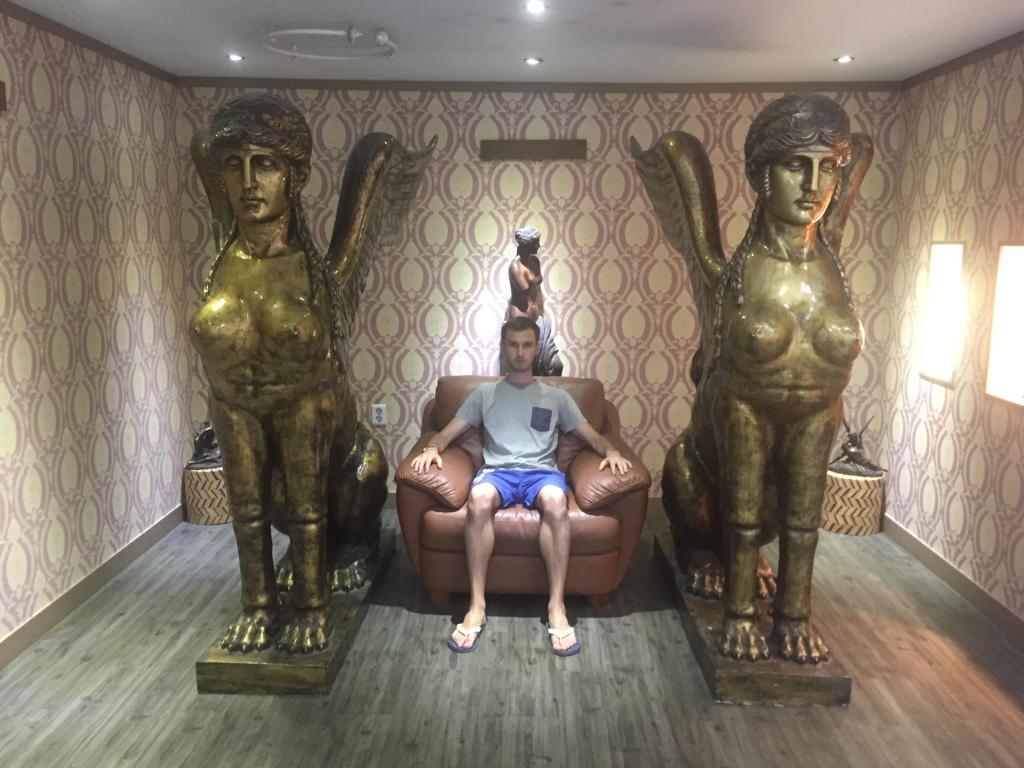
European classical theme.
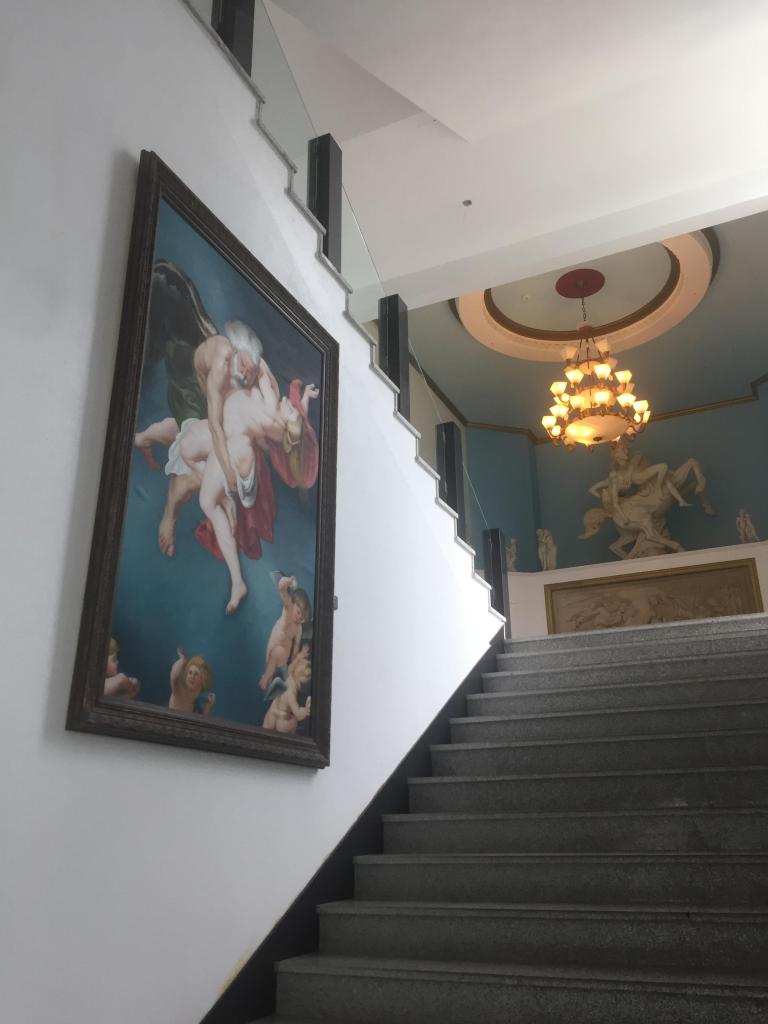
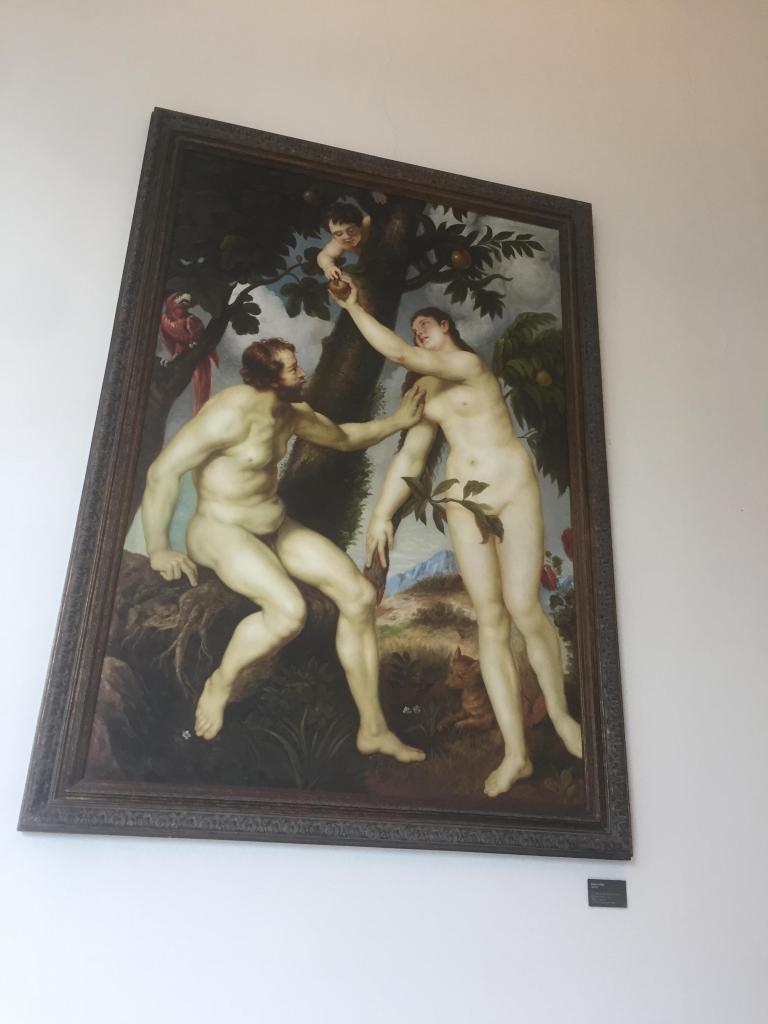
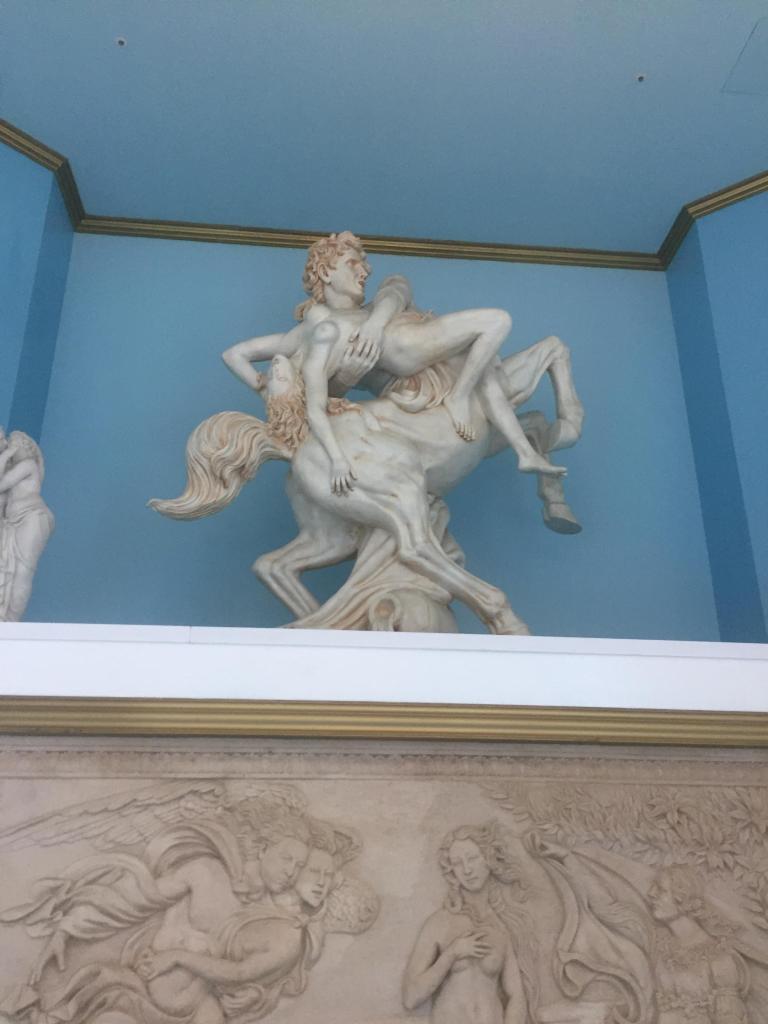
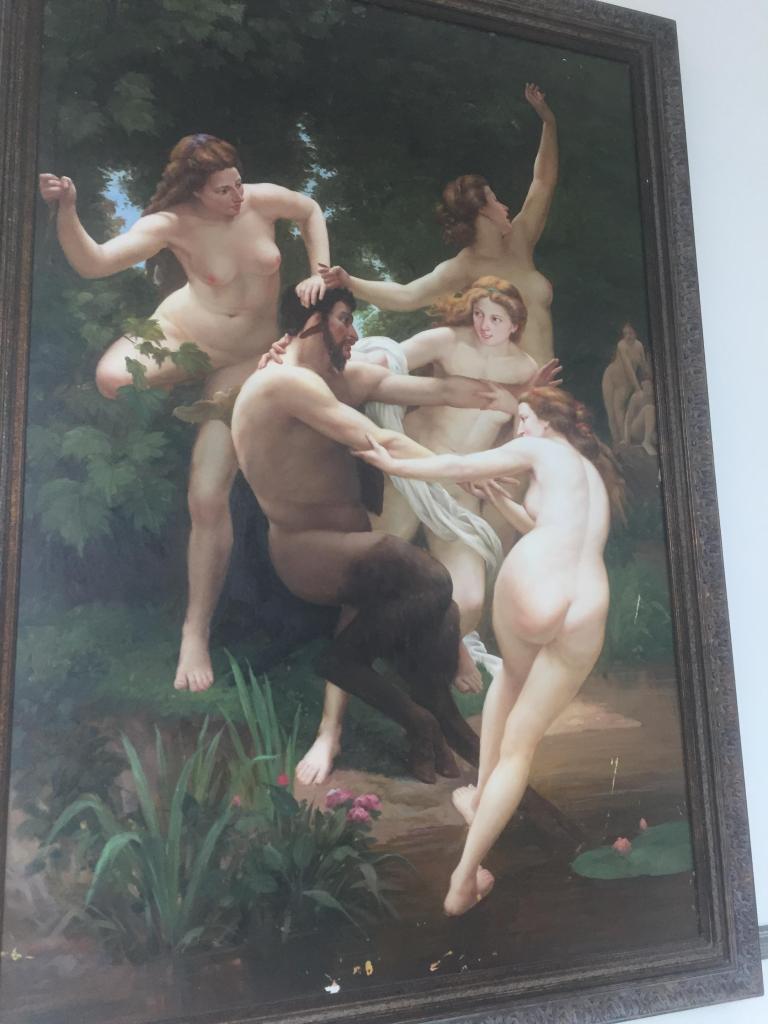
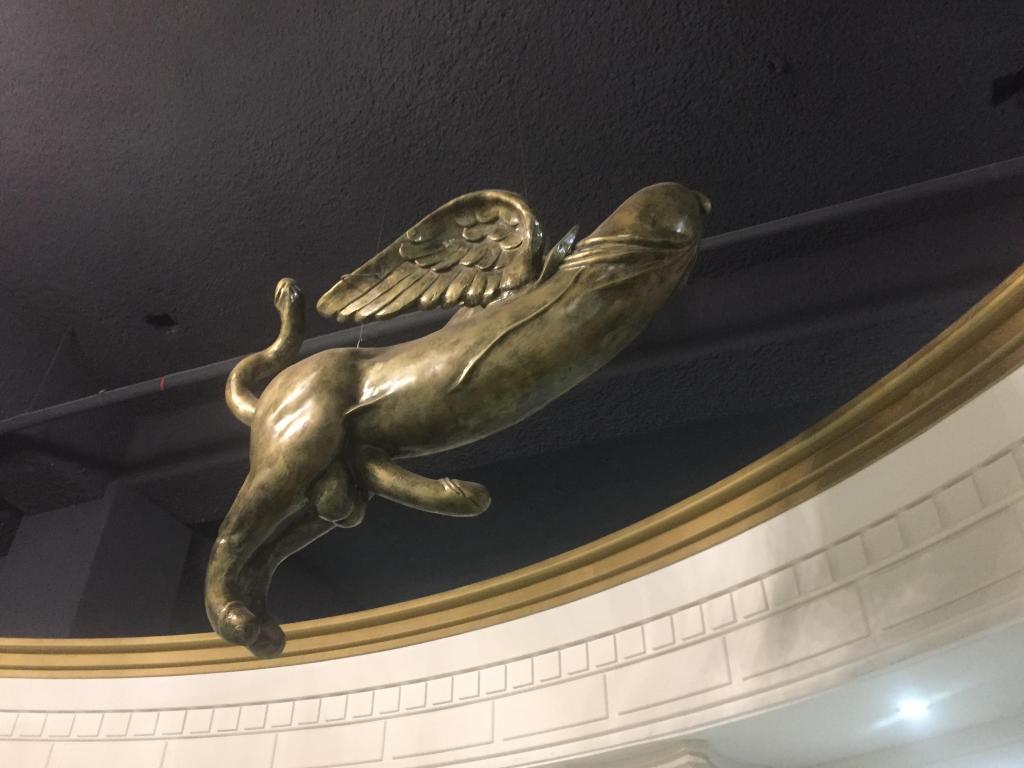
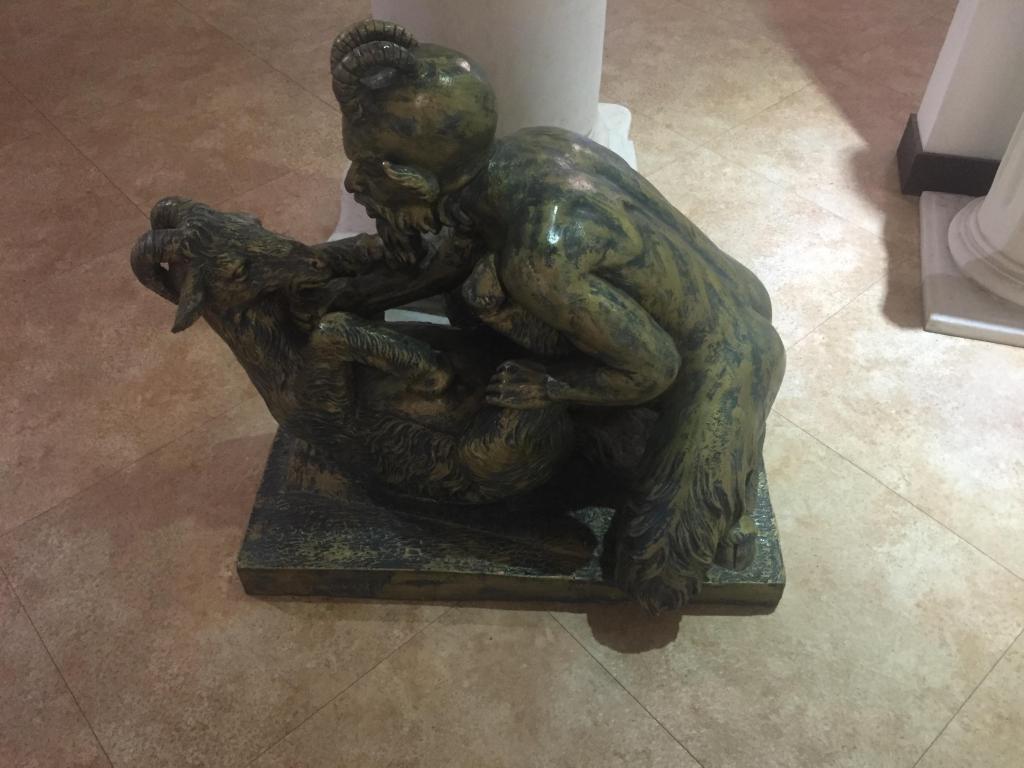
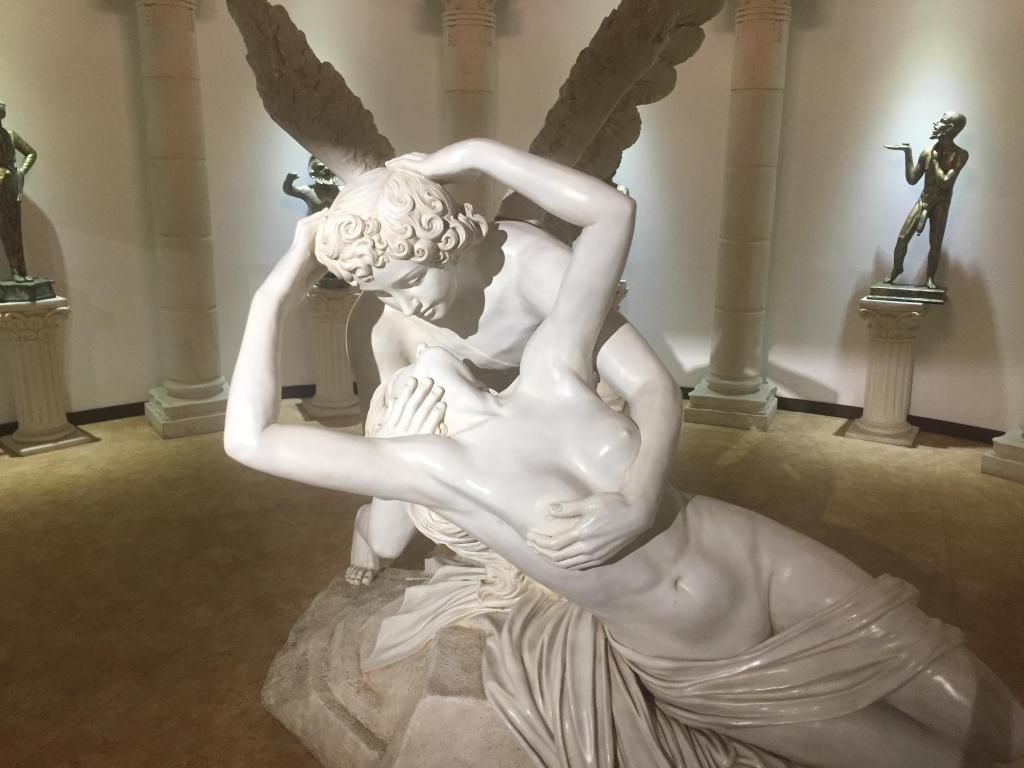
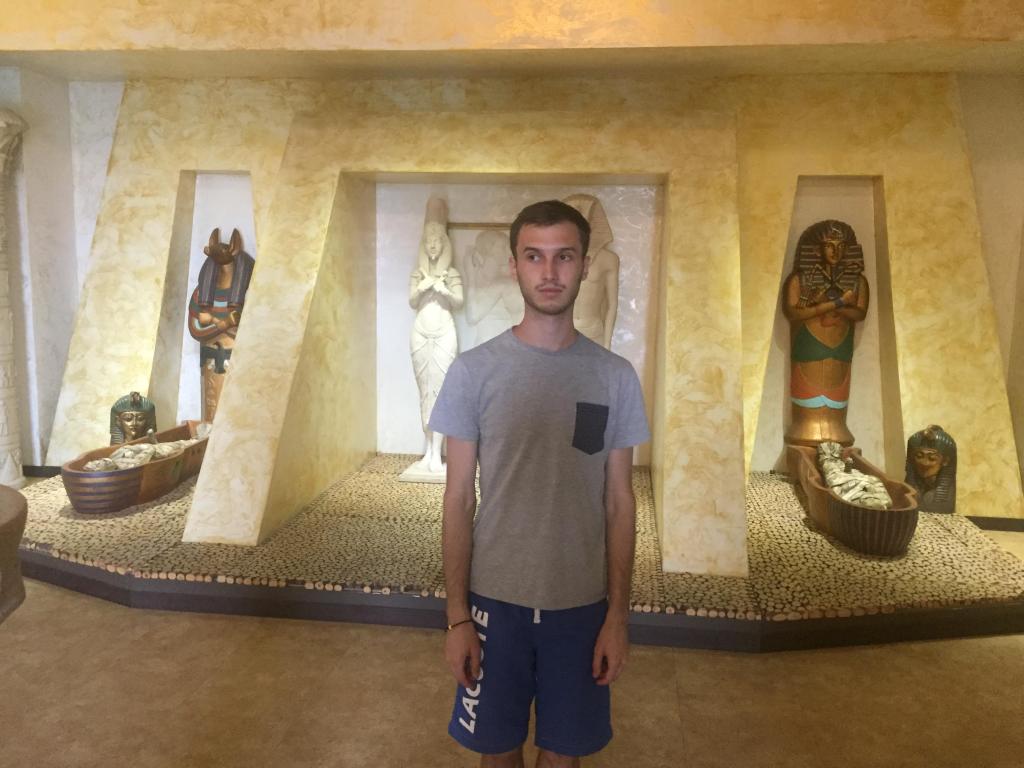
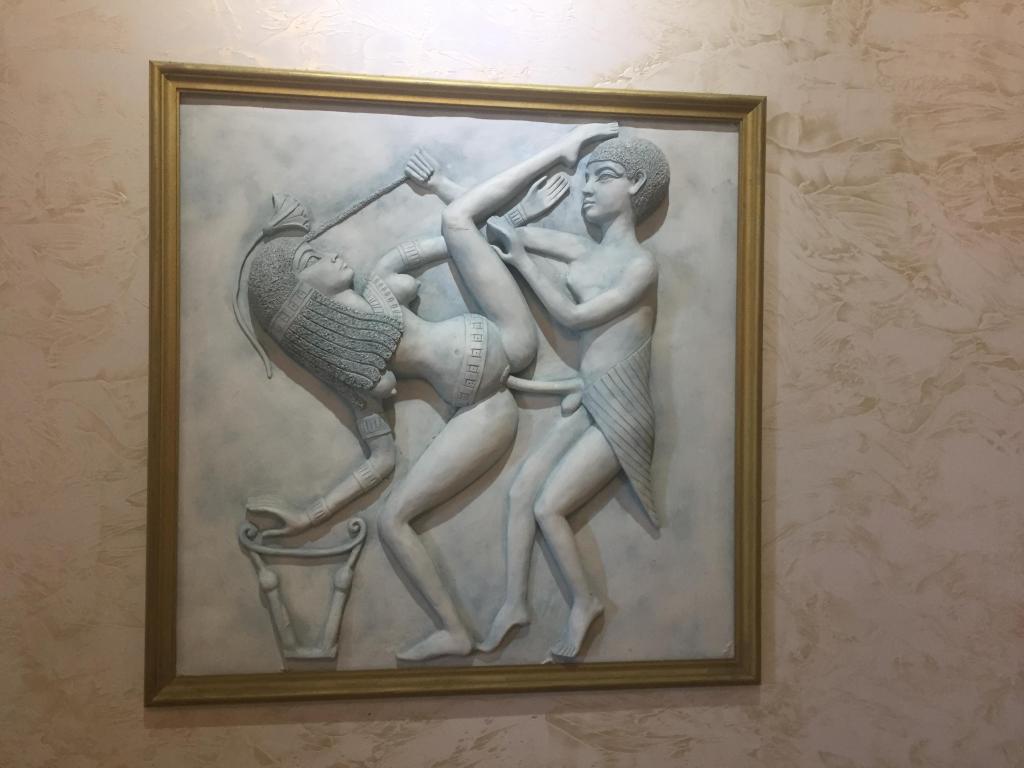
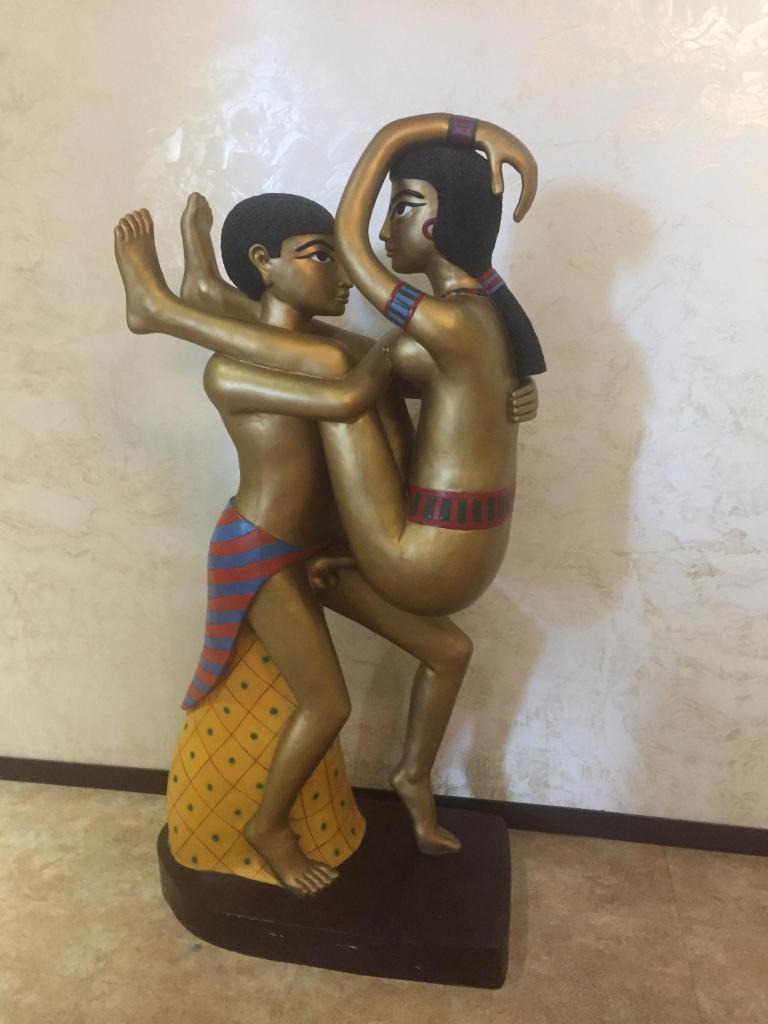
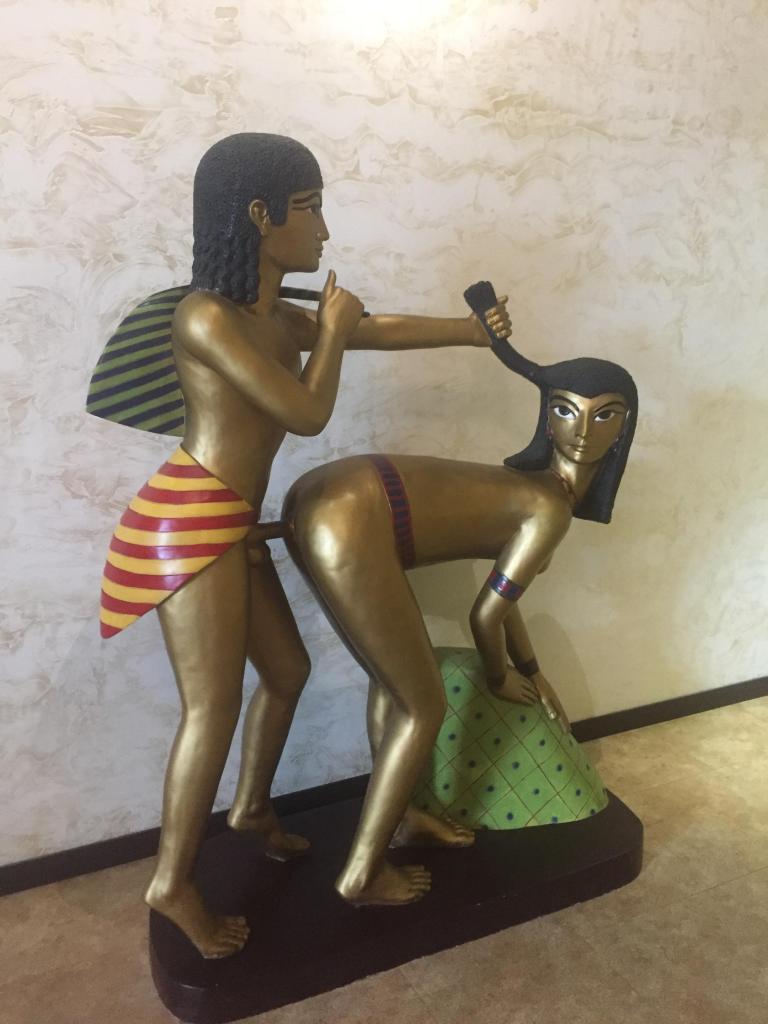
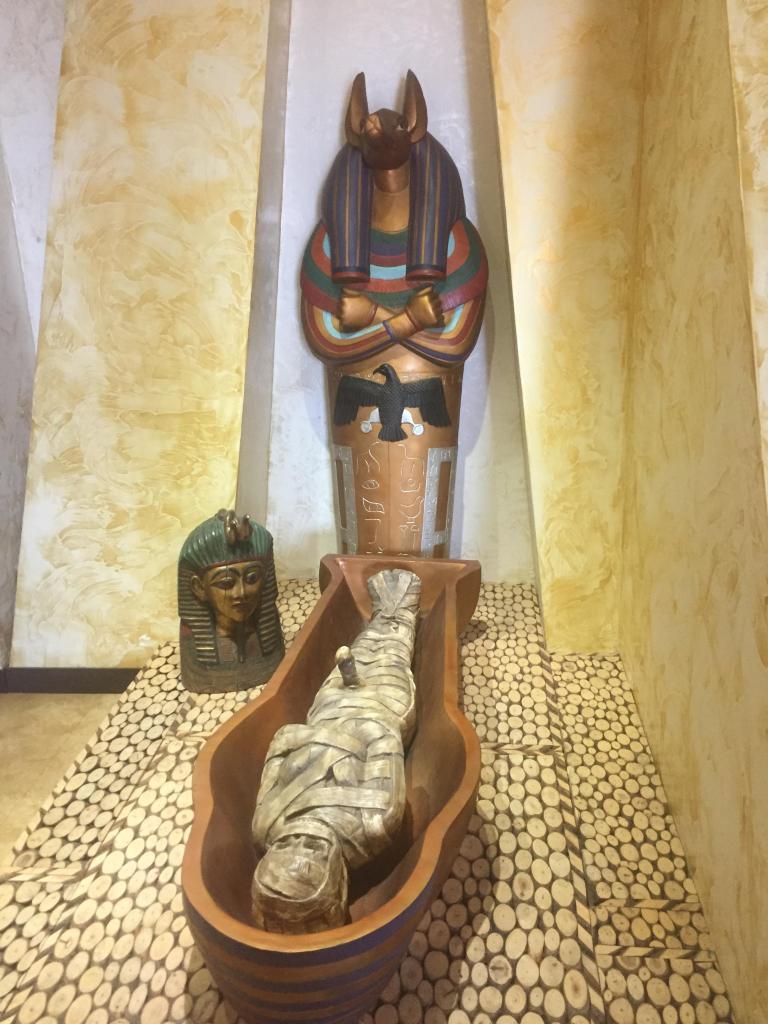
Egypt
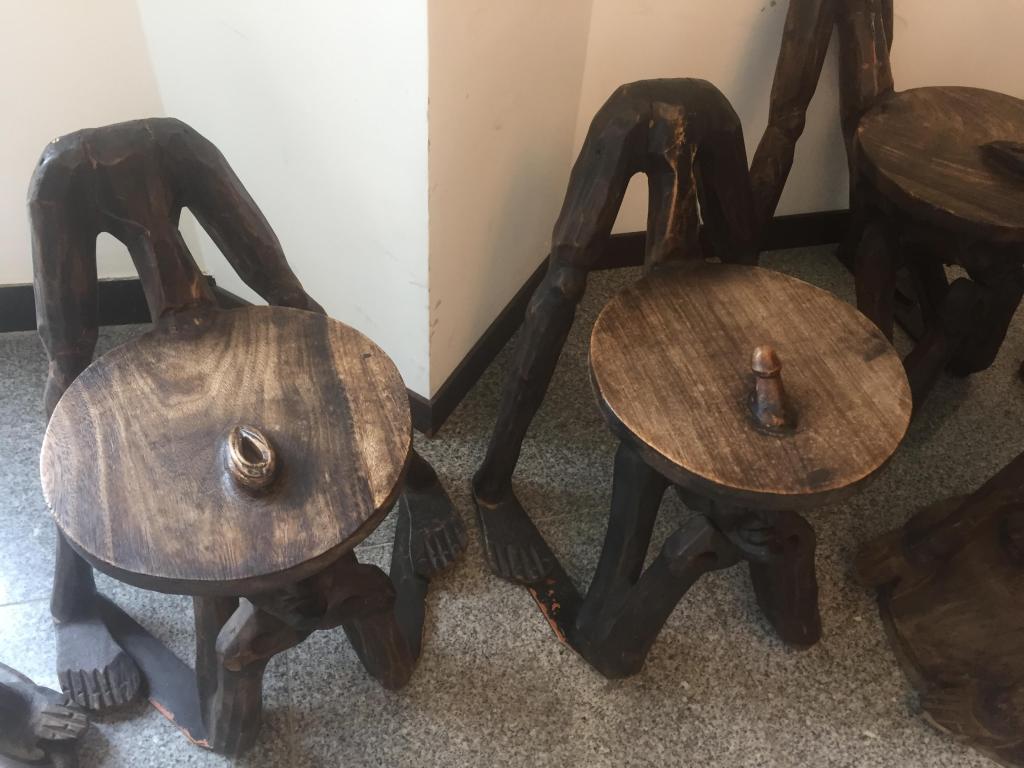
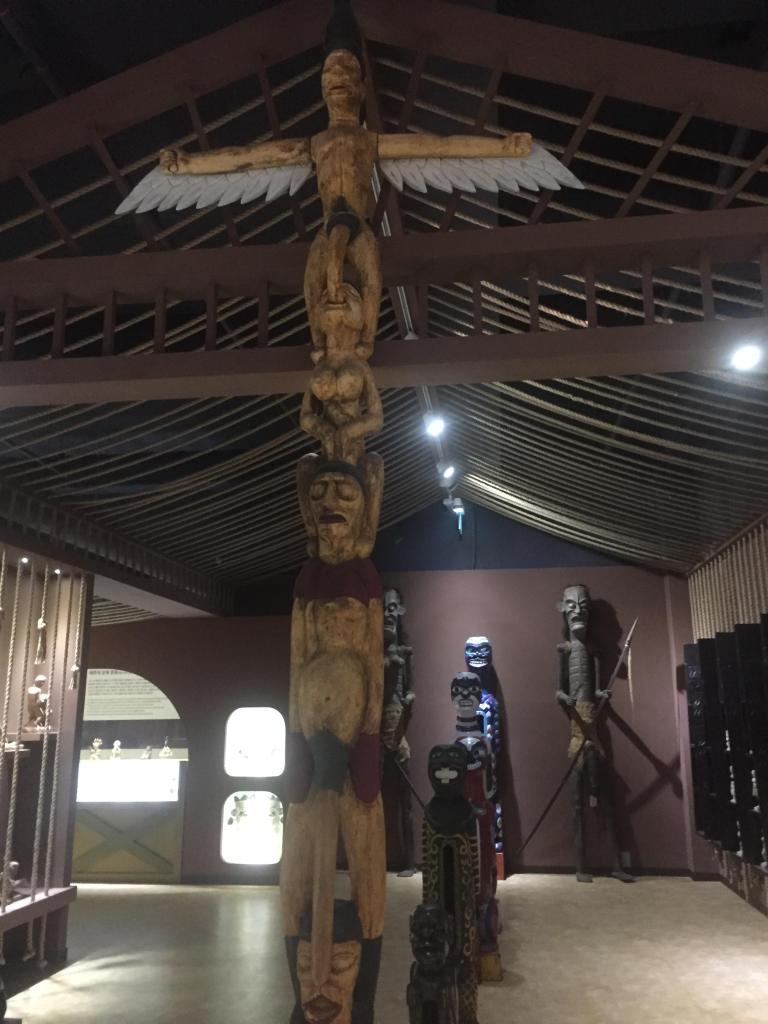
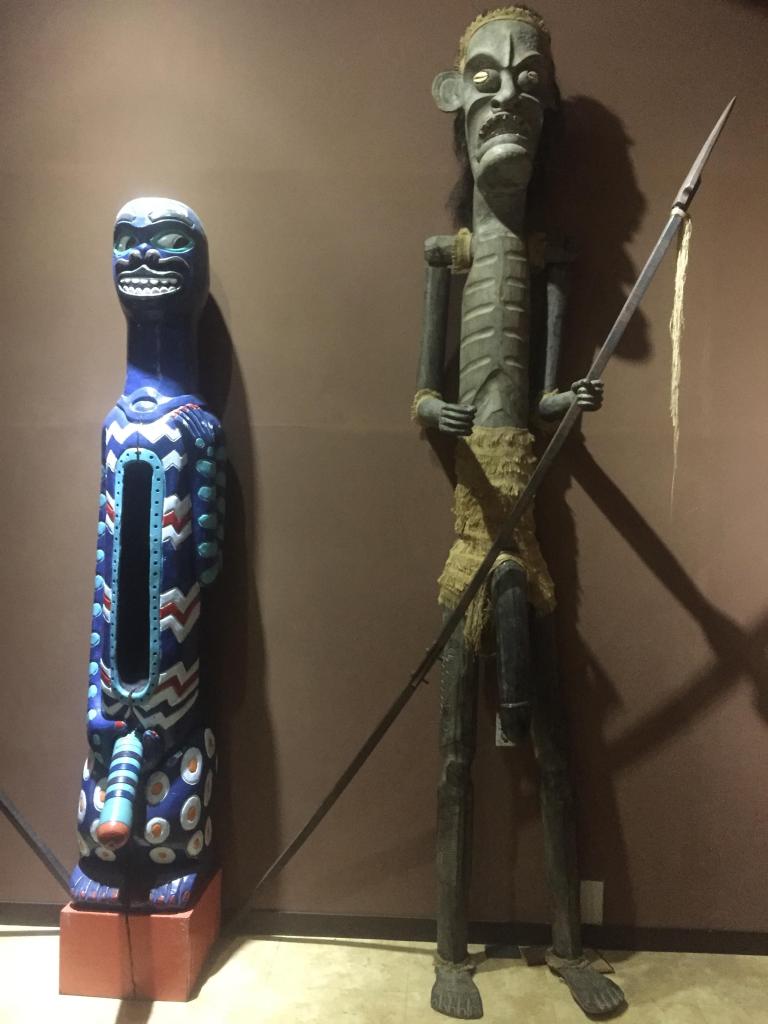
Africa
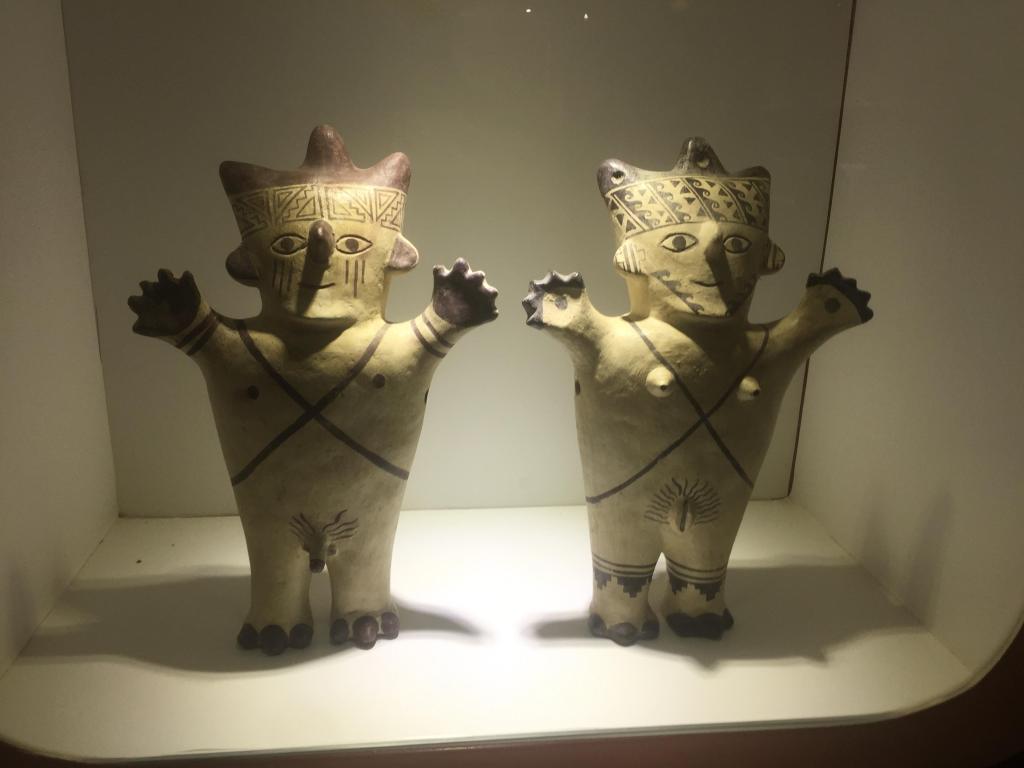
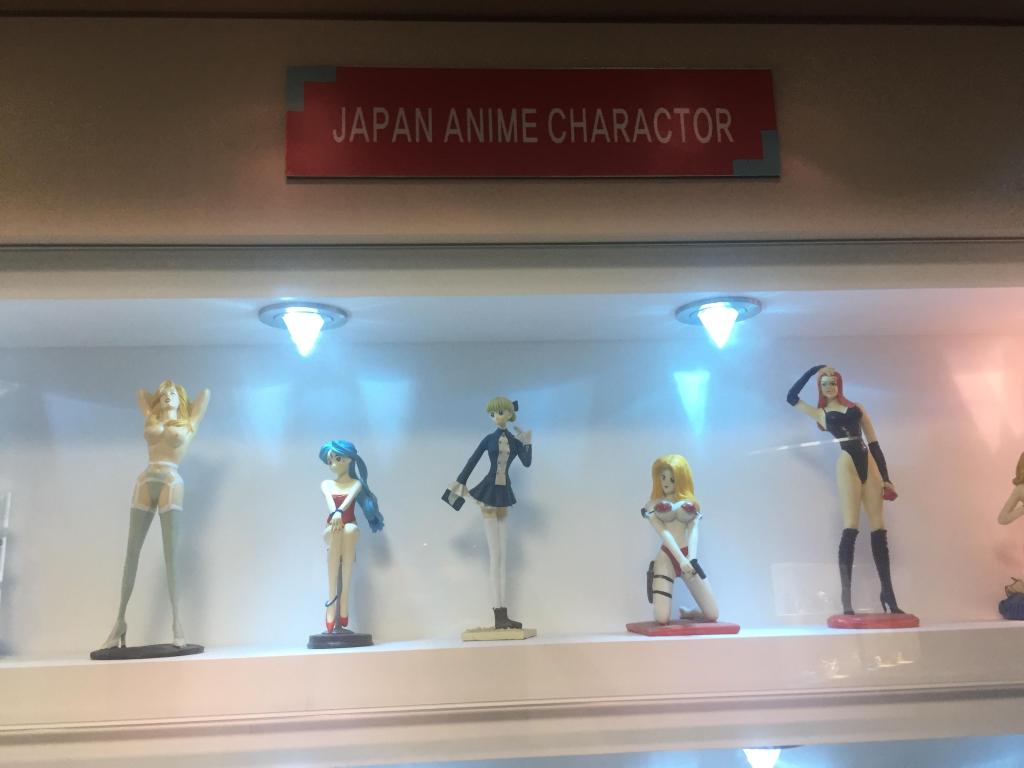
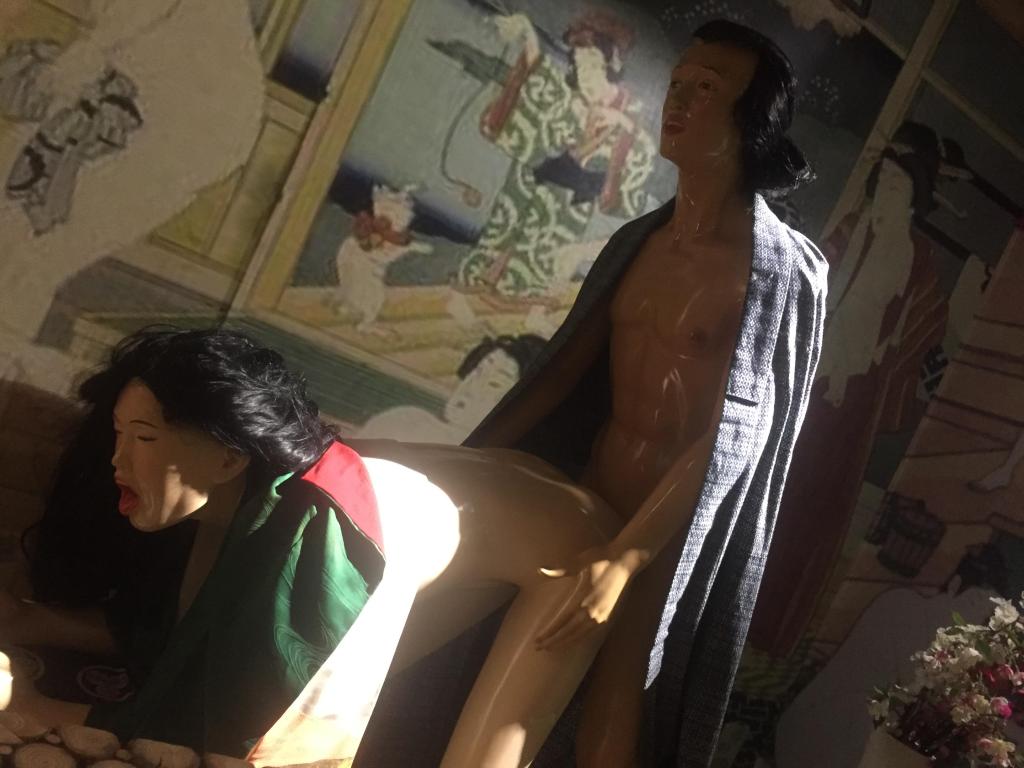
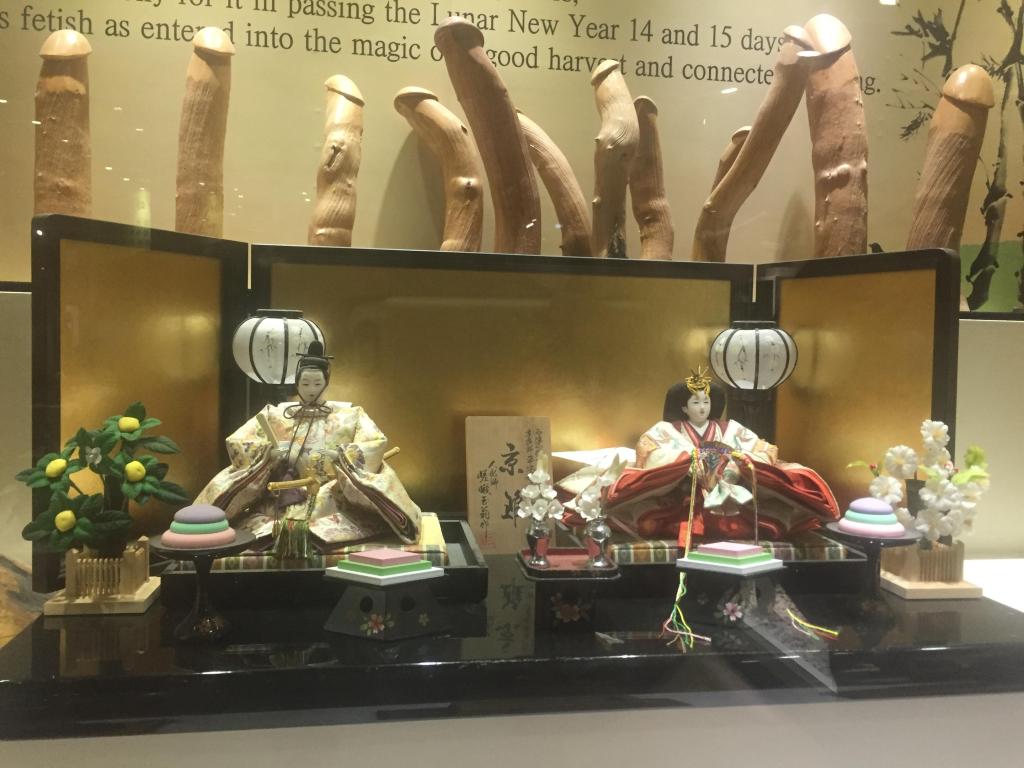
Japan
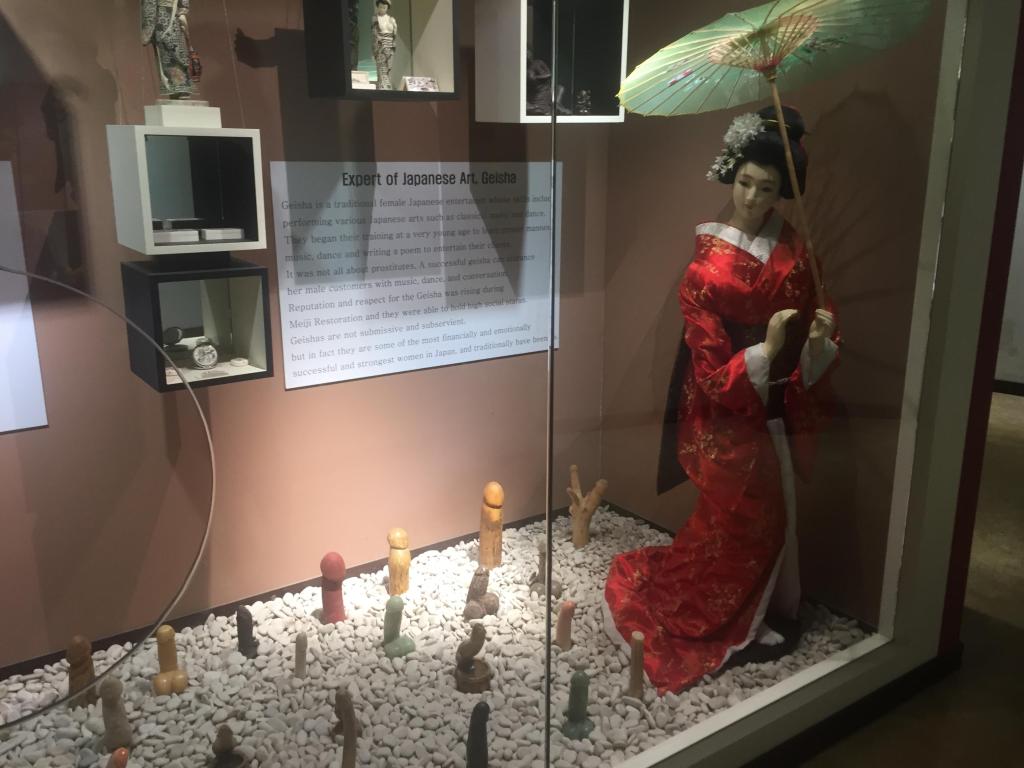
India… maybe
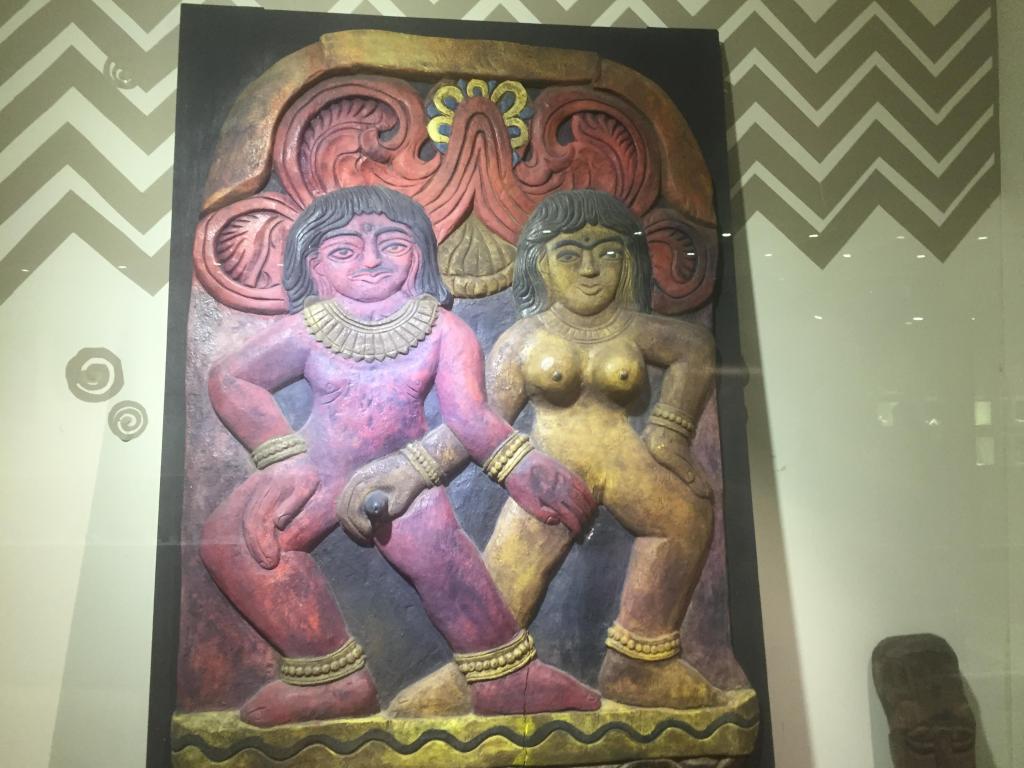
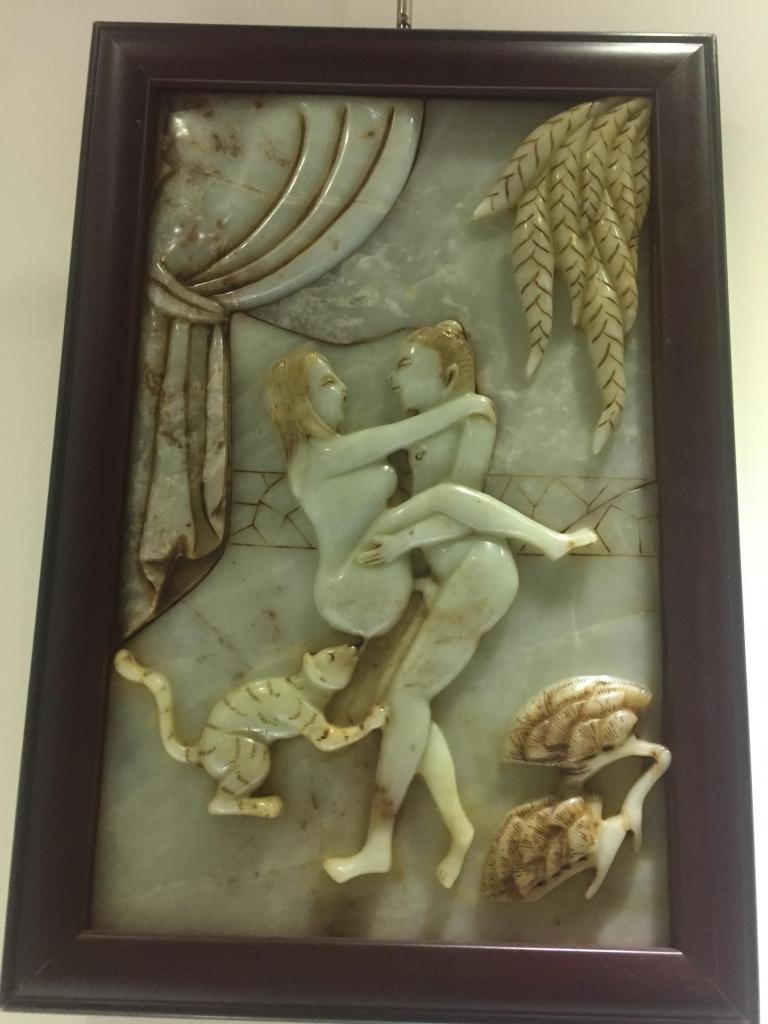
Korea, very shy…
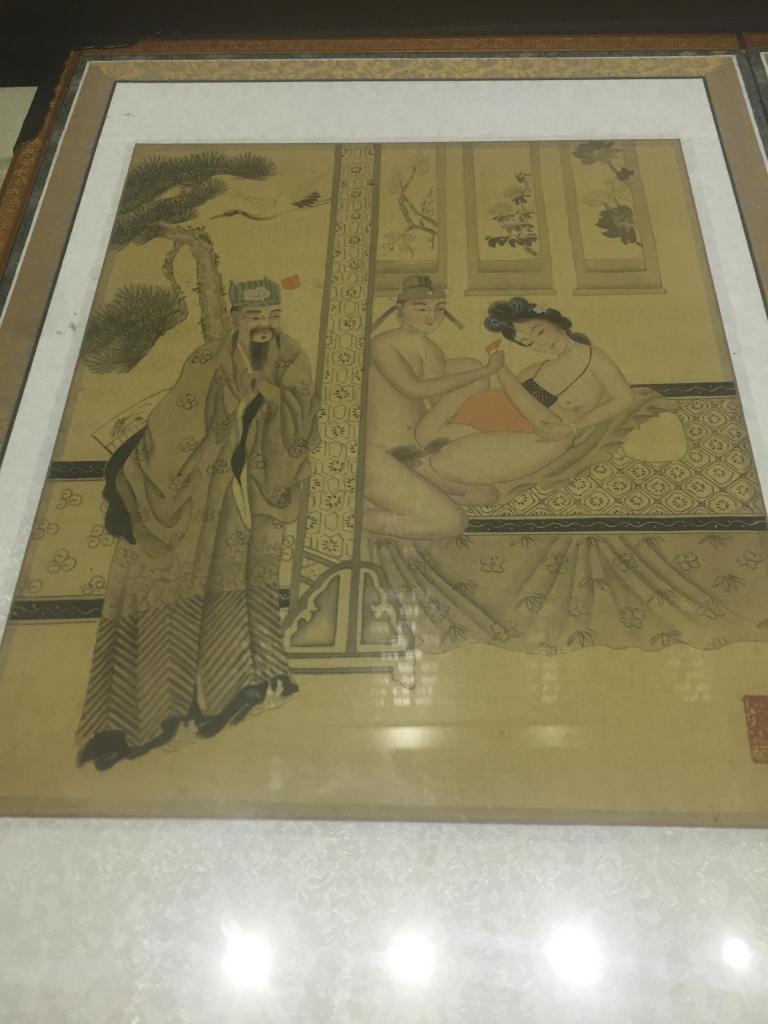
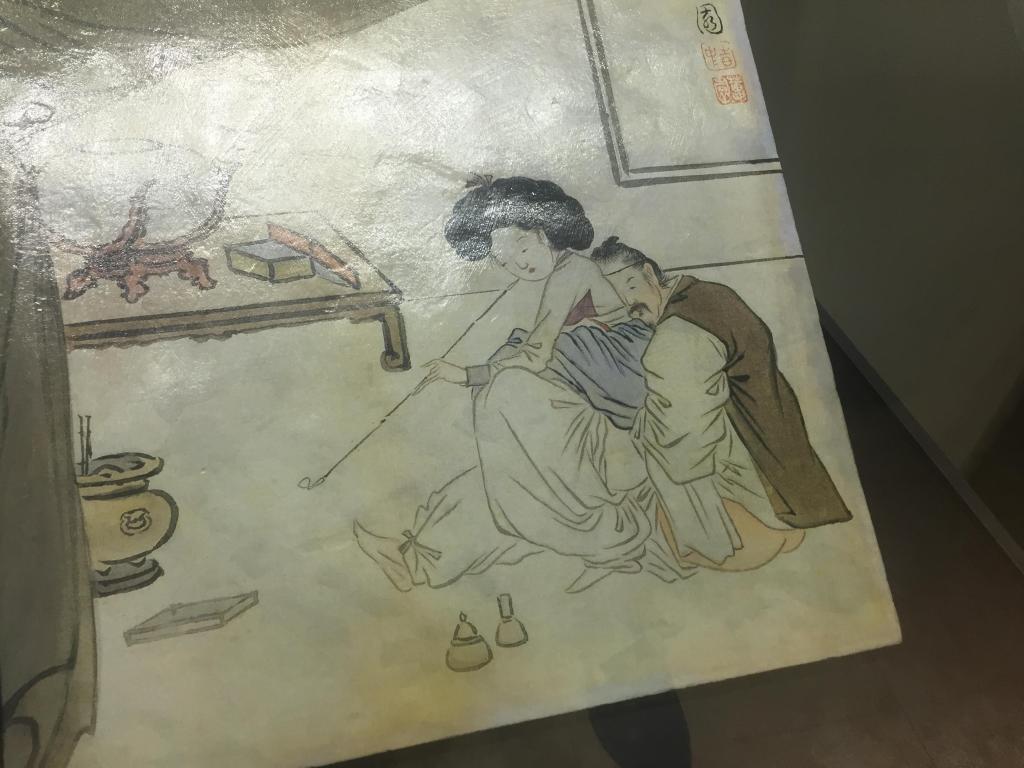
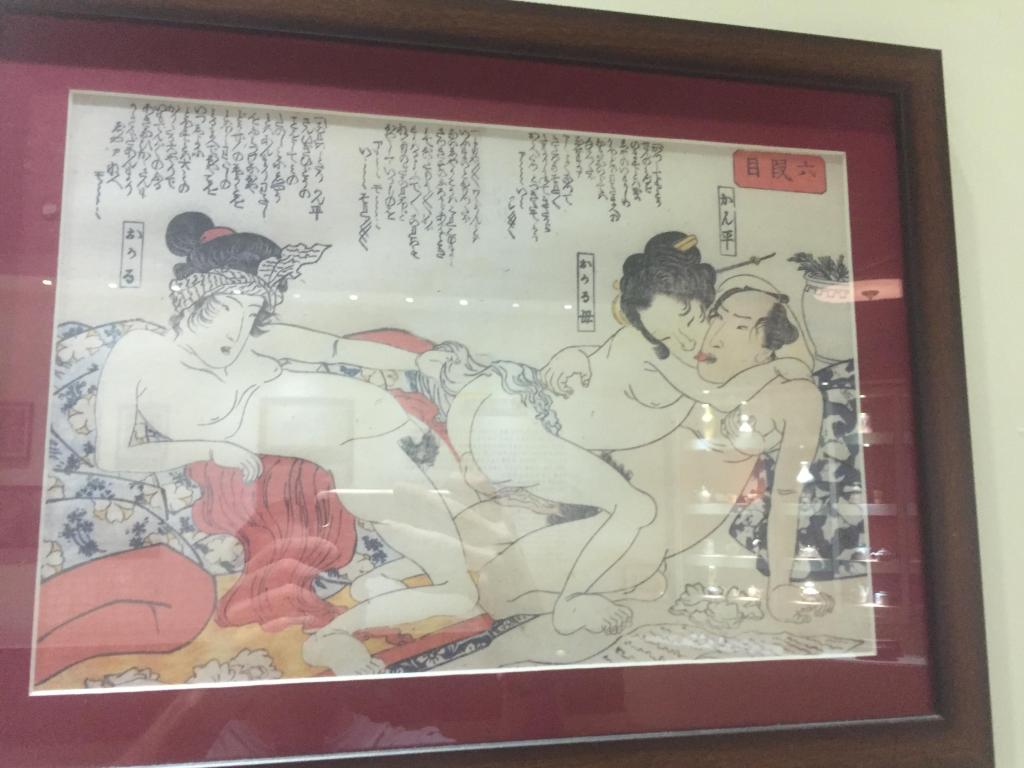
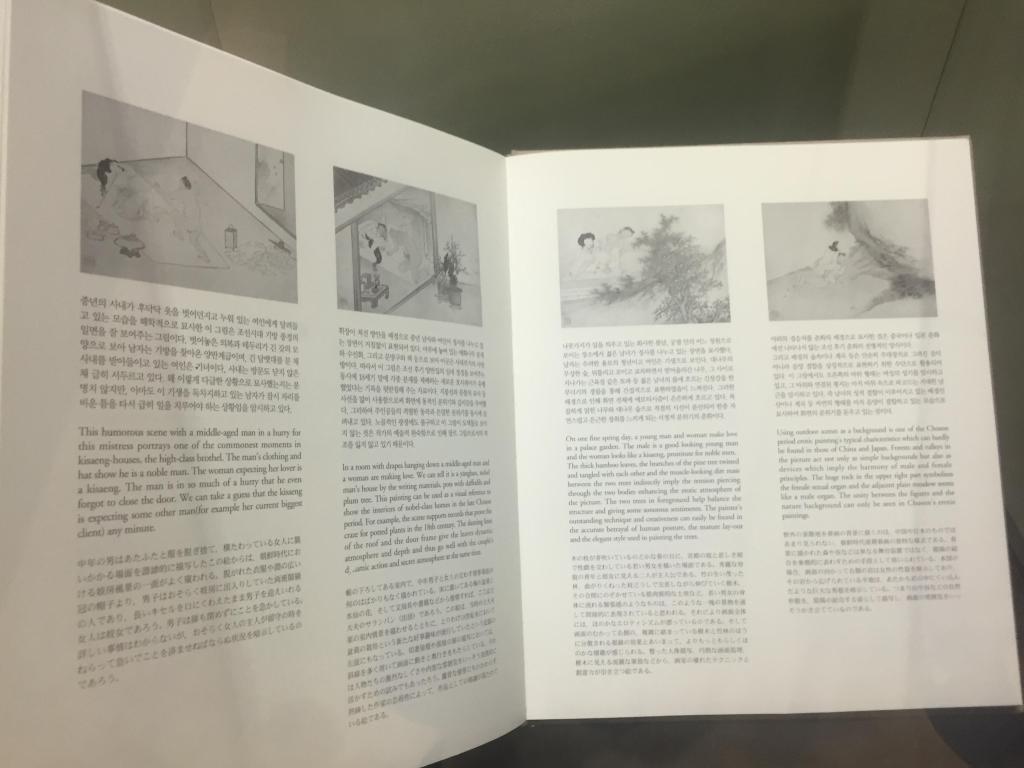
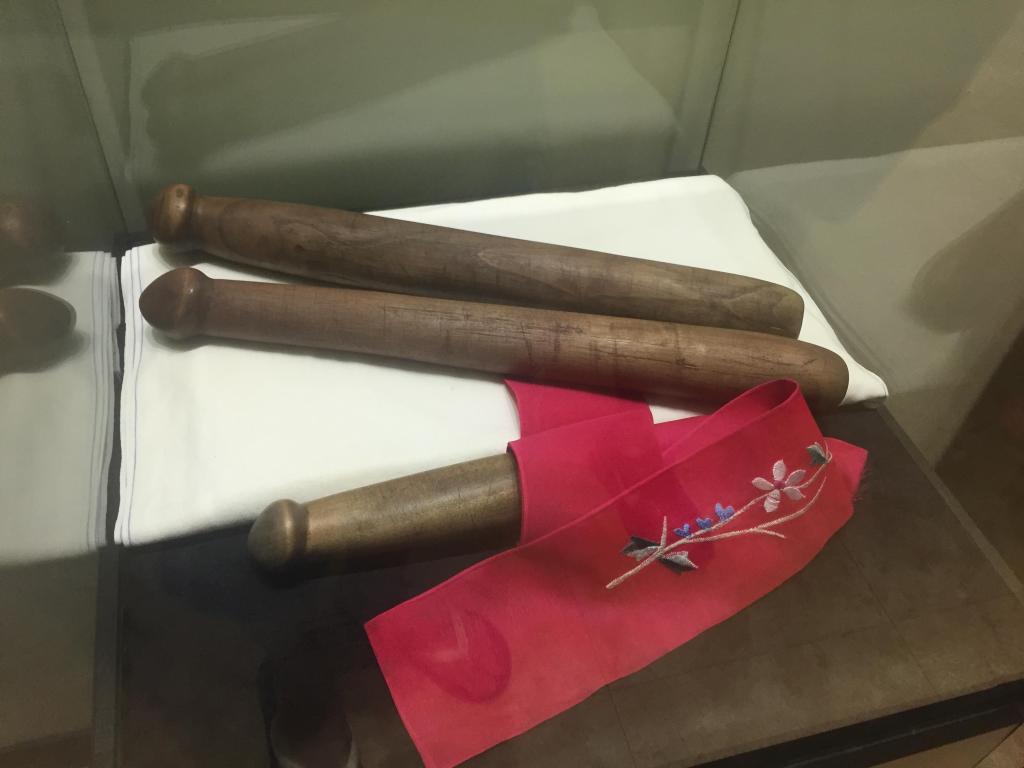
Actually I am a bit confused, I see Japanese everywhere.
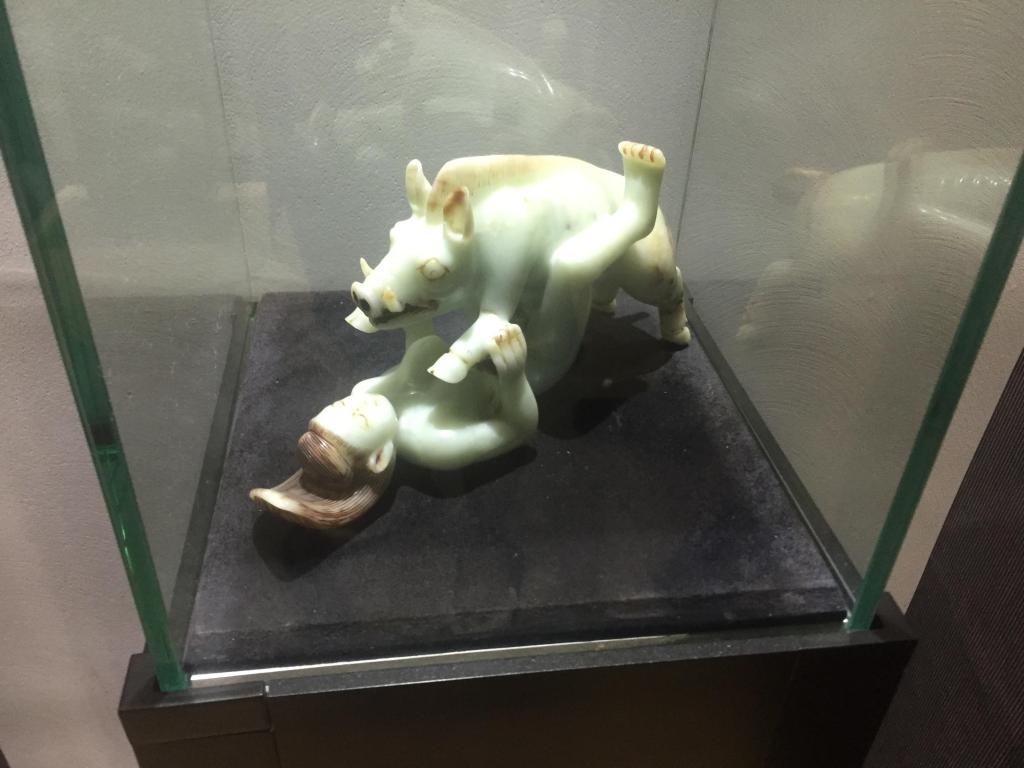
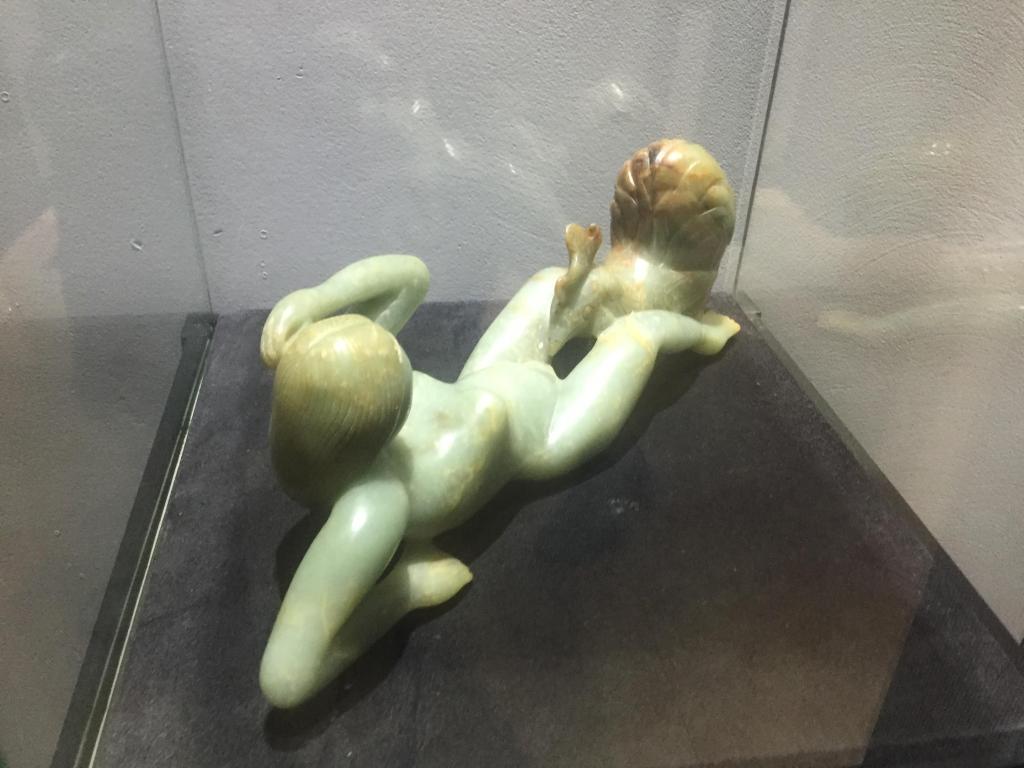
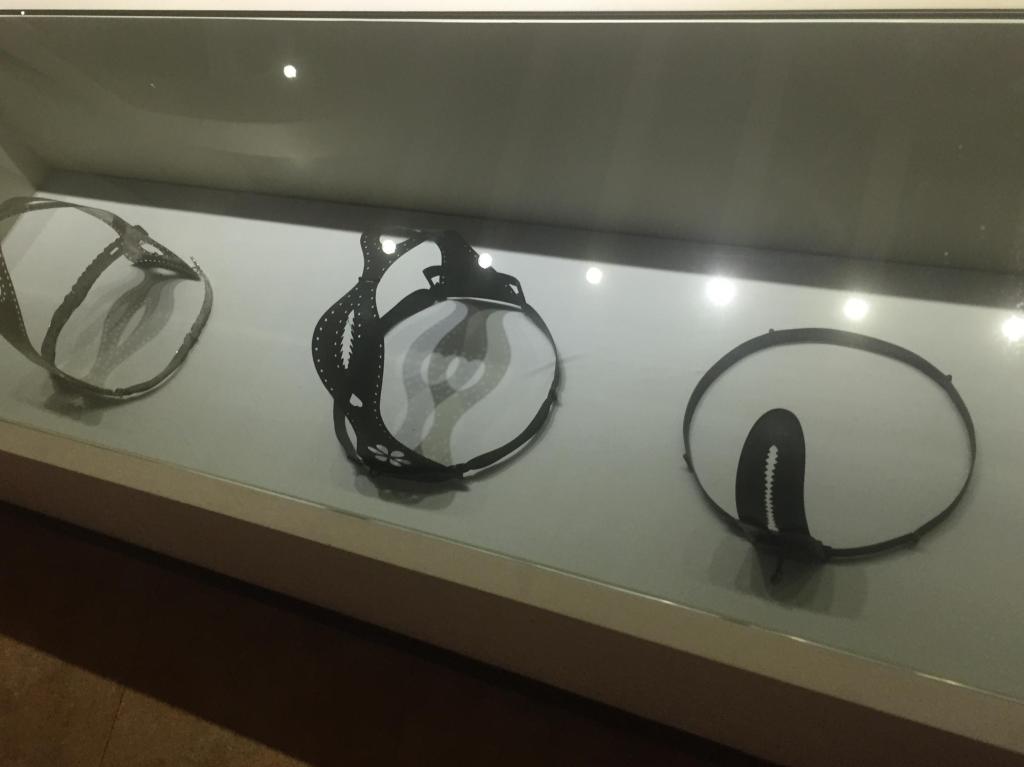
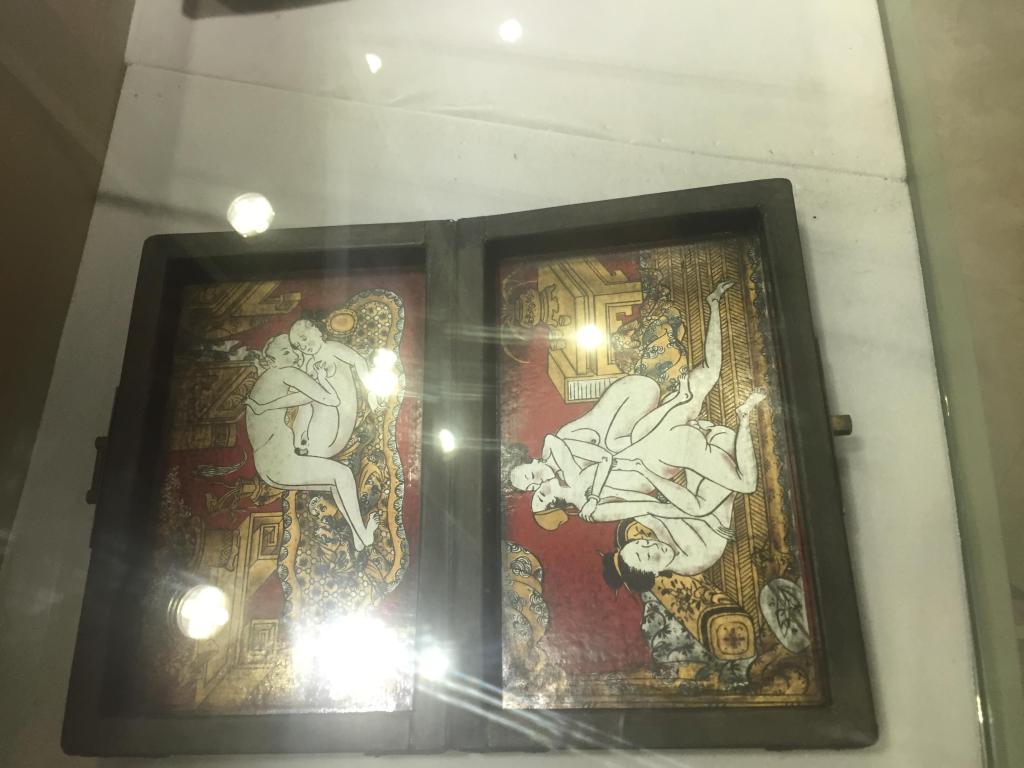
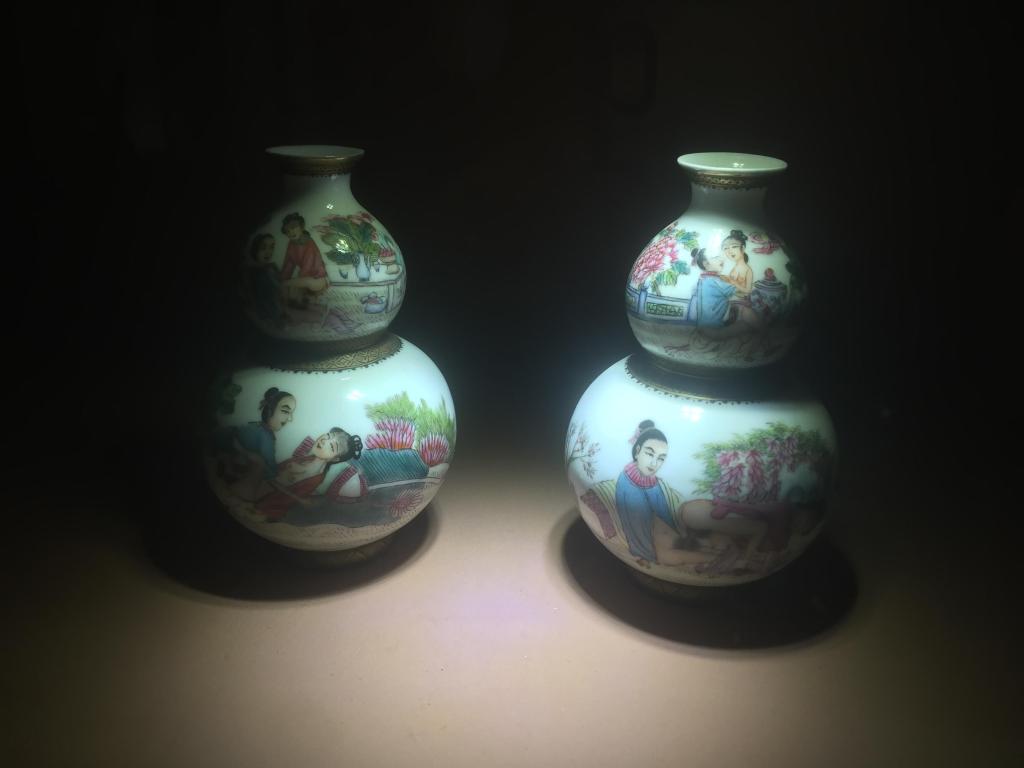
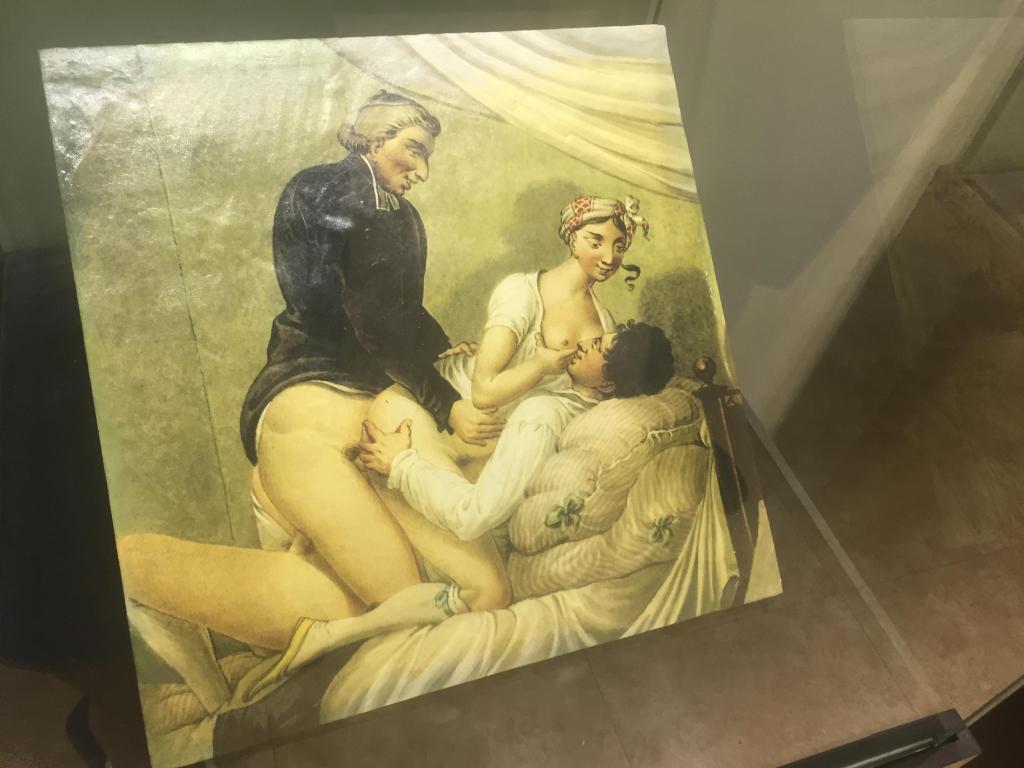
And, the beauty requires sacrifice.
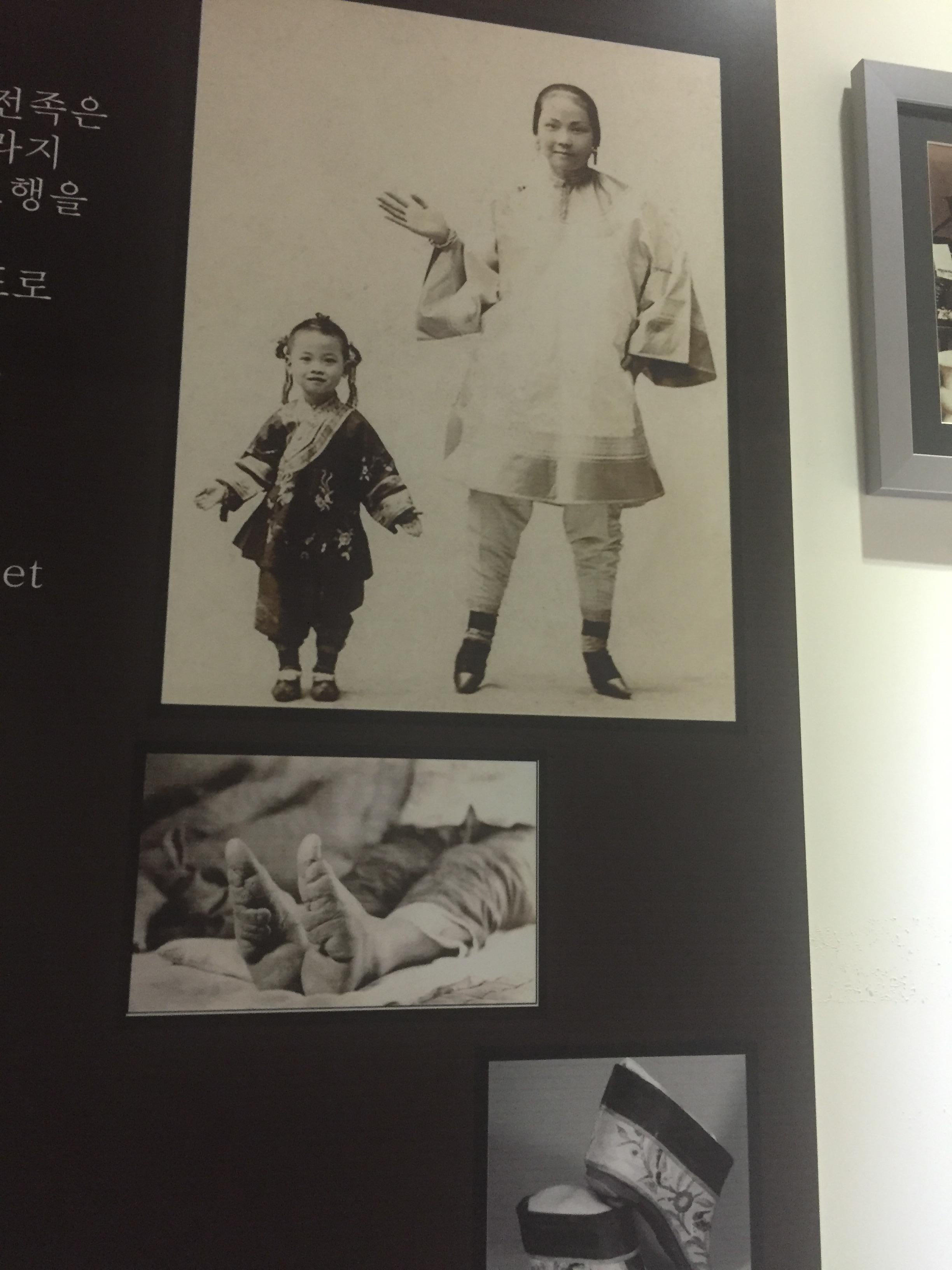
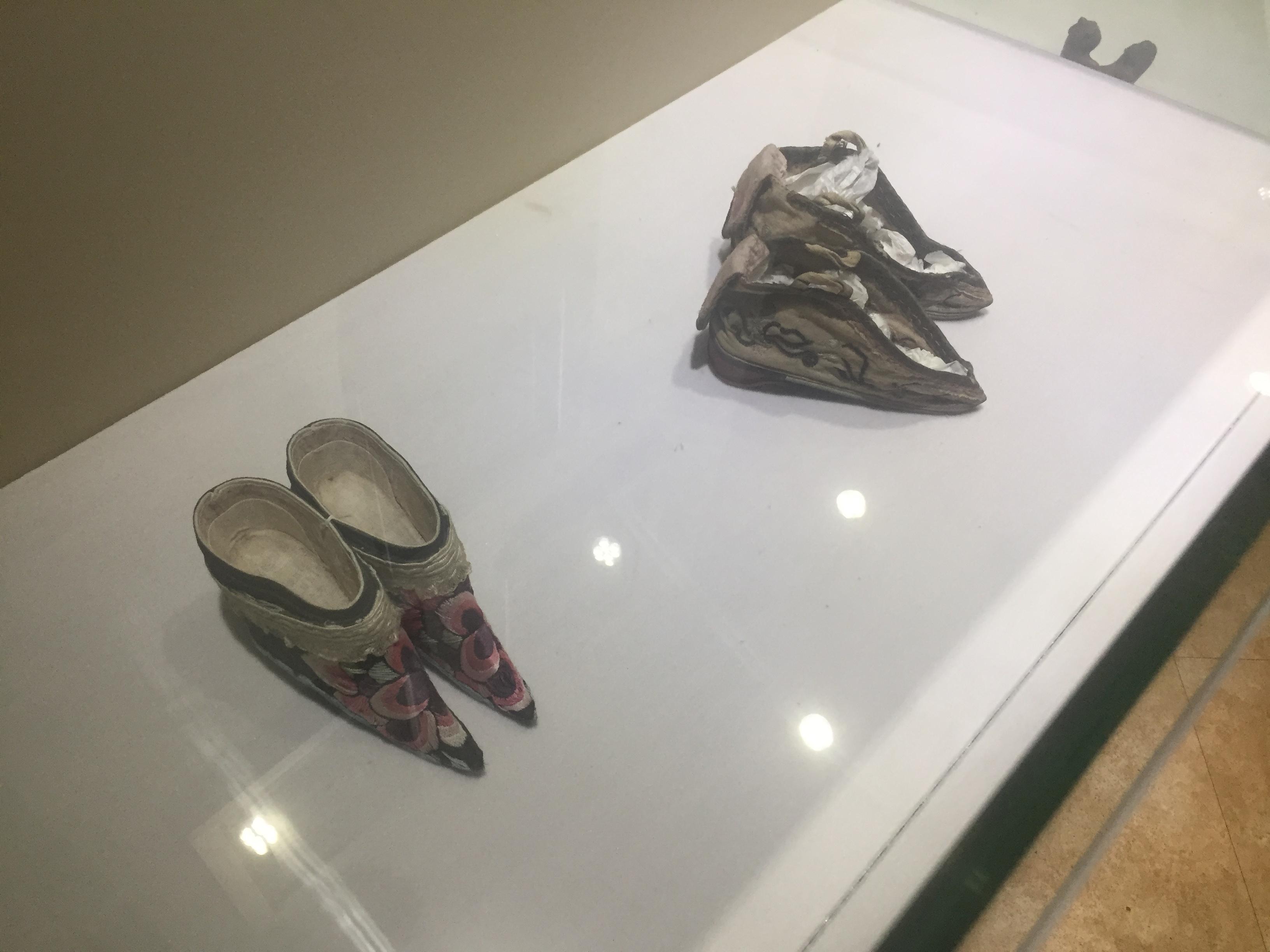
I think this is about perversion and modern daily life…
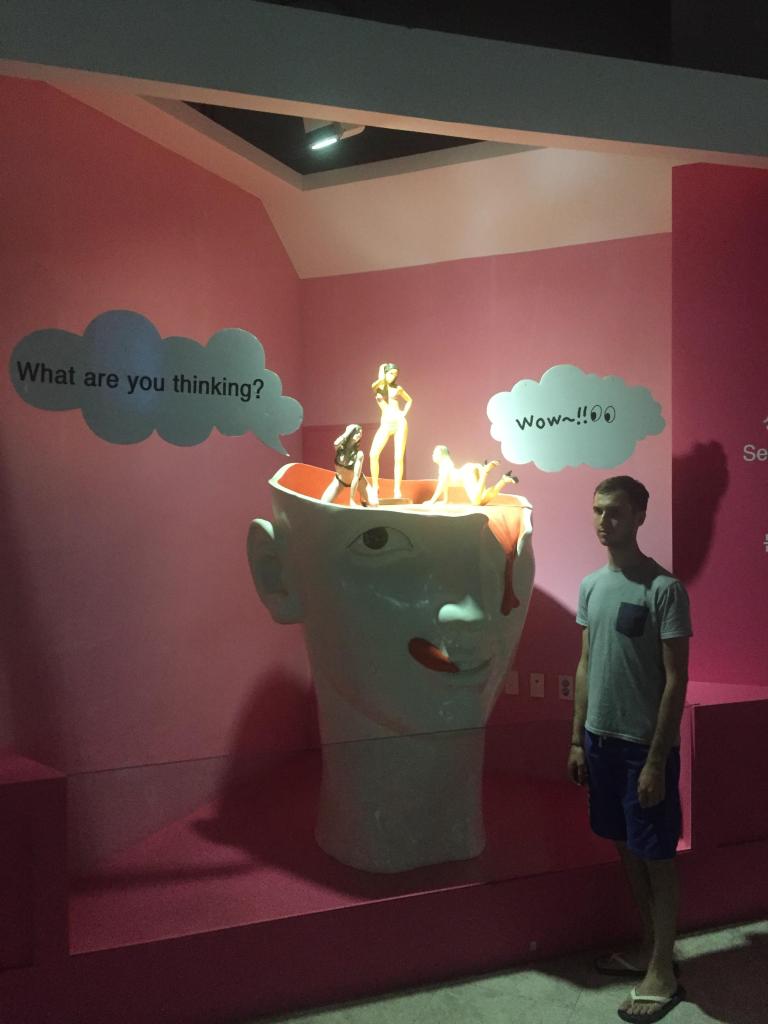
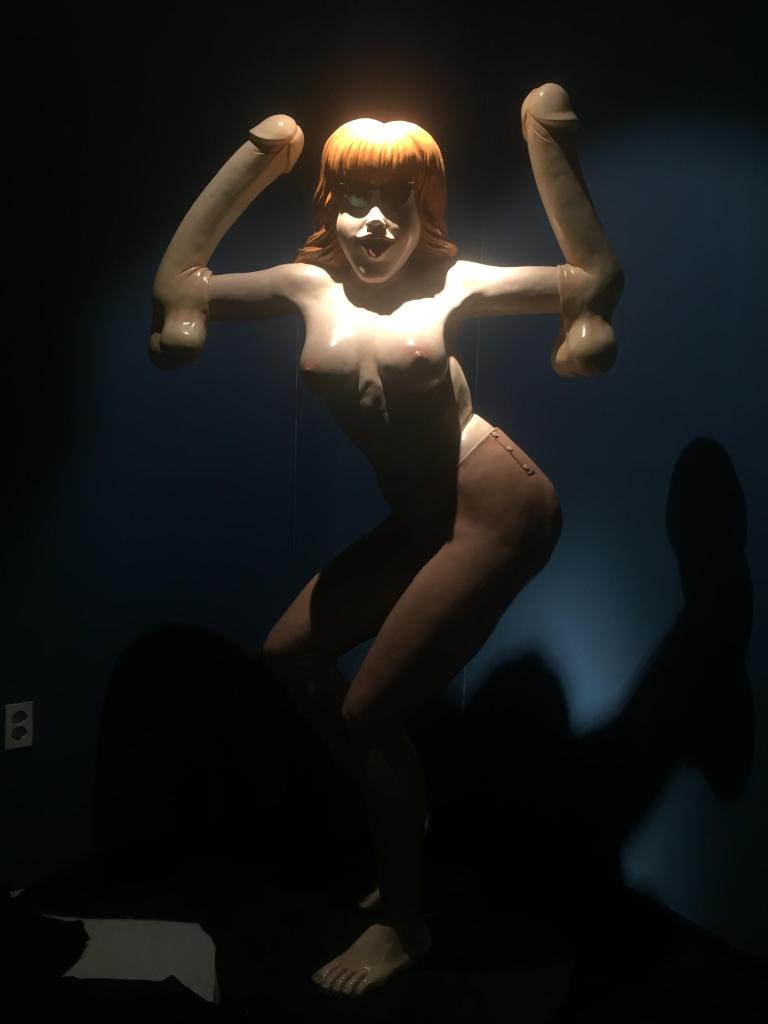
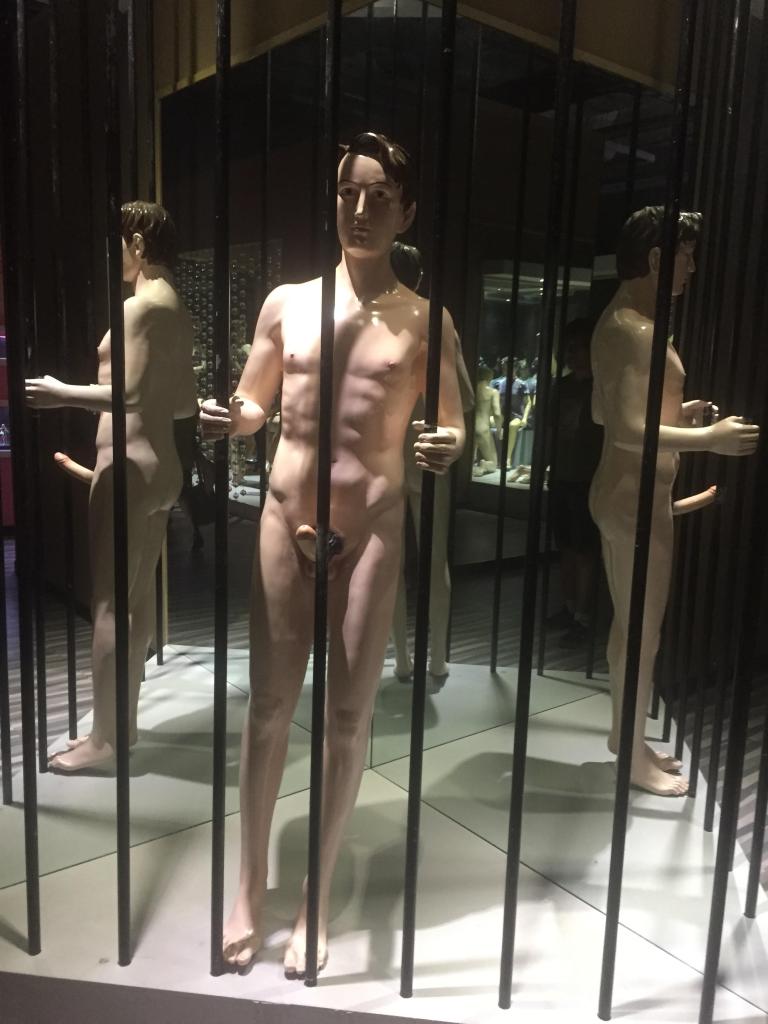
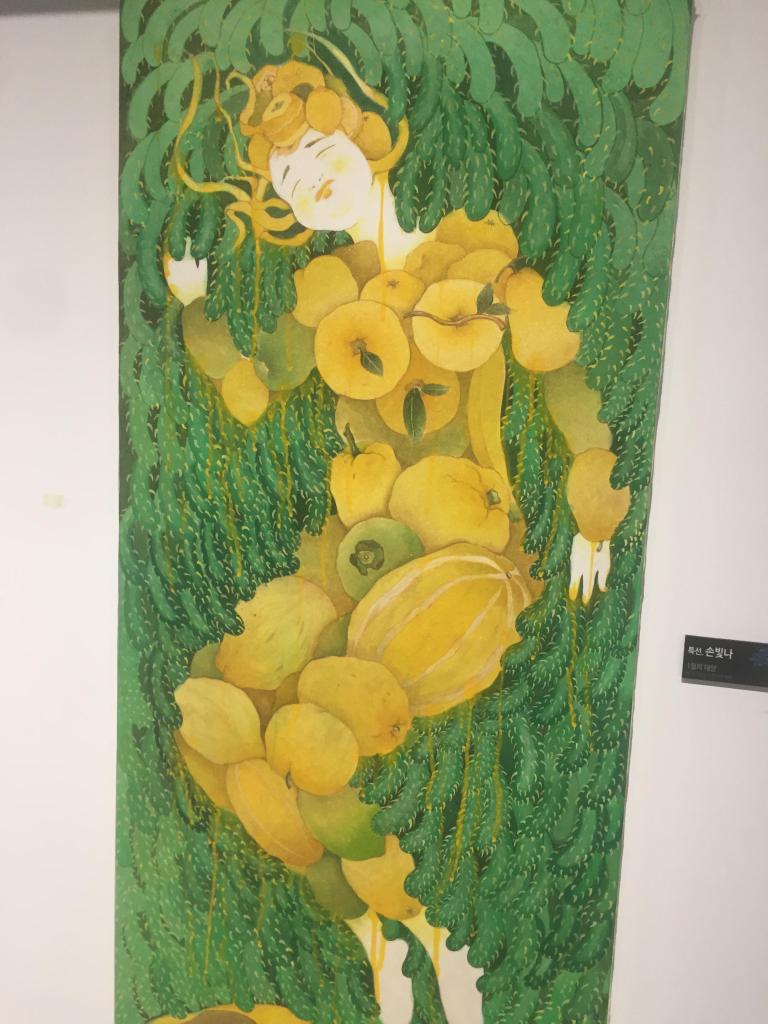
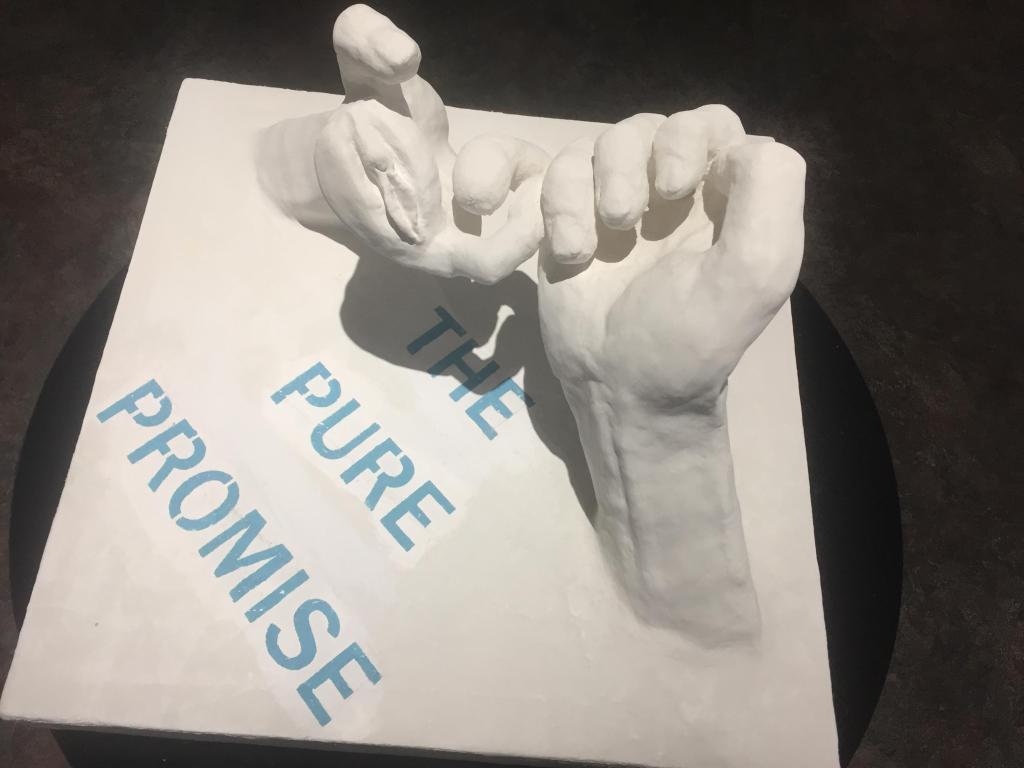
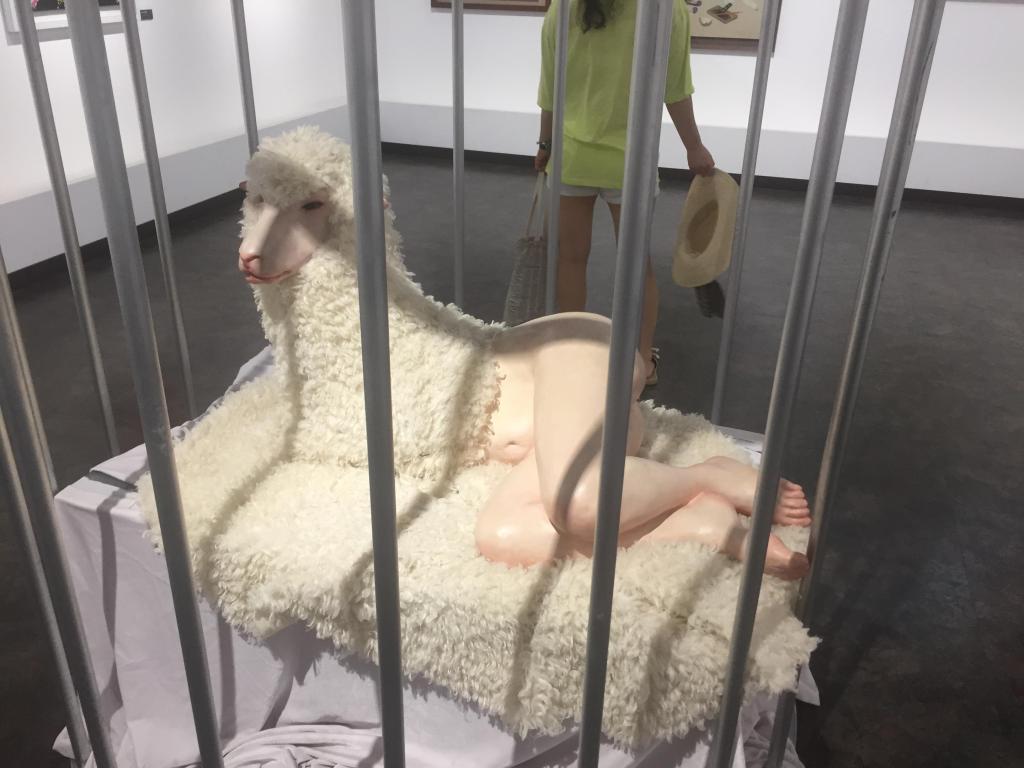
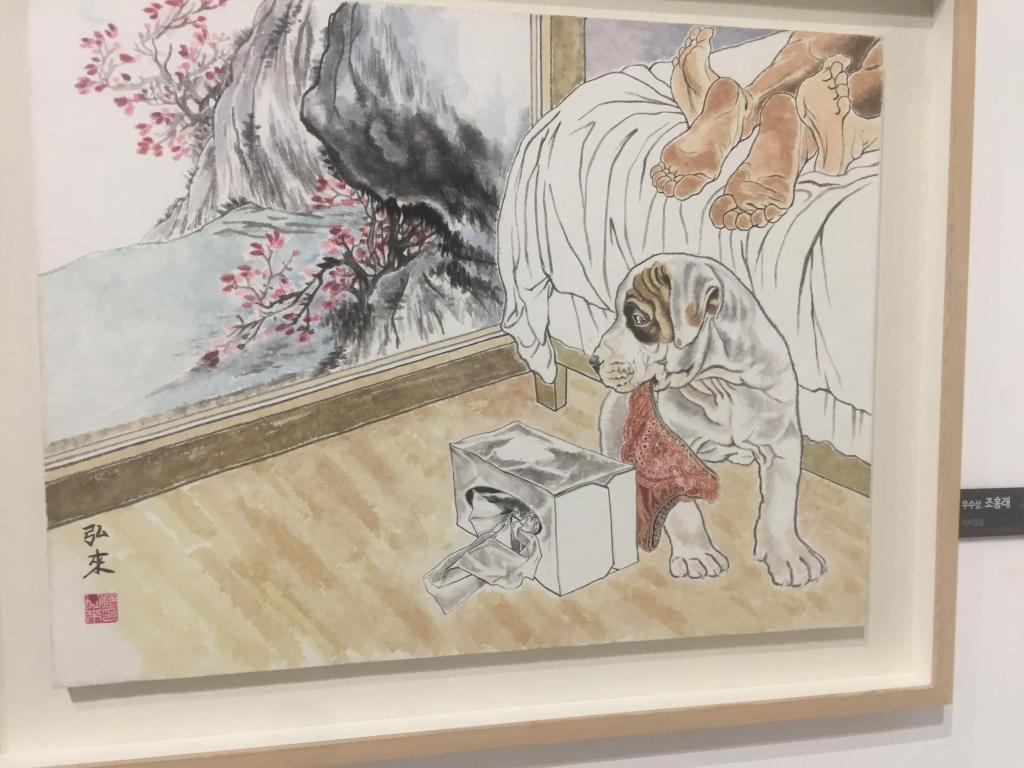
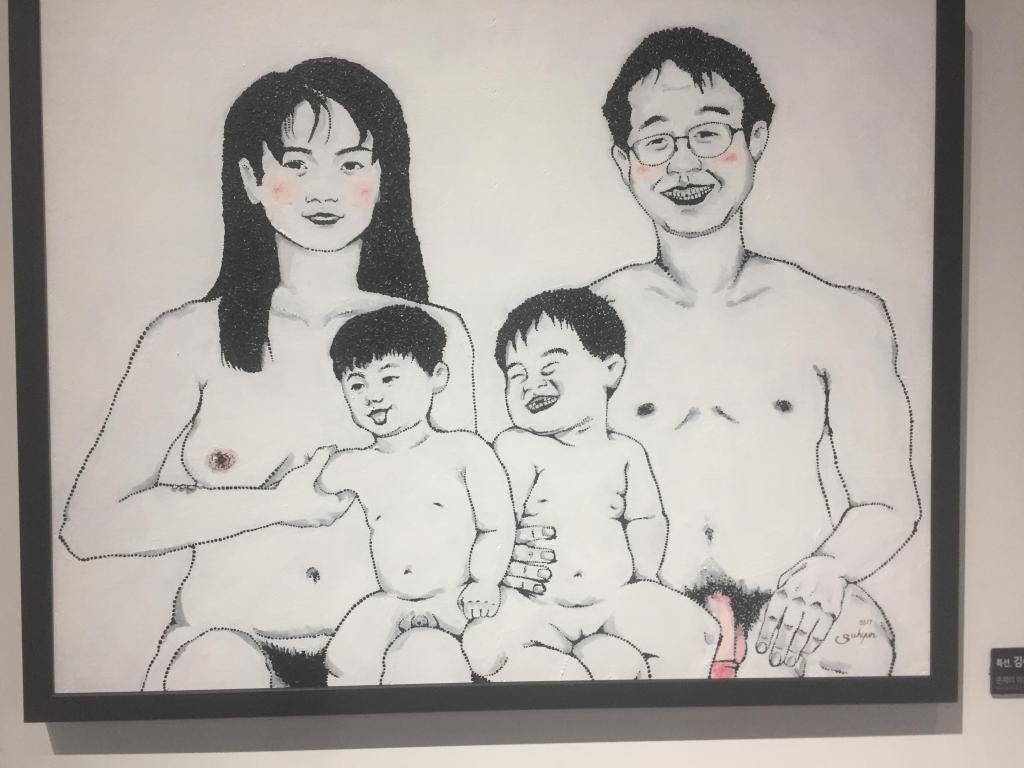
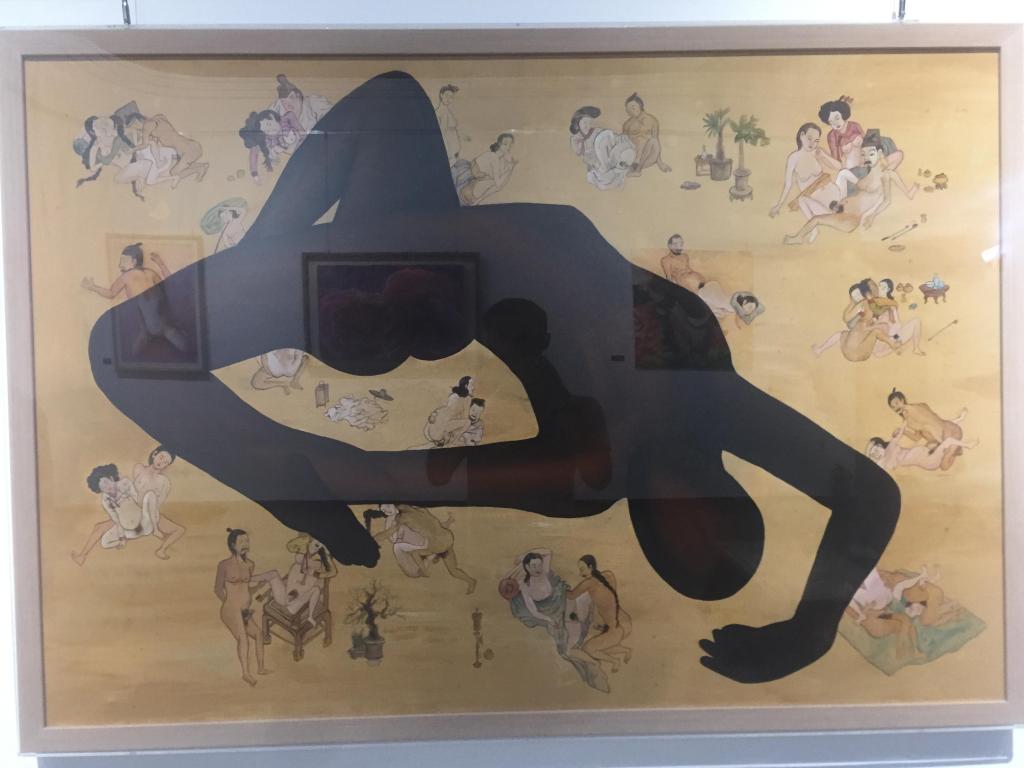
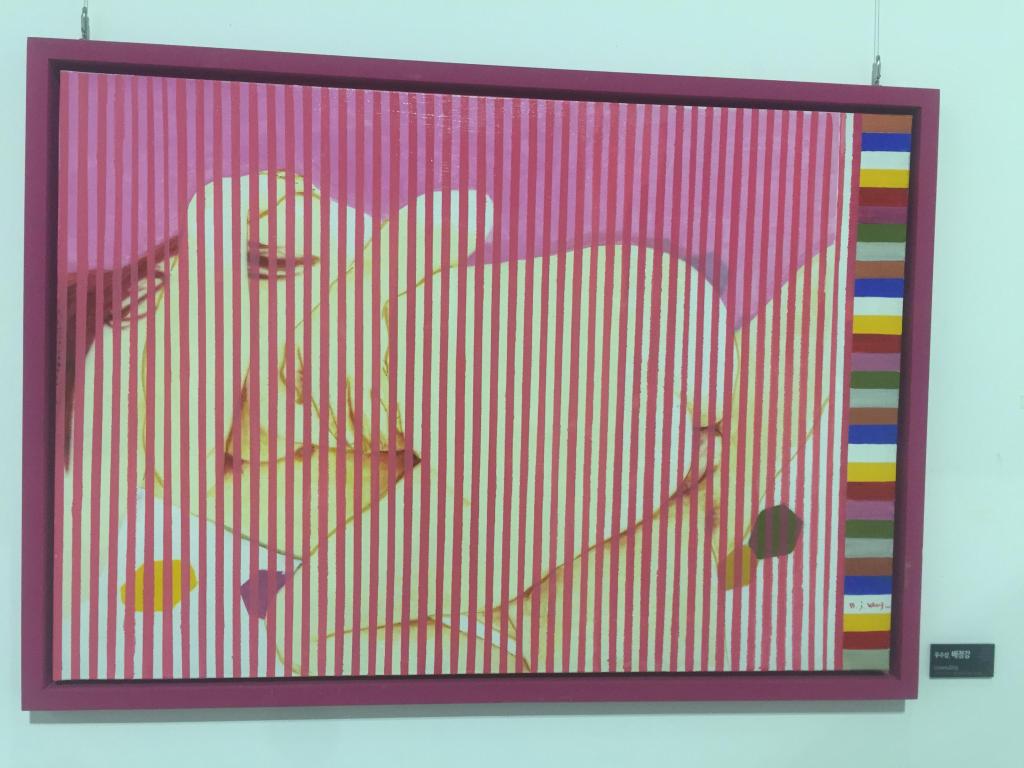
And about pornography. I remember there even was a translation of an educational video about how to play with a penis.

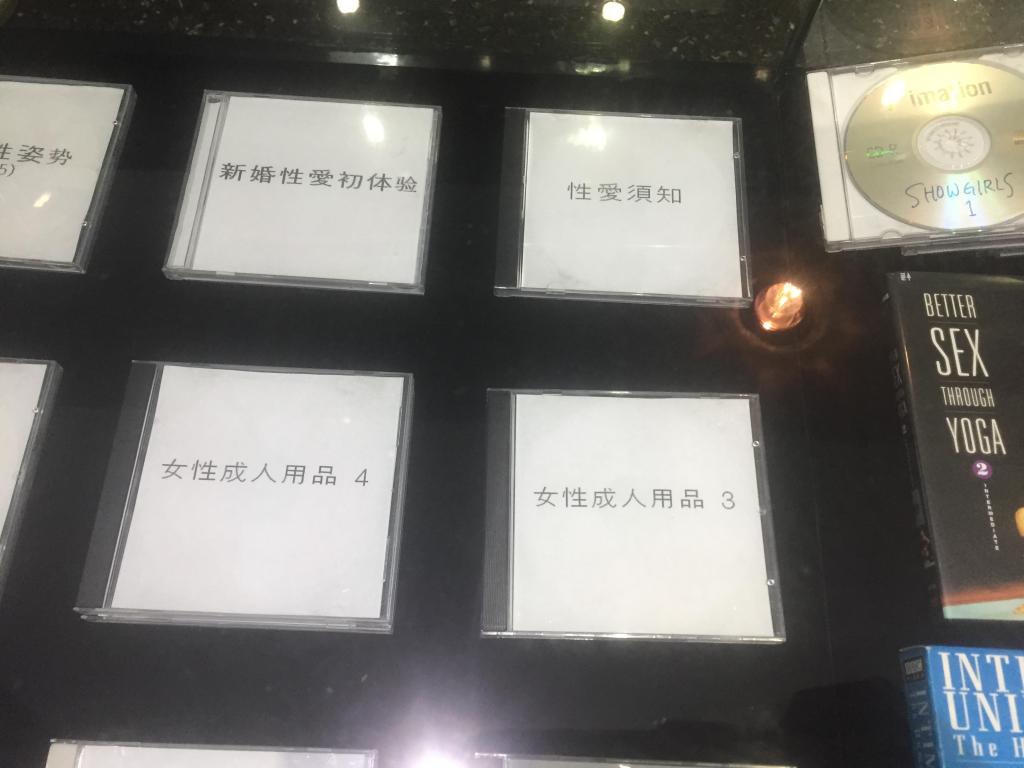
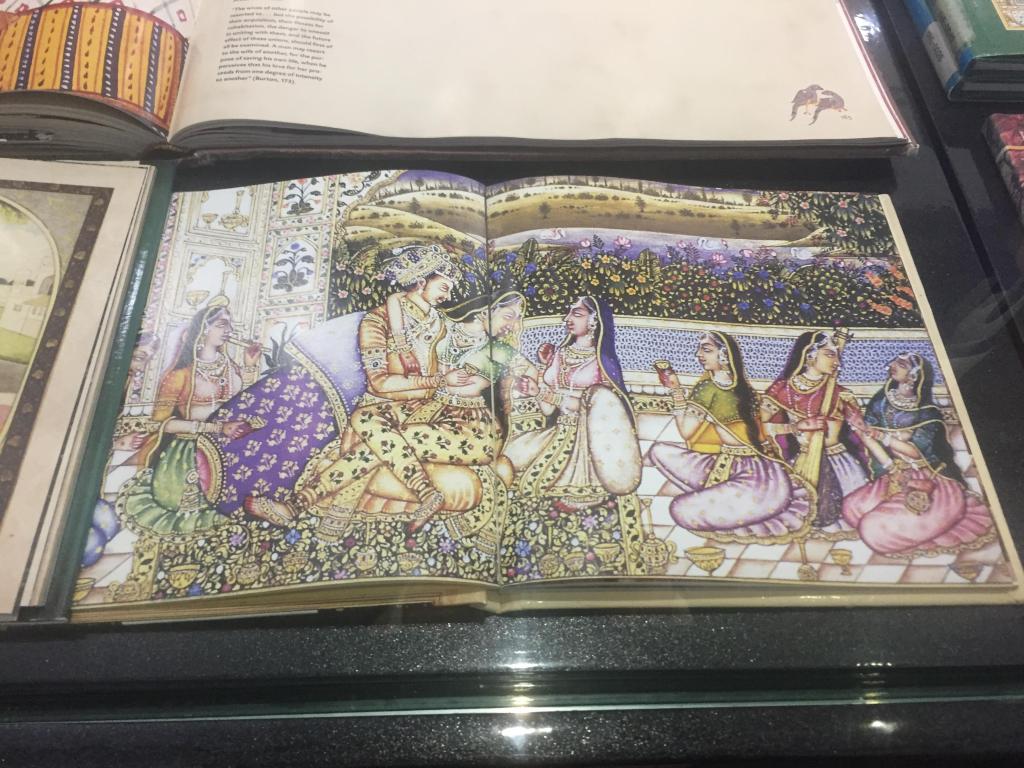

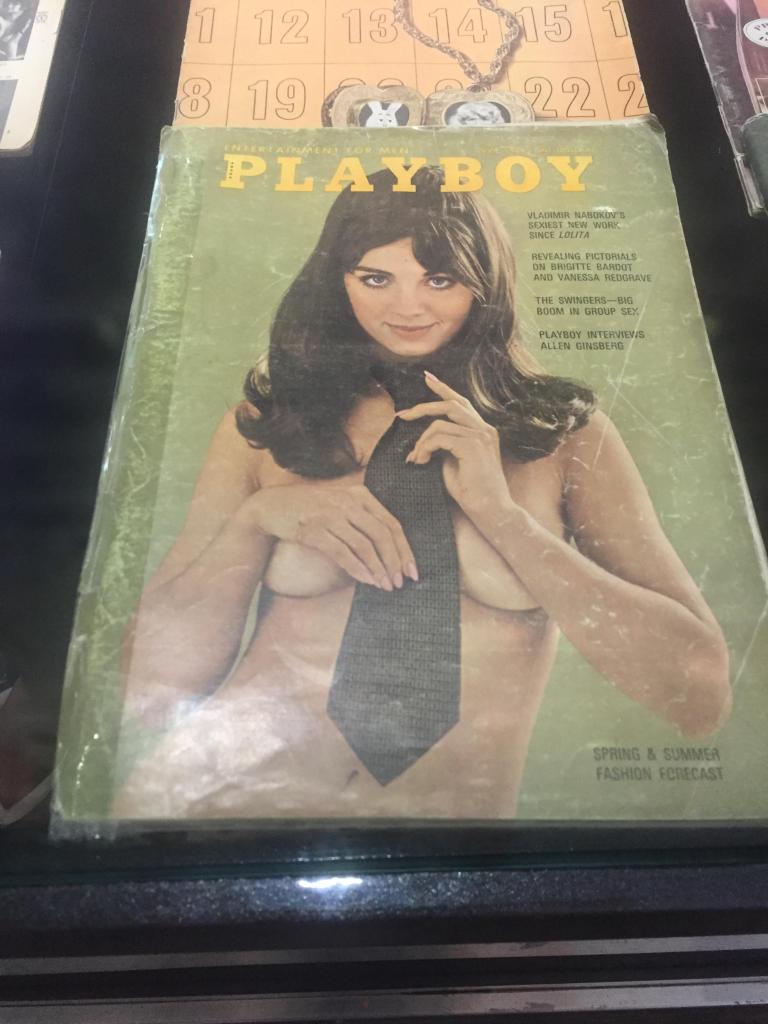
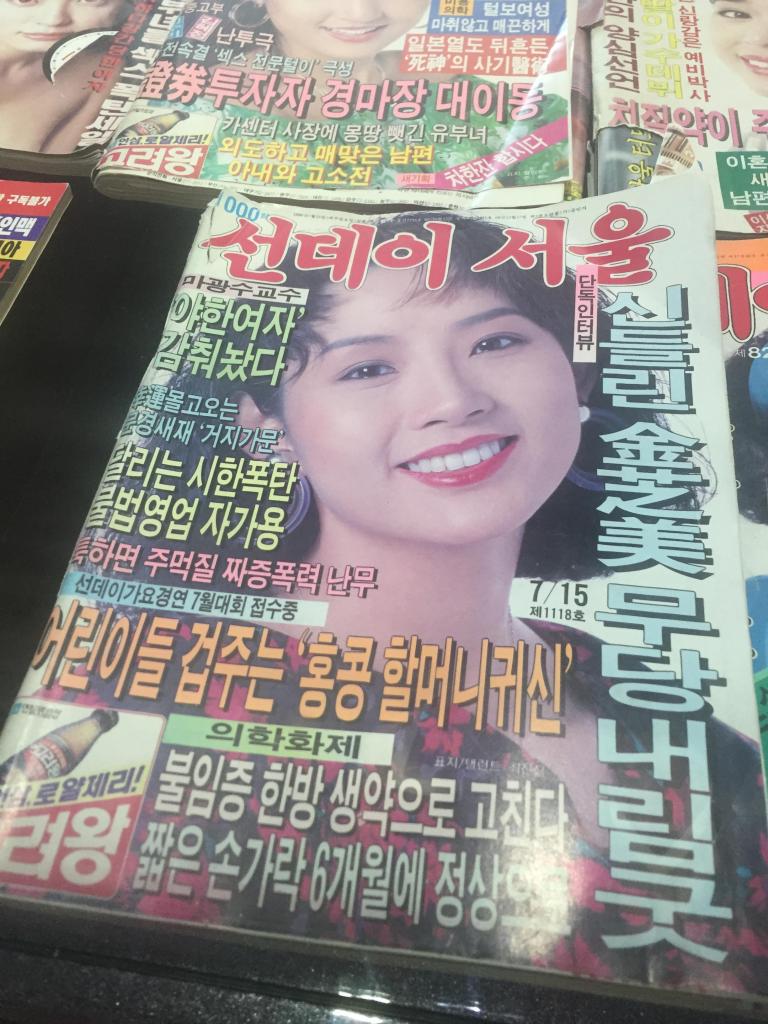

So, now I am very educated, but I need to rethink everything one more time, somewhere in a peaceful place.
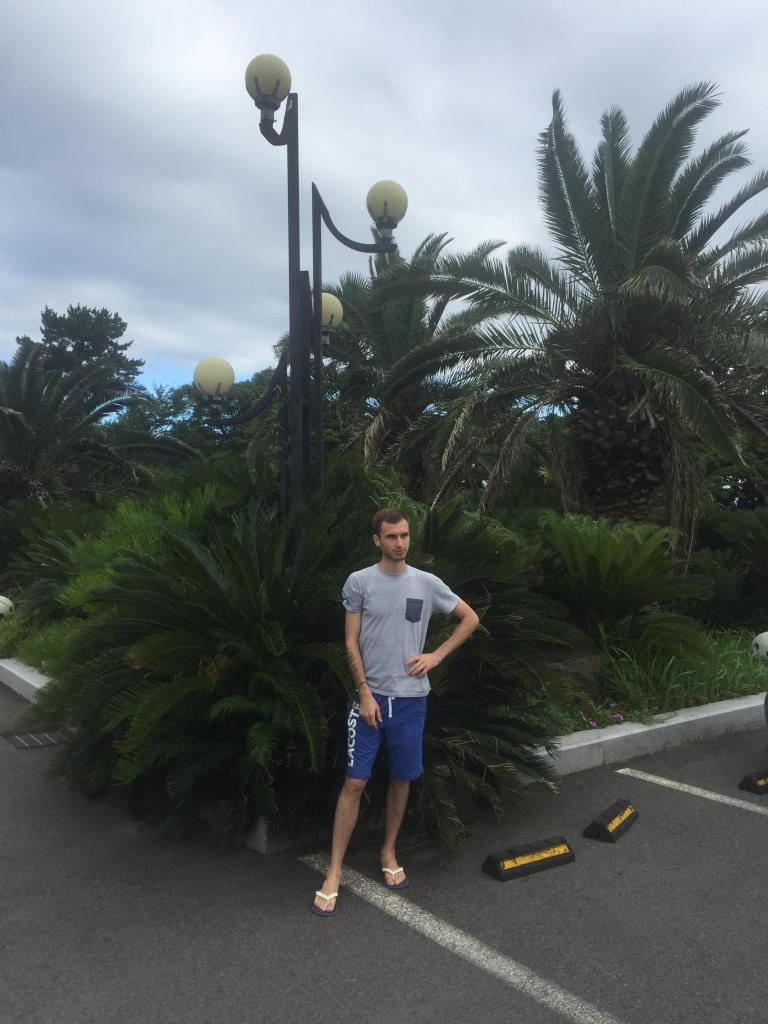
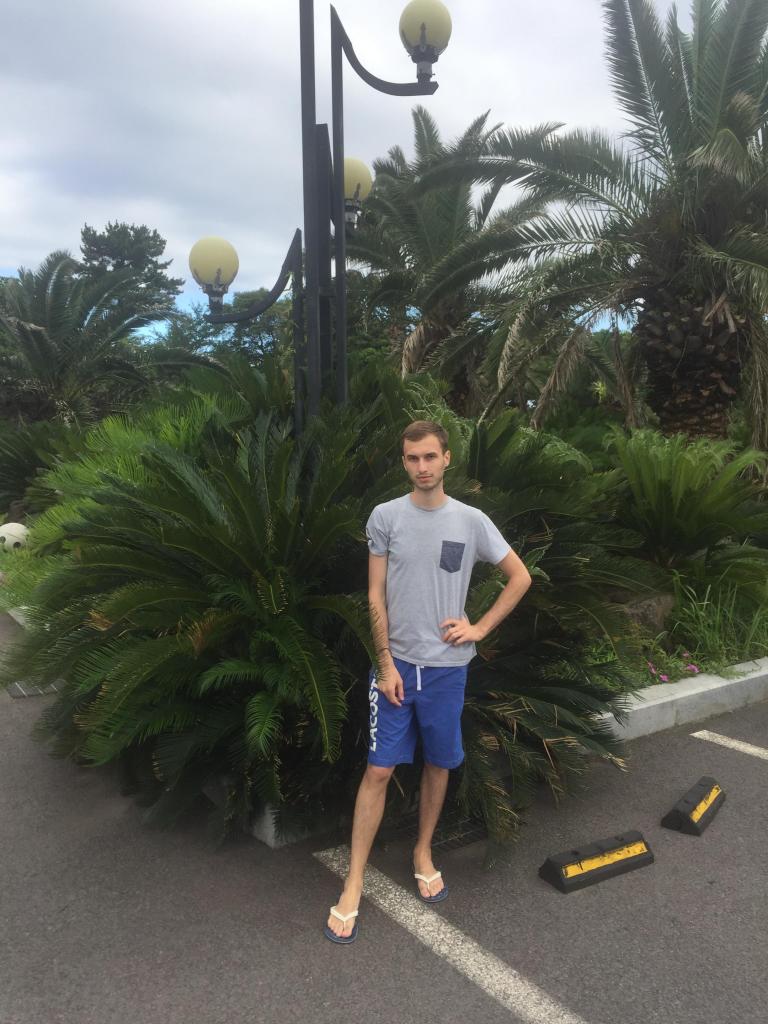
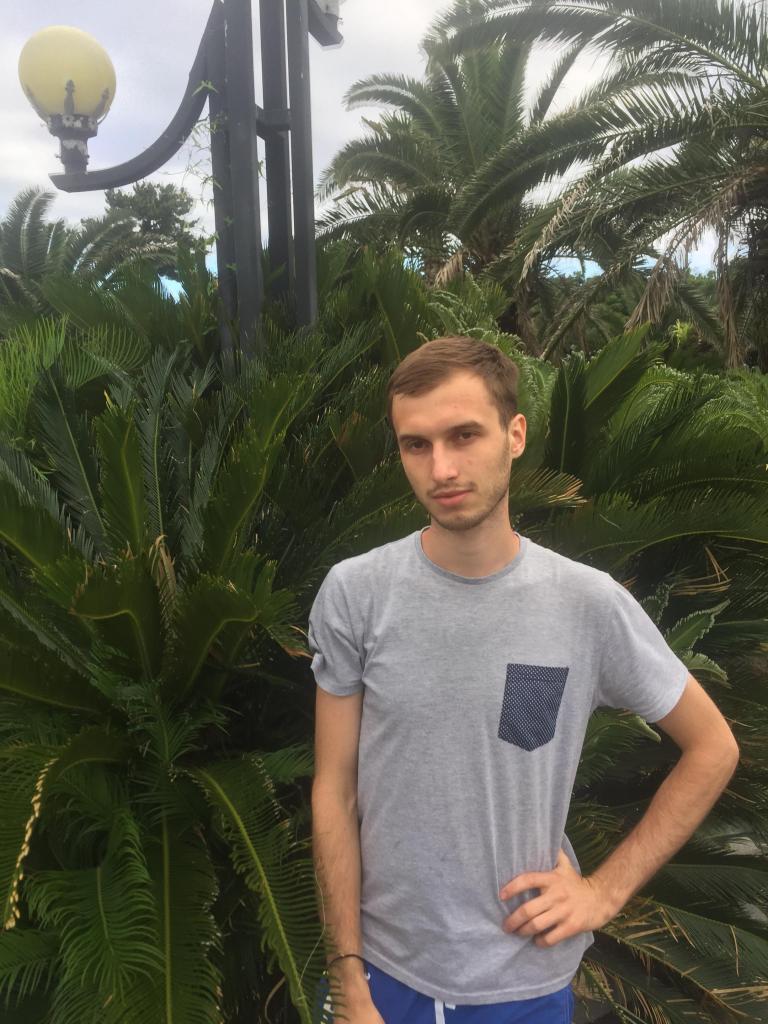
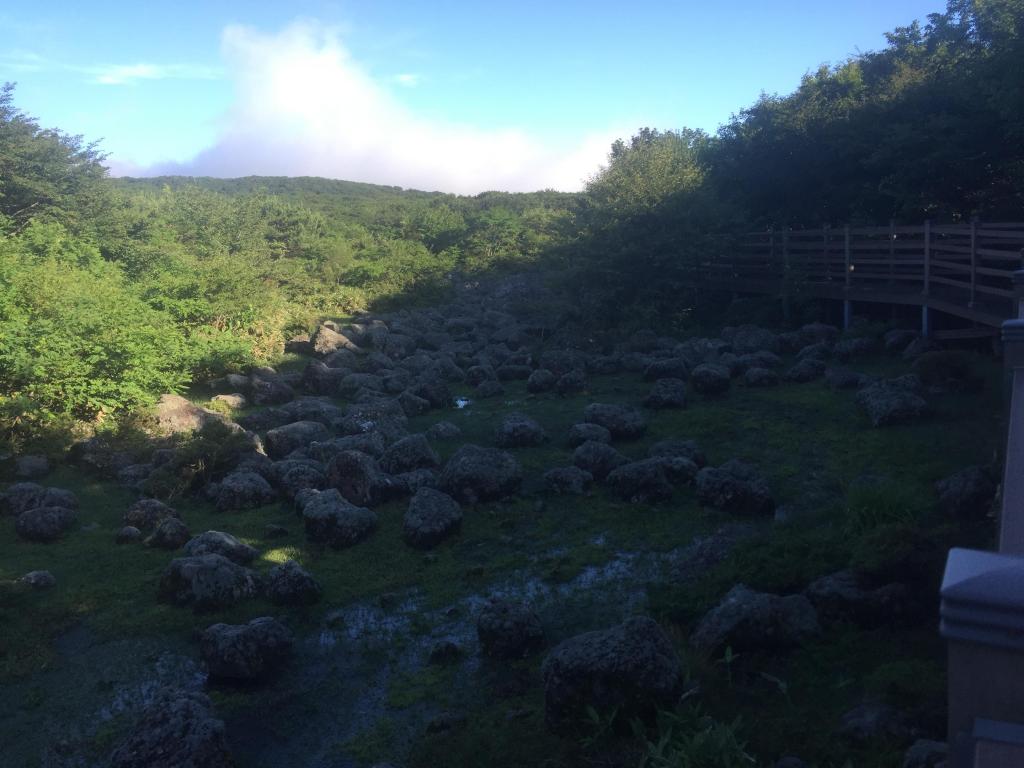
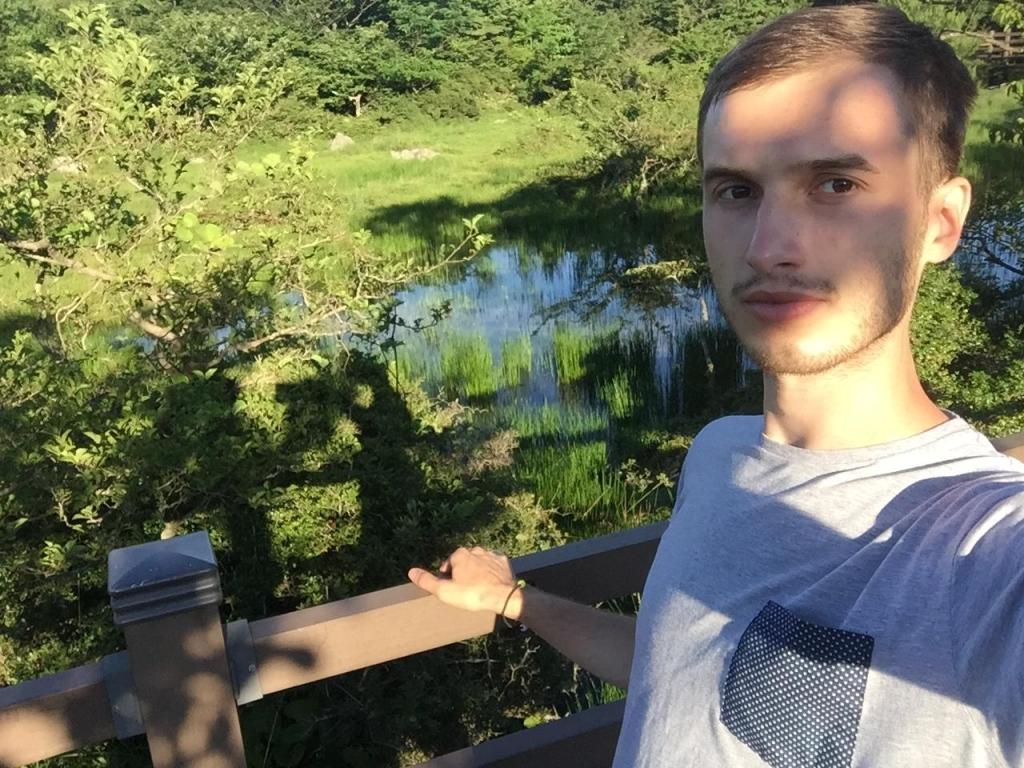
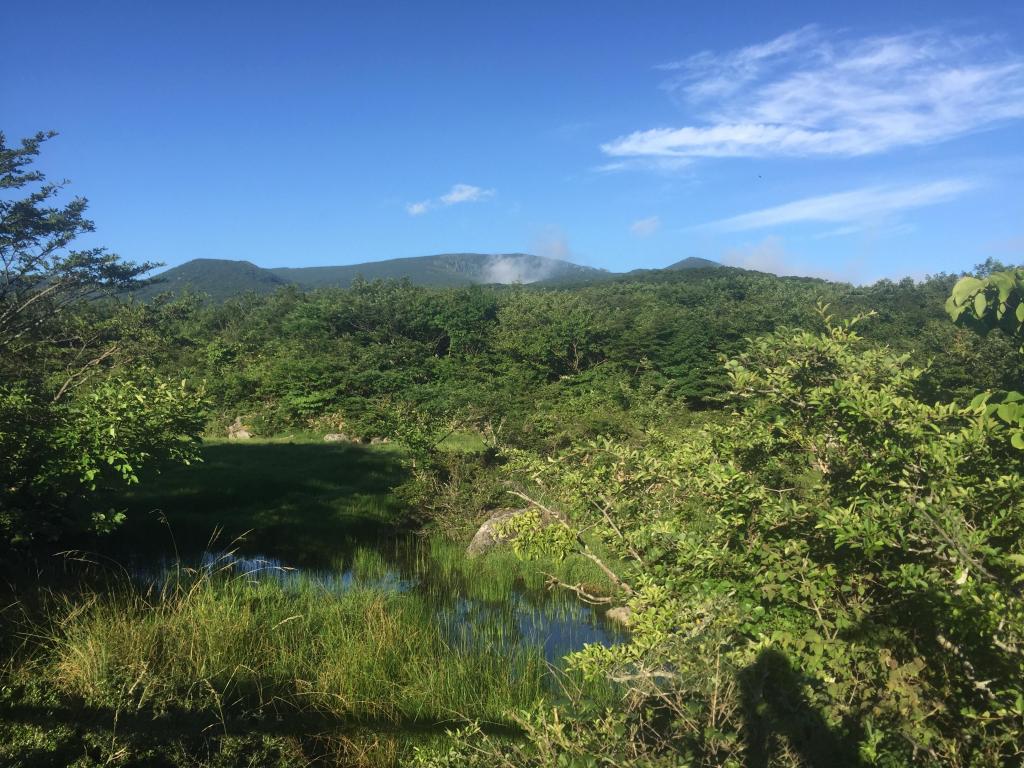
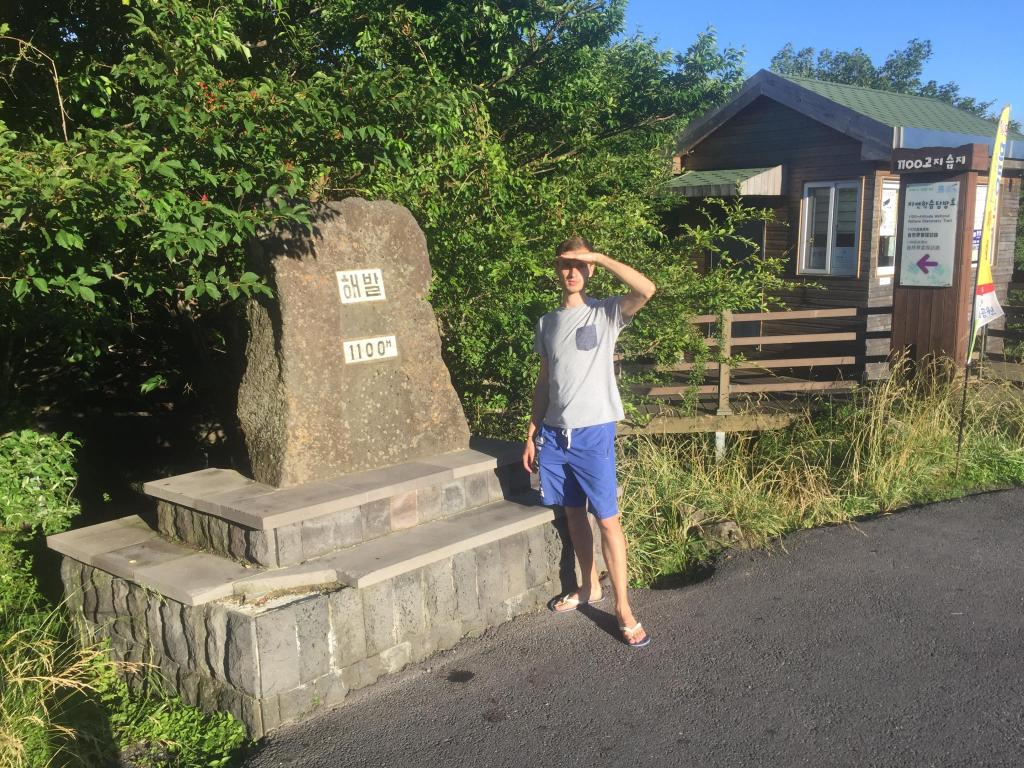
1100 Highland Ecological Swamp.
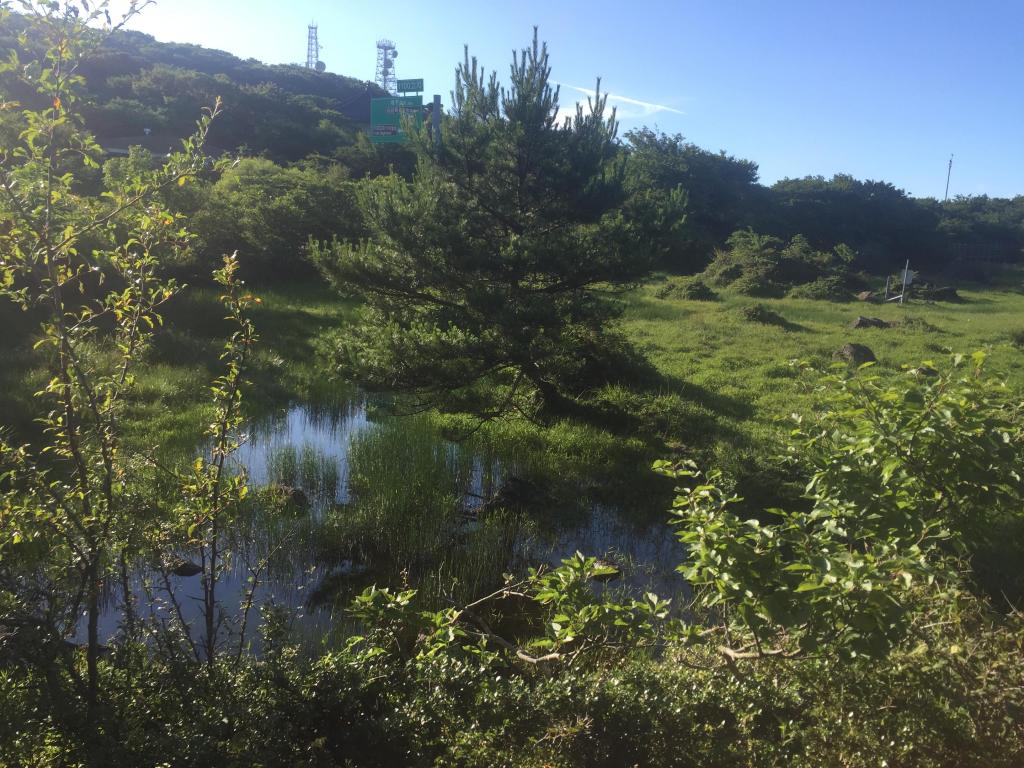
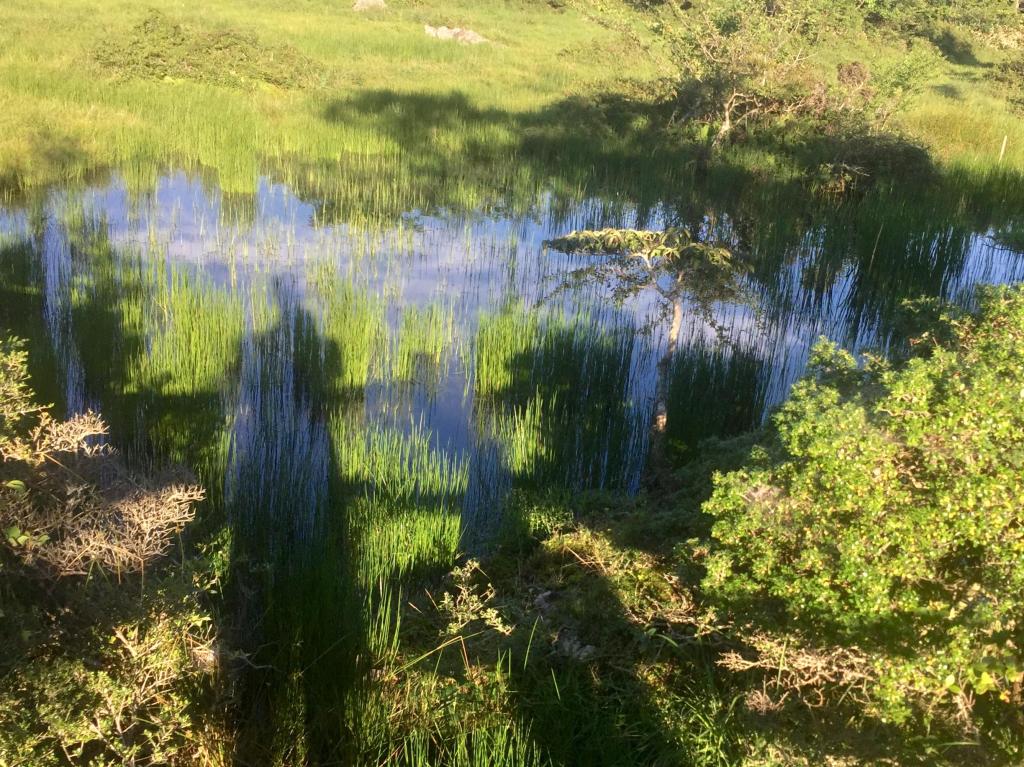
It is located within Hallasan National Park and Biosphere Reserve, it consists of freshwater swamps and plants in an area of 13 ha and is classified as a highland wetland rich in biodiversity ***
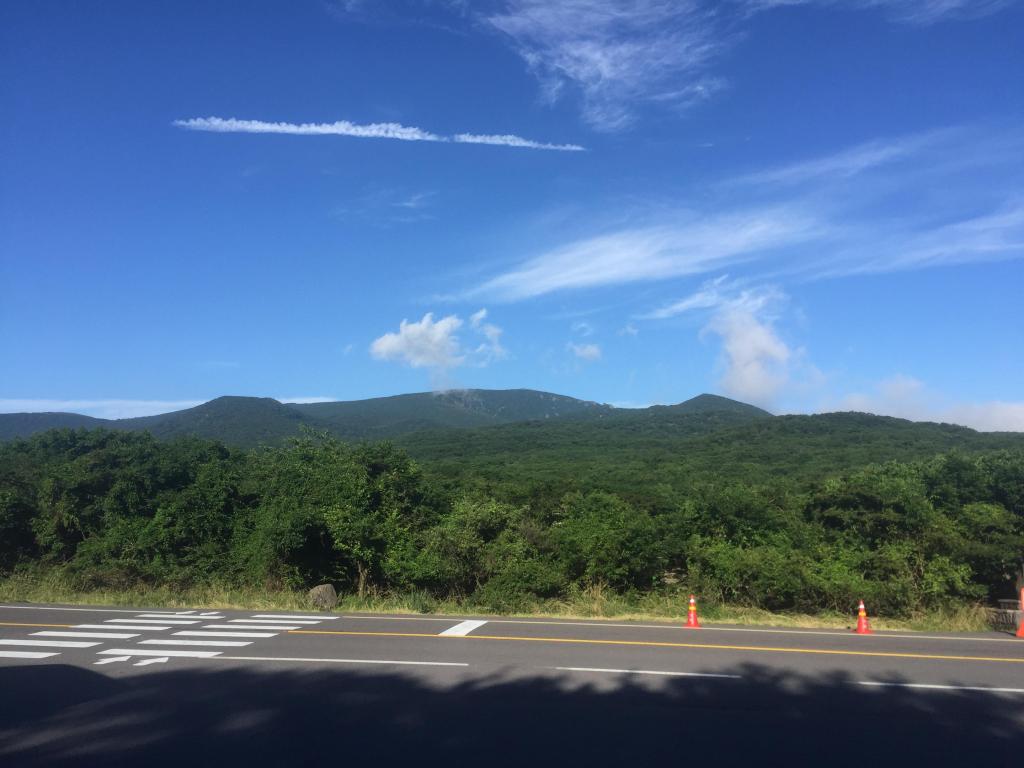
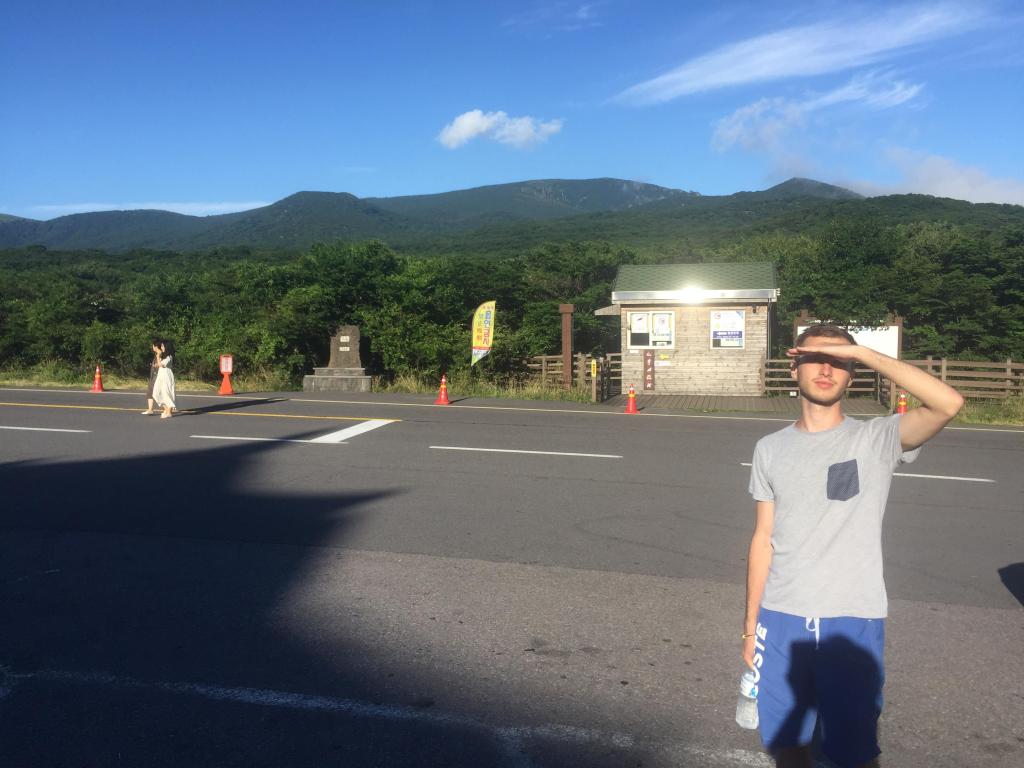
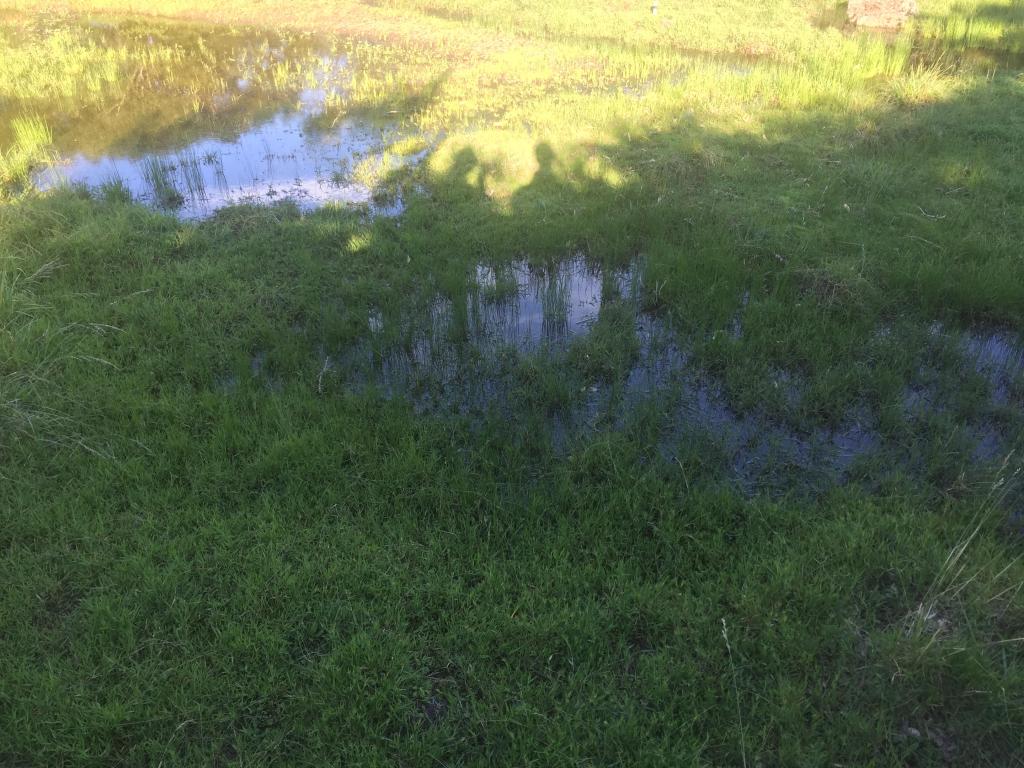
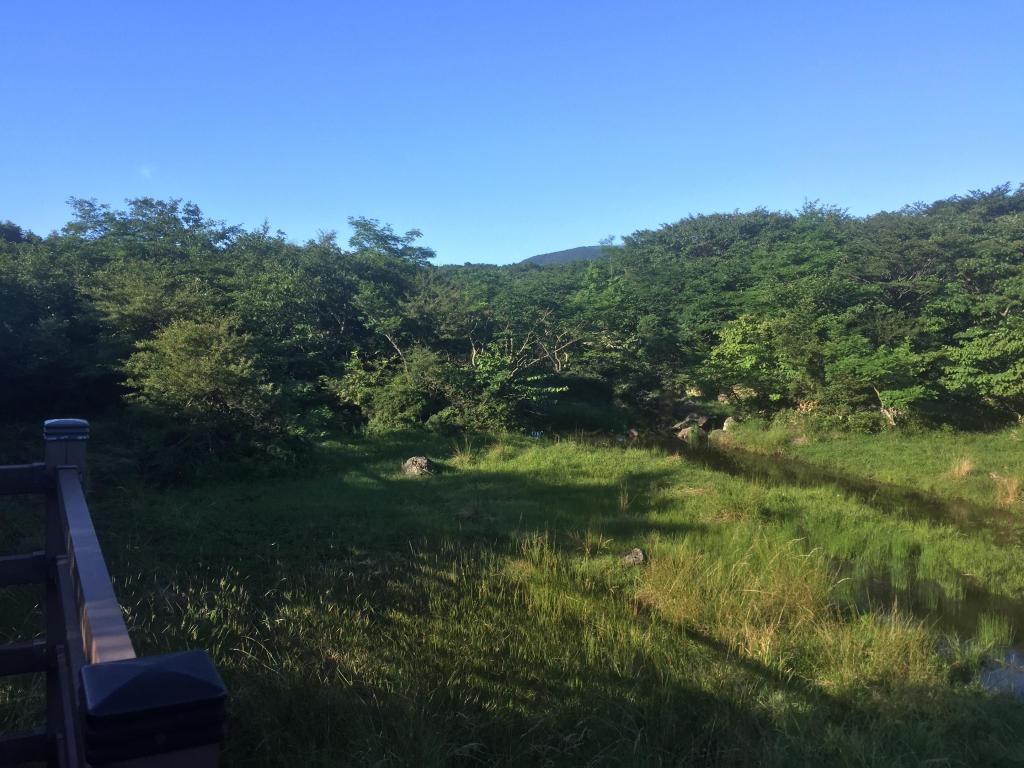
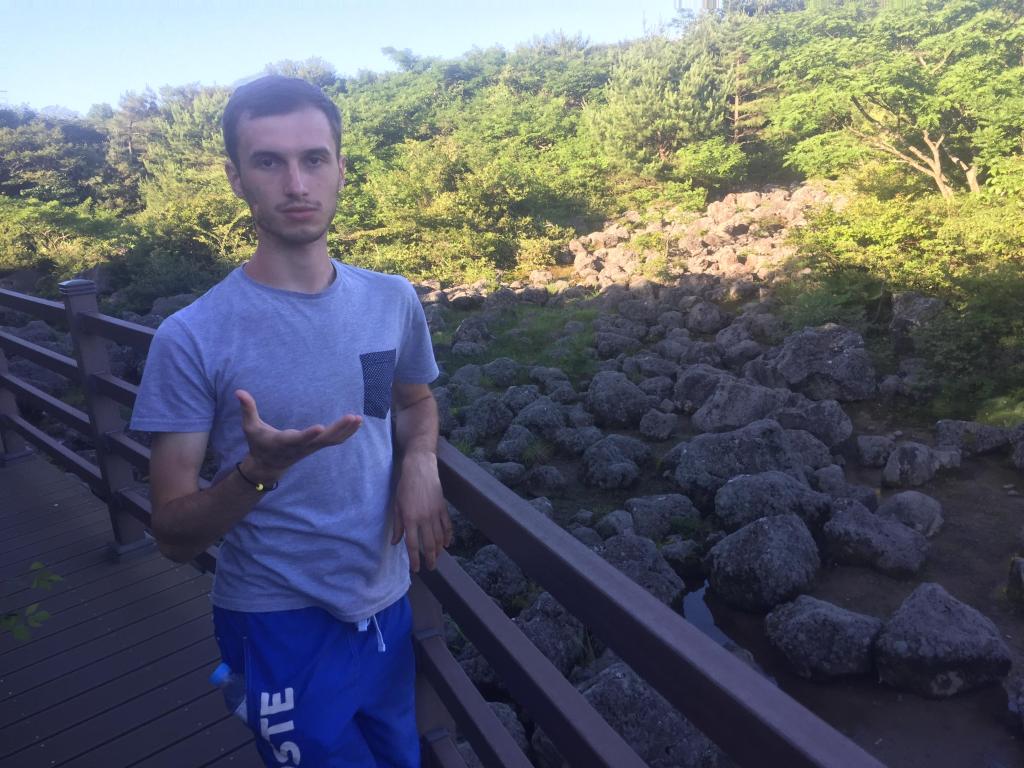
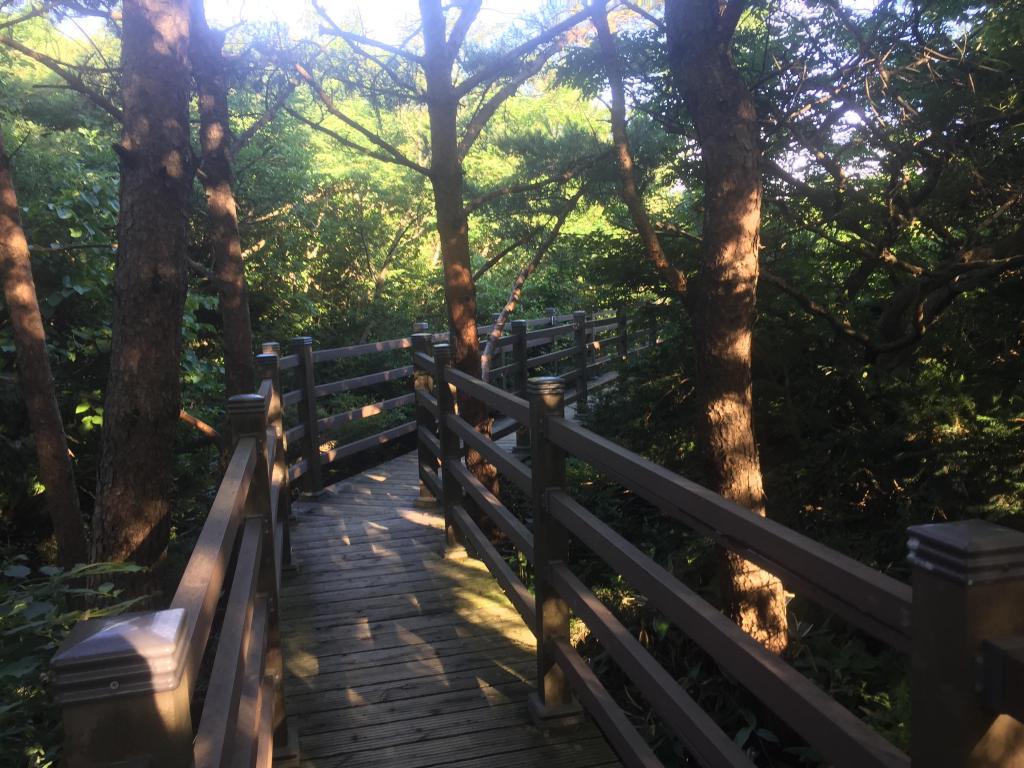
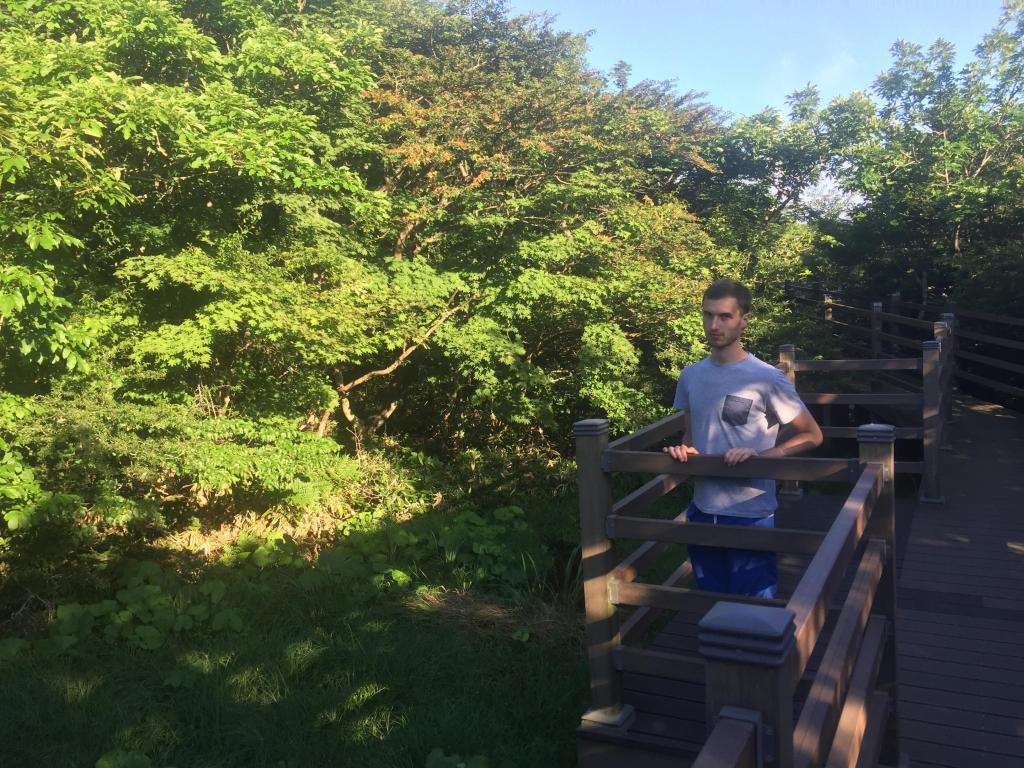
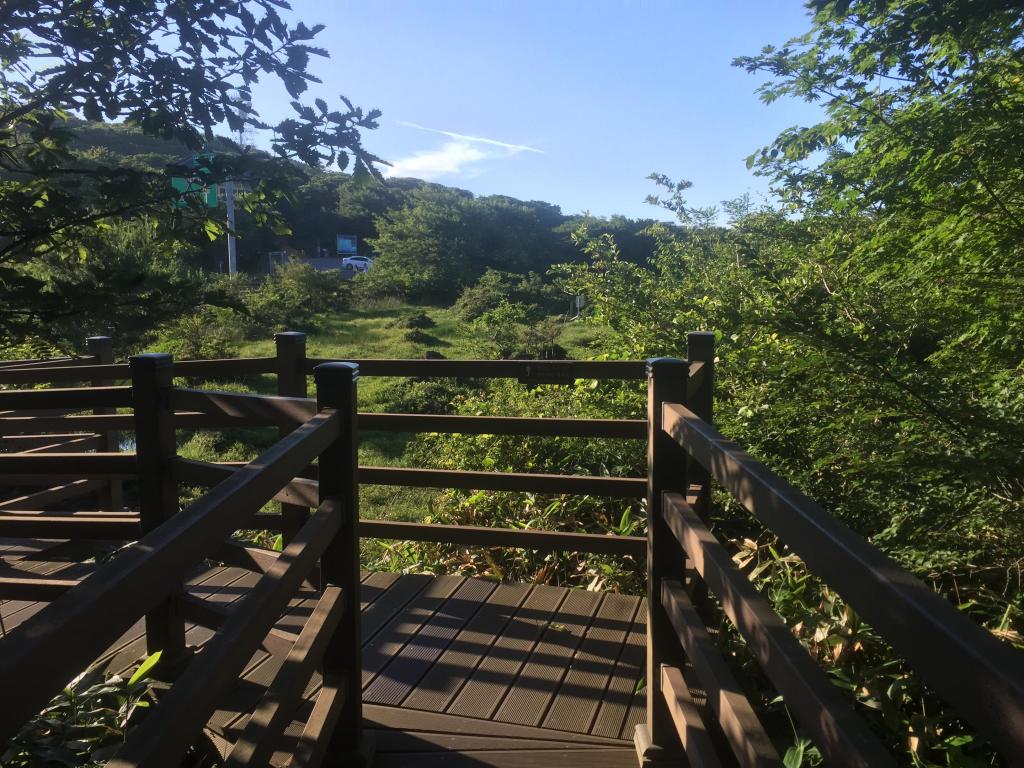
The swamp can be walked on a special wooden path, distant from the surface.
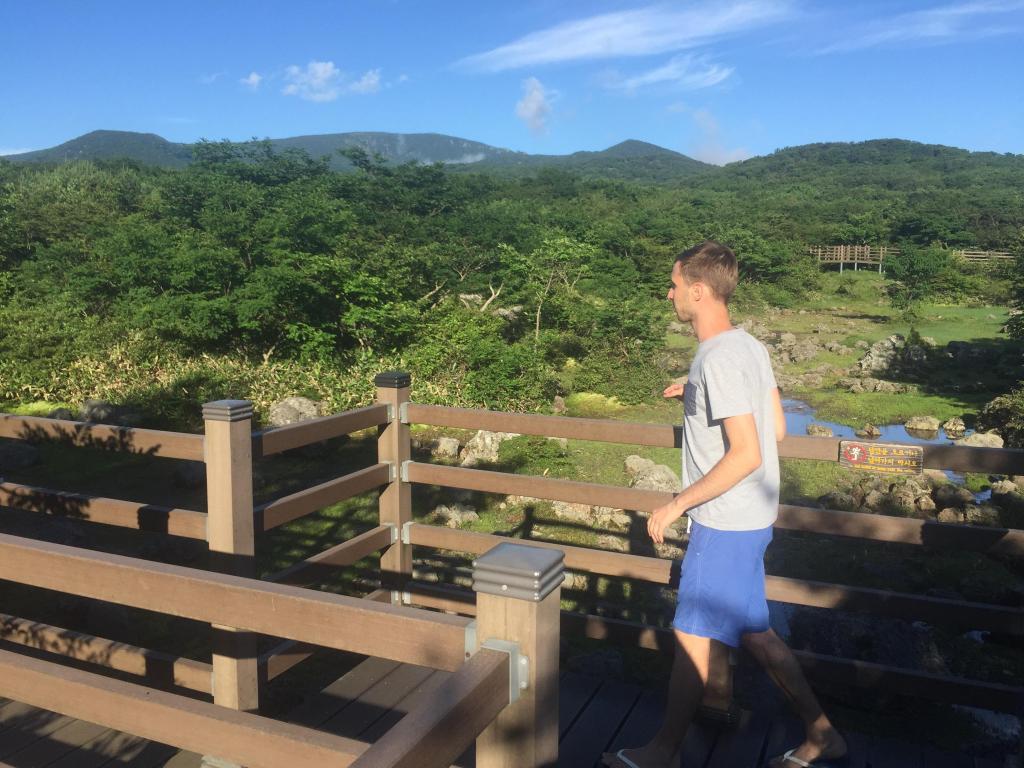
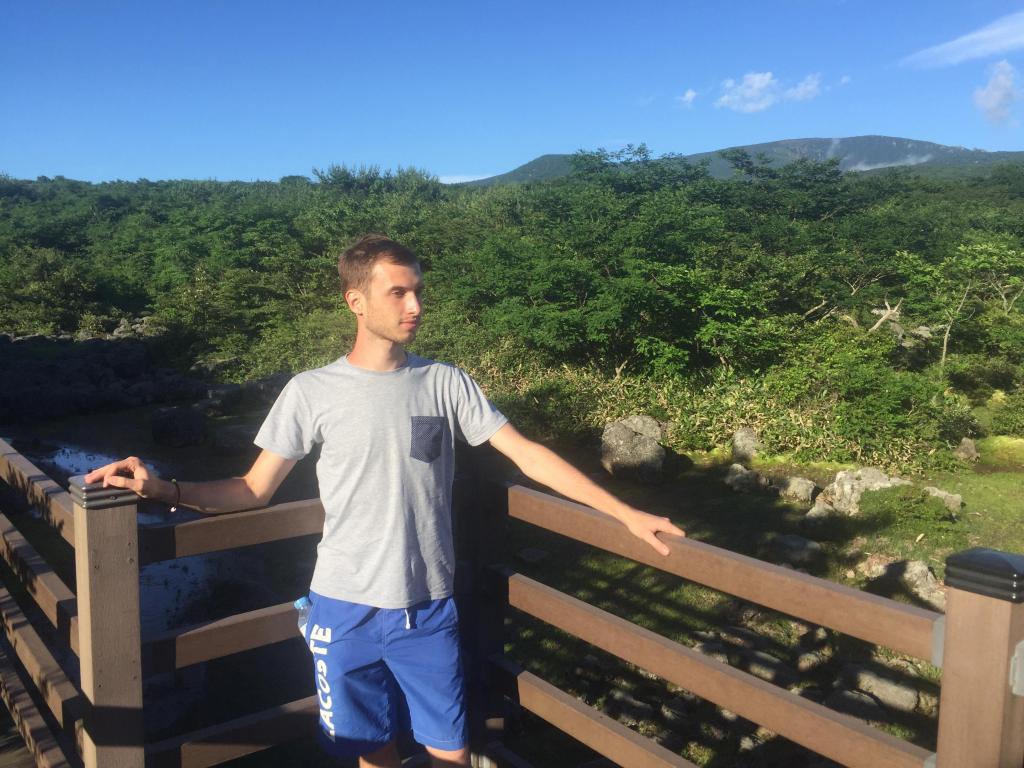
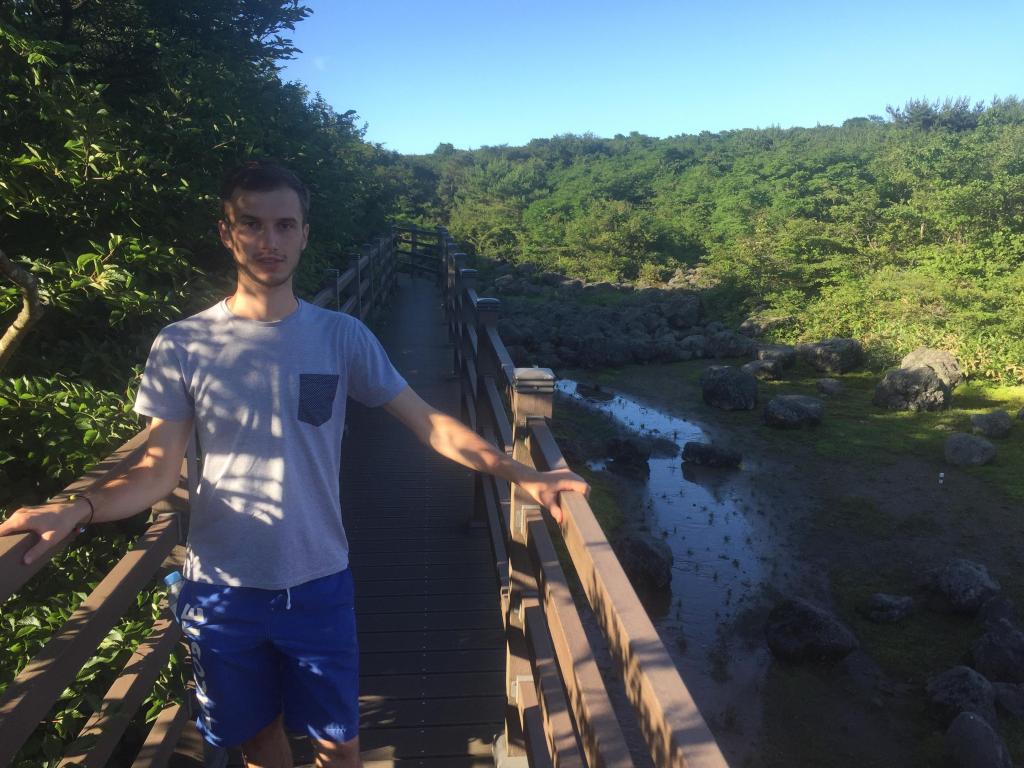
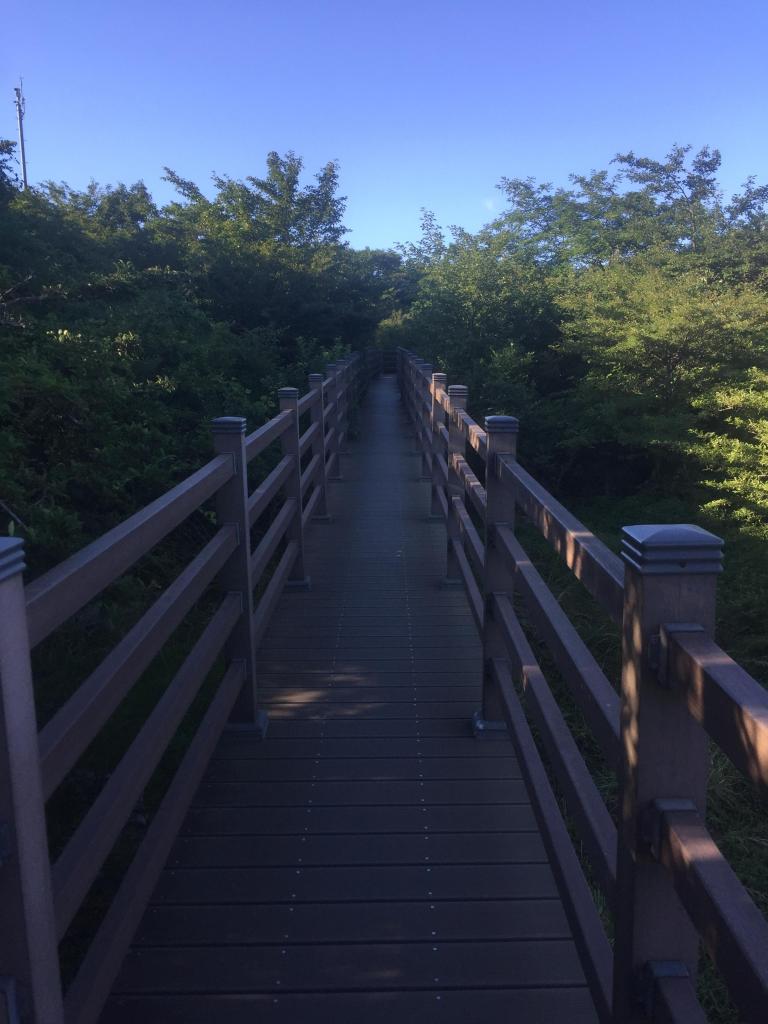
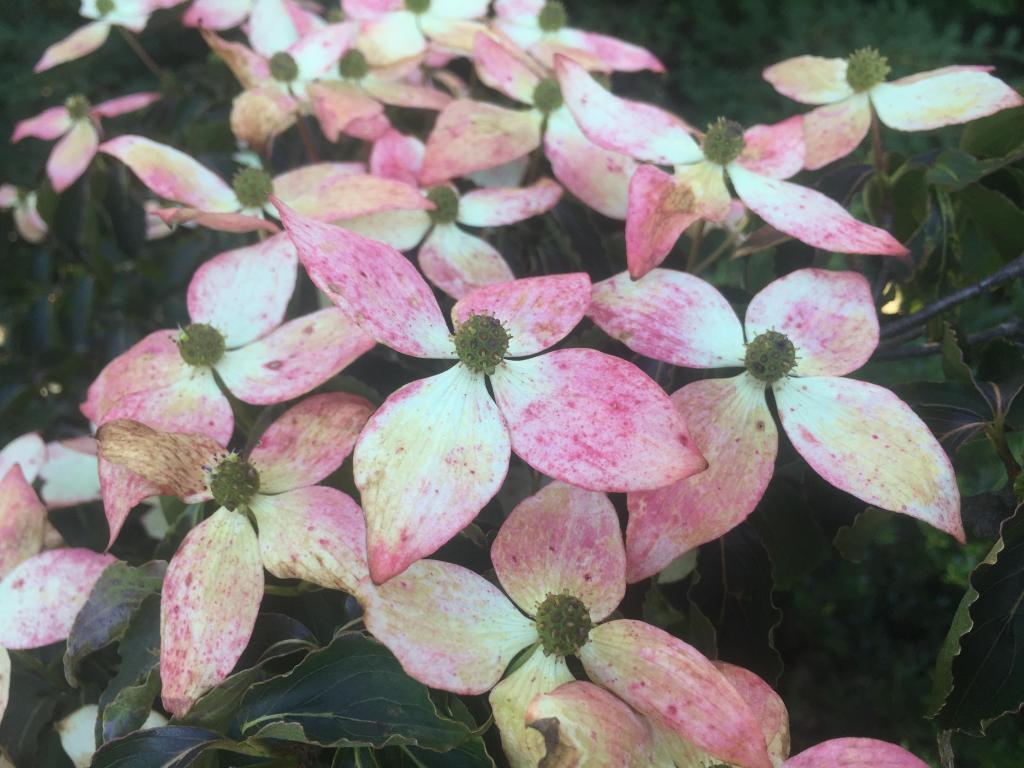
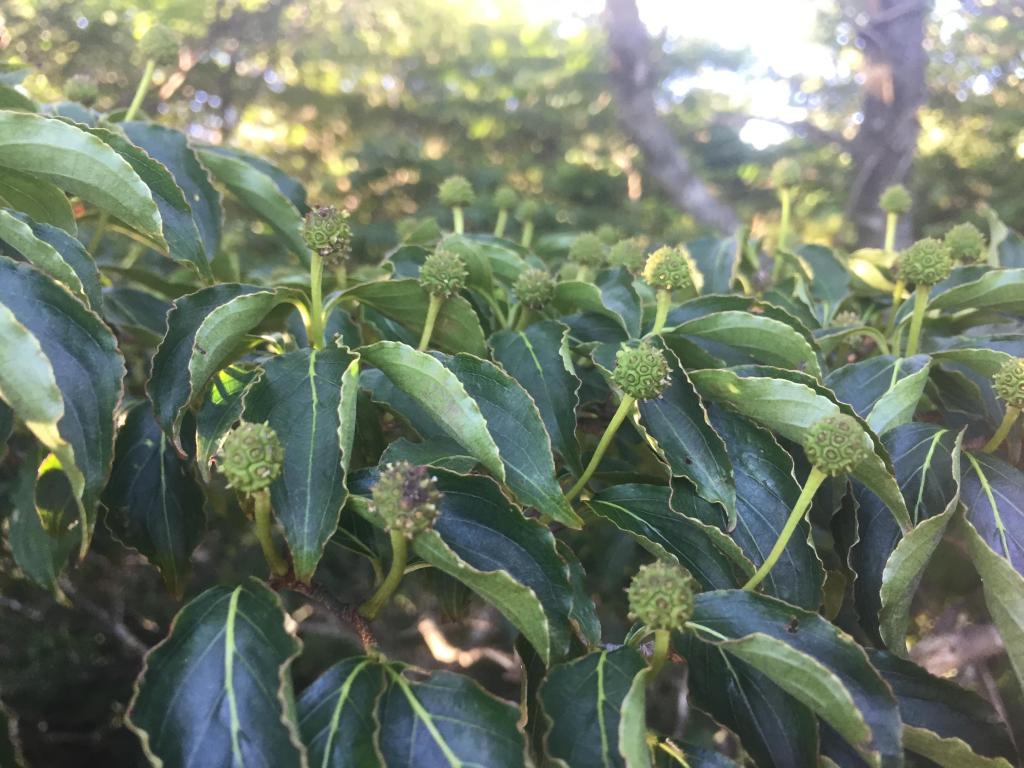
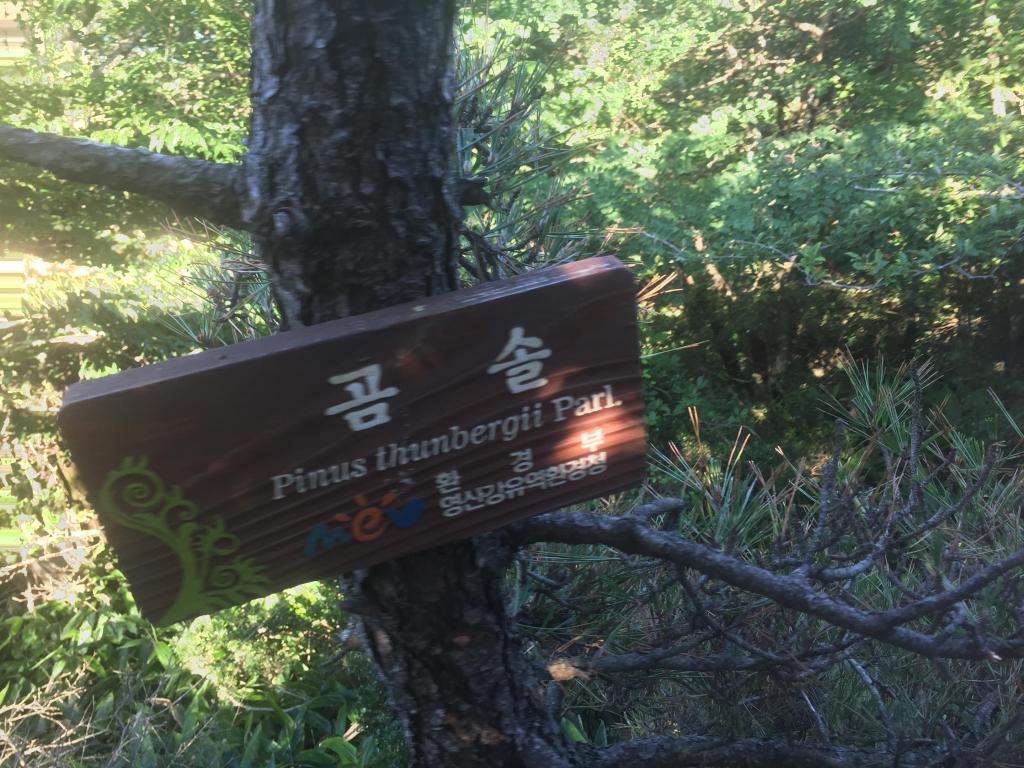
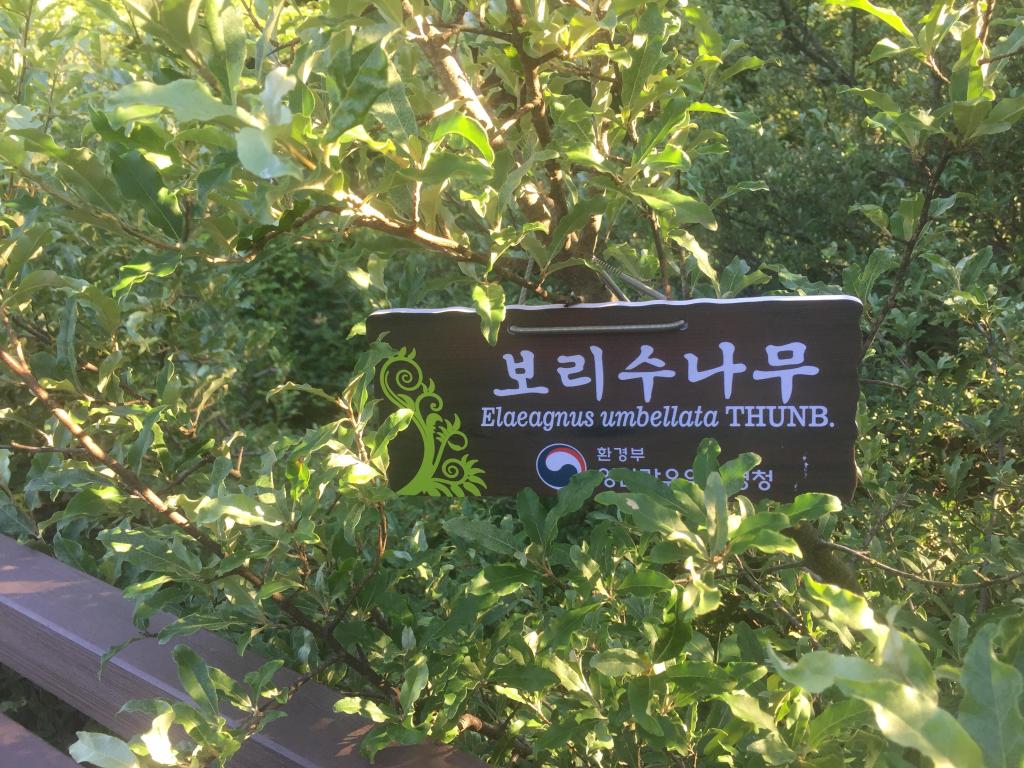
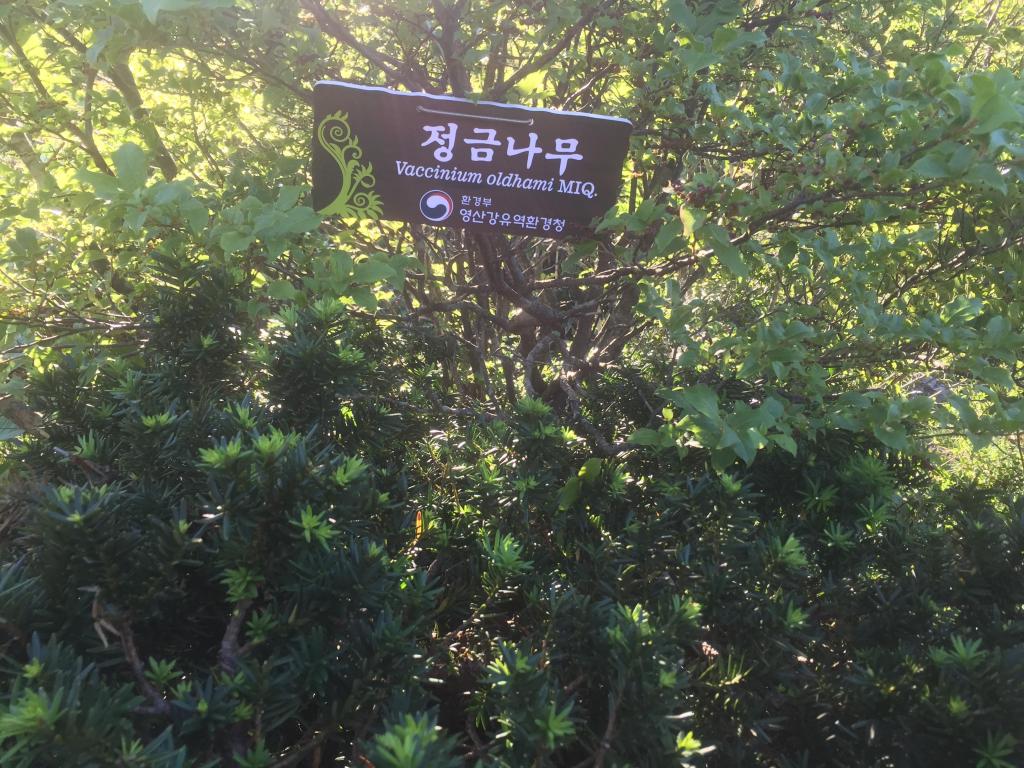
I was really charmed by the white-pink flowers, Korean dogwood, Cornus kousa. When seeing this beauty I understand why some of the oriental paintings are so tender.
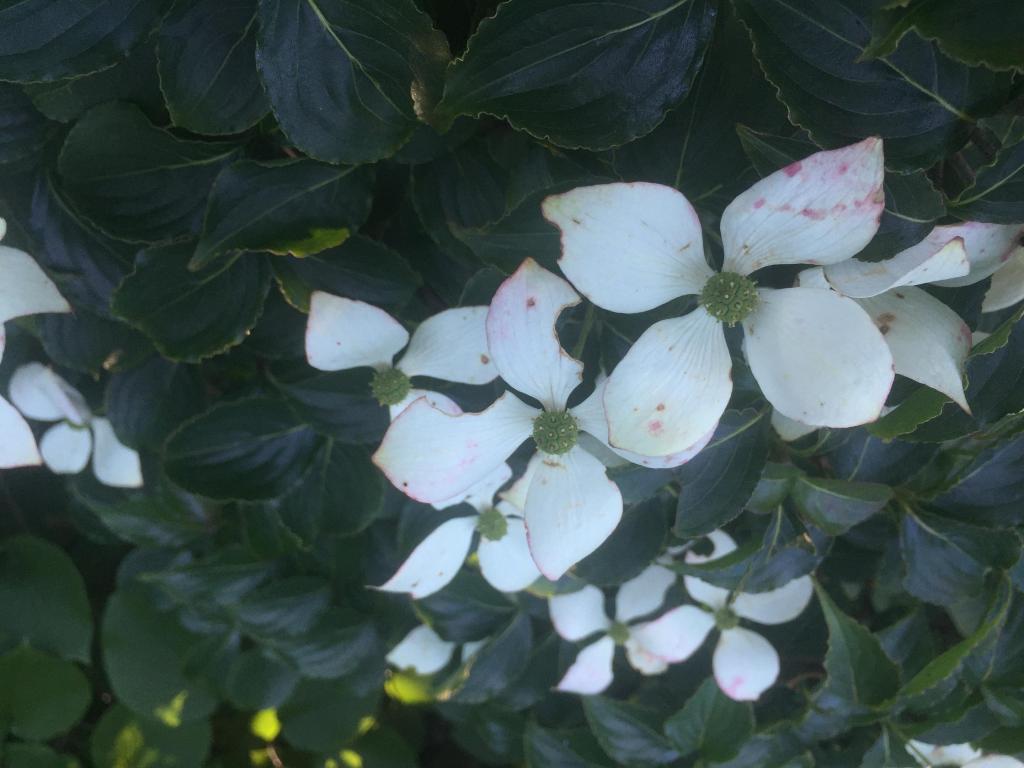
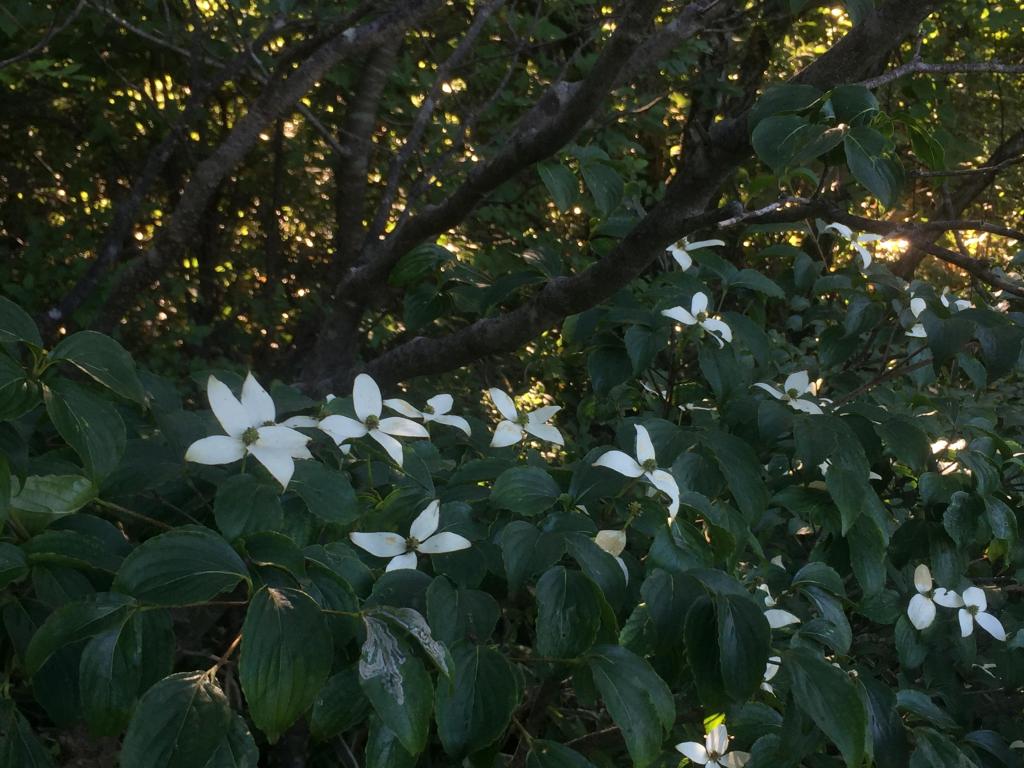
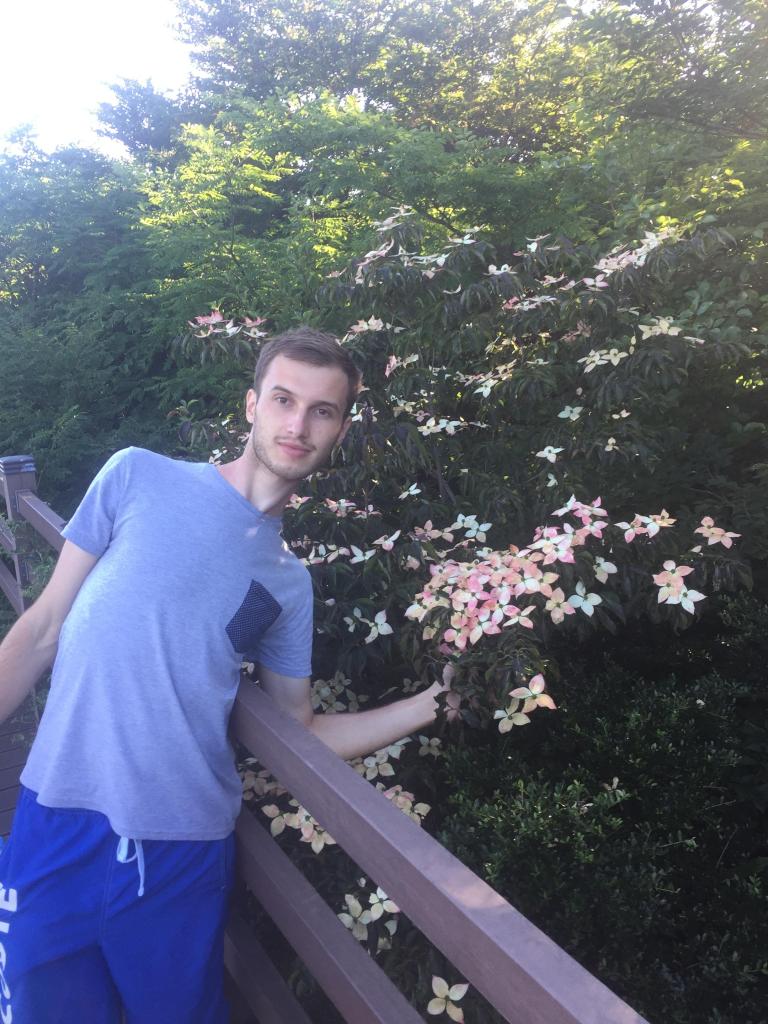
Unfortunately, I didn’t have a chance to catch anything magnificent expect the flower, even though there were curious information tables about the local inhabitants, seems my friend was in rush, also the sunshine and that hour weren’t in favour to taking photos.
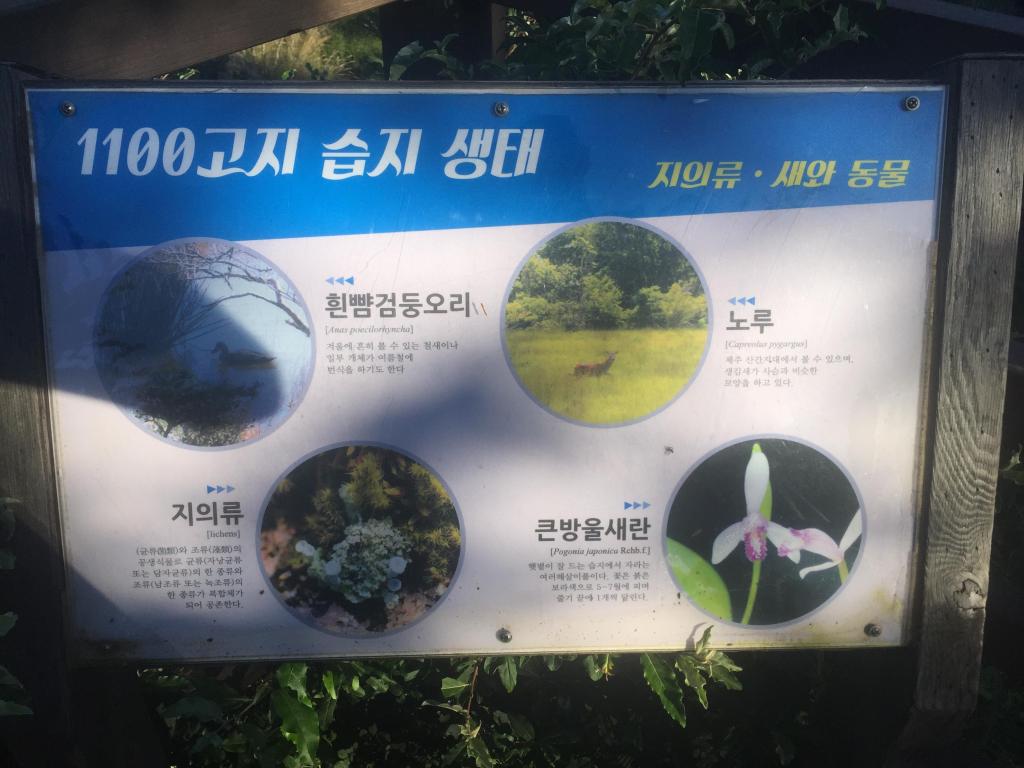
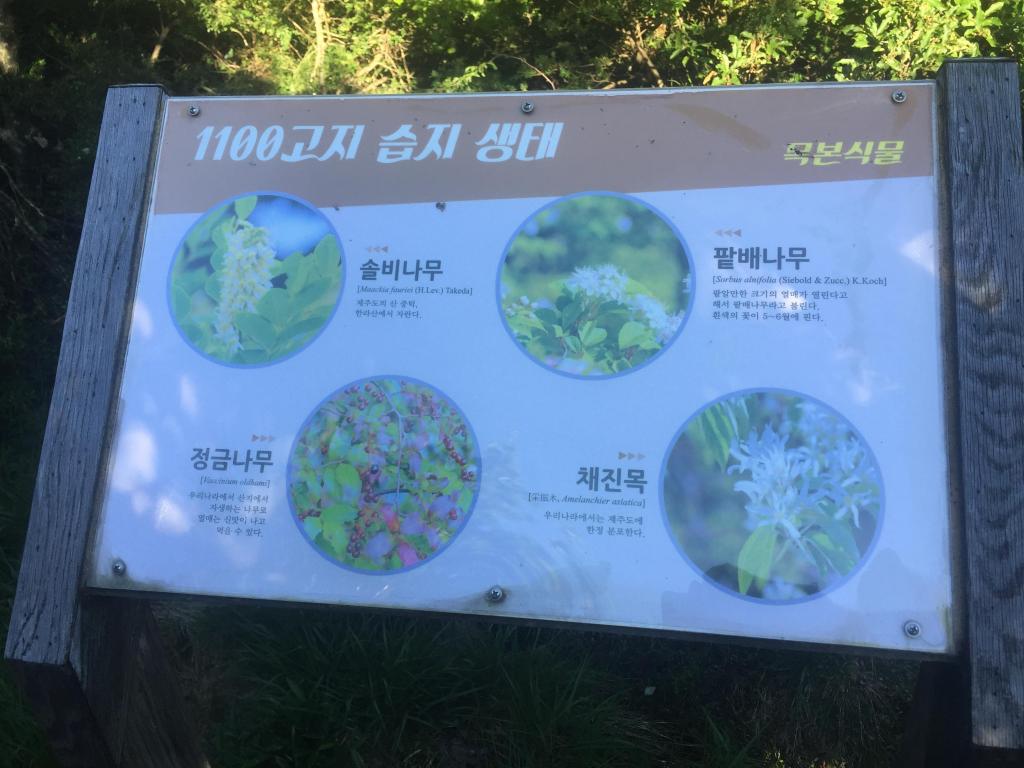
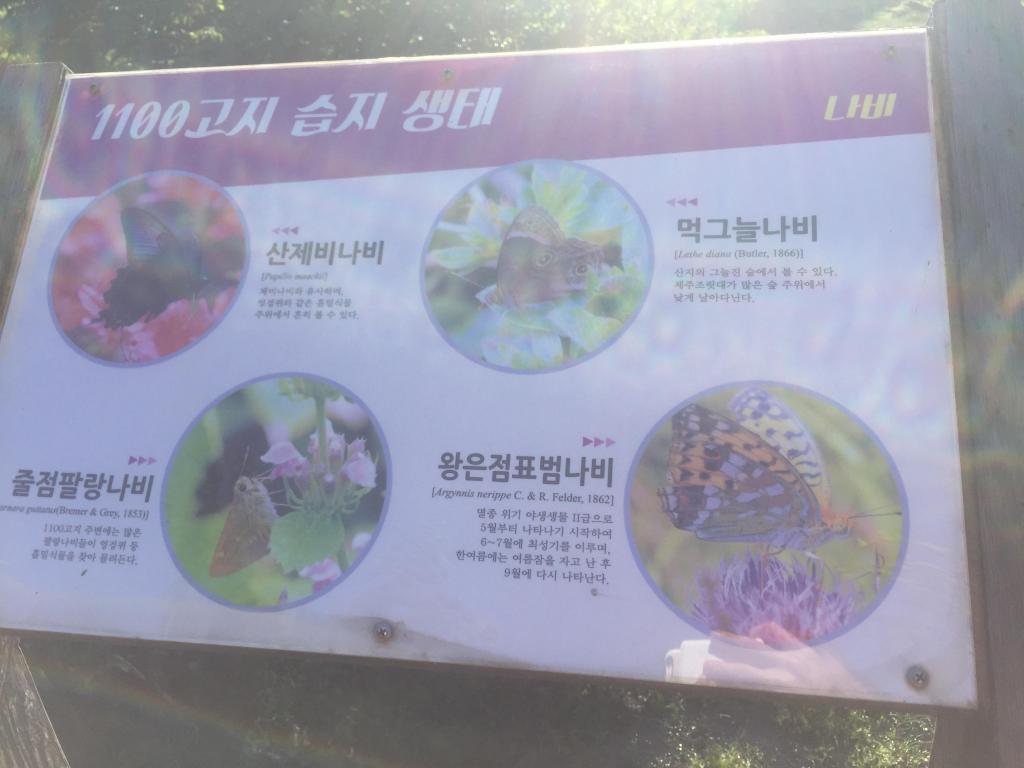
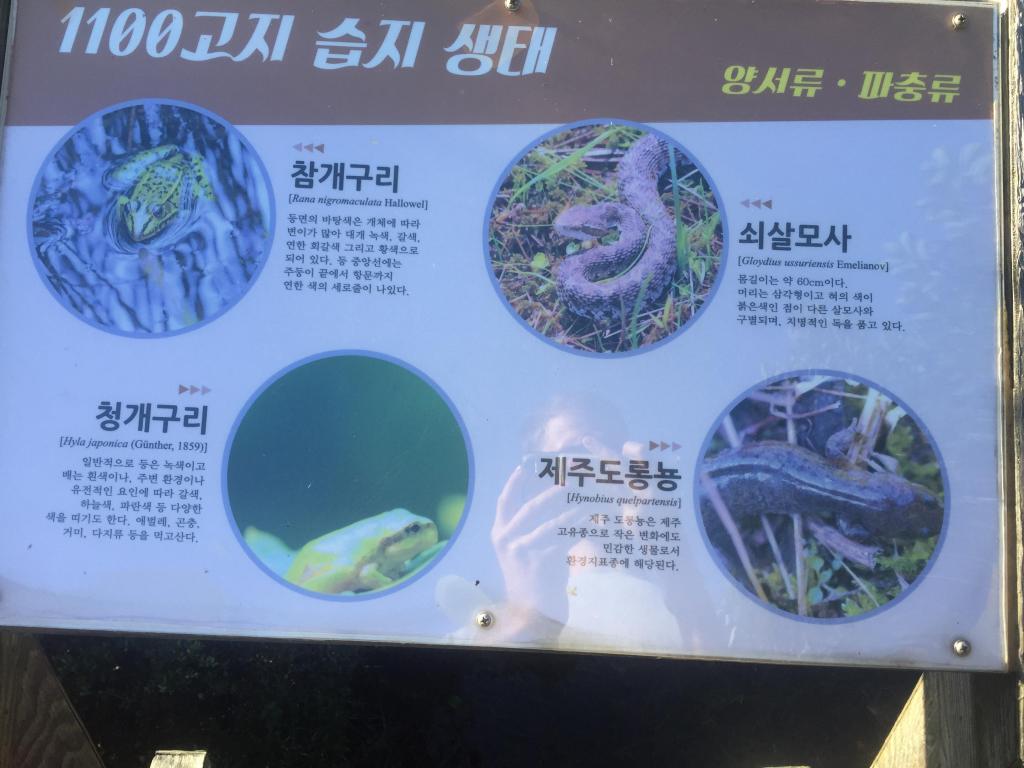
Suddenly the time to leave Jaju came.
Millions of the photos were taken here on all the coasts of Jeju island less than in three days. Such a great time and so many things left unexplored yet.
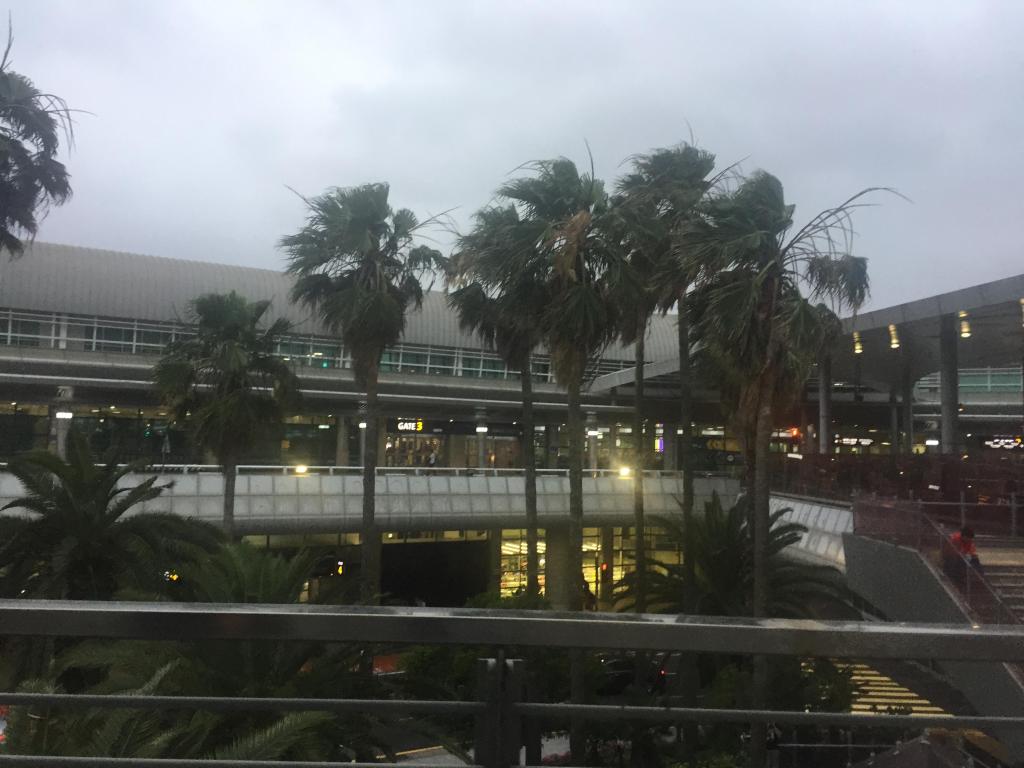
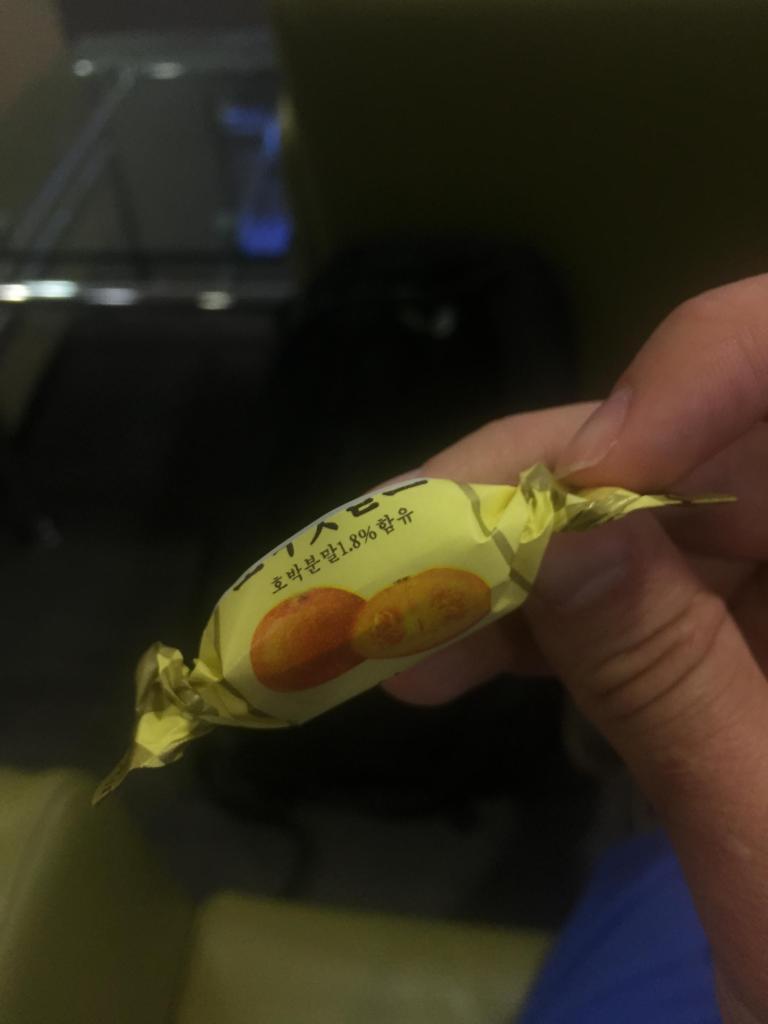
Airport, pumpkin candy, my pinkish face, on the plane, and…
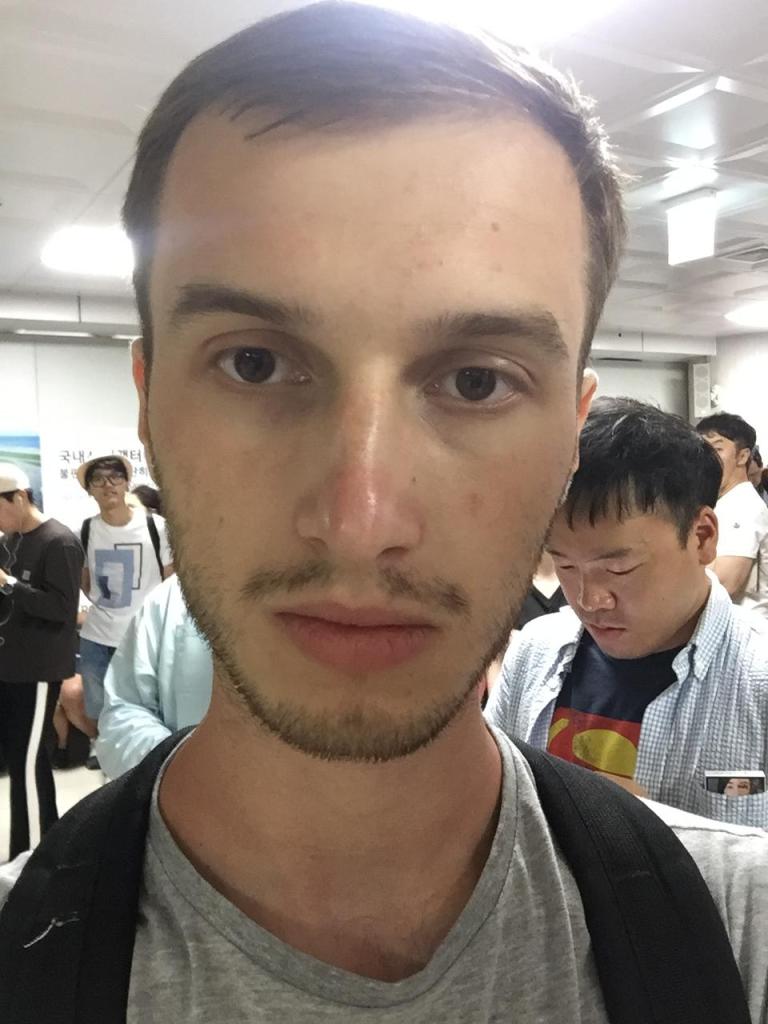

Seoul.
As I can confirm now, it was my the first and the only yet visiting of a very famous location in Seoul, Itaewon. Dinner in a Vietnamese restaurant.
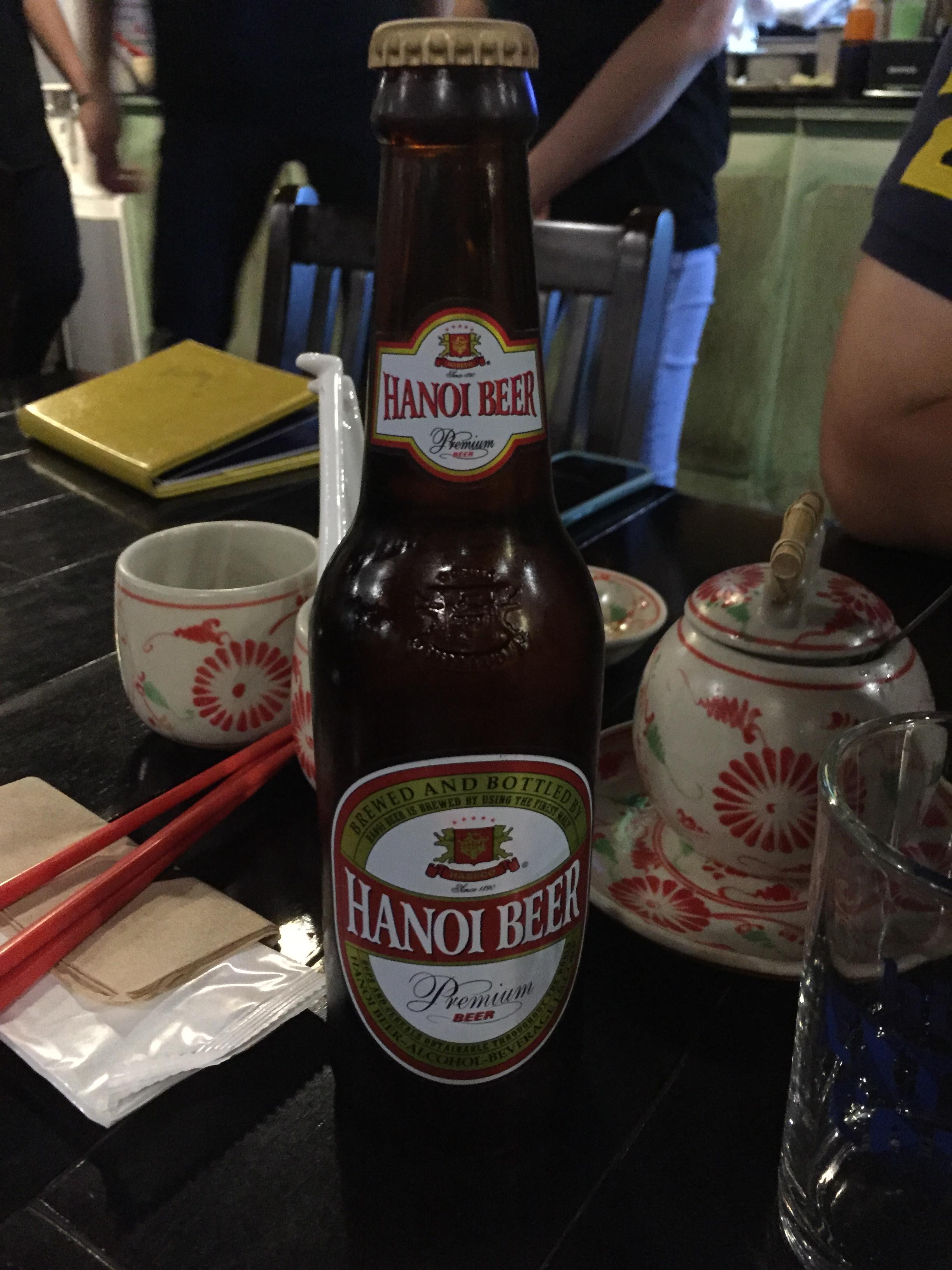
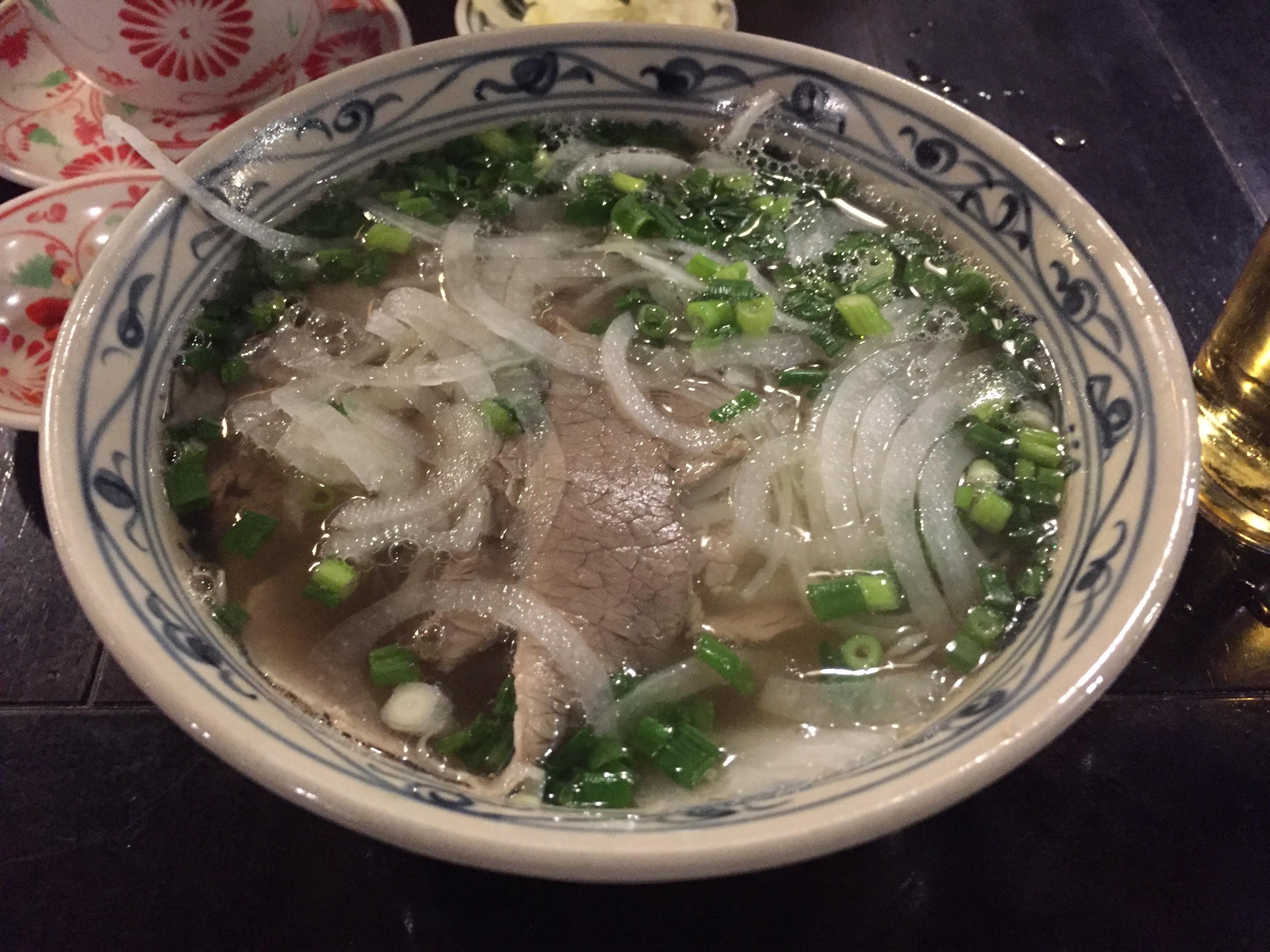
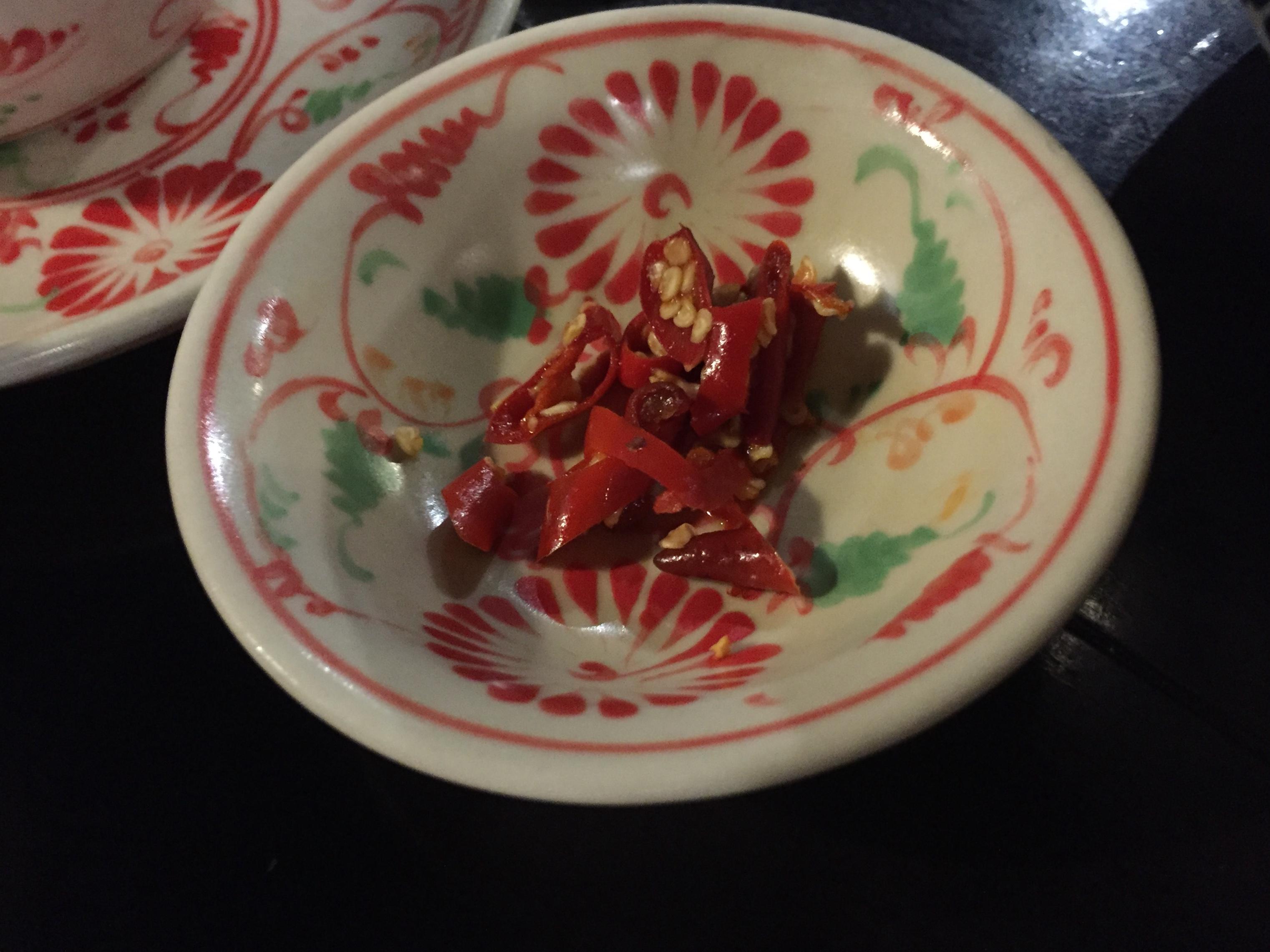
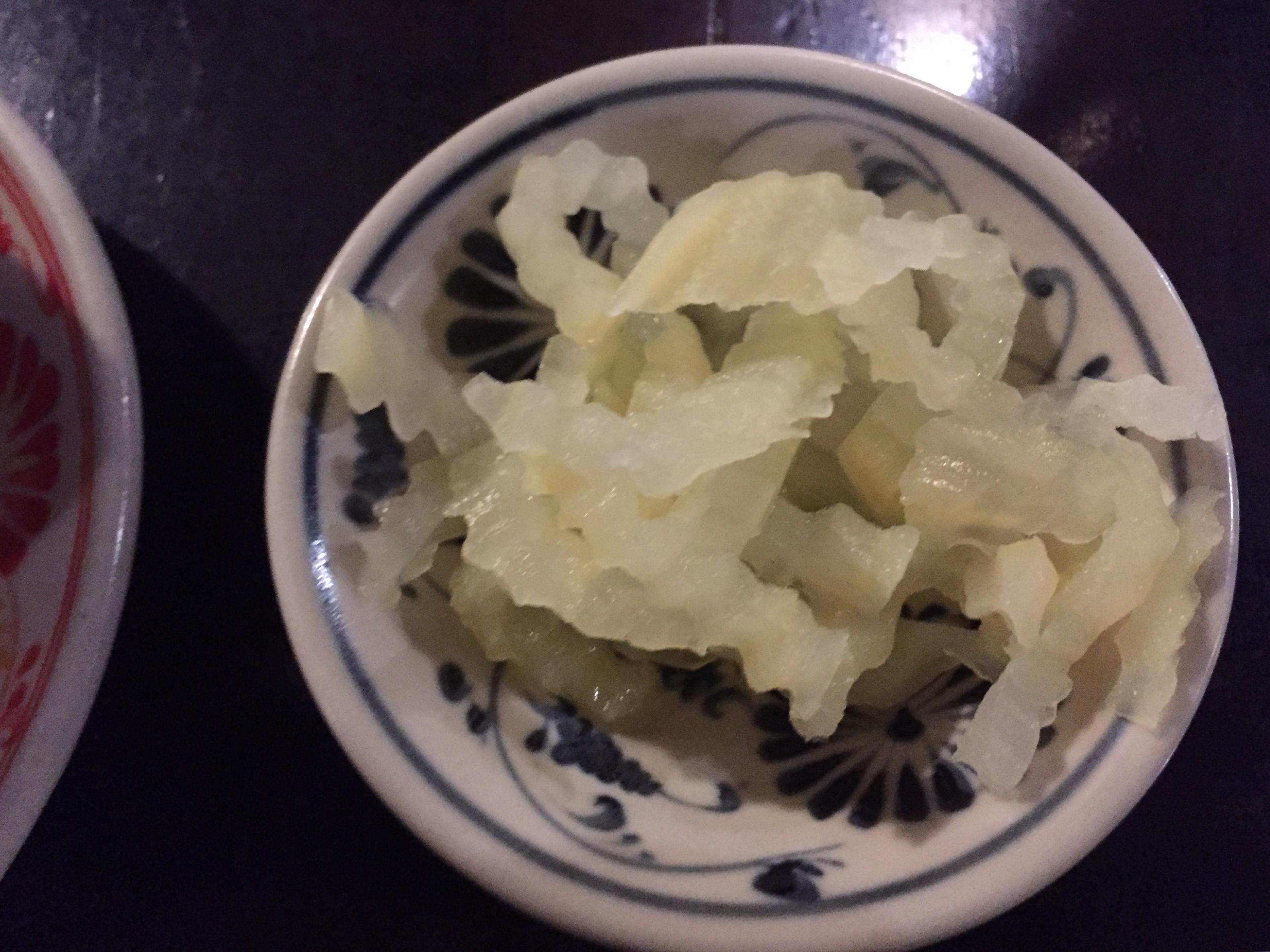
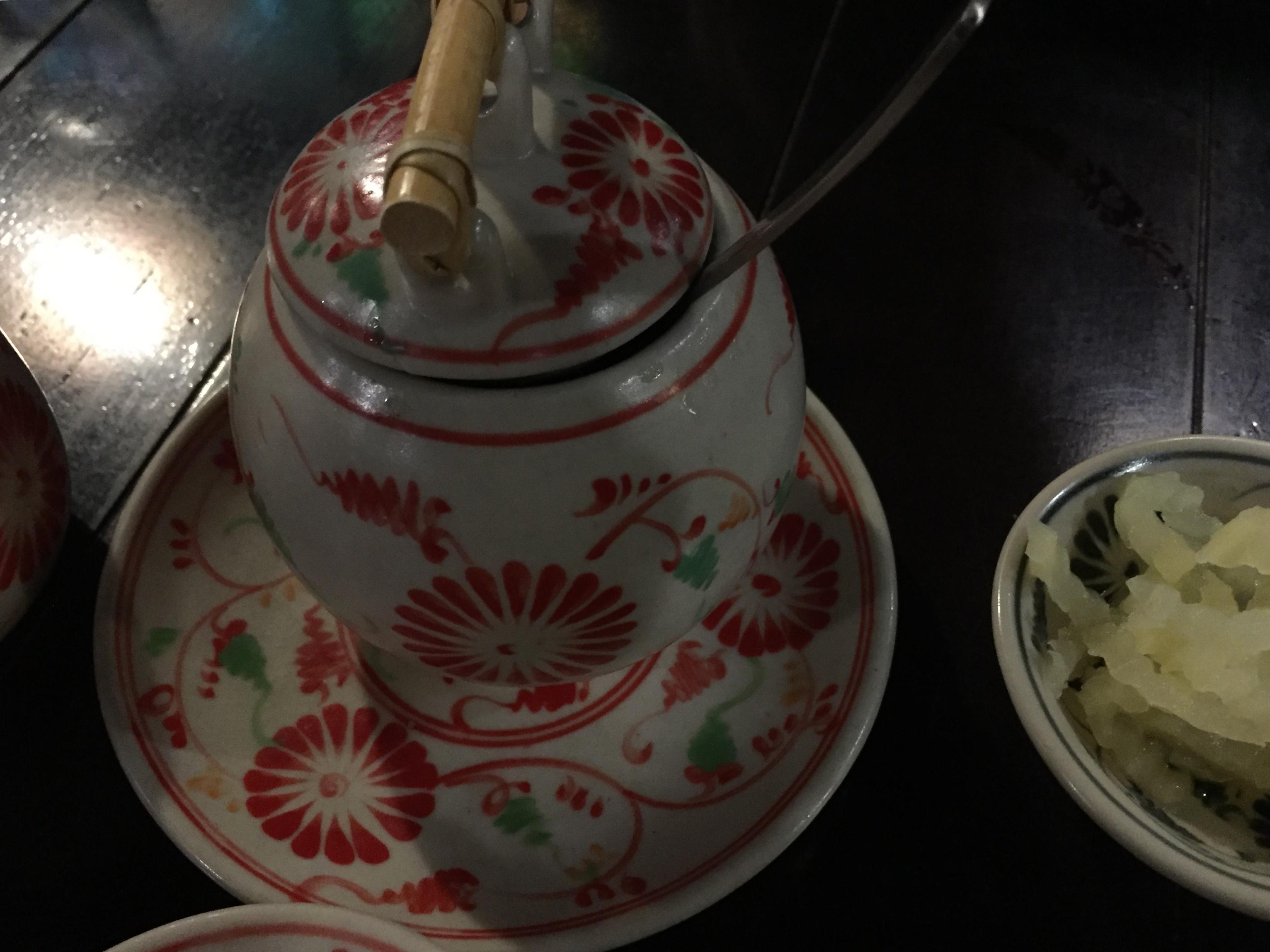
I still remember after dinner I was walking up by a street and a… person, who was I guess a transgender, grabbed my hand, smiled, I saw not pretty teeth, he was trying to bring me inside of I don’t know what kind of a shop, I timidly was saying “no”, but she kept leading me inside, talking with me in undefined language, until my friend who walked a bit behind shouted a couple of words and I was finally released.
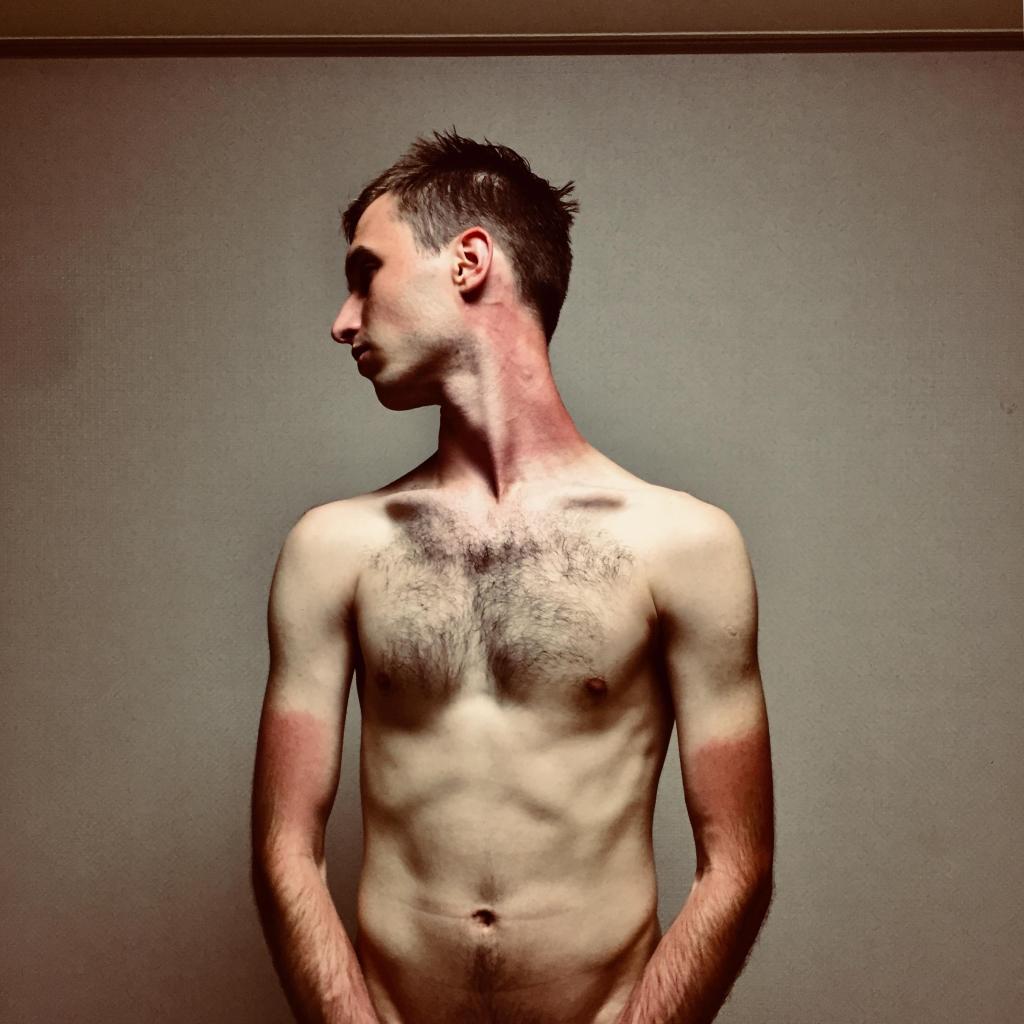
And finally, I was burnt.
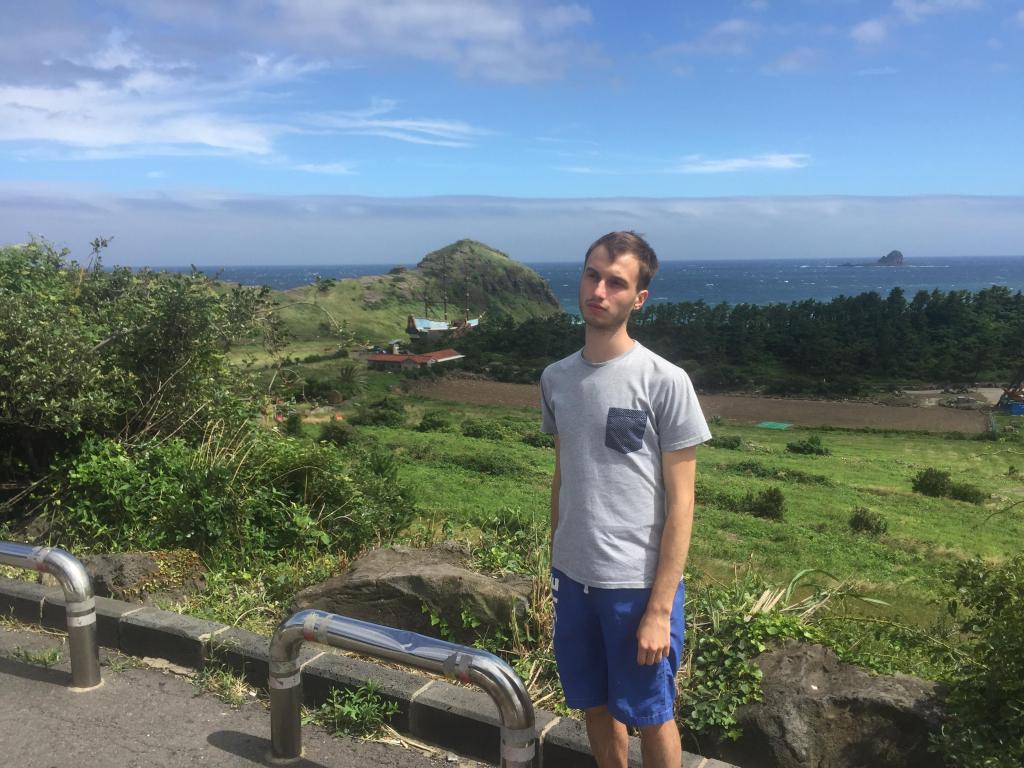
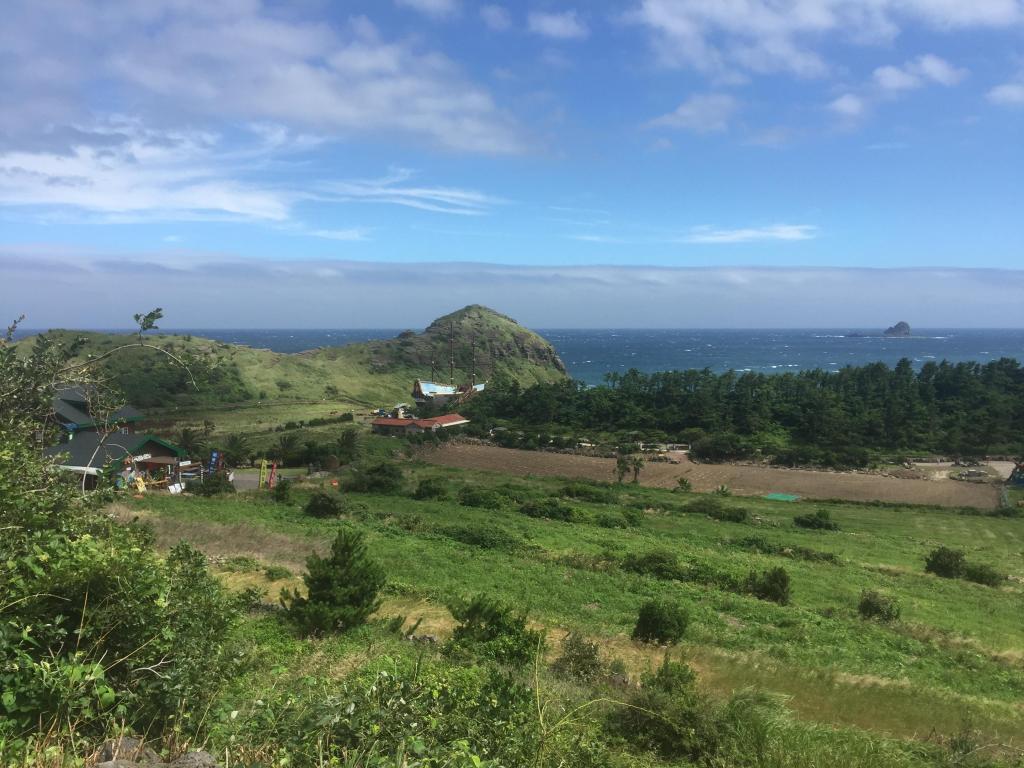
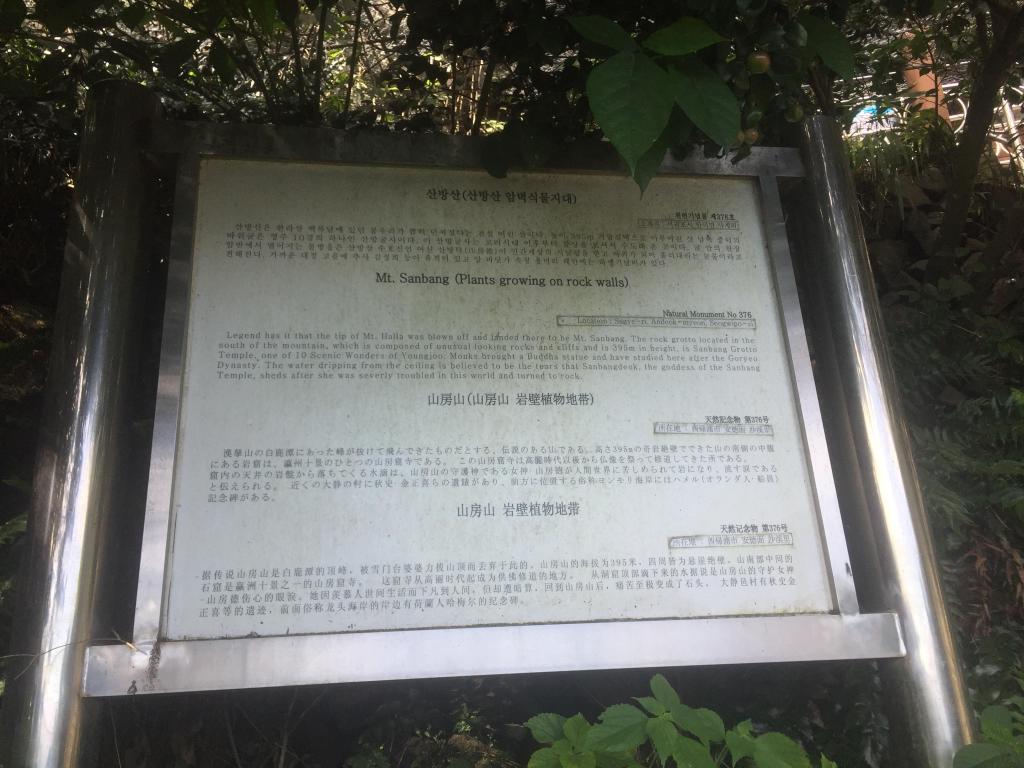
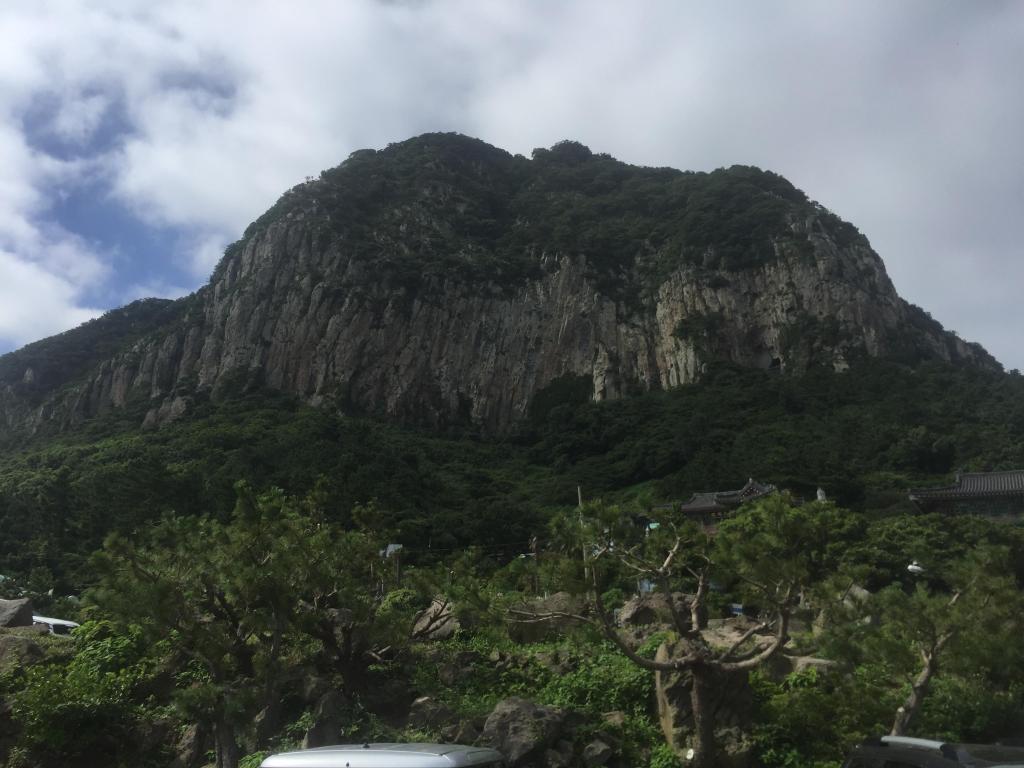
After checking several spots on the sea level today, it is time to go up, go up on the Sanbang 山房 mountain. The mountain is 1.200 m in diameter and 395 m in height.
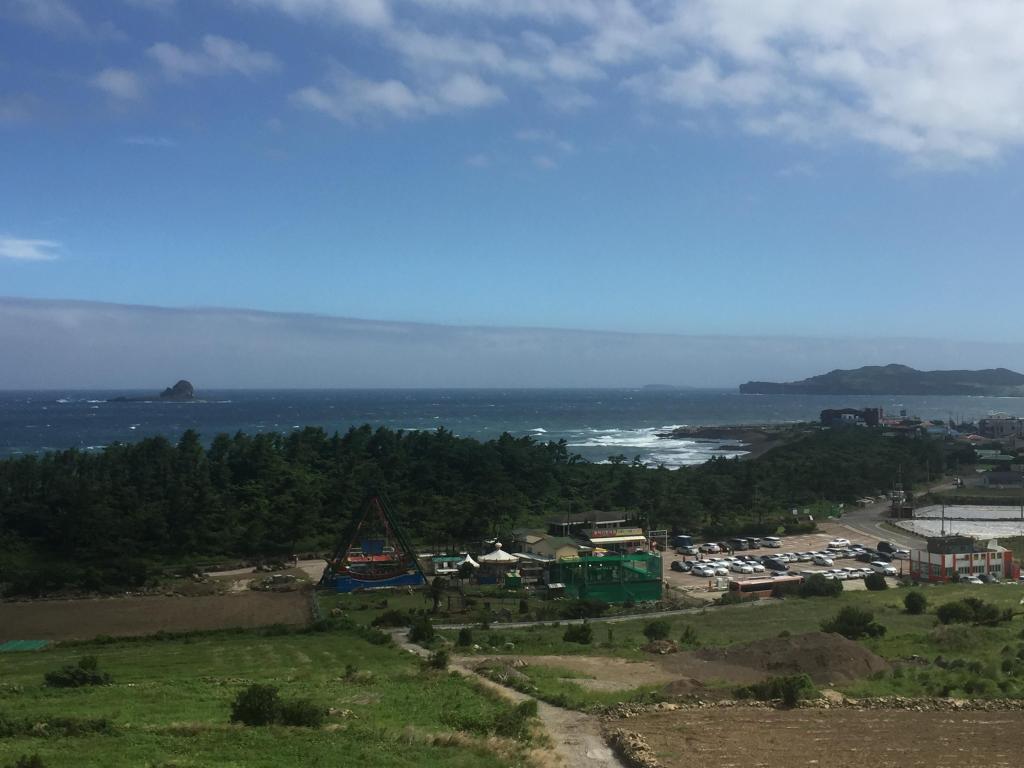
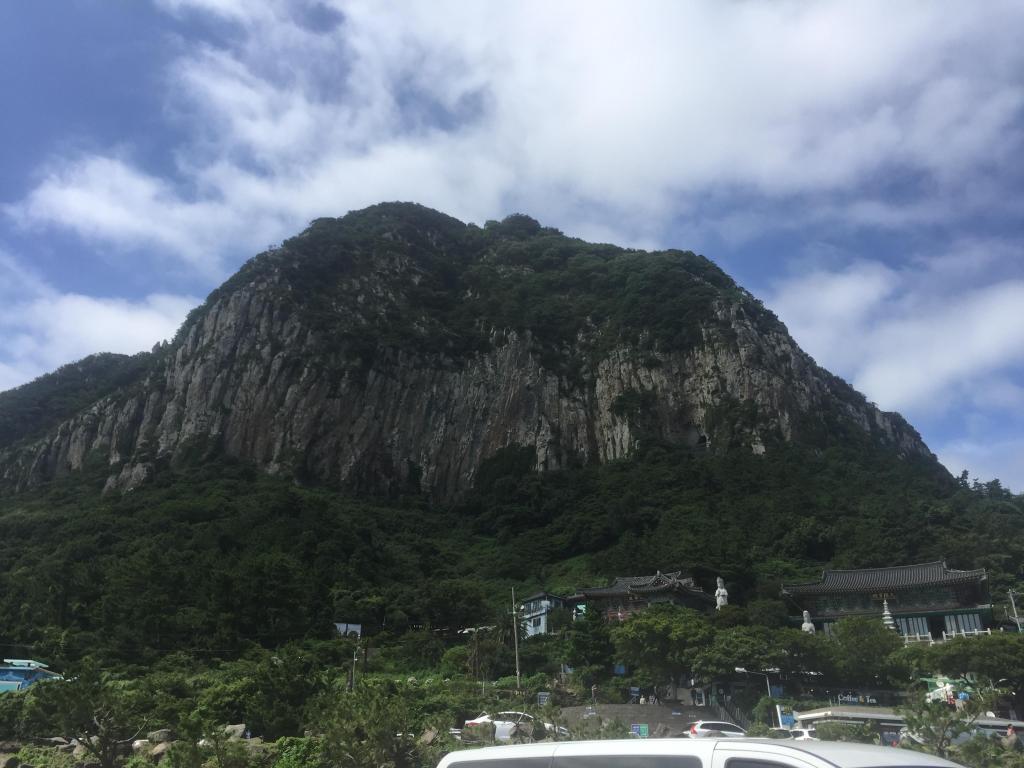
According to one of the theories, this mountain was formed as a result of lava accumulation.
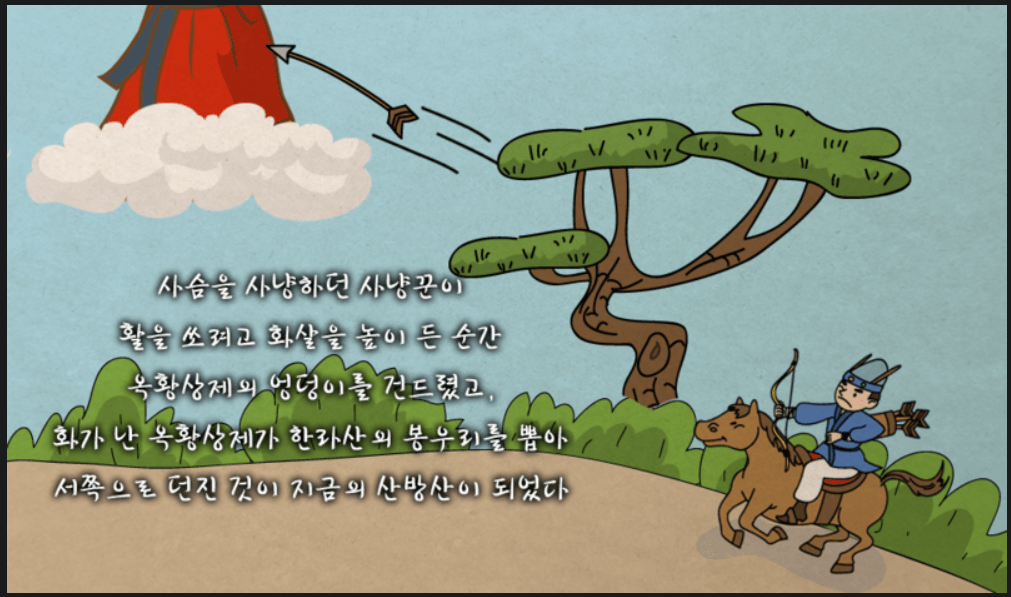
However, I consider the second theory of the mountain origin to be more probable. So, once upon a time, a hunter went deer hunting at Halla mountain (visited before). The hunter was looking wandering around the mountain for a deer but did not find any. Finally, when climbed on the top, he saw a deer and quickly raised his bow, but accidentally touched the Jade Emperor’s butt with his bow (or, according to another variant, he was hit by an arrow). Angry Jade Emperor pulled out the peak of Hallasan and threw it to the west. The peak flew and stuck in the ground becoming Sanbang mountain, and the place where it was dug out became the crater. Evidence in favour of the second theory is that Sanbang mountain has the size and shape of the crater of Halla mountain.
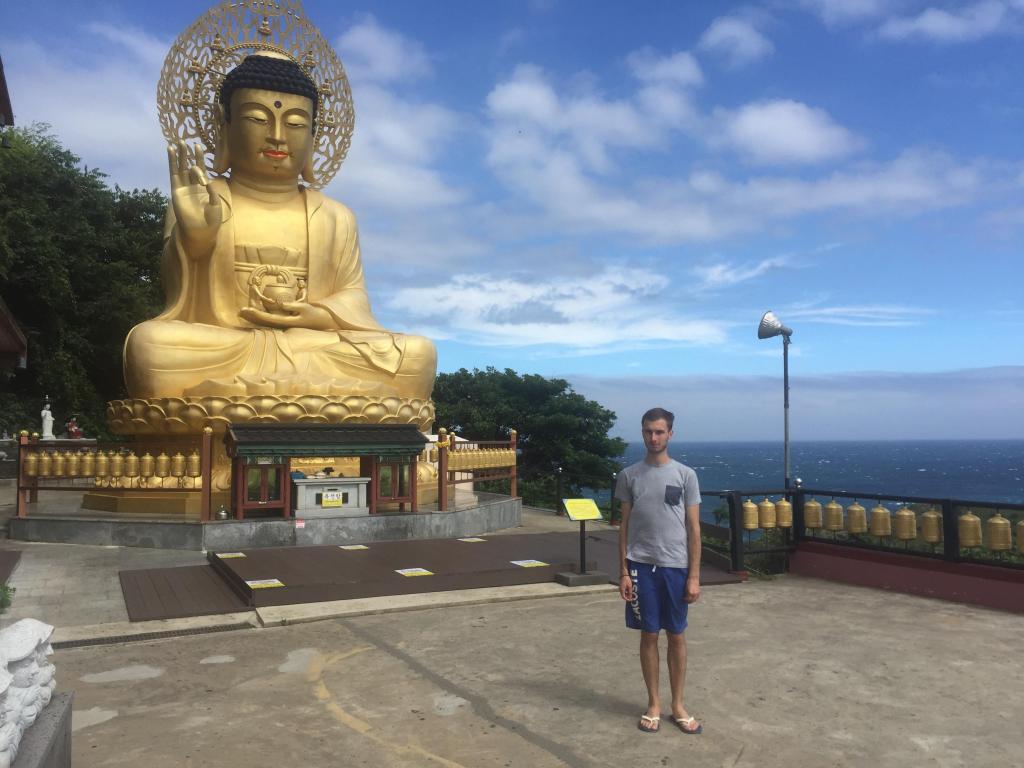
On the mountain, there is Sangbanggul temple.
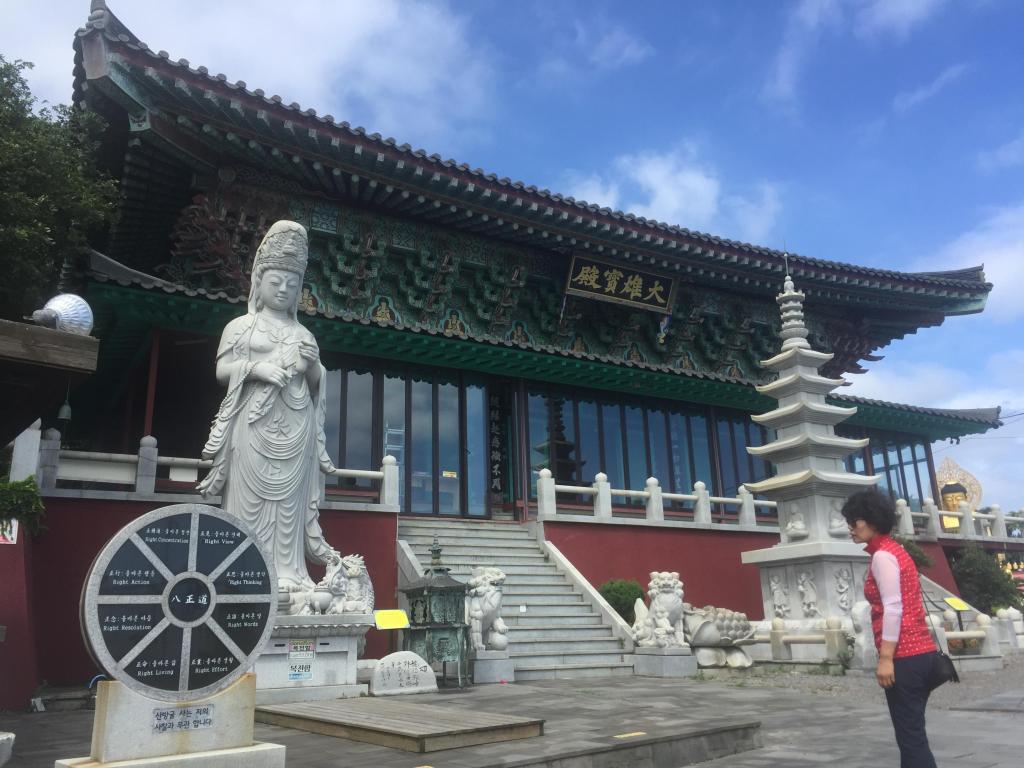
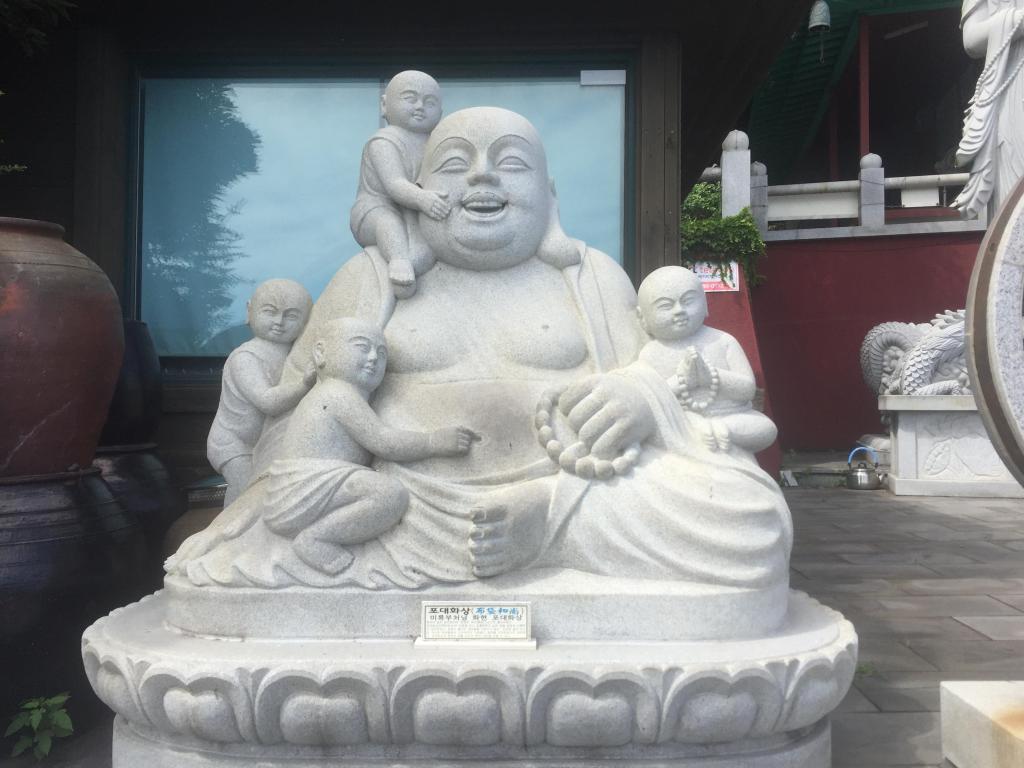
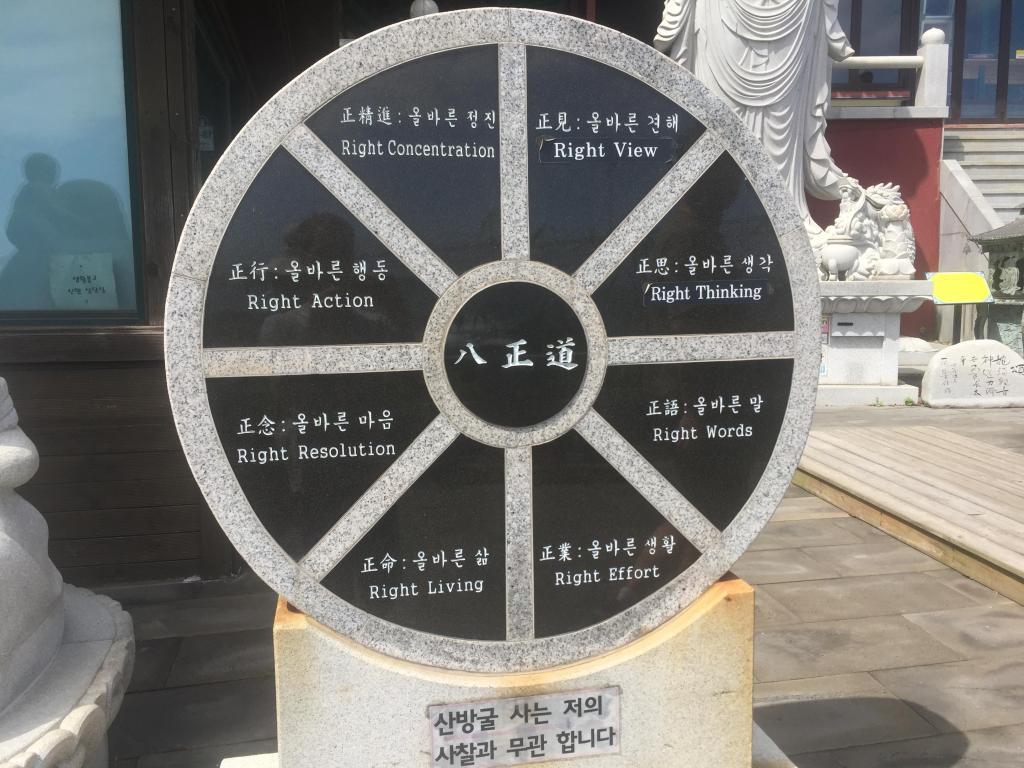
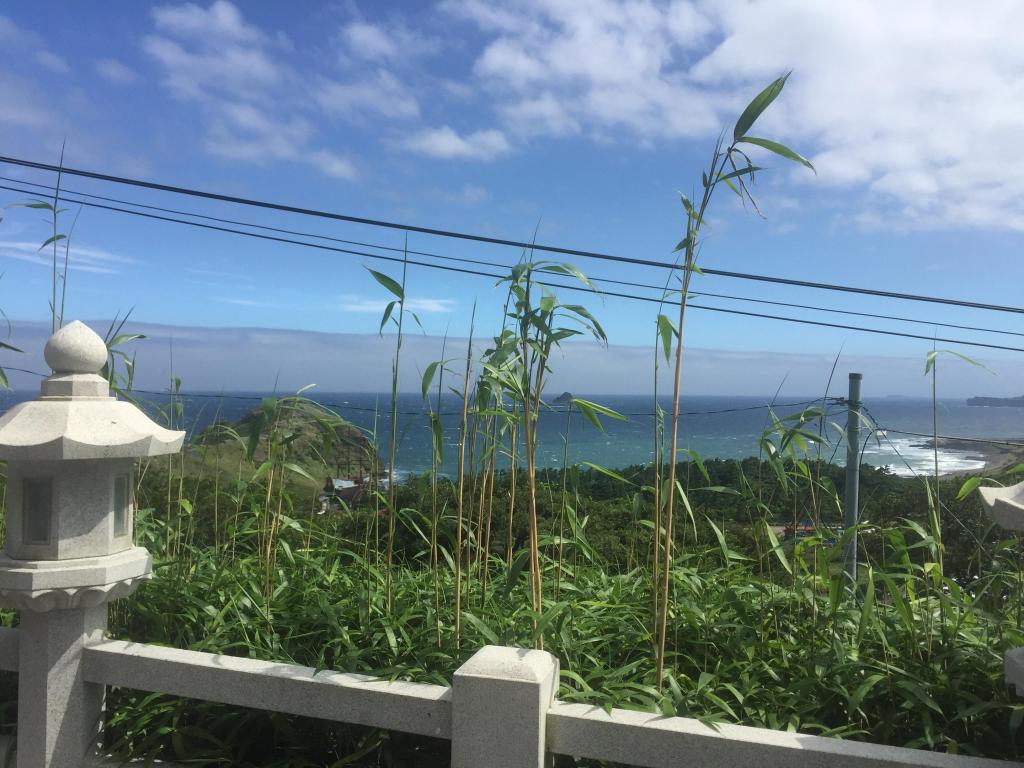
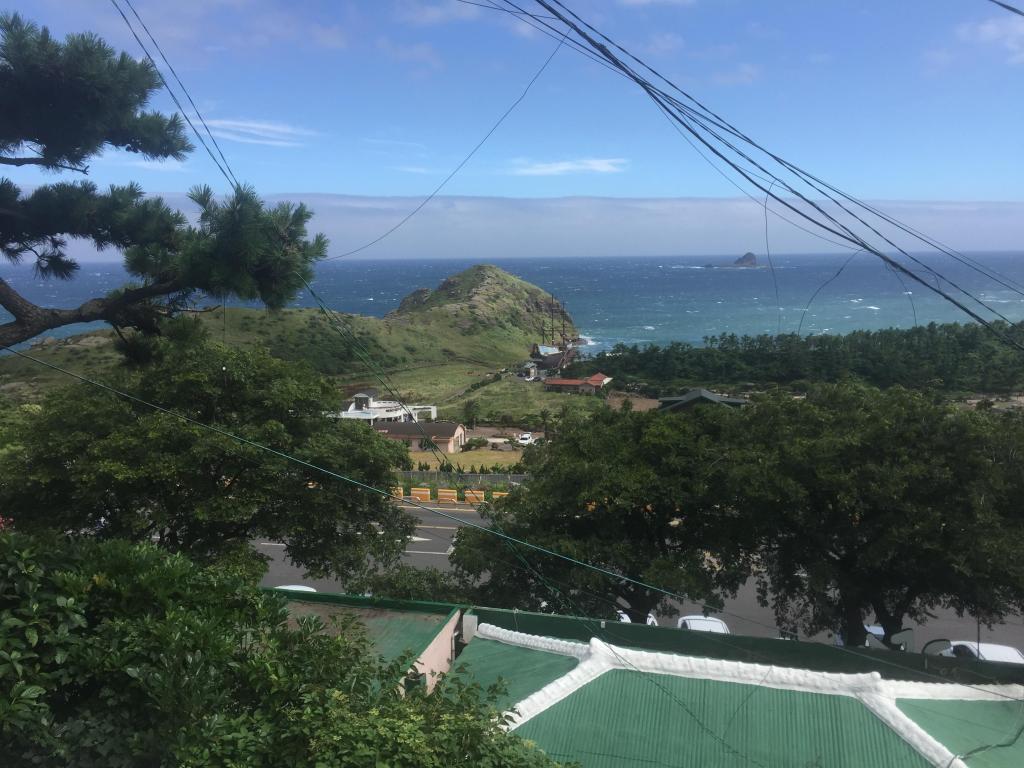
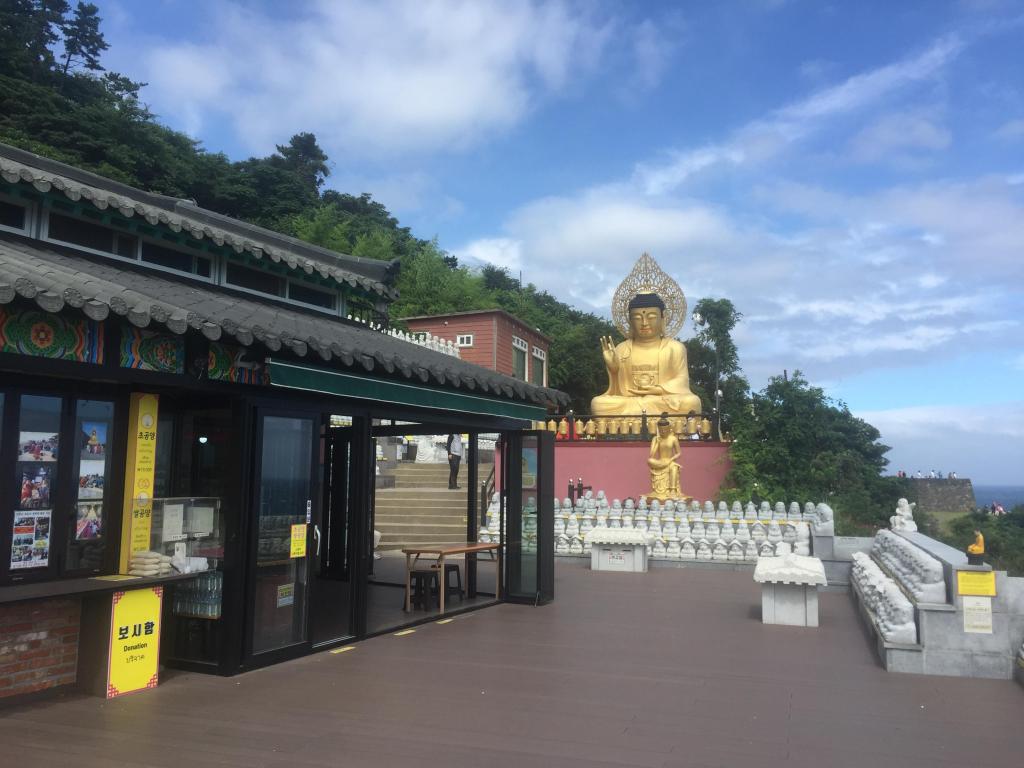
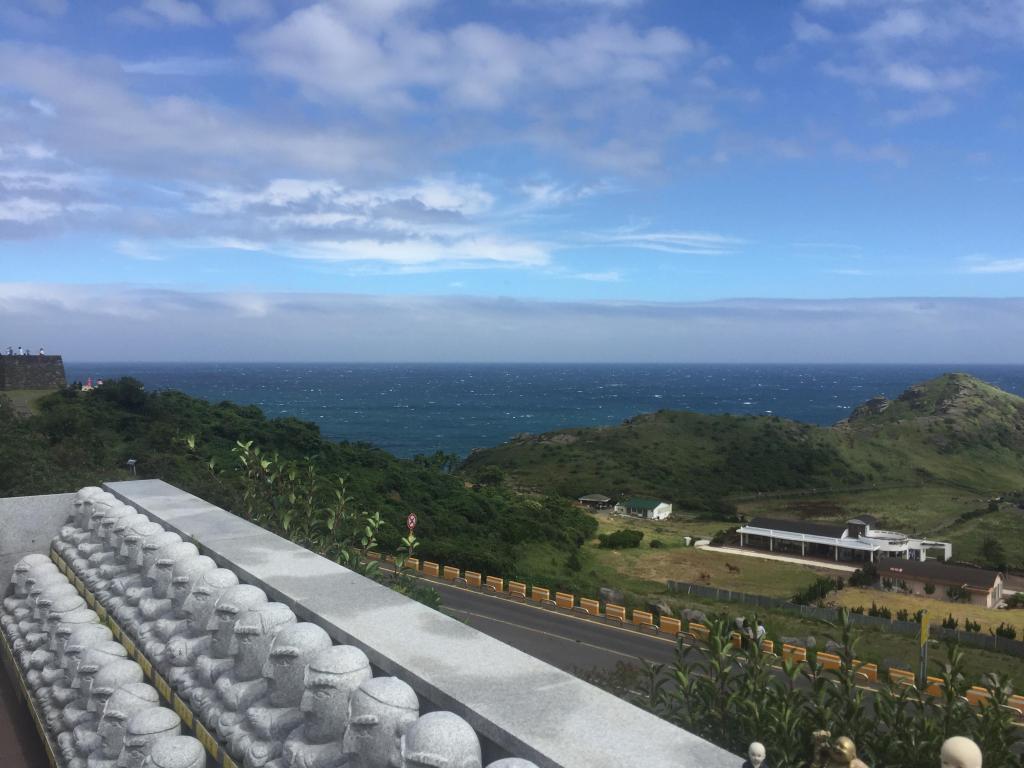
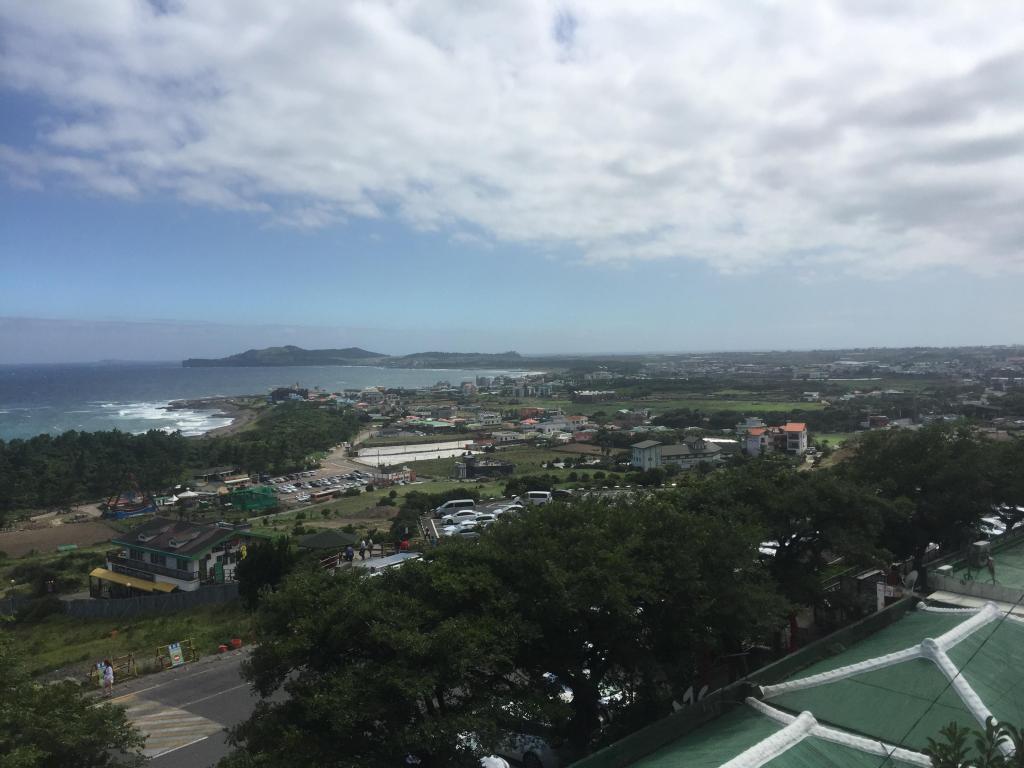
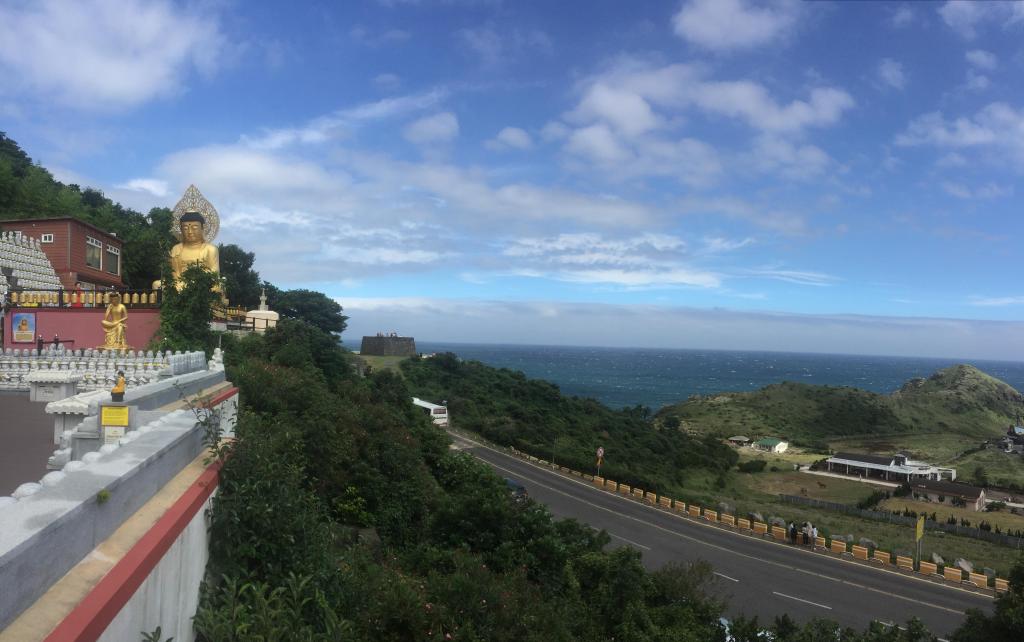
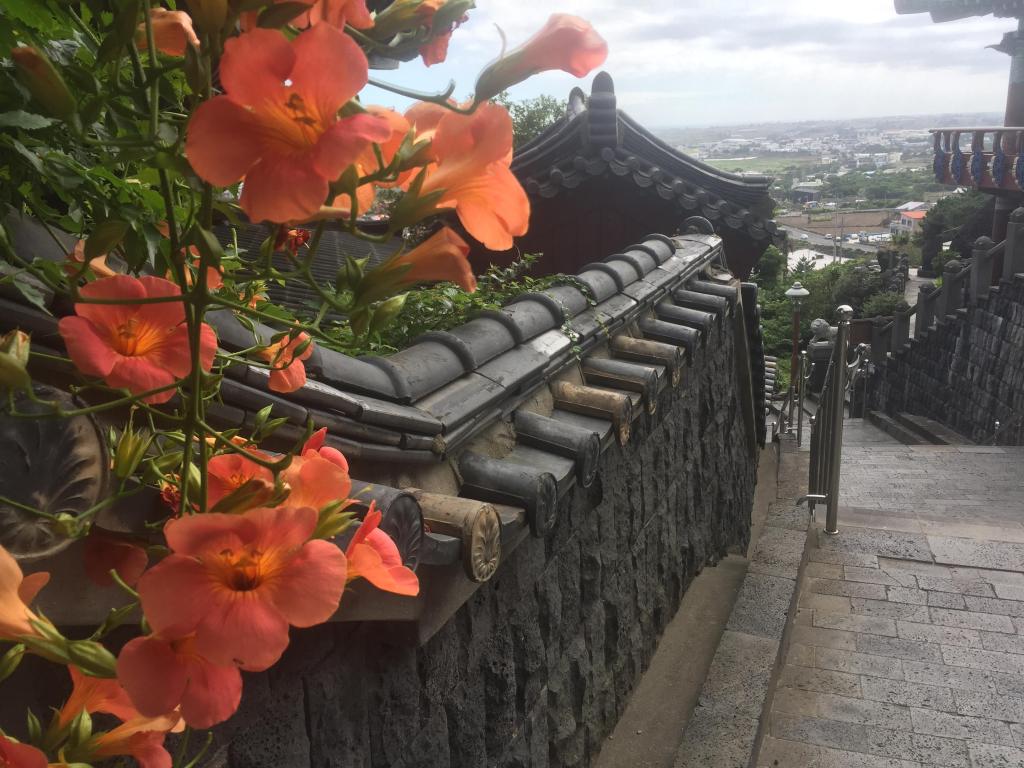
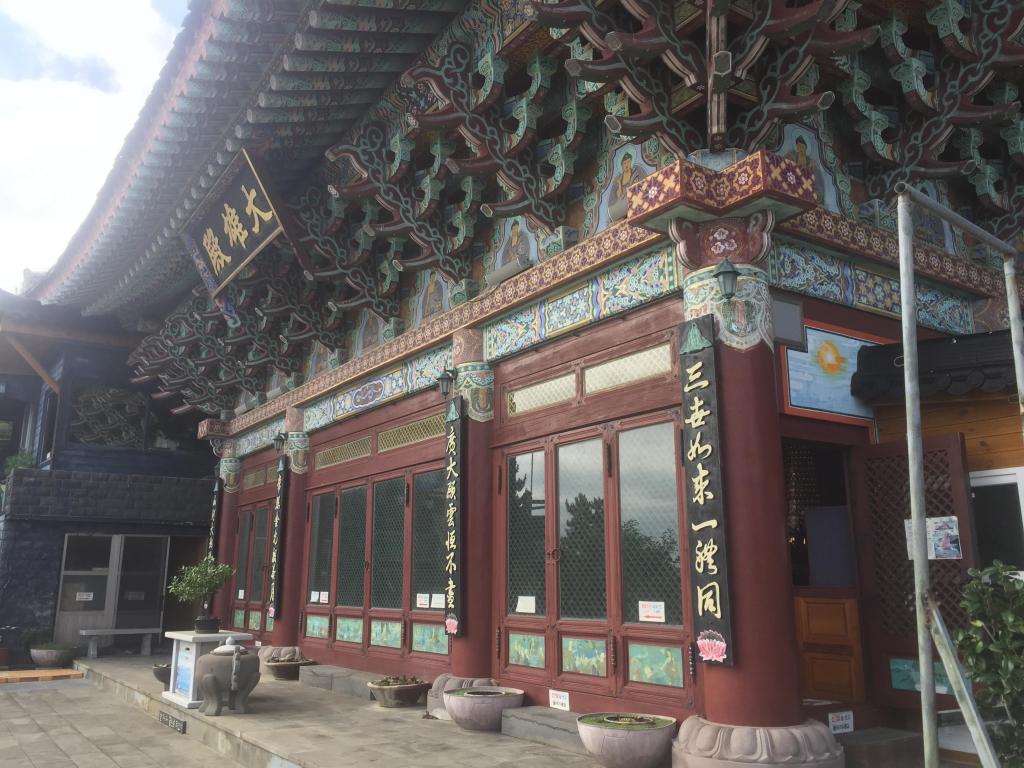
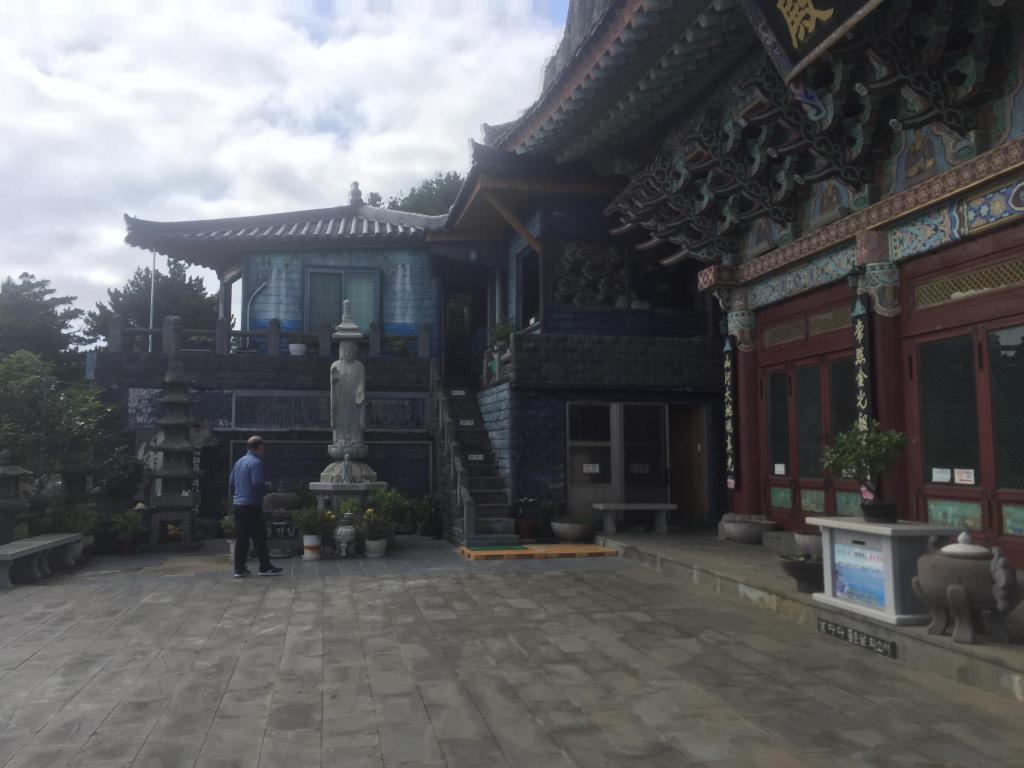
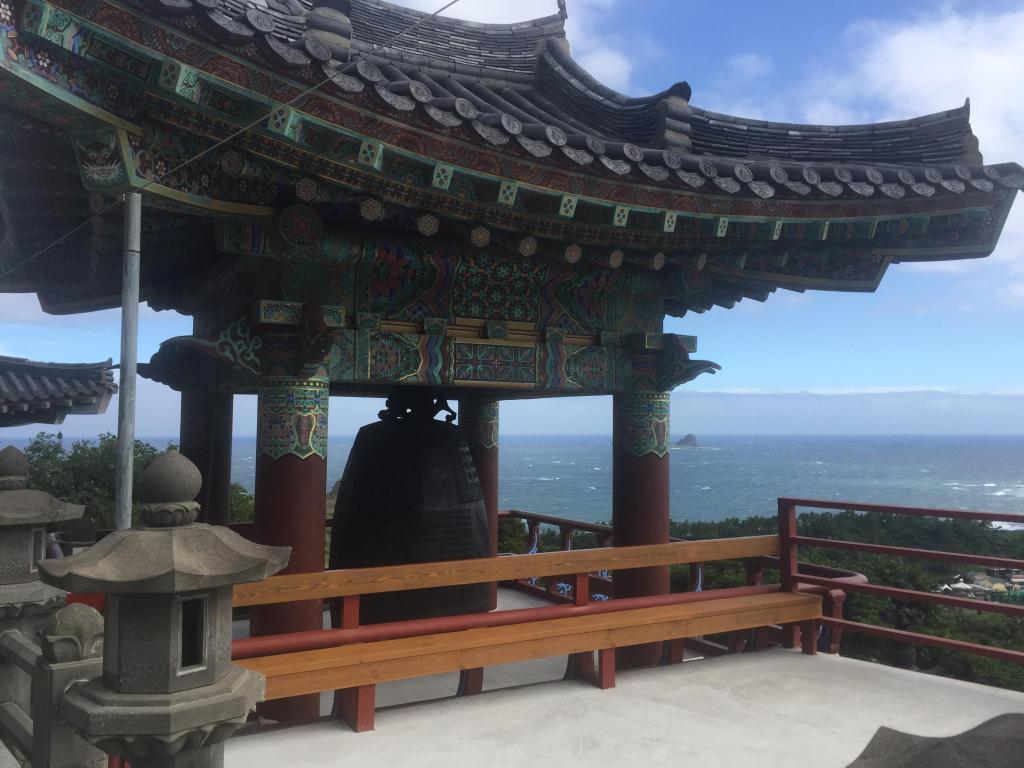
A legendary life of one woman, from the birth to the death, is tightly wreathed with the mountain.
Once upon a time, a couple lived in a village under Sanbang mountain who were poor but loved each other. The couple had no children, so they have been walking up the mountain every day to pray to get their children. One day on their way home from prayer they found a baby girl on the middle of the mountain. The couple named the child Sanbangdeok 山房德, thinking it was given by the mountain god. Sanbangdeok grew up and became the prettiest girl in the neighbourhood. Later, she married a young man named Goseung and they lived happily until a new district magistrate arrived in the village. The magistrate fell in love with the beauty of the girl and began to seduce her with all kinds of wealth and threats. But she refused him, what provoked him to arrest the husband with murder suspicion to exile him far away. Sanbangdeok was unable to bear this, she went up to Sanbang mountain and started shedding tears, missing her husband who was suffering because of her. After days and days of shedding tears, her body turned into a rock, and water began to drip from the ceiling of the Sanbanggul temple, which is said to be the tears of Sanbangduk 1 2
Nowadays, people who have no children visit this place and pray.
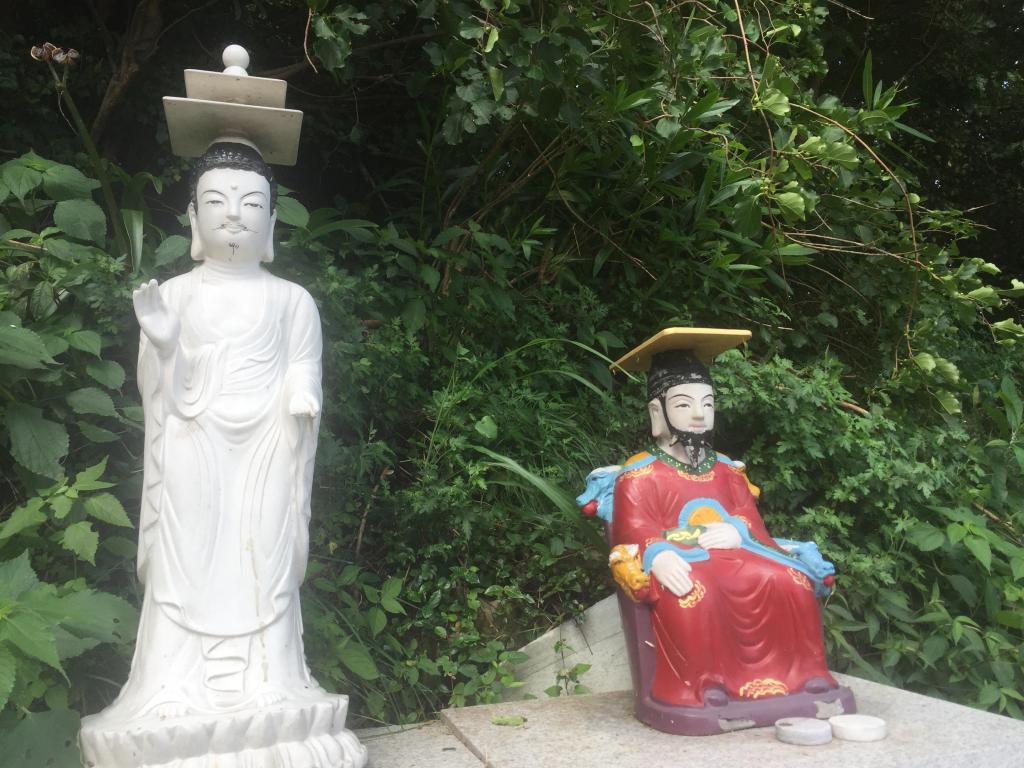
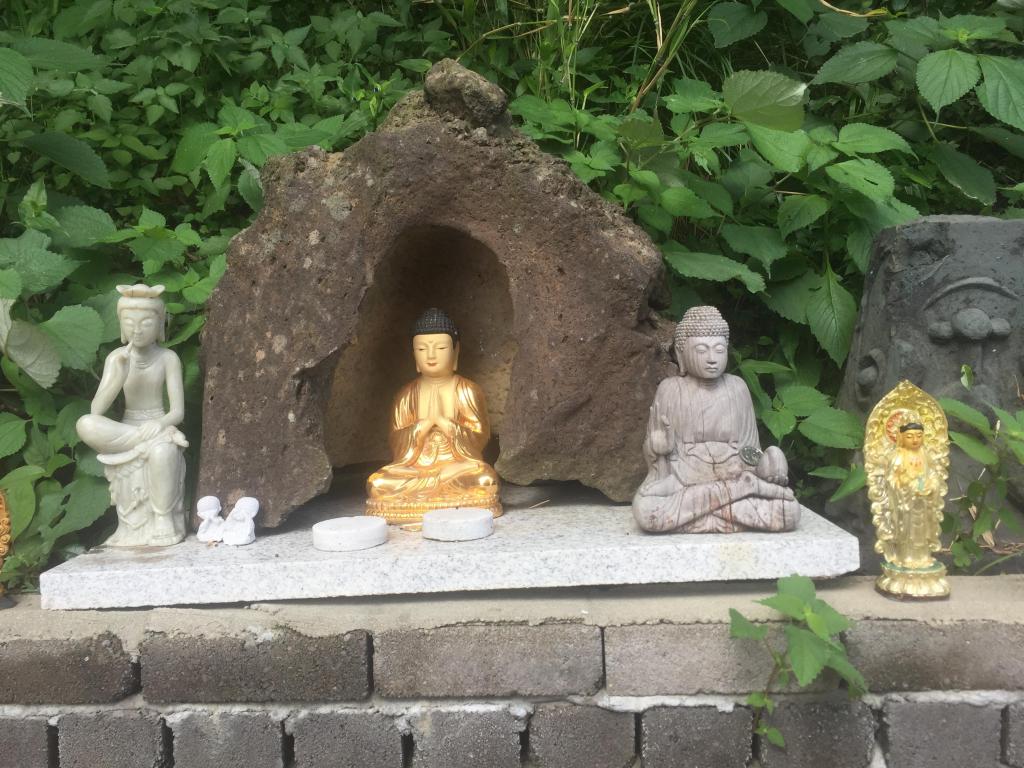
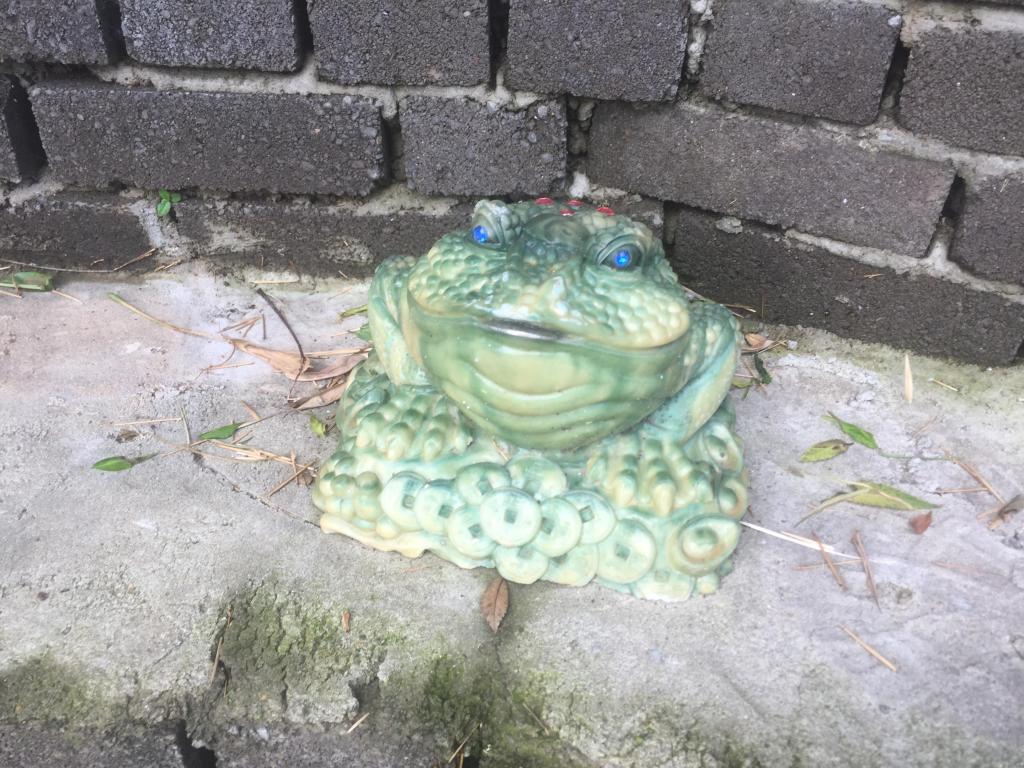
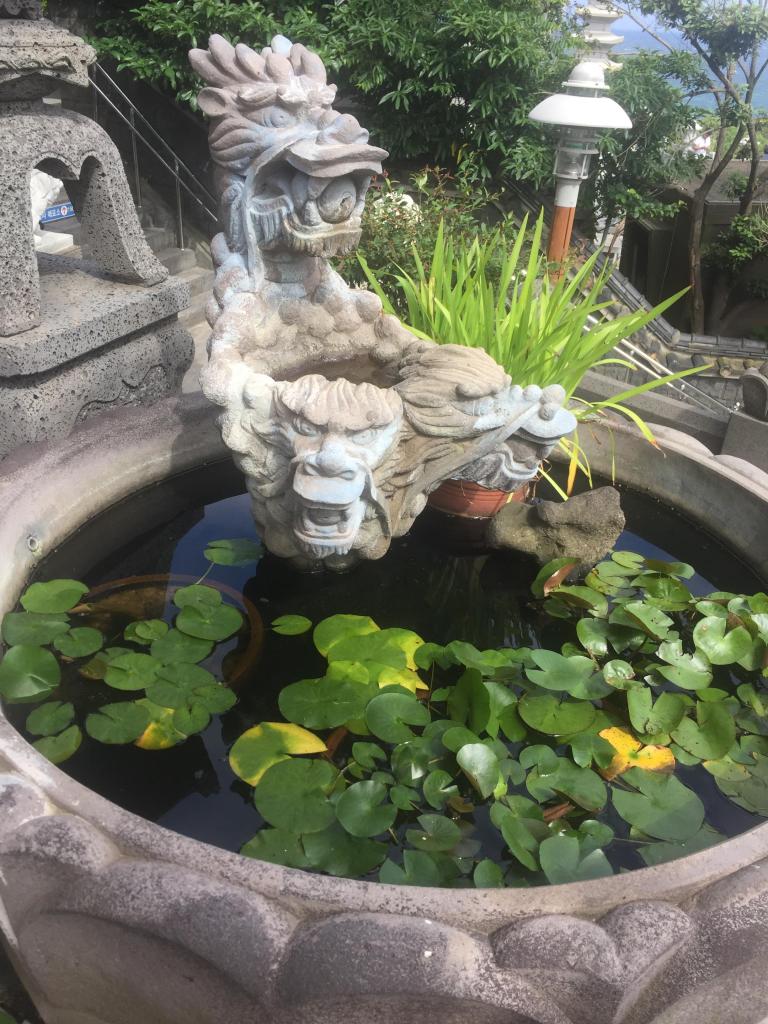
Various statues.
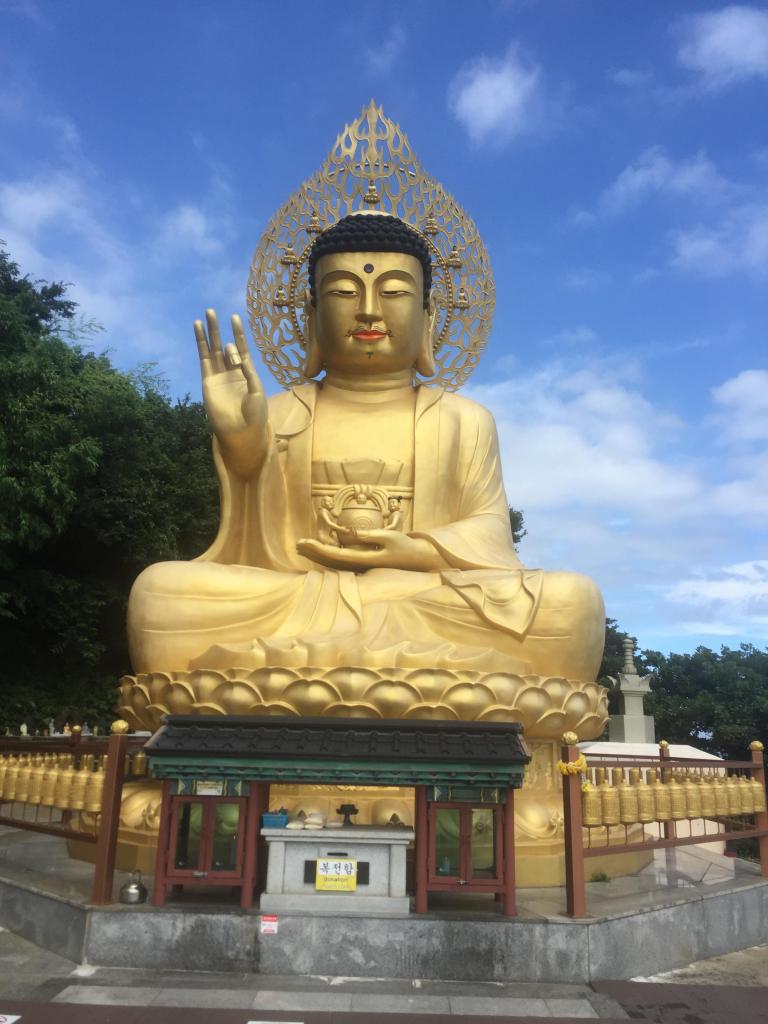
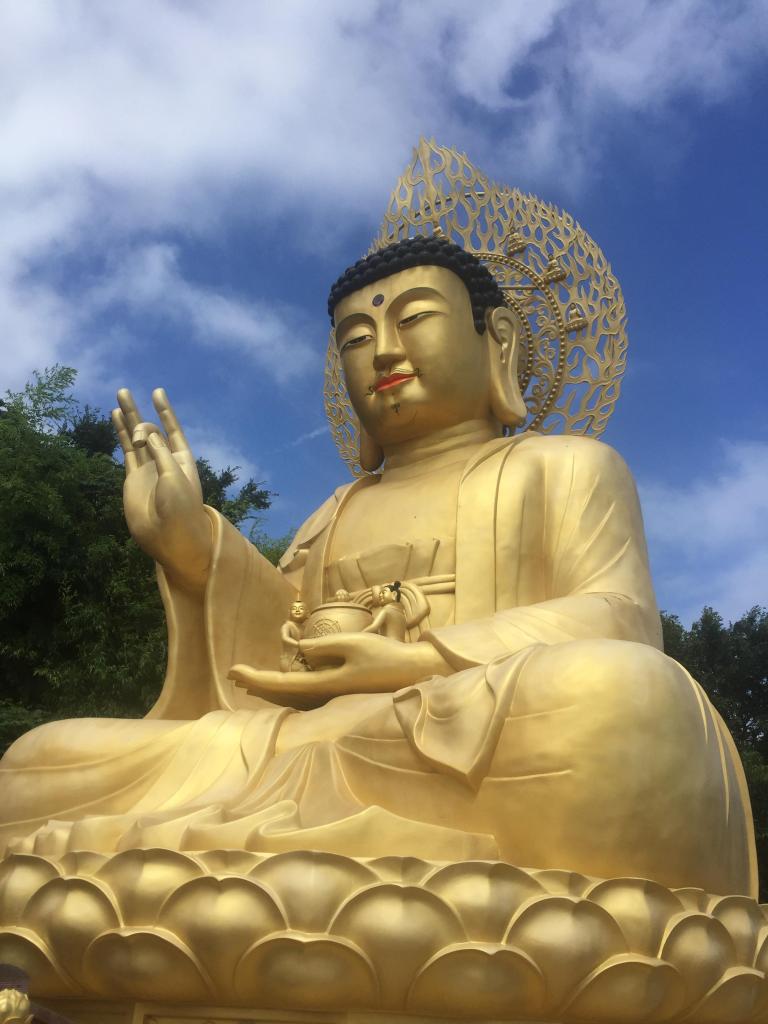
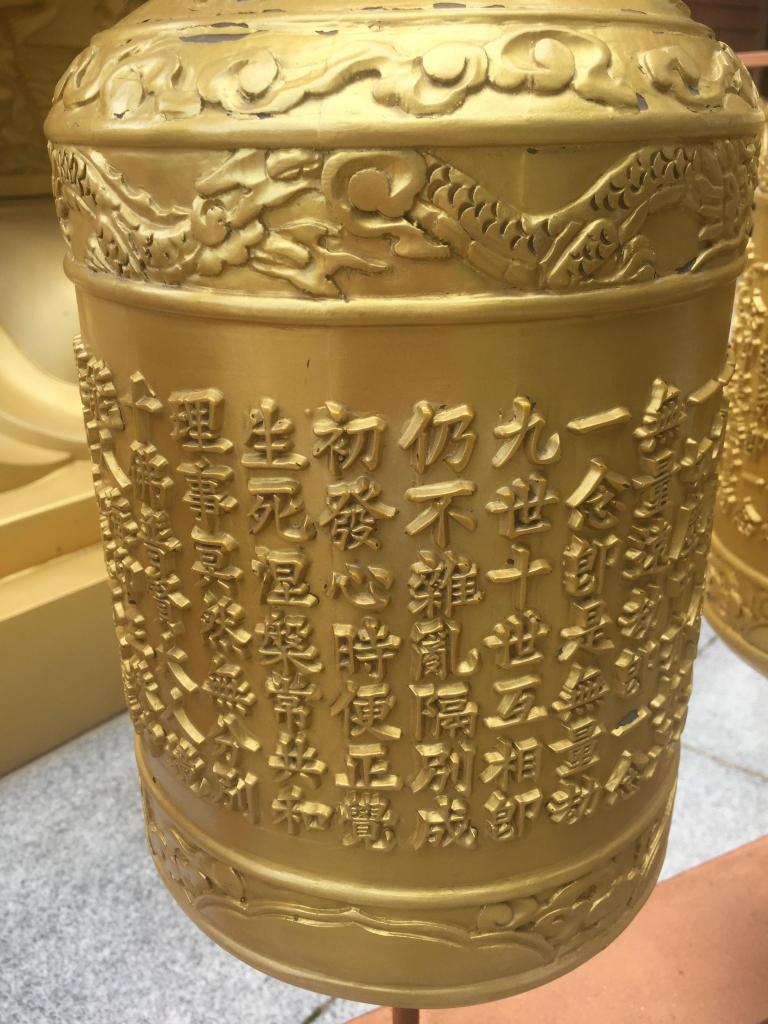
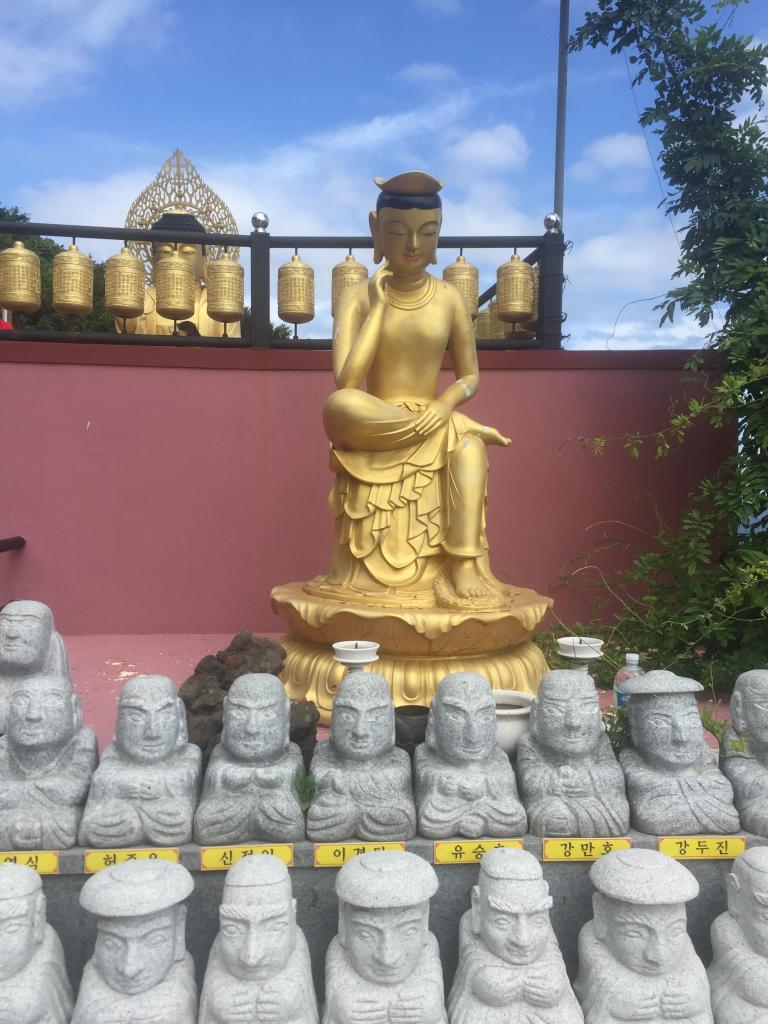
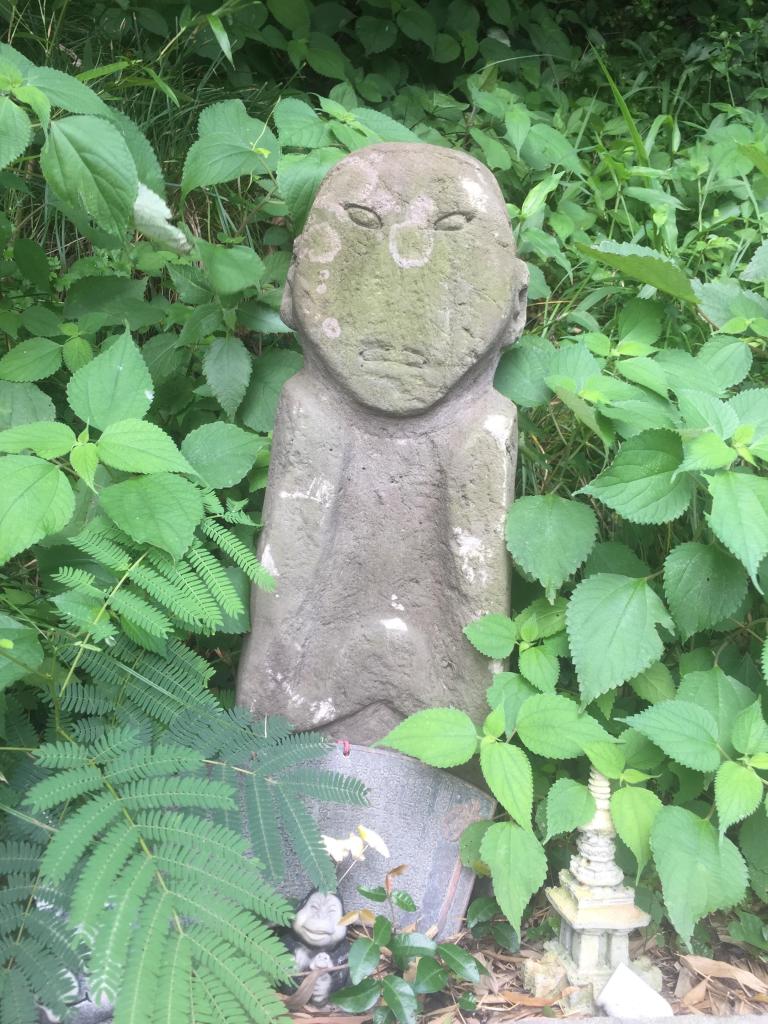
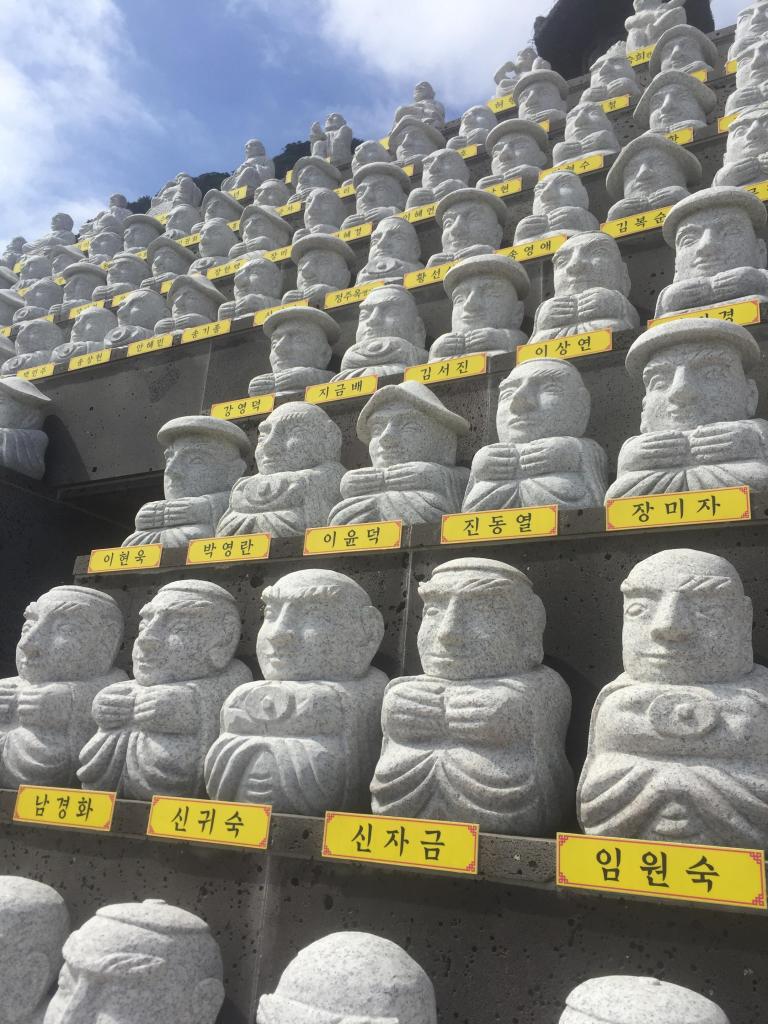
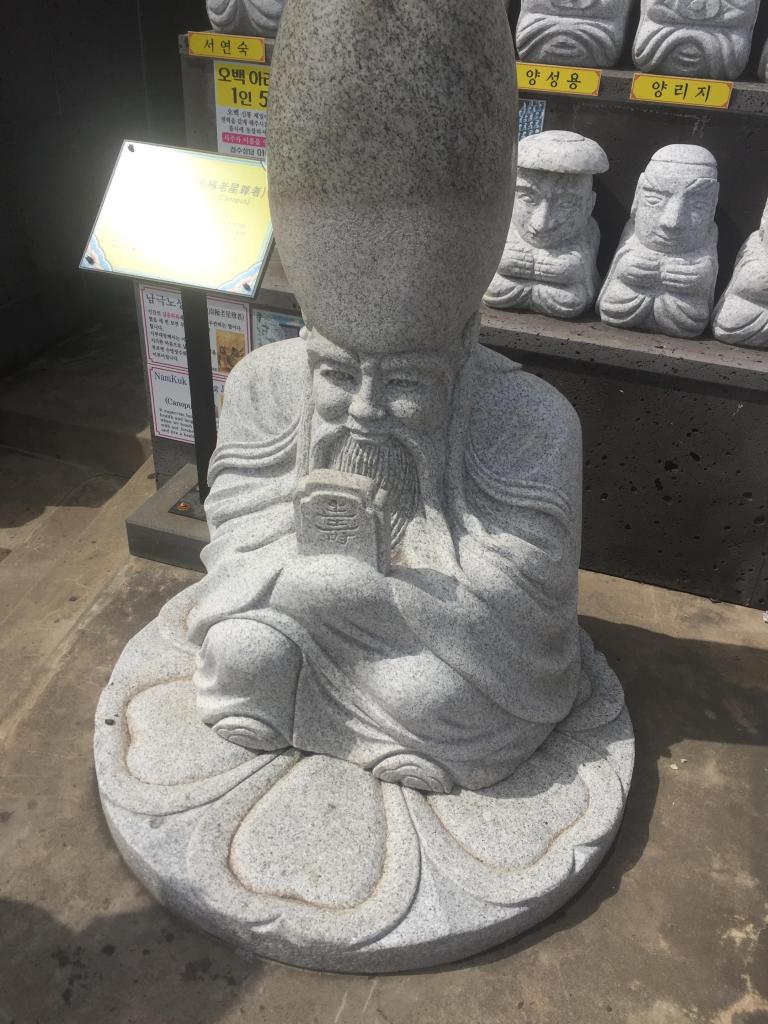
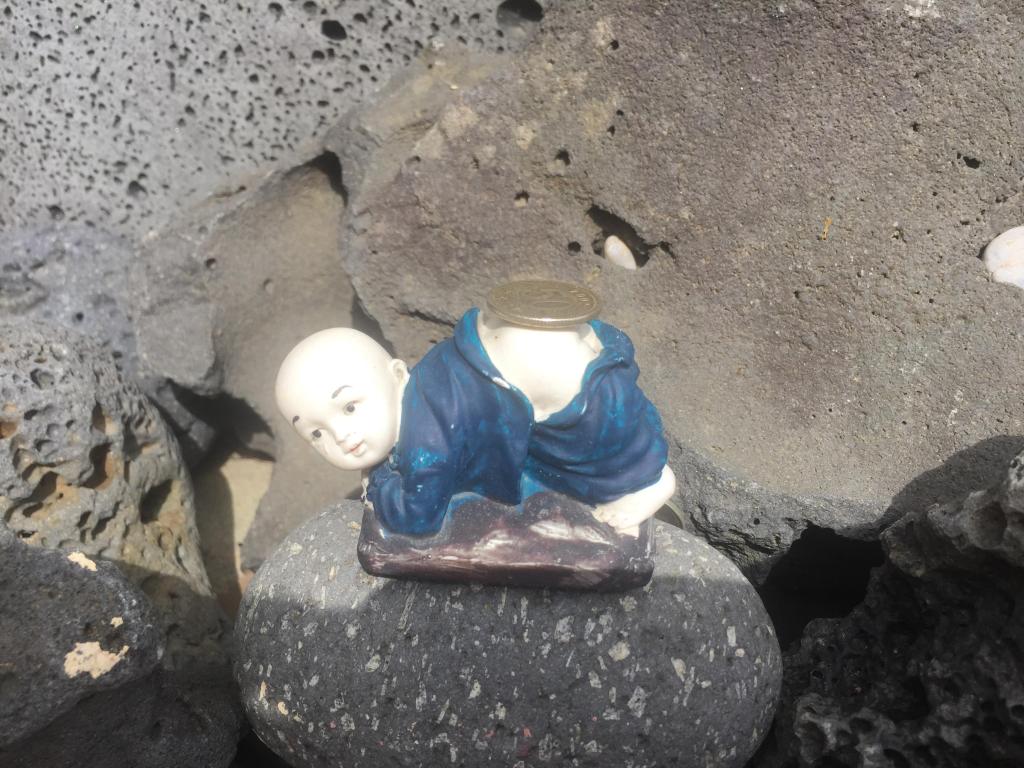
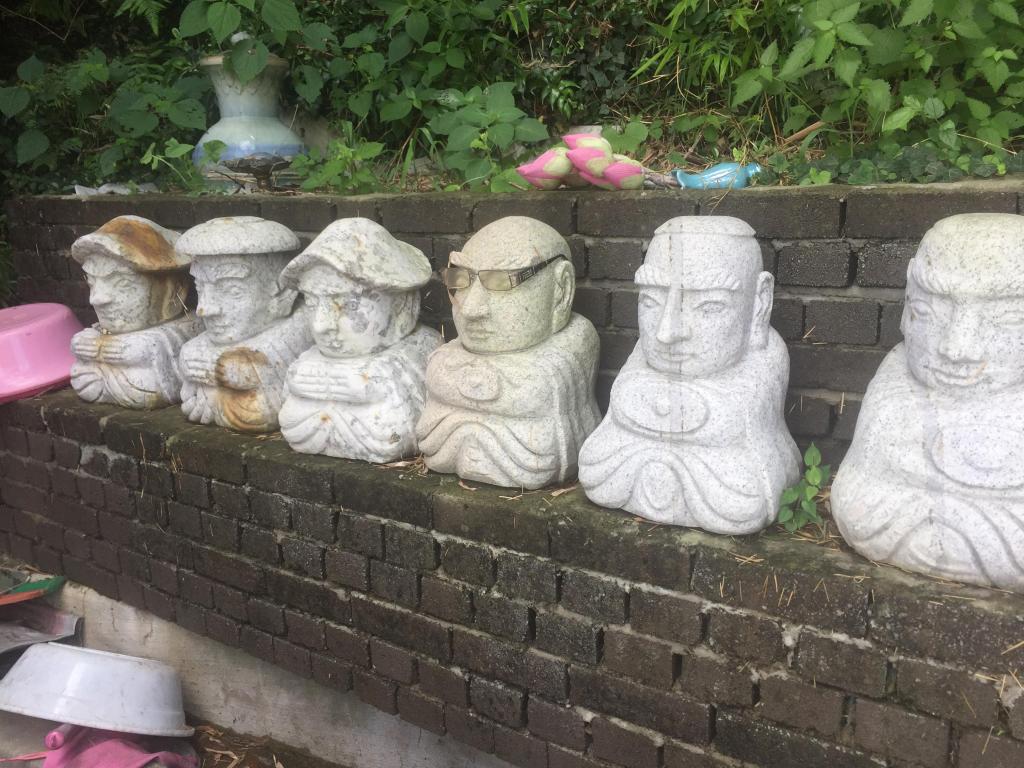
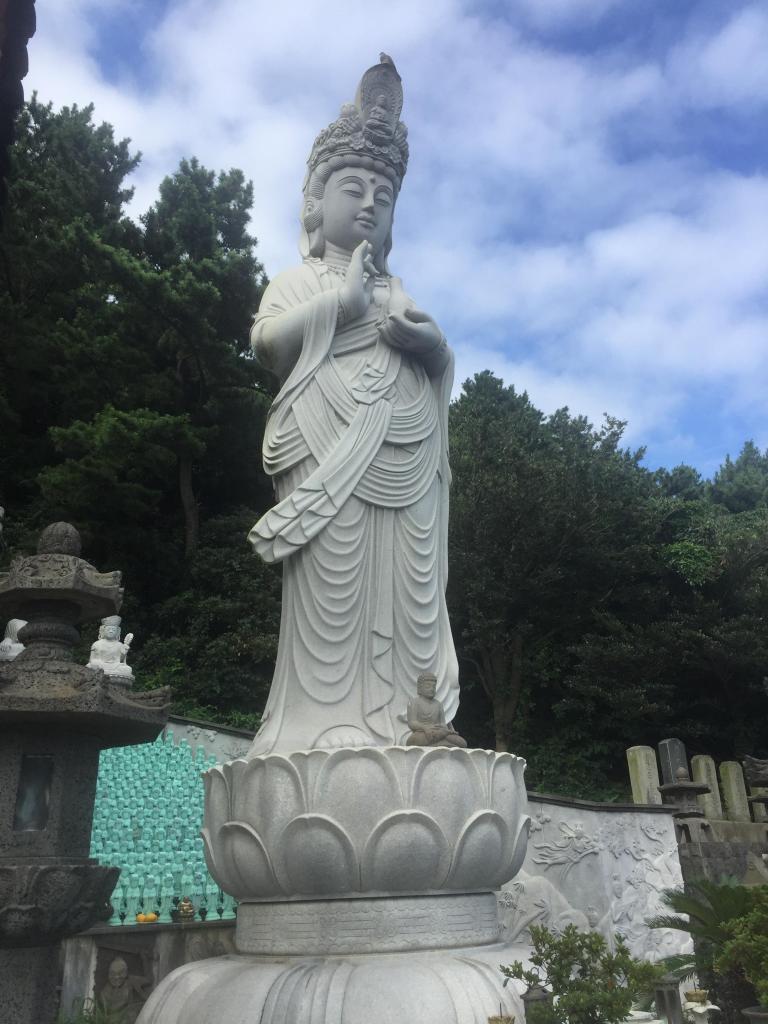
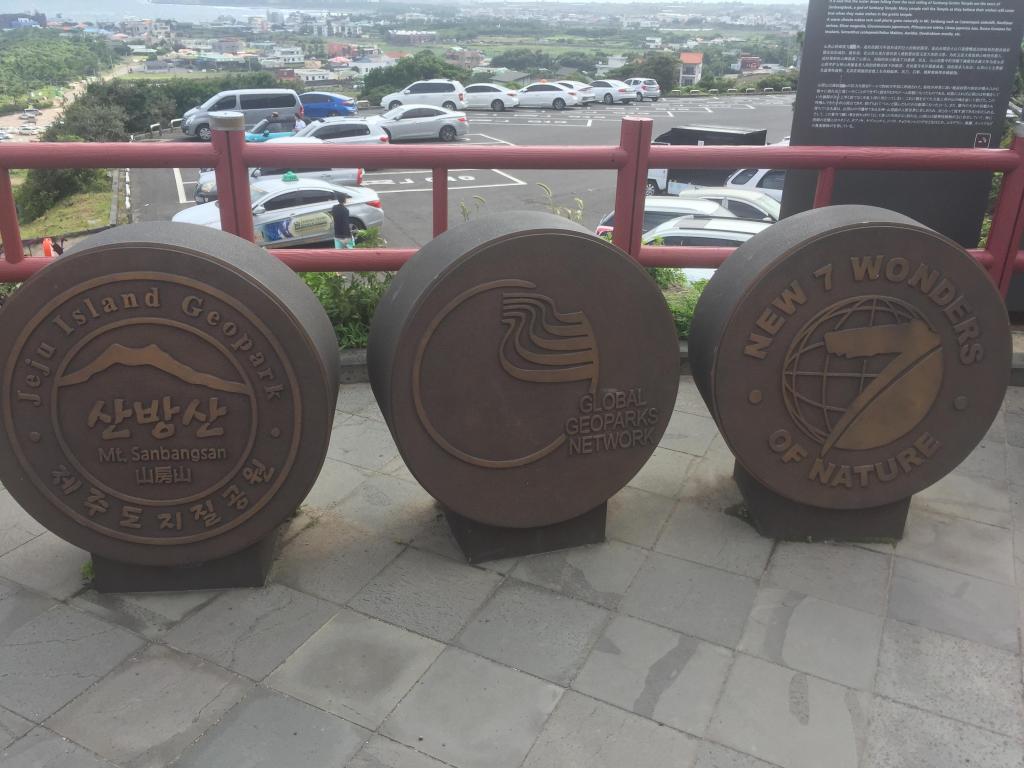
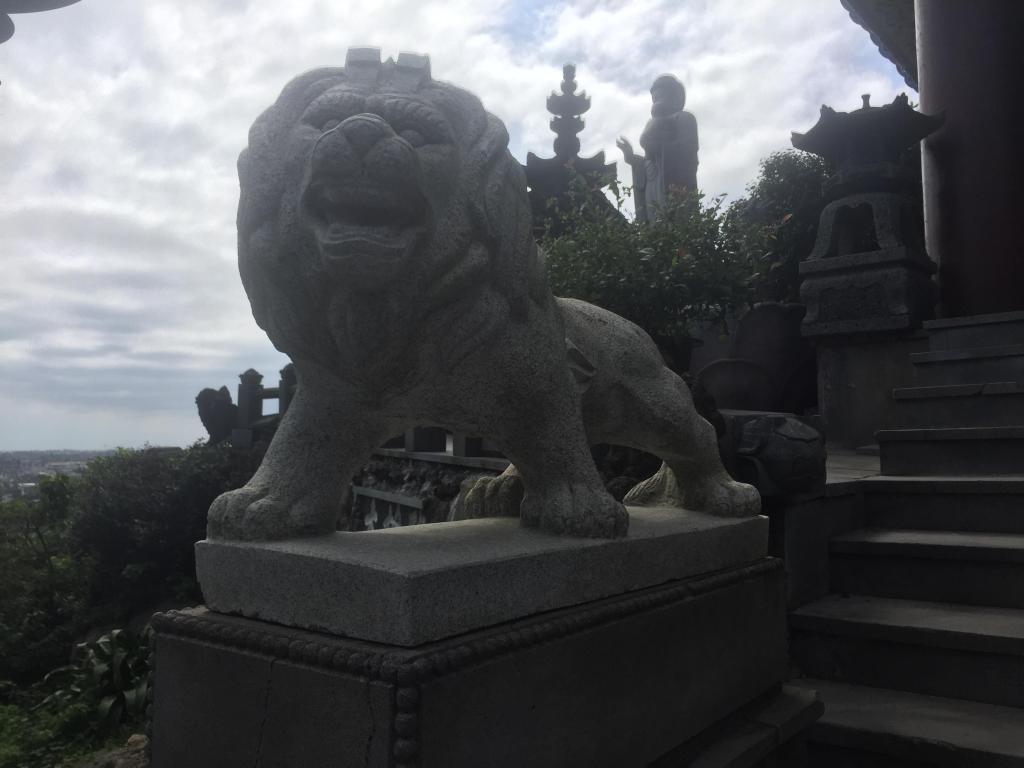
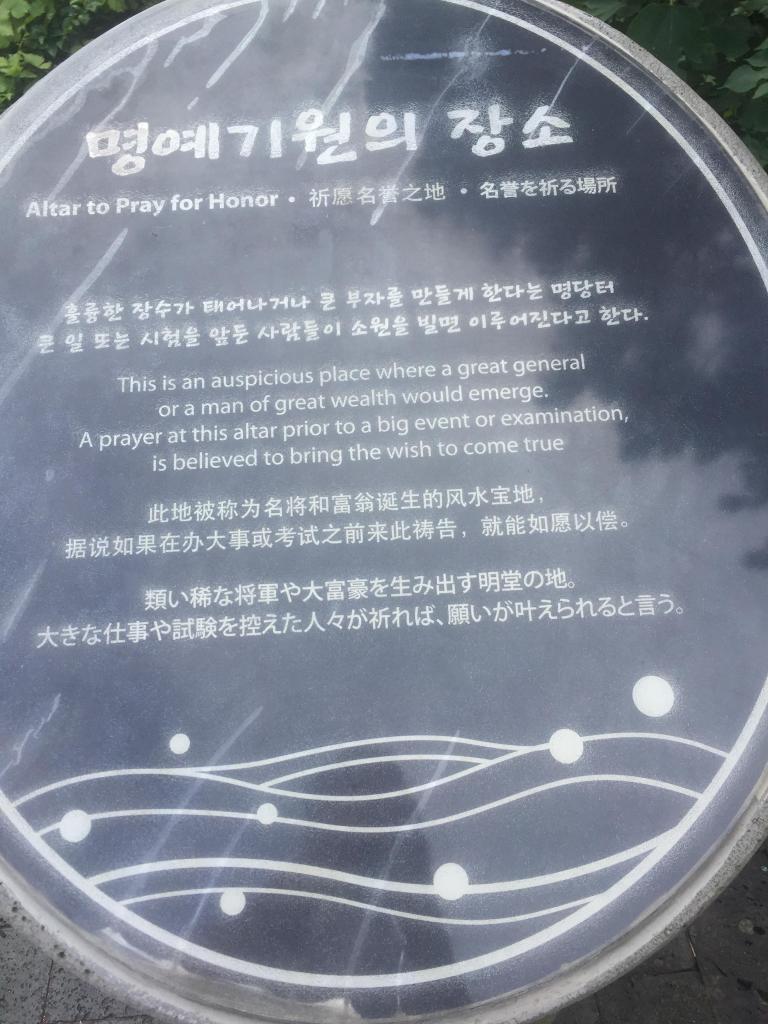
Buoyant flora.
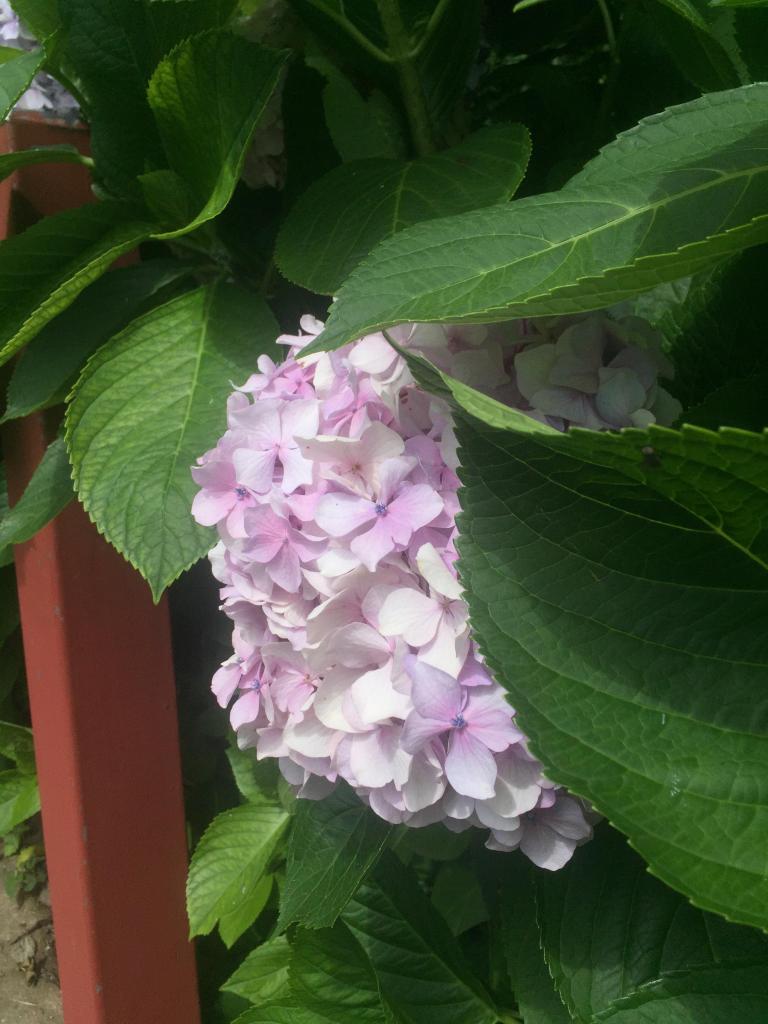
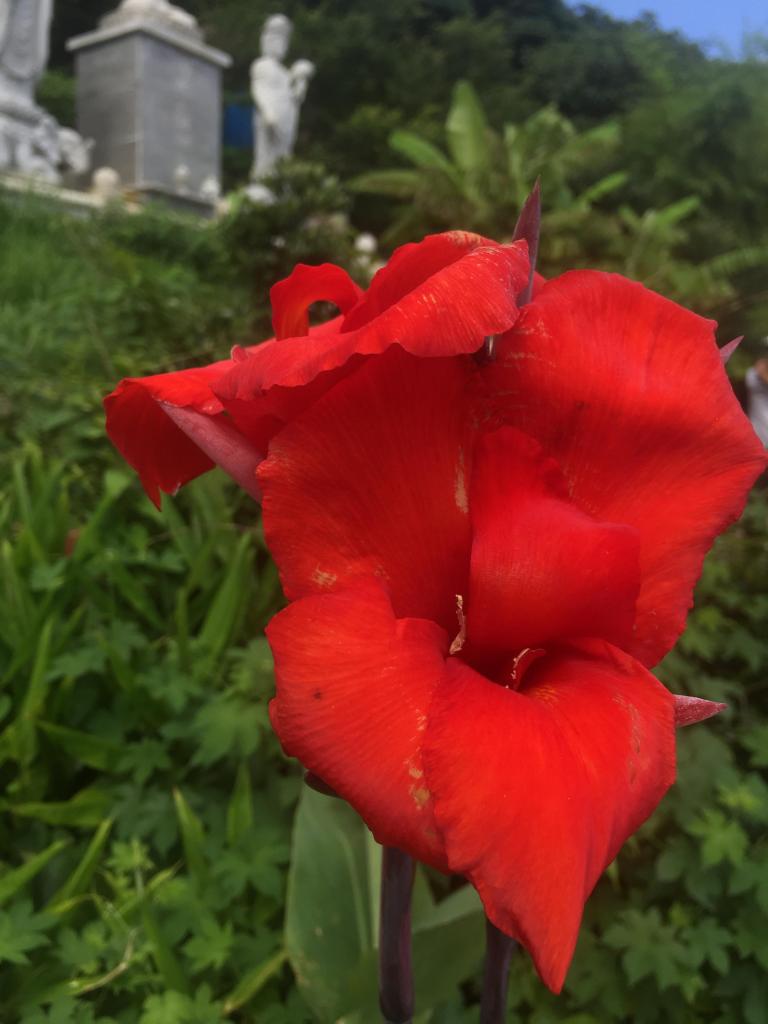
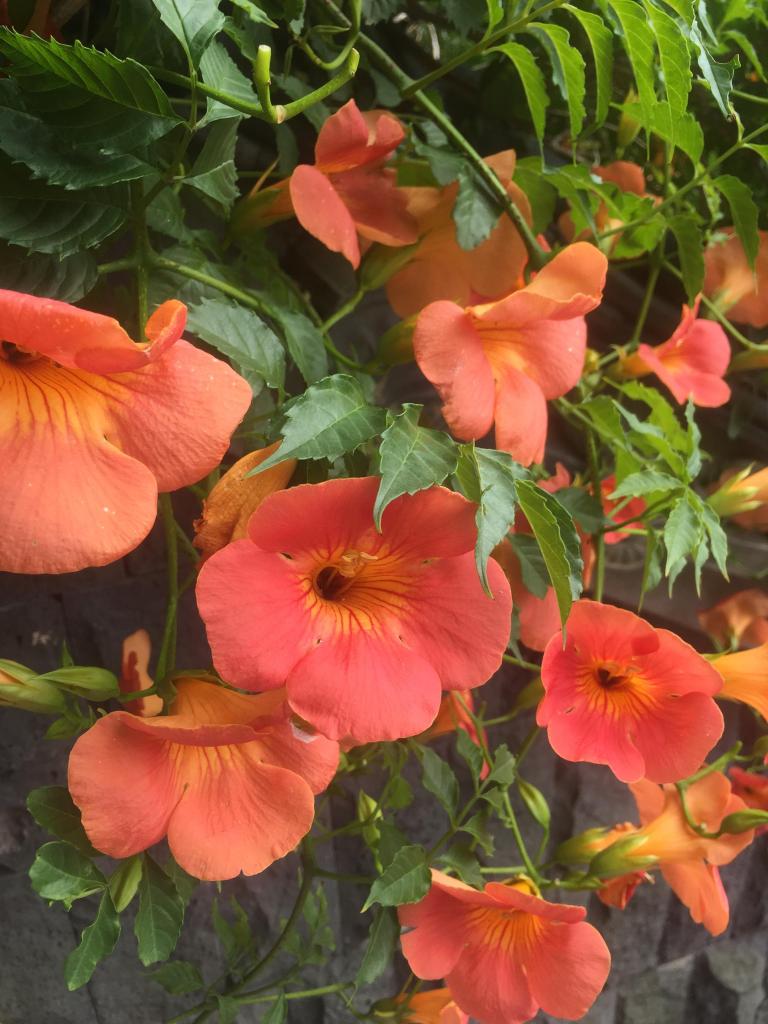
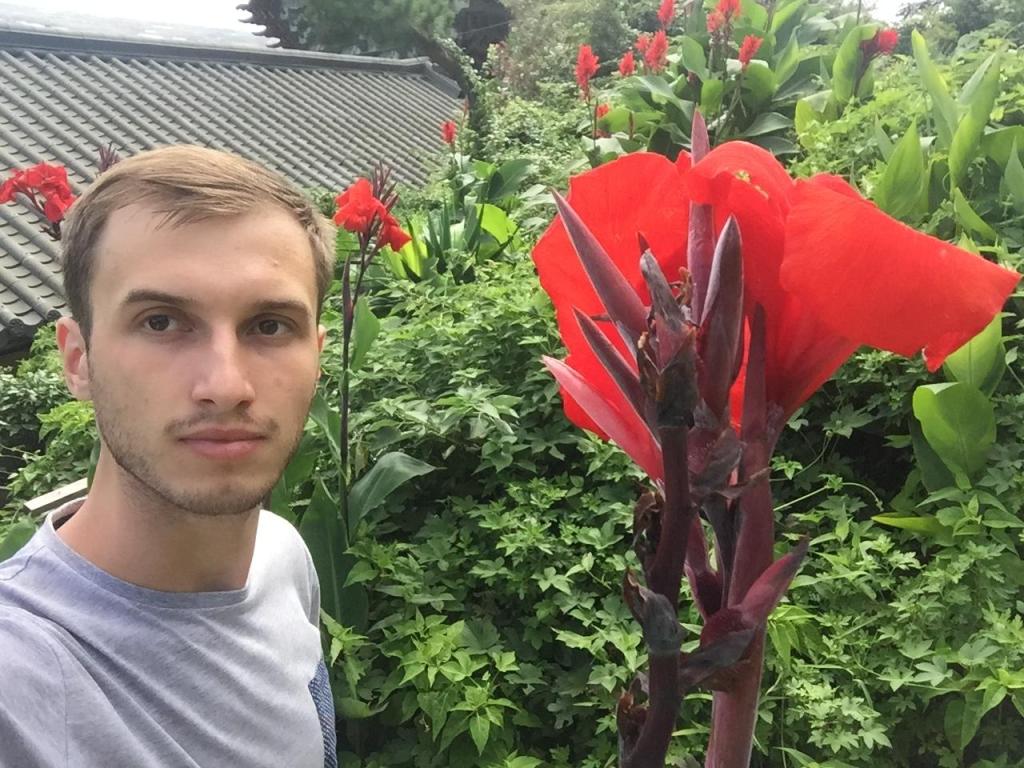
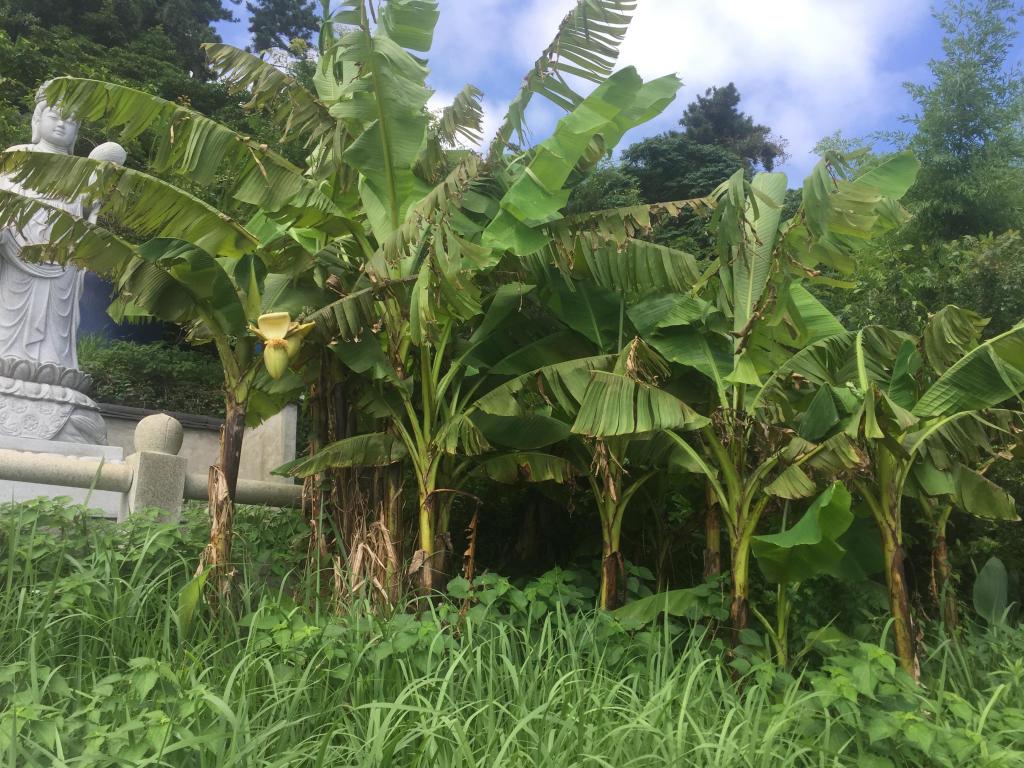
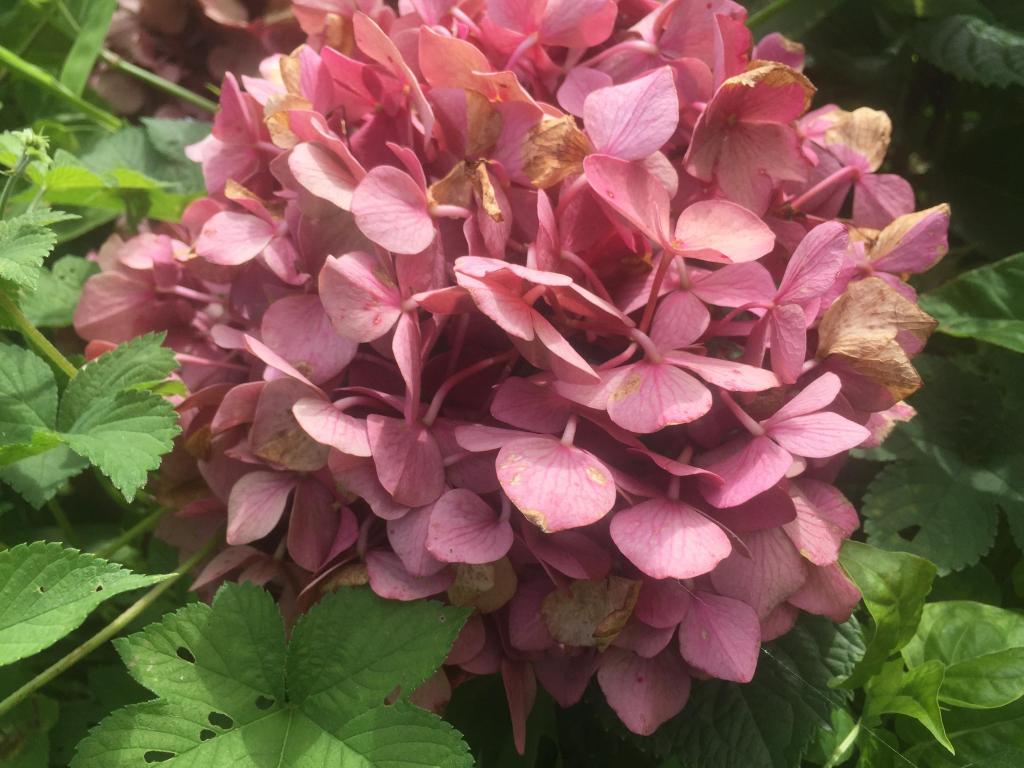
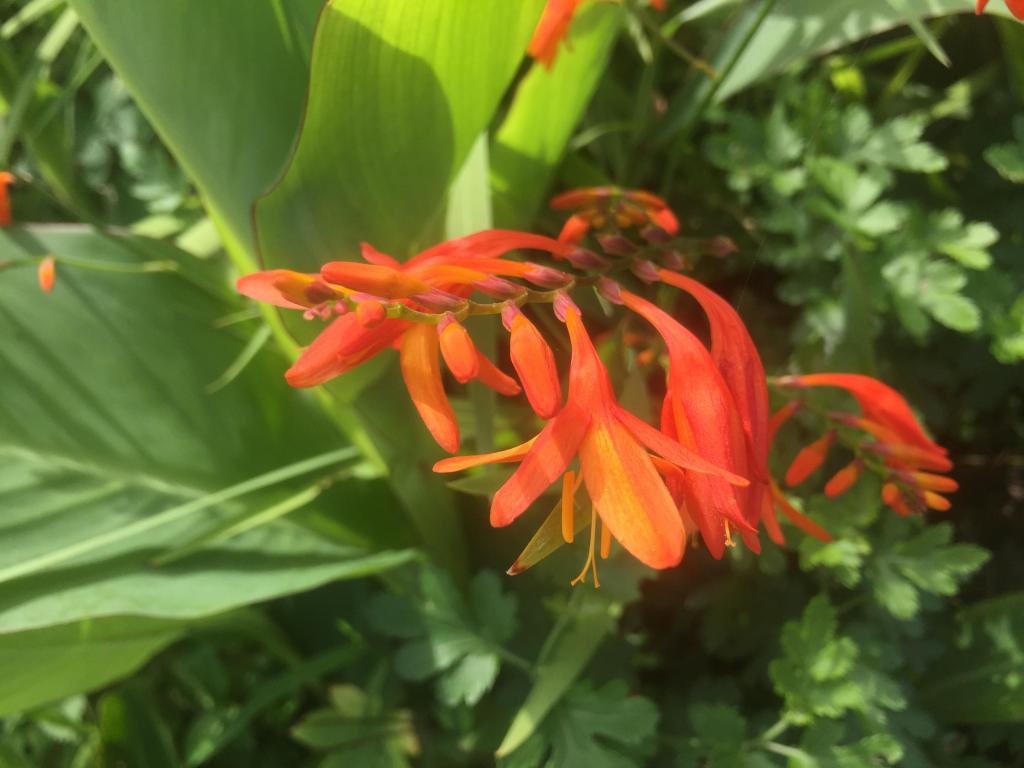
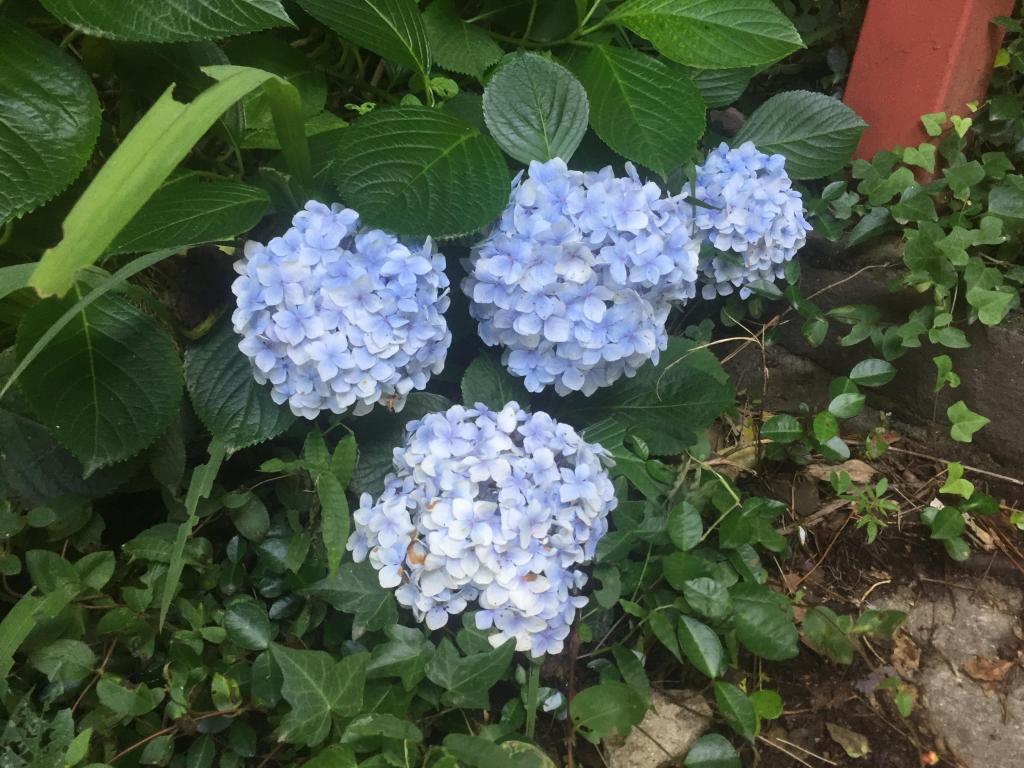
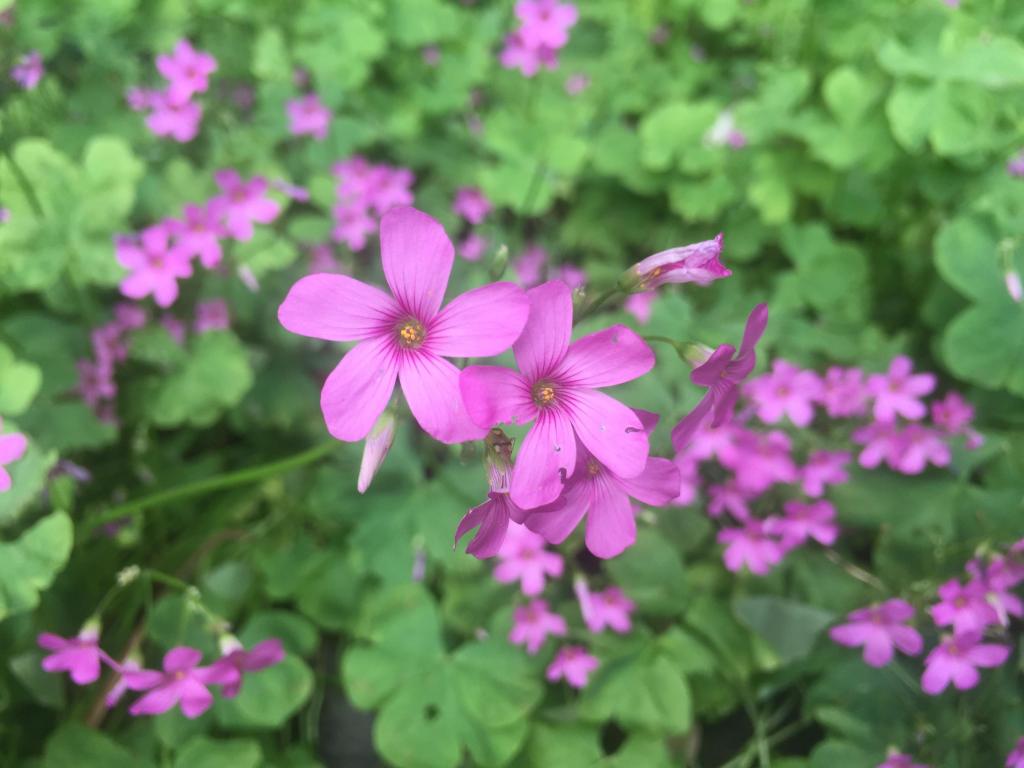
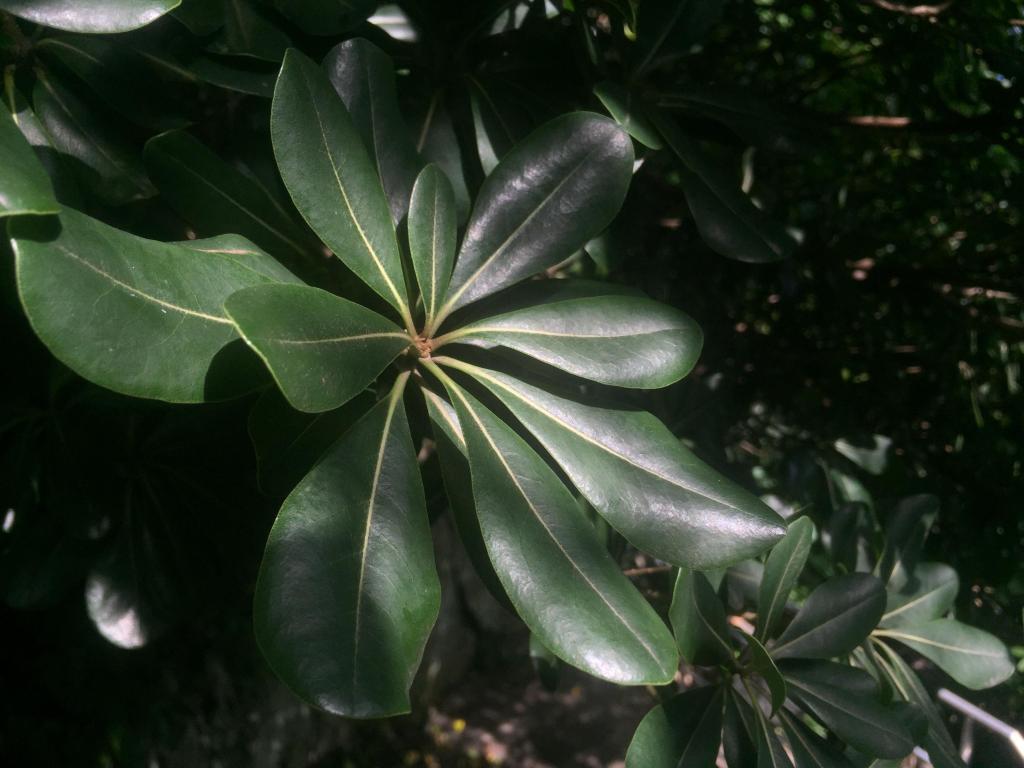
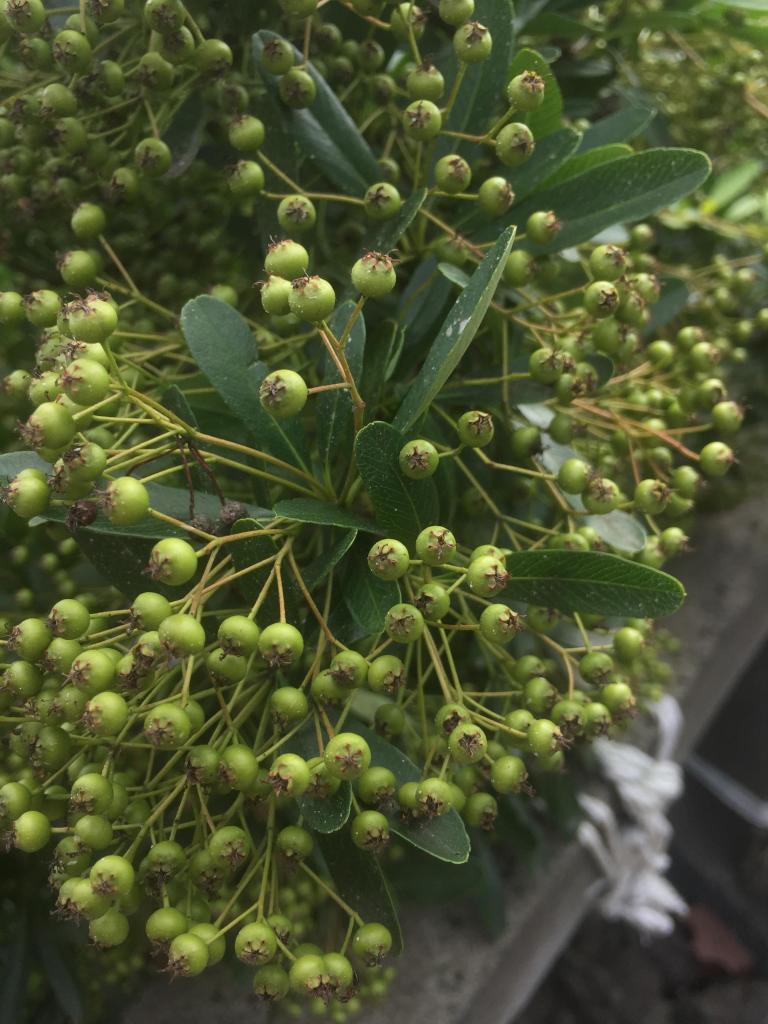
Climbing up to the cave where Sanbangdeok’s tears drop.
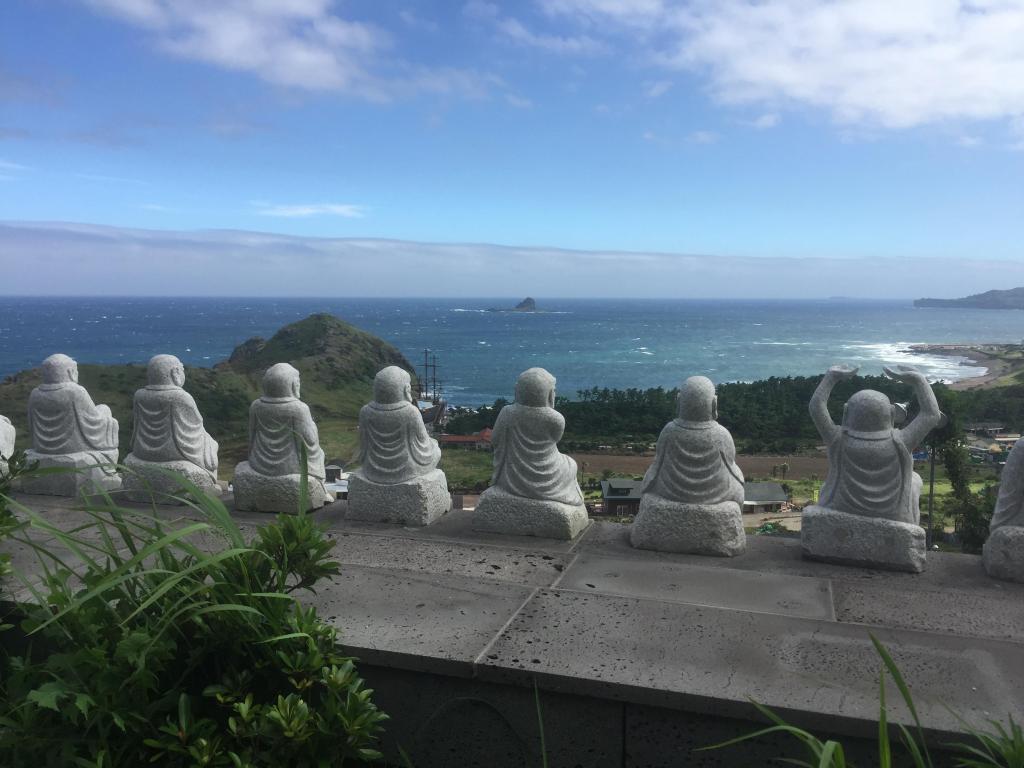
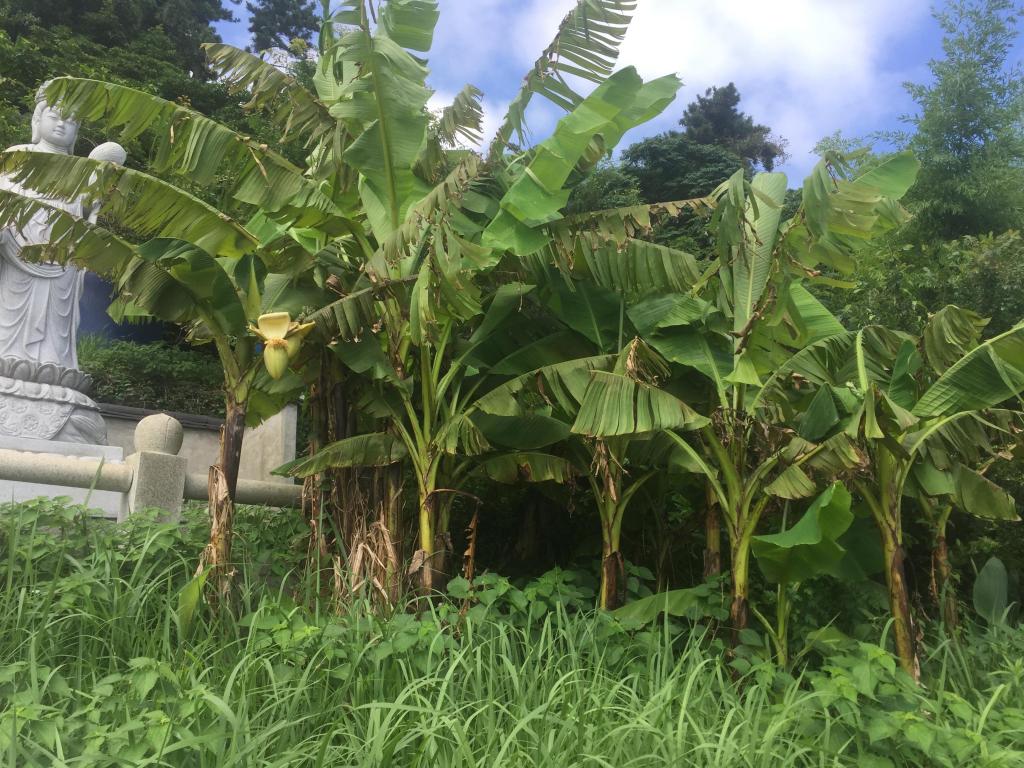
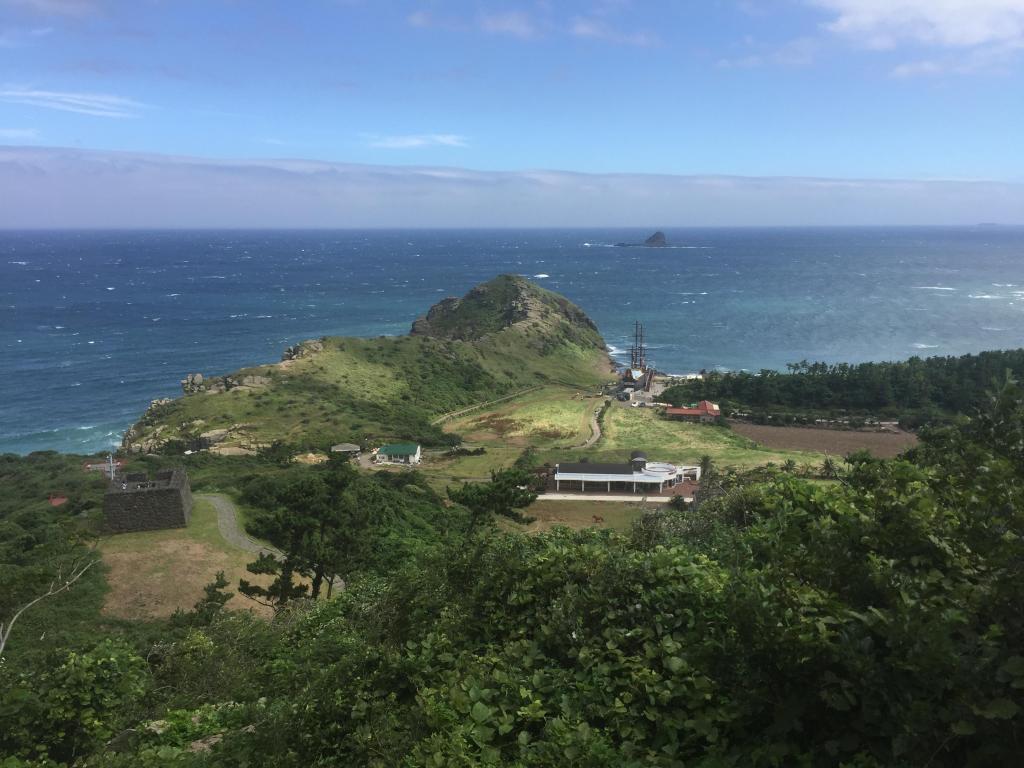
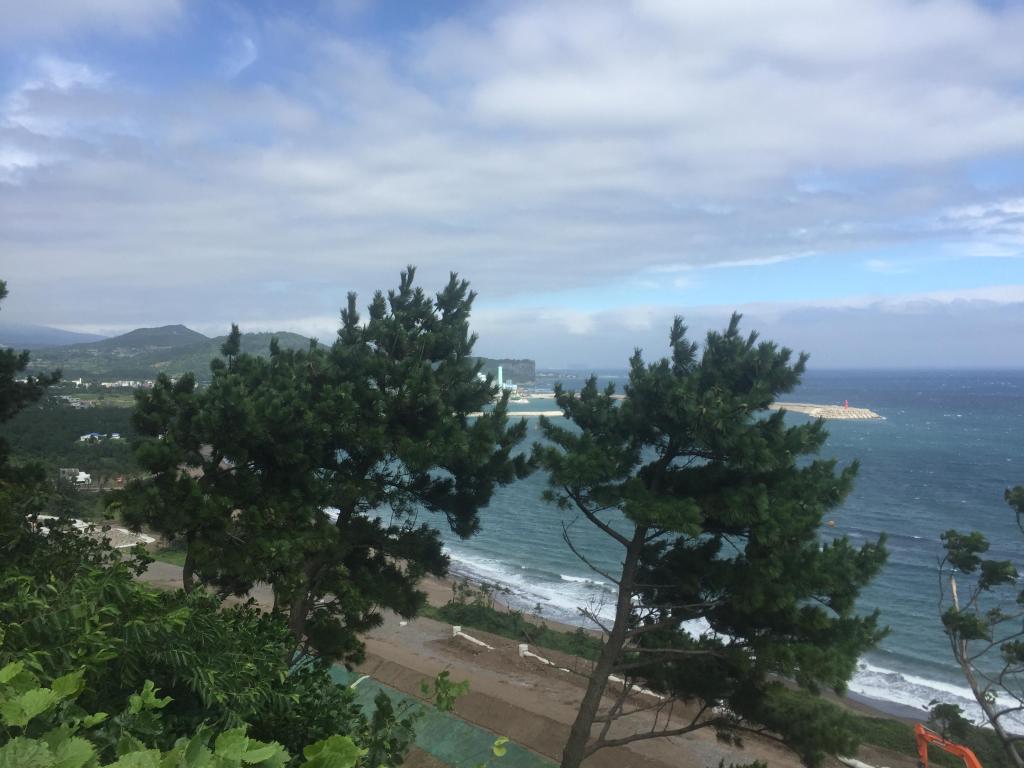
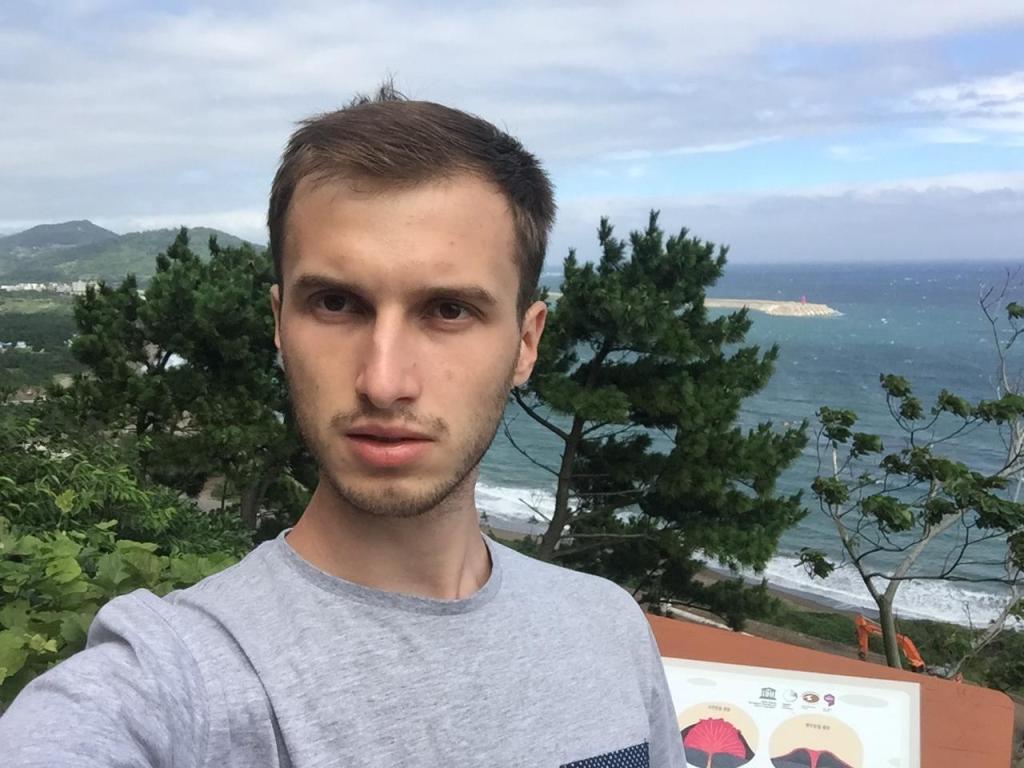
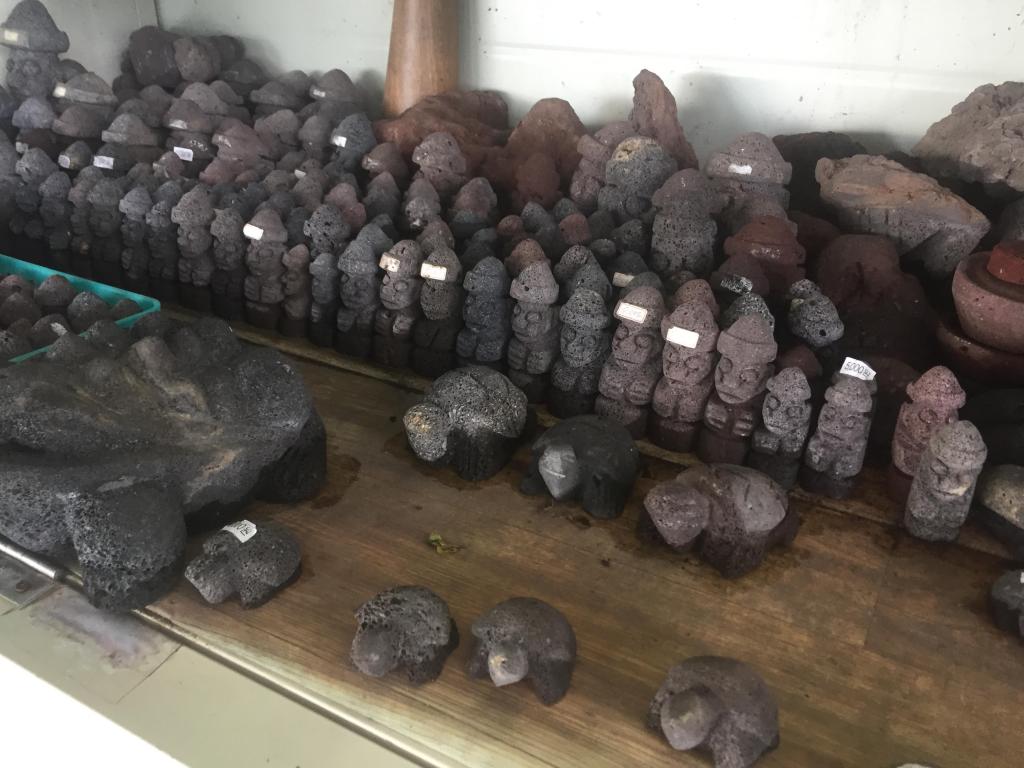
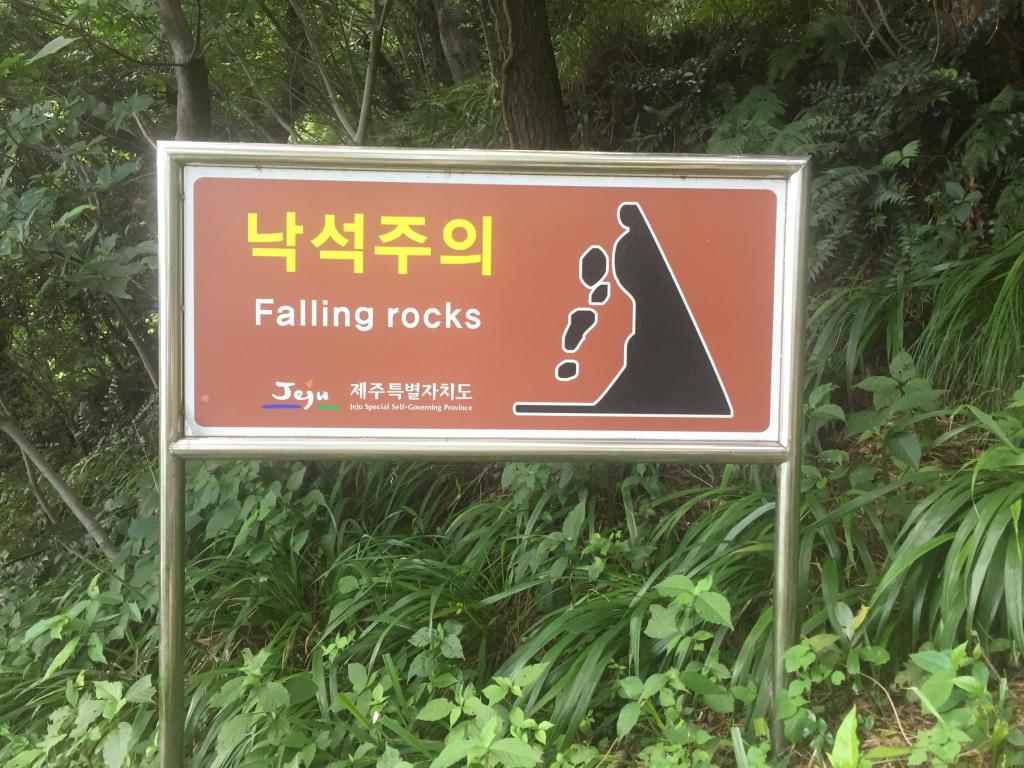
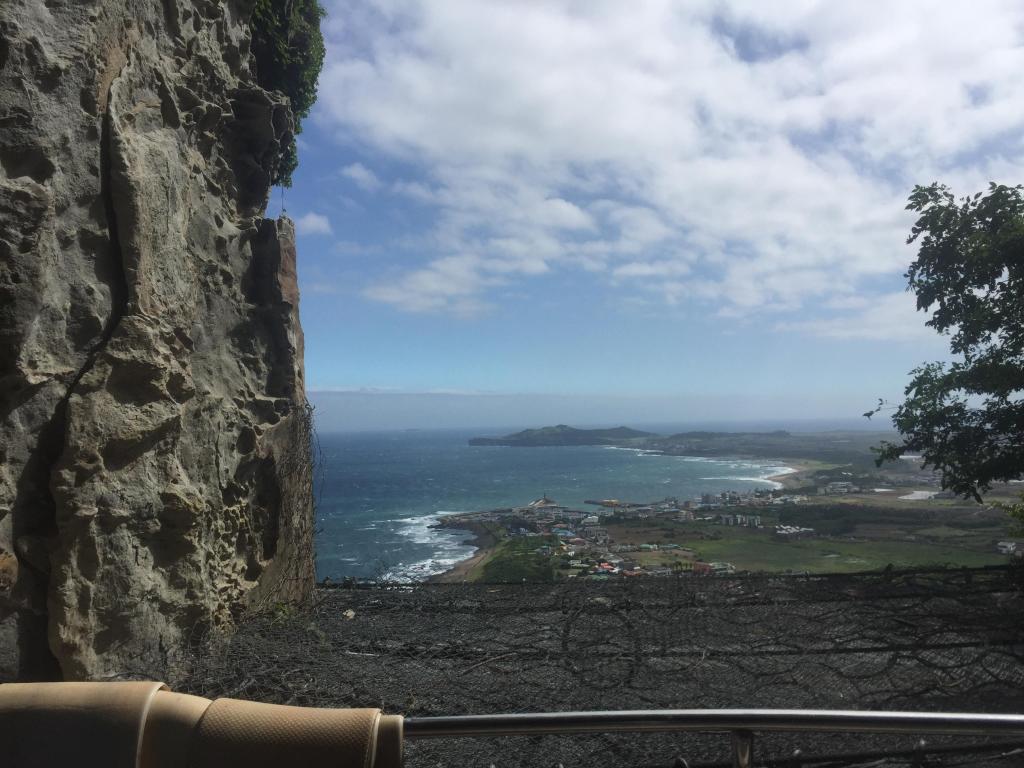
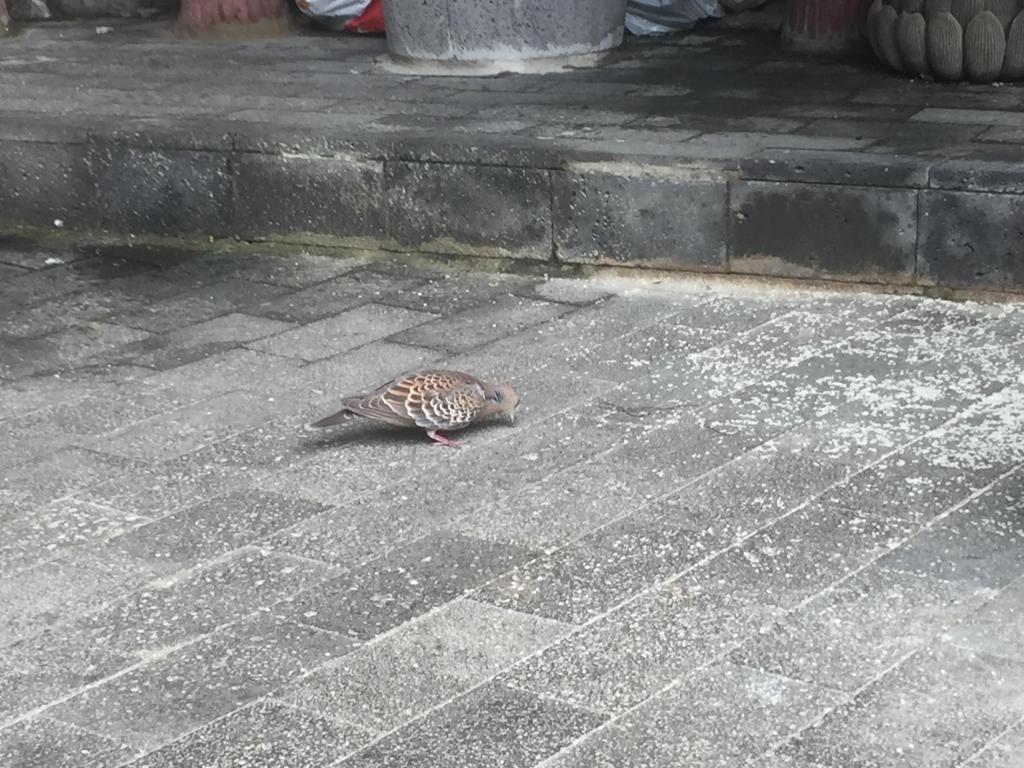
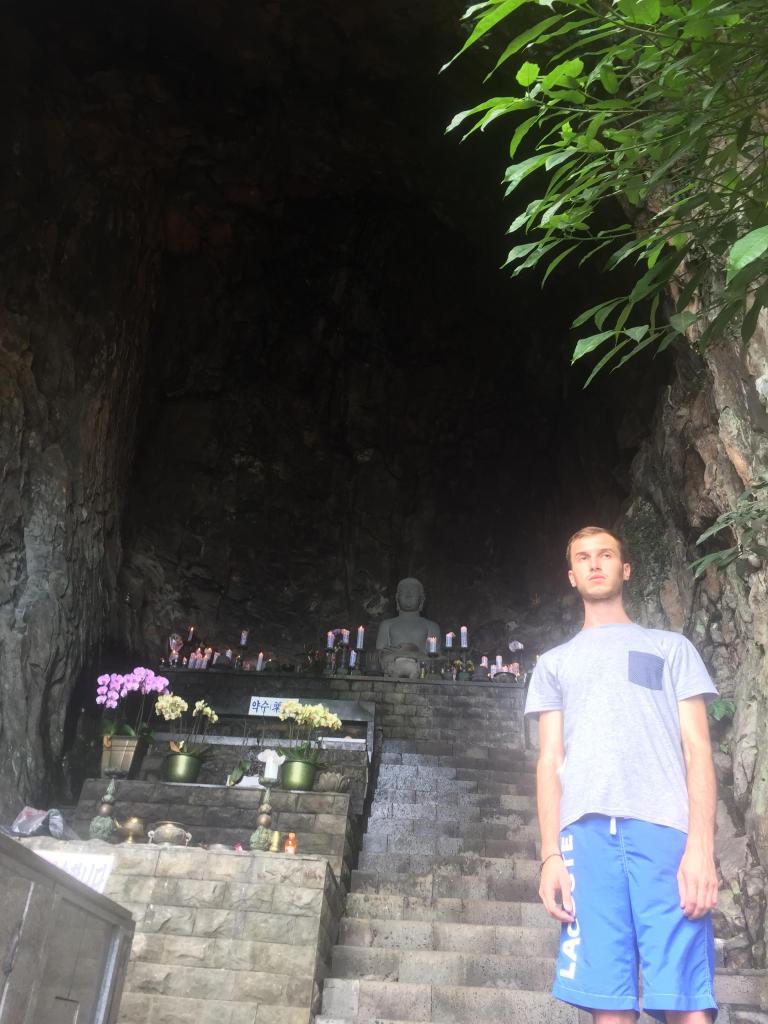
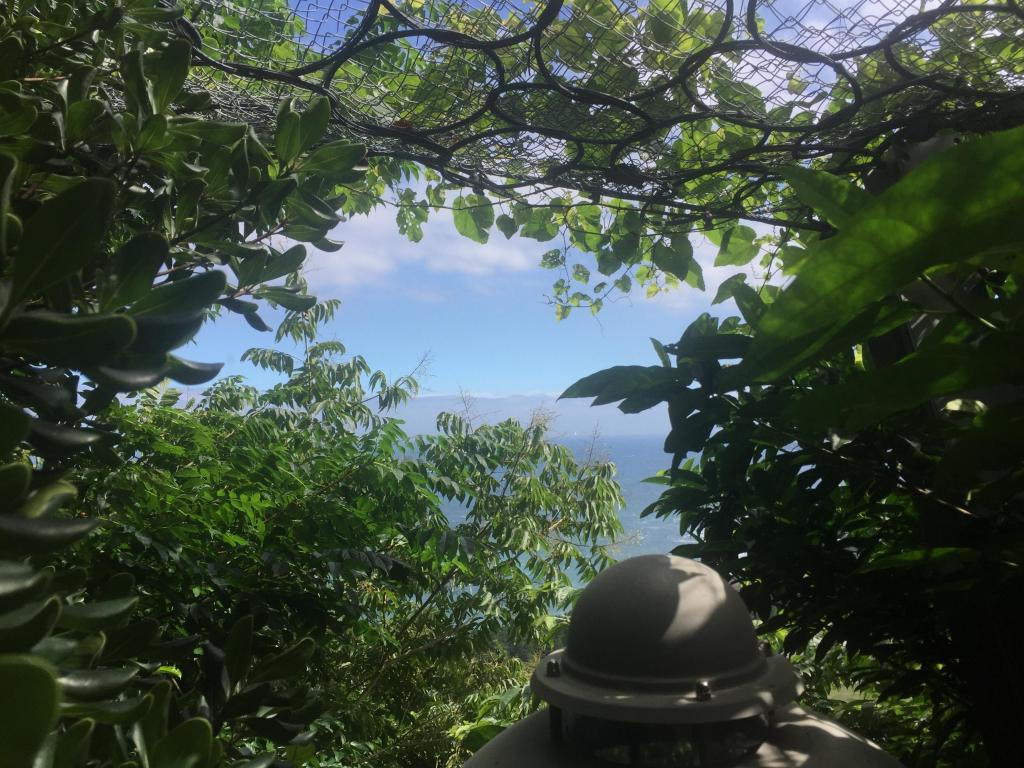
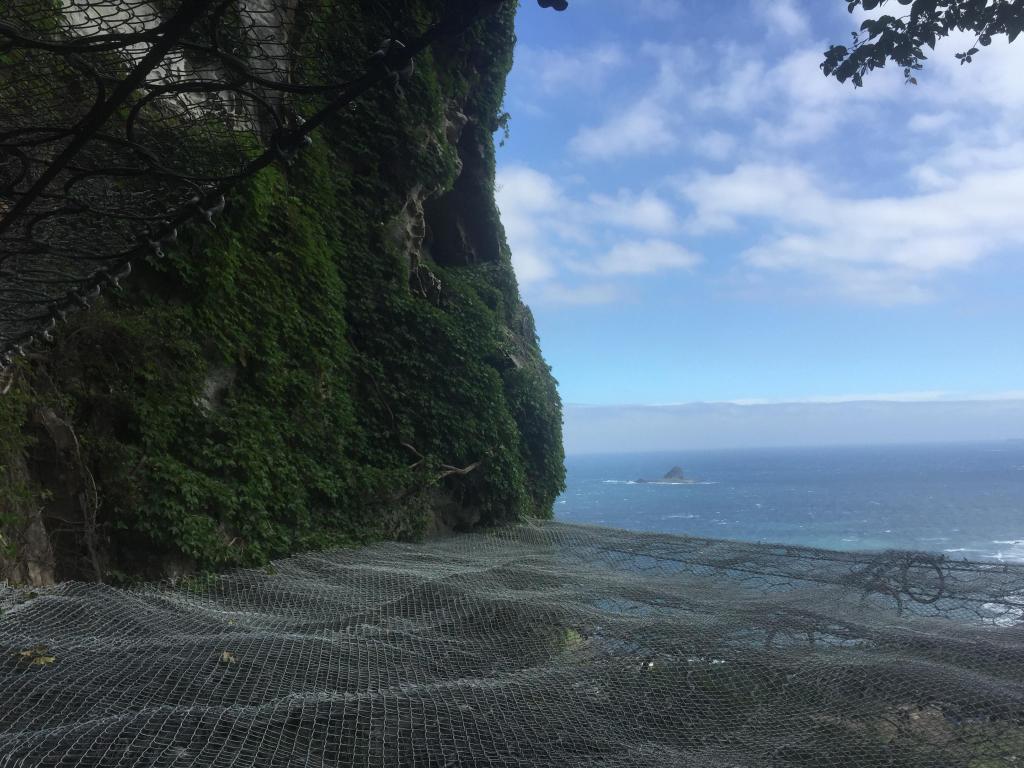
And going down. I remember my friend has translated words of a man who visited another attraction nearby, Dragon cliff, – “There is nothing like a dragon”.
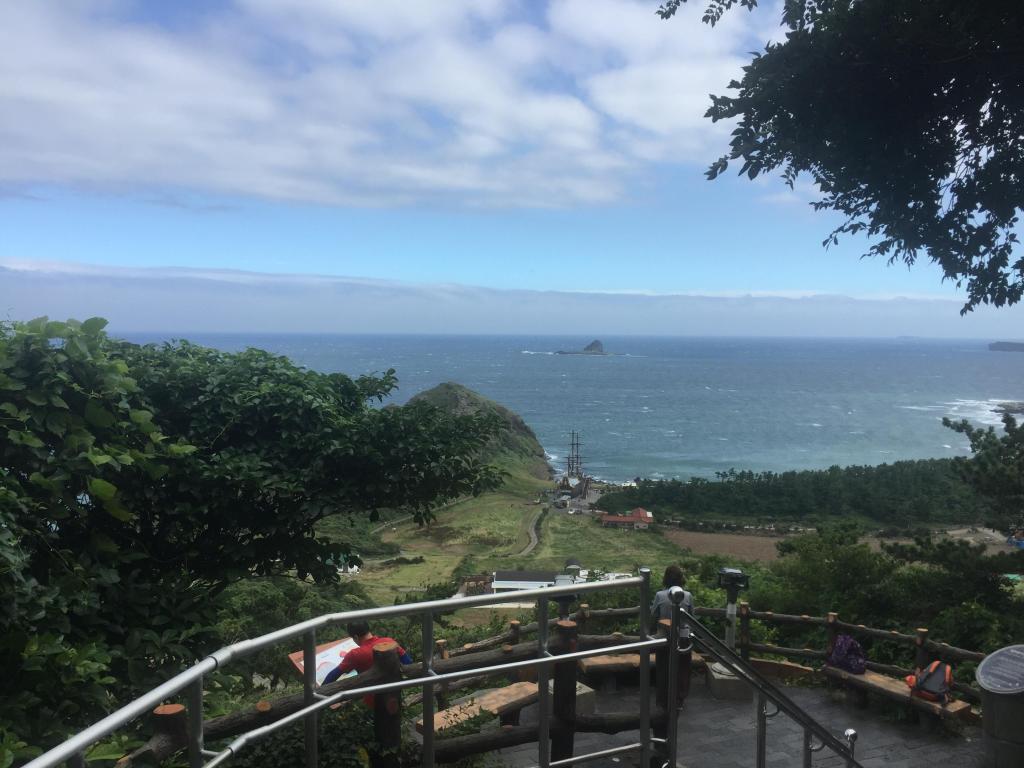
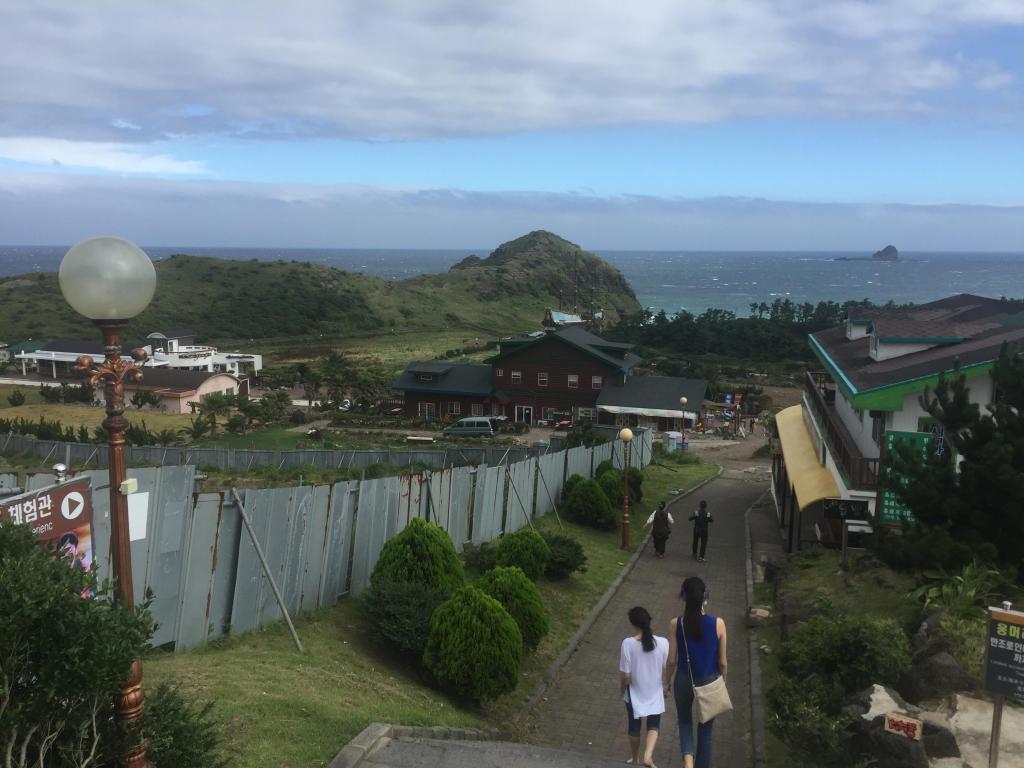
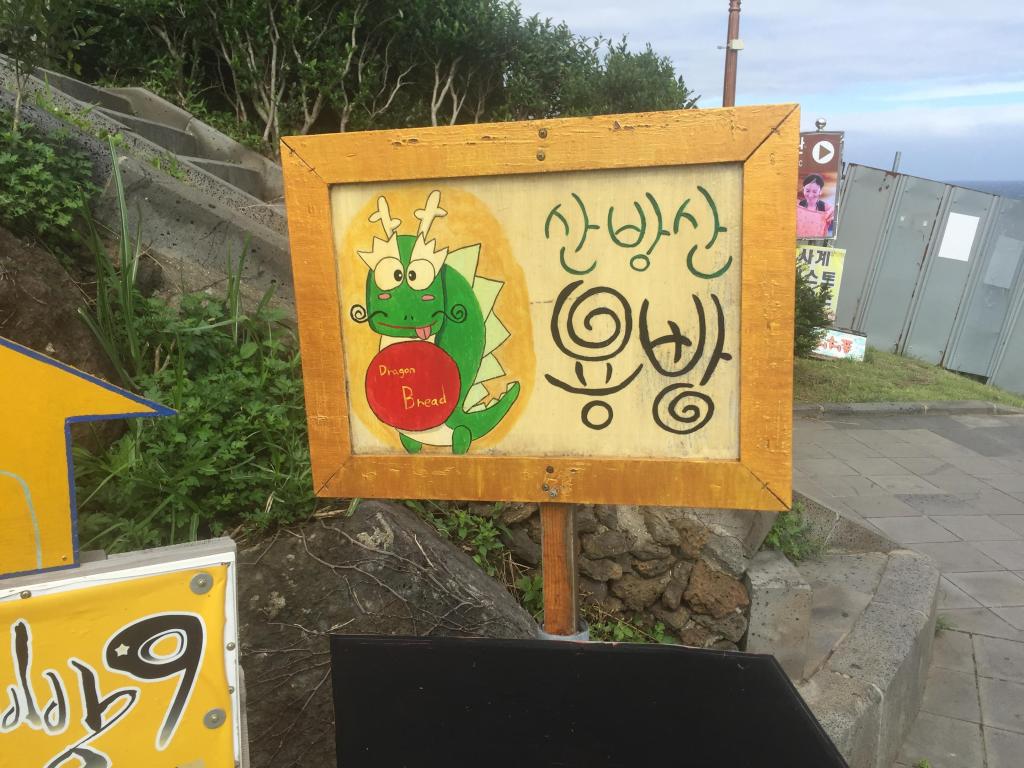
It is time to move to the next destination!
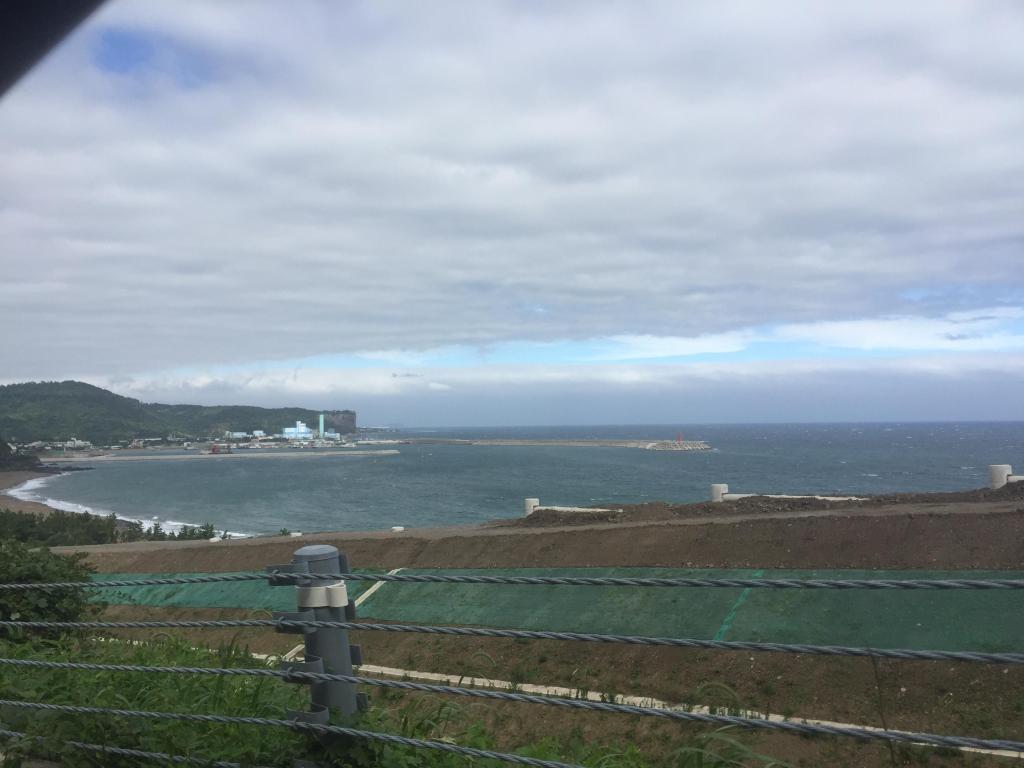
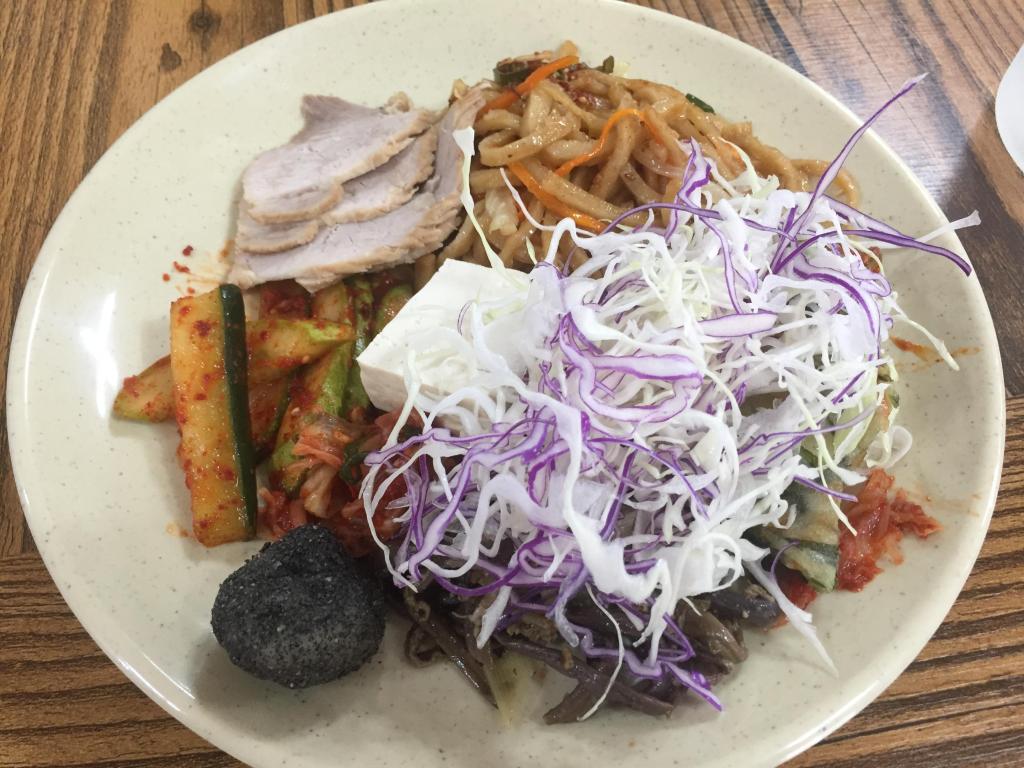
A new day starts with charging powers! I guess it was at this restaurant, it is a kind of restaurant where you can pick anything as much as you can. Sounds great, isn’t it? But anything supposed to be delicious, for example, meat, it so salty that you can’t eat much, and you have to balance it with rice. Such a tricky way to make guests full. Or fool?
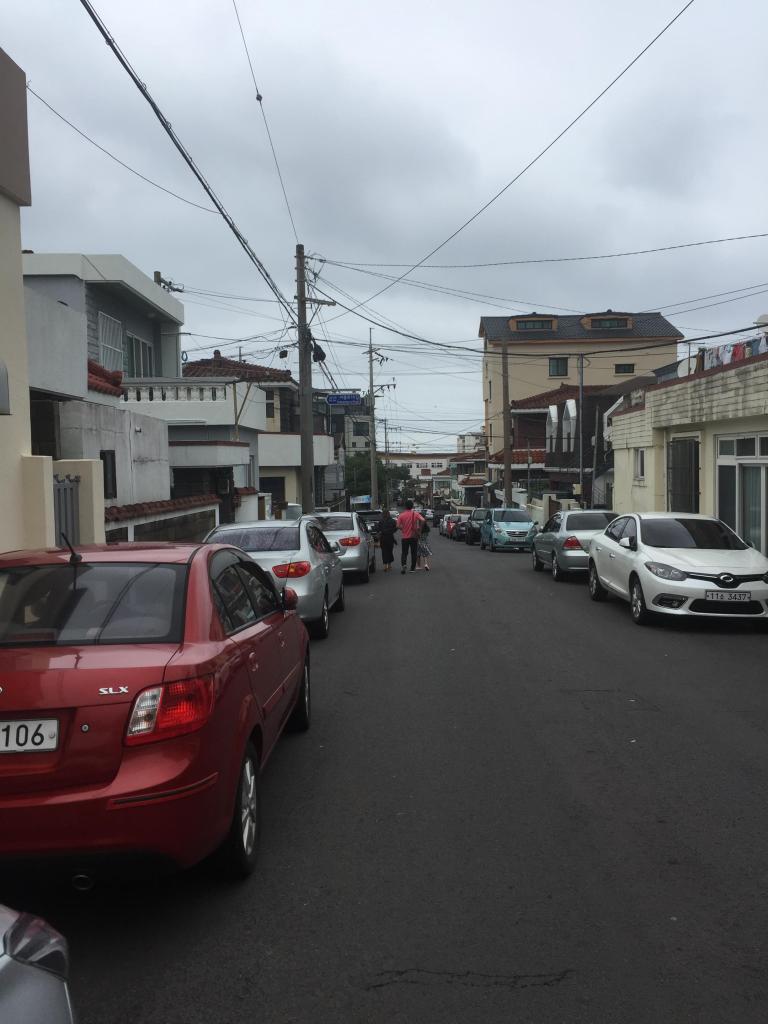
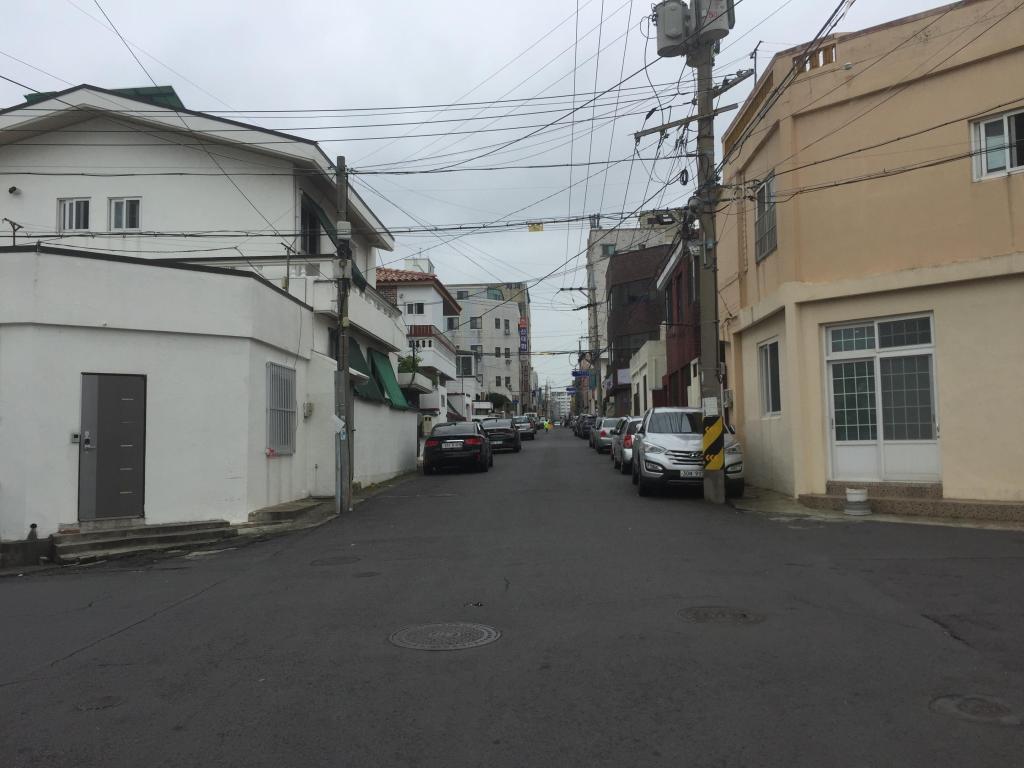
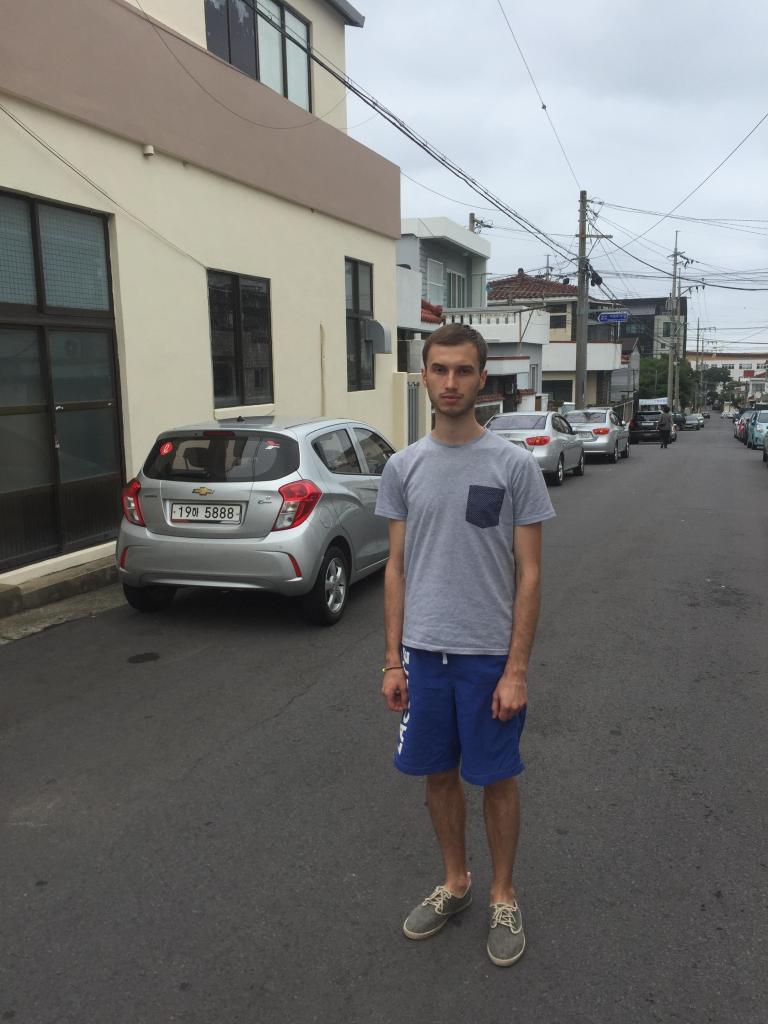
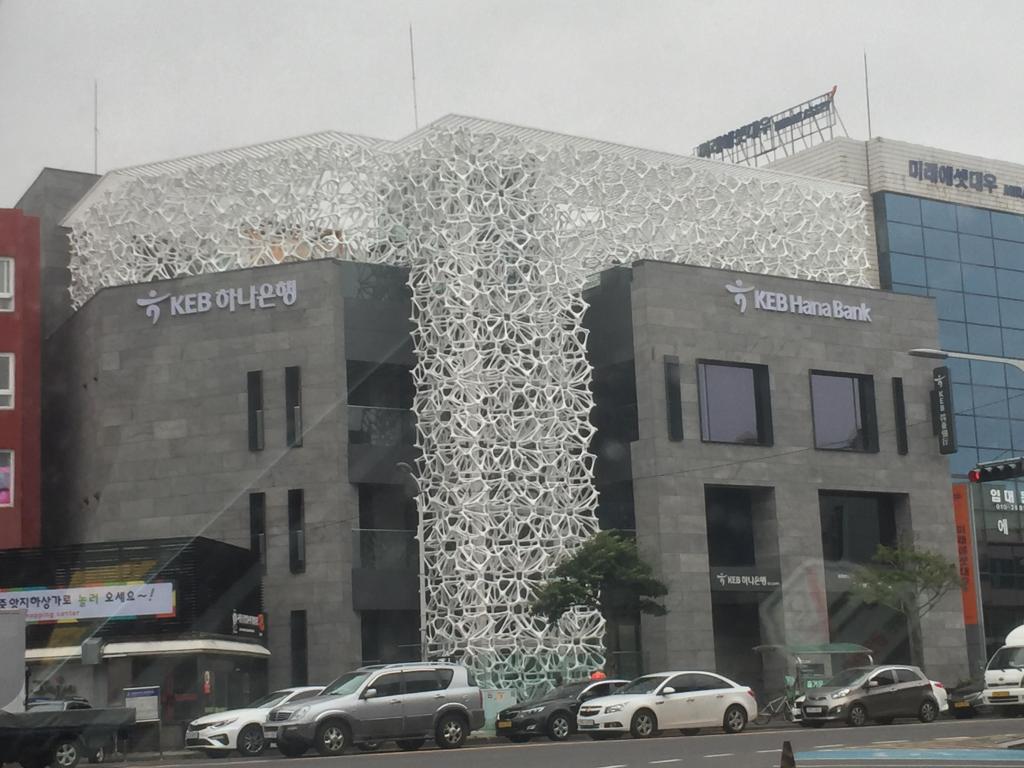
Where to go? What to do? Explore seaside of the island!
Only now due to my curiosity I realize that it was not just a seashore of covered with undiscovered for me plants and creatures but a place where an old lighthouse is located. So I even did not take any photo of that structure which seems likes more spiritual than practical, however, you can see its pictures here.
This lighthouse is located in Gueom village, but since Jeju is an island and fishing is one of the major activities, there are many lighthouses were built along the seacoast as they show fishers the way back to the land. The lighthouse located here is an example of typical Dodaebul lighthouses. The origin of this word is uncertain. Due to one of the theories, this word originates from Dottaebul sail fire, because the fire was set as high as a mast is; later this word transformed into modern Dodaebul. According to another theory, this word originates from Japanese Dodudai which means lighthouse 燈臺.
Anyway, there is no record of when the people of Jeju started making and using Dodaebul and the latest lighthouse was built in July 1967, used until the 1970s when electricity was turned on to the seaside of Jeju.Before the electricity was introduced, to set fire solkak (pine brunches full of resin) and fish fat or oil was used. Since oil was hard to obtain, usually fish fat made by rotting the entrails of various fishes such as mackerel was used.
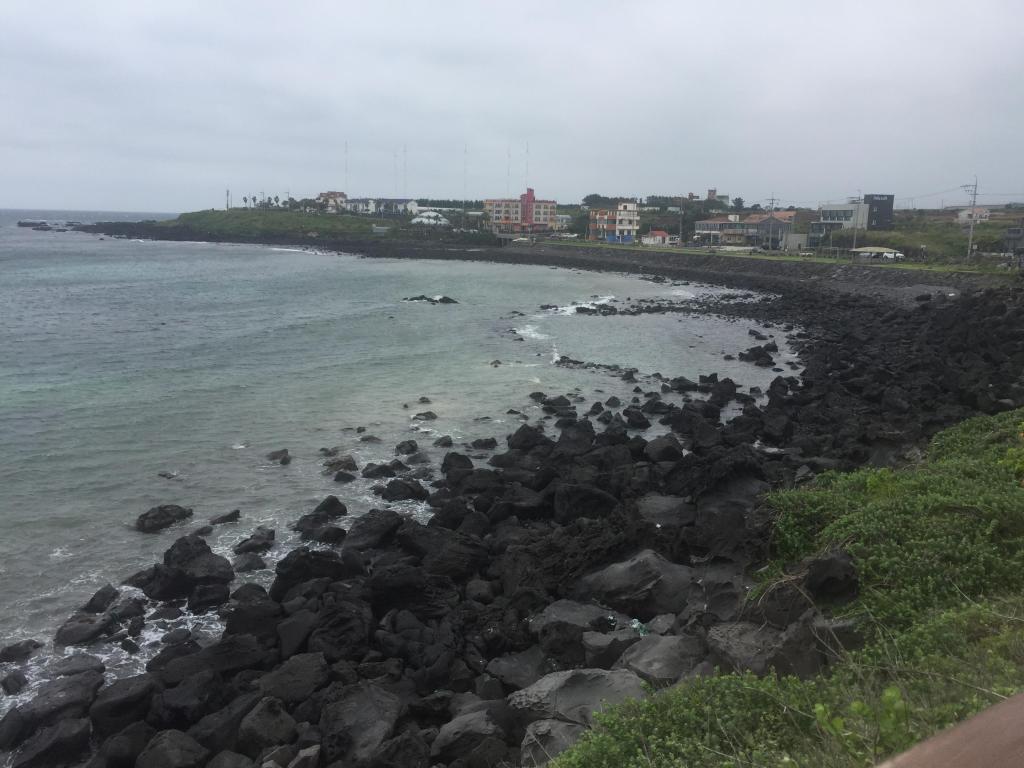
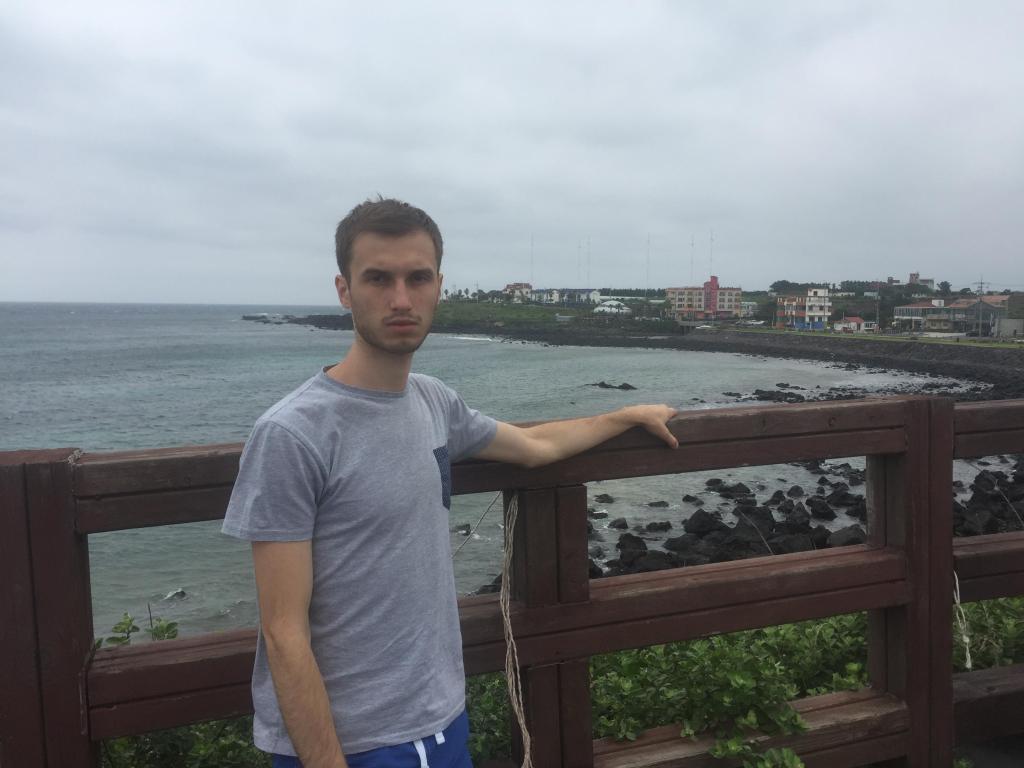
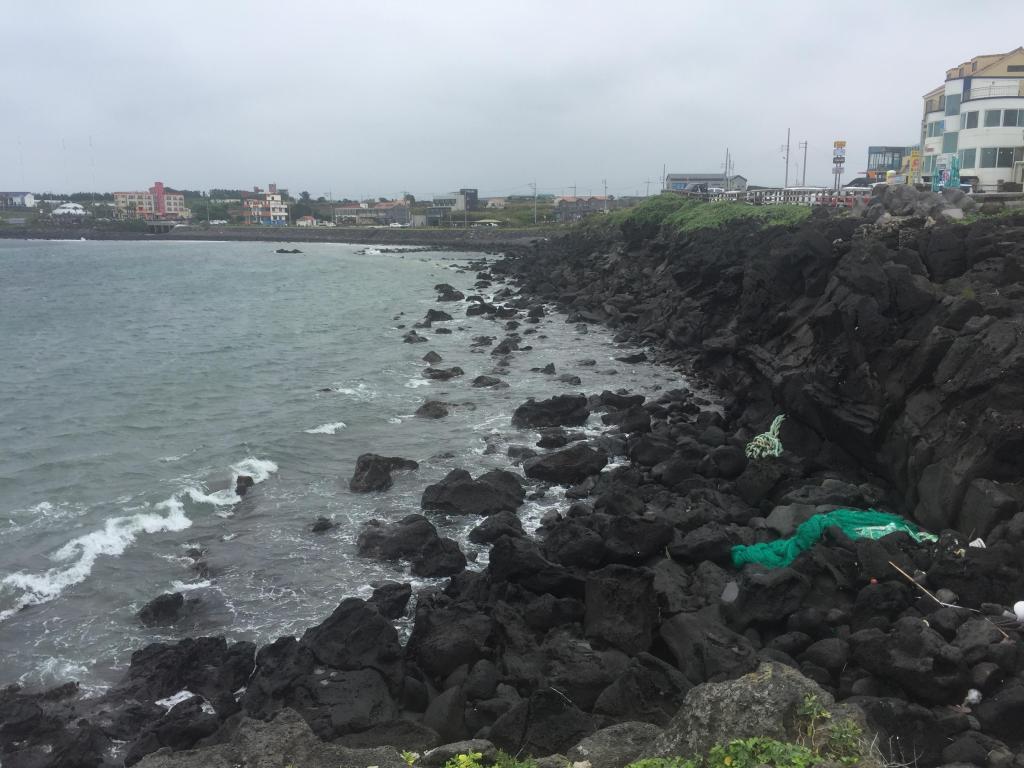
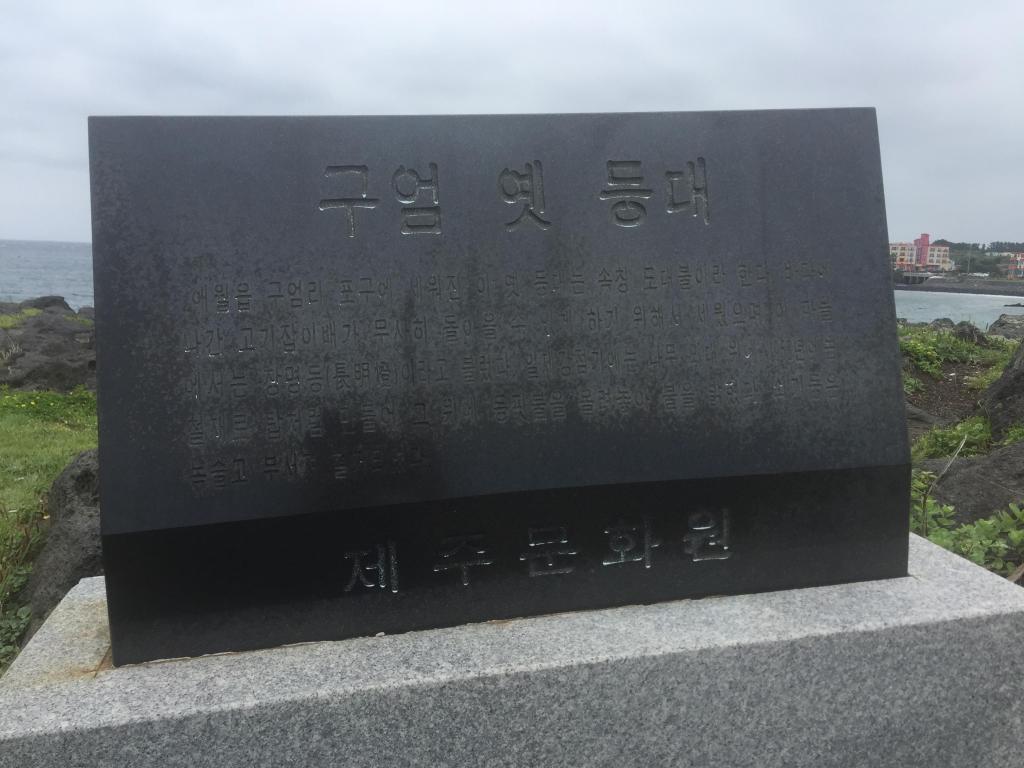
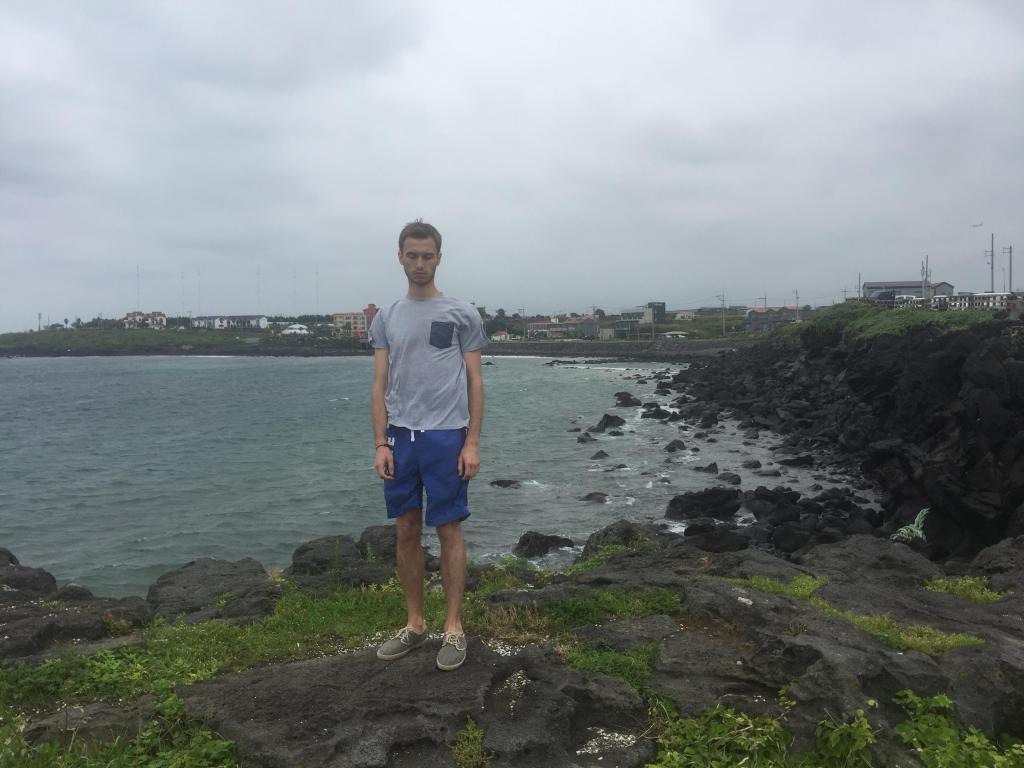
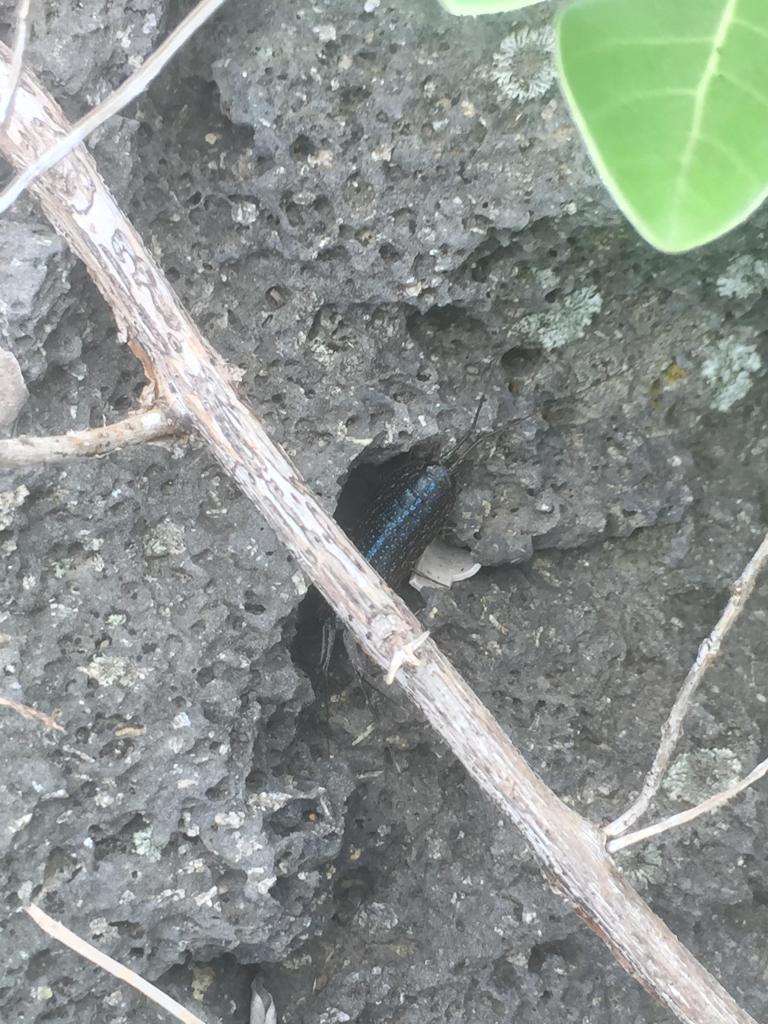
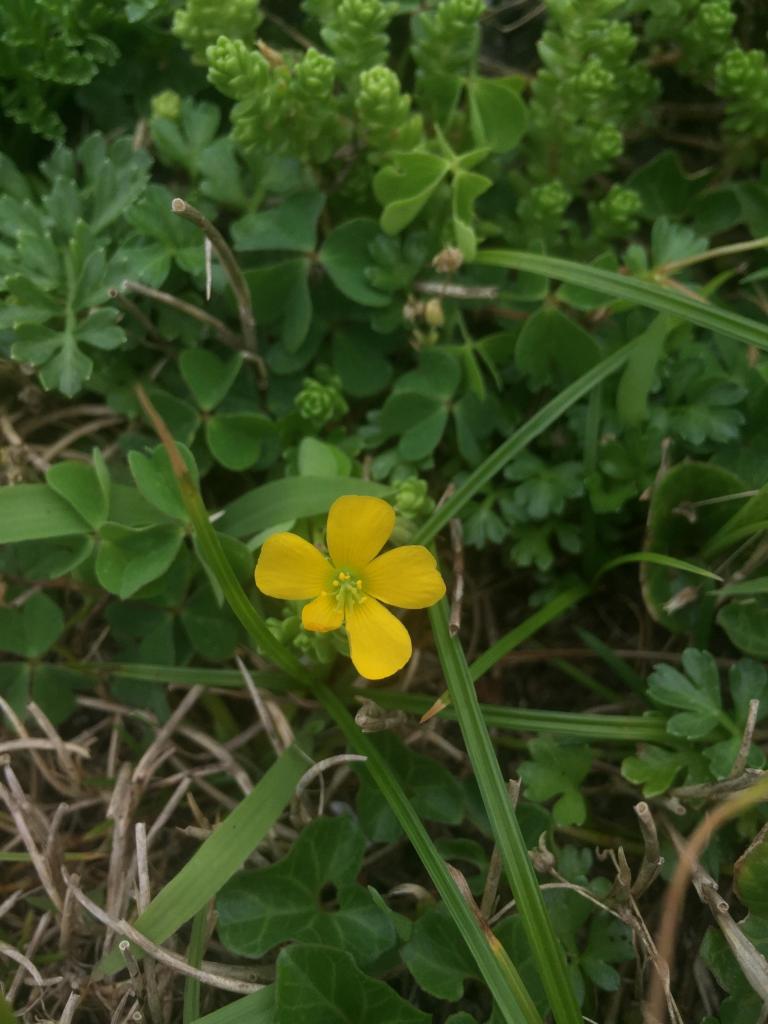
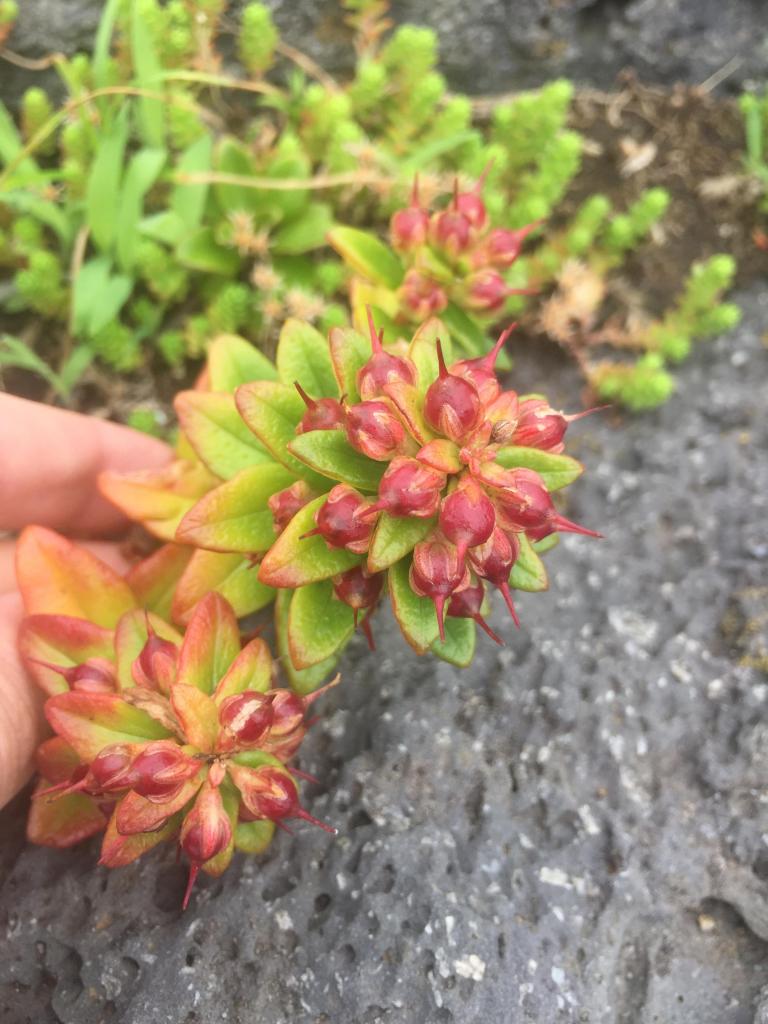
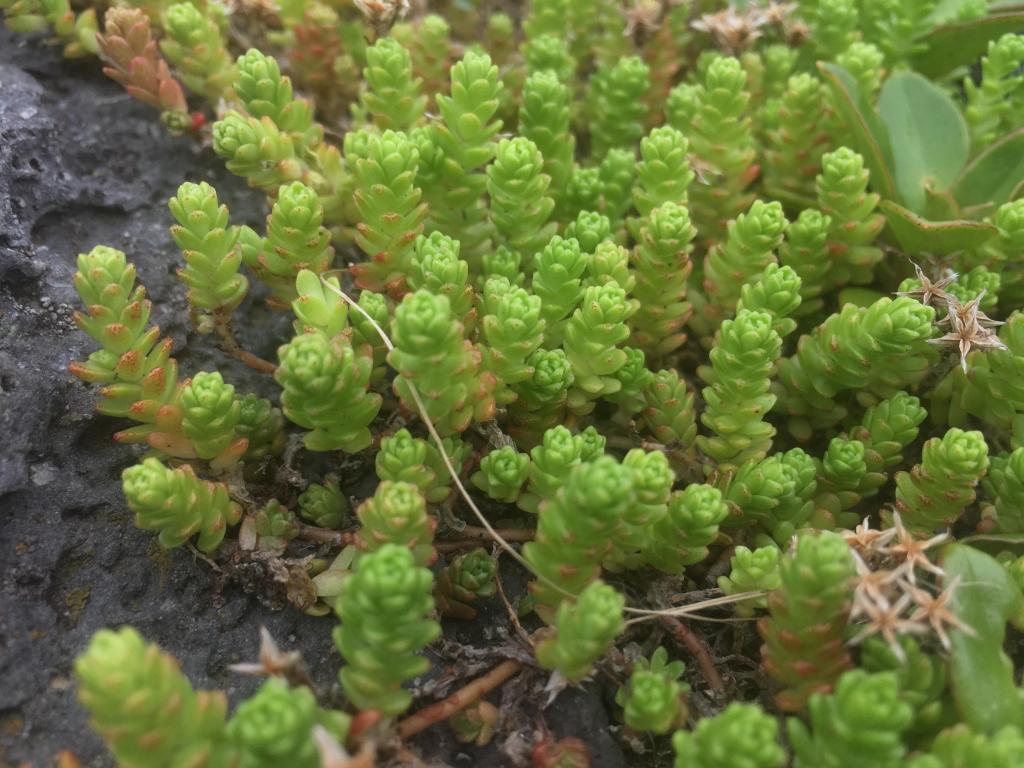
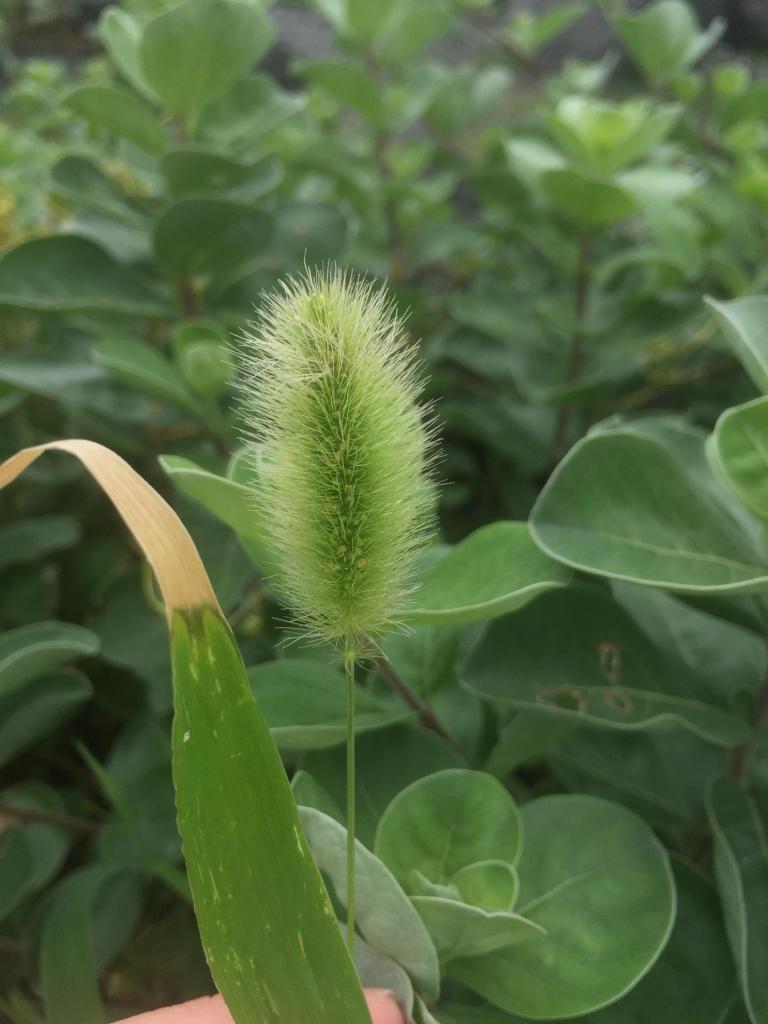
All of my attention was given to the unusual plants which seem to have a severe life, holding on the rocks subjected to the inexorable gale of the sea, but still looked pretty. Only the lonely 강아지풀 foxtail (Setaria) very reminds me of Ukraine.
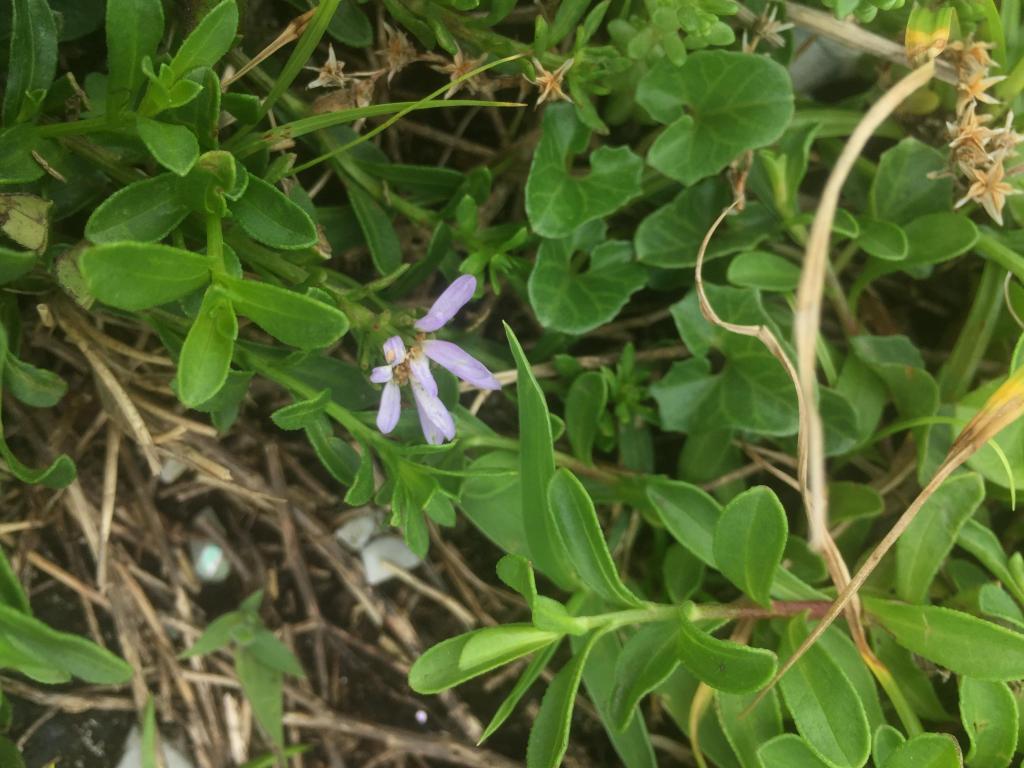
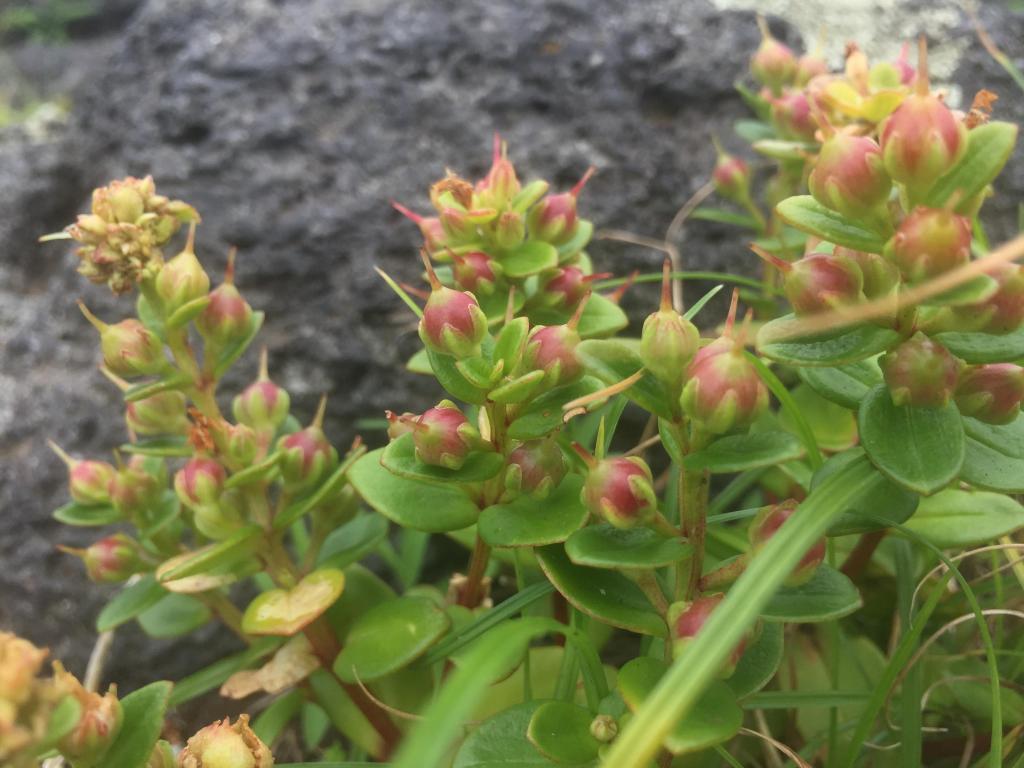
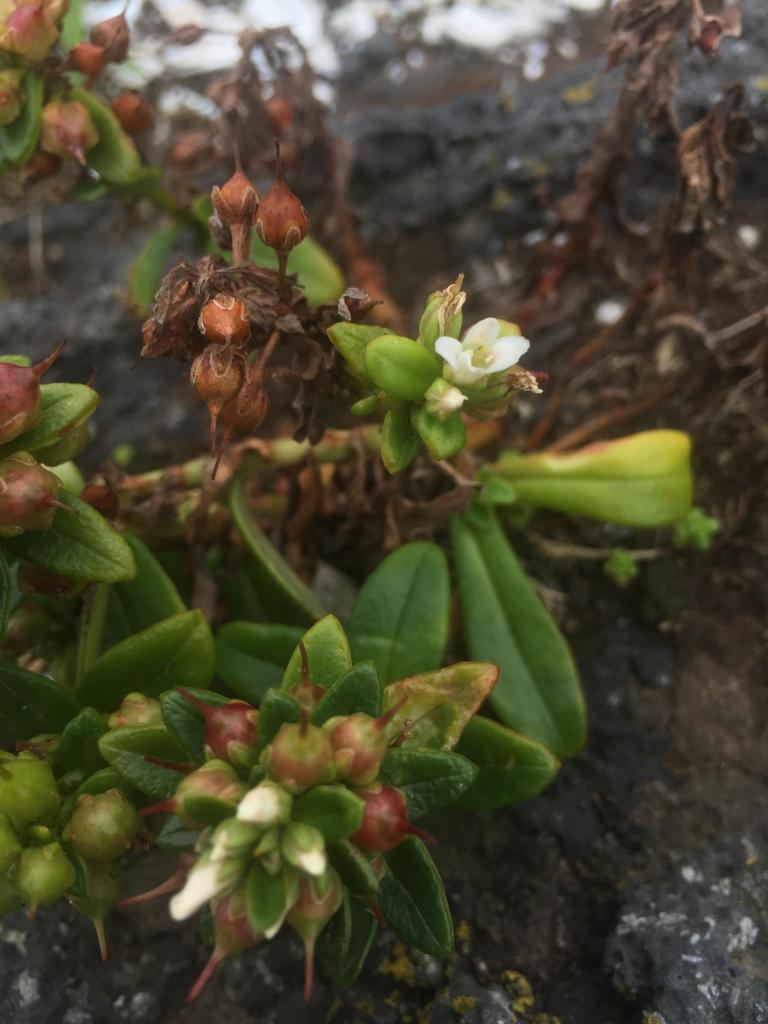
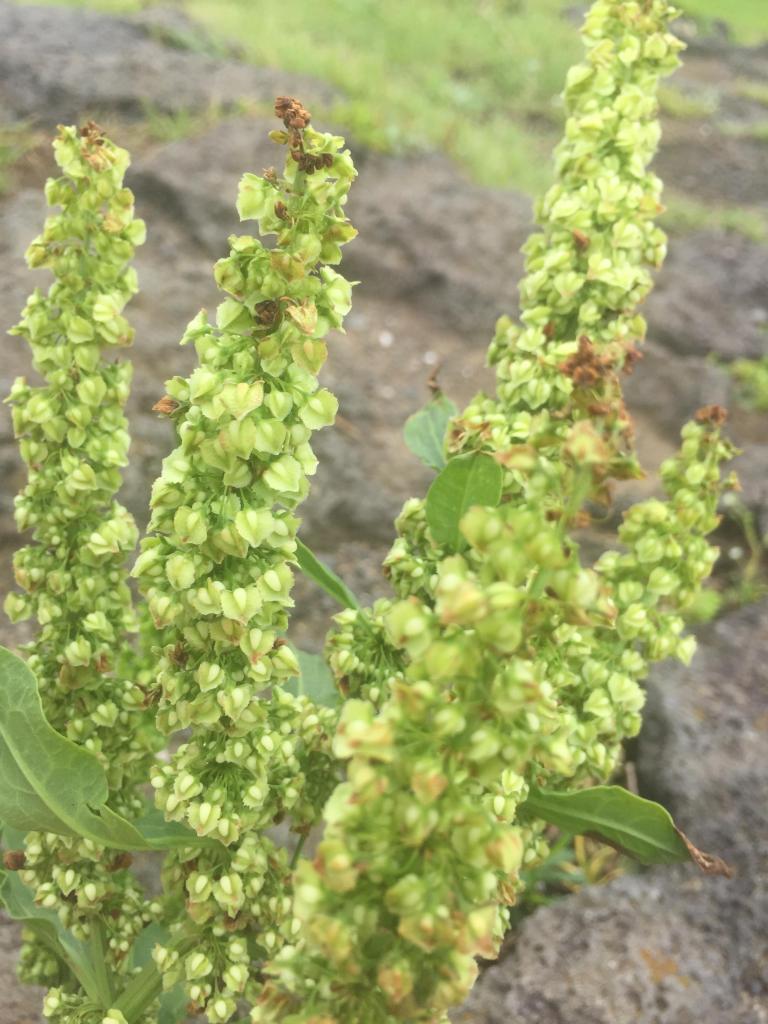
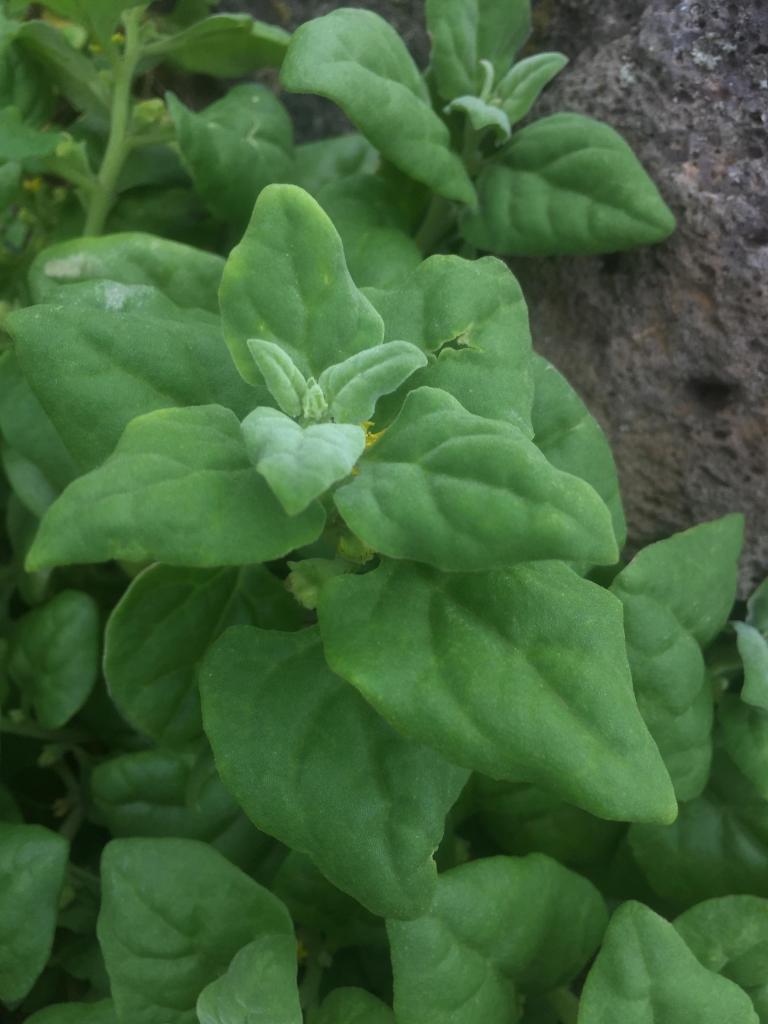
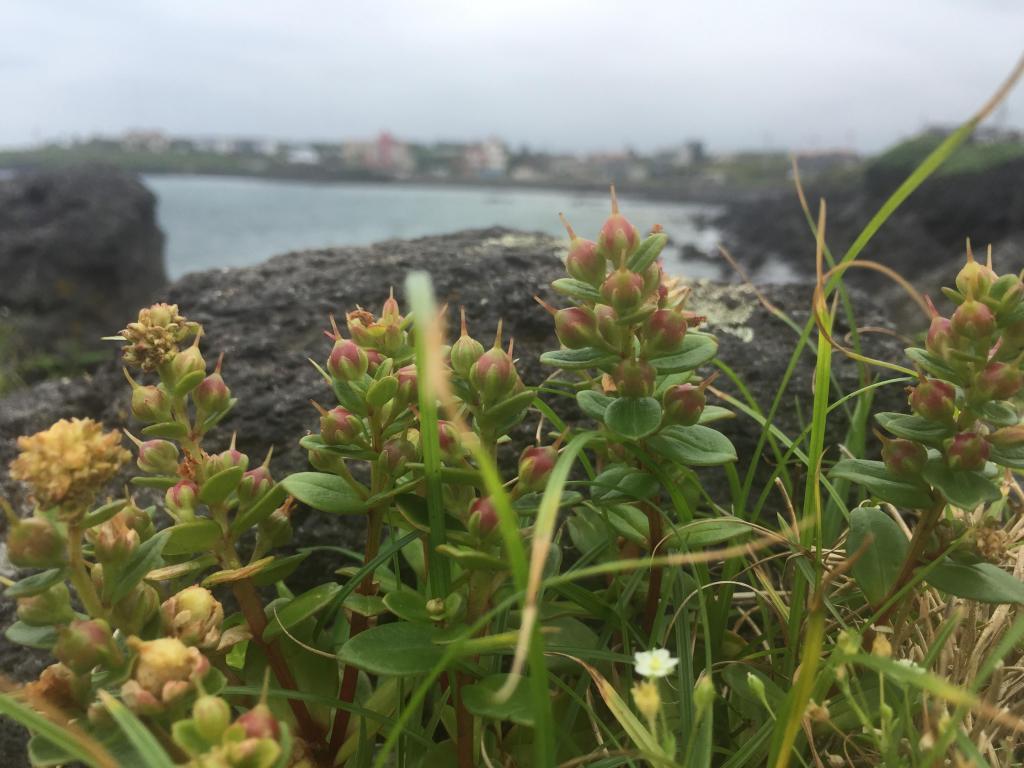
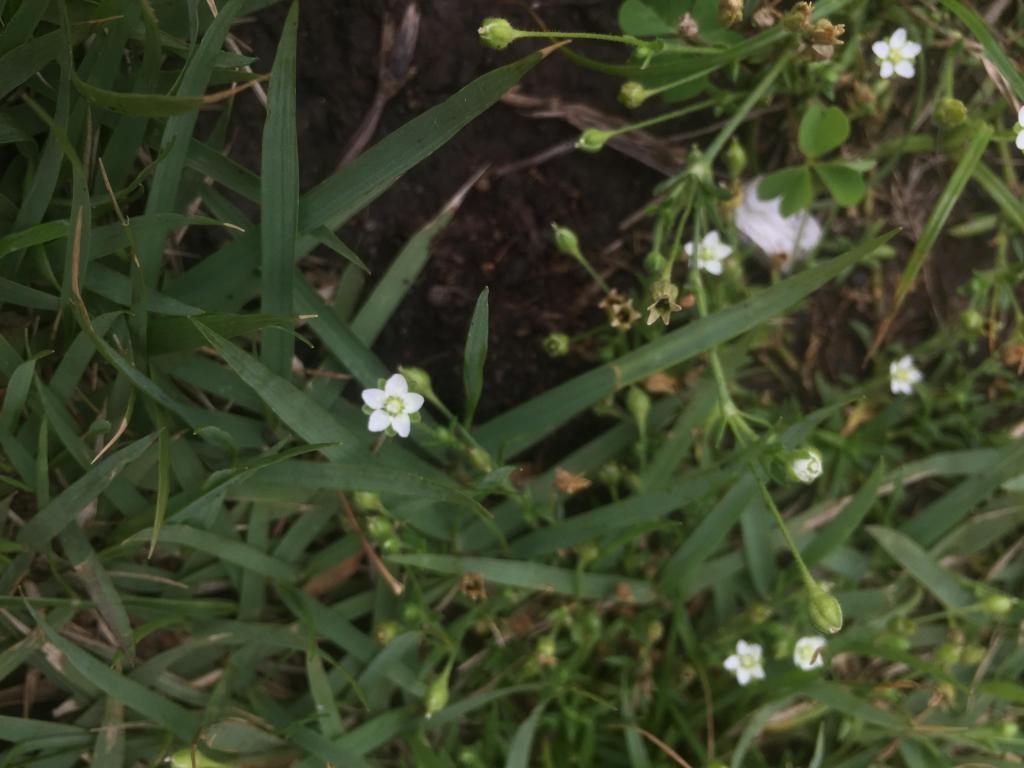
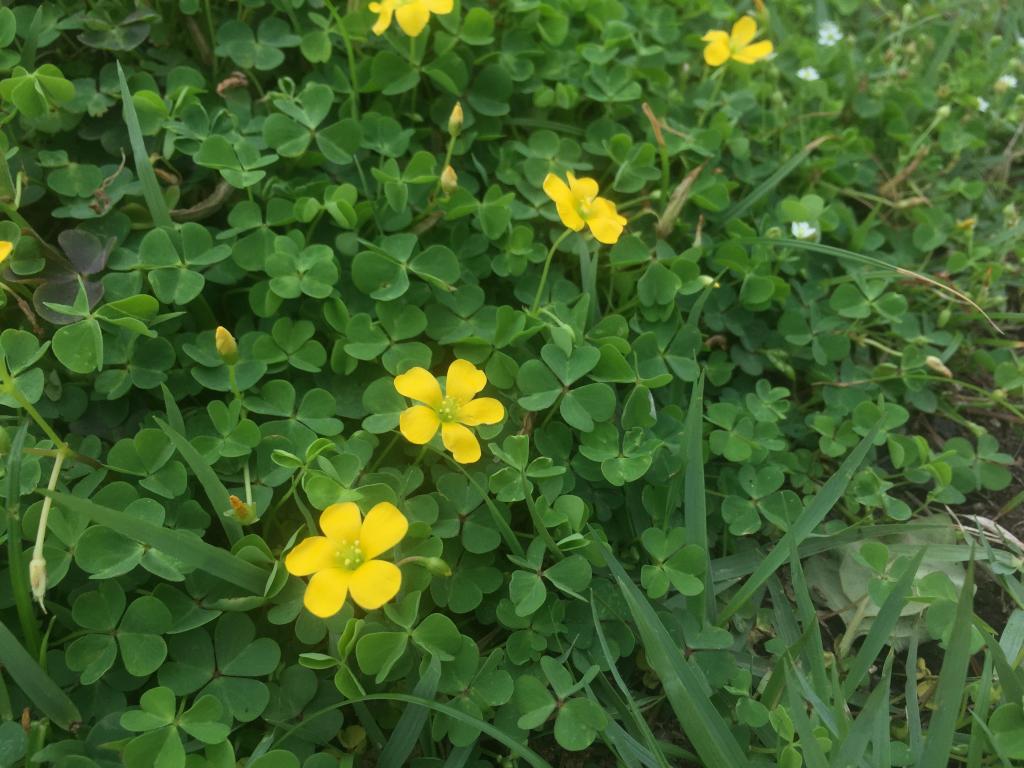
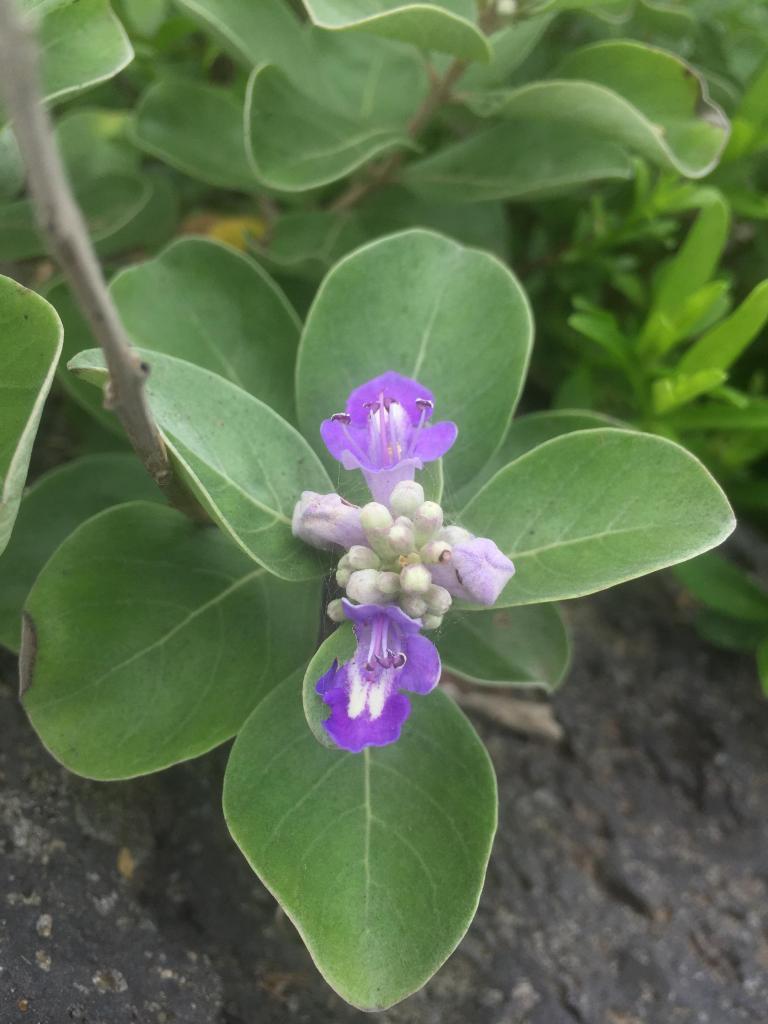
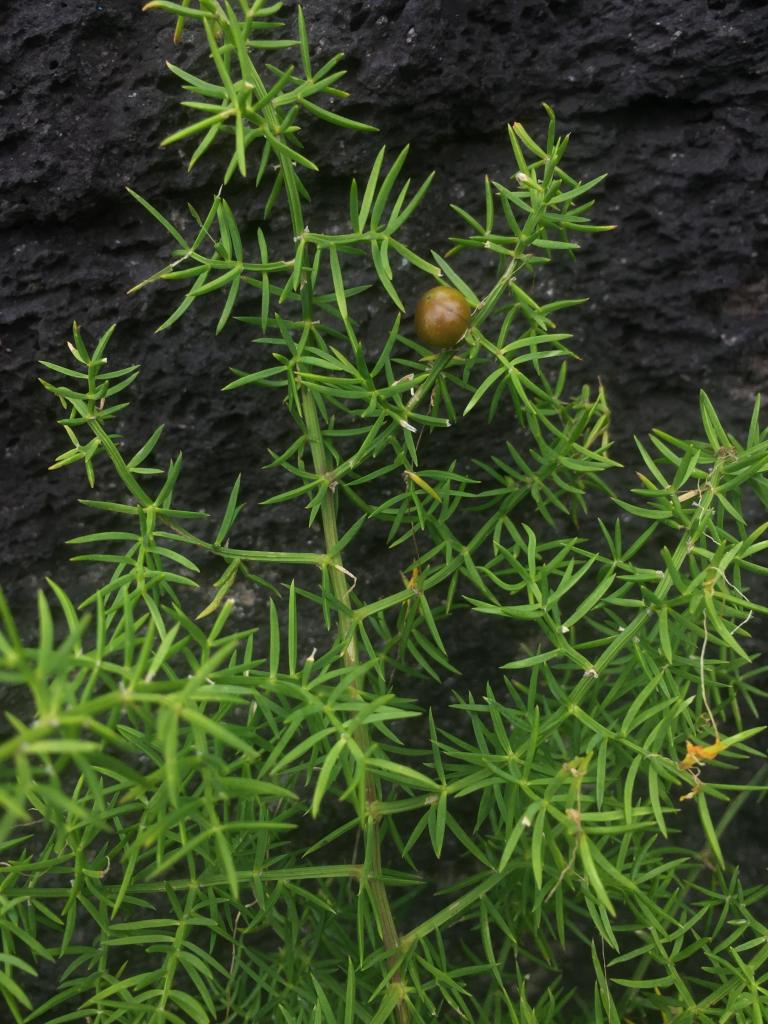
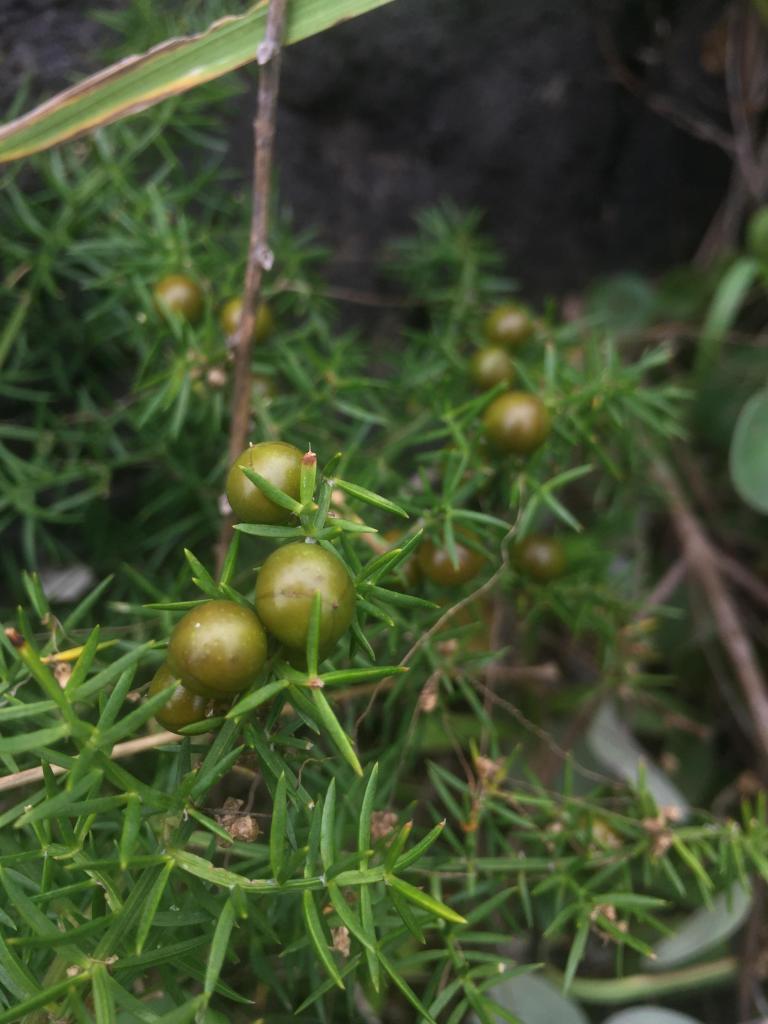
Another spot on the Jeju coastline, Gonaeri 高內里 coastal view. Why is it called so?
Here it is worth to mention, one should carefully pay attention to the appearance of these familiar, even simple, characters, a naughty dash might mislead the search of information about the object and eat a lot of brains. So, that happened to me! The search for “高内里” did not show information in Korean, but only in Chinese, which is very strange. So what is the problem? The problem lies inside, literally, 内 inside, since it has an almost unnoticeable difference in outline of the traditional character 內.
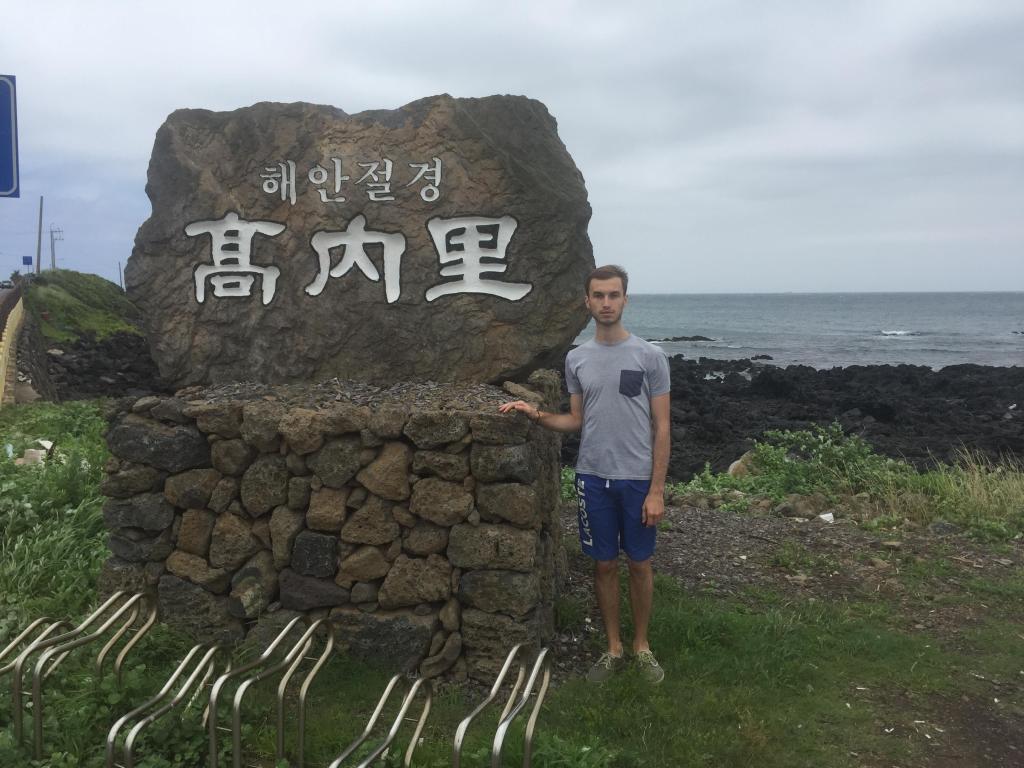
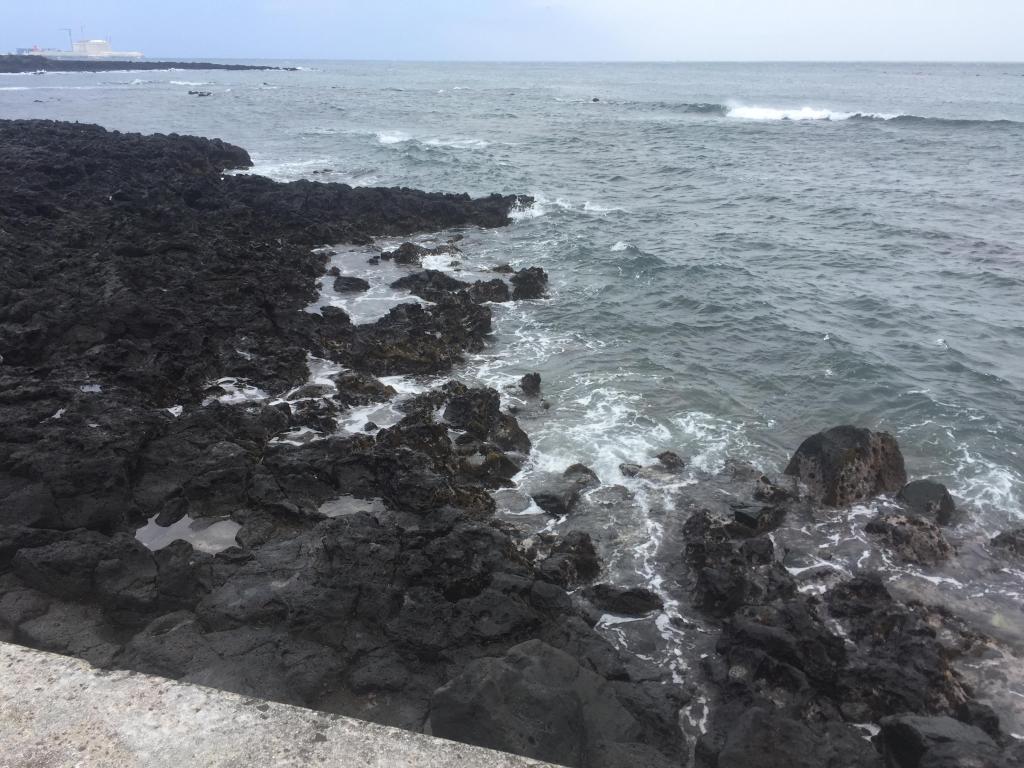
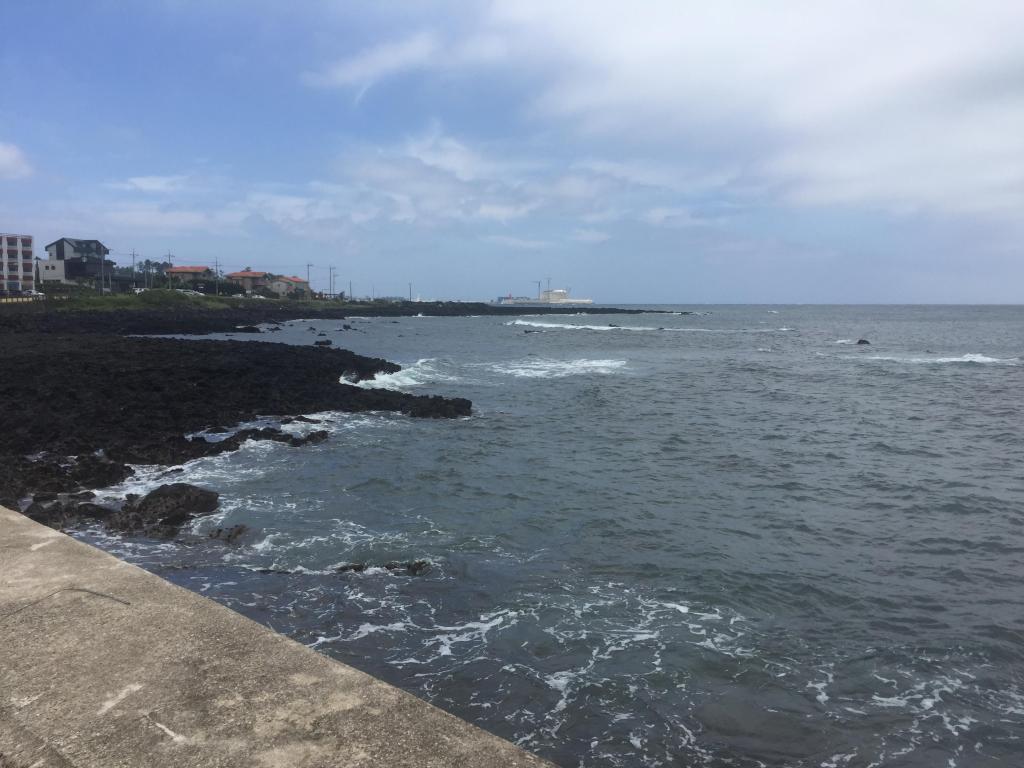
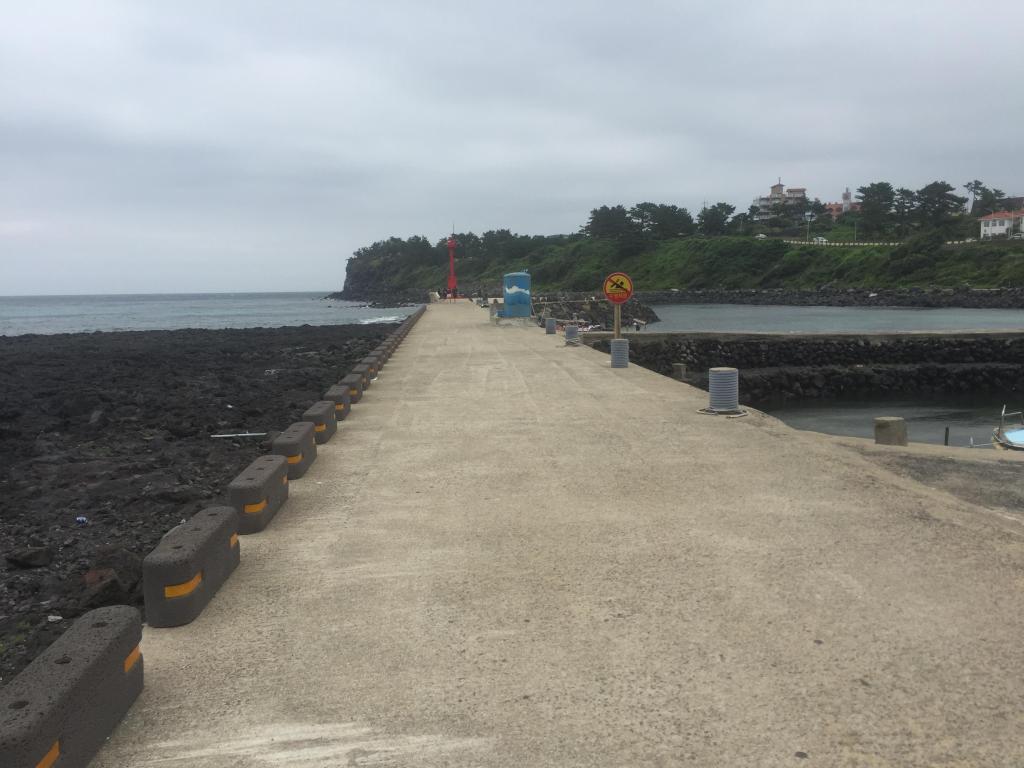

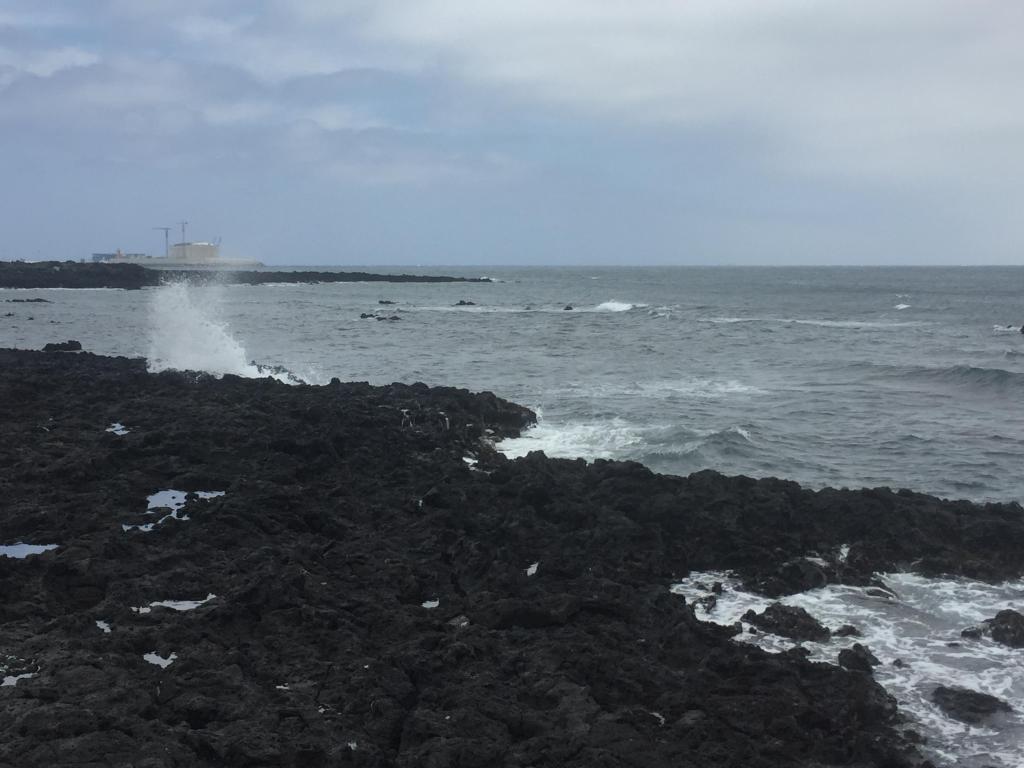

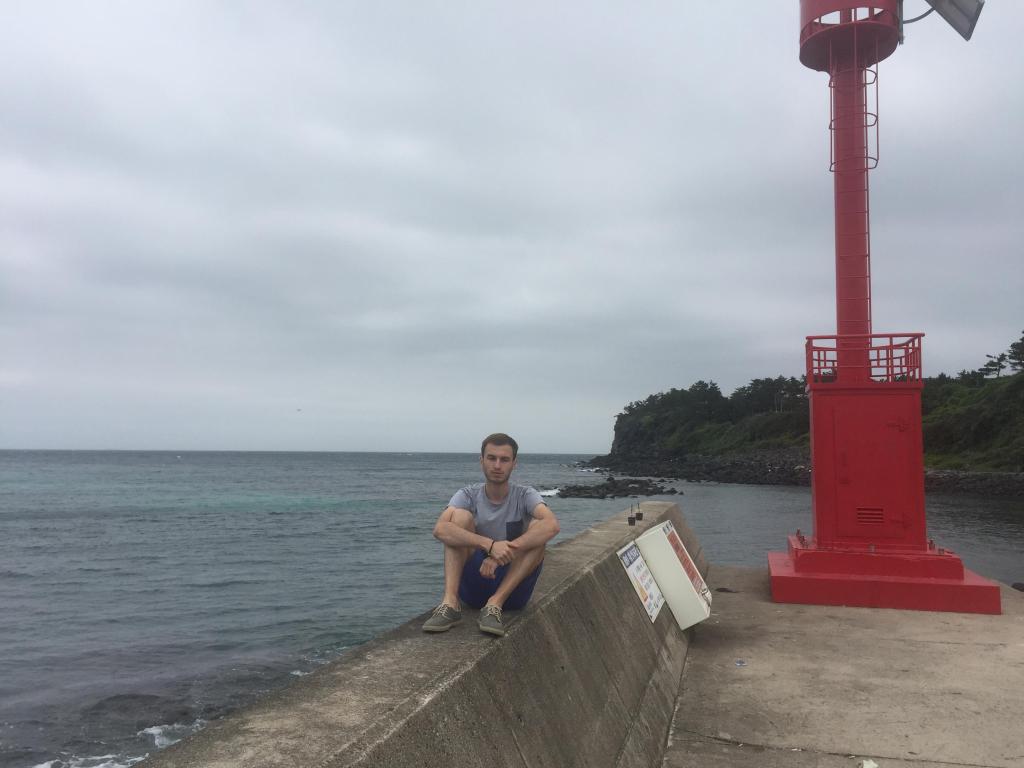

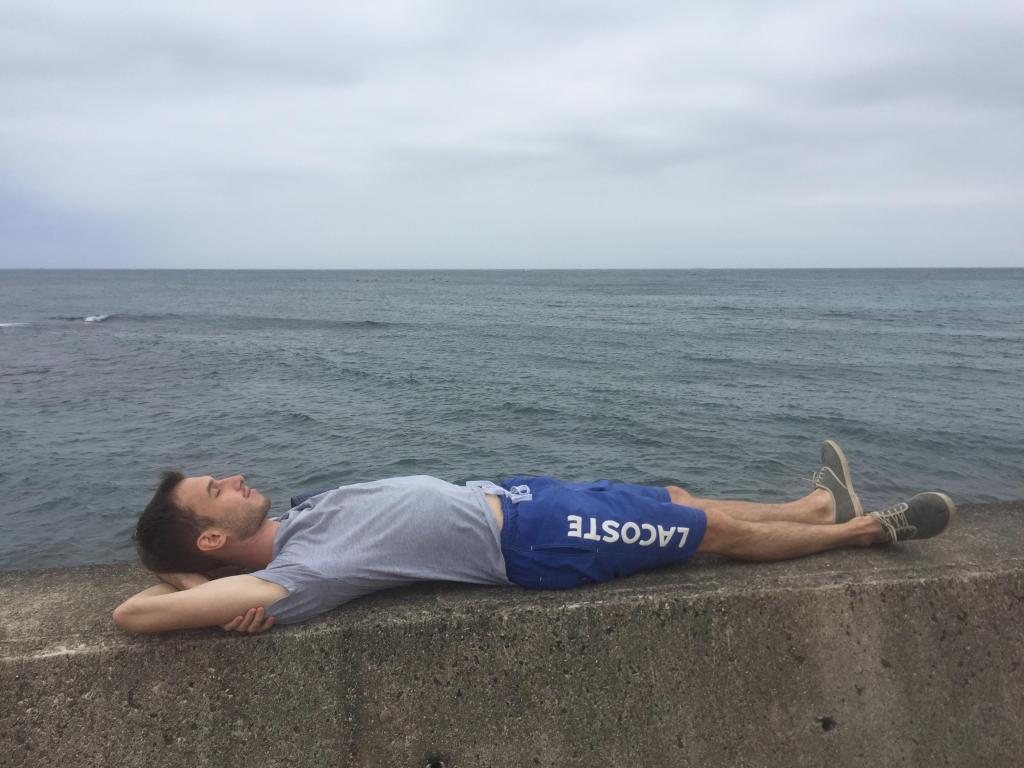
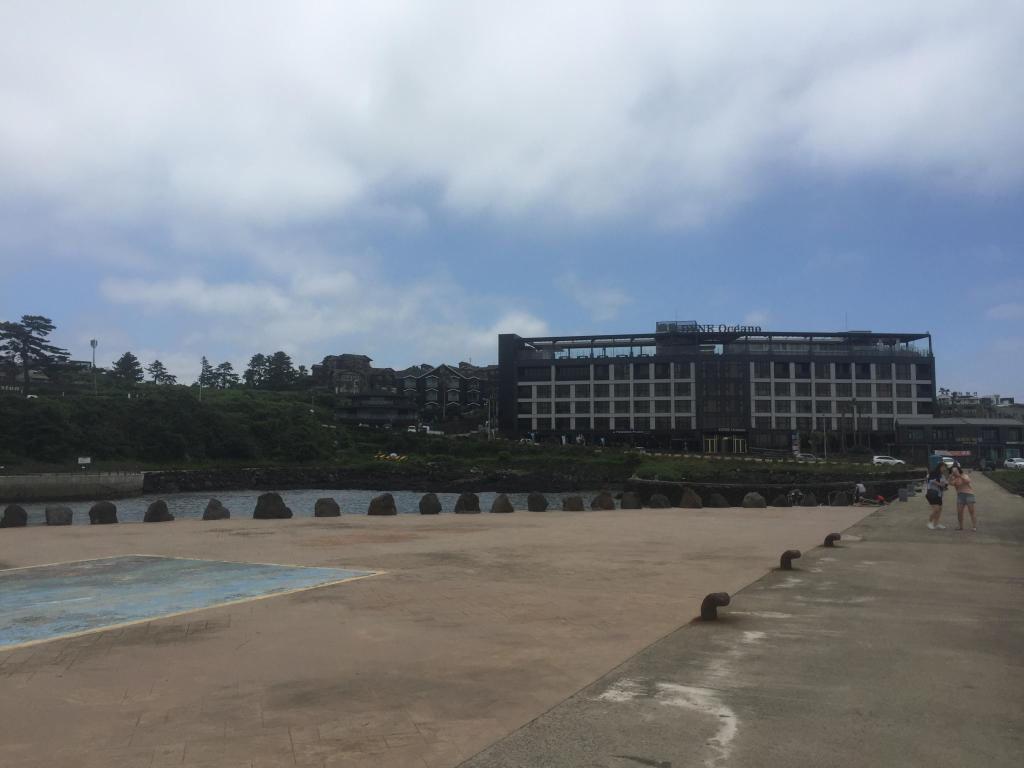
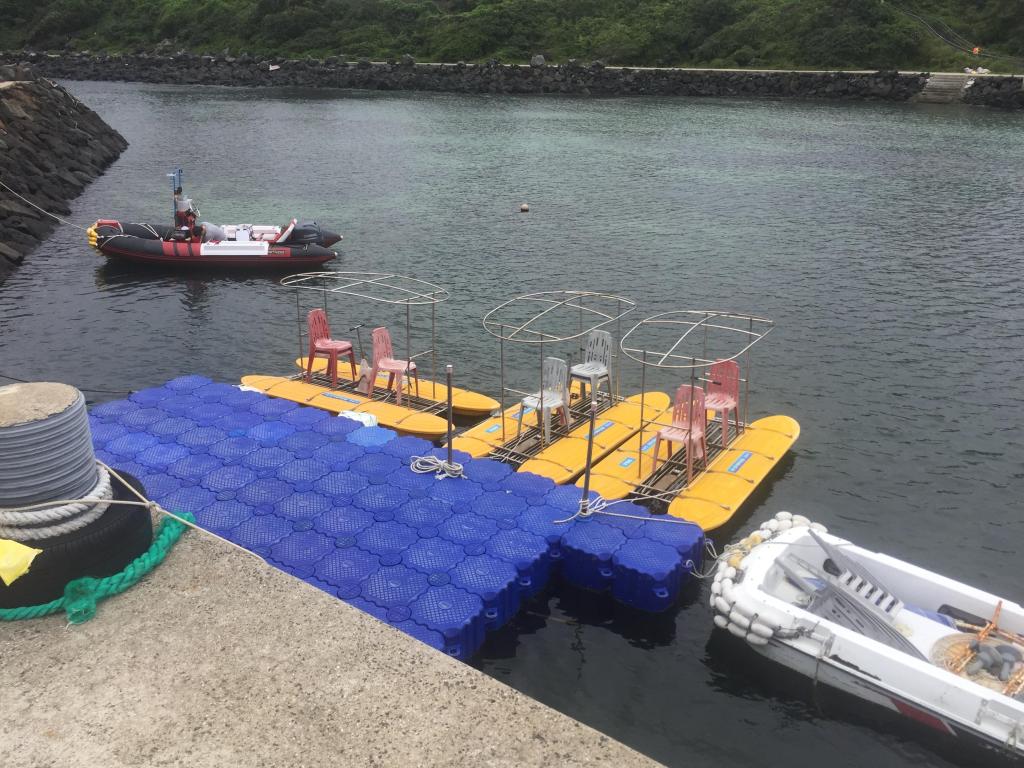
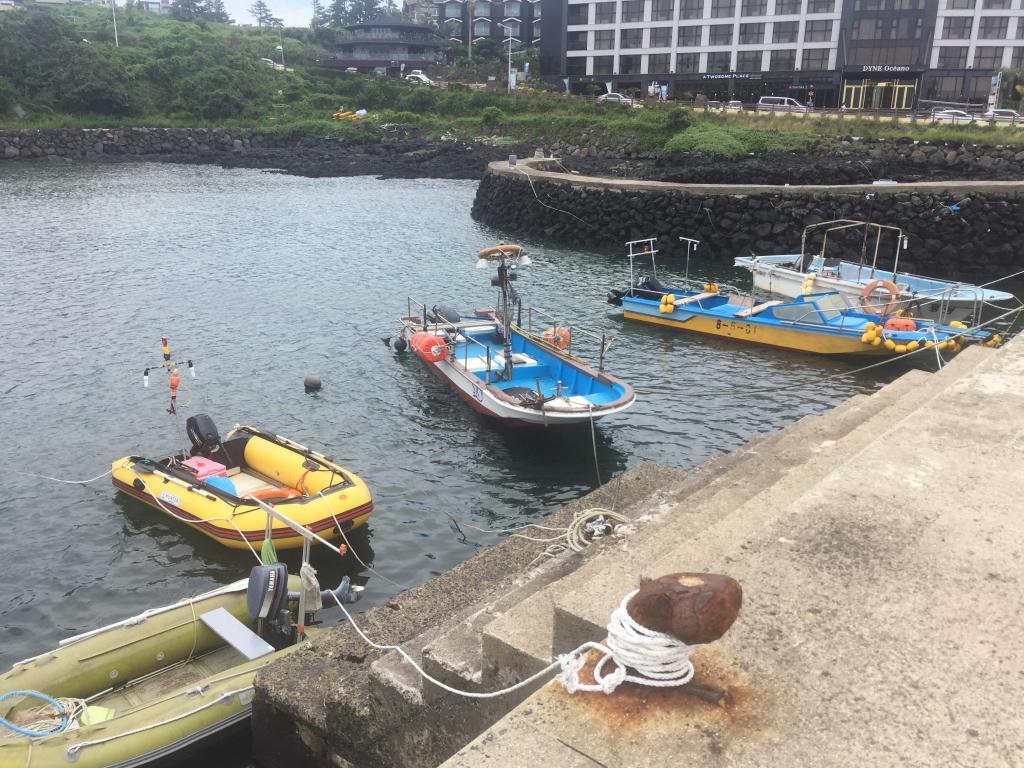
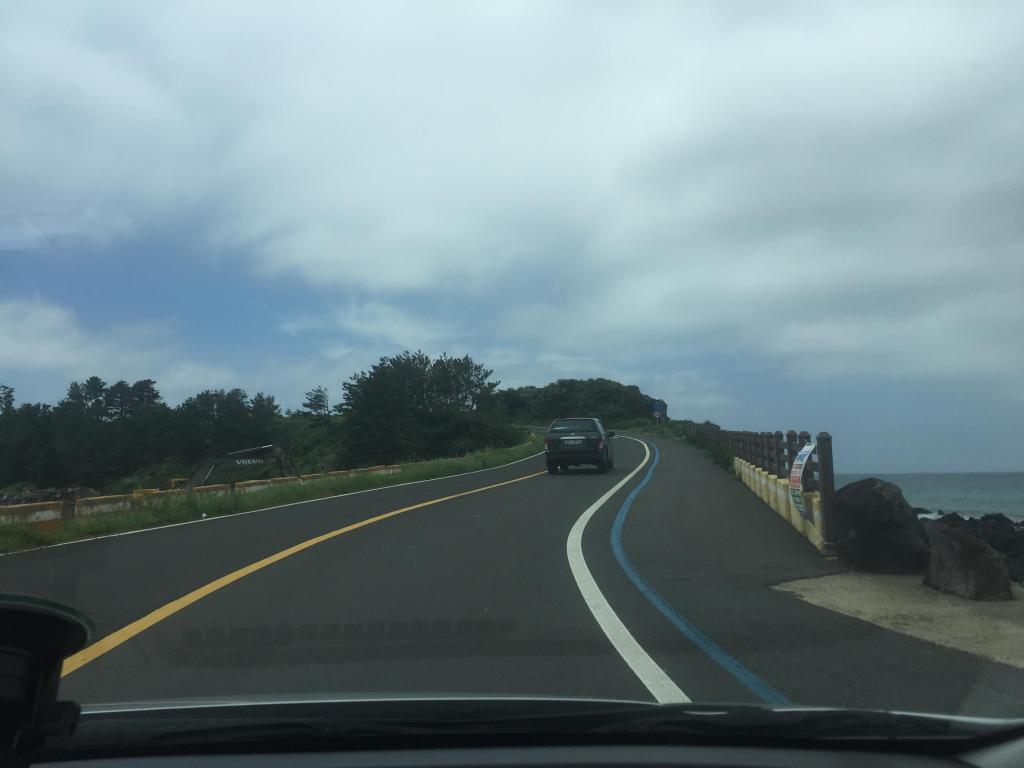
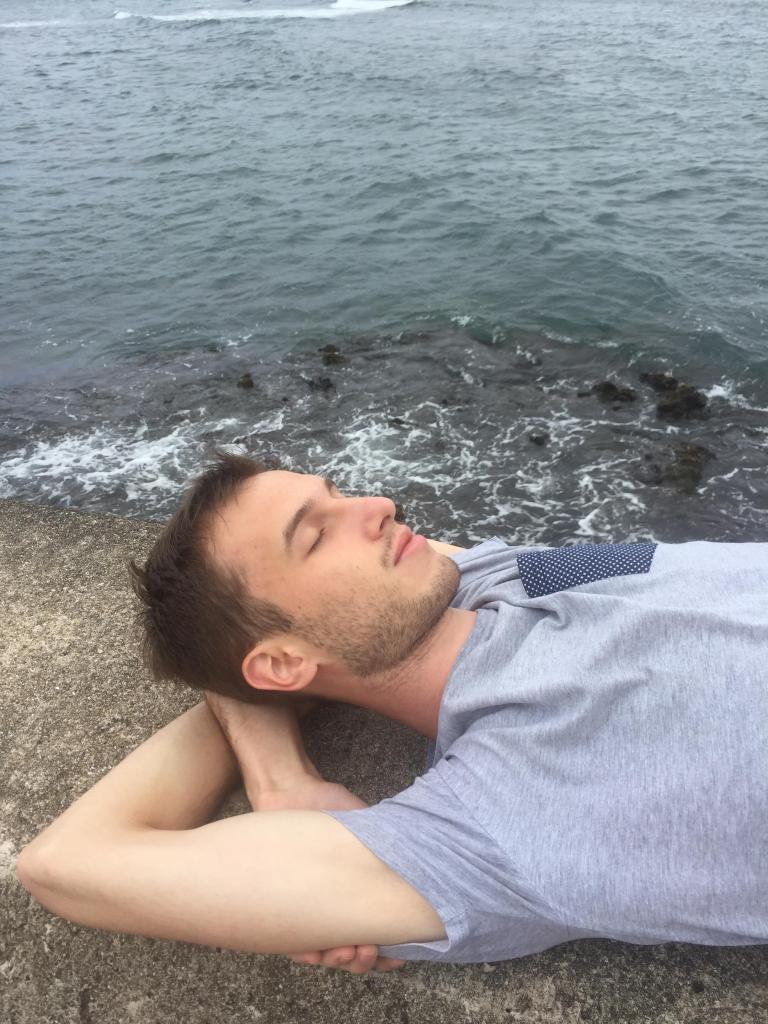
The place is named after the Goneari ruins located nearby.
Goneari dock 城艙 was build approximately in the 1230 year, during Goryeo Dynasty. A special thing about Jeju is that contrary to the only word most of Koreans use to designate dock (harbour, port) – pogu 浦口, a set of terms containing a special word ge개 (the area where seawater comes into a river) is used 개맛, 개맛디, 갯마리, 갯머리, 개창, along with word seongchang 성창 城艙 [***]. This terminology is adventurous for understanding. I do not dare to overlook such an ancient place, so I must go back and explore it carefully!
The next stop is Handam Beach located in neighbouring Aewol village. The sunshine is so bright that it is even hard to open eyes.
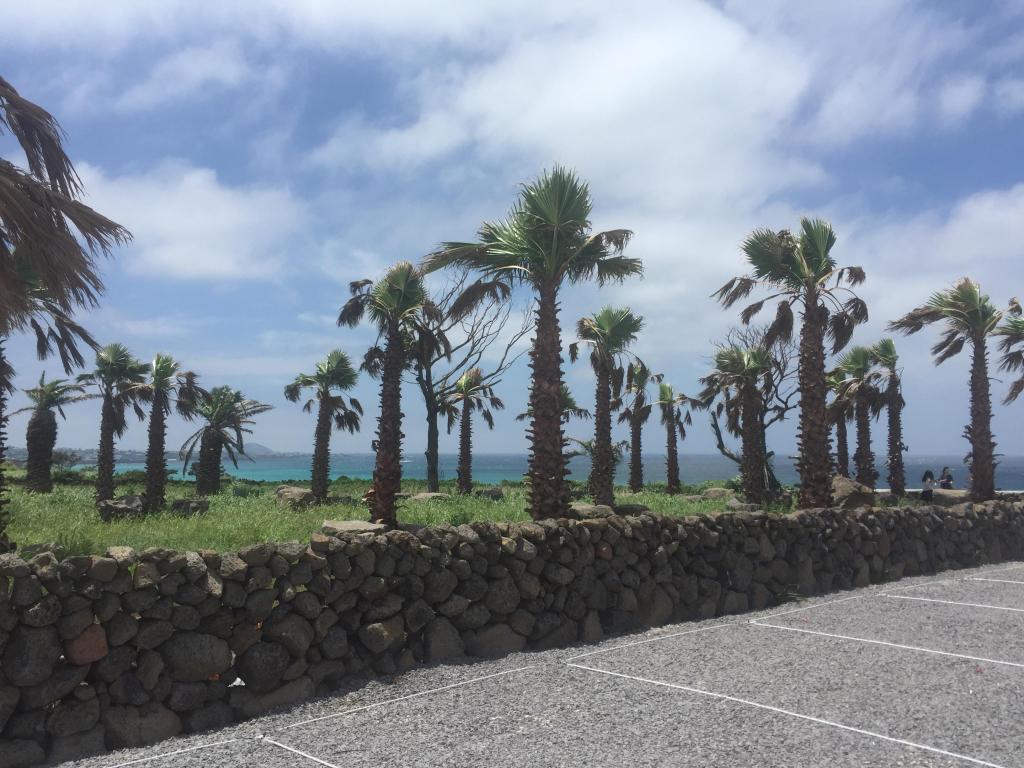
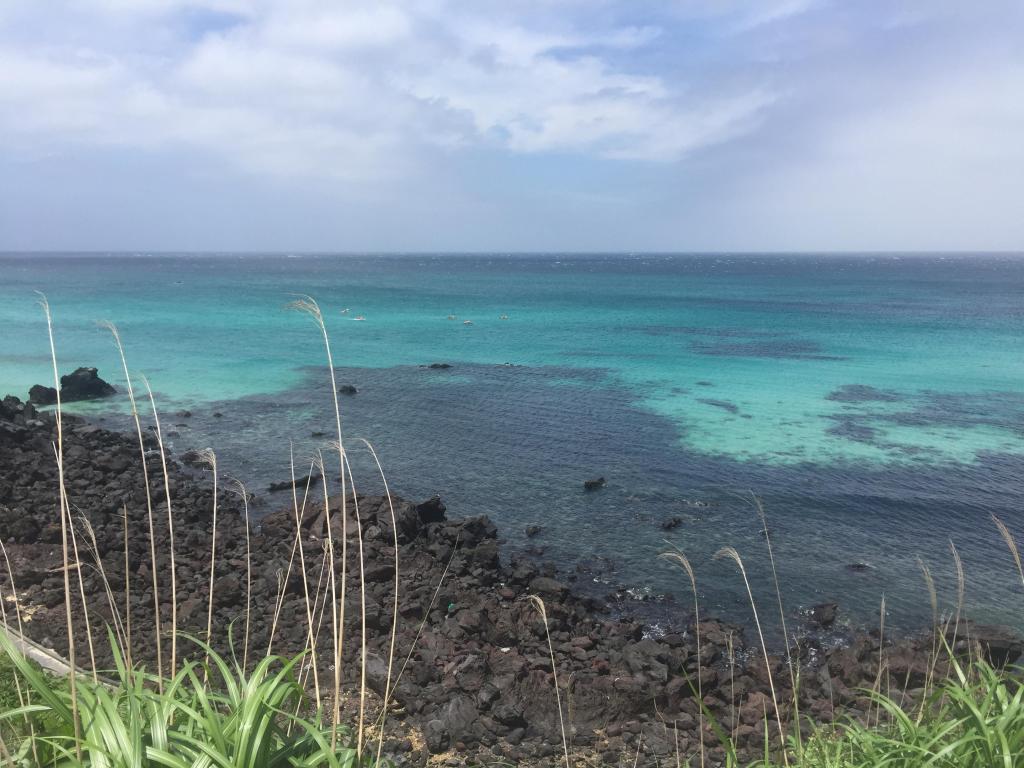
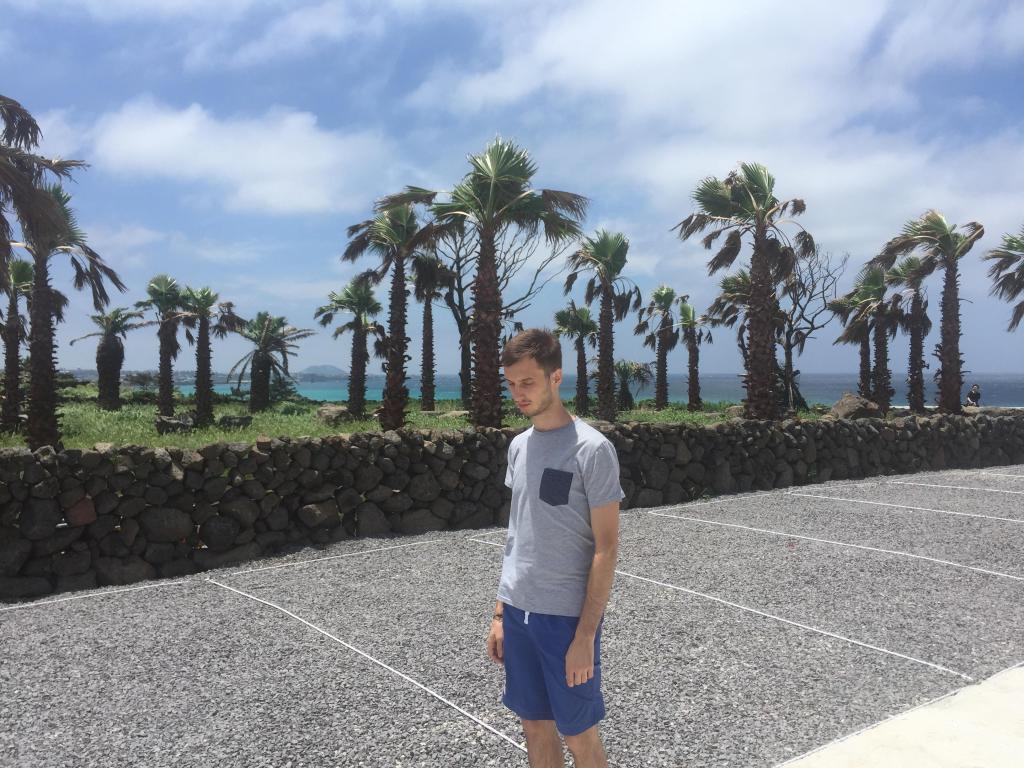
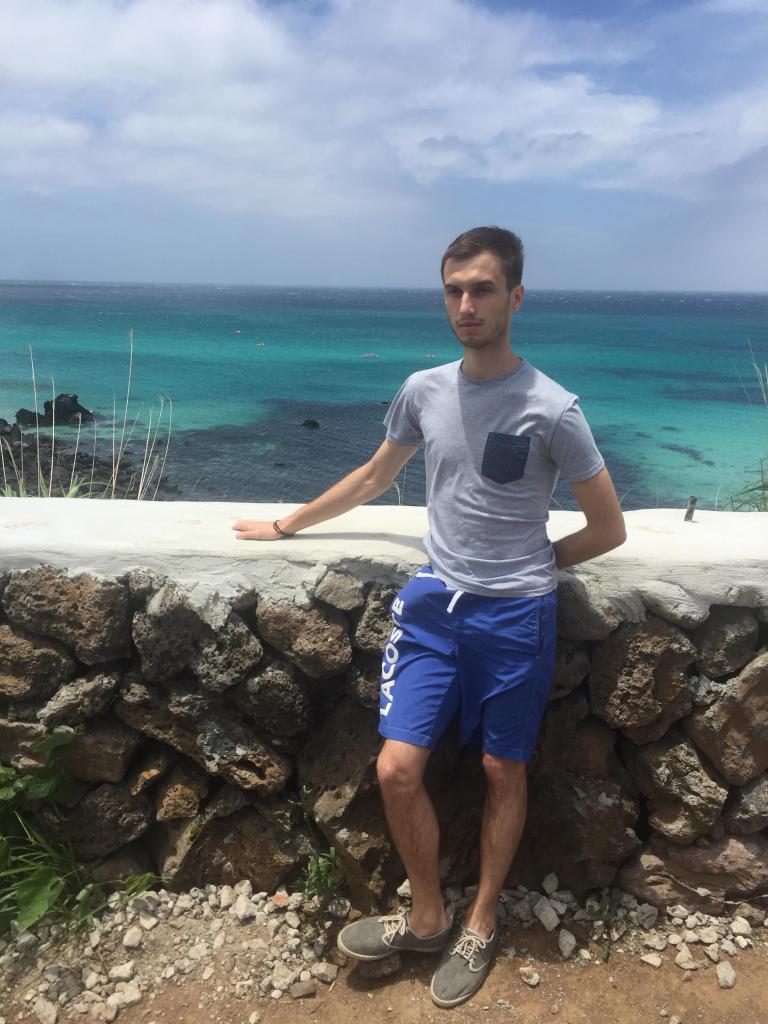
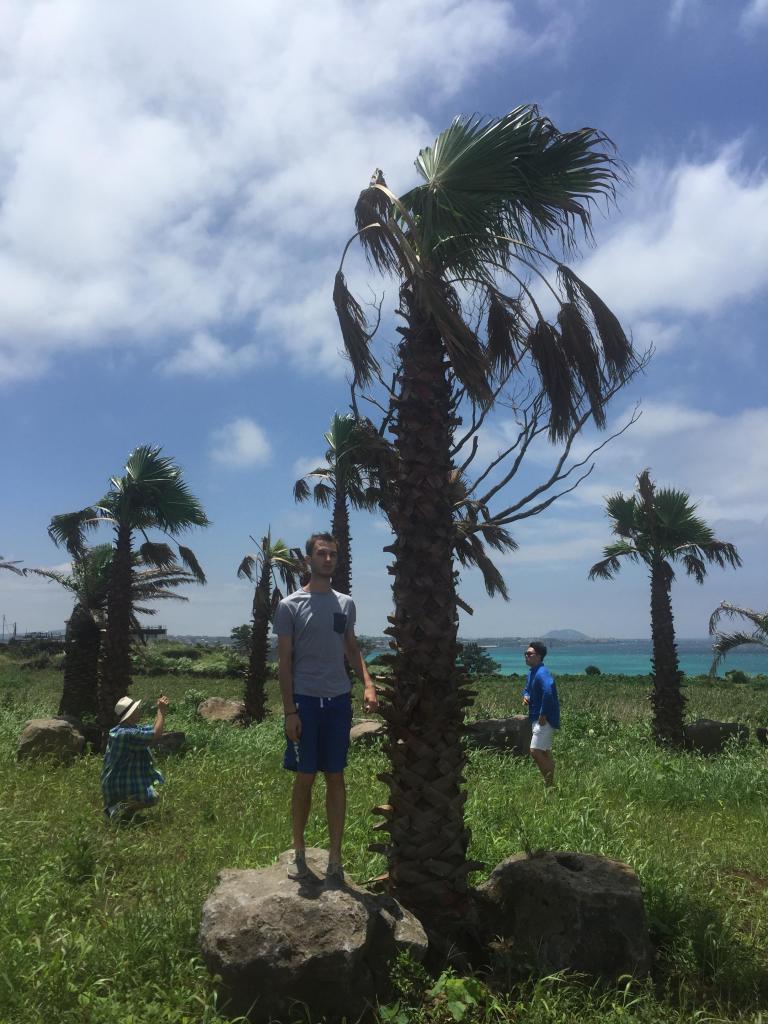
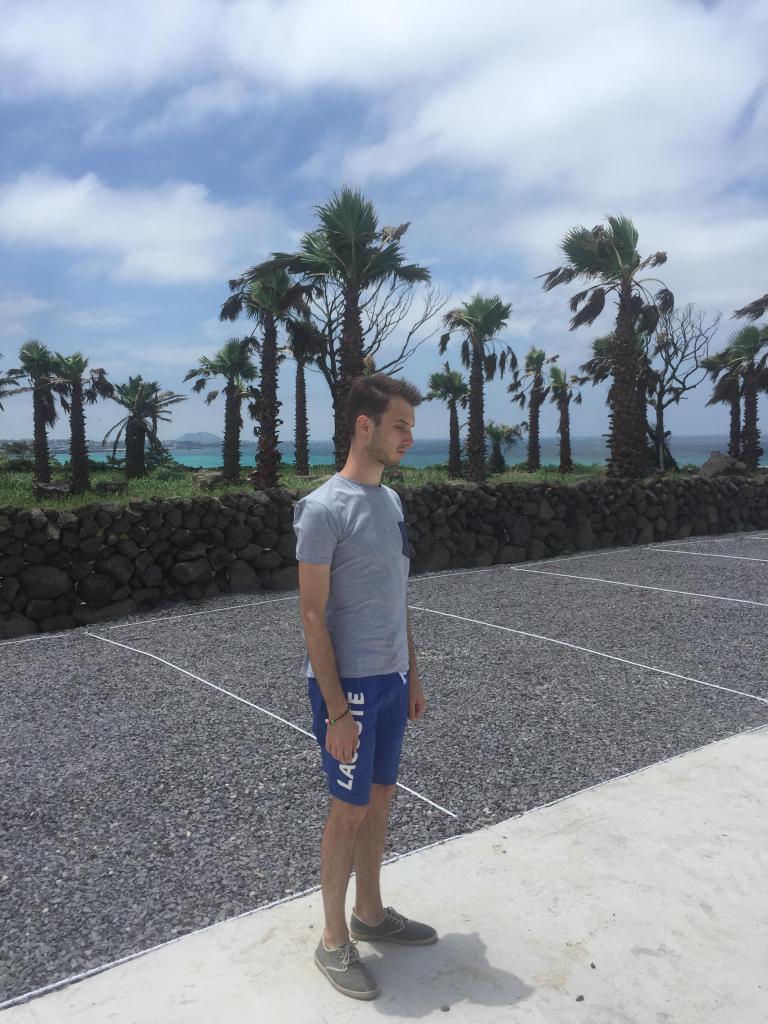
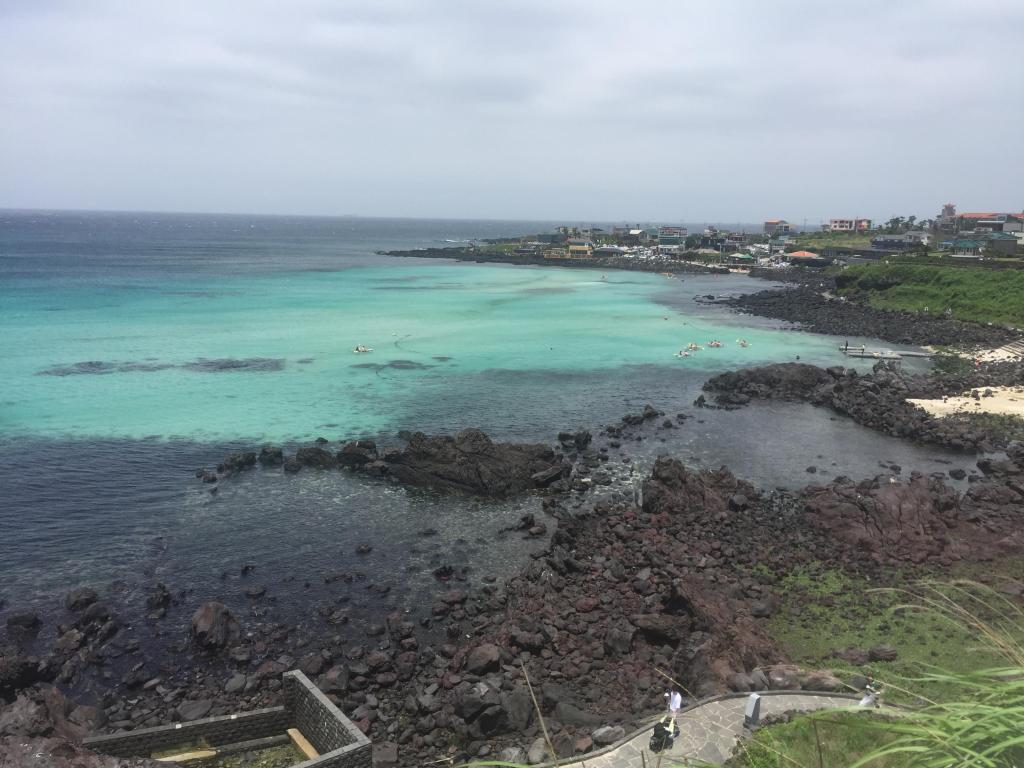
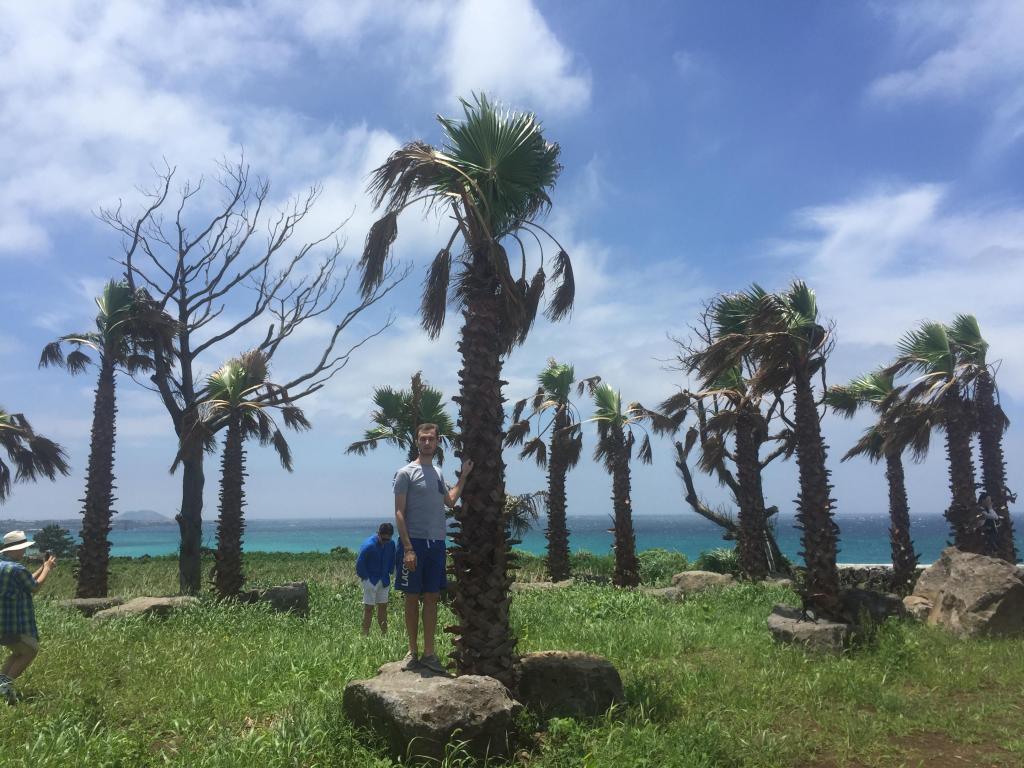
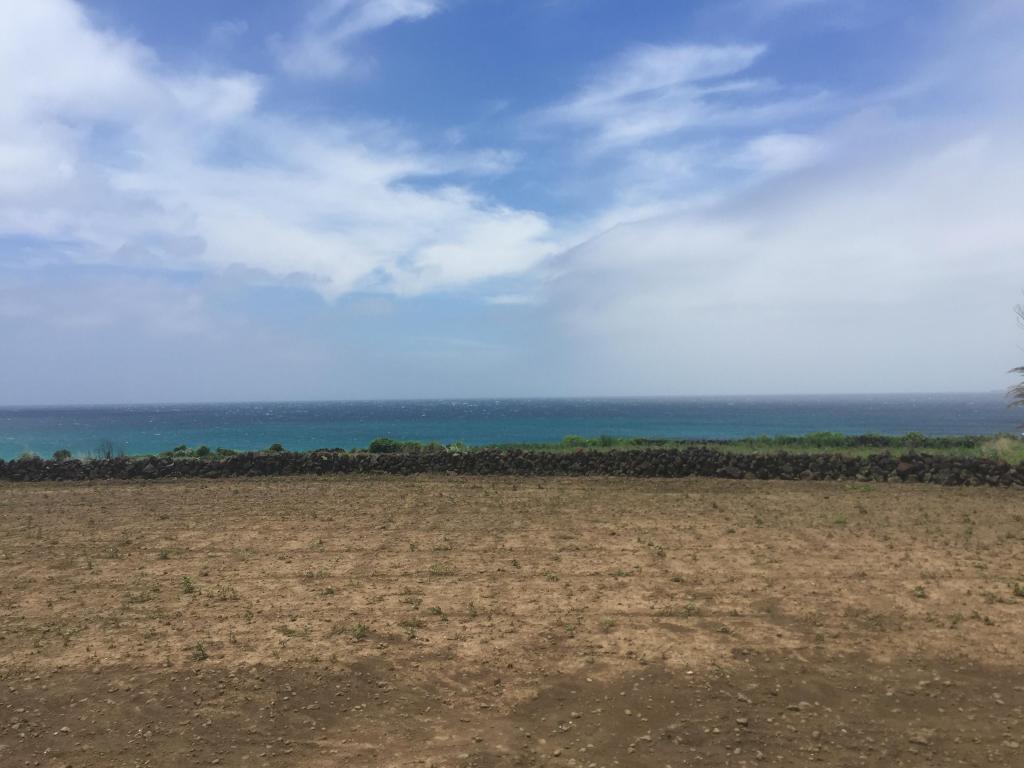
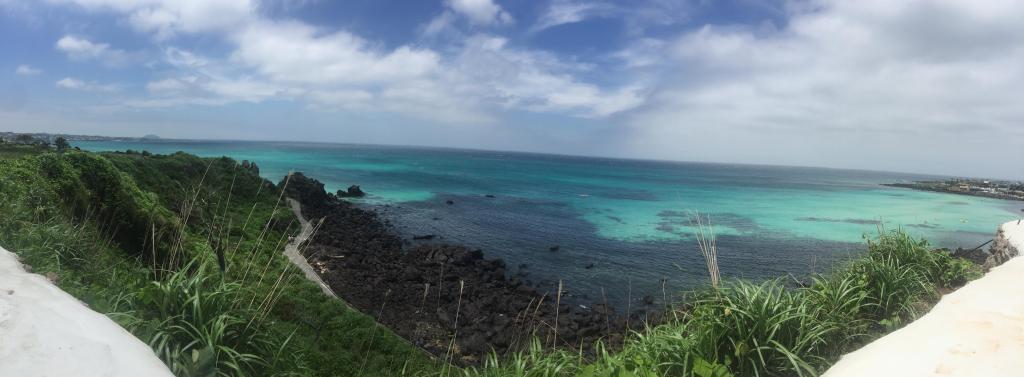
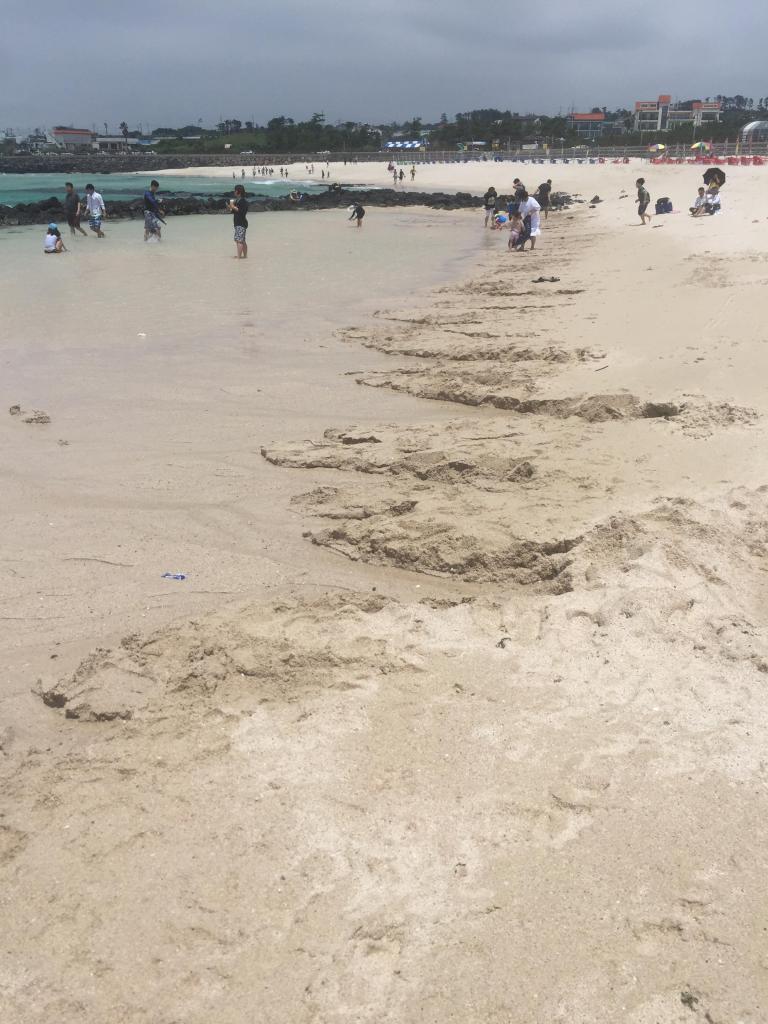
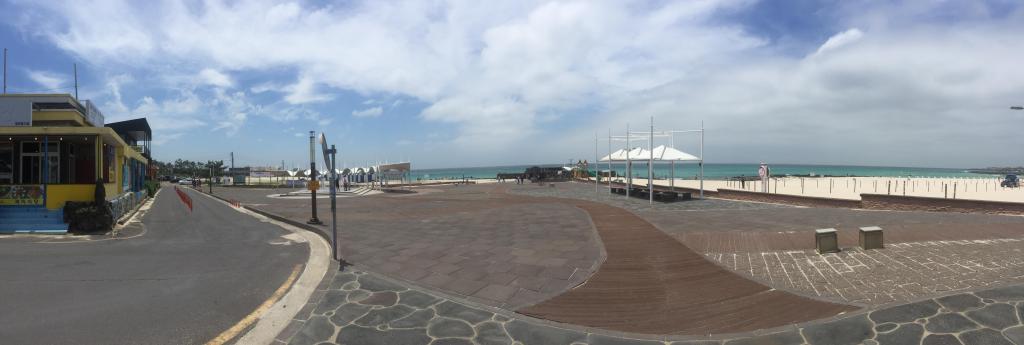
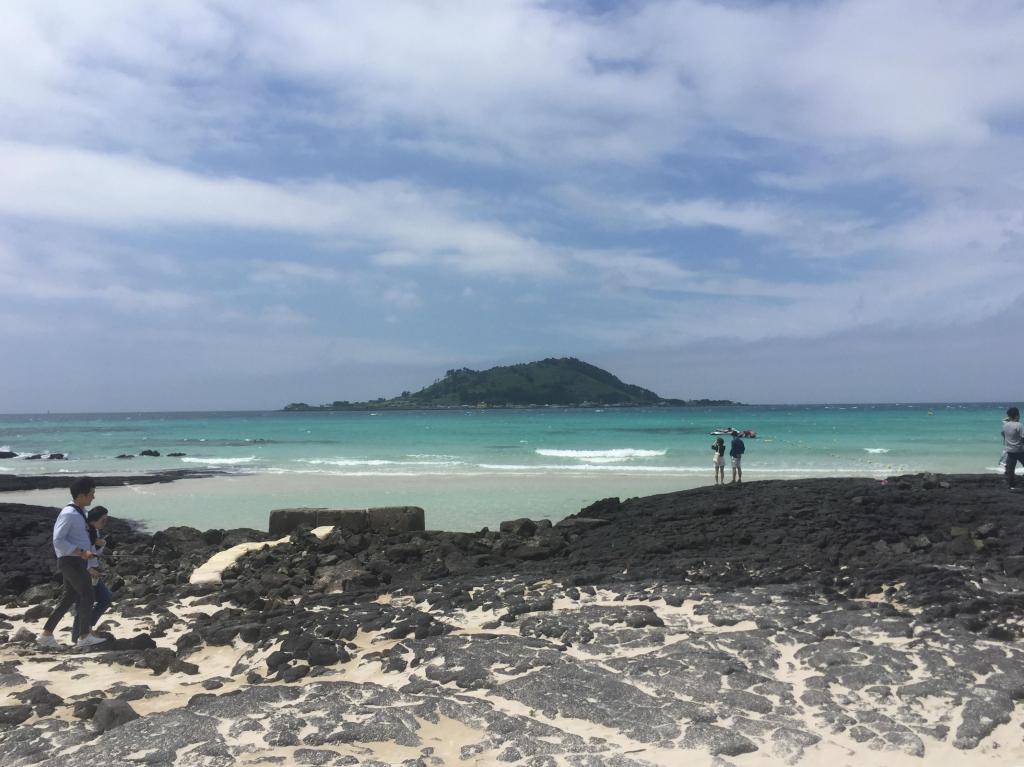
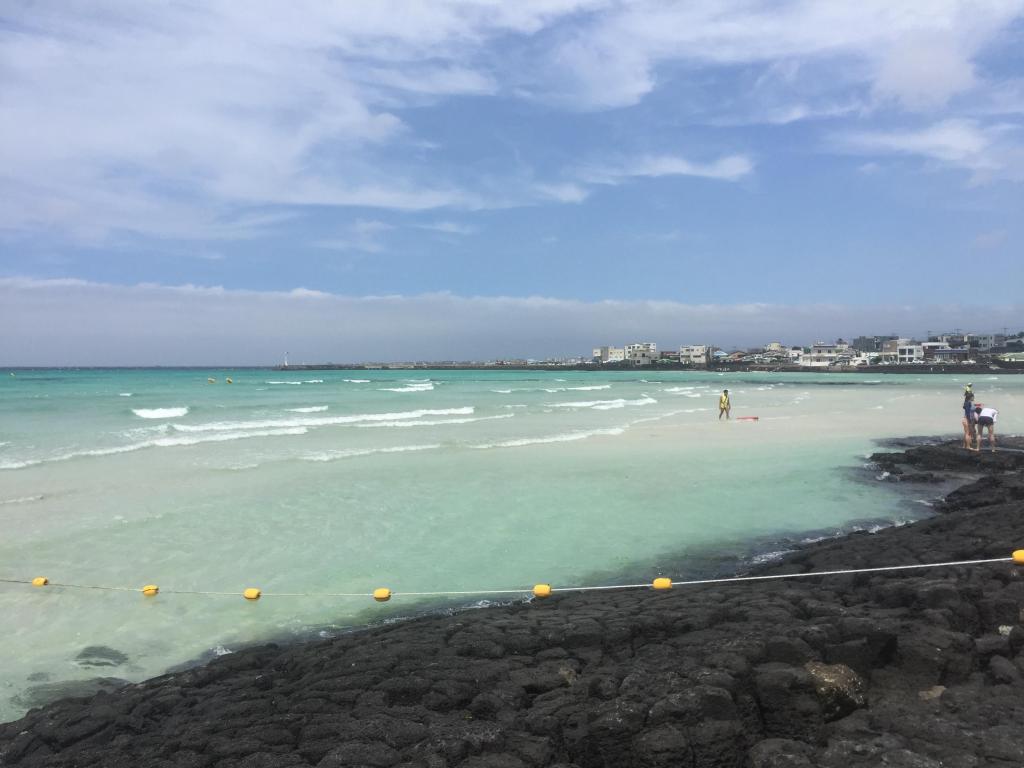
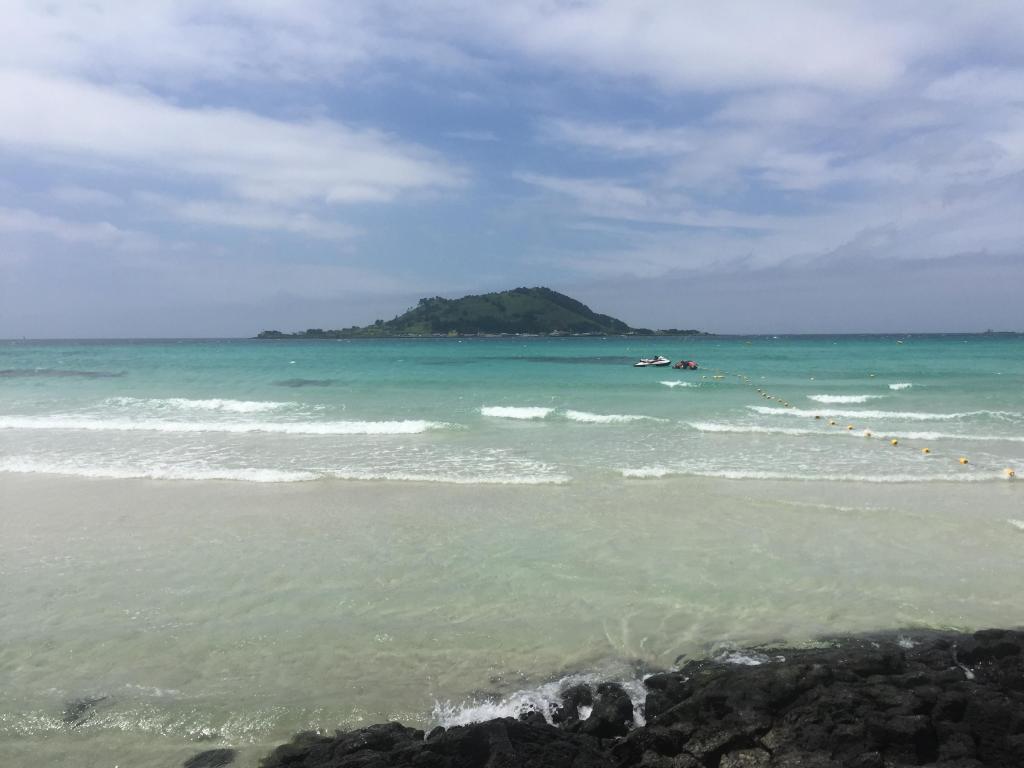
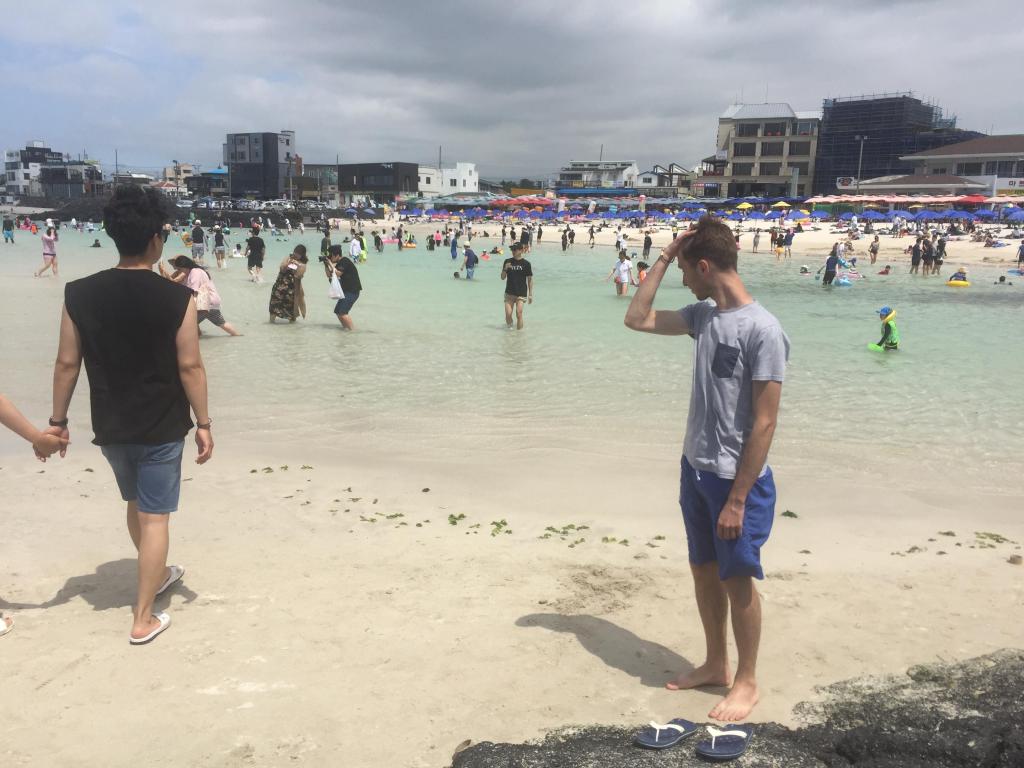
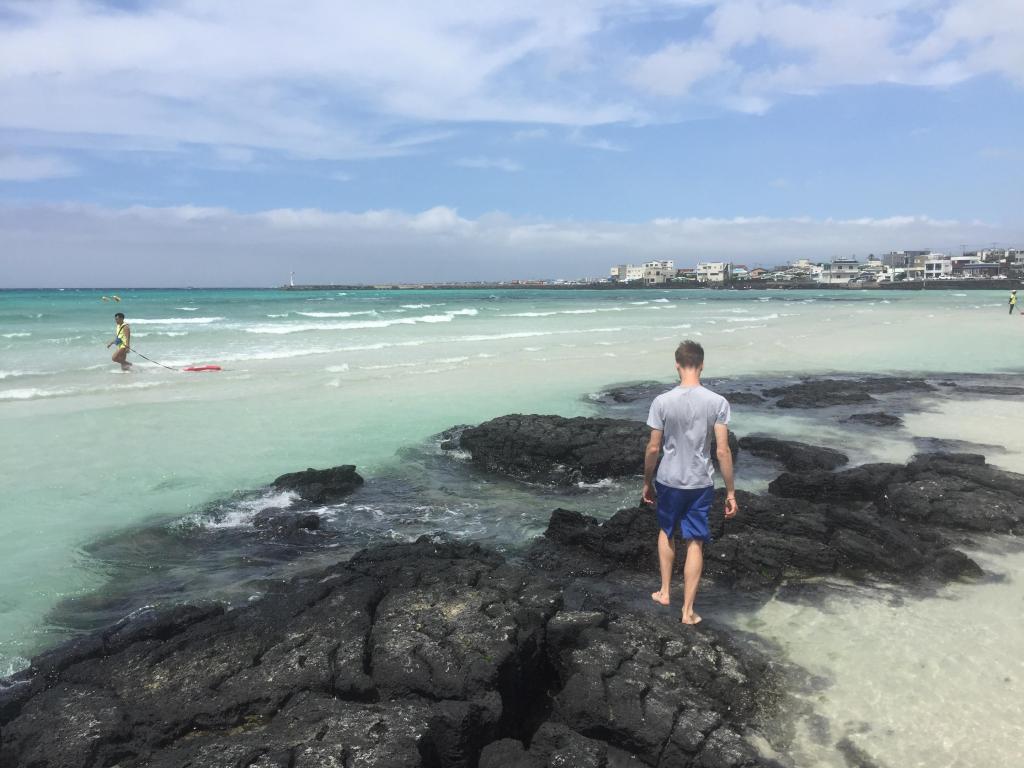
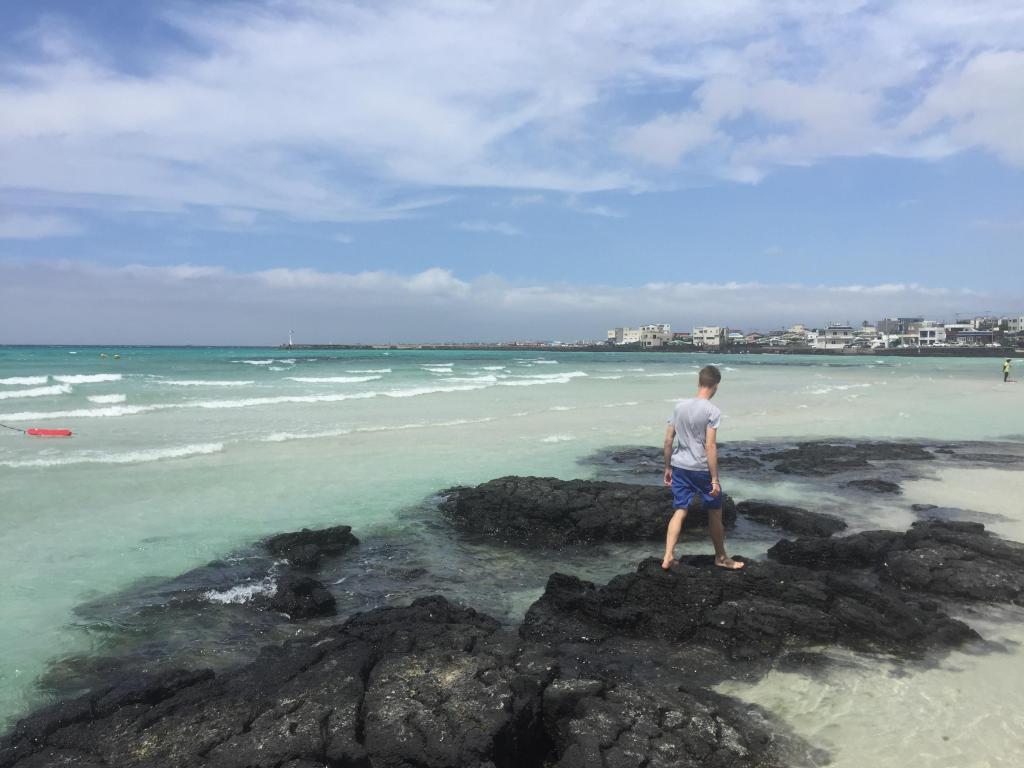
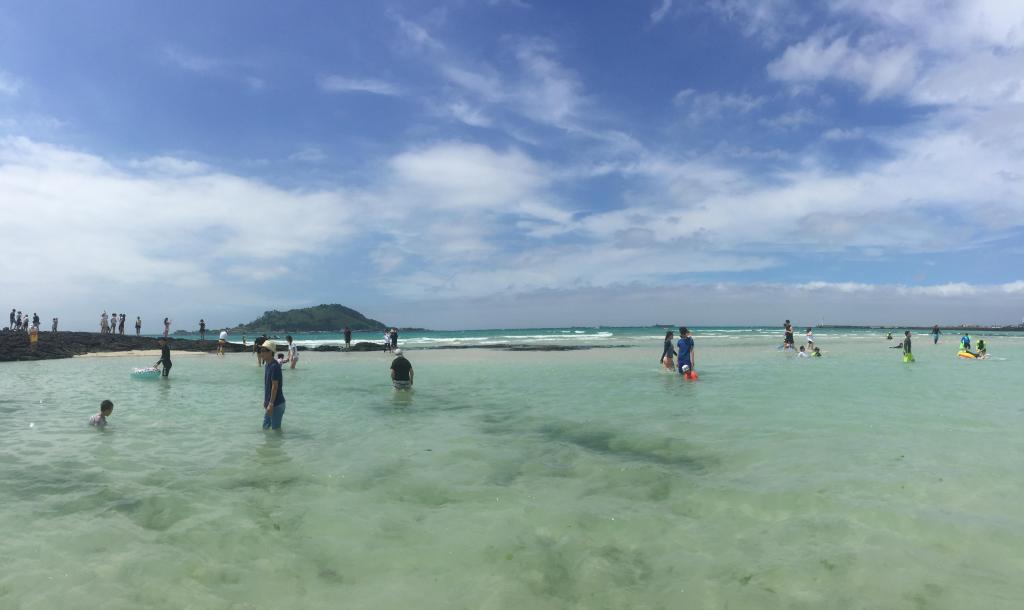
The next neighbouring location – Gwakji sea bathing beach! It is 350 metres long so I made a lot of photos here.
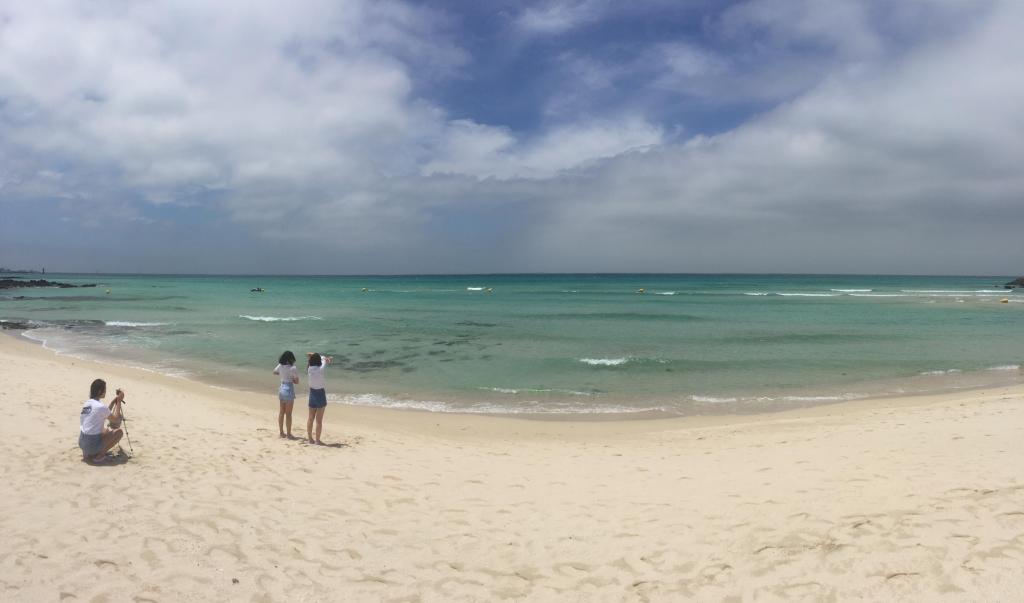
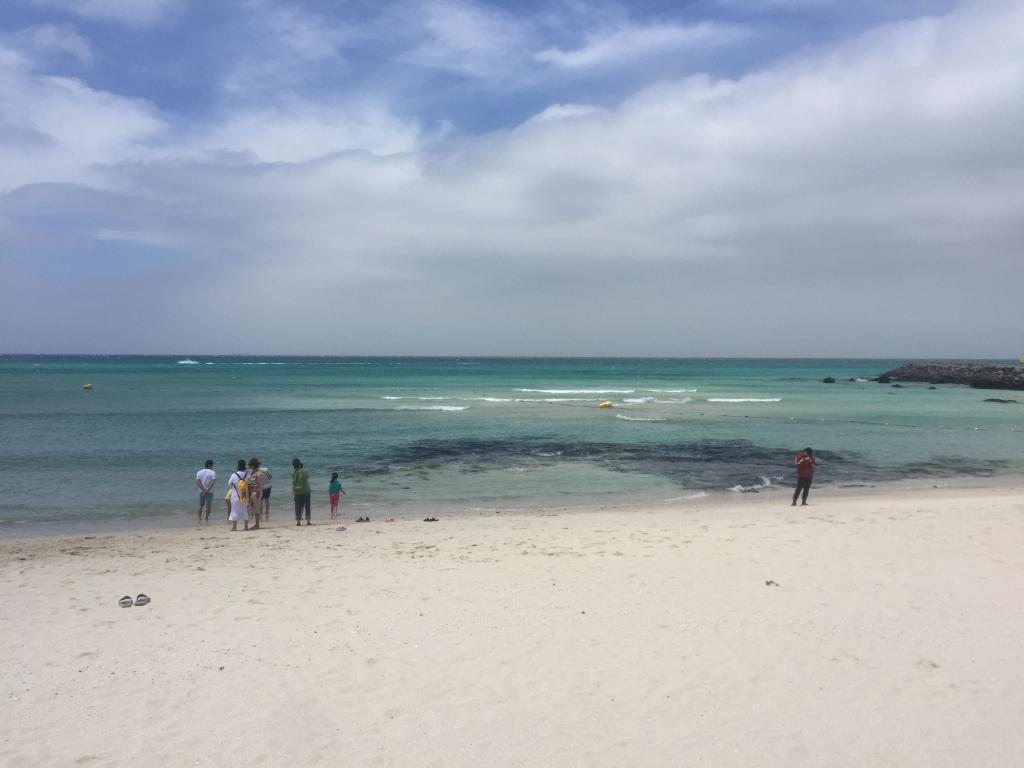
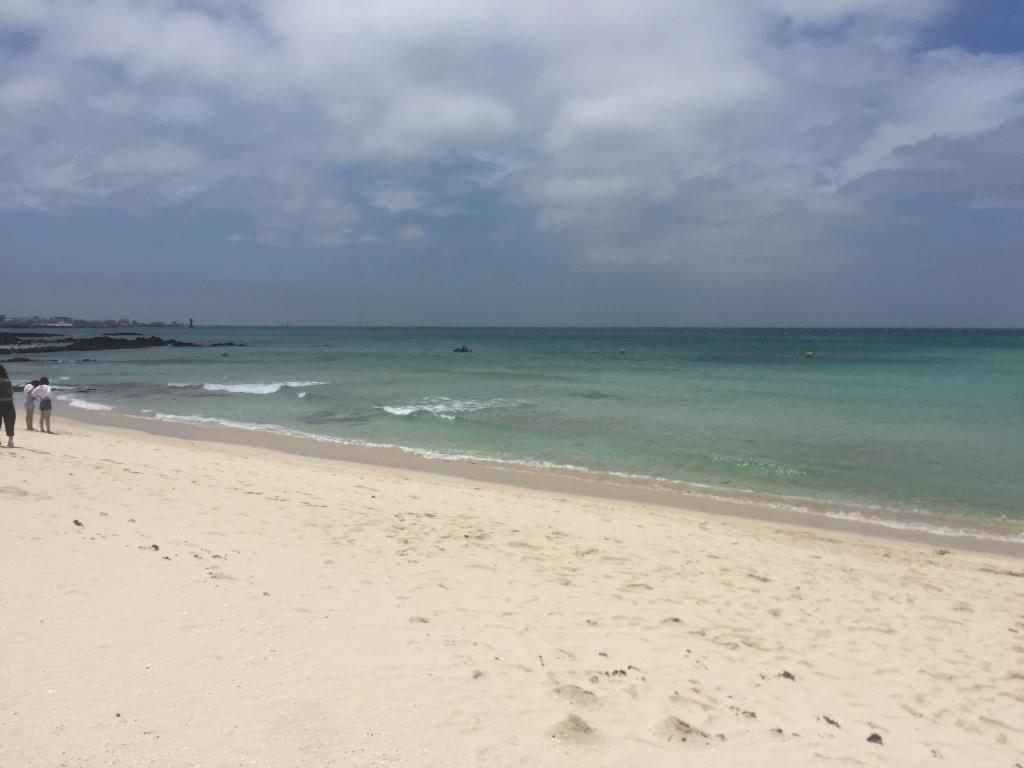
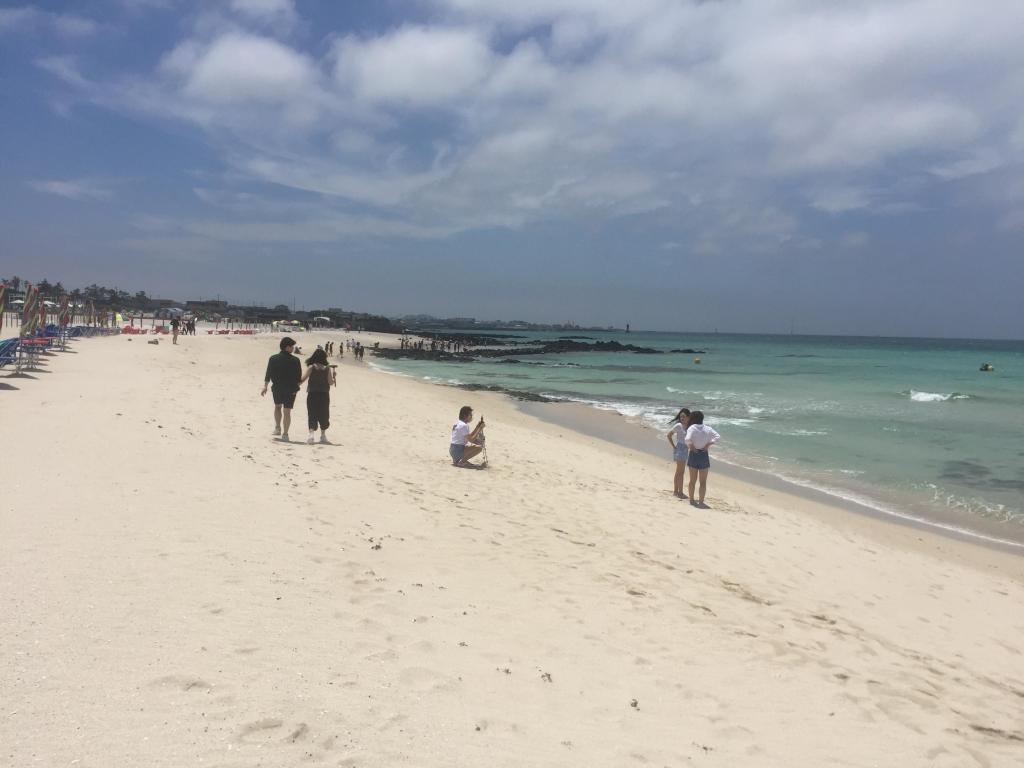
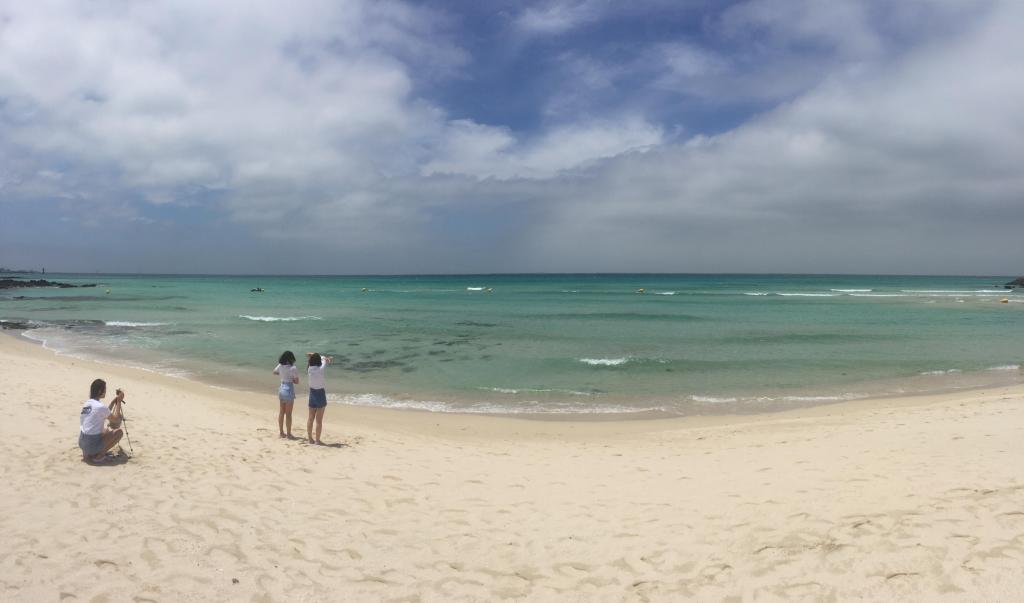
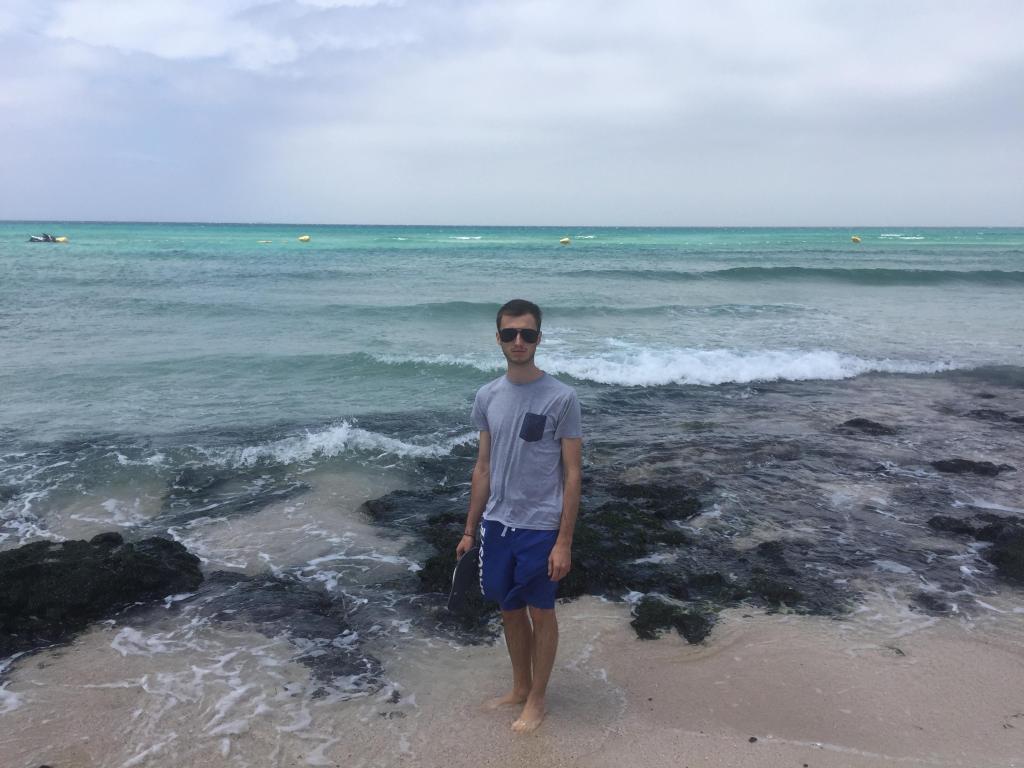
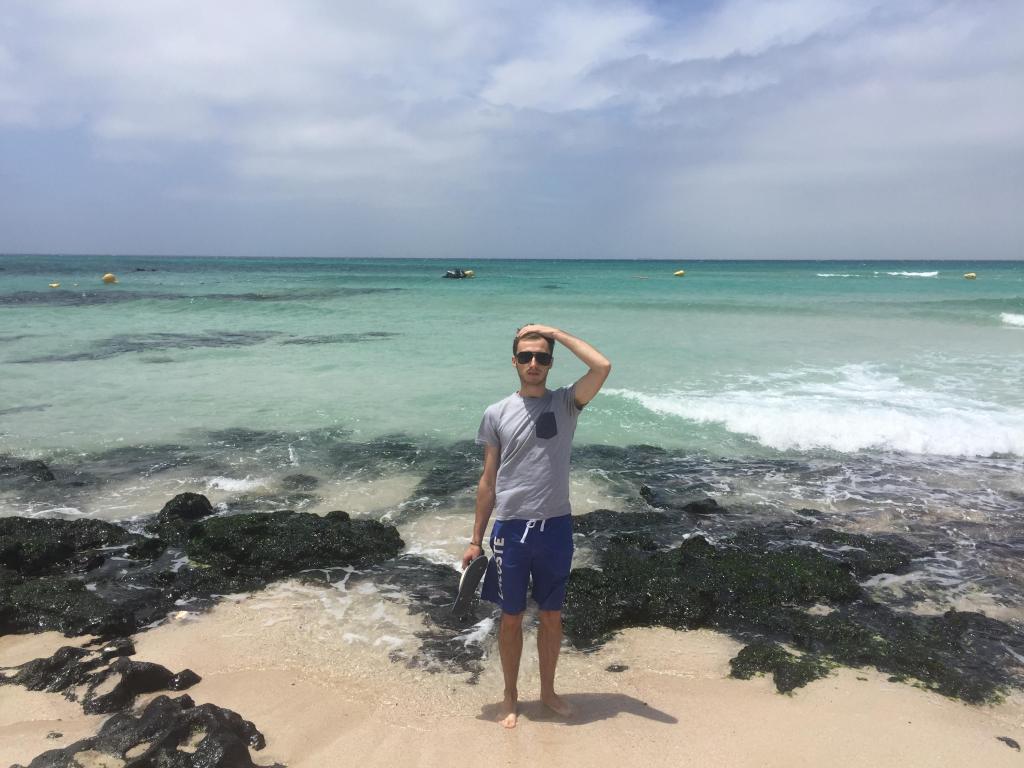
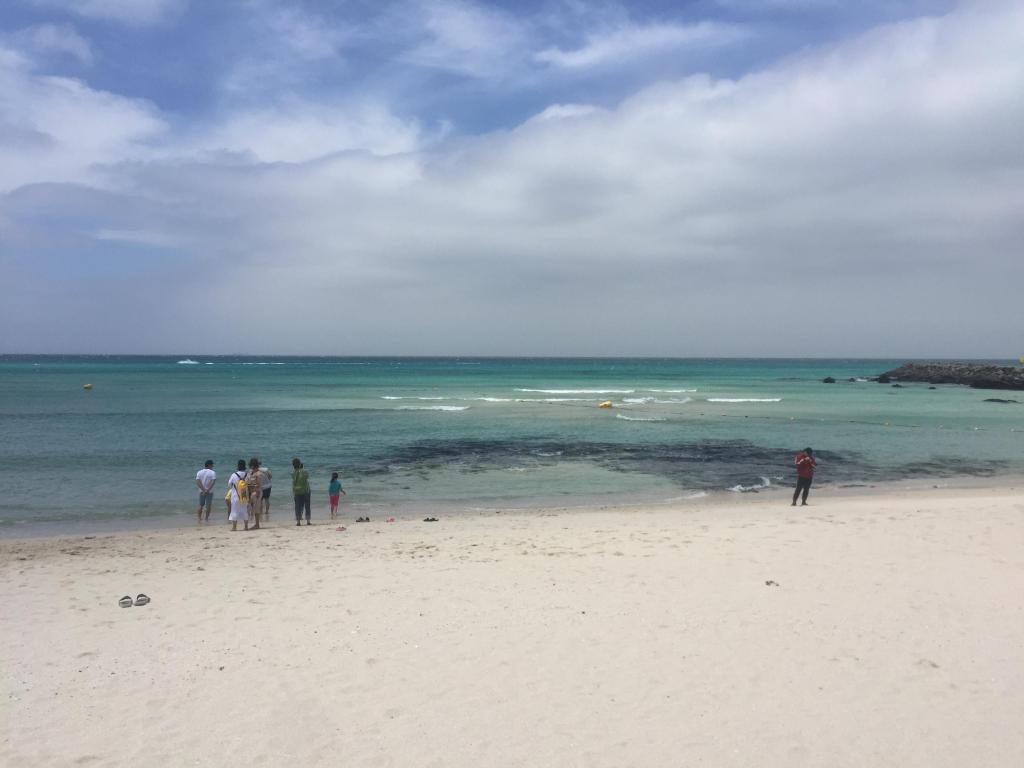
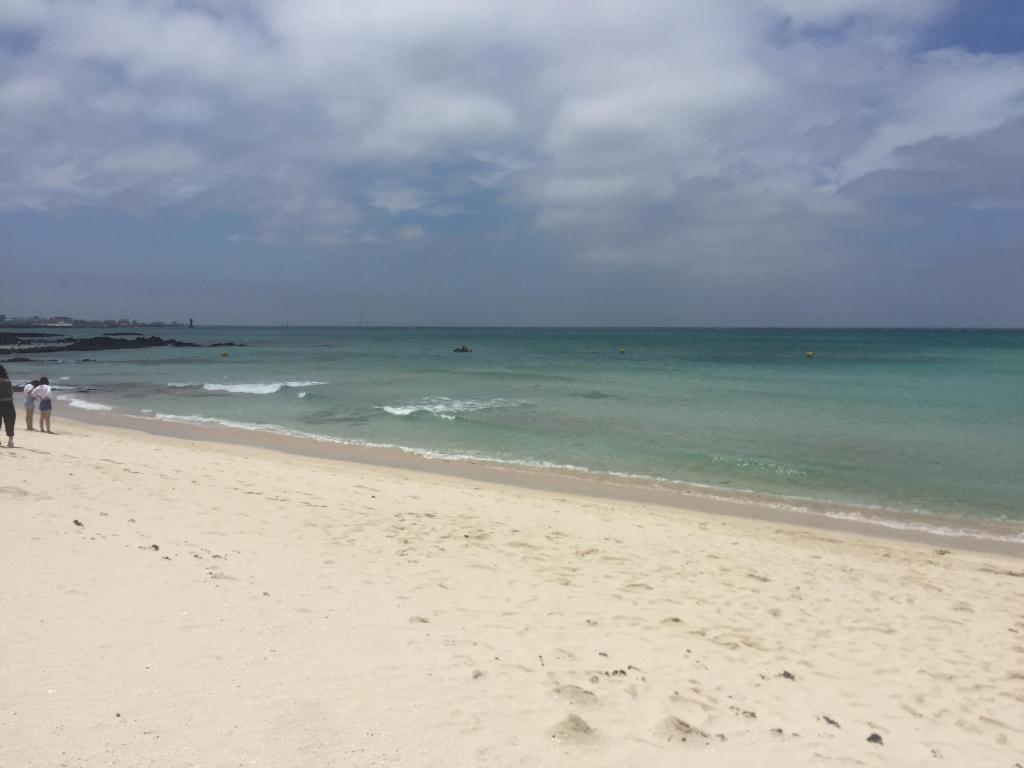
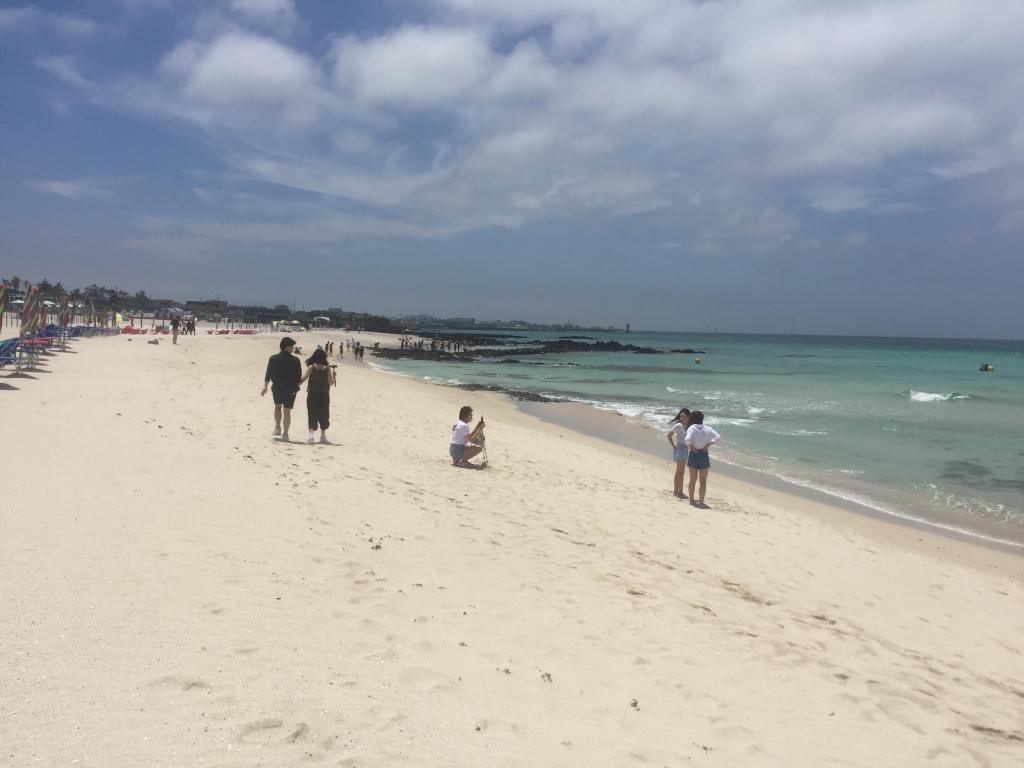
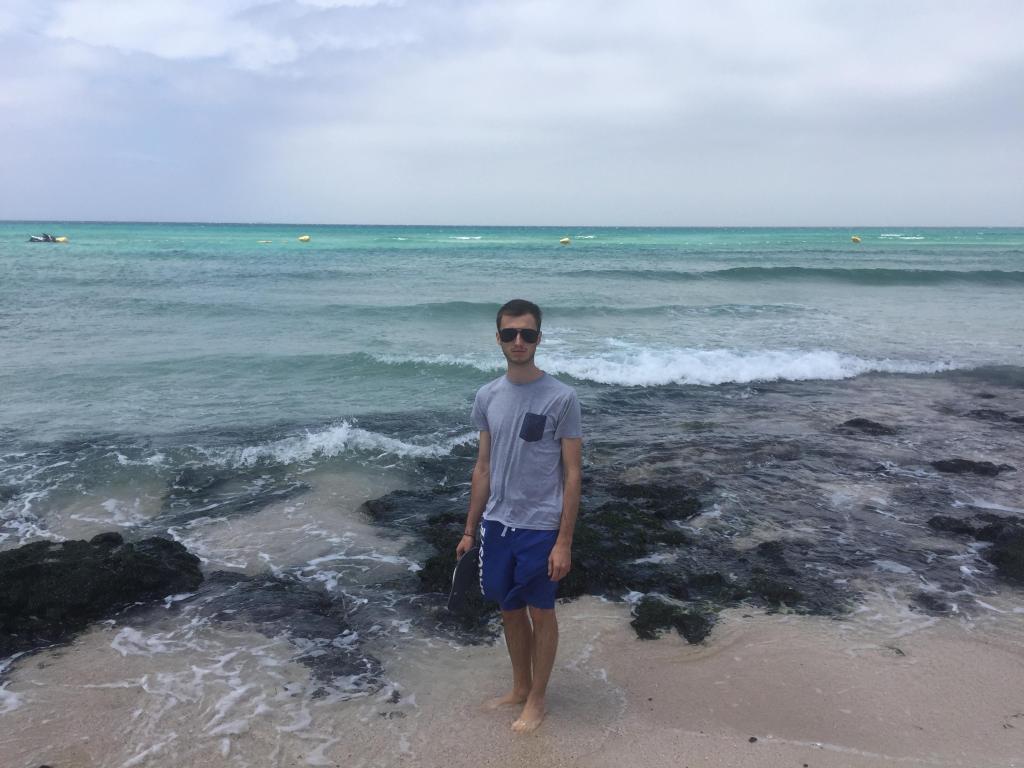
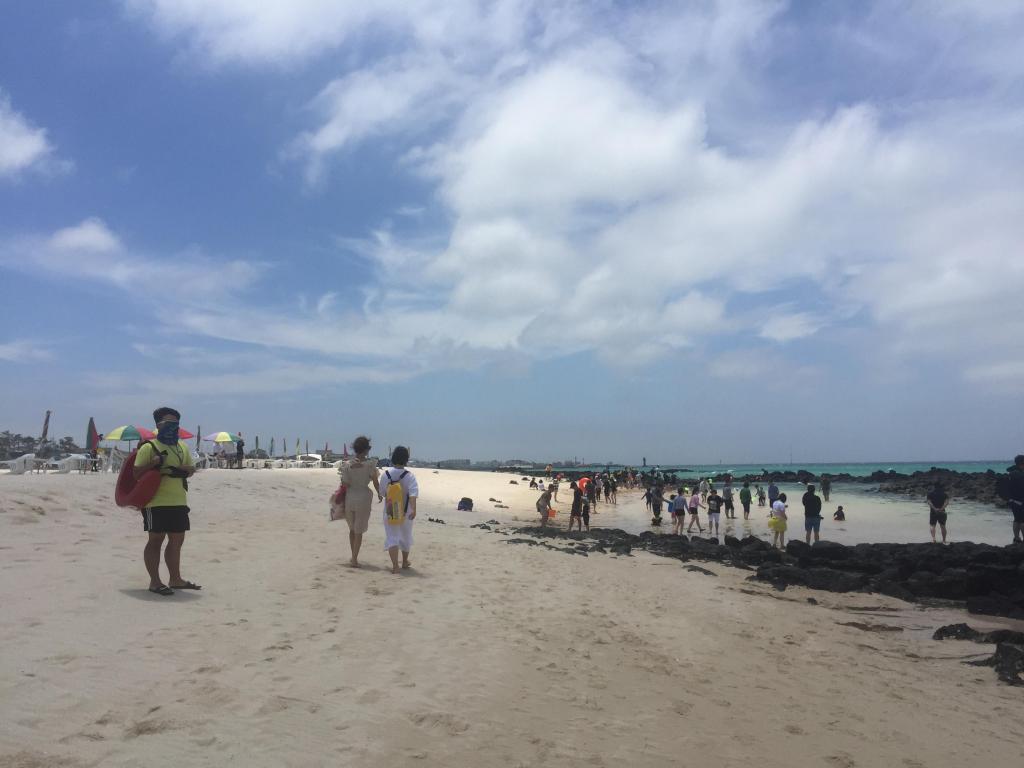
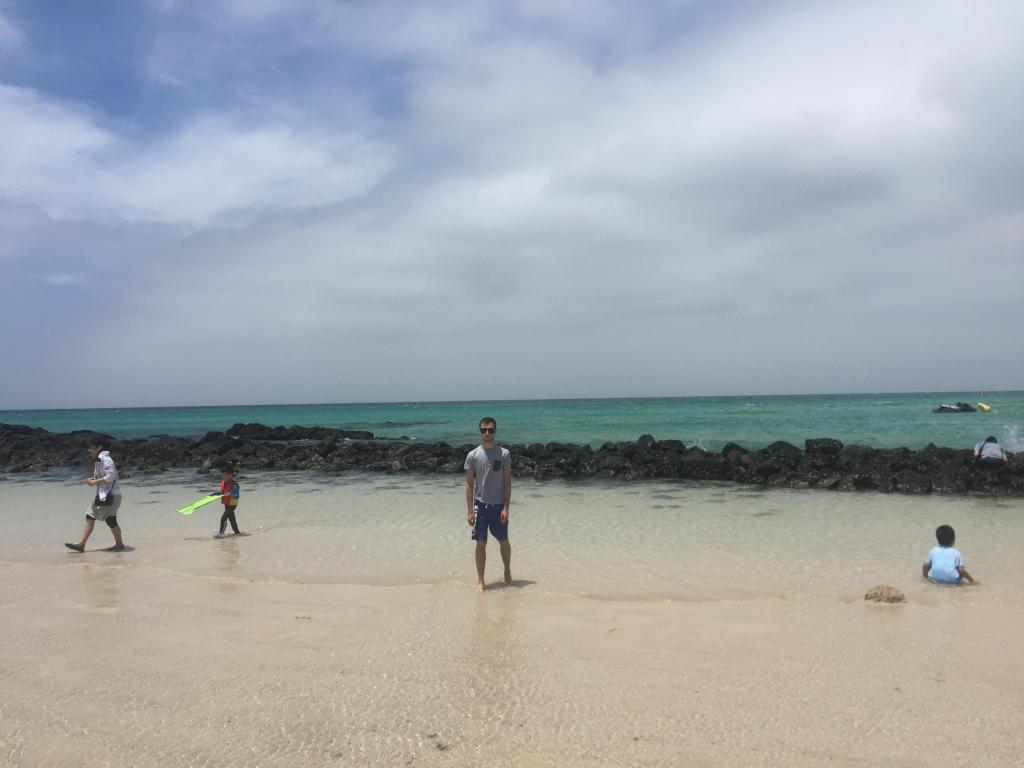
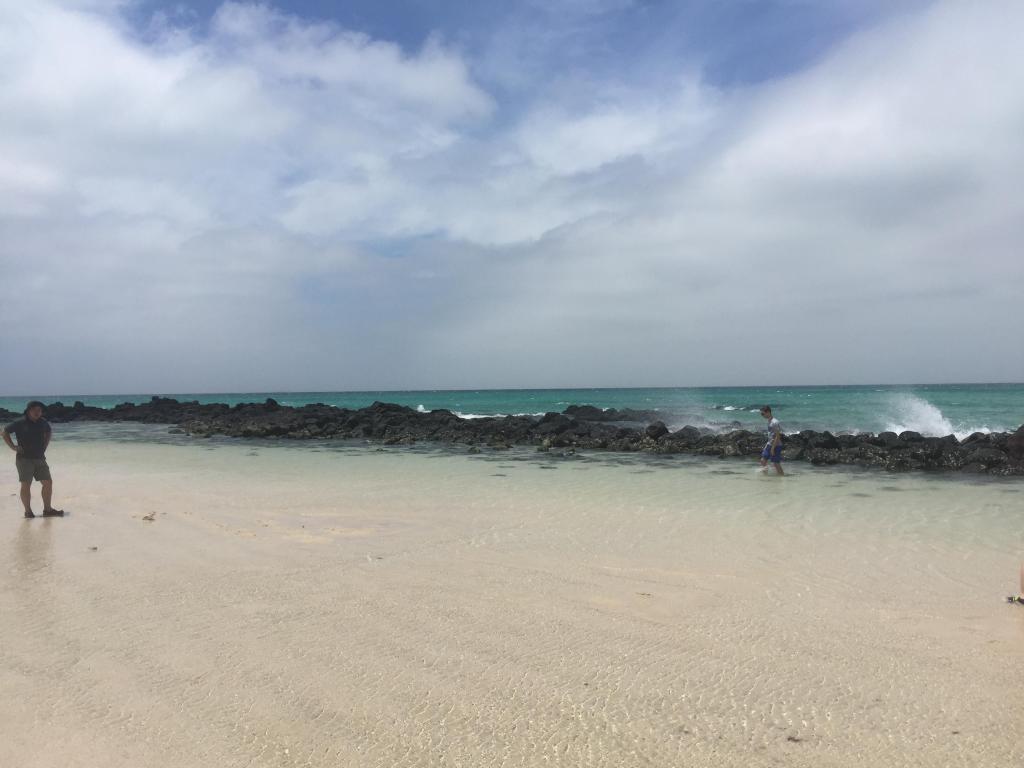
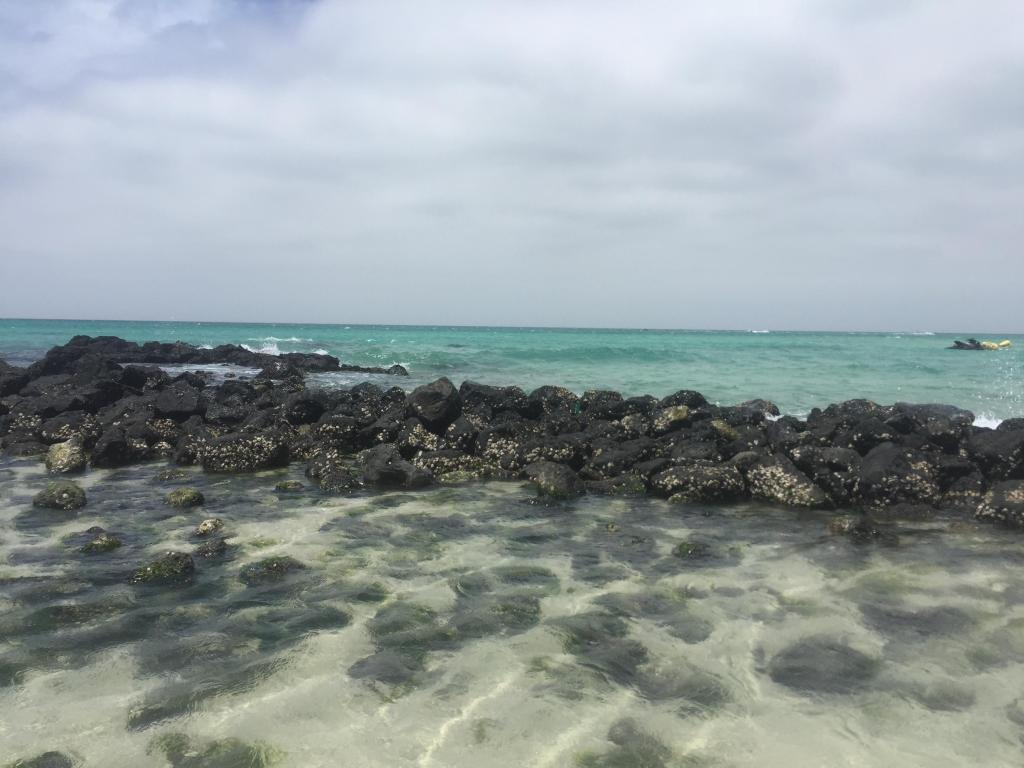
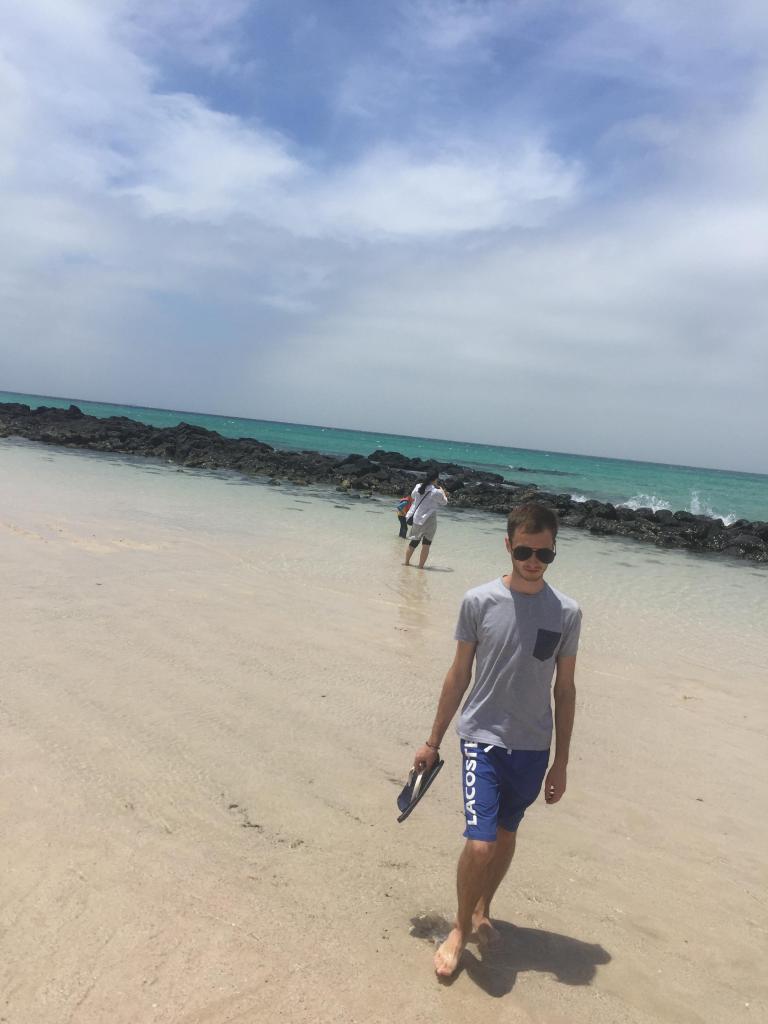

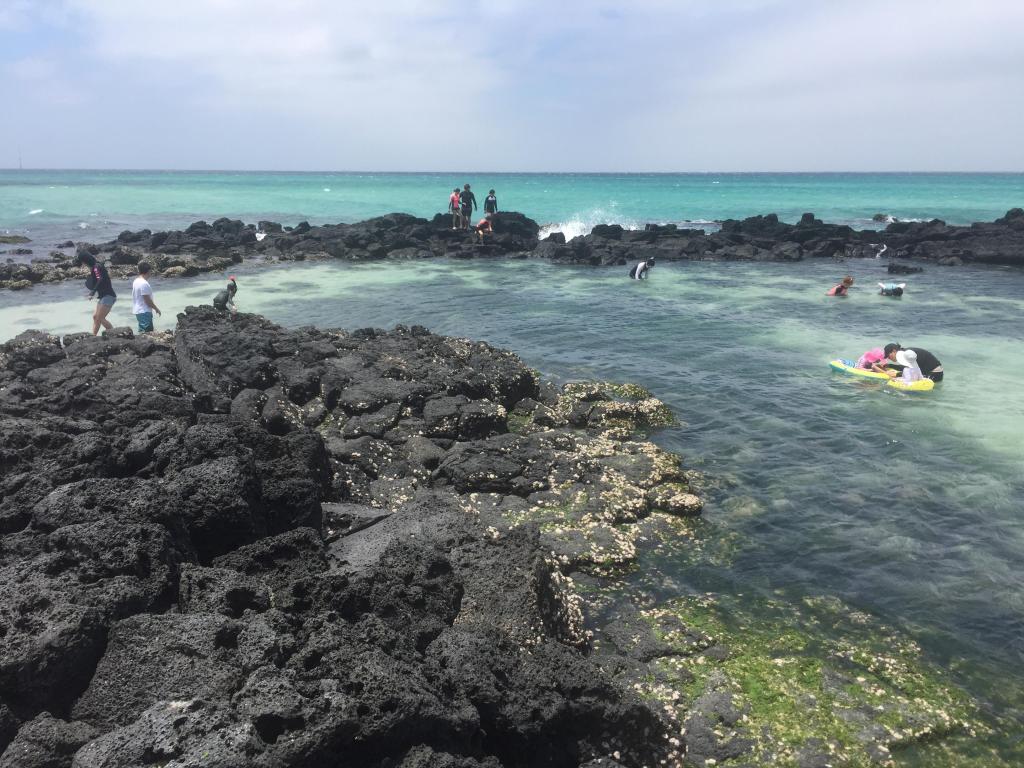
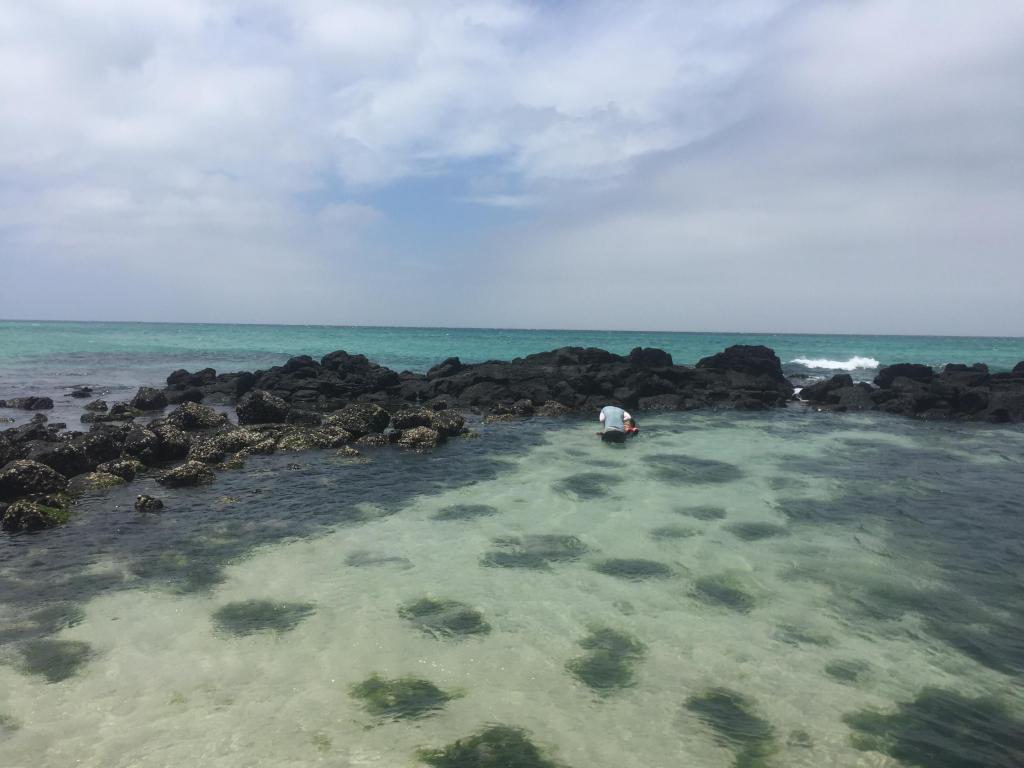
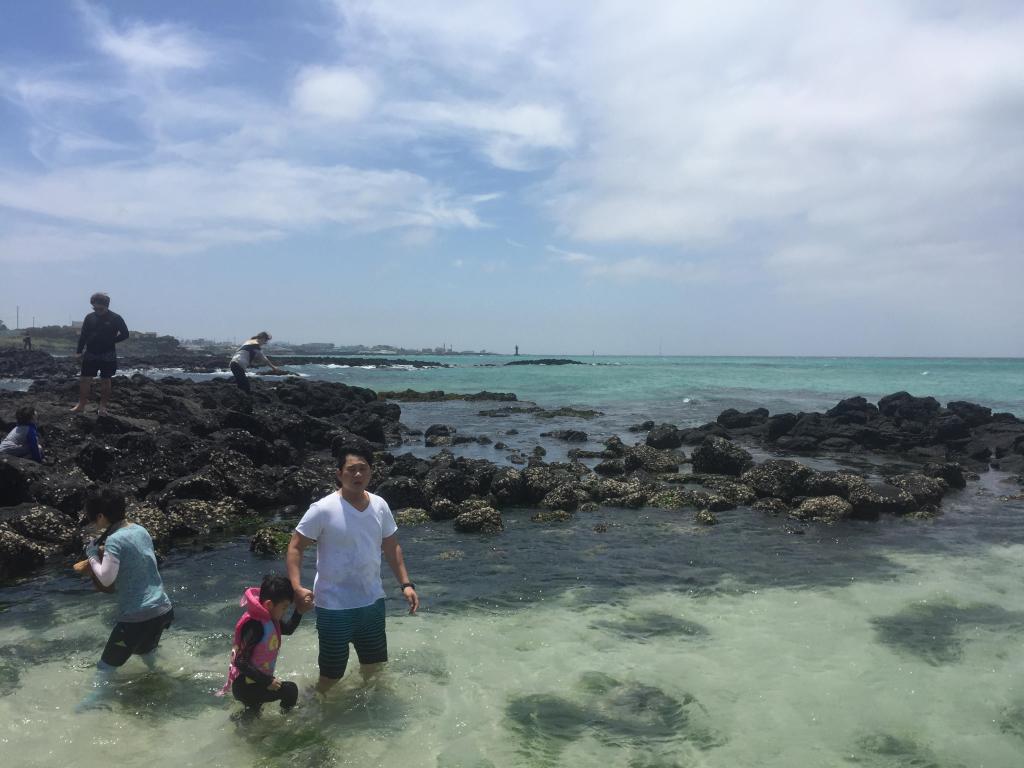
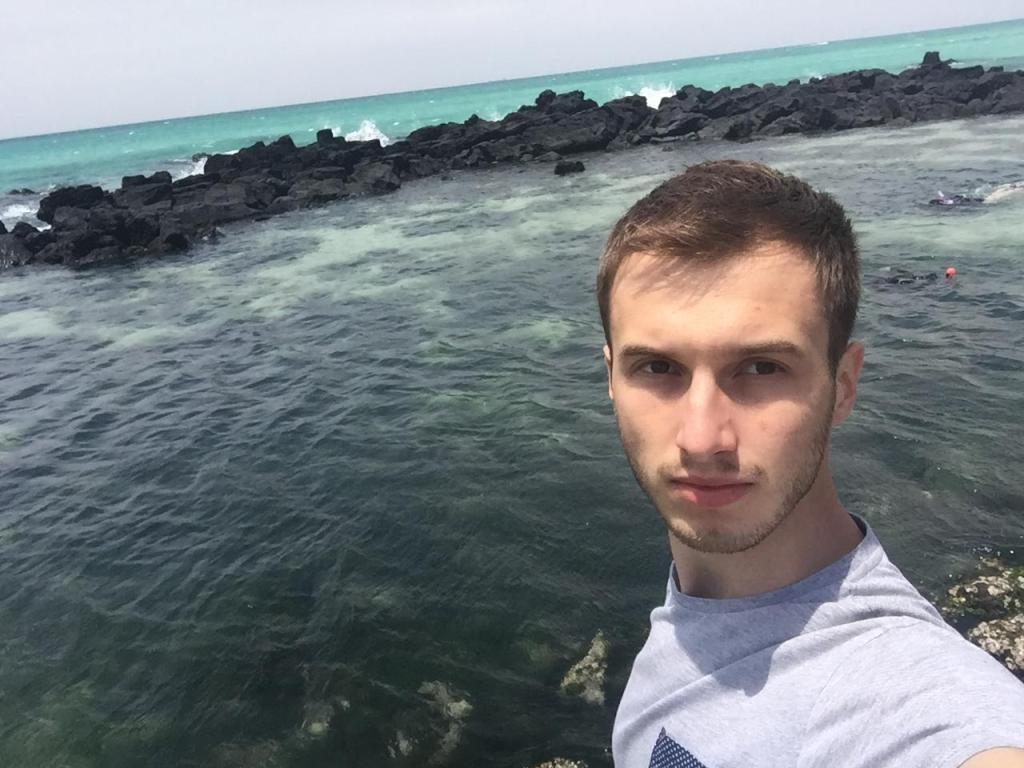
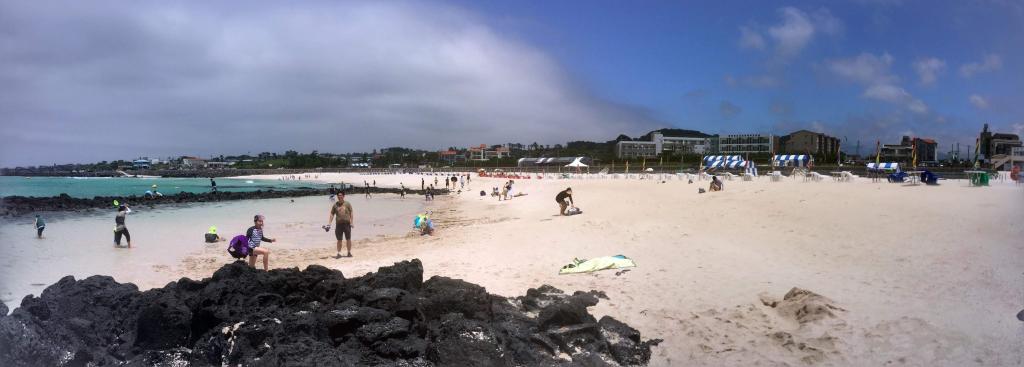
People do not swim naked in Korea, I do not understand why though it is so hot there!
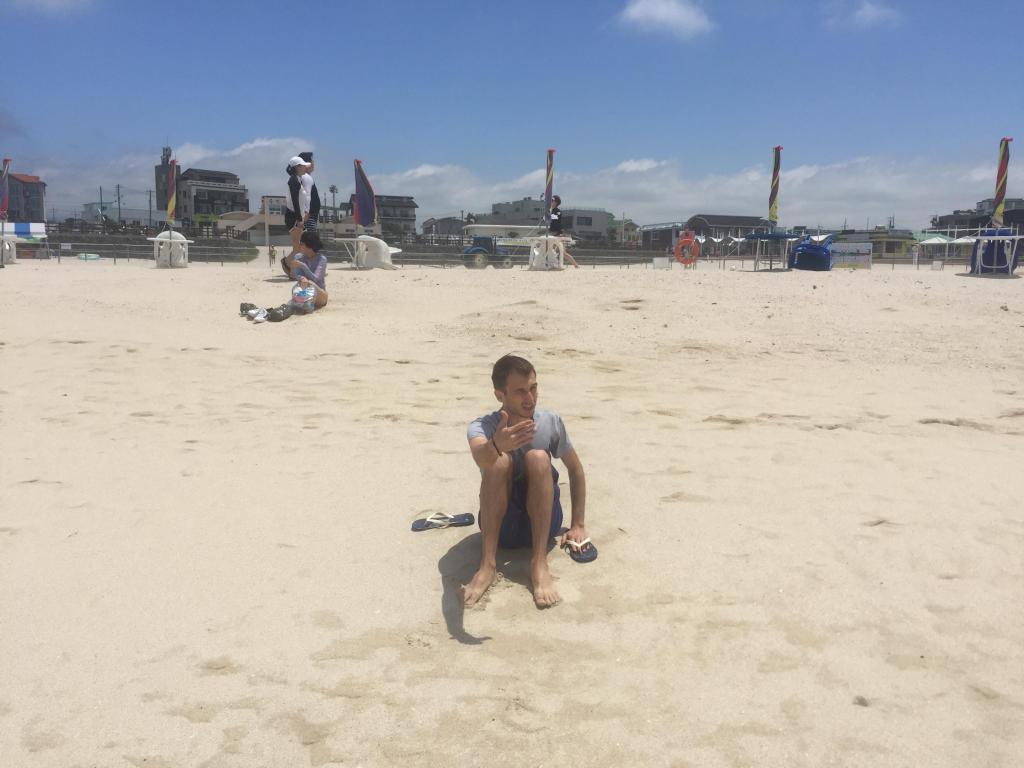
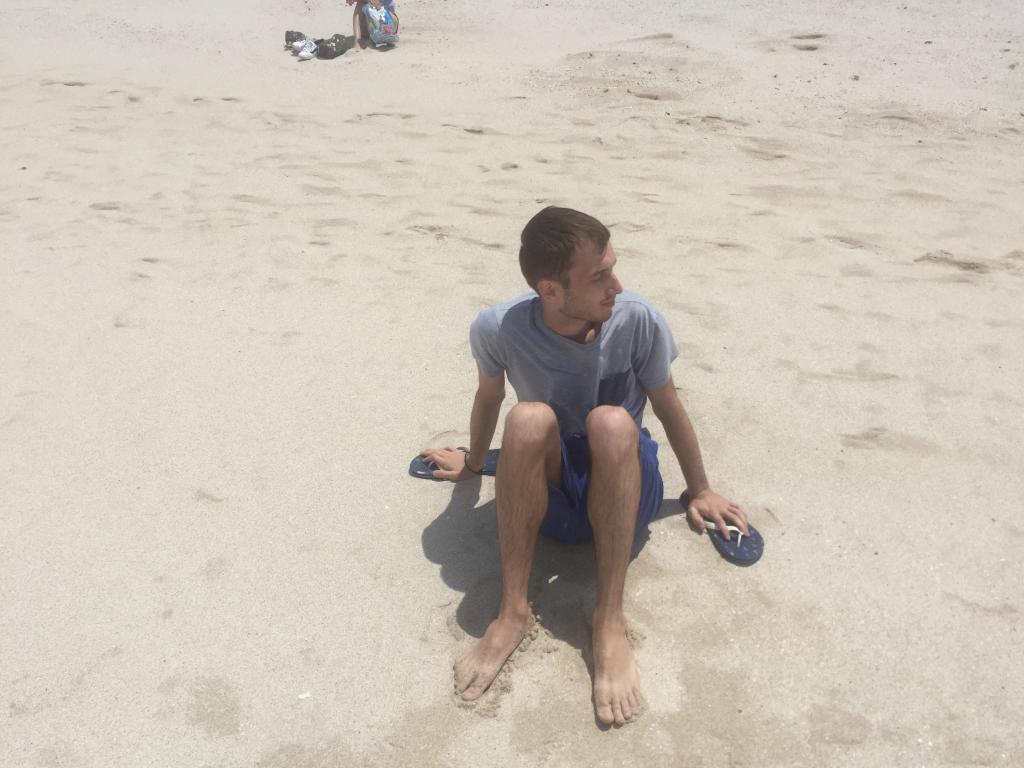
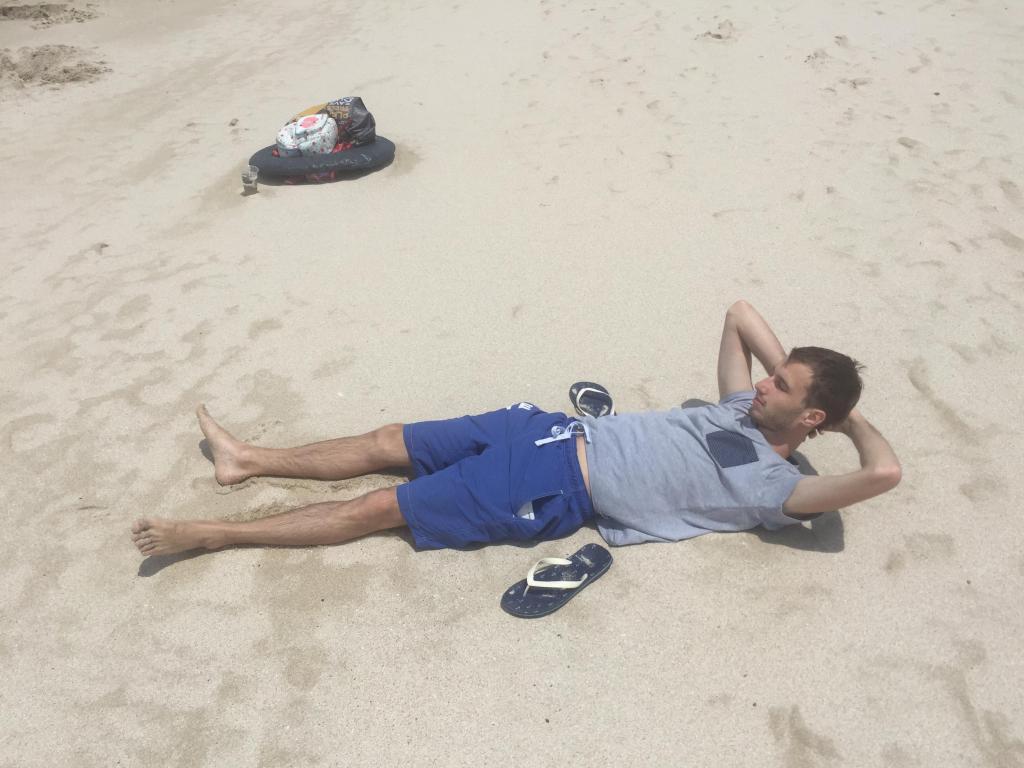
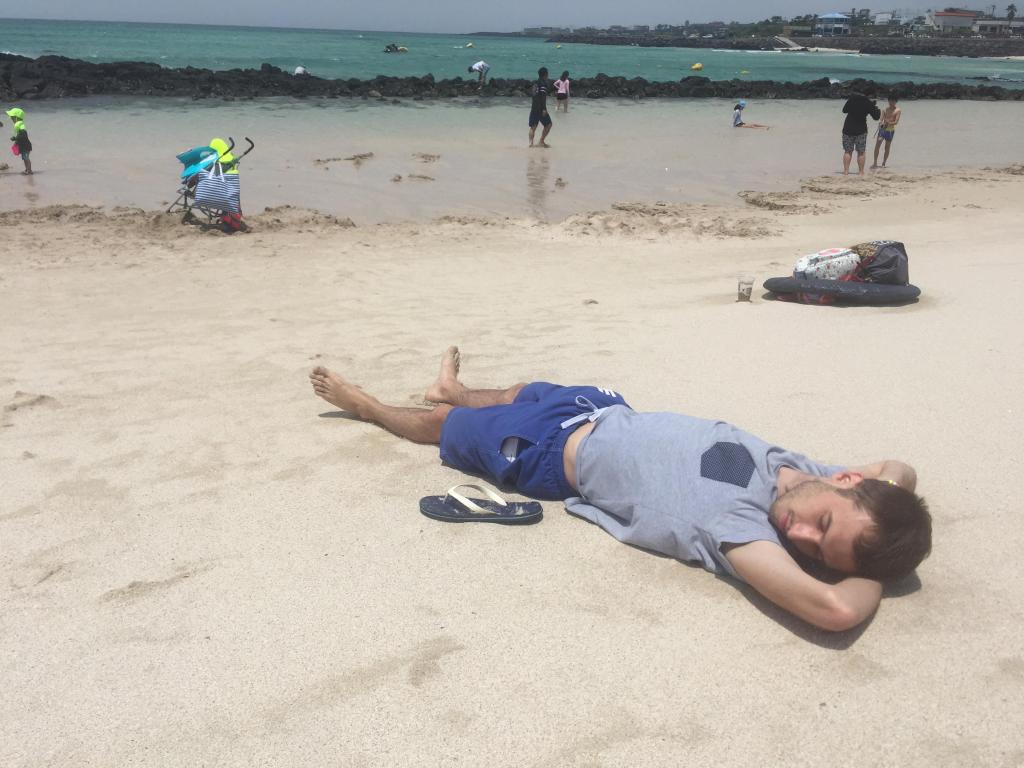
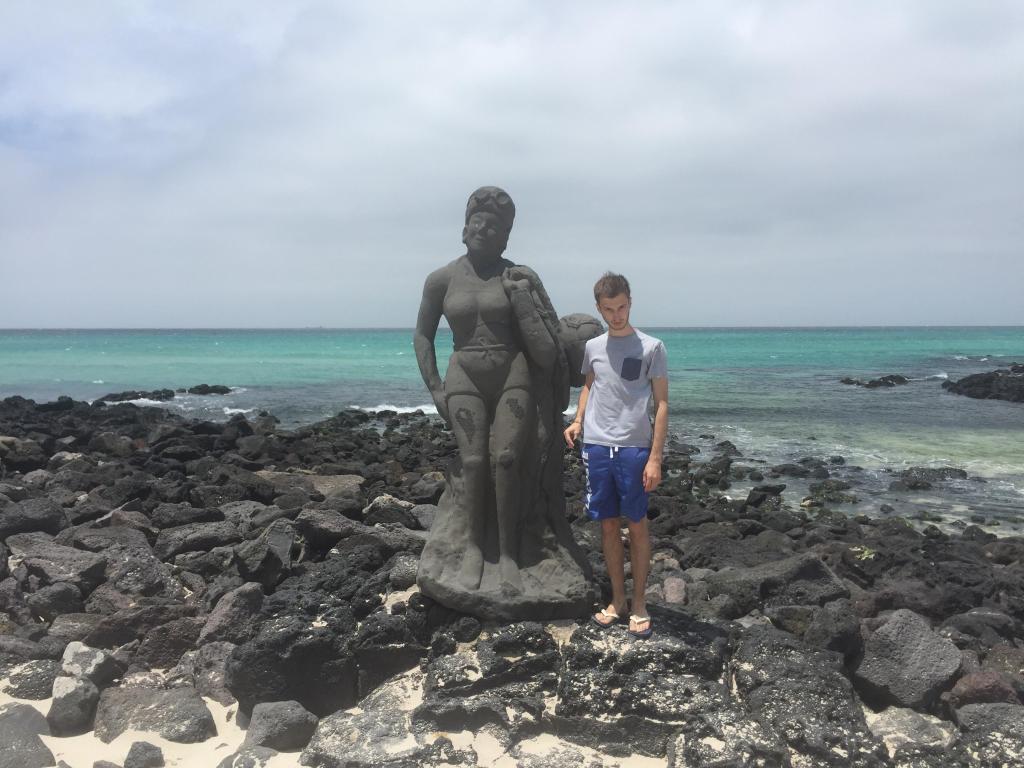
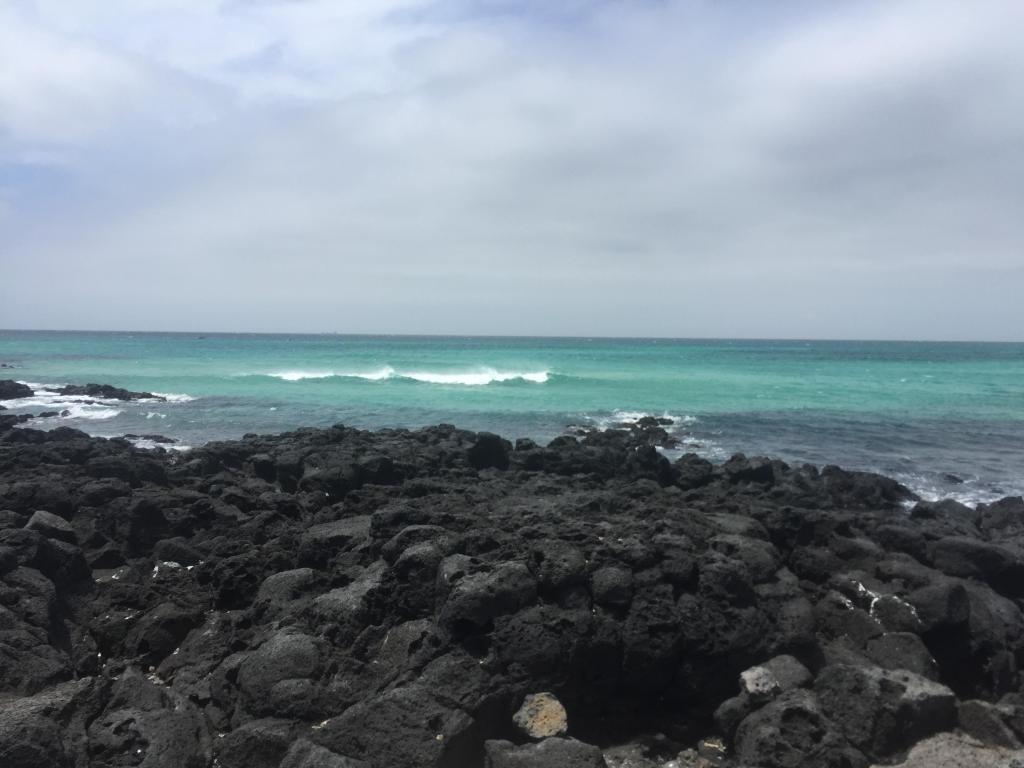
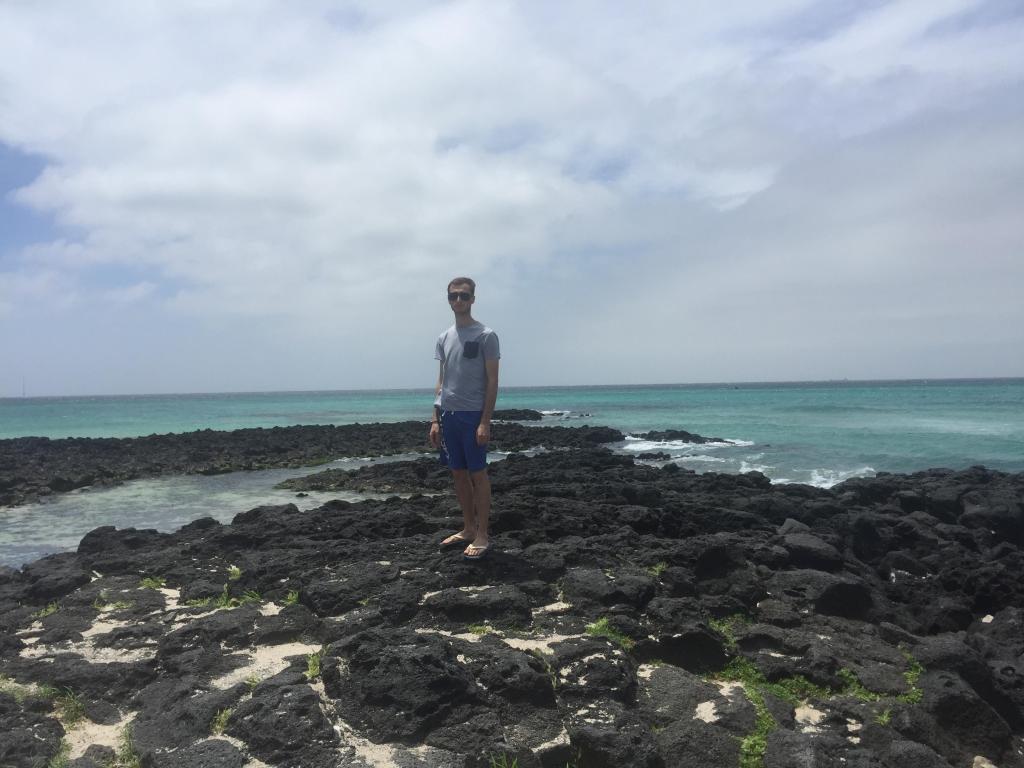

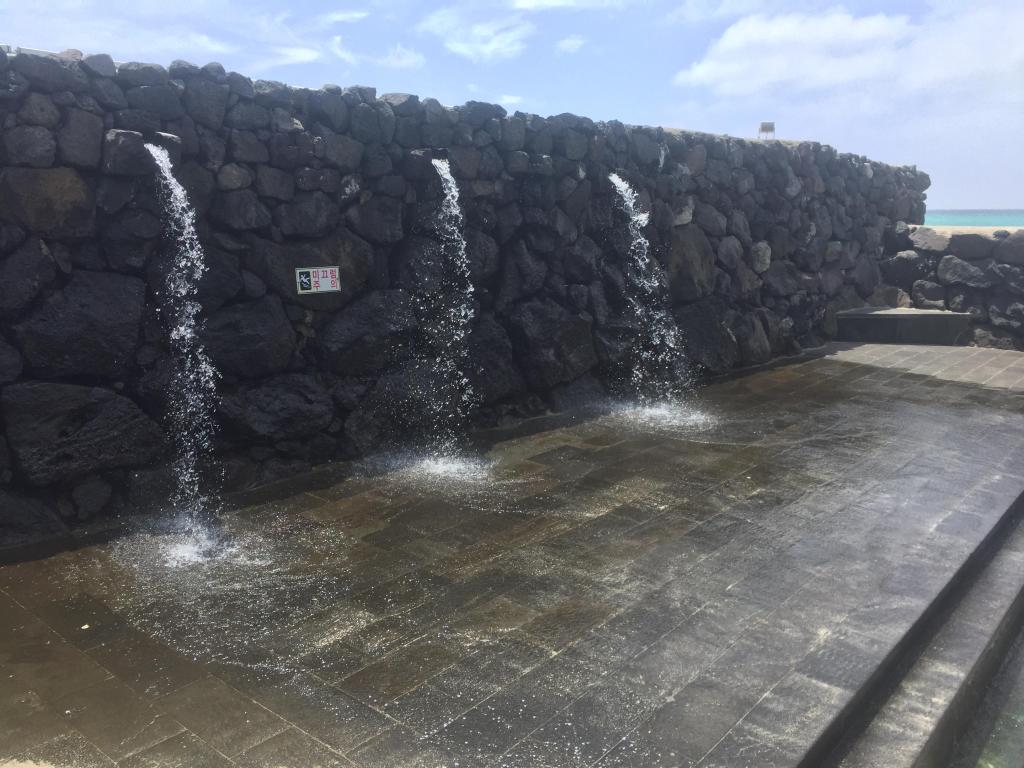
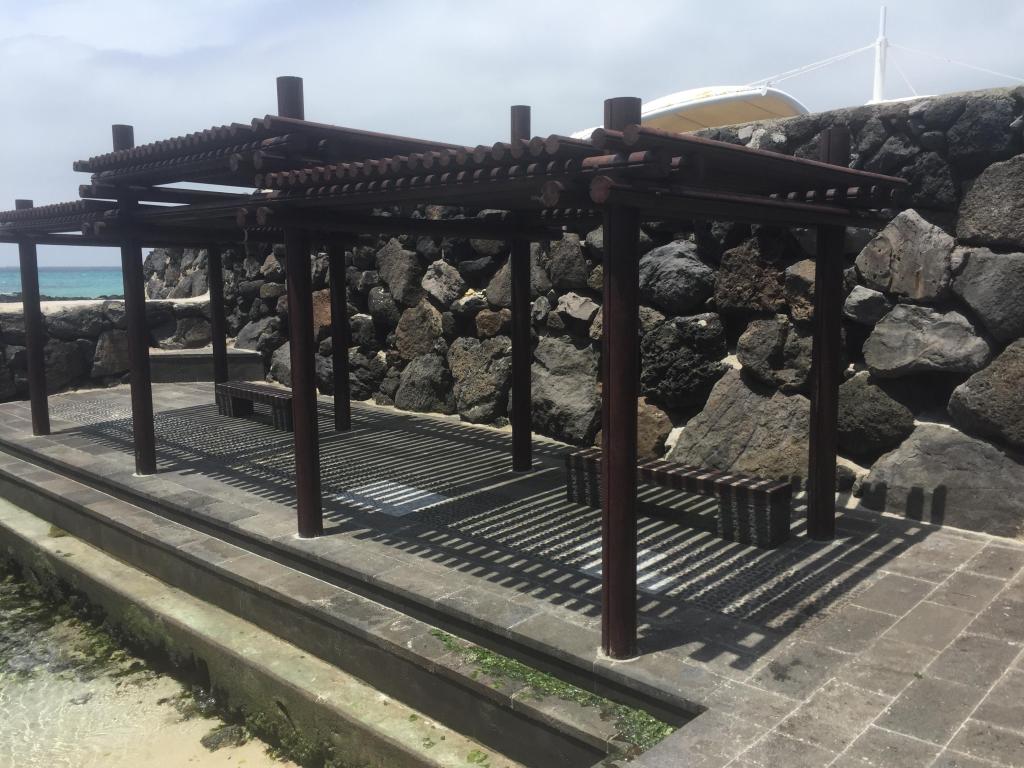
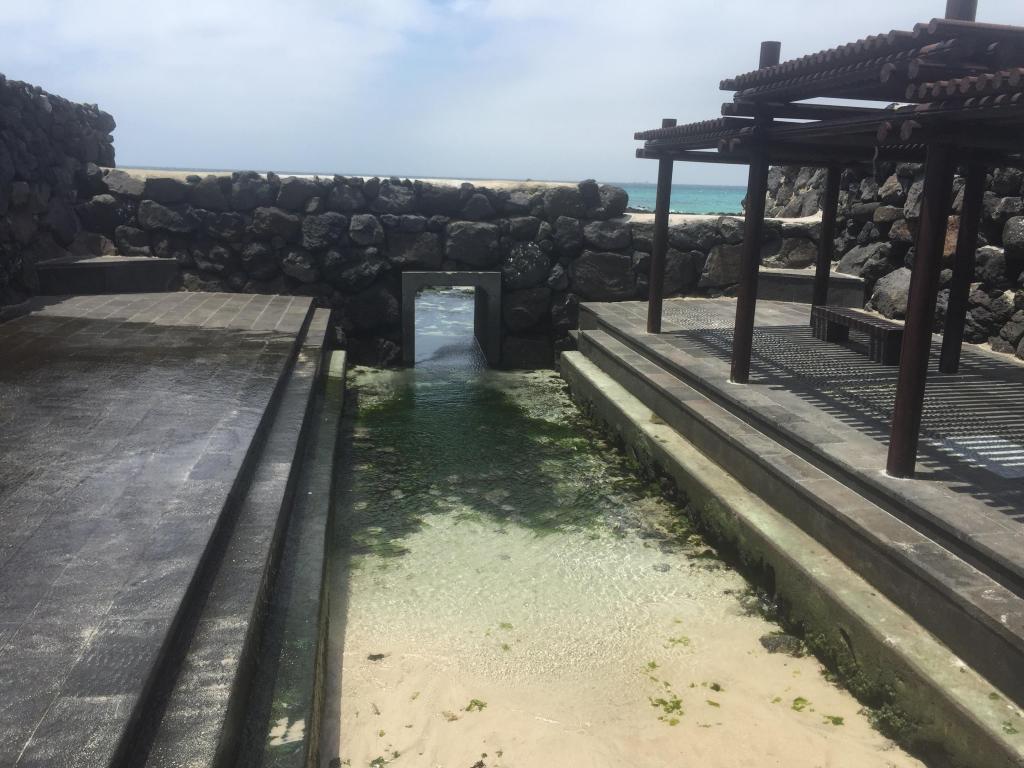
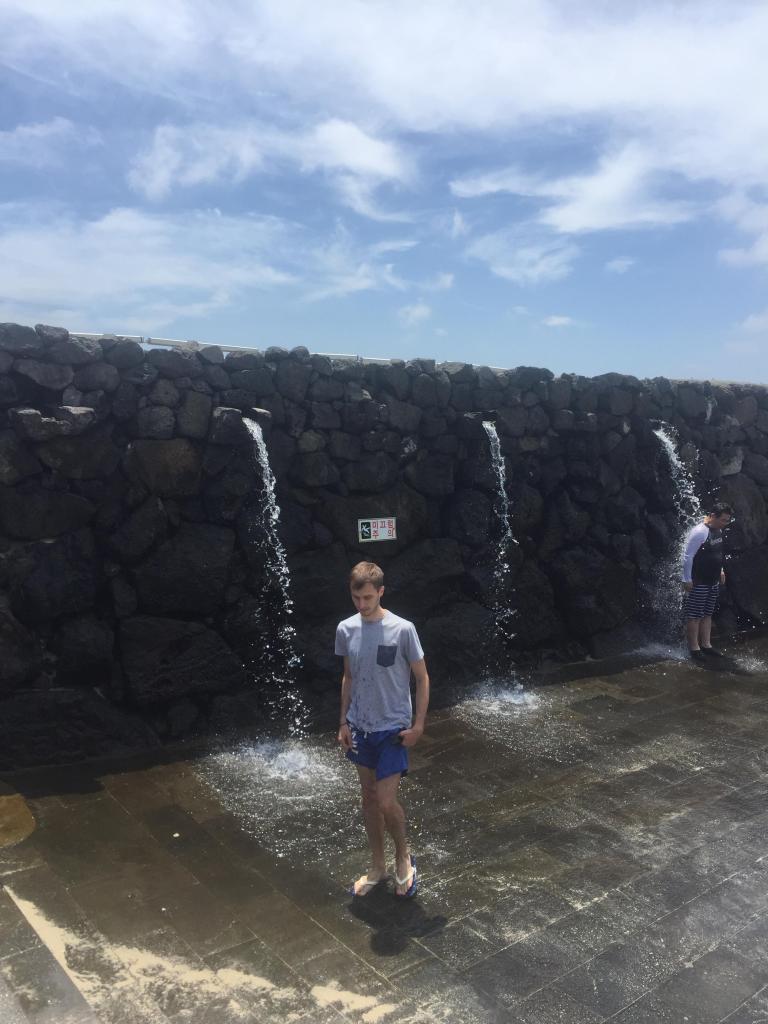
Korean bananas are short and thick. Where are they from?
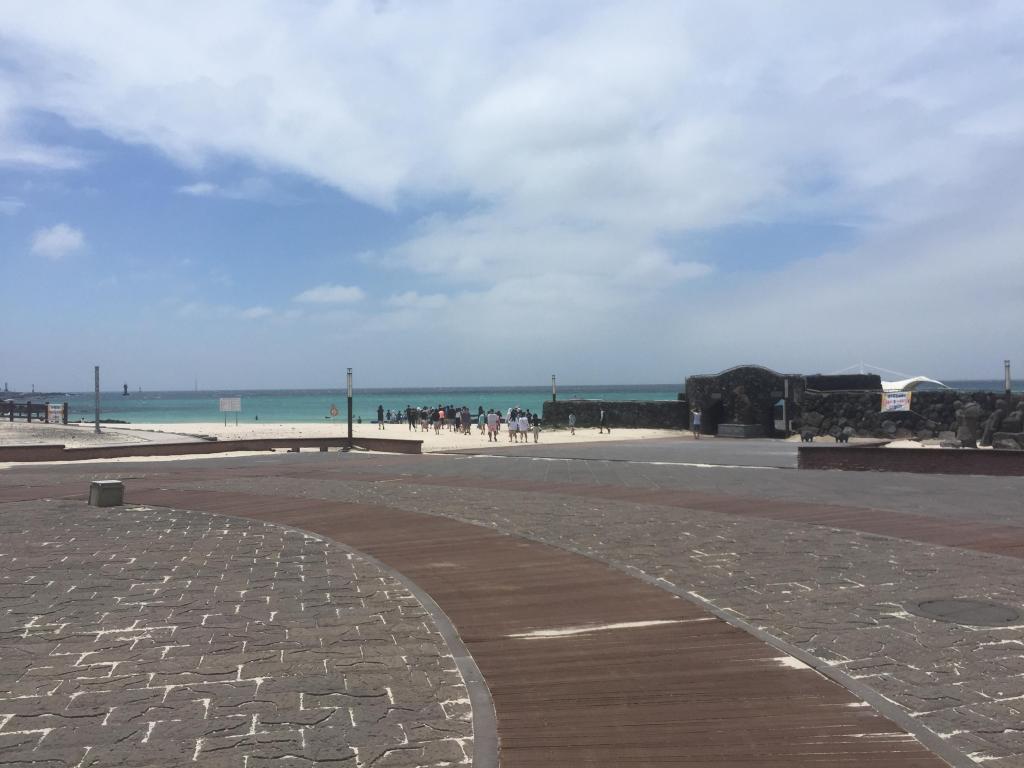
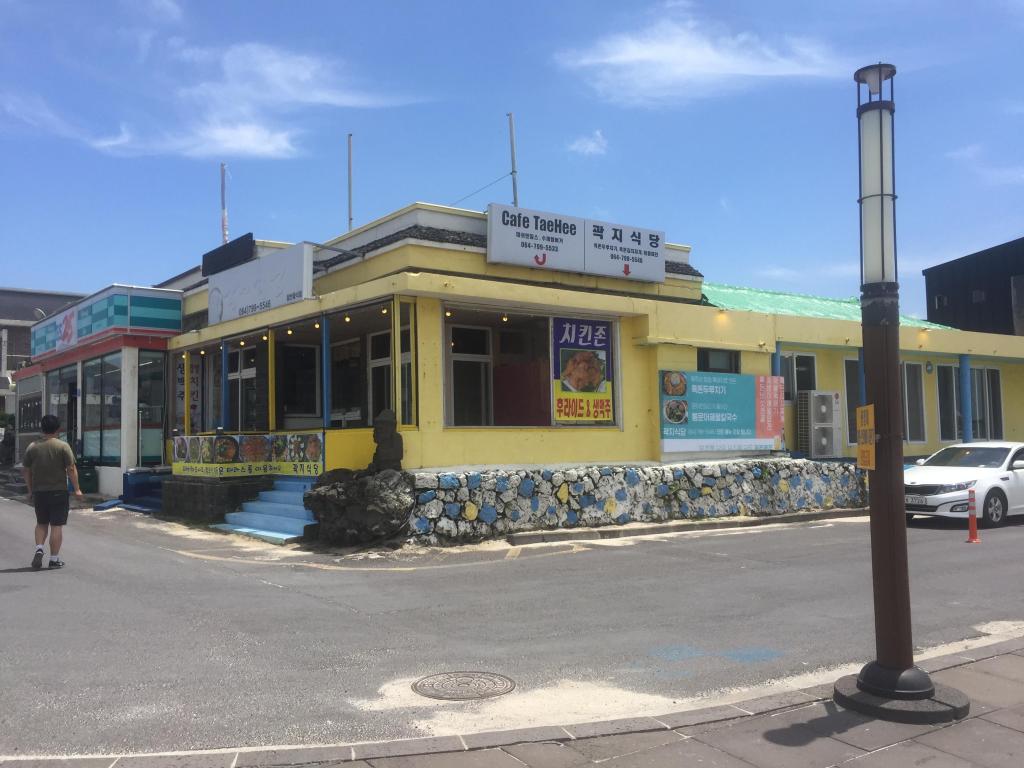
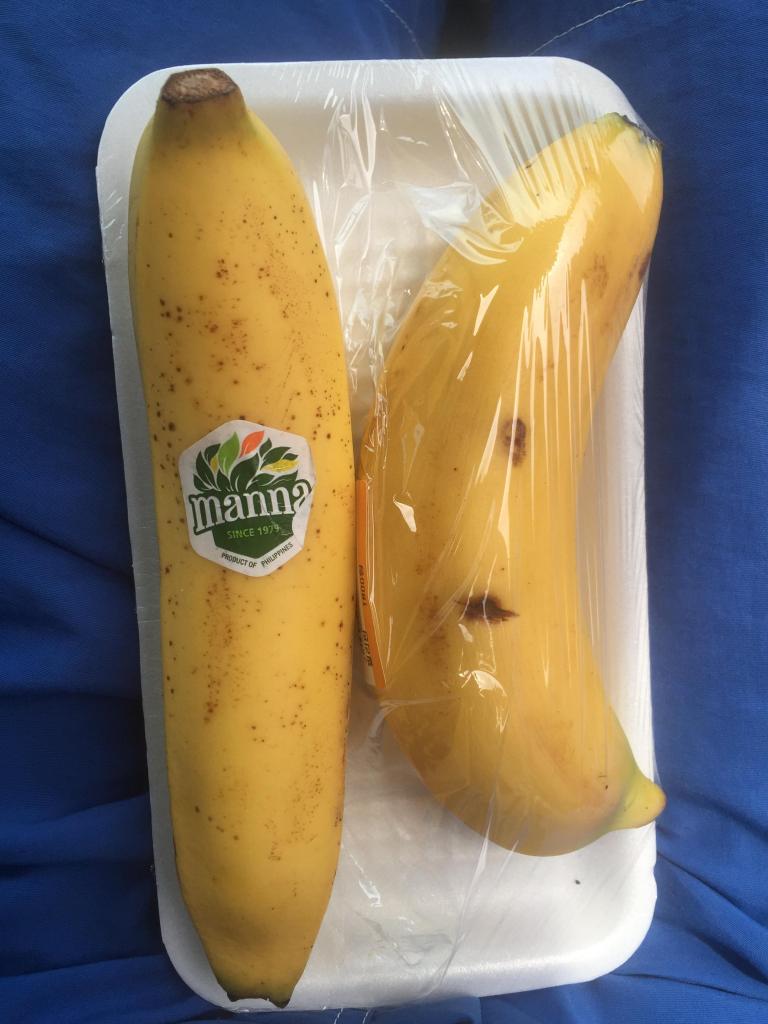
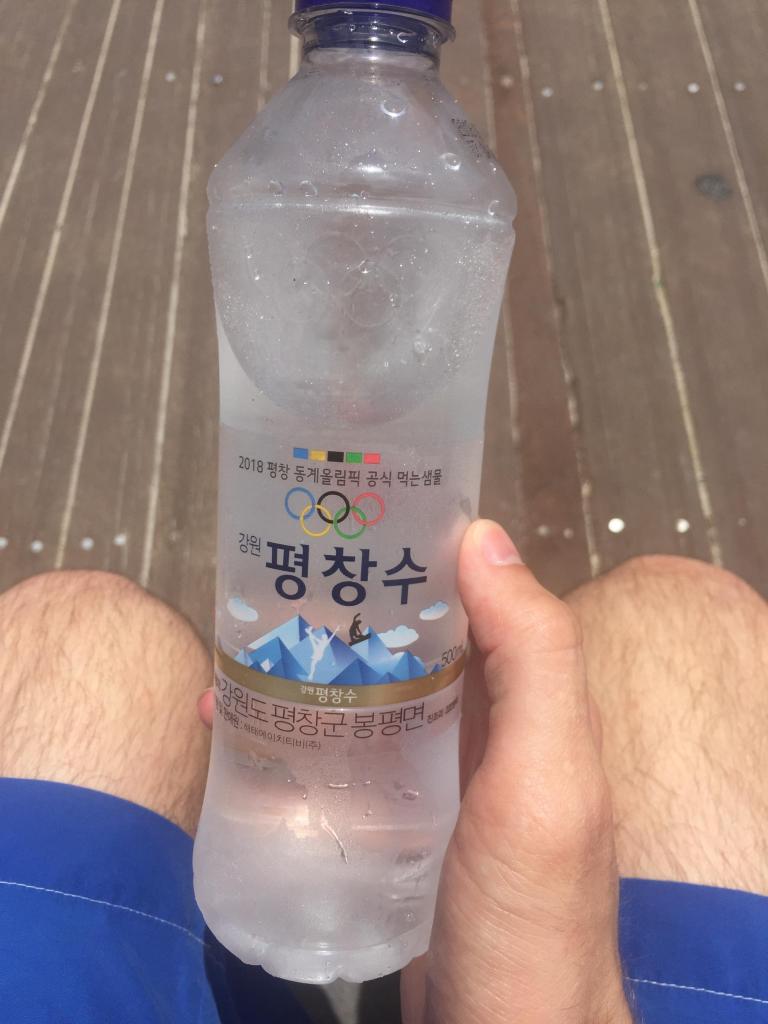
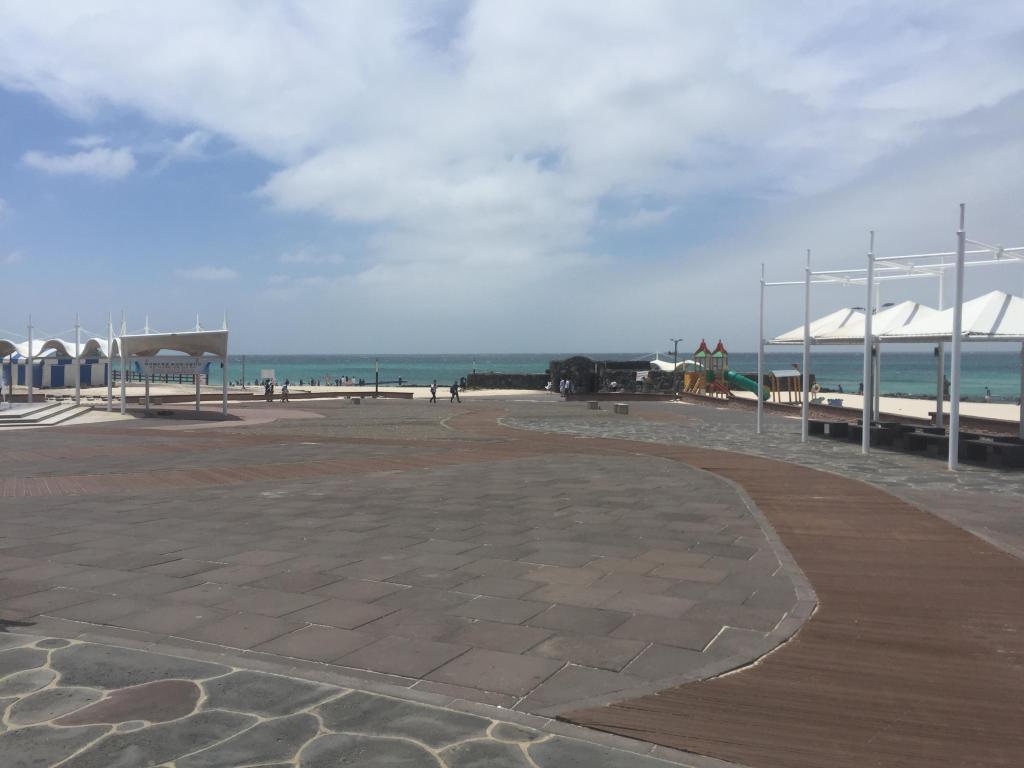
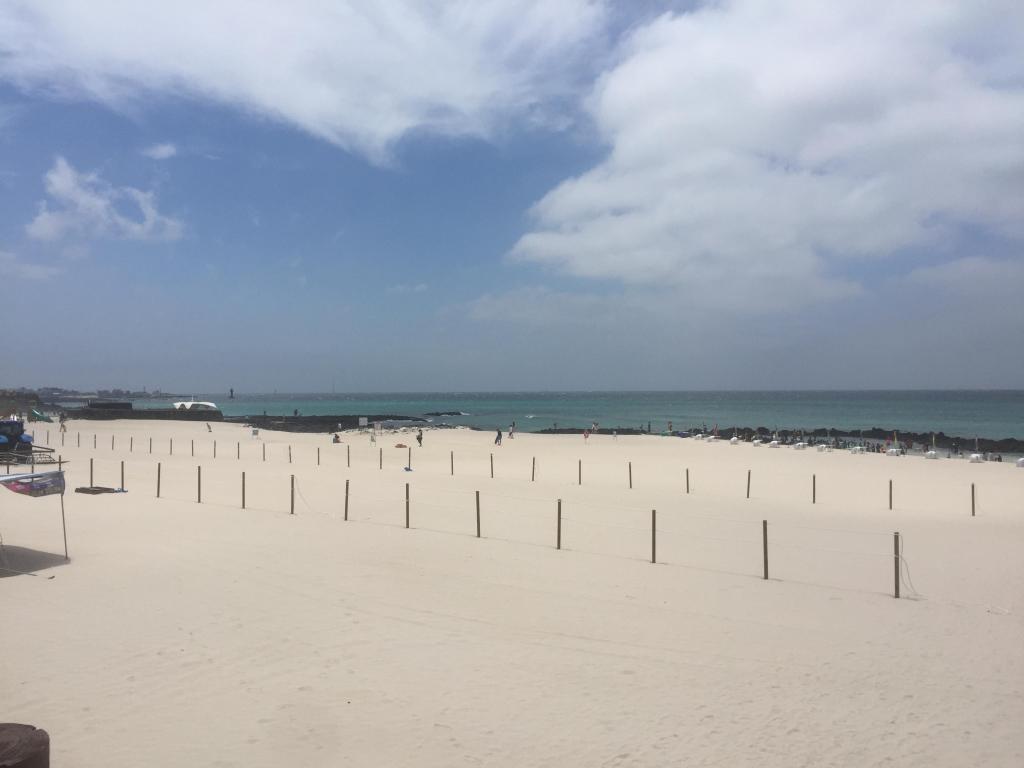
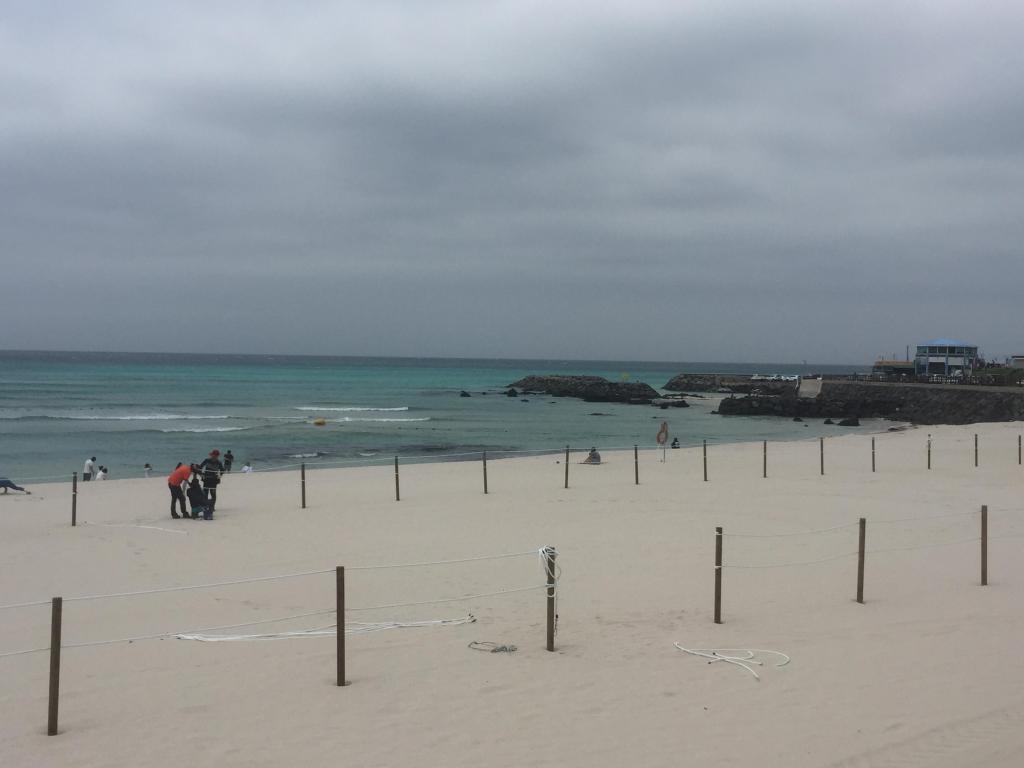
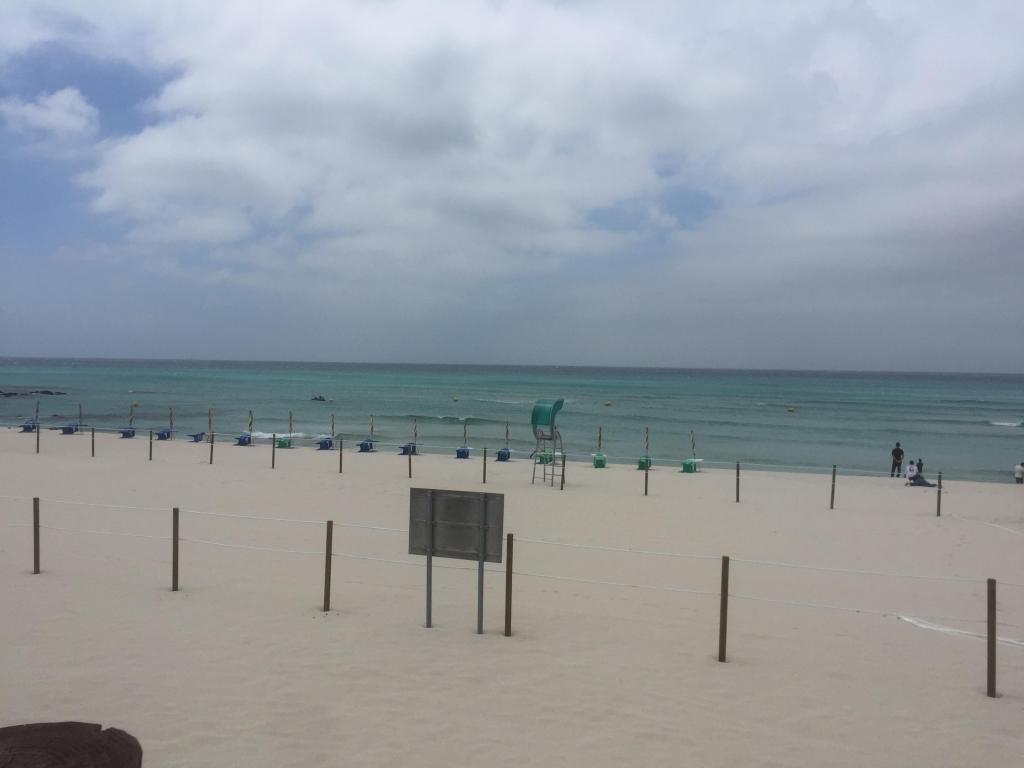
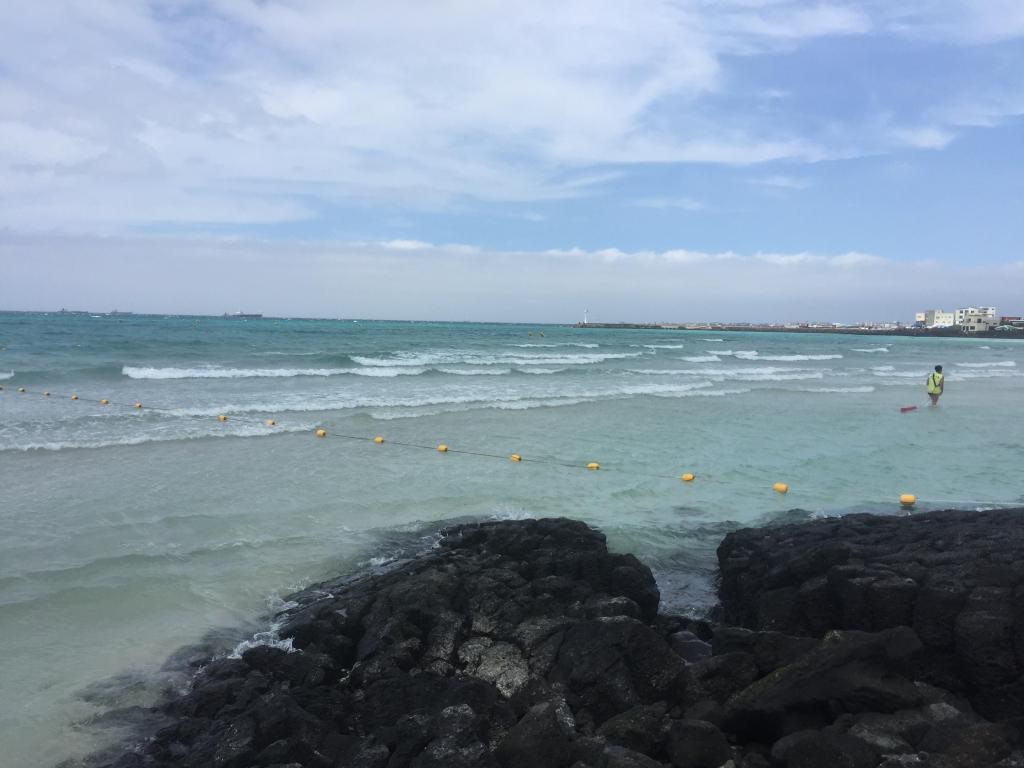
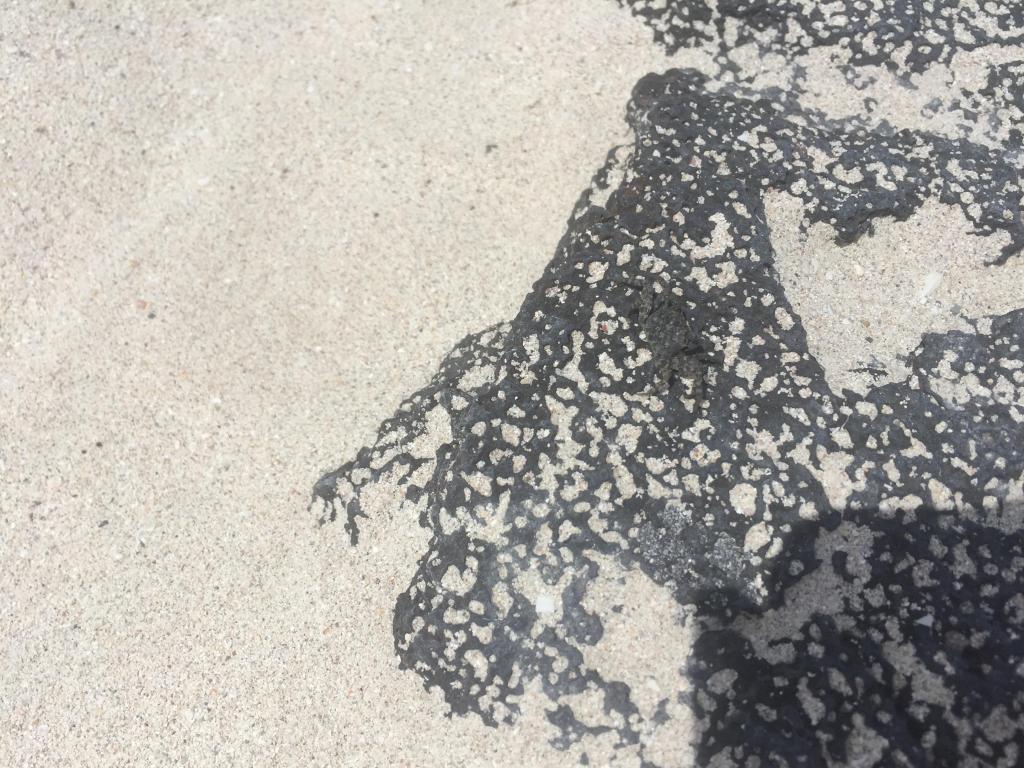
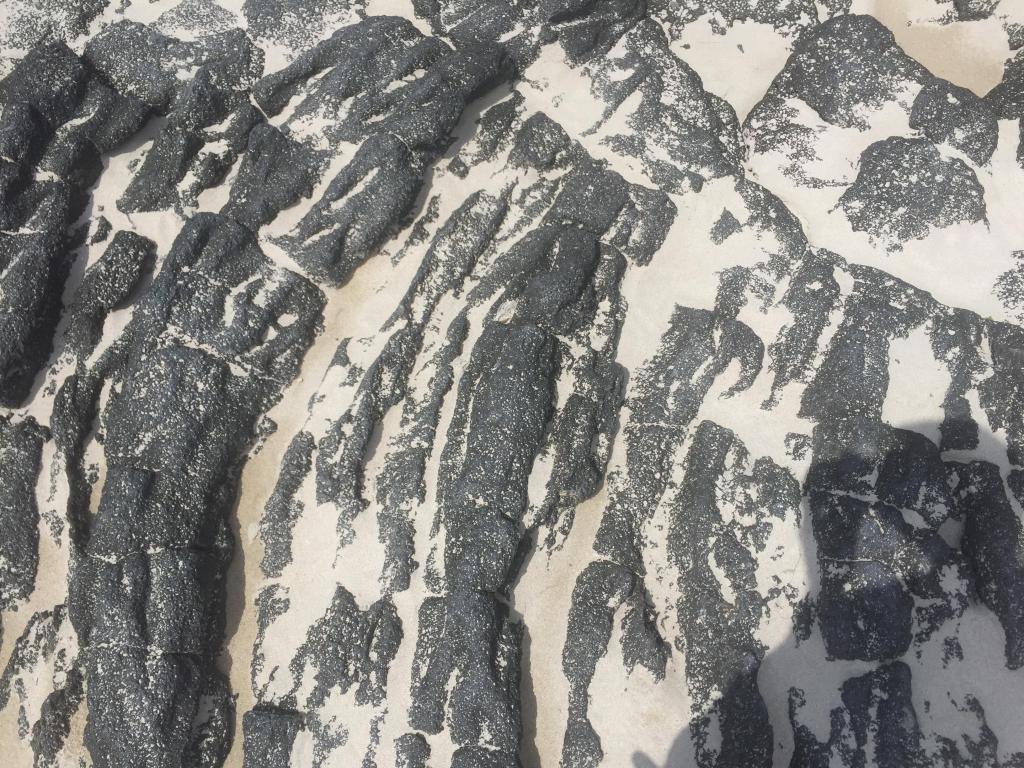
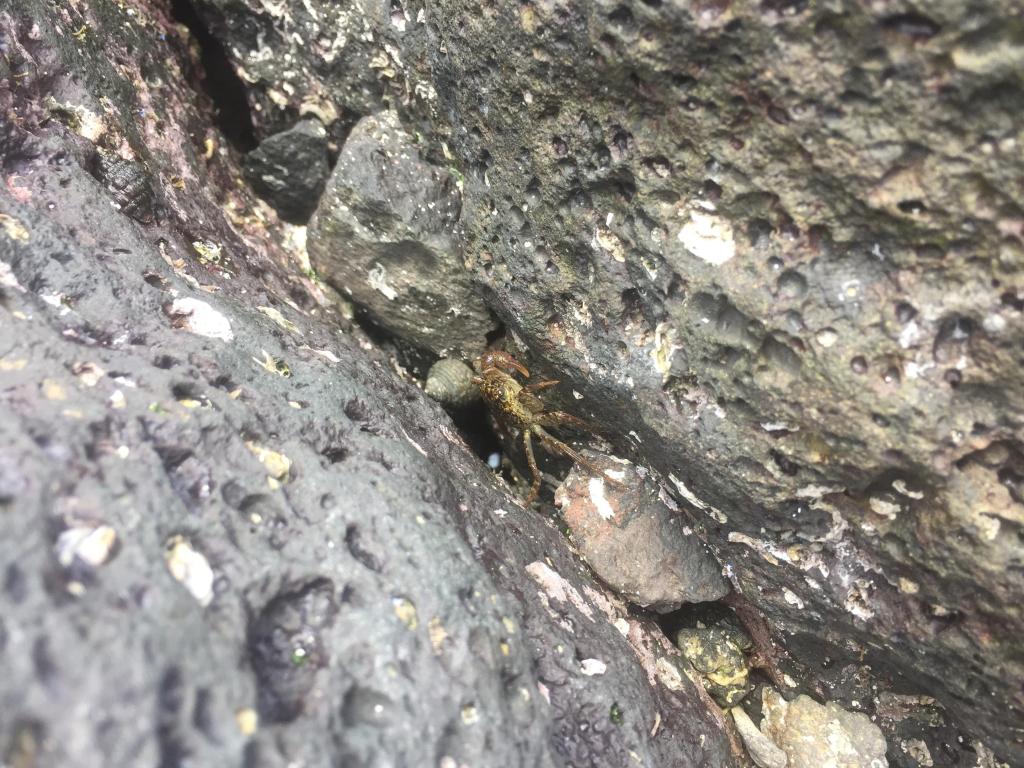
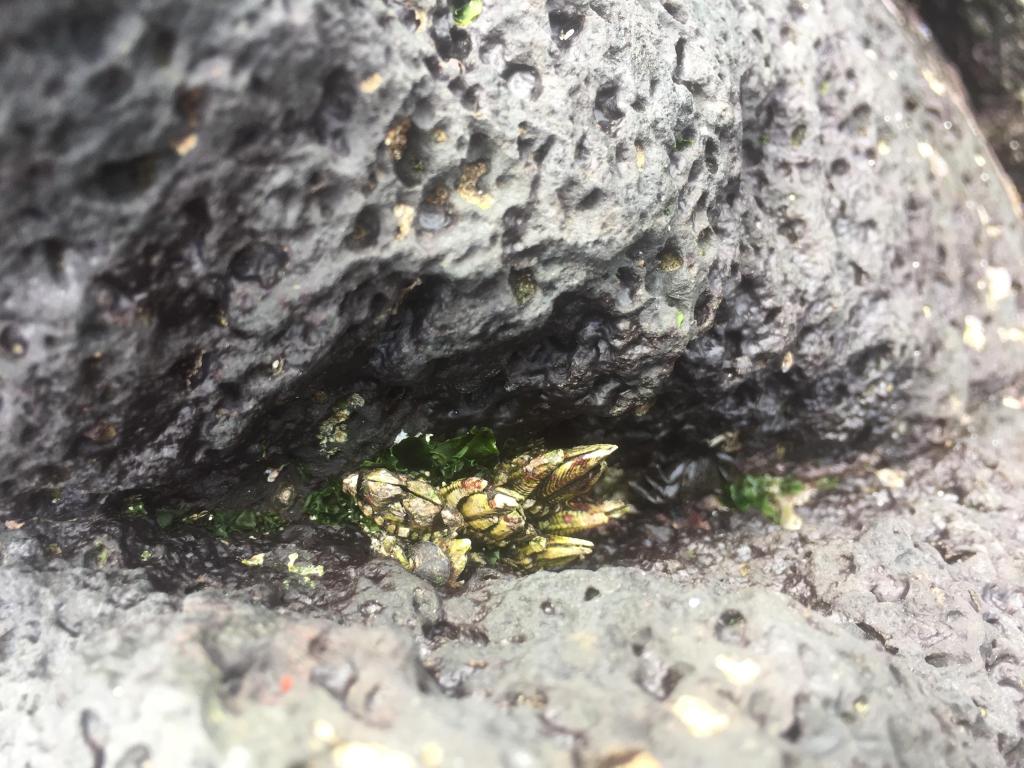
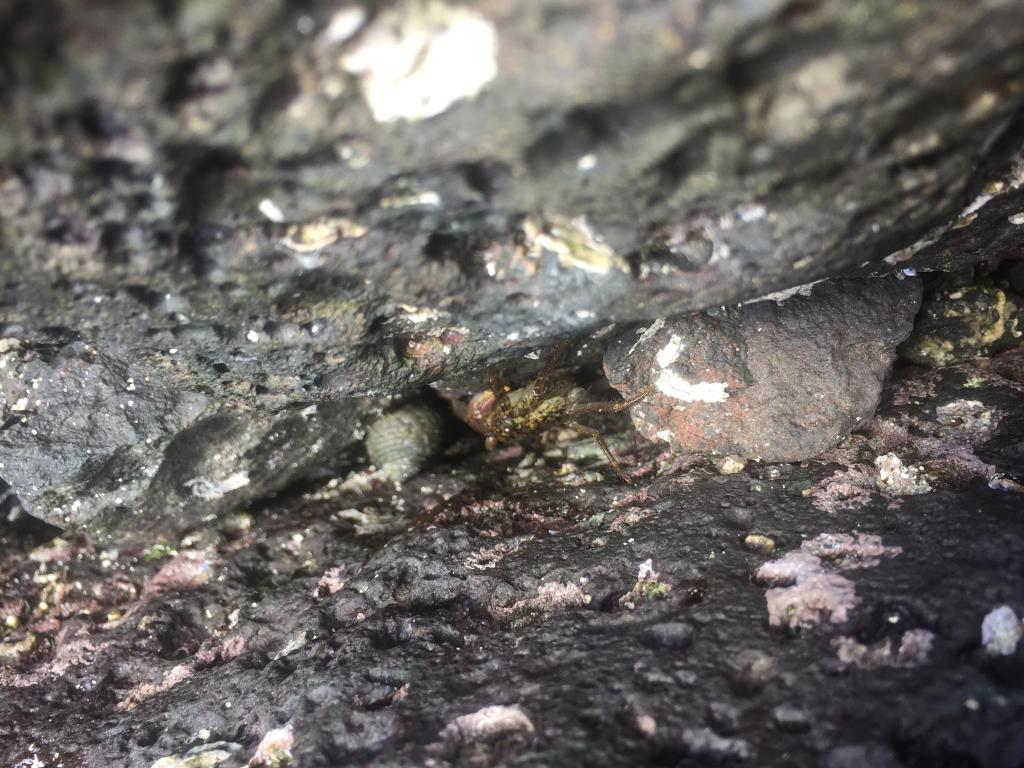
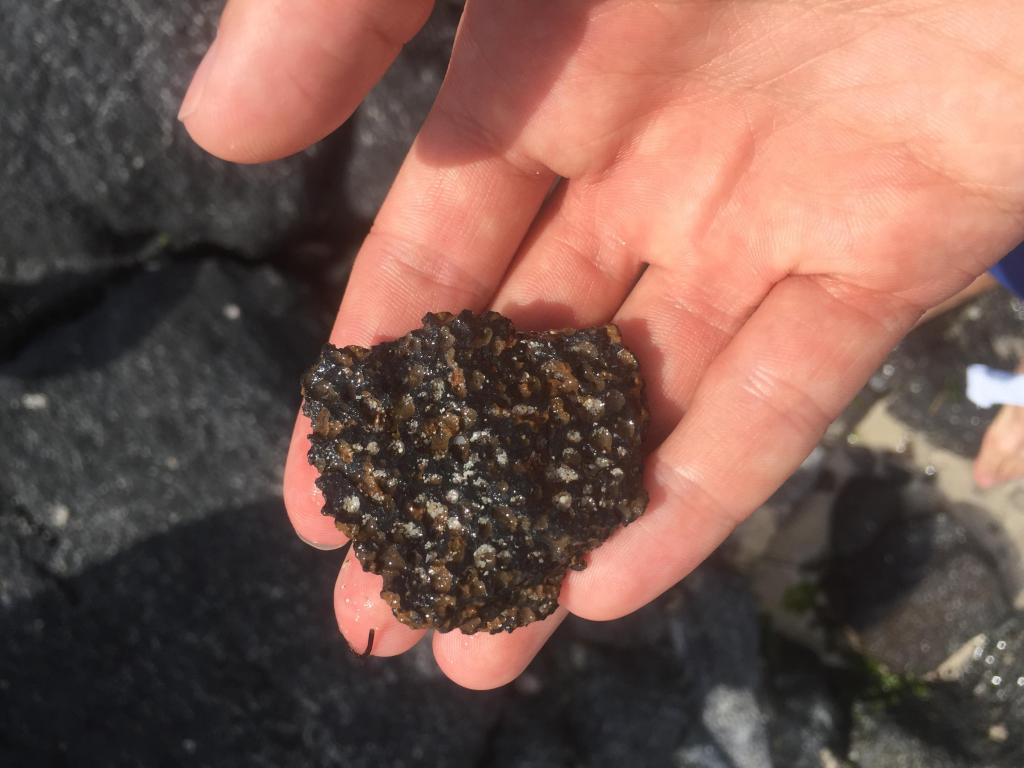
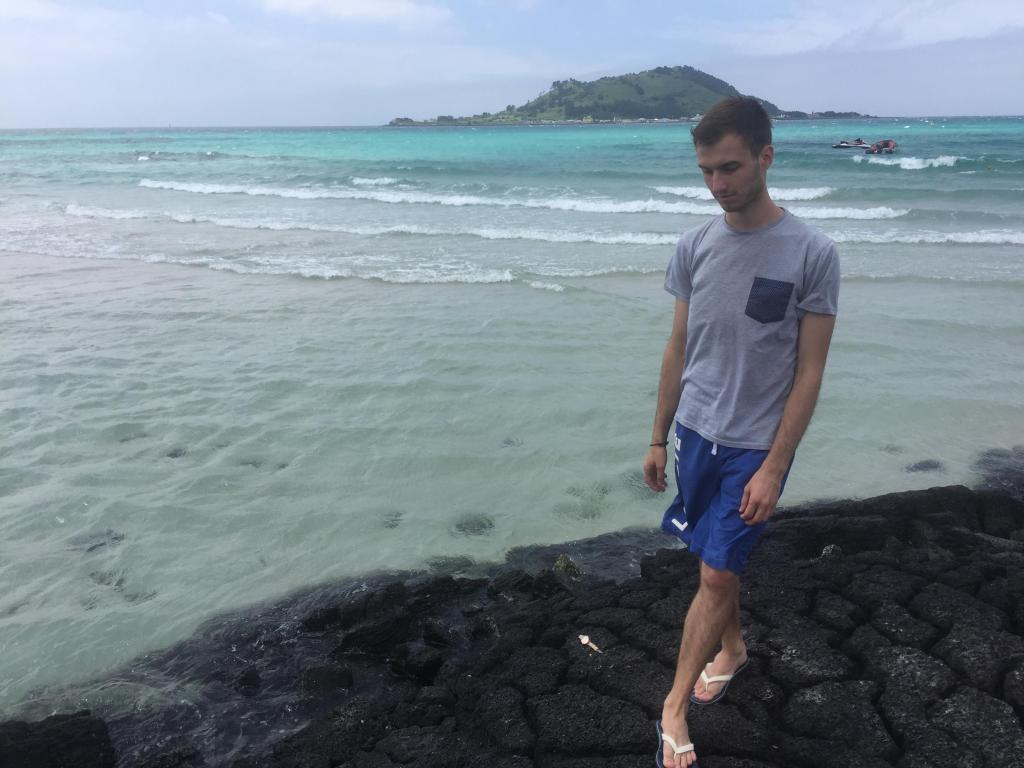
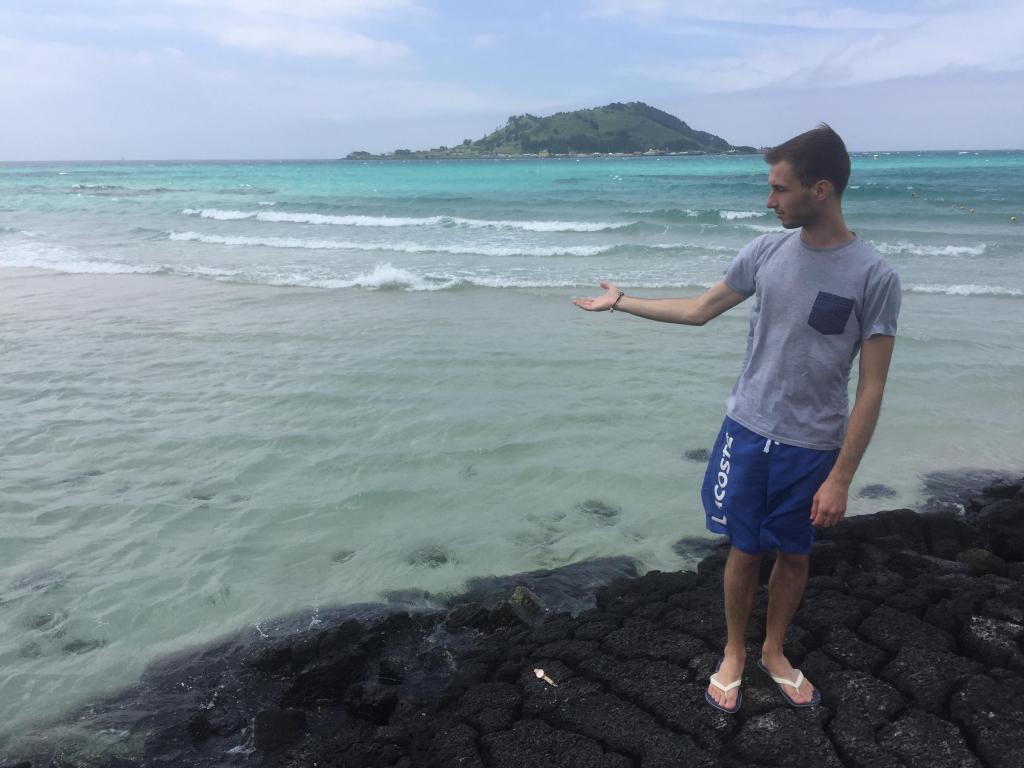
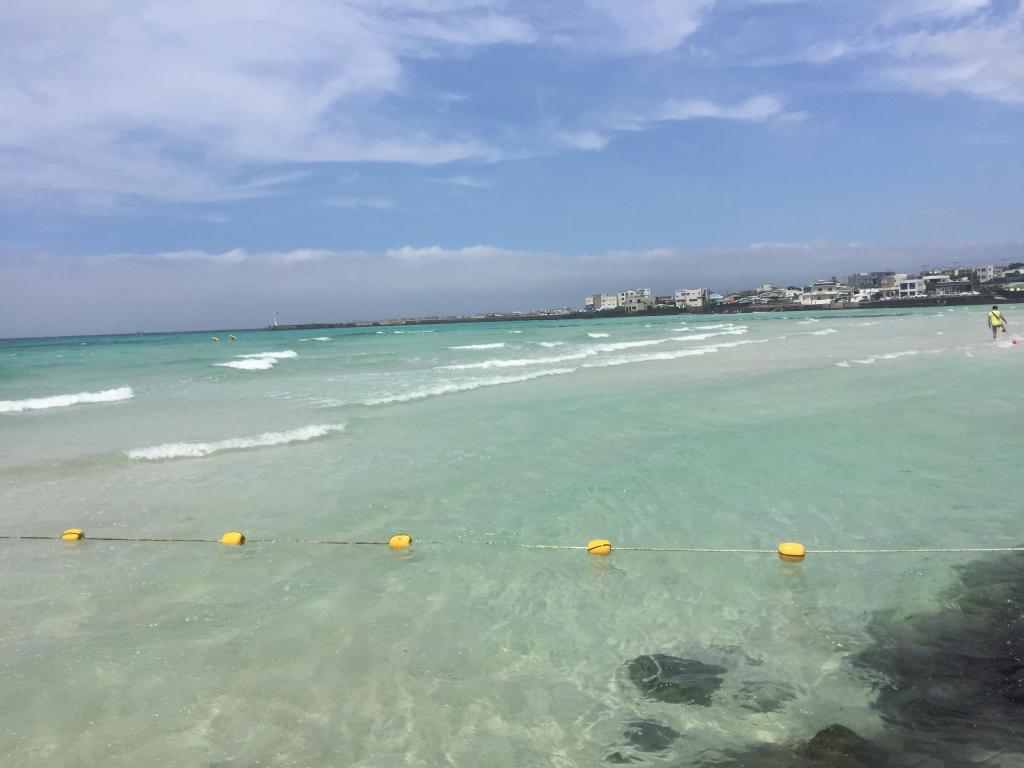
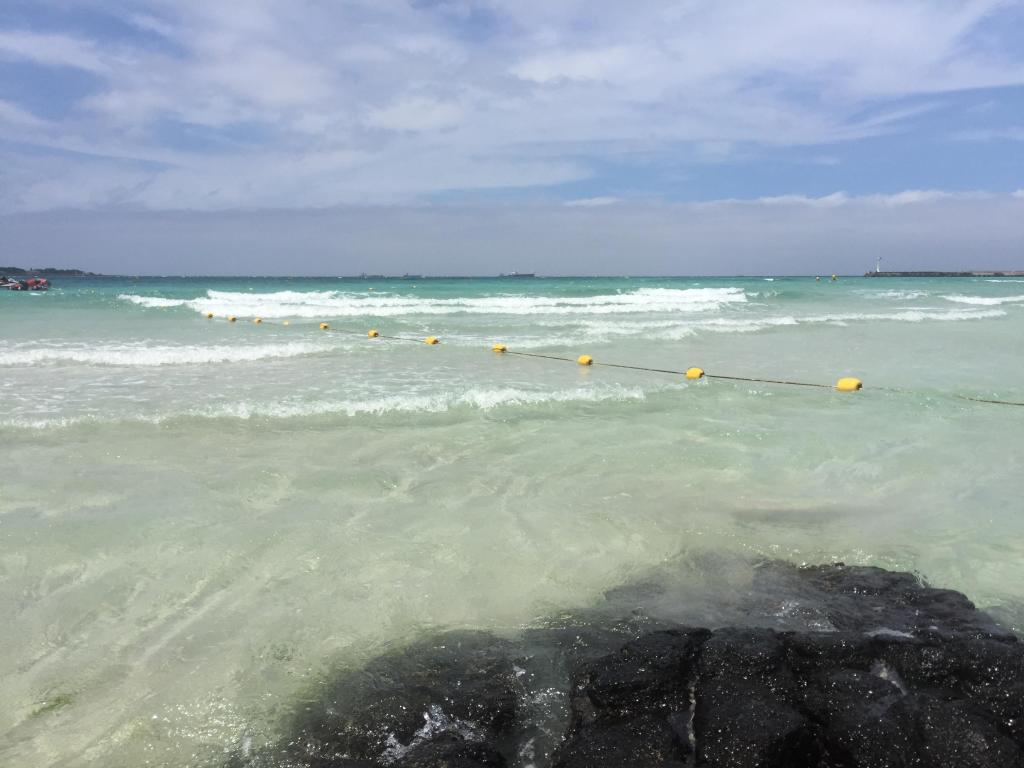
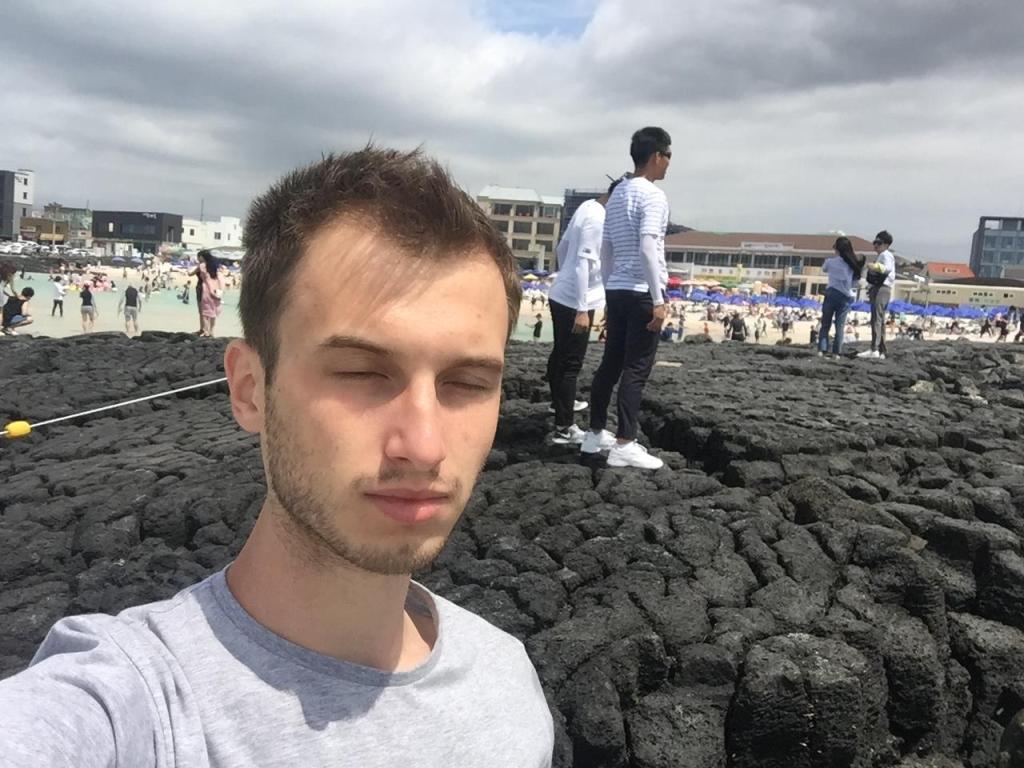
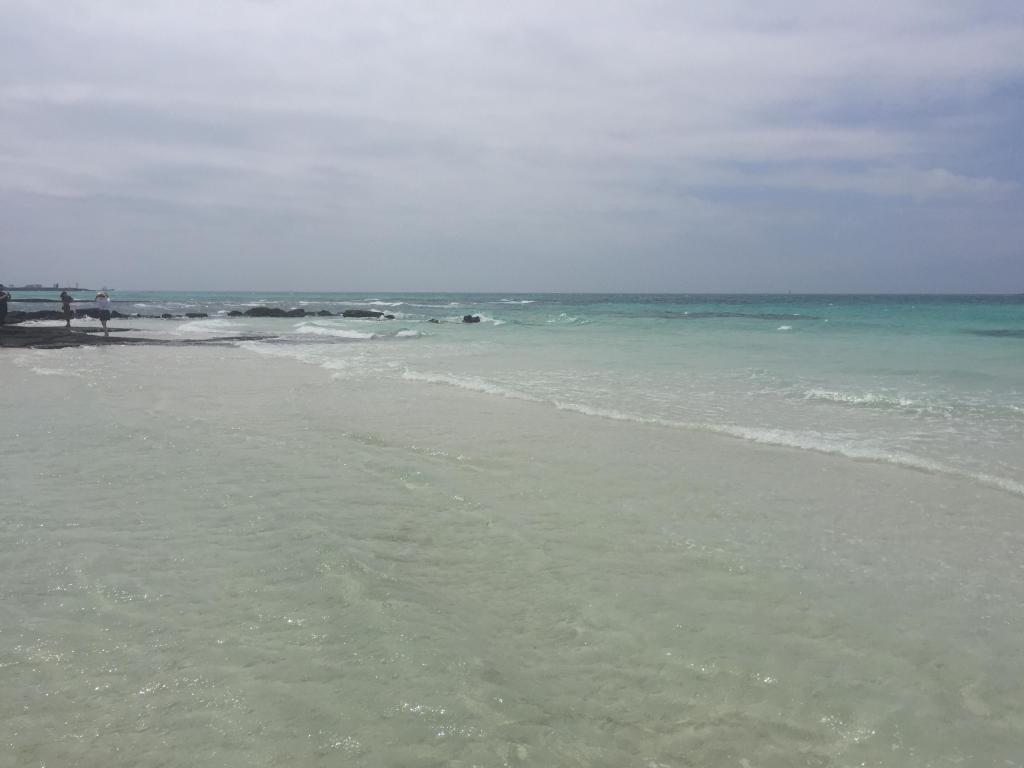
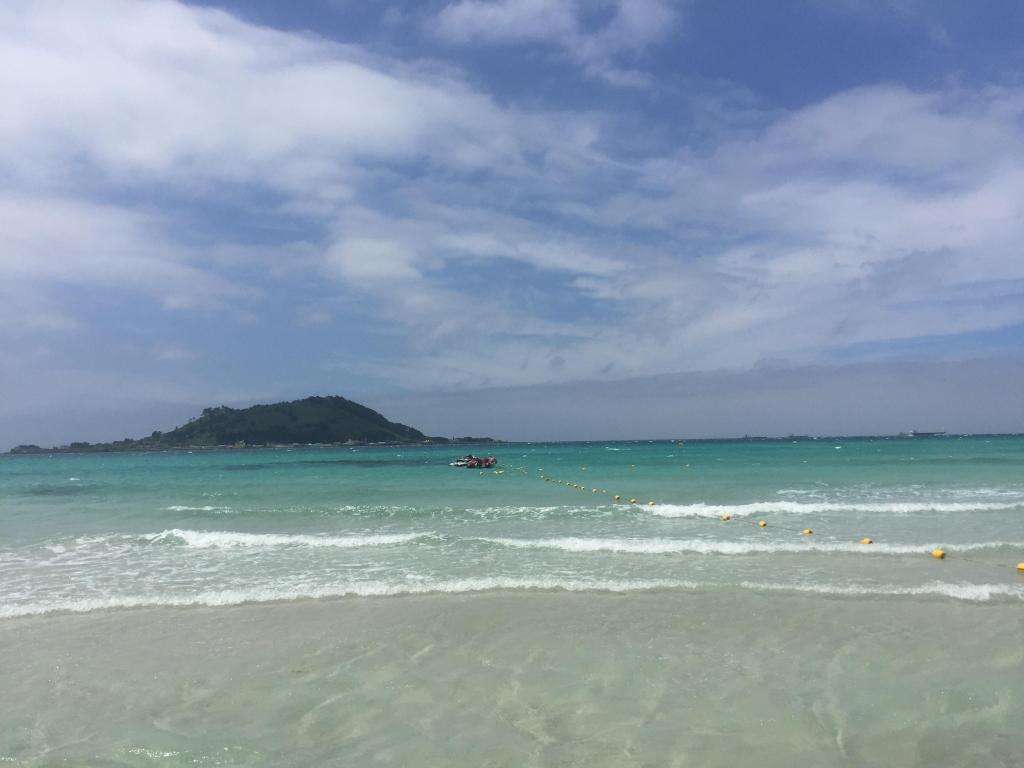
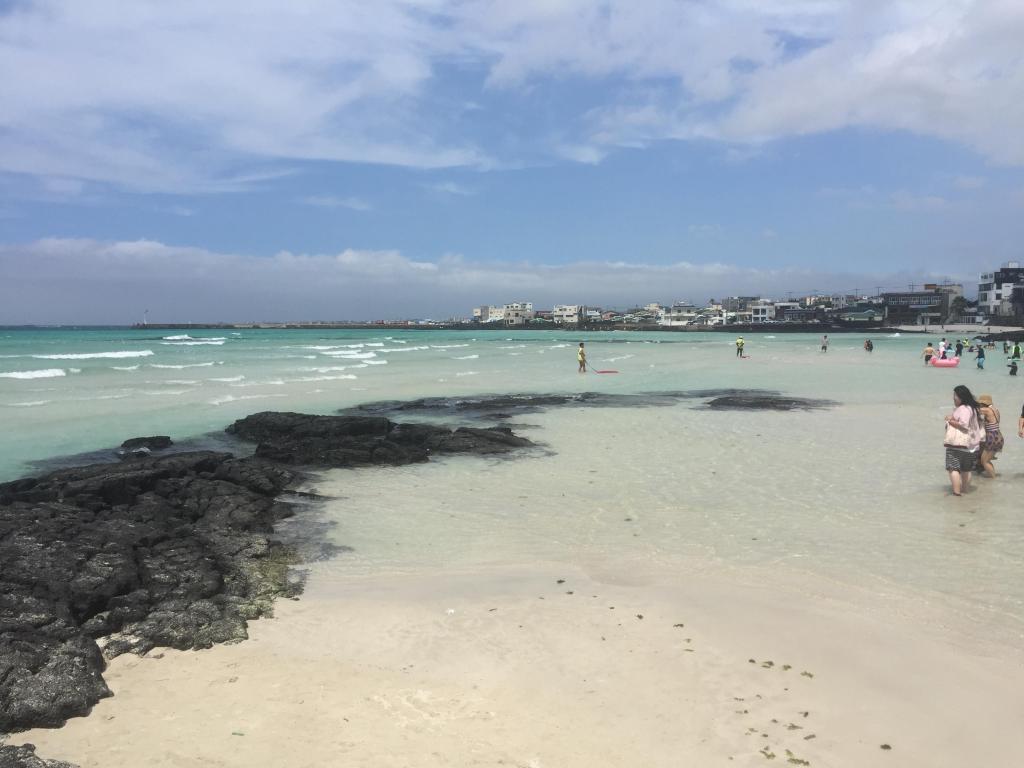
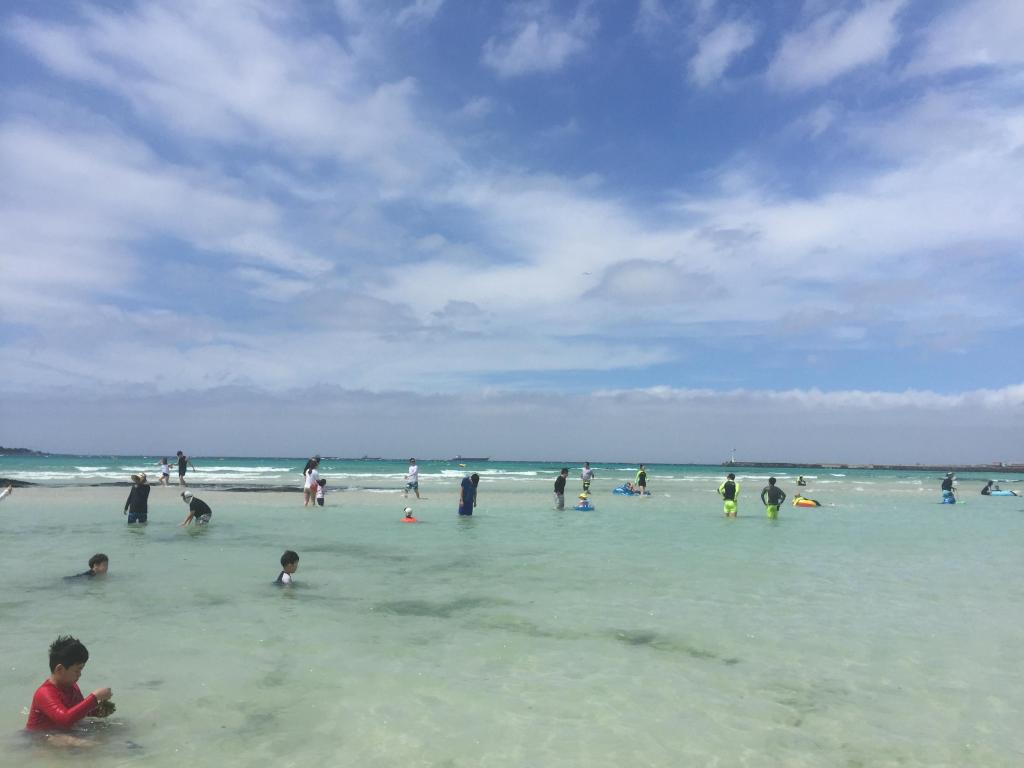
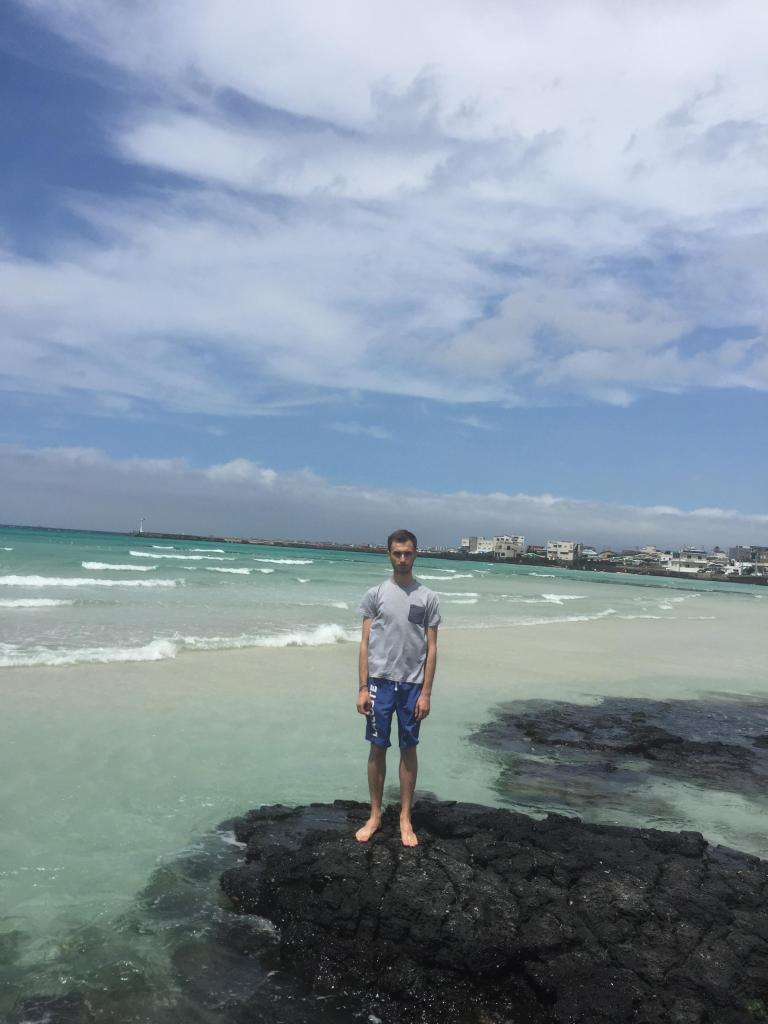
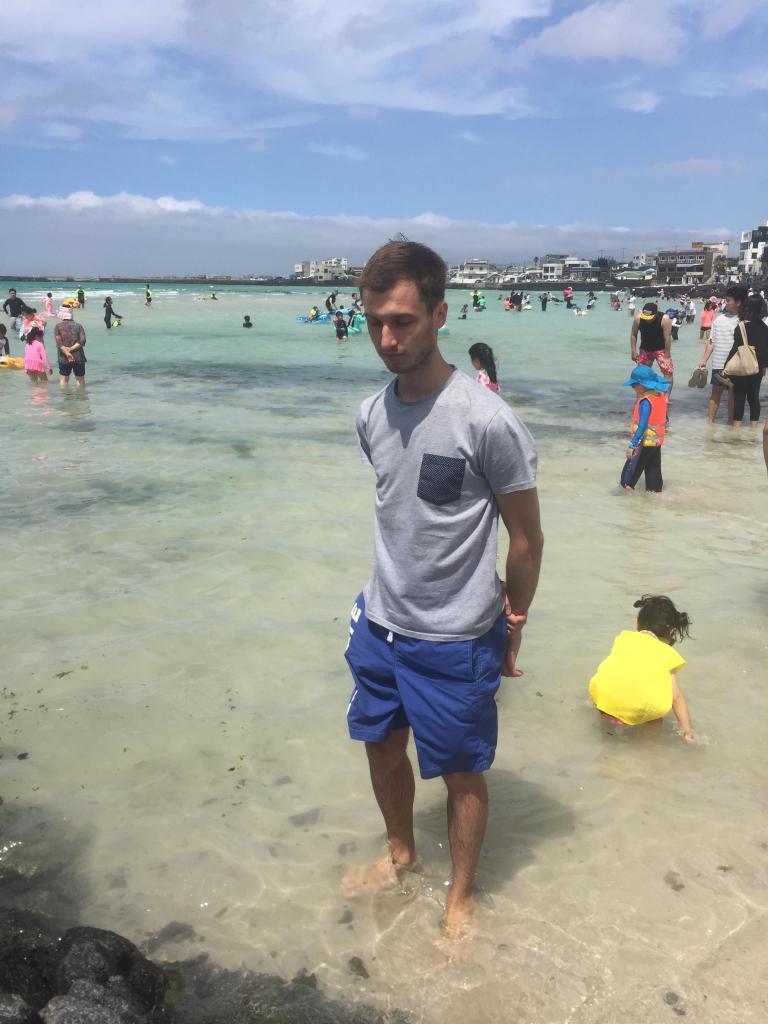
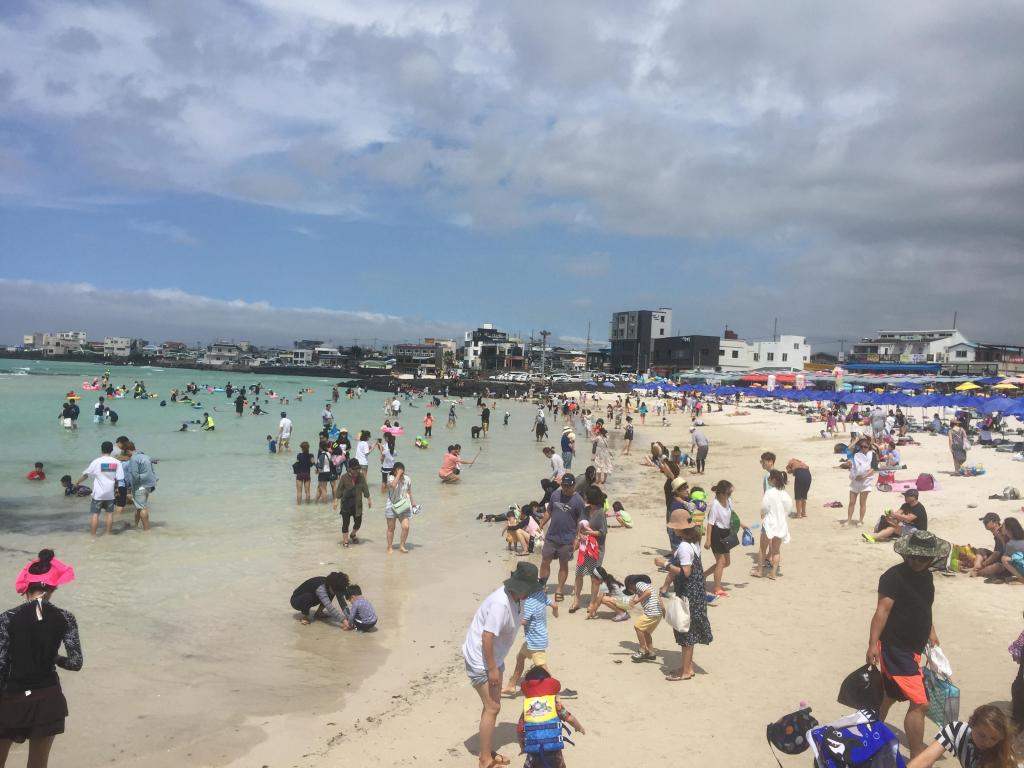
It is time to switch to another activity, and it is not having a meal. I am hungry. At this moment. I do not remember about that time.
The next destination in Jeju is Seongsan Ilchulbong crater.
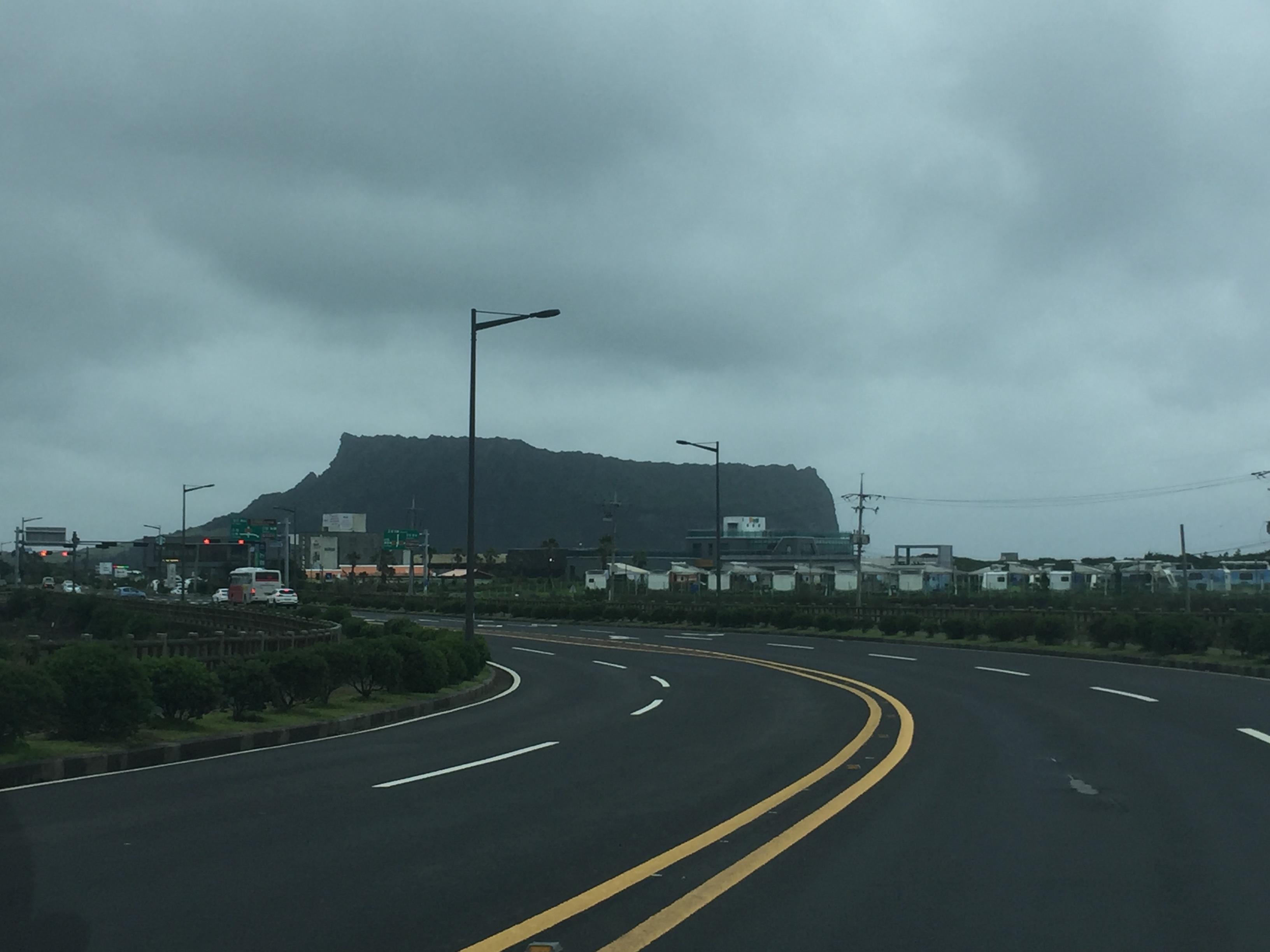
Seongsan Ilchulbong 城山 日出峰 literally can be translated as Sunrise Peak, the propriety of this name is explained by the location of the volcano on the east coast of the island, so every day the sun rises from behind this crater. This crater was formed just 5000 years ago and it is designated as UNESCO World Natural Heritage.
Near the foot of the crater.
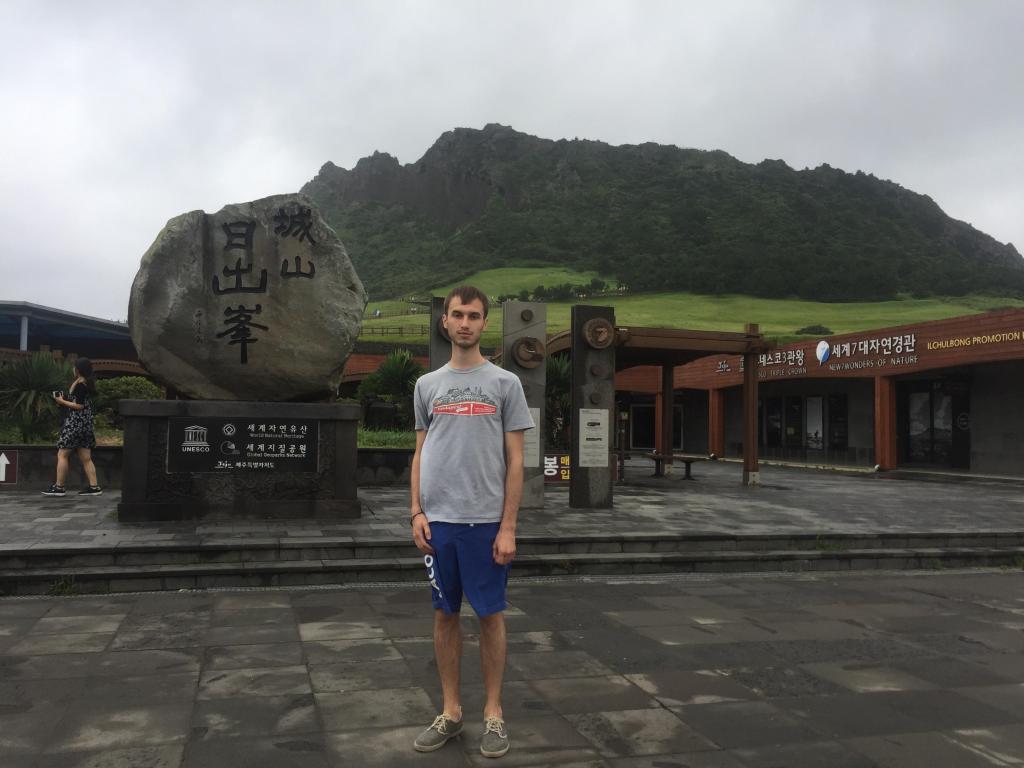
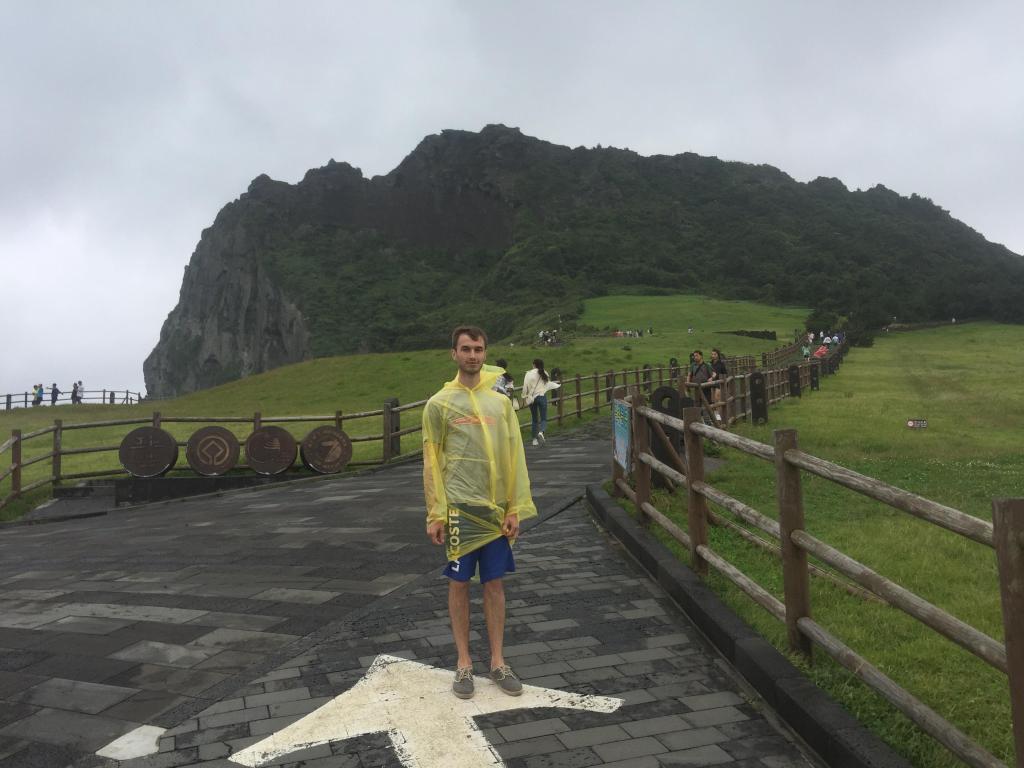
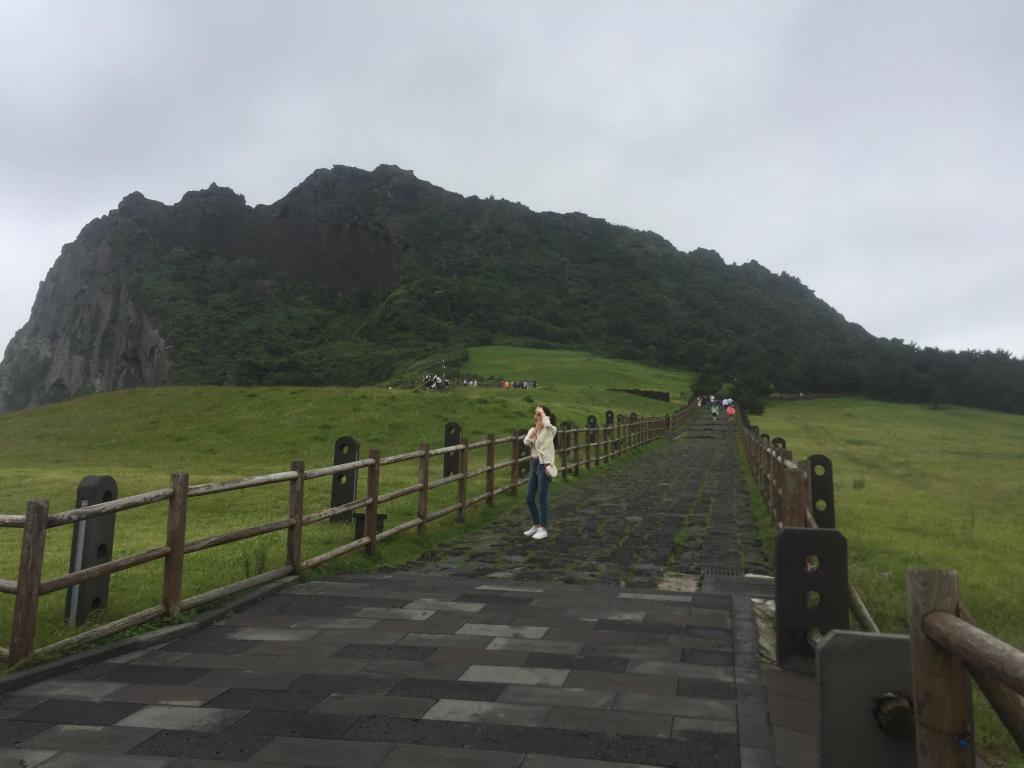
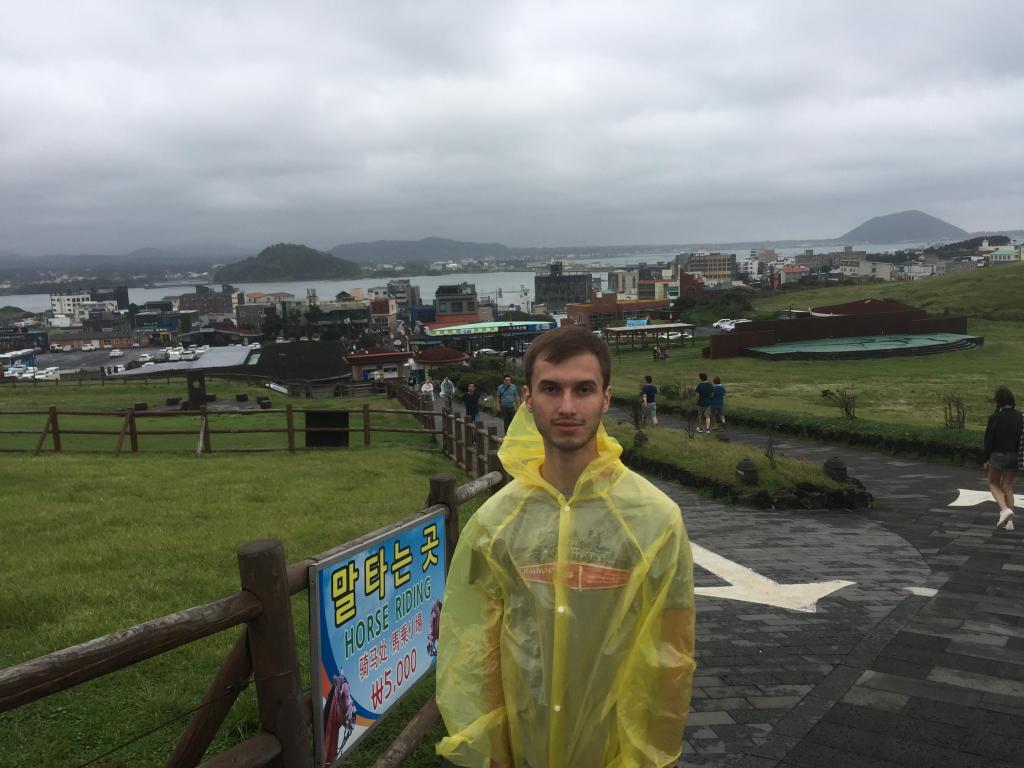
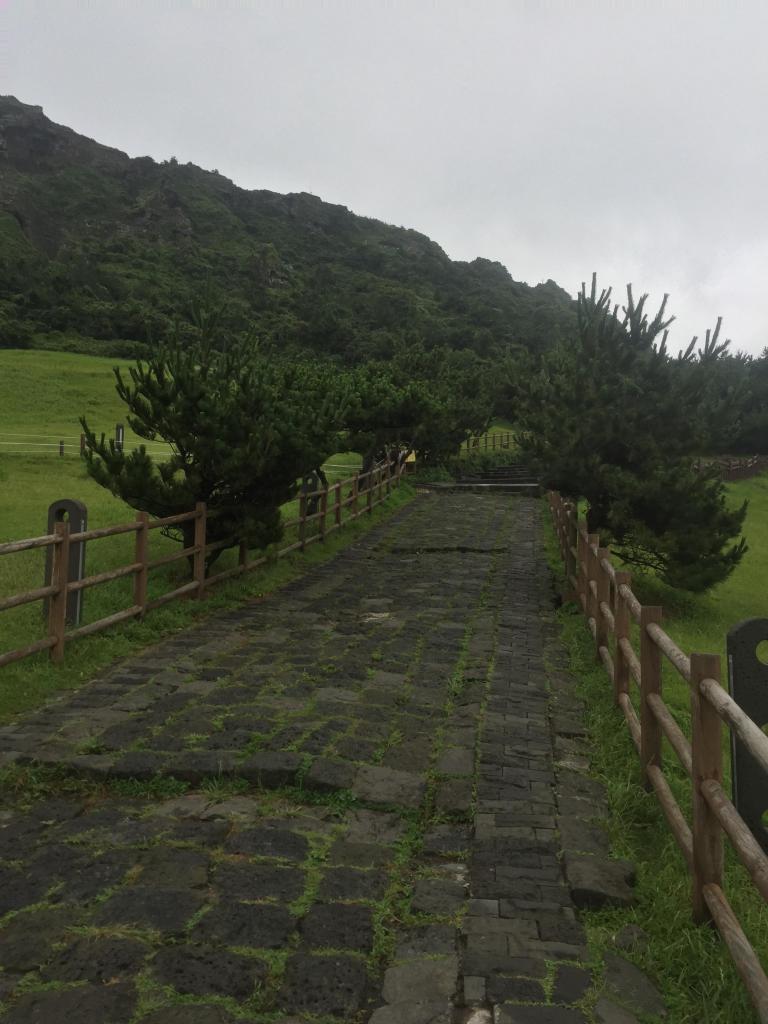
On pictures, the crater looks not that so big, but when you start walking you realize it is not that easy to get on the top. The crater is 180 meters high, and about 600 meters in diameter.
From the high, views are always magnificent.
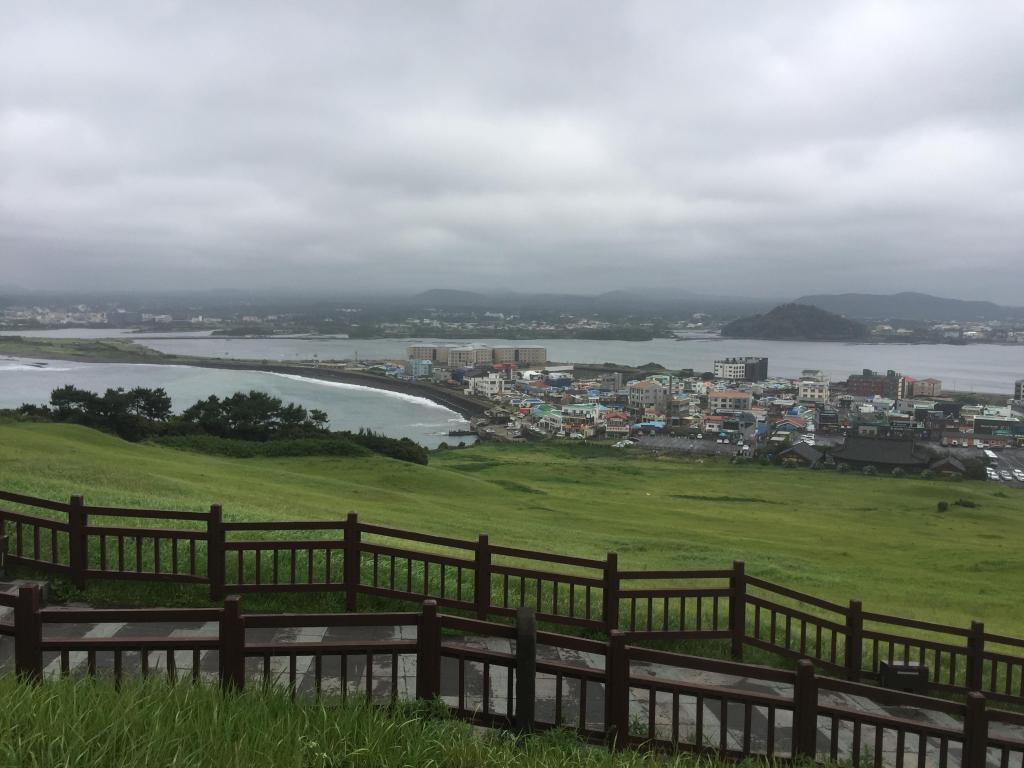
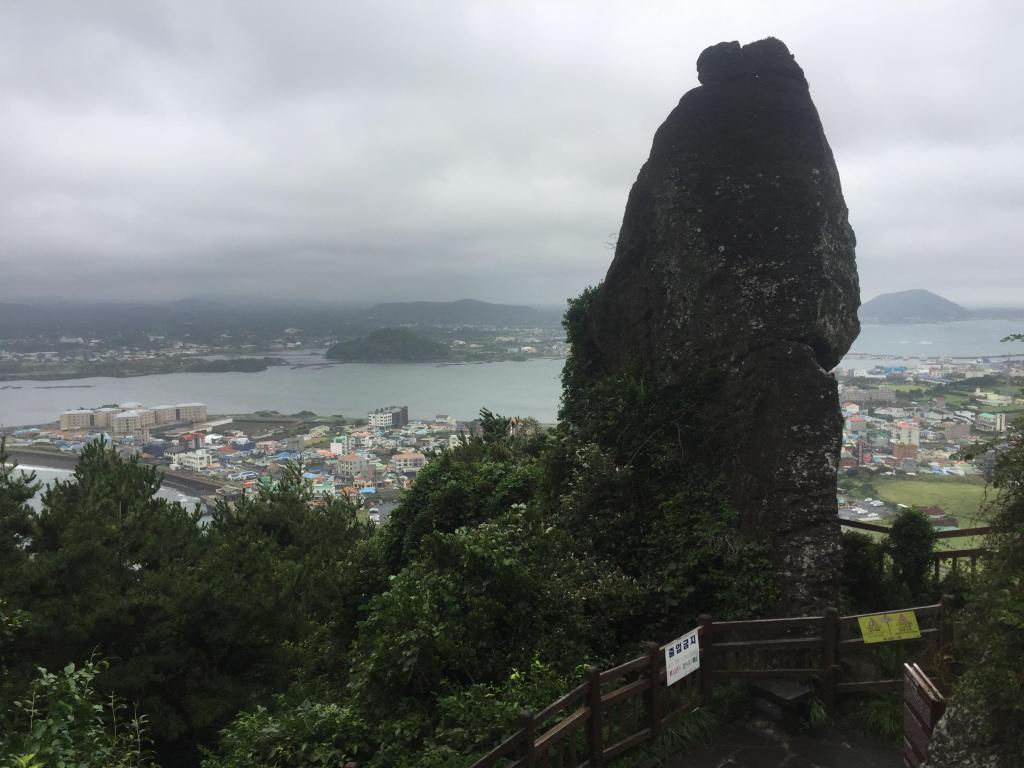
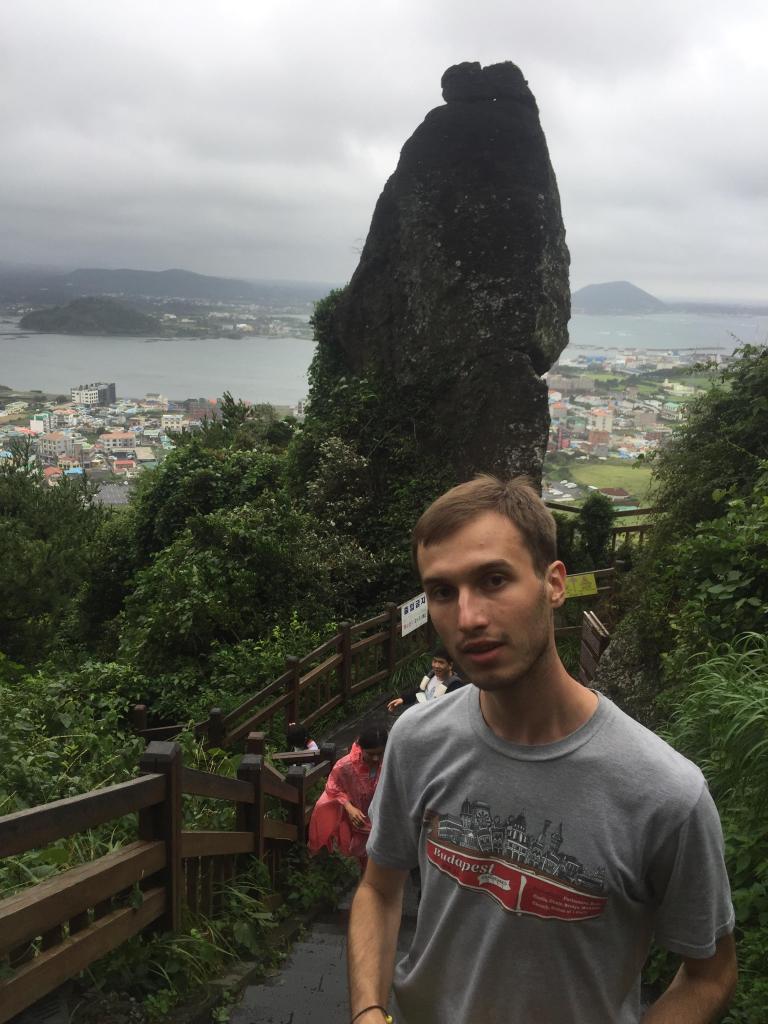
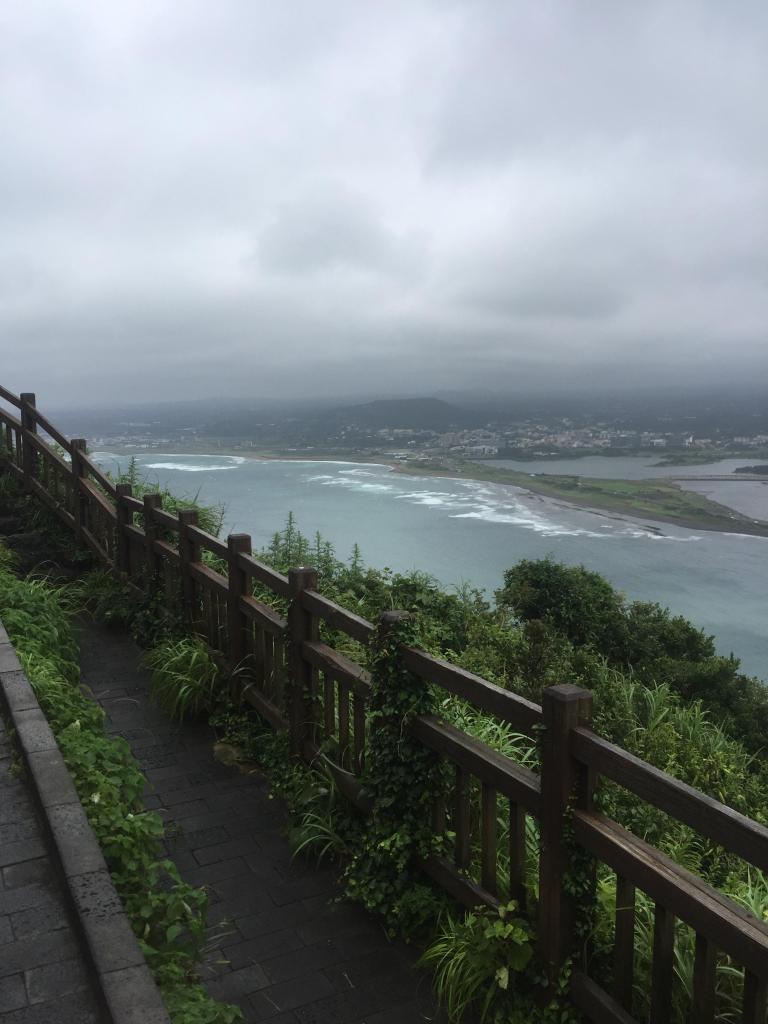
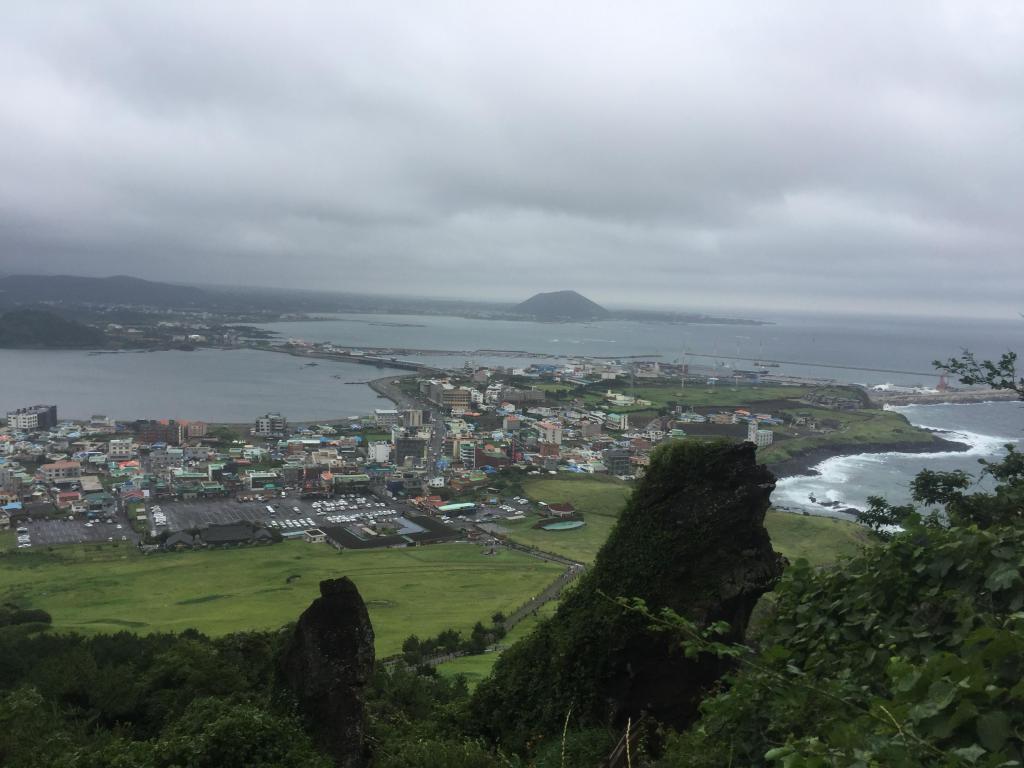
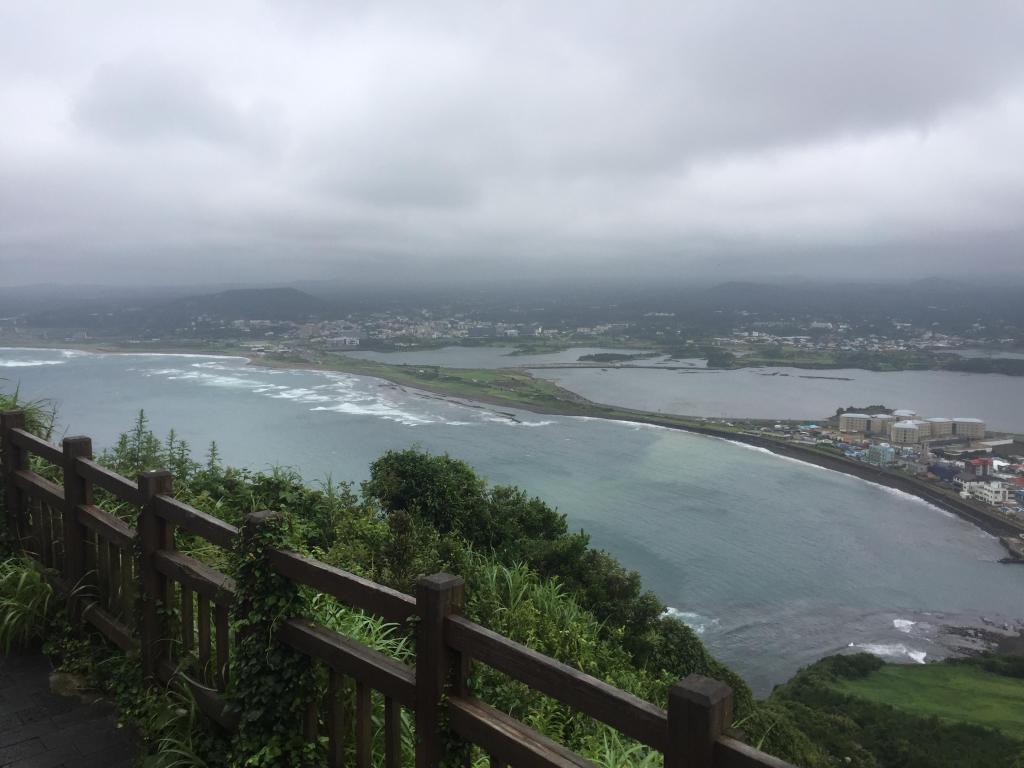
And finally, I am on the peak.
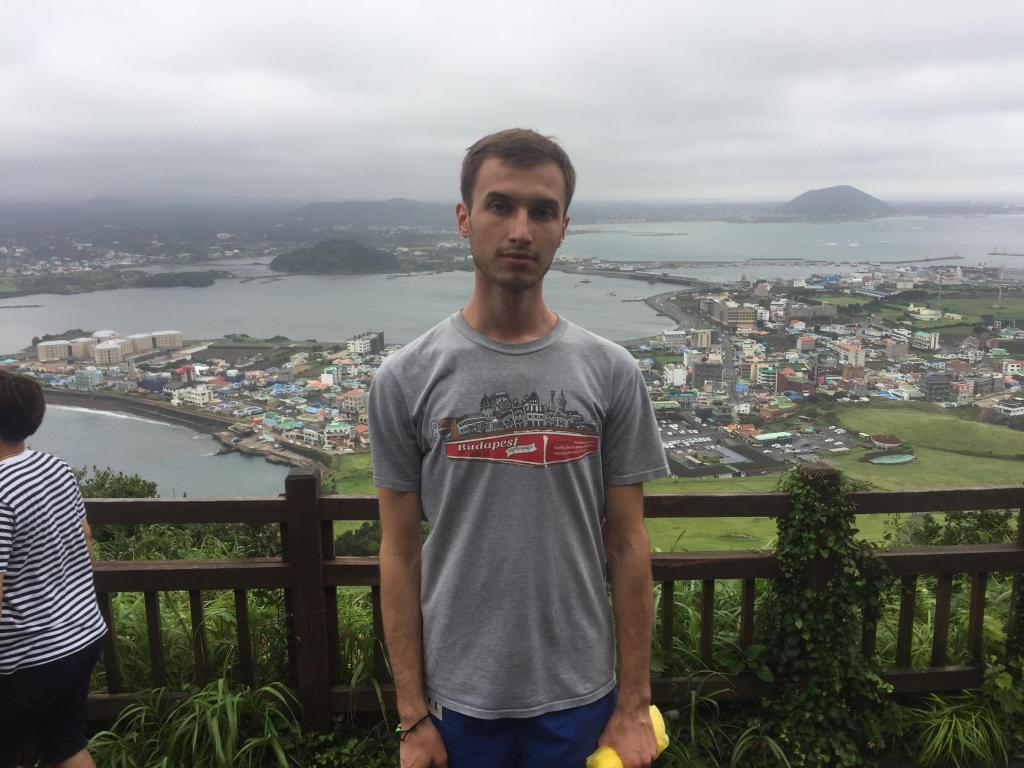
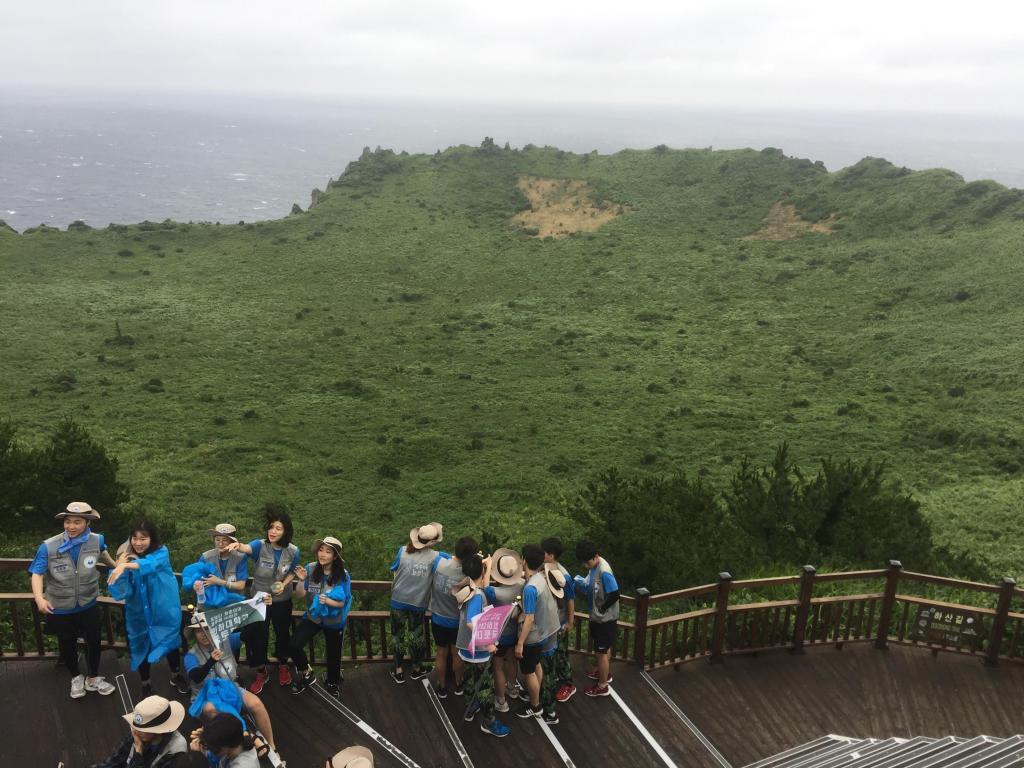
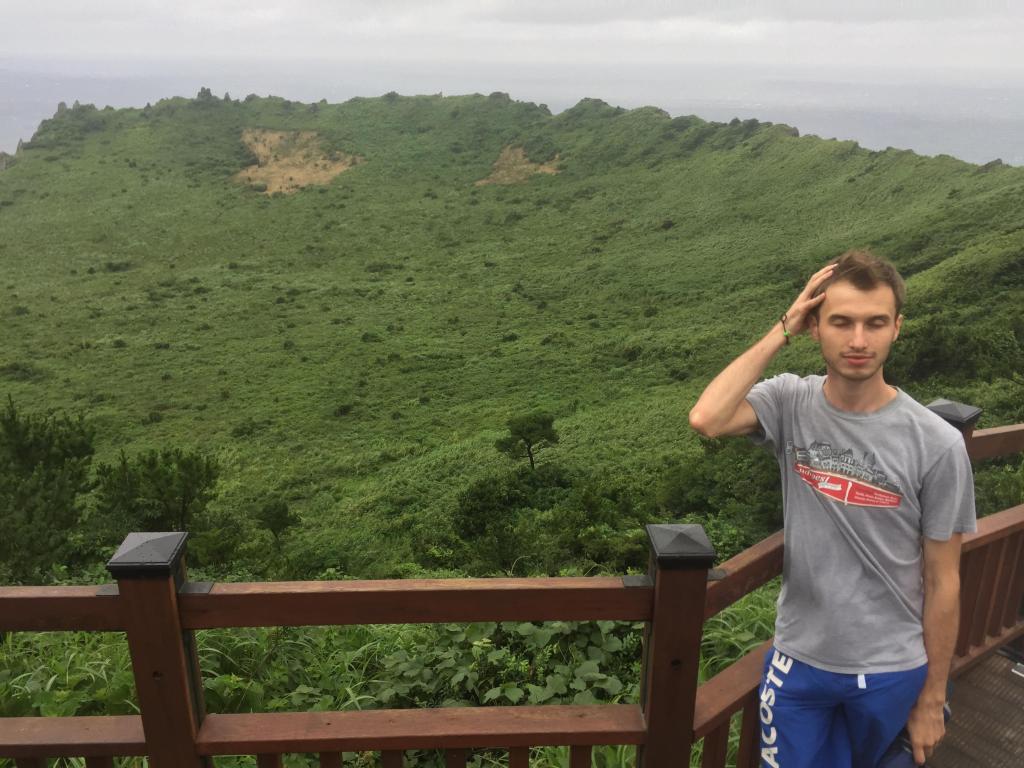
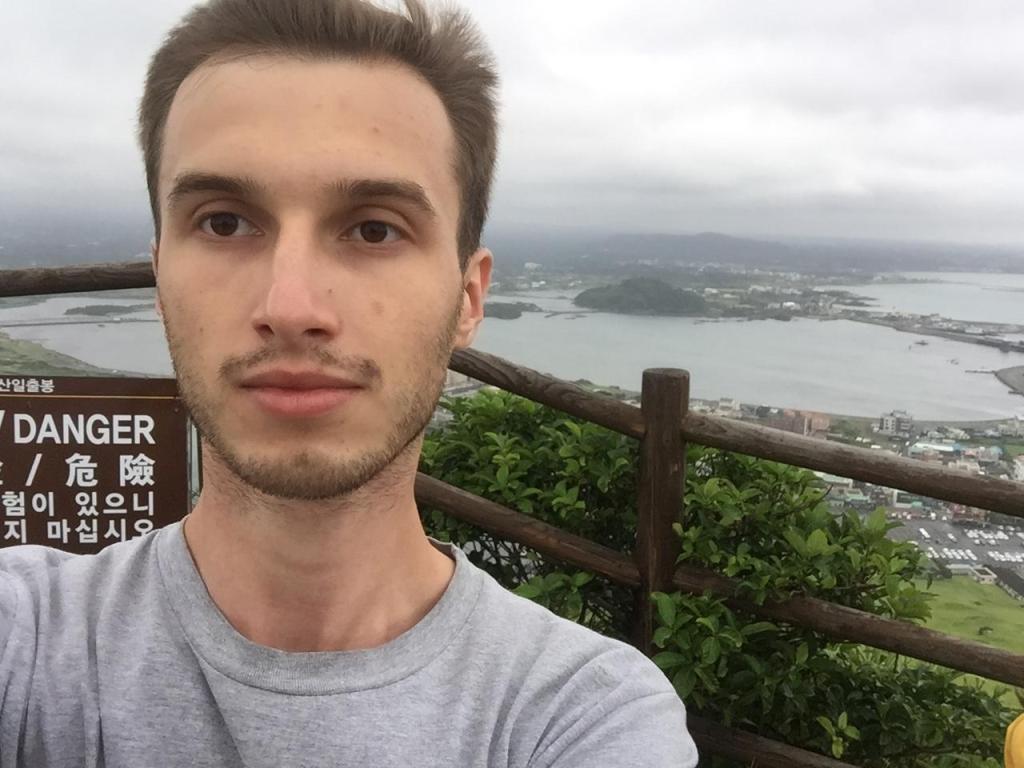
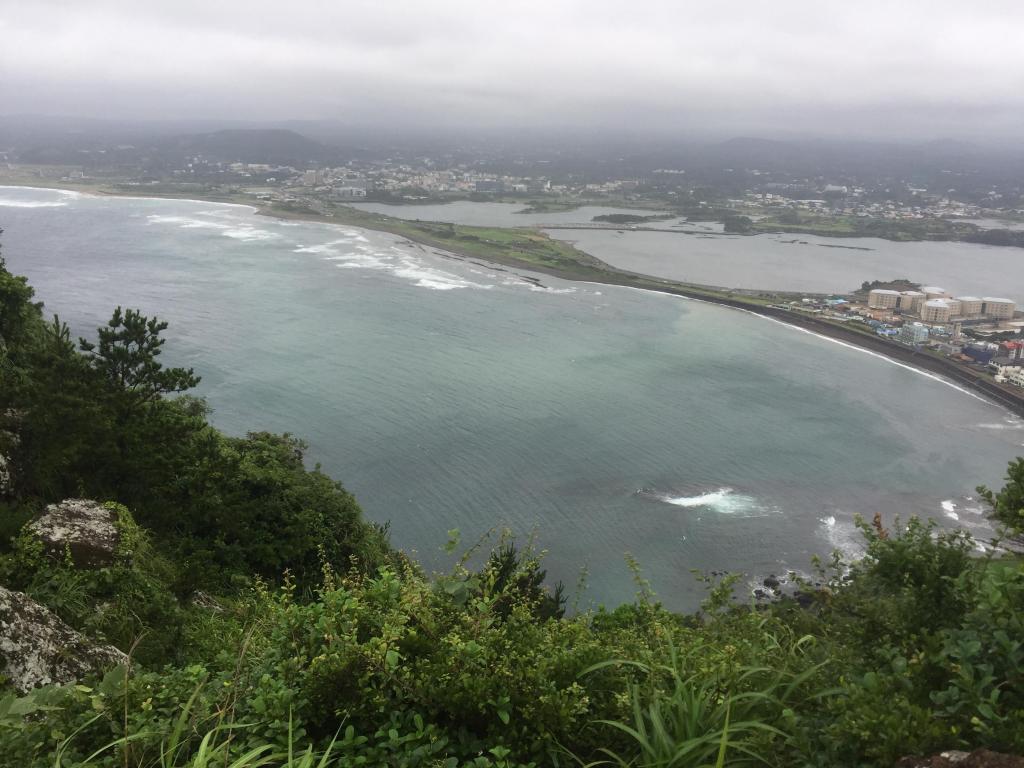
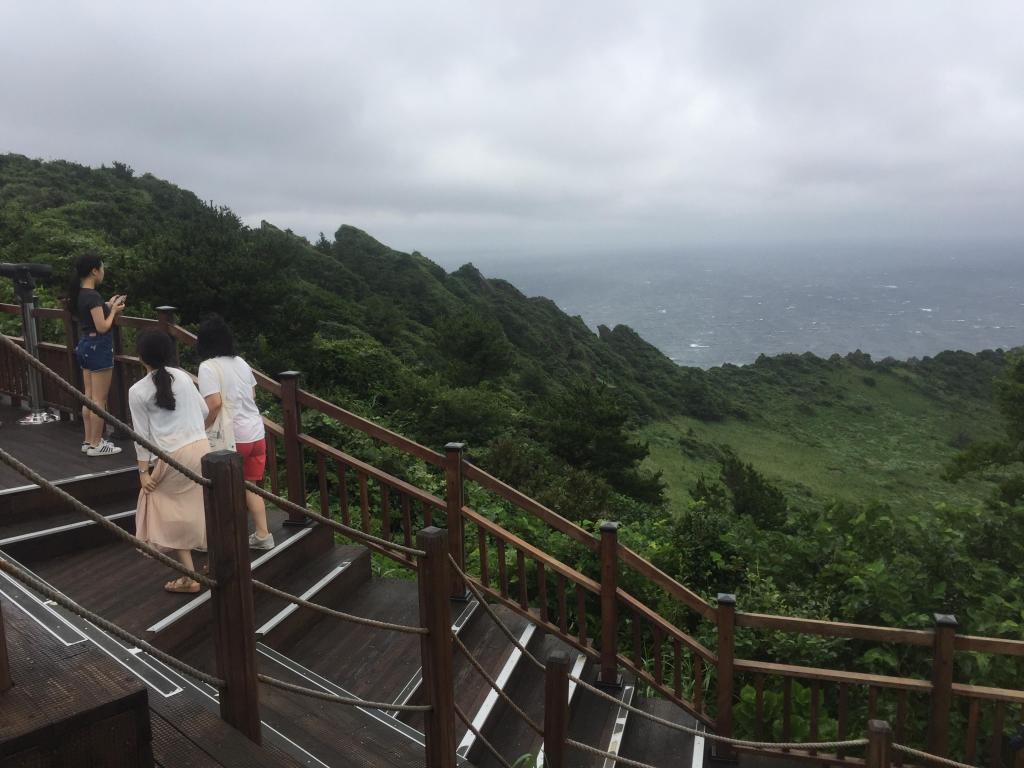
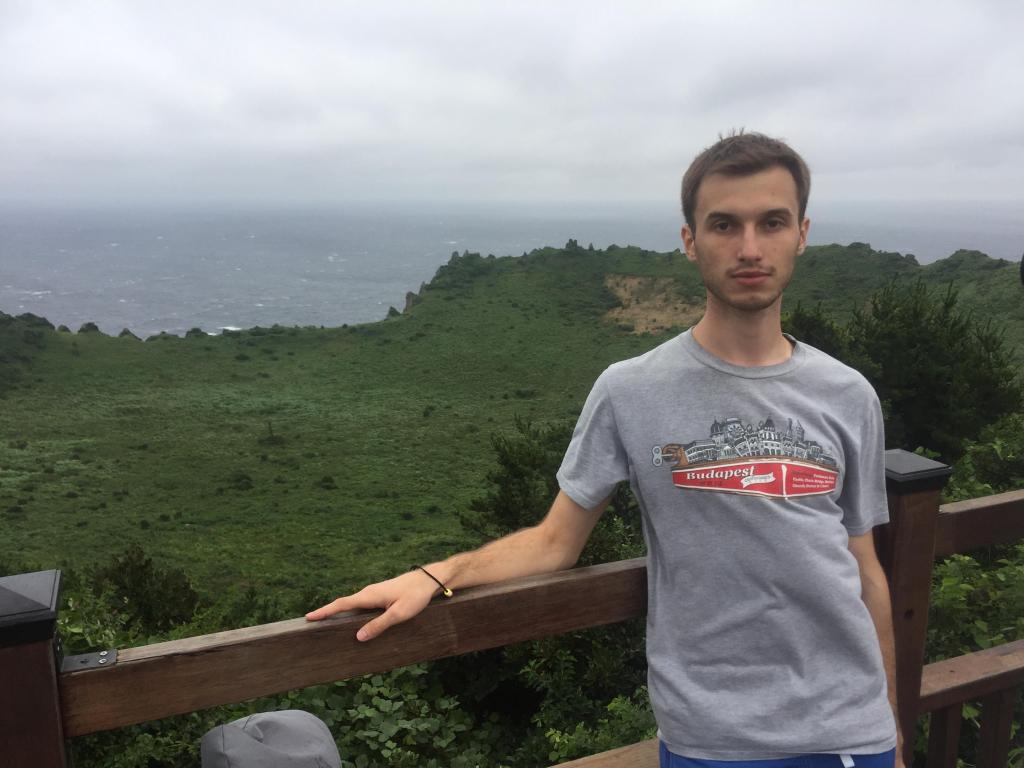
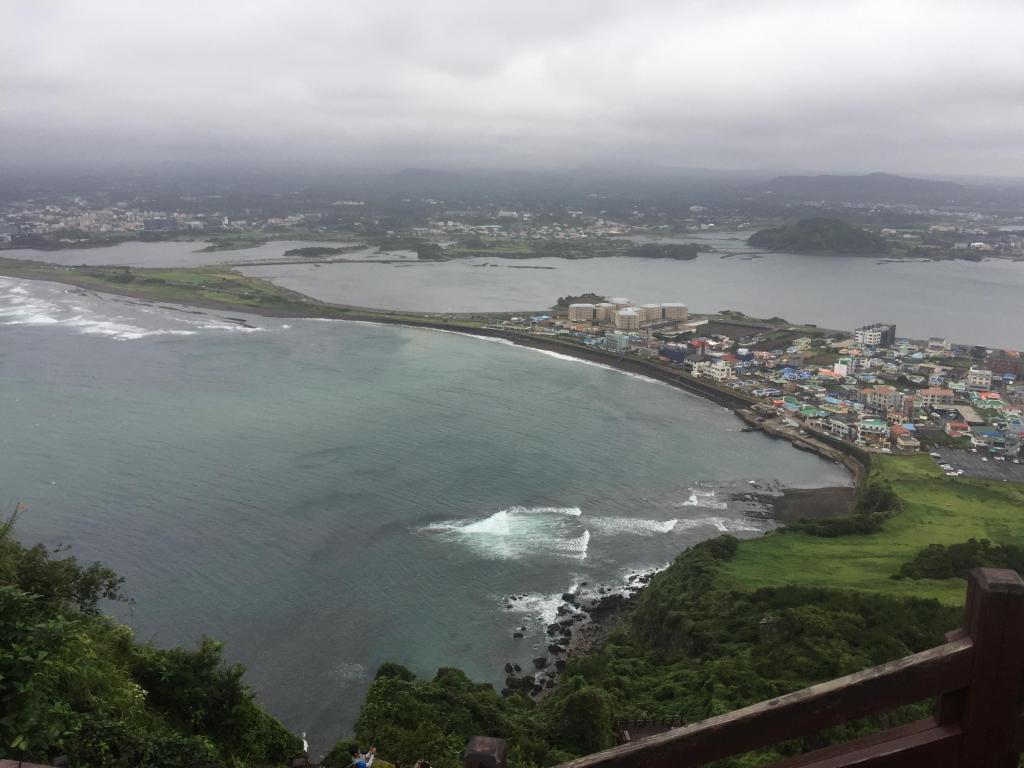
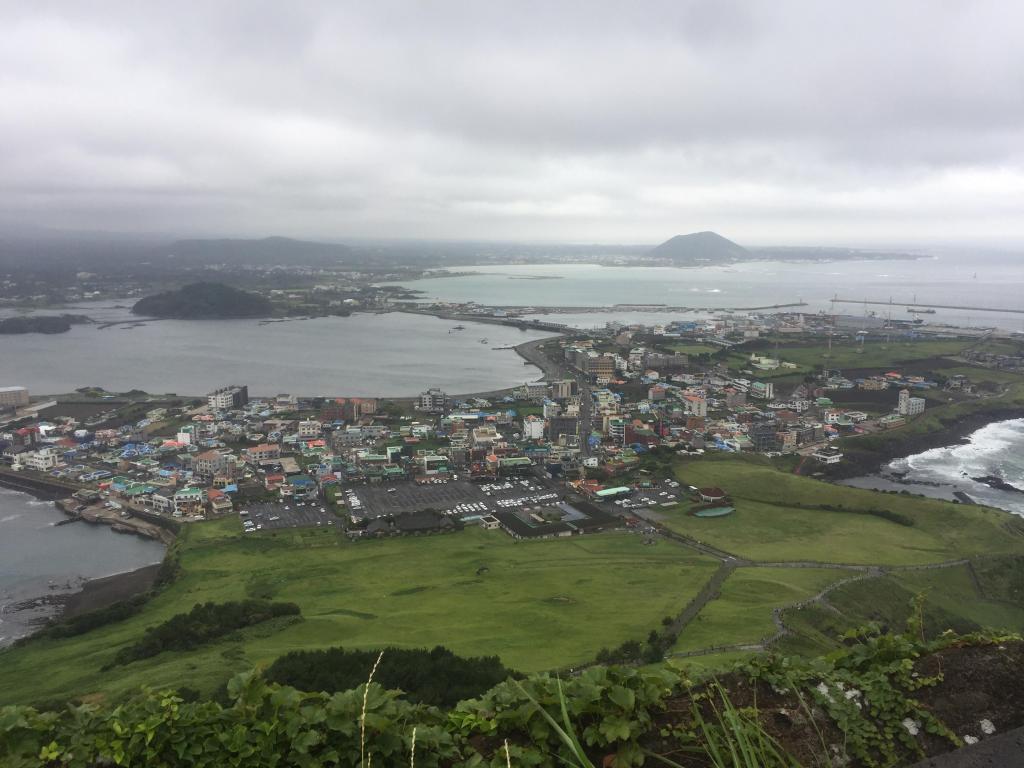
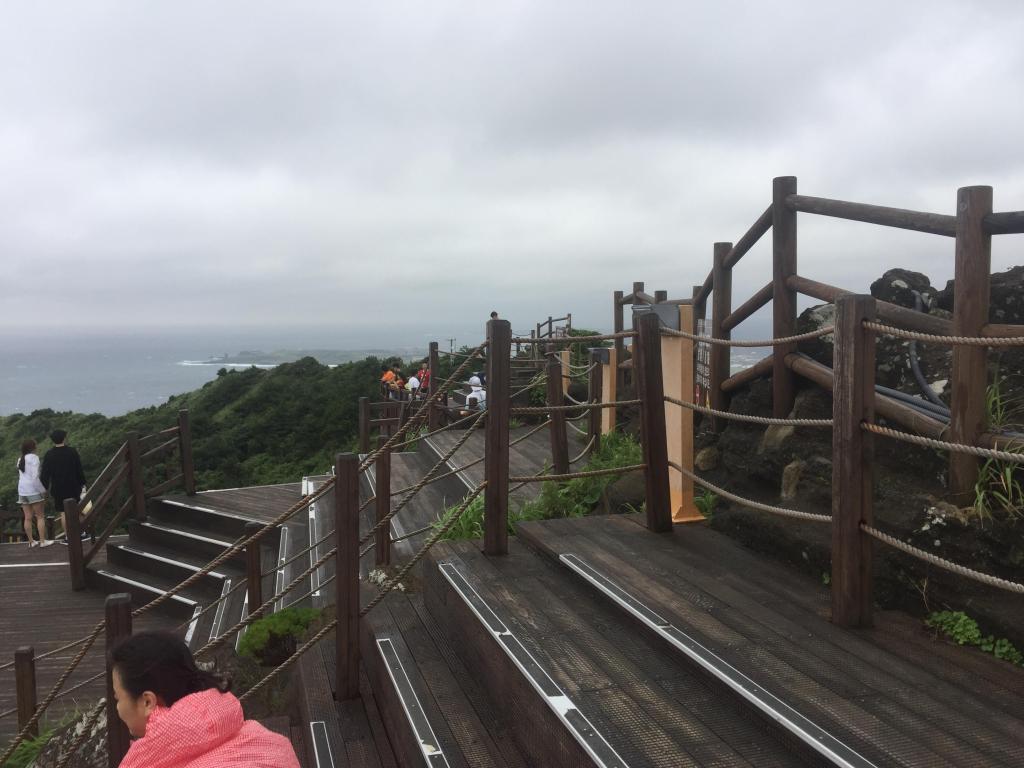
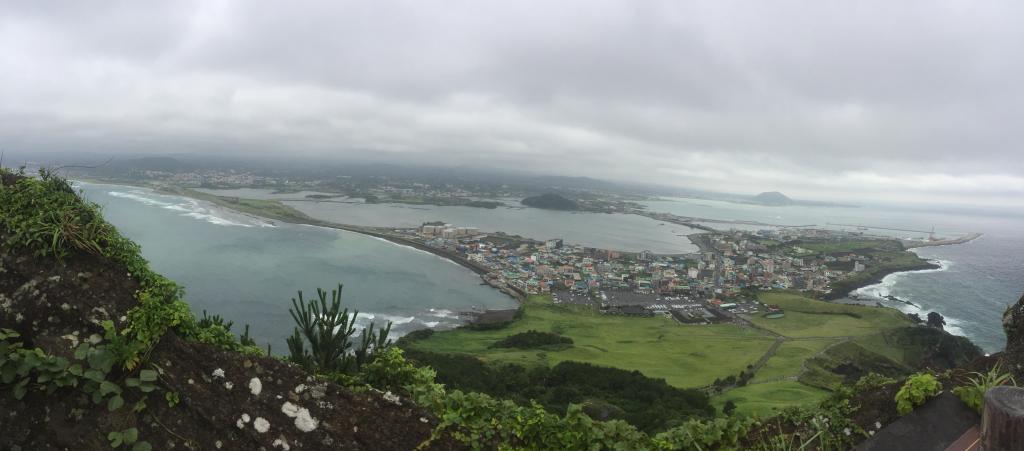
The wind is crazily strong there, I was even afraid to be blown away!
And walk down. Just look at that long chain of people seemed to walk on a vertical stair. I won’t miss a chance to discover local plants!
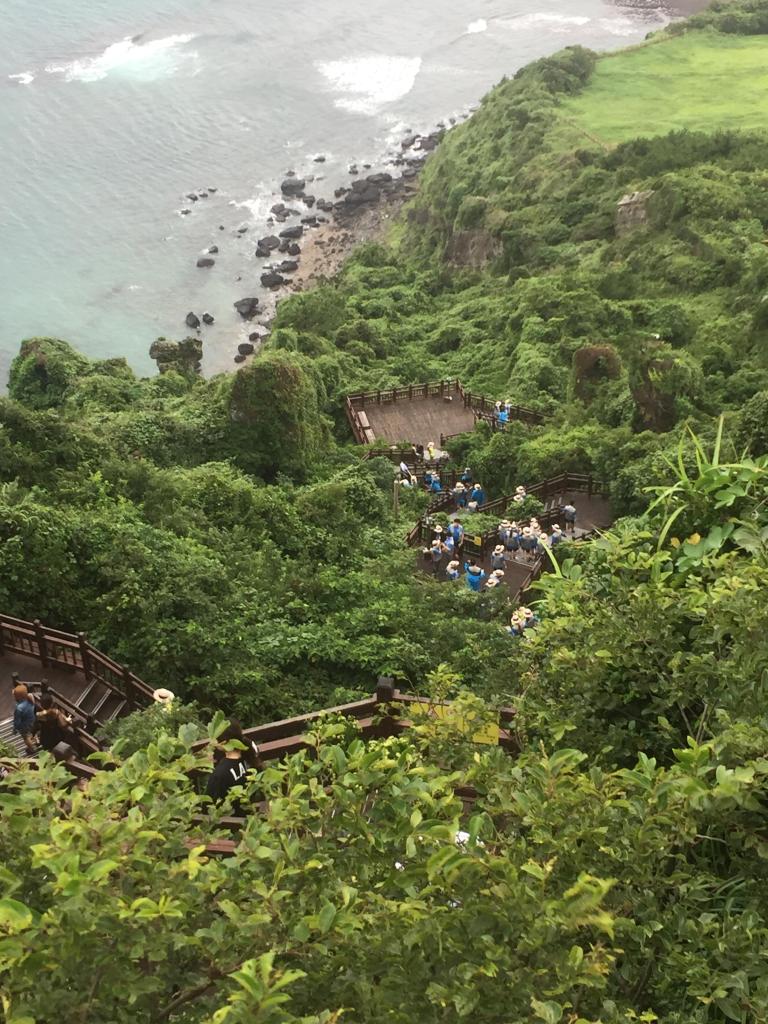
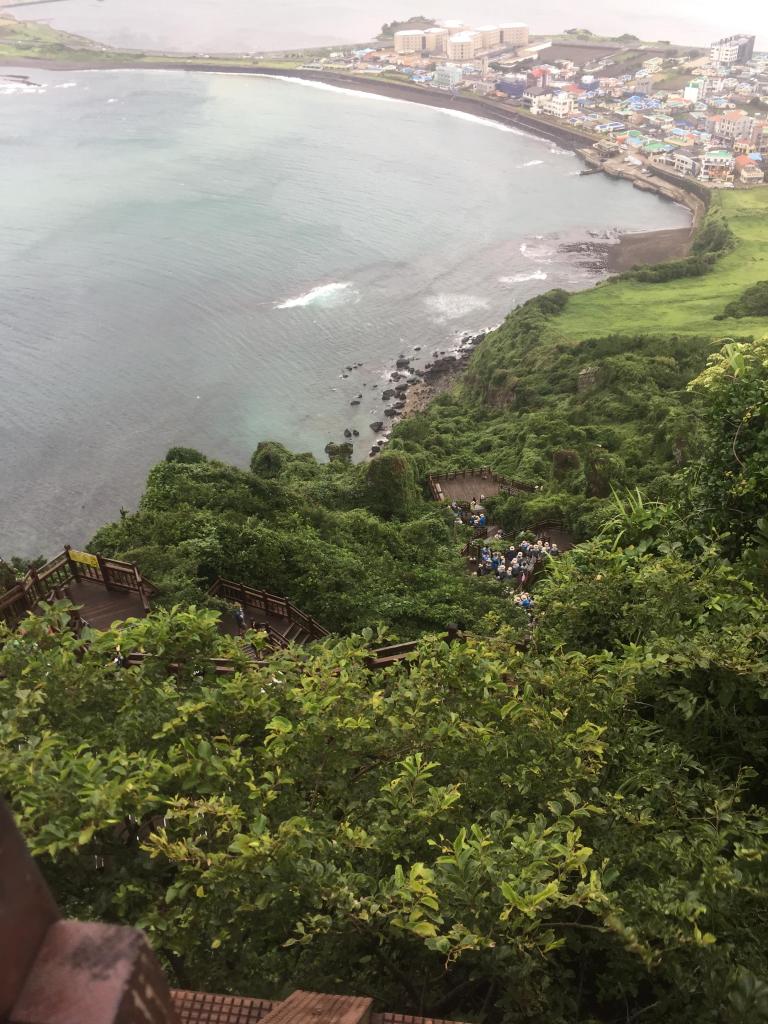
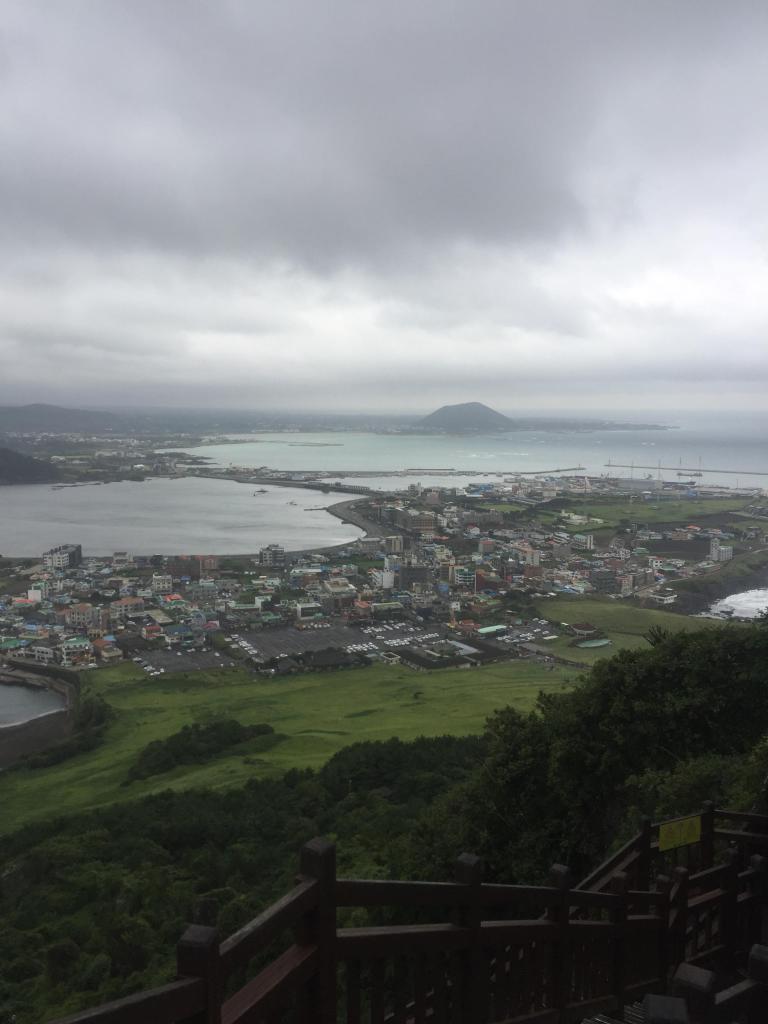
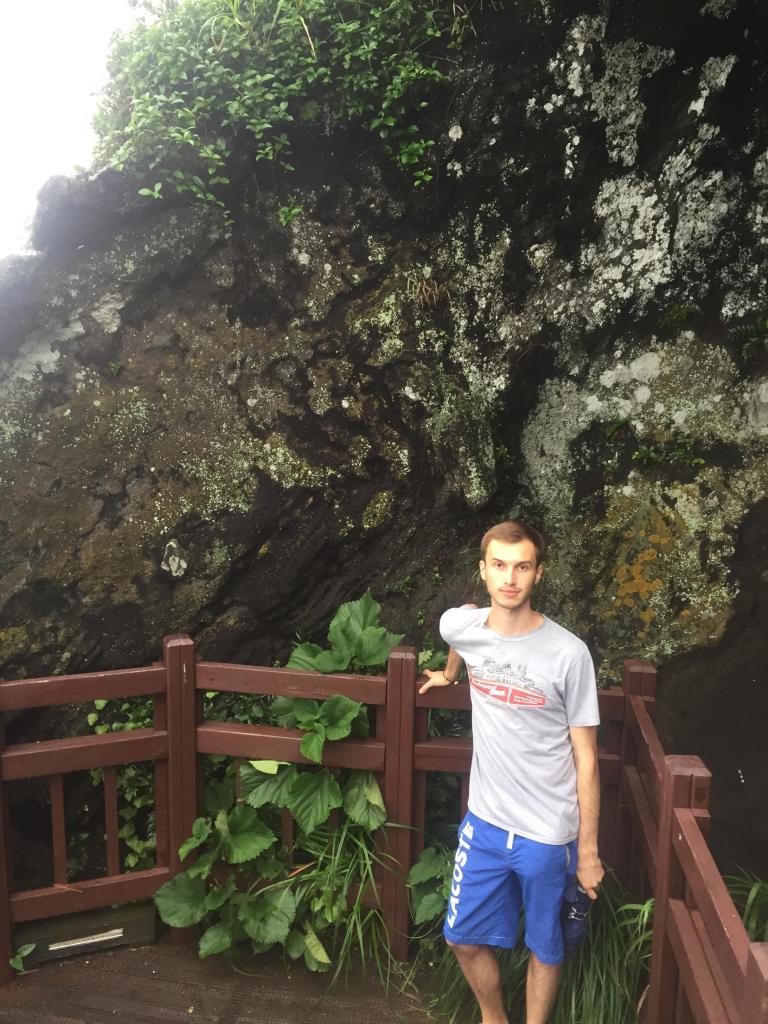
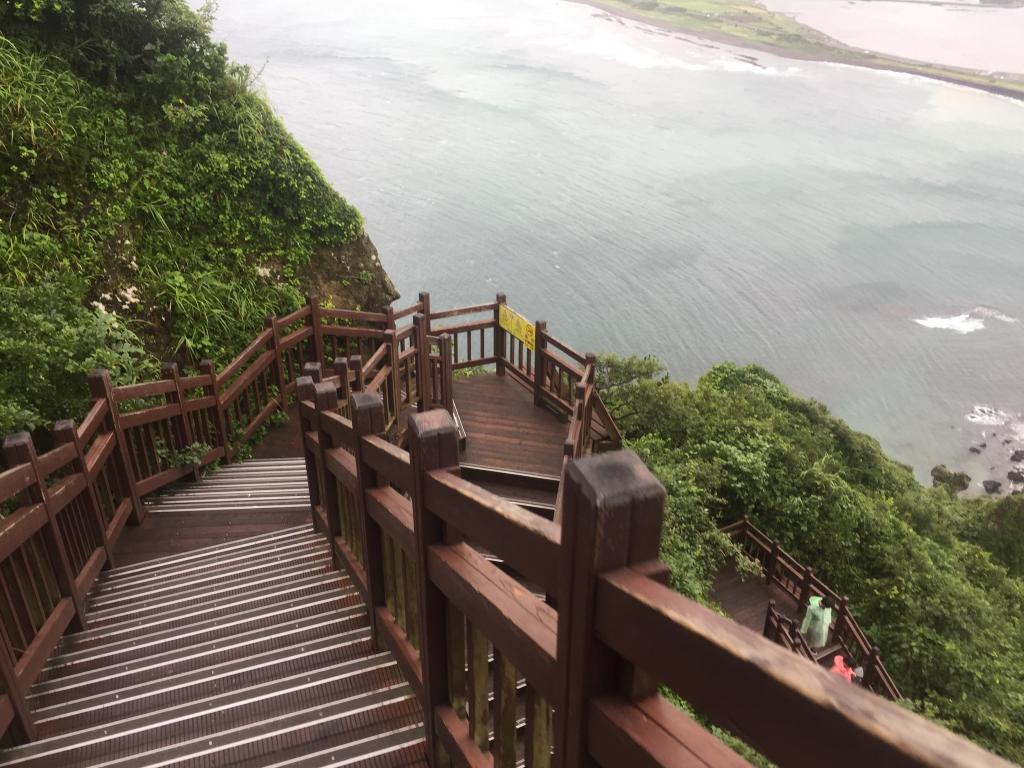
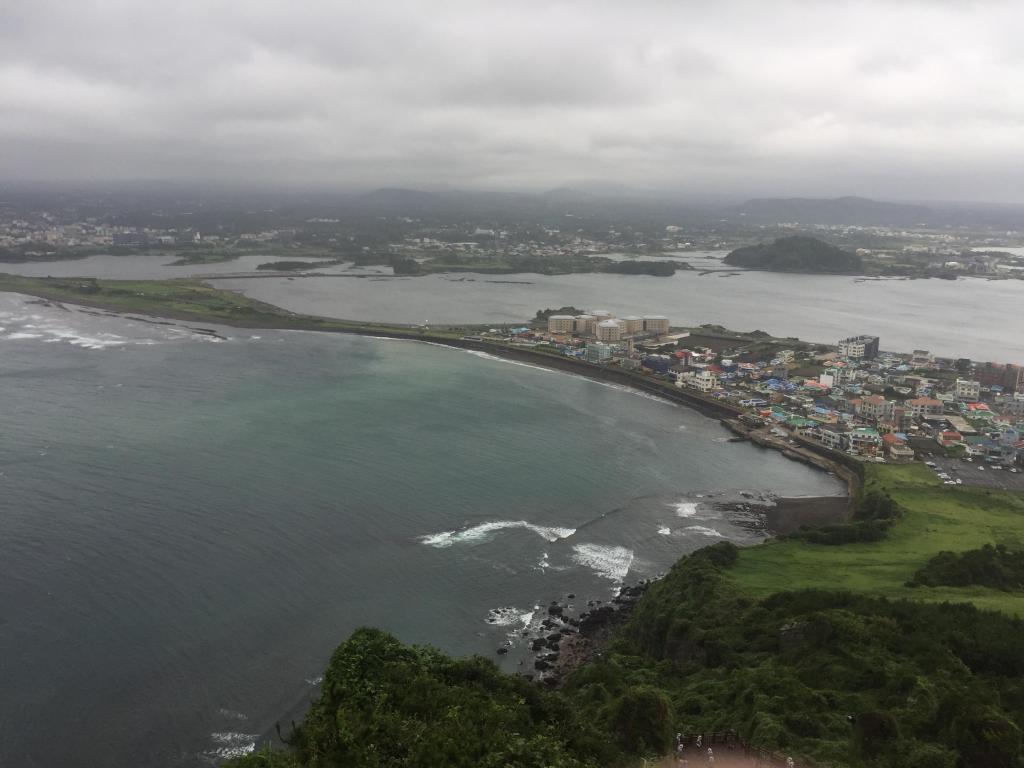
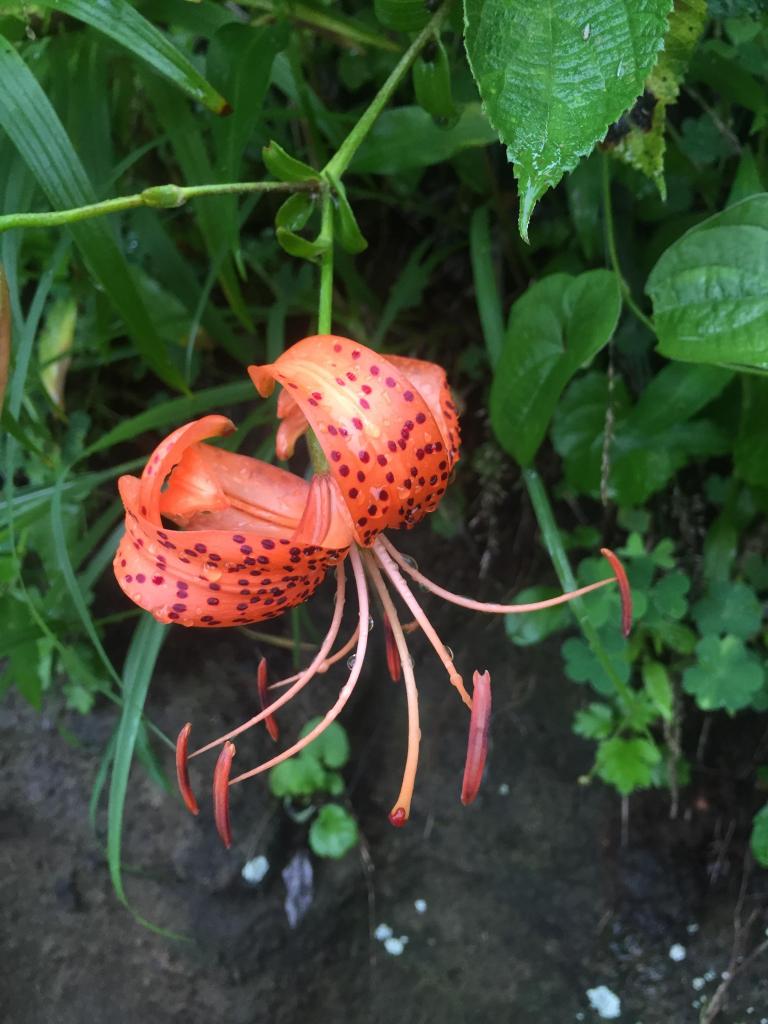
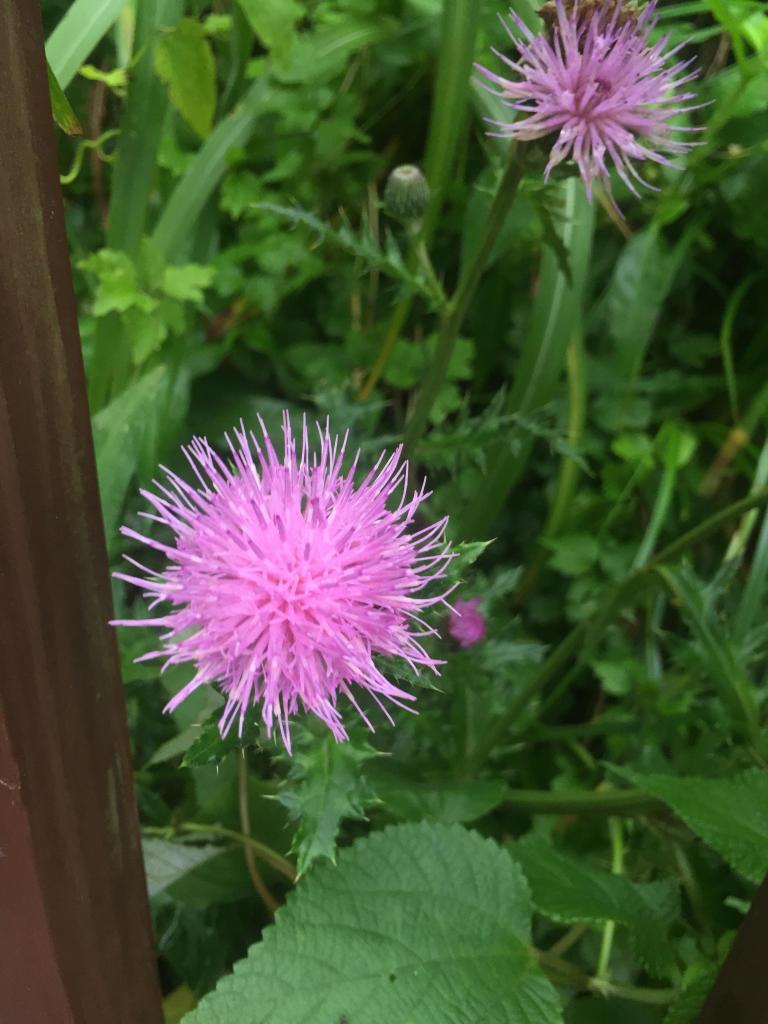
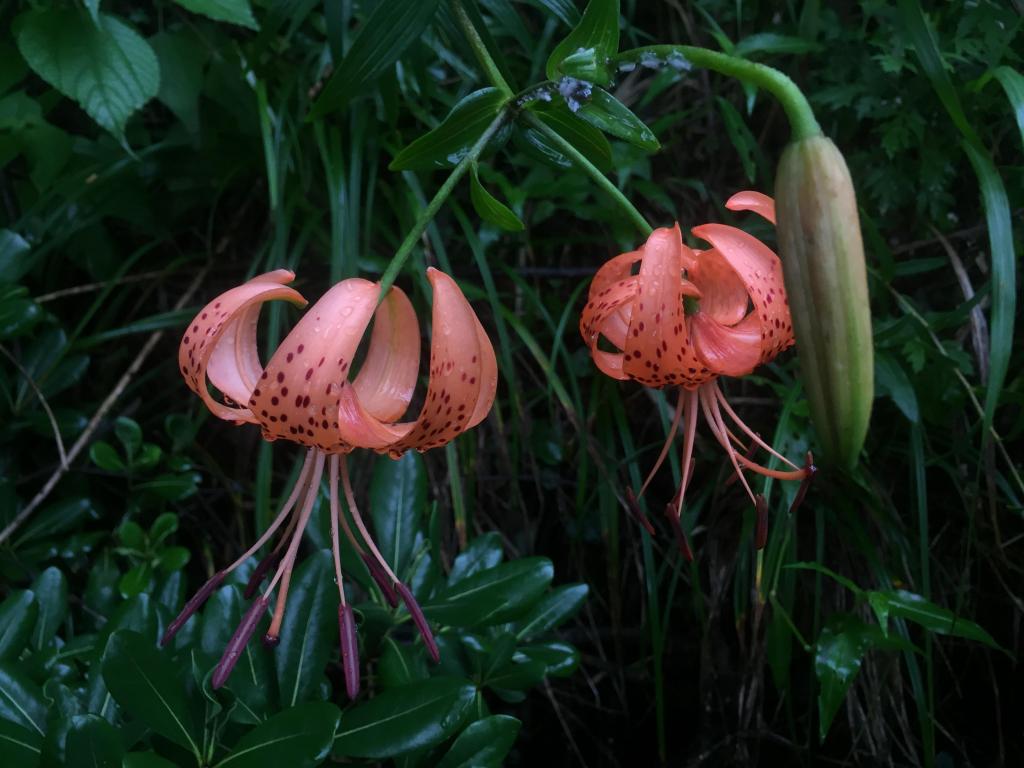
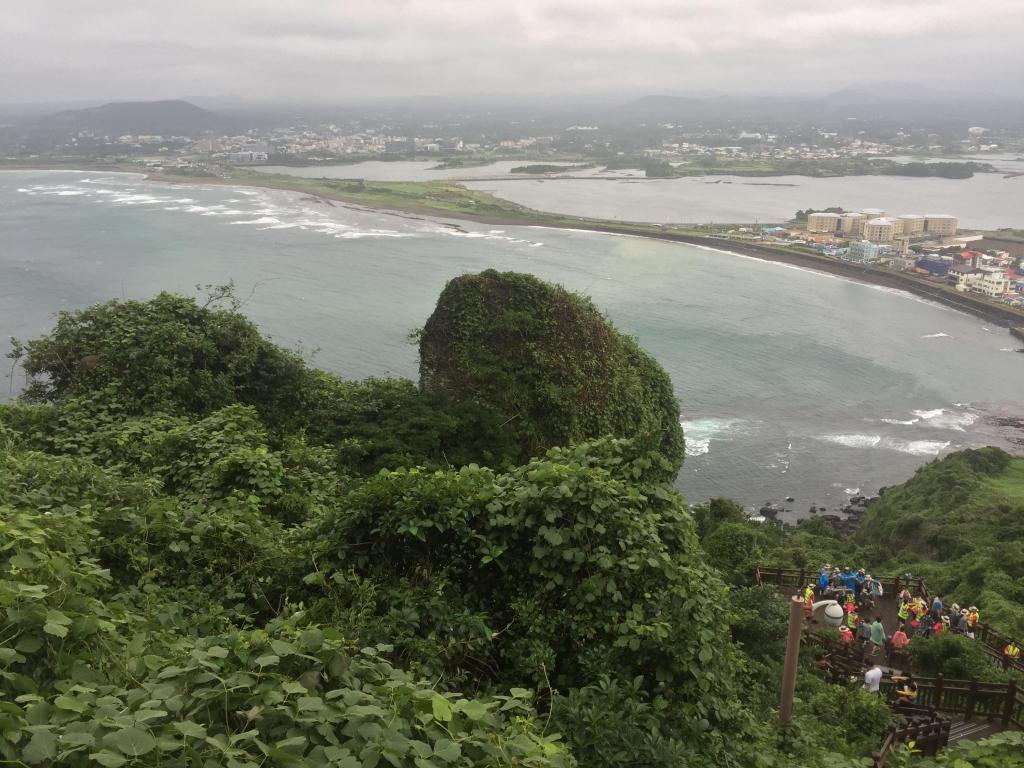
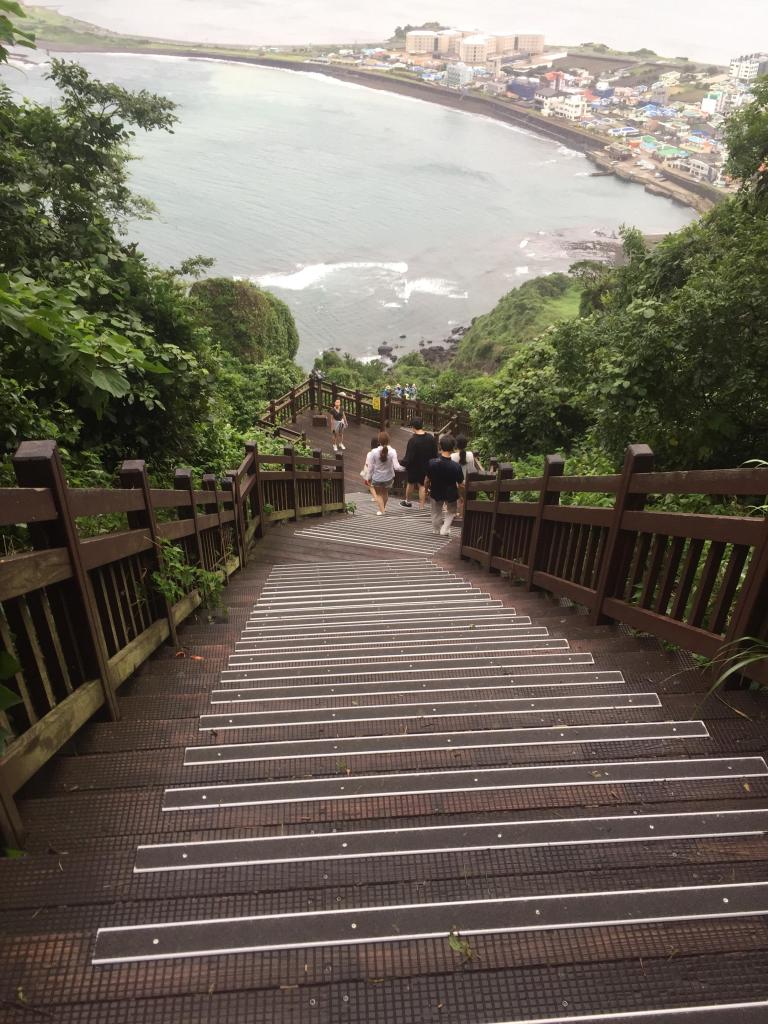
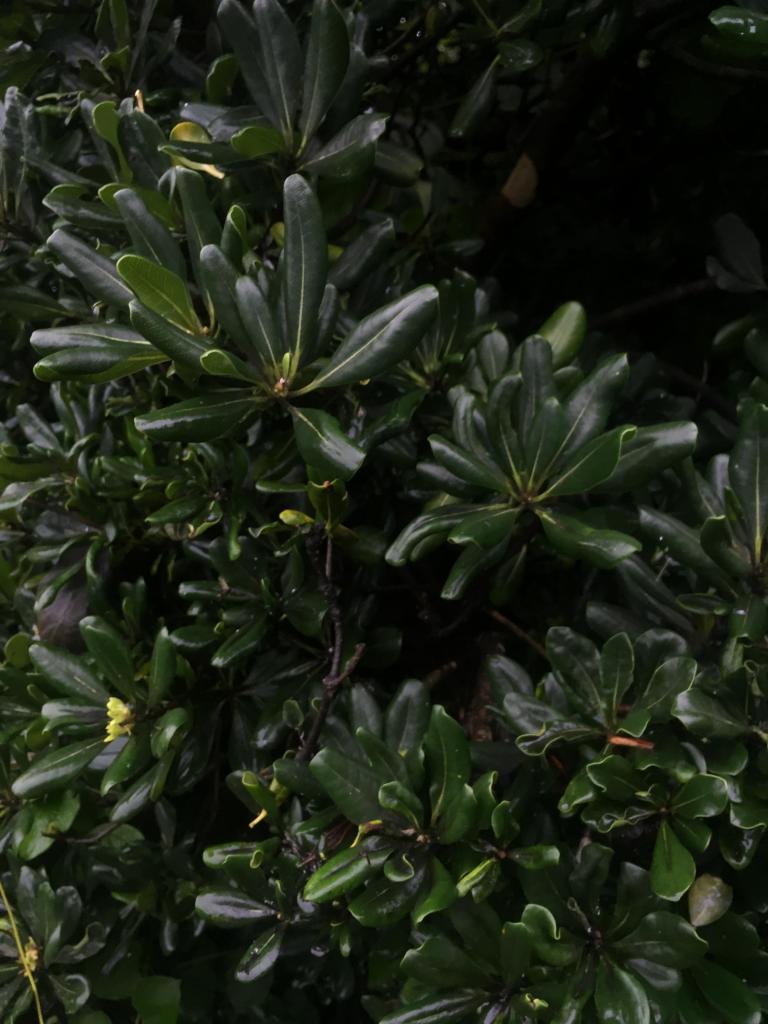
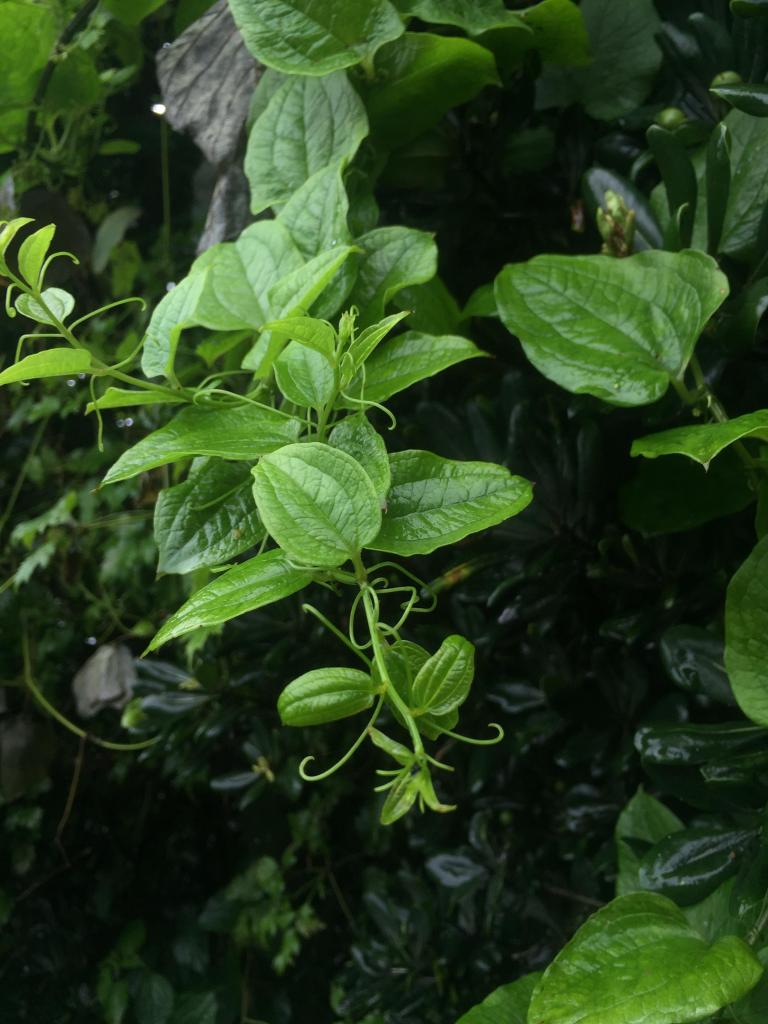
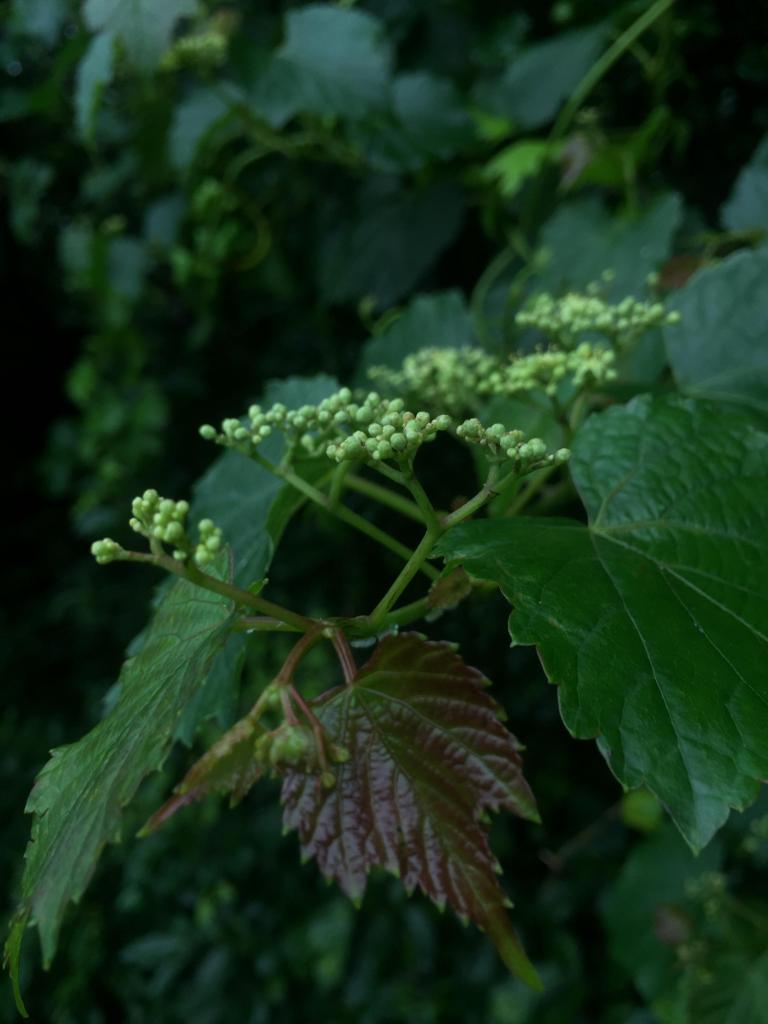
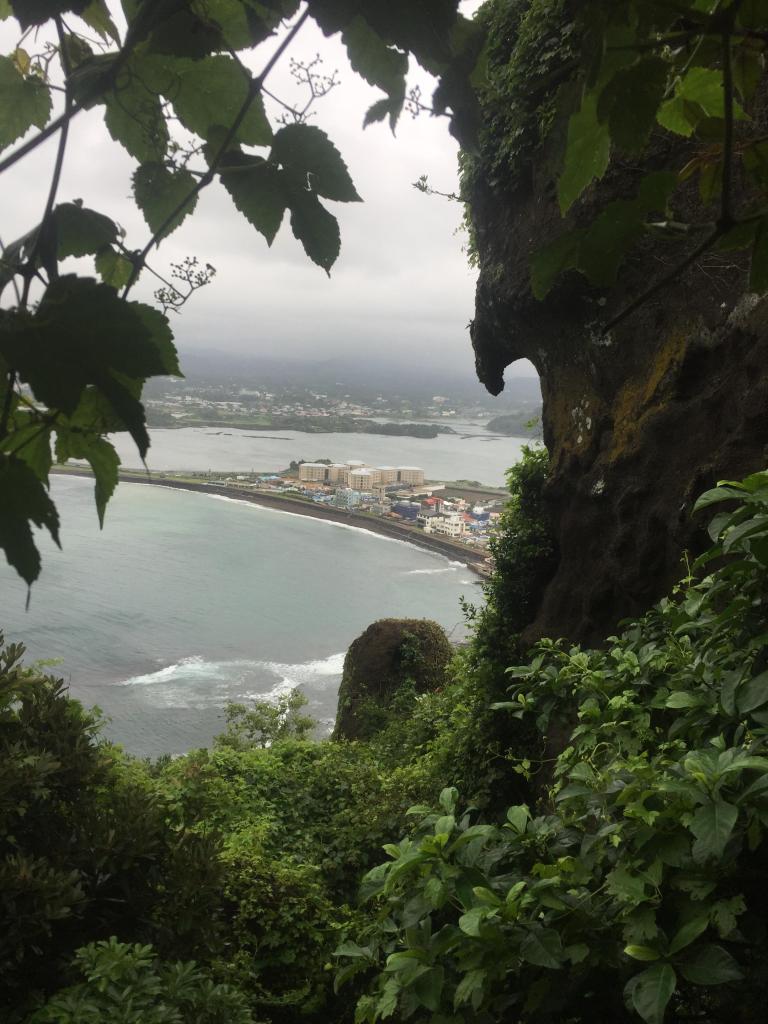
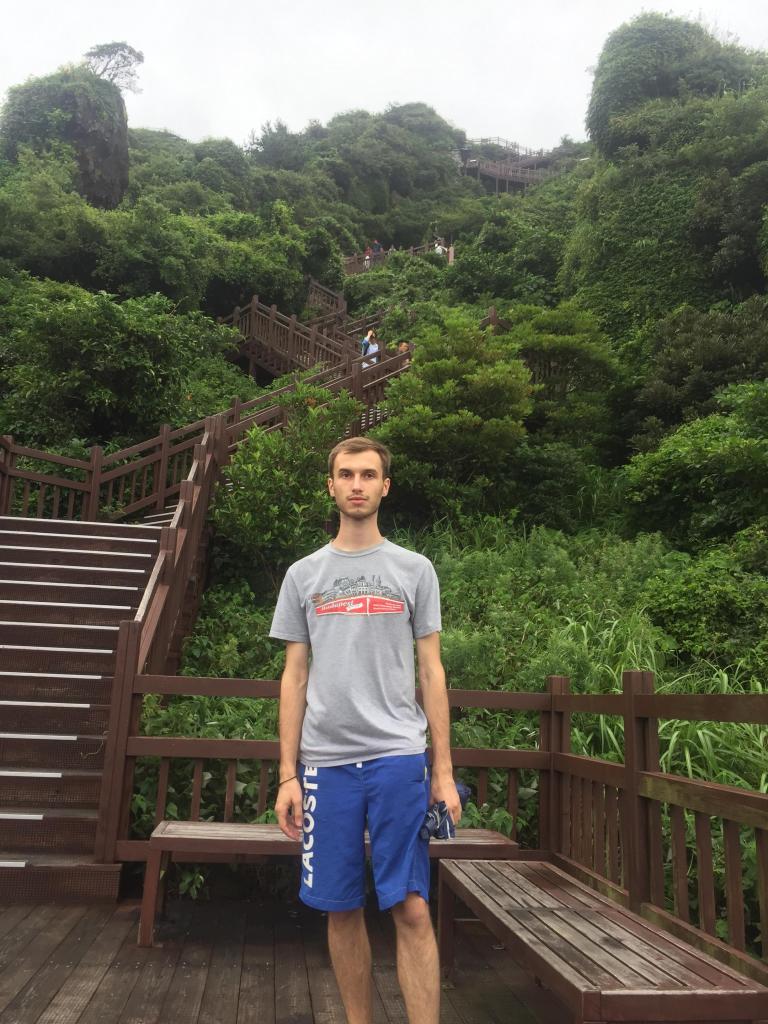
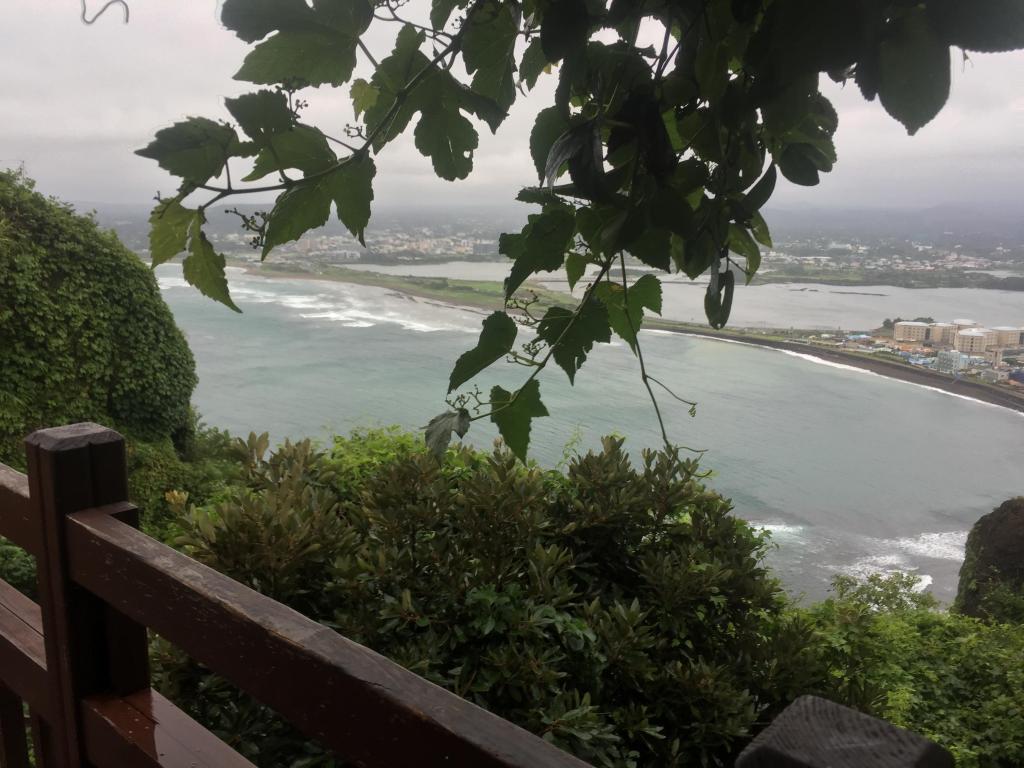
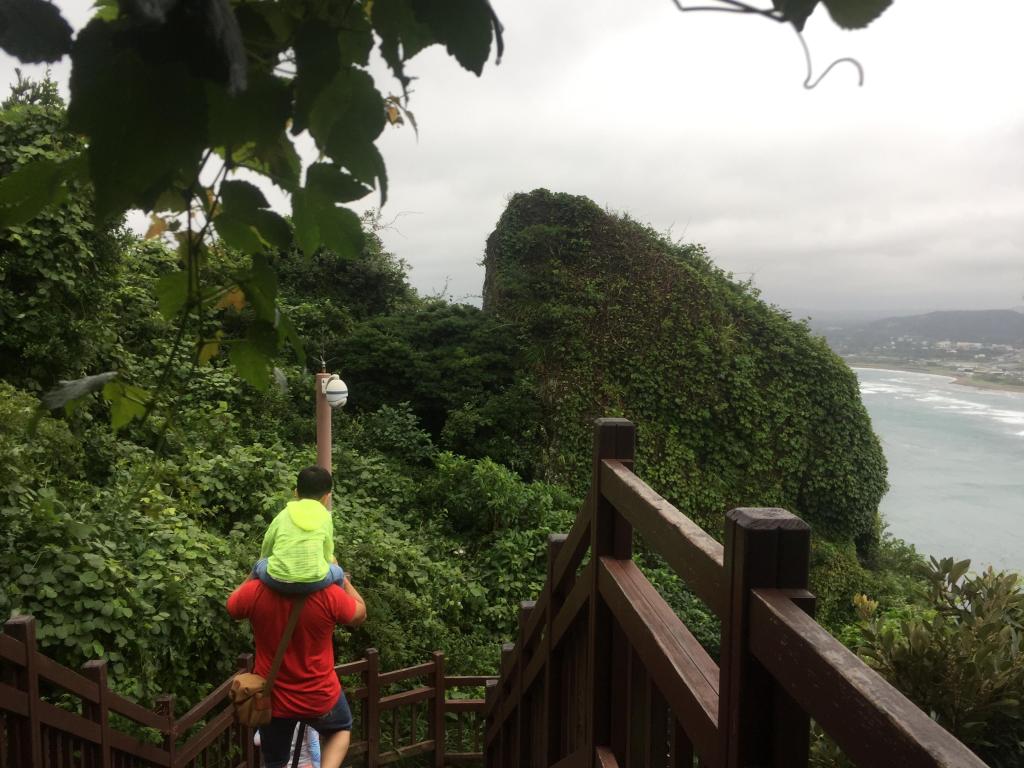
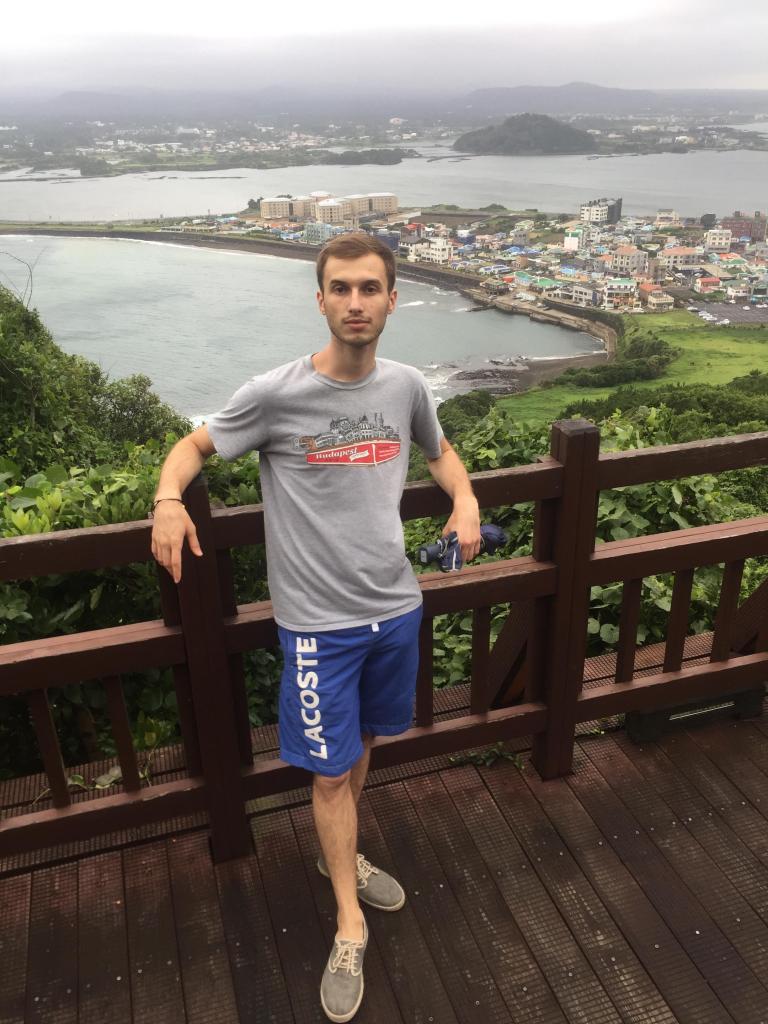
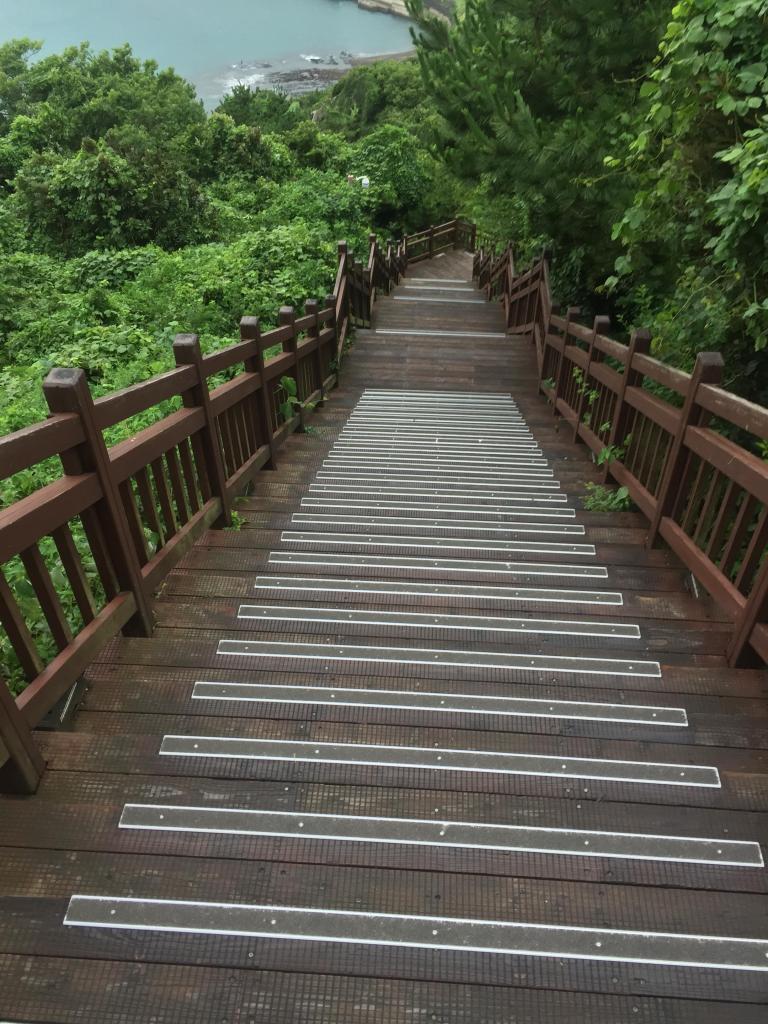
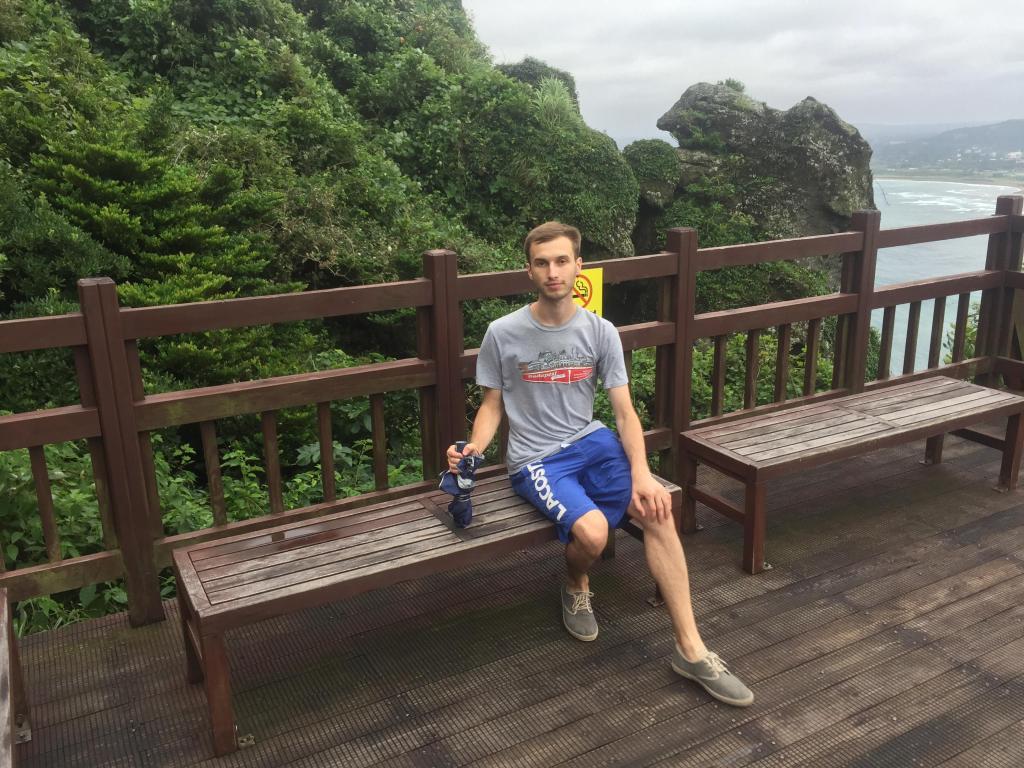
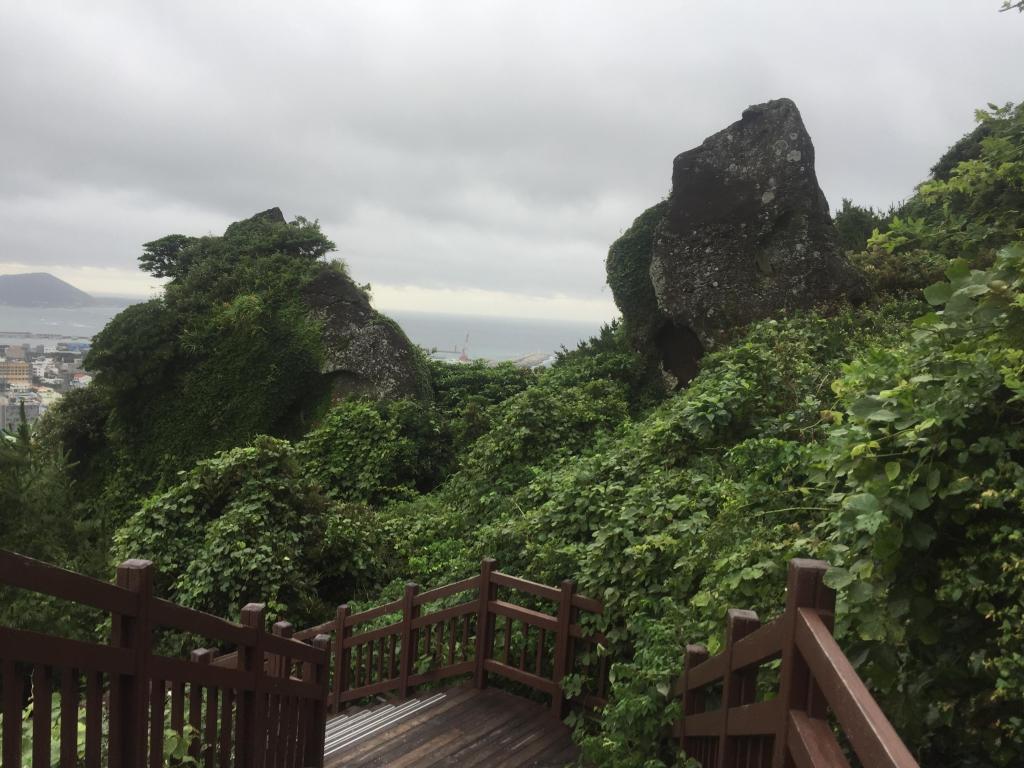
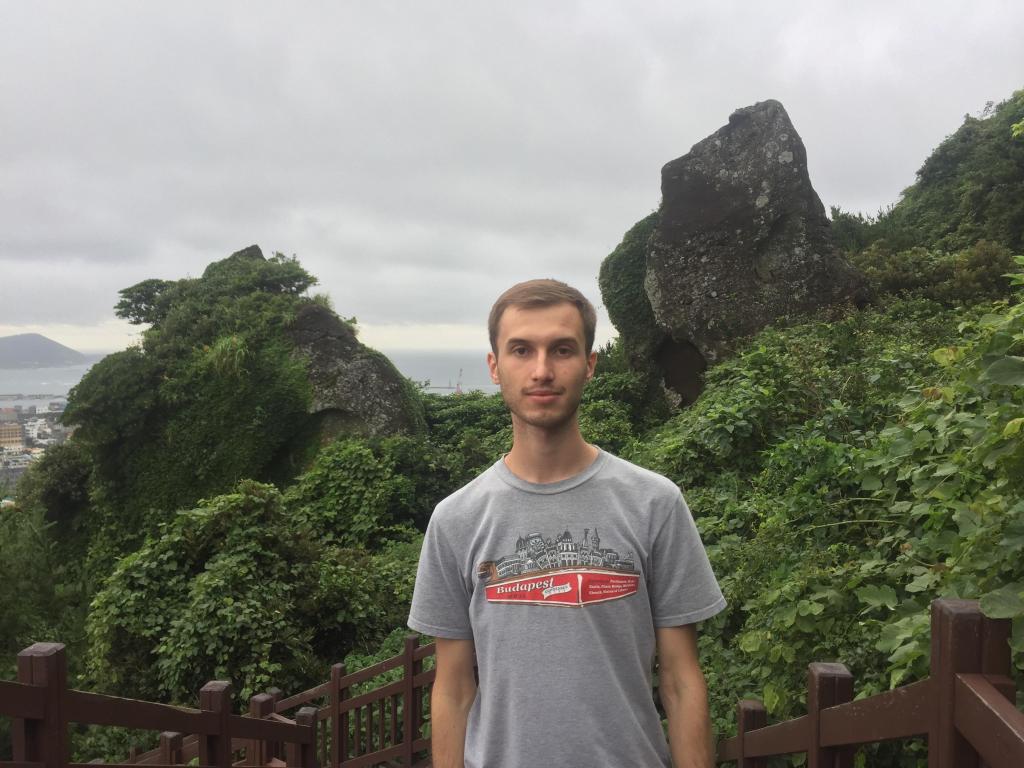
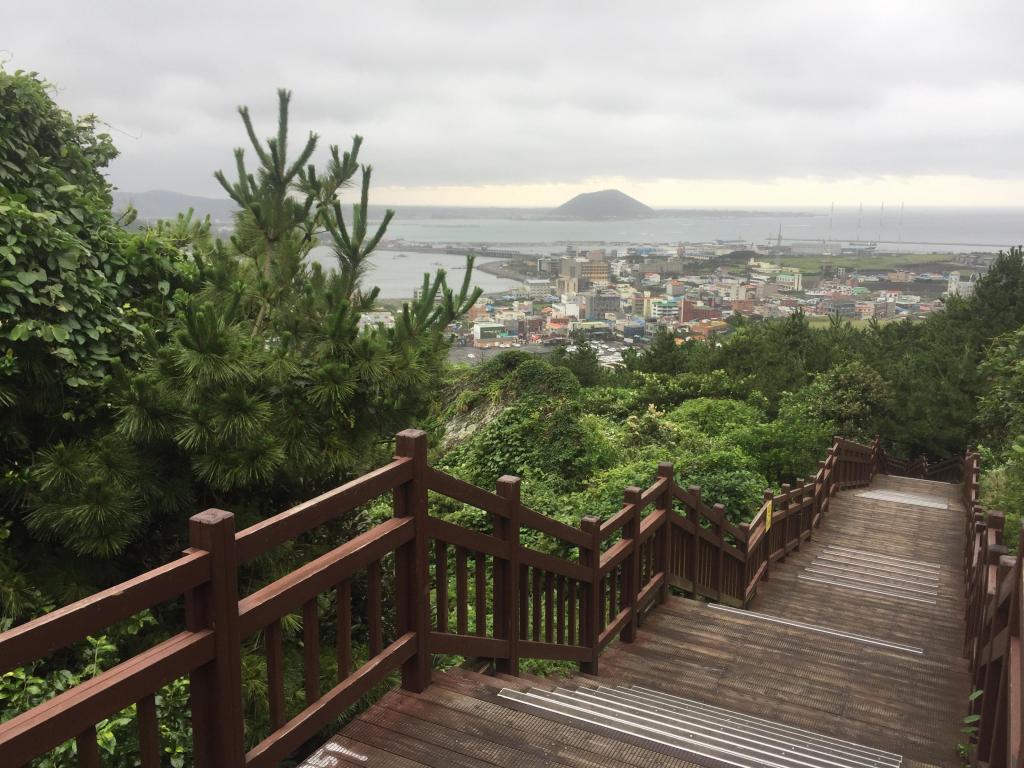
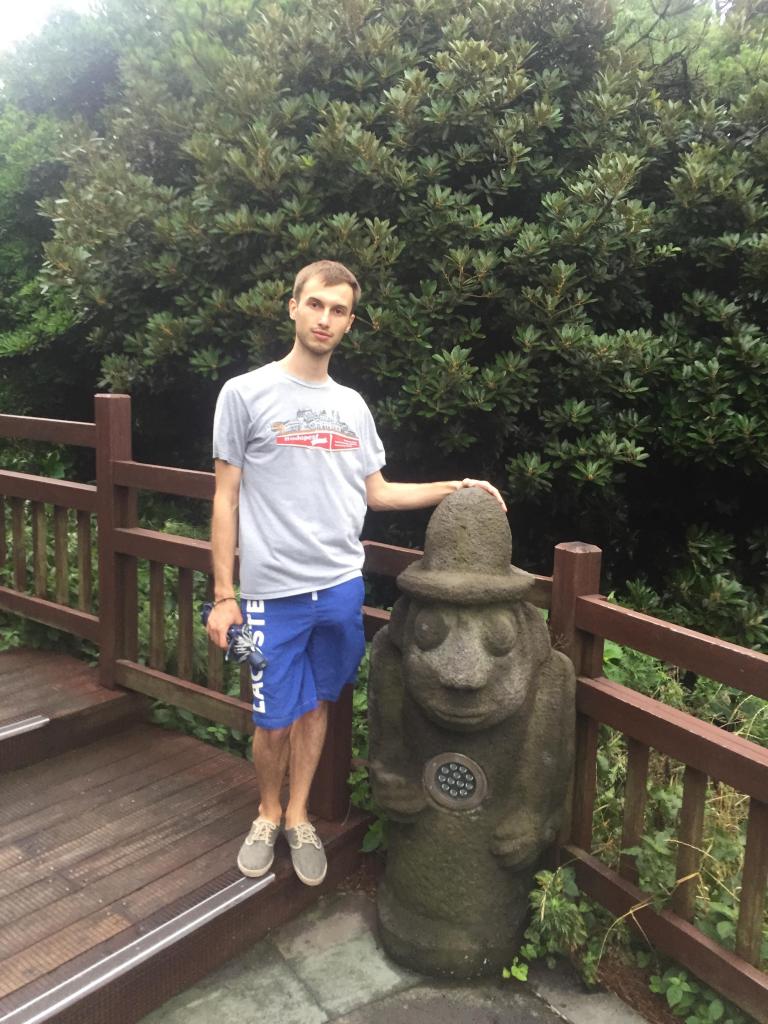
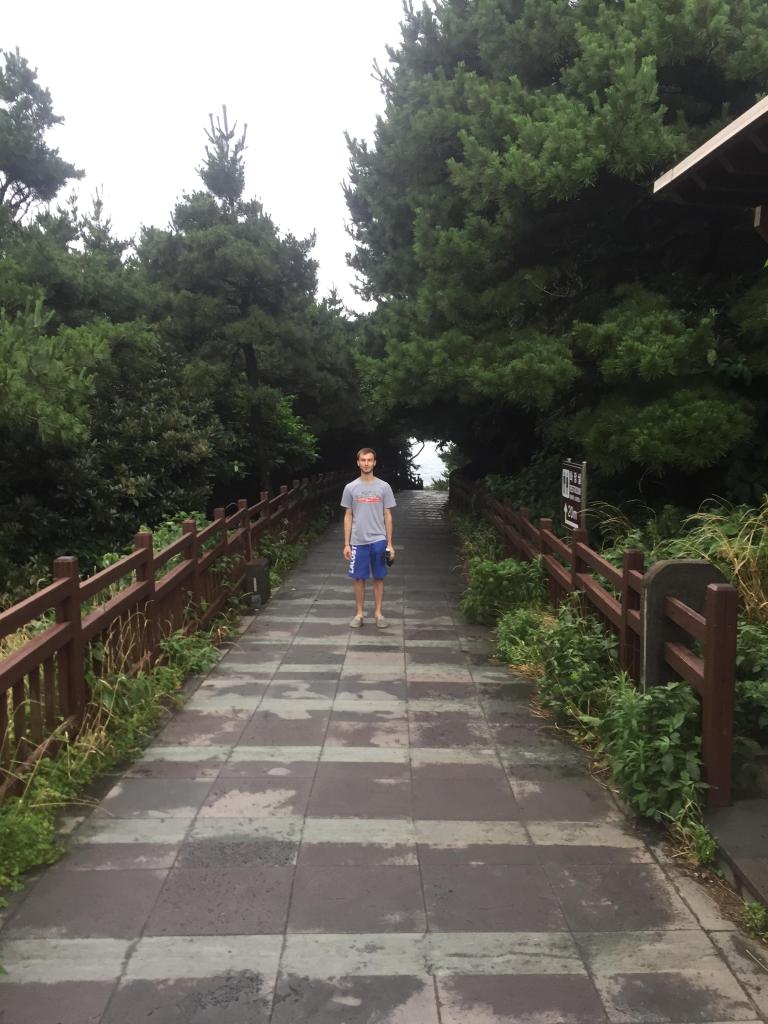
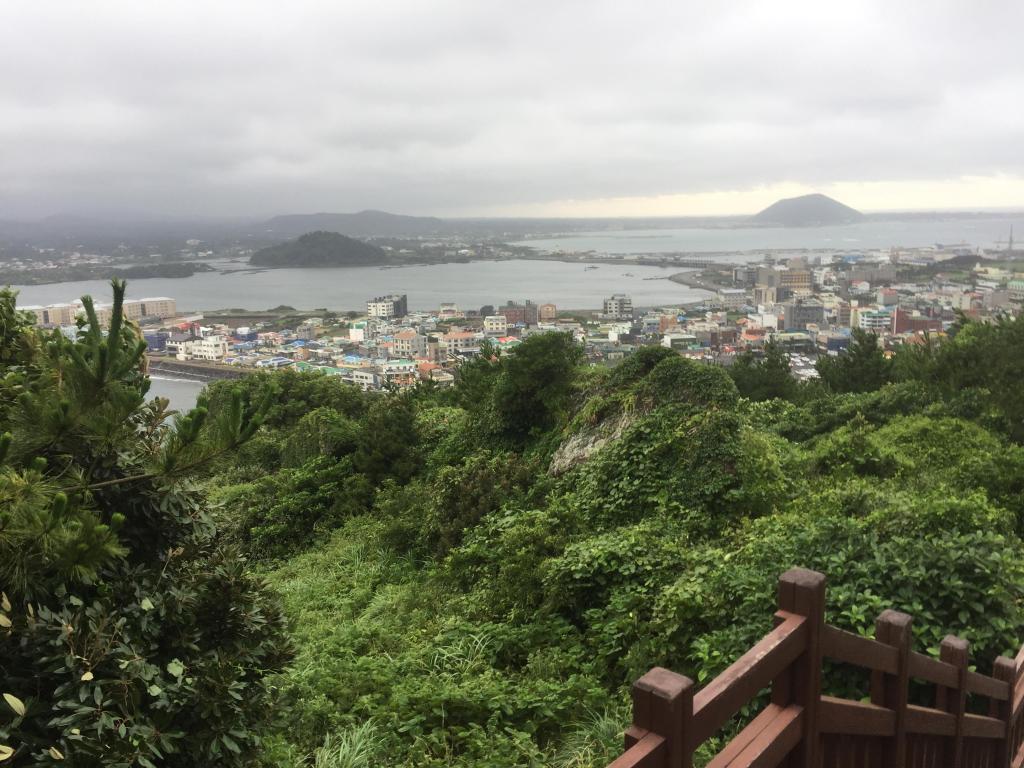
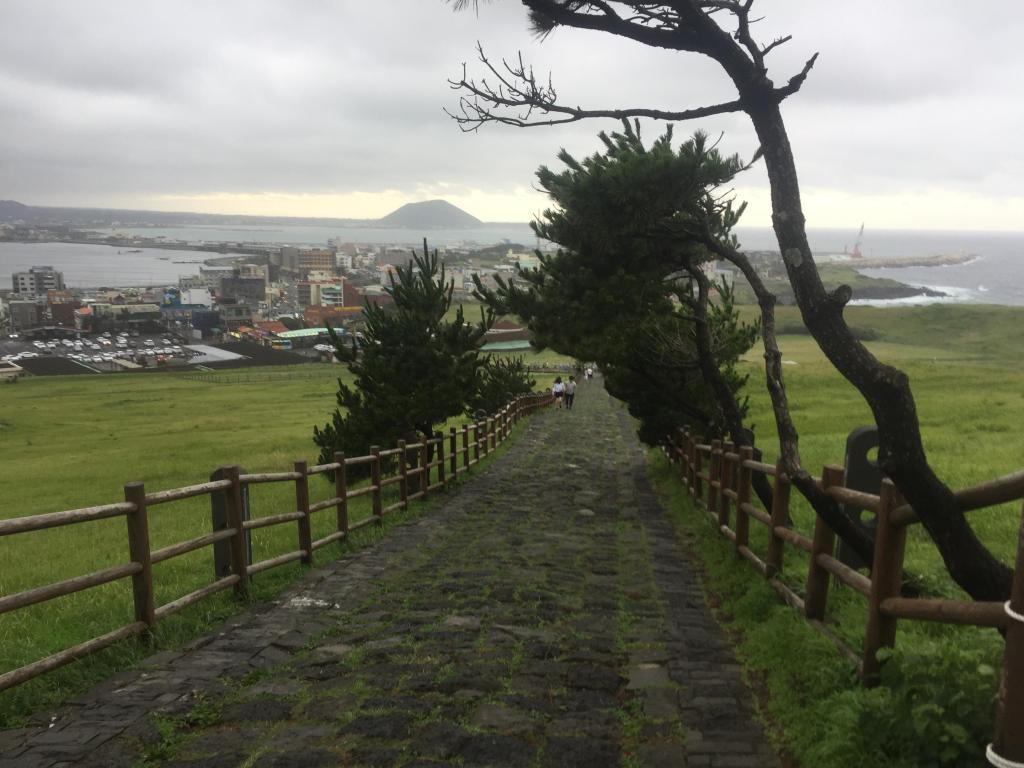
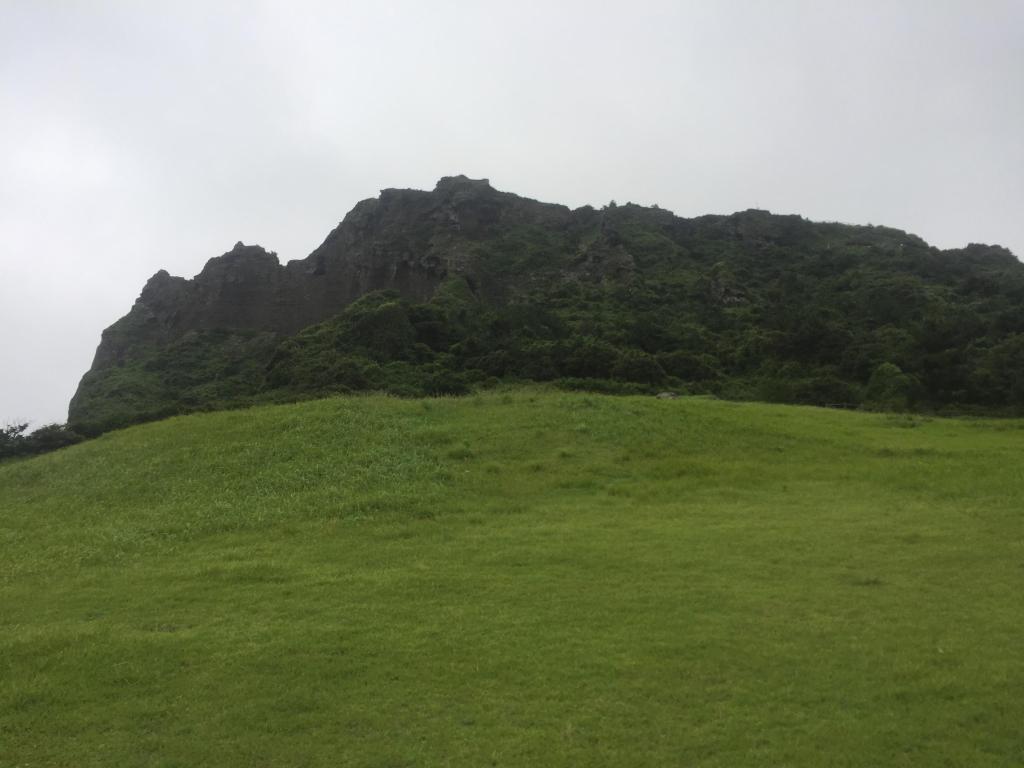
Near the foot of the crater, there is an interesting place with a view on the ocean naturally merged with the cliff. The wind is really crazy there.
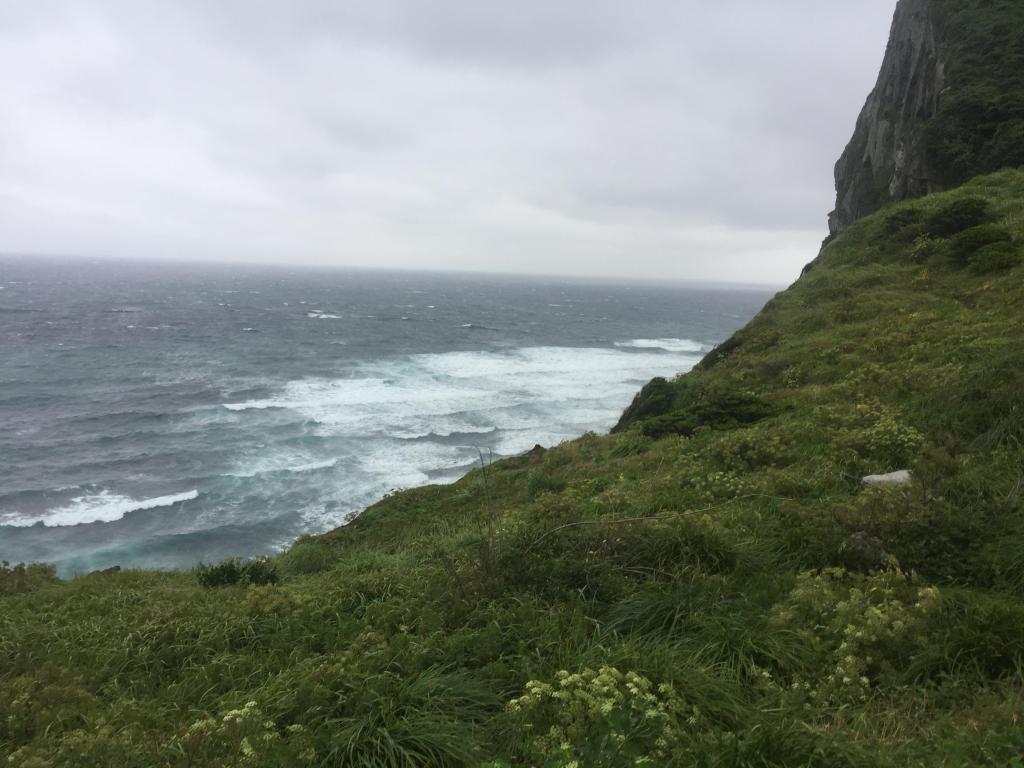
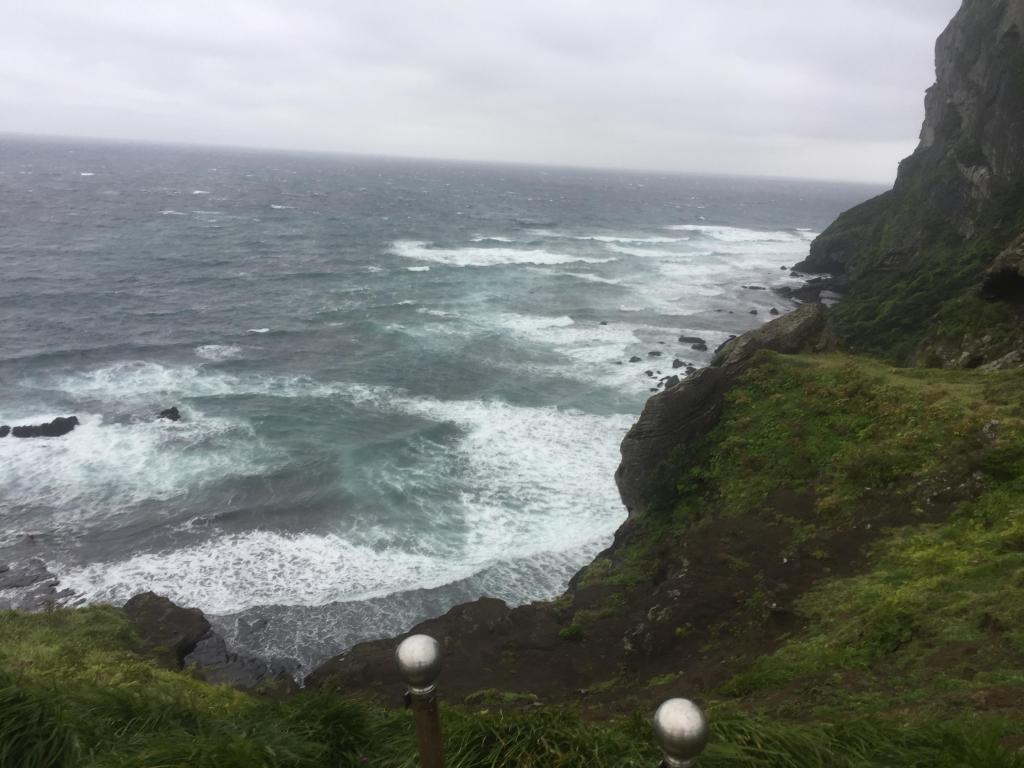
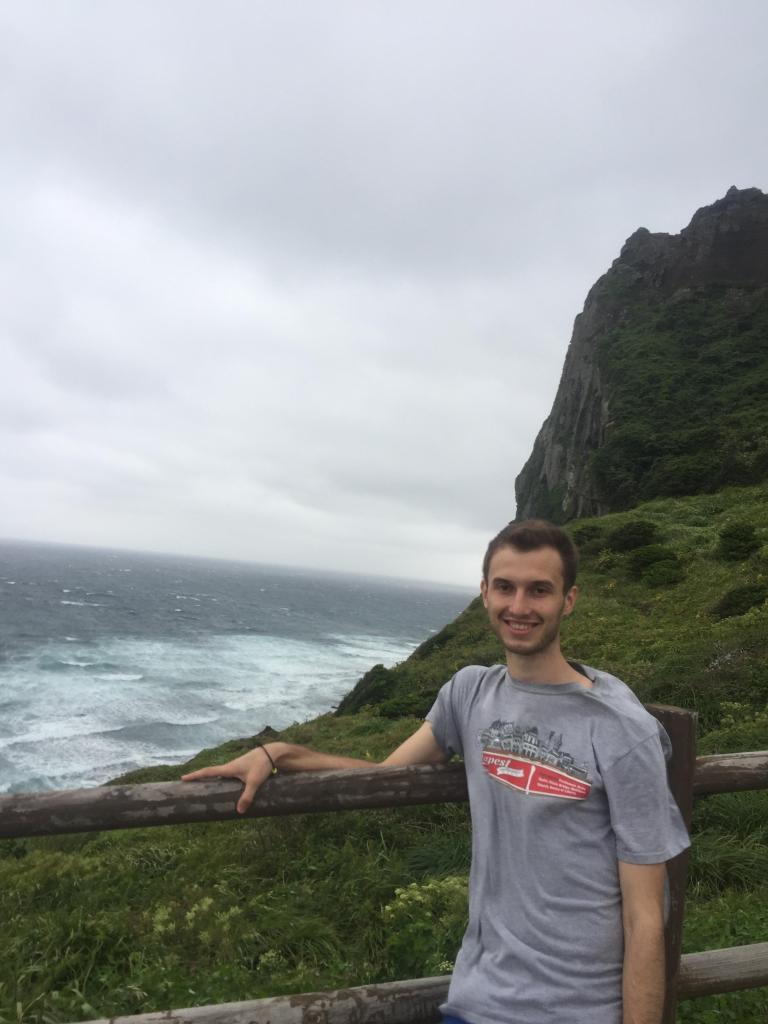
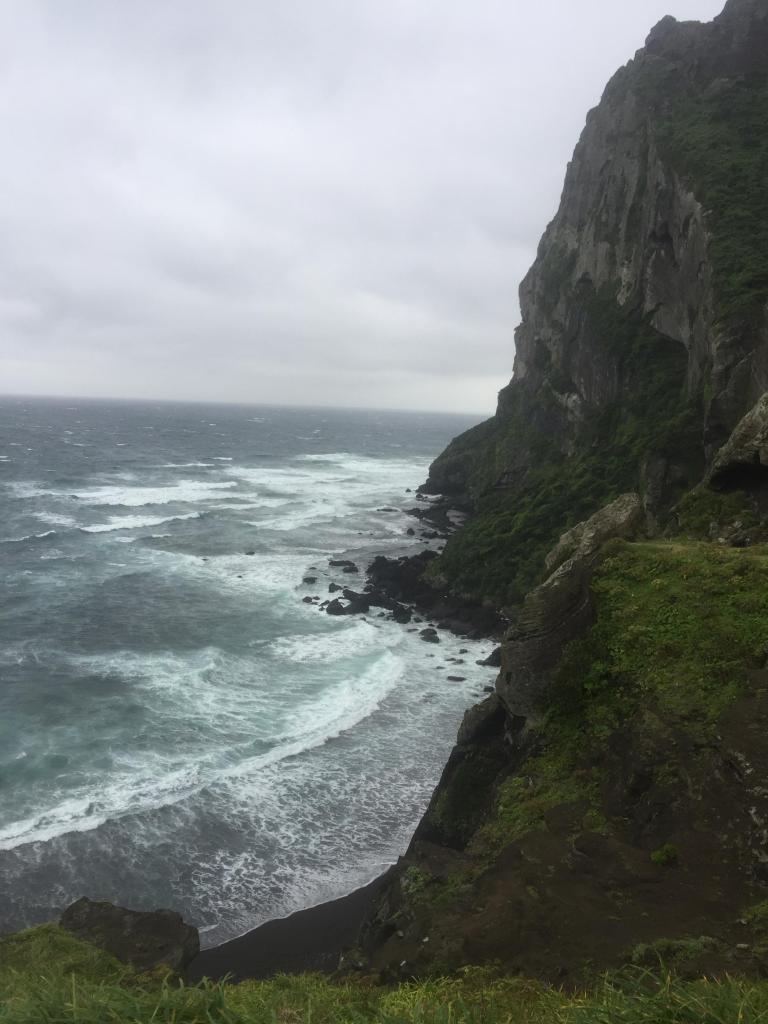
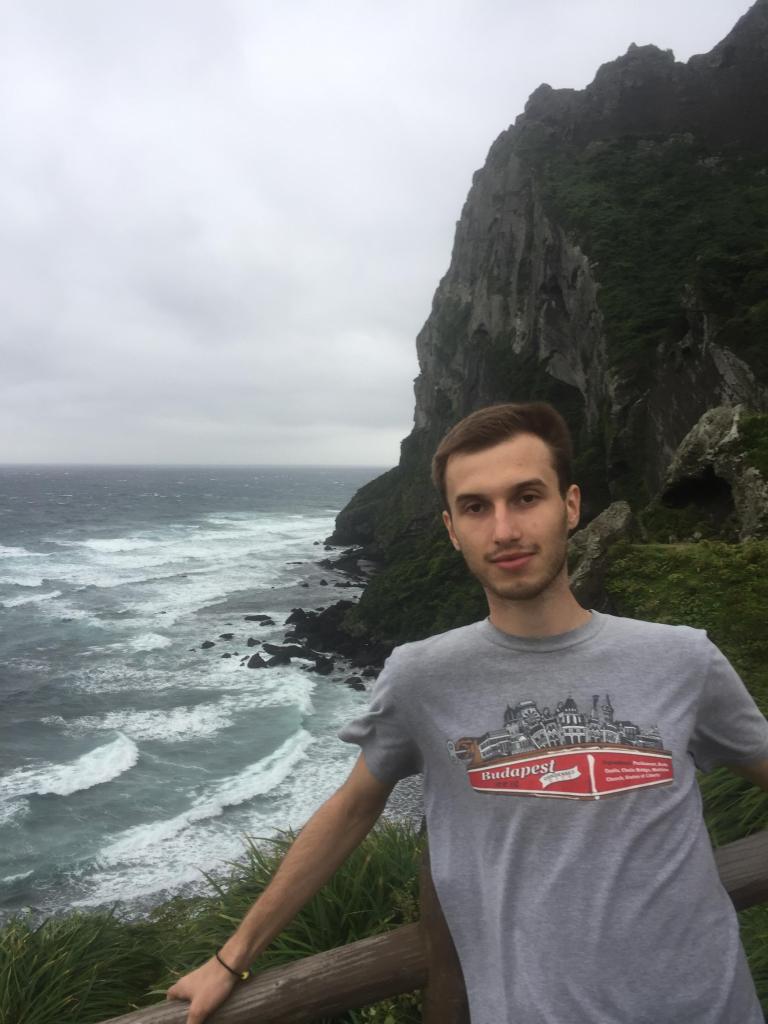
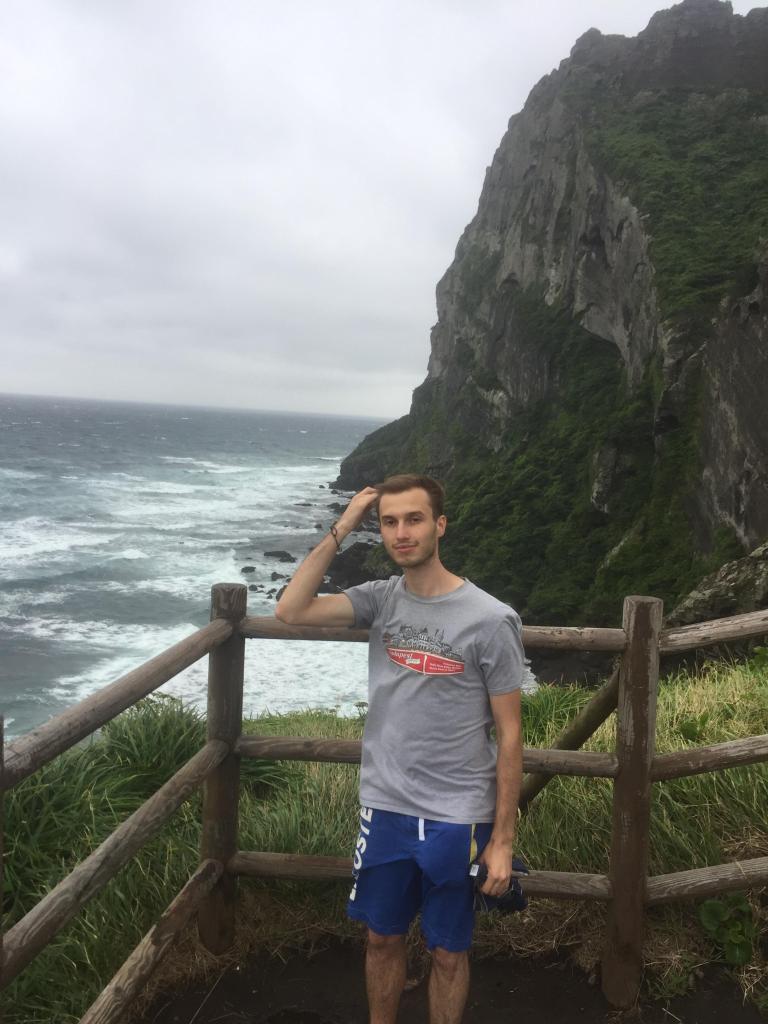
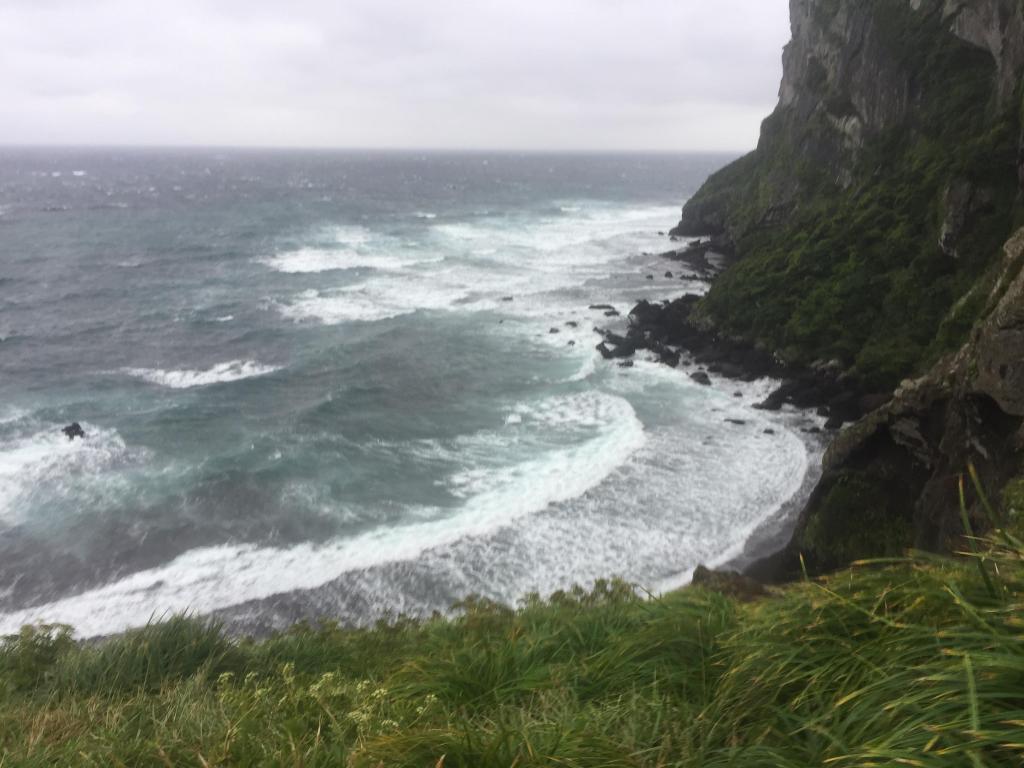
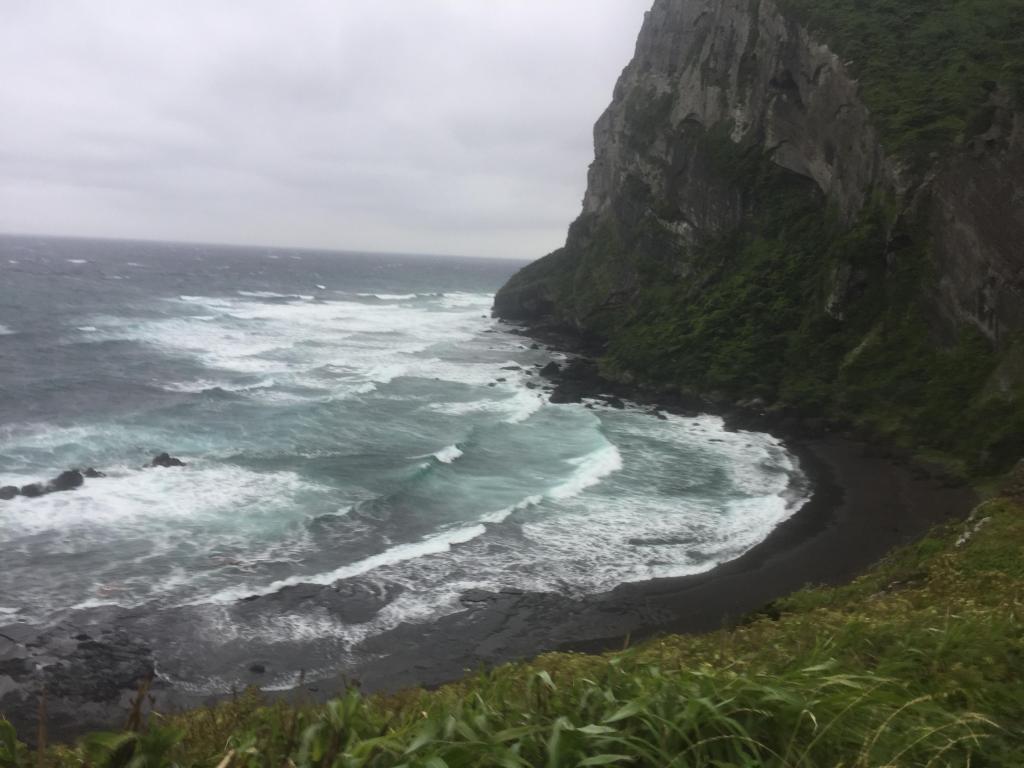
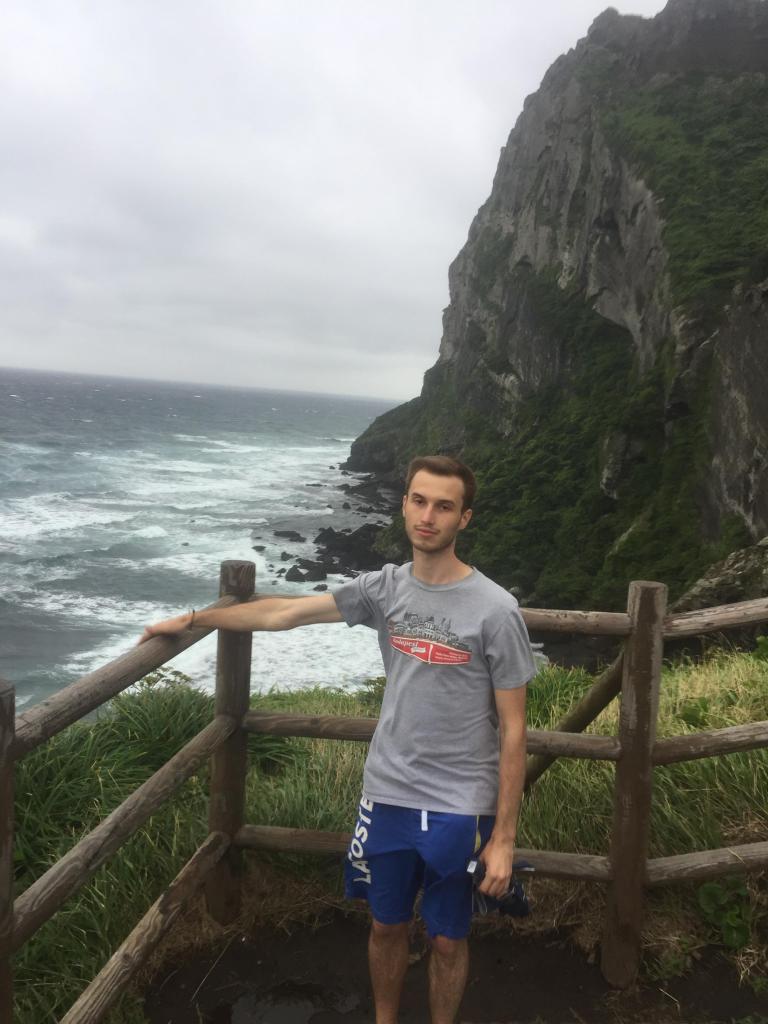
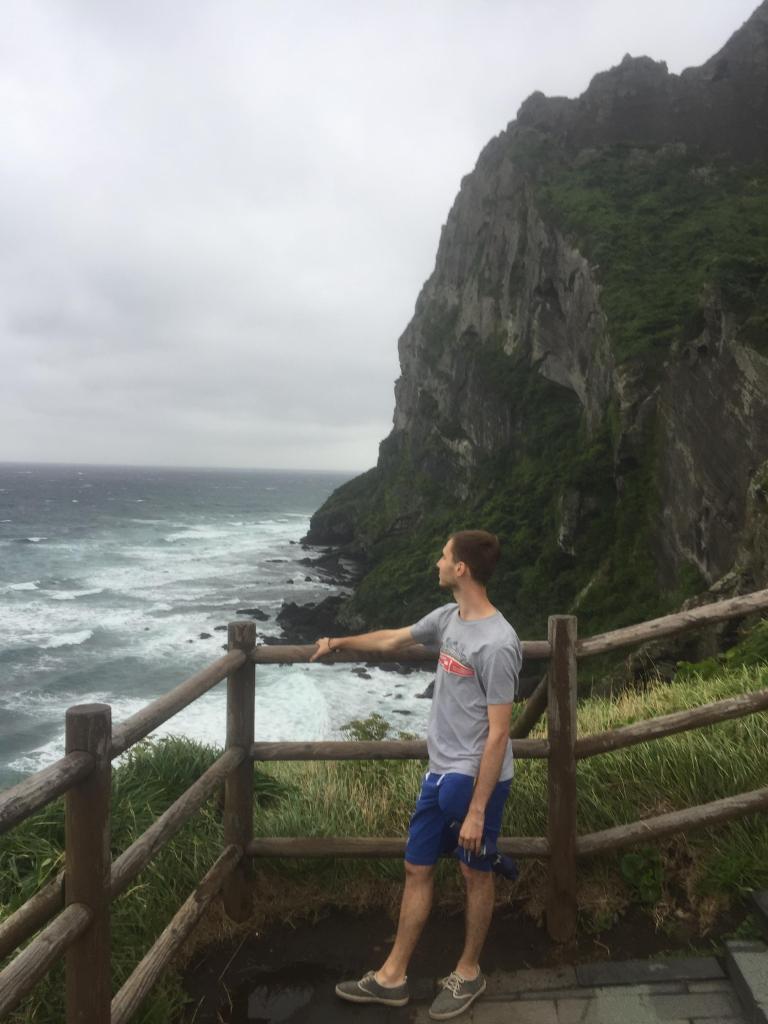
I could not resist and just went to explore that place. And actually this place is special. It is the place where famous Jeju female divers, haenyeo (海女, sea woman), make a performance. Jeju diving tradition dates back to 434, originally, diving was an exclusively male profession, the first mention of female divers in literature does not come until the 17th century.
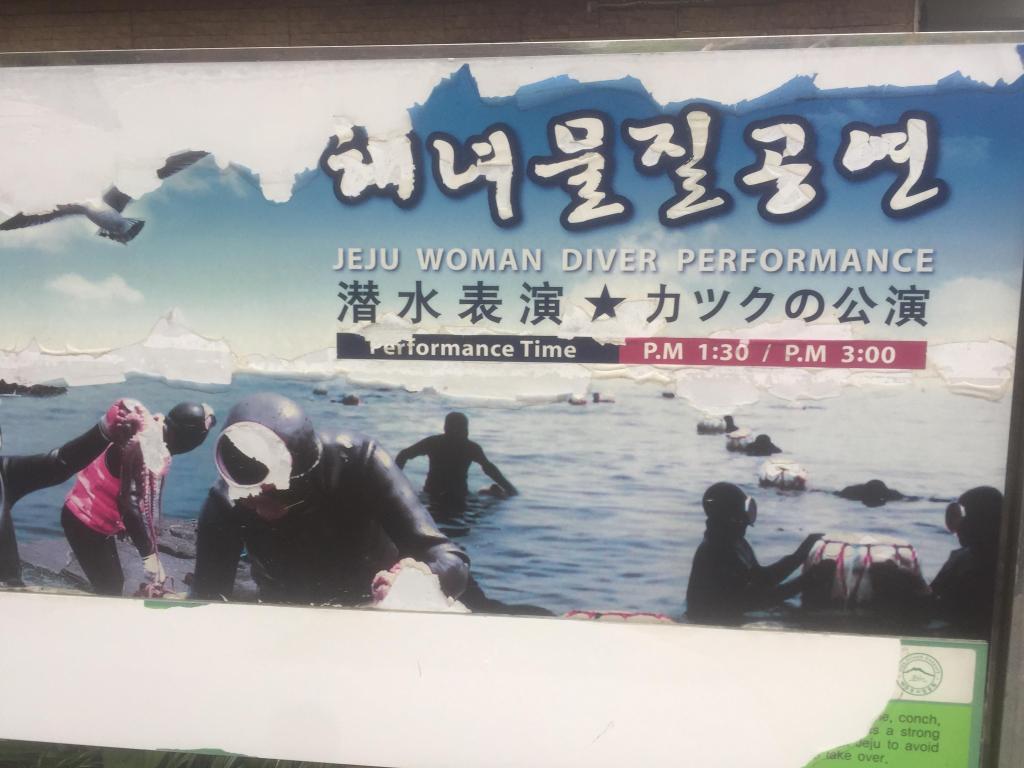
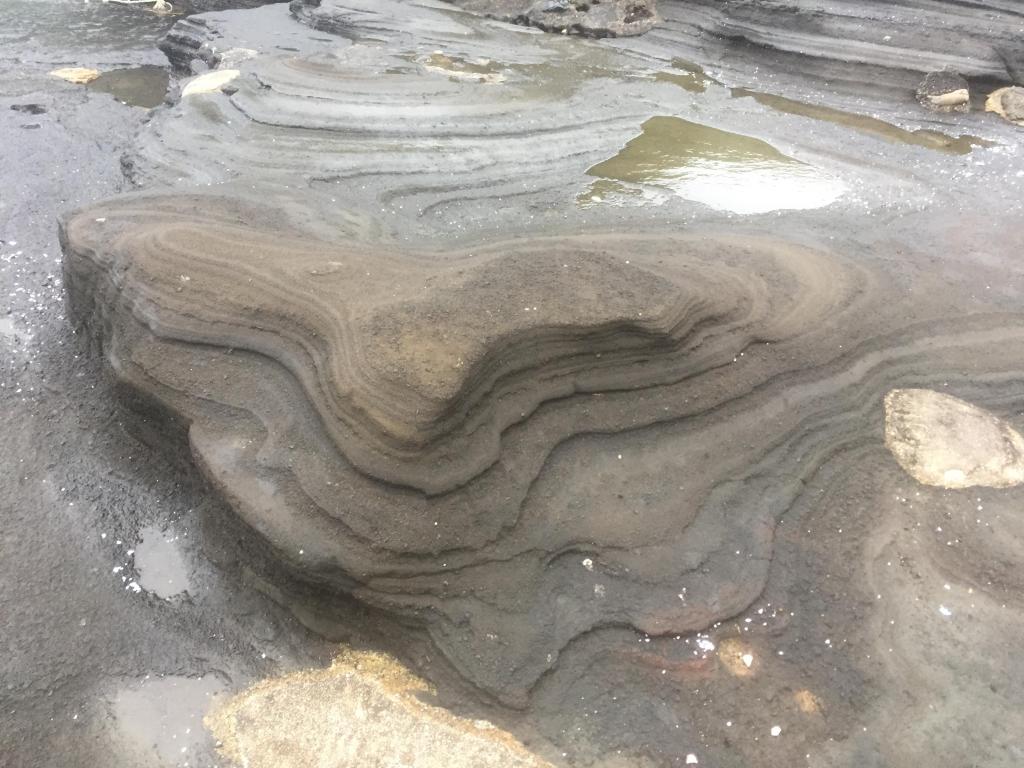
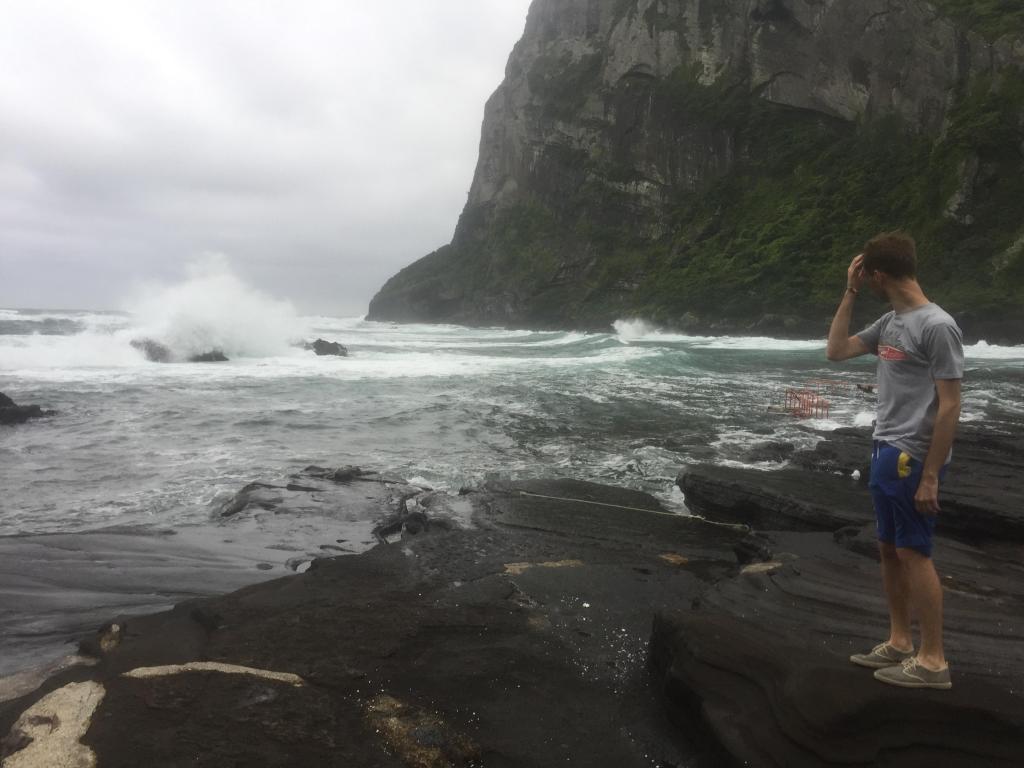
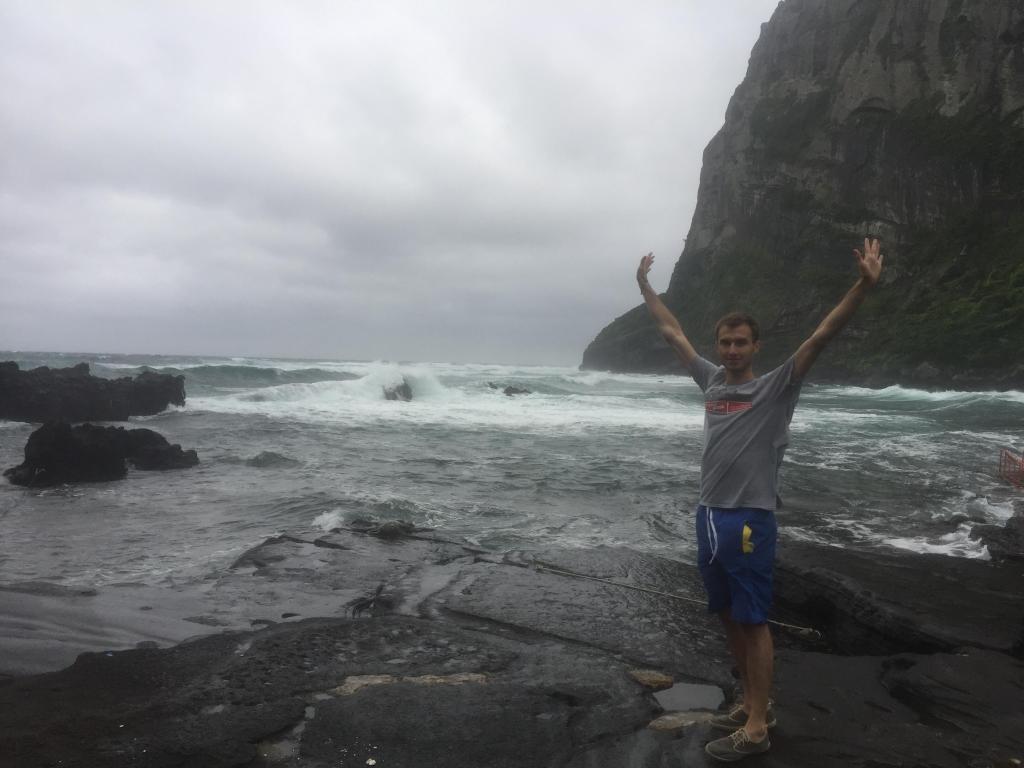
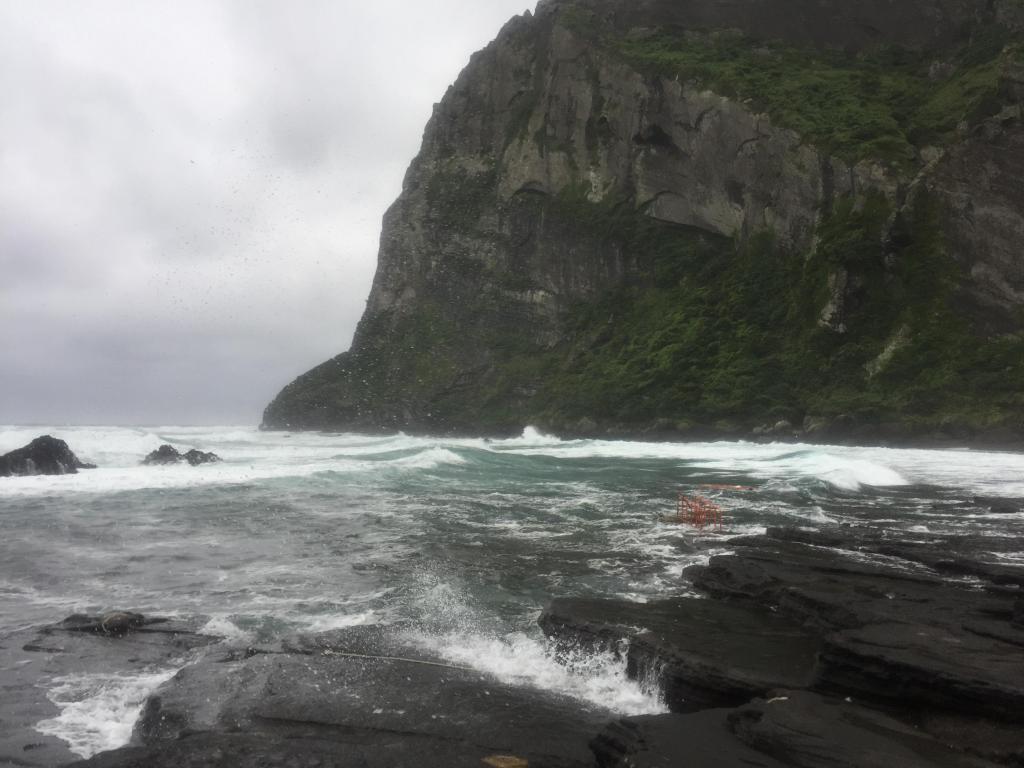
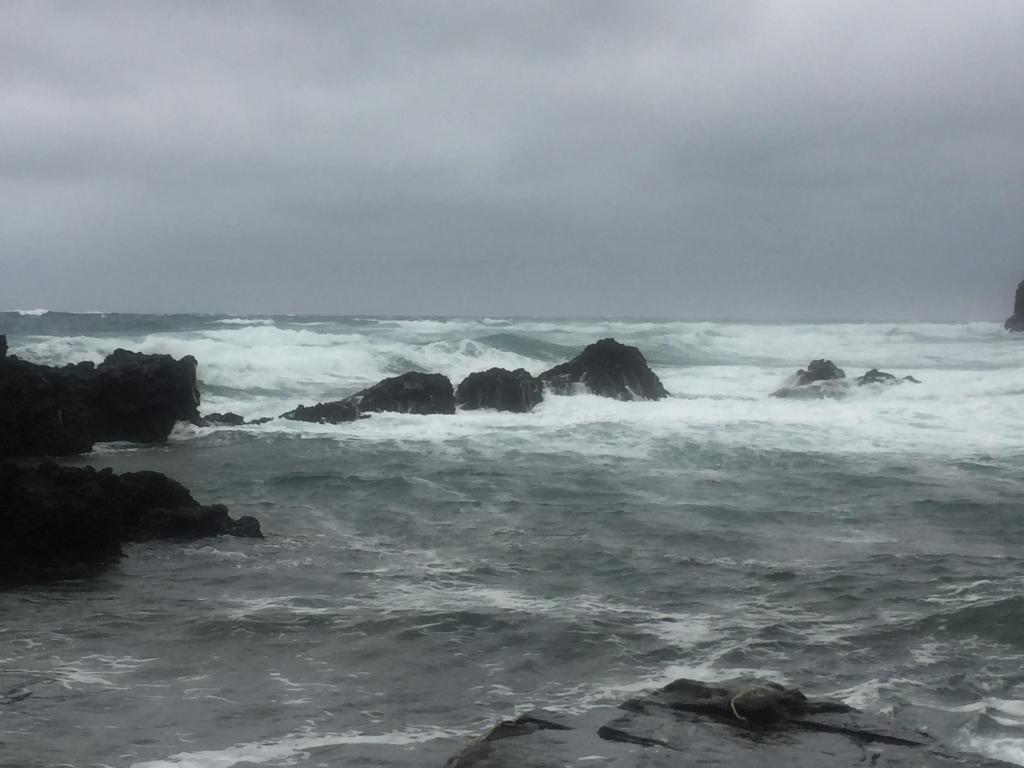
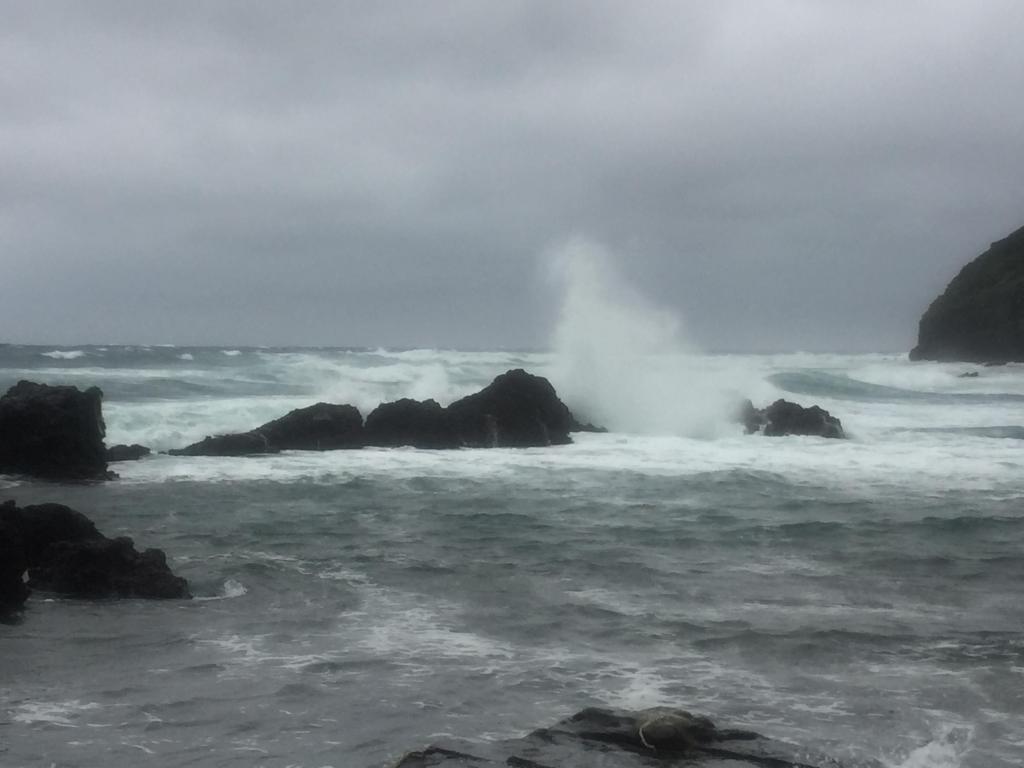
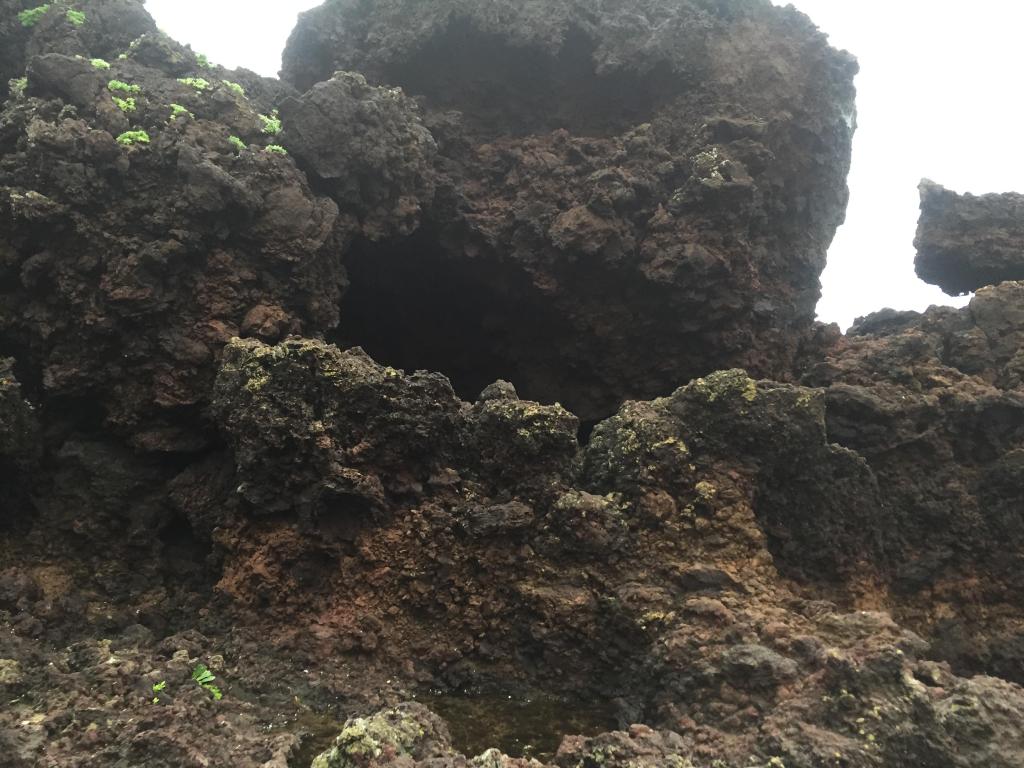
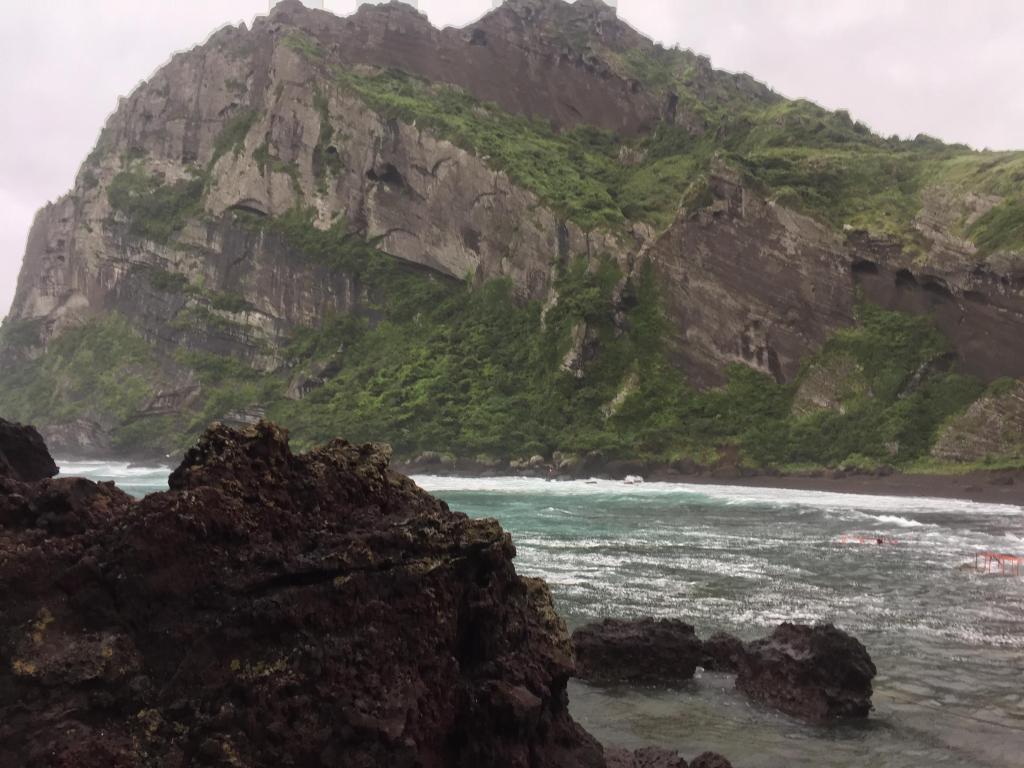
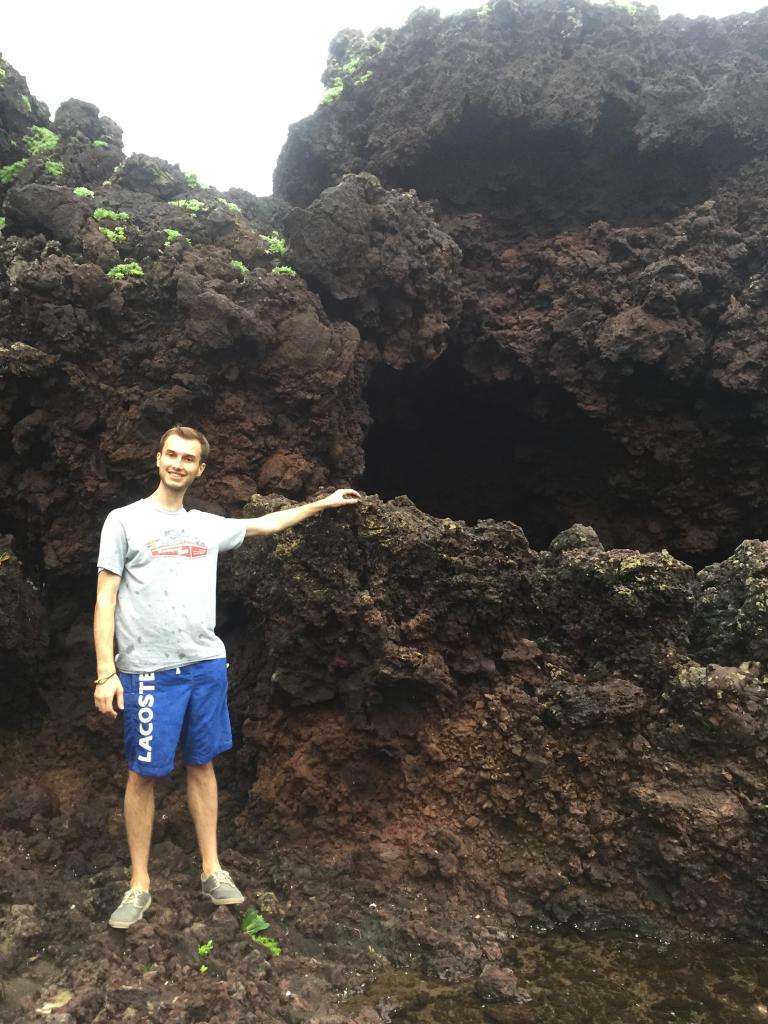
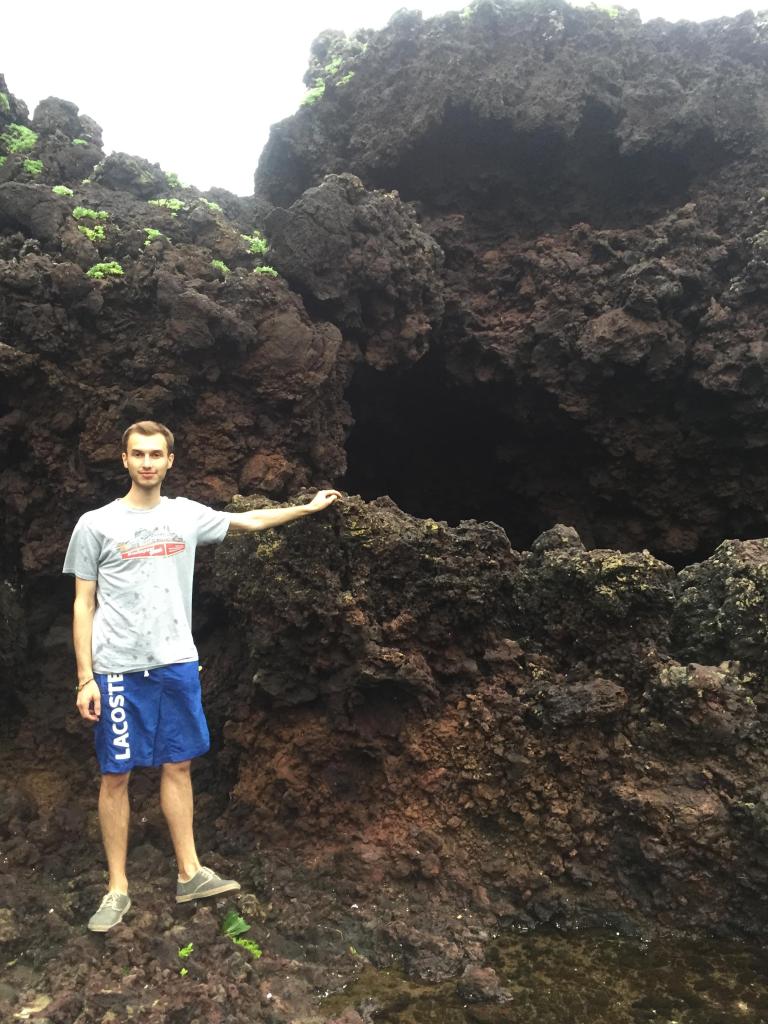
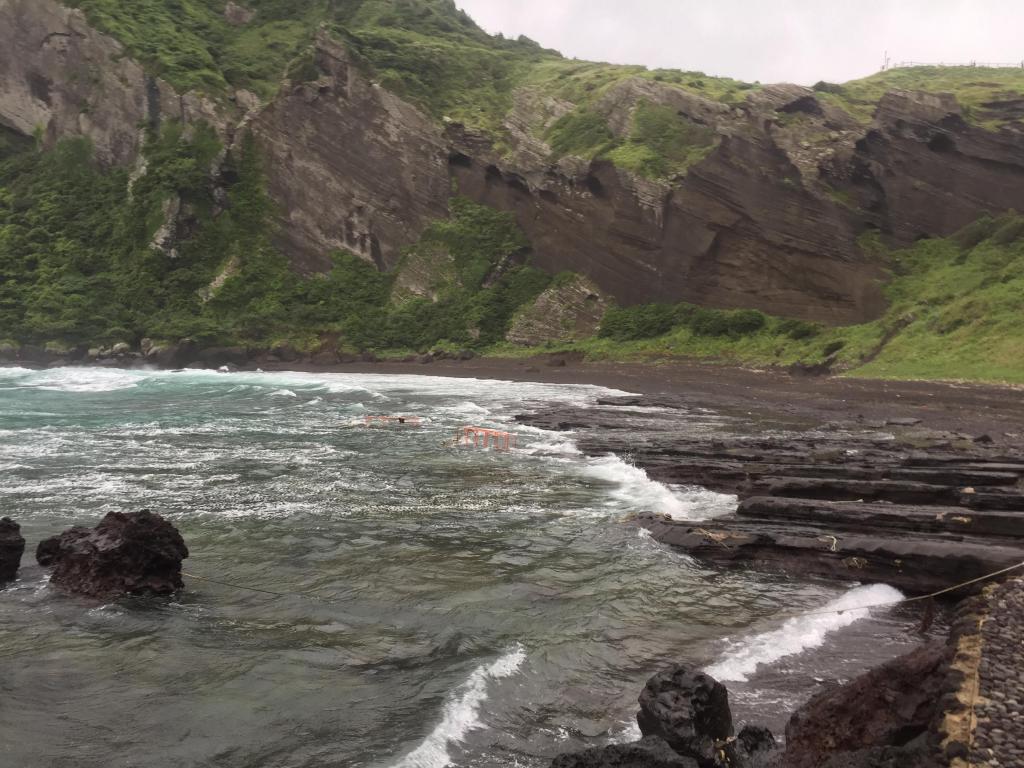
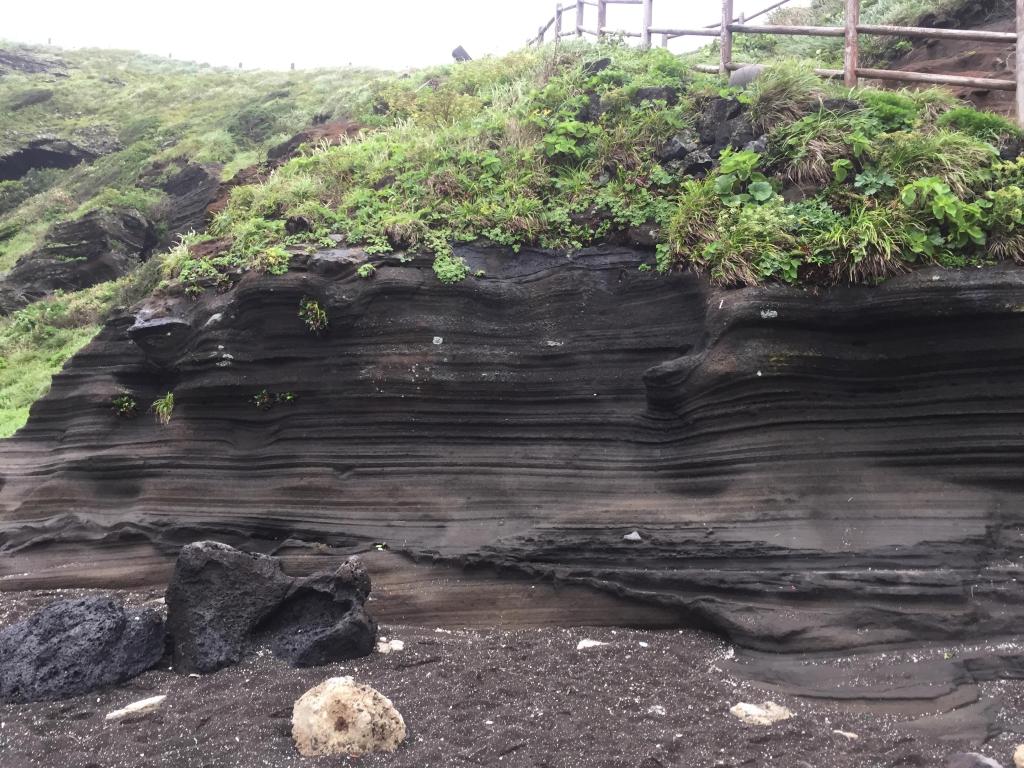
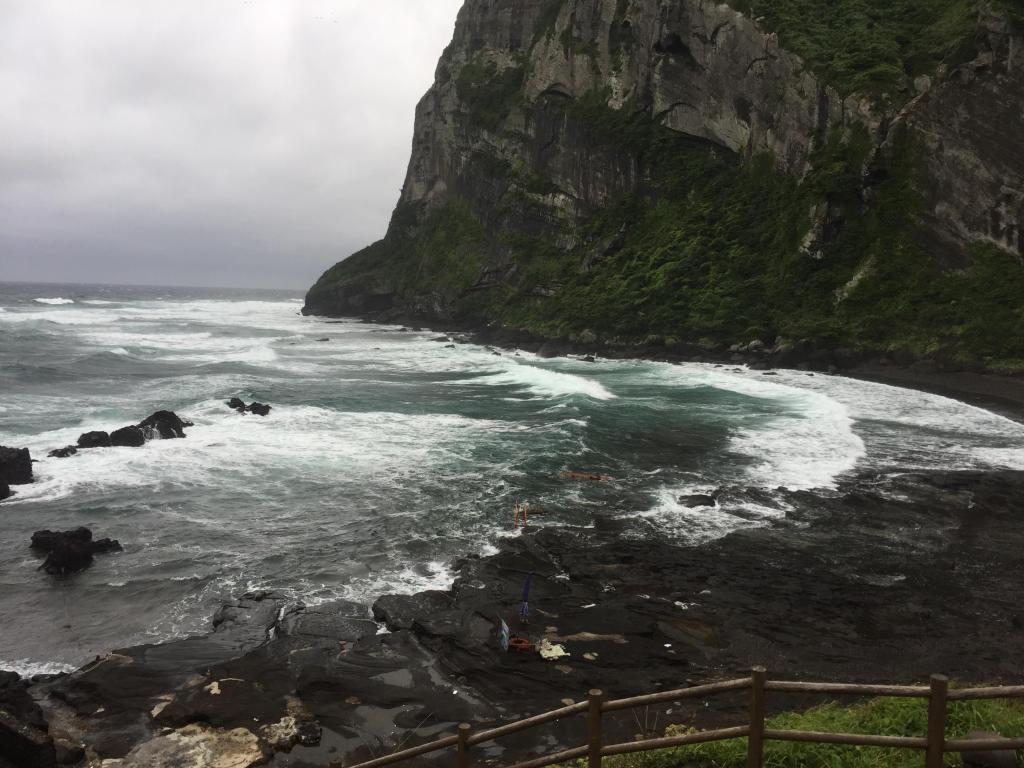
There was no show at that time, so I could just play with the ocean.
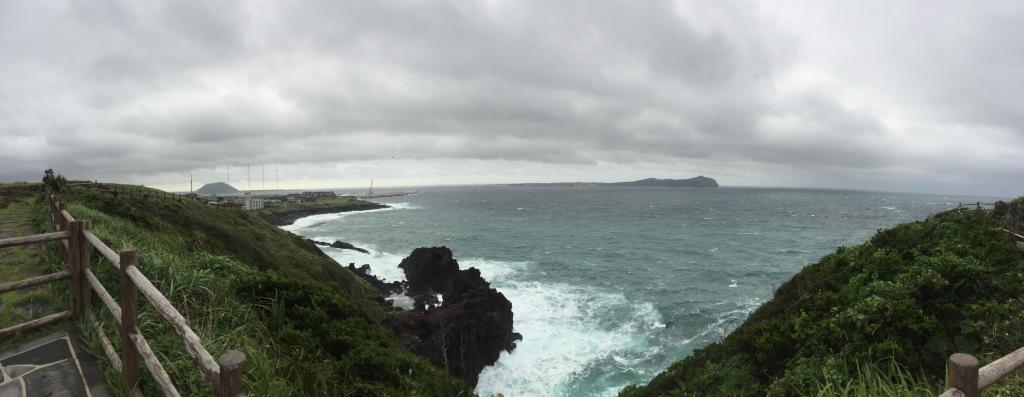
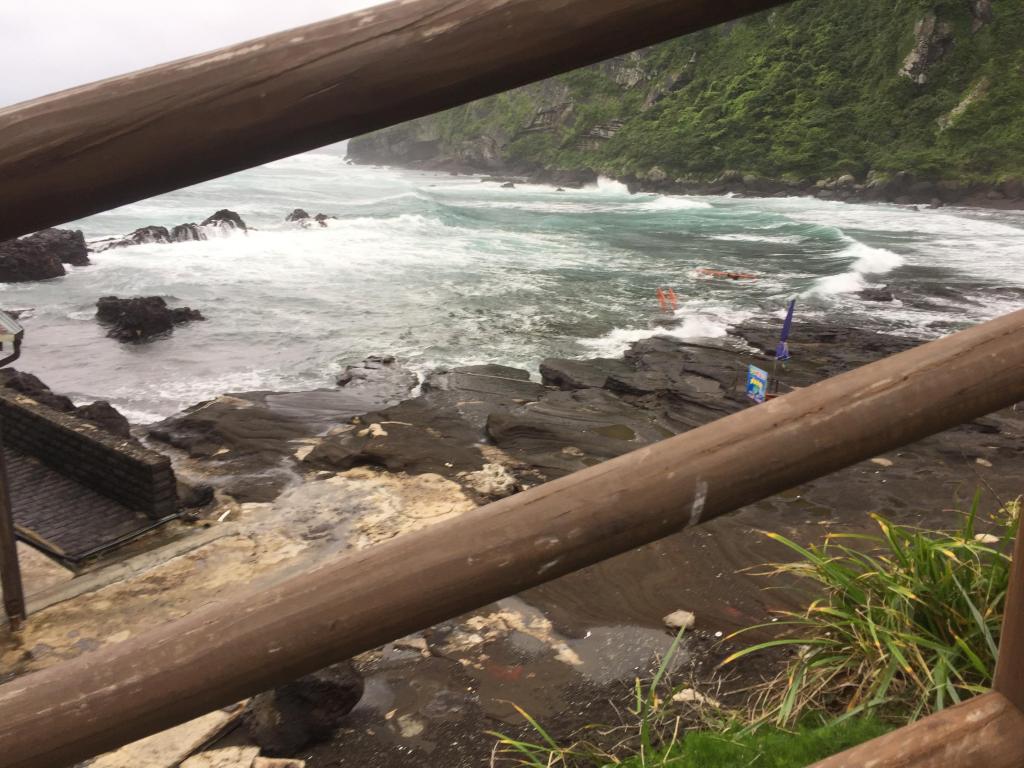
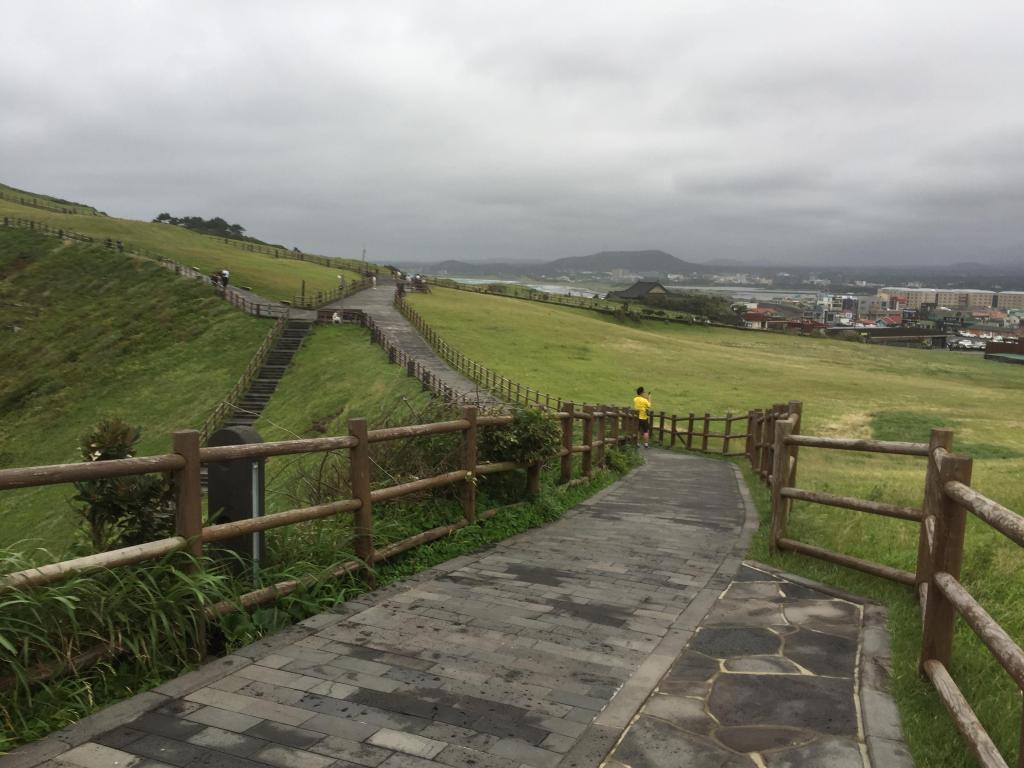
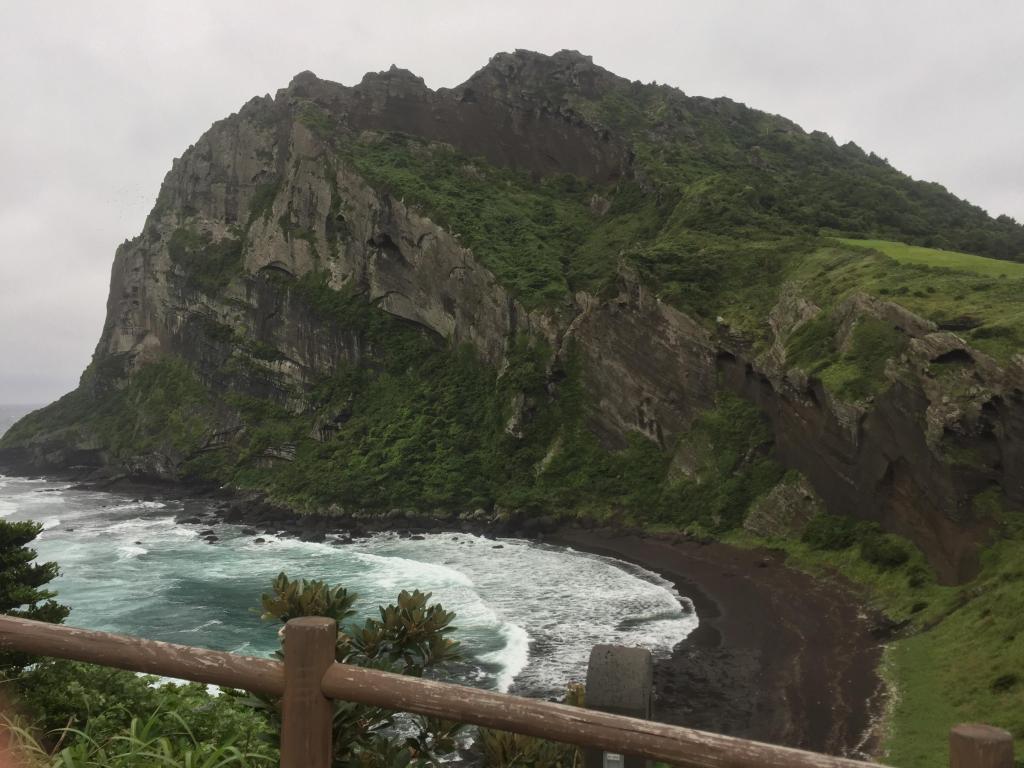
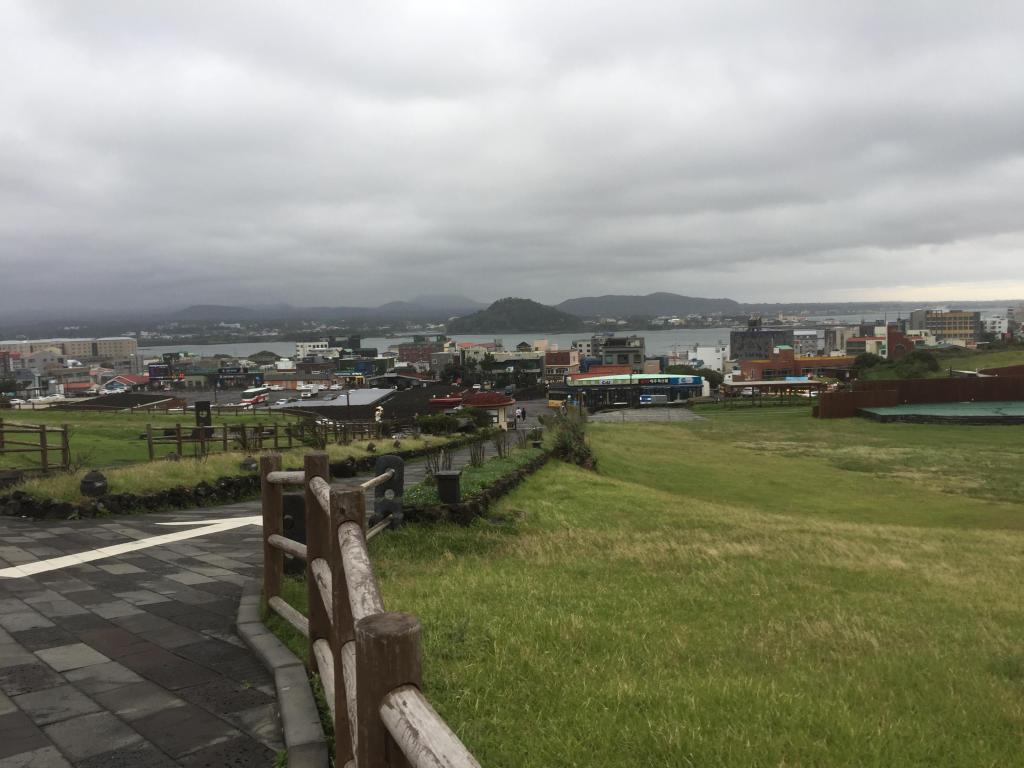
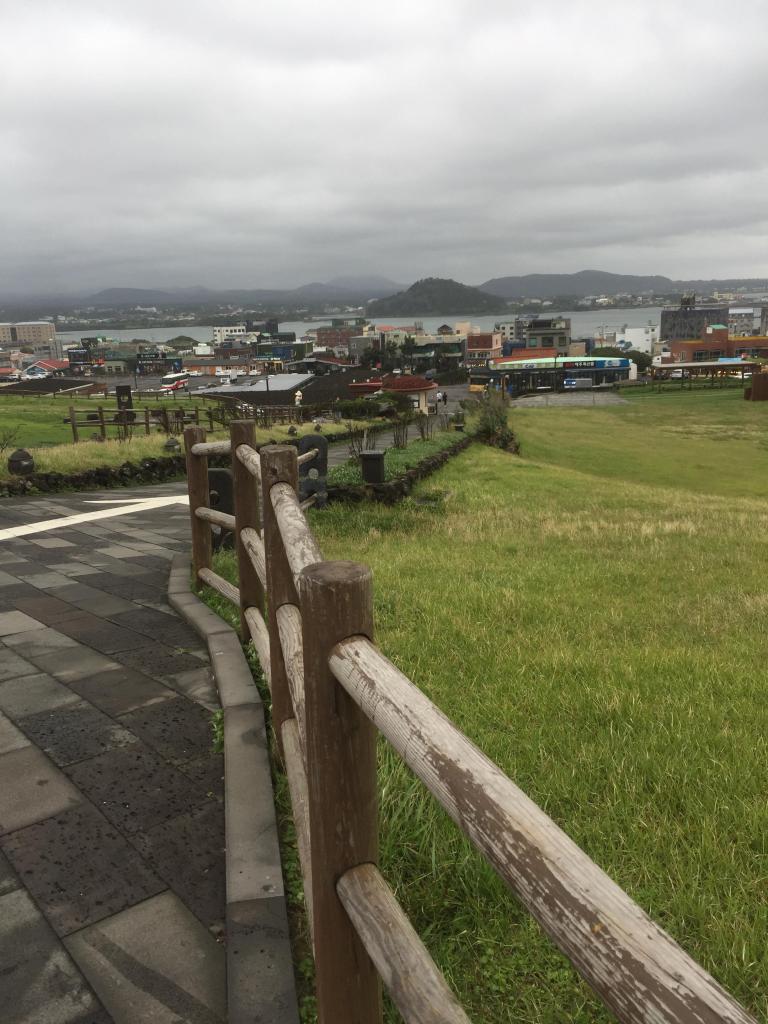
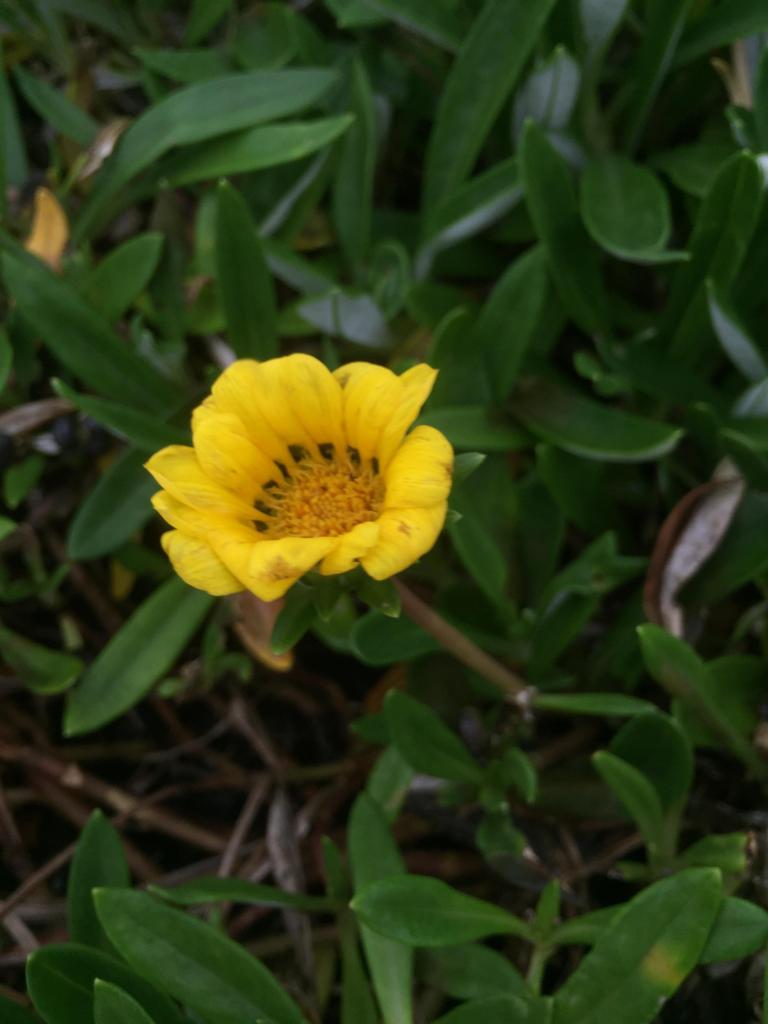

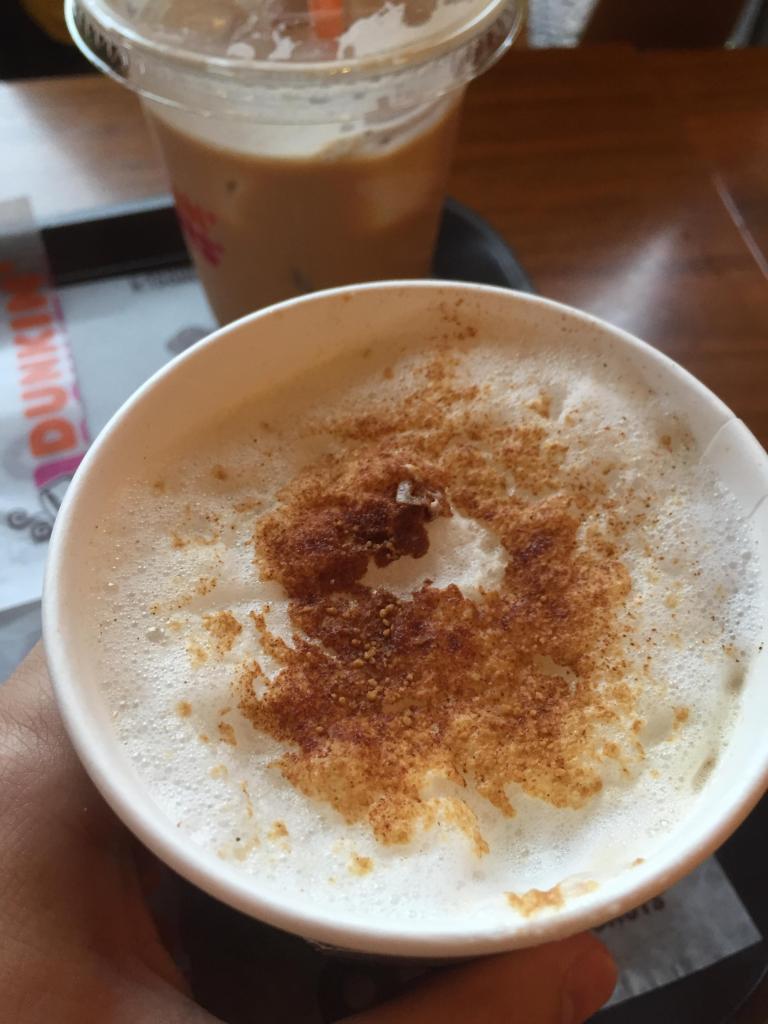
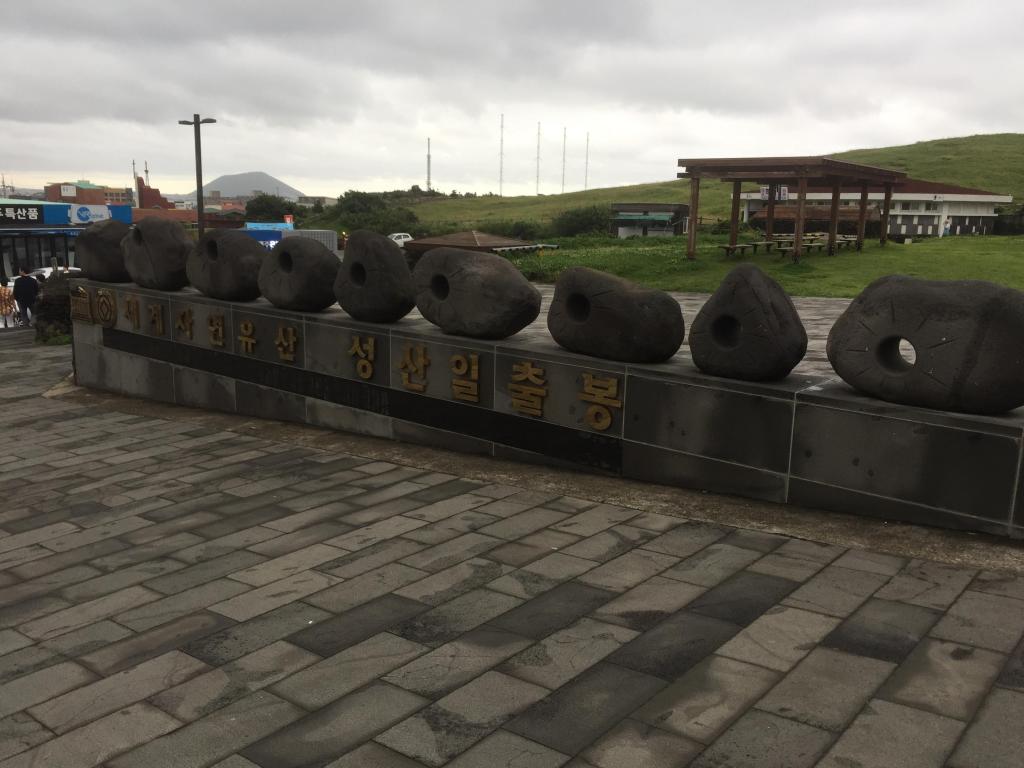
Being blessed by the ocean, finally, I can leave this amazing place.
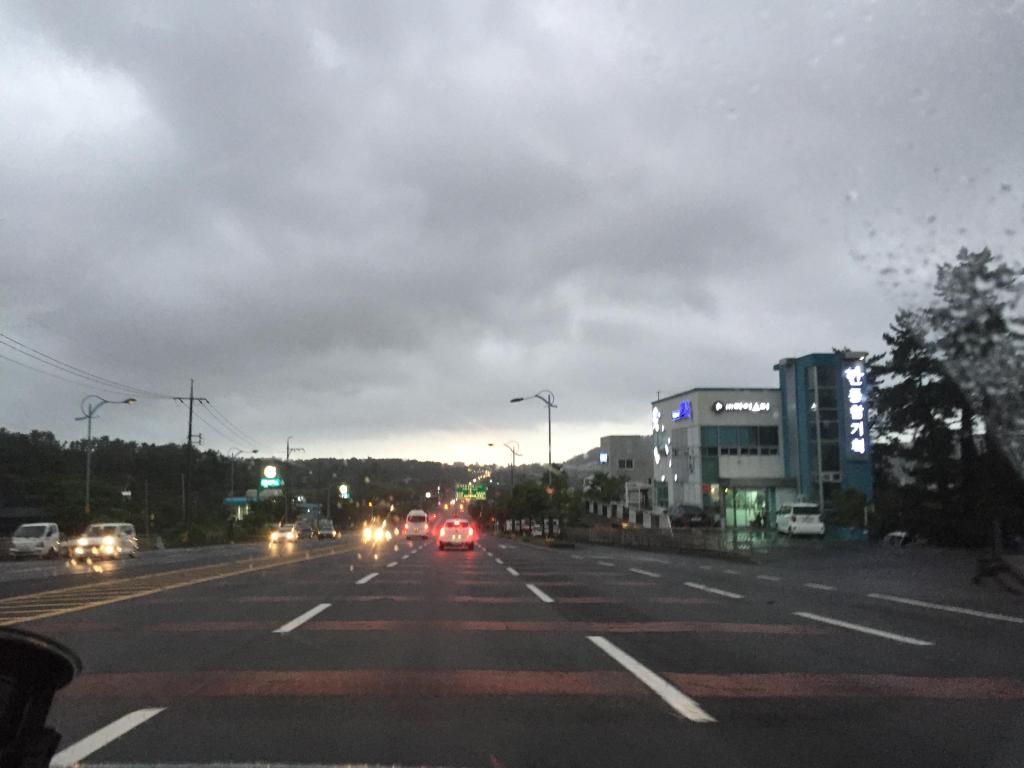
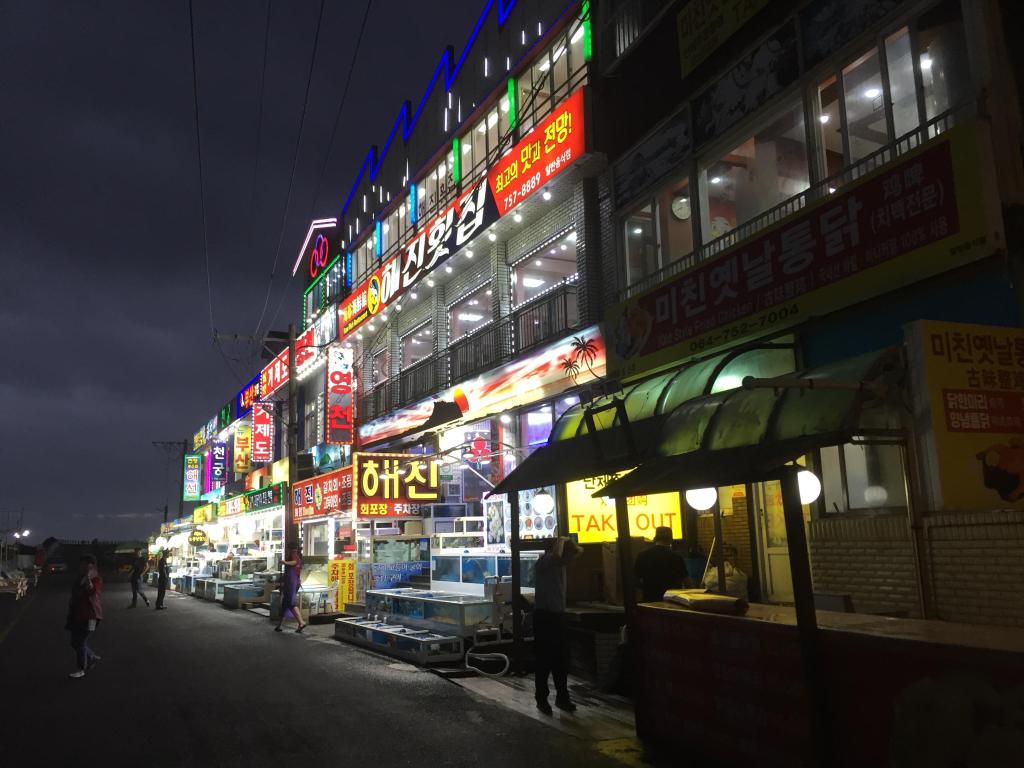
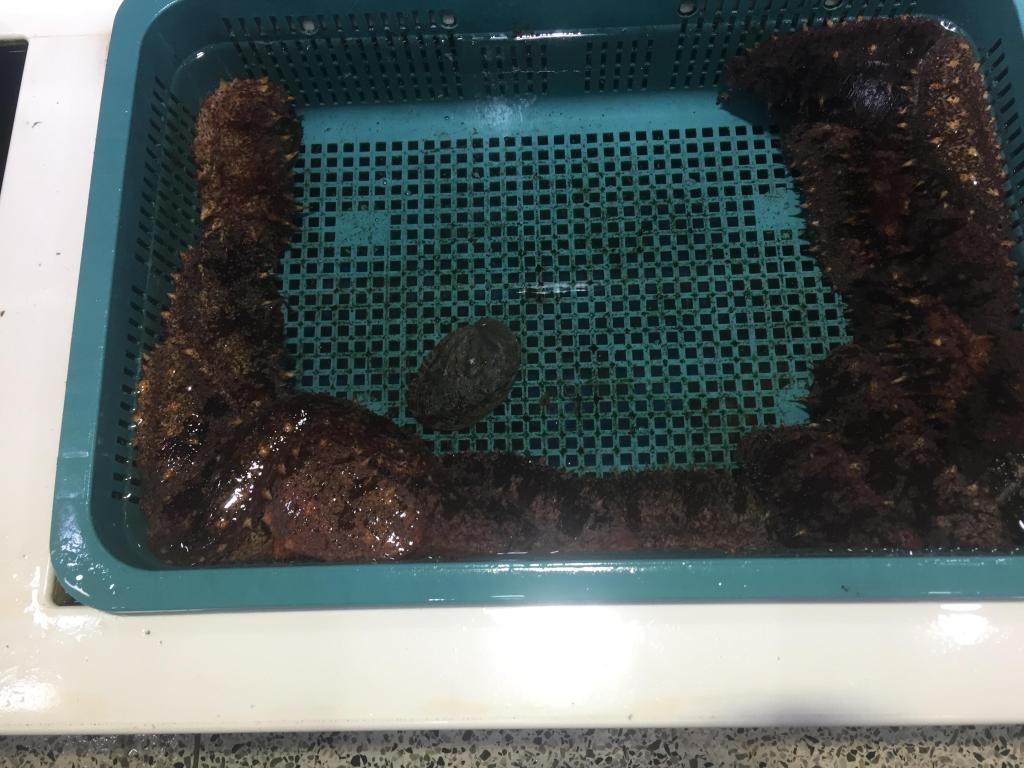
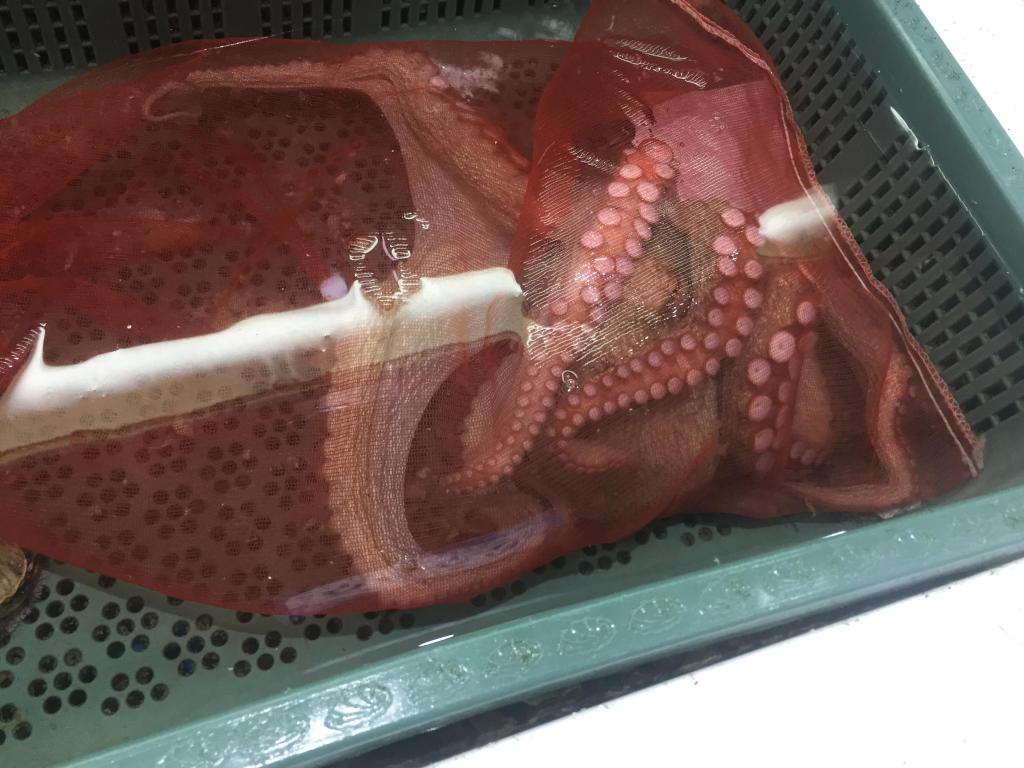
Leave that amazing place to have some amazing food! You can see aquariums with sea creatures right next to the restaurants.
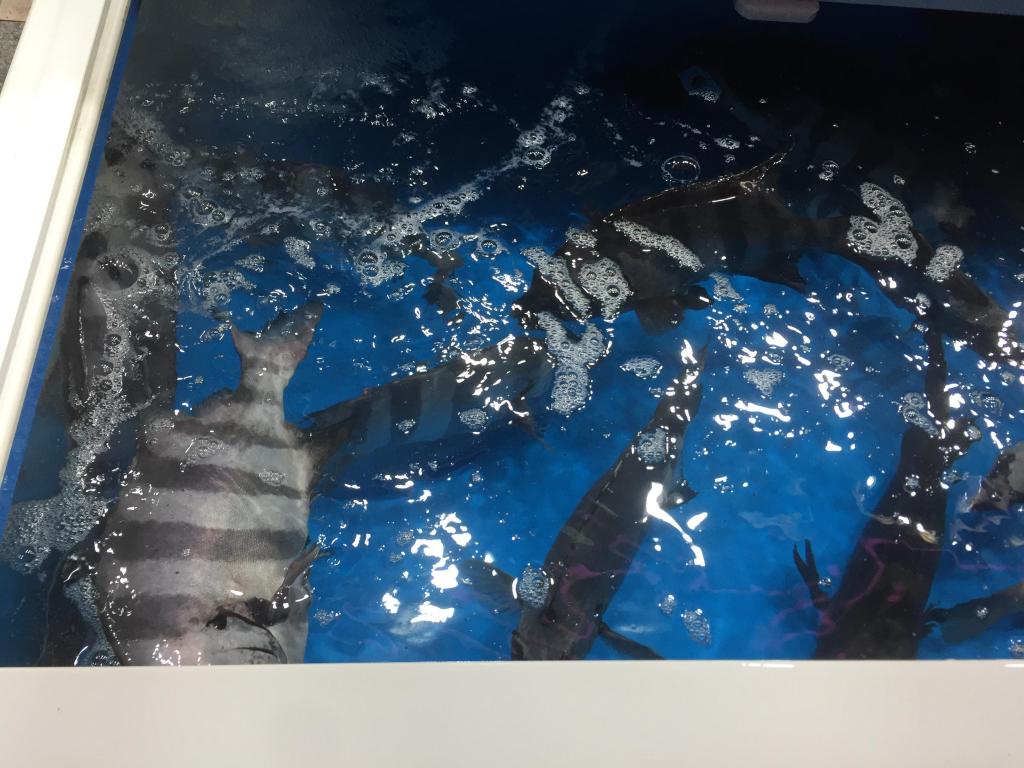
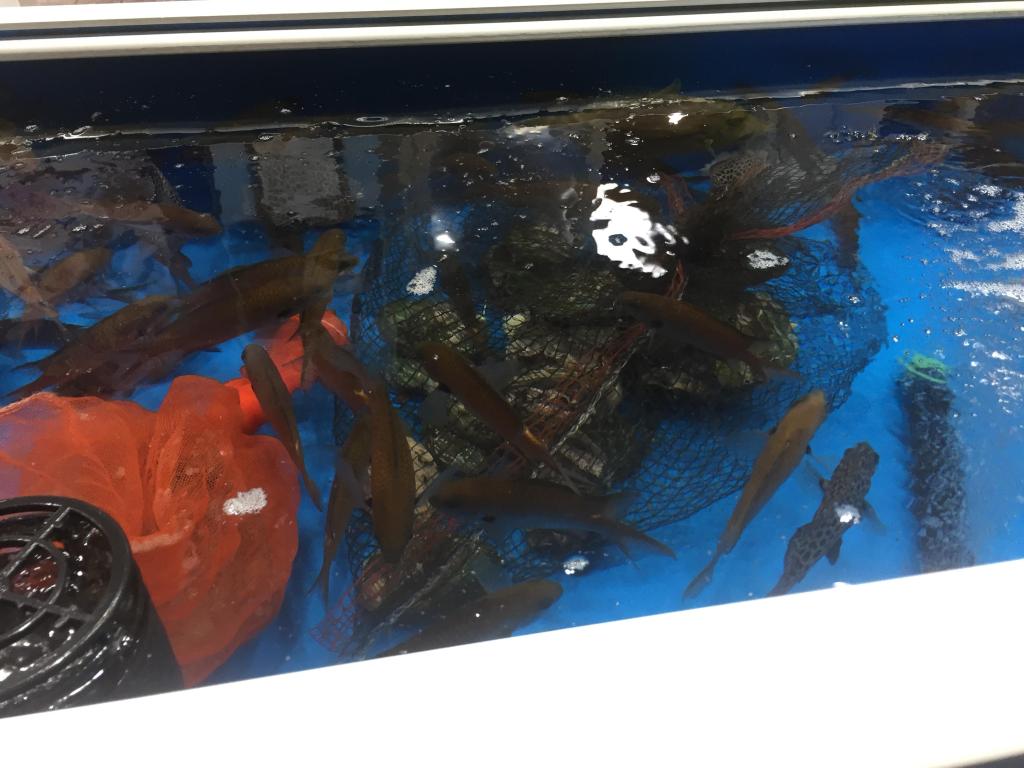
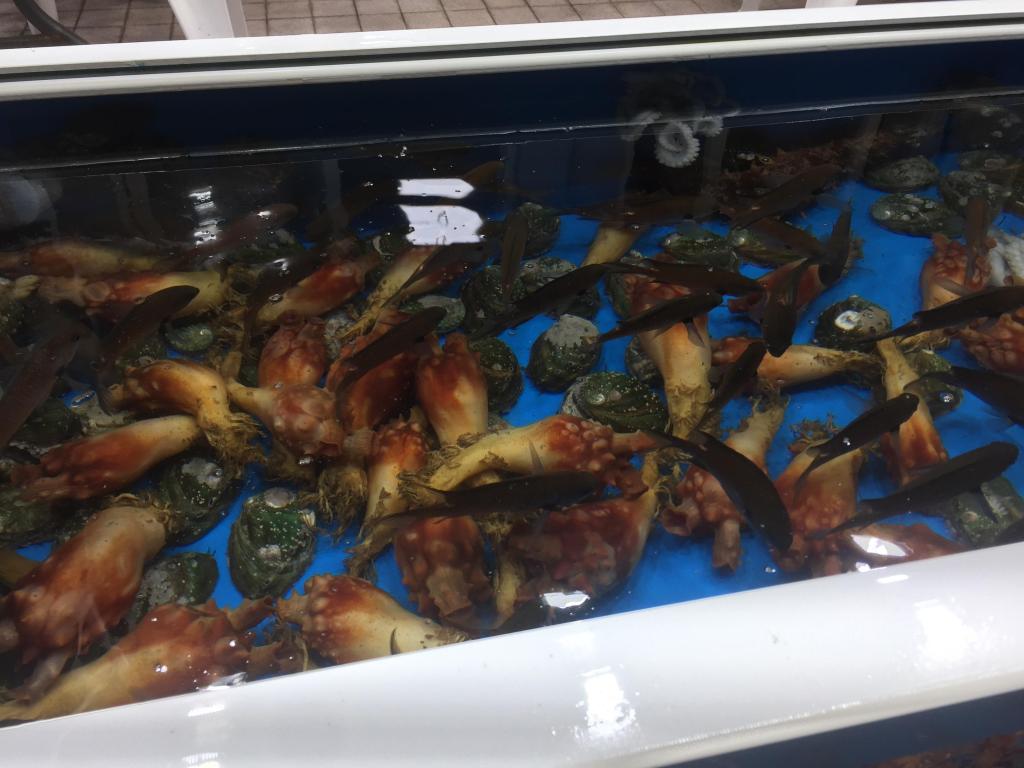
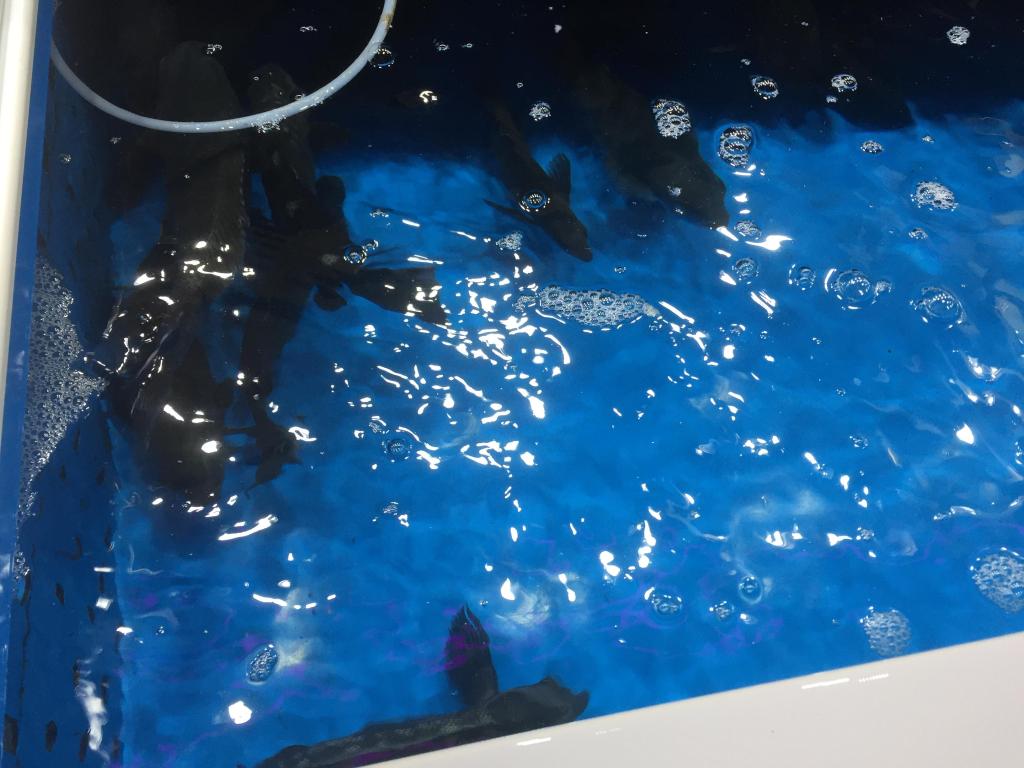
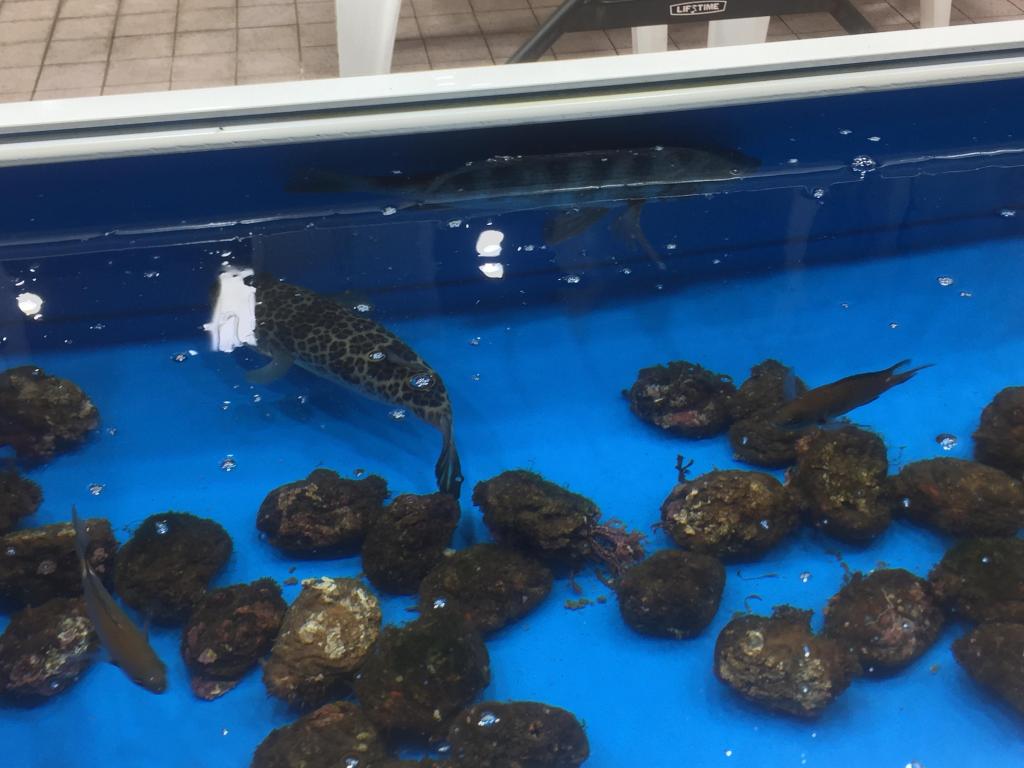
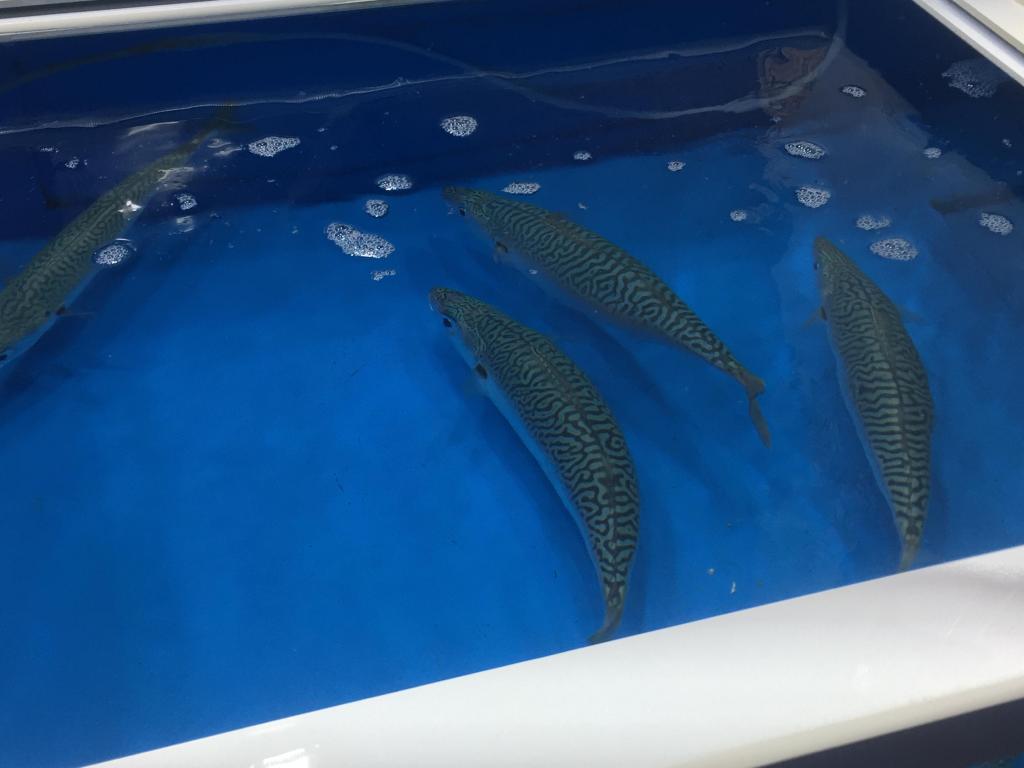
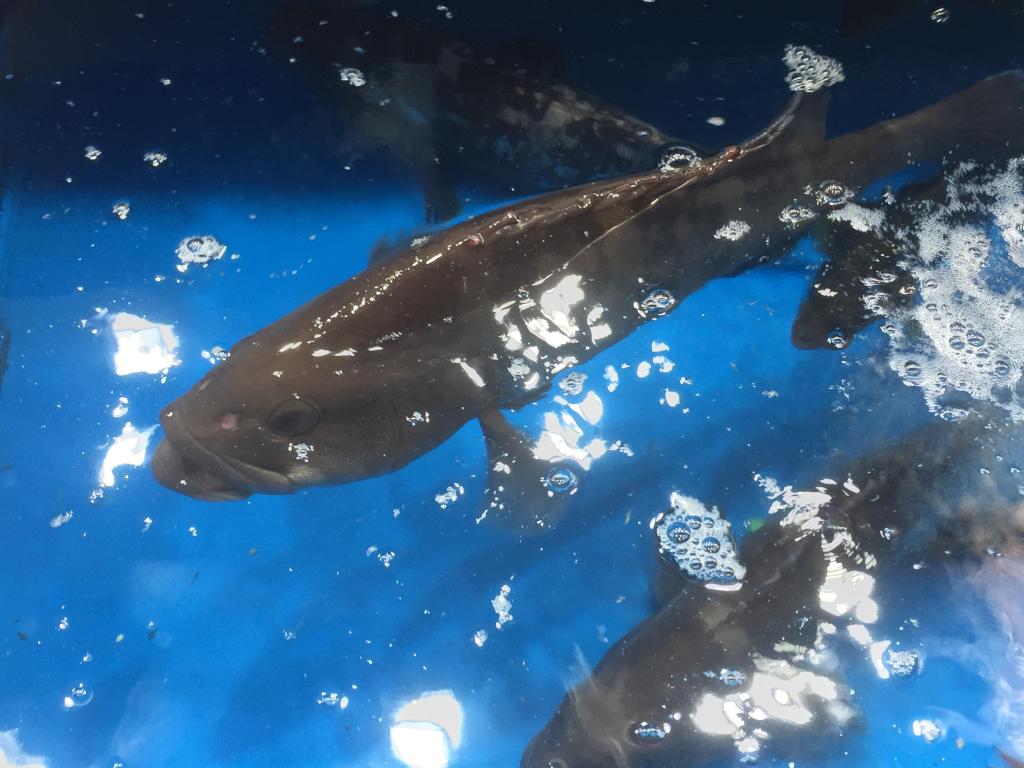
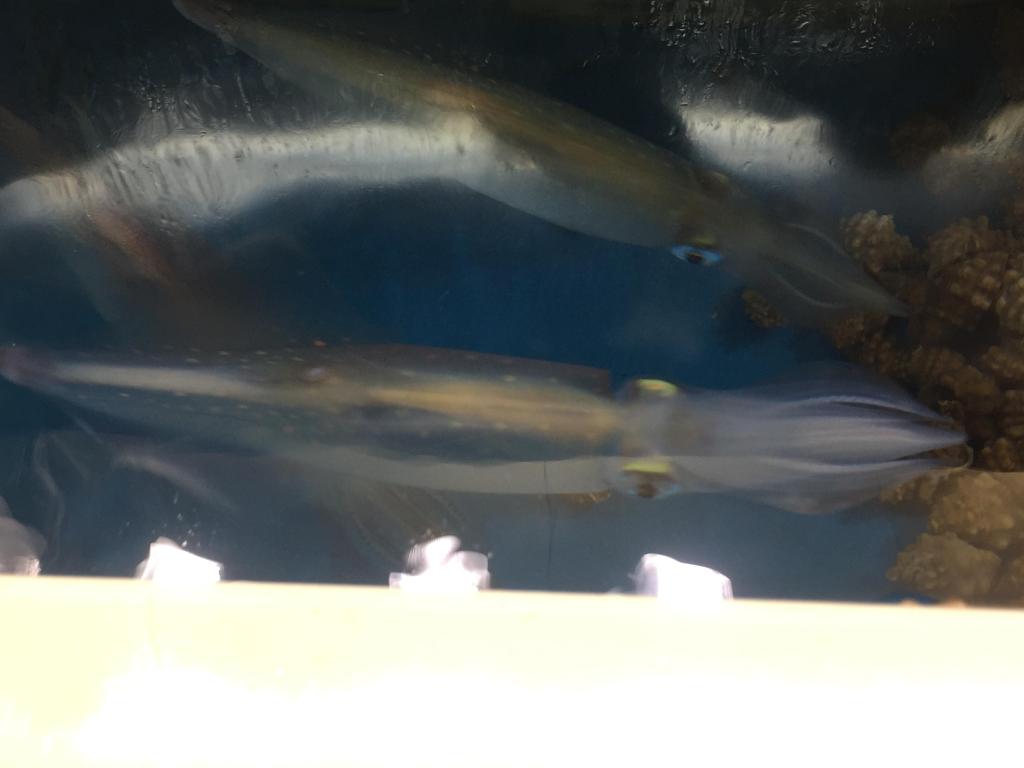
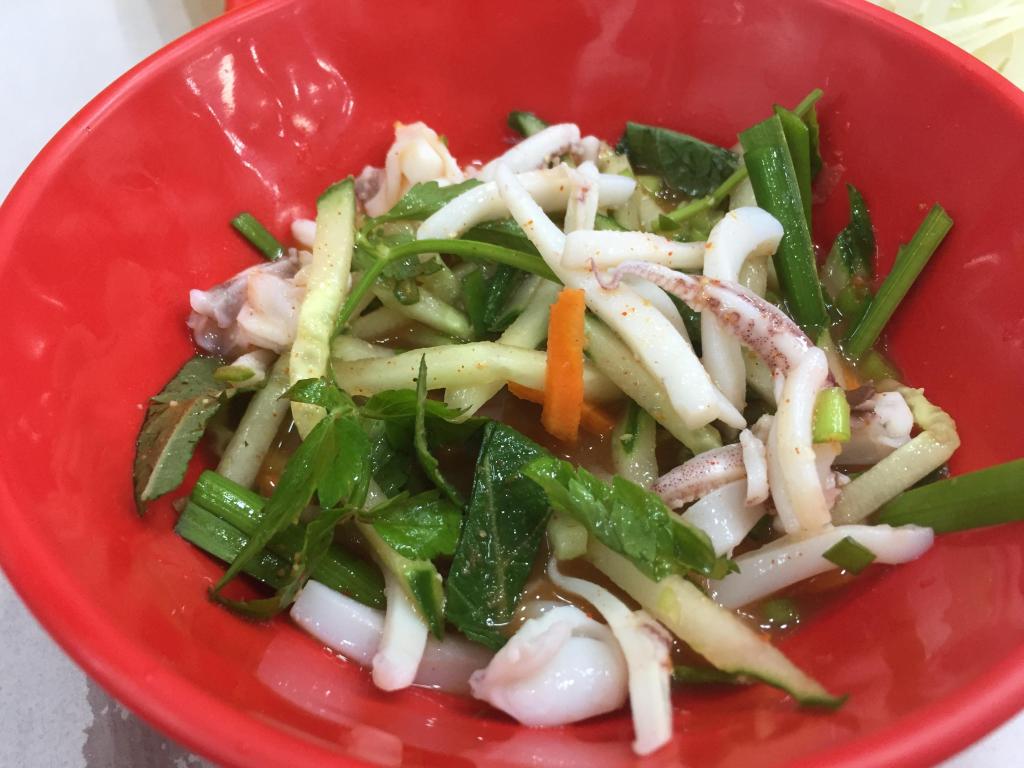
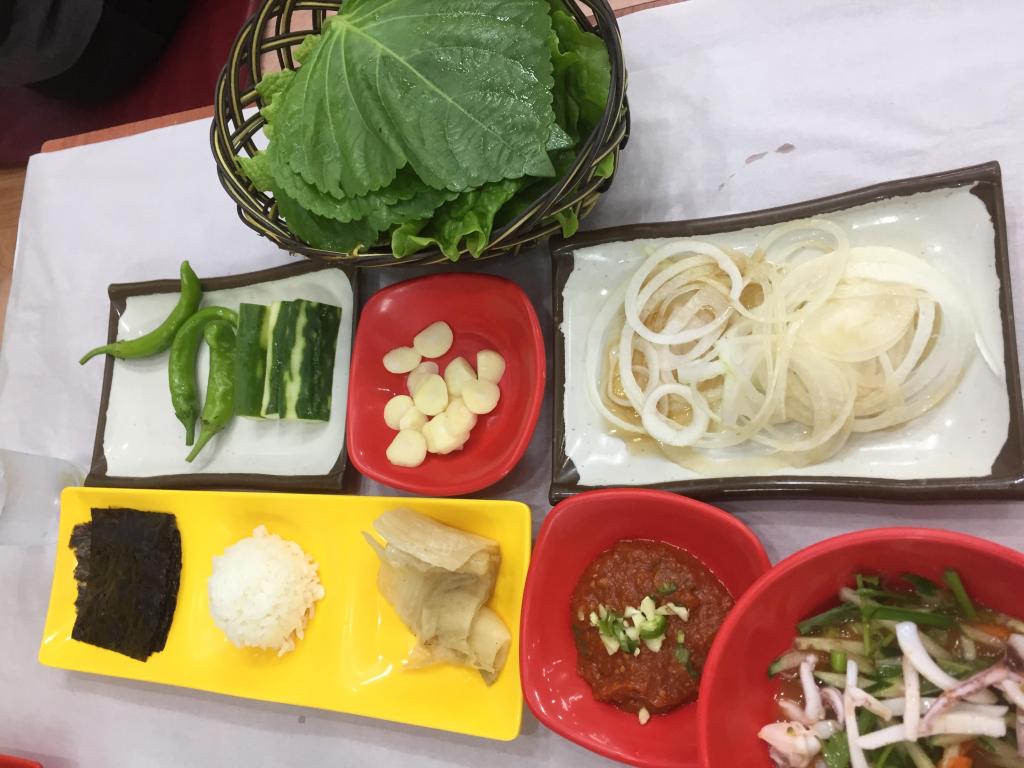
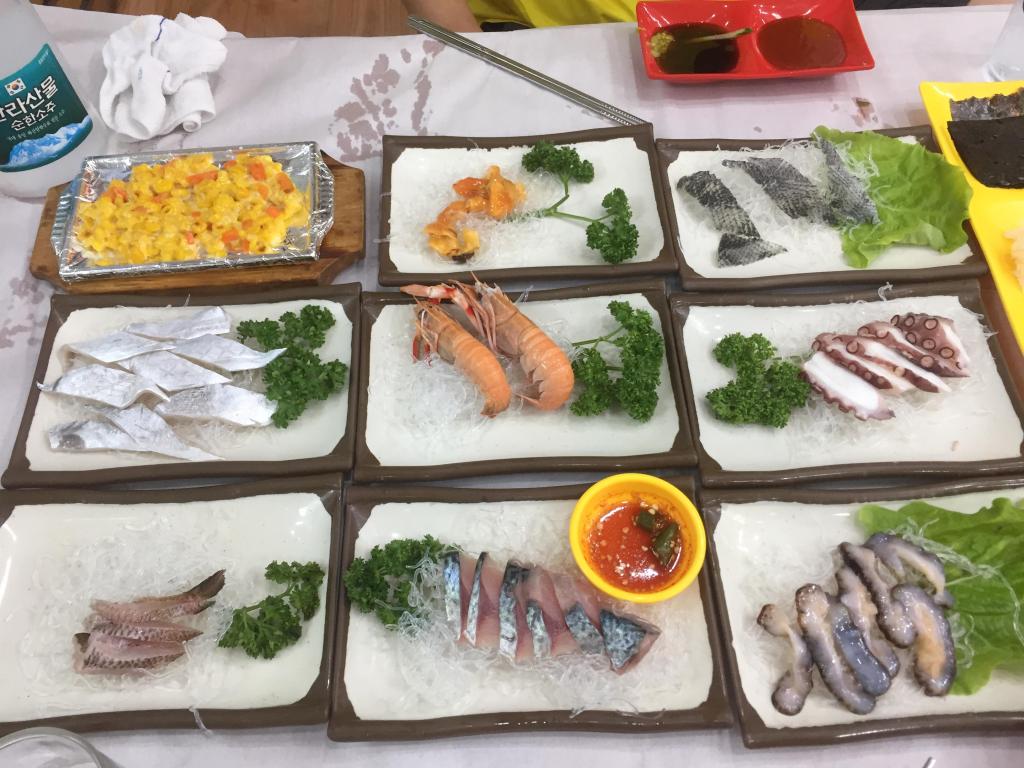
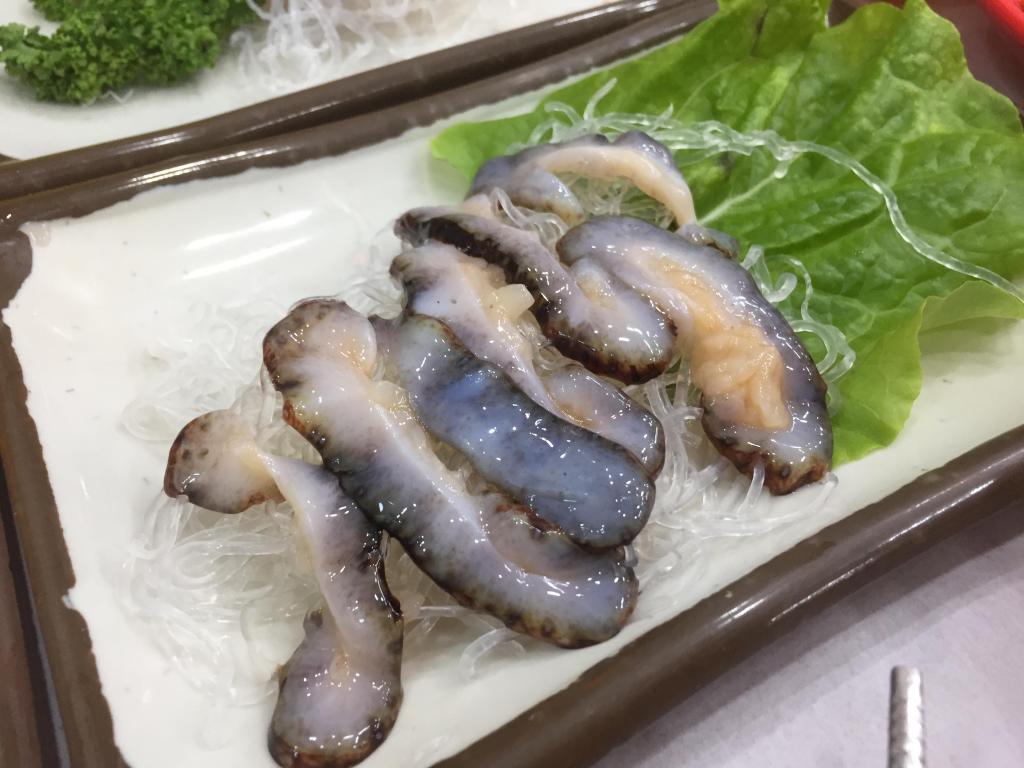
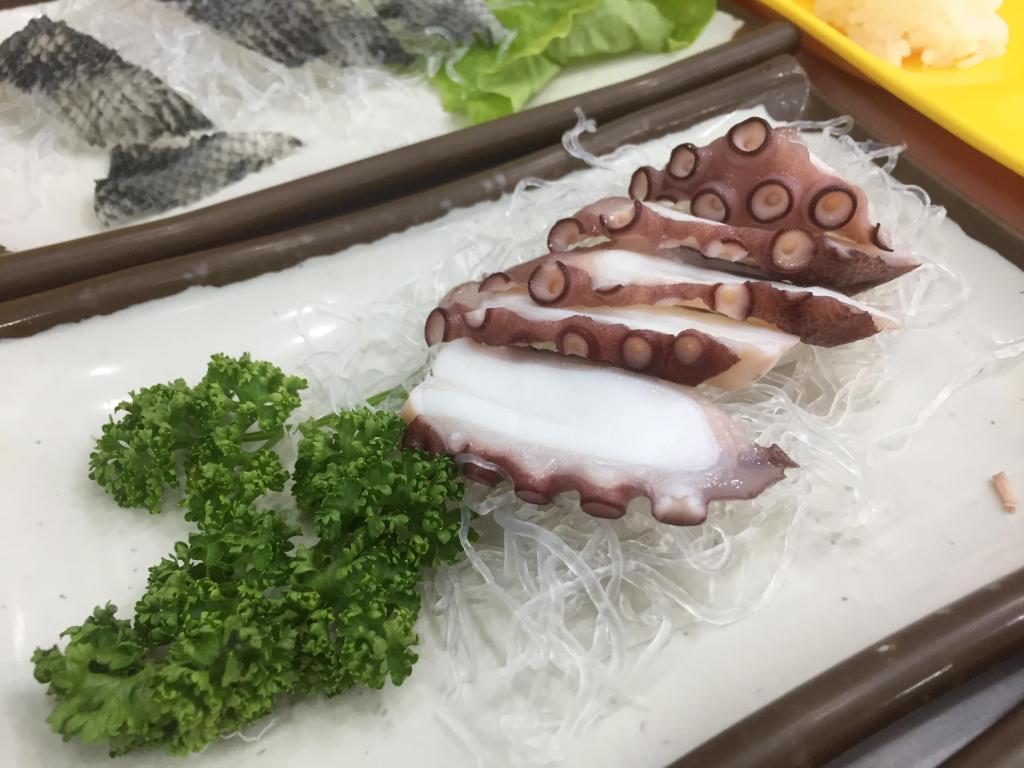
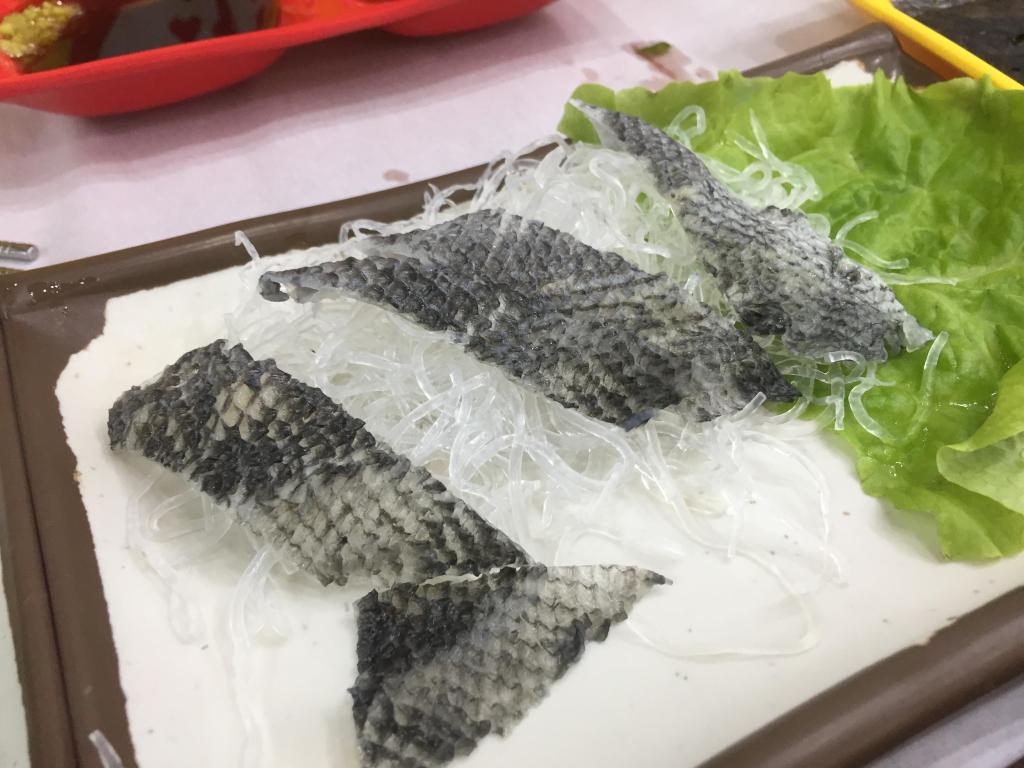
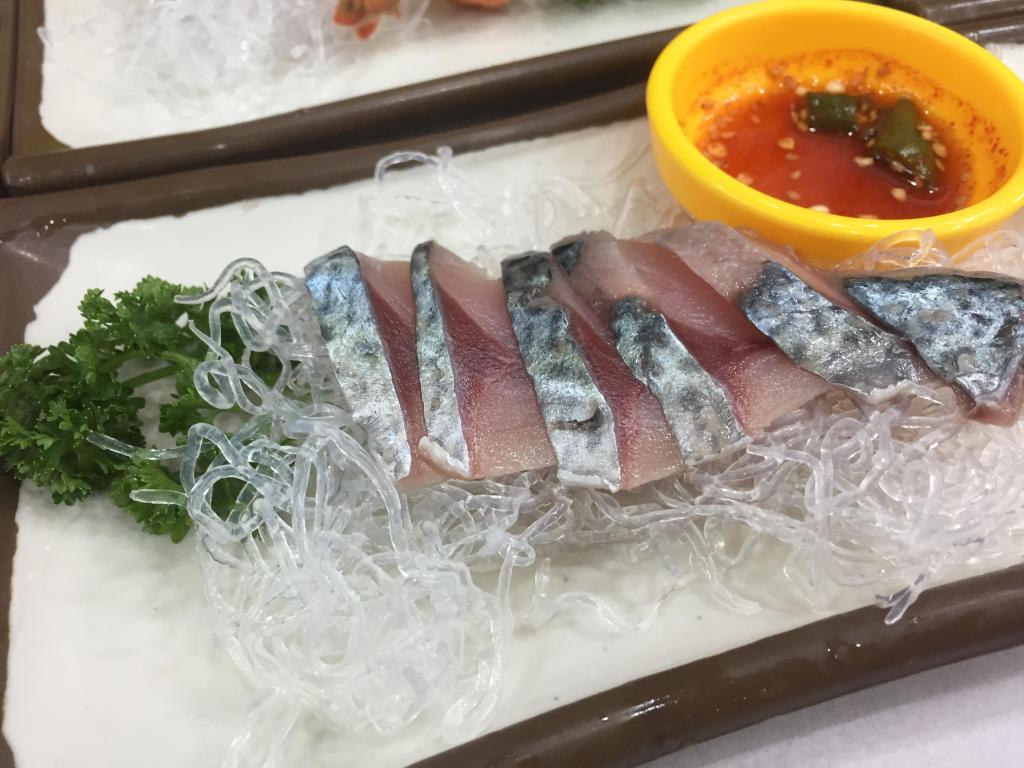
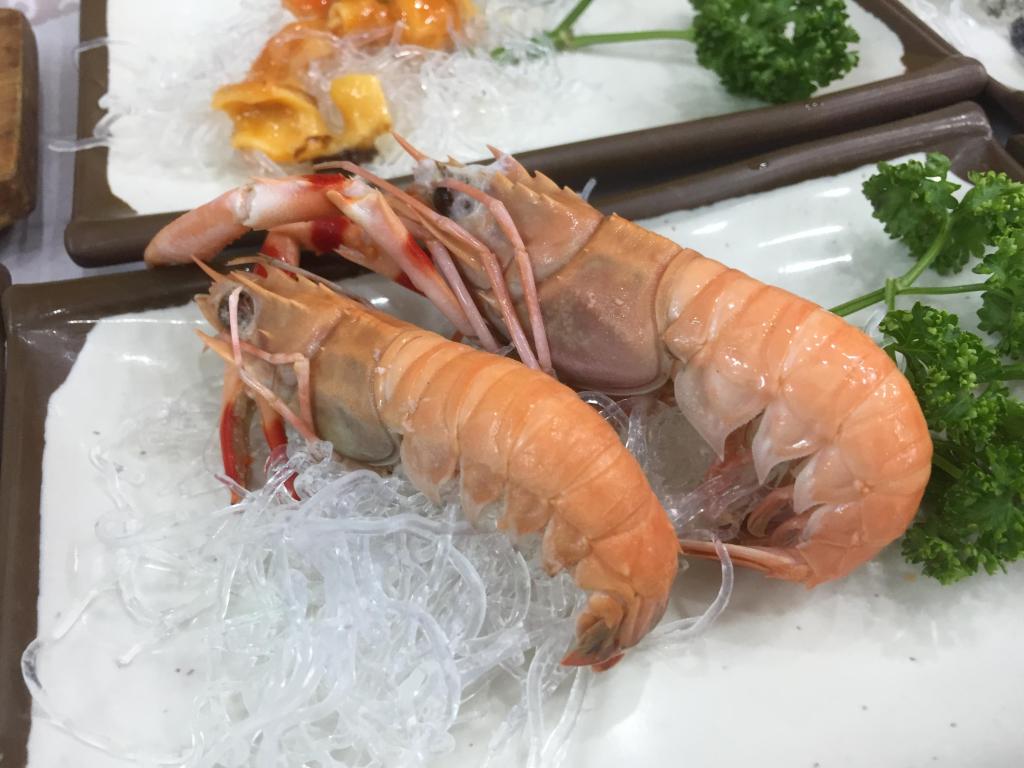
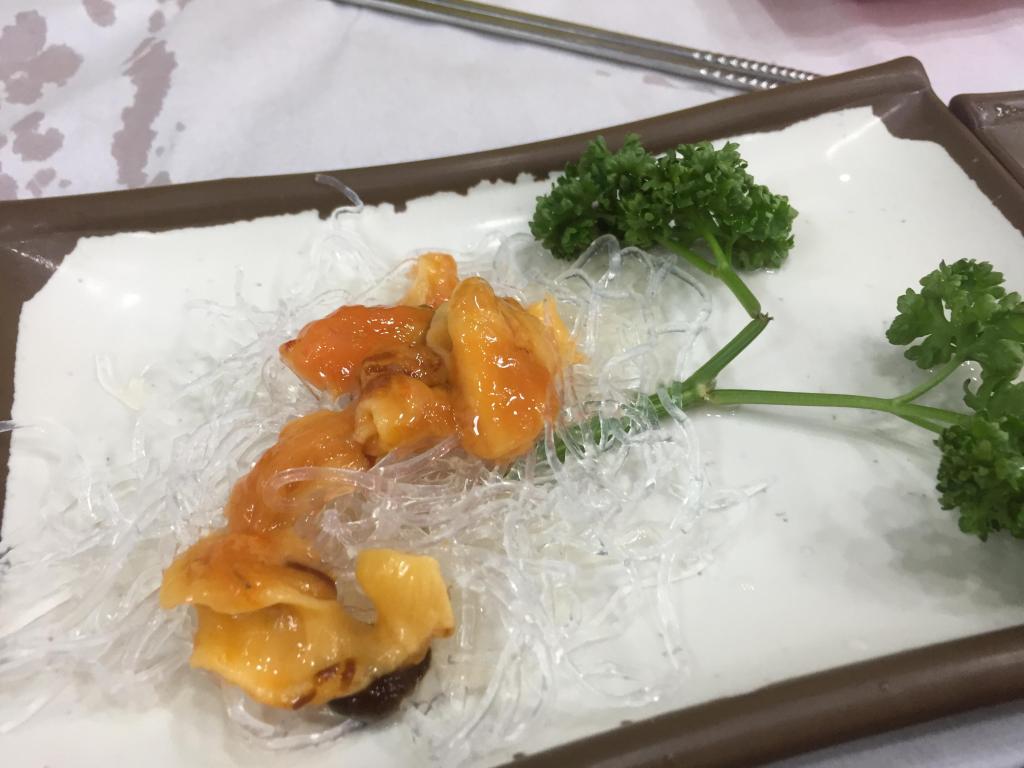
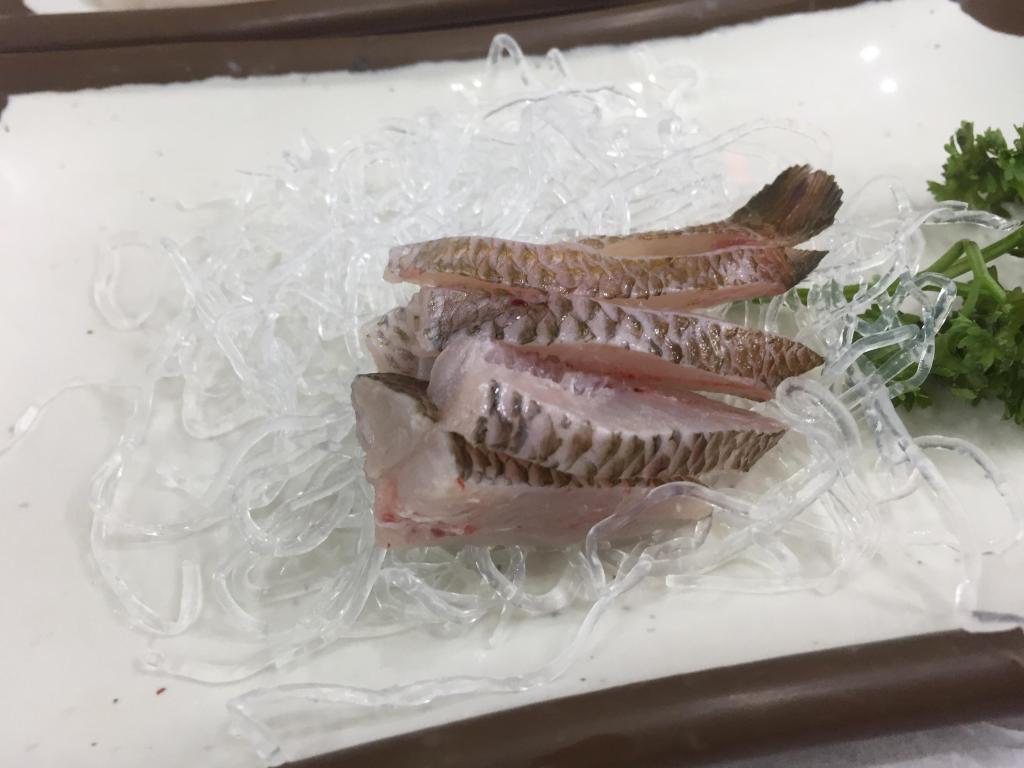
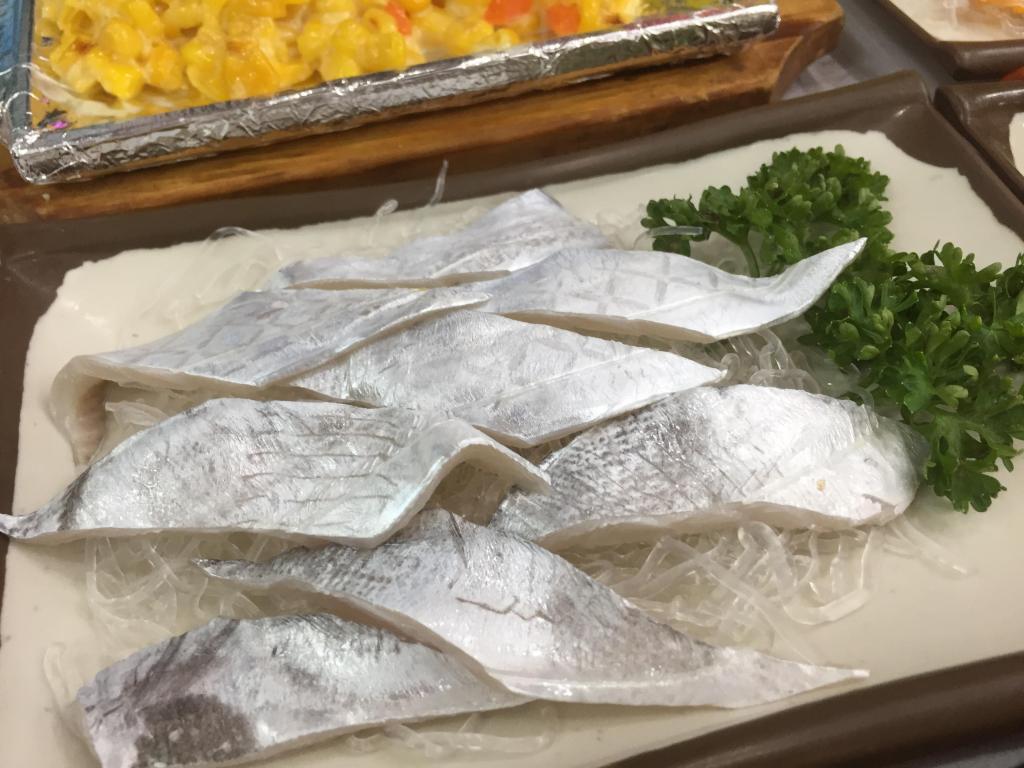
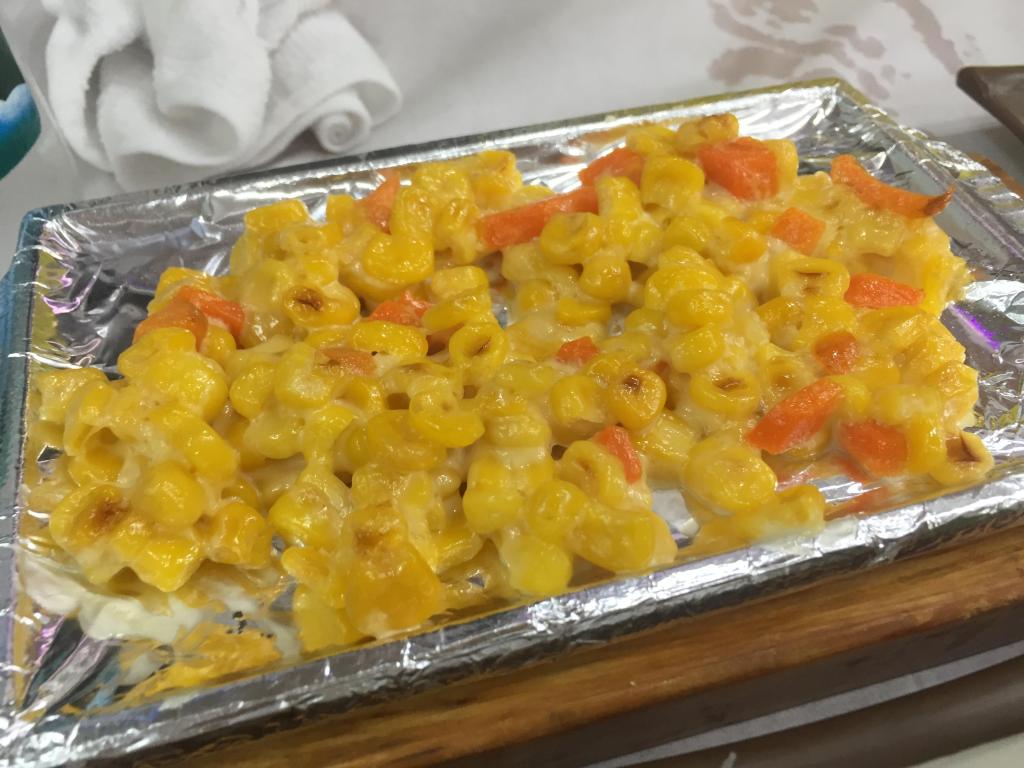
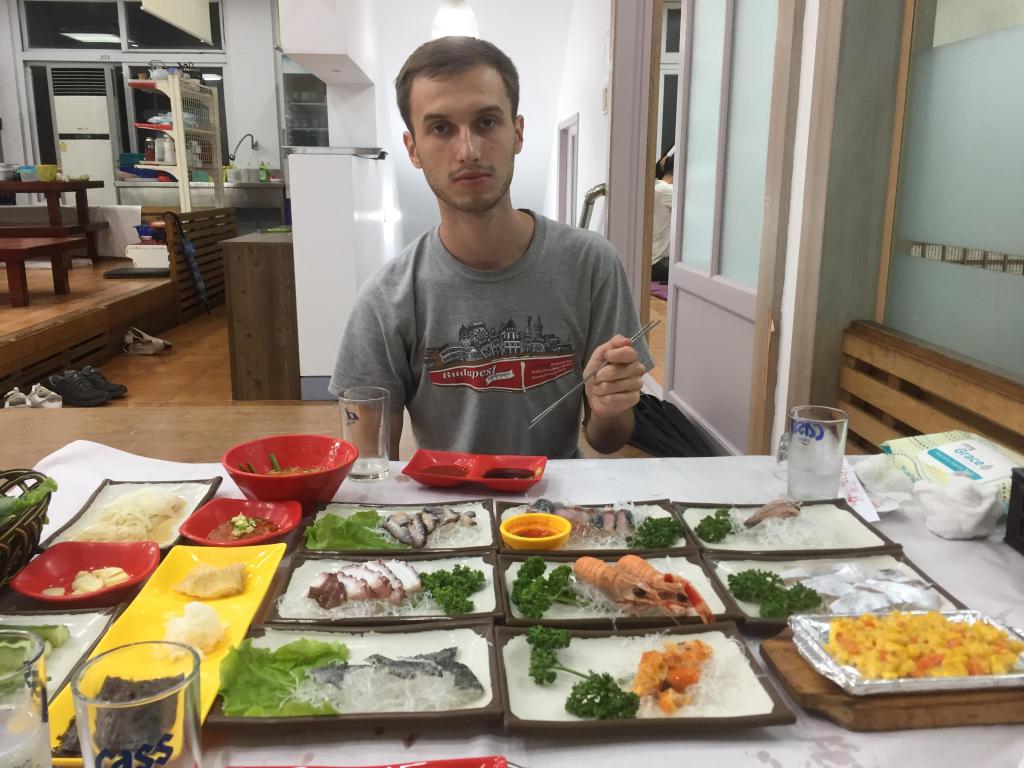
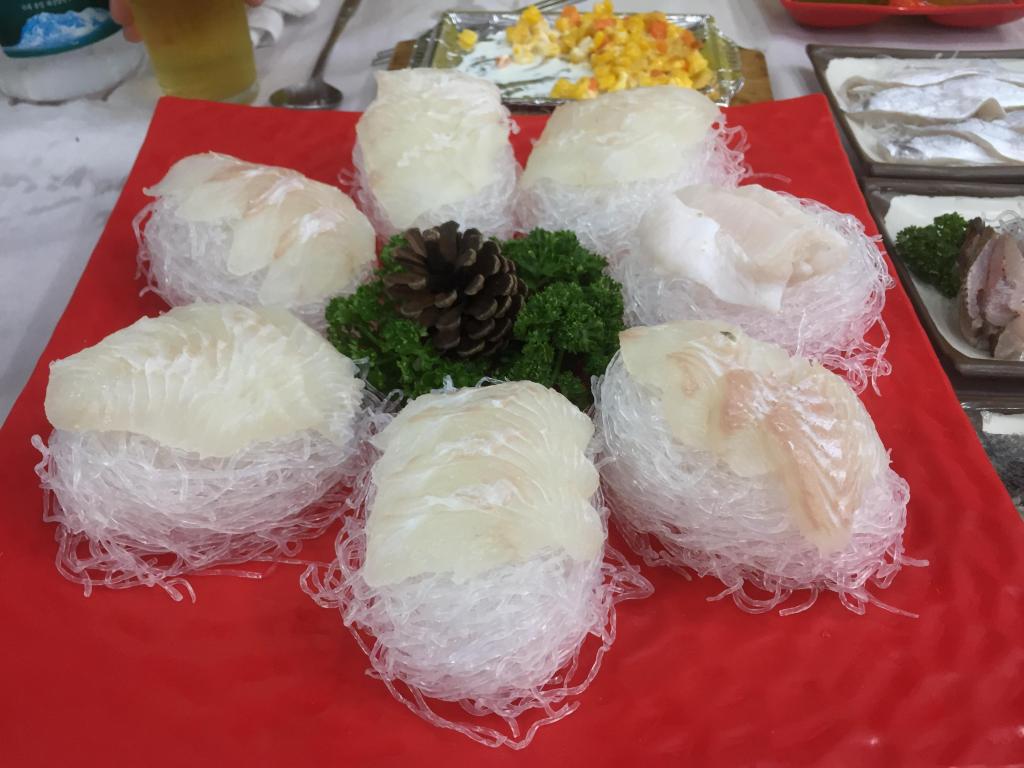
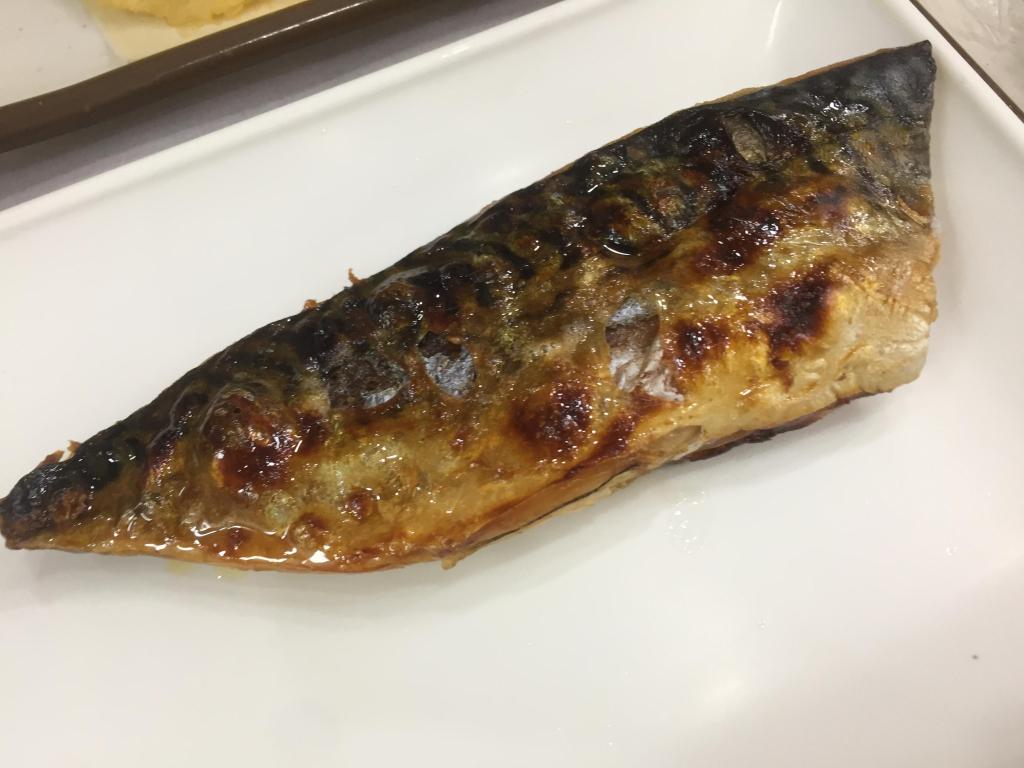
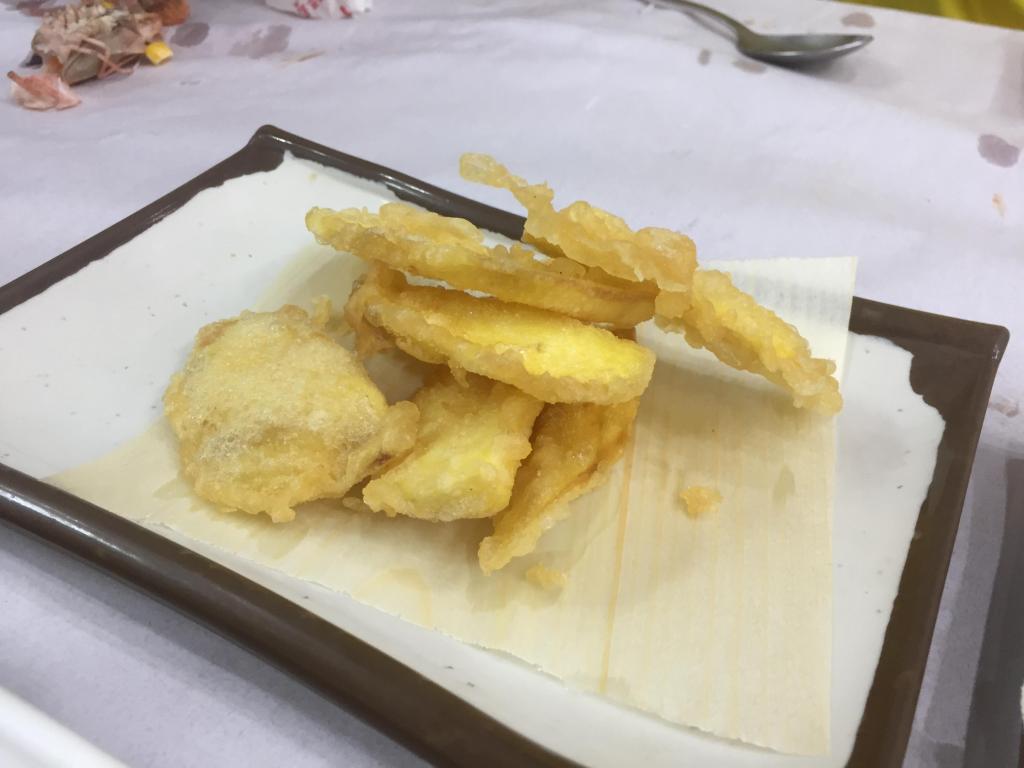
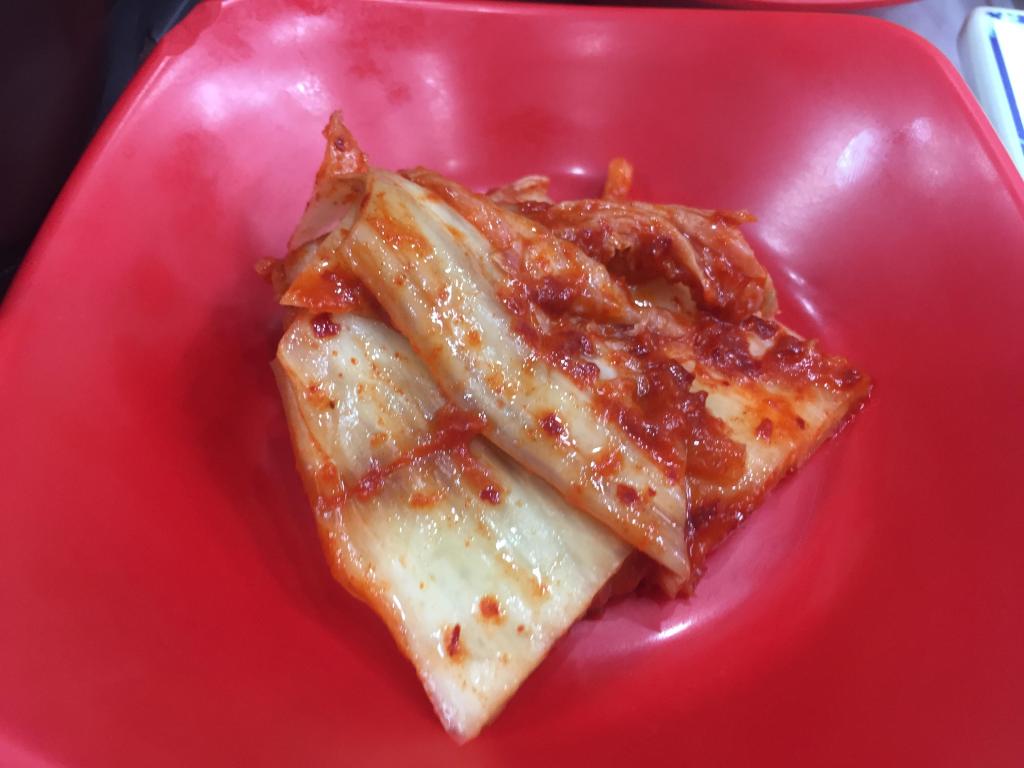
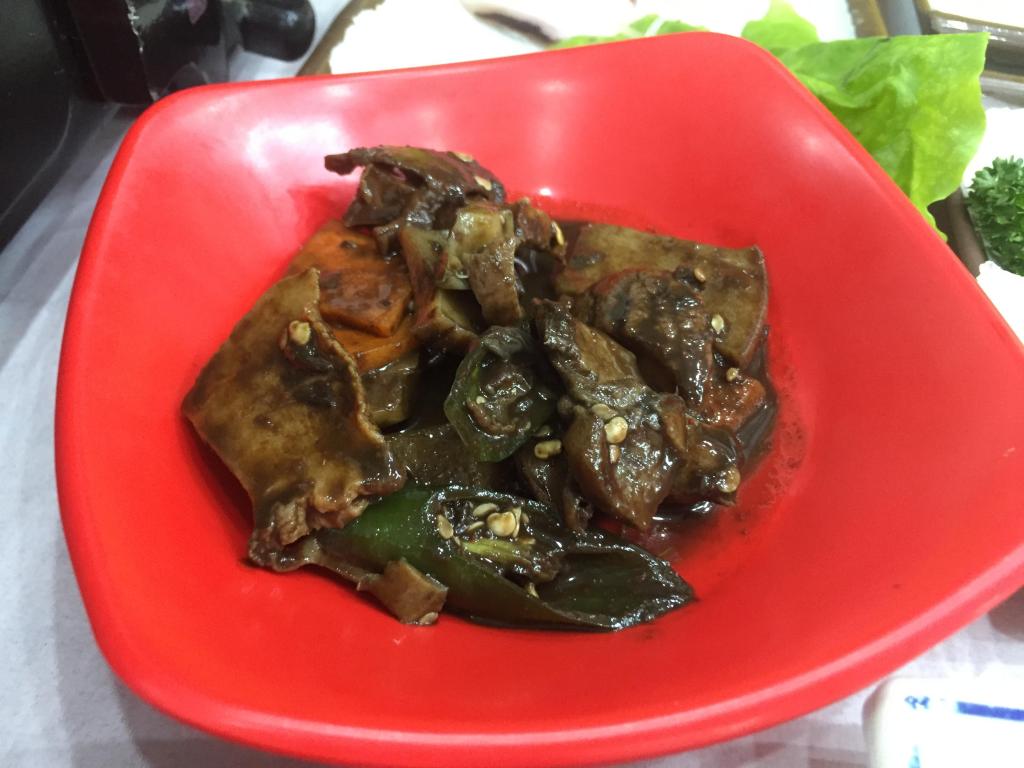
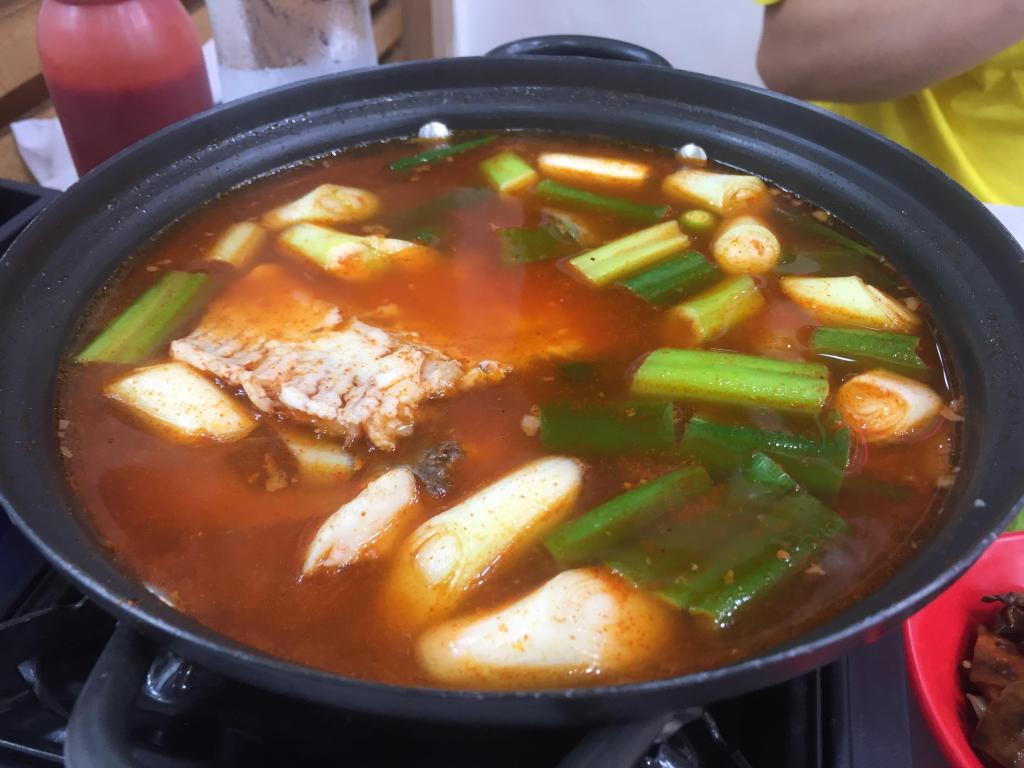
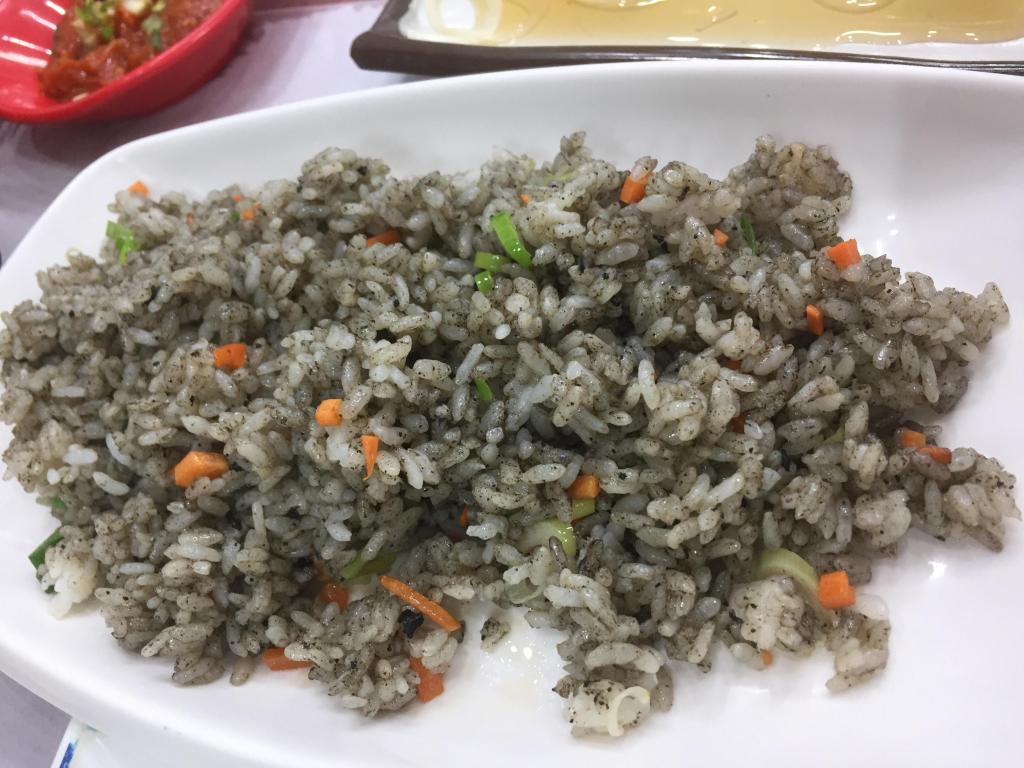
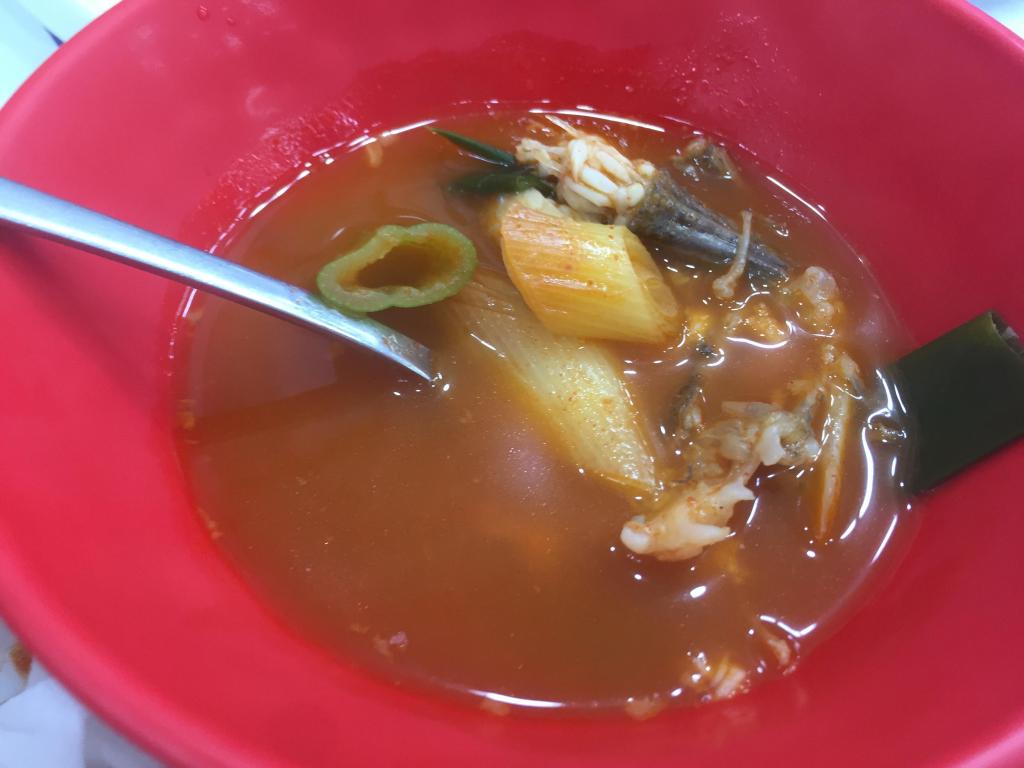
A confusing thing is the noodles are supposed to be just decoration but I tried to eat it. Another special thing about this meal, of course besides the fact the pieces of seafood are fresh, is the squid ink in the rice.
Another day on Jeju is ahead!
A day of an intense exploration of Jeju is to be started, and of course, I should be full of energy for that! Street views, looking for food.
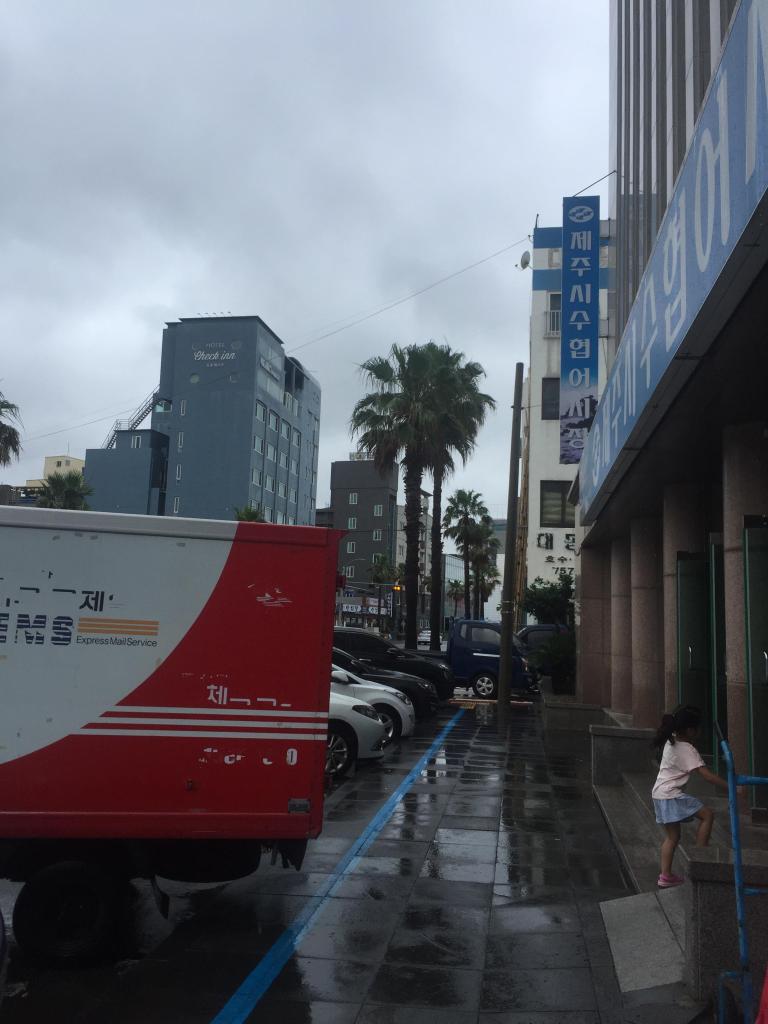
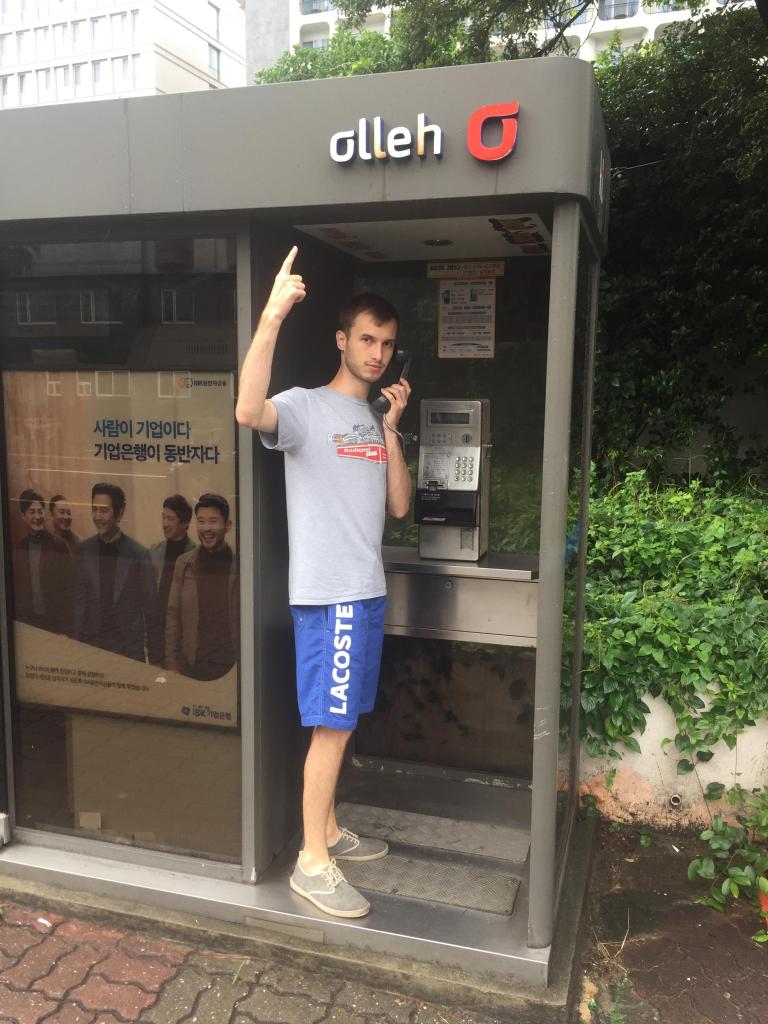
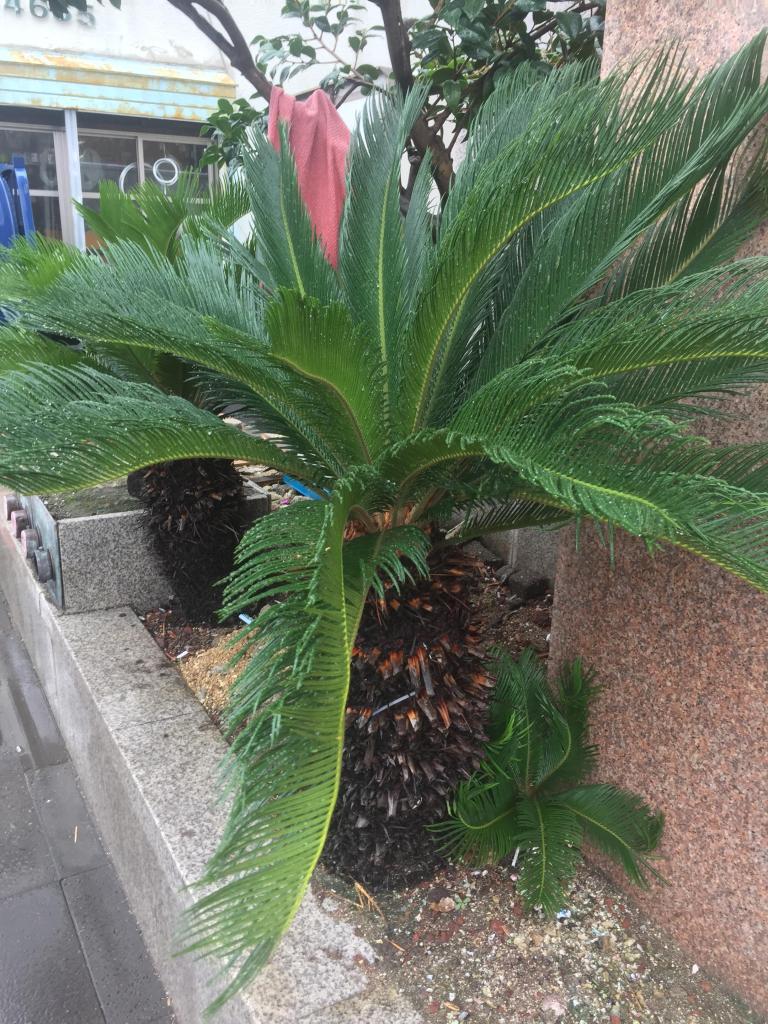
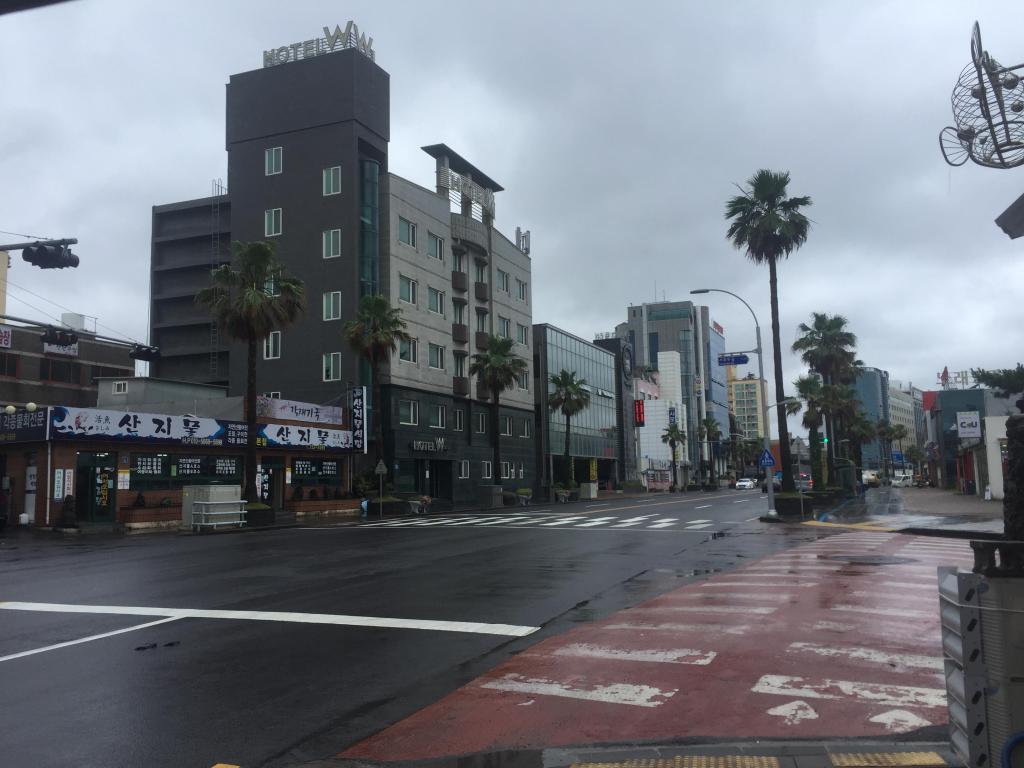
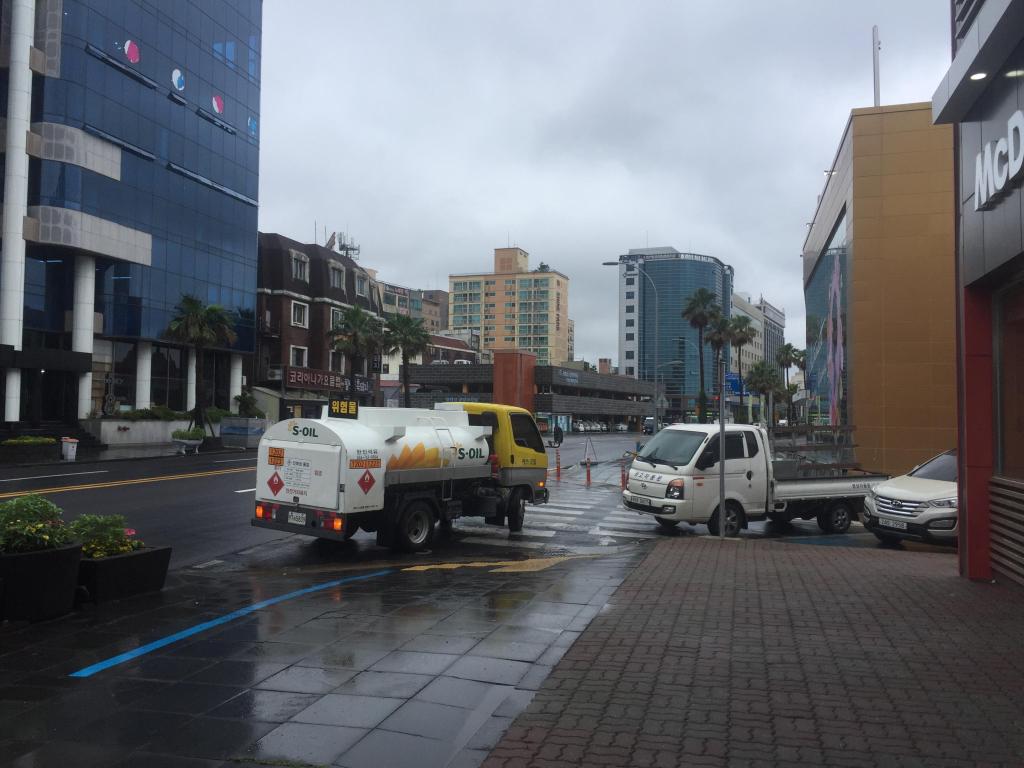
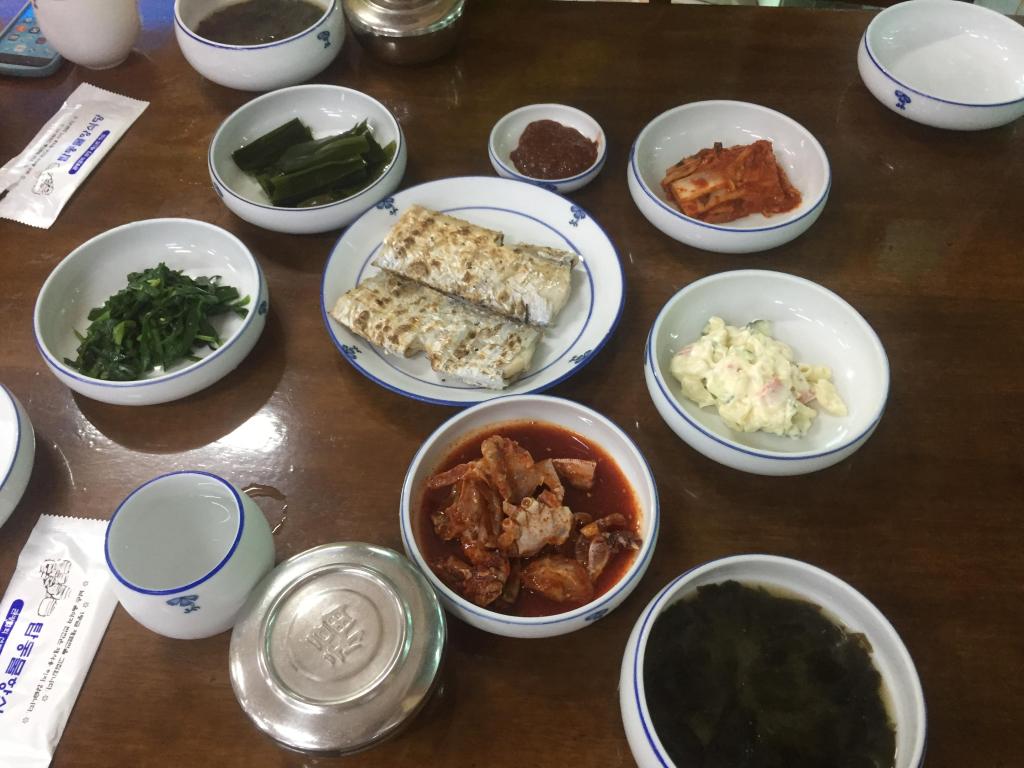
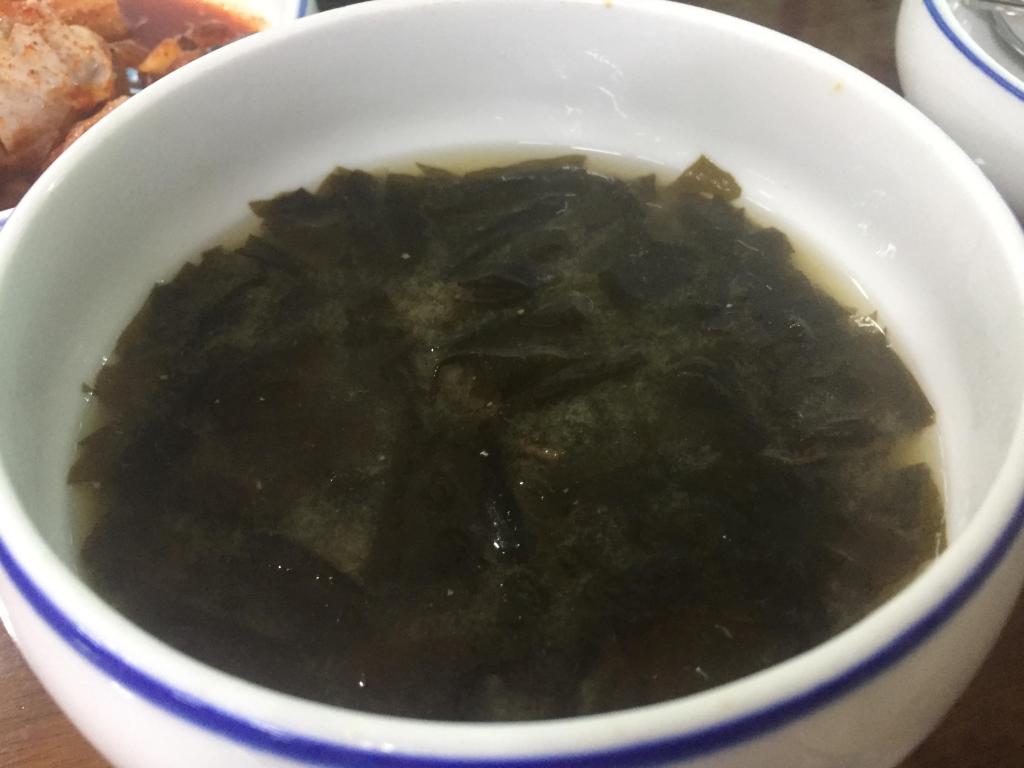
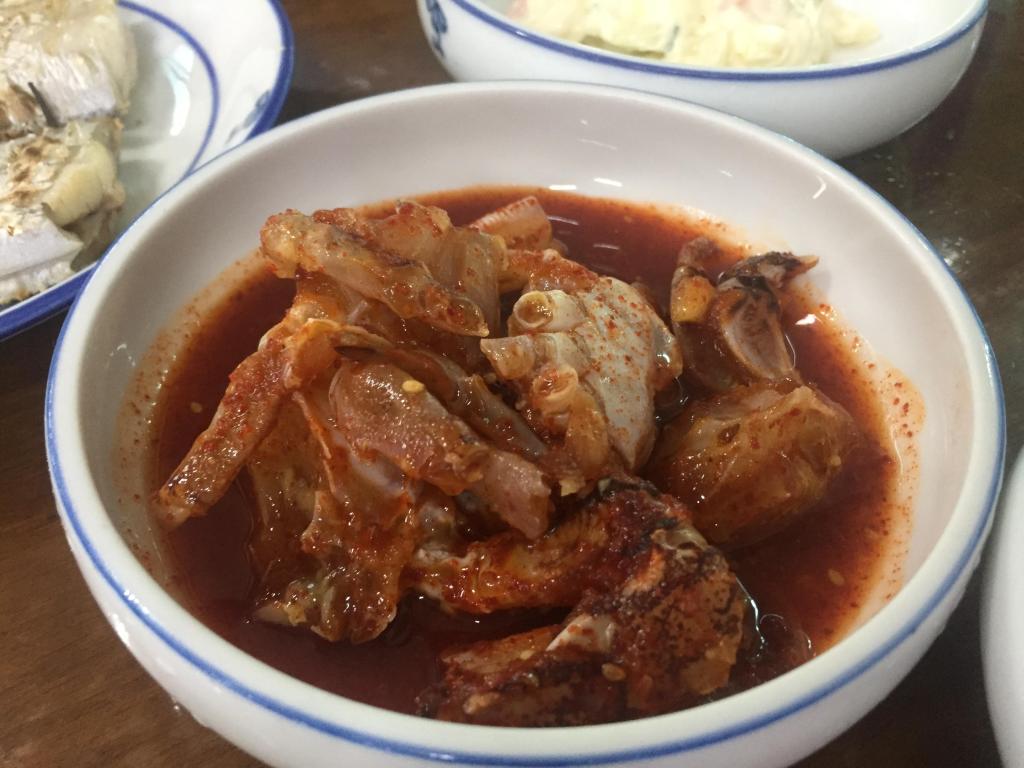
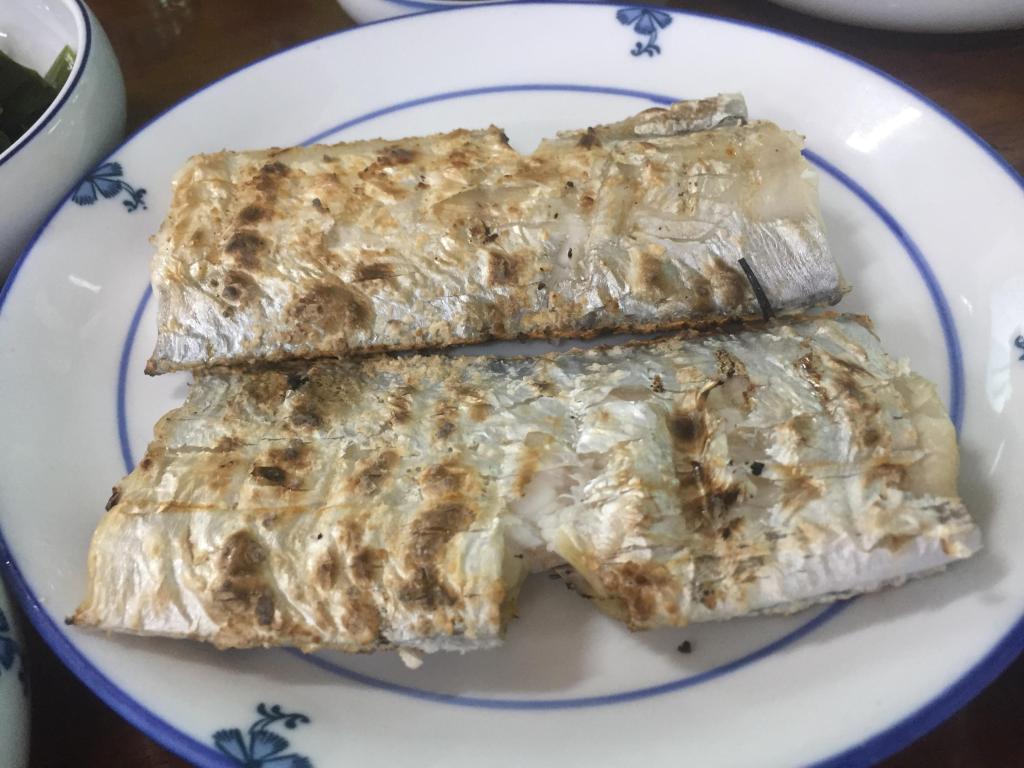
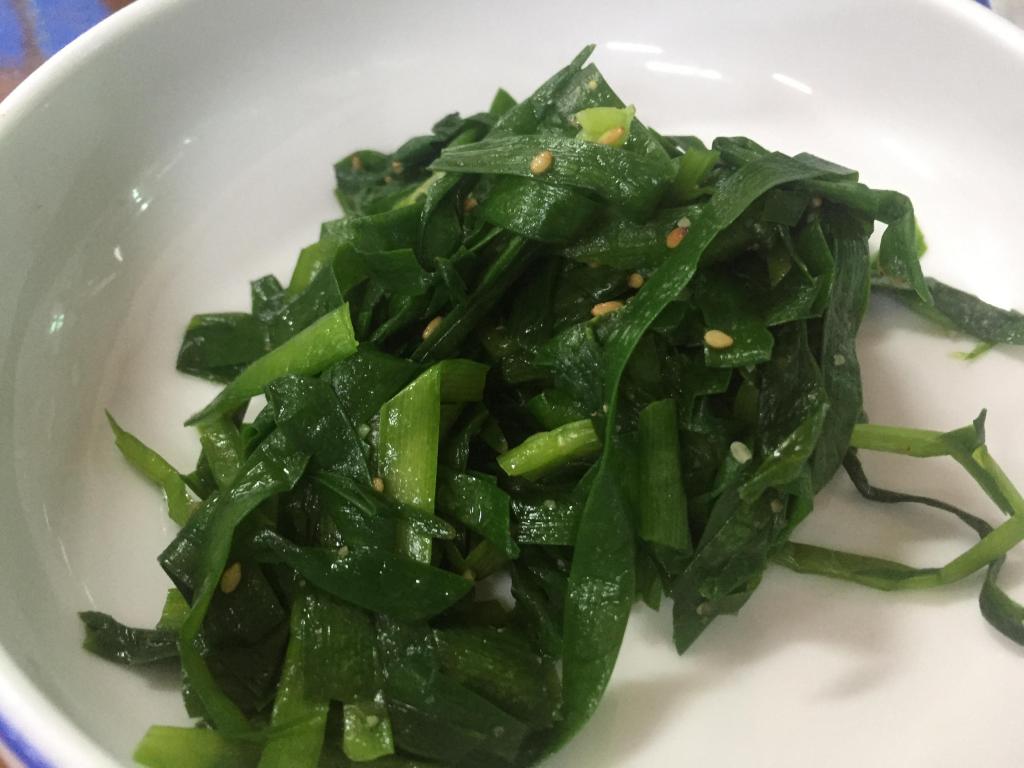
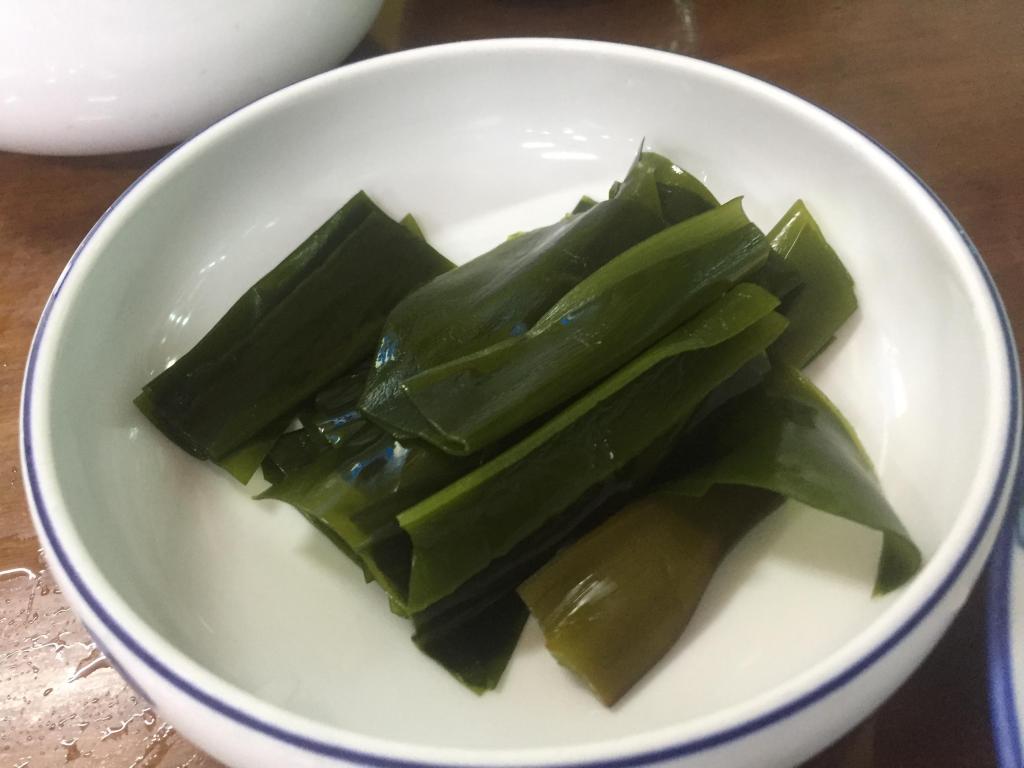
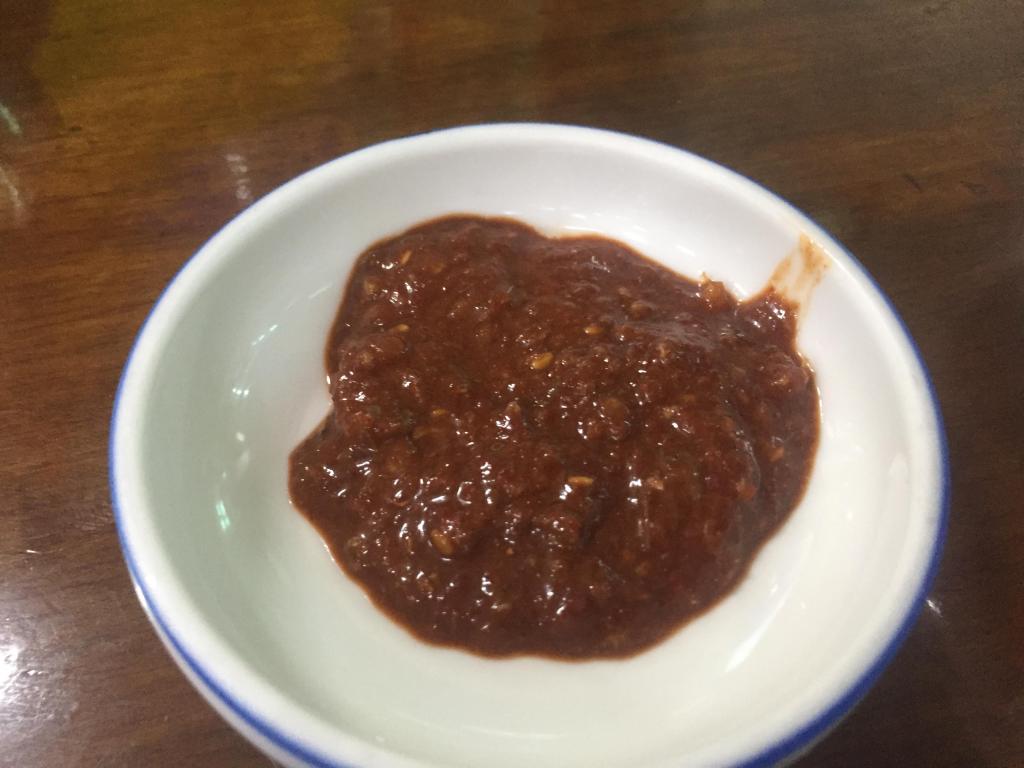
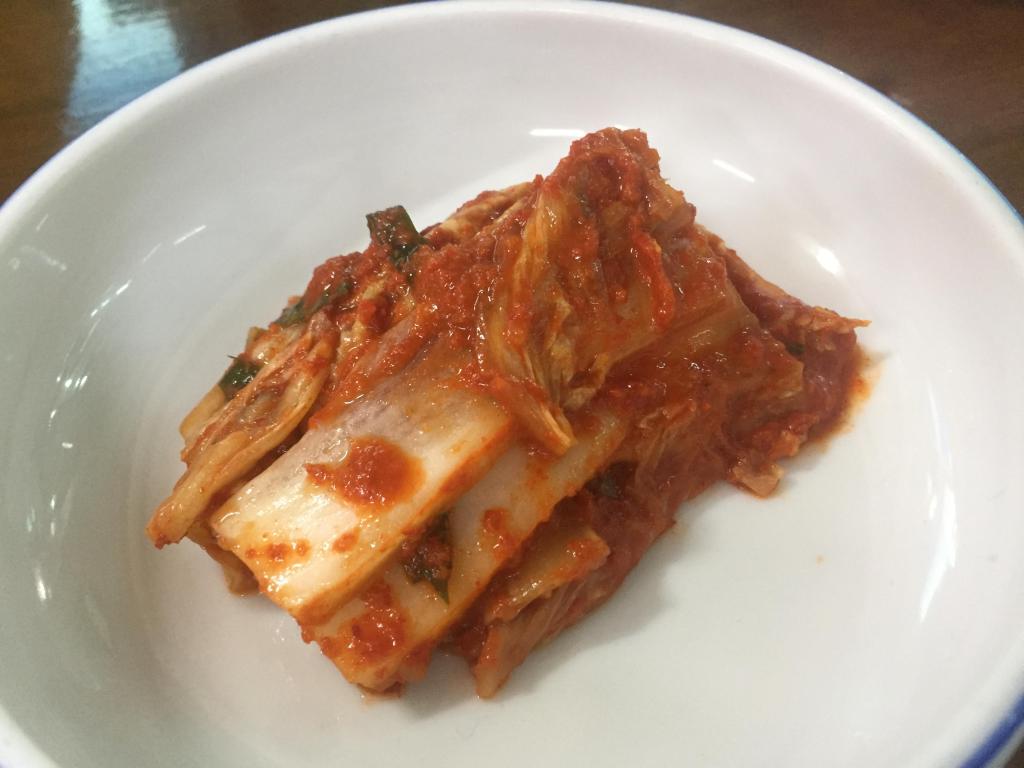
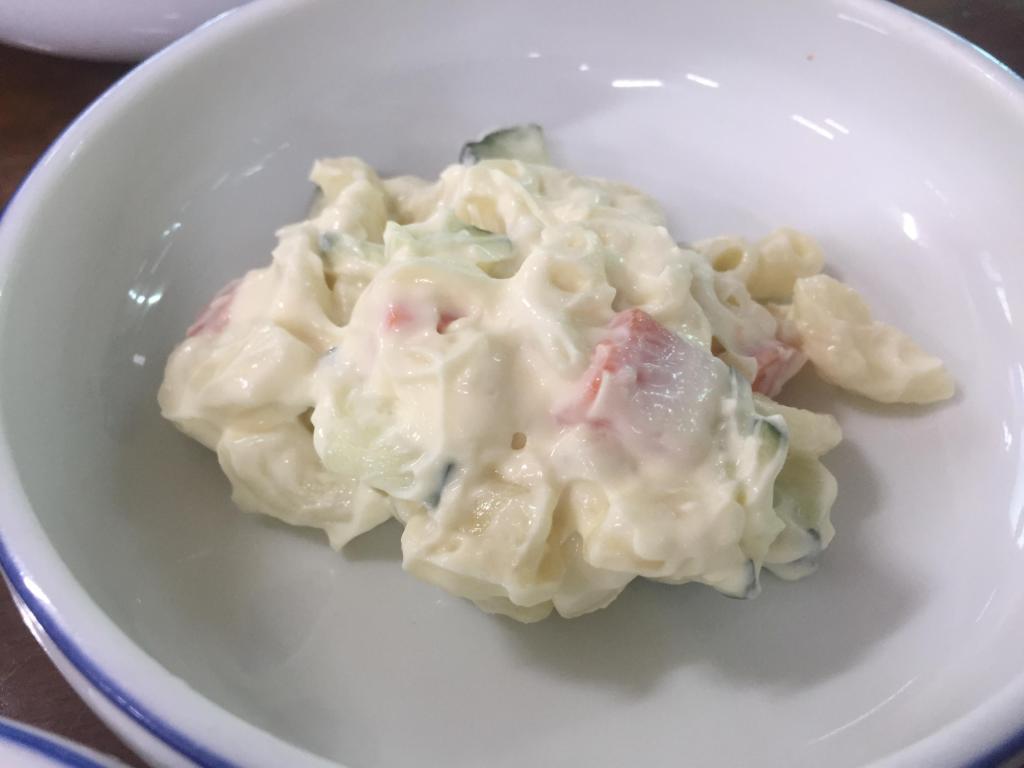
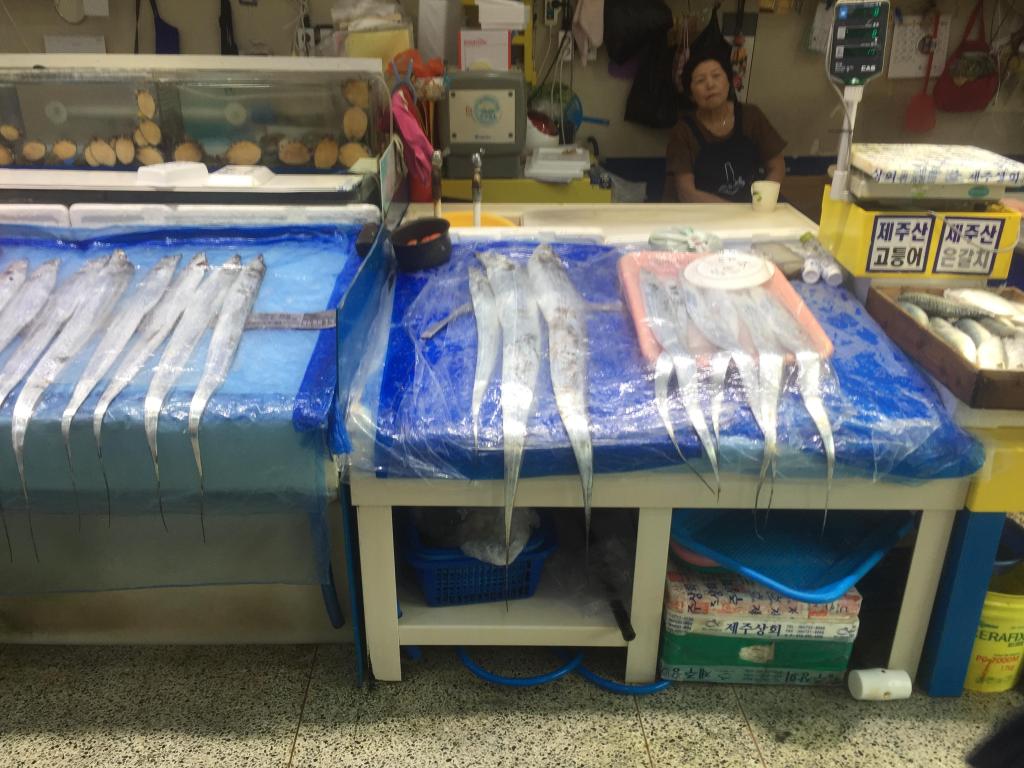
The seafood on the island is definitely fresh, right next to the restaurant’s door it is possible to buy any of those creatures. That explains the huge difference between the quality of food offered in Korean and Ukrainian restaurants.
A fancy cafe, would I go to an exotic island in Korea to feel like in France?
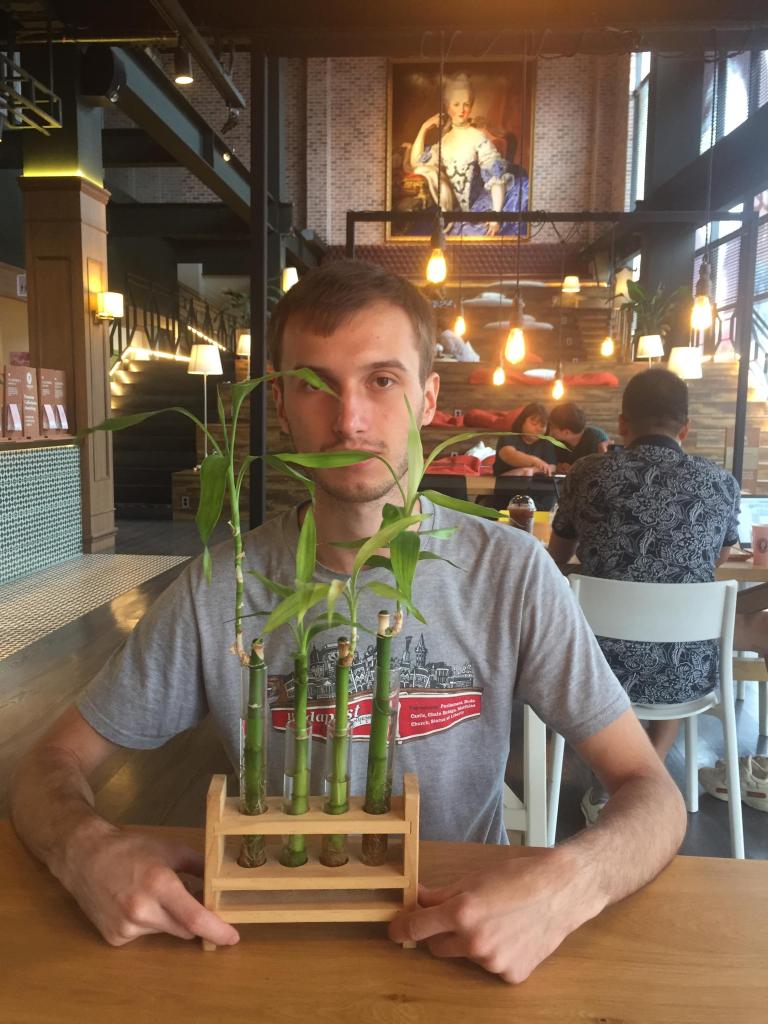
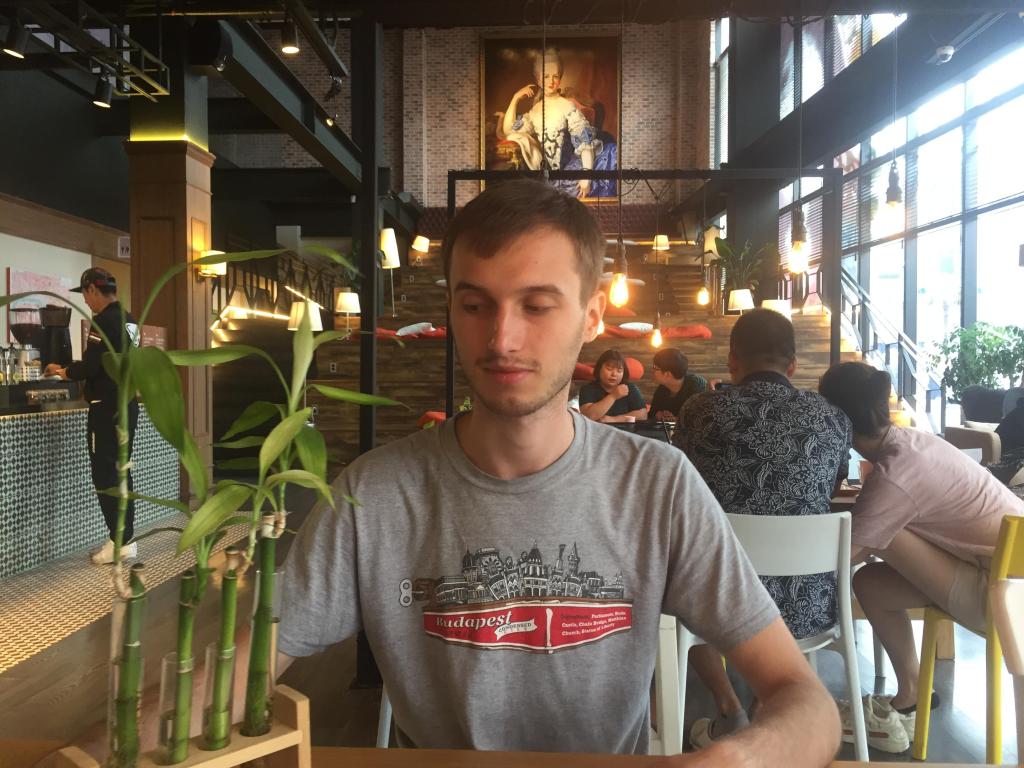
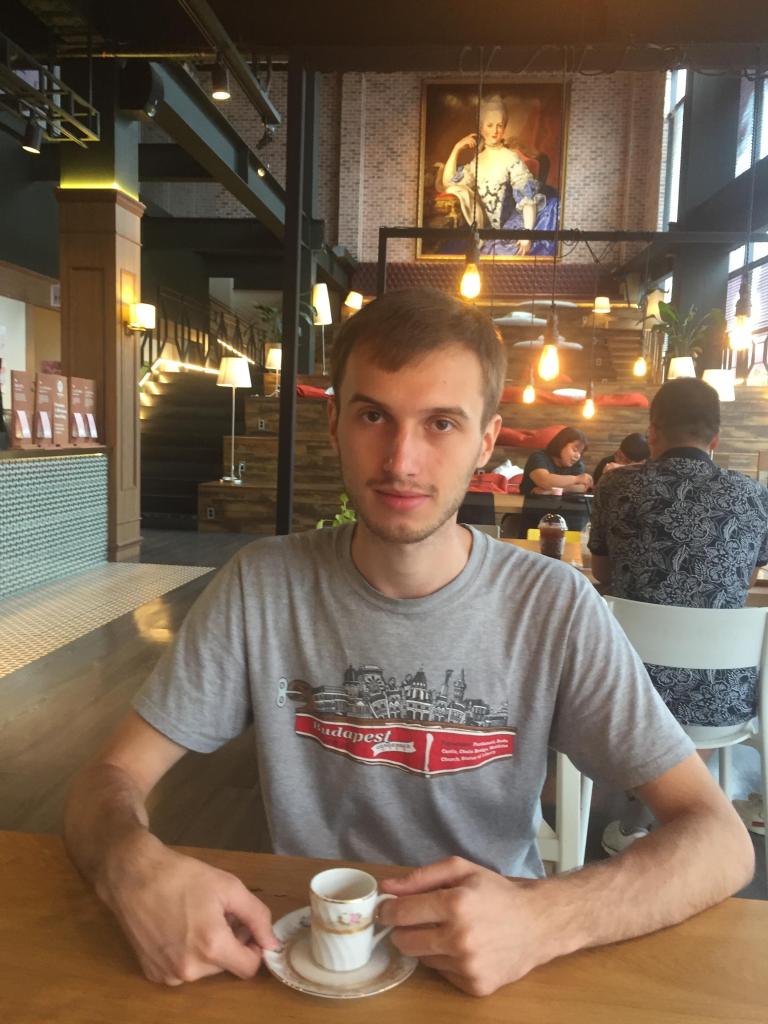
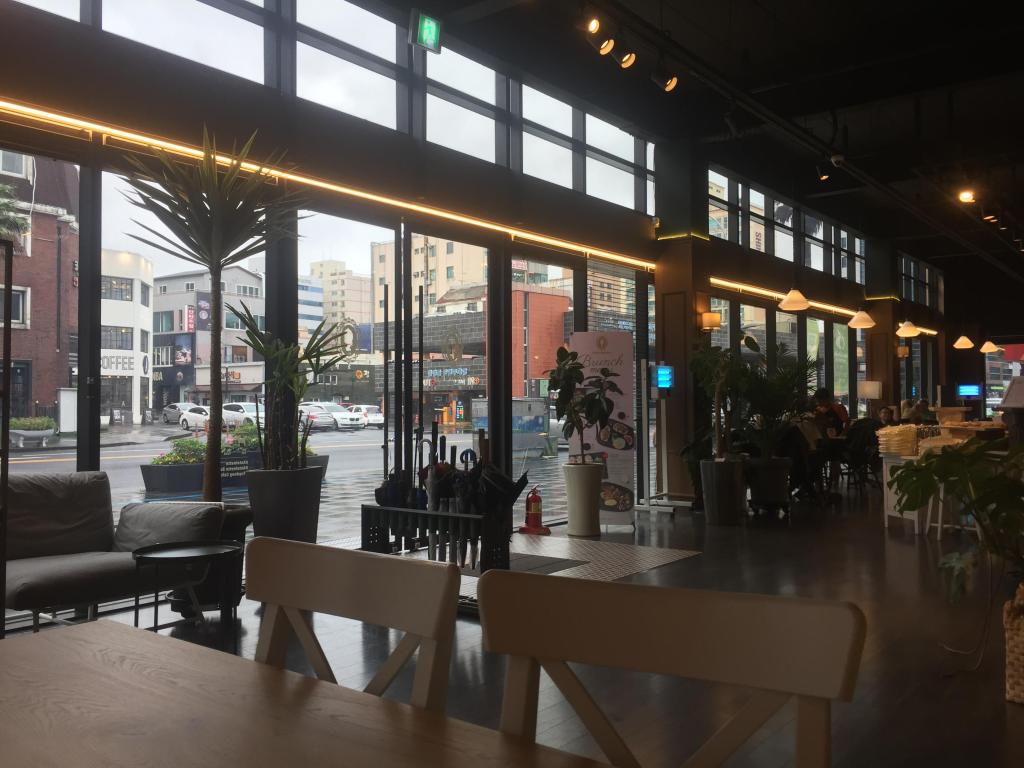
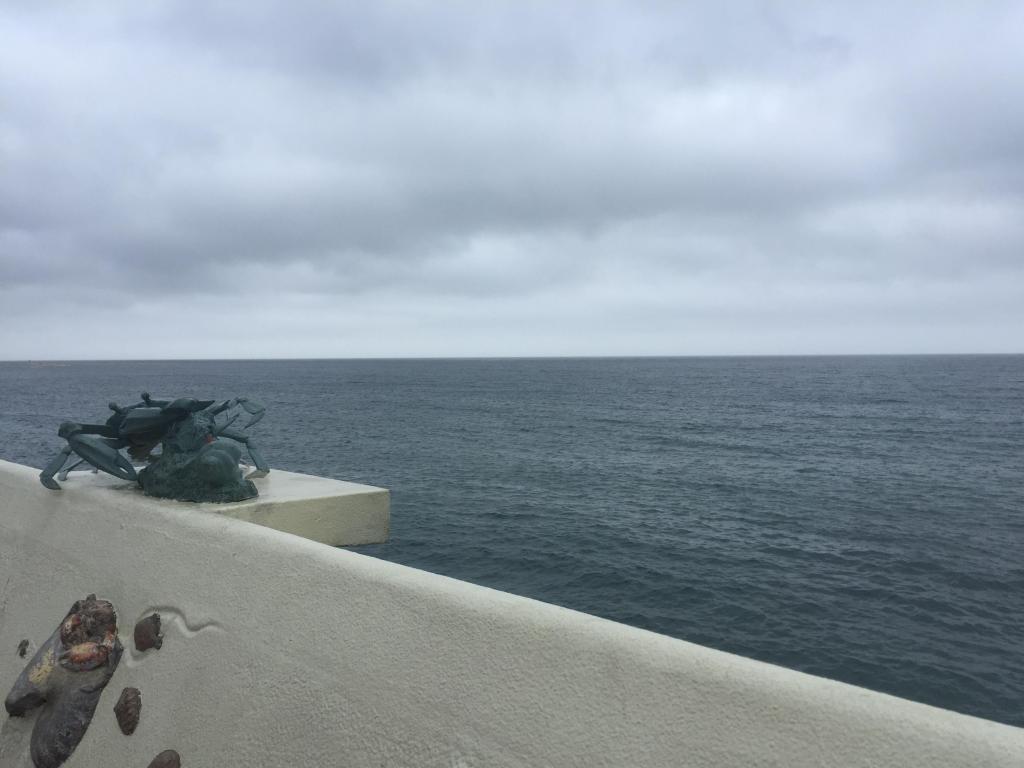
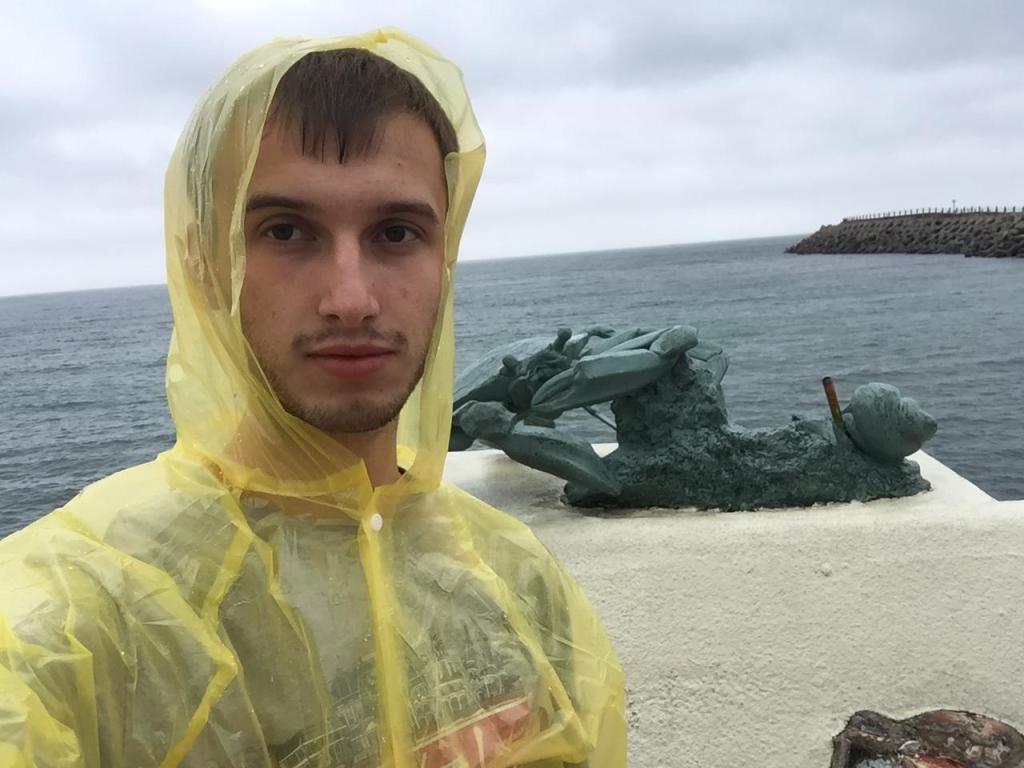
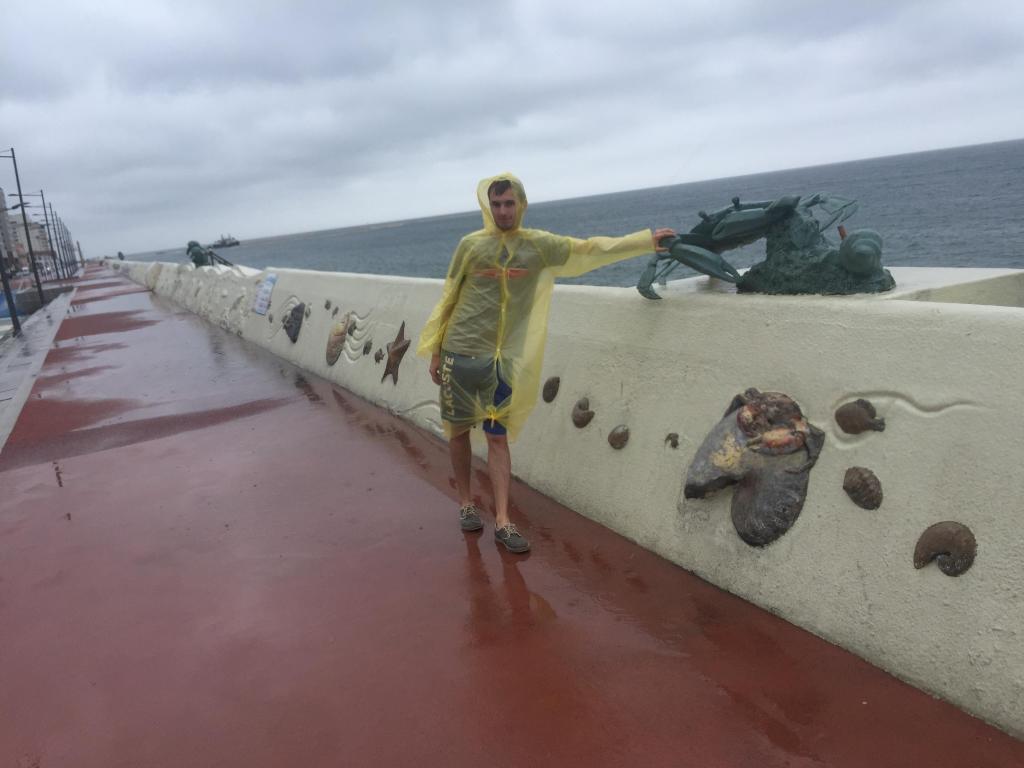
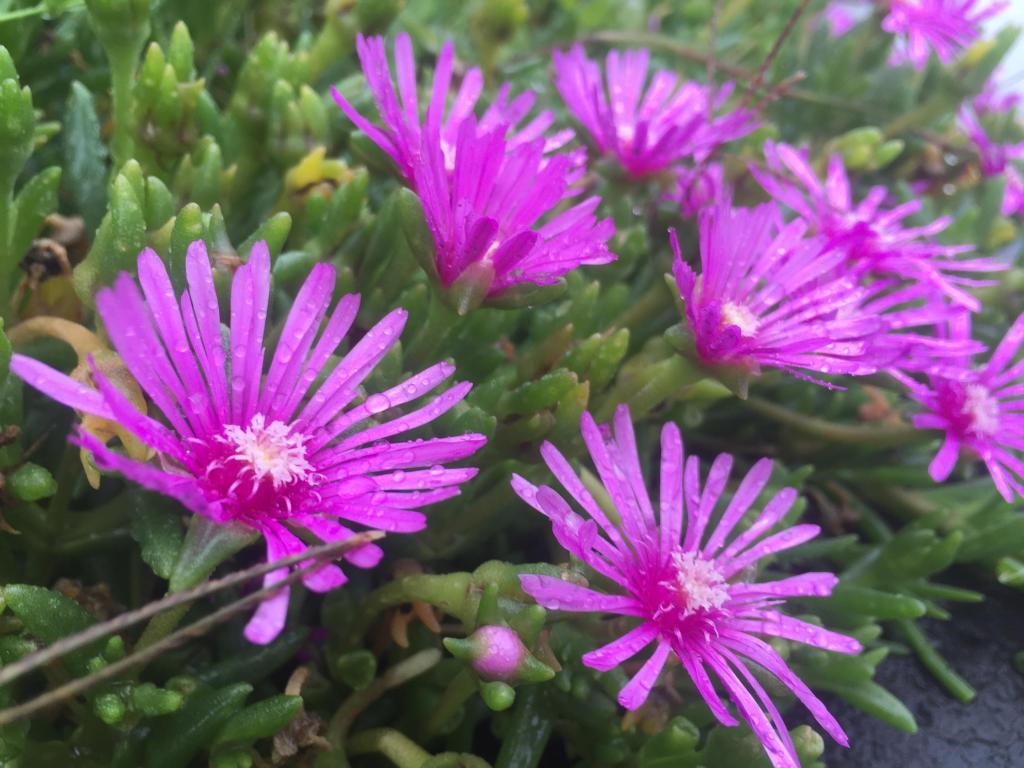
In front of hotels, near an alley of restaurants, there is a seafront. The sea was raging, thanks to the crab the wind did not blow me away, nevertheless, this place gives positive emotions.
So, it is time to explore something.
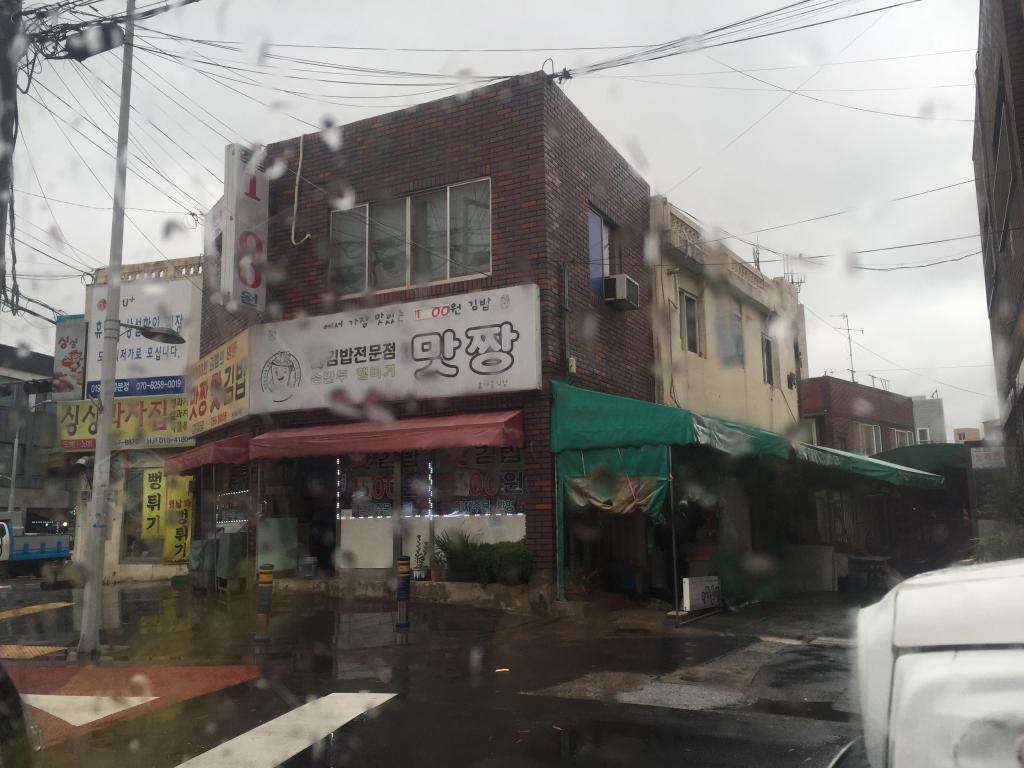
The first destination is ahead.
Jeju National Museum.
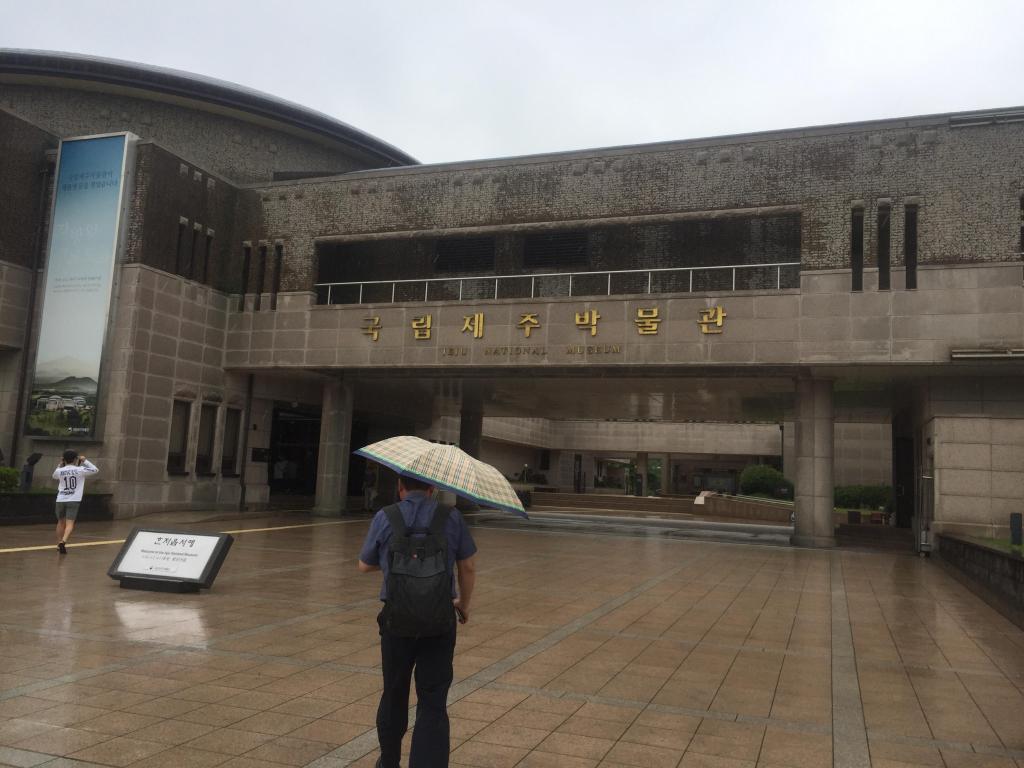
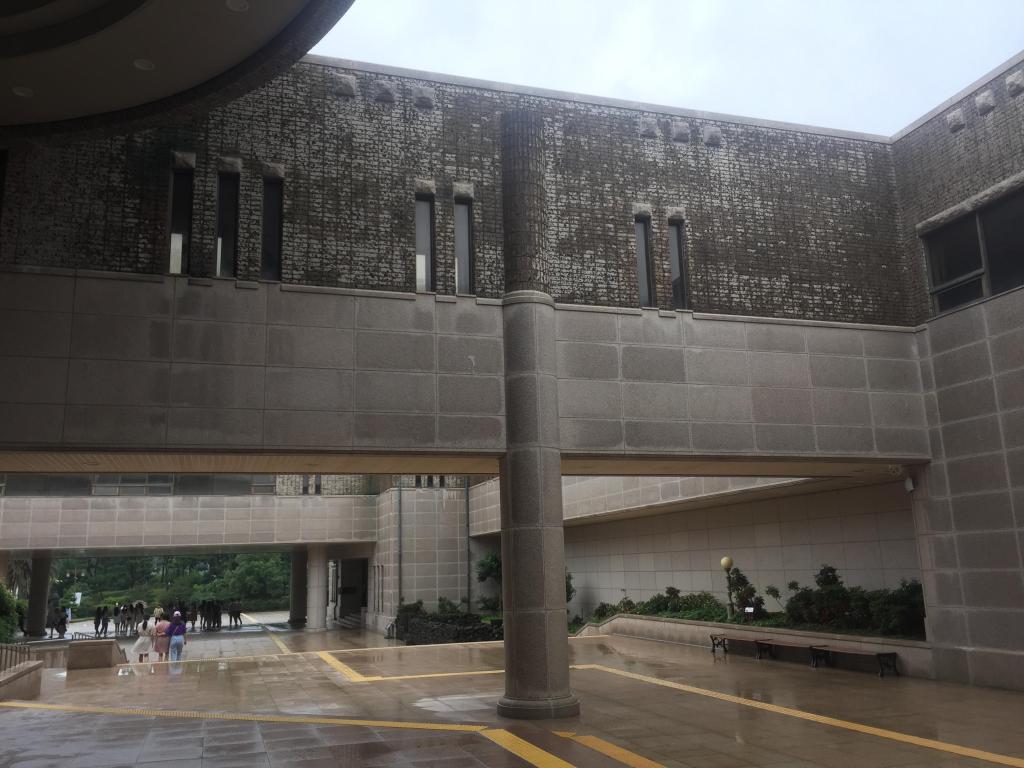
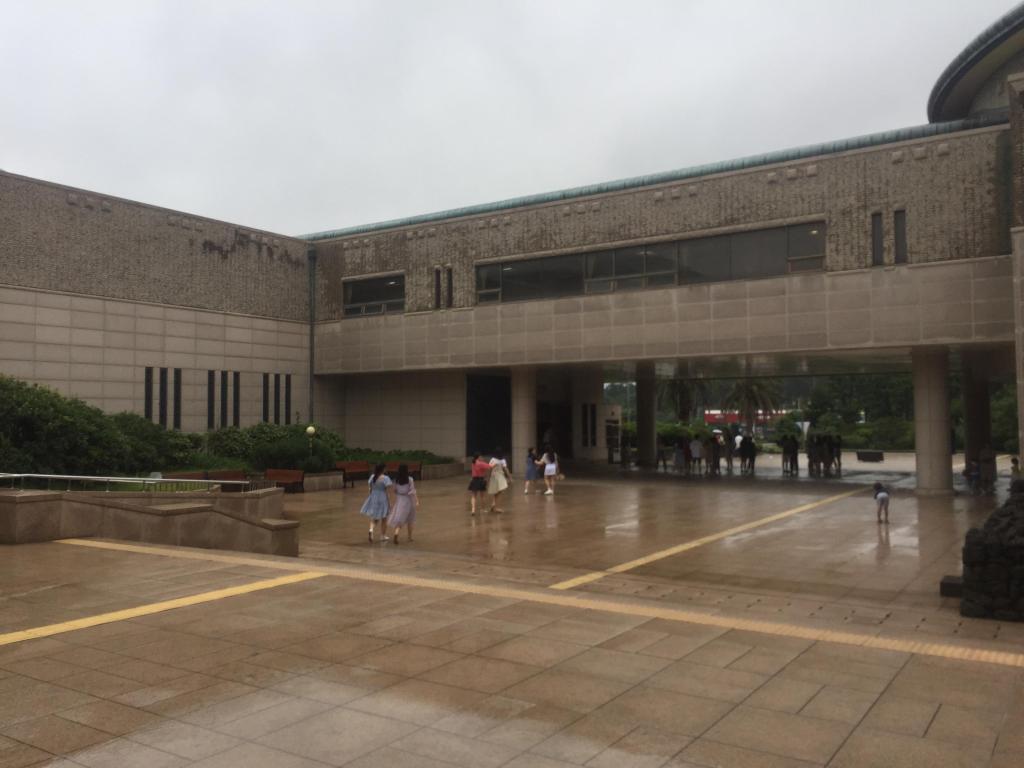
The museum provides photo gallery and brief information about exhibits on a website:
Jeju was formed by a series of volcanic eruptions that occurred 100,000 to 1.8 million years ago. About 40,000 years ago, Jeju, the Korean Peninsula, China and Kyushu in Japan were connected by land. During the Paleolithic Period, people migrated to Jeju from the Korean Peninsula and made a living by hunting and gathering food while living under the shade of boulders. They used chipped stone and intricate stone blades as tools for daily life.
The museum exhibits artefacts related to the history of the Jeju people. The huge number of the prehistoric artefacts indicates the buoyant activity of Jeju people during the prehistoric times. Later, the cultural development will become base for a kingdom emergence.
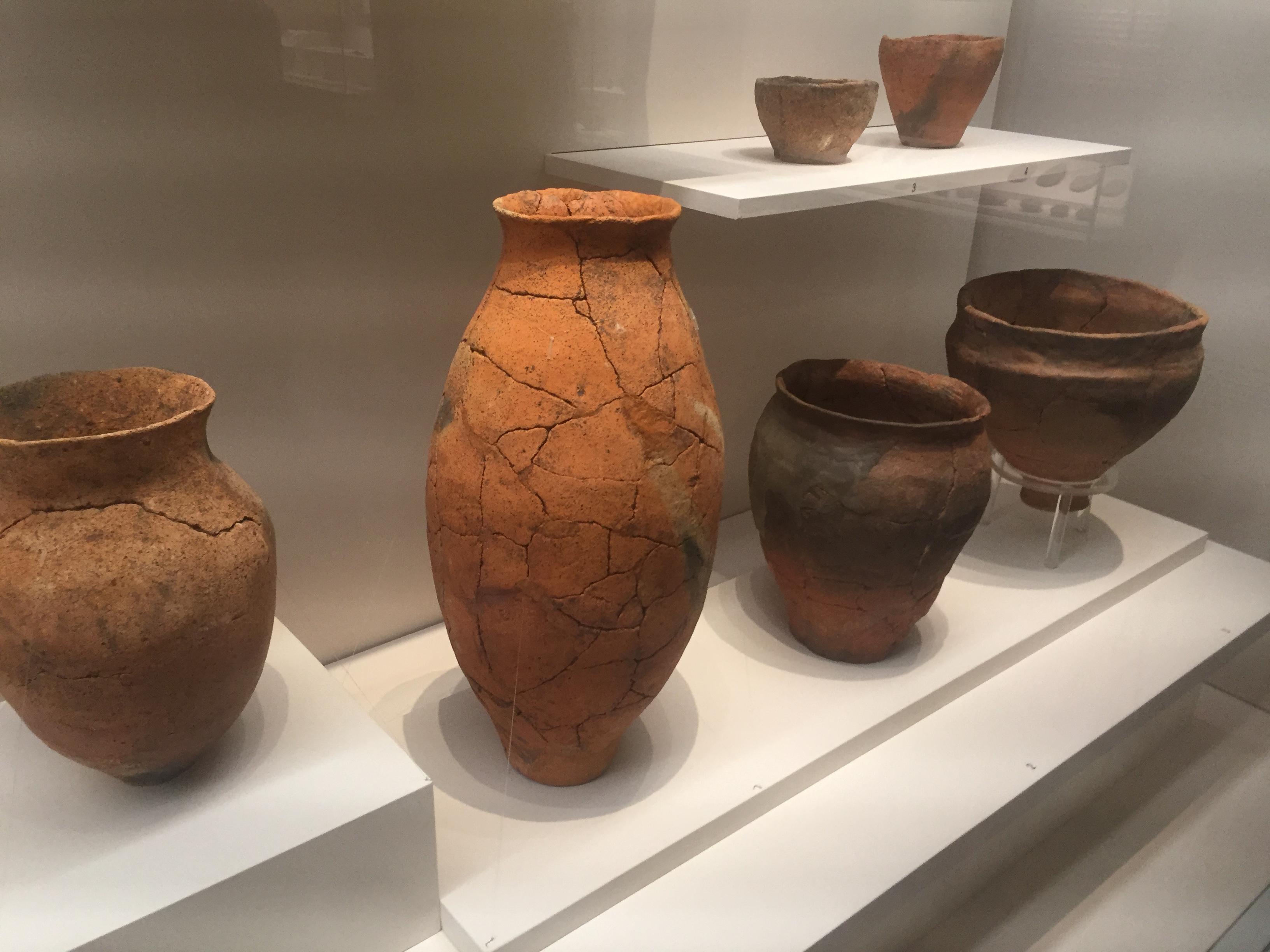
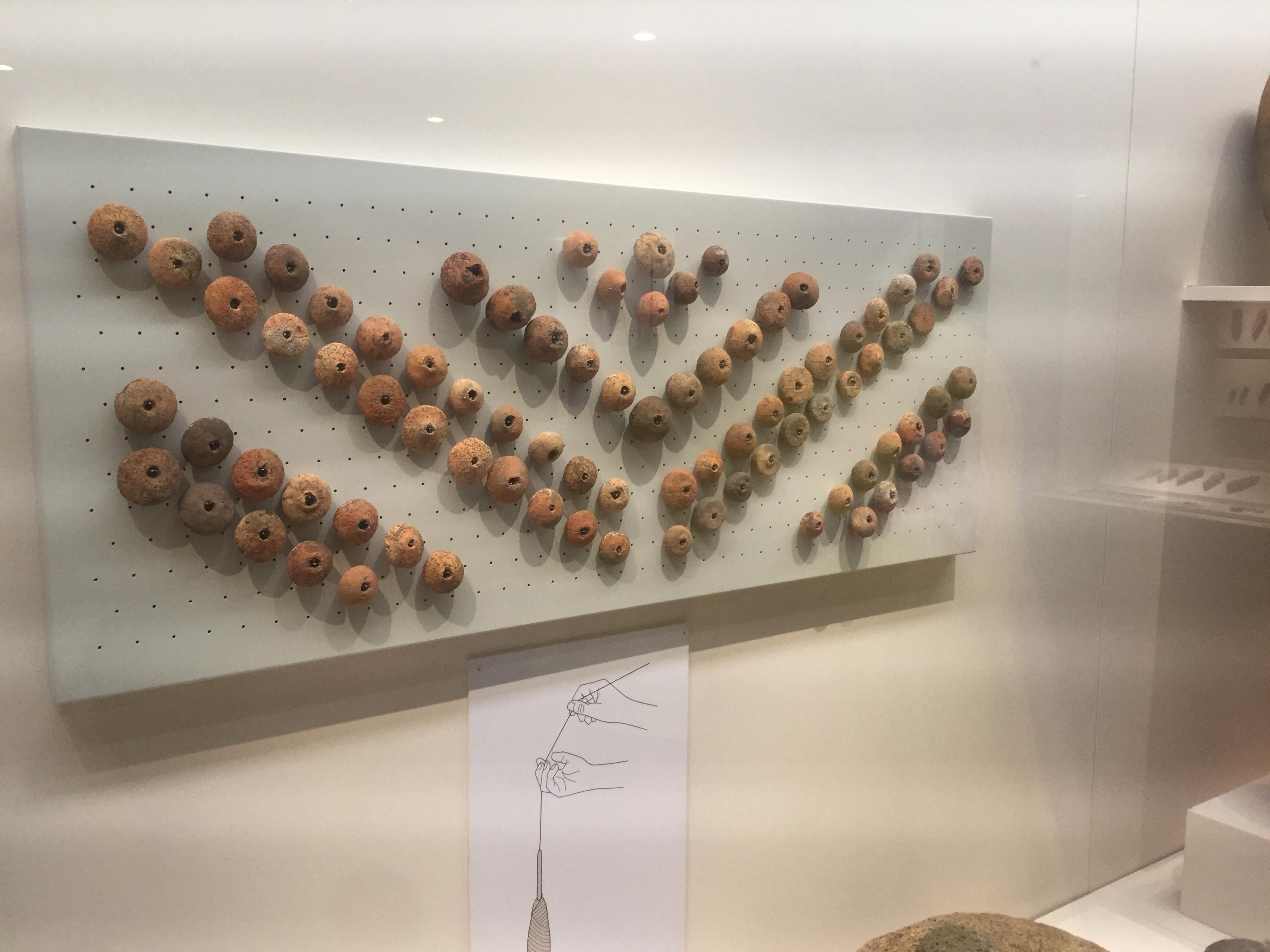
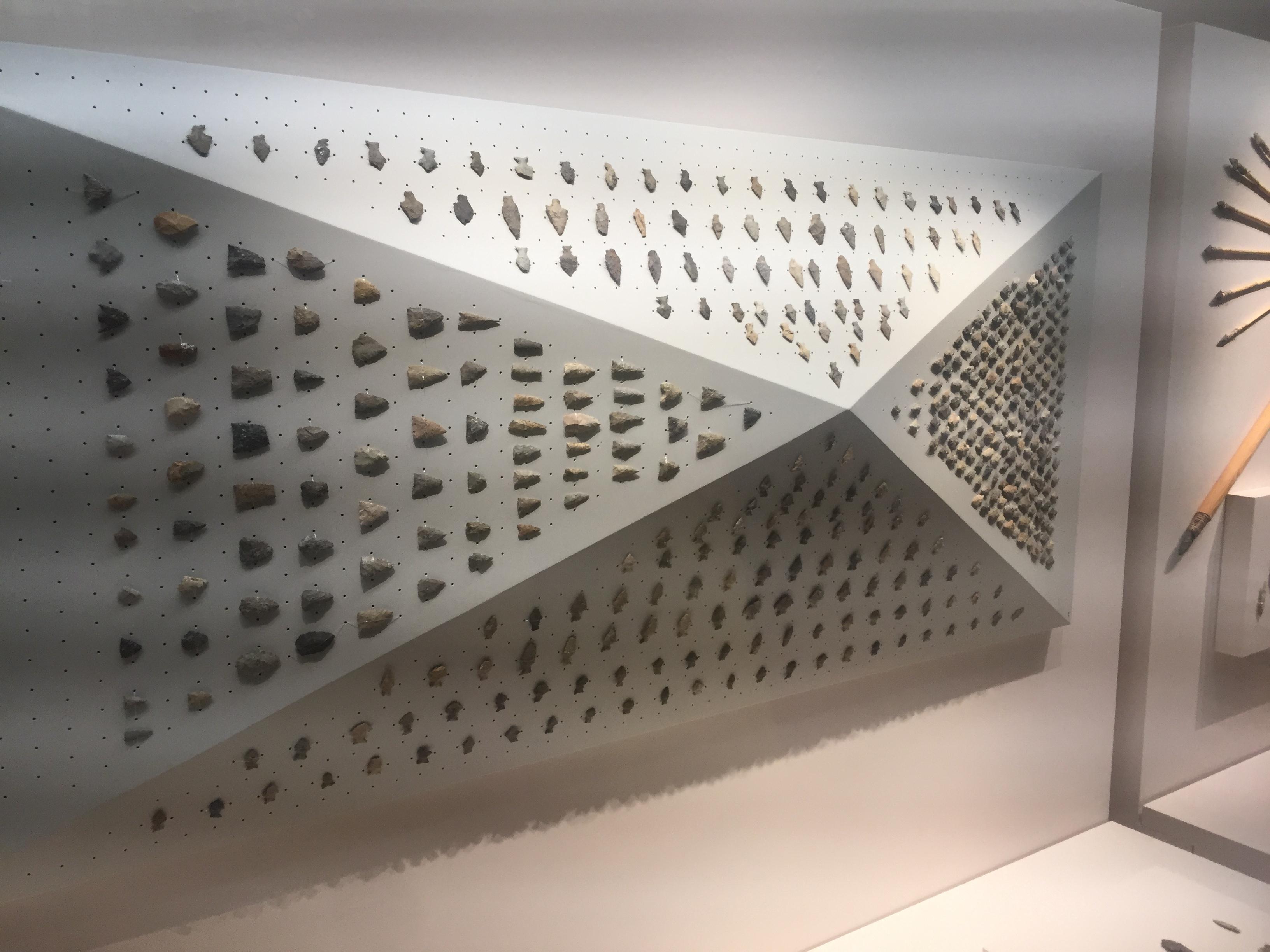
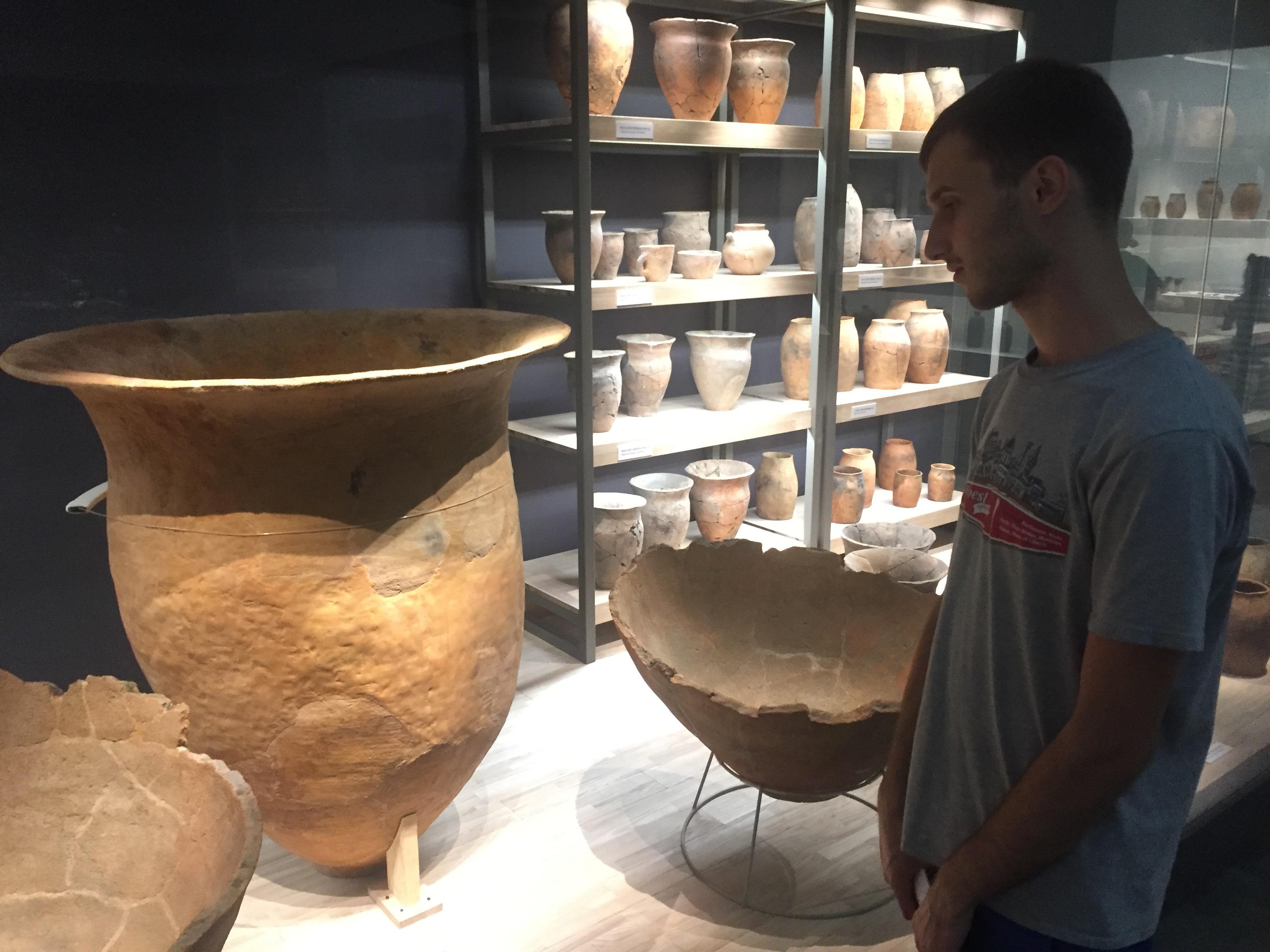
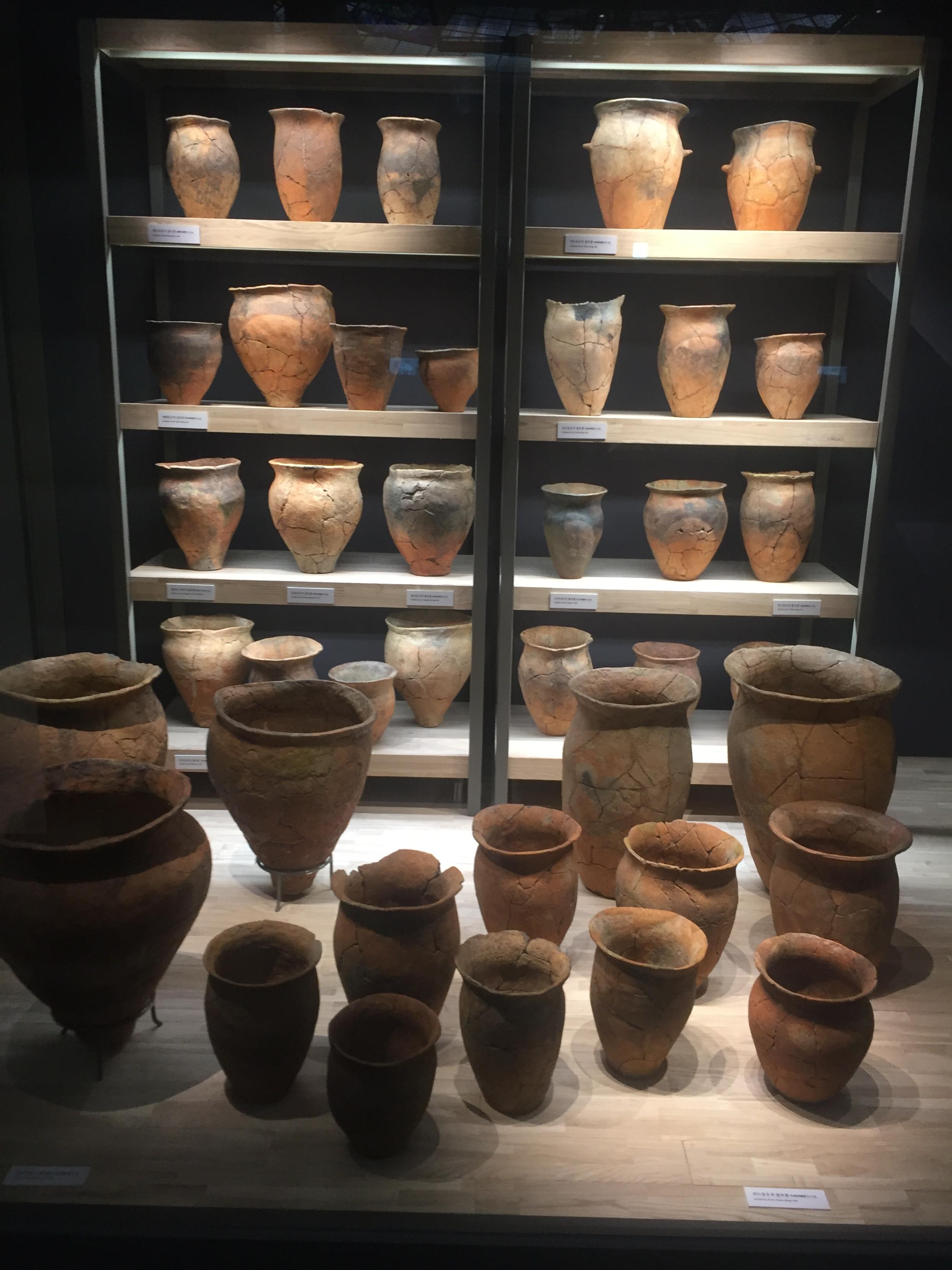
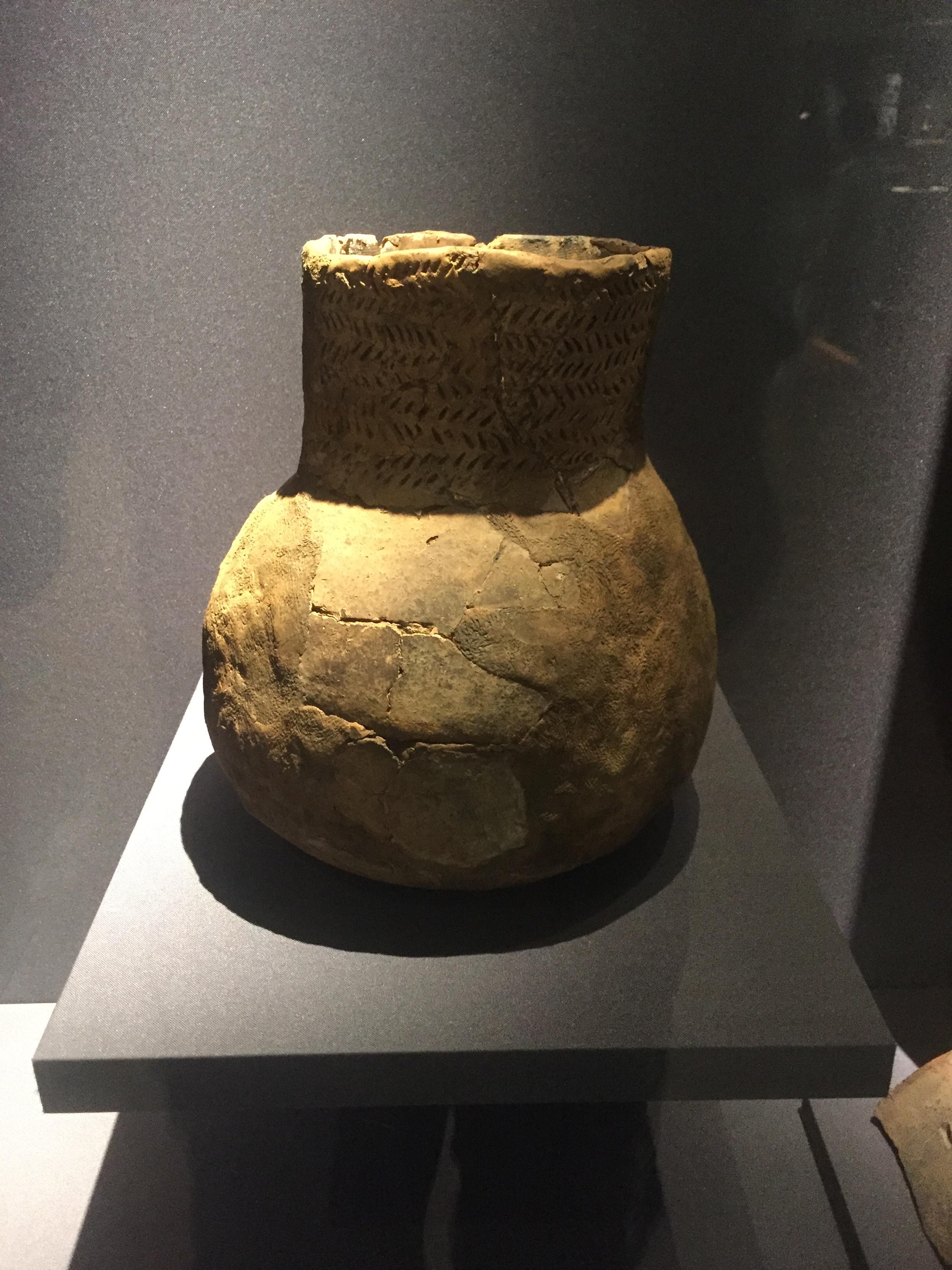
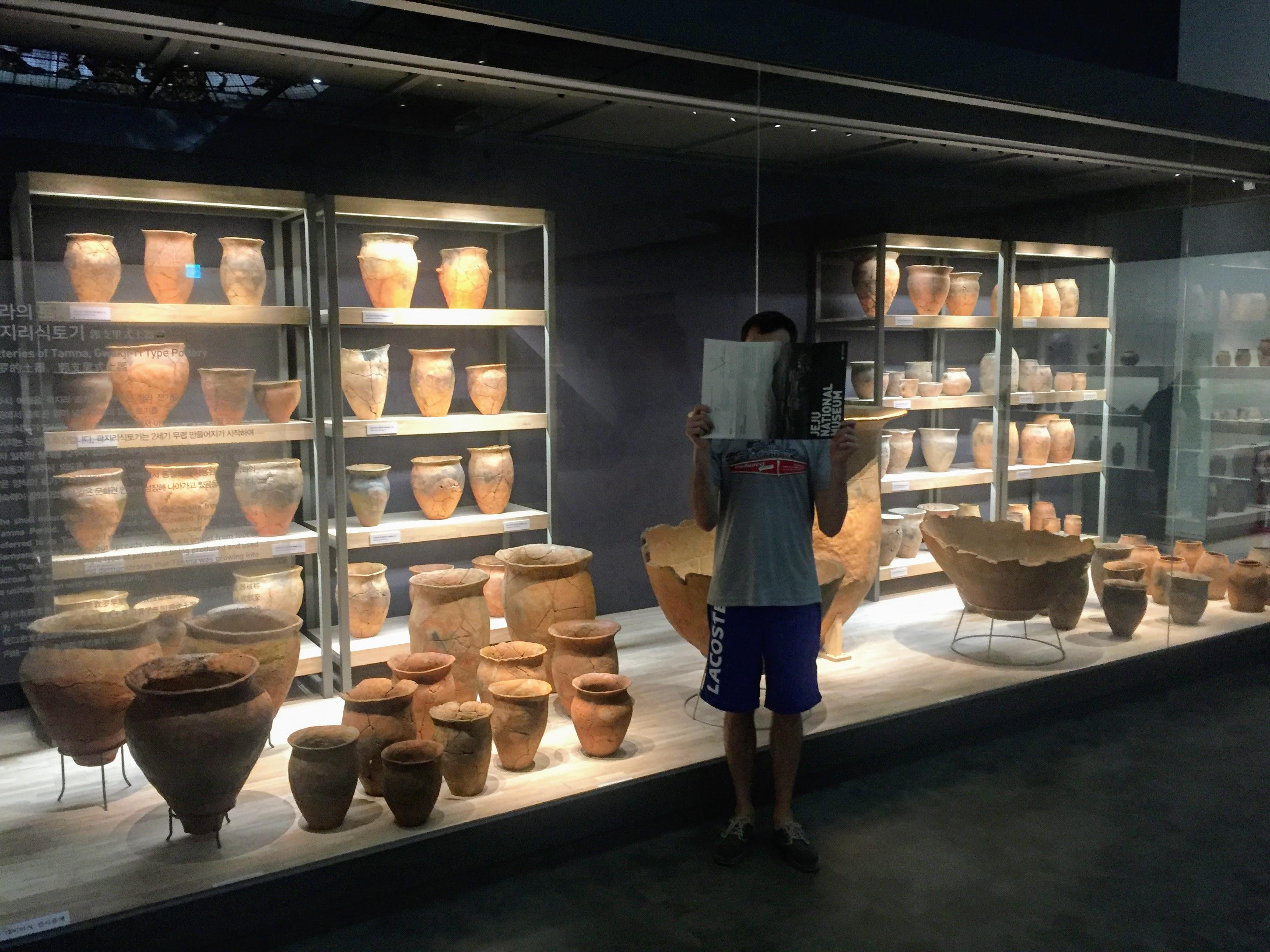
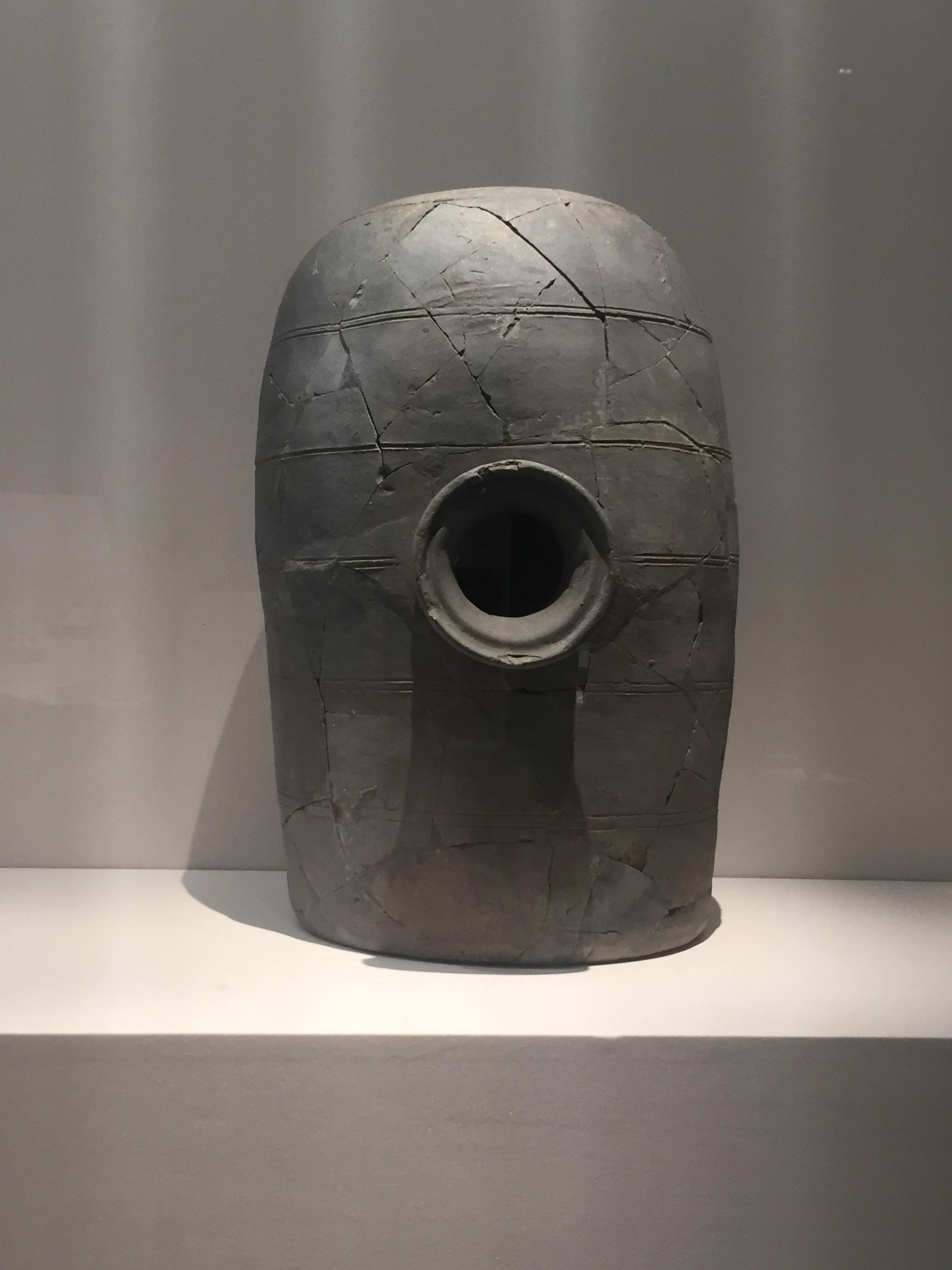
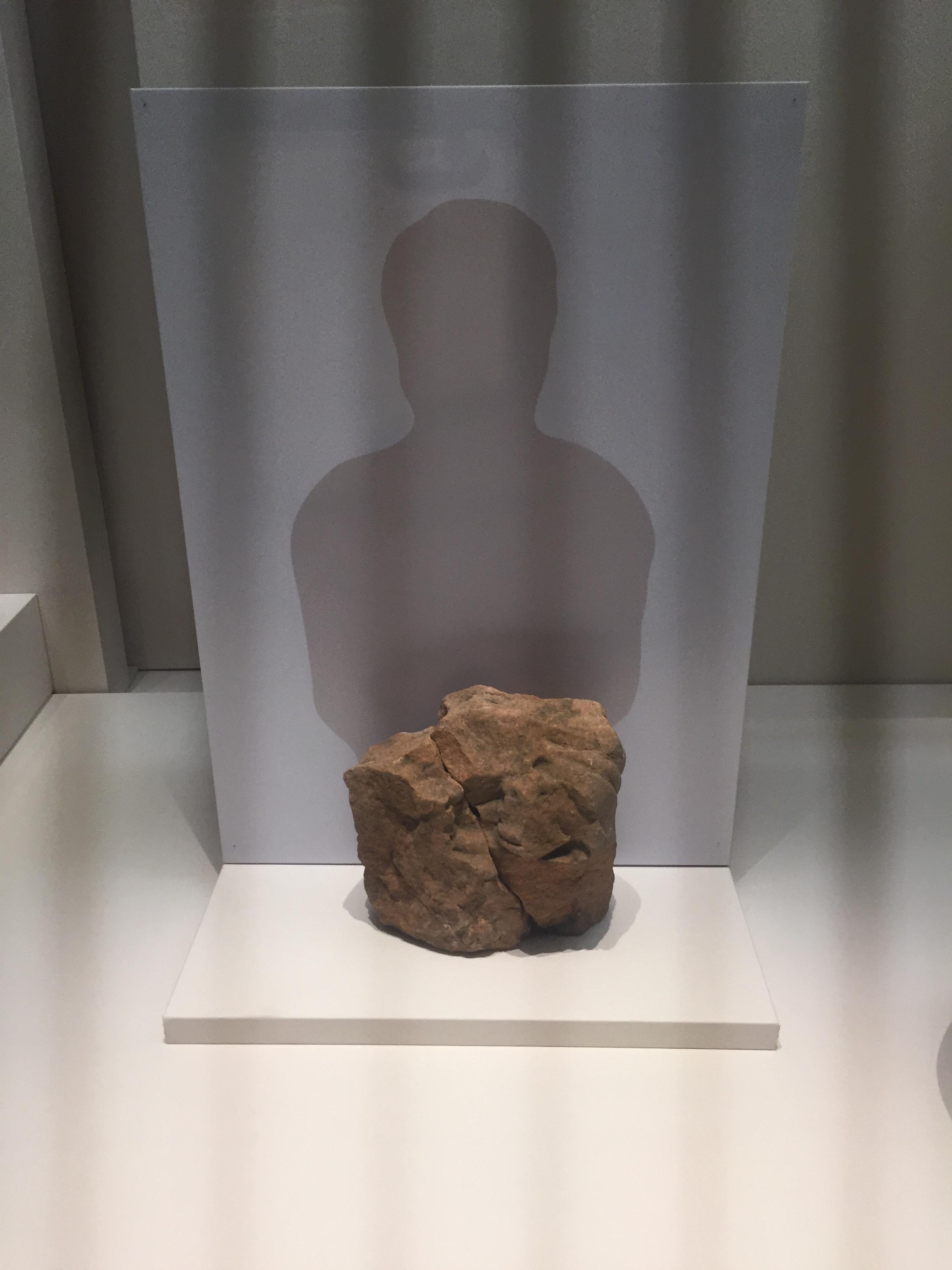
At the time when Goguryeo, Baekje, Silla and Gaya expanded their influence on the Korean Peninsula, the kingdom of Tamna (tam means island and na means country) was established on Jeju Island. It existed until 1404 when it was absorbed by the Joseon Dynasty.
Sancho-baegdu-do 산초백두도 山椒白頭圖 – a painting of white heads on top of the mountain – is a painting by Kimjeong 金淨 (1486~1521), an official who was known also as a poet. The scene of the painting is hwajohwa 花鳥畵 – flower and bird – is one of the three common scenes in the traditional paintings of East Asia, along with landscapes and portraits. One of those I saw in the Hwacheon Museum.
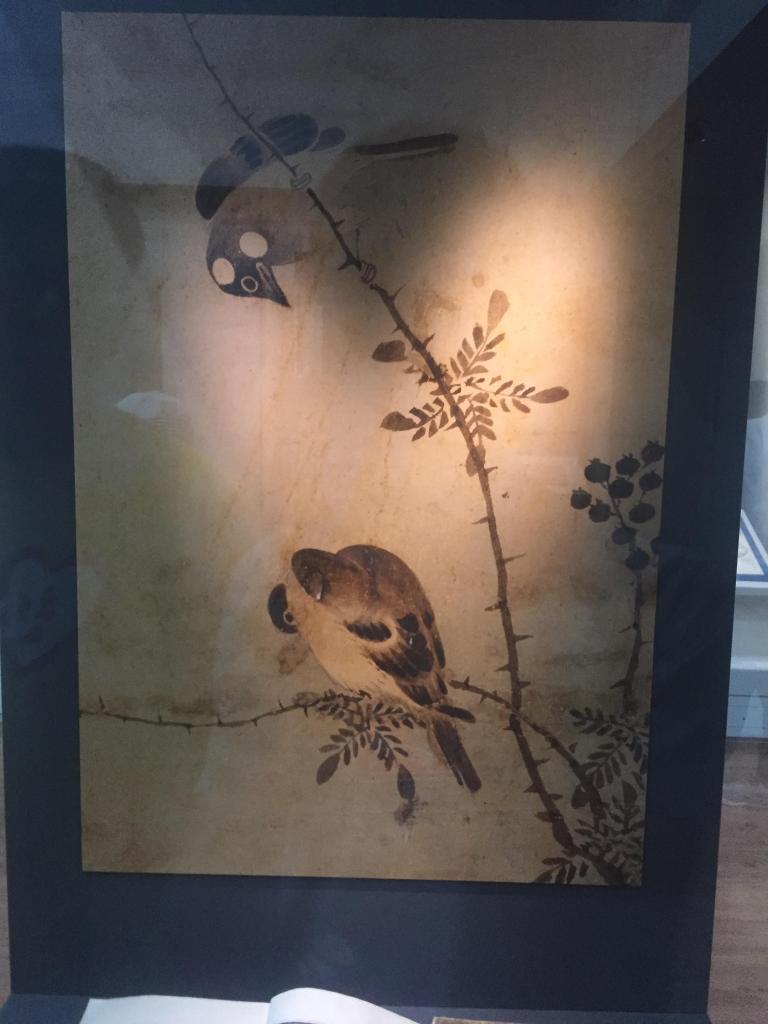
The specie of birds, plants, animals, their expressions and poses bear a whole story in one painting. Tomas, considering the thickness of the branches, poses of the birds, says the birds represent two confronting political powers. also, five leaves on the top branch according to numerology mean success, while 4 leaves on the bottom branch mean anxiety.
Beneath the painting there is a poem:
臨絶辭
投絶國兮作孤魂
遺慈母兮隔天倫
遭斯世兮隕余身
乘雲氣兮歷帝閽
從屈原兮高逍遙
長夜暝兮何時朝
烱丹衷兮埋草萊
堂堂壯志兮中道摧
嗚呼千秋萬世兮應我哀
Coming to the last farewell
I was thrown on a remote island and became a lonely soul
When I left my mother behind, I broke the rules of nature
I walk through this life, and then my body fell down
On a cloud rising to the palace gates of the lord of heaven
I’m going to walk up high after Quyuan
The long night is dark, the morning will come any time
The burning red heart is buried in the grass
The great intentions are broken on the halfway
Hooray for God’s sake, let my sorrow be known.
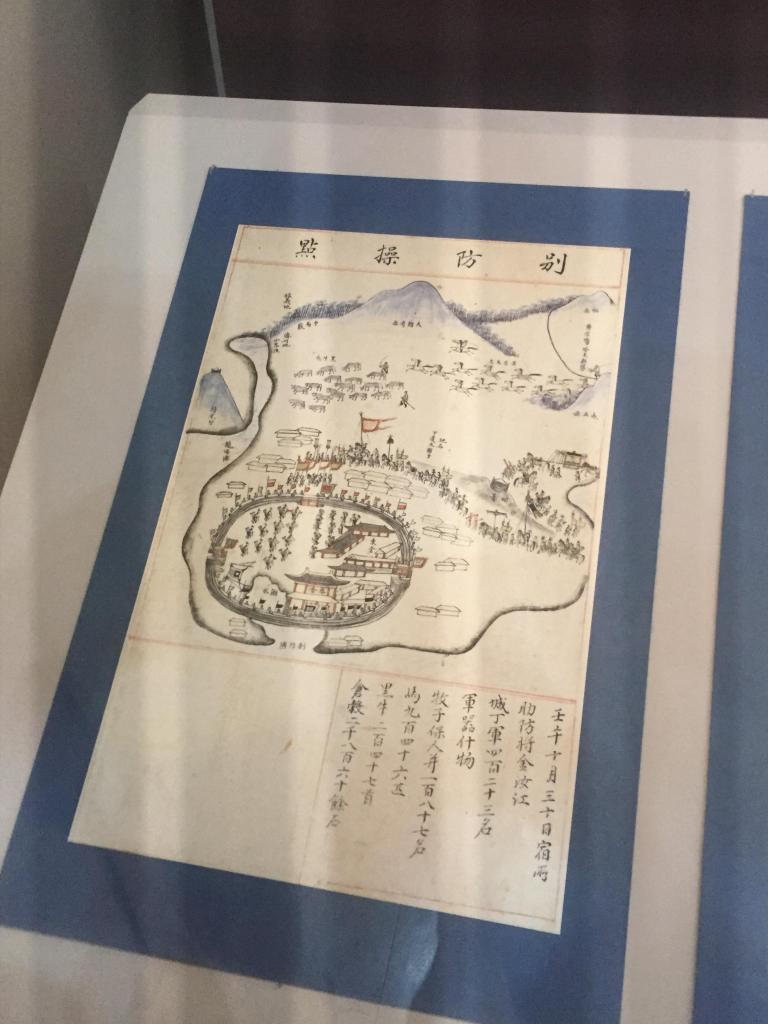
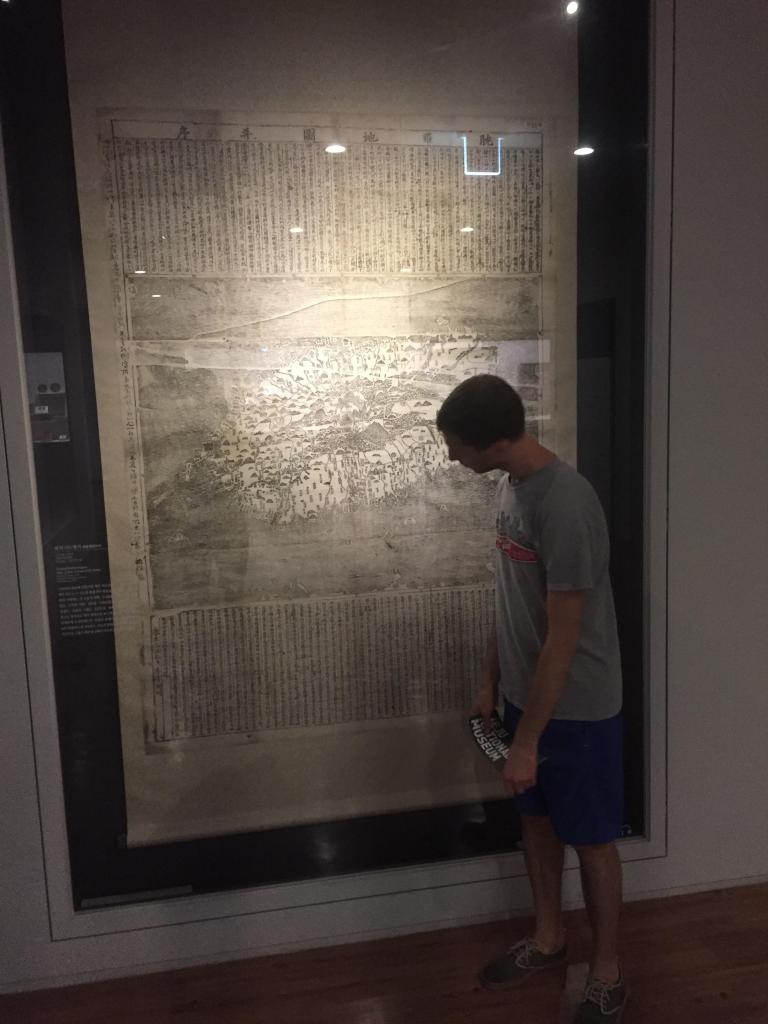
The island on the maps looks like an imaginary fantastic world.
At least for one thousand years, citrus fruits were cultivated on Jeju (records of 1052, about the number of fruits given to the central government every year). Besides tangerines, Jeju is known by long history of the horse breeding, the first records appear in 1073. Nowadays there is a breed called Jeju horse.
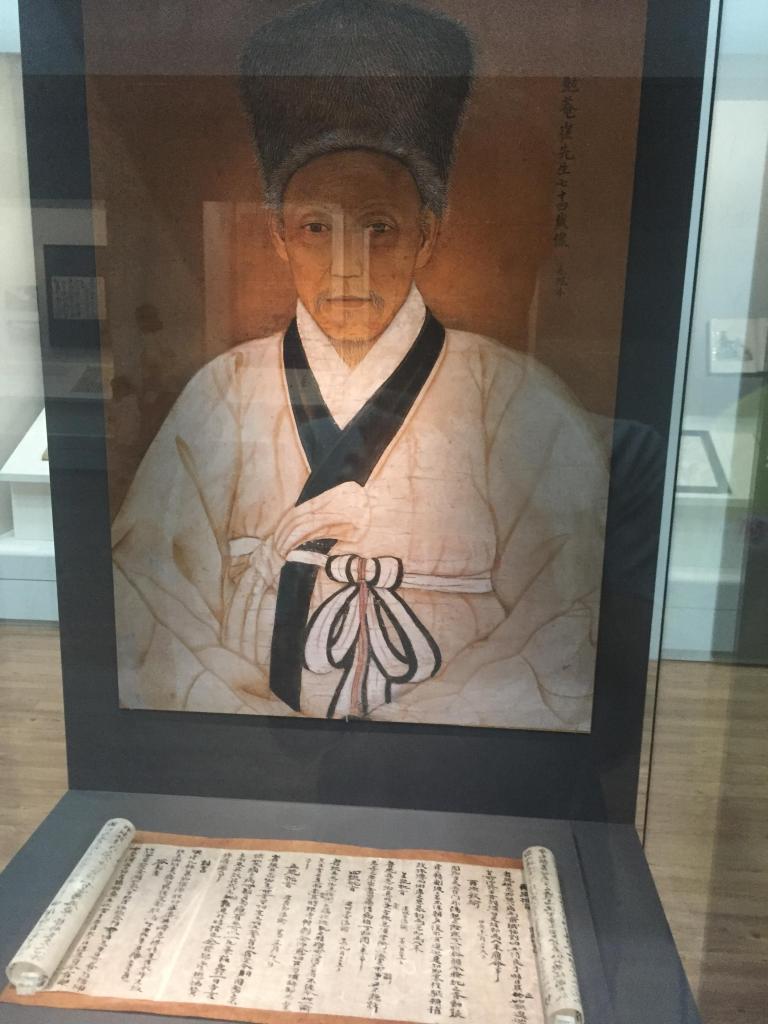
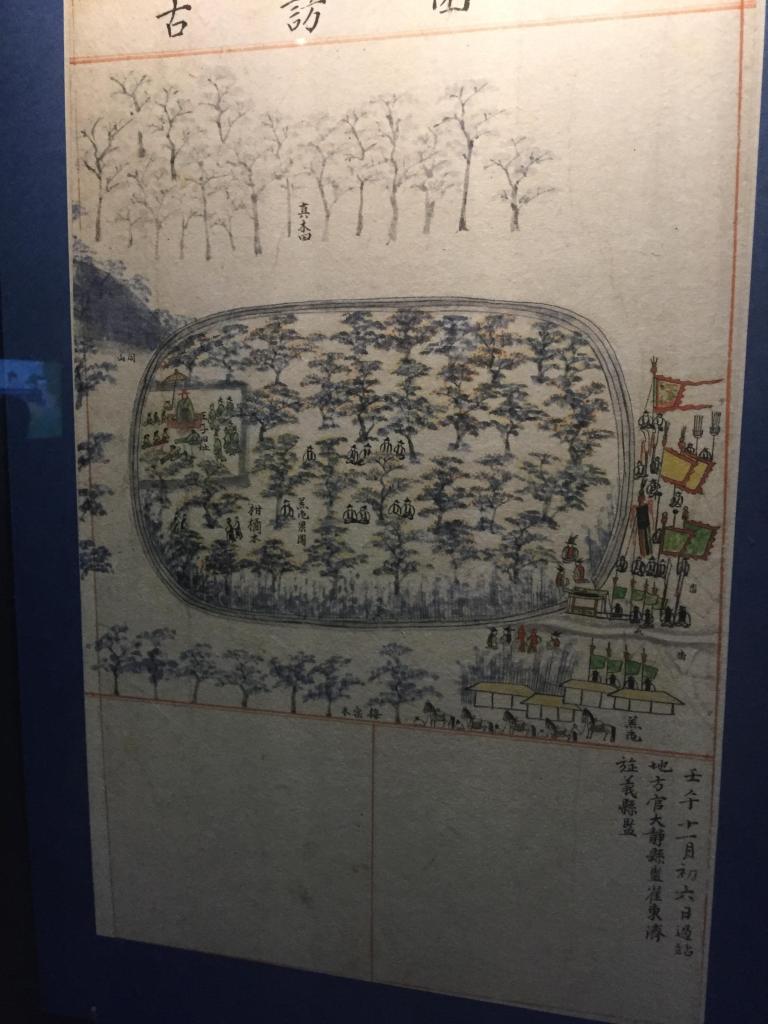
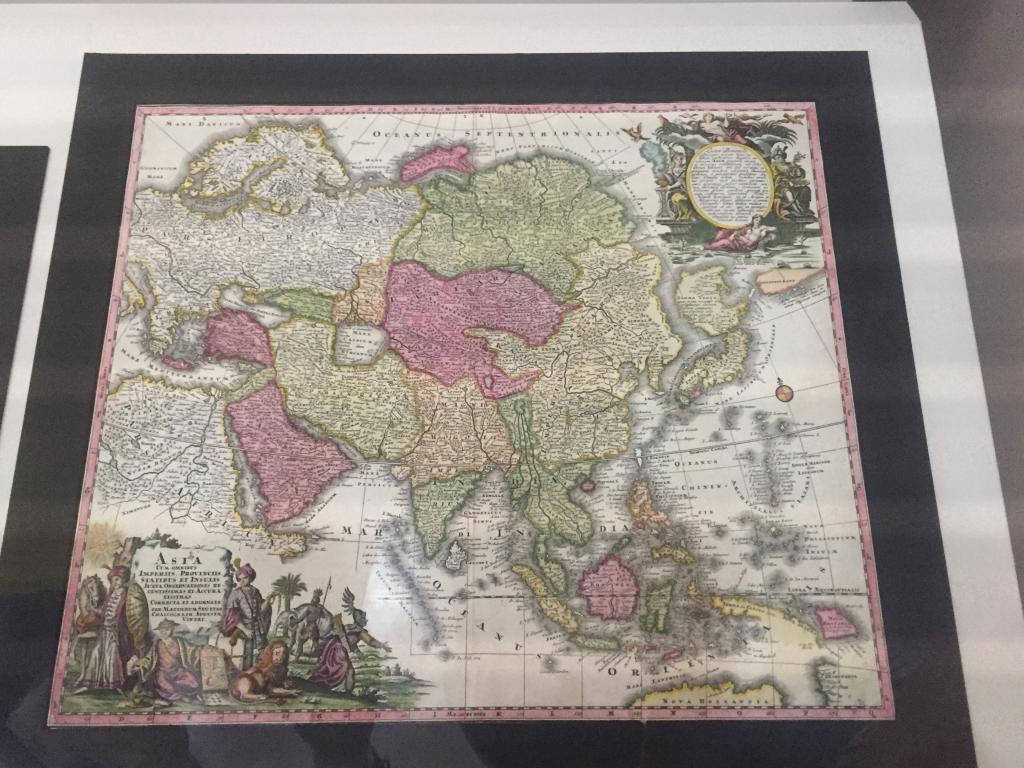
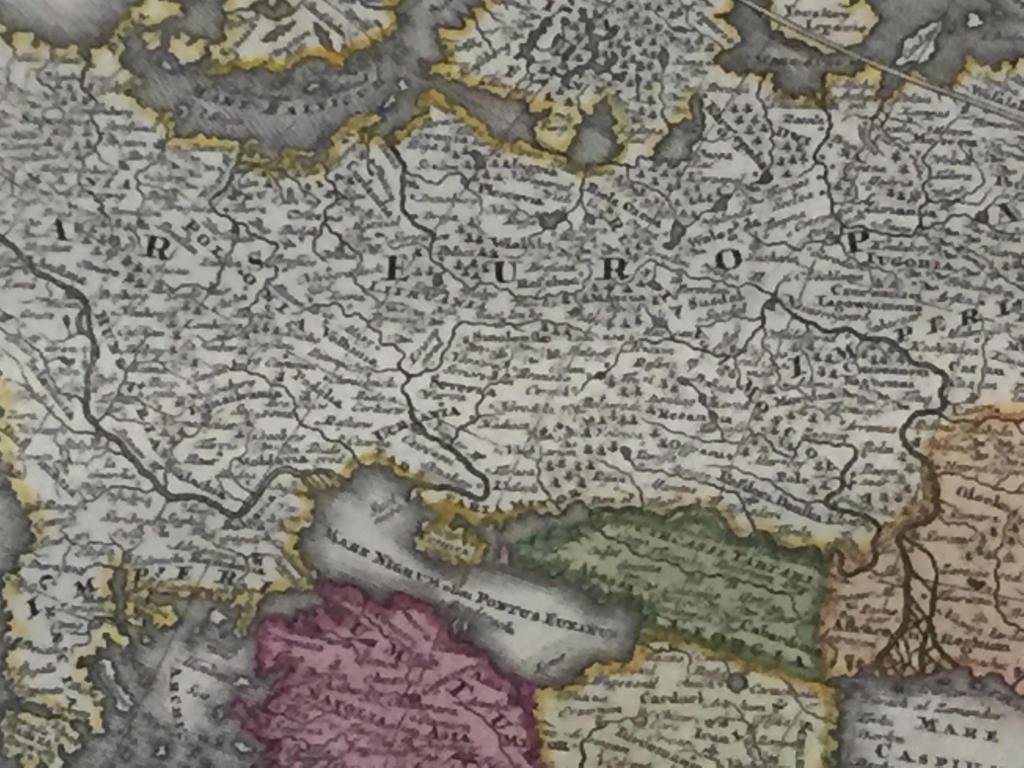
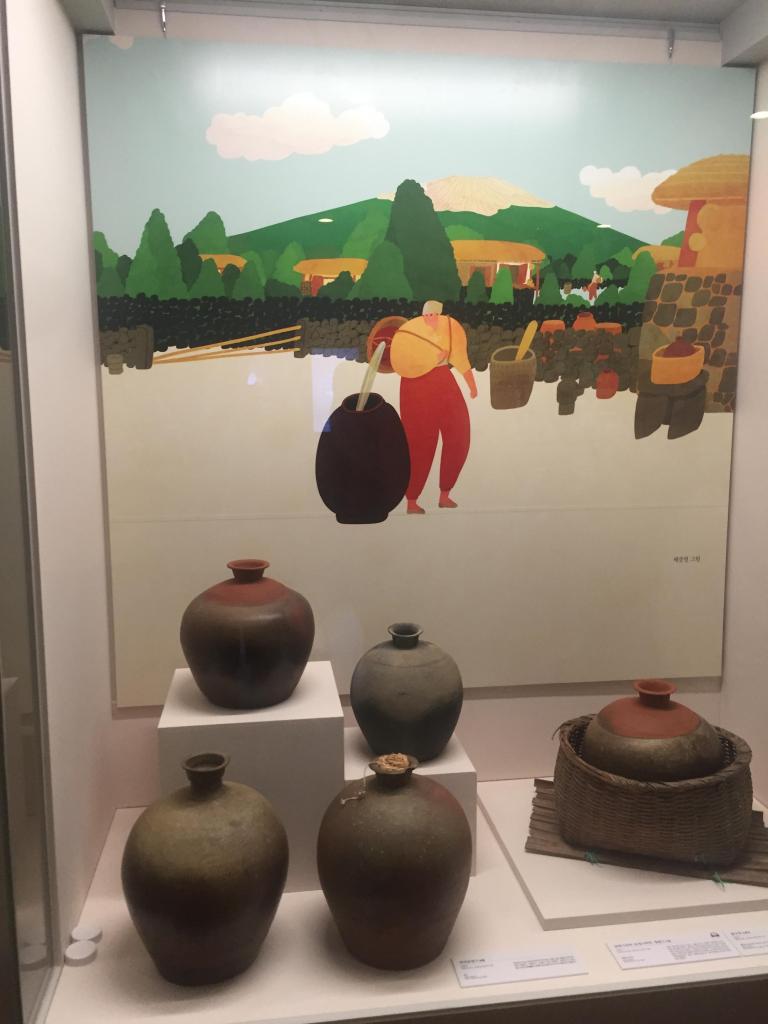
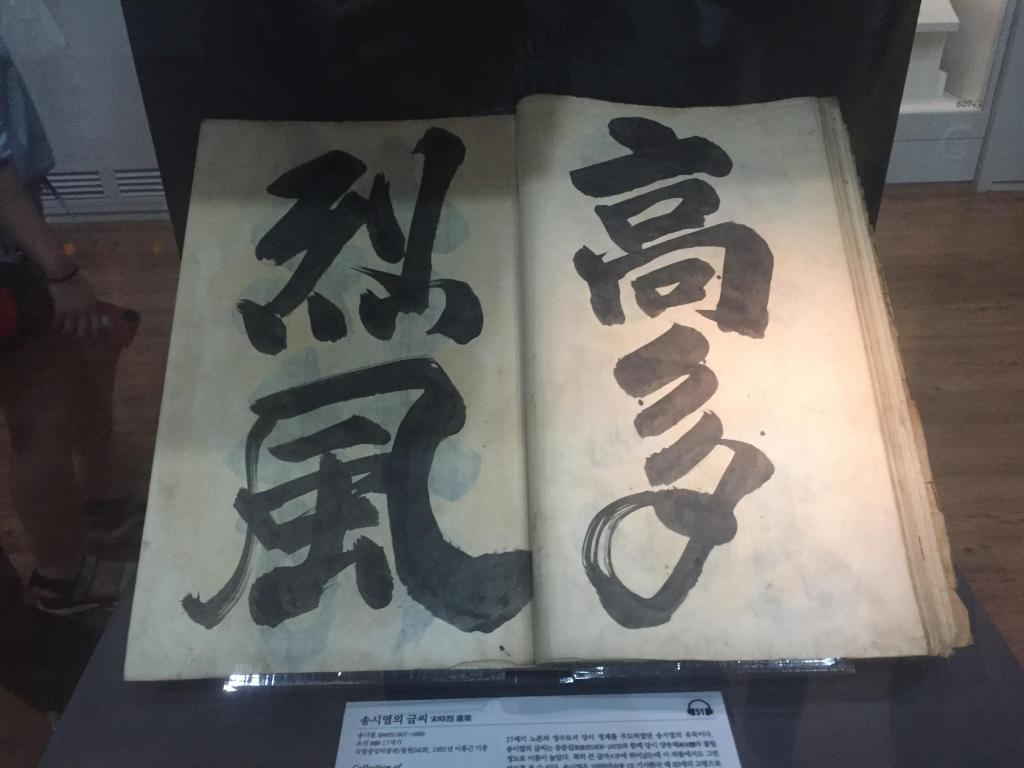
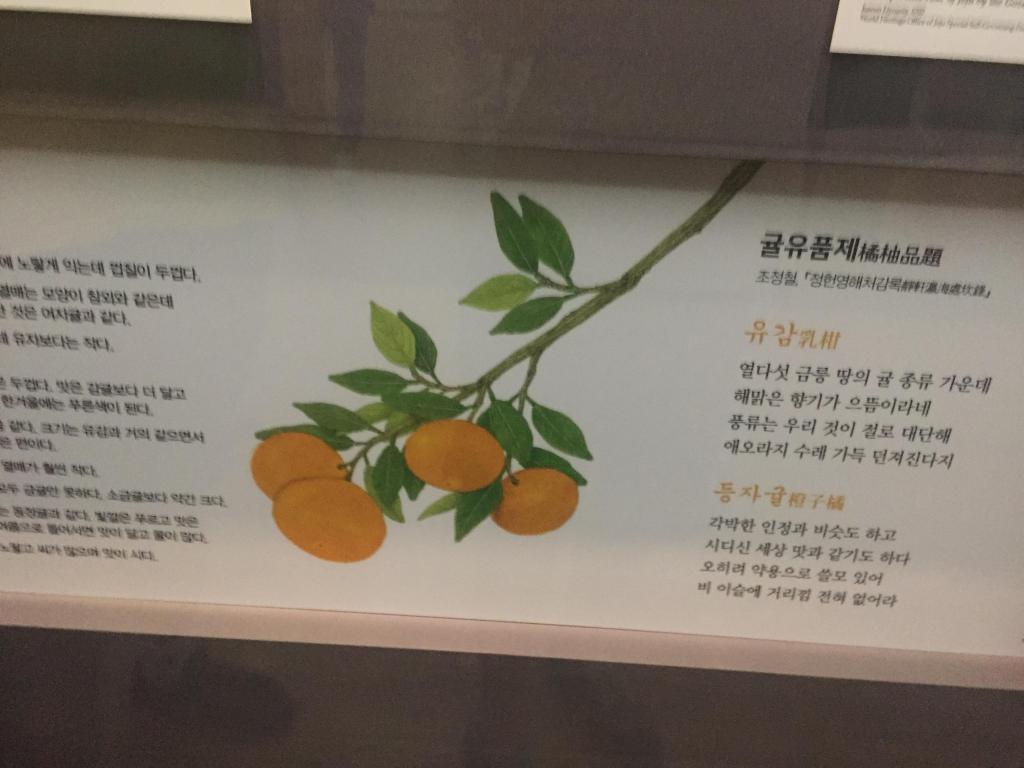
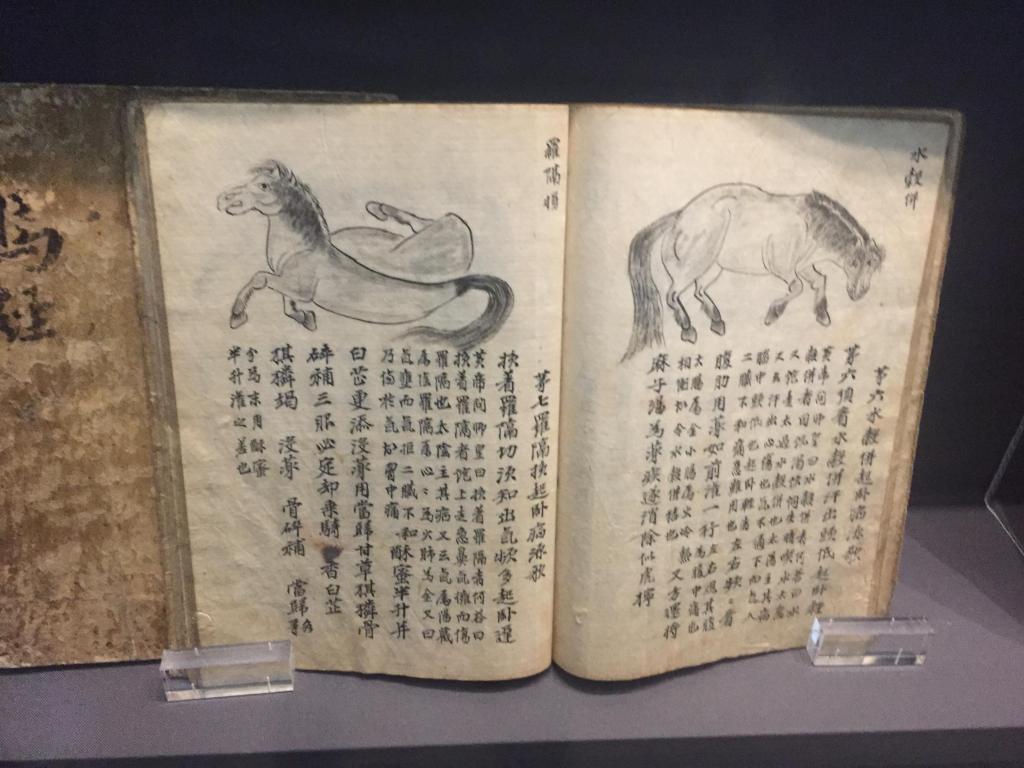
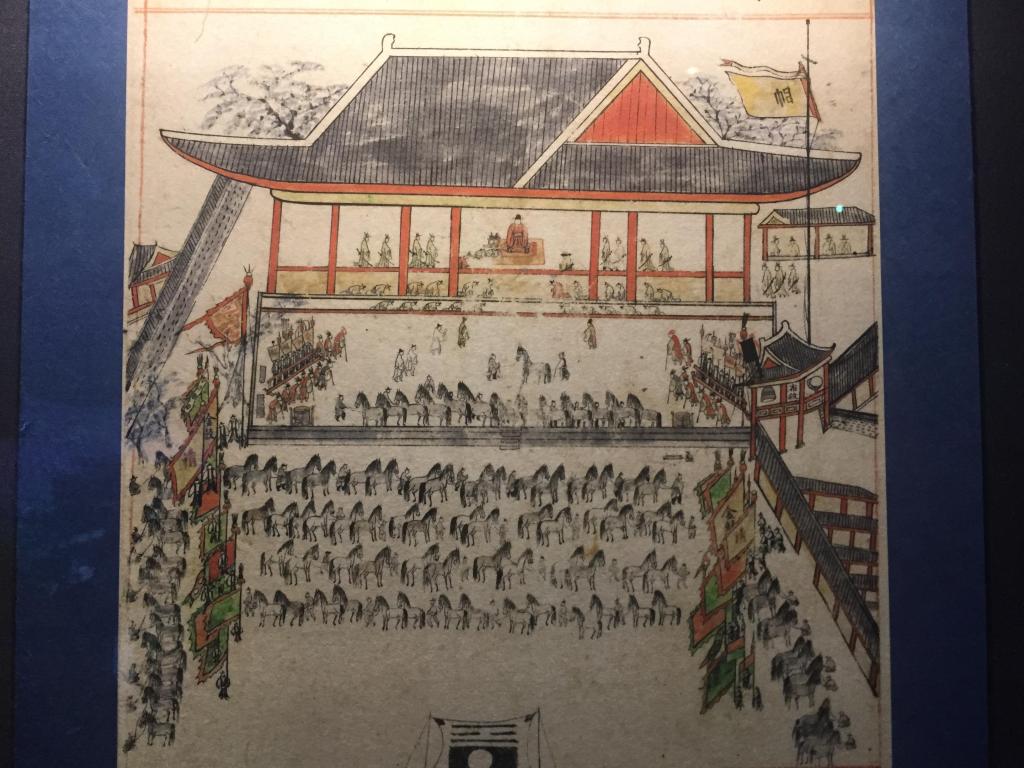
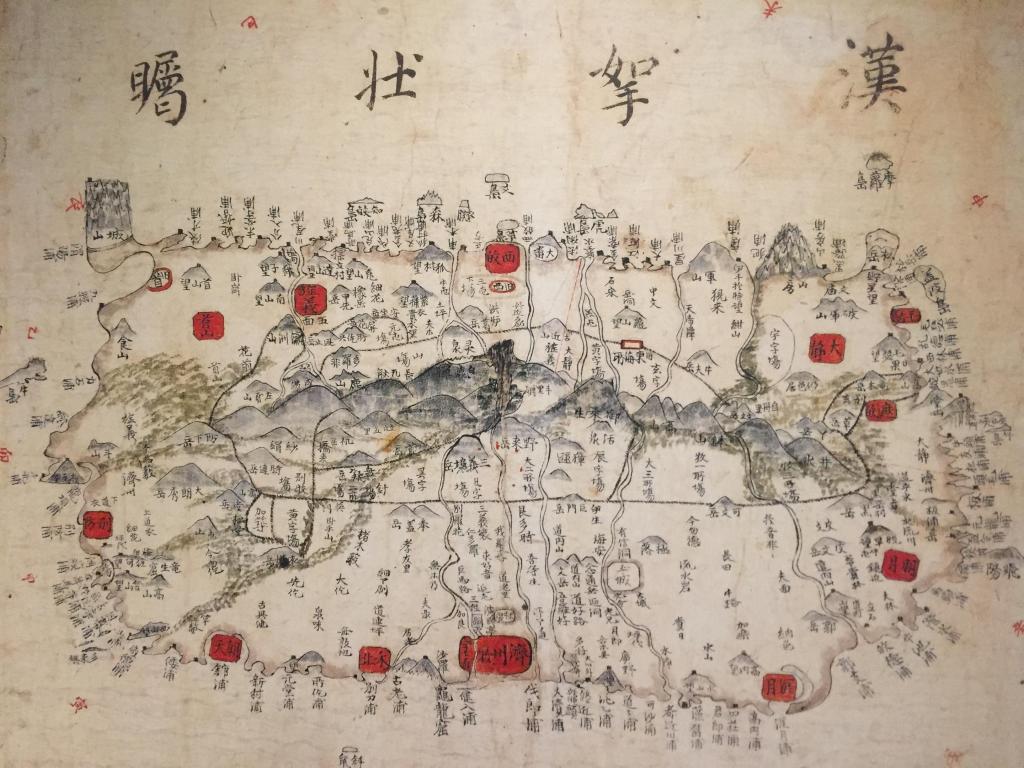
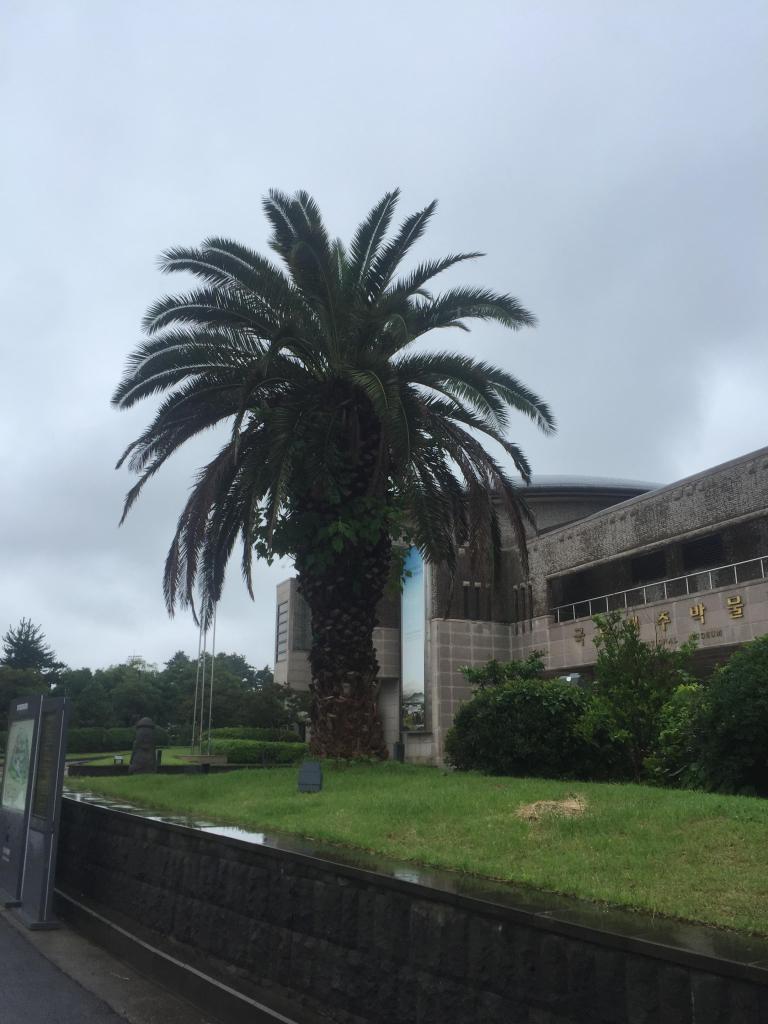
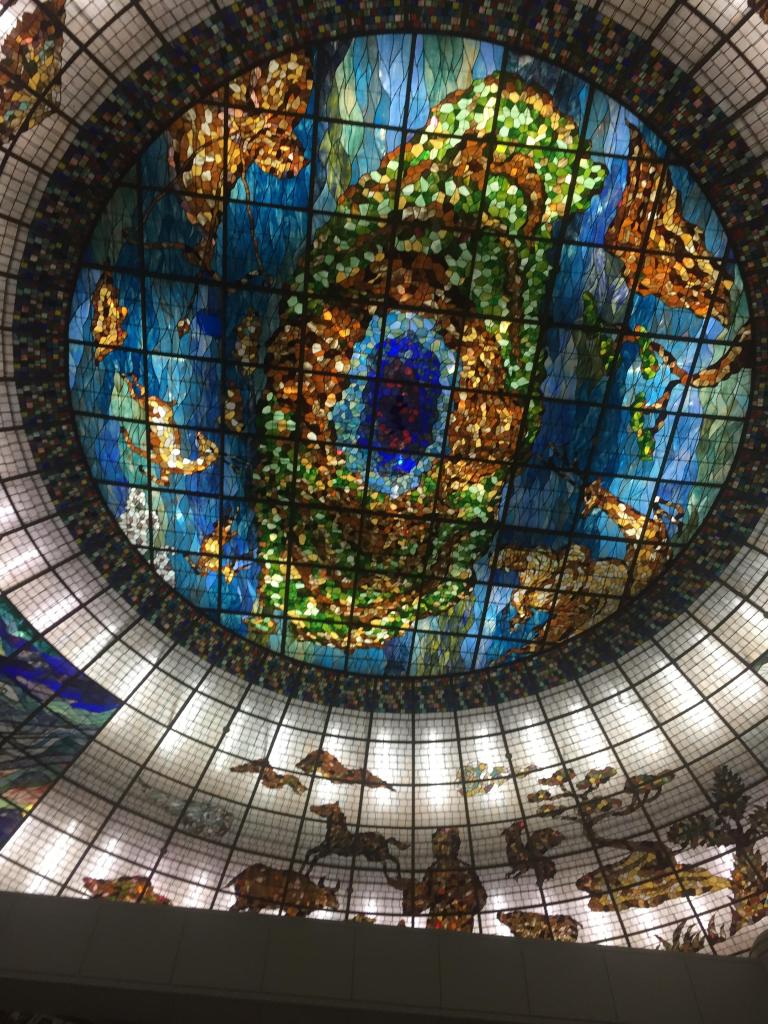
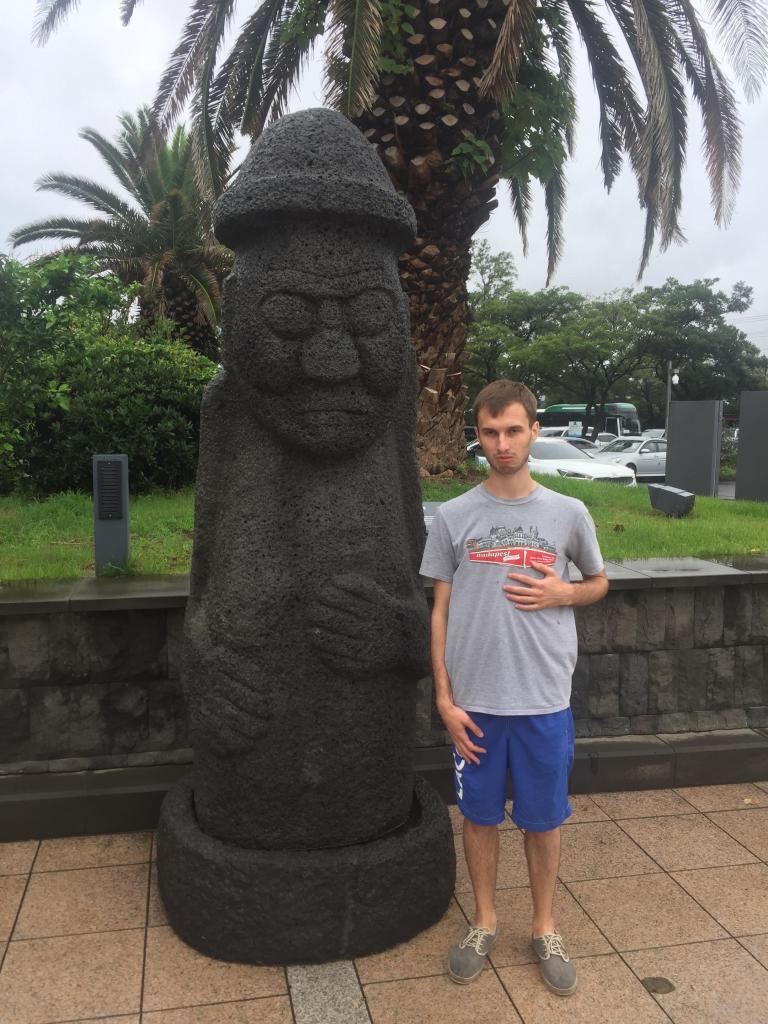
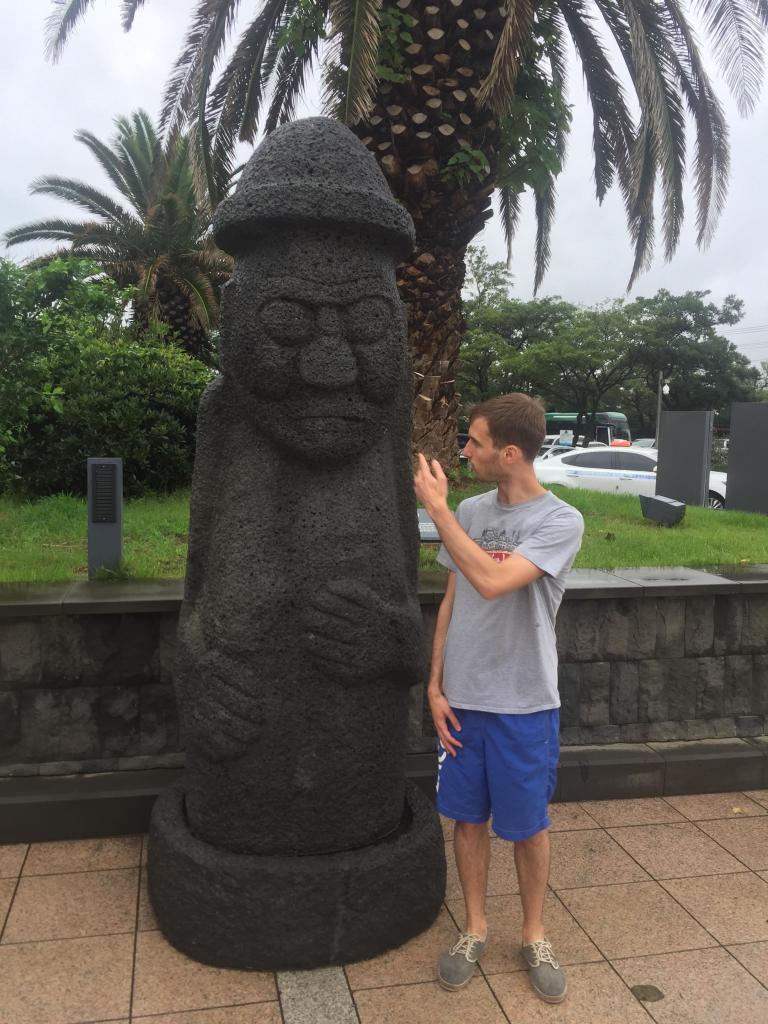
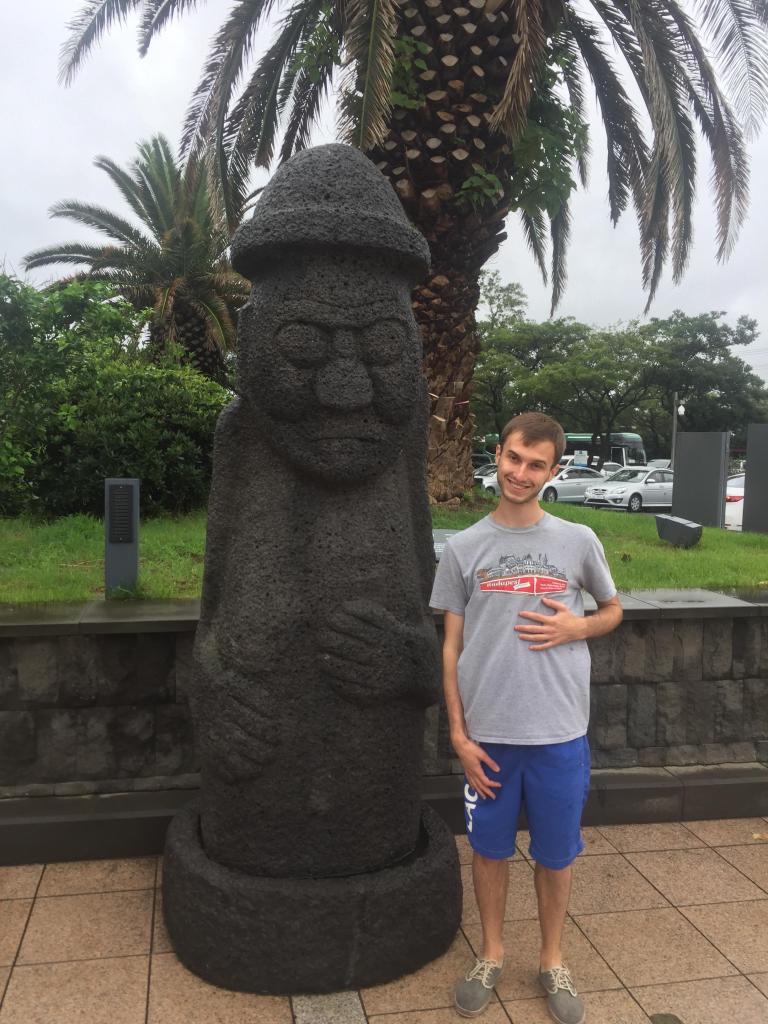
There are many stone statues hareubang, resembling Moai of Polynesia. The statues are considered to be gods offering both protection and fertility and were placed outside of gates for protection against demons travelling between realitiesAccording to the Tamnaji, a work dealing with the geography of Jejudo, the first hareubang was manufactured in 1754, however, some scholars assume the statues could have been manufactured since earlier time.
The National Jeju museum tells an interesting story about such a special and distinct culture of the island, but it is time to move on!
This view reminds me of Ganghwa. By the way, Jeju is the biggest island of South Korea with the area of 1845,55 sq. km, 6 times bigger than that of Ganghwa.
The next destination is Hallasan mountain.
This the height of 1950 m it is the highest mountain in South Korea. A problem was the way to the top of the mountain was closed that day, and who knows would I see anything through that fog?
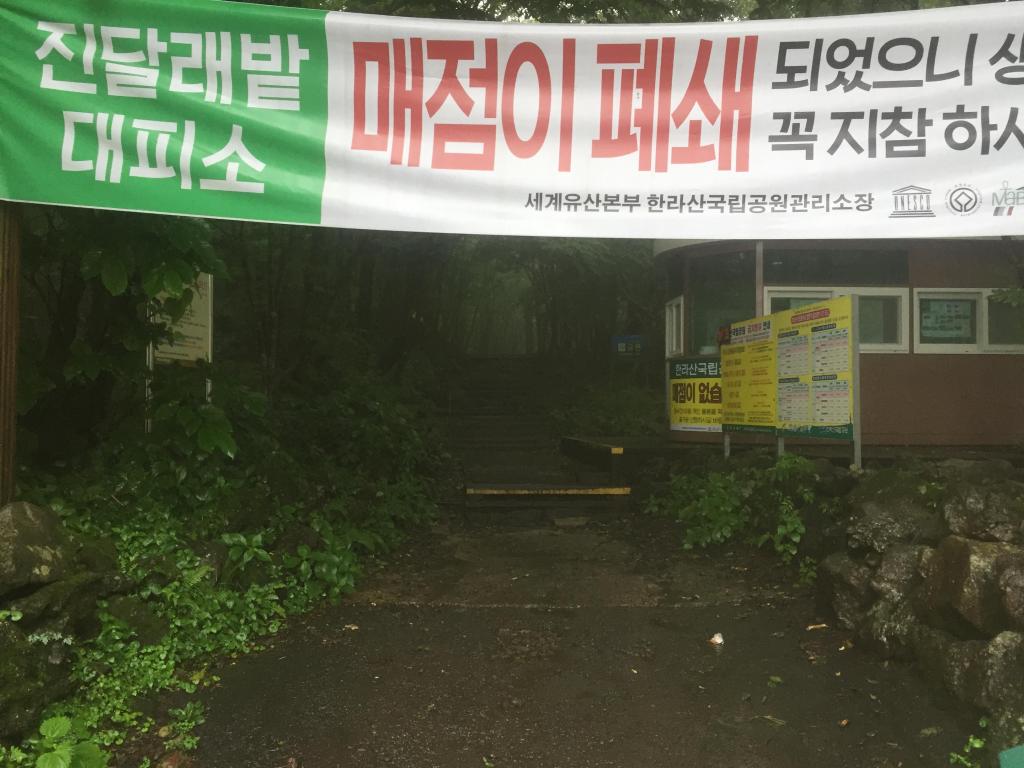
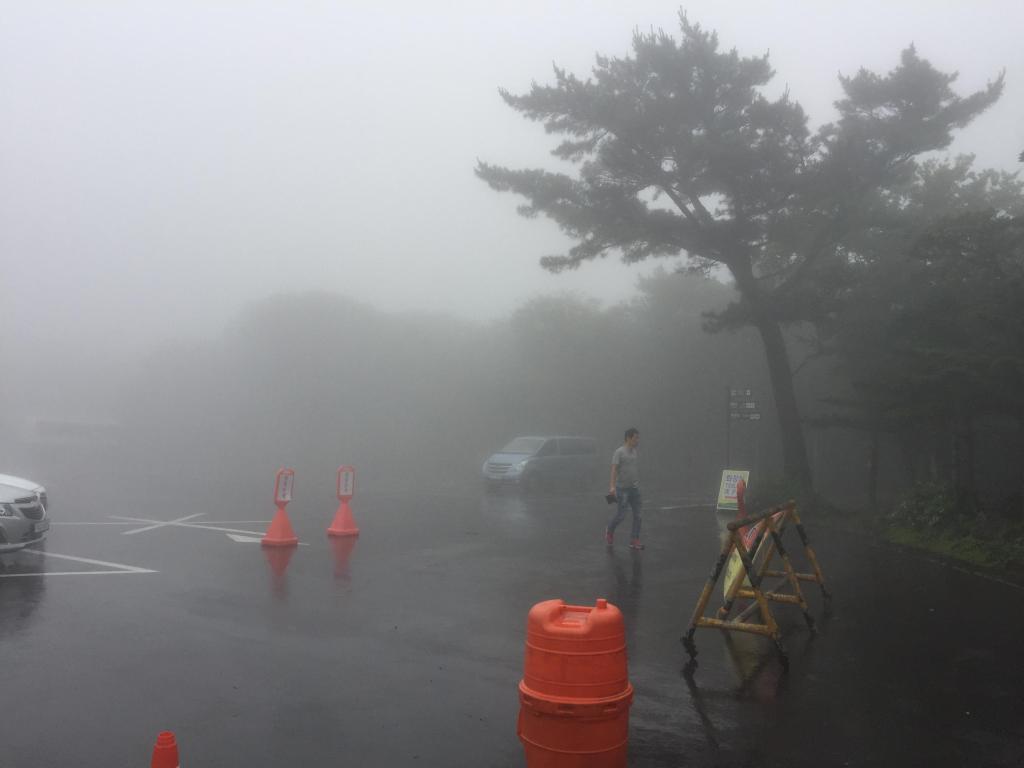
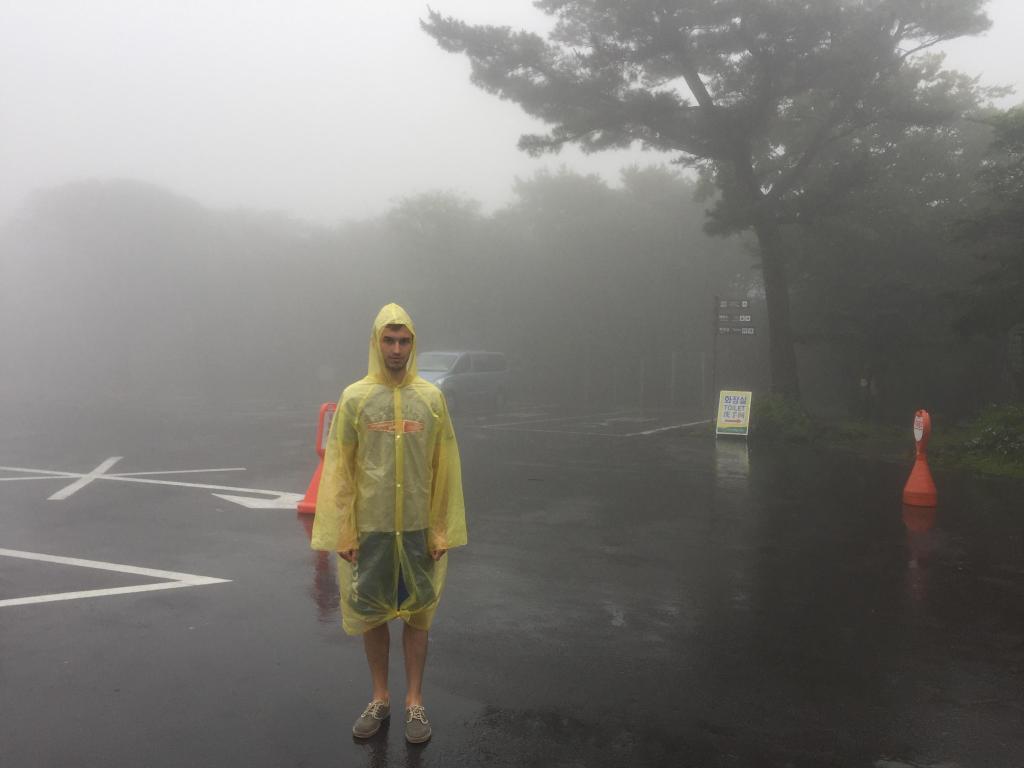
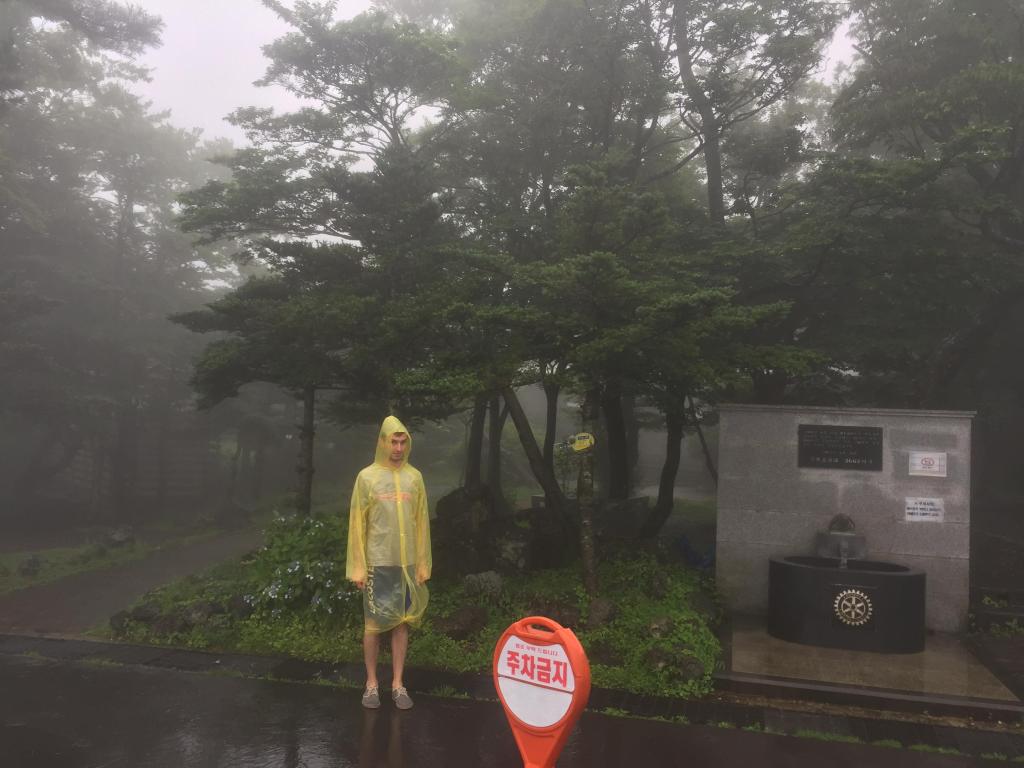
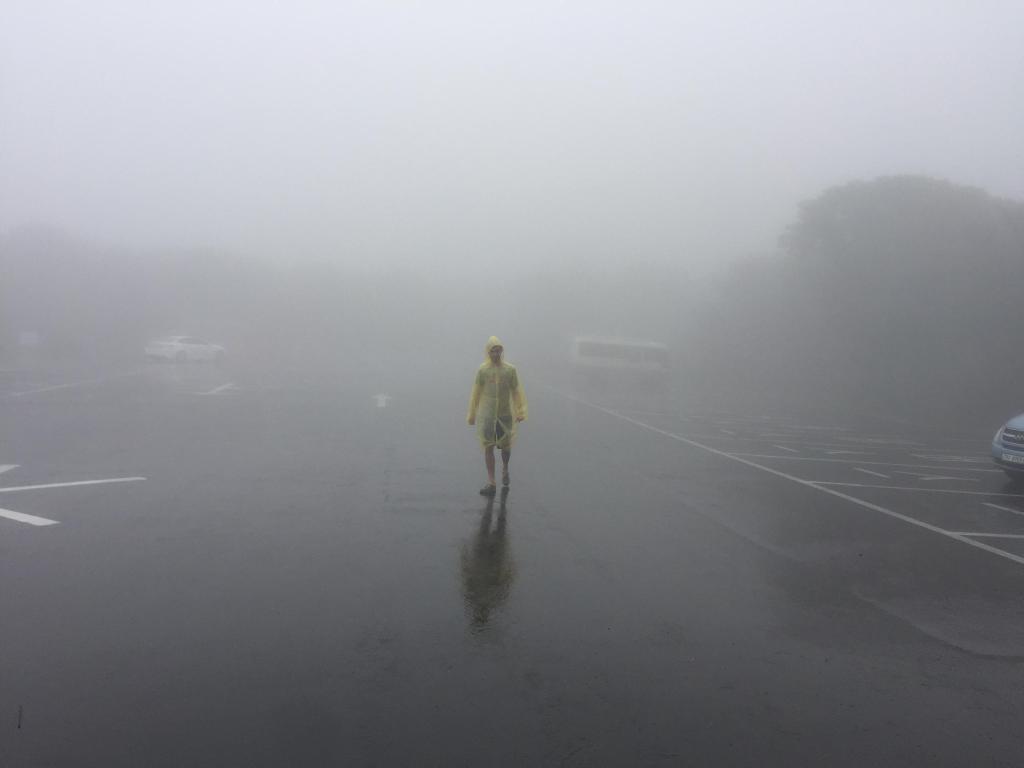
So, I am coming next time to explore it. Maybe in 2020?
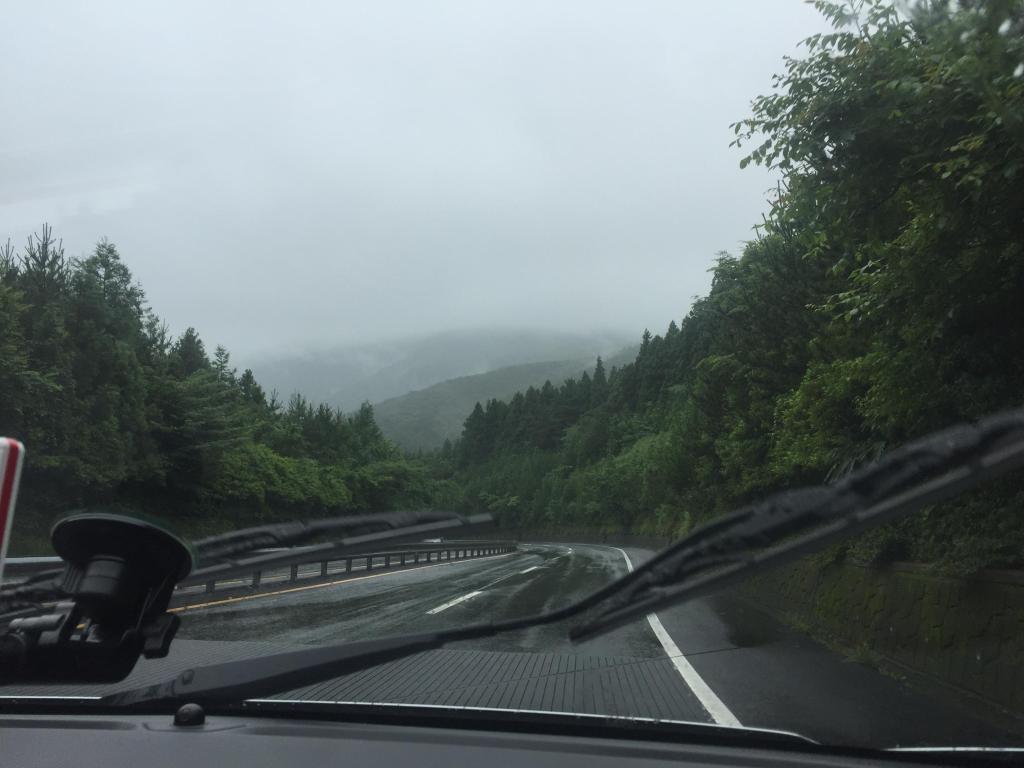
The next destination is a famous waterfall, Jeongbang falls.
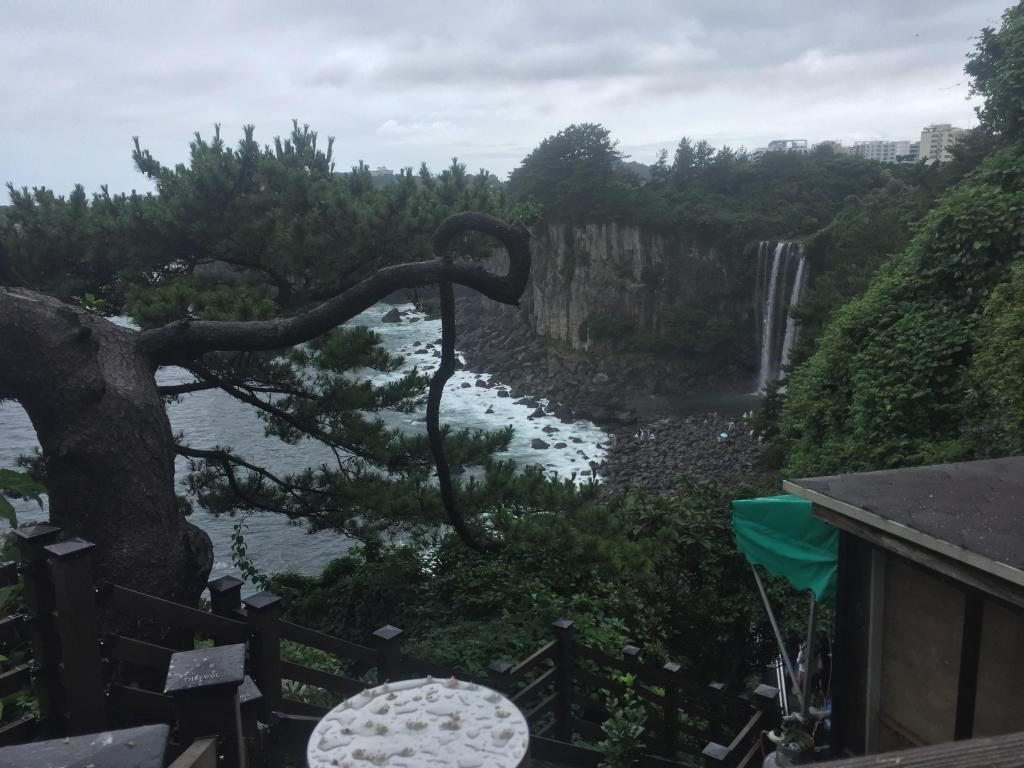
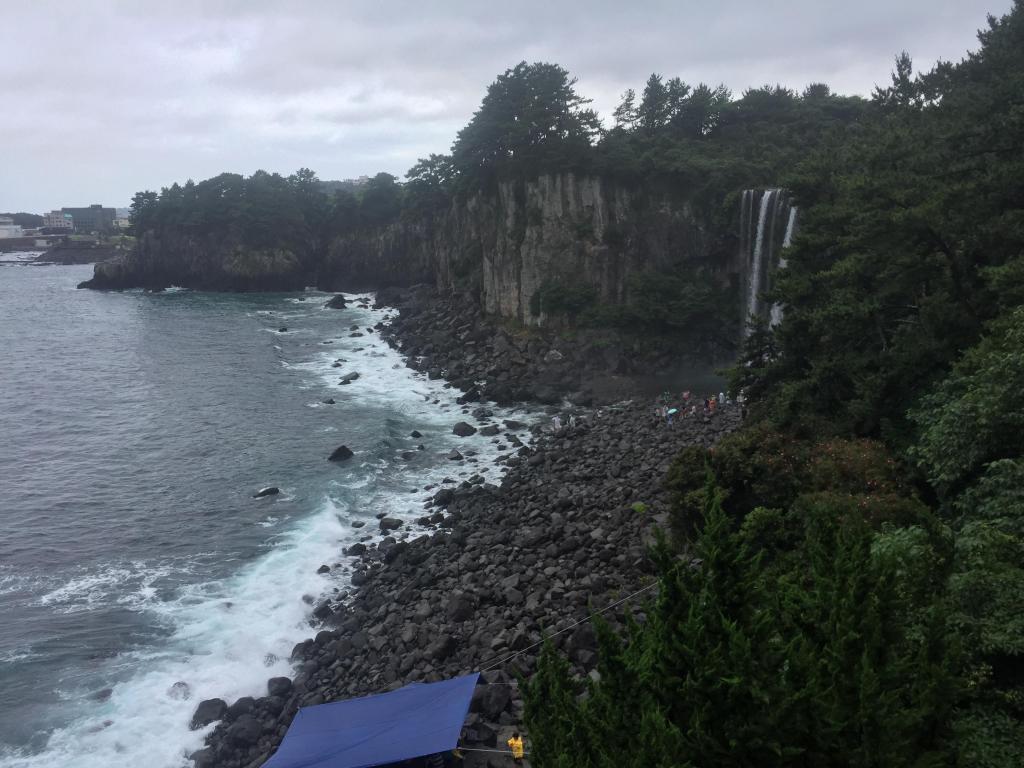
It is 23 m high. Not as high as 119 m Baekseok waterfall of Jeongseon country.
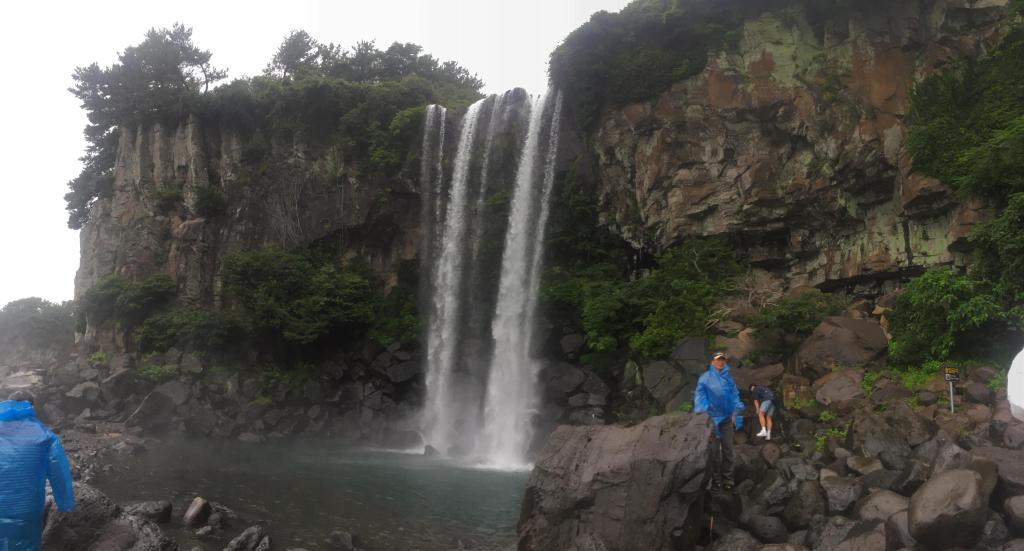
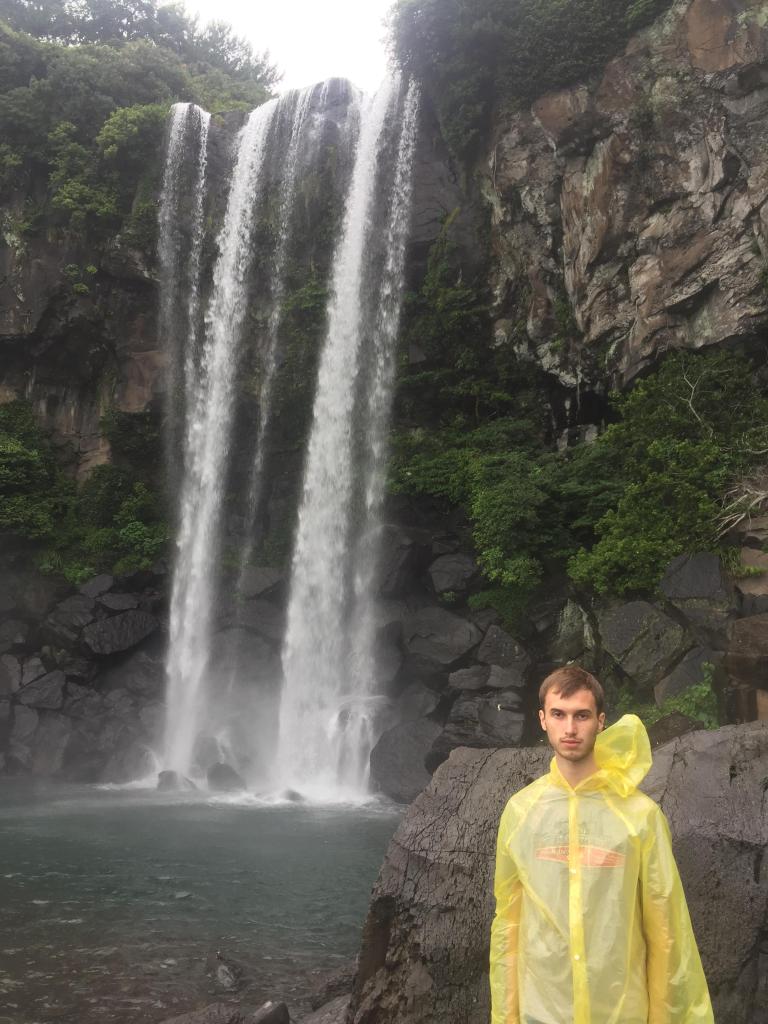
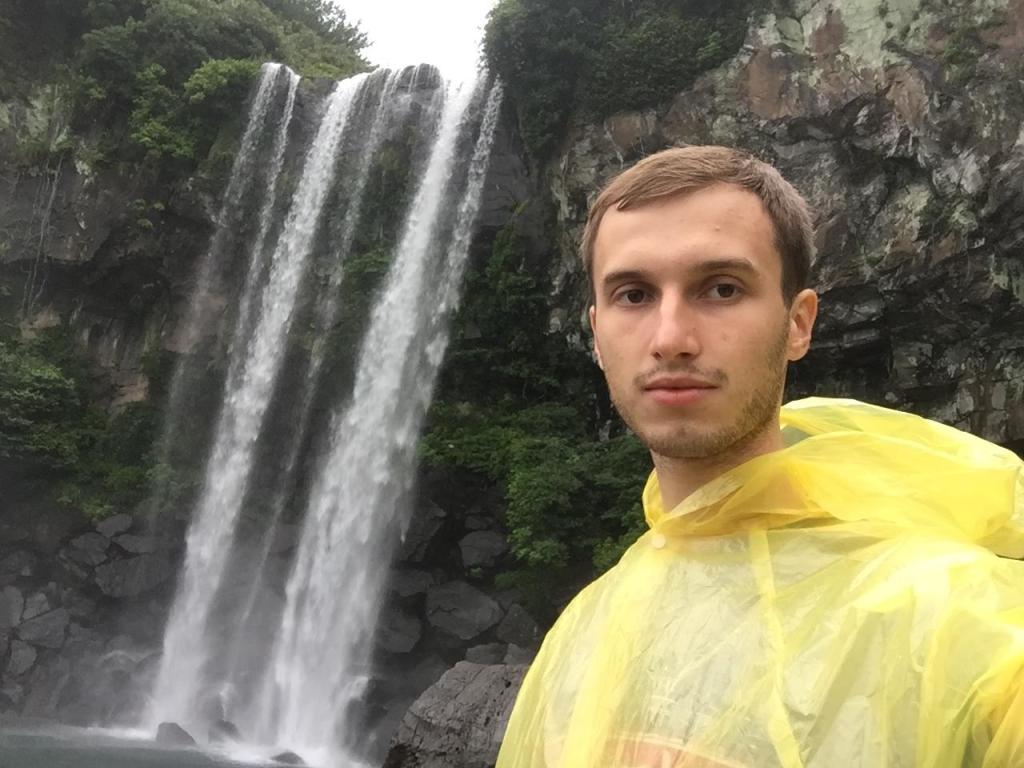
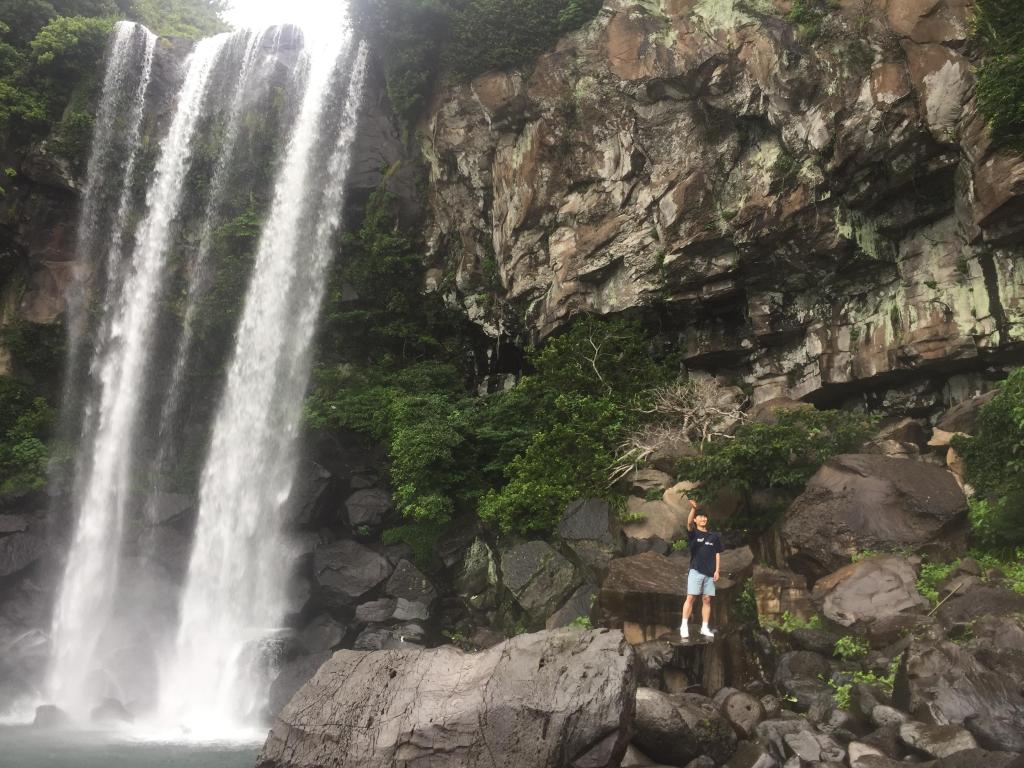
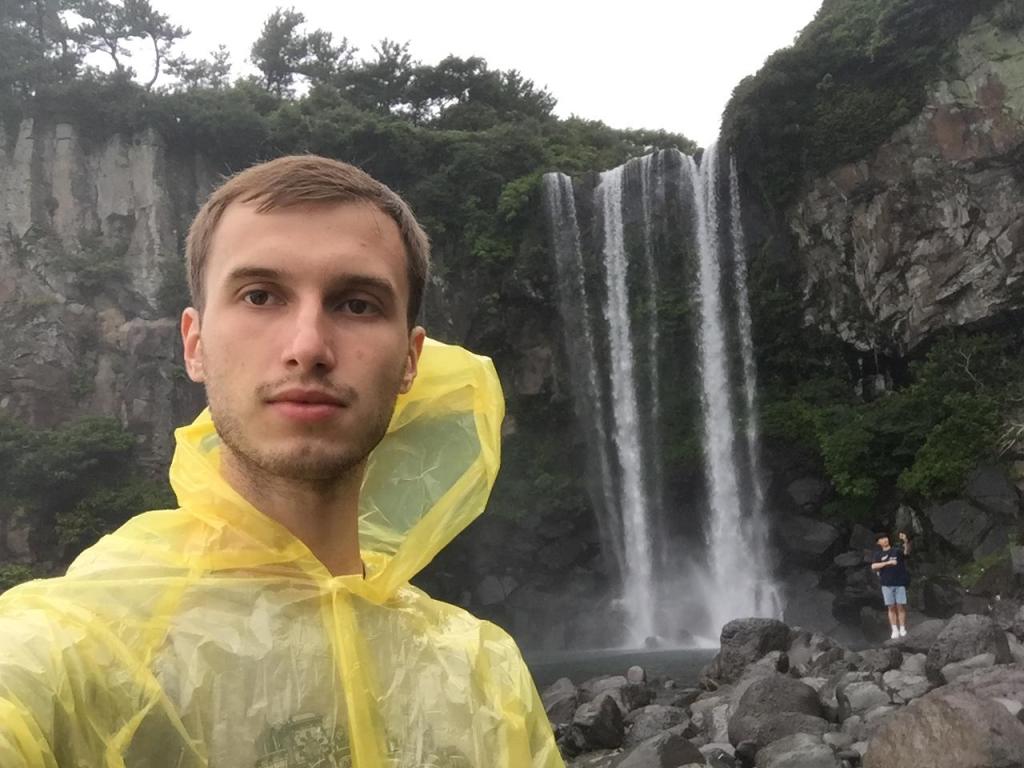
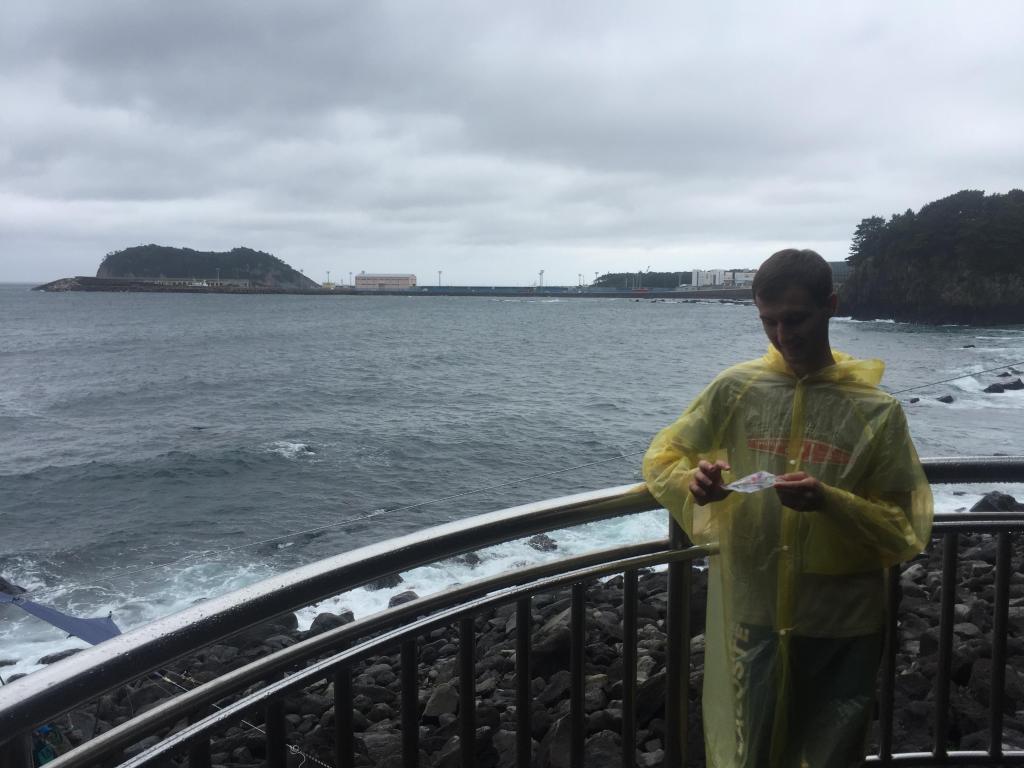
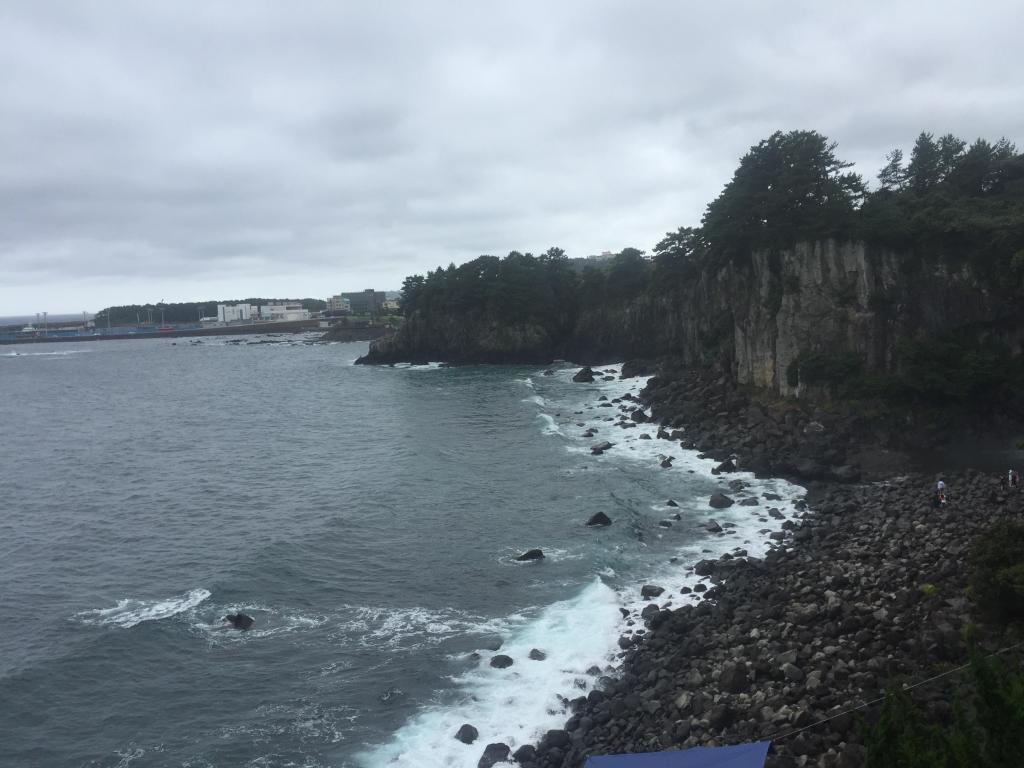
The waterfall is situated close to the ocean what makes this scene particularly attractive.
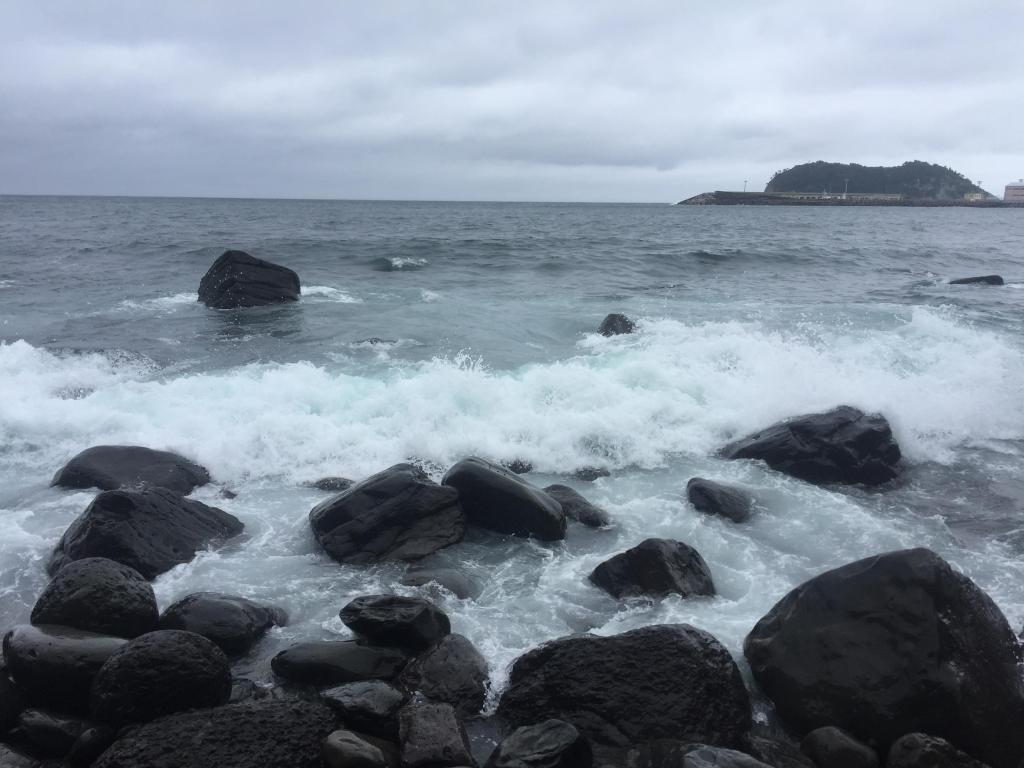
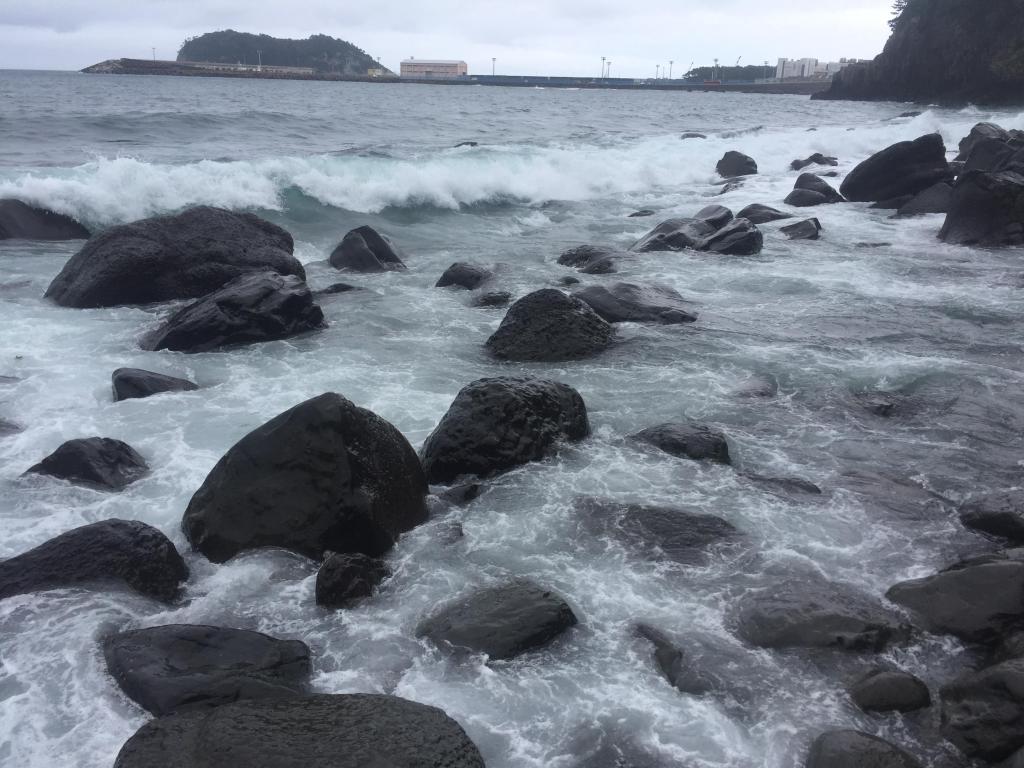
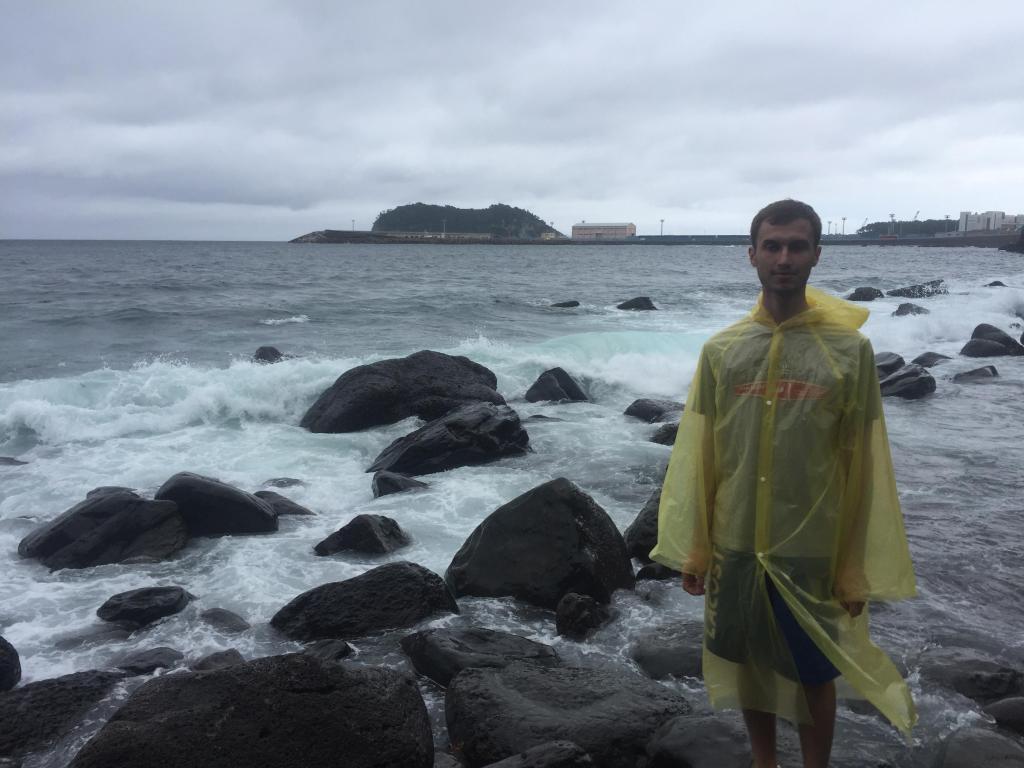
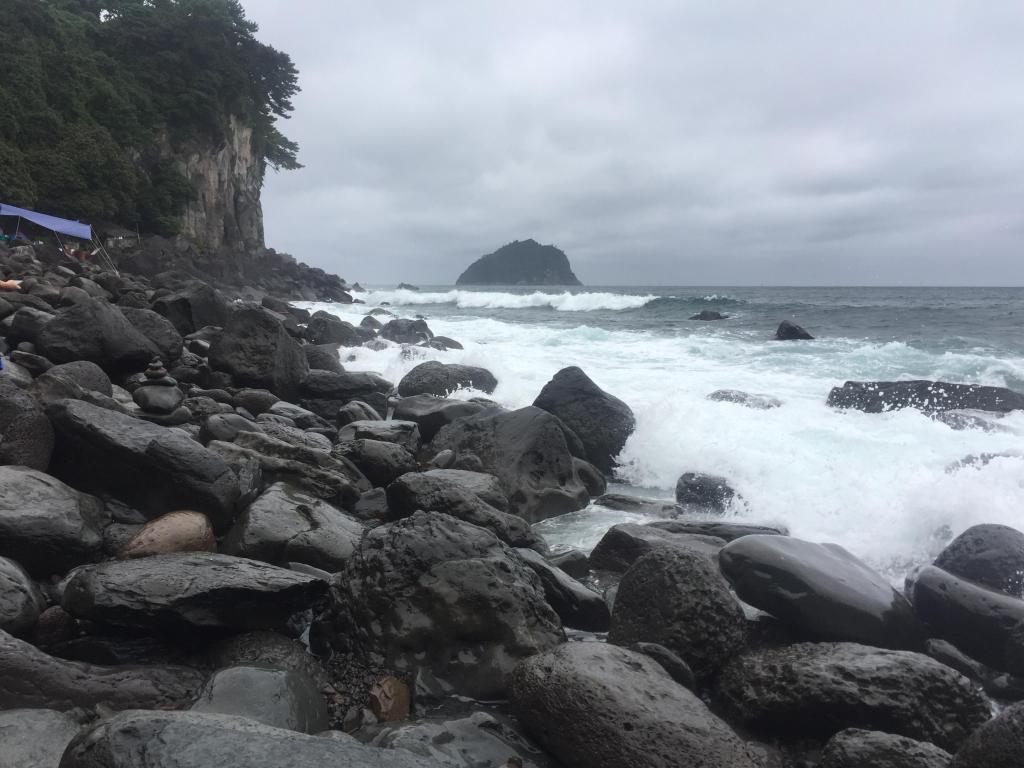
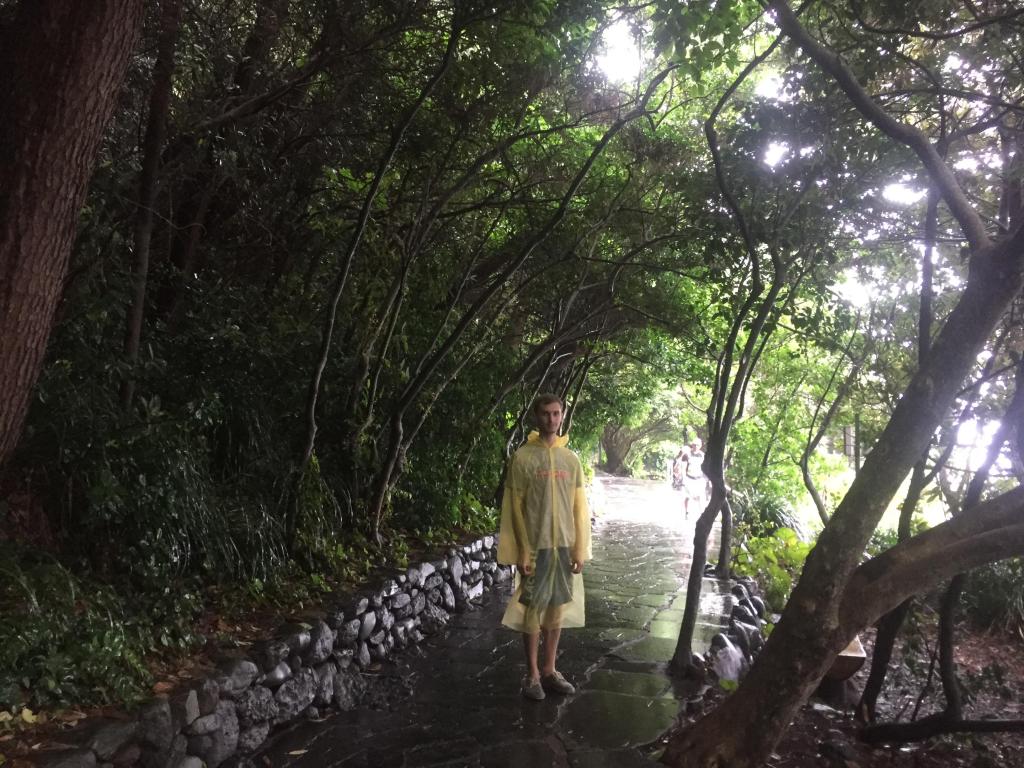
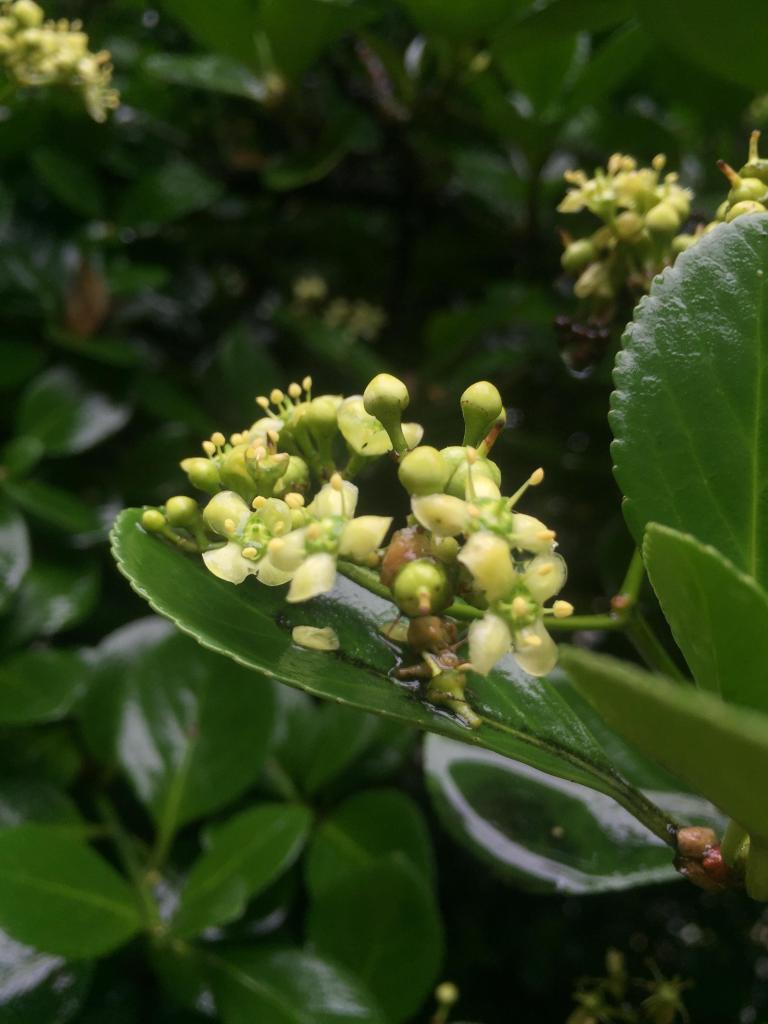
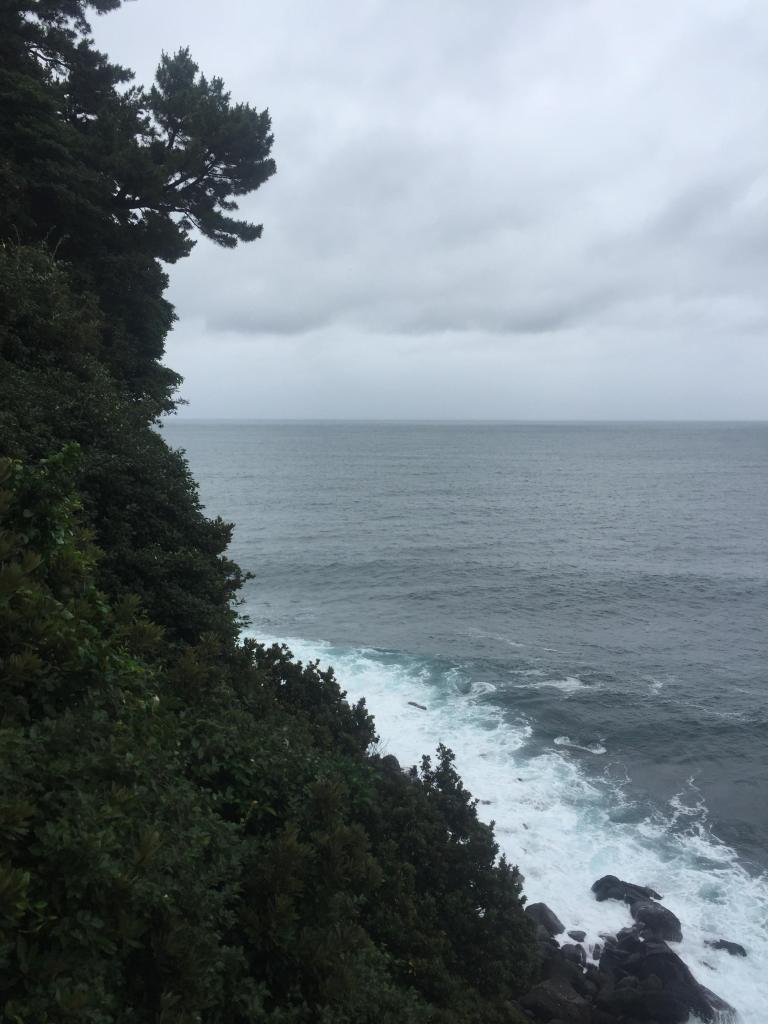
Near the parking, there is a silent alley protected by buoyant and gorgeous plants.
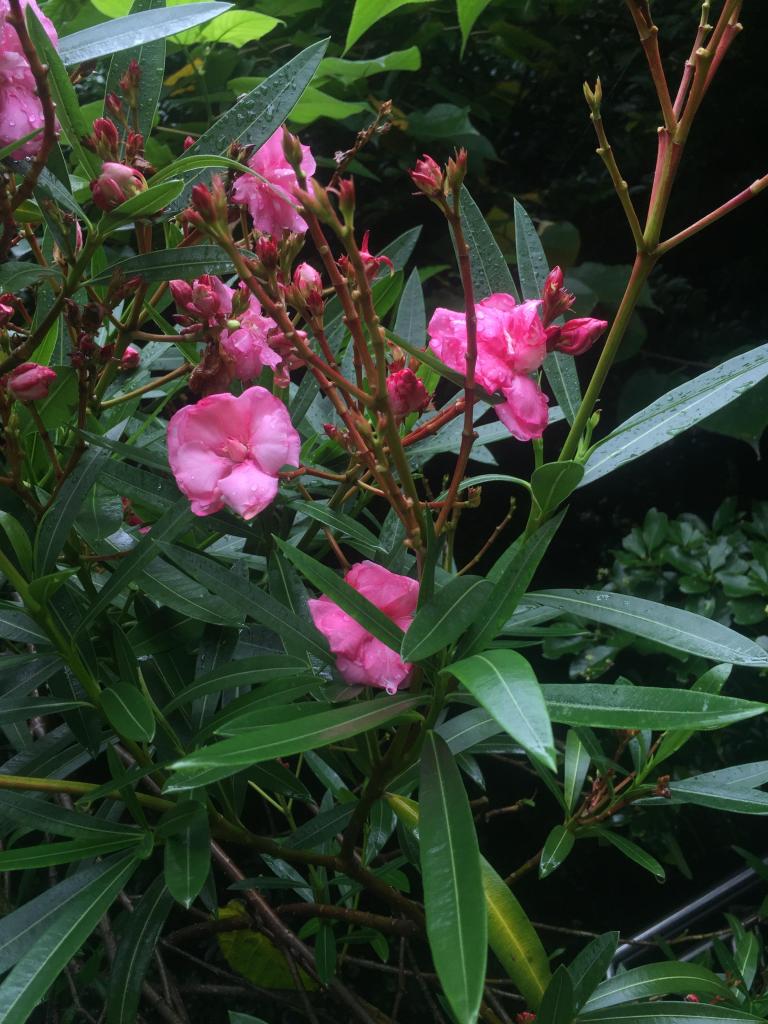
At first, the blooming palms near road attracted my attention. I made a short walk to discover the plants, and the more I was walking in the alley, the greater my exciting curiosity was. I was just charmed by the beauty and purity of these plants so I dared to walk away alone, being itself not brave, but this magic drove me to walk further and further, to the castle of shells. I remember an old man who passed by. Maybe he was surprised why do I take so many photos. Did he say something to me? Or he just made a special sight on me?
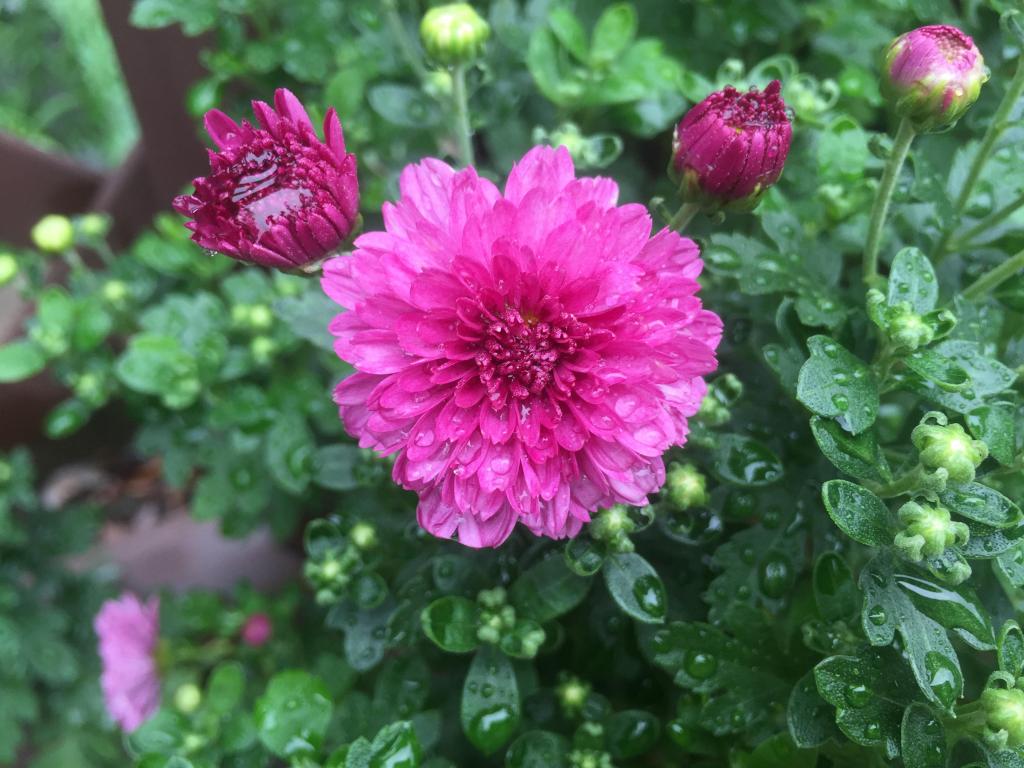
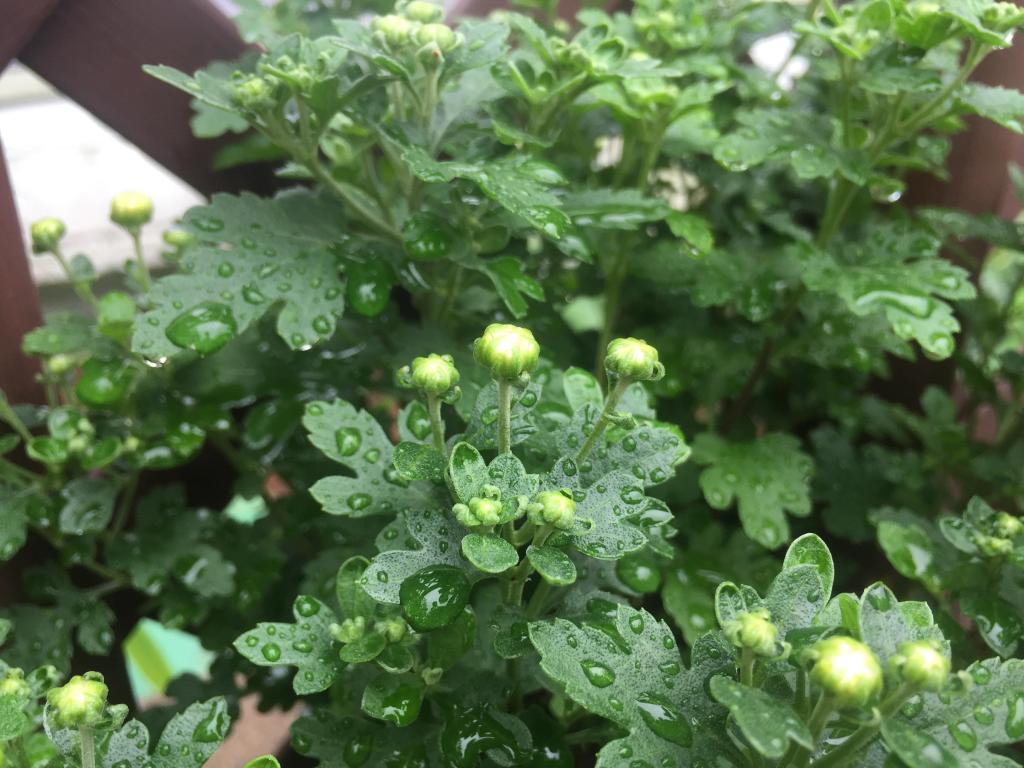
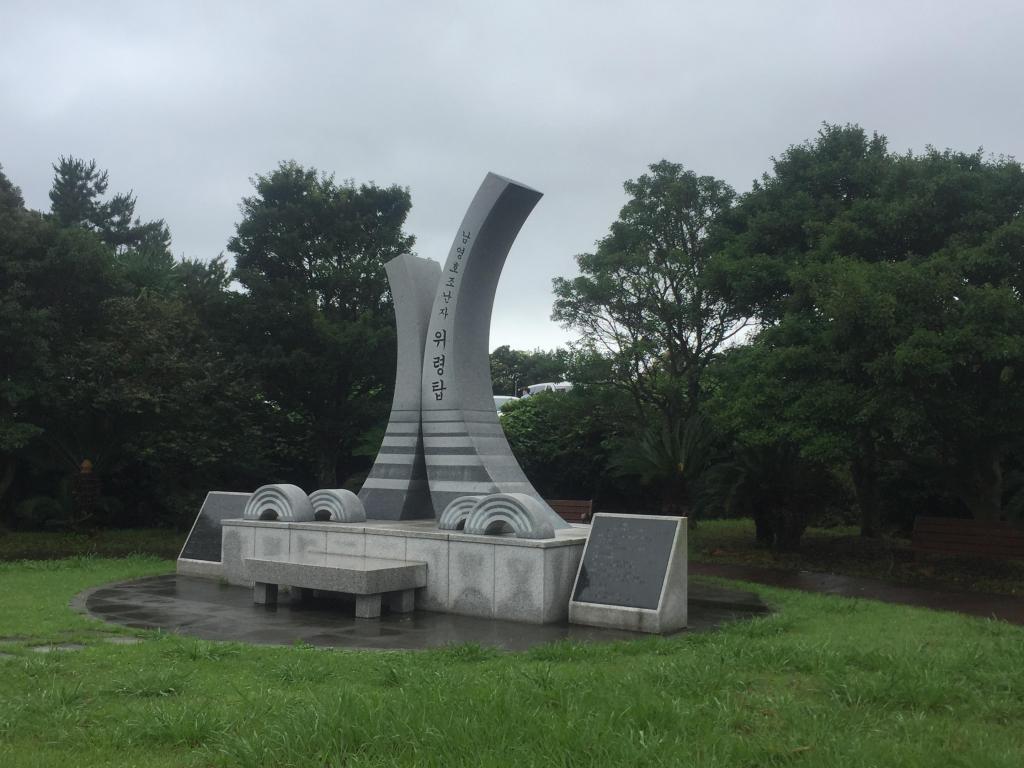
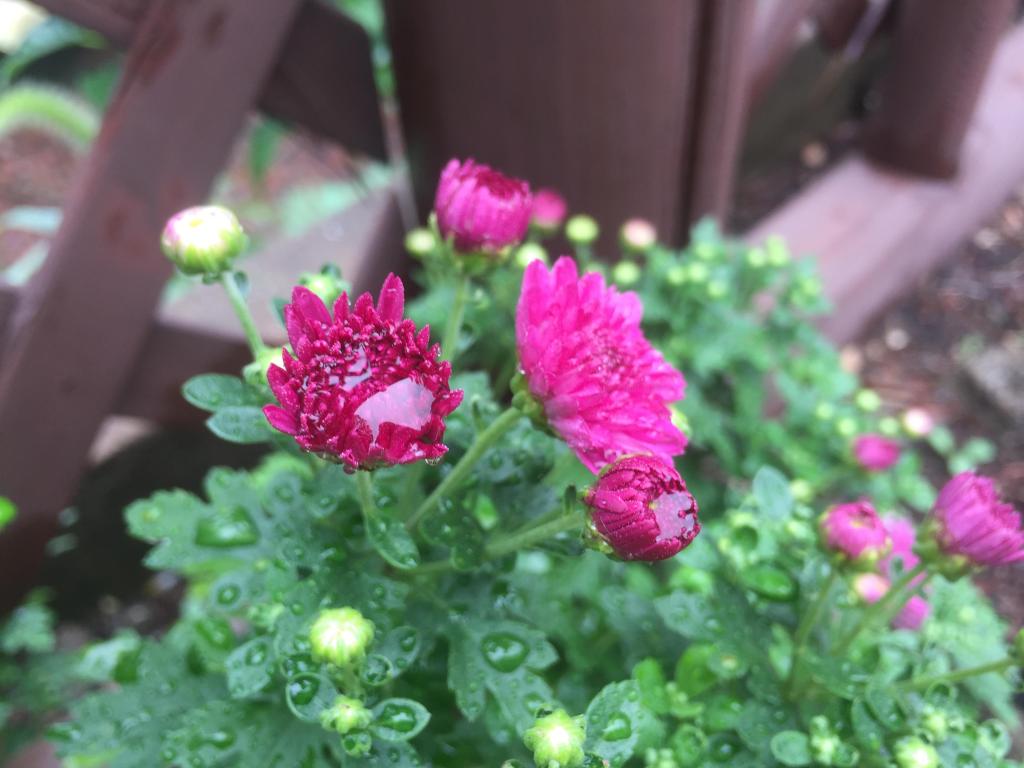
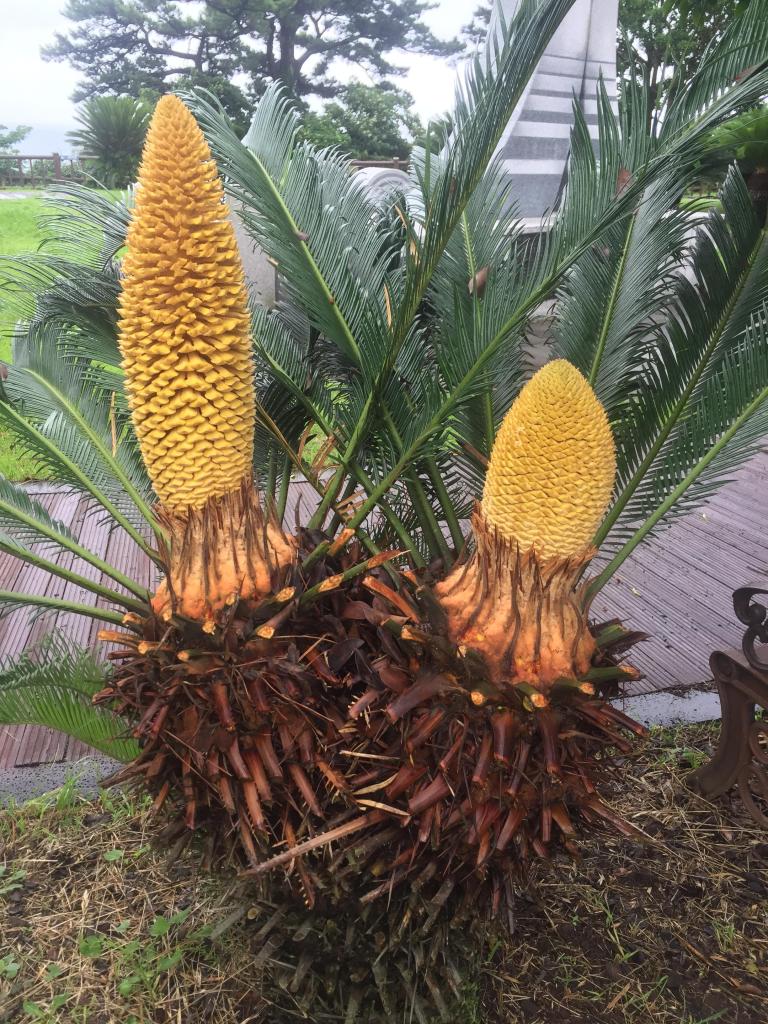
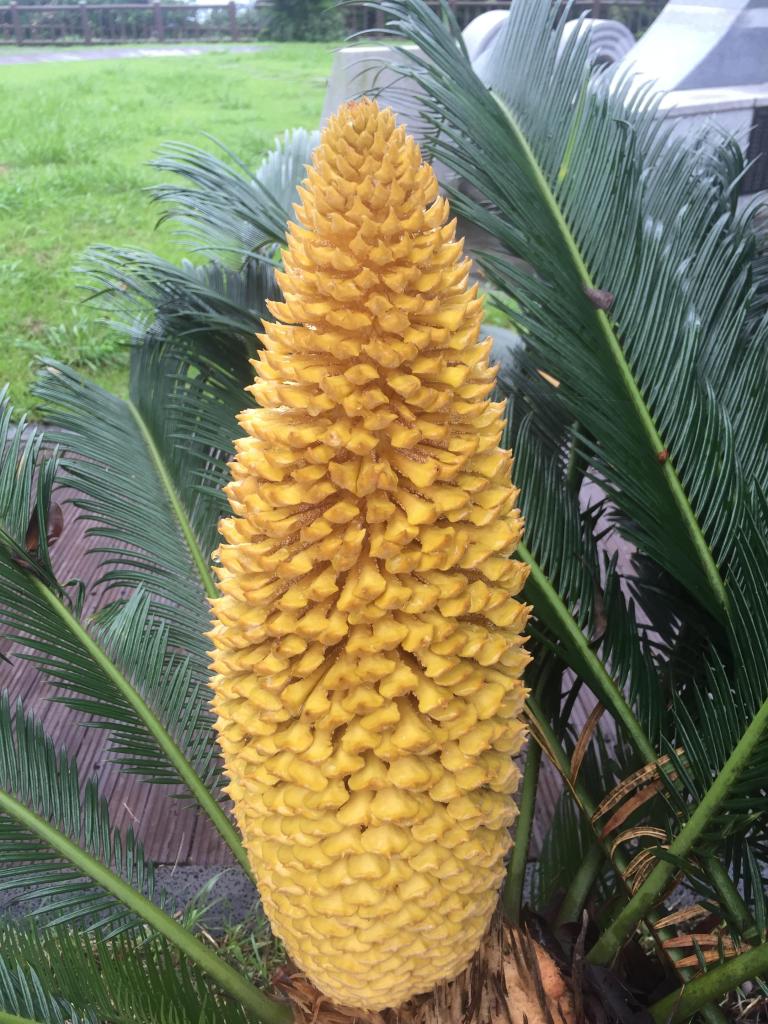
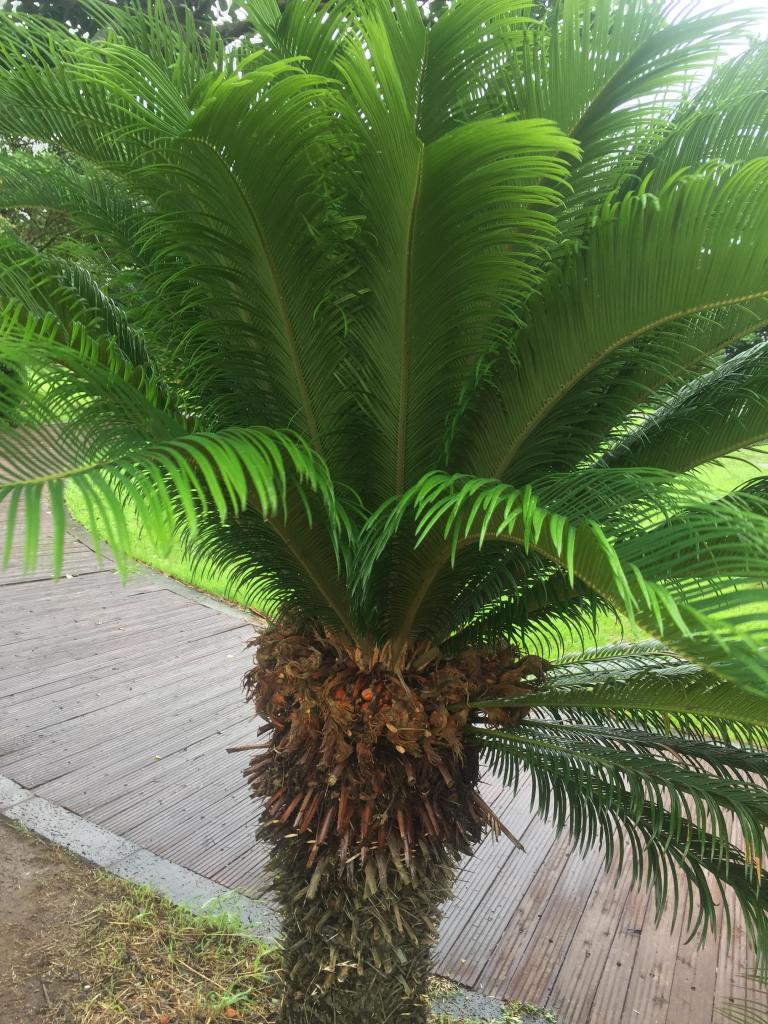
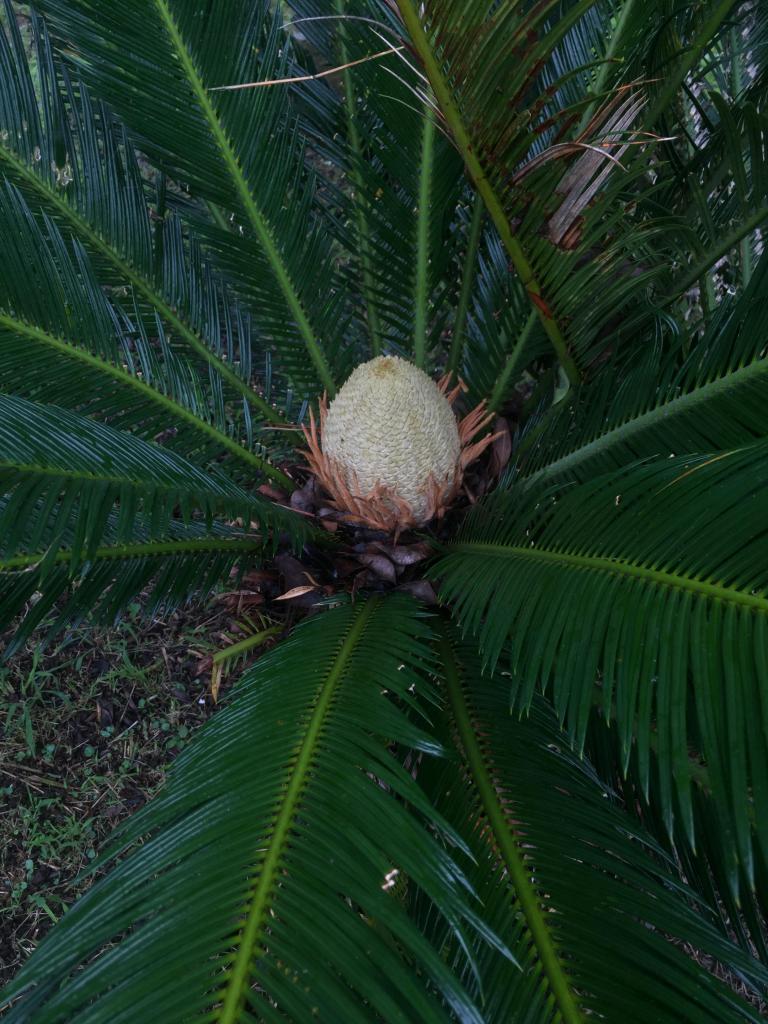
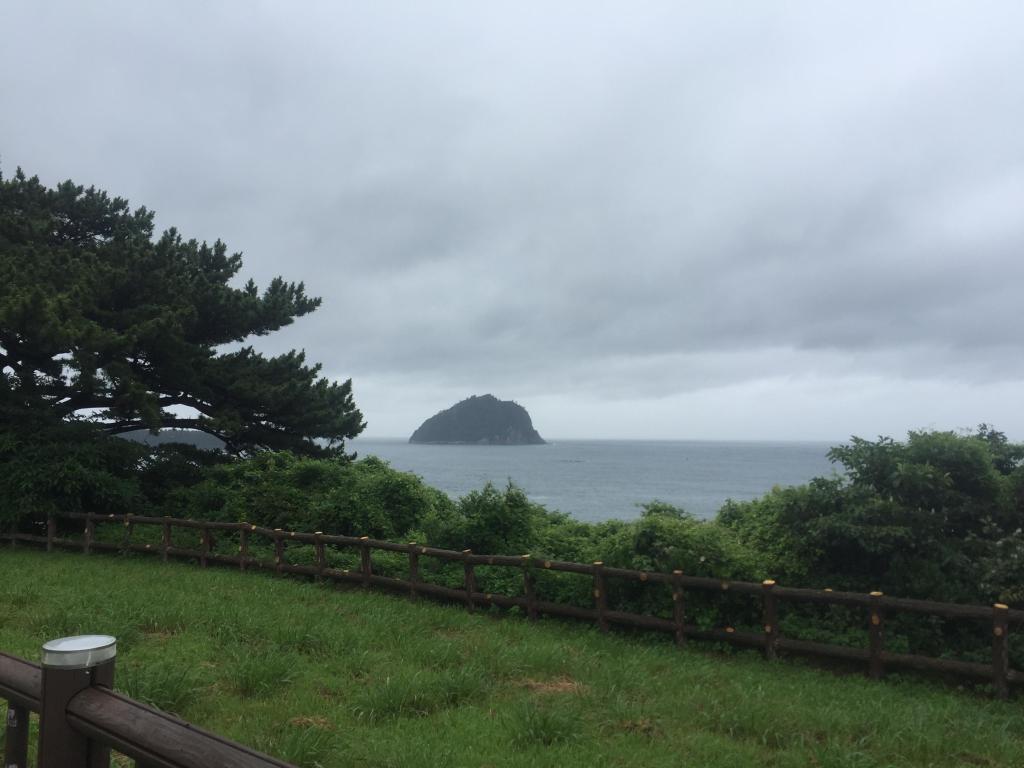
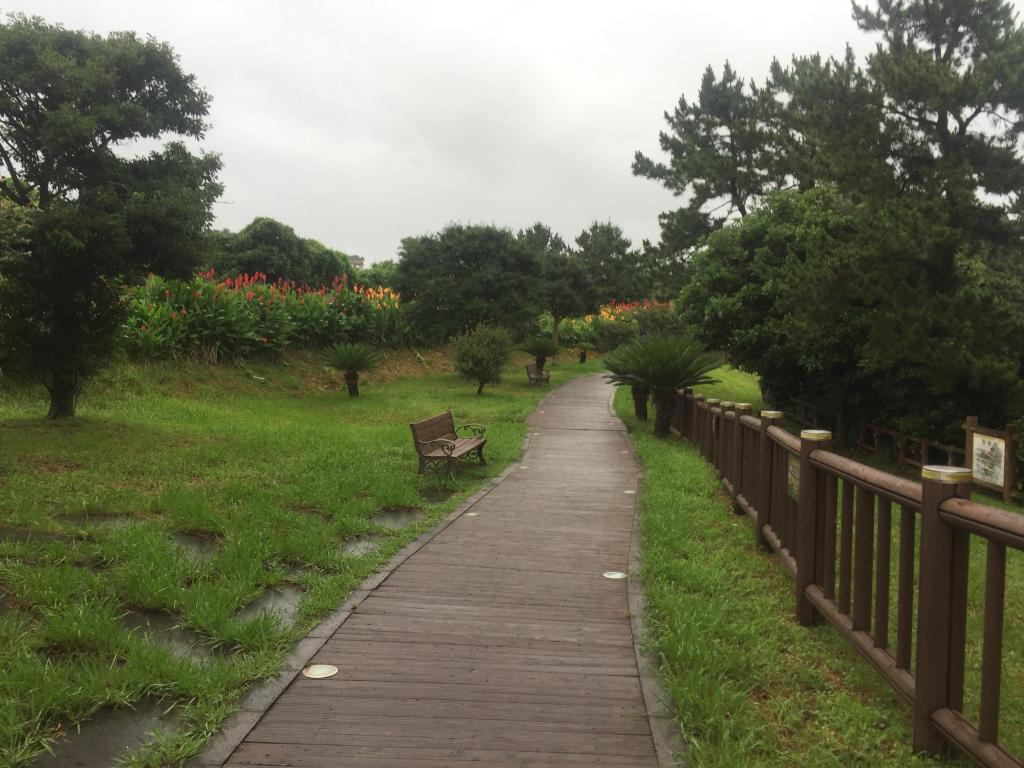
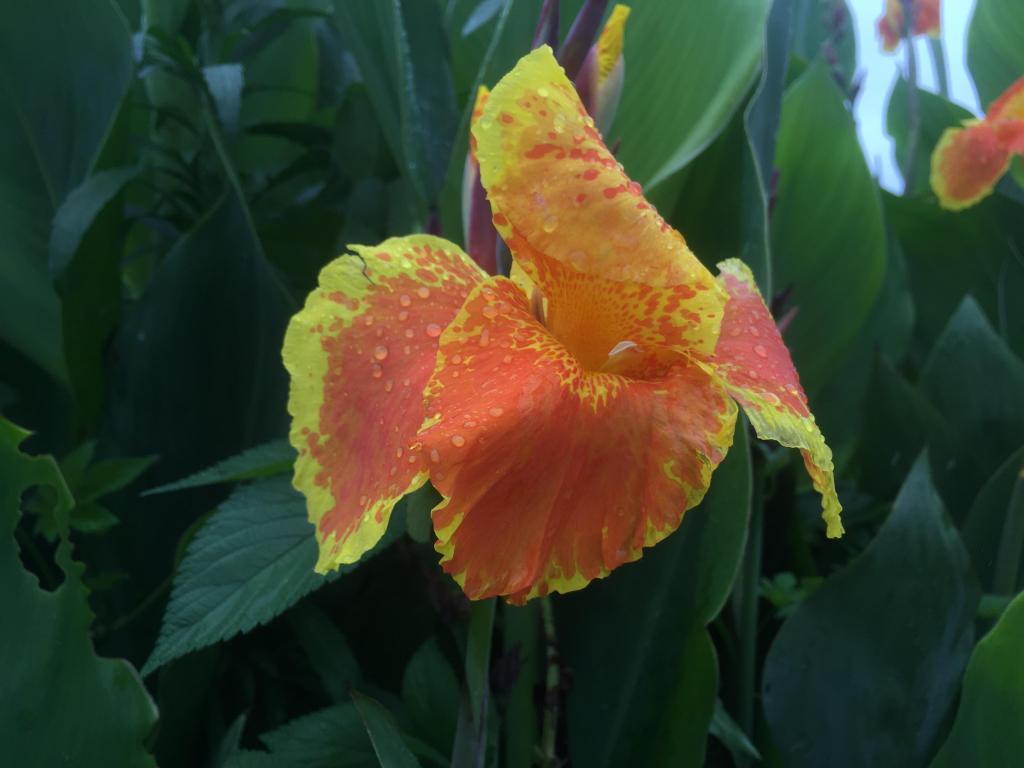
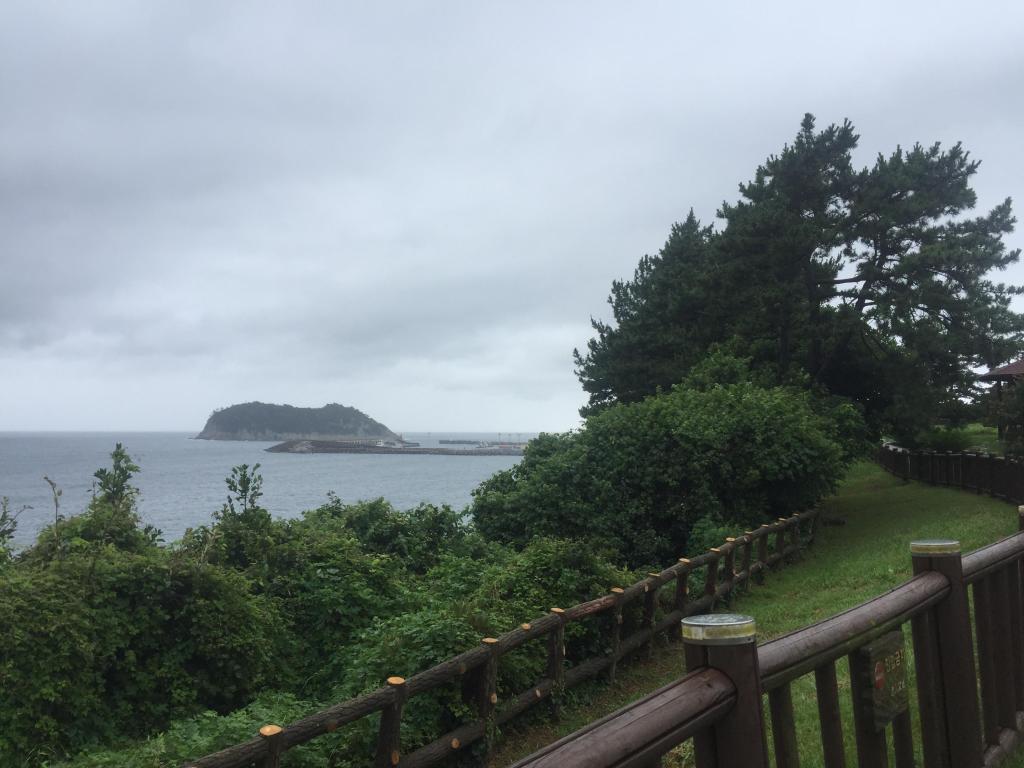
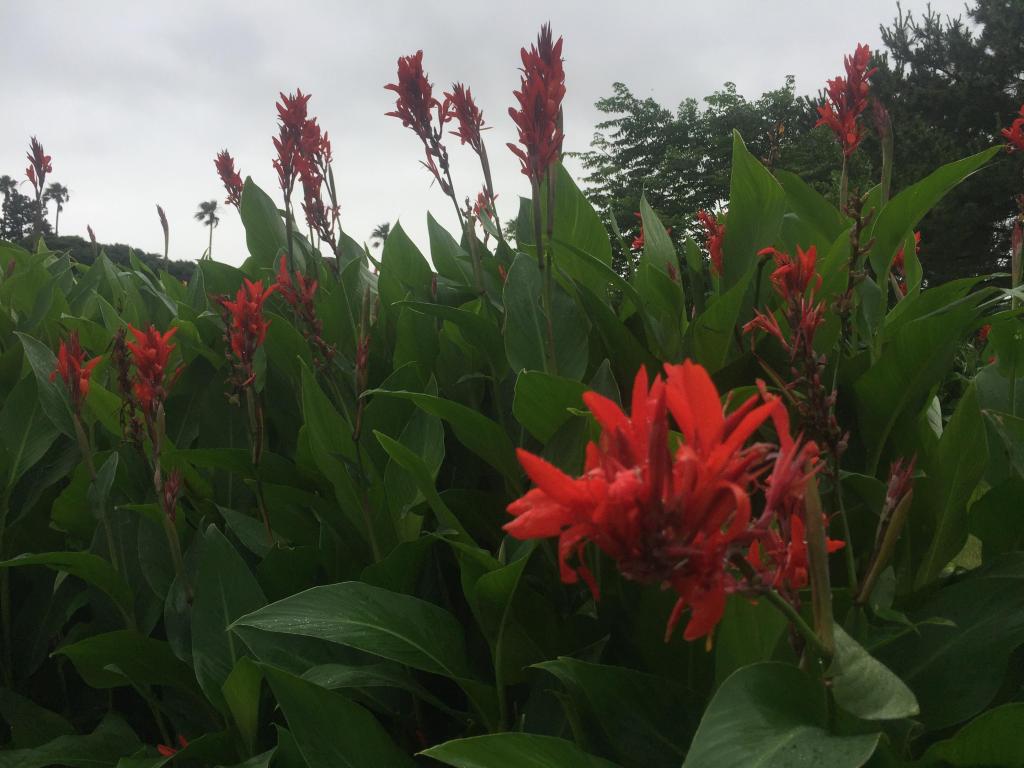
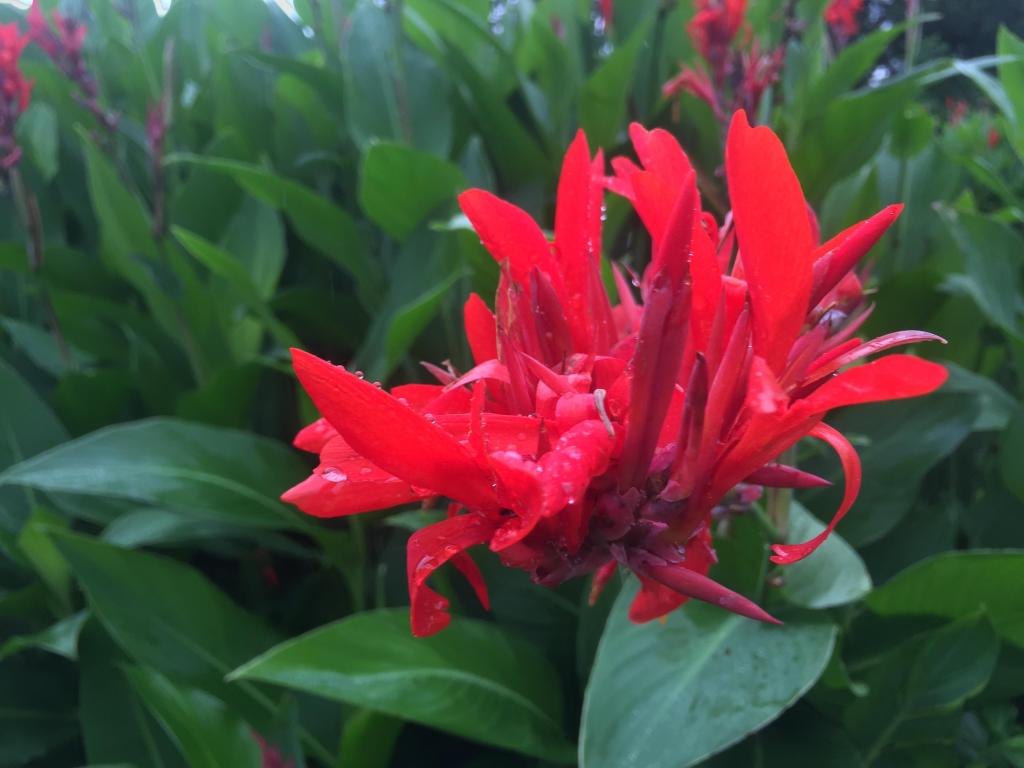
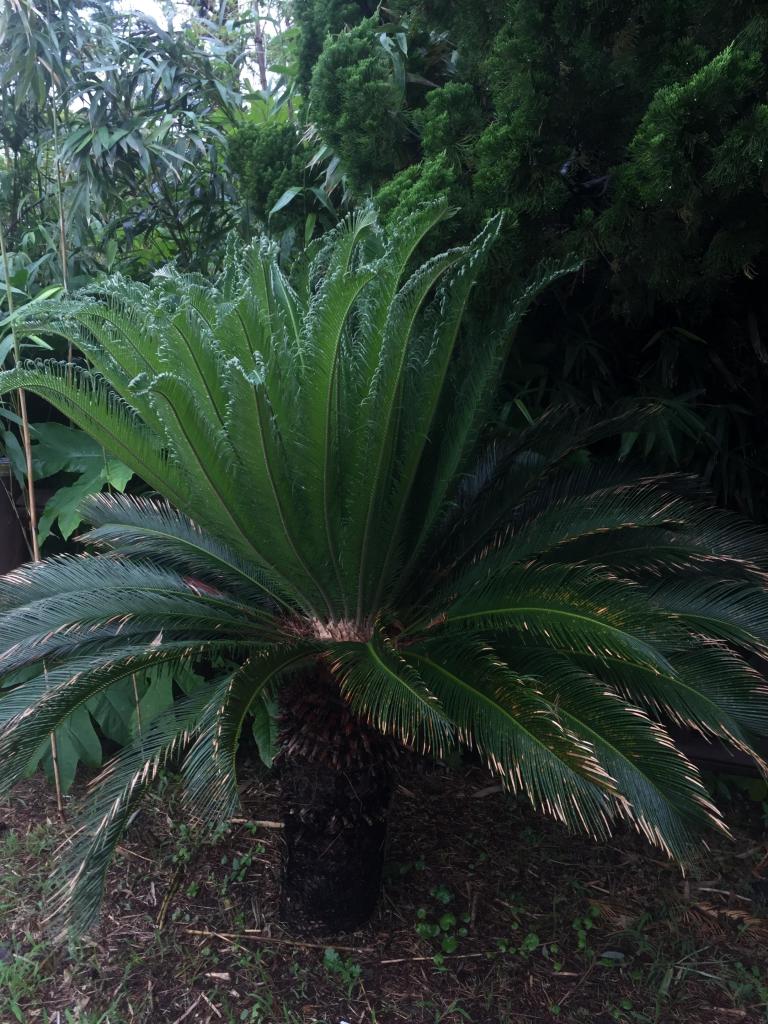
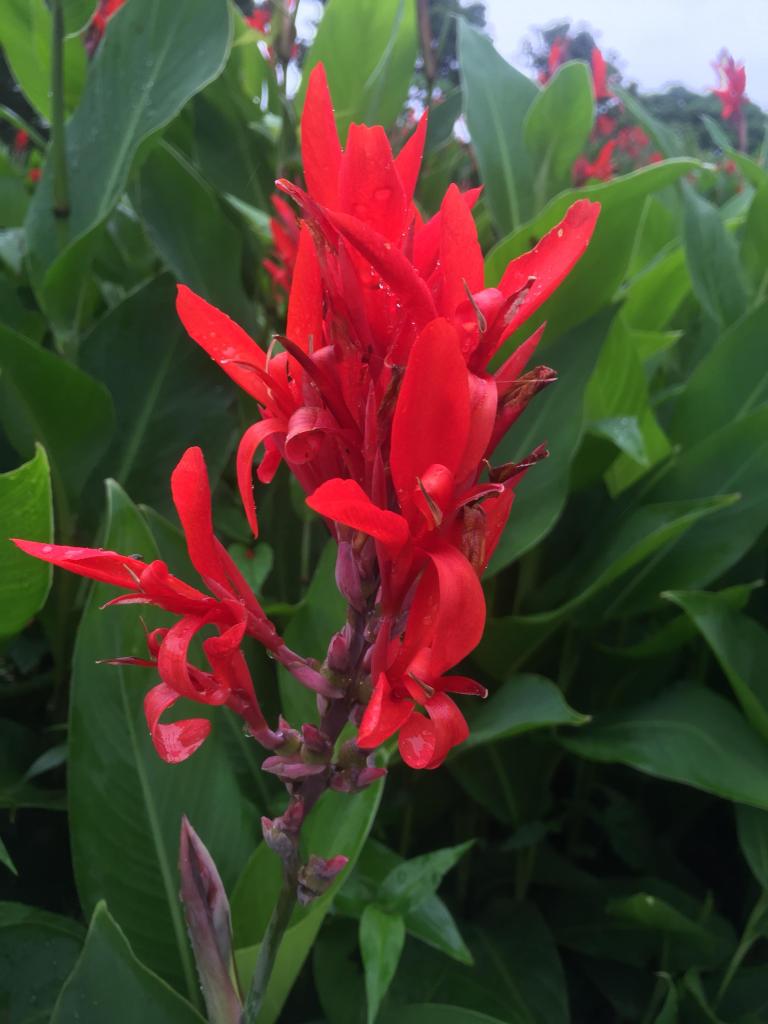
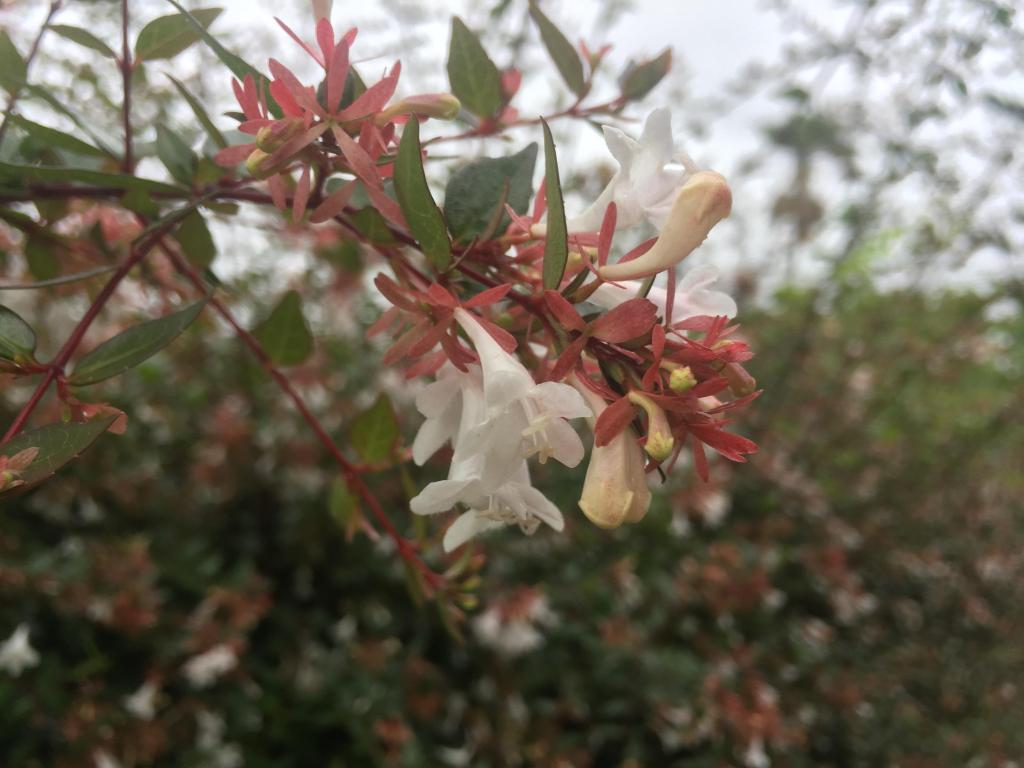
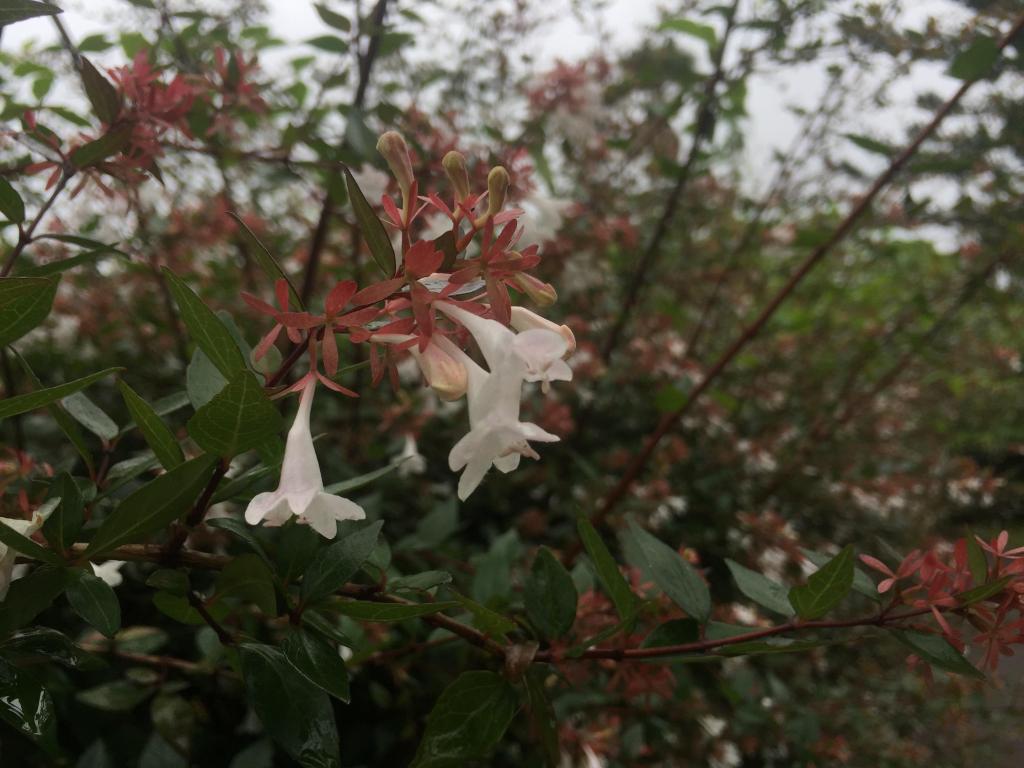
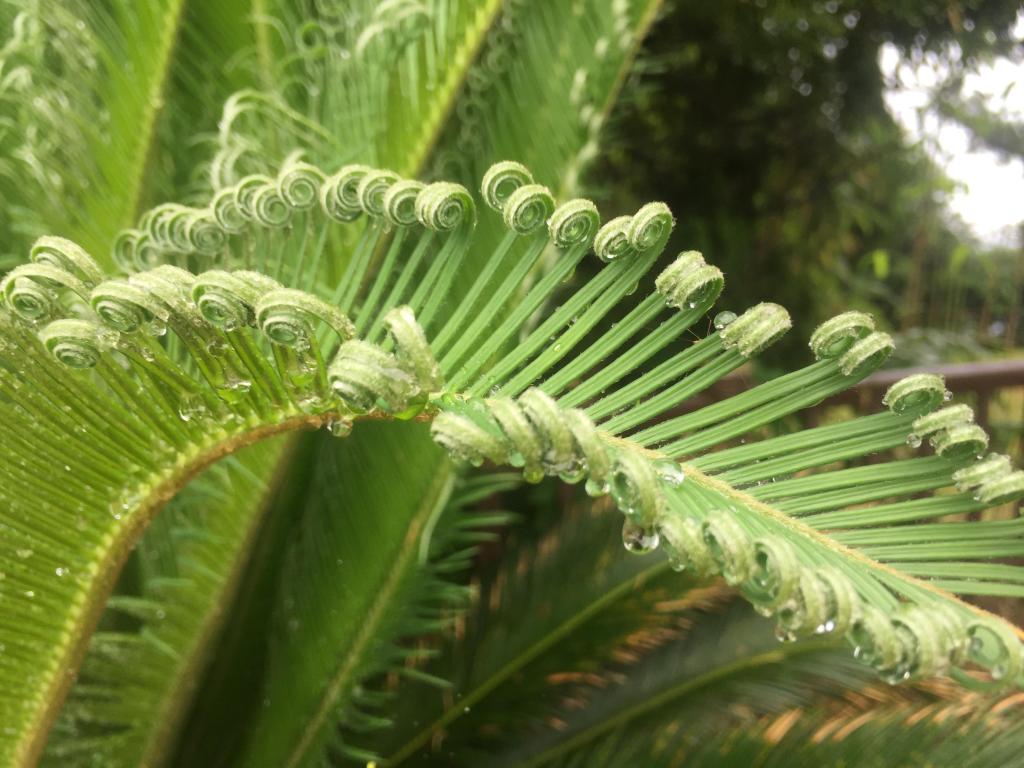
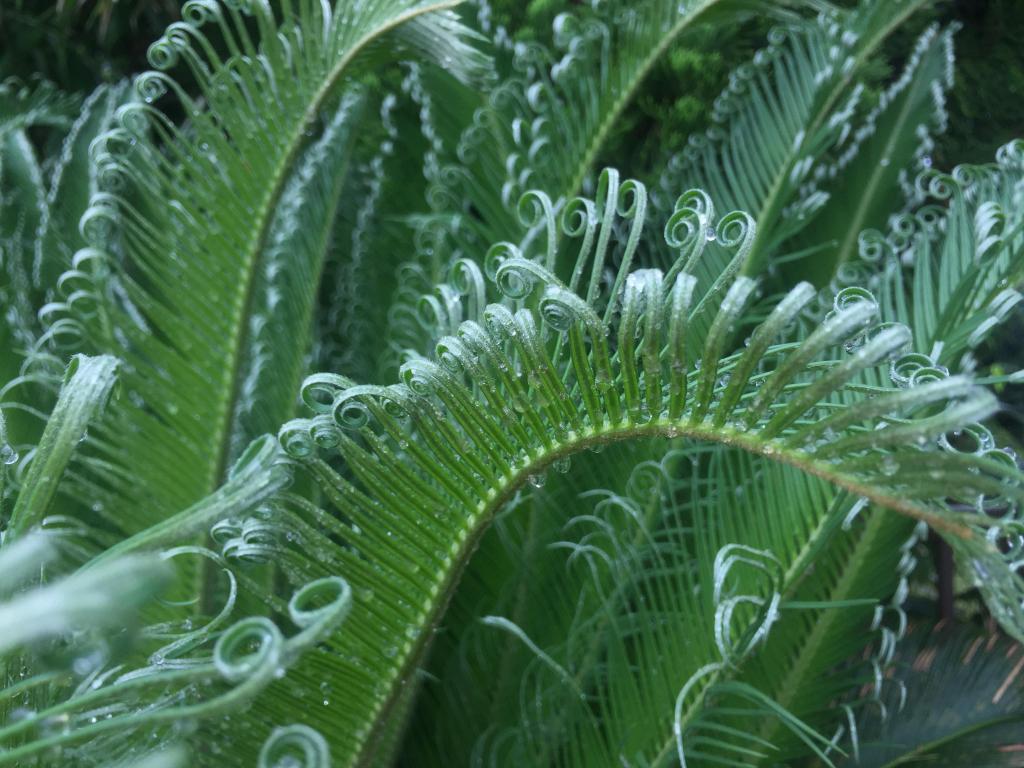
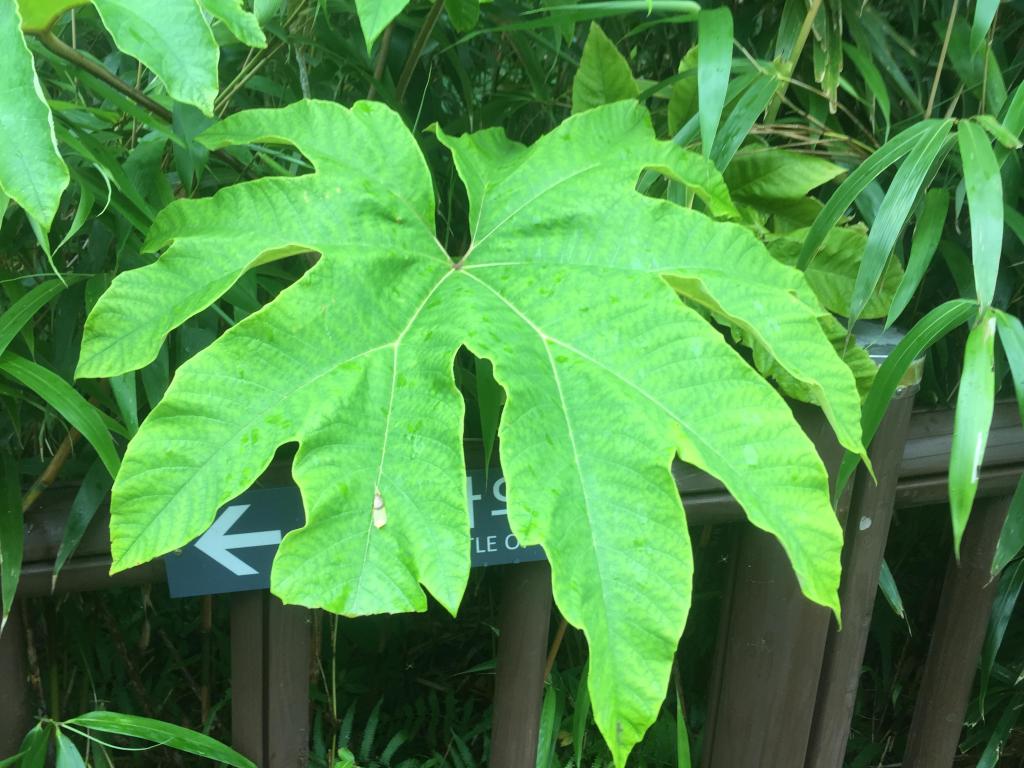
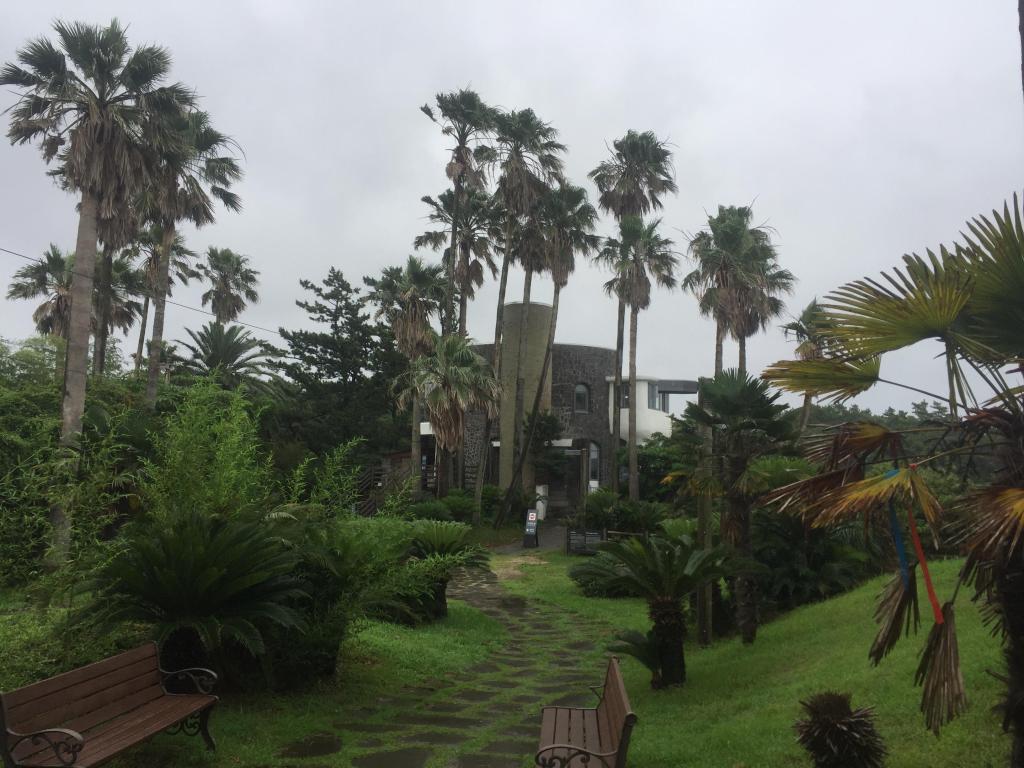
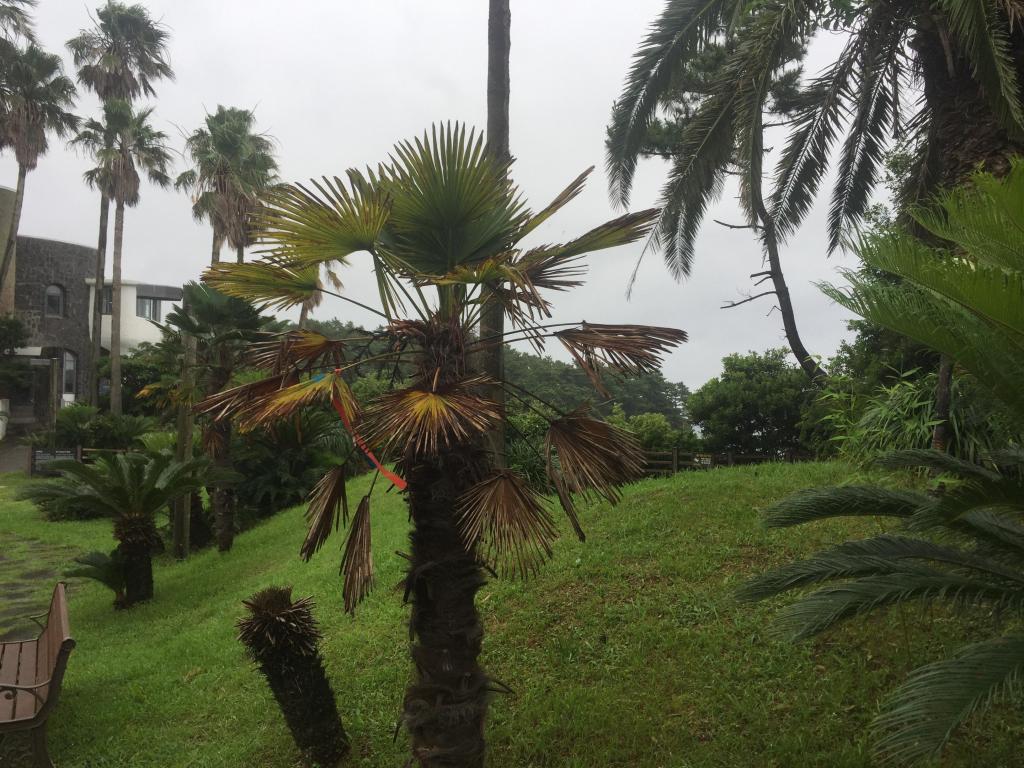
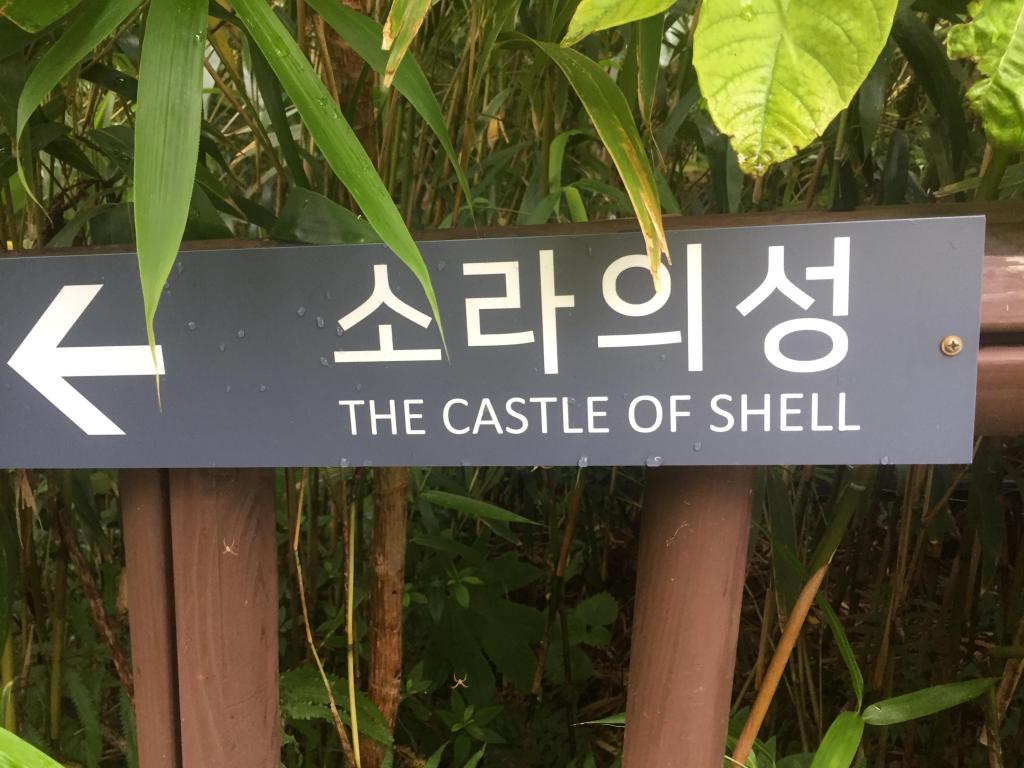
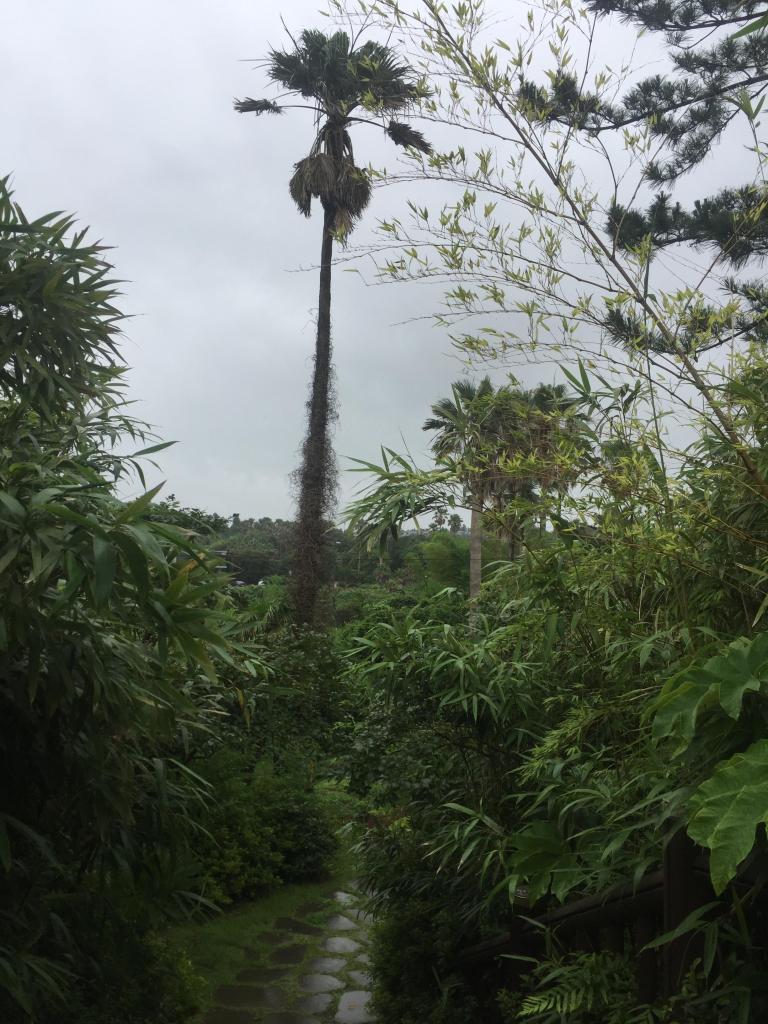
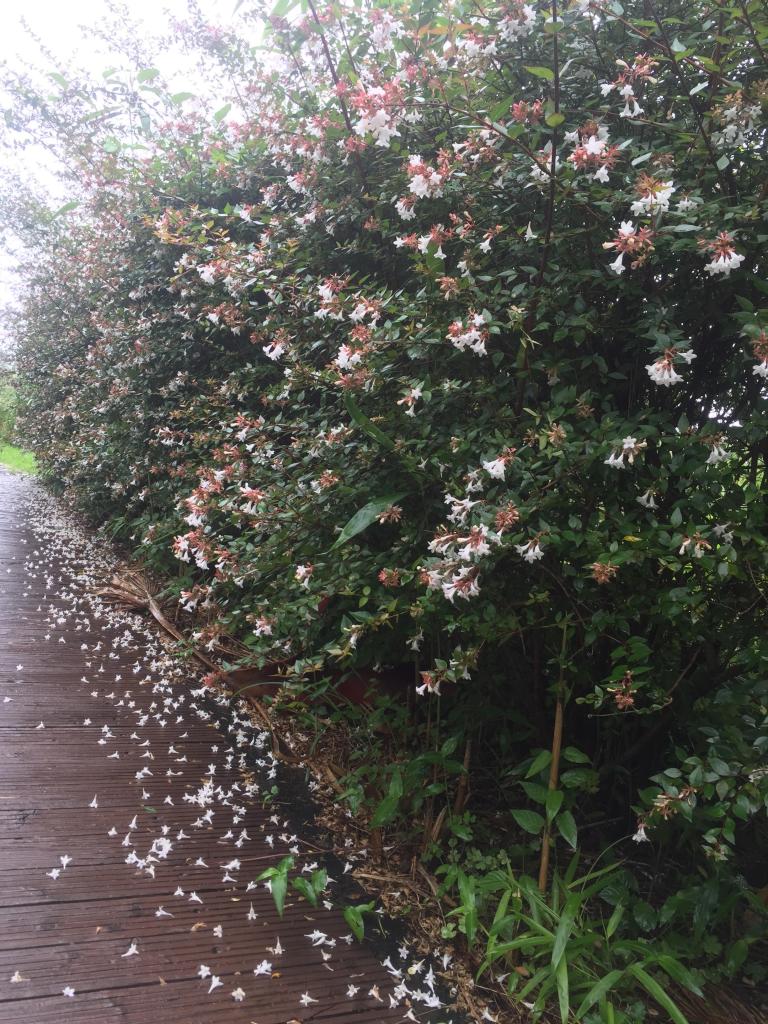
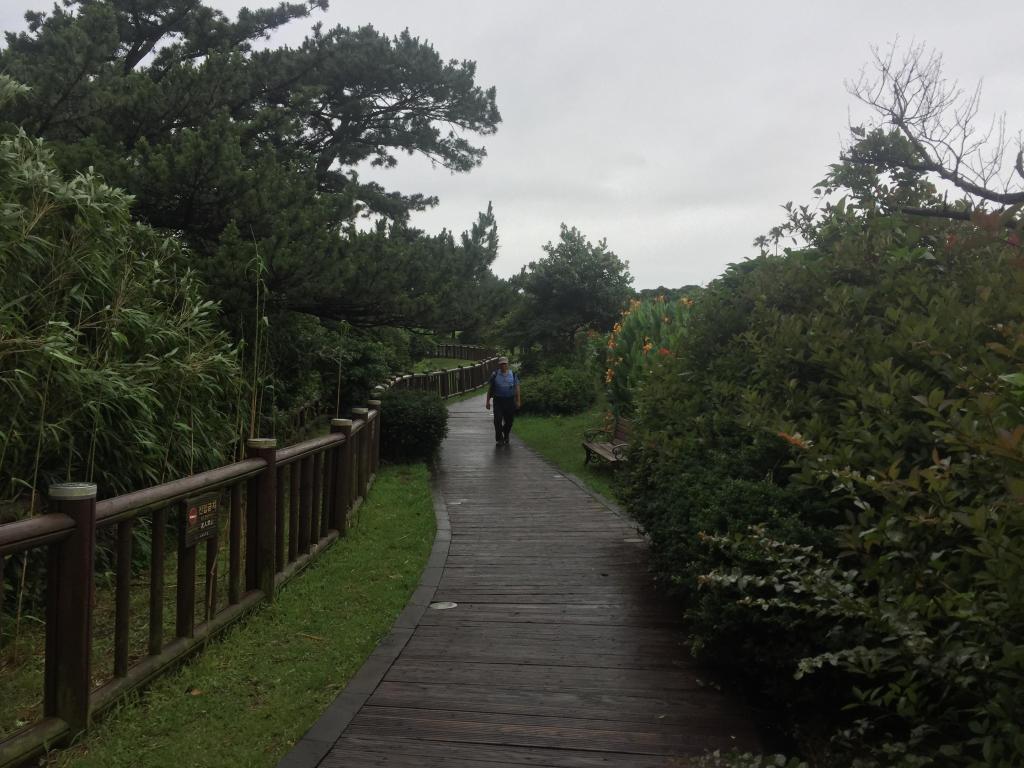
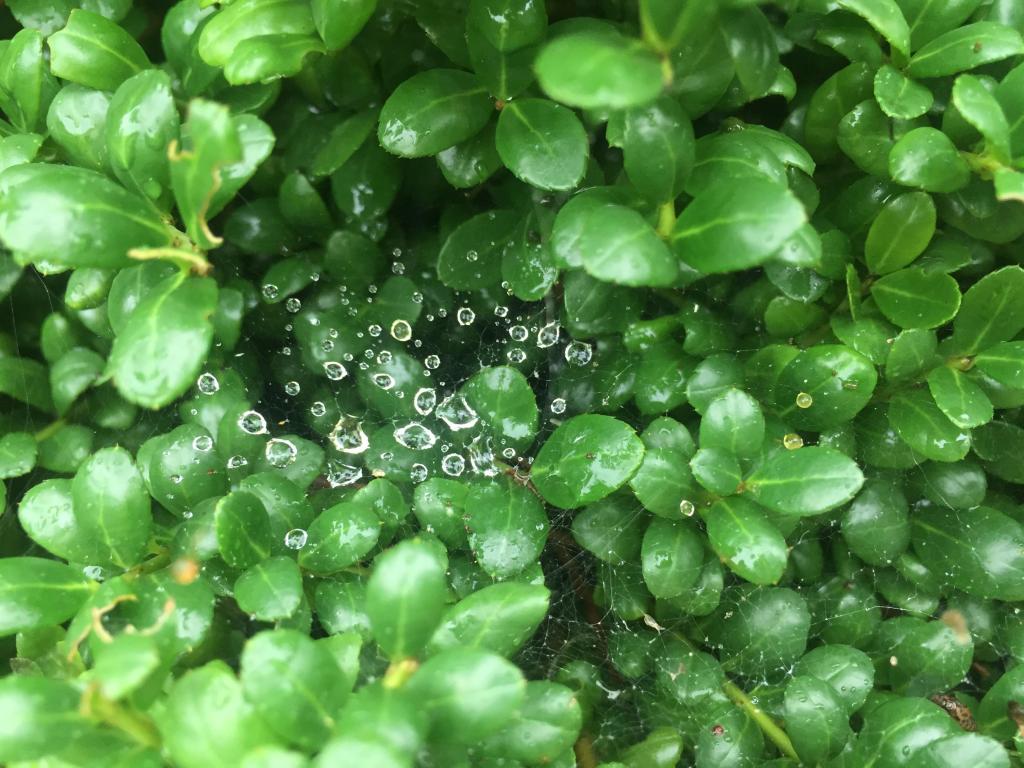
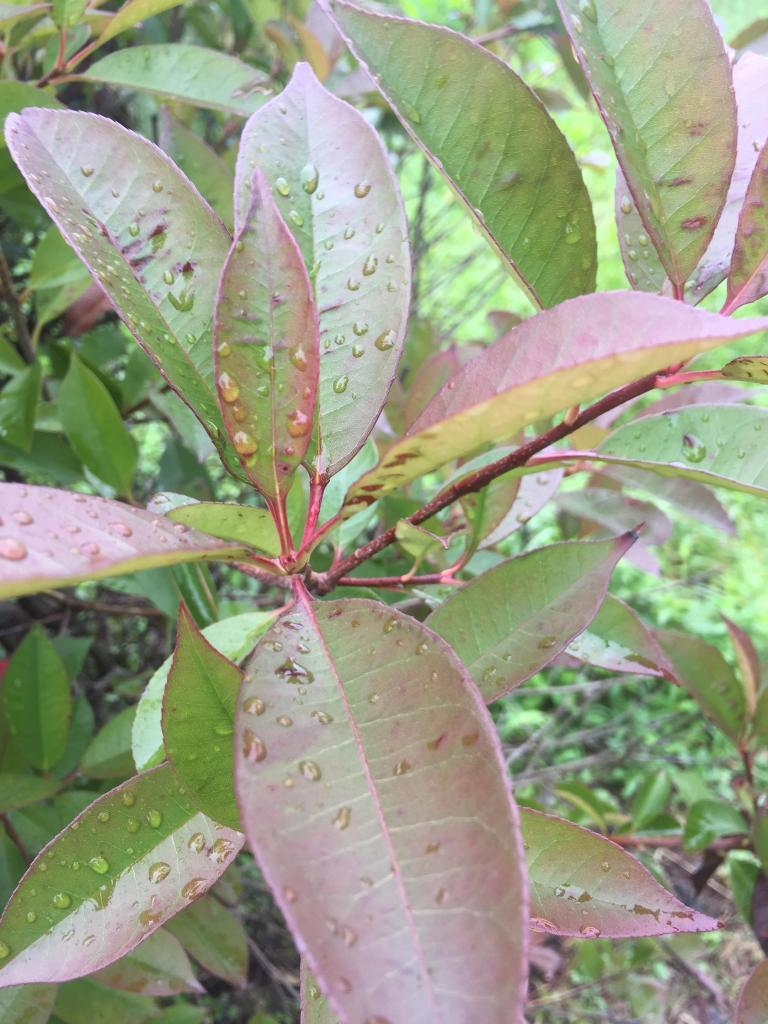
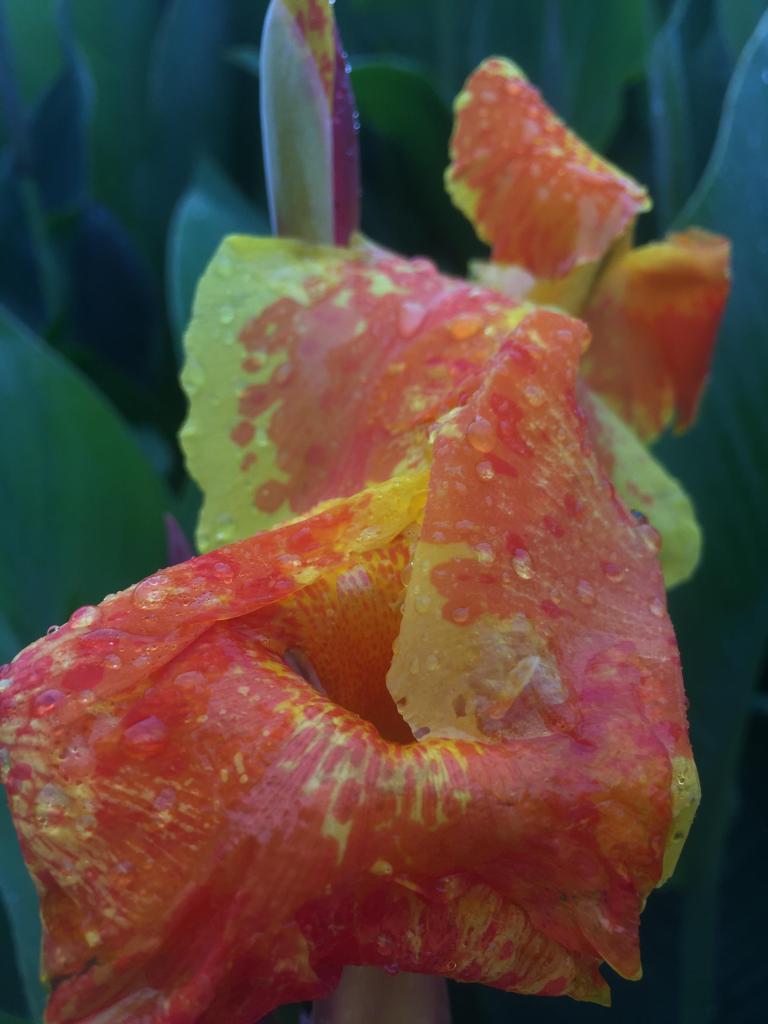
The uniform lighting due to the cloudy weather, the droplets on the leaves and petals just increased the charm and elegance of these plants.
To be continued…
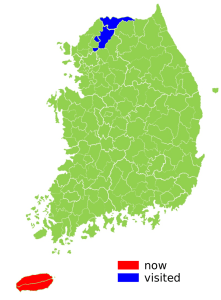
One of the greatest destinations was Jeju island, and I can confidently say, its touristic glory is not a gossip.
The island is located on the south from the mainland. It is the southernmost point I have ever visited at the latitude of about 33°, the previous southernmost point was the south coast of Turkey, 36°.
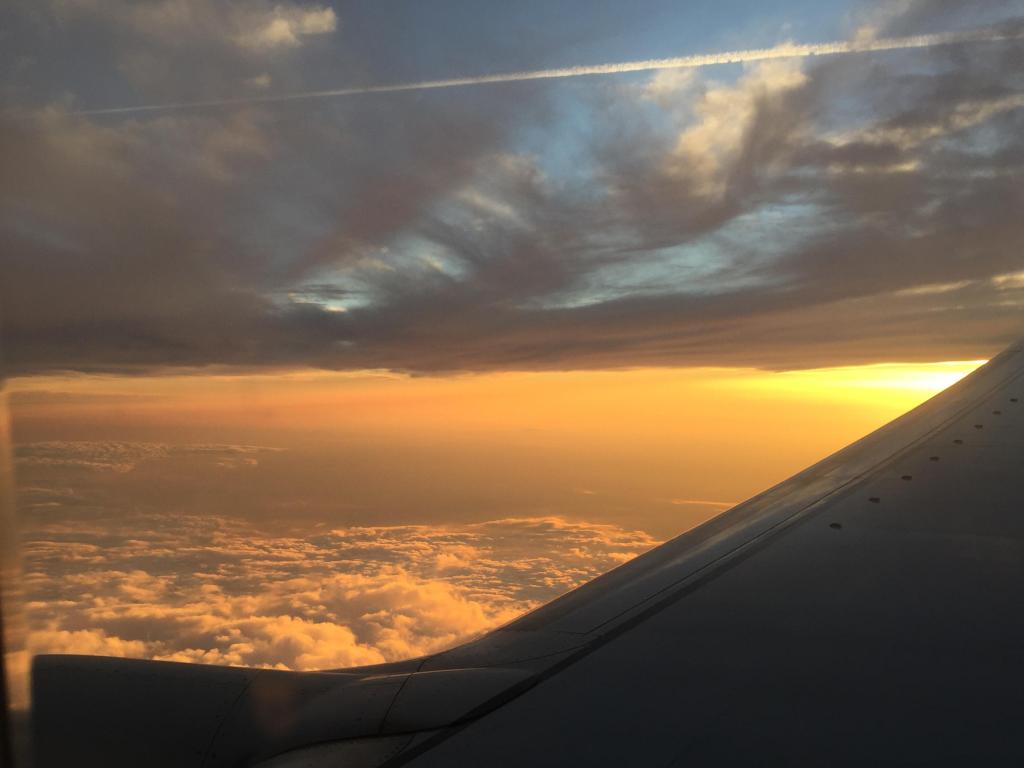
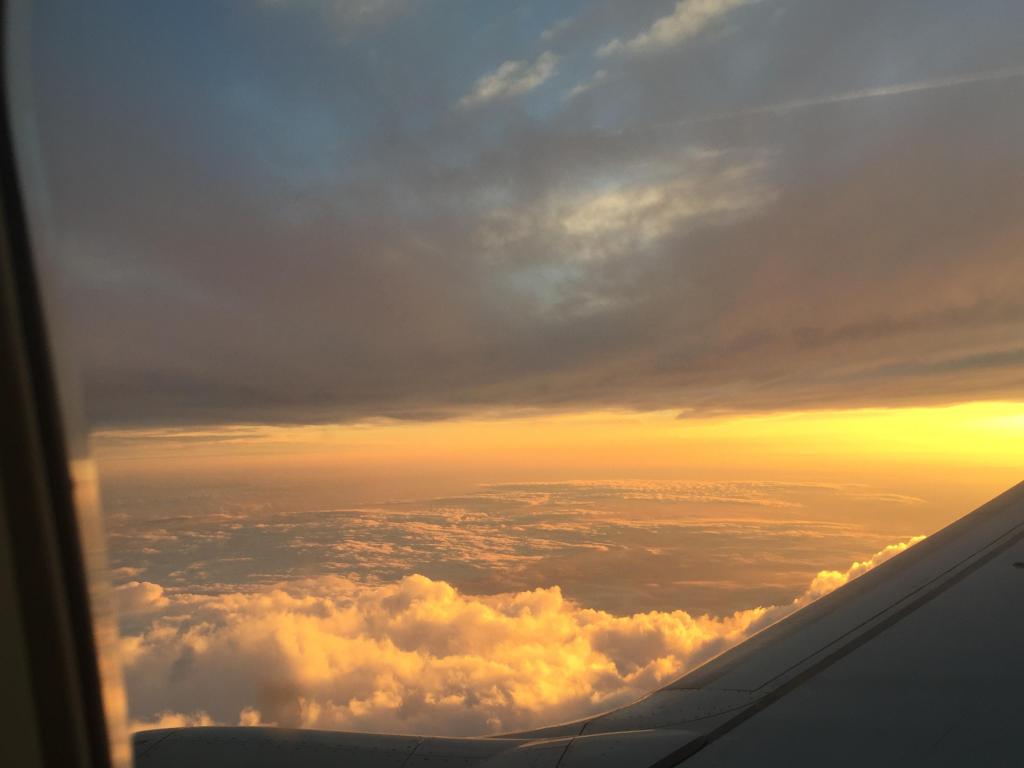
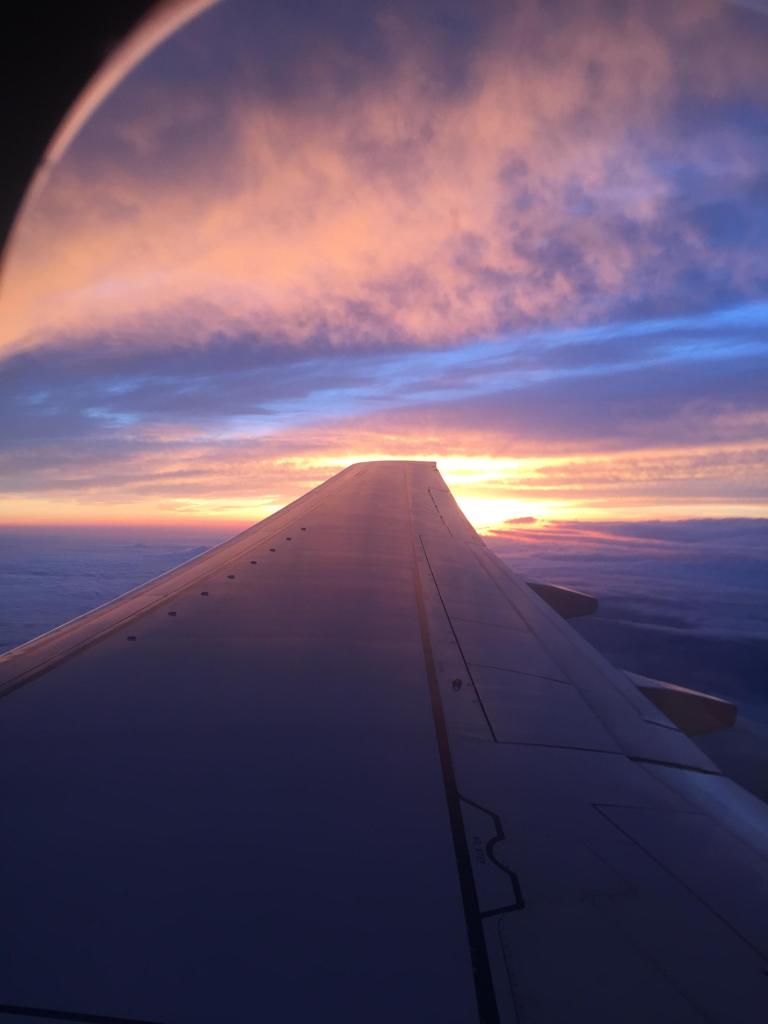
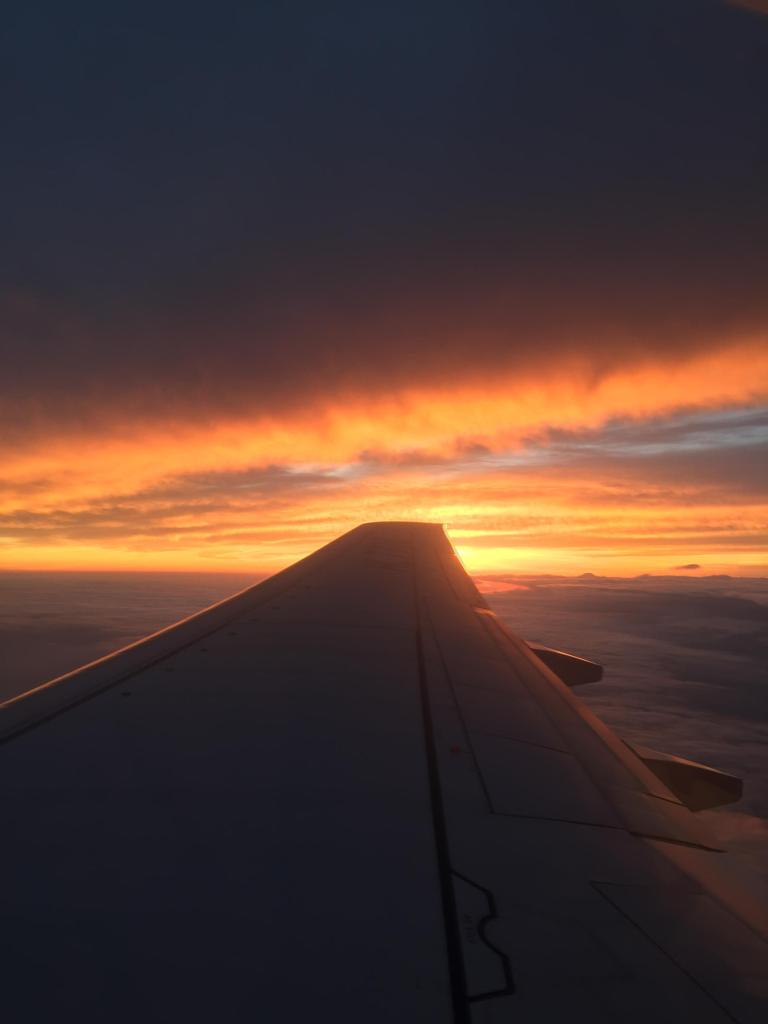
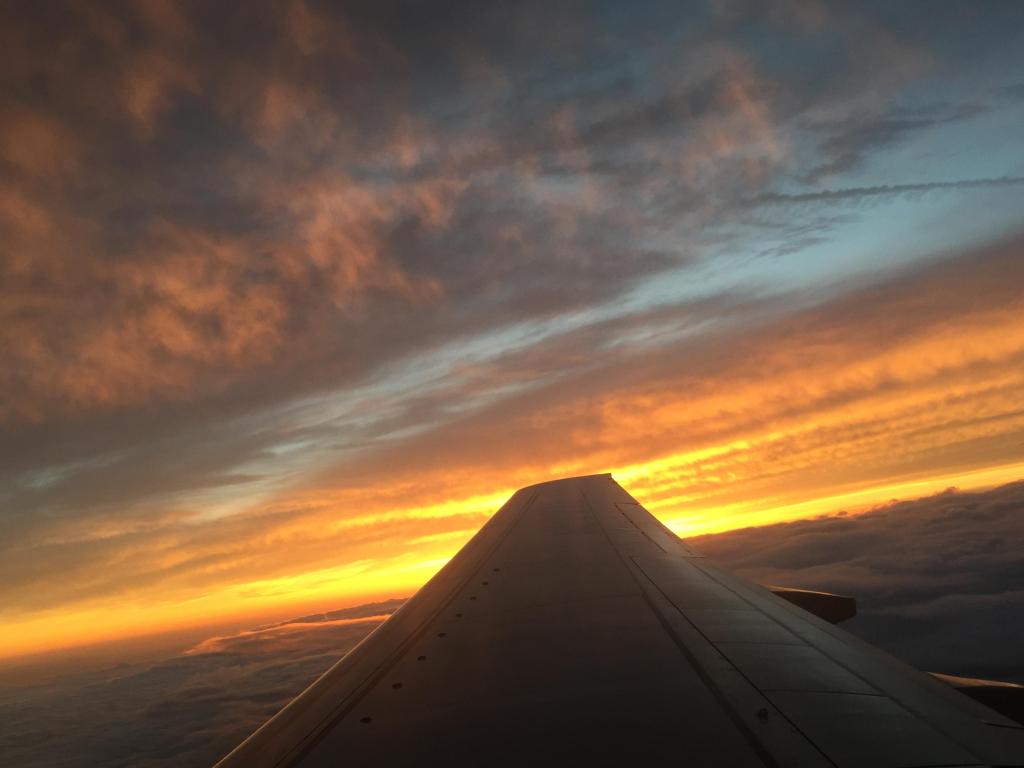
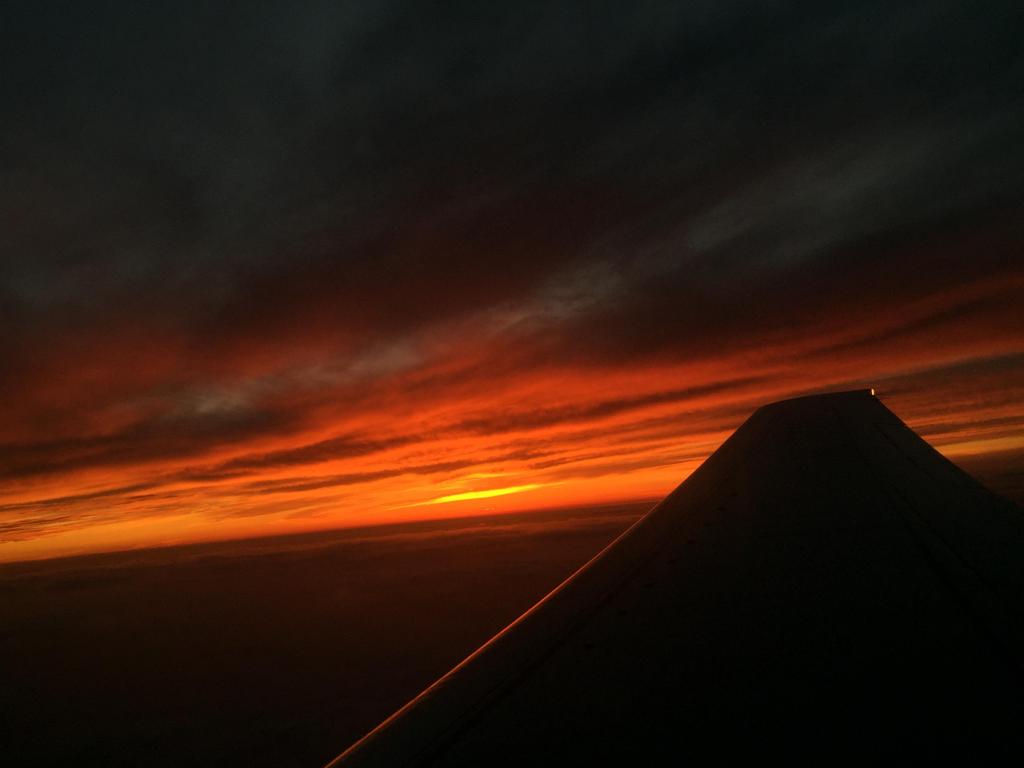
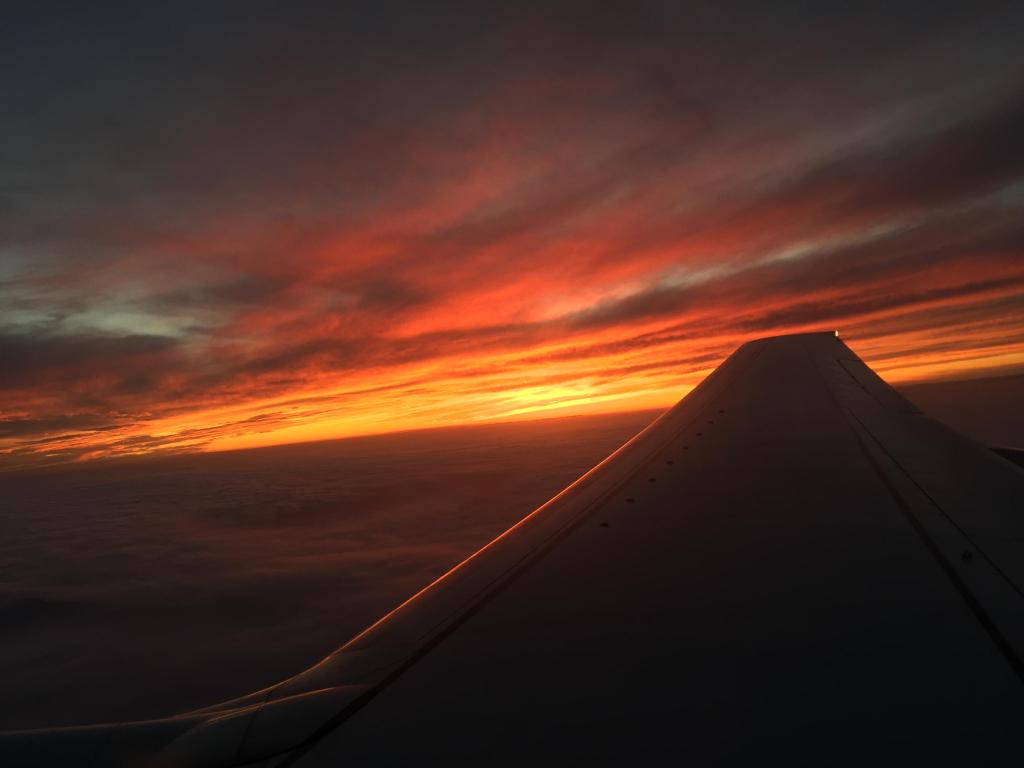
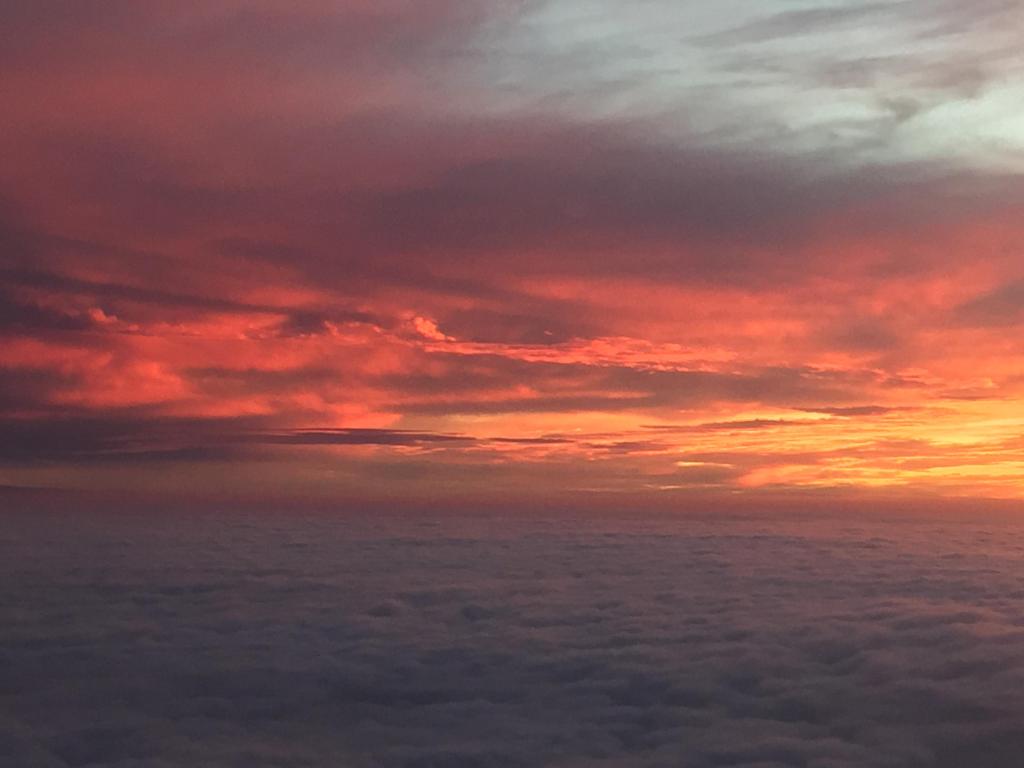
To get to the island I needed to take a flight. The views from the plane were really amazing.
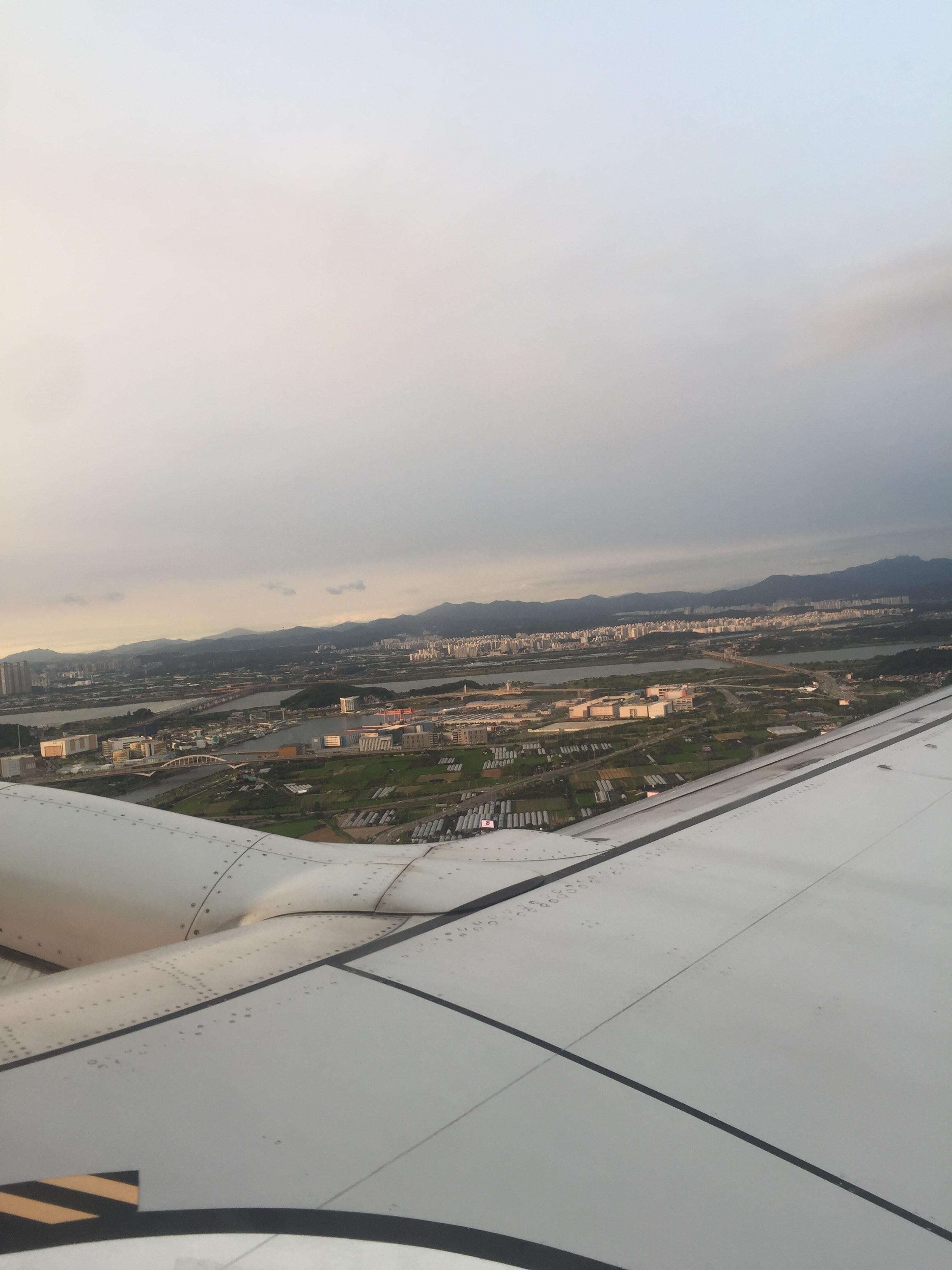
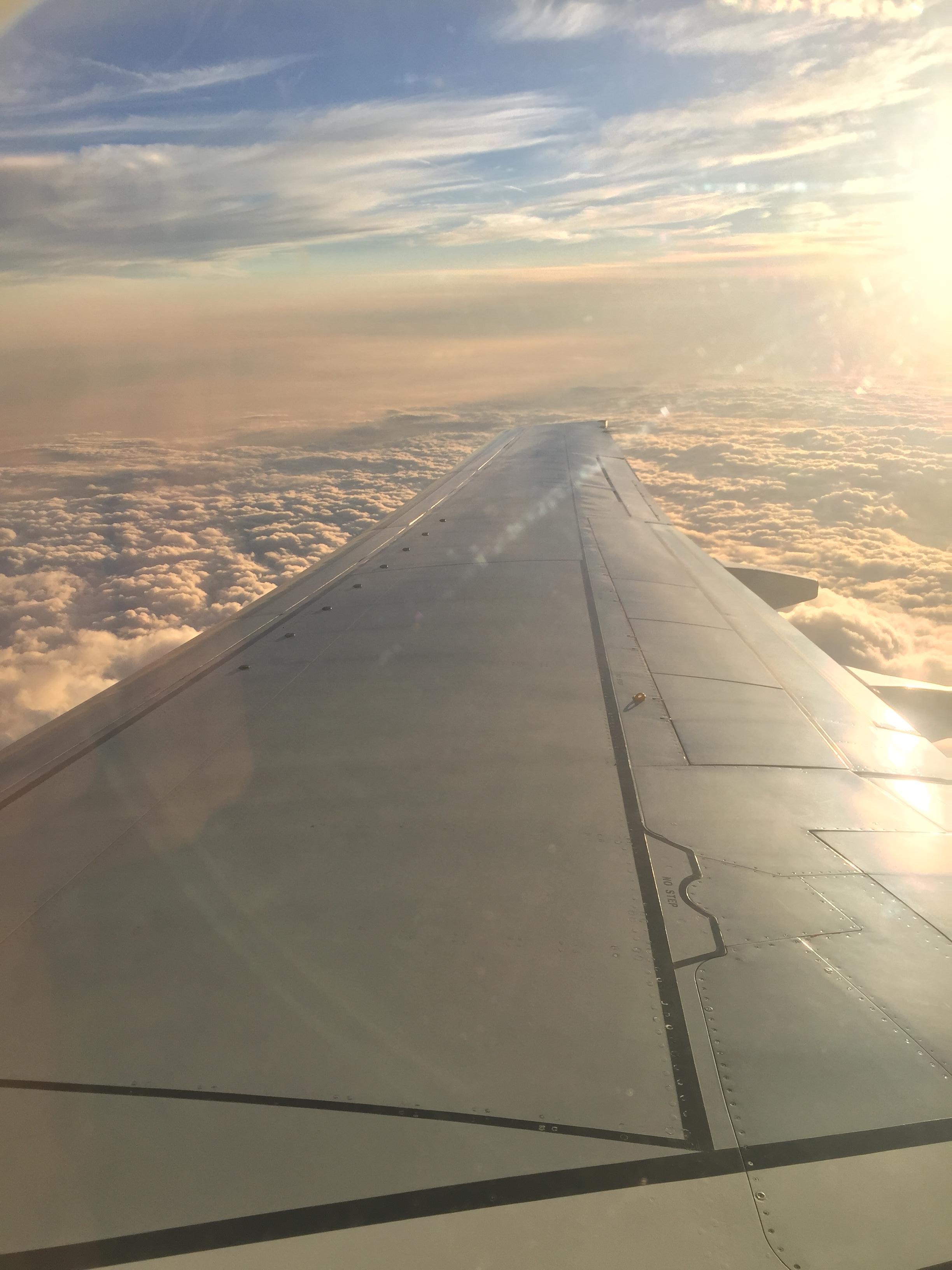
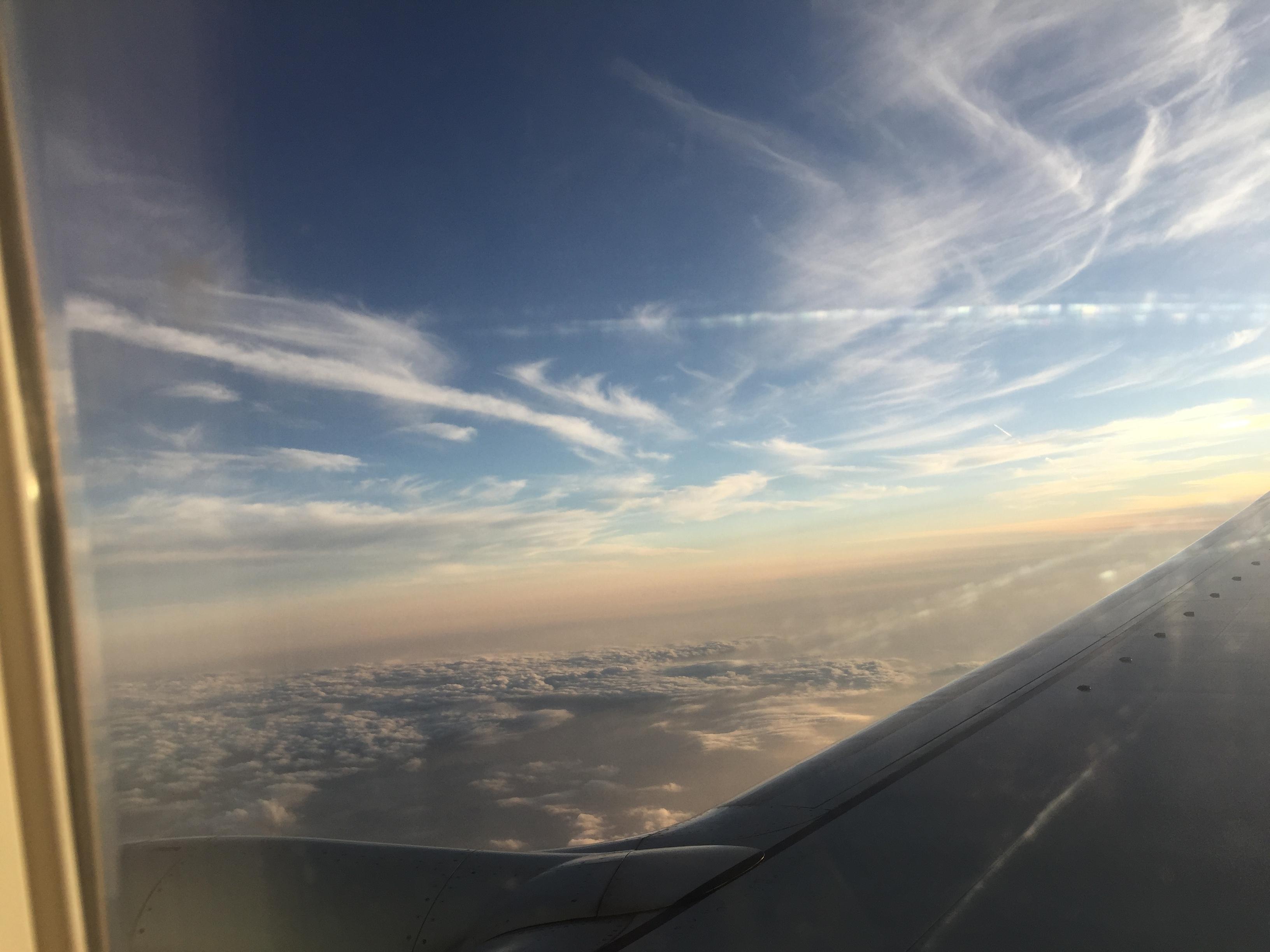
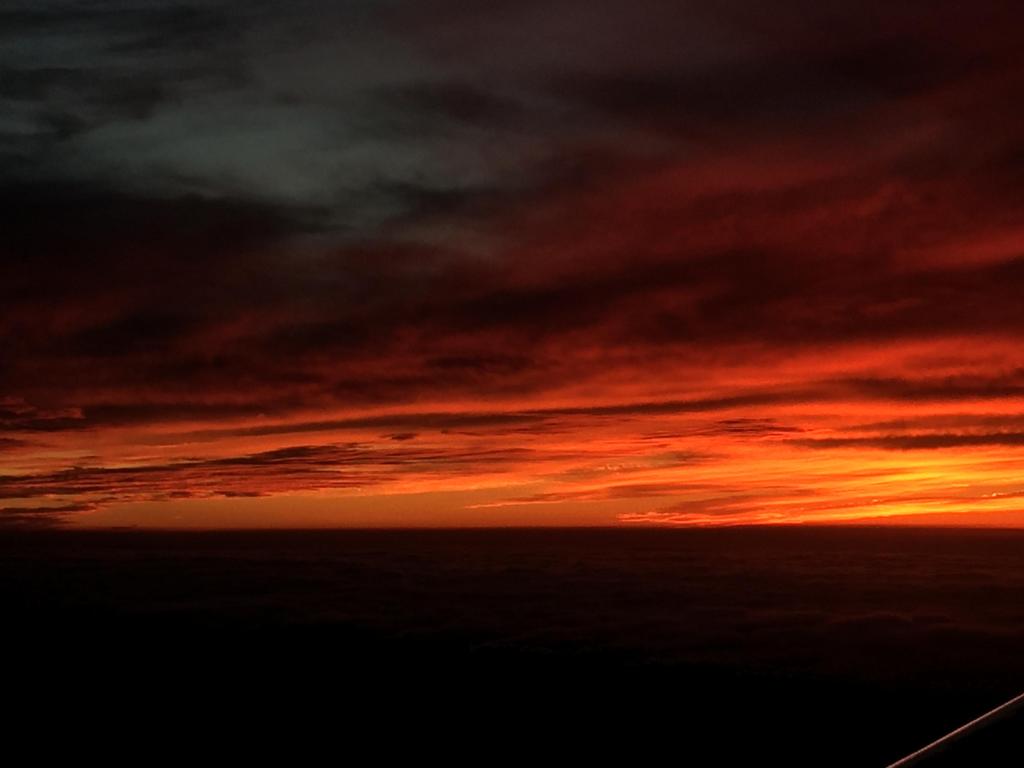
Especially when the sunset started. The expressional scenes behind the porthole were painted with a variety of colours changing during the flight from a peaceful orange to cold purple and ending with dark-red at the last gleams of the sunshine.
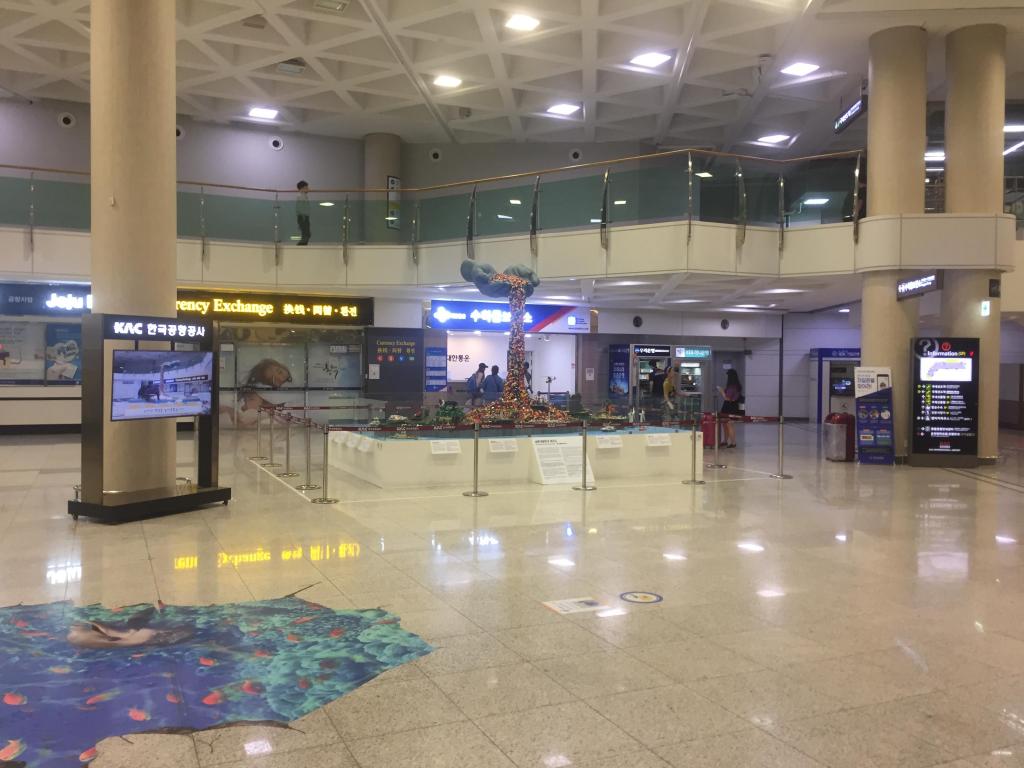
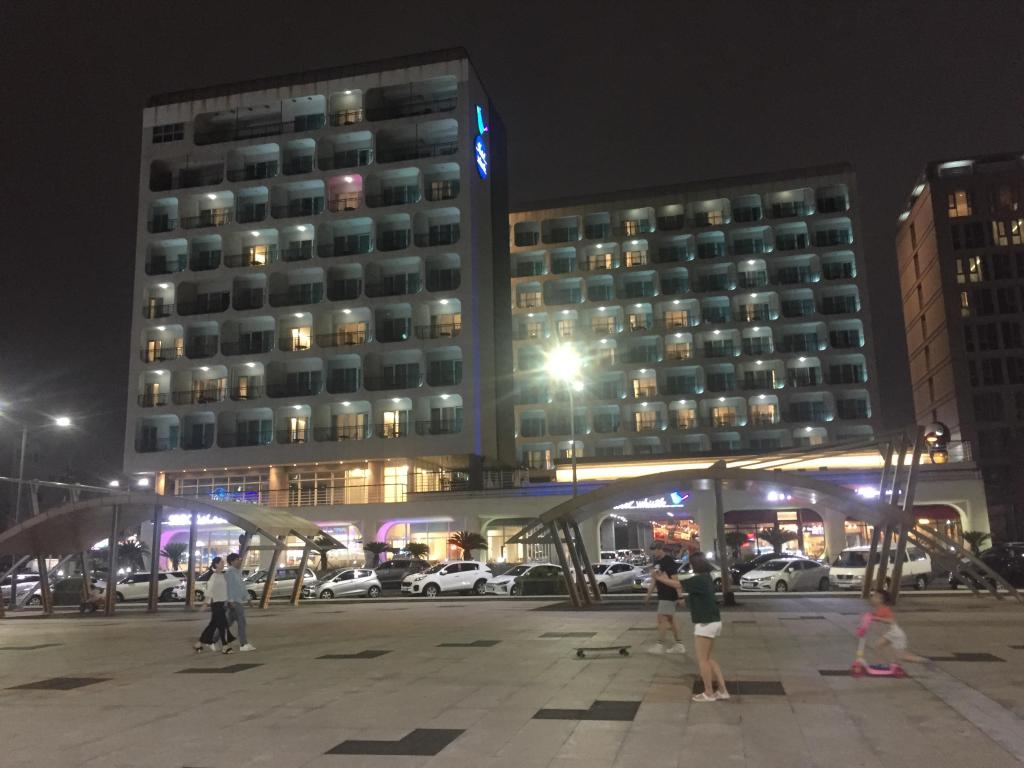
By the time I reached Jeju, the day became night, so there is nothing much to do except having supper!
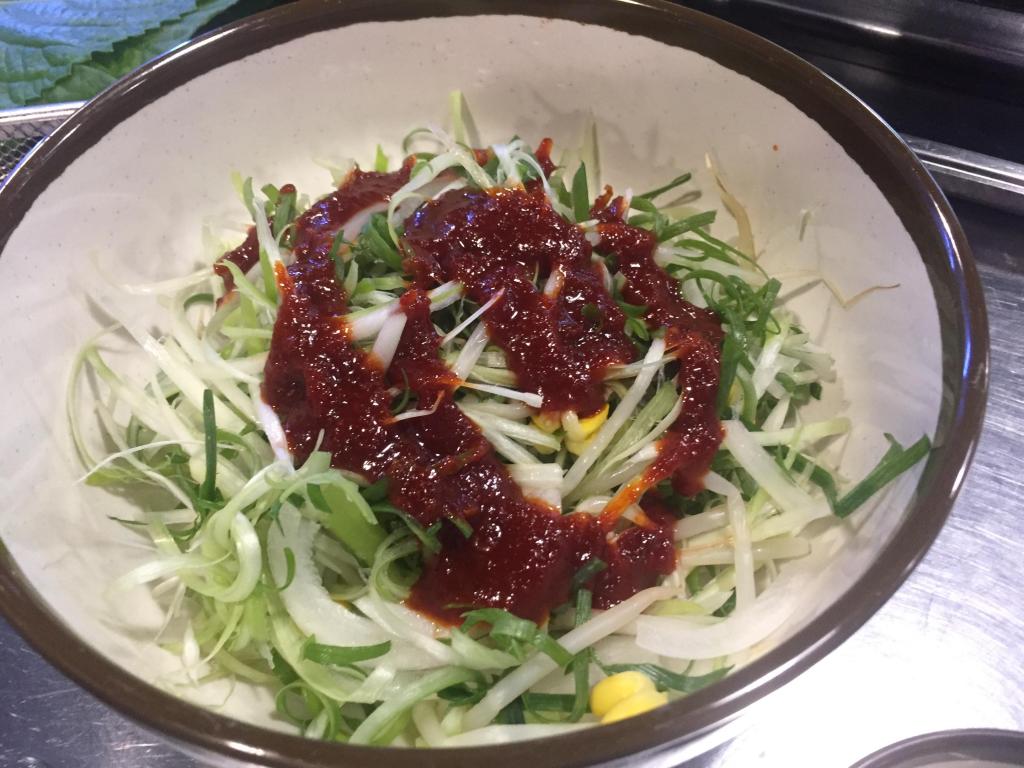
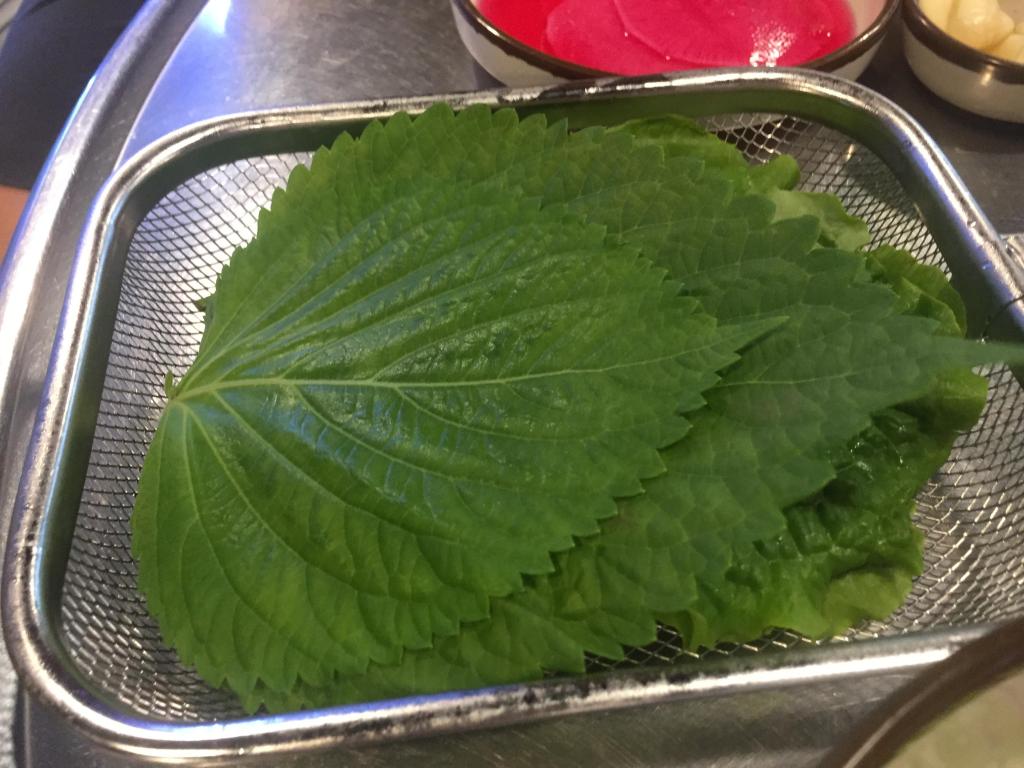
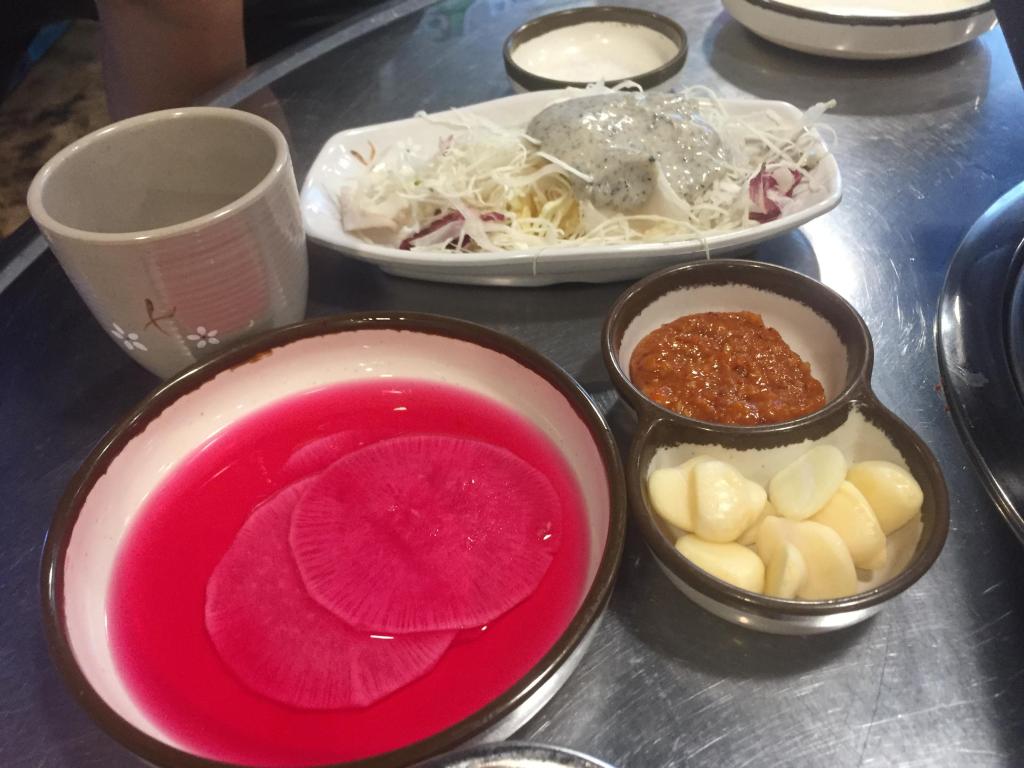
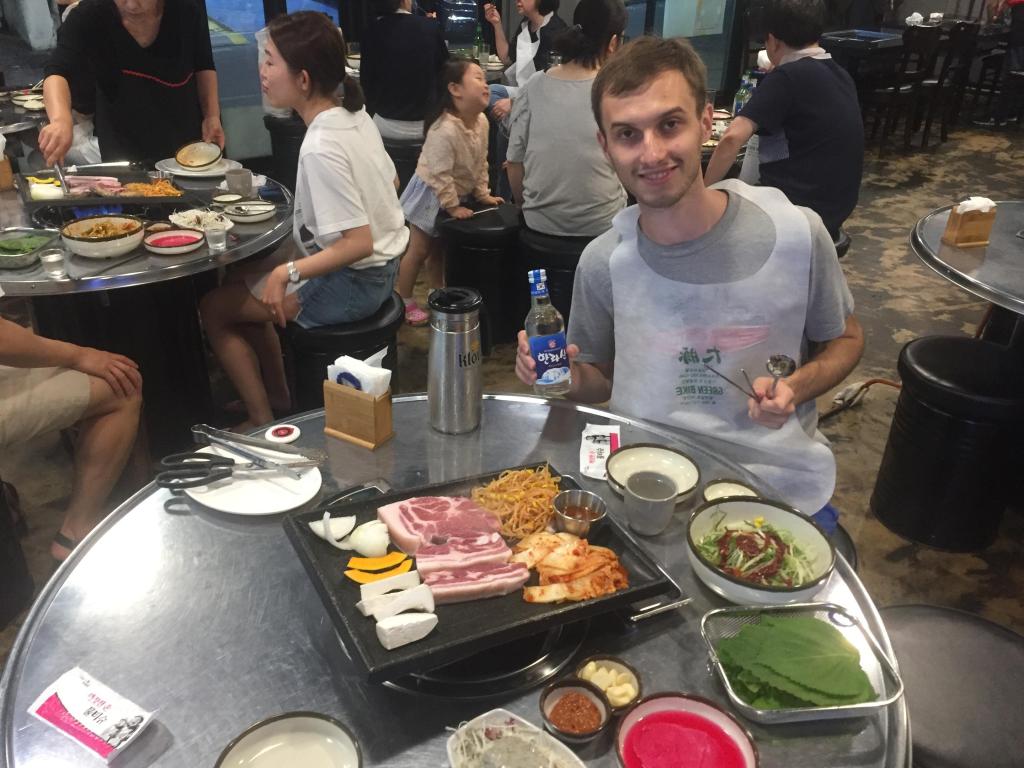
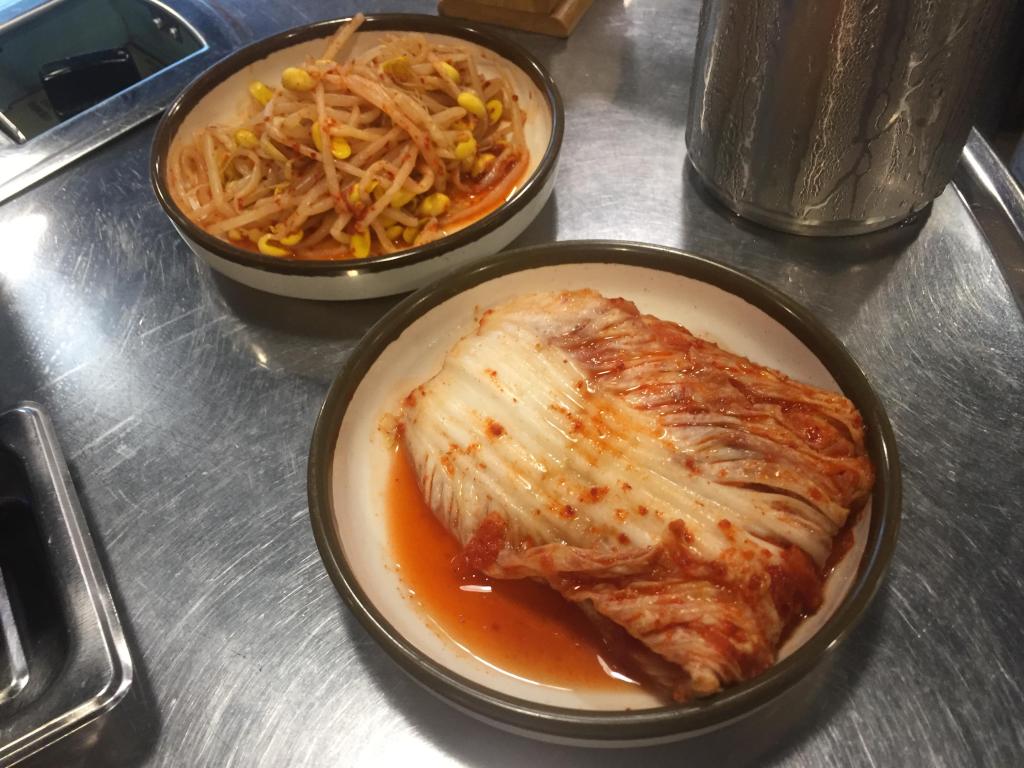
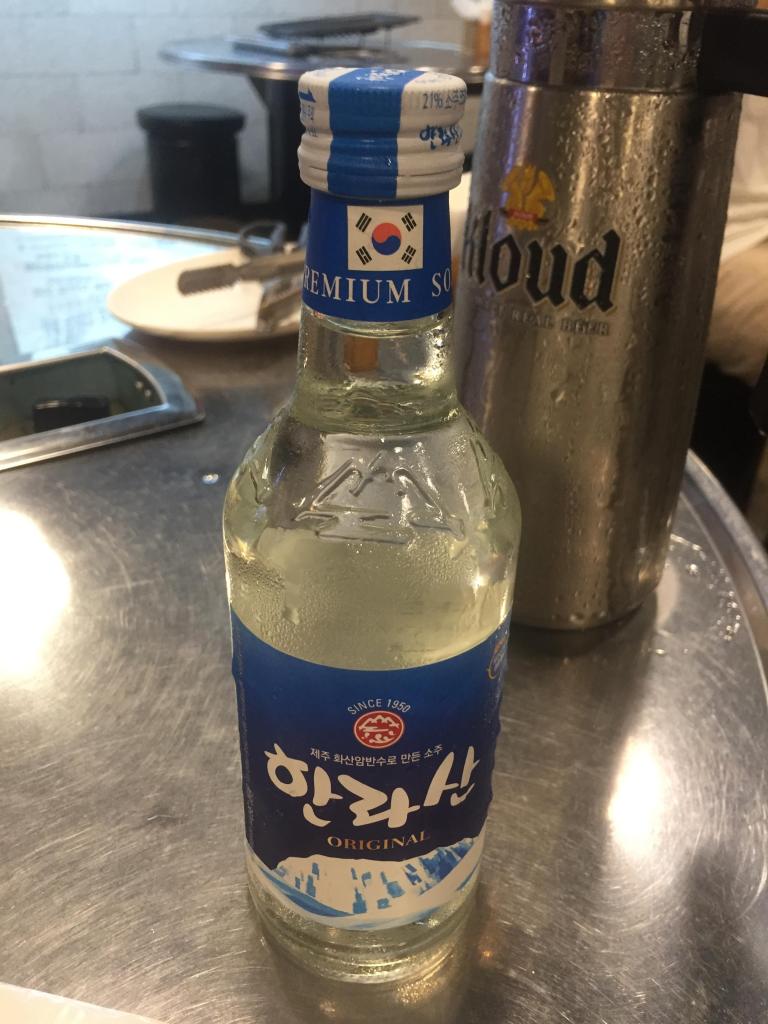
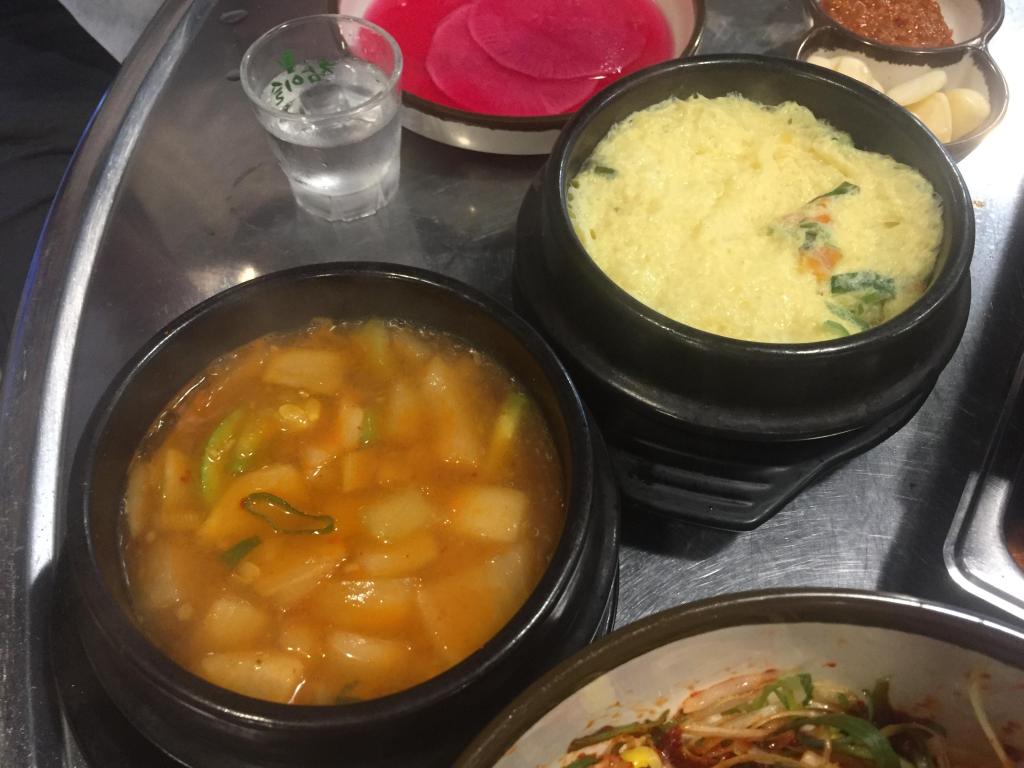
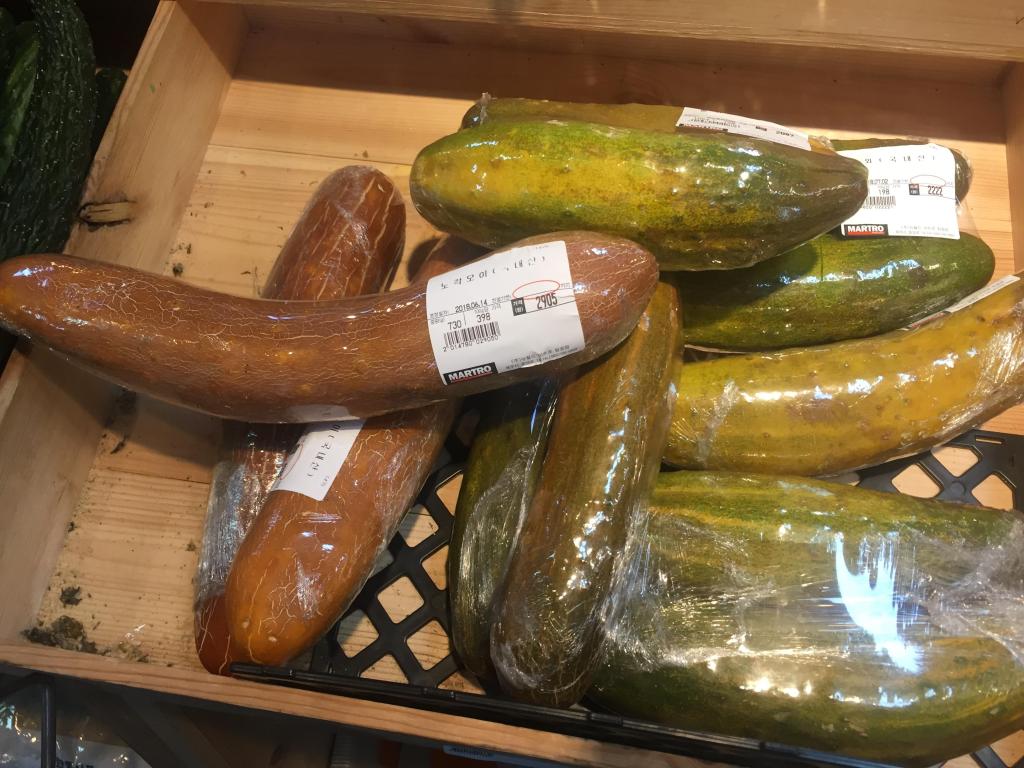
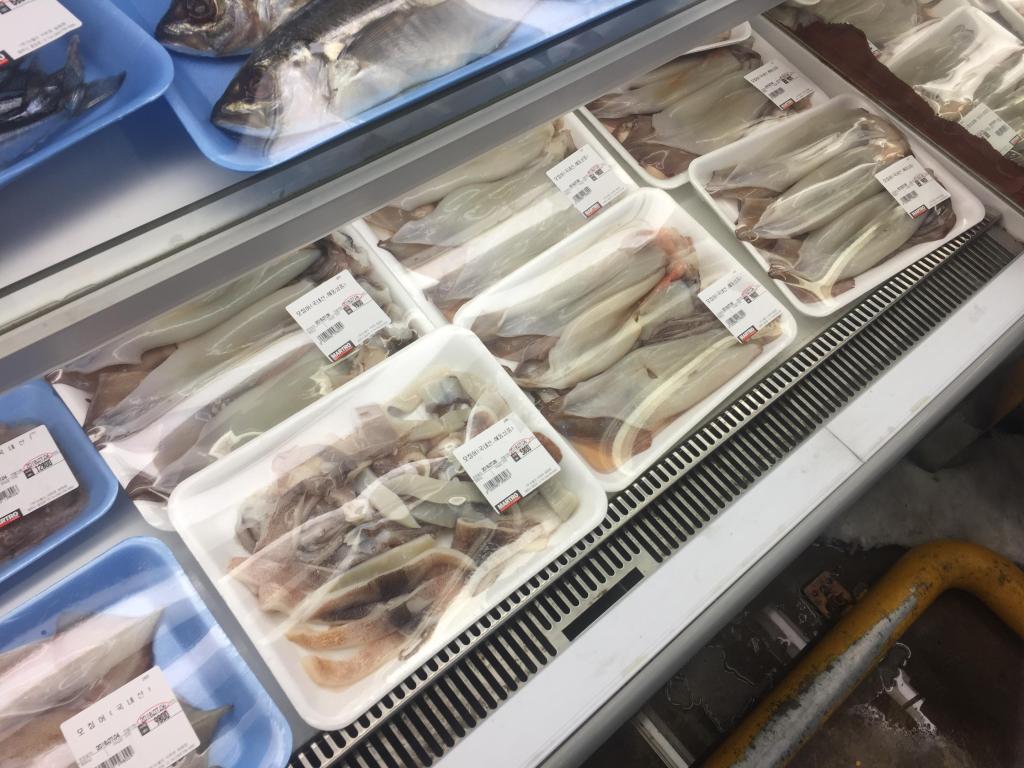
After supper, I went to visit a shop to buy something very important. Of course, the products differ from that could be found in Ukrainian shops, but one of the most surprising products, yet it can be grown in Ukraine, is matured cucumbers with quite a high price. I know an old Ukrainian woman from a village who likes eating old cucumbers but ordinary people do not eat it and usually, it is just used to harvest seeds and the remains might be fed to domestic animals. Here, one old cucumber costs as 3 or 5 kg of green cucumbers in Ukraine.
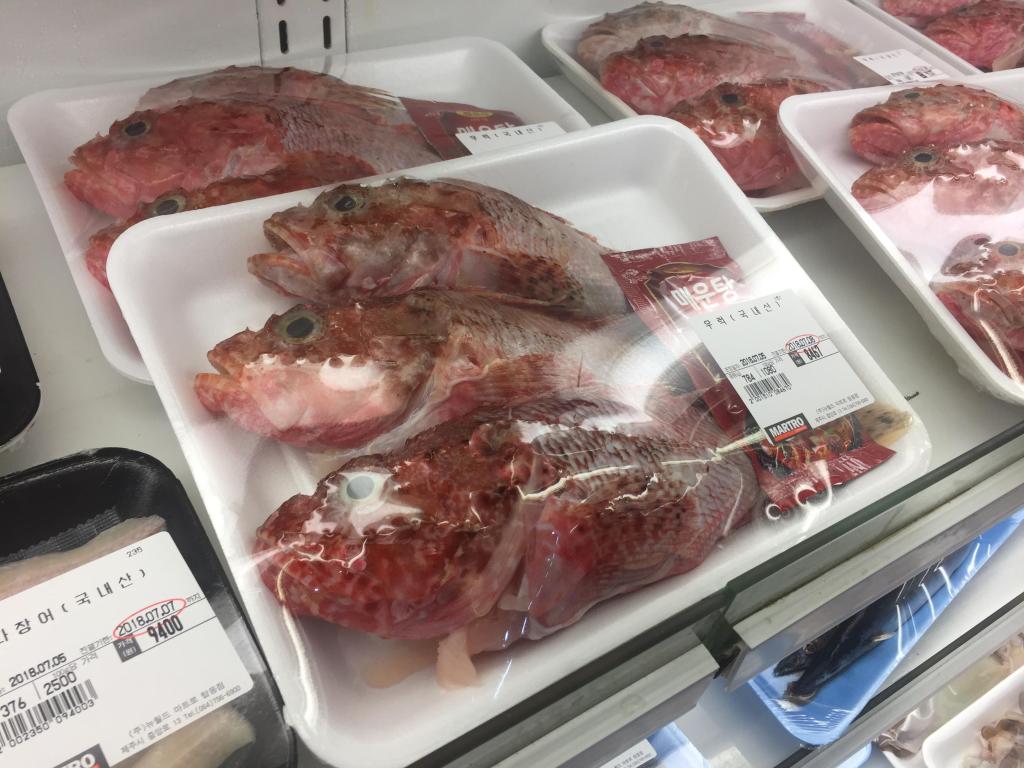
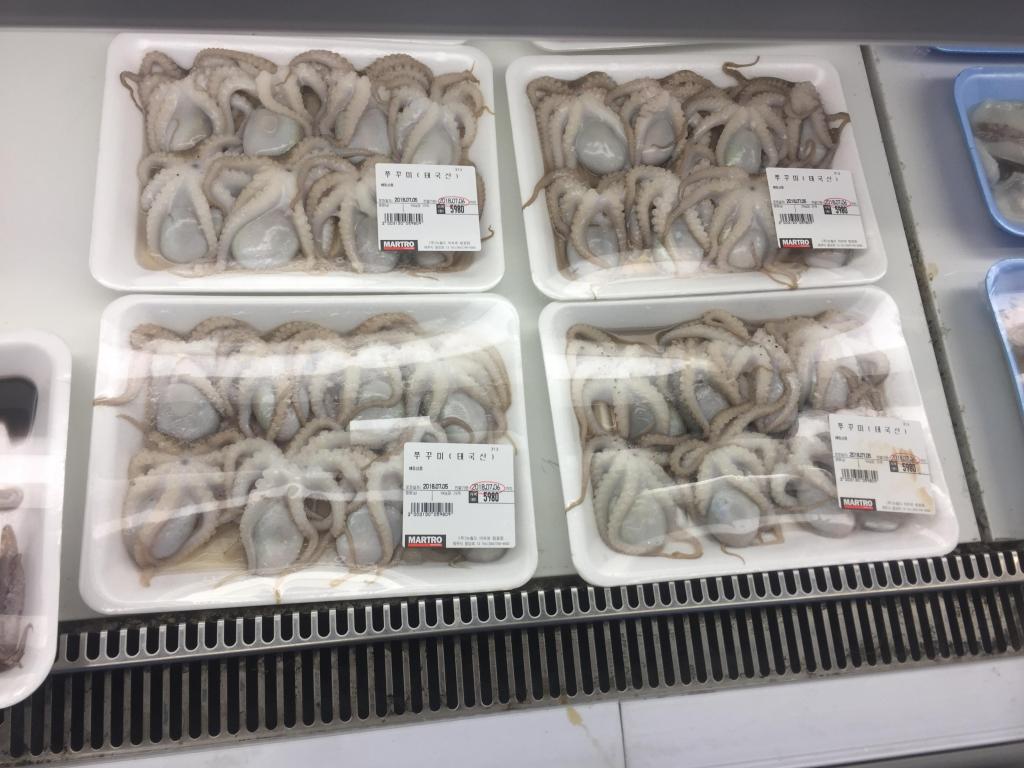
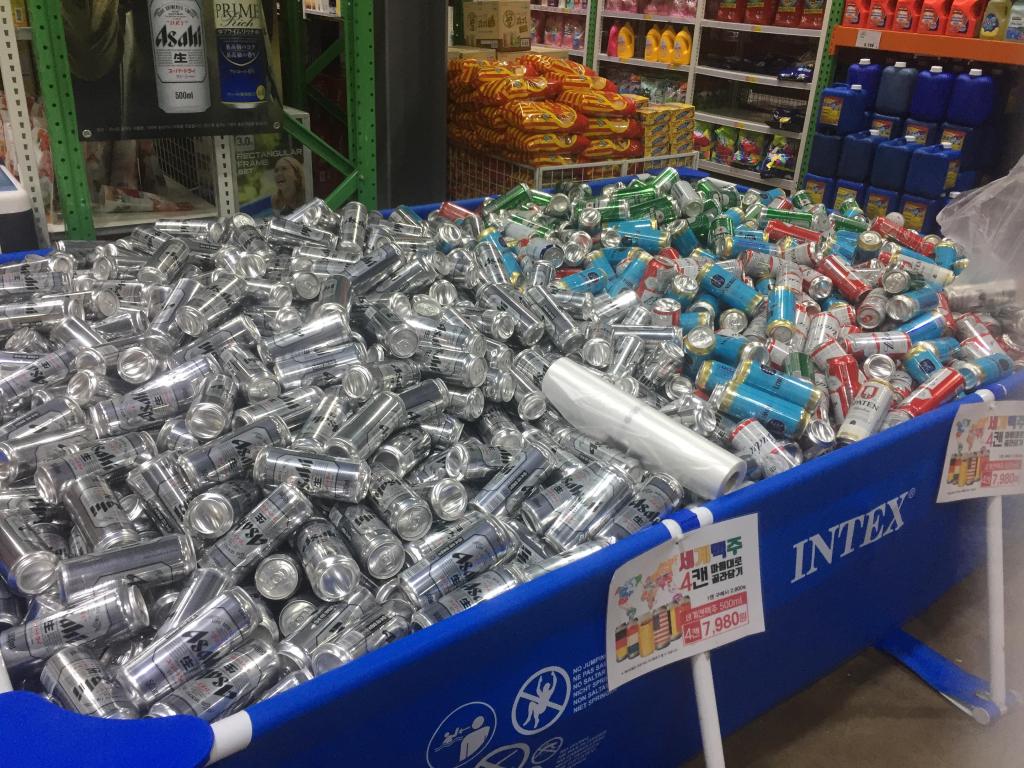
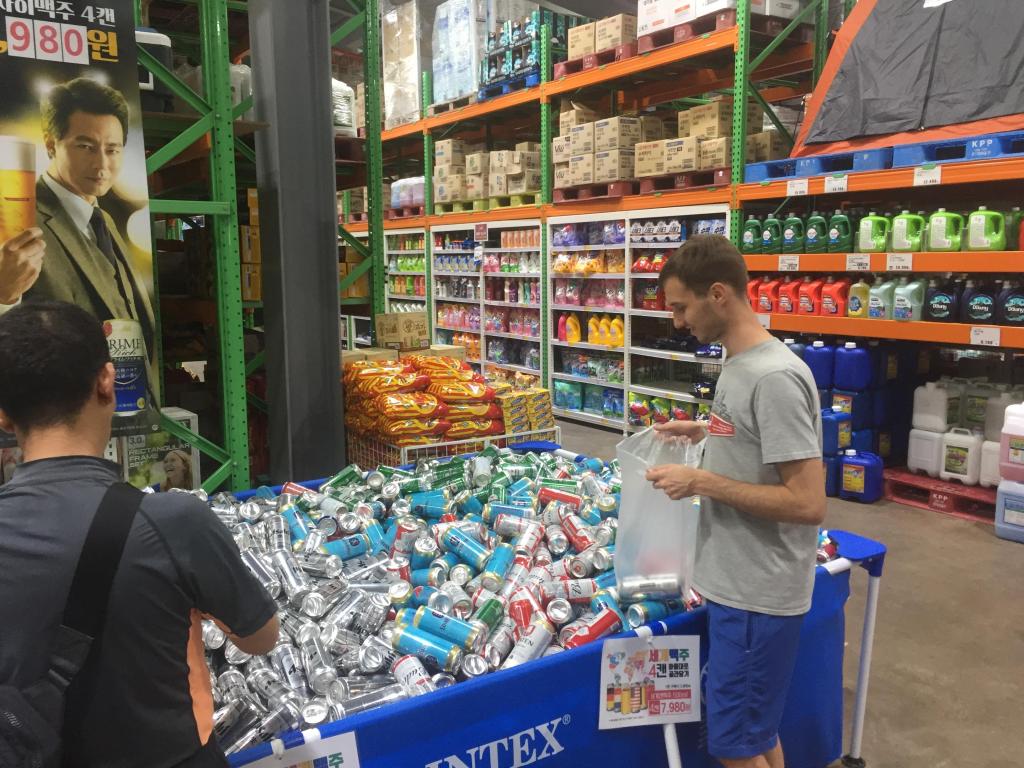
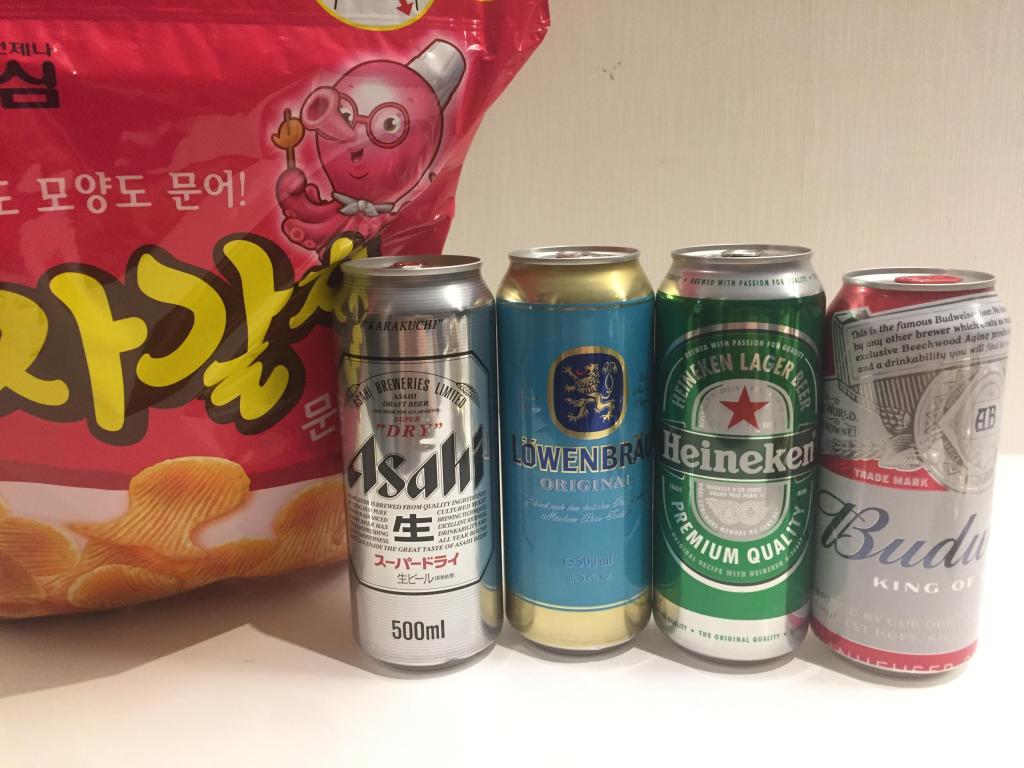
And this is what I was looking for. Yearly, Jeju takes about 15 millions of visitors, no surprise the beer cans are just dropped in a huge cage.
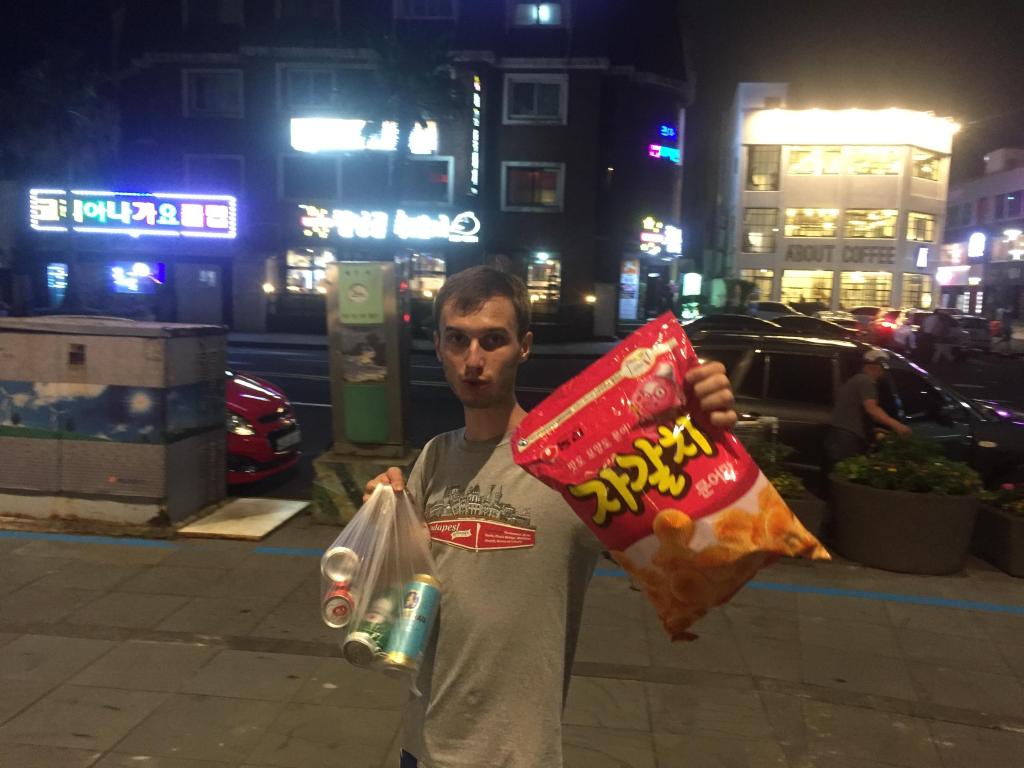
An adventure is waiting!
I am heading to the north from Dongducheon!
The first destination is Bidulginang waterfall in Pocheon city.
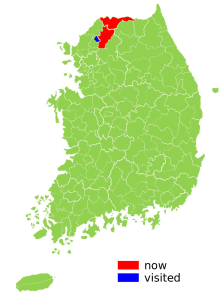
First of all, I would say a couple of words about Pocheon city. Why is it a city? It has a population of 151,767 people but covers quite a great as for a city area of 826.48 km. I will go through this city a few times when traveling to the east part of South Korea, like to the East sea. But today I am going to visit only one spot in this widespreaded city.
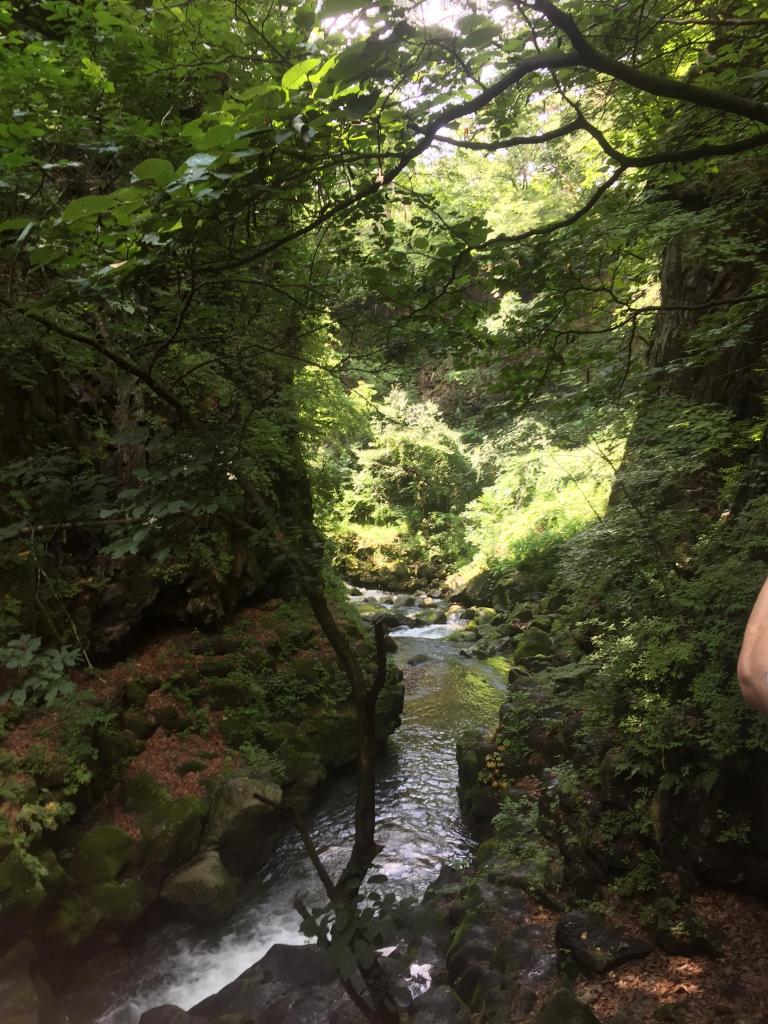
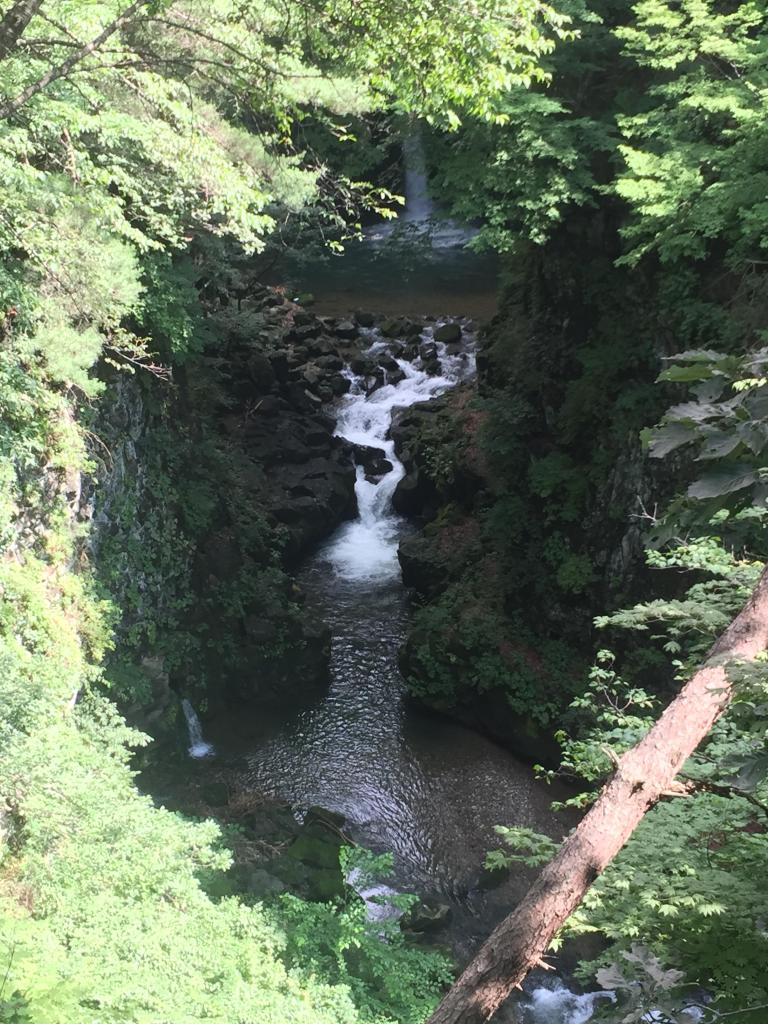
Bidulginang waterfall is just about 15 m in height (compare 119 m of Baekseok waterfall I will see in Jeongseon country), but this waterfall attracts visitors by its unusual appearance. The name Bidulginang is derived from a bowl-shaped cliff like a dove nest where white doves build nests inside a cave behind the waterfall.
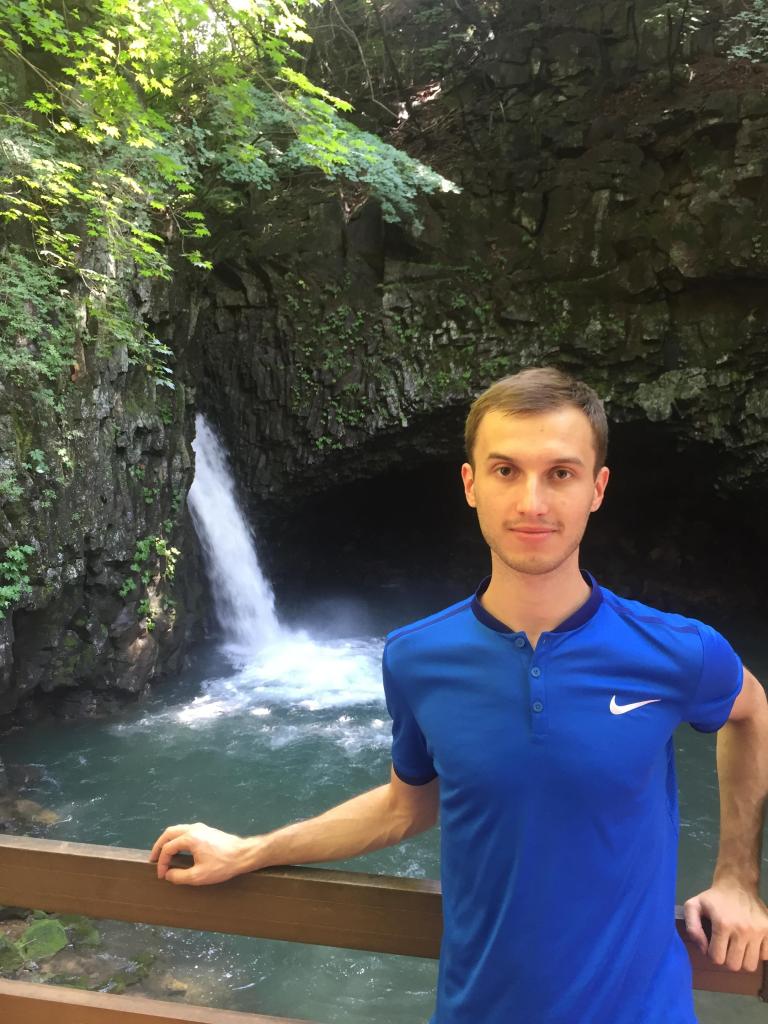
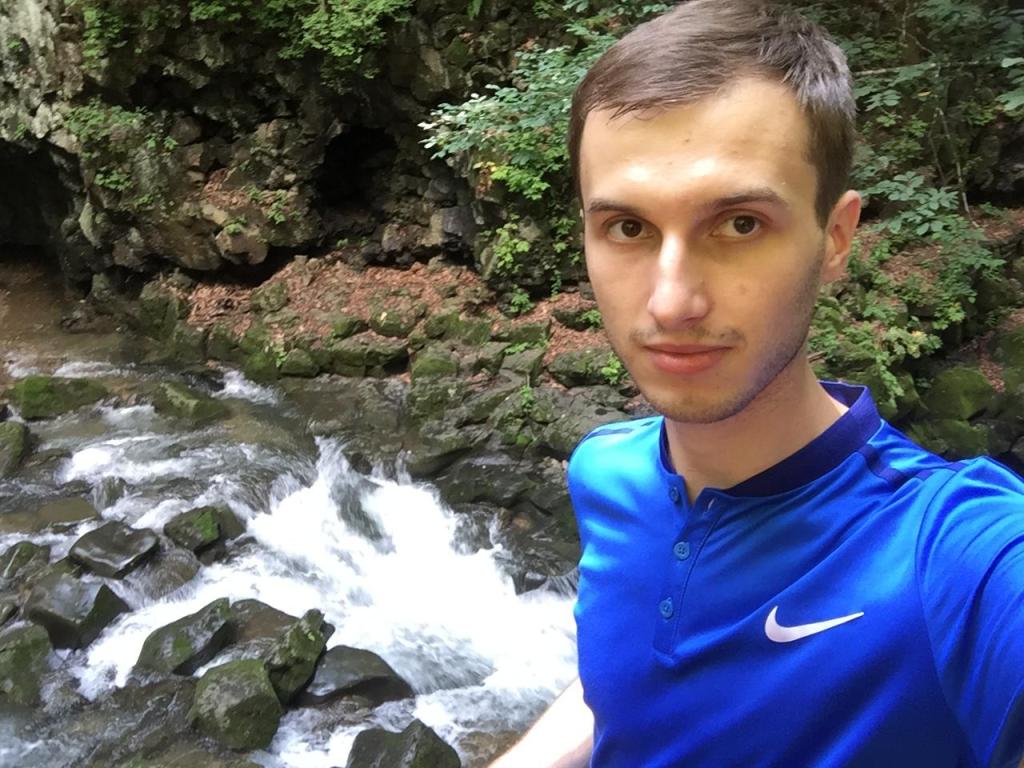
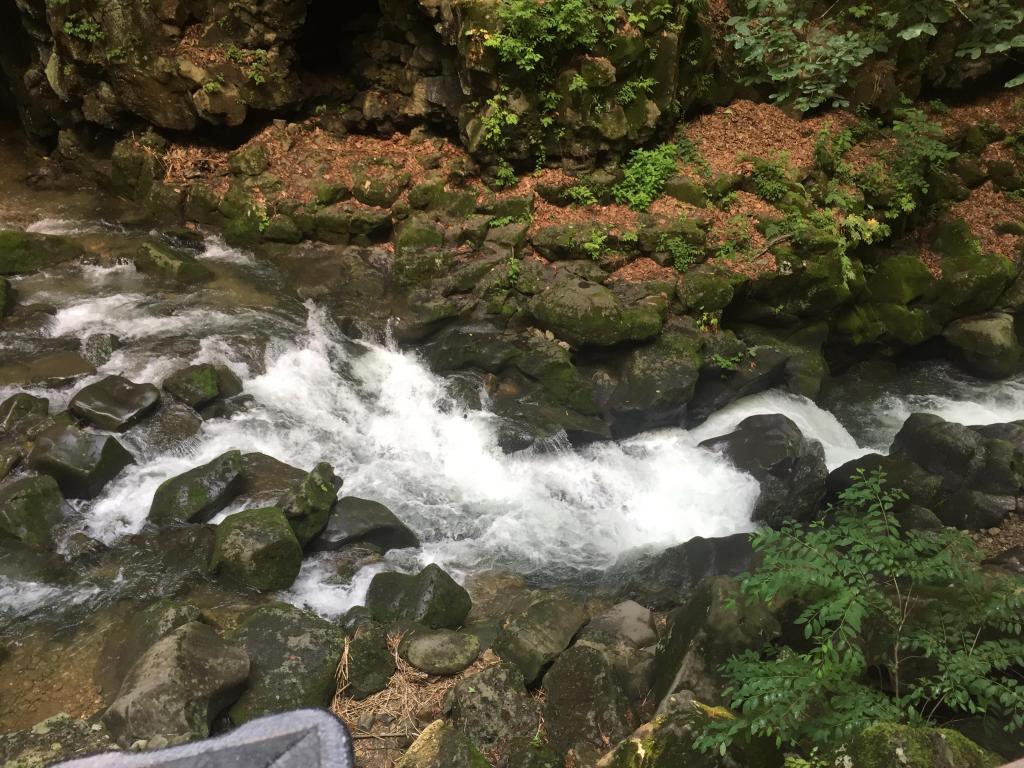
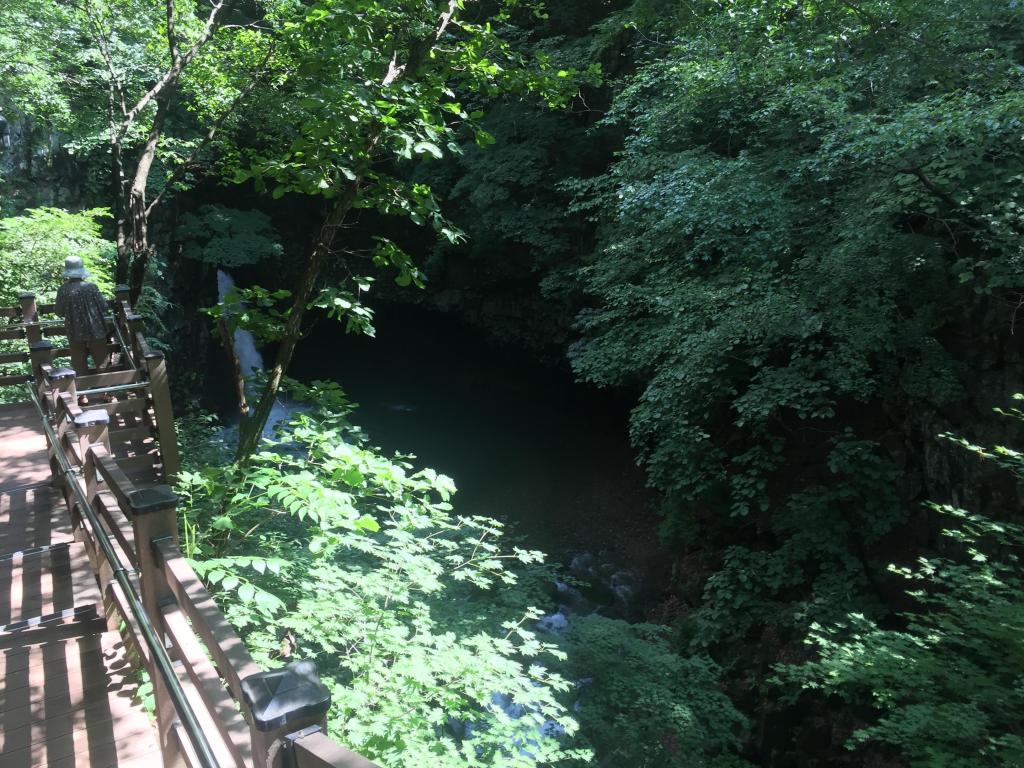
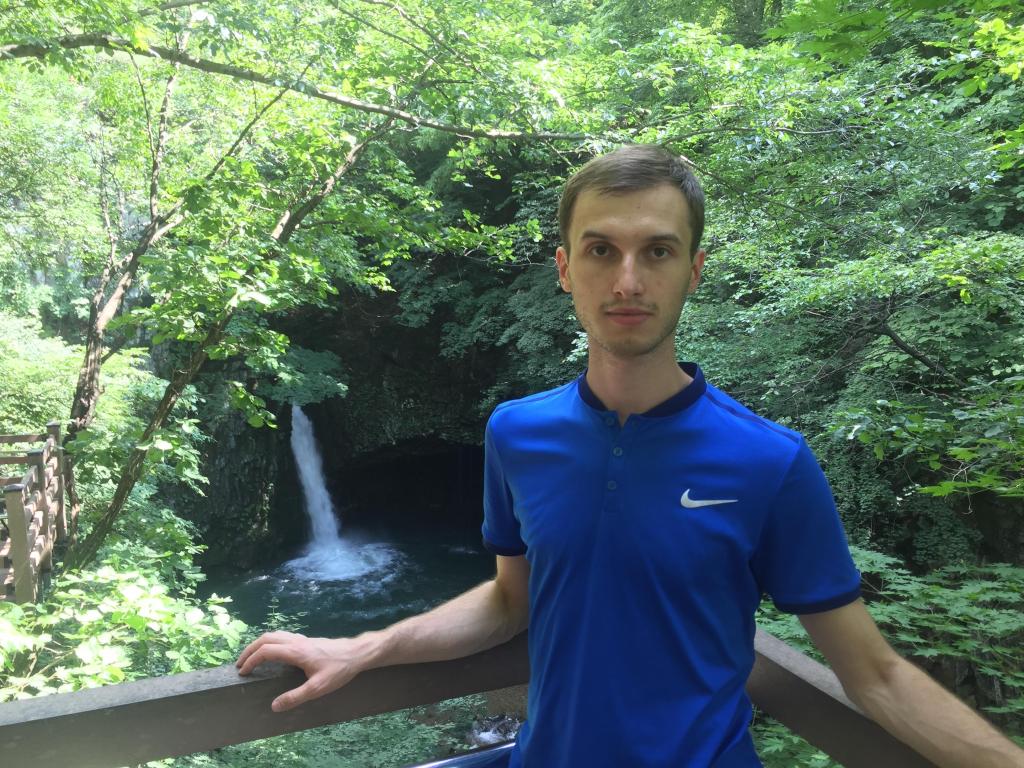
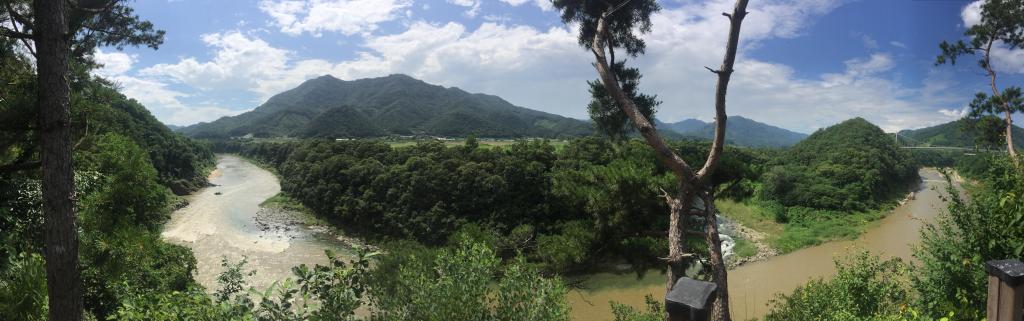
A few minutes walk away from the waterfall an amazing view on Hantangang river opens.
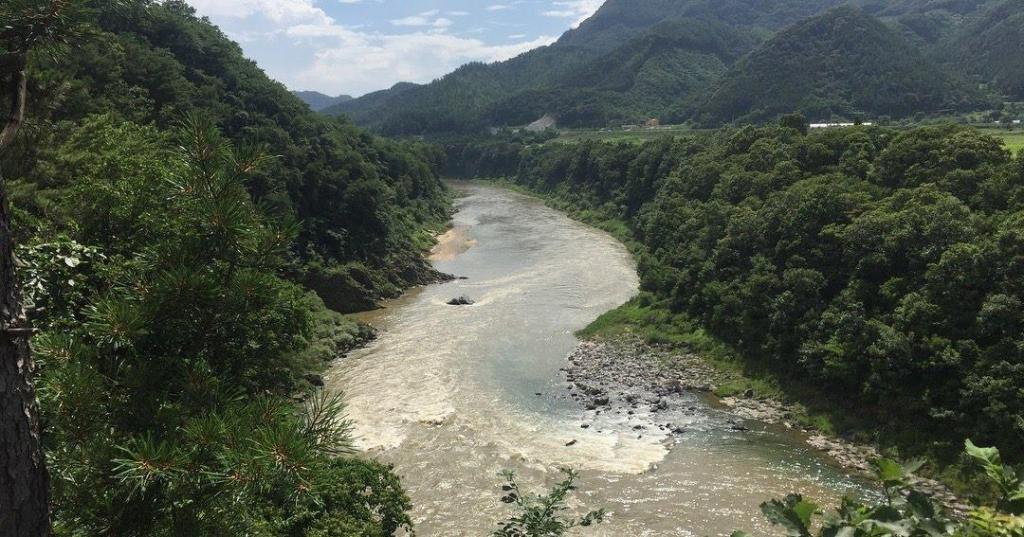
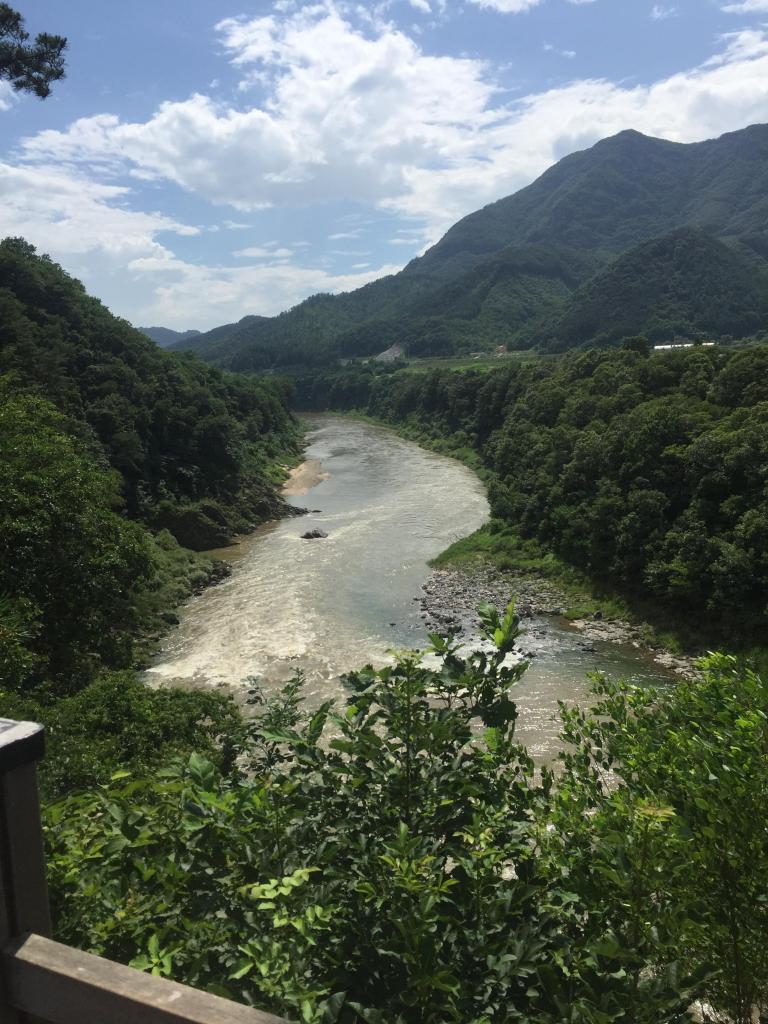
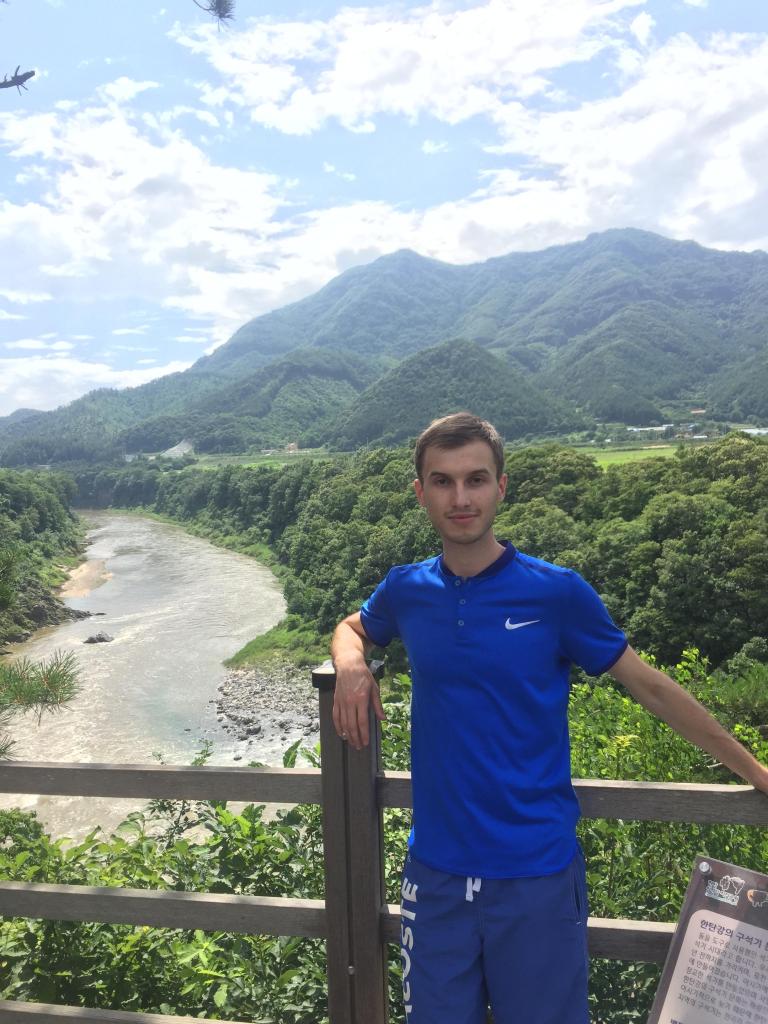
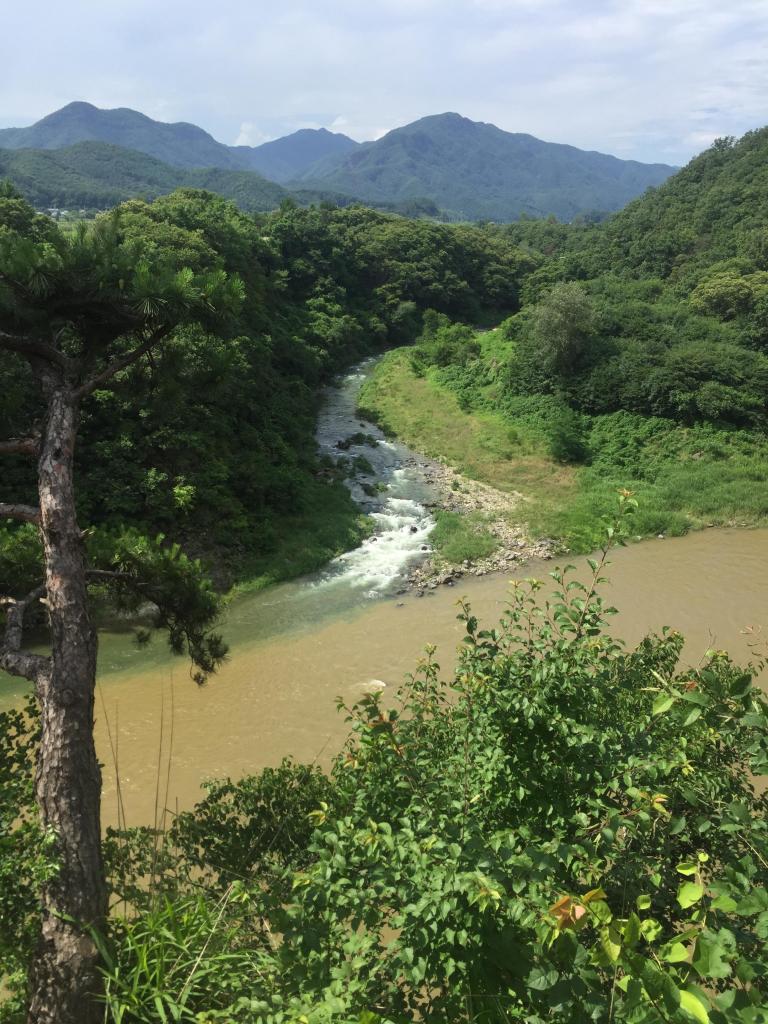
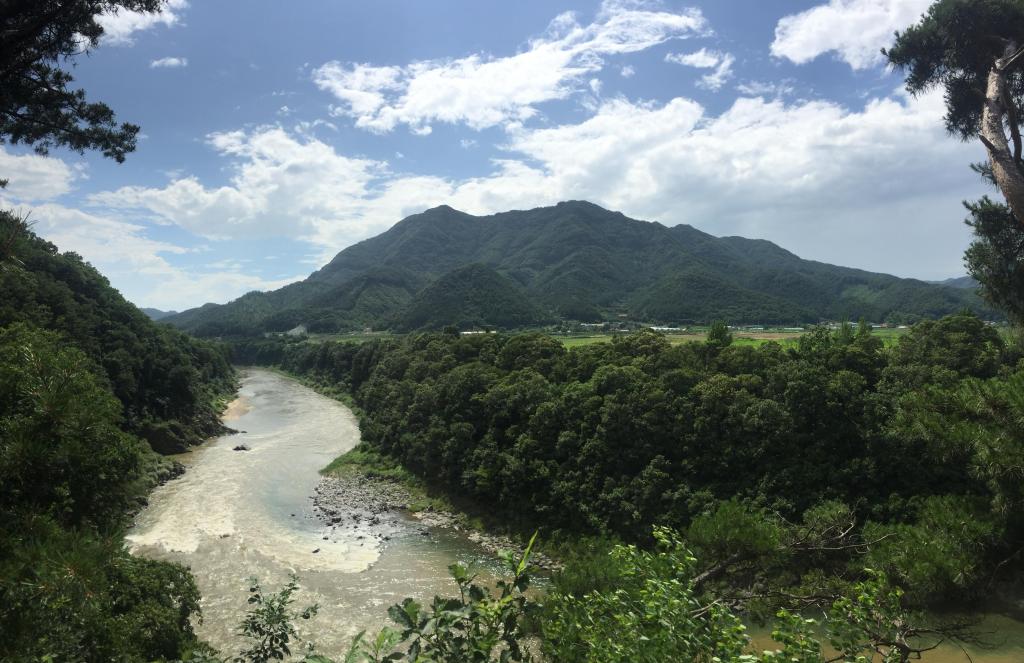
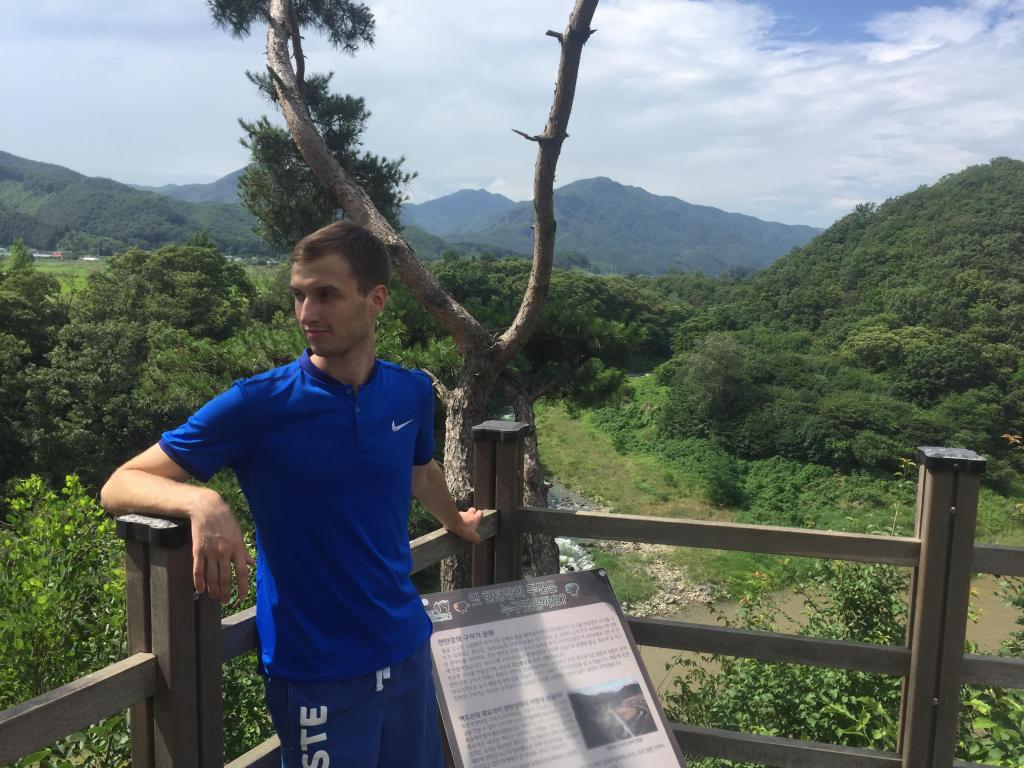
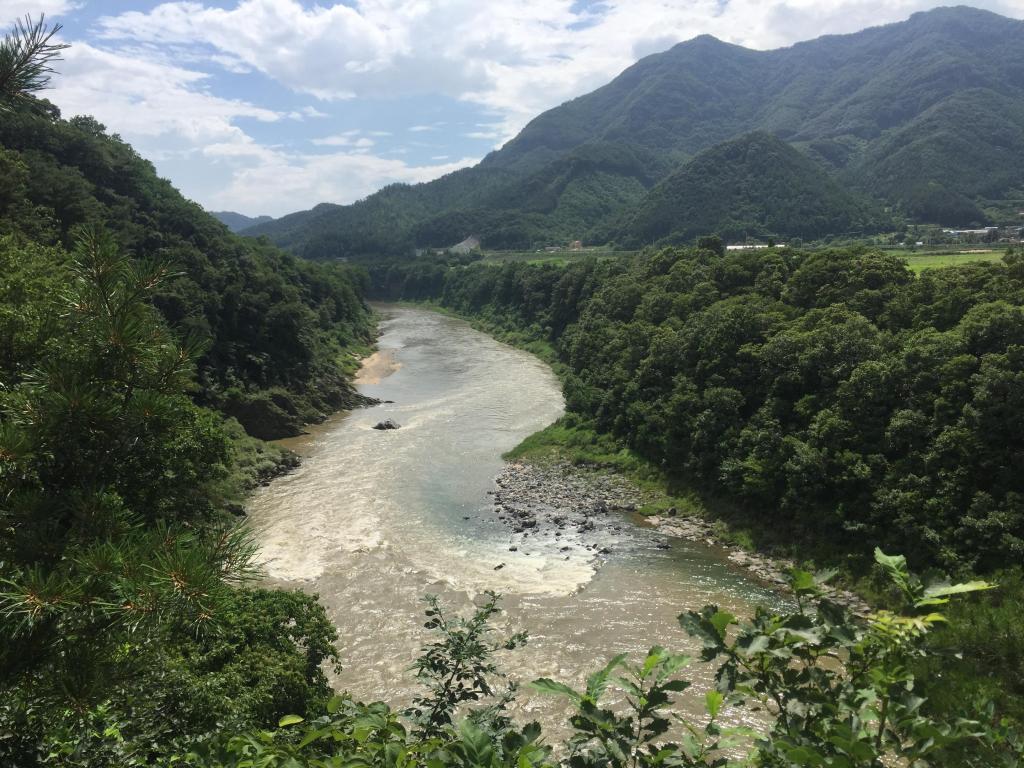
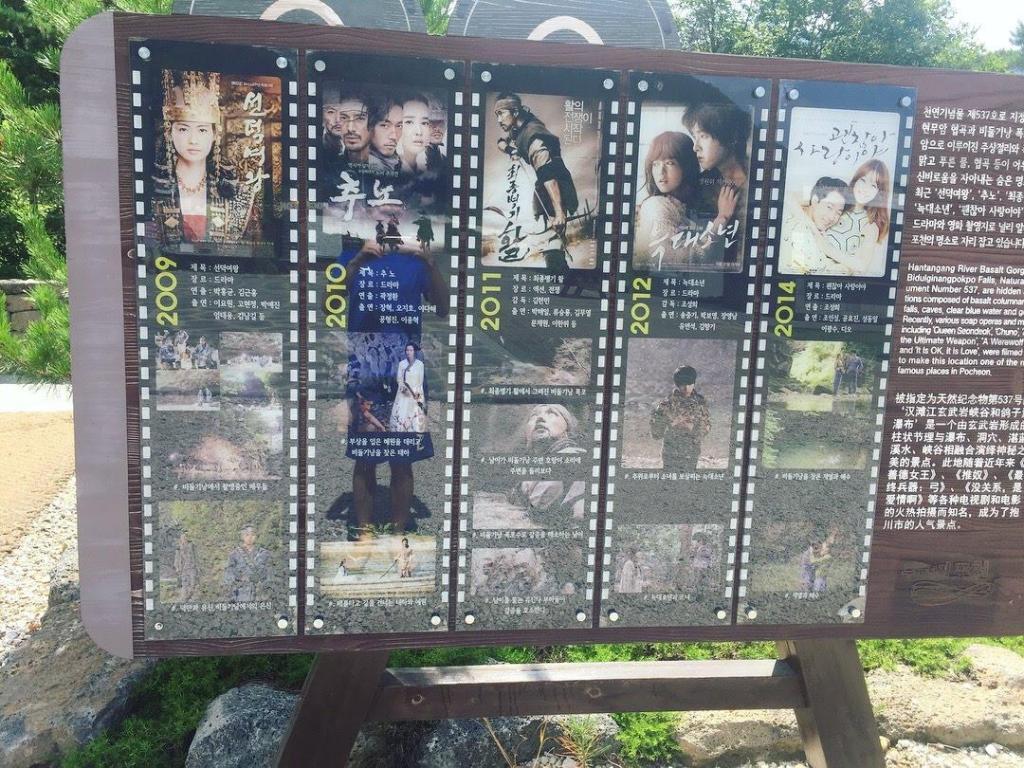
The beautiful scenes of this area used to be a scene for several movies.
Due to the specific landscape structure, the area provides information about the geological processes happened here.
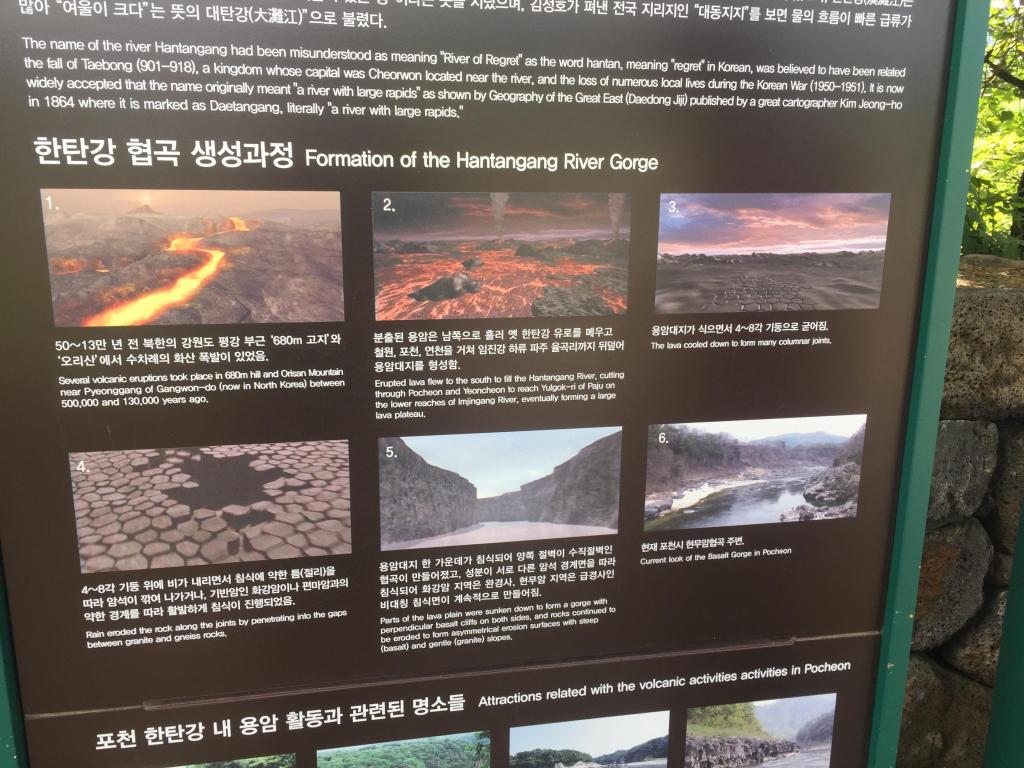
To continue the topic of relation of Koreans to heritage, I want to emphasize that Bidulginangpokpo Falls and Basalt Gorge along the Pocheon Hantangang River is designated as a natural monument #537, among all 559 monuments by February 3, 2020. So, besides the category “national treasures”, there is “natural monuments” too. For comparison, Wikipedia provides a list of over 2800 natural monuments in Ukraine (proportional to the areas of South Korea and Ukraine – 1/5).
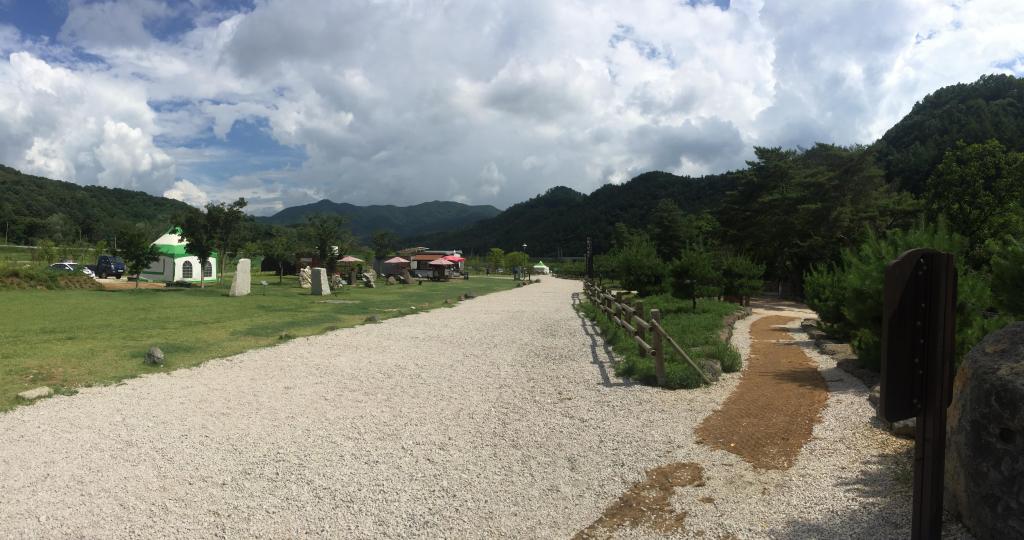
The Hantangang river falls into the Imjin river which falls into the Han river and then to the Yellow sea. But today I am not going to swim in the sea, there is another interesting place is waiting to be visited, up by the stream of the Hantangang.
Hantangang was called Hanyeoul, because of the big rapids on the stream. In old records Hanja was used, so the name of the river was written as Daetan 大灘, where dae 大 means big and tan 灘 means rapids (that is how Korean yeoul became tan). Later, this name was changed into Hantangang 漢灘江 which is used nowadays.
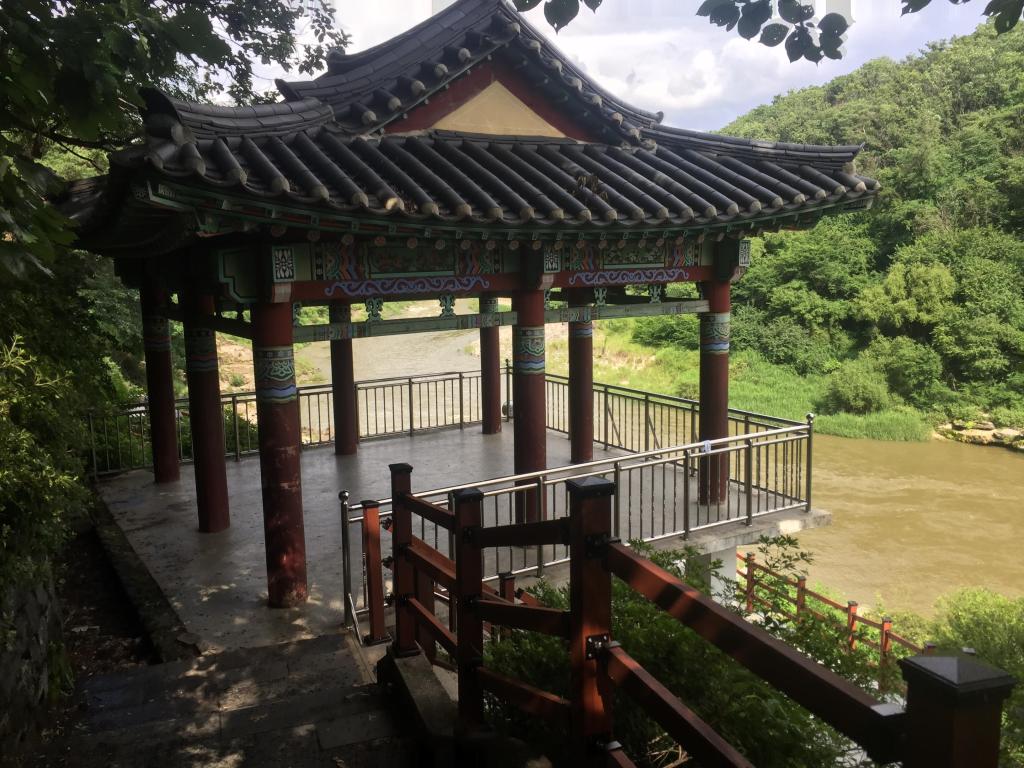
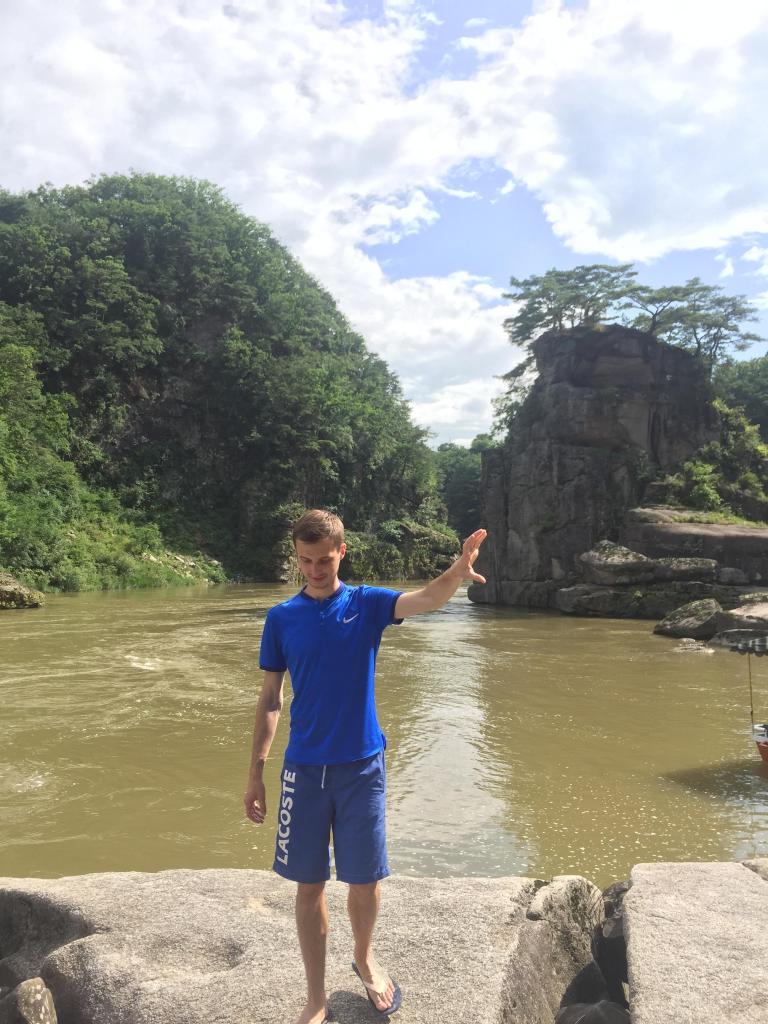
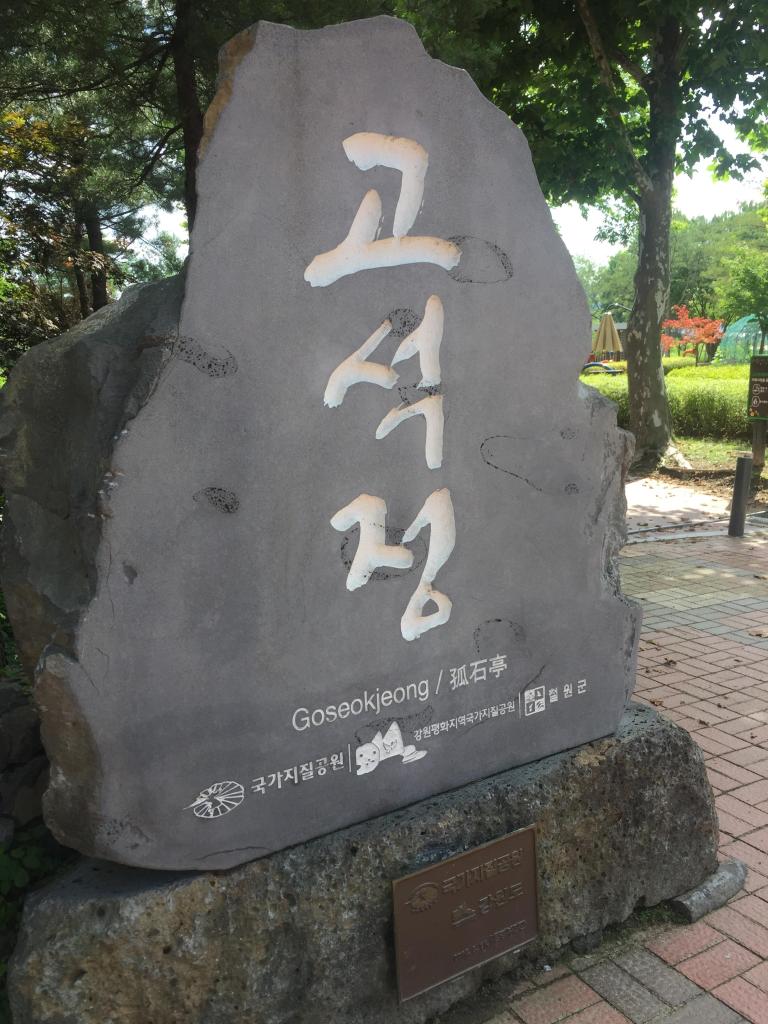
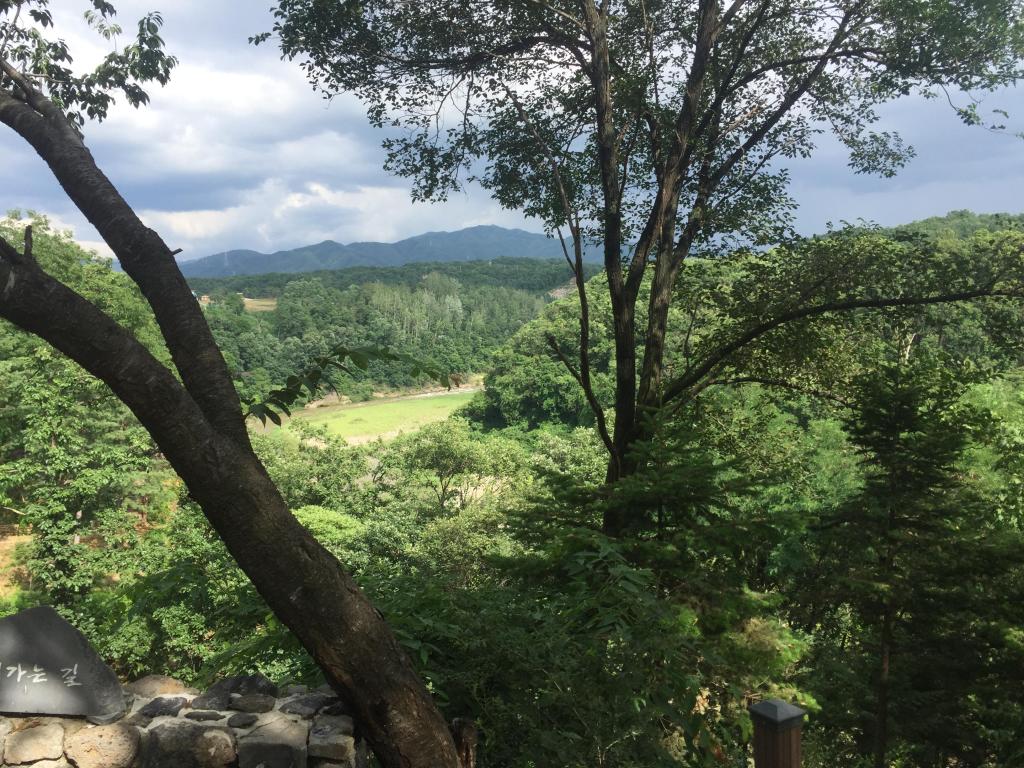
The next destination is Goseokjeong Pavilion in Cheorwon county. The name of the pavilion Goseokjeong 孤石亭 might be translated as a lonely stone pavilion. And that is why…
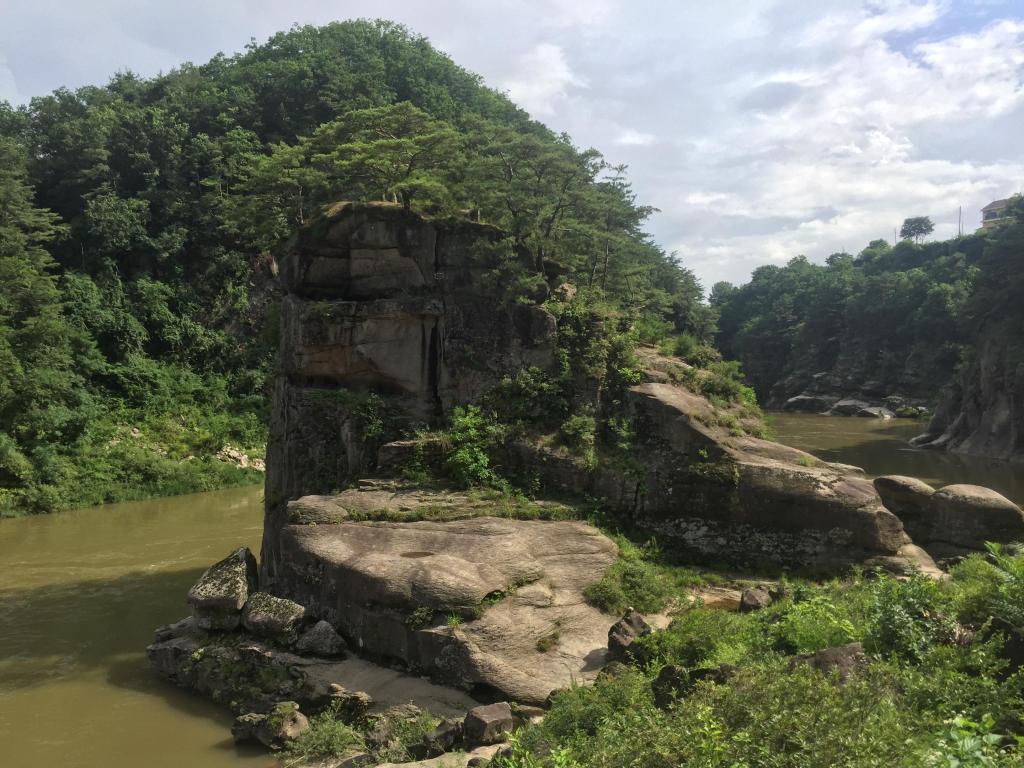
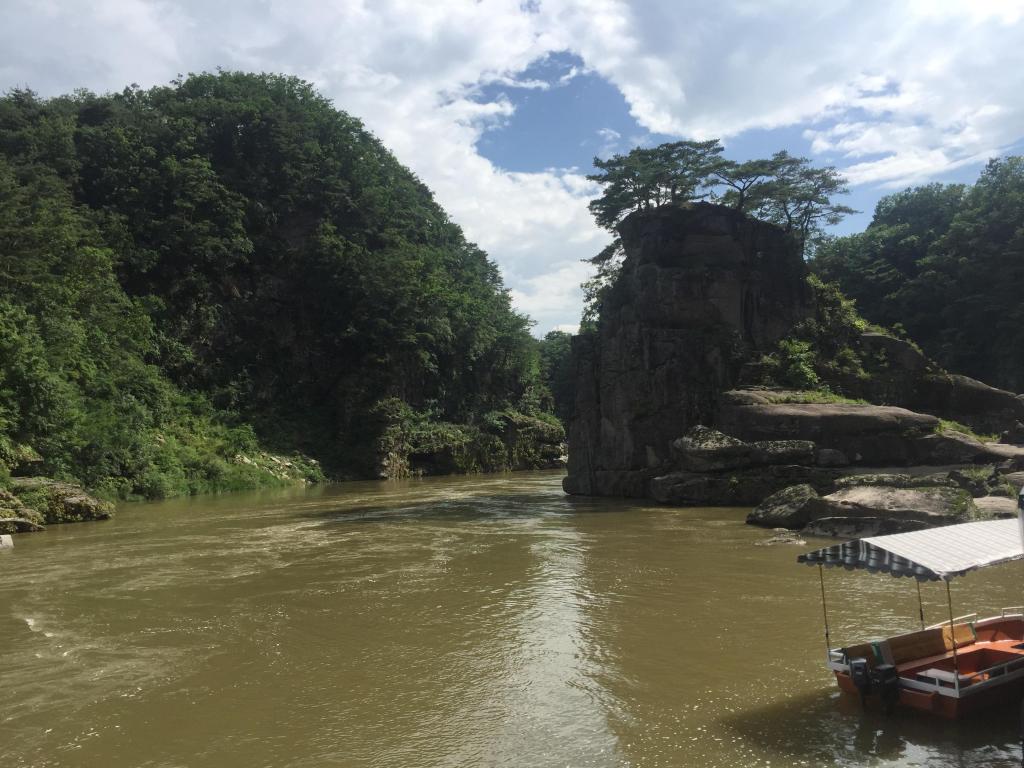
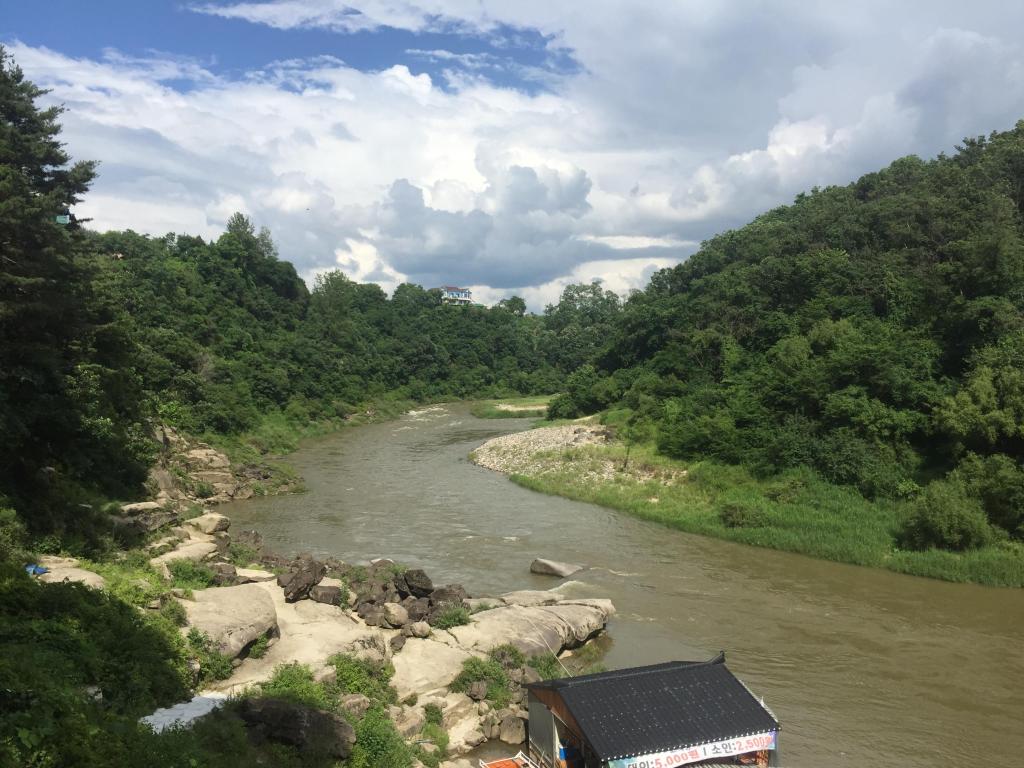
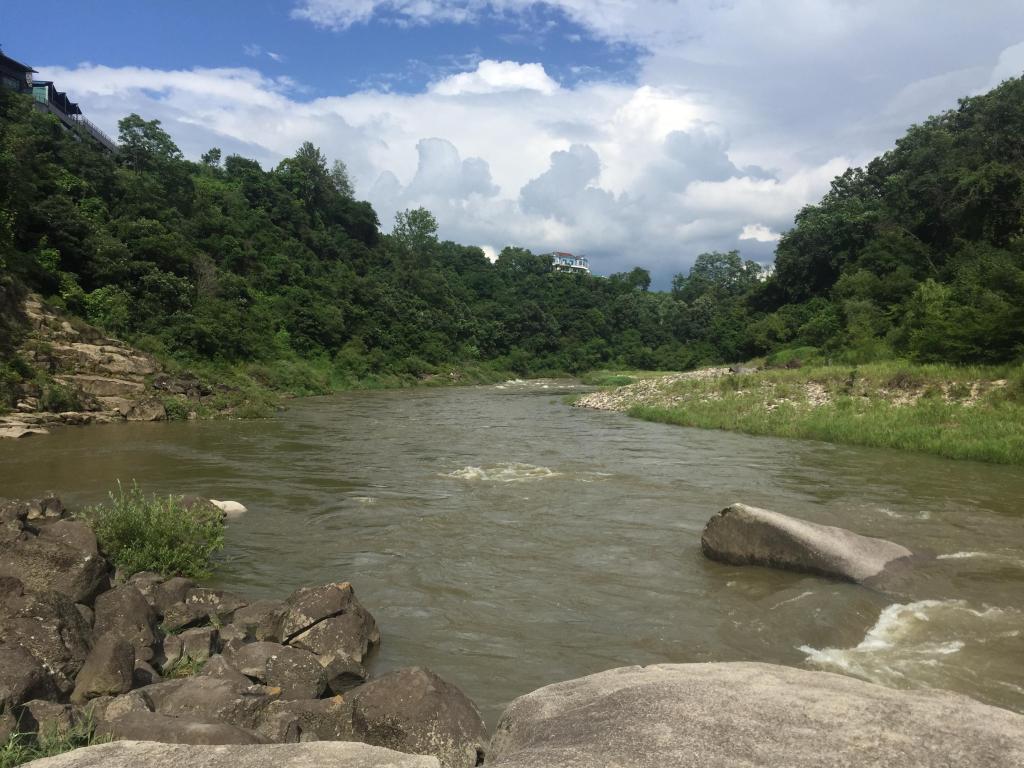
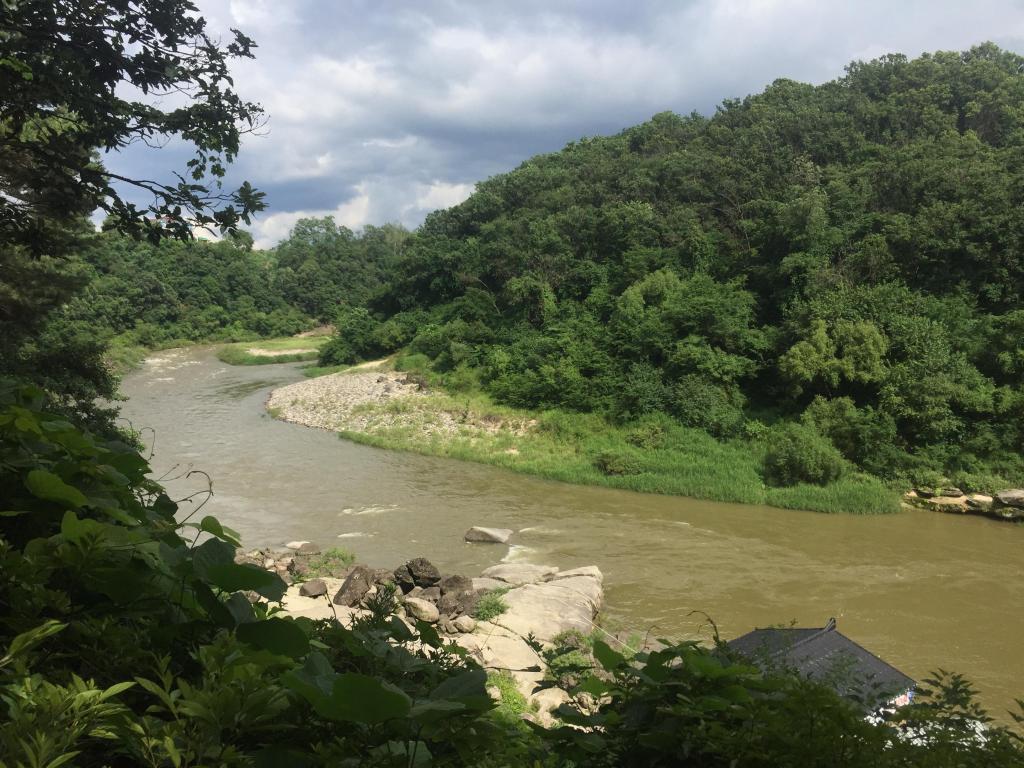
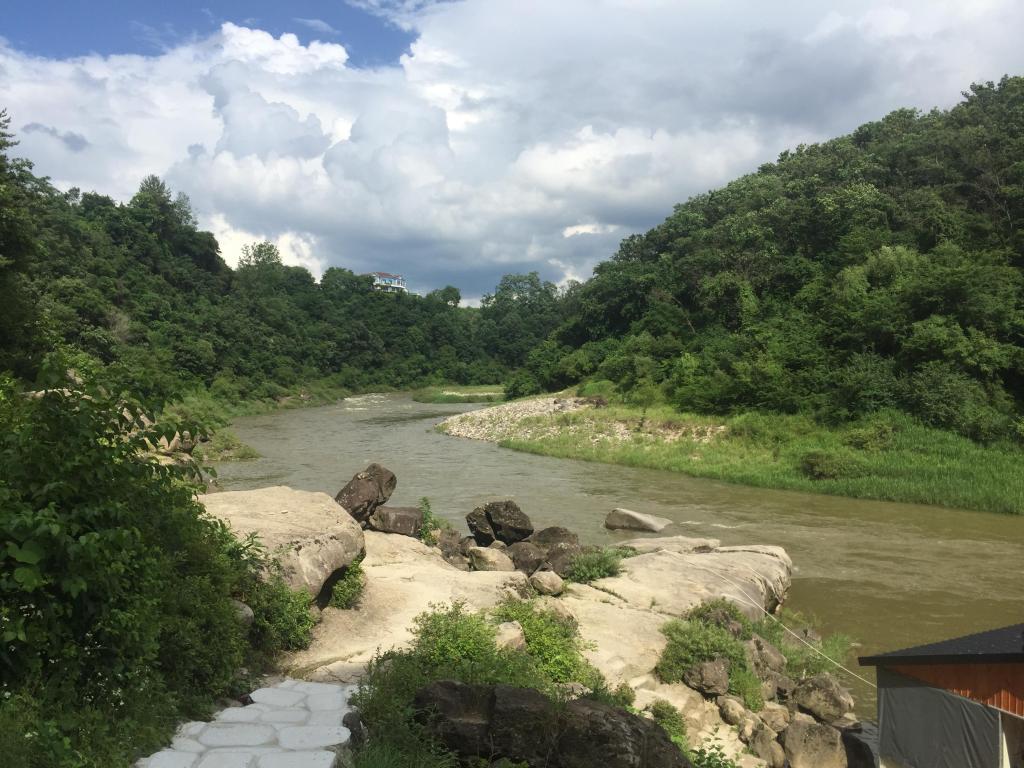
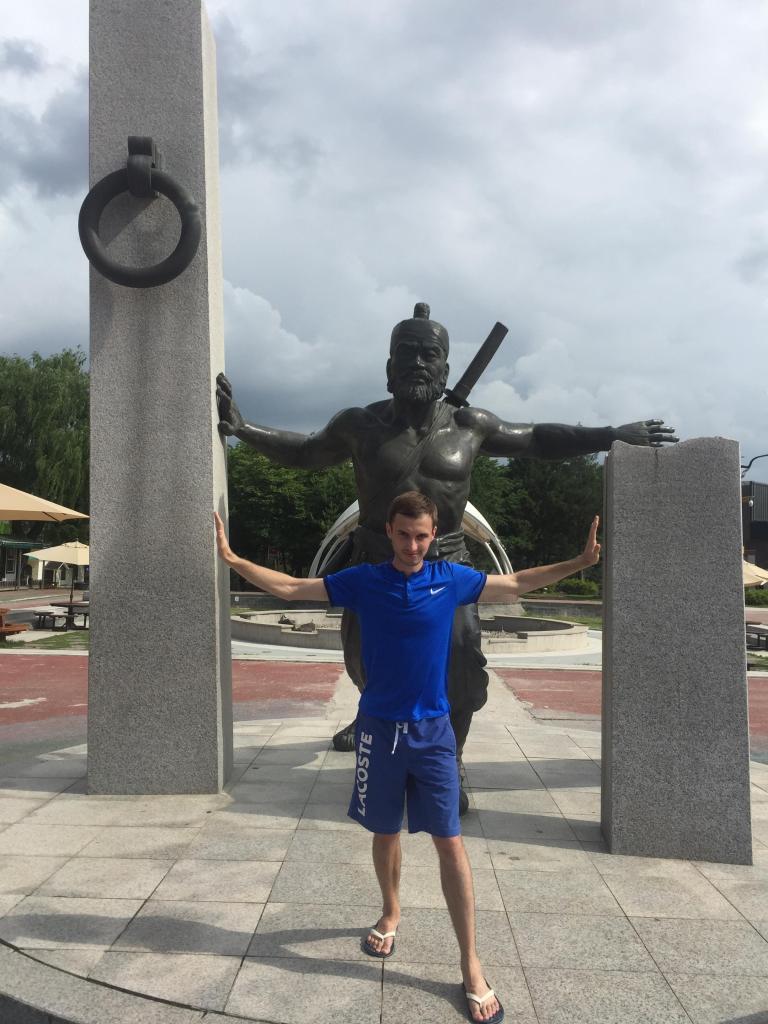
That is how my friend understands my phrase “photograph me holding the cliff”.
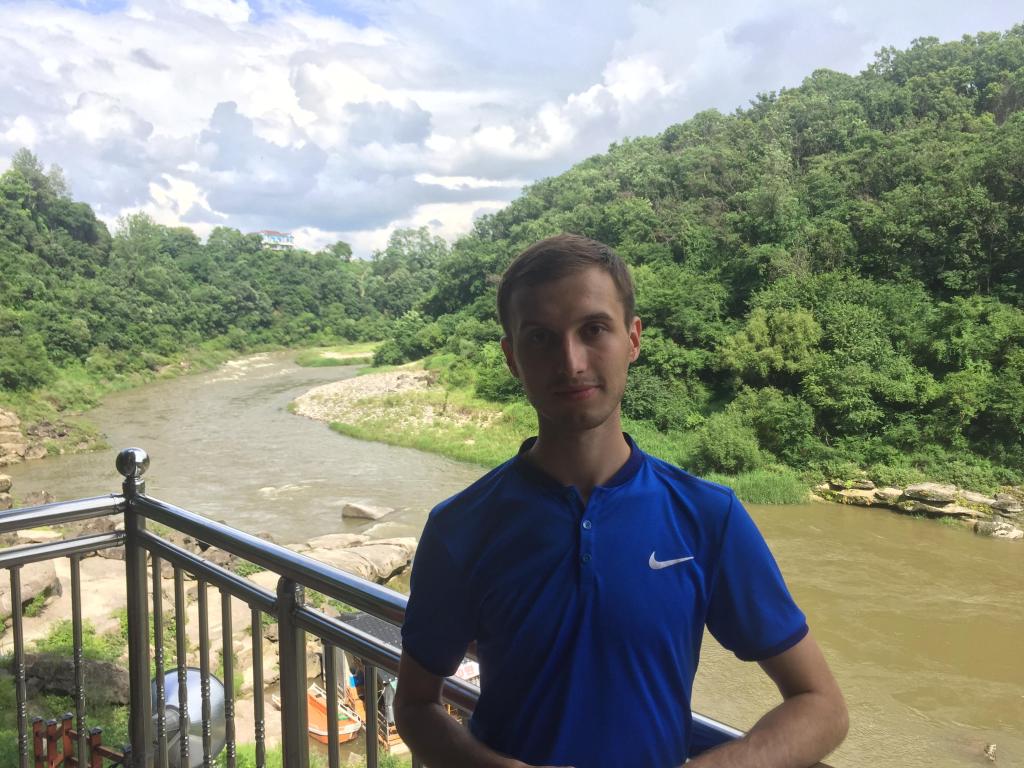
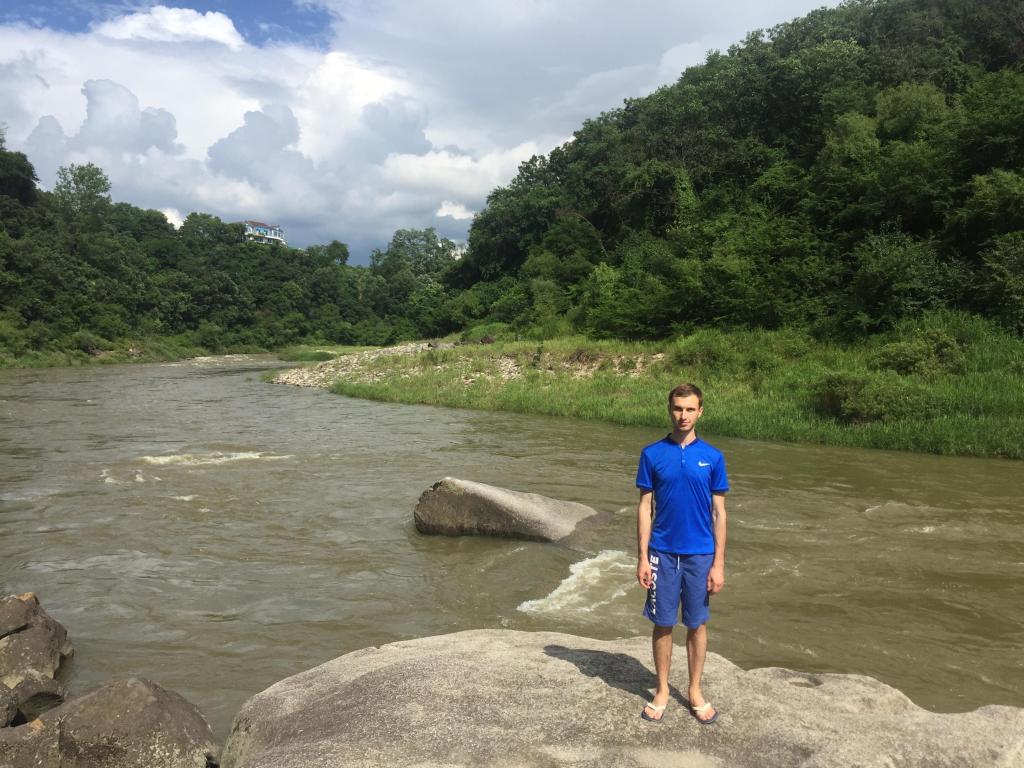
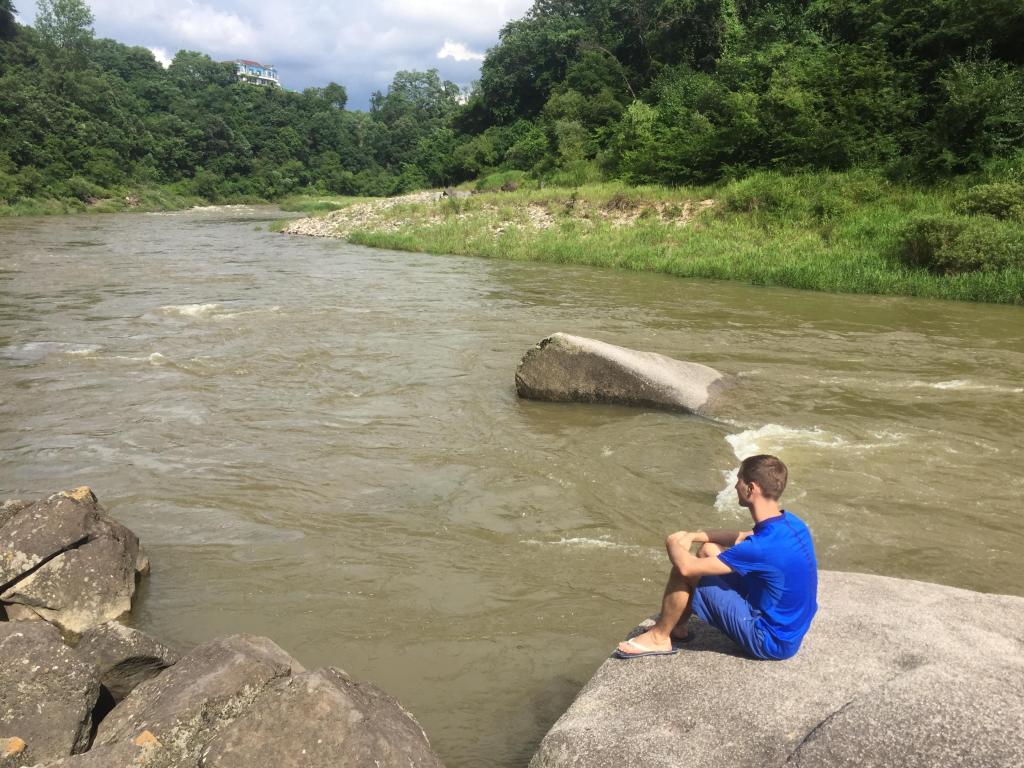
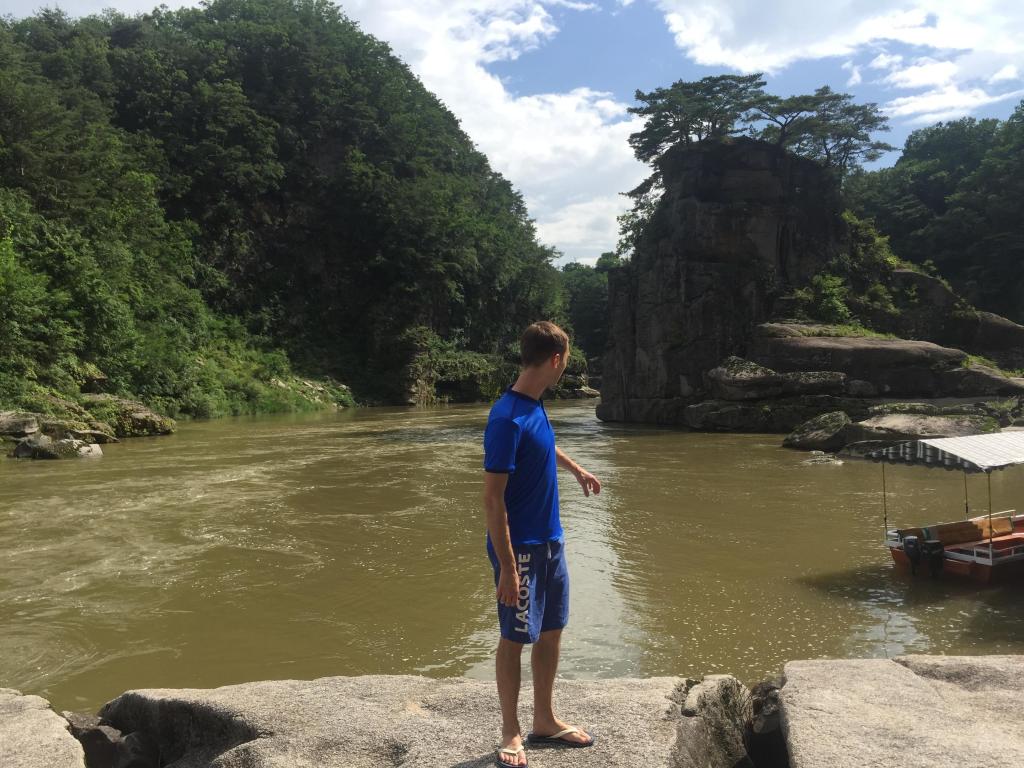
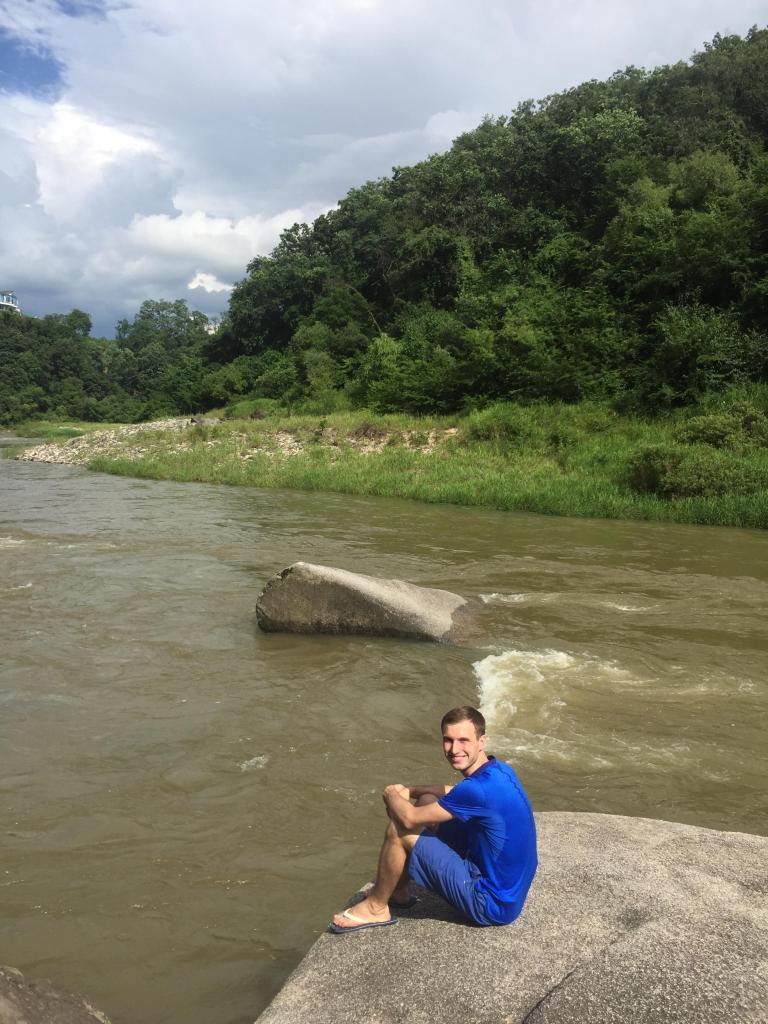
When I saw this stair I thought it is made to look like an ancient one. Actually, it is possible this stair is really ancient since although the exact date of the foundation is unknown there are records saying King Jinpyeong of the Silla Kingdom (579-632) and King Chungsook of the Goryeo Dynasty (1294-1339) stayed here.
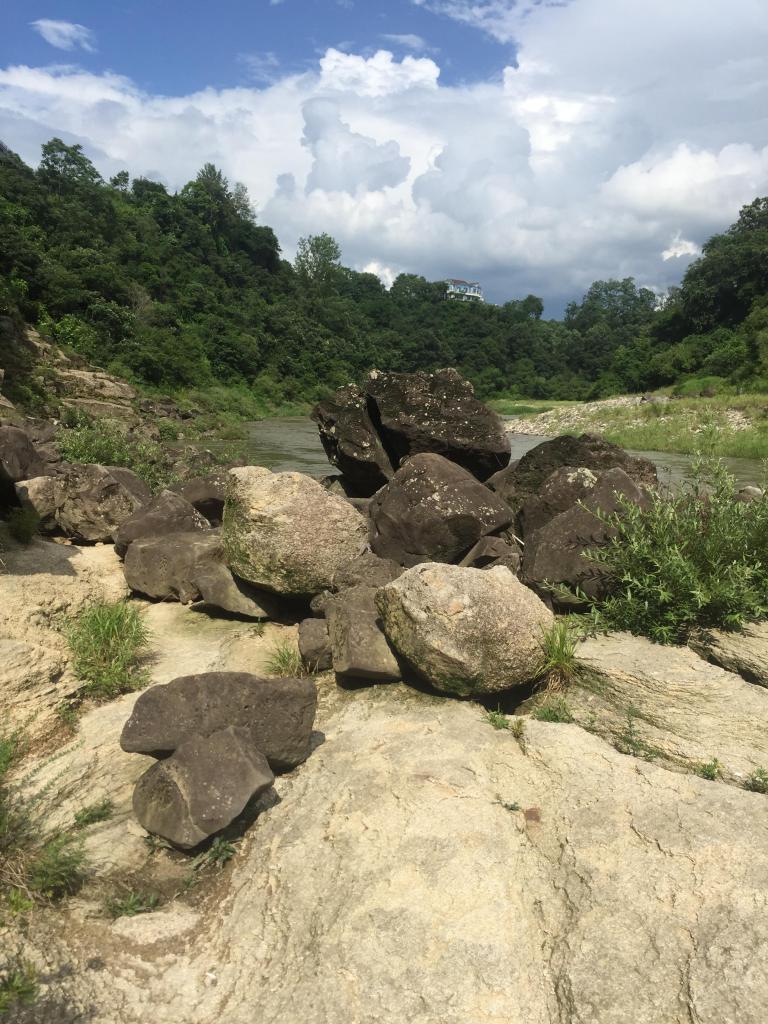
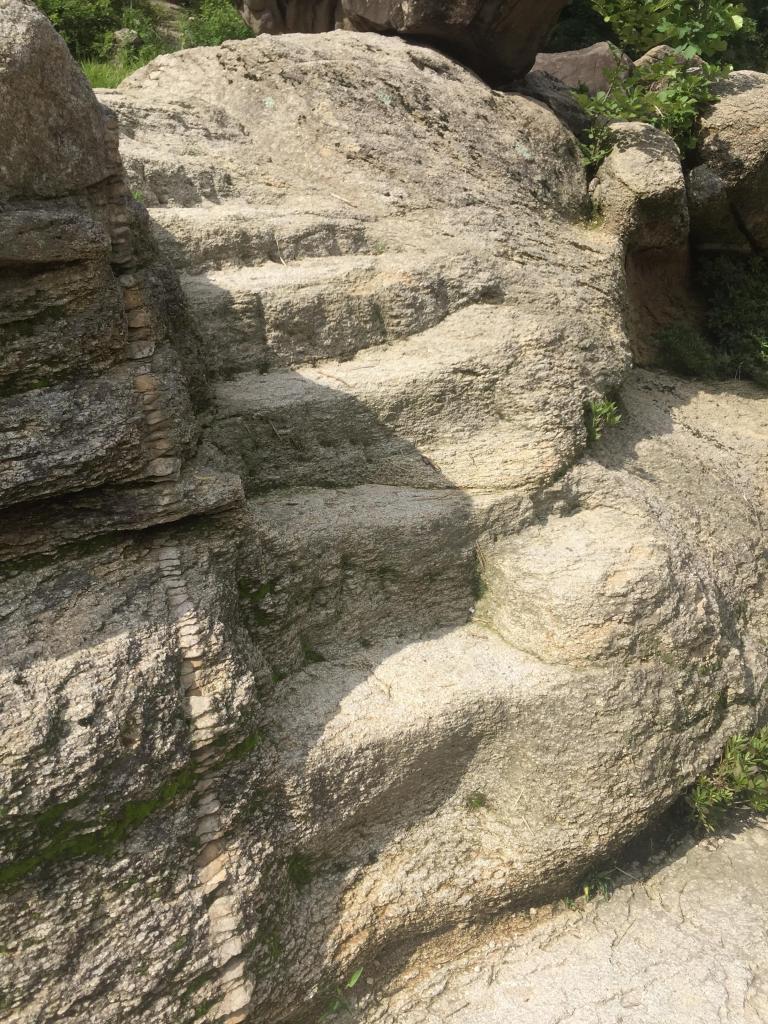
This place also used to be a scene where actions of some legends and poems were going on. One of those is a story of Im Kkeokjeong. Being a son of a man of humble origin, even though he had good personal skills, he was not able to get a better position in society, so, he become a thief. Once, he looted a tribute paid by King Jeongjo in Hamkyong Province, which was a source of concern for the country. When the government forces came to catch him, Im was in a rock-wall cave near Goseokjeong, and turned into a fish called Kkeokji and hid in the Hantan River. That is why Im Keokjeong 林巨正 was called Im Kkokjeong 林巪正.
Jeong Seongho, a realist in the late Joseon Dynasty, picked Im Kkeokjeong as one of the three major thieves of Joseon. However, Jeong notes, probably these people were not bandits but just farmers who resisted the selfish governers.
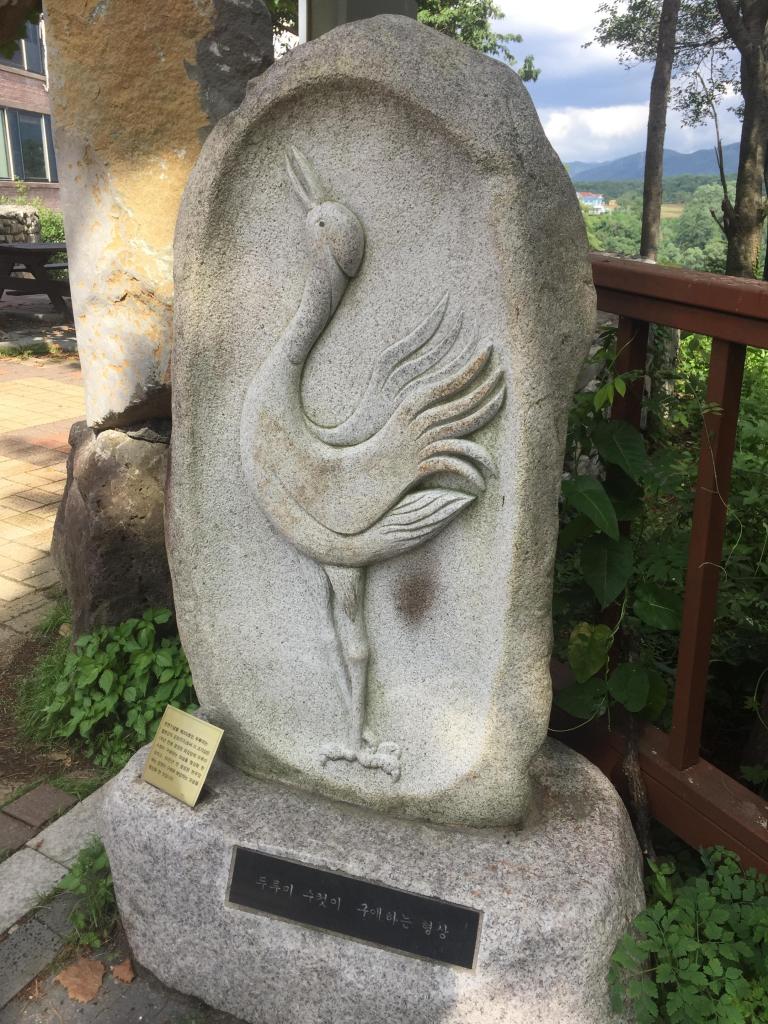
I noticed a few sculptures cranes. So, what special about the cranes? Durumi, or red-crowned crane, is a natural monument #202 in South Korea. There are only about 1,700-2,200 individuals surviving around the world. Cheorwon is one of the largest wintering places of the cranes in South Korea, so, they can be found on the Hantangang.
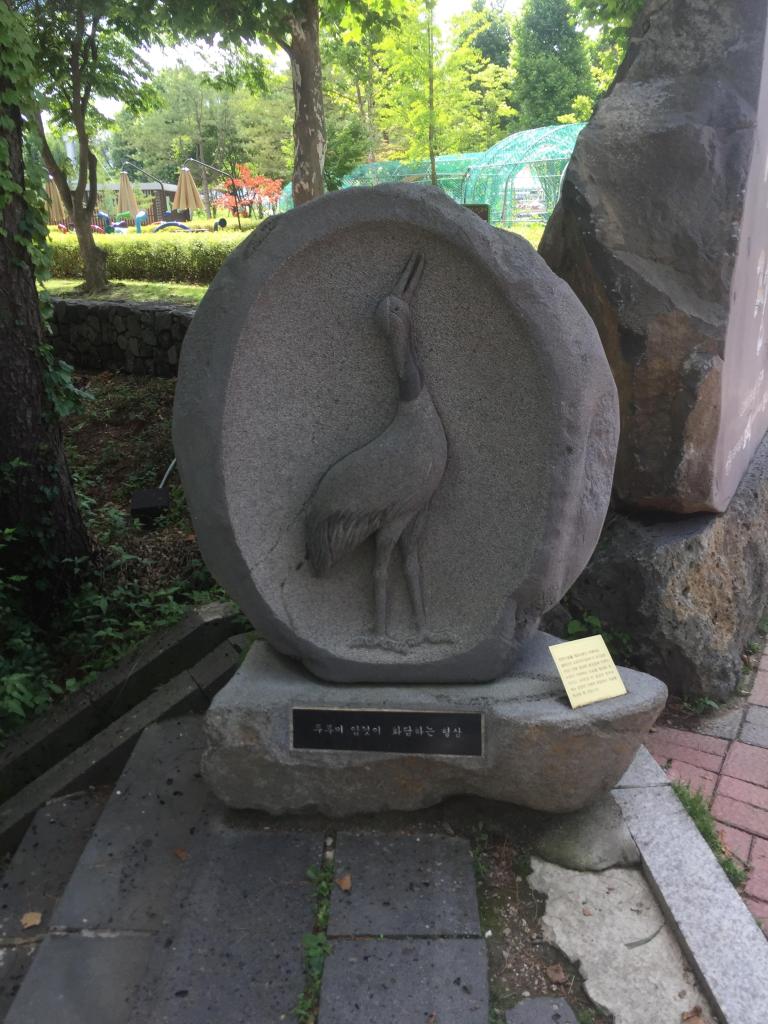
The length of the river is 137 km, and there are many touristic attractions along the river. But the river is known not only by its beauty.
Hantaan virus extracted from mouse lungs was named after Hantangang, where the mouse was caught. I saw the photograph of the scientist who extracted the virus, Lee Ho Wang, and plenty of rodents at the Freedom Protection Peace Museum at Dongducheon. But how is it related to the Korean War?
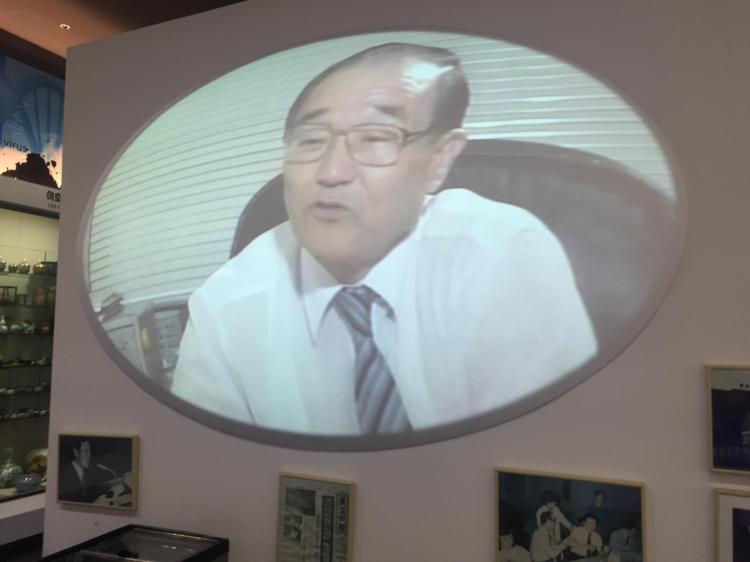
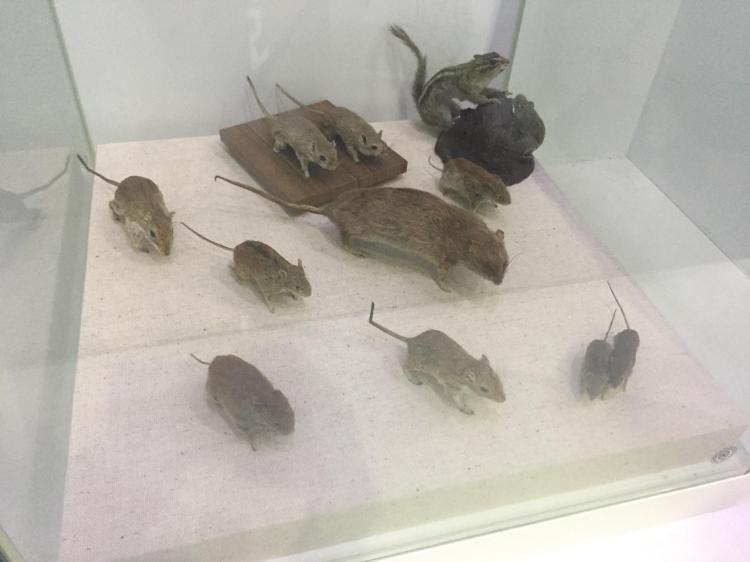
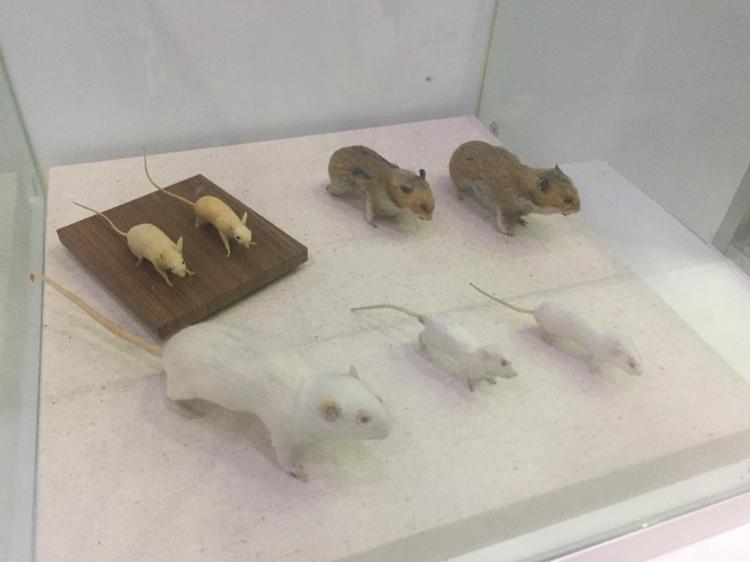
During the Korean War, more than 3000 American and Korean troops fell ill with renal failure, haemorrhage, and shock, the cause was discovered in 1976 thanks to developments of the virologist Lee Ho Wang. The virus transmits from mice to people via urine or faeces, that is why the cleanness is important on kitchens, which is a warning for Ukrainian restaurants, you should boil mice well.
Not far from Goseokjeong pavilion, a small river Daegyojeon falls into Hantangang. Up by the stream of Daegyojean there is Dopiansa temple.
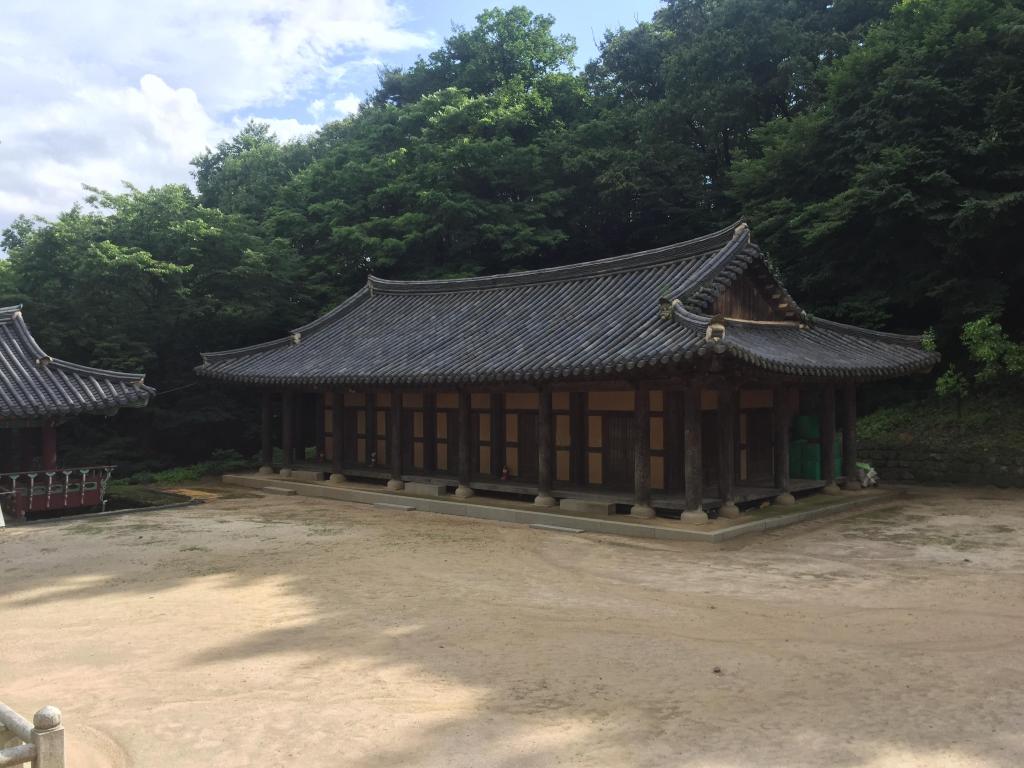
The Dopiansa 倒彼岸寺 temple was built in 865, during Unified Silla.
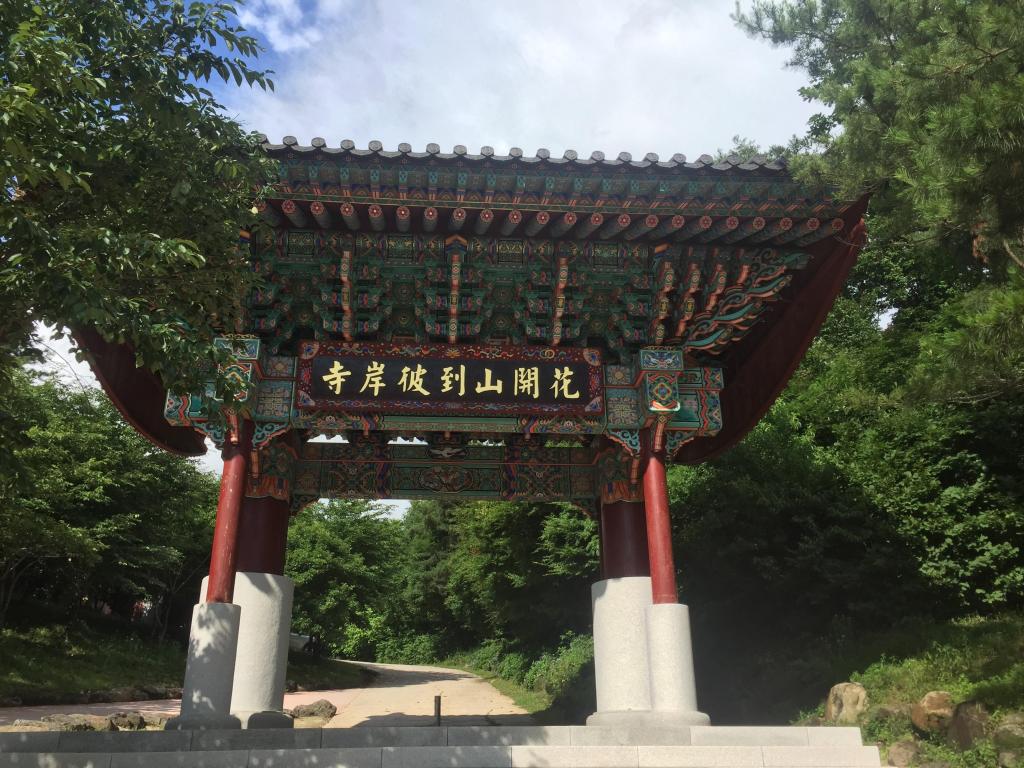
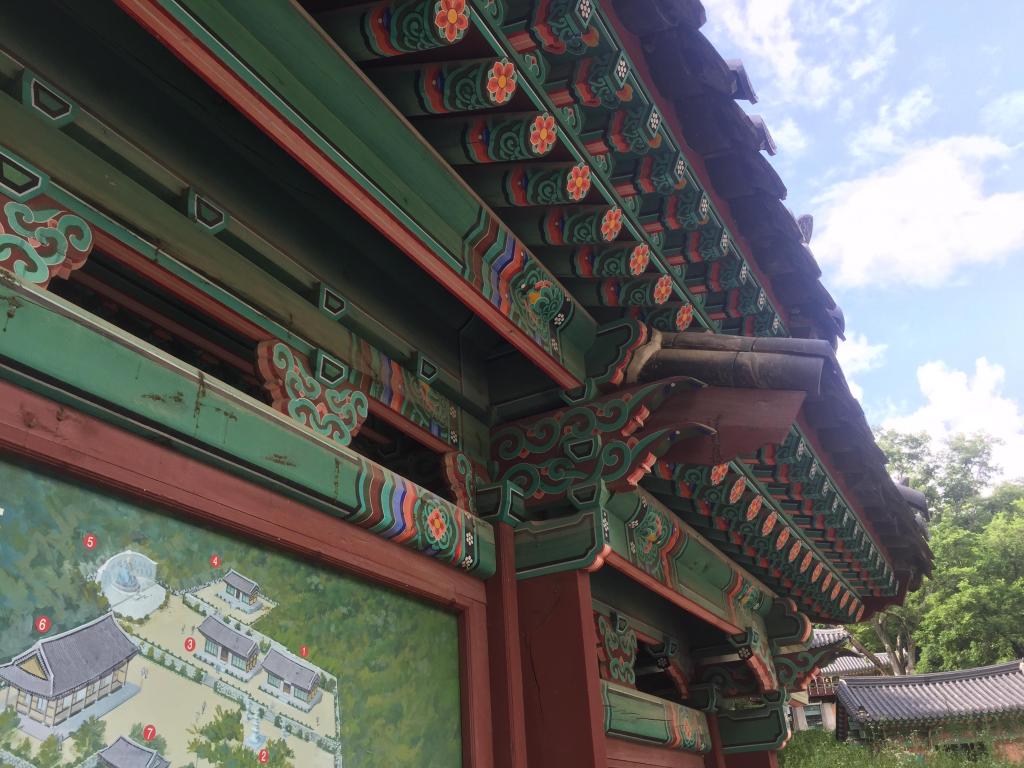
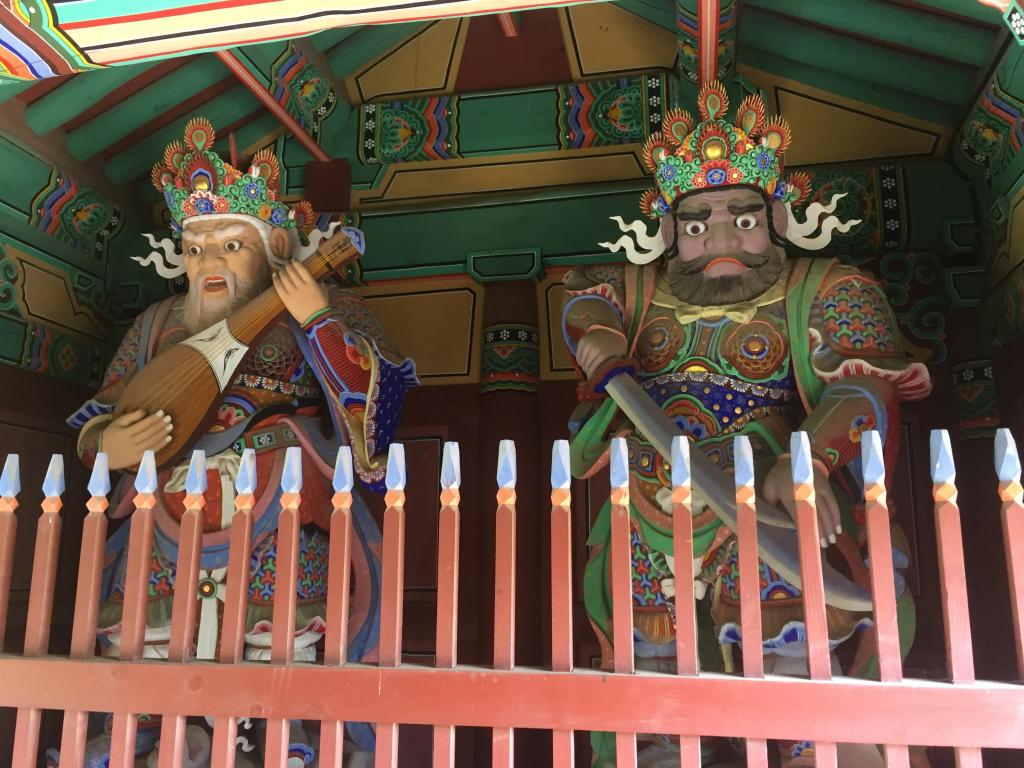
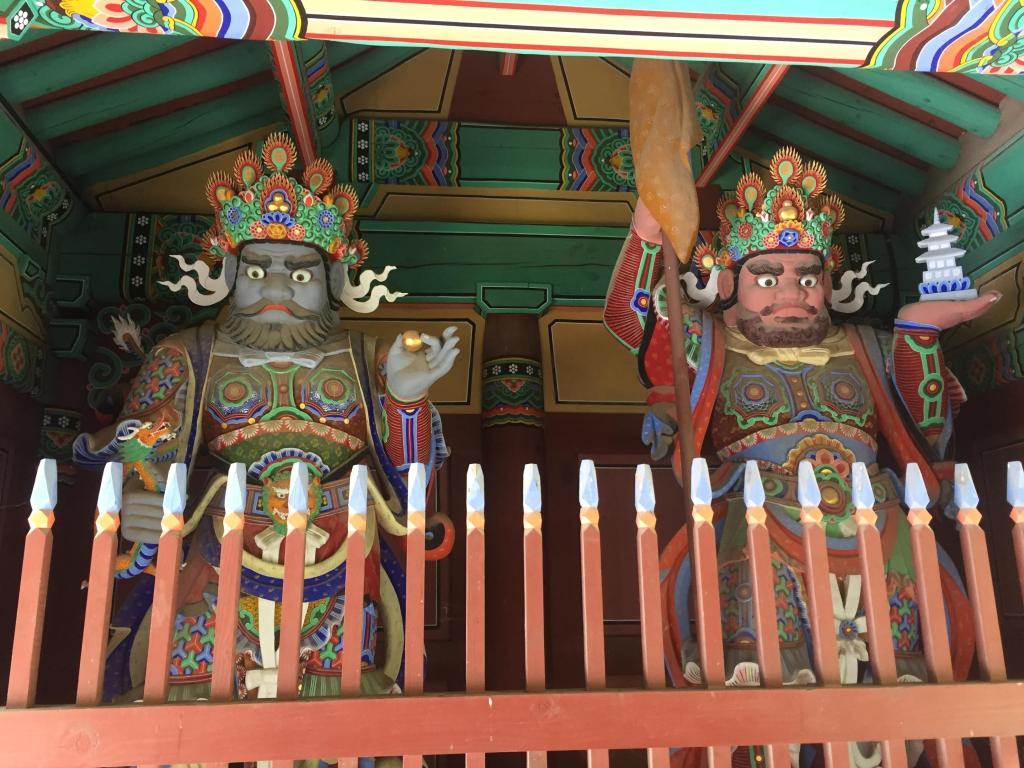
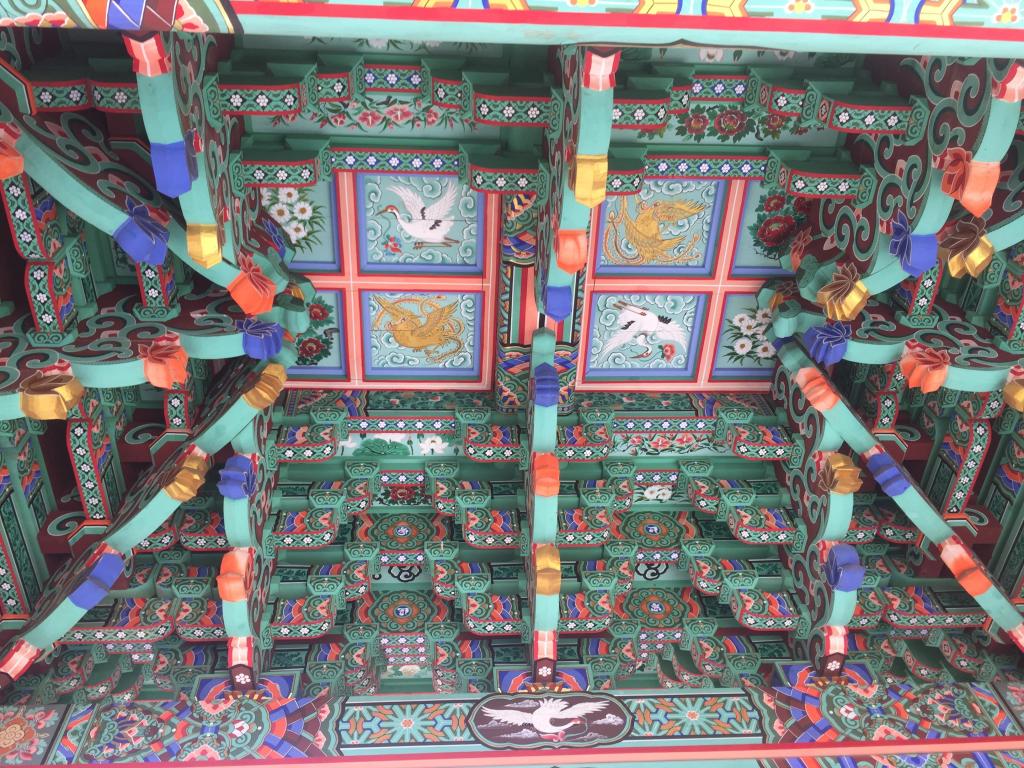
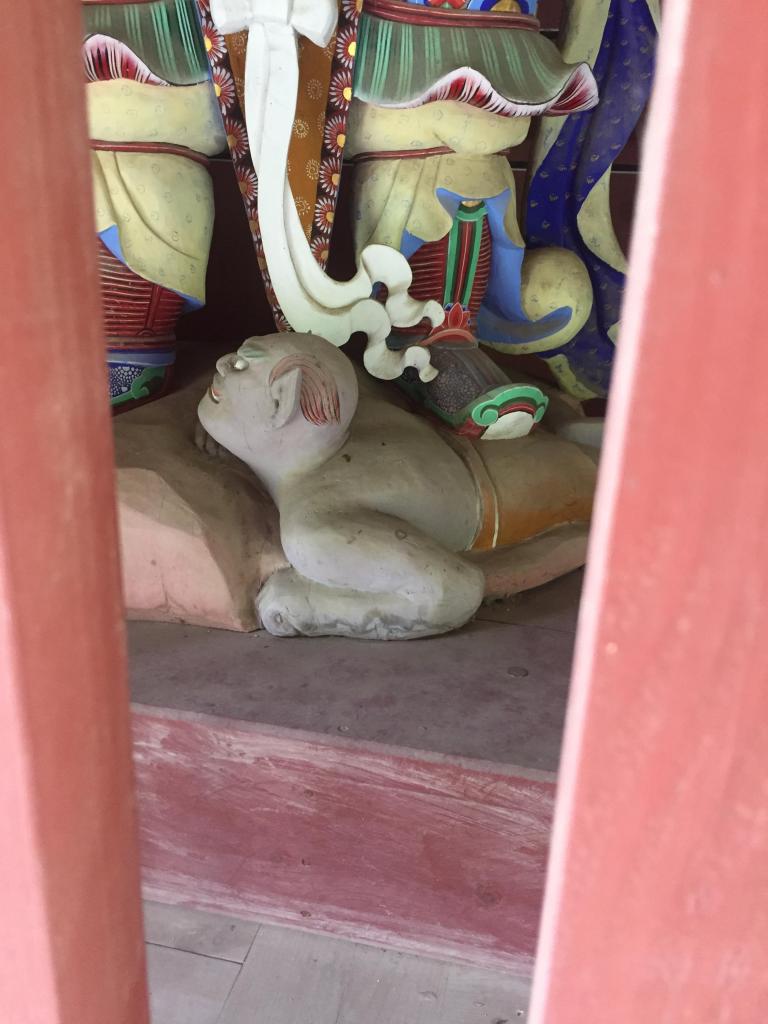
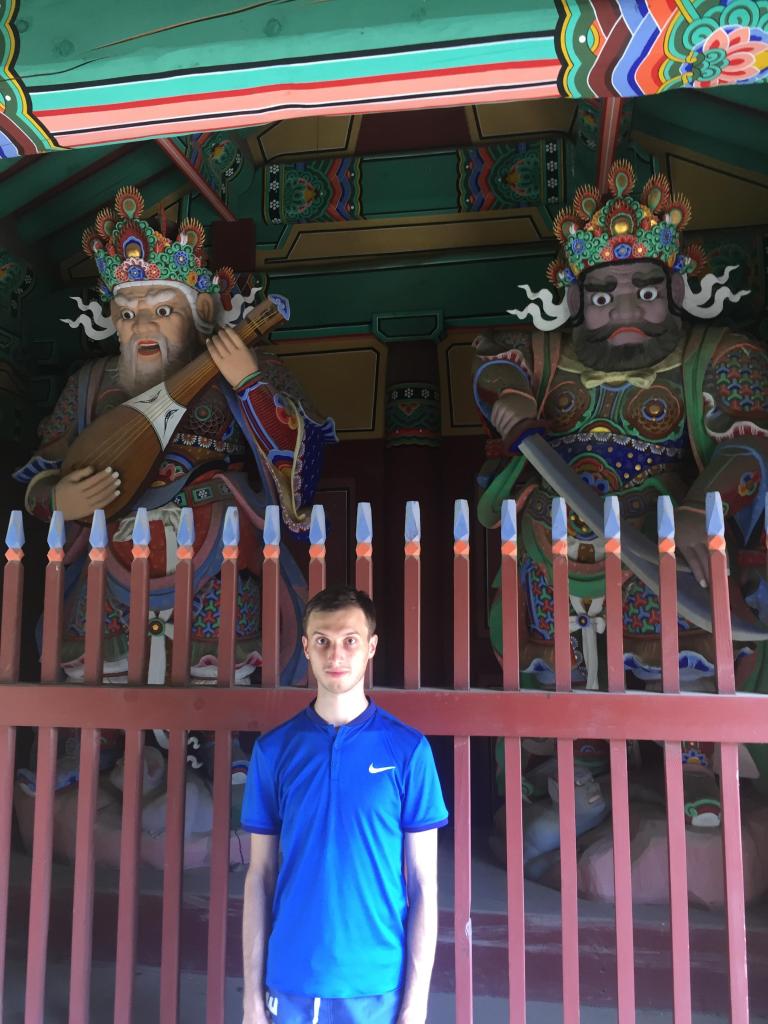
A monk Doseon (826-898) made an iron statue of Buddha statue and decided to bring it to Anyang, located in Yuli-ri, Cheorwon-eup. On the way, while the monk rested for a while, the Buddha statue suddenly disappeared. After searching it for a while, the monk found the statue in the nearby area. He understood that the statue found a proper place to be enshrined and decided to build a hermitage there. The statue found its paramita (or nirvana, heaven) – pian 彼岸, that is why the temple is called Dopiansa 倒彼岸寺.
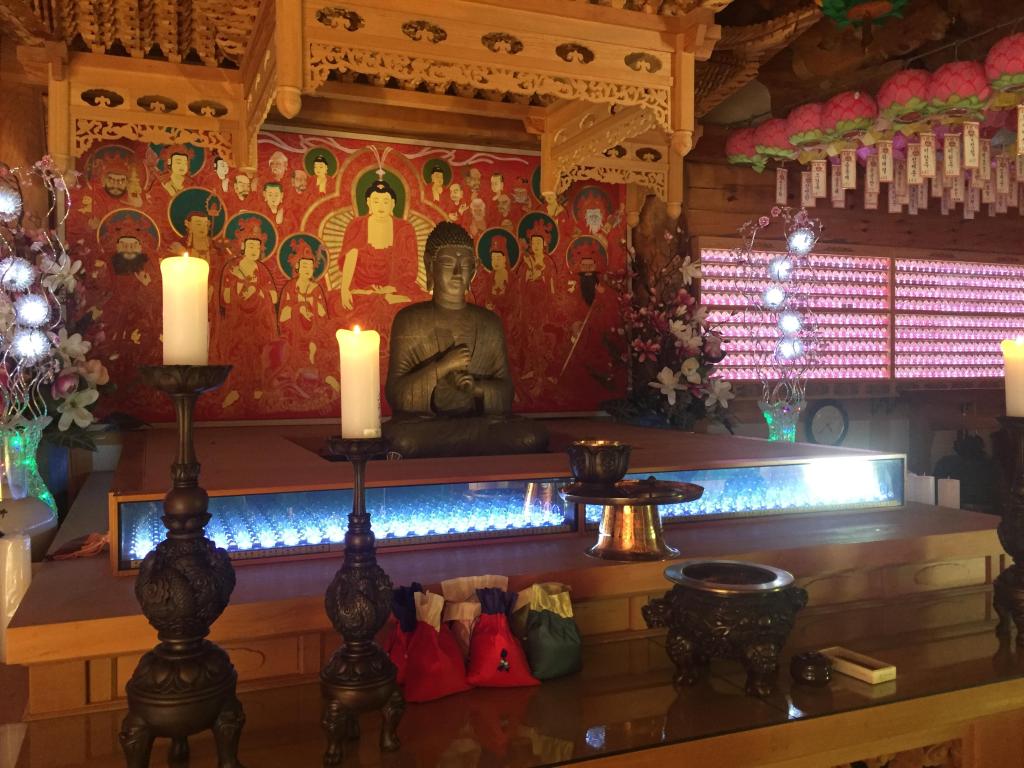
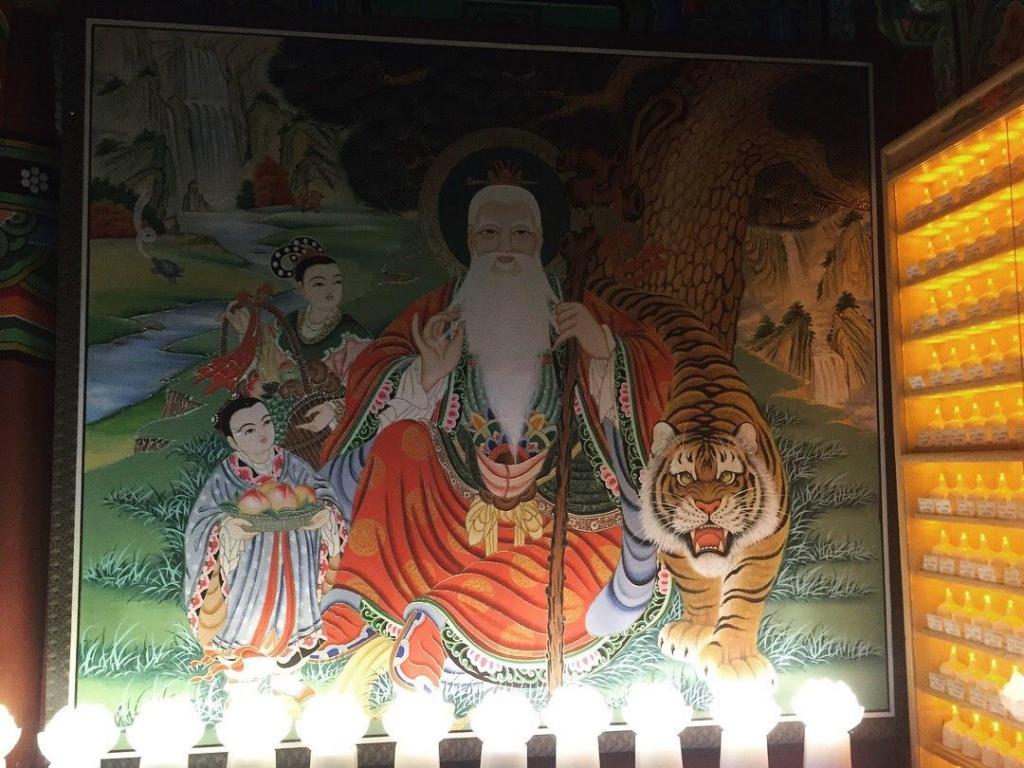
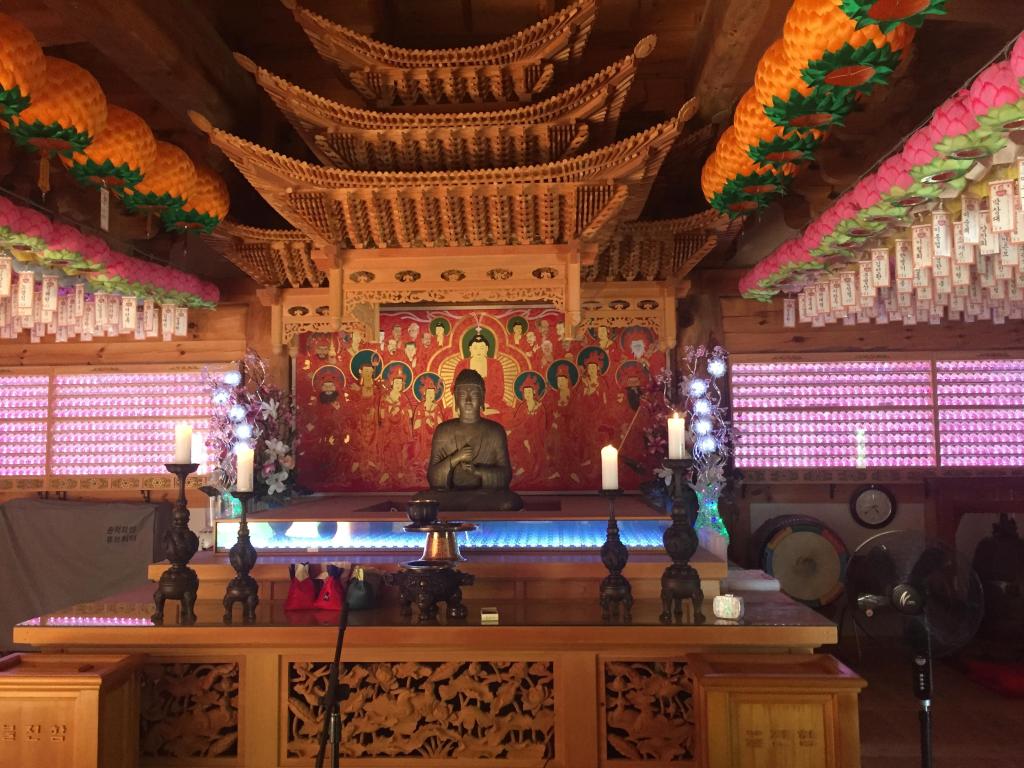
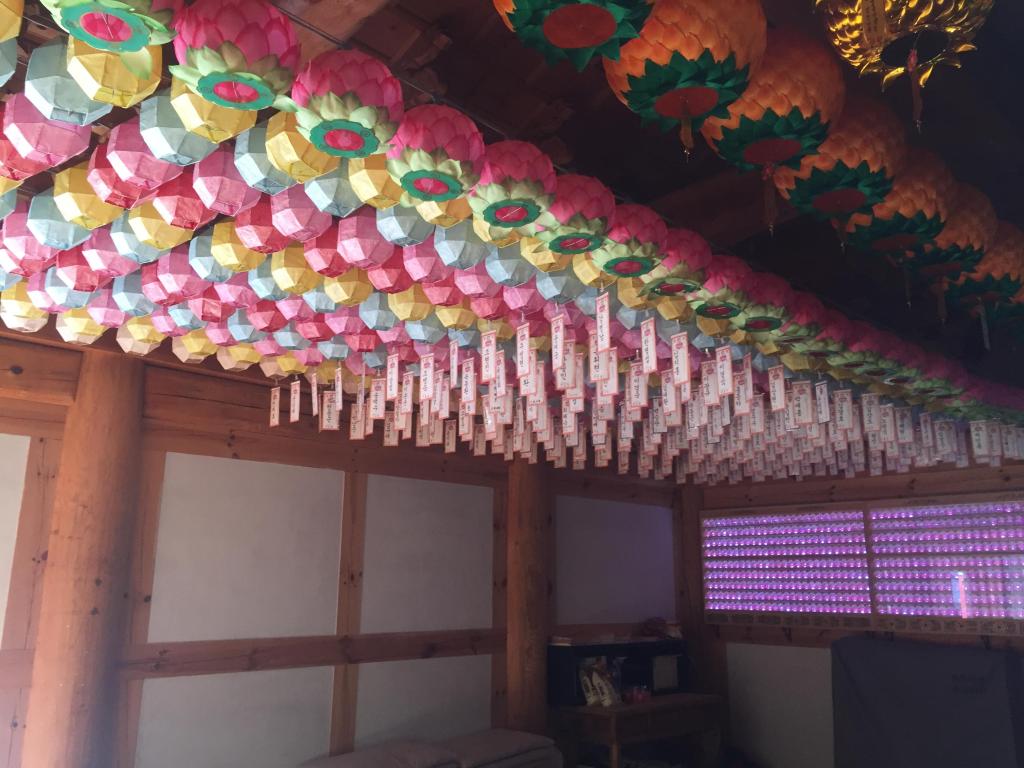
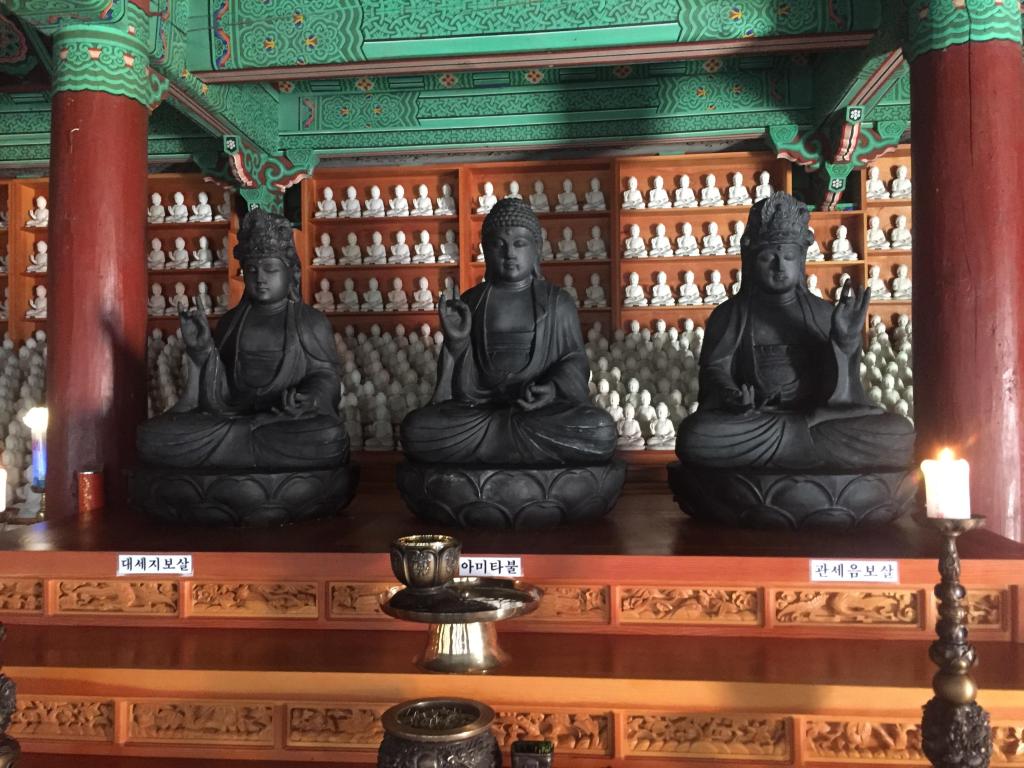
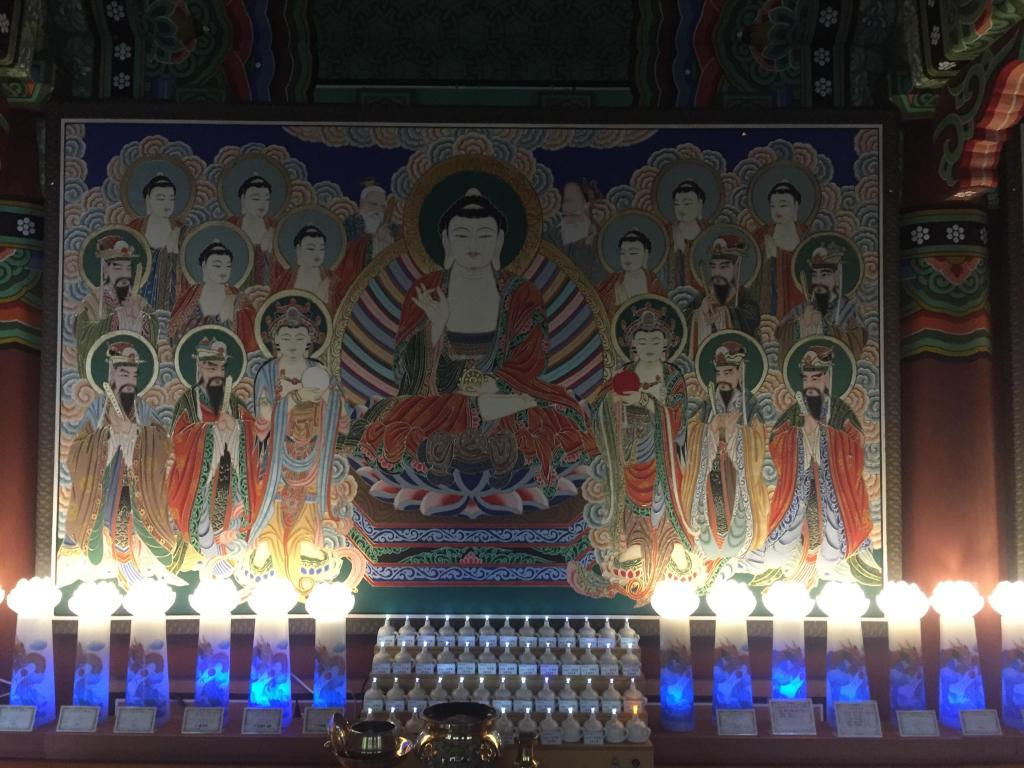
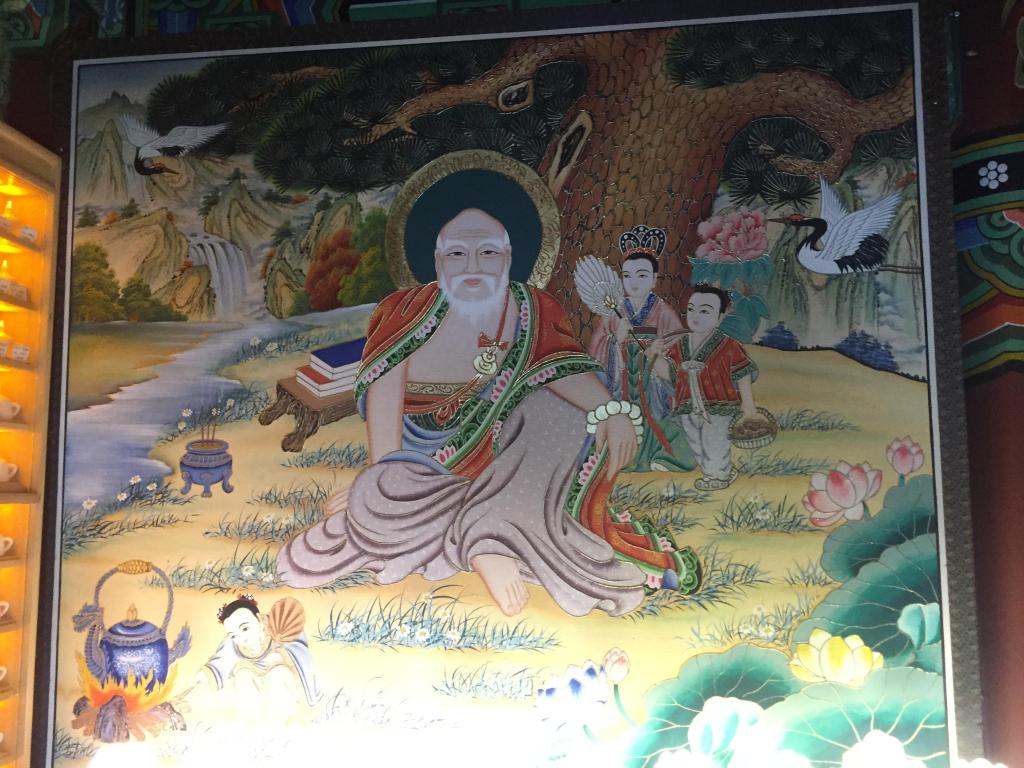
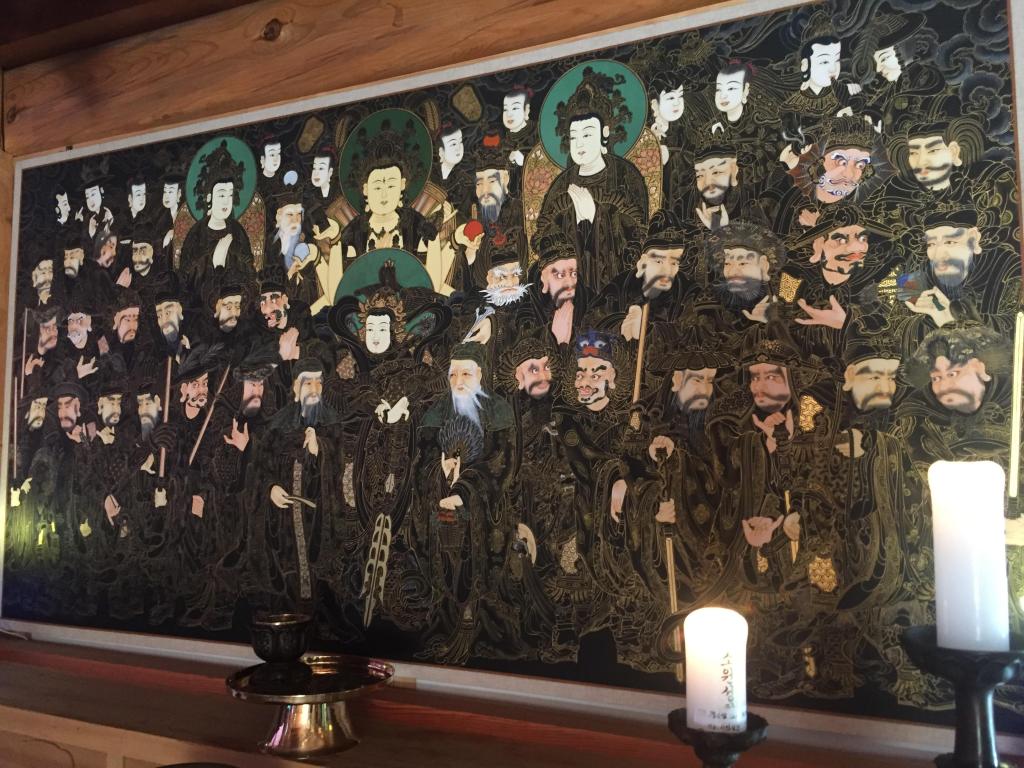
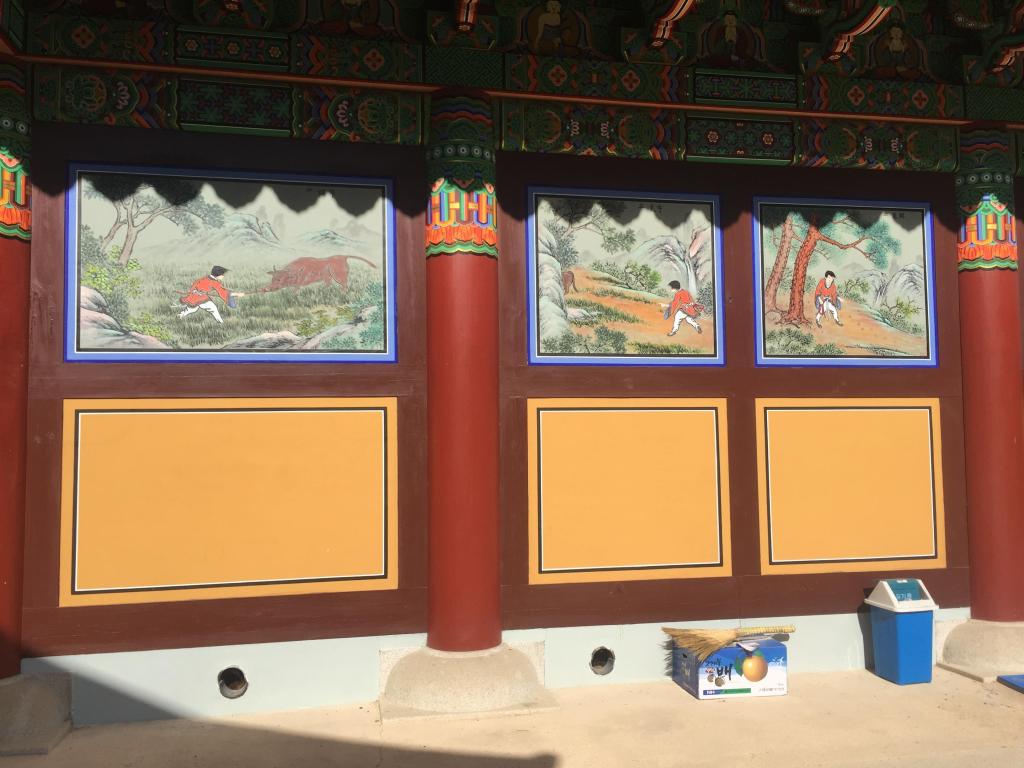
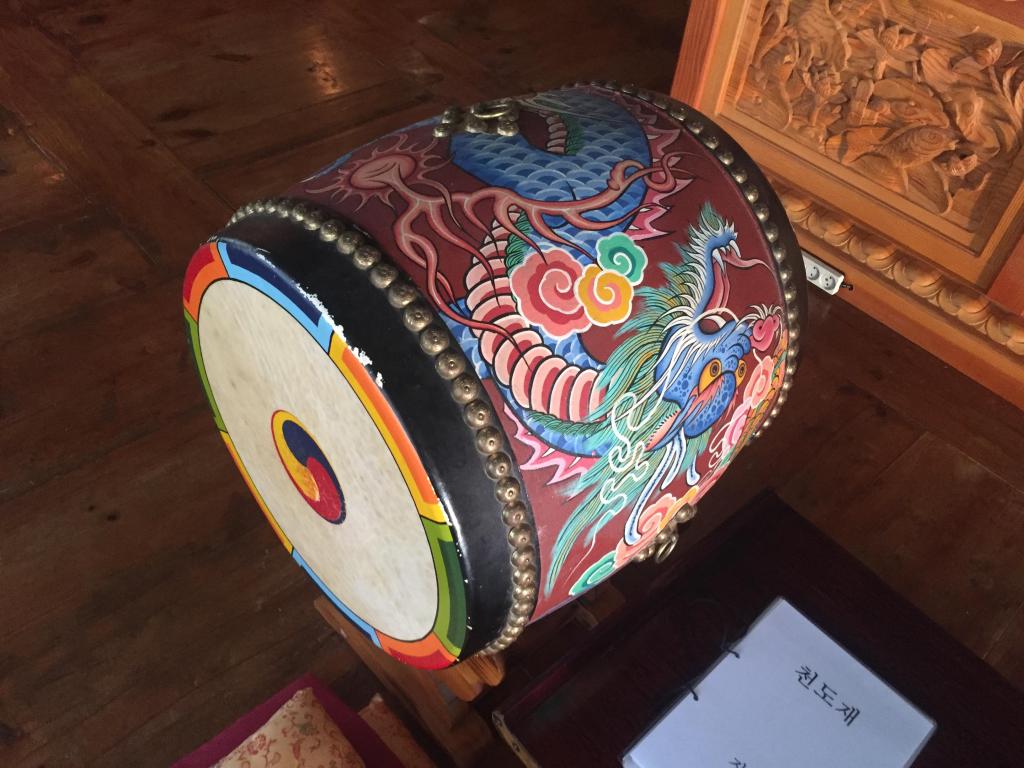
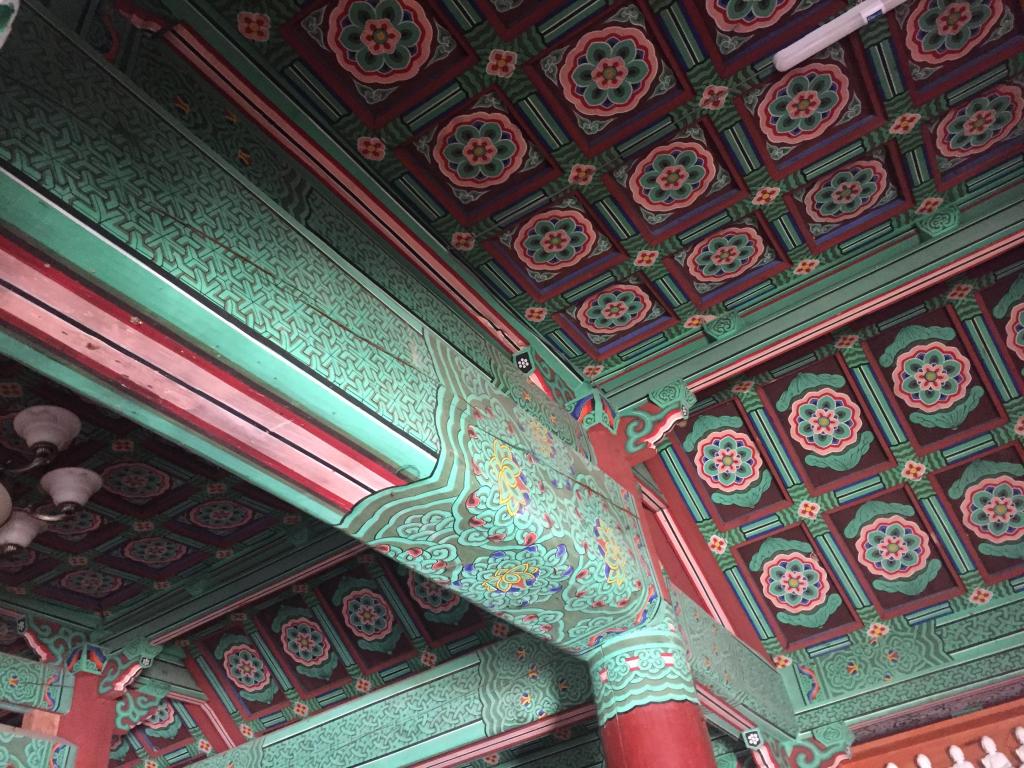
Views around the temple.
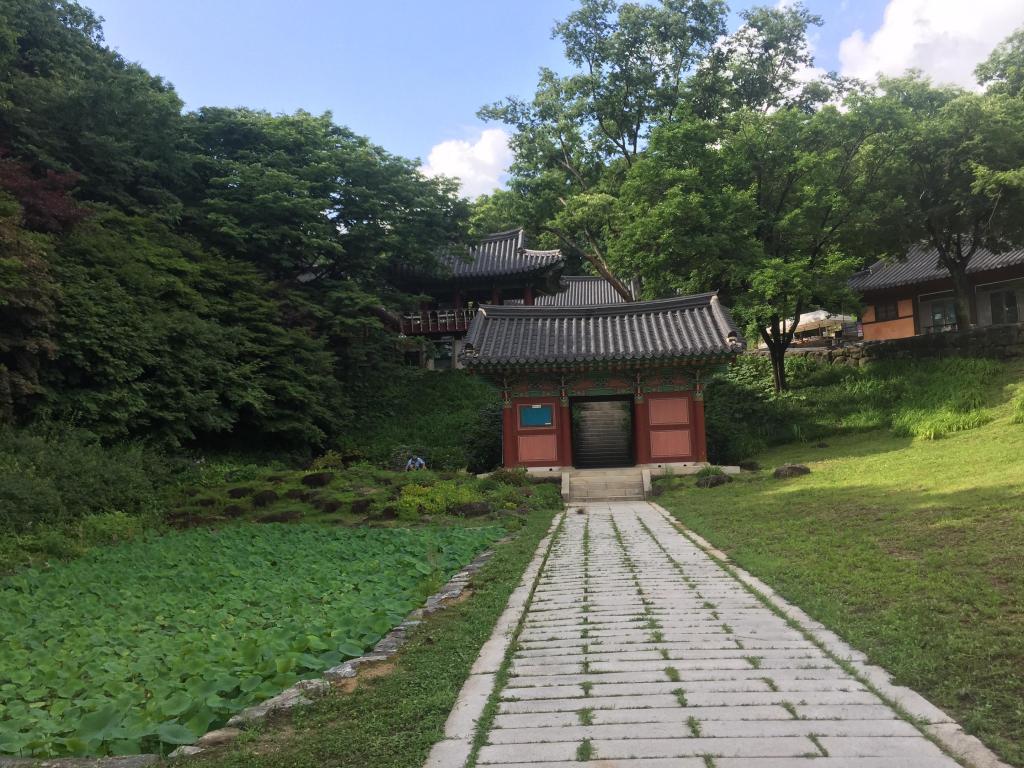
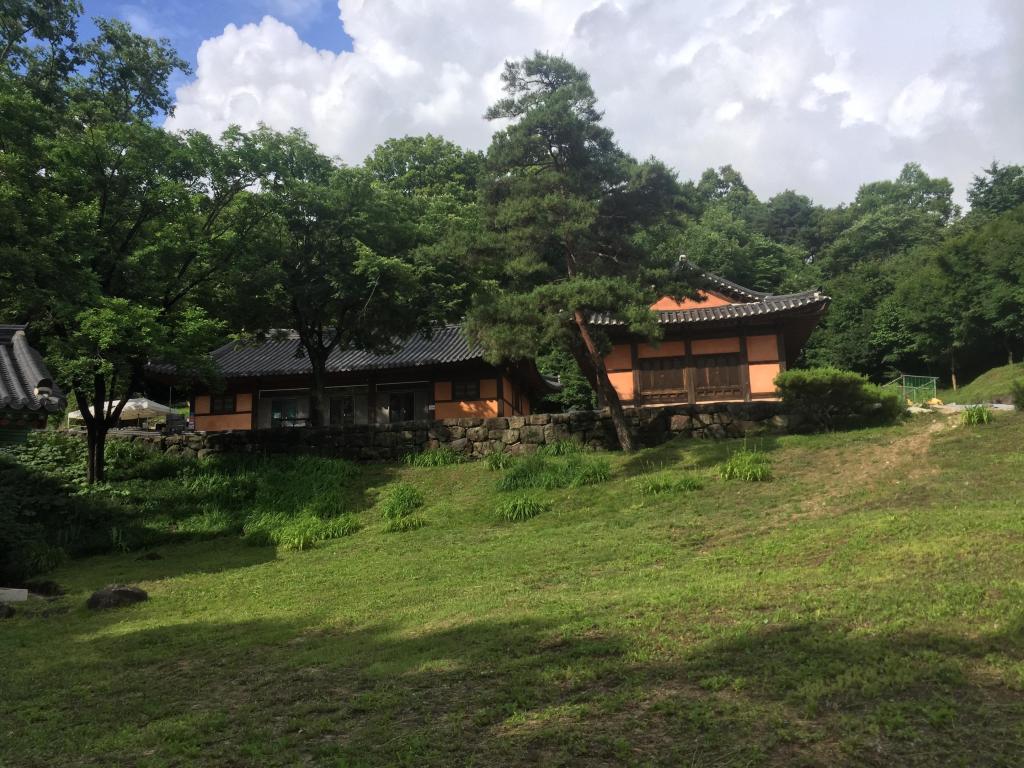
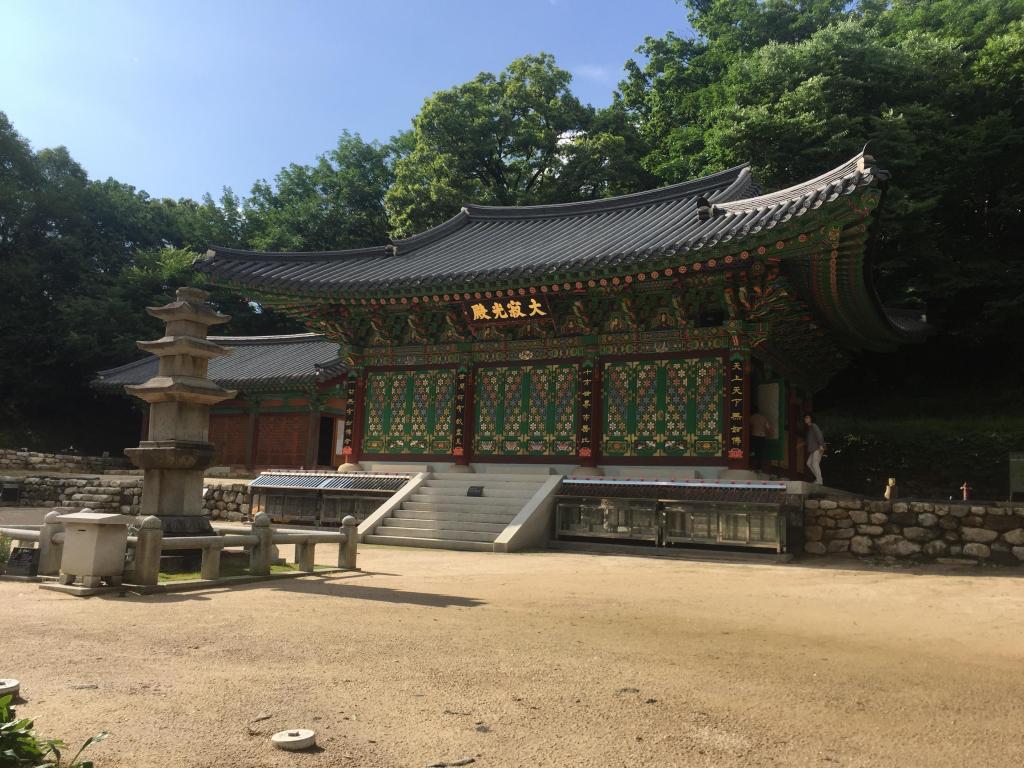
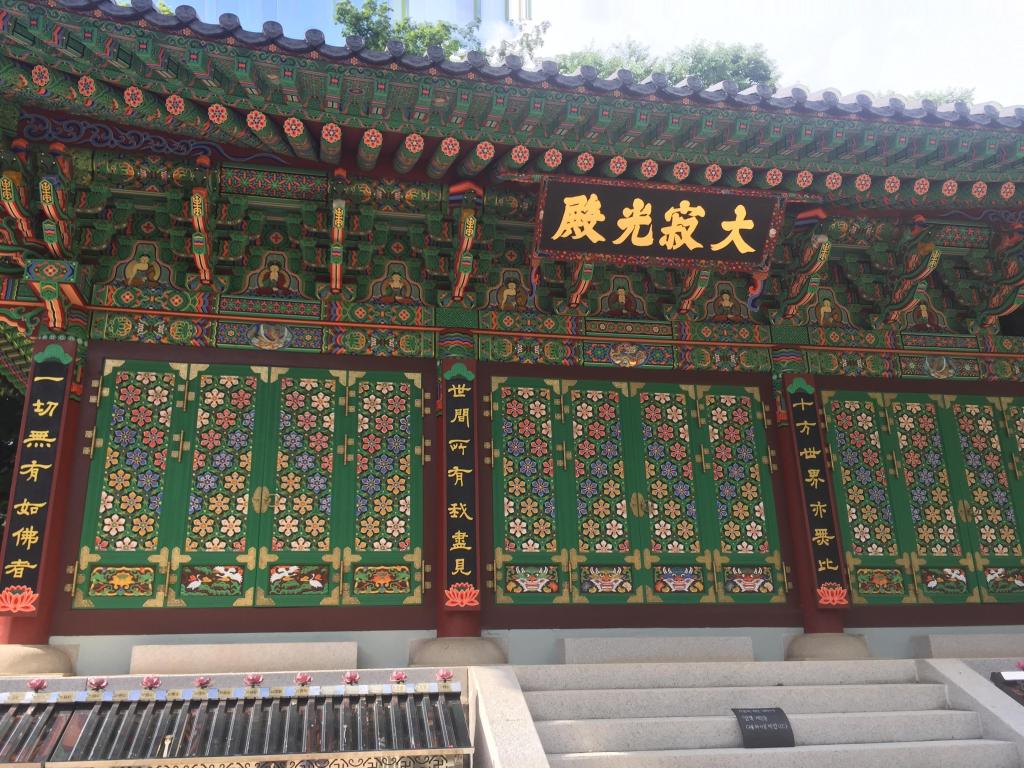
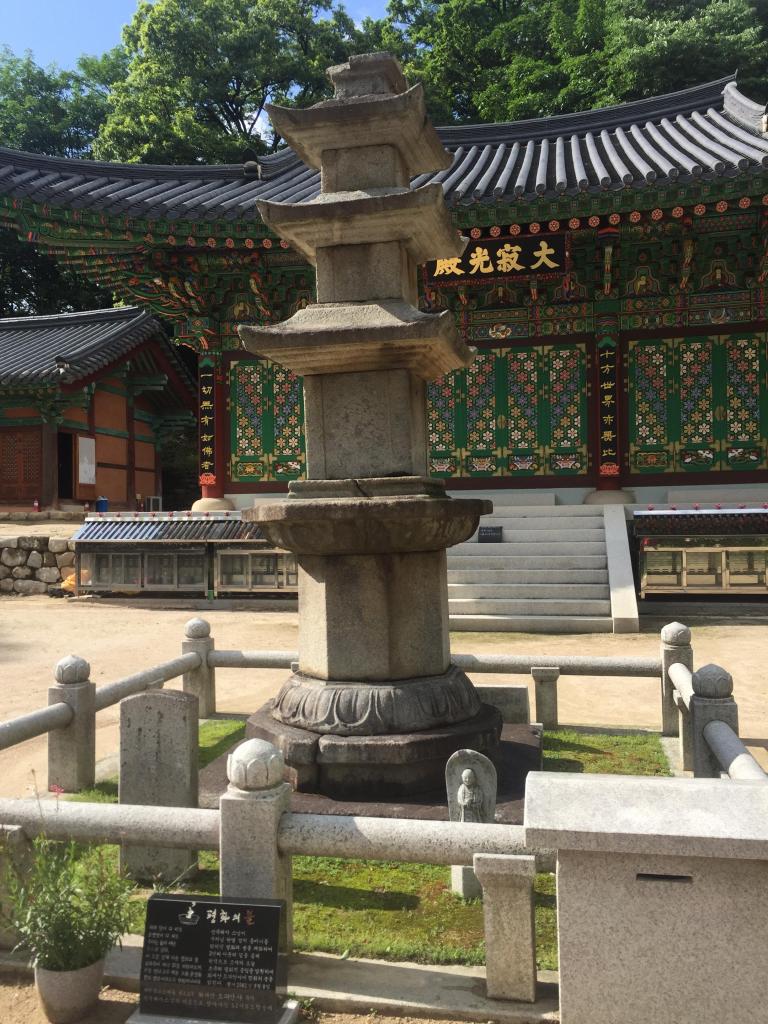
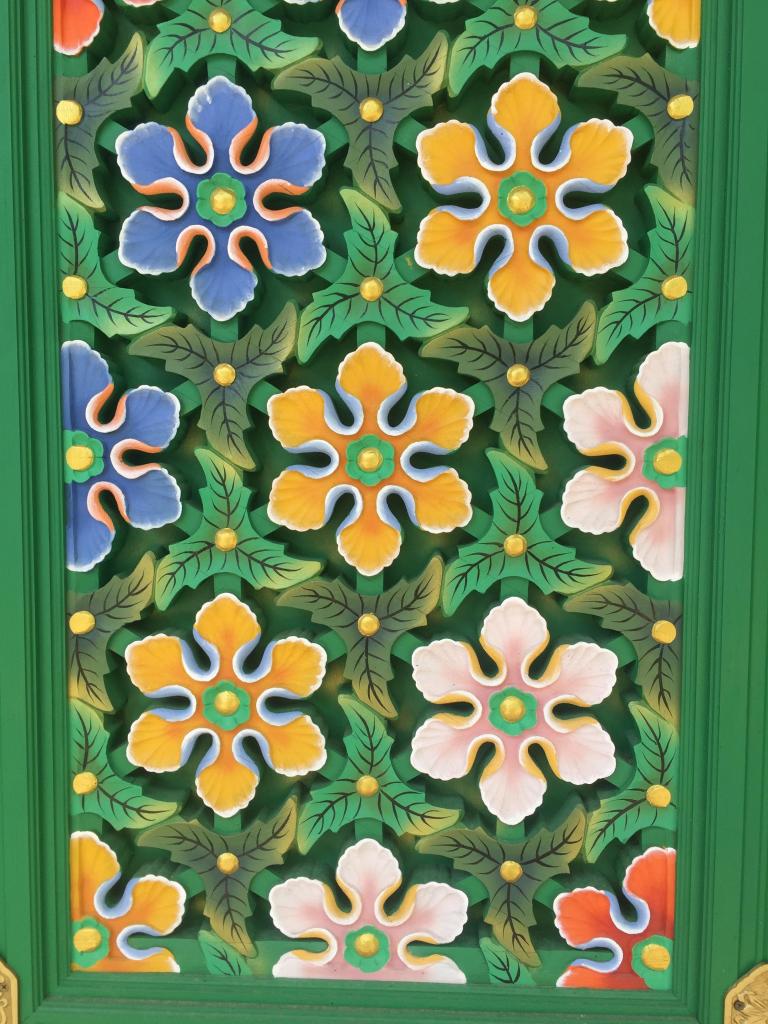
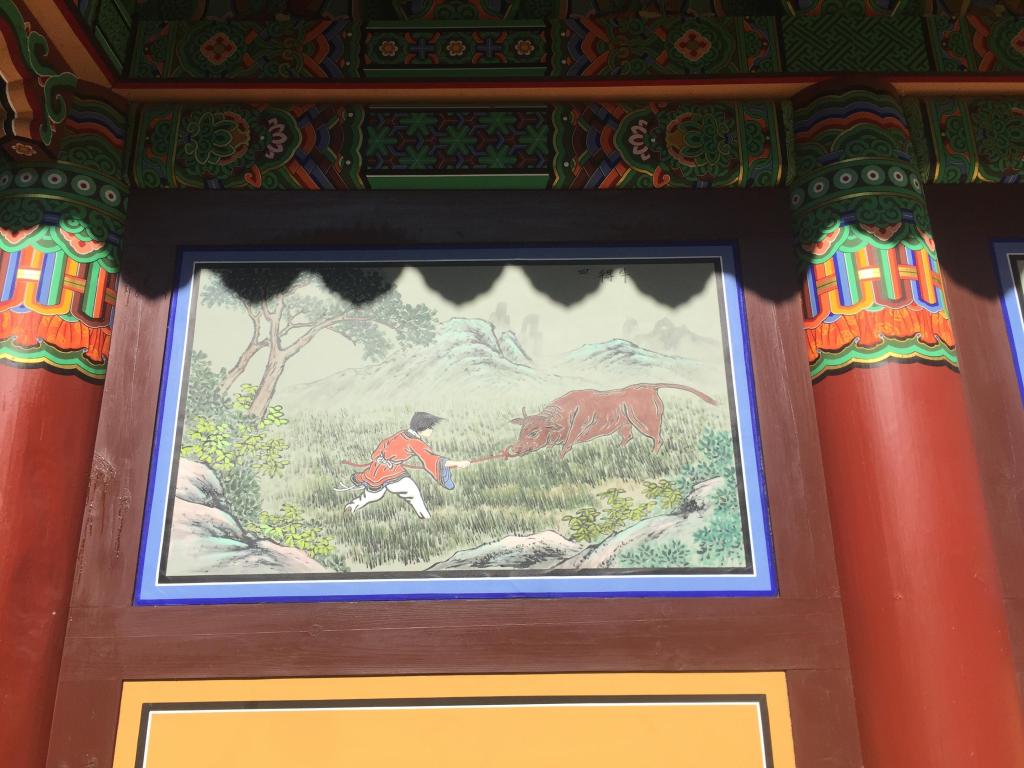
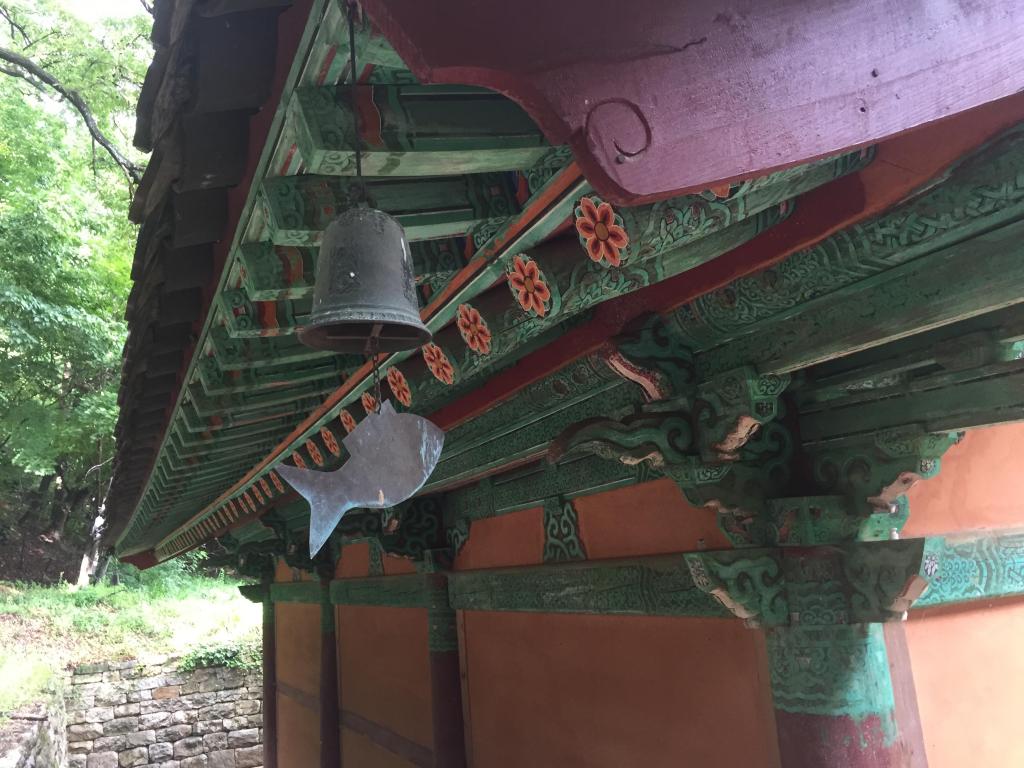
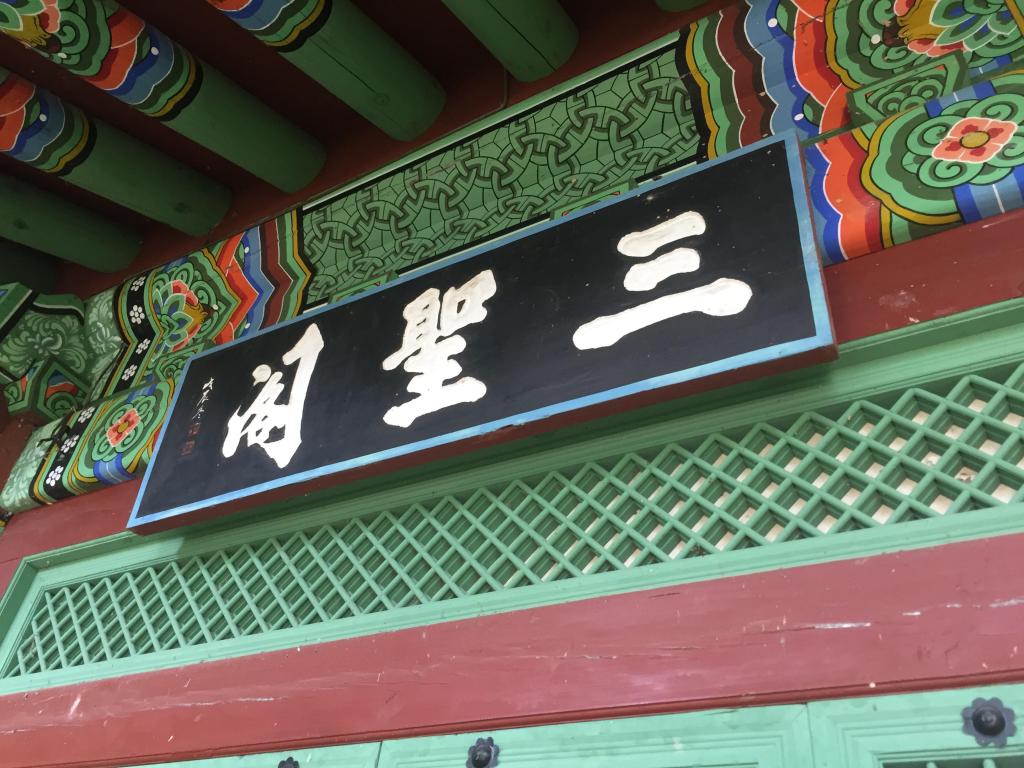
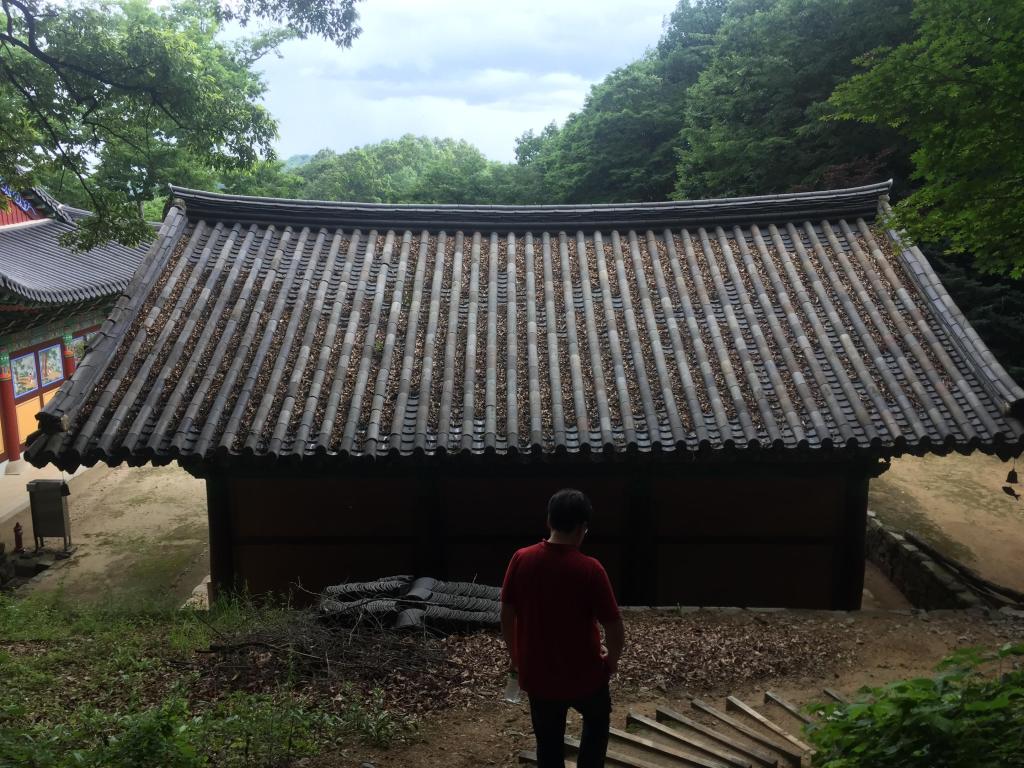
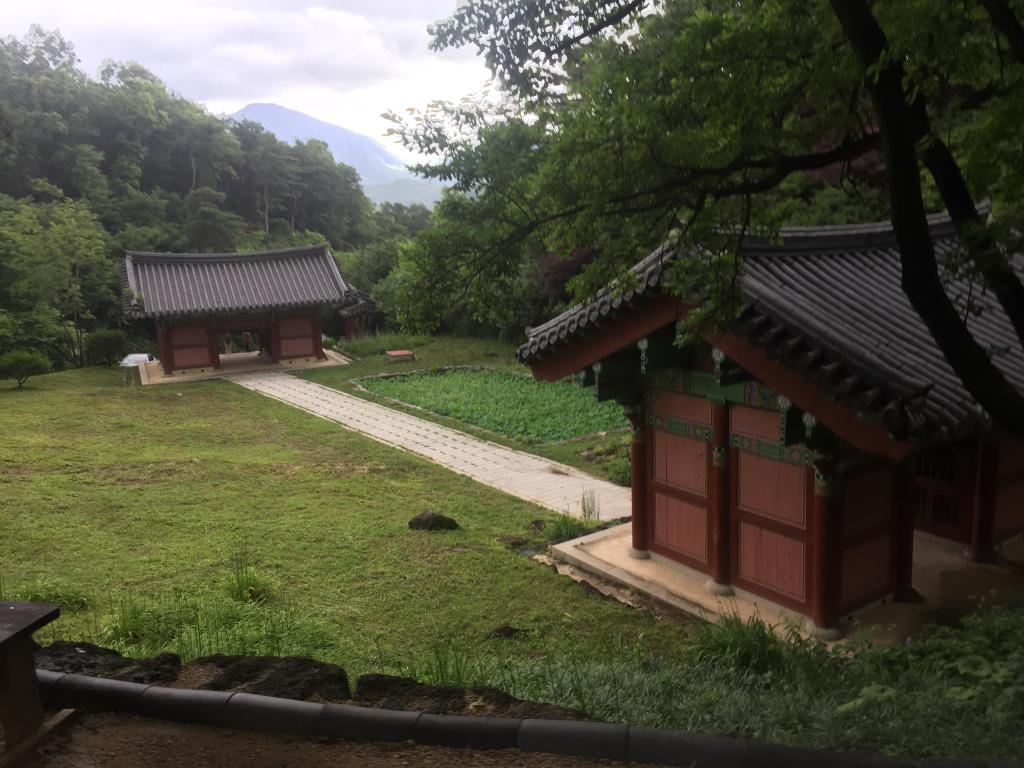
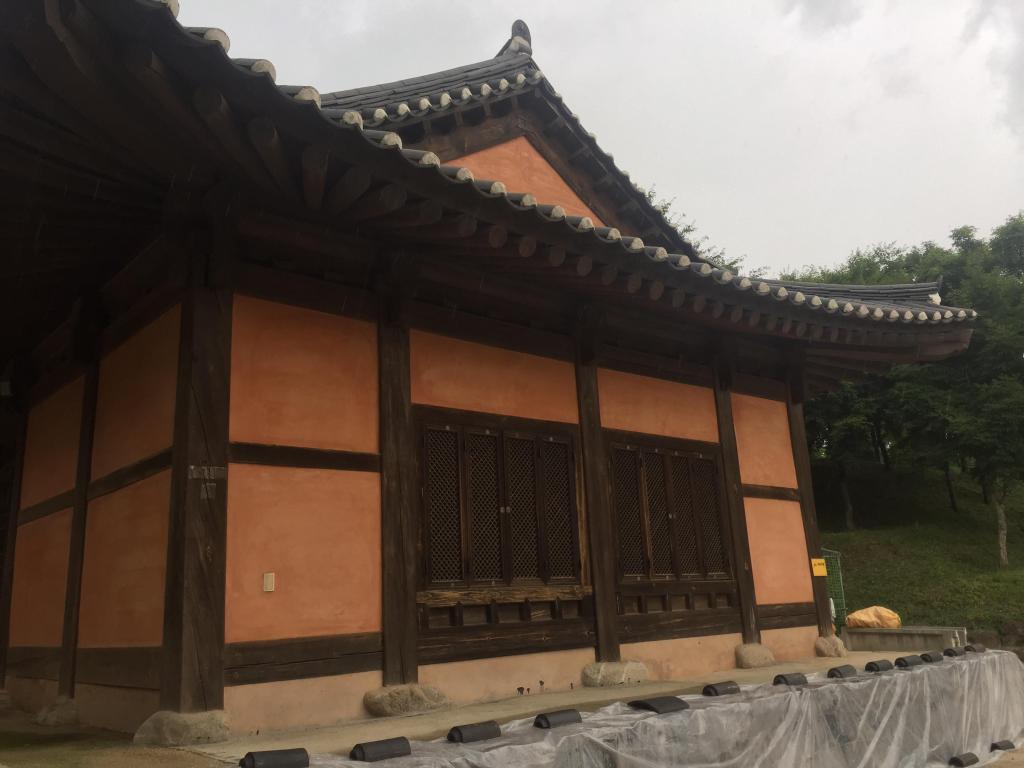
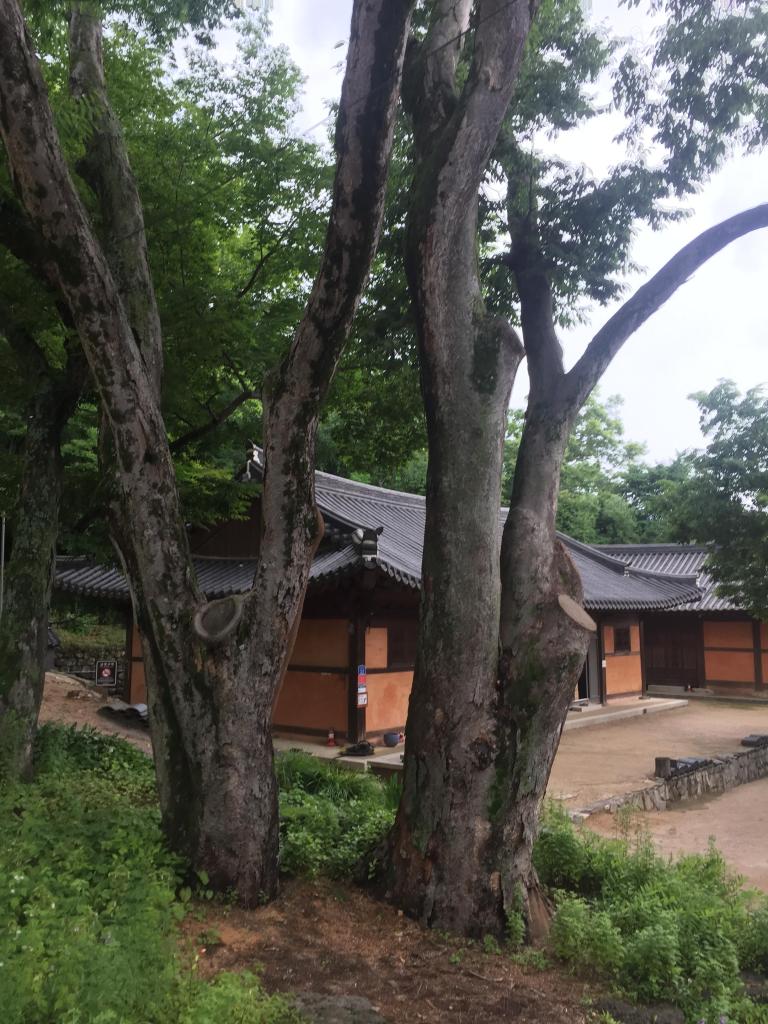
Natural views.
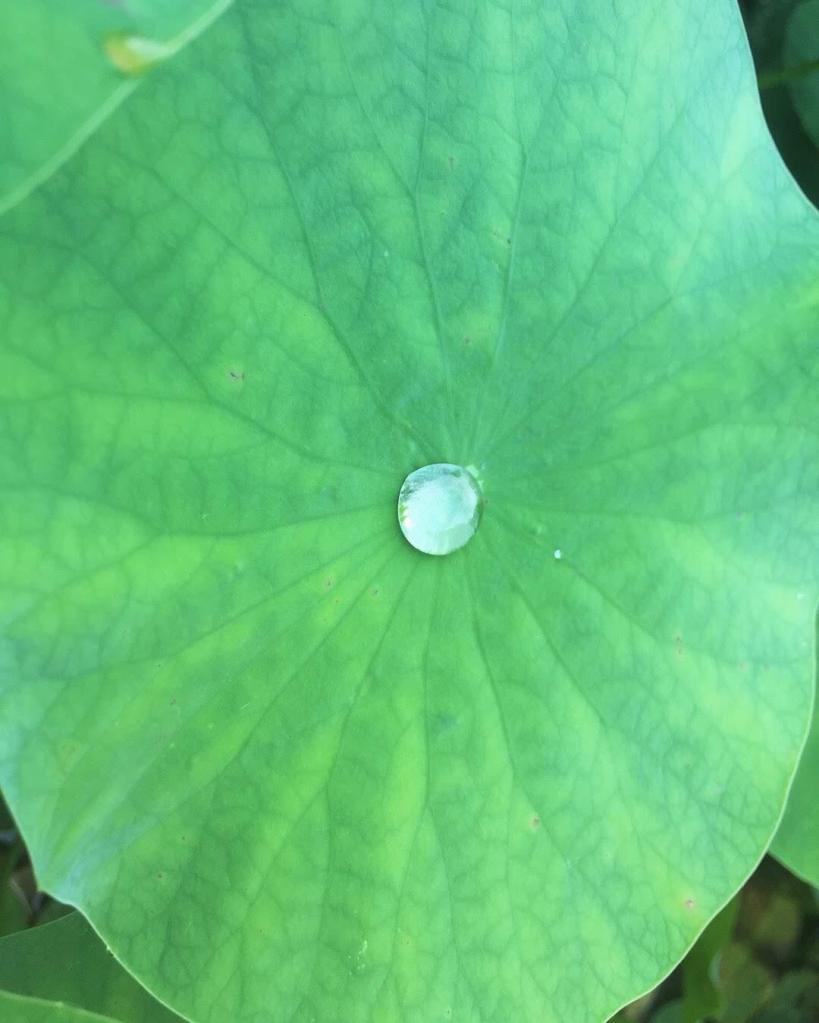
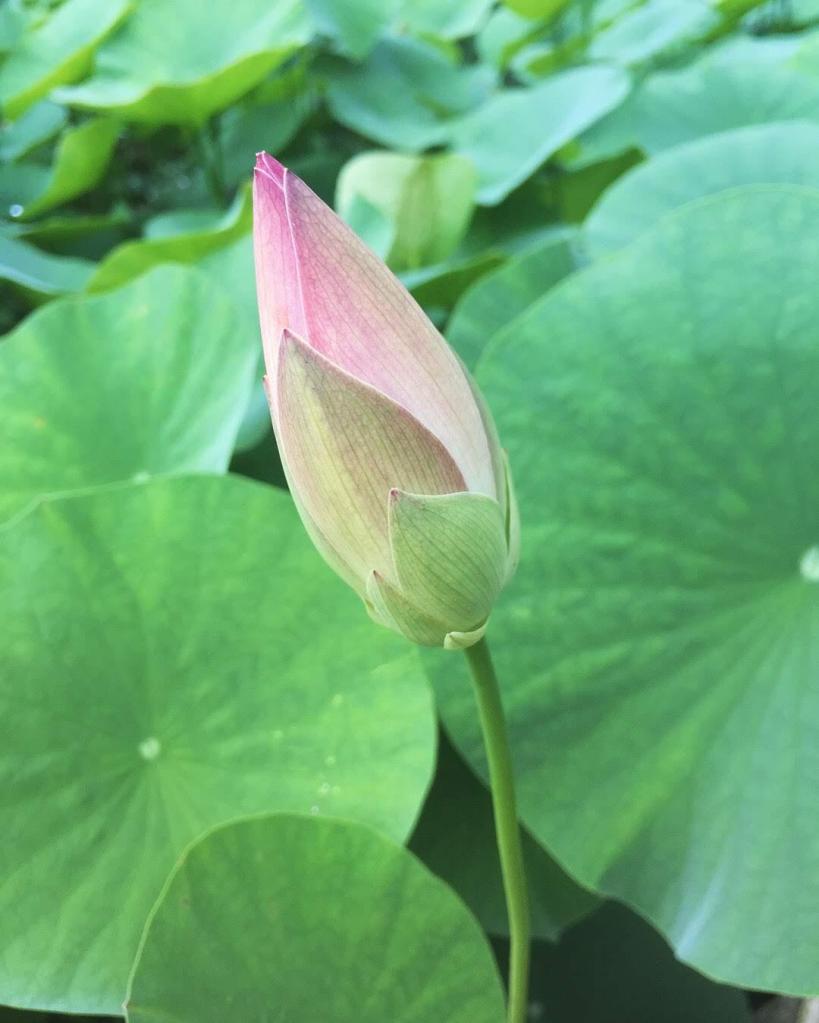
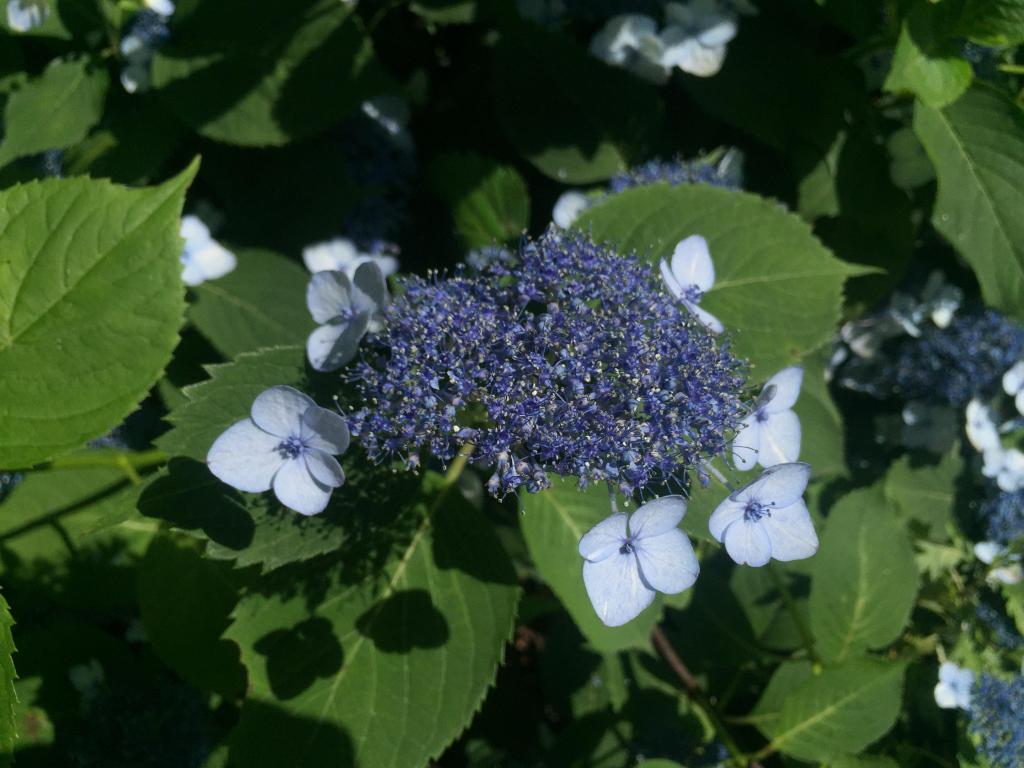
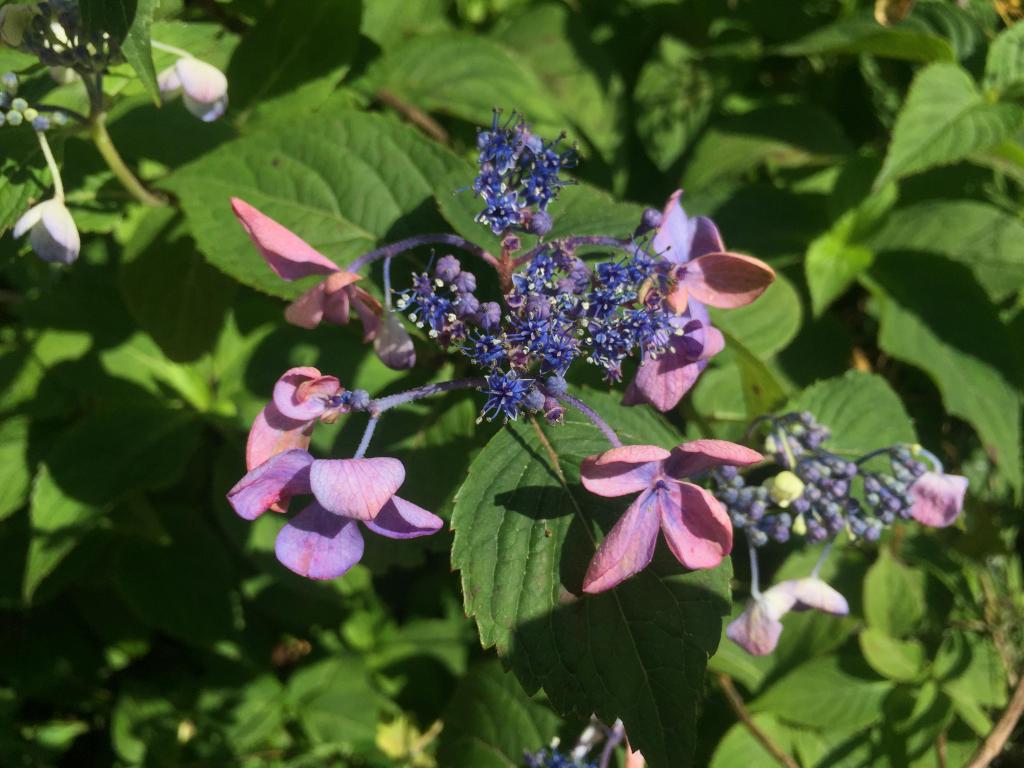
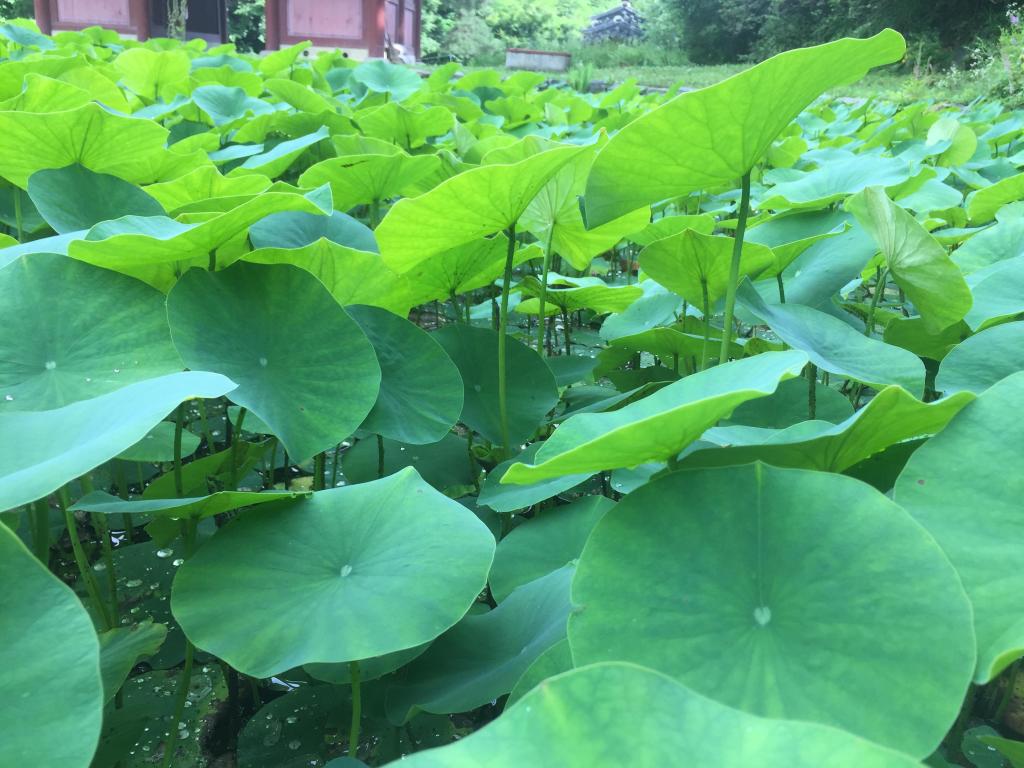
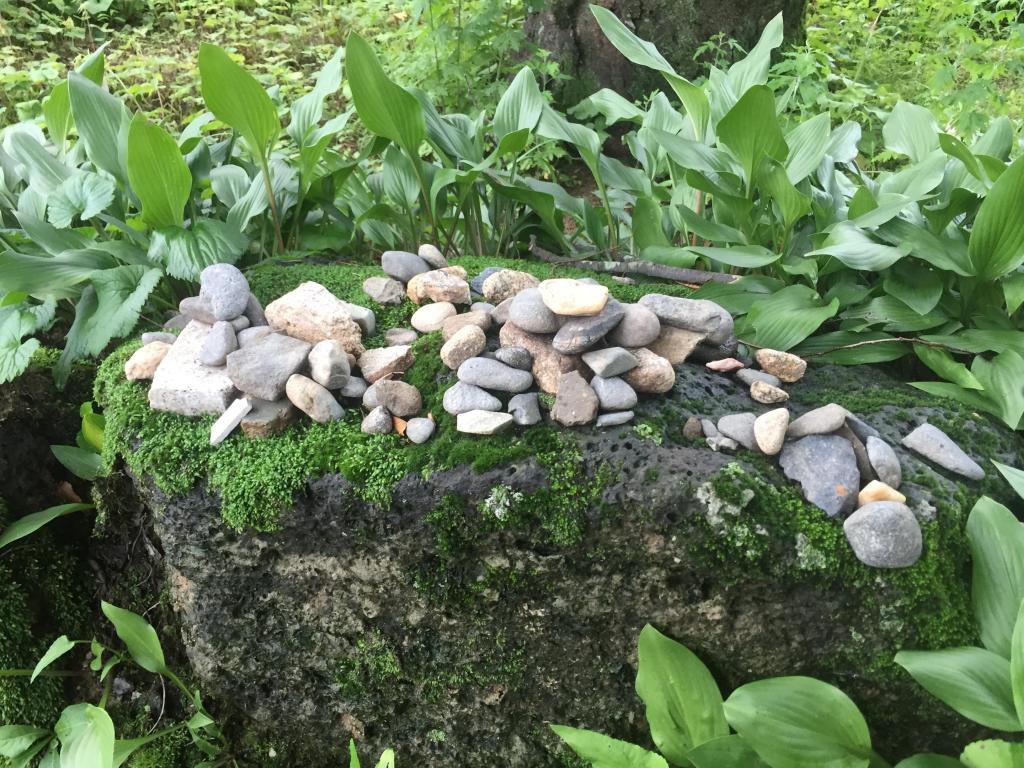
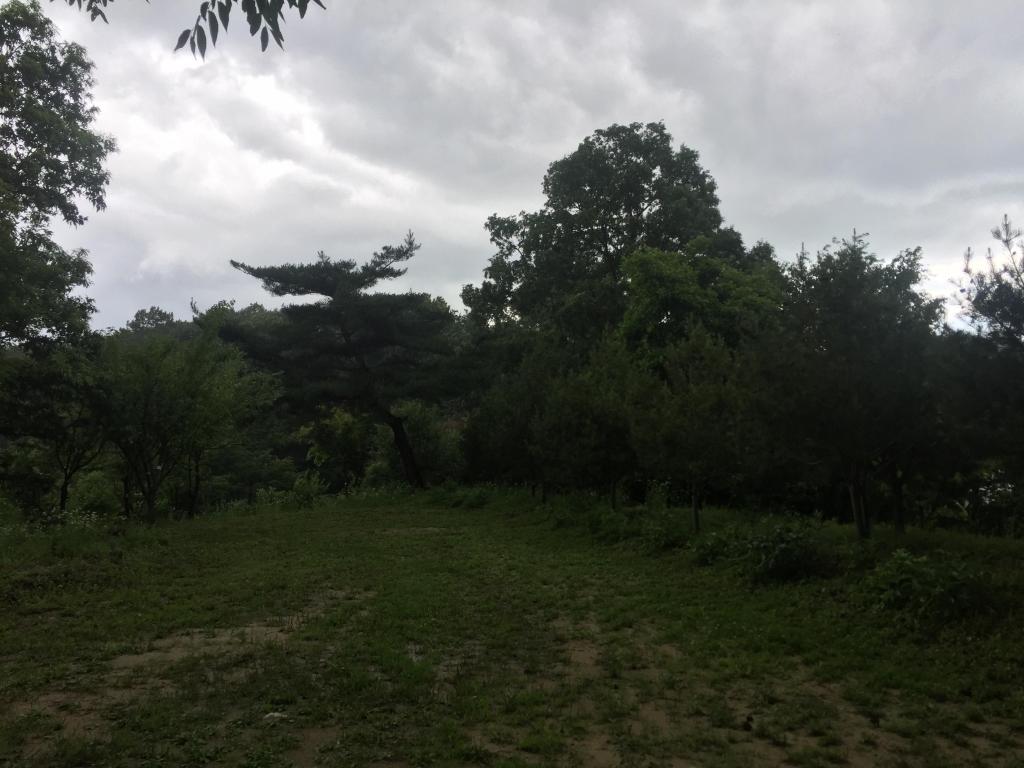
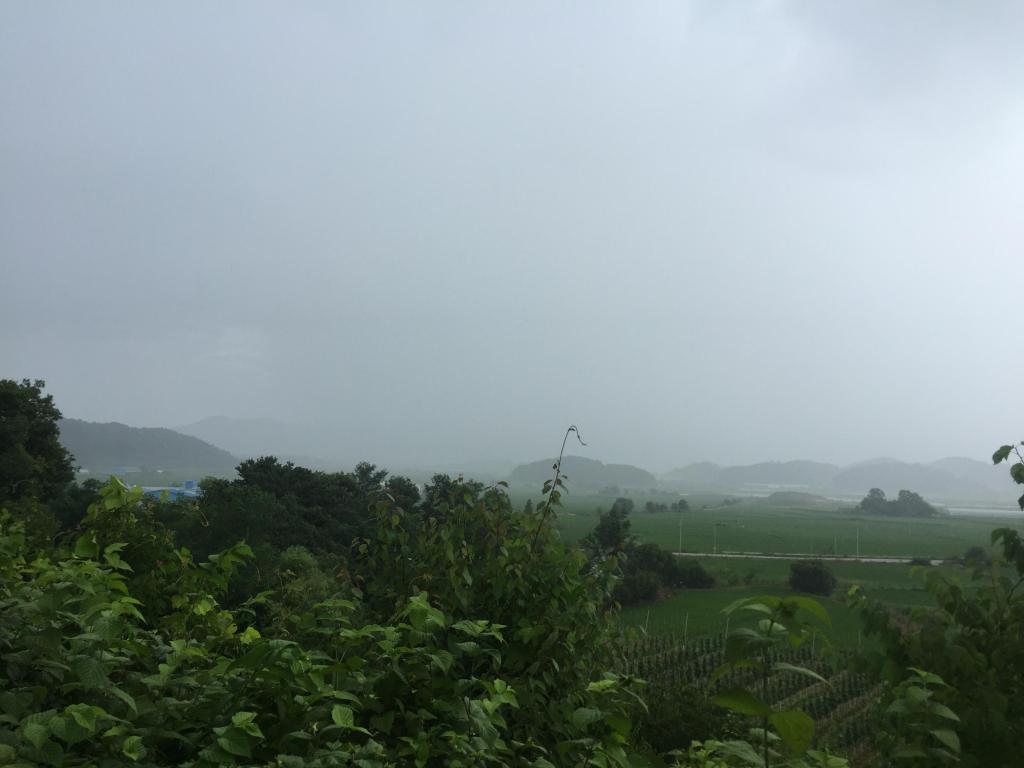
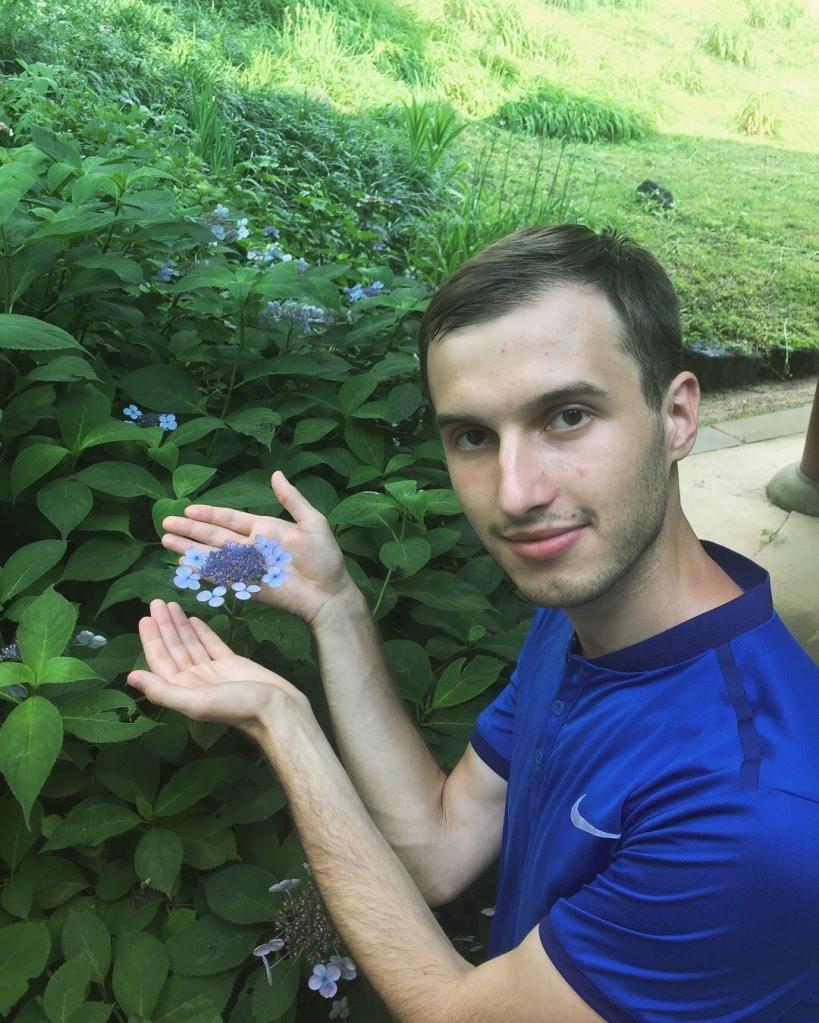
Then suddenly it started raining!
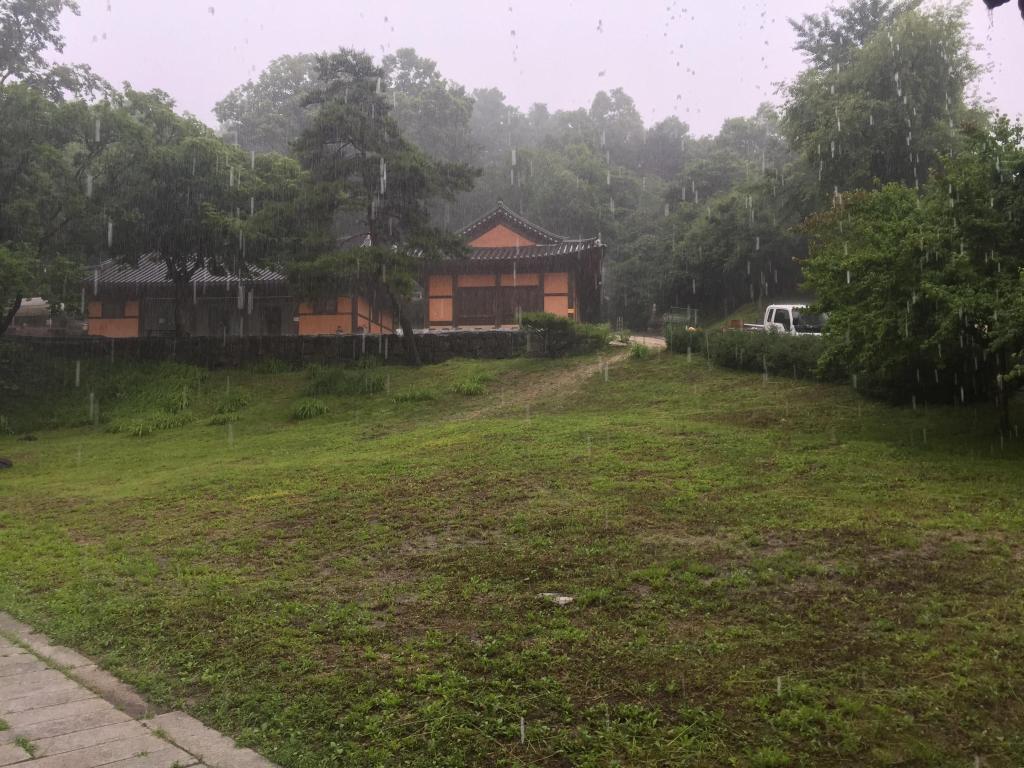
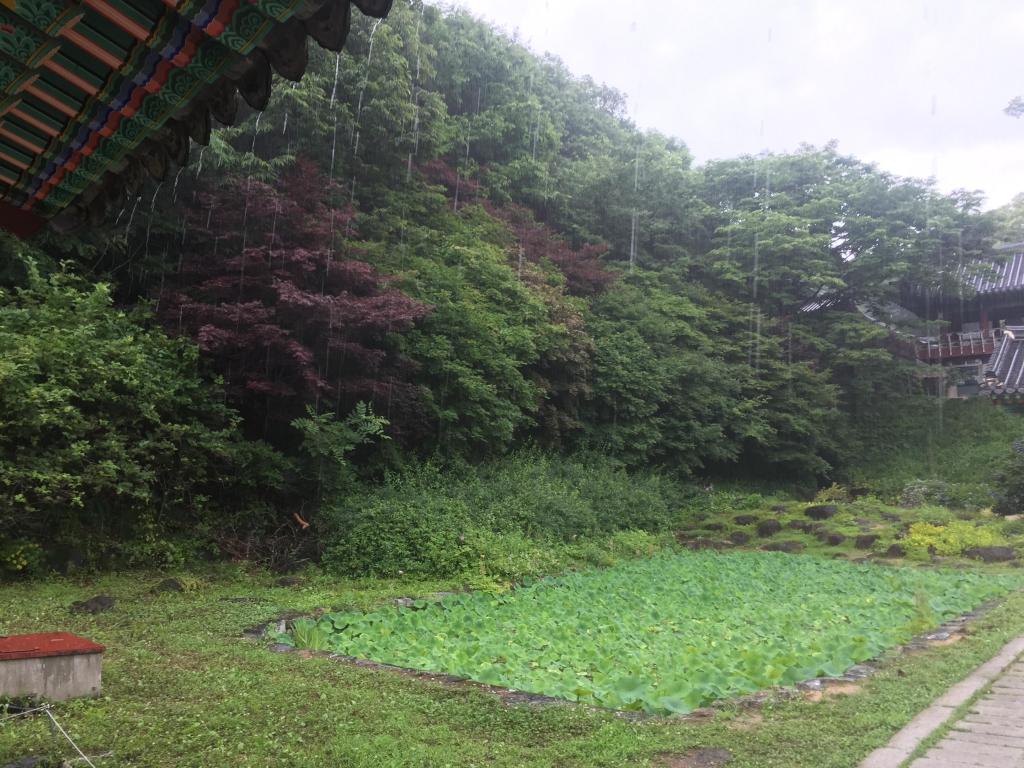
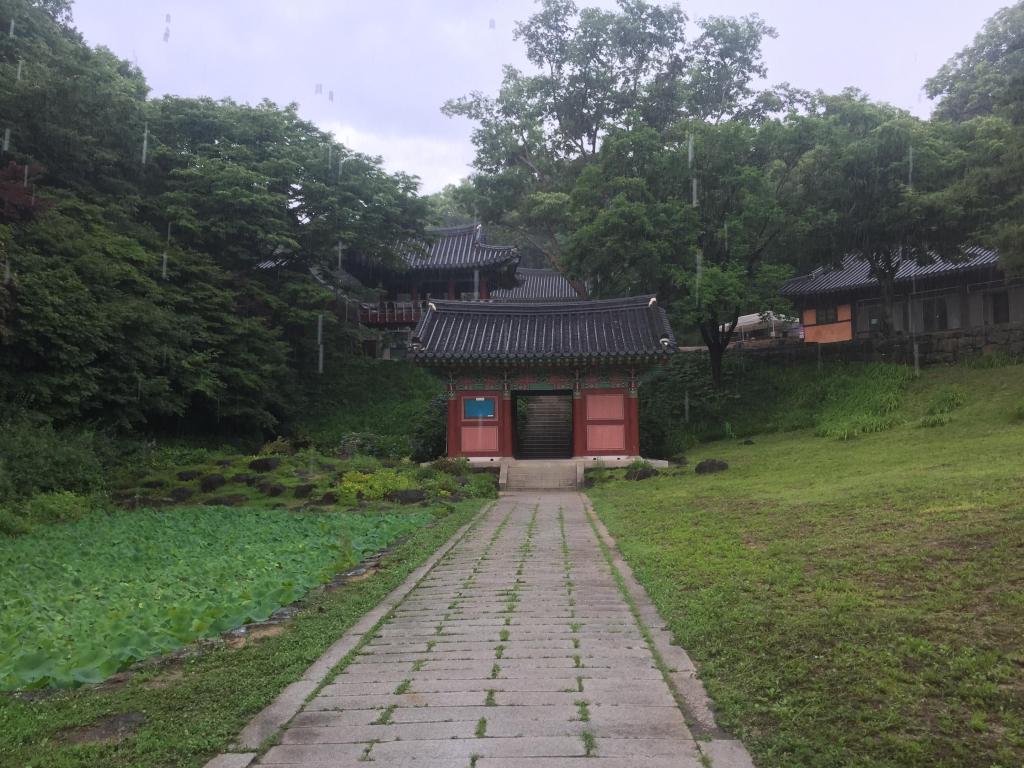
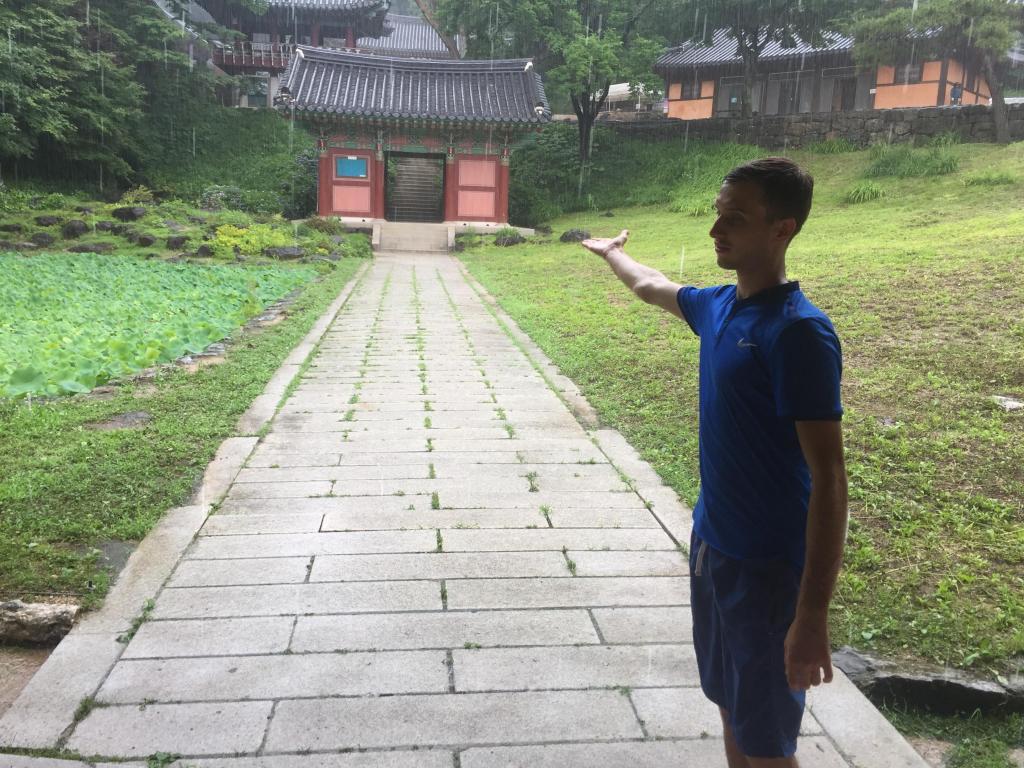
I still remember the lightning and me, running to the car under the rain with my electric phone. Danger.
Up by the stream of Daegyojeon river, close to the border with North Korea, in Gwanjeonri, Cheorwon, the Korean Workers’ Party Headquarters is located. It was built in 1946, and today it stands destroyed, as a reminder of the days of the Democratic People’s Republic of Korea reign and the Korean War.
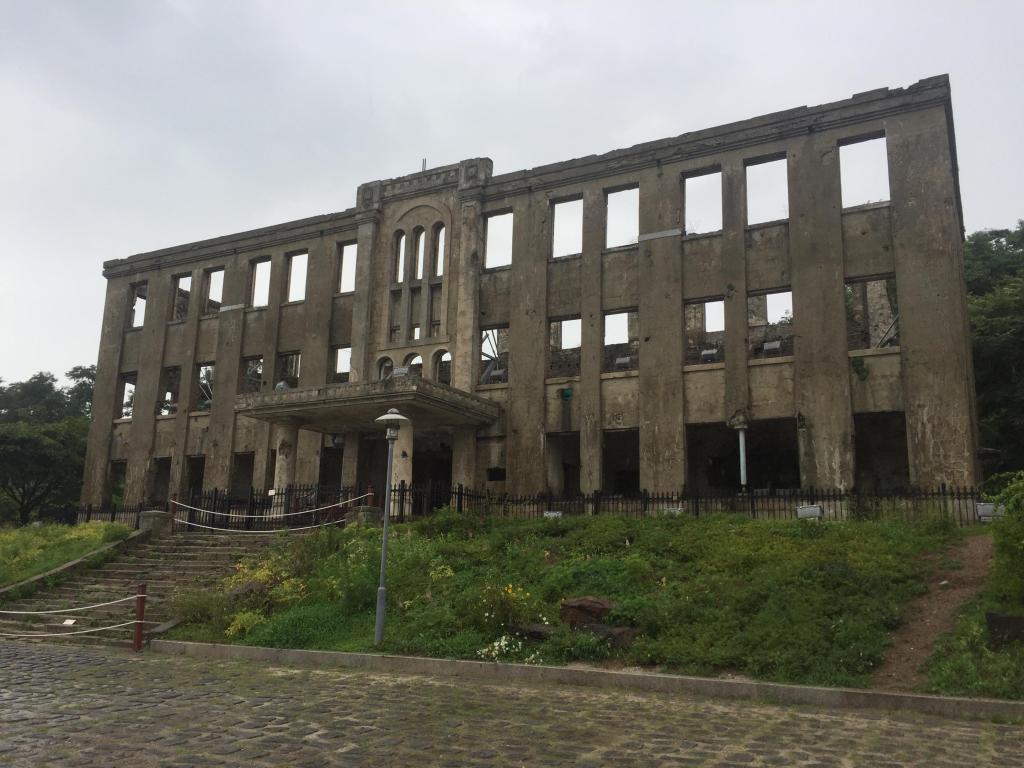
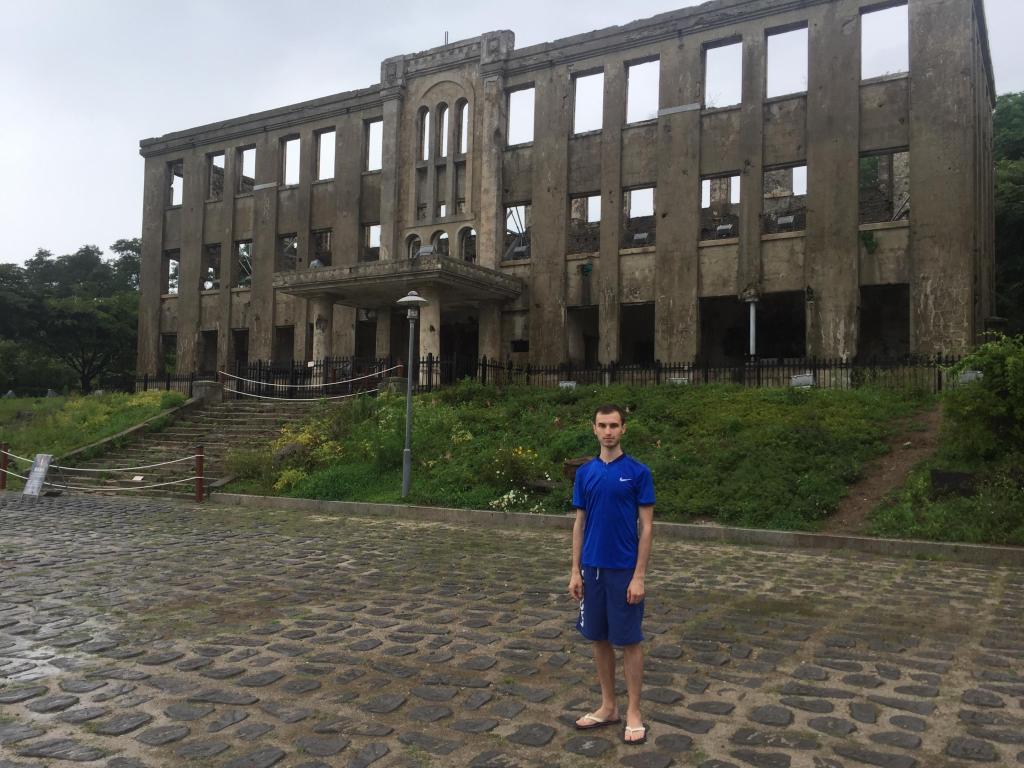
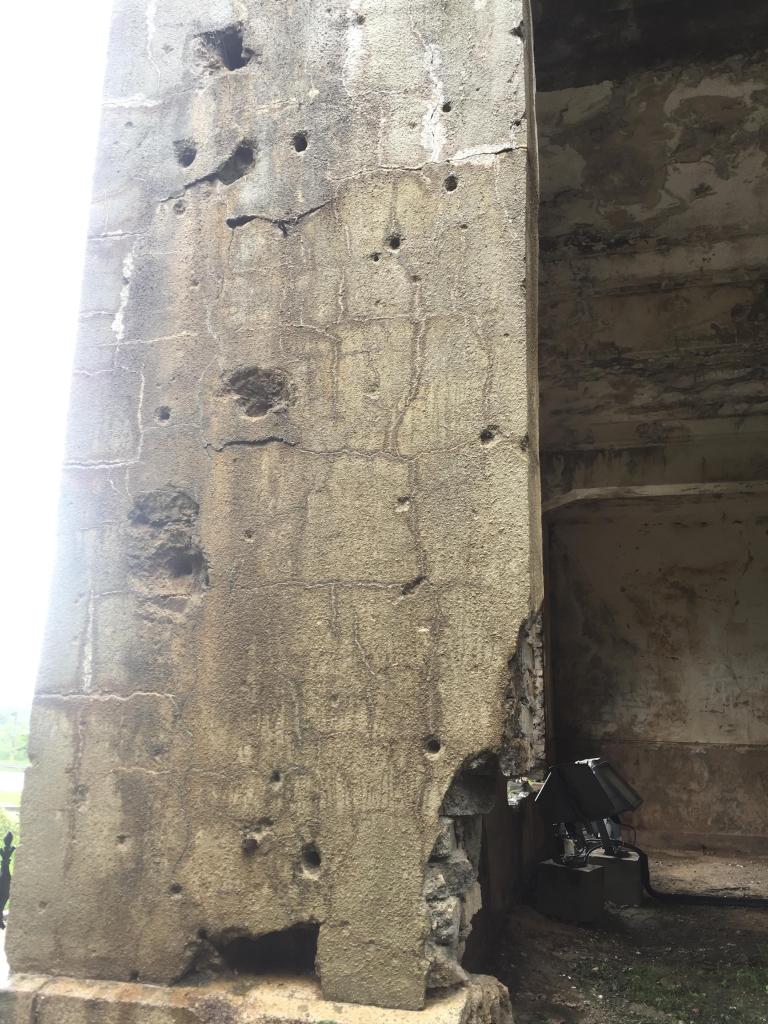
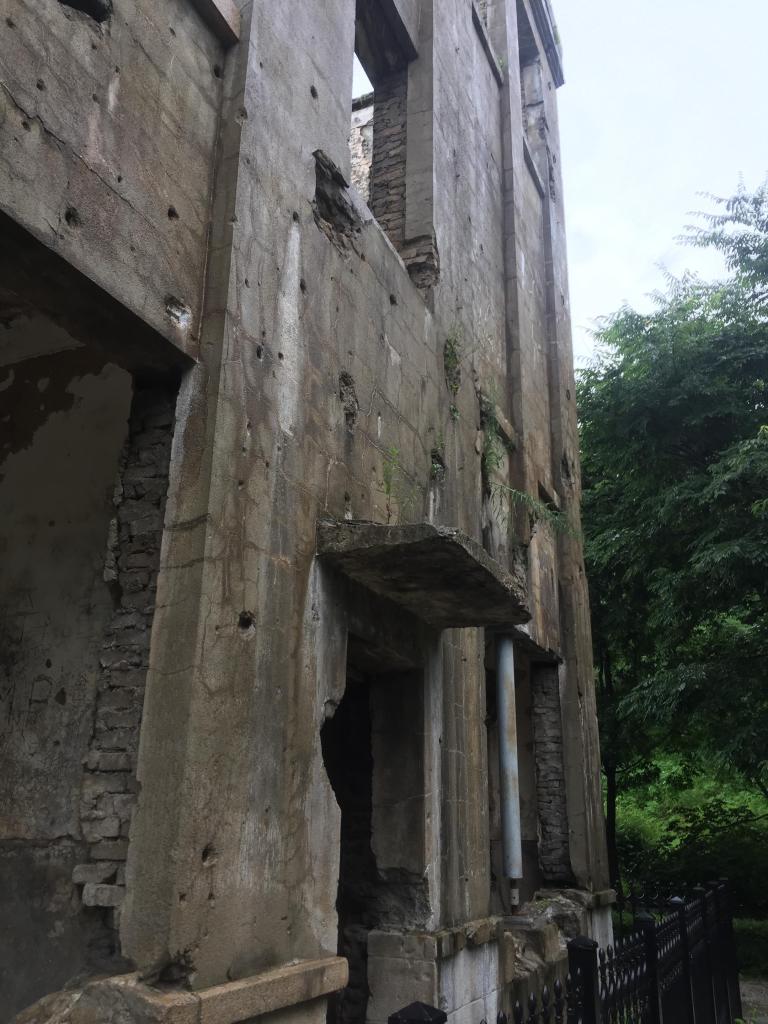
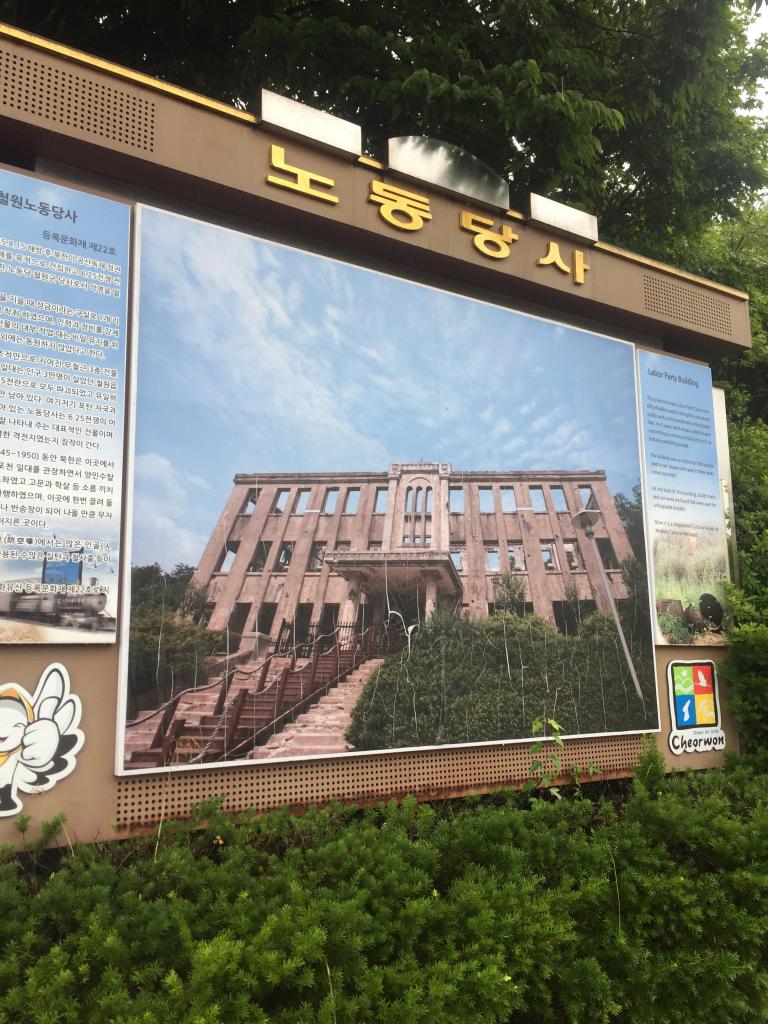
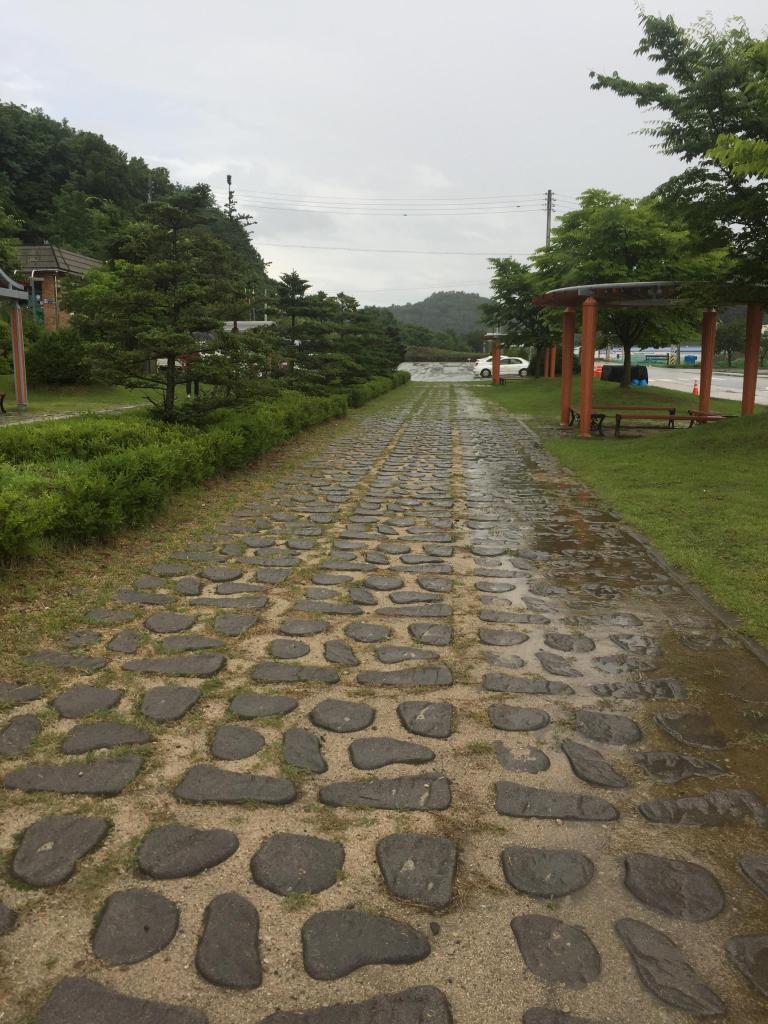
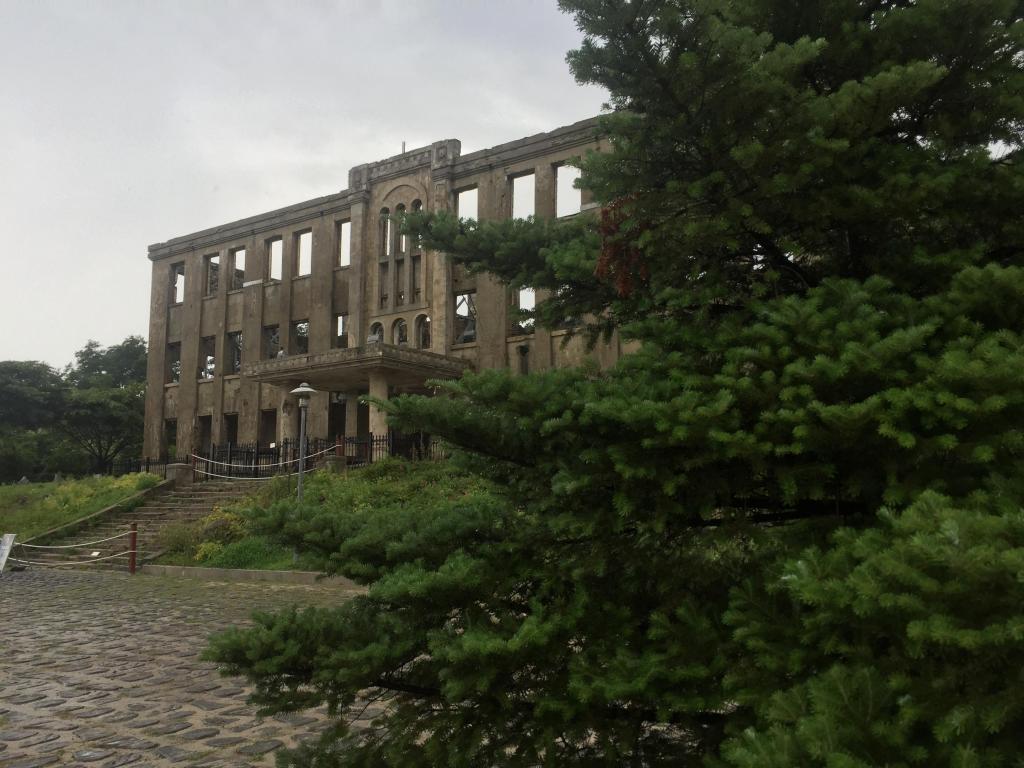
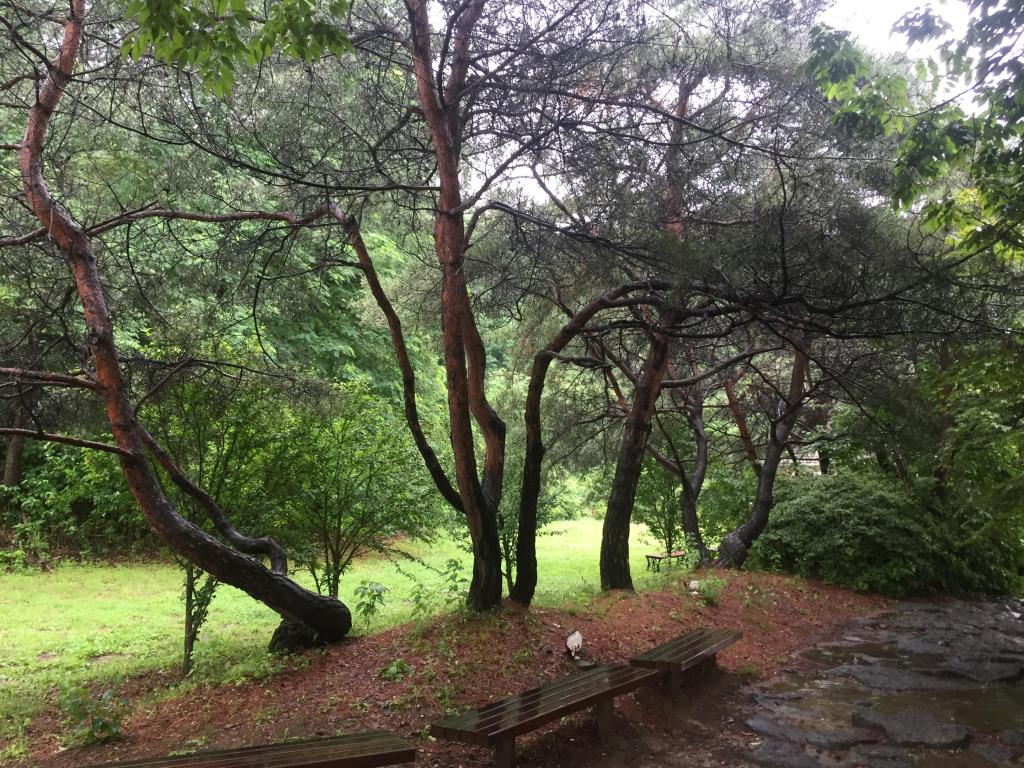
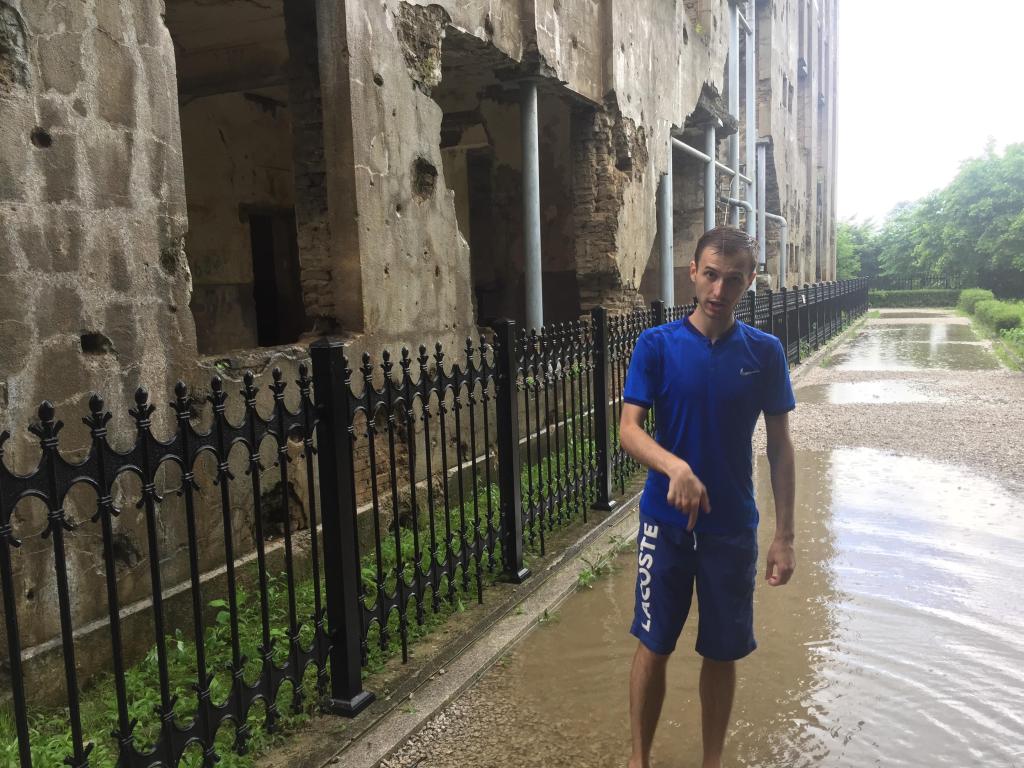
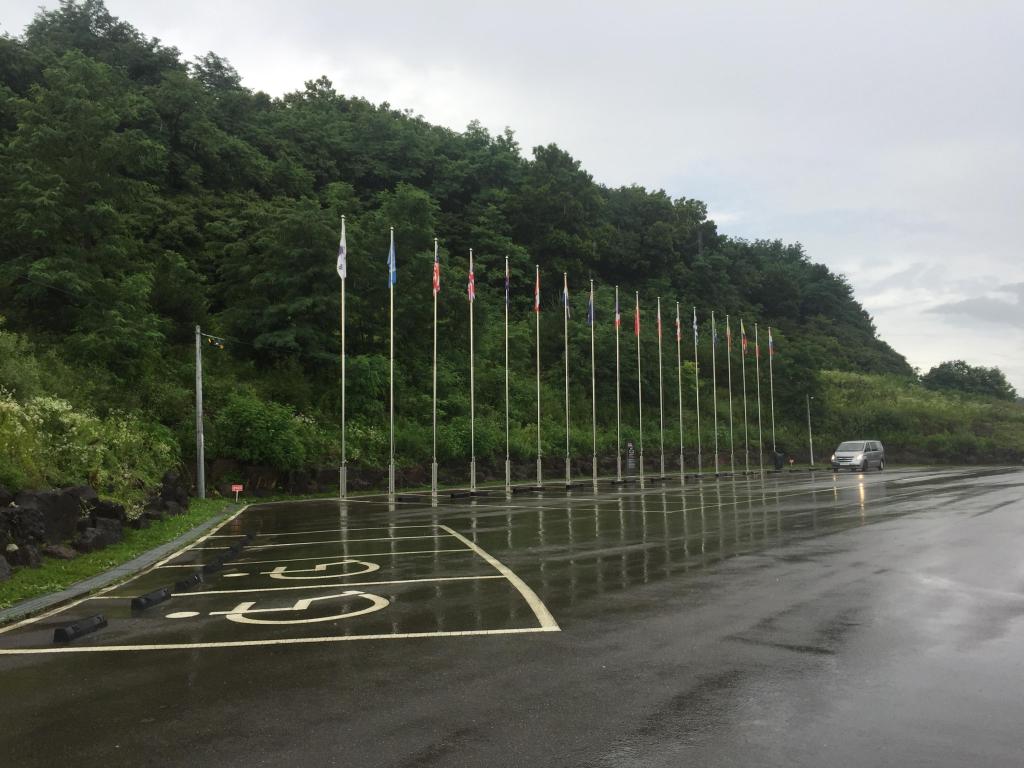
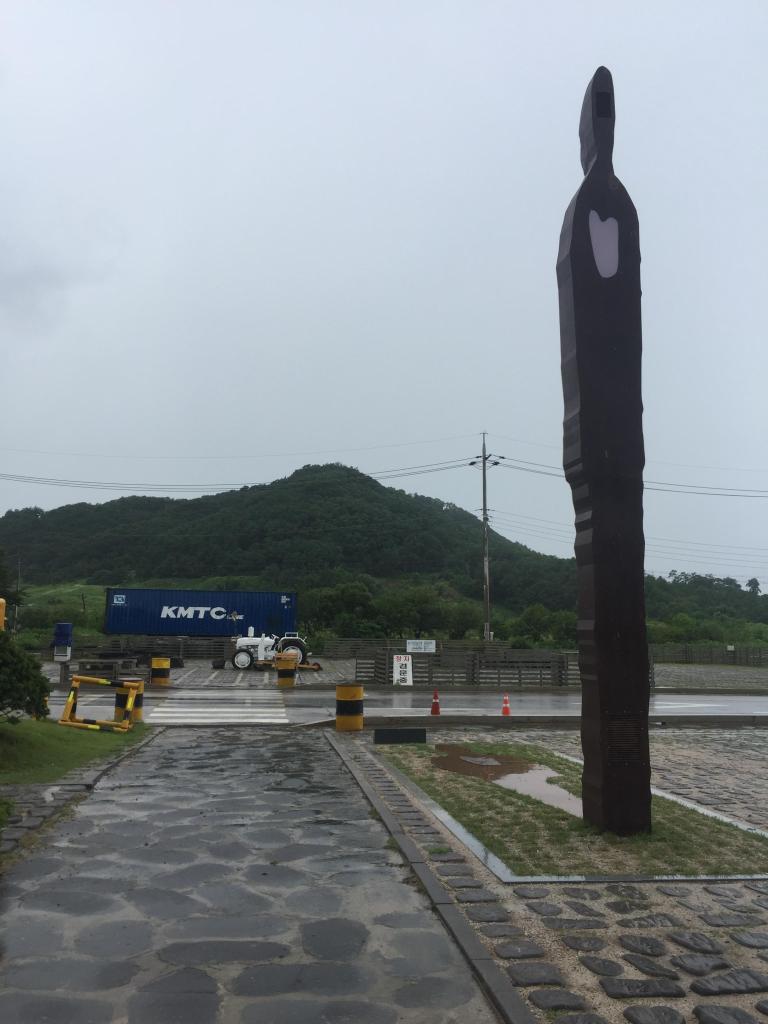
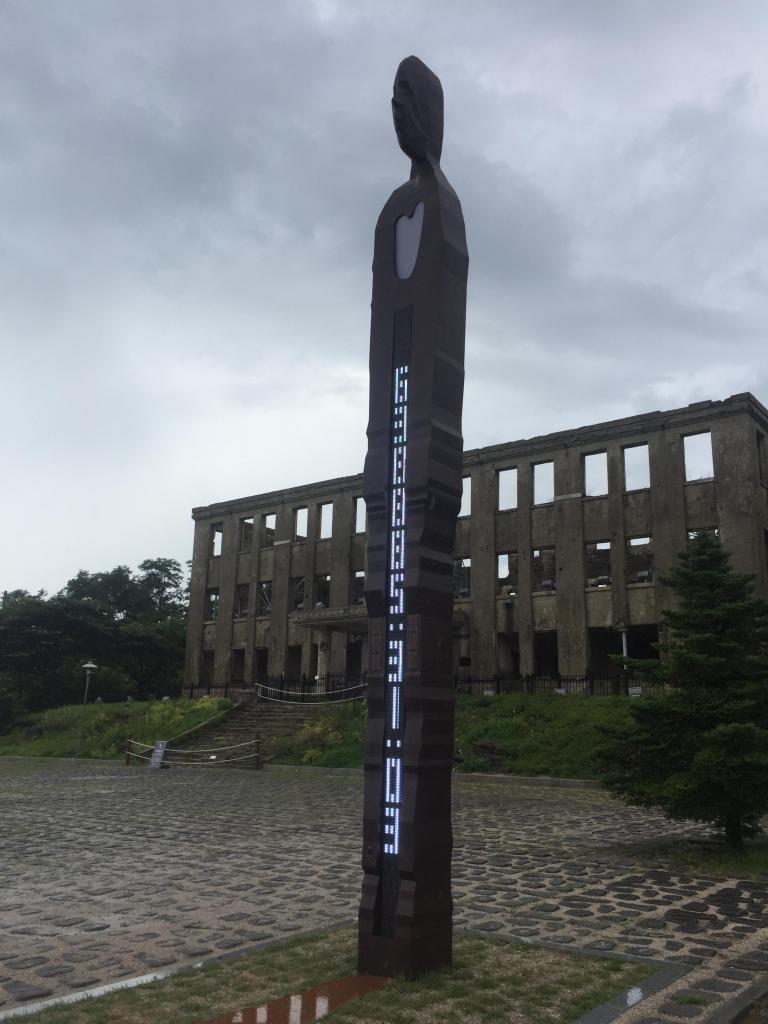
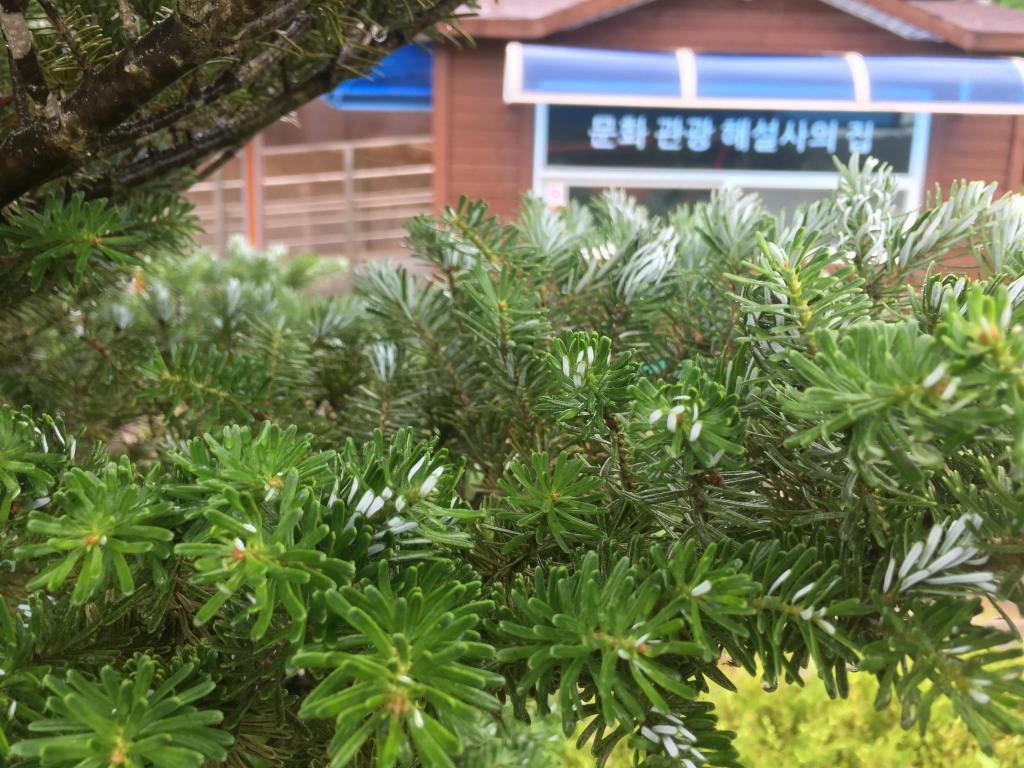
It was a beautiful and knowledgable trip around Pocheon and Cheorwon, around the places somehow attracted by the Hantangang and its daughter Daegyojeon. It is time to go back now.
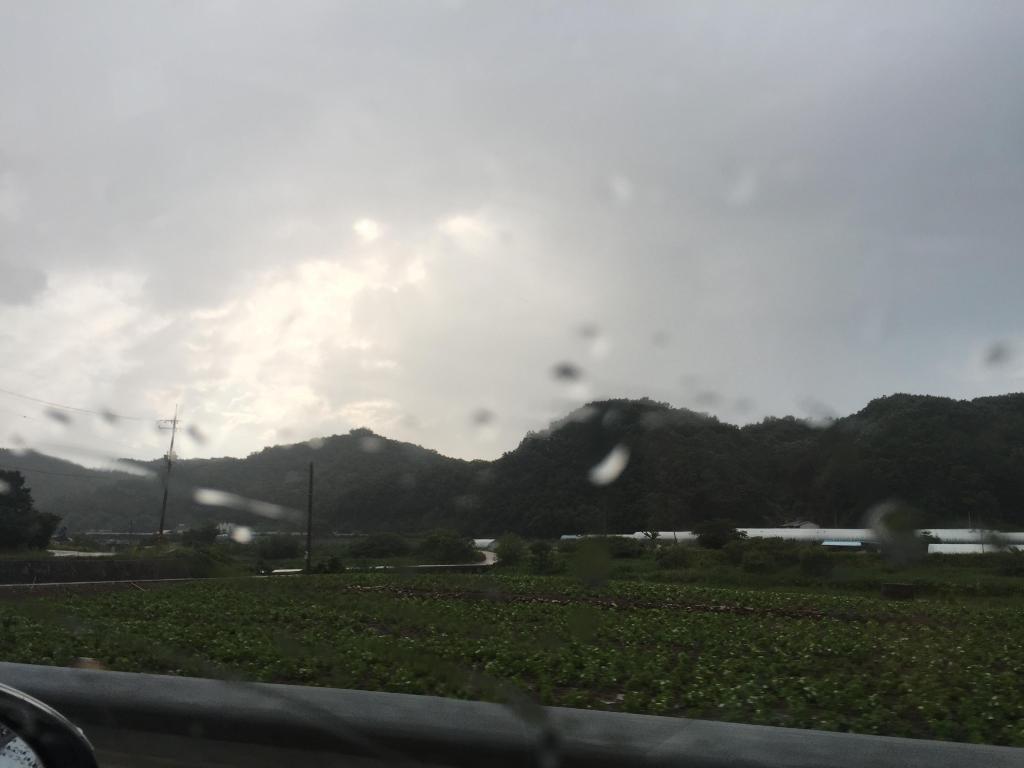
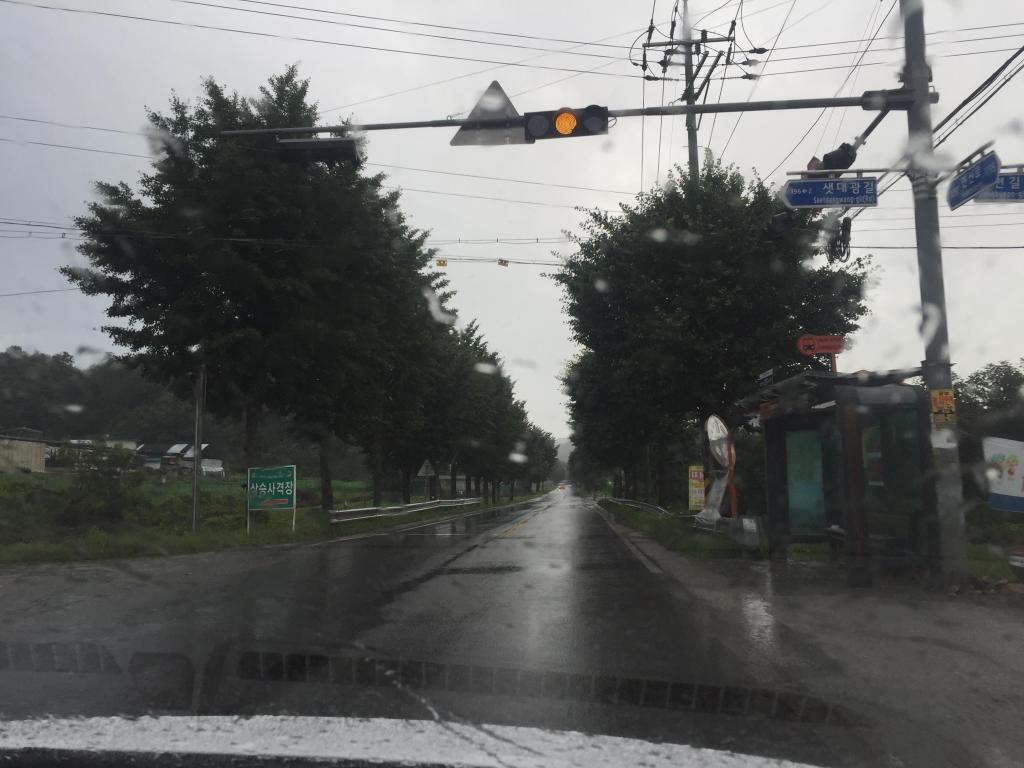
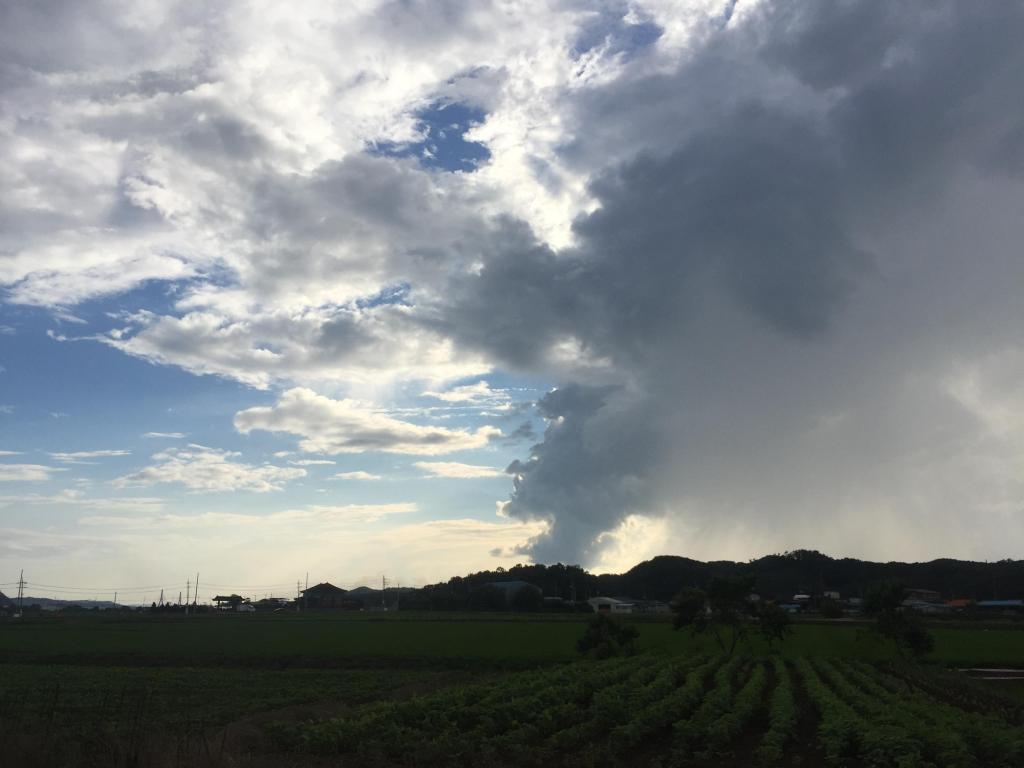
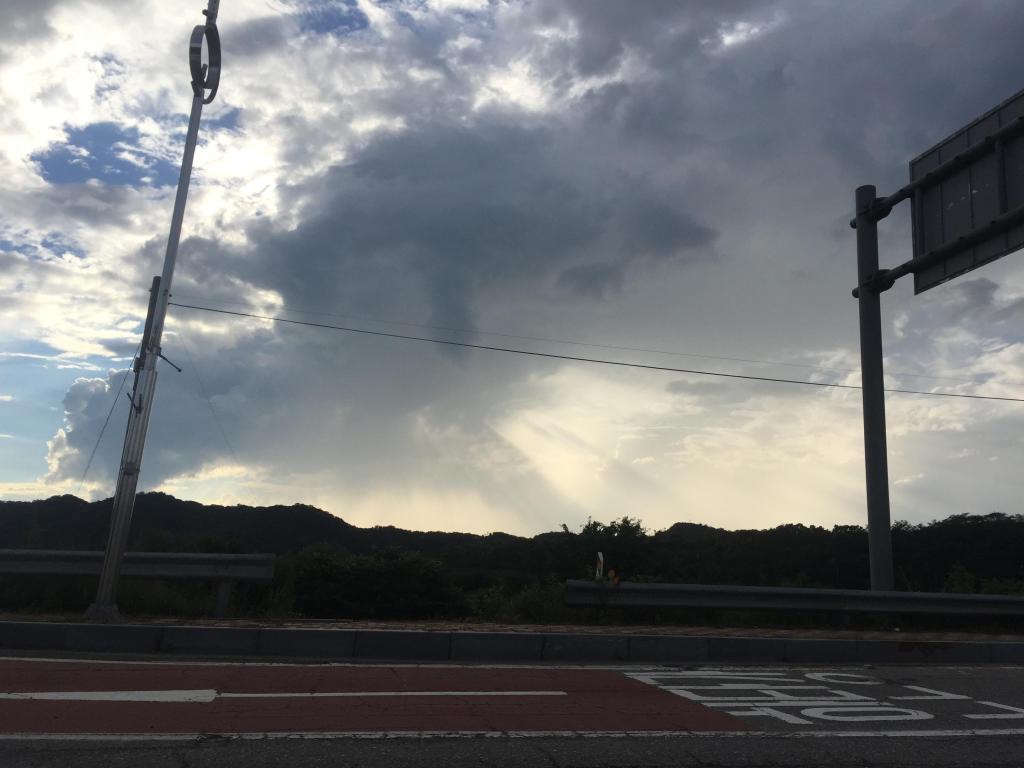
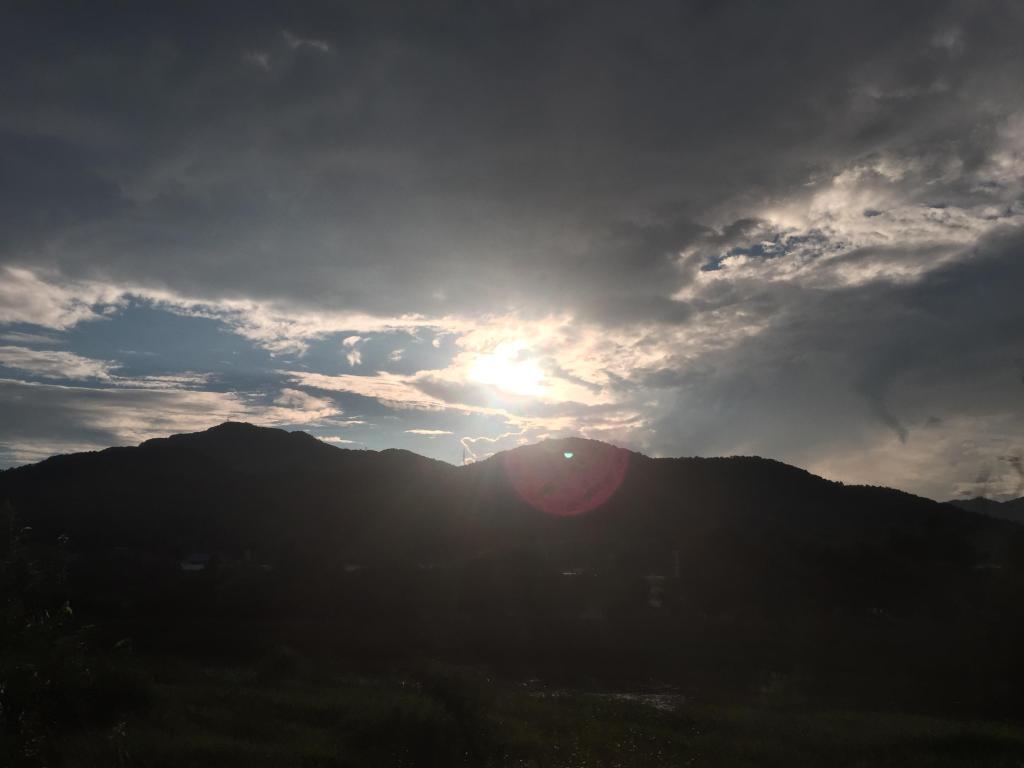
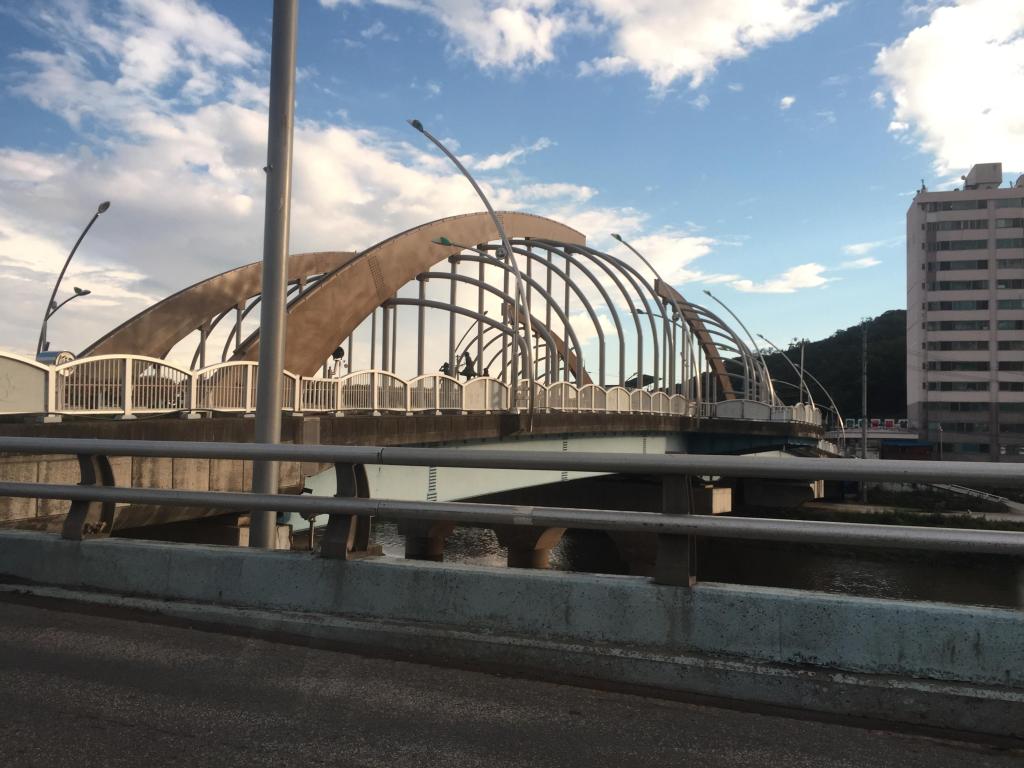
The evening will be spent in Uijeongbu!
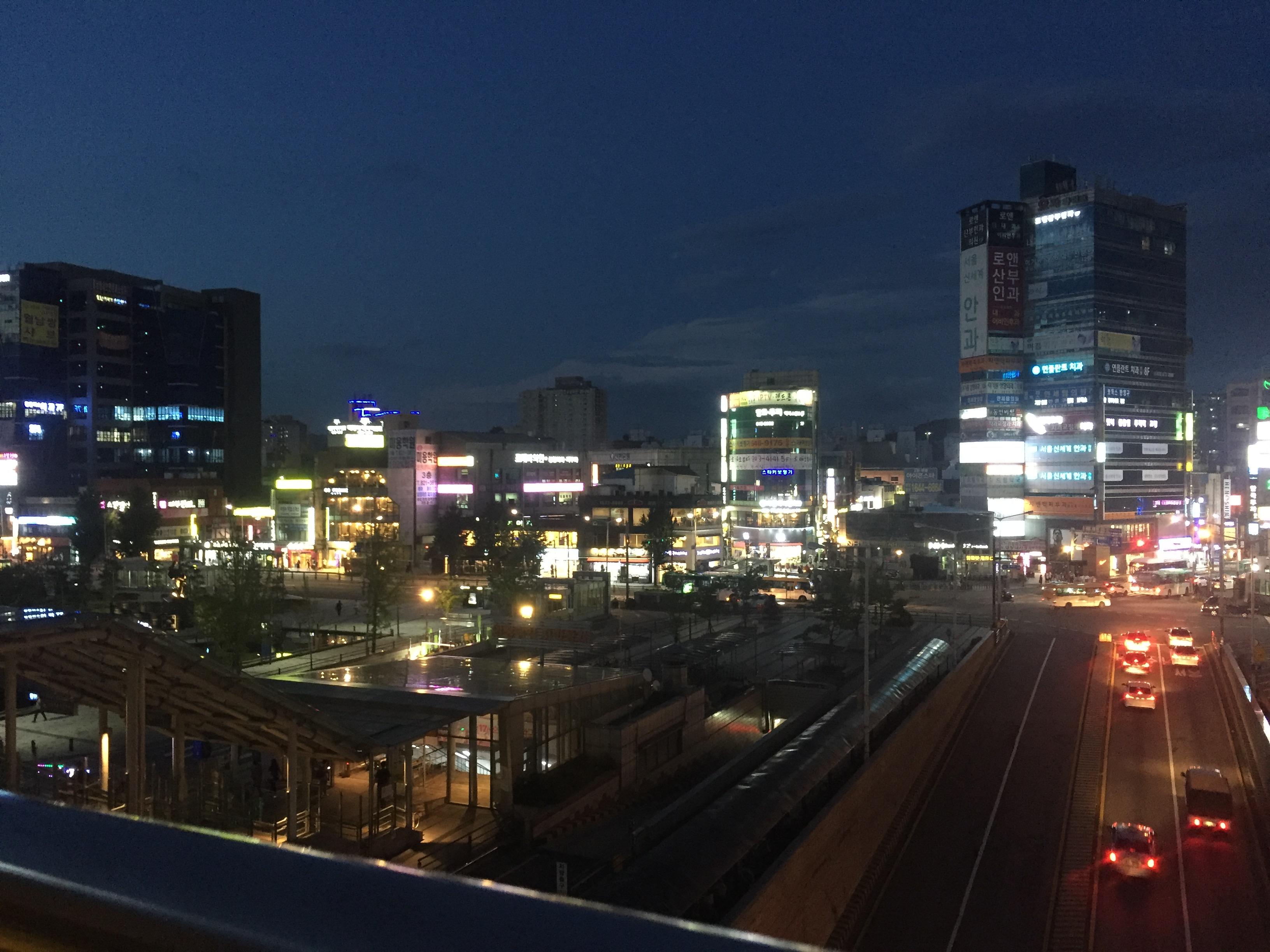
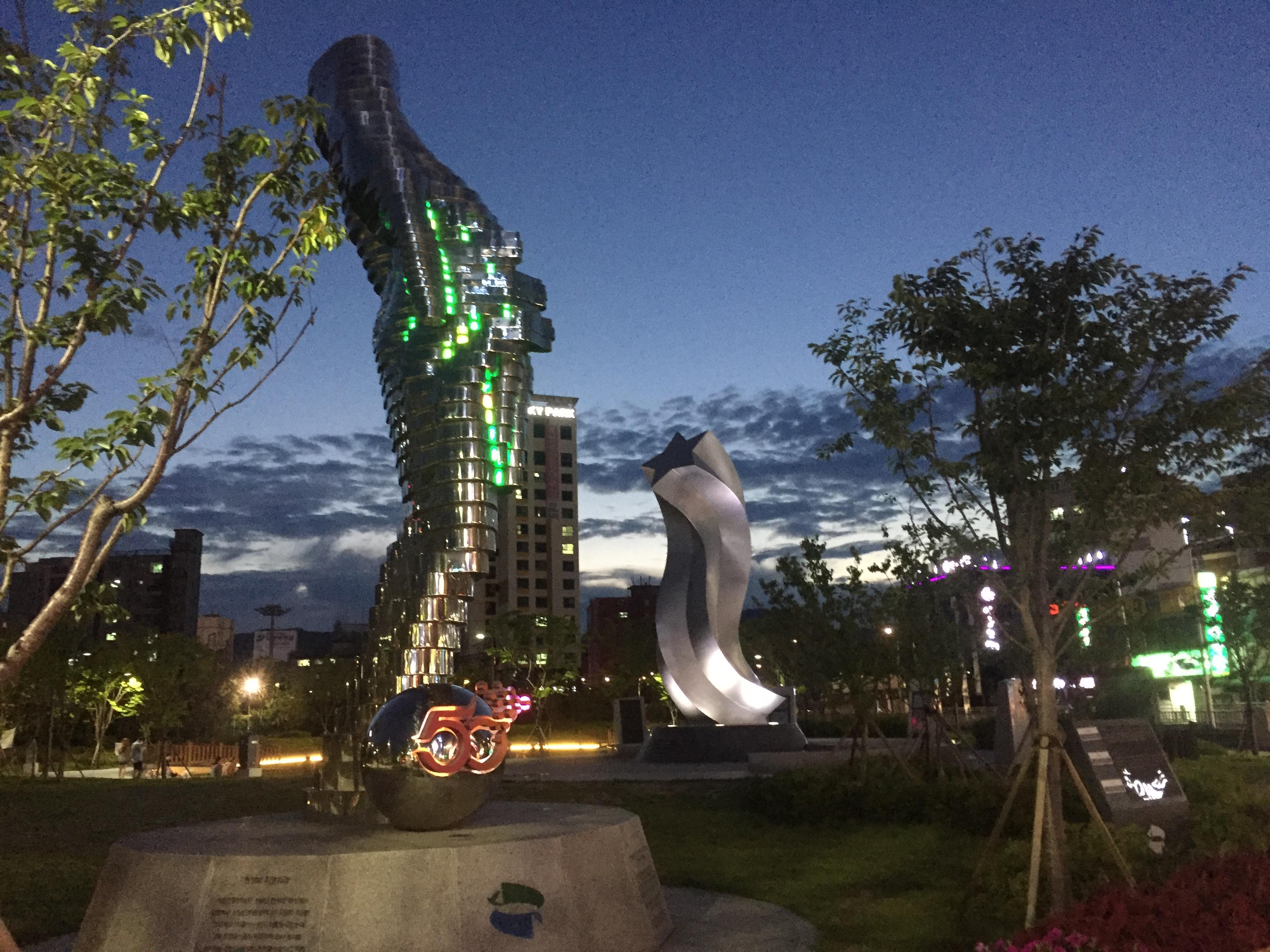
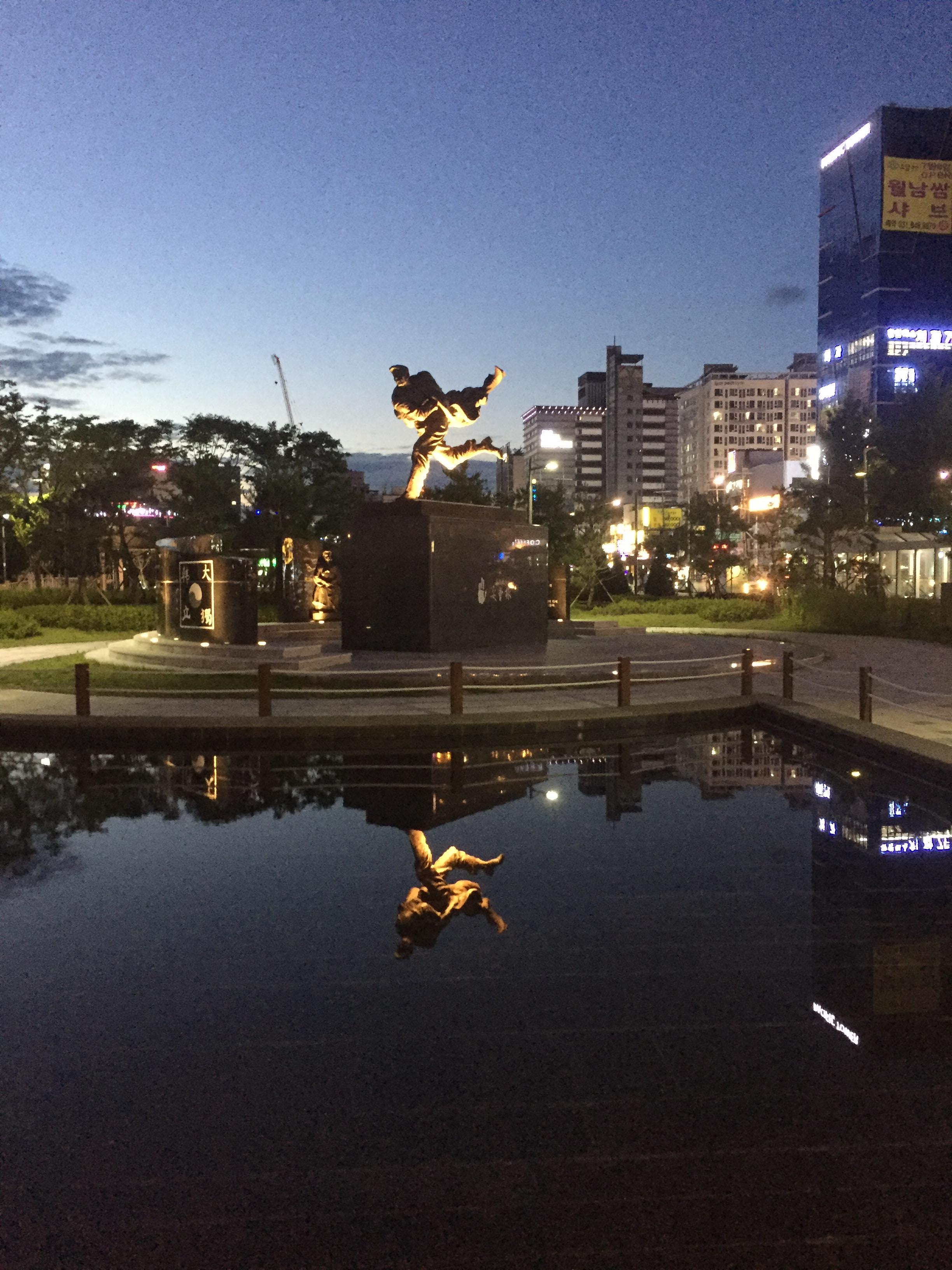
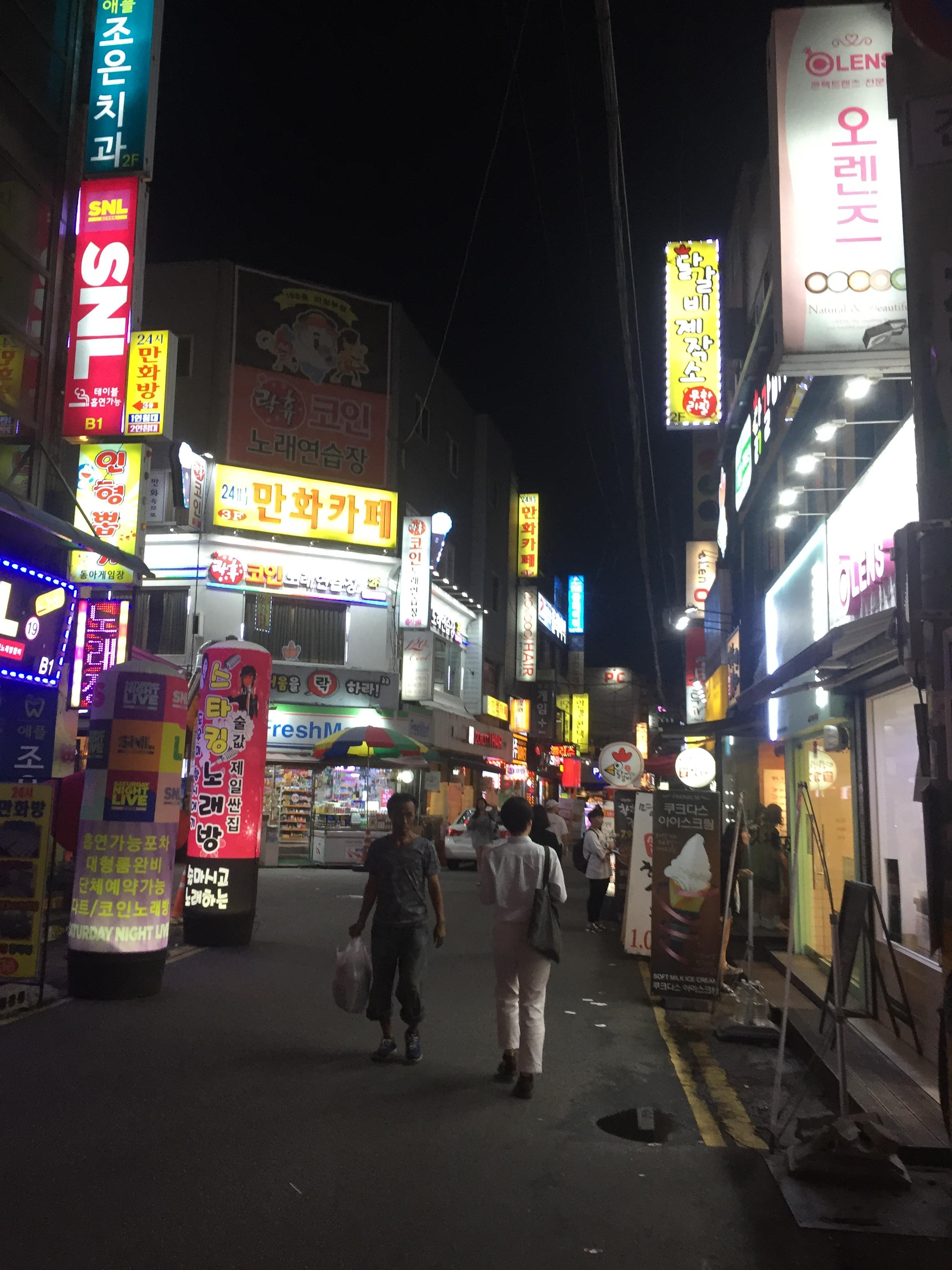
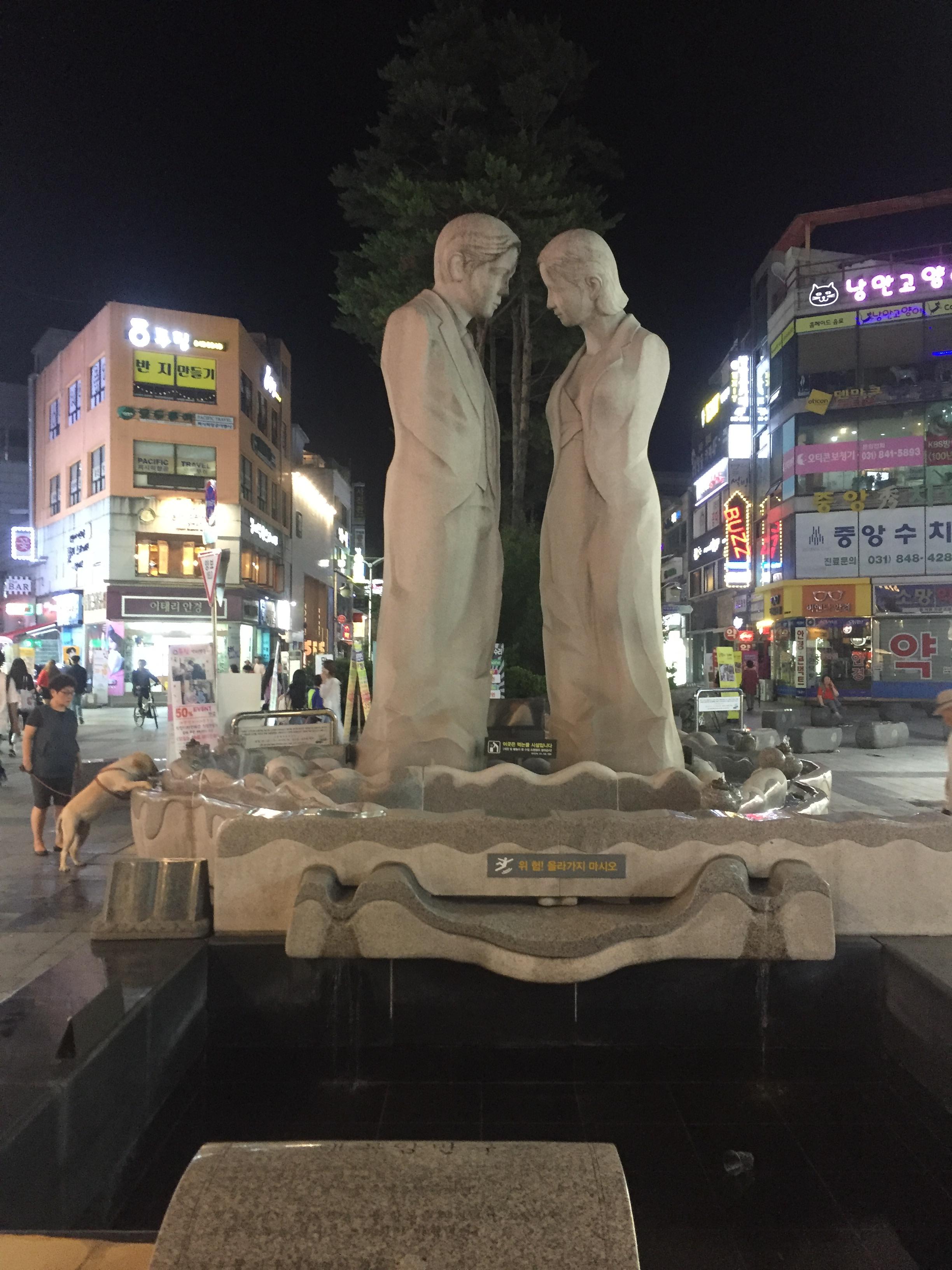
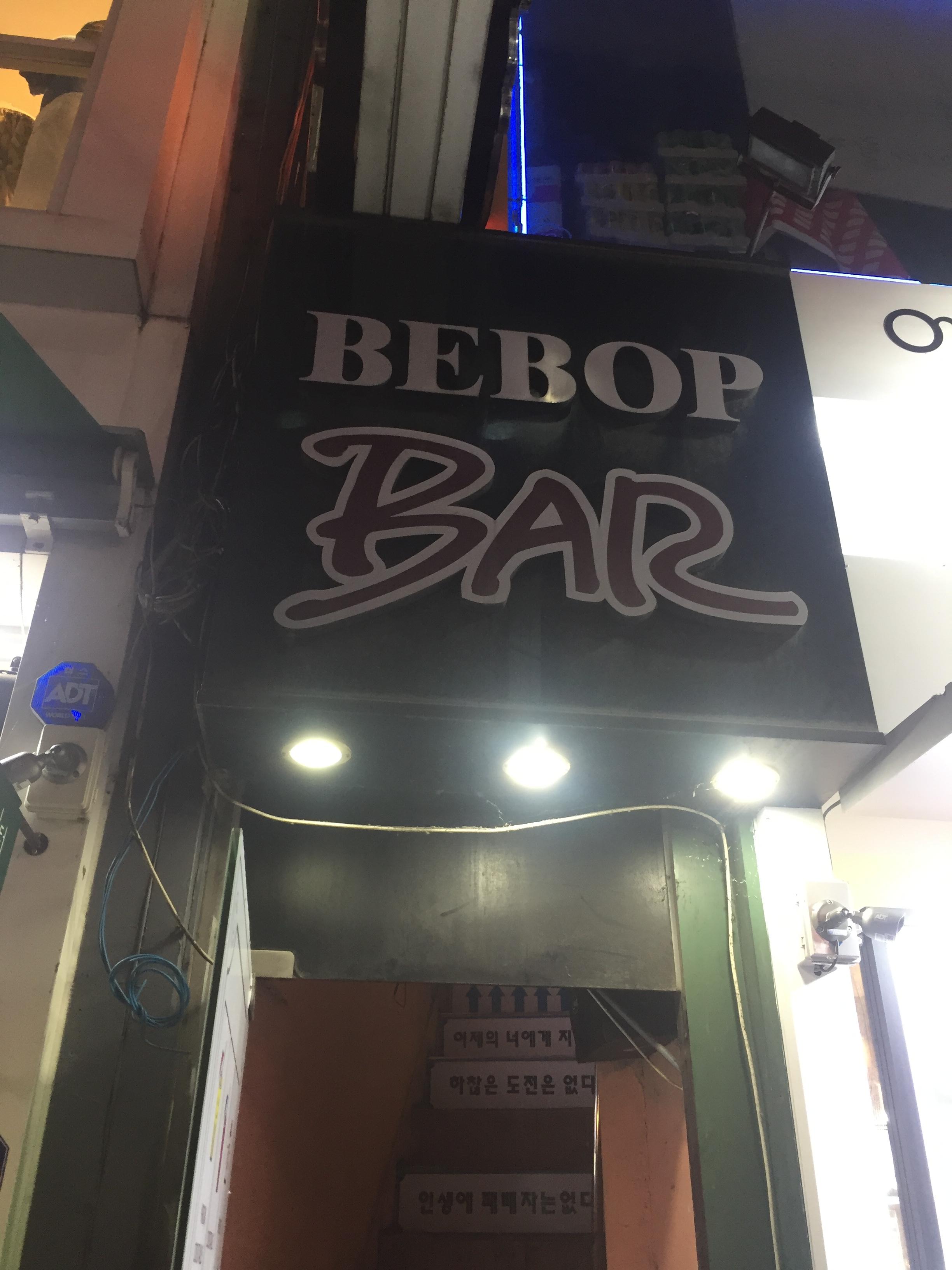
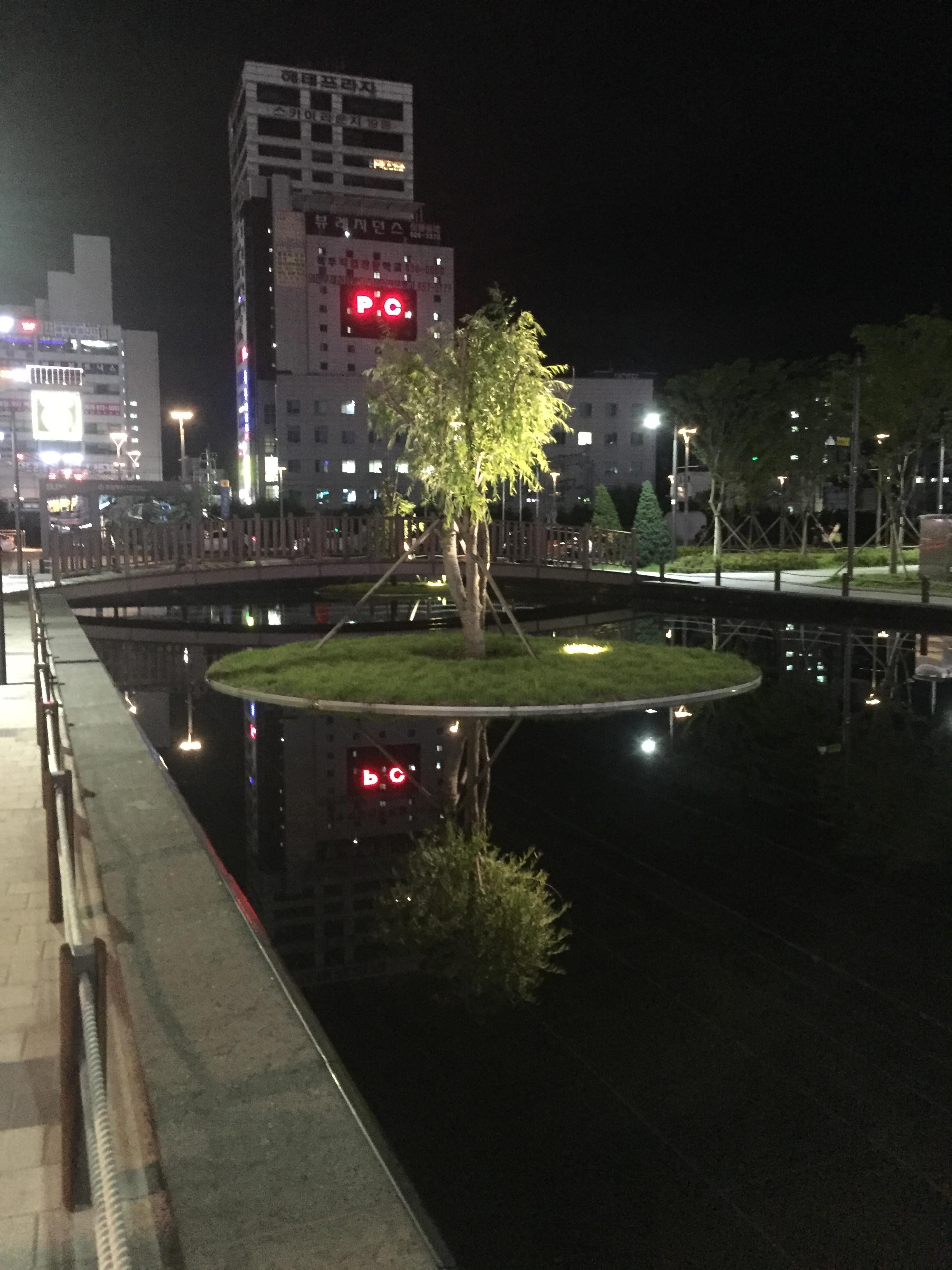
I do not remember the food but I still remember the bar, the narrow bar upstairs, Americans, even the place I was sitting, the barman and an offer to have unlimited drinks for a specific price. And my refusal. Why? Haha.
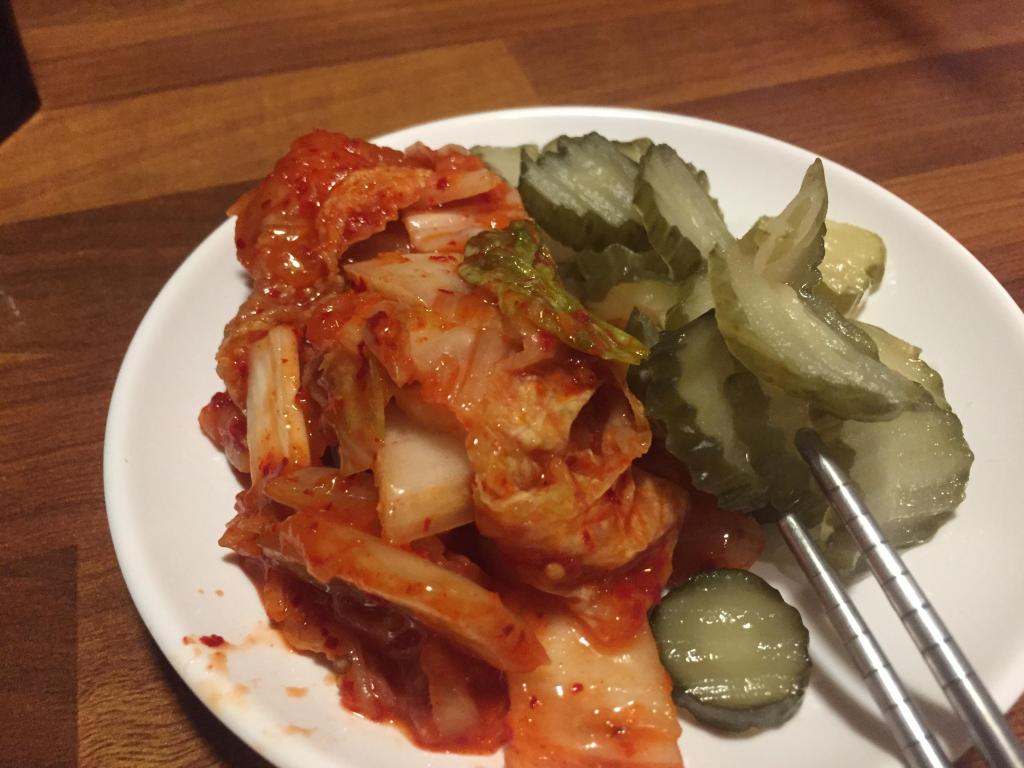
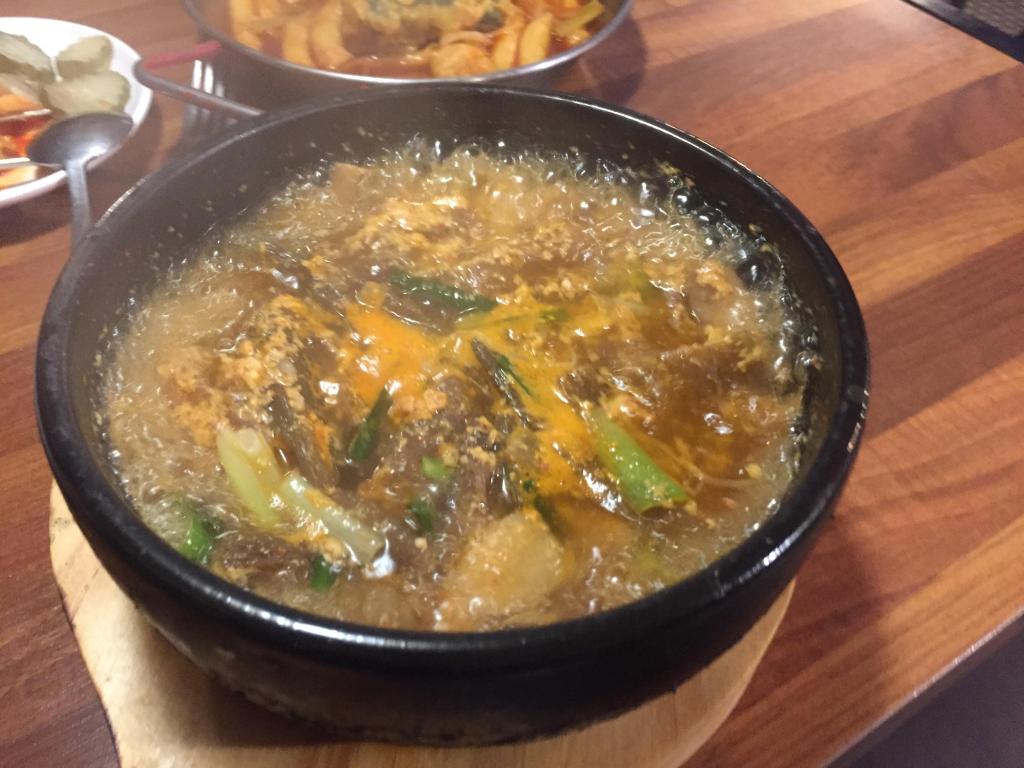
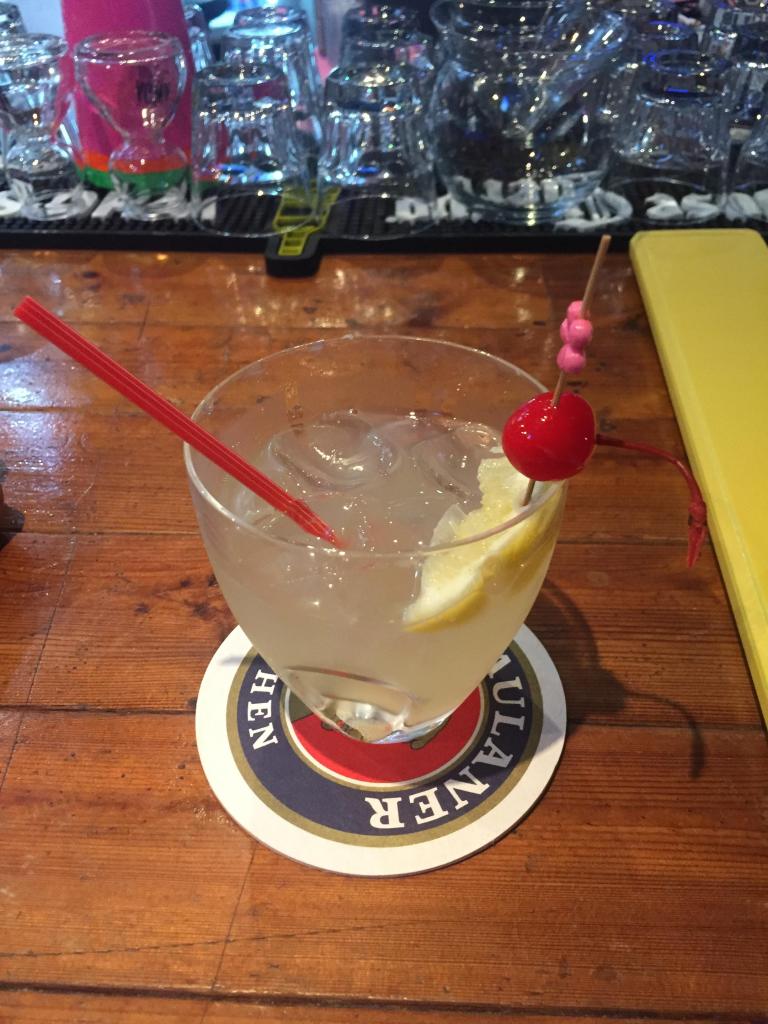
Let us see what the future brings! But first, sleep.
I am really excited about marking on map the places I visited. Since I finished my report on trips around South Korea in 2019, now I have to deal with my experience in 2018. It is been almost two years and my memories and my impressions are of course far from reality, but I hope the photos I made during the trip will bring me back to those places and that time. So, let us go!
My story starts from the second day of my stay as I have already highlighted my impressions about the flight and the first day in South Korea a long time ago. Seems it will be quite hard to detach a quite small experience of 2018 from the deeper one of the 2019 year and describe it from the view of a less knowing person.
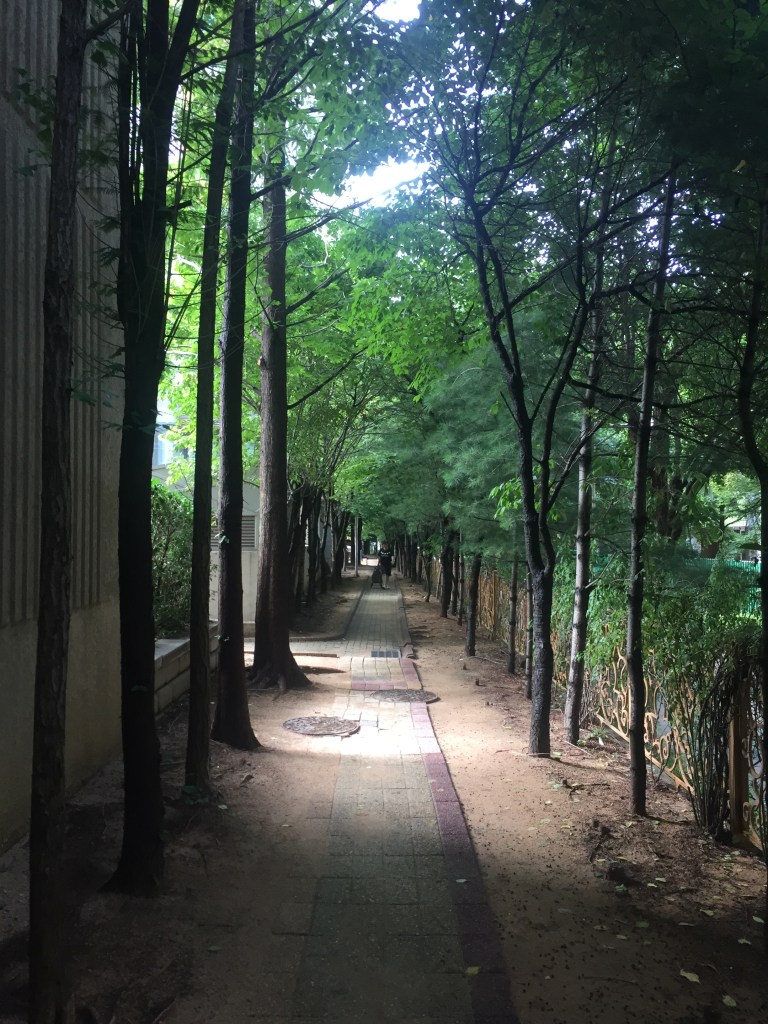
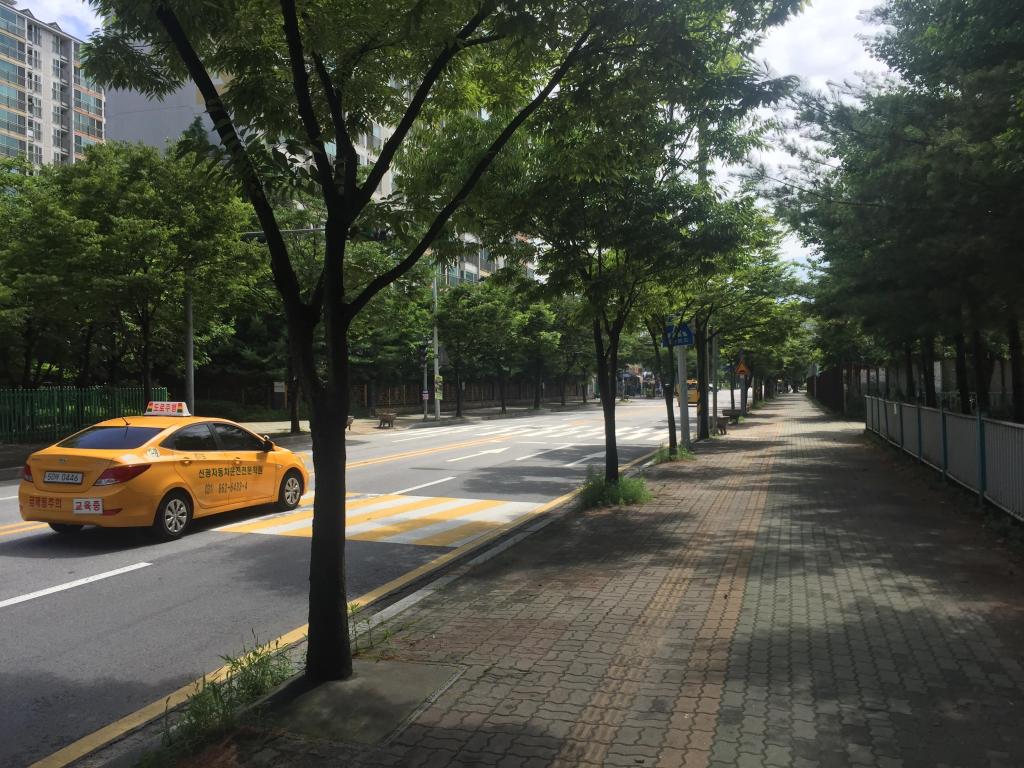
I am a pup who for the first time went out of a foxhole to discover the external world. The bowery footpath leads me to a deserted street, it is 10:30 am, that is the burning sun force the people to stay inside with cool conditioners.
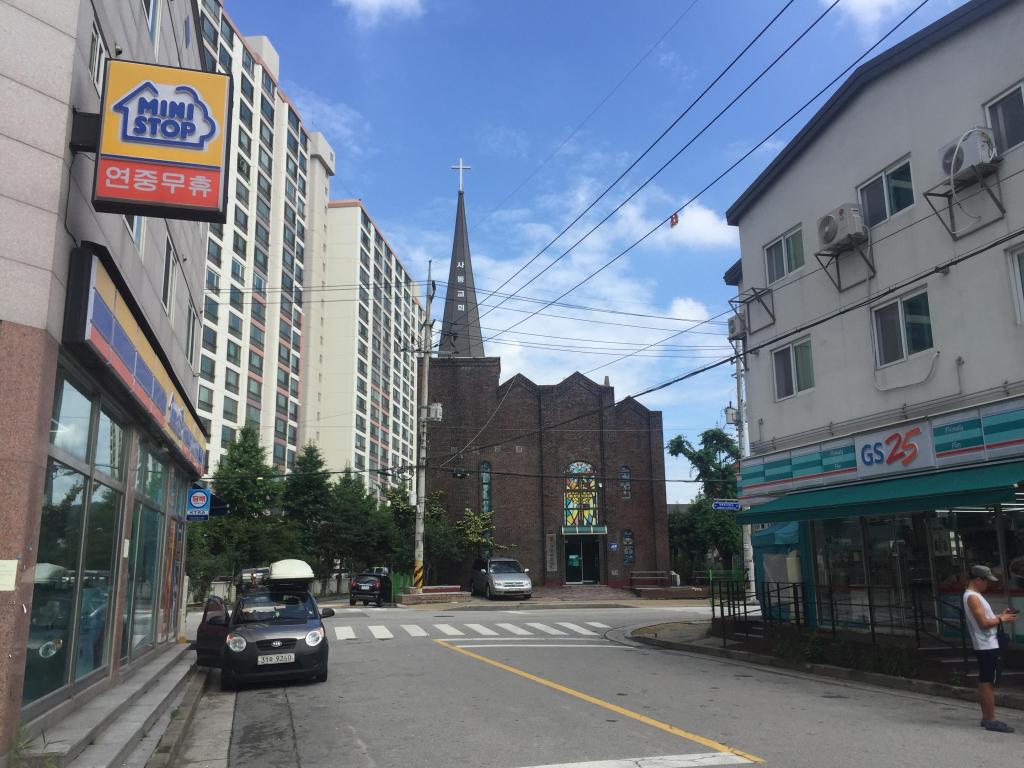
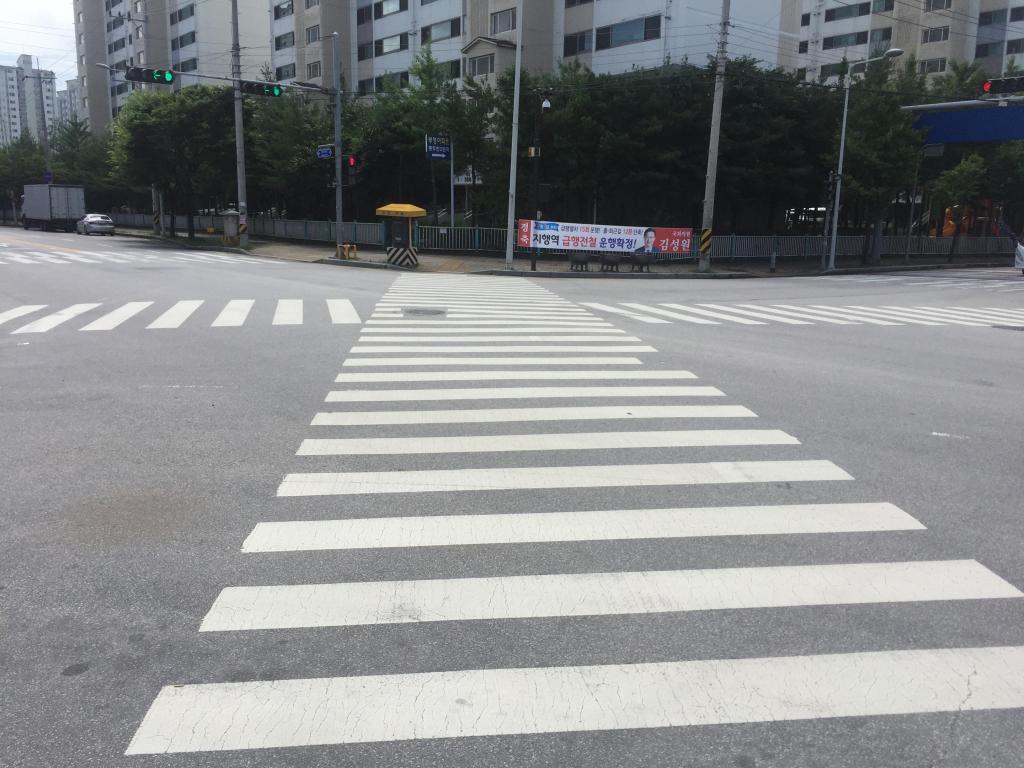
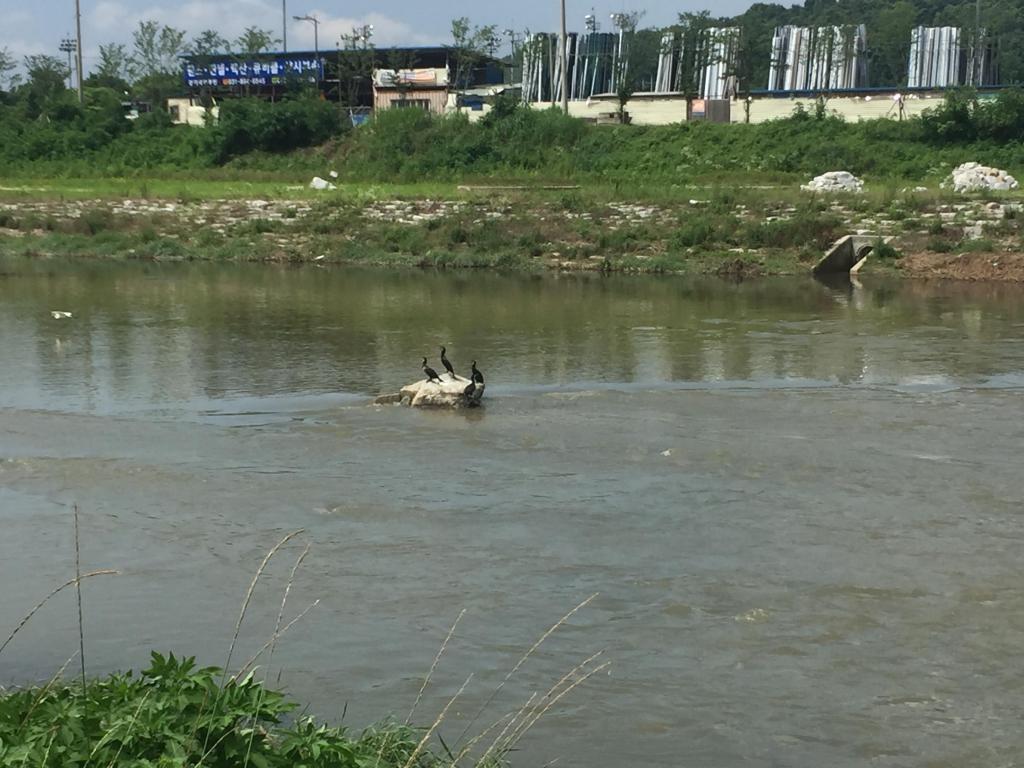
Not far from the foxhole a shallow river slows. The further I go, the higher the chance to get lost is.
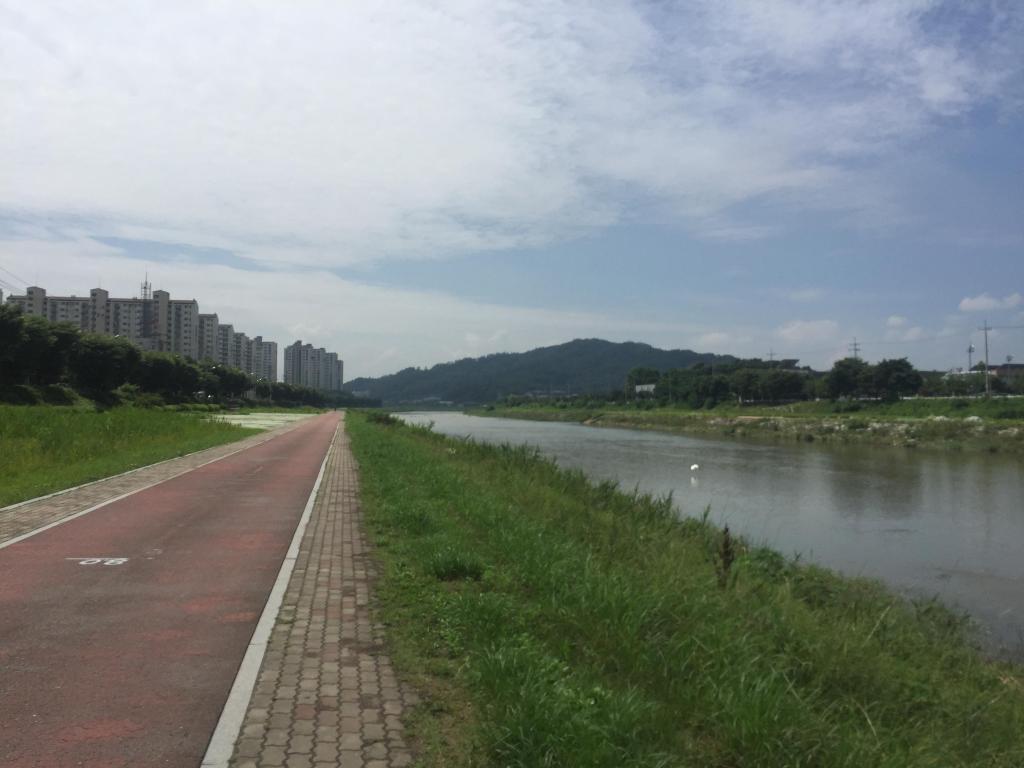
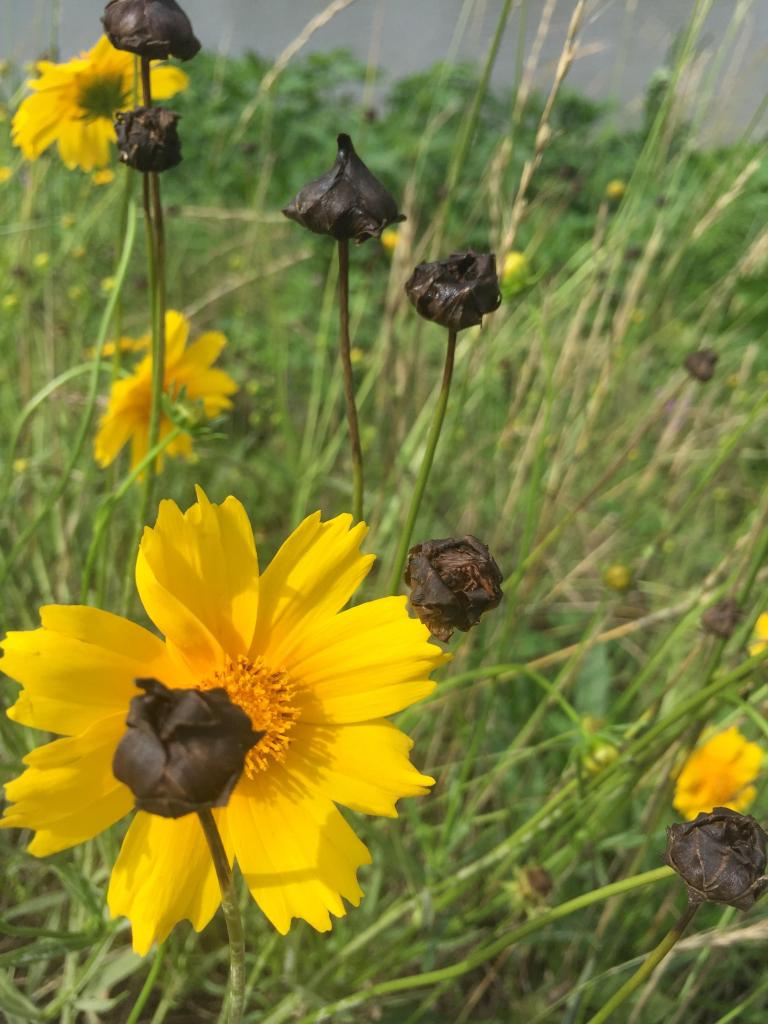
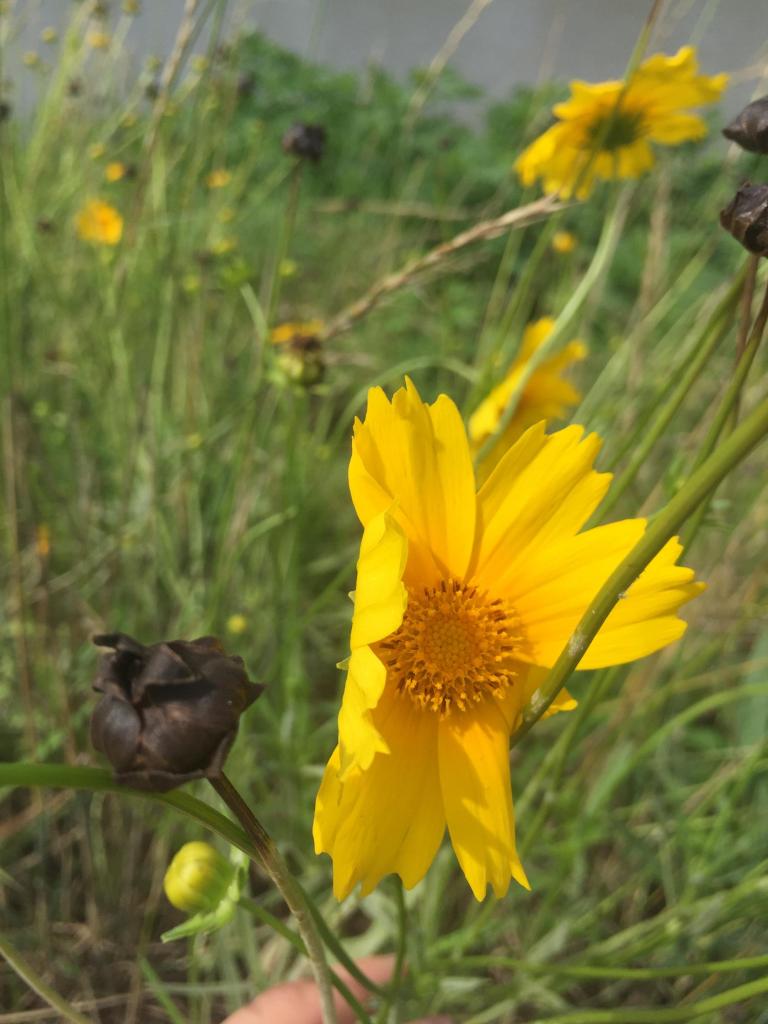
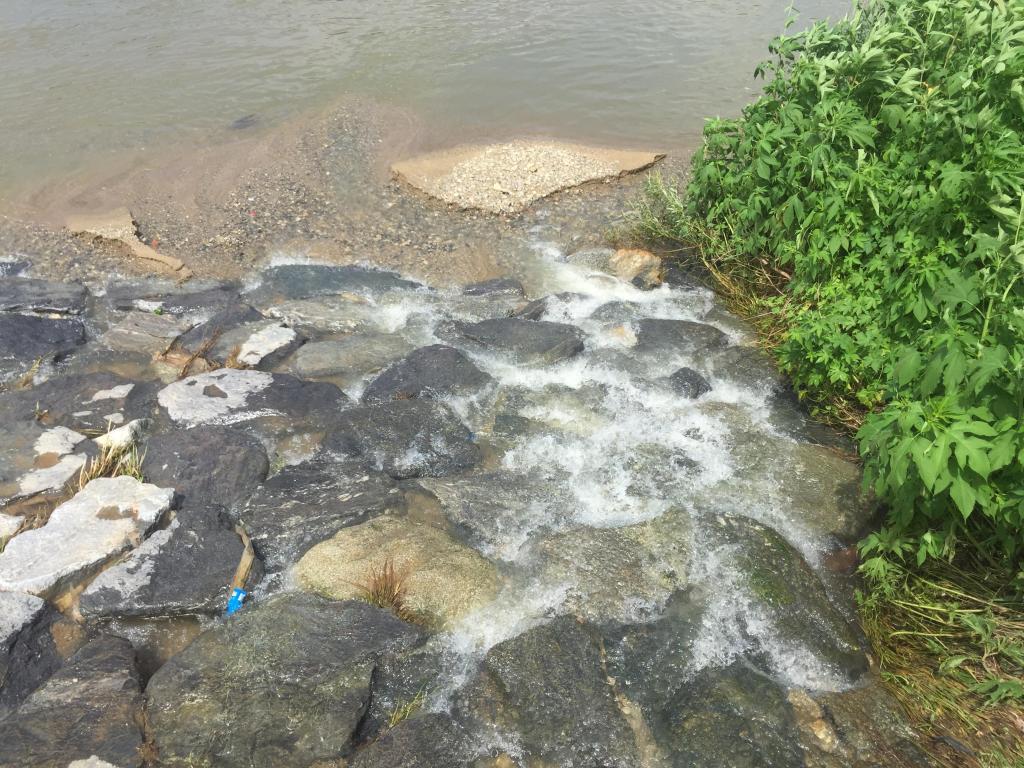
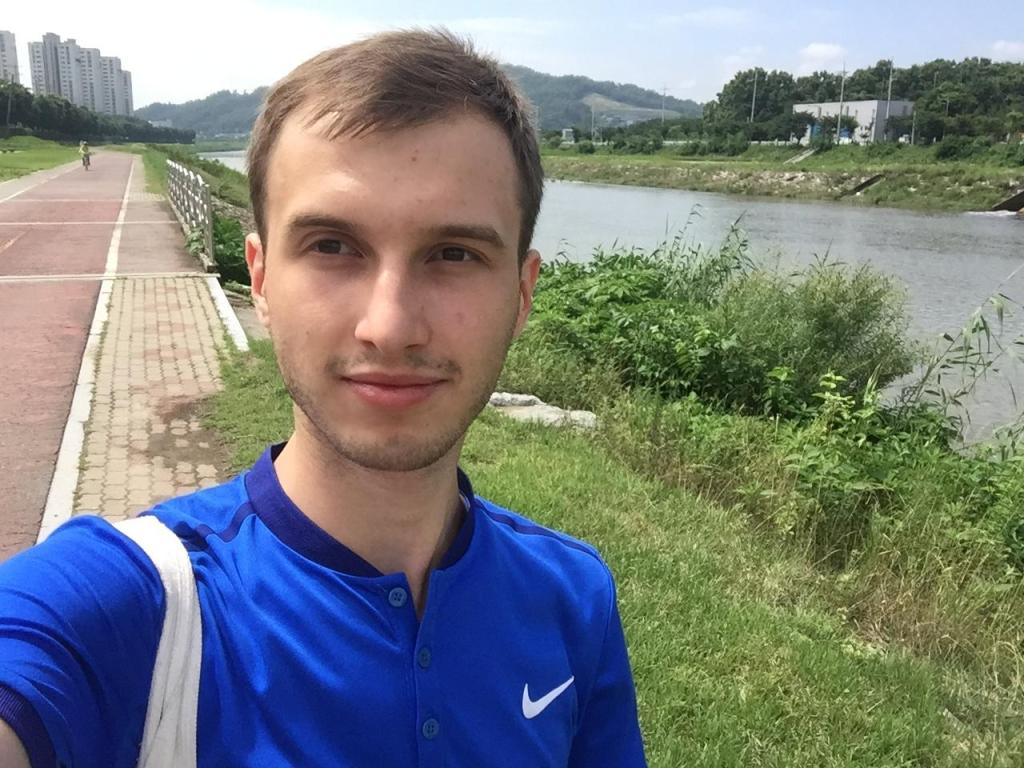
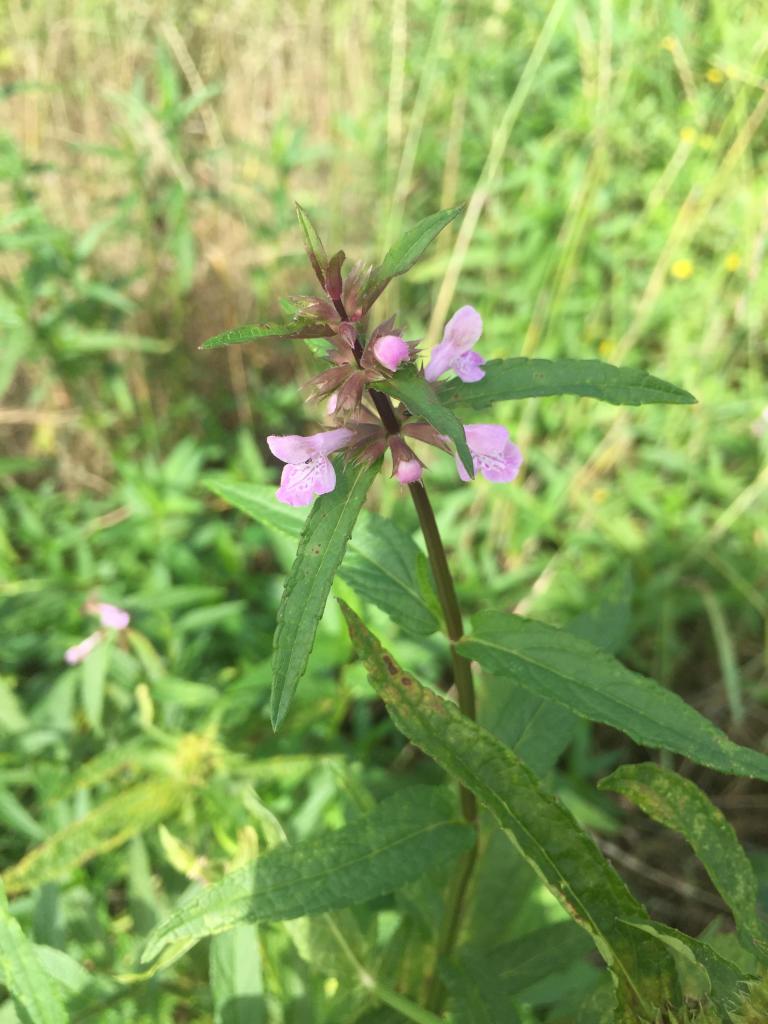
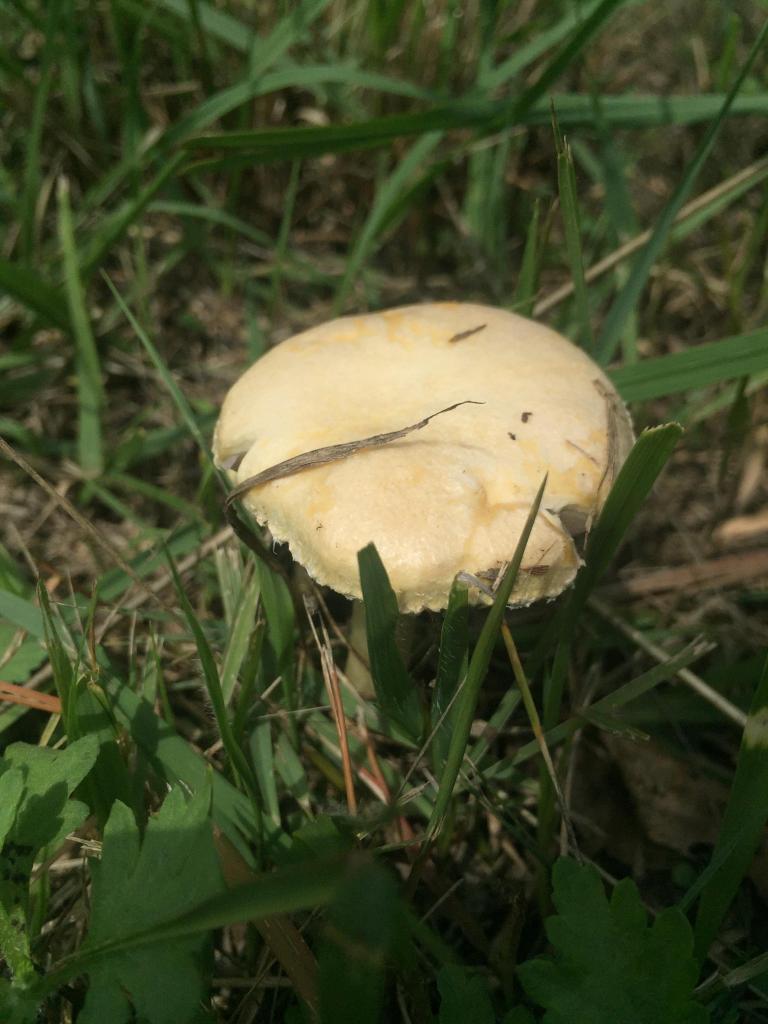
The plants remind me of Ukrainian steppe.
This is Dongducheon city with very Korean street views: facades overcrowded with colourful banners each one trying to catch a customer, the countless road signs and contrary natural paths alluding to the eastern philosophies.
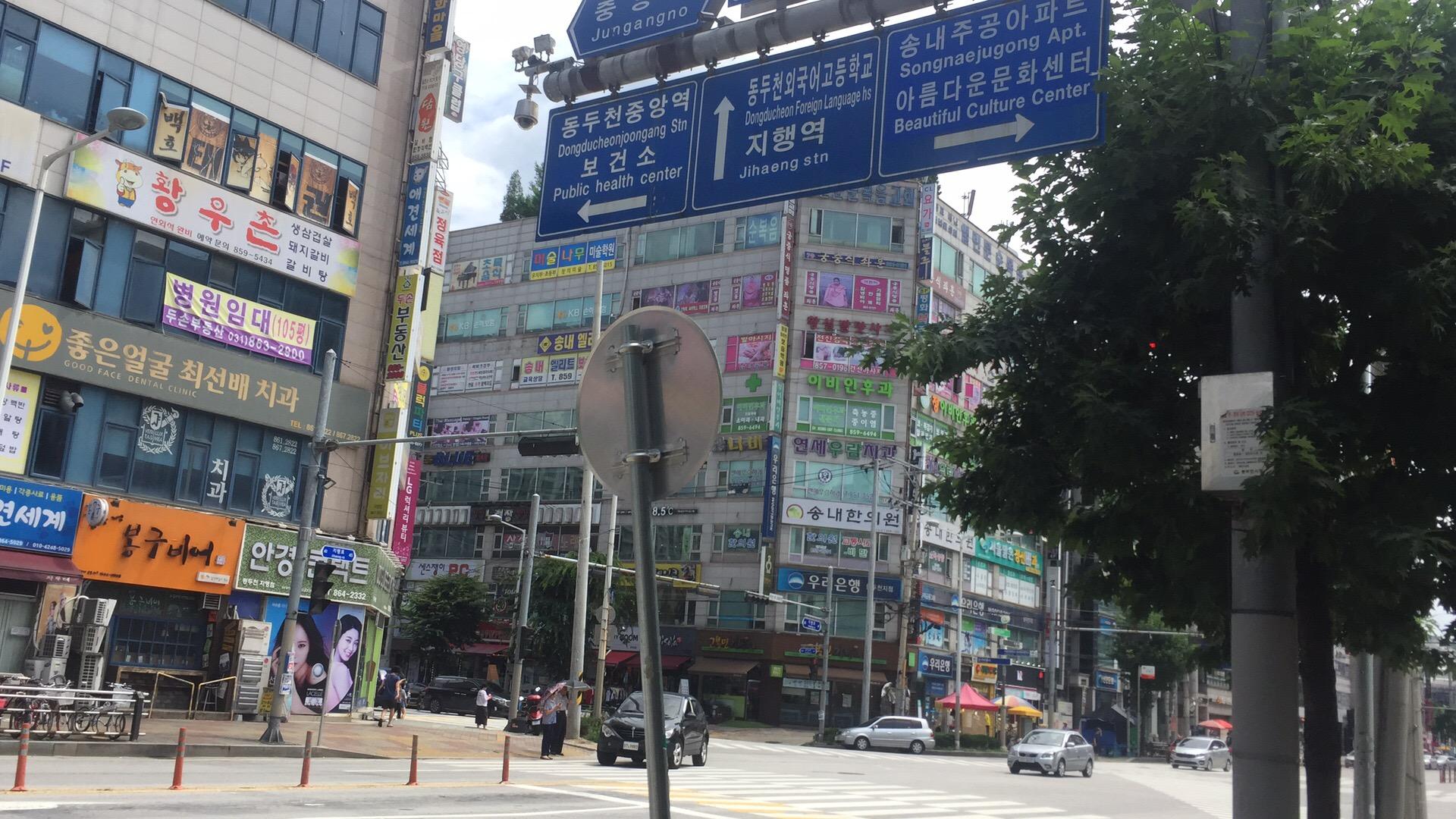
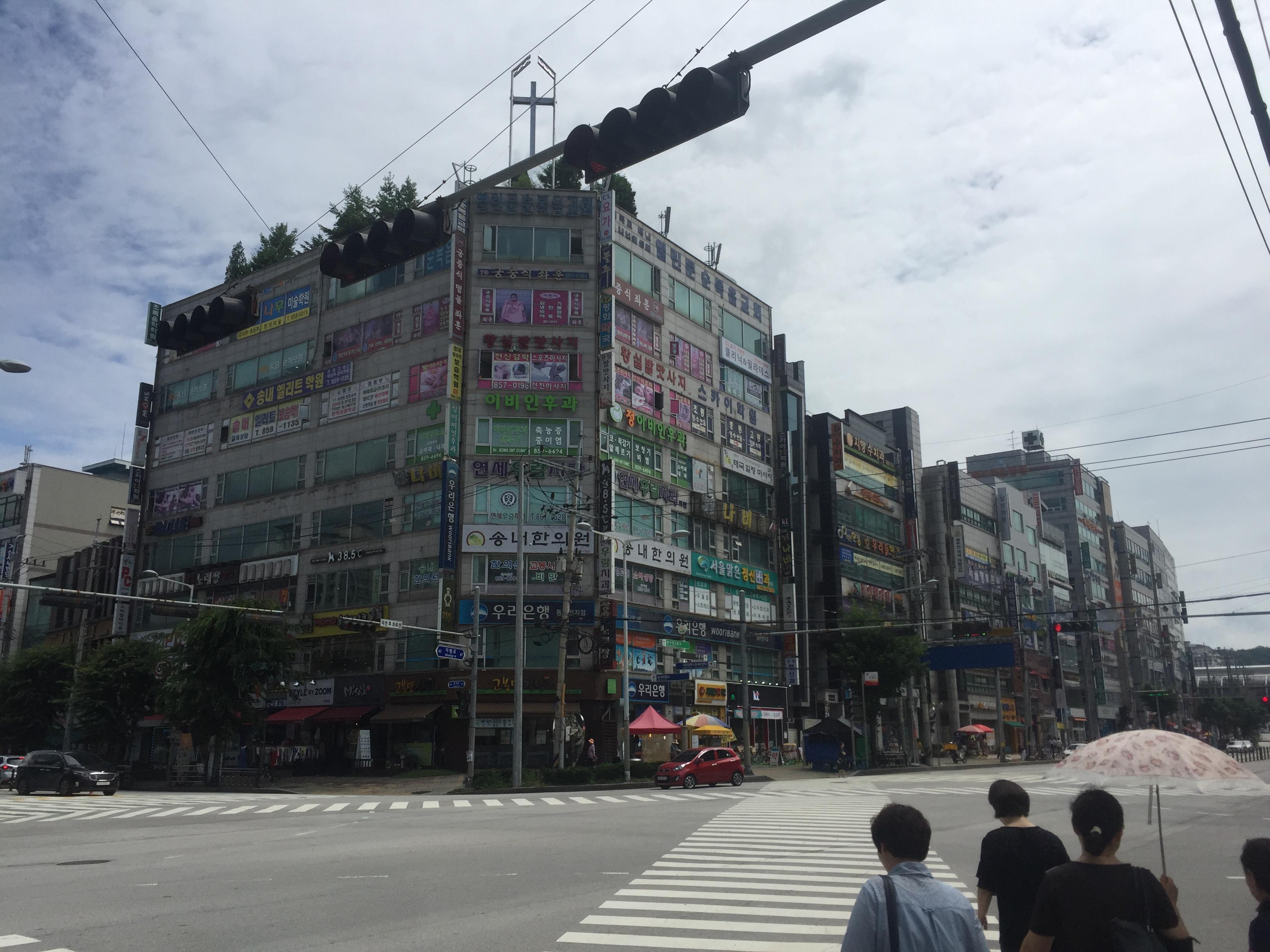
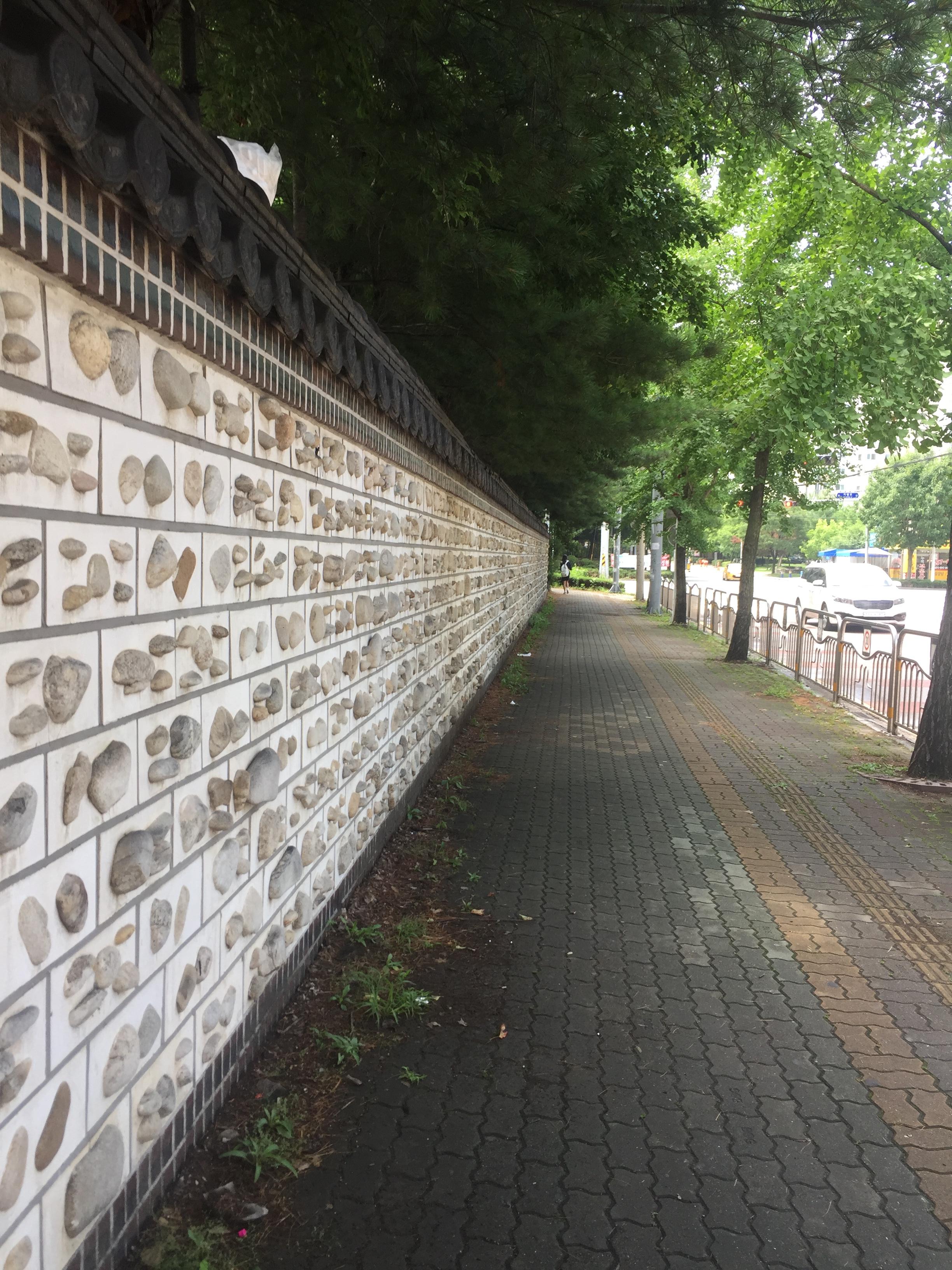
A cosy green park where one can enjoy walking, lie down or have lunch in a pavilion, exercise on a set of trainers or enjoy peering a pond, especially at night when frogs start their serenades.
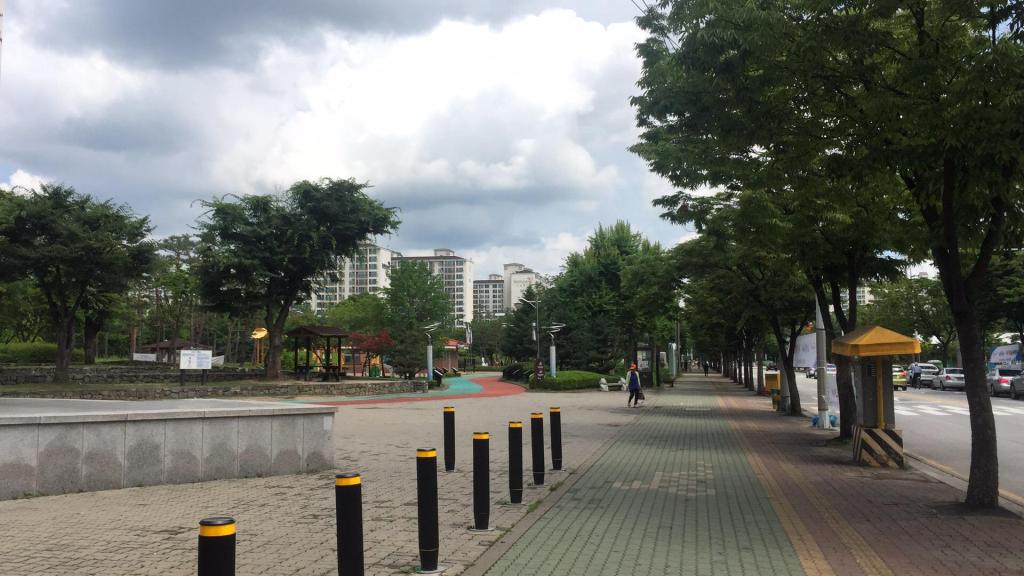
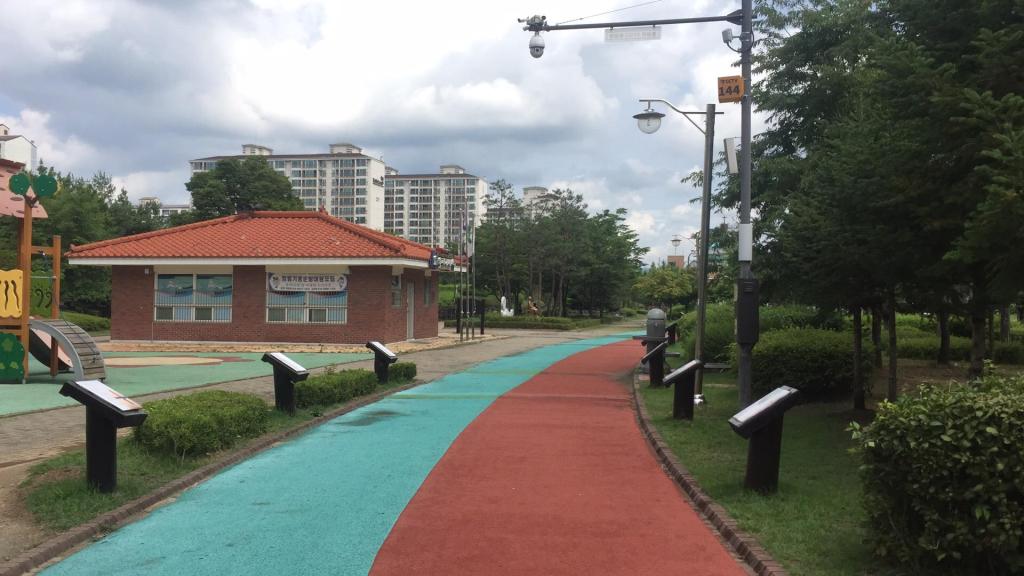
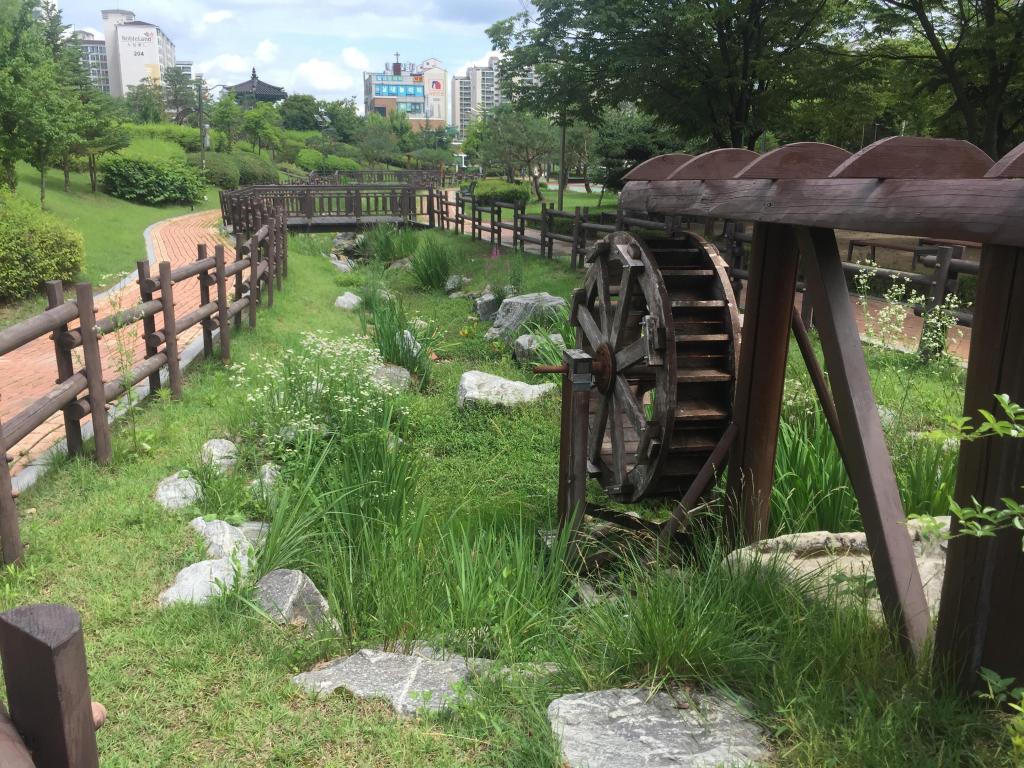
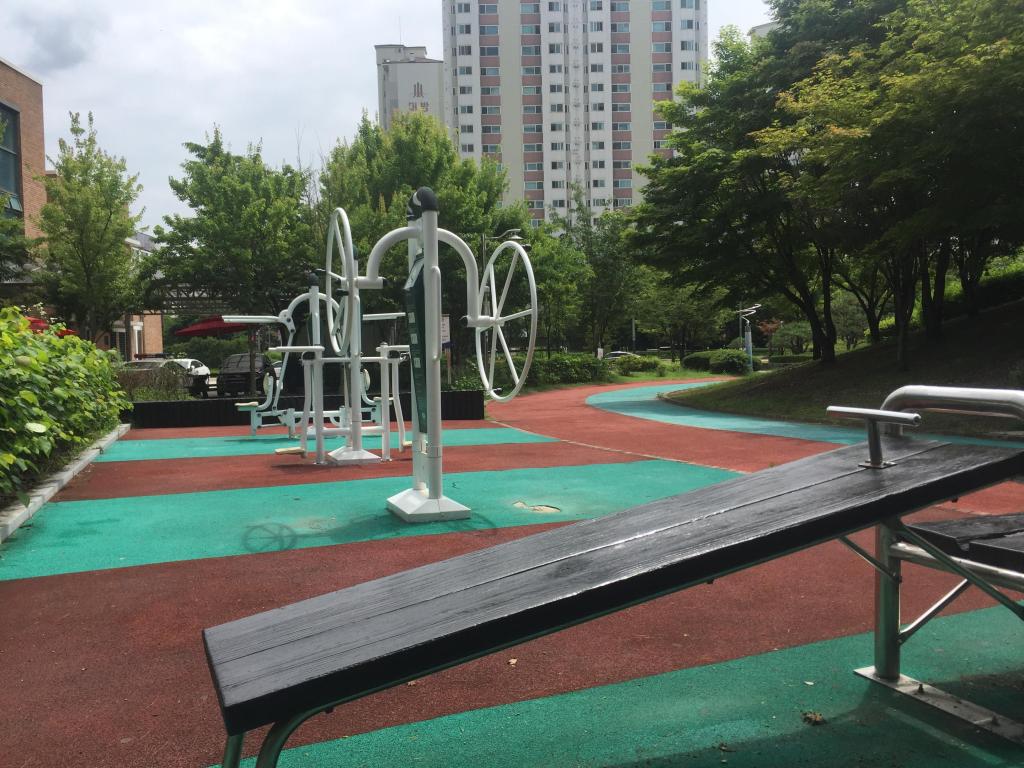
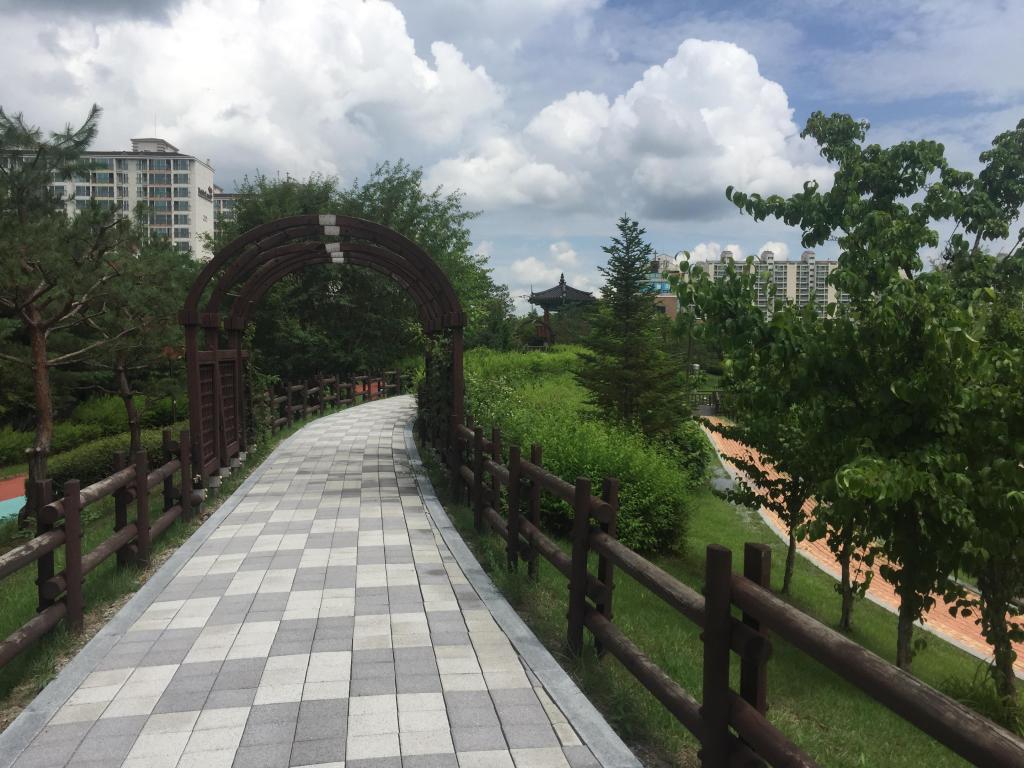
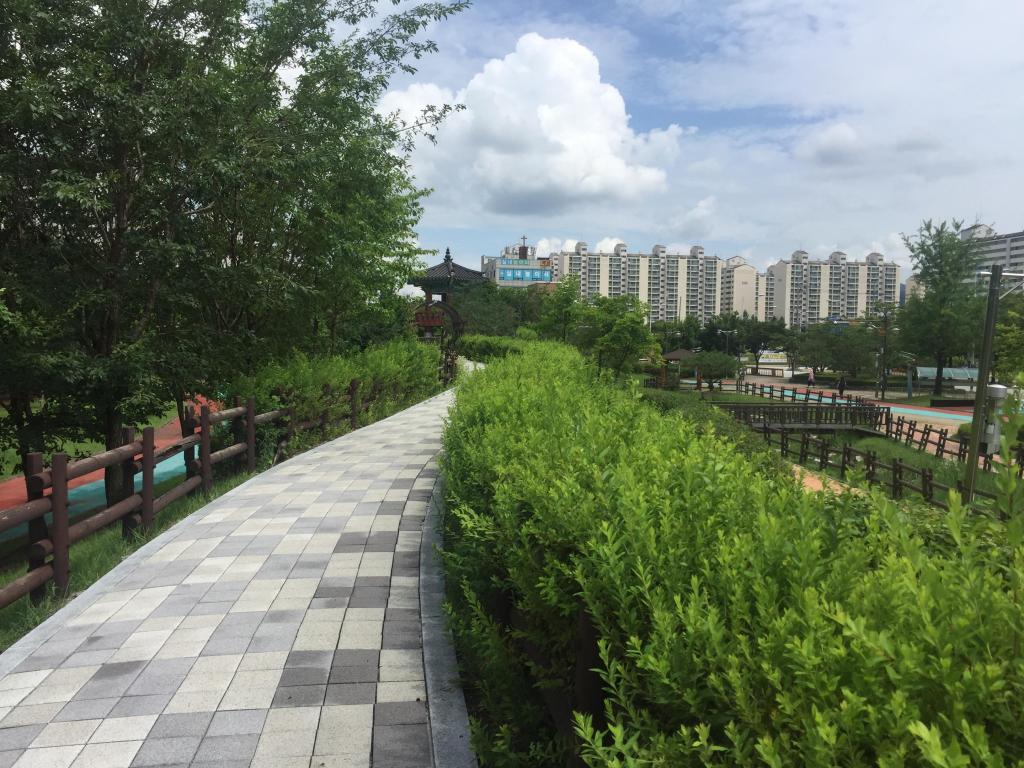
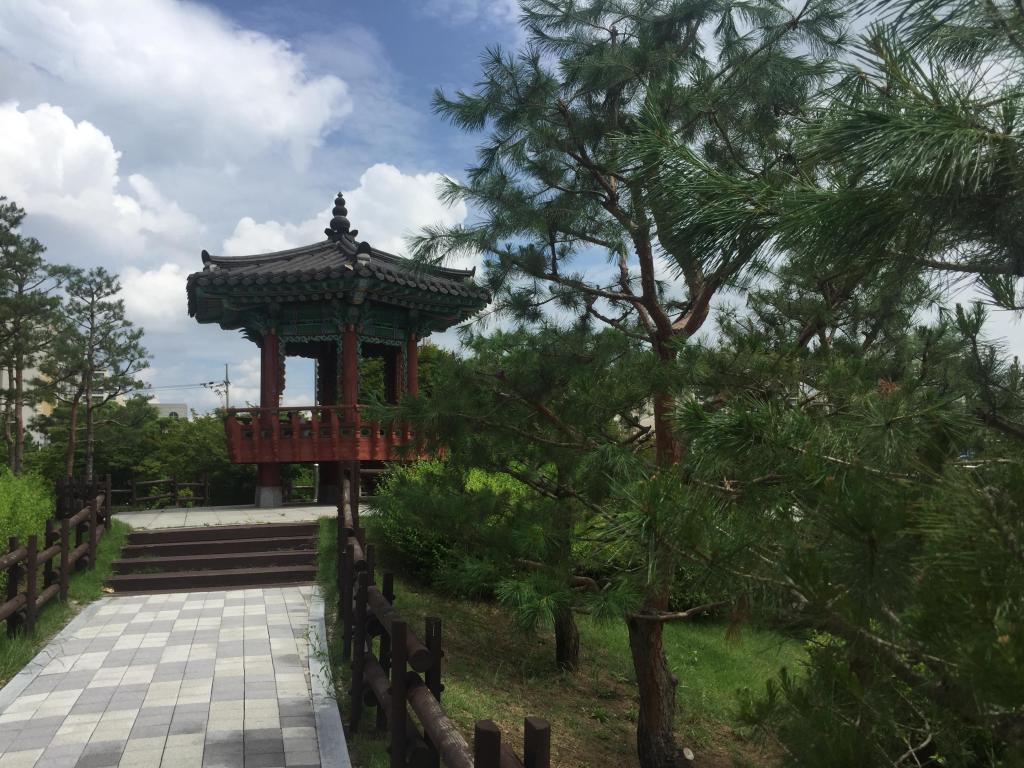
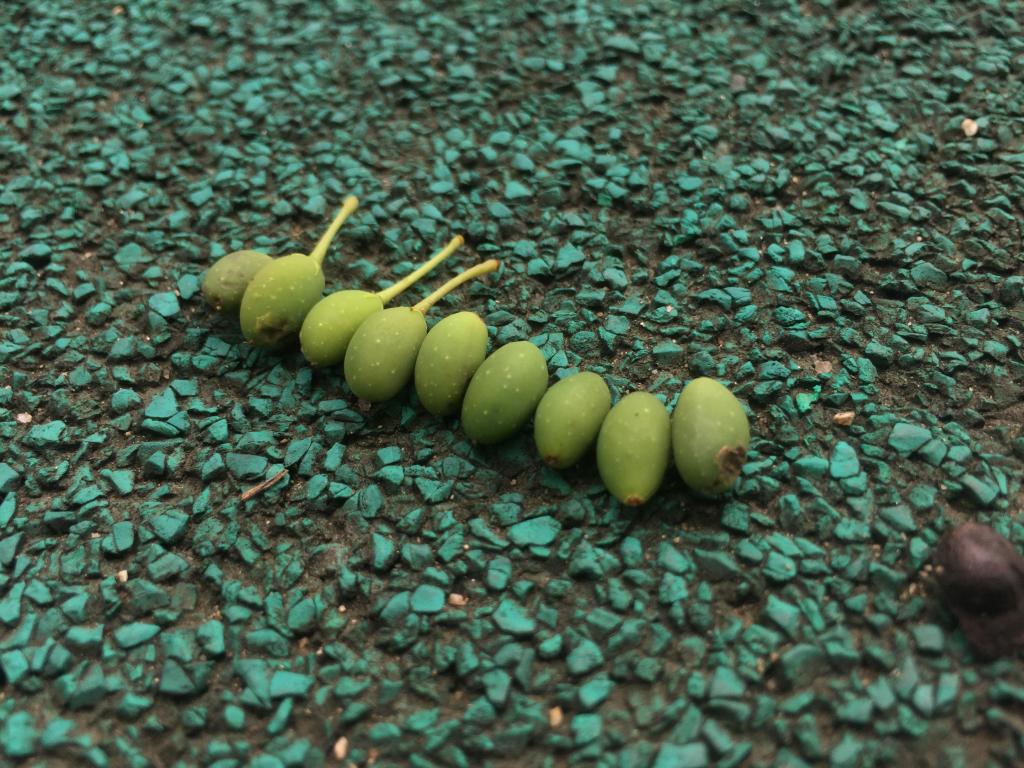
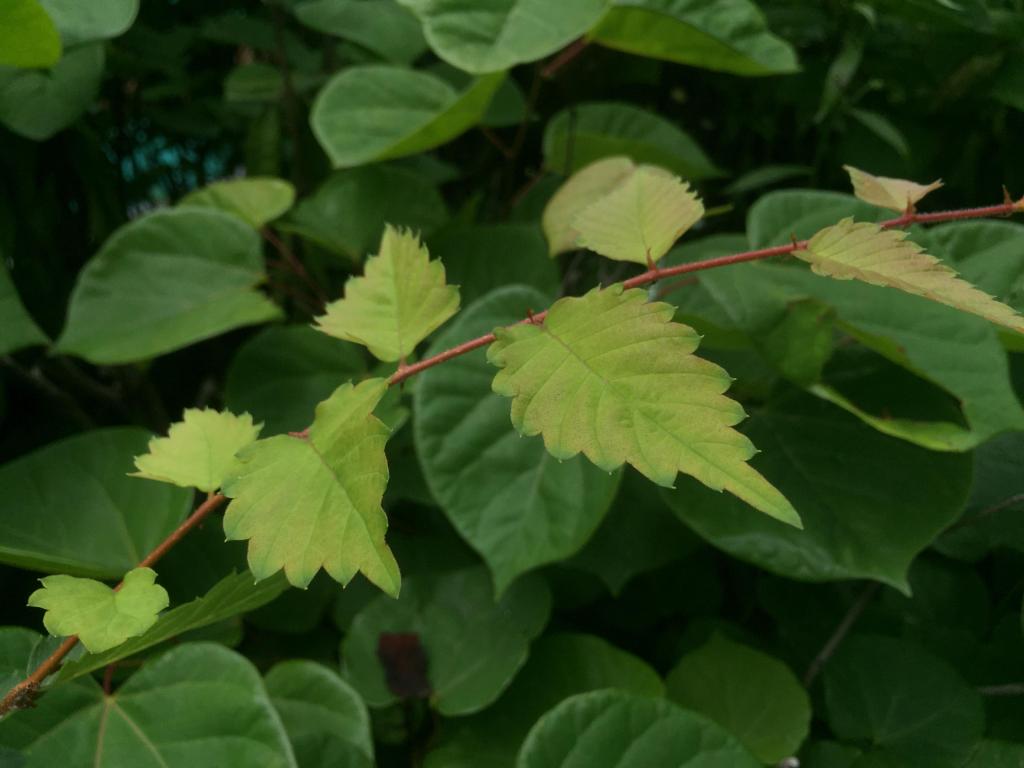
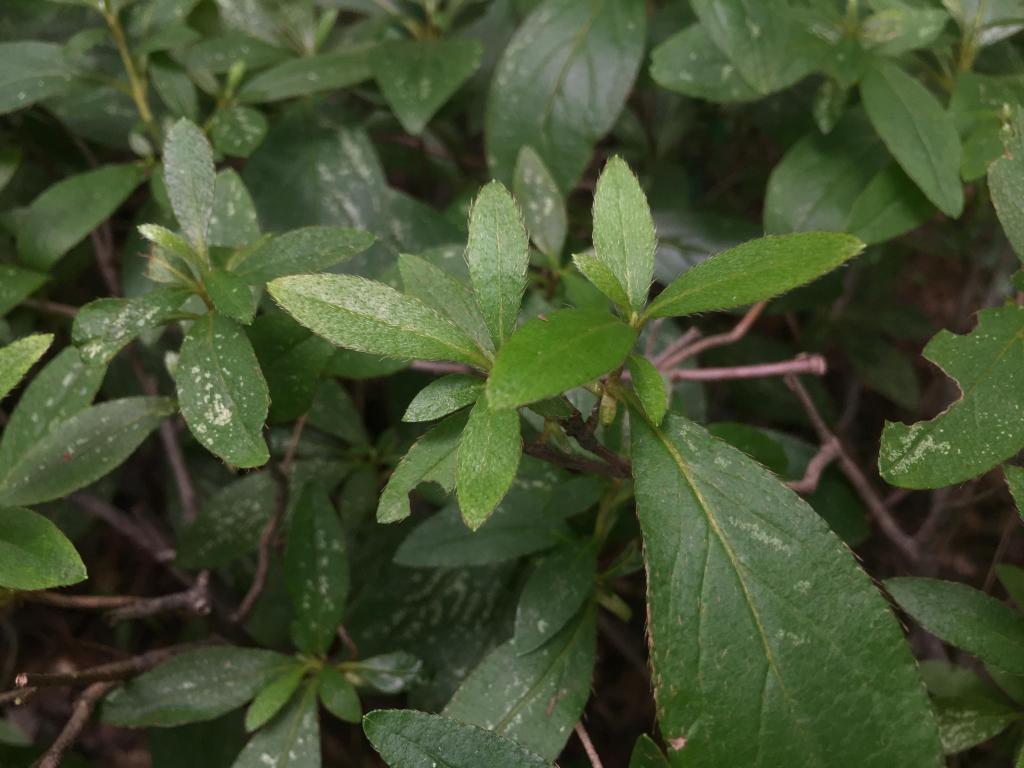
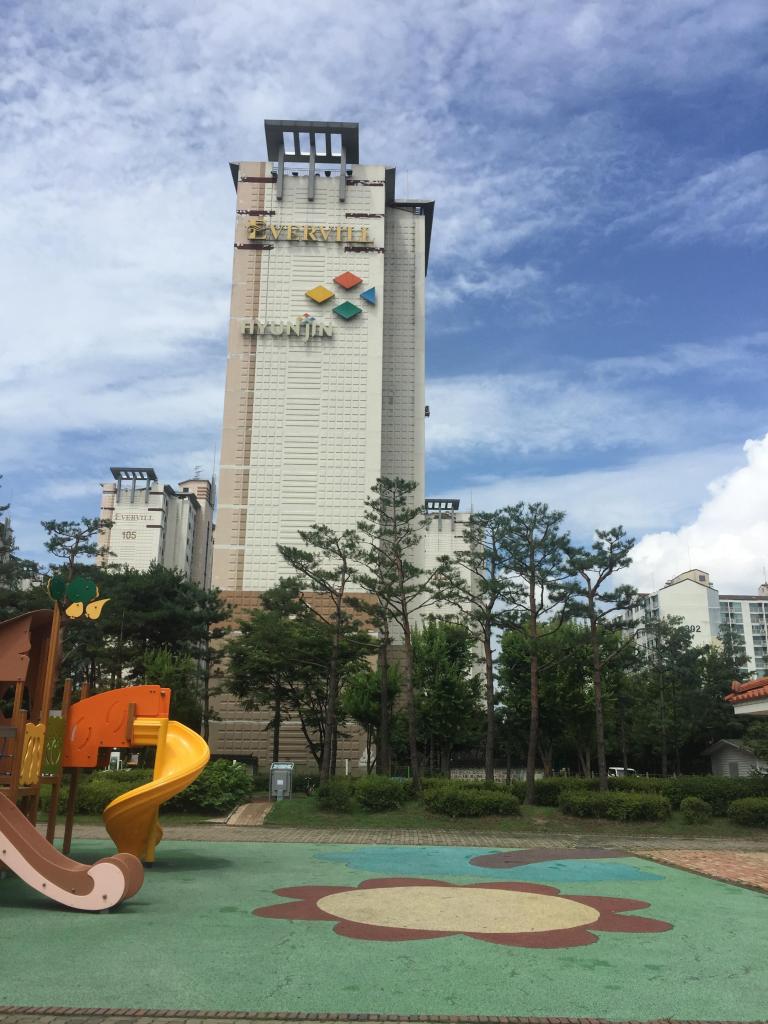
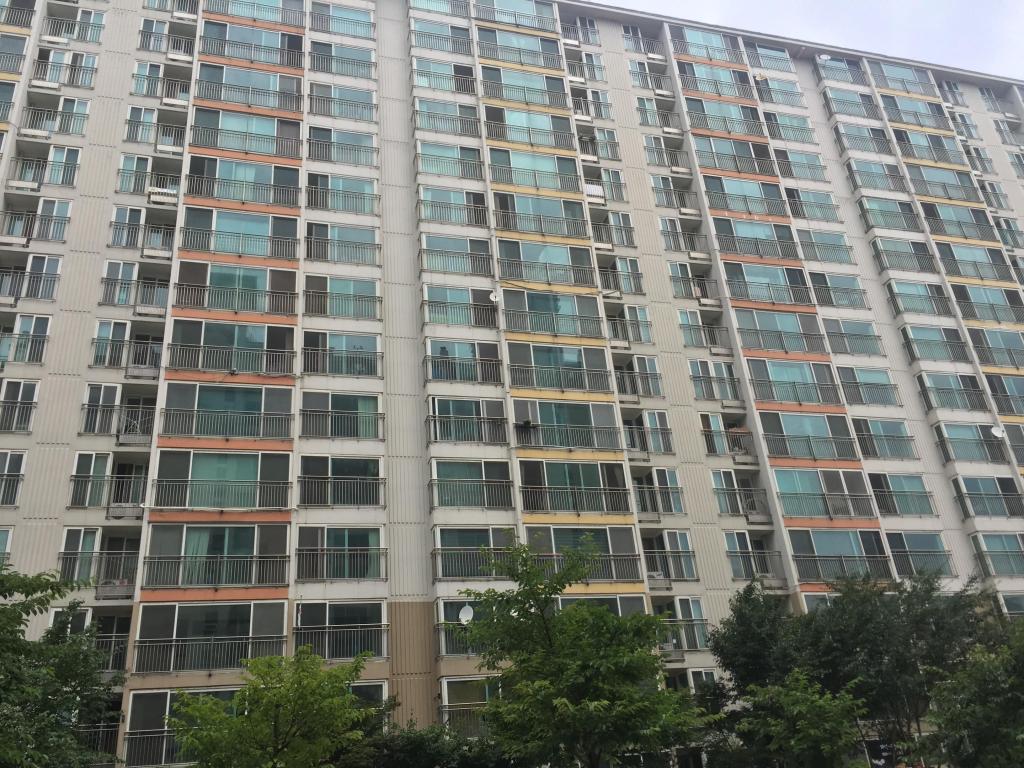
Unusual to my eye orderliness and mildness of the large facade, while in Ukraine ostentatiousness, willfulness and flashiness are the best adjectives for many facades.
12:12 – it is time to enjoy lunch!
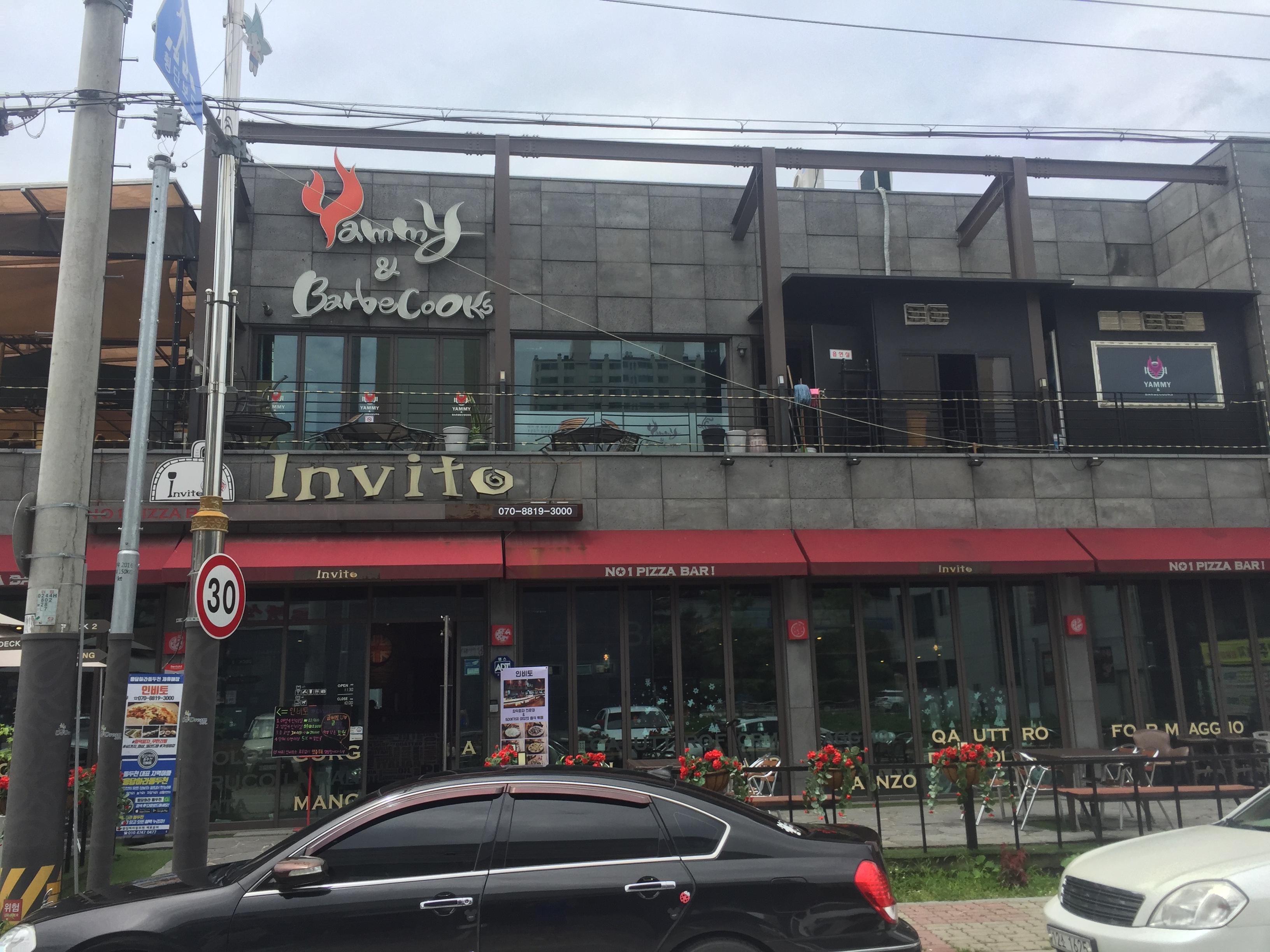
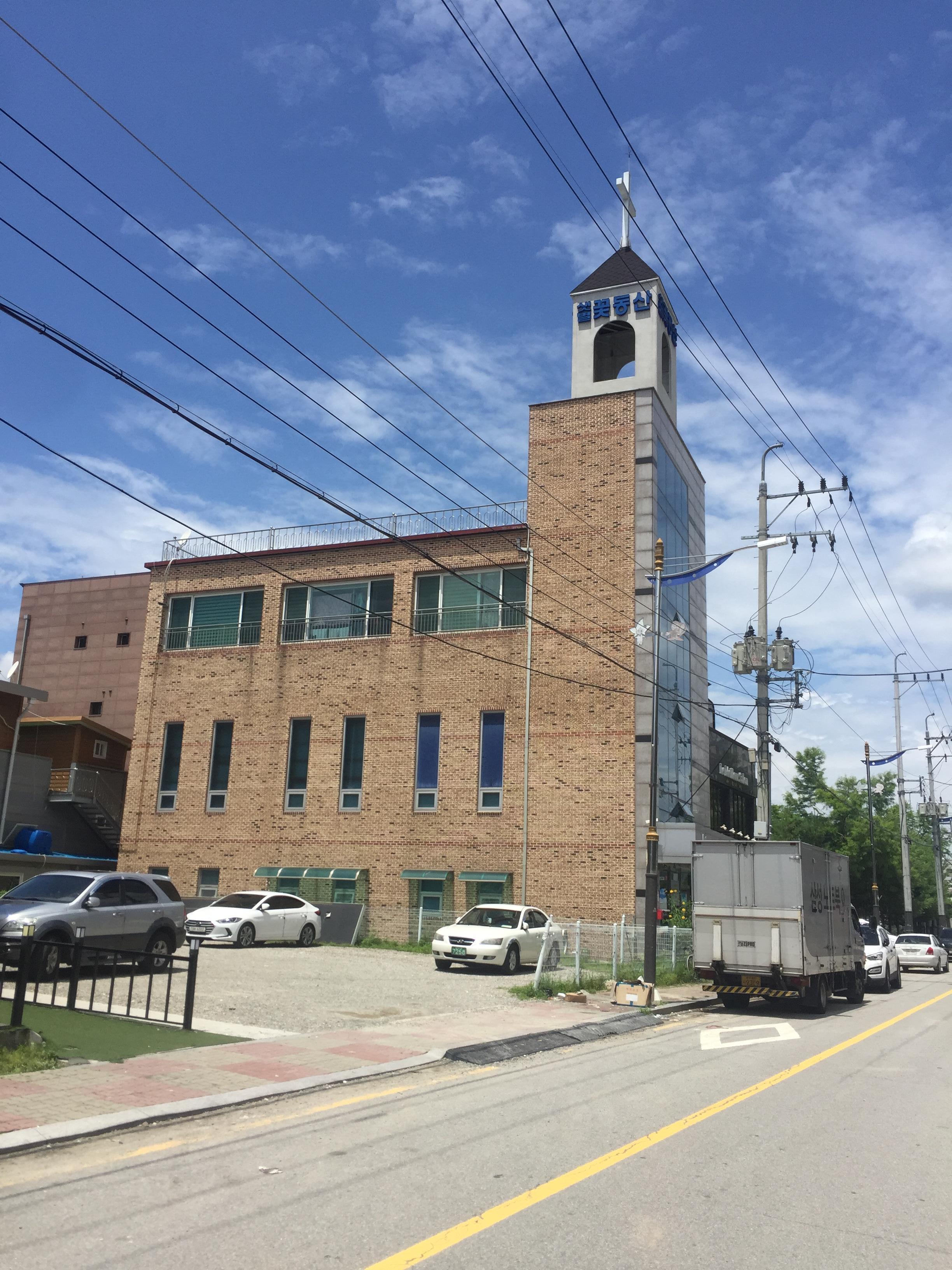
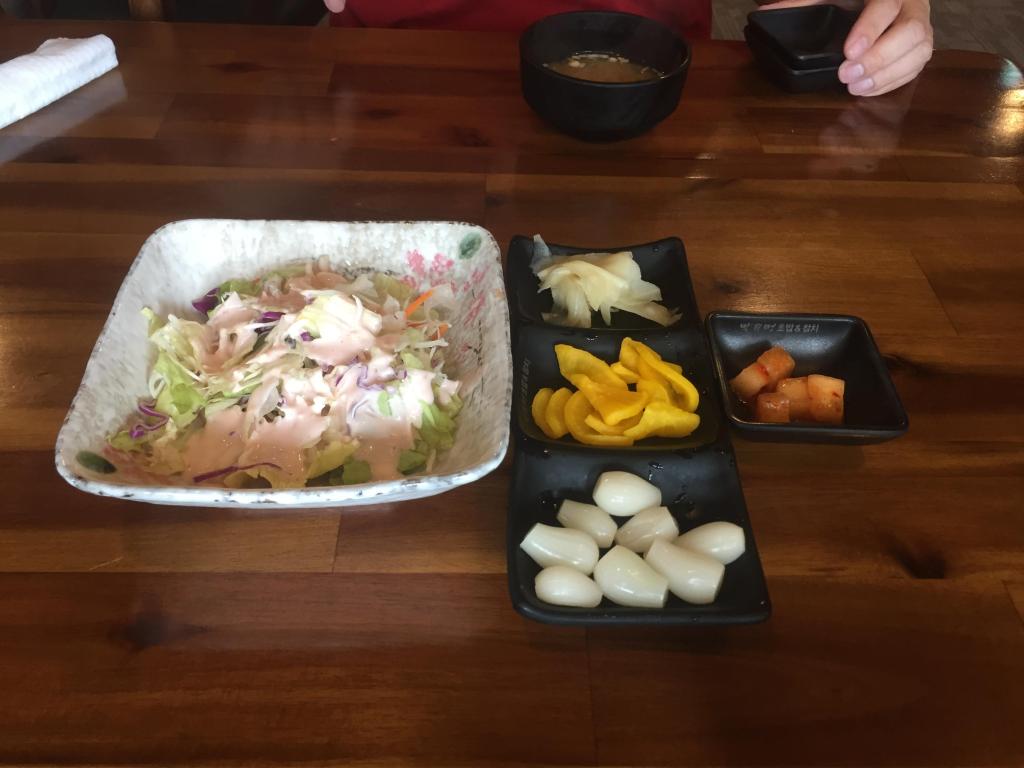
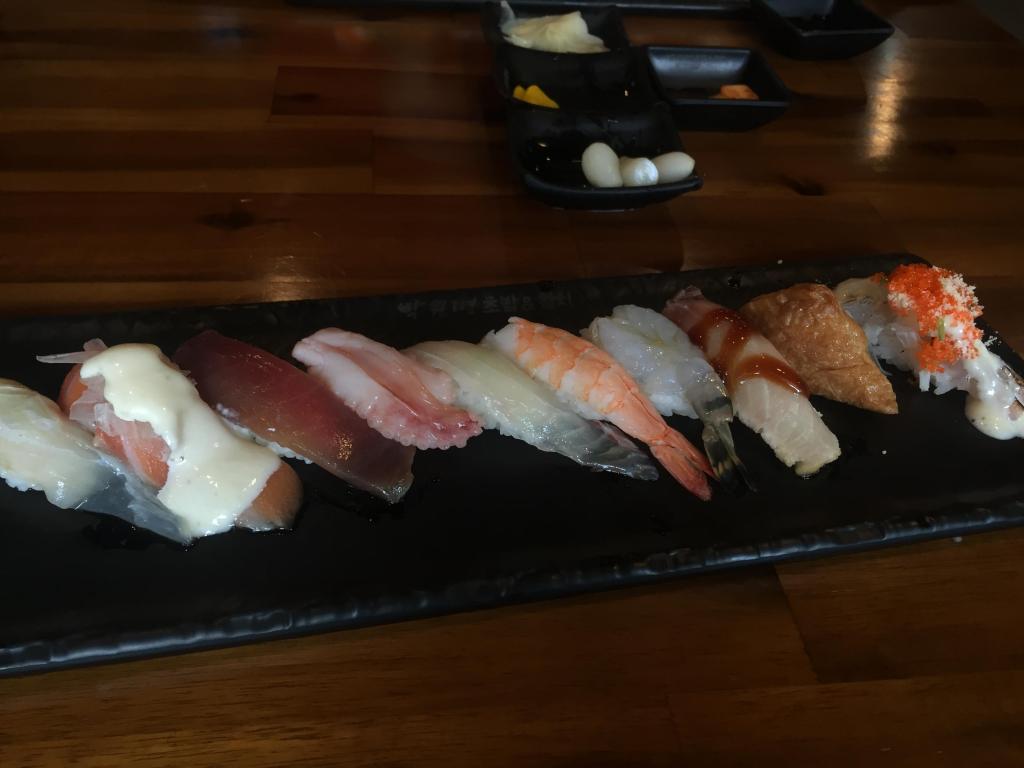
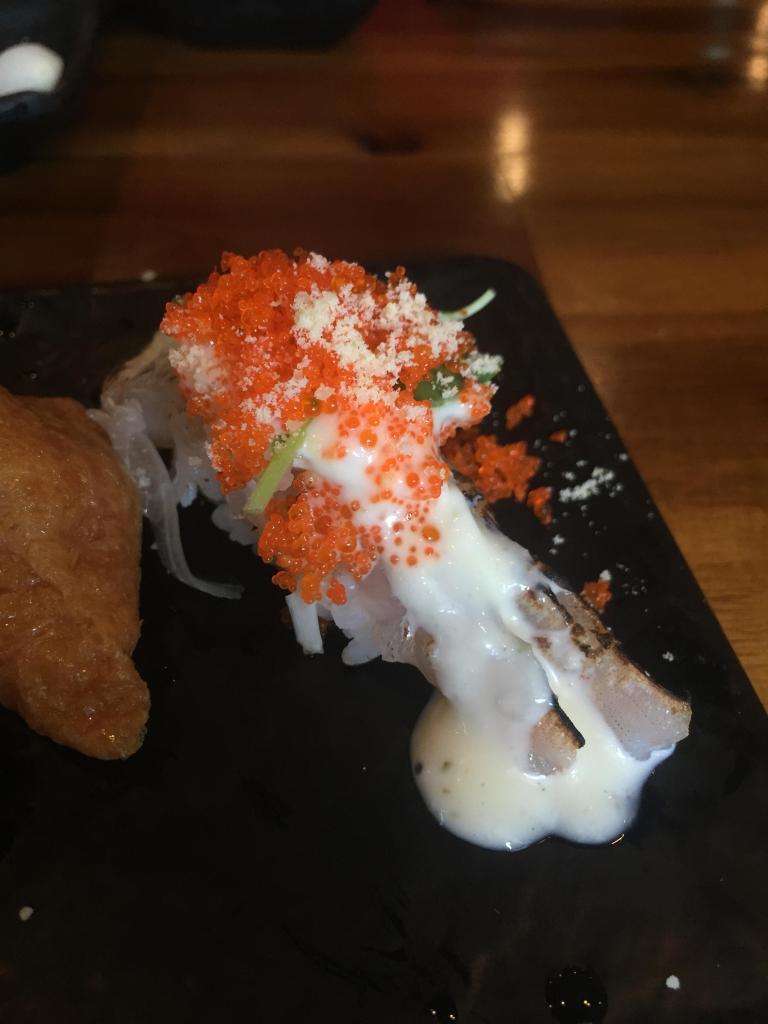
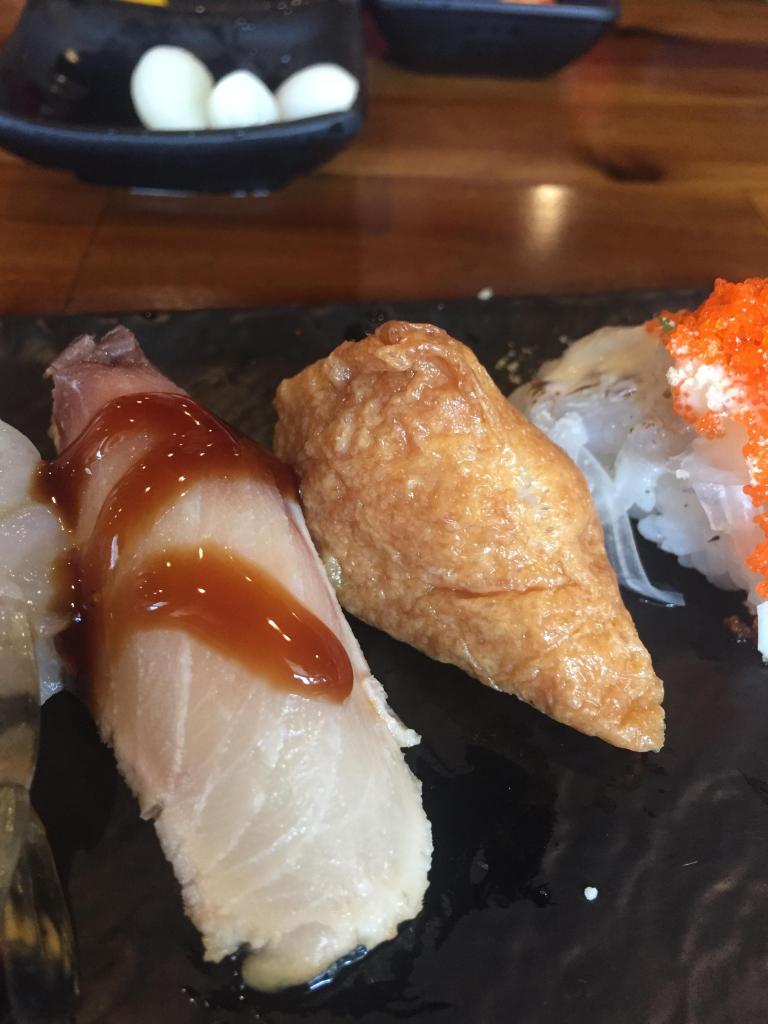
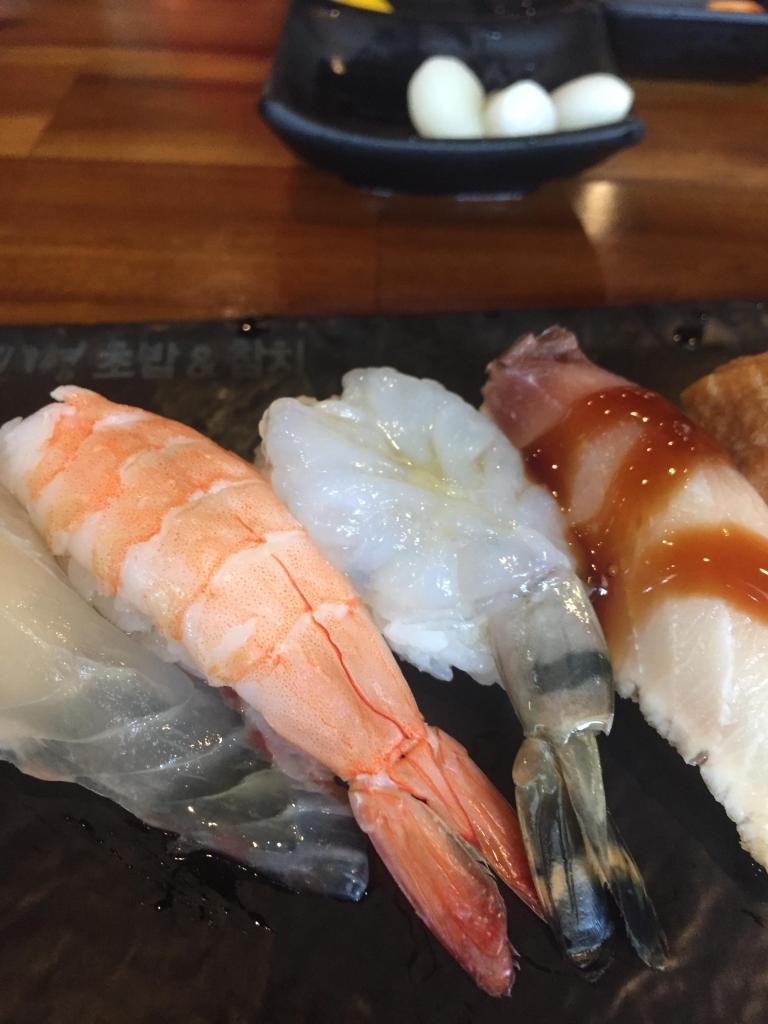
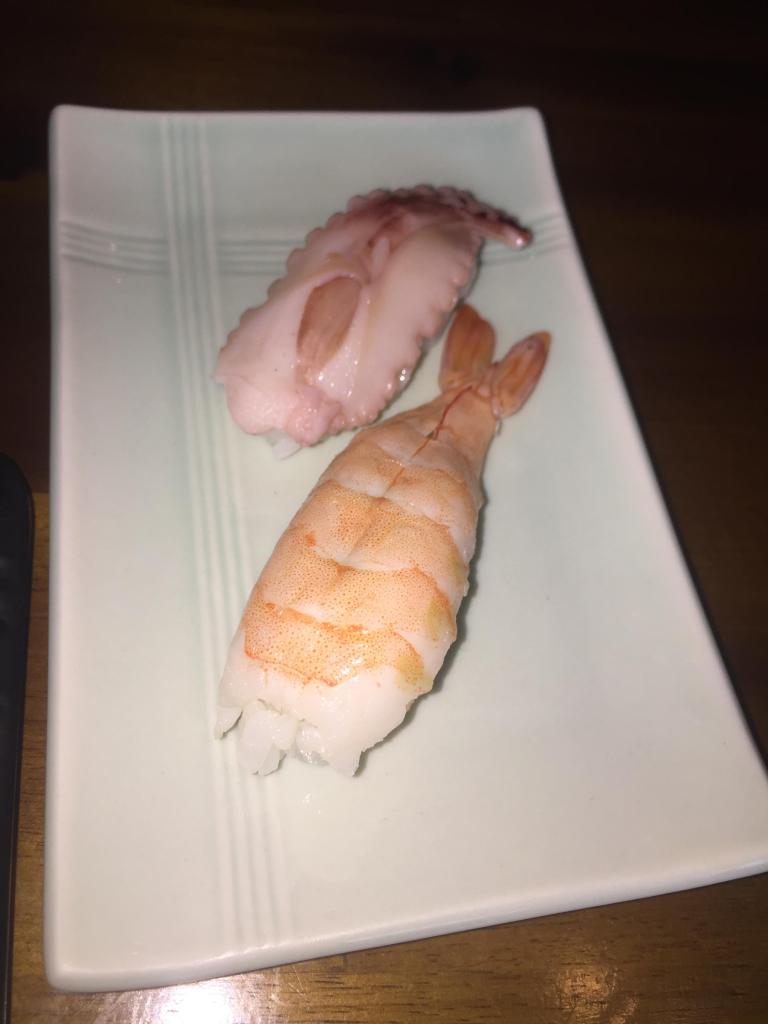
I can say it was a fateful lunch since it was the first time for me to taste this quality of sushi. After that moment, whenever I enter a sushi bar in Ukraine I feel a great prejudiced disappointment with a smell of marinated, salted or whatever but not fresh fish, which do not have the fishy smell at all. Moreover, the price of a set of rolls stuffed with anything but seafood costs almost the same as real sushi in Korea. I feel very pity about the people who enjoy that much the sushi in Ukraine, they still do not know how should it taste.
Dongducheon is a very ancient city. From prehistoric times many of dinosaurs lived there as like my friend because he is very ancient too.
First records about Dongducheon appear in 757 during Goguryeo when that area belonged to Naeeulmae 內乙買 or Naeimi 內爾未. Previously I saw the character 買 when investigated the history of not far located Hwacheon, which was called Yasimae 也尸買. Both areas, by the way, belonged to Goguryeo, and among two major explanations of the usage of these characters, I would choose that one claiming people used the characters just to record phonetic pronunciation but the meaning of the toponym (another explanation is that Goguryeo intently used characters with negative meaning to designate toponyms of the areas conquered by Goguryeo).
During Joseon, in 1466 after another renaming of areas, the name Dongducheon 東頭川 araises. This name is dedicated to a river 川 which have its headwaters 頭川 on the east 東. Later, the character du 頭 head was changed to a simpler one in spelling du 豆 bean. That is why nowadays Dongducheon is denoted as 東豆川 in Hanja.
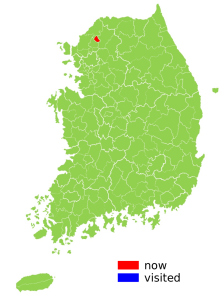
Dongducheon is located in the north part of South Korean, close to the border with North Korea. Due to these circumstances, there are camps of the United States Second Infantry Division in the city set there to defend the capital, Seoul which lies just about 50 km to the south from Dongducheon.
Information in any of its forms is well evaluated and saved in South Korea as I can see from the numerous survived ancient artefacts and precious national treasures (331 by 27.02.2020). For centuries temples used to be one of the main cultural heritage preservers (books, sculptures, paintings, etc), while nowadays museums are meant to be the cultural and educational centres.
The first topical museum I am going to visit is the Freedom Protection Peace Museum aimed to elucidate the course of the Korean War.
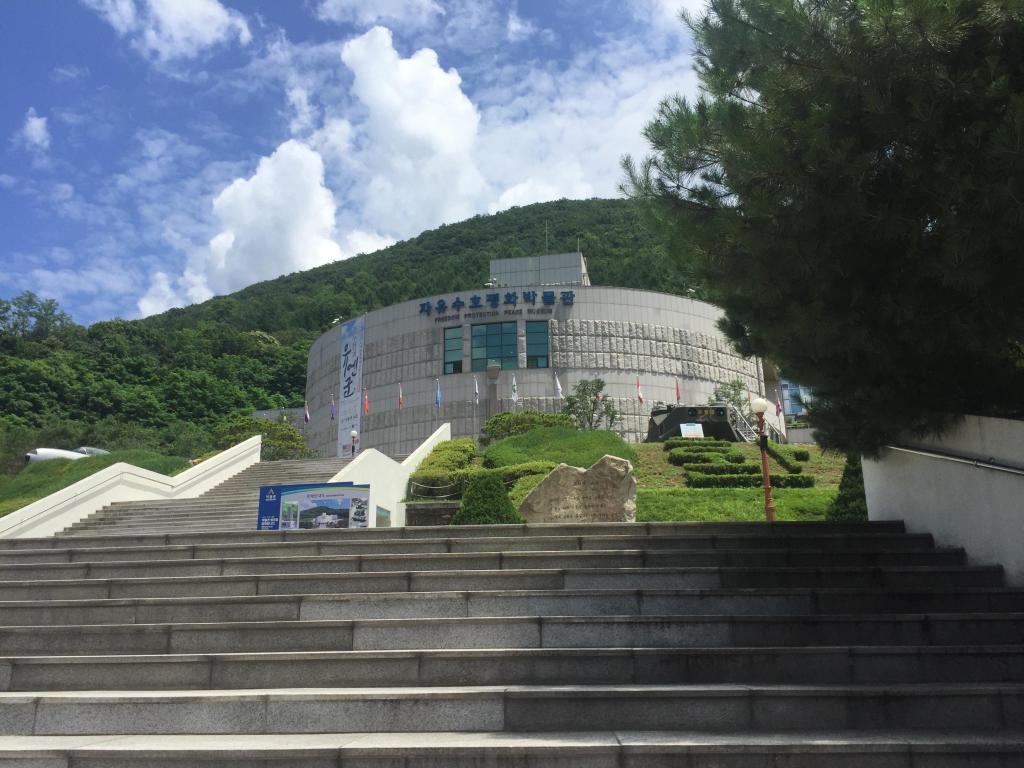
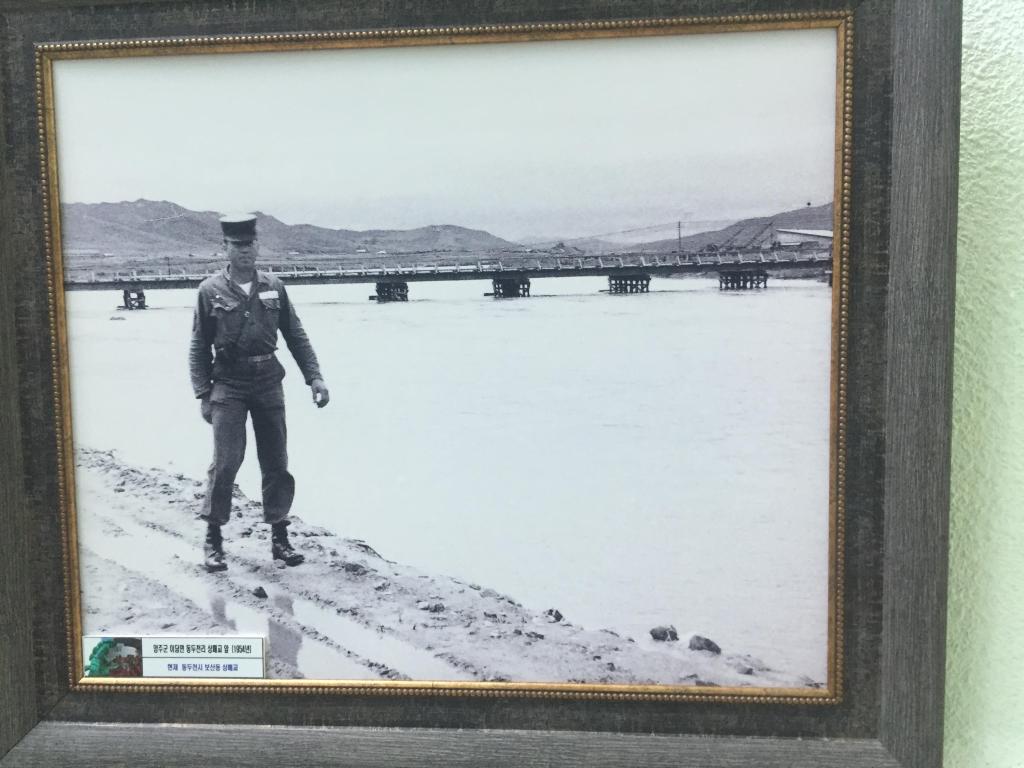
Photographs.
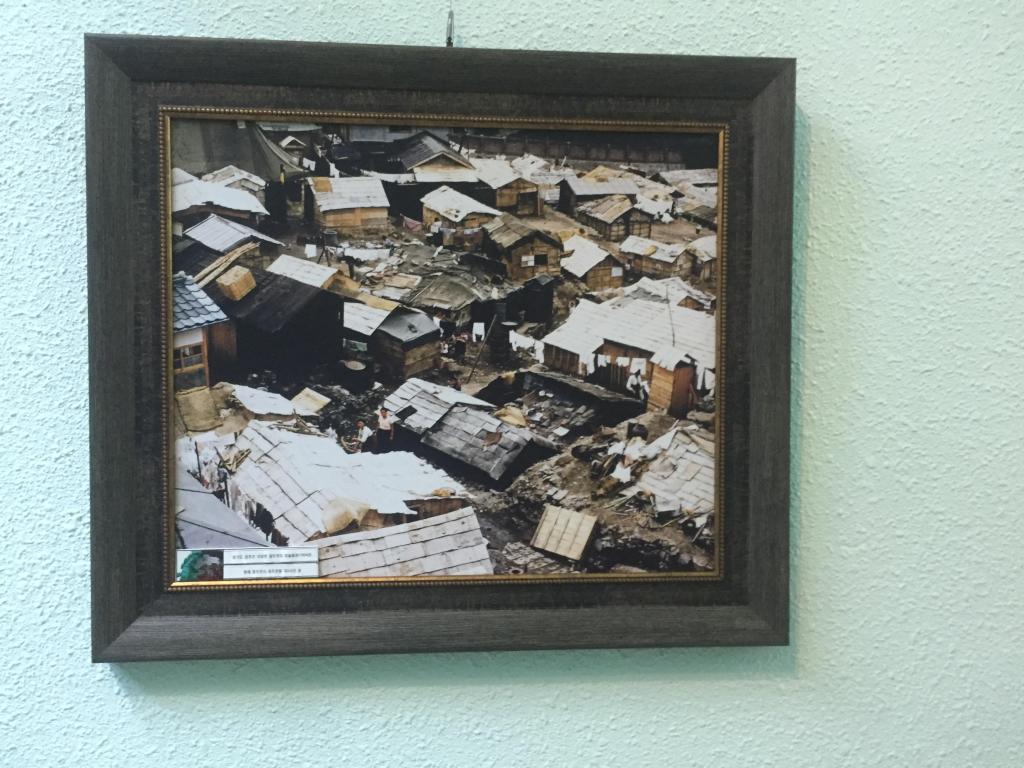
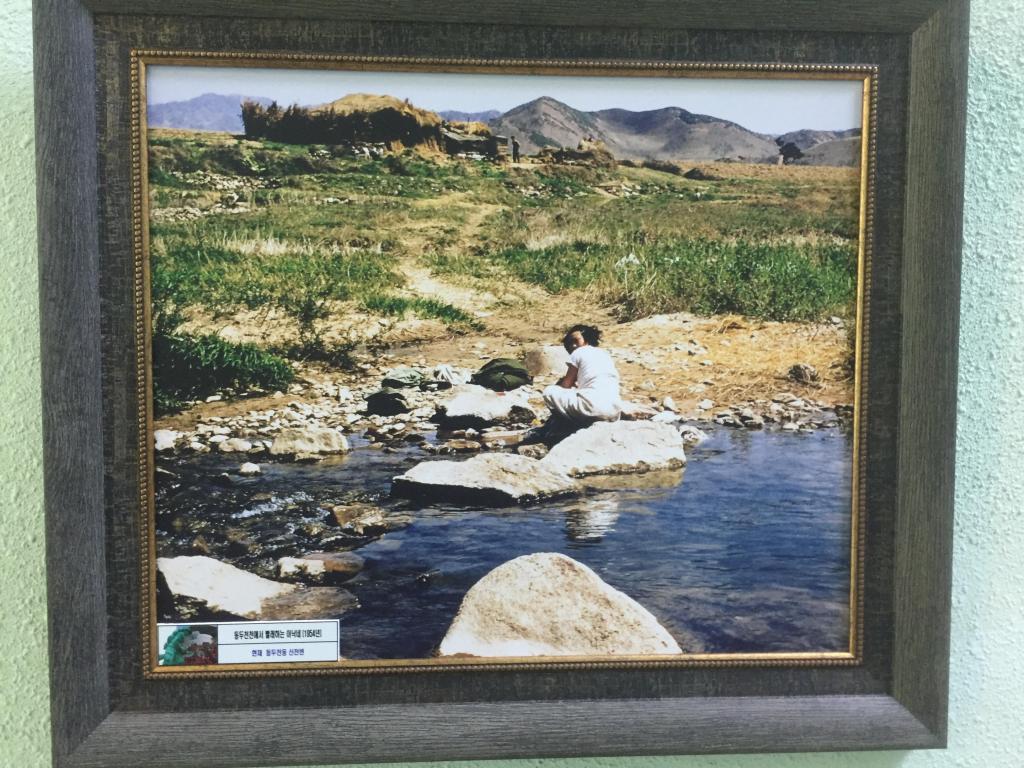
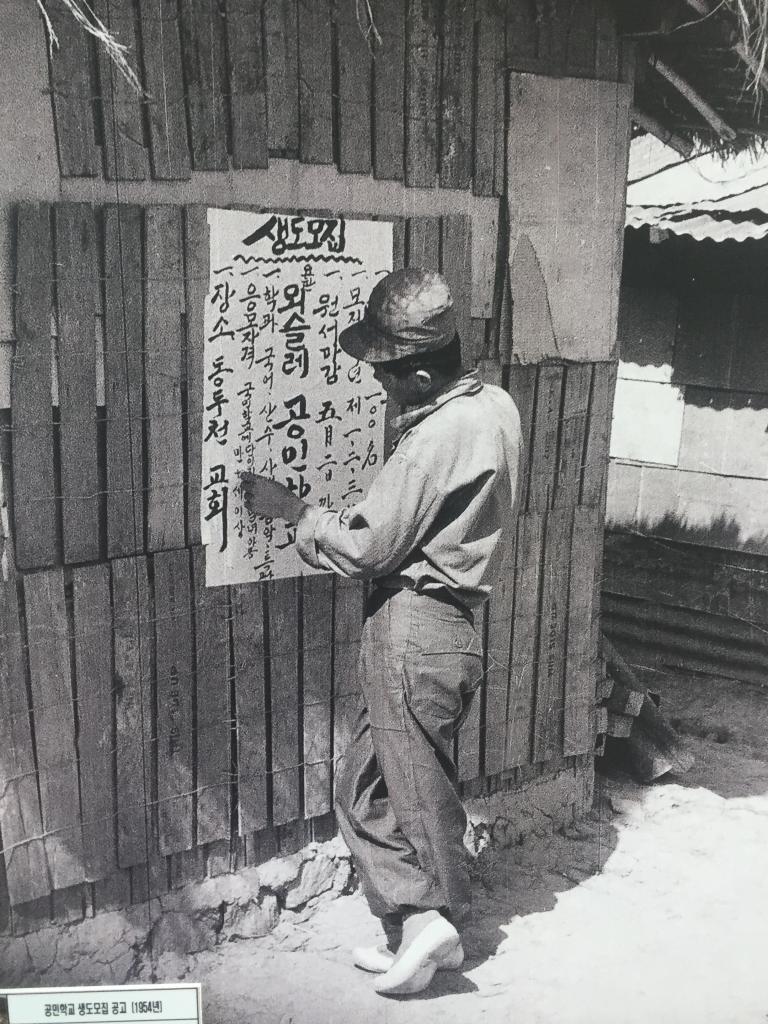
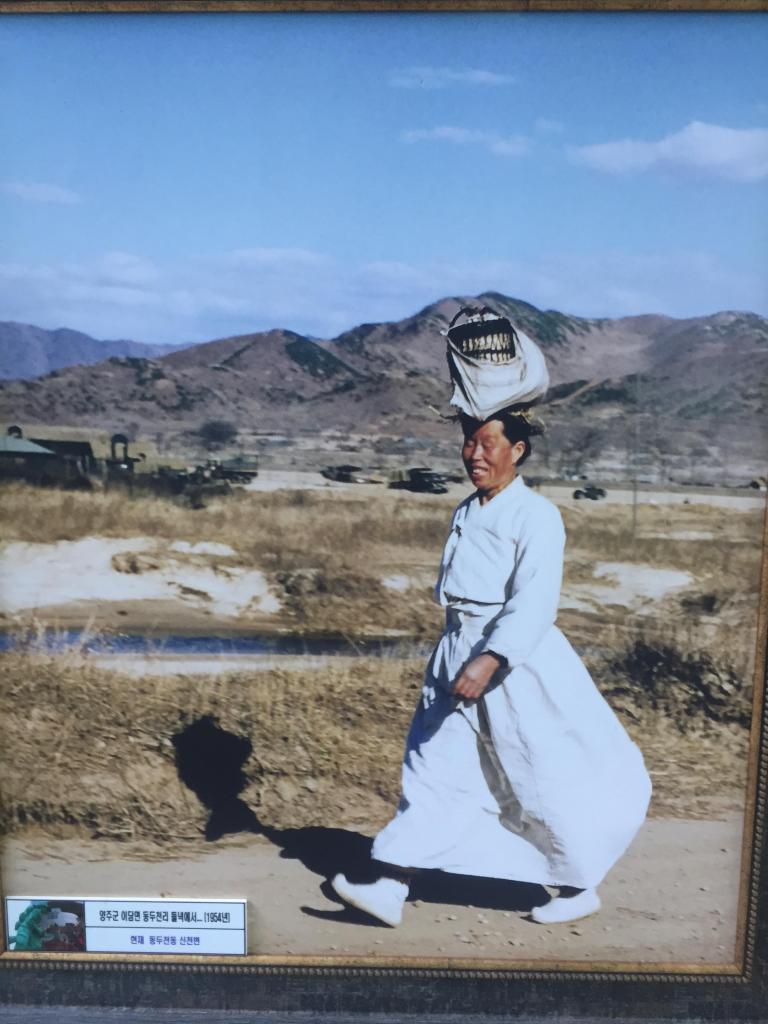
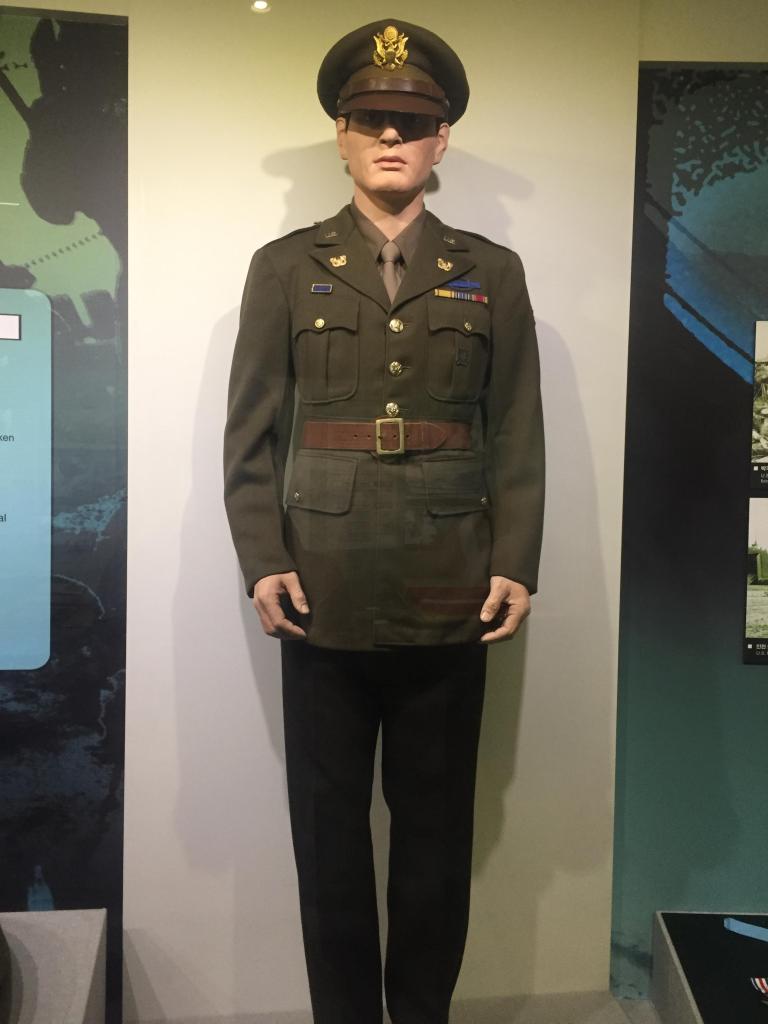
Uniform of soldiers from some of United Nations Command member countries, who supported South Korea in the war.
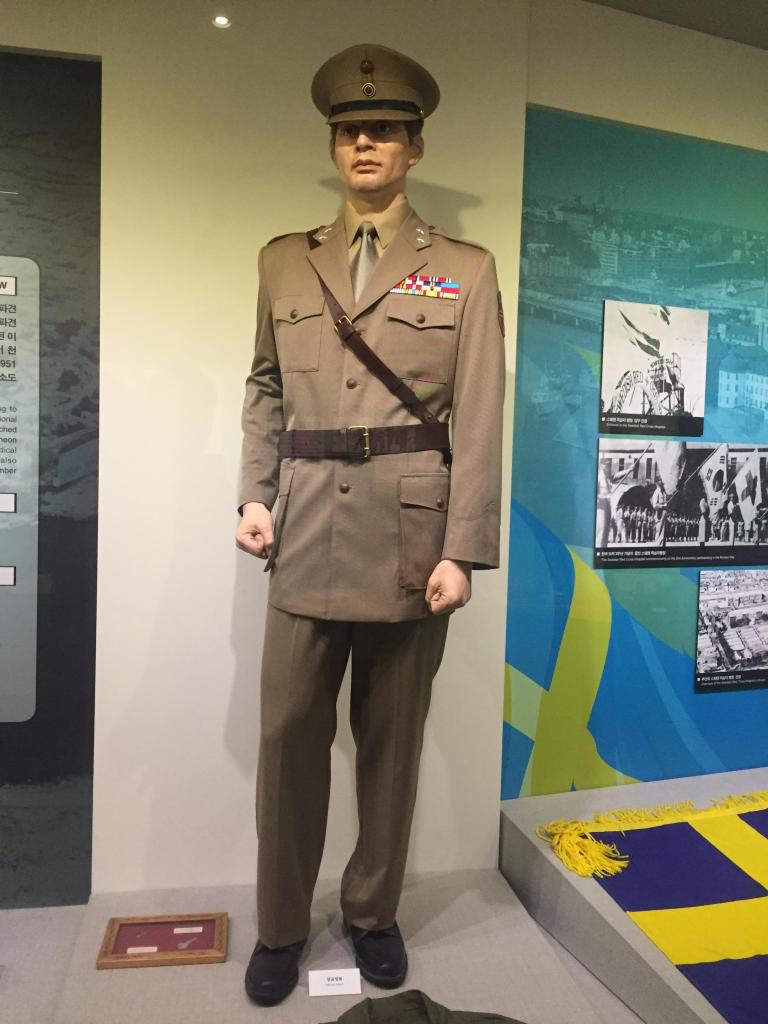
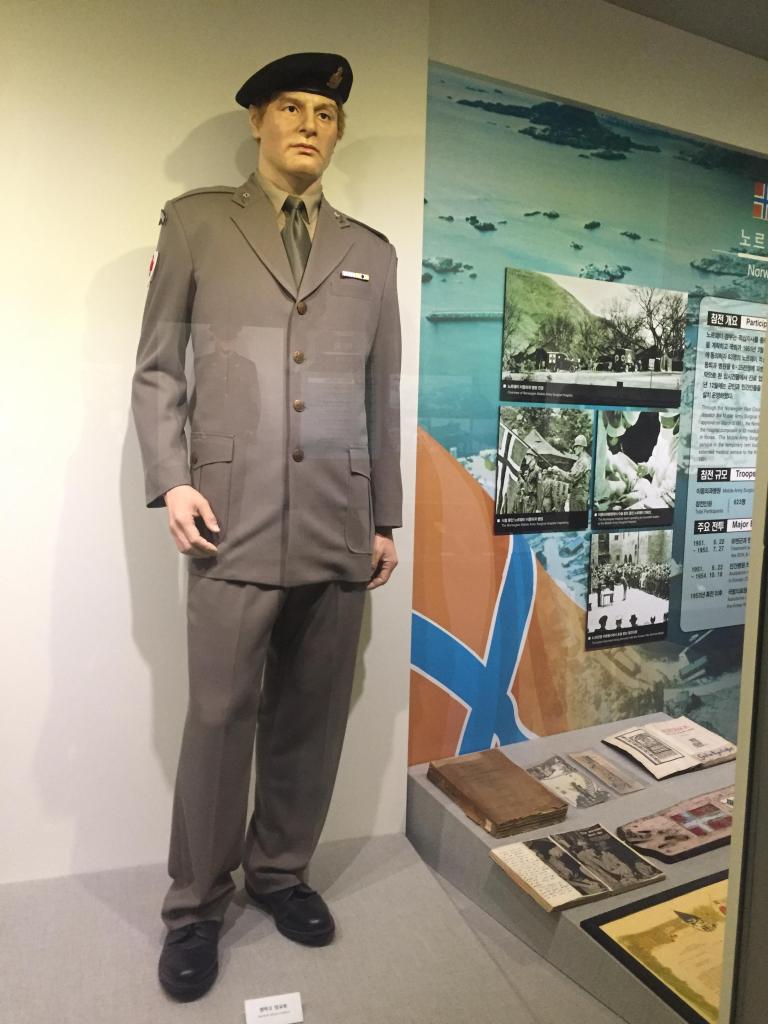
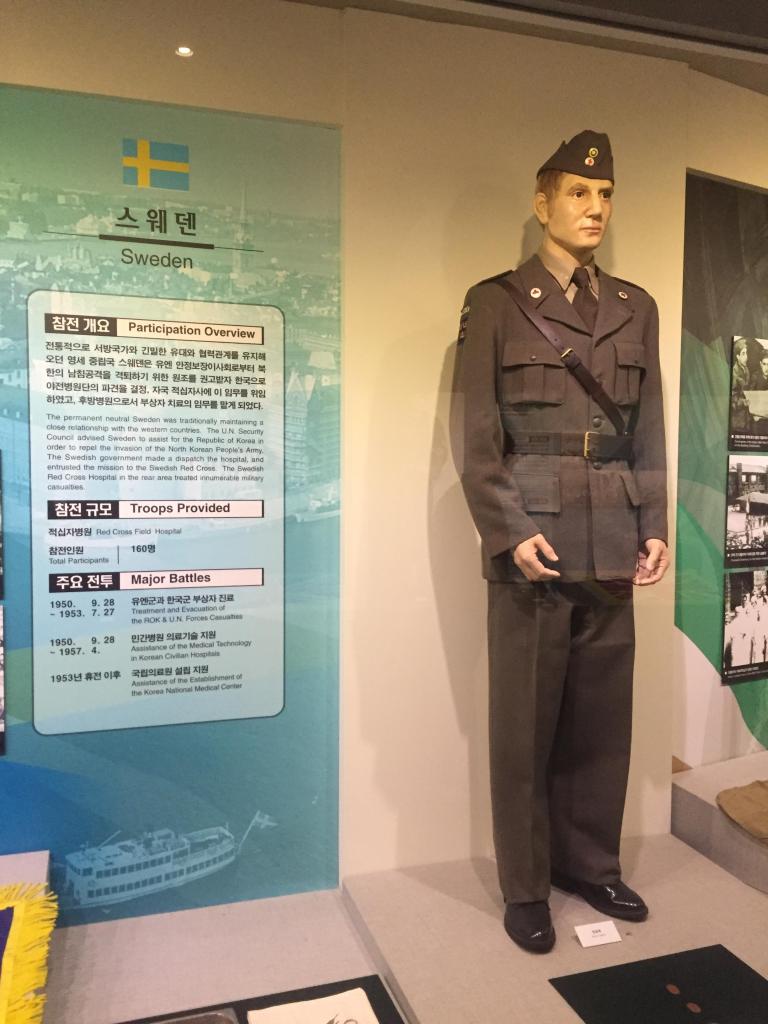
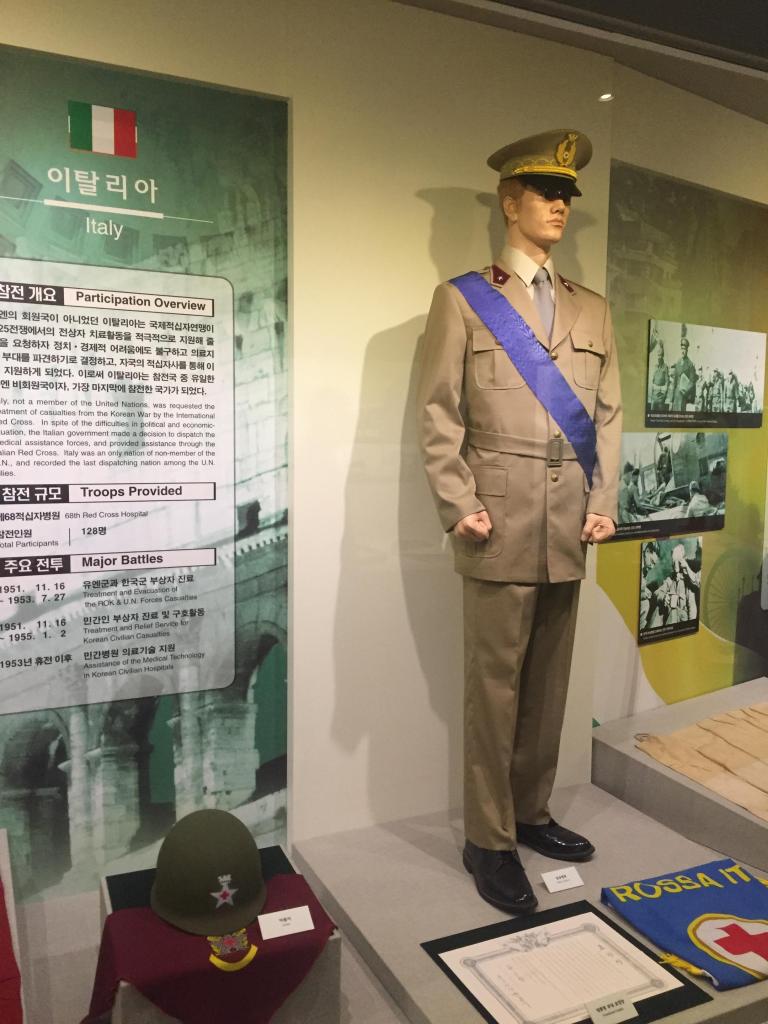
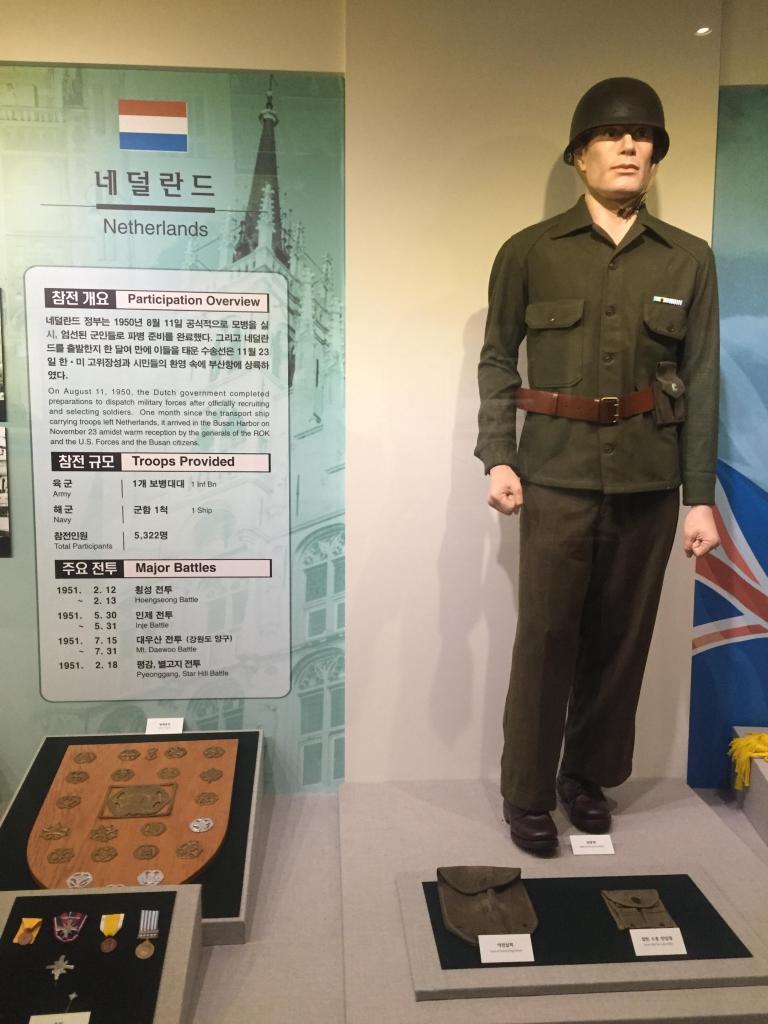
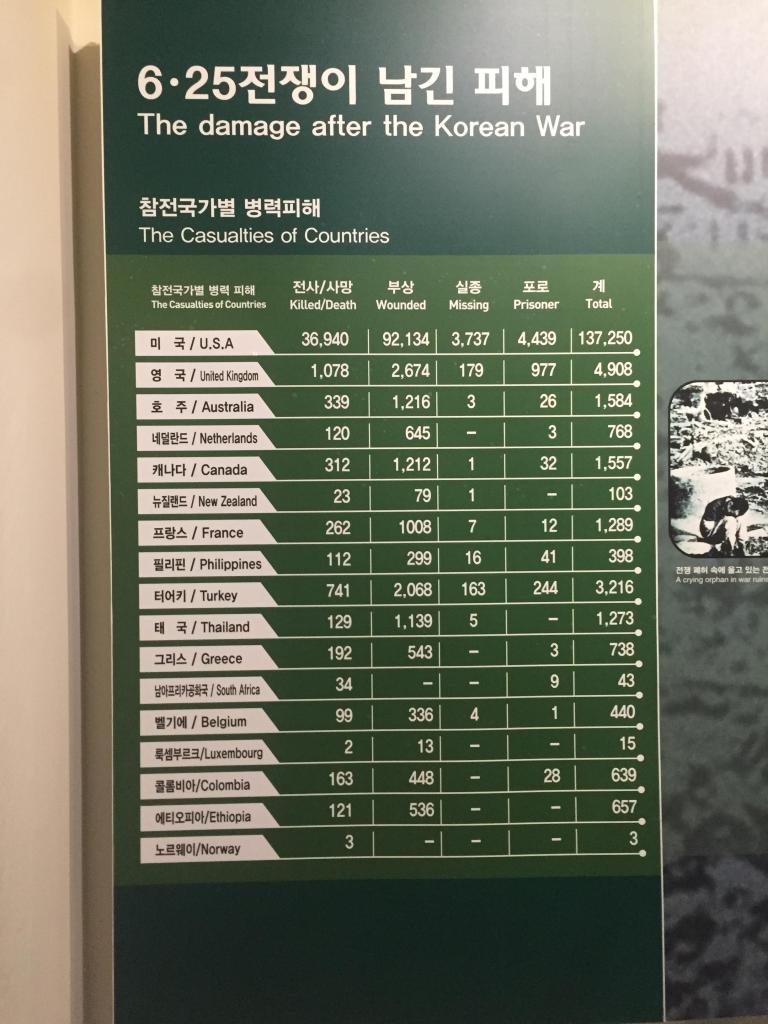
The exhibition is presented in various ways: simply, by the items related to the period of the war, videos, also by the model representations and other interactive spots for very young visitors, i.e. smash the fish.
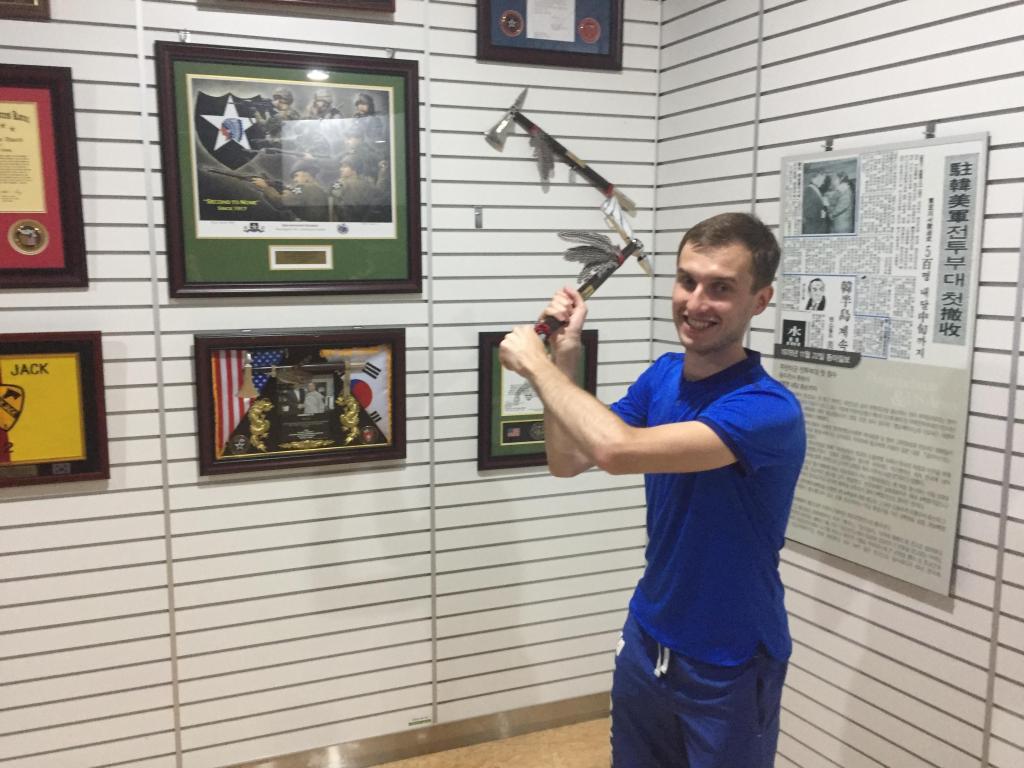
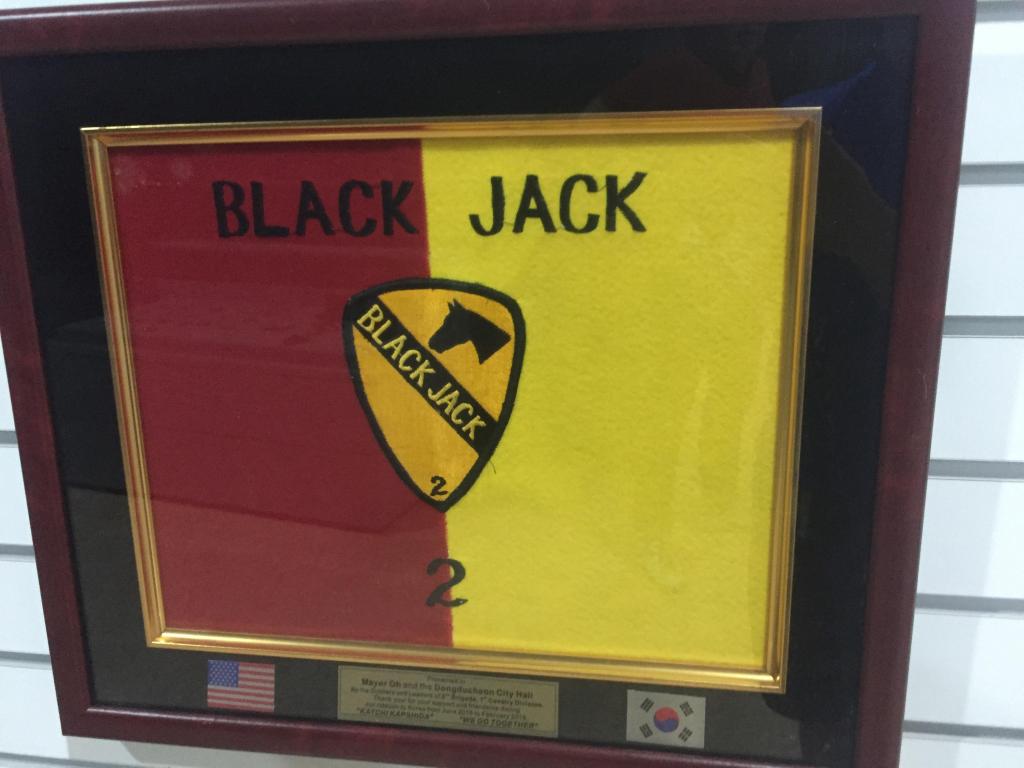
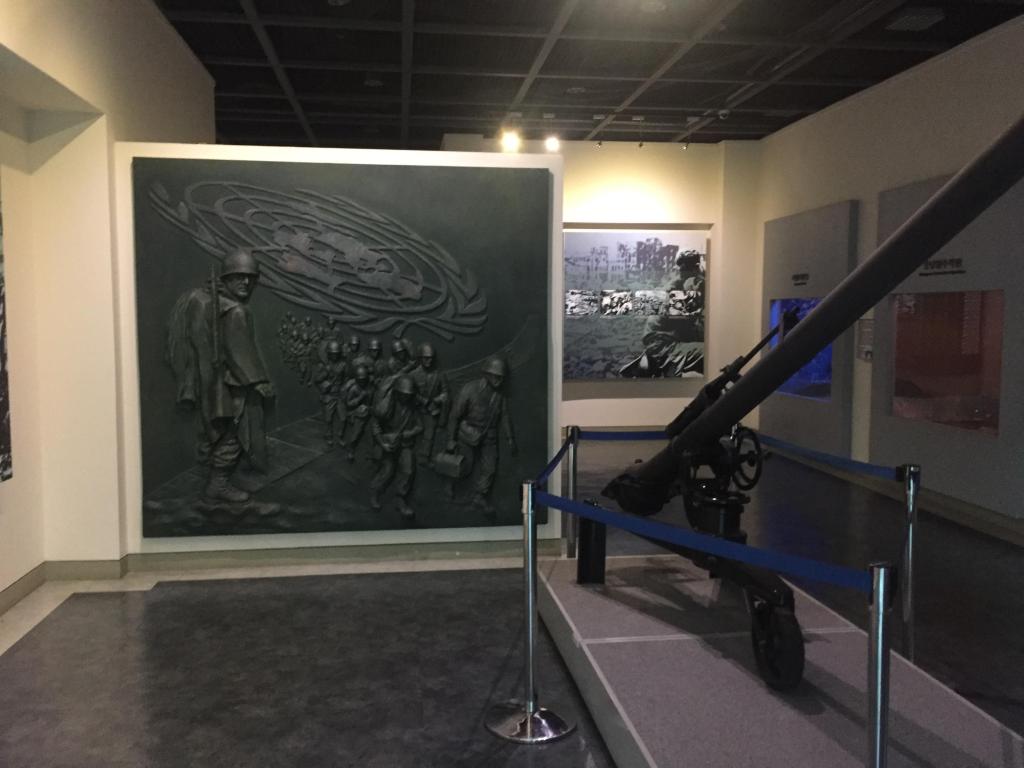
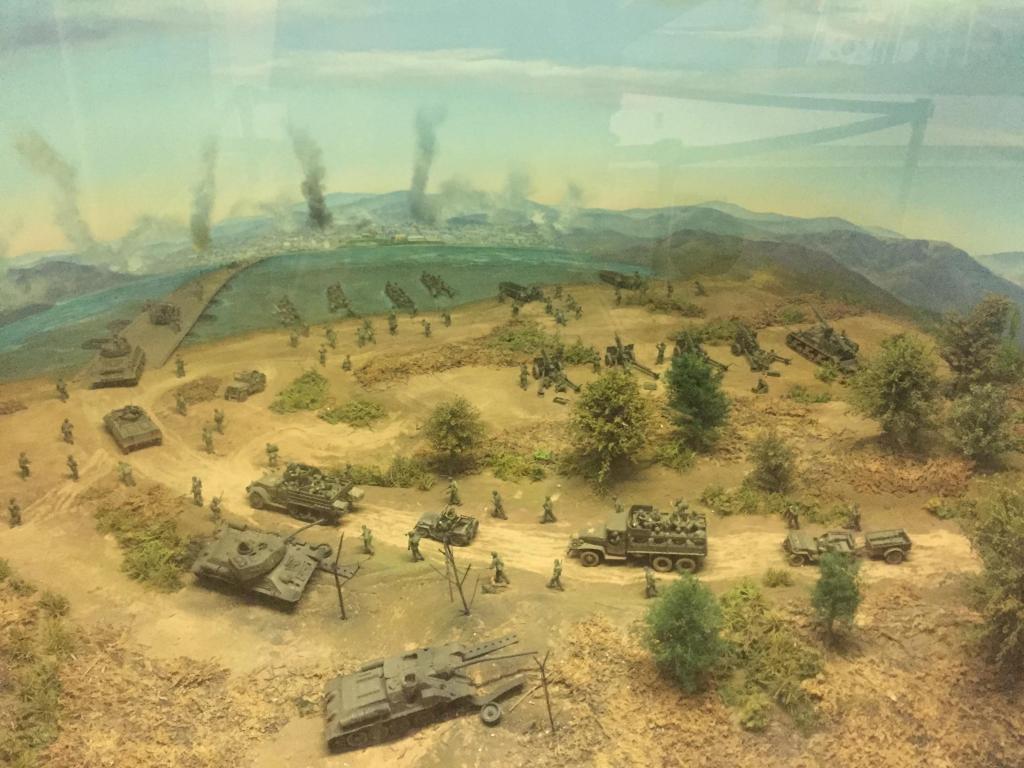
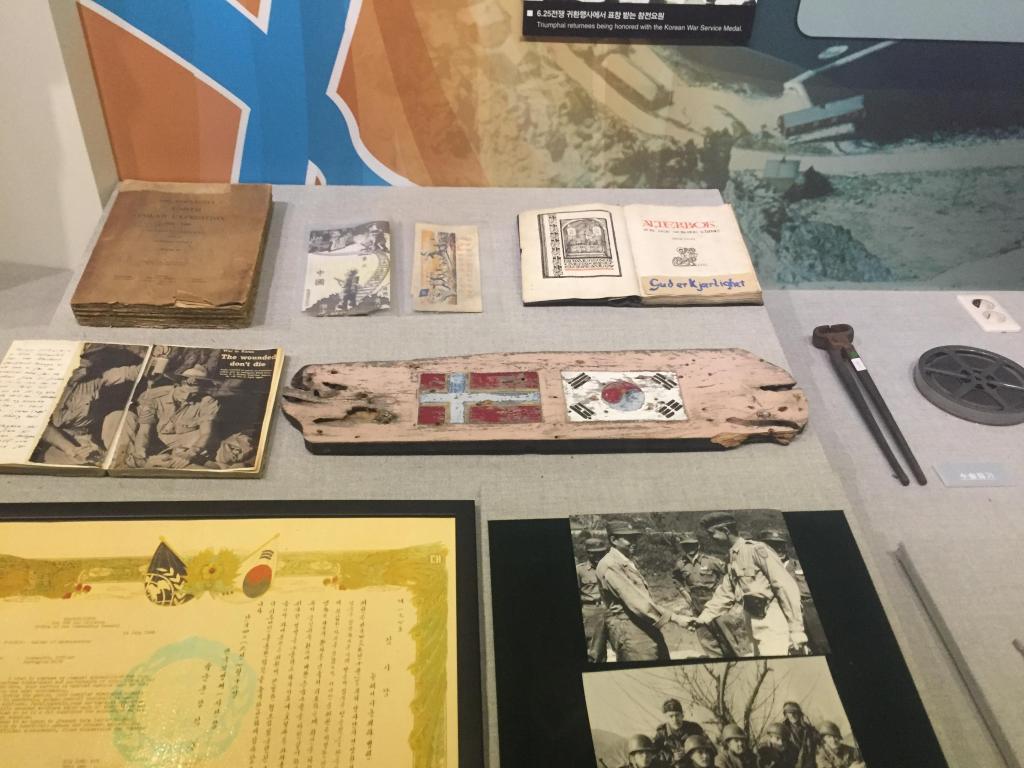
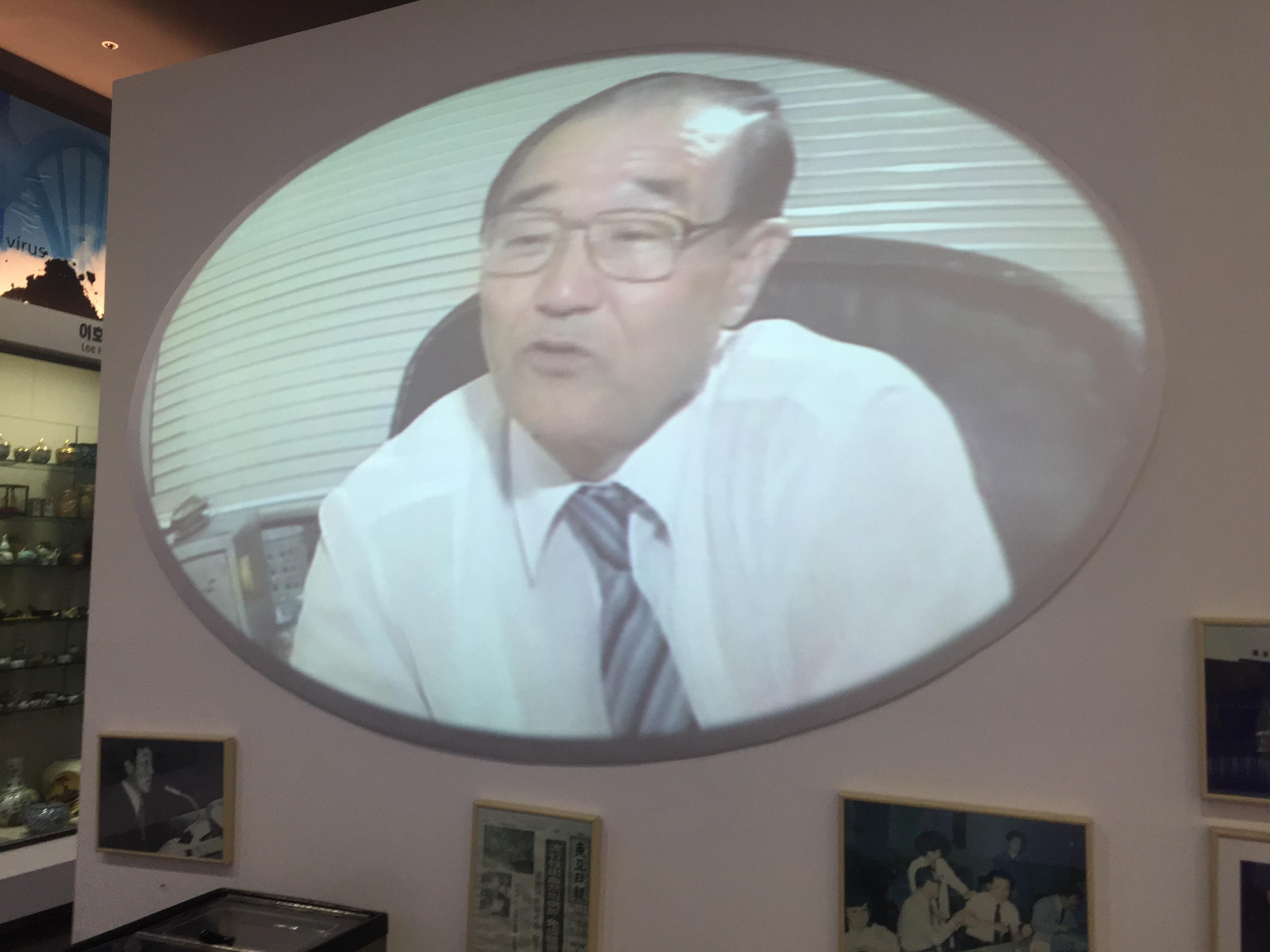
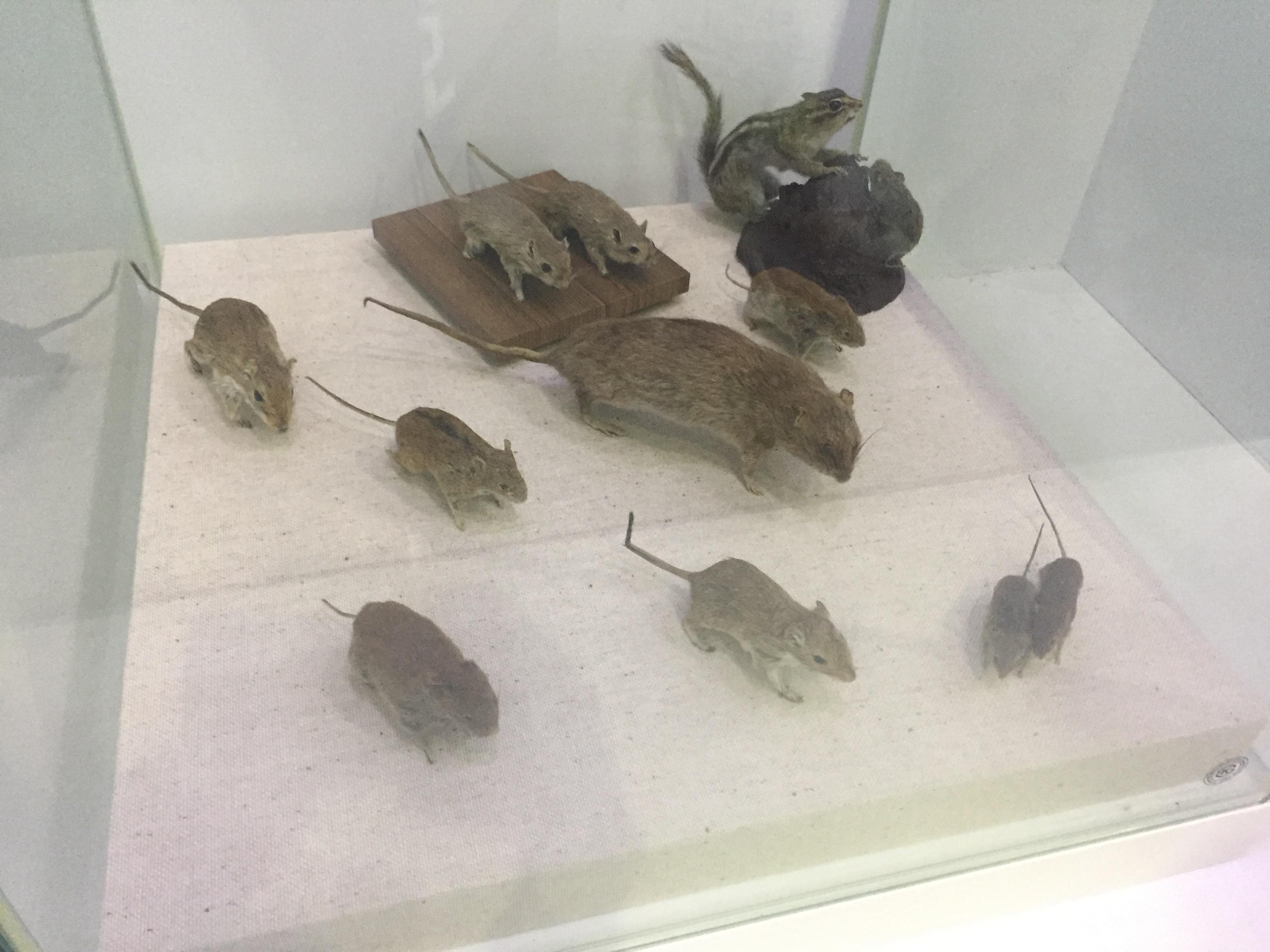
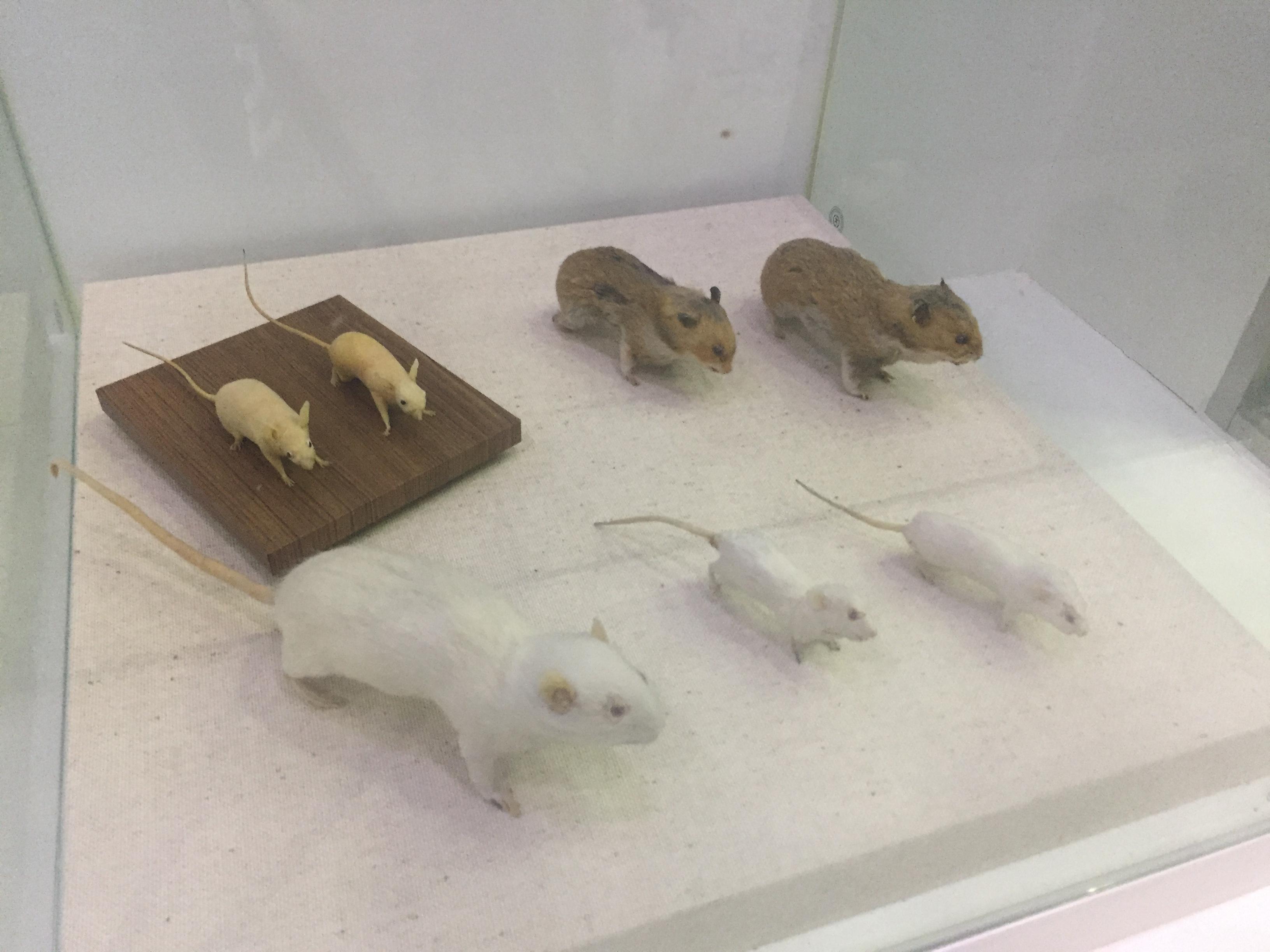
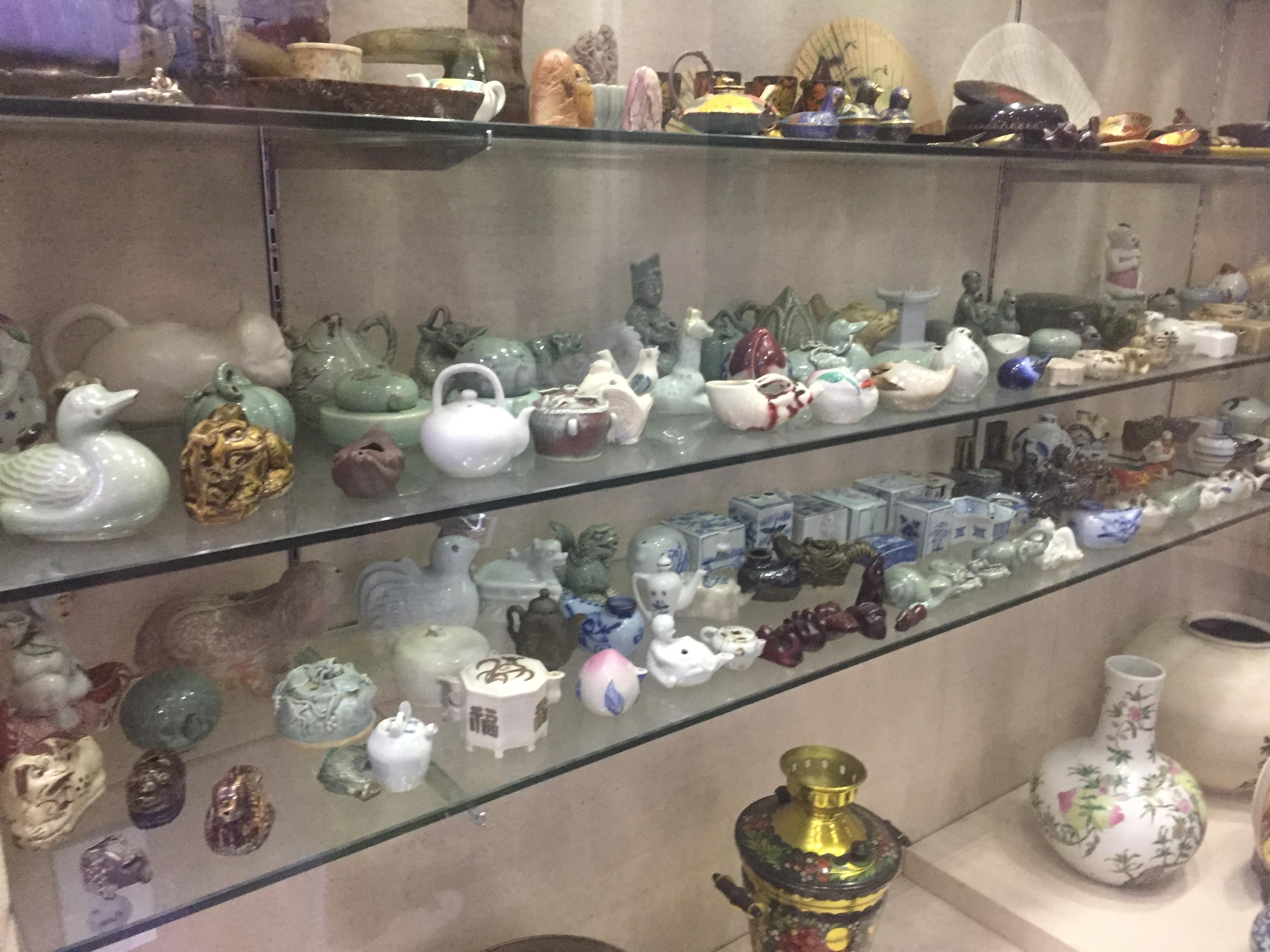
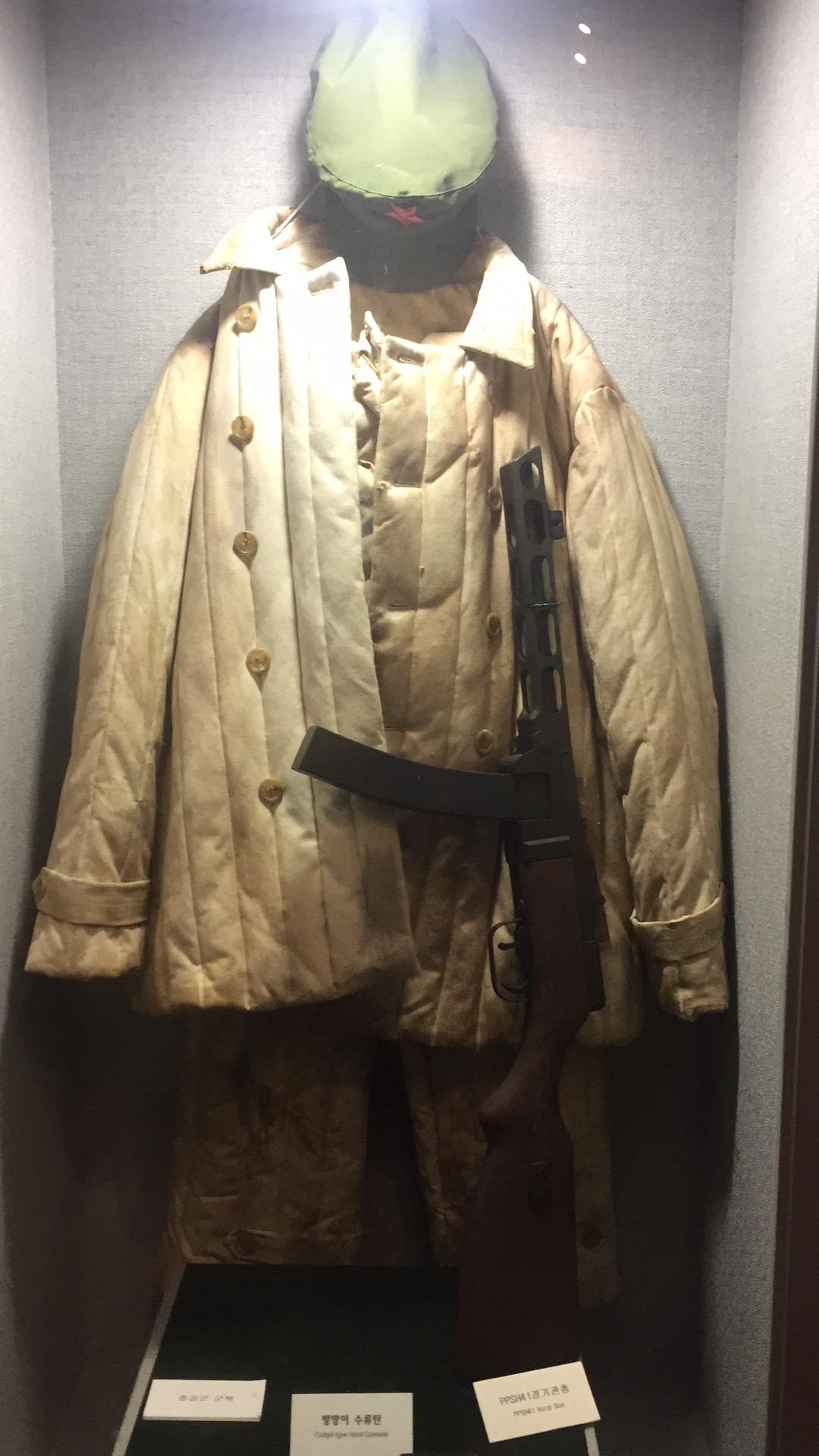
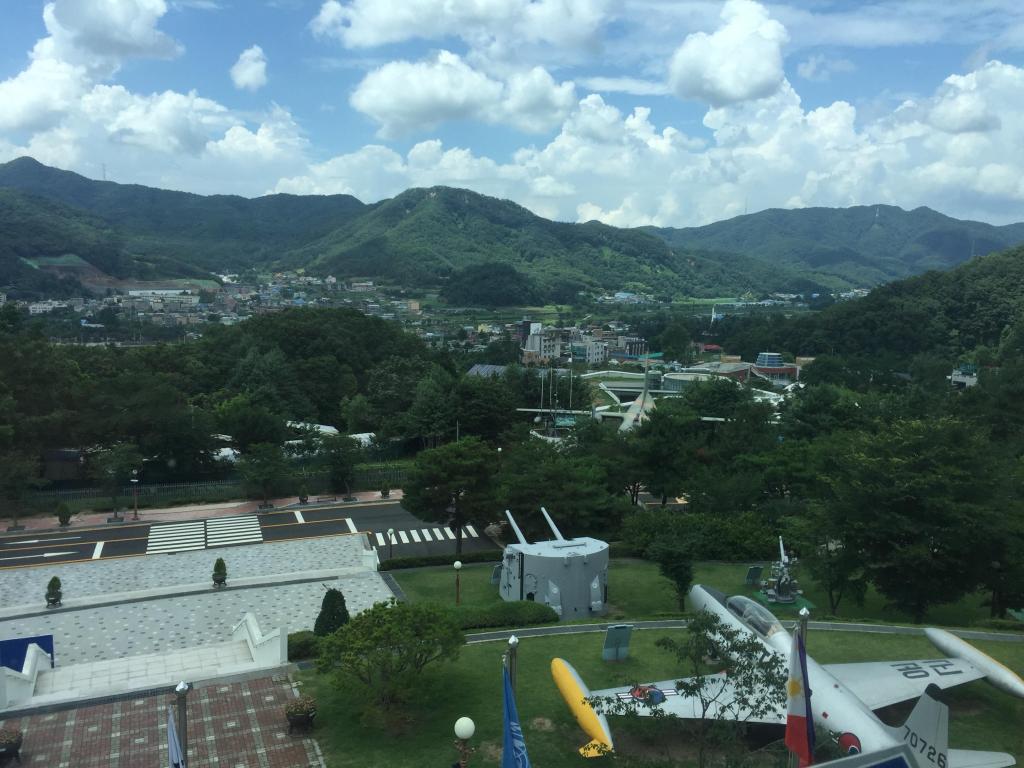
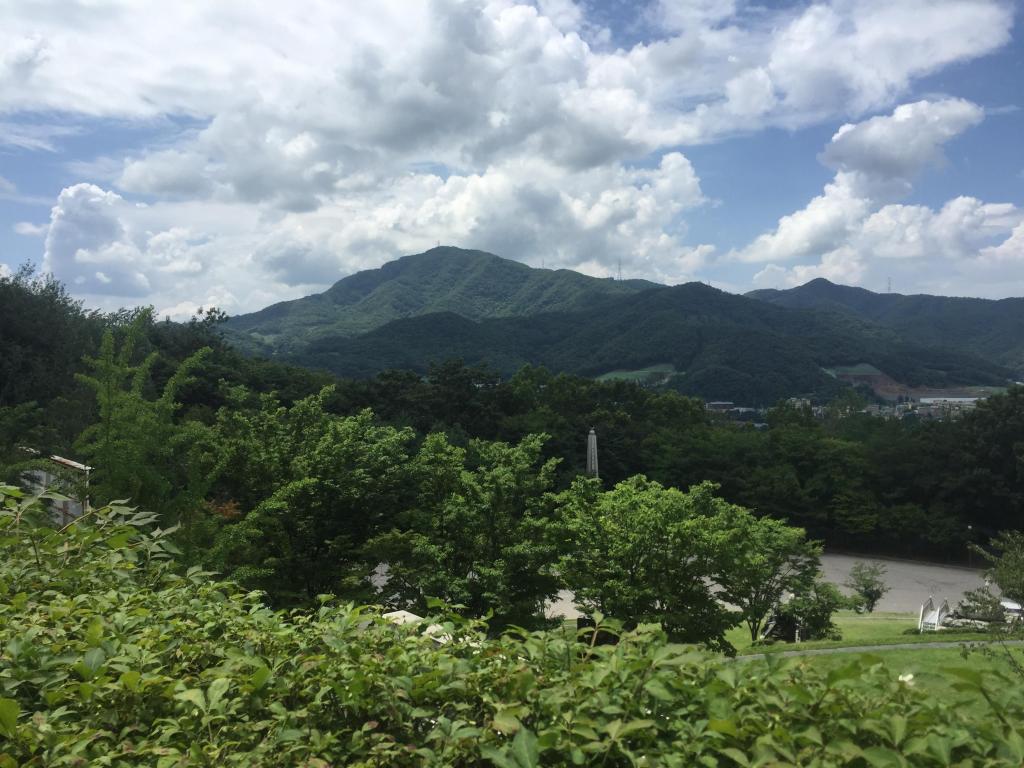
Views around the museum.
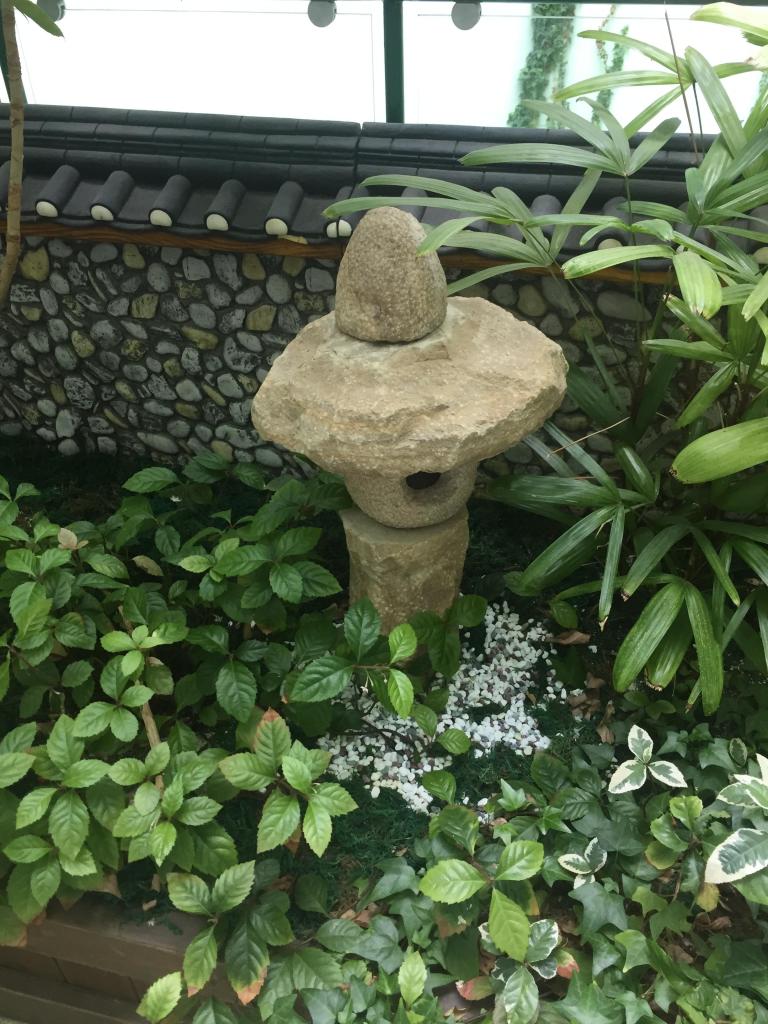
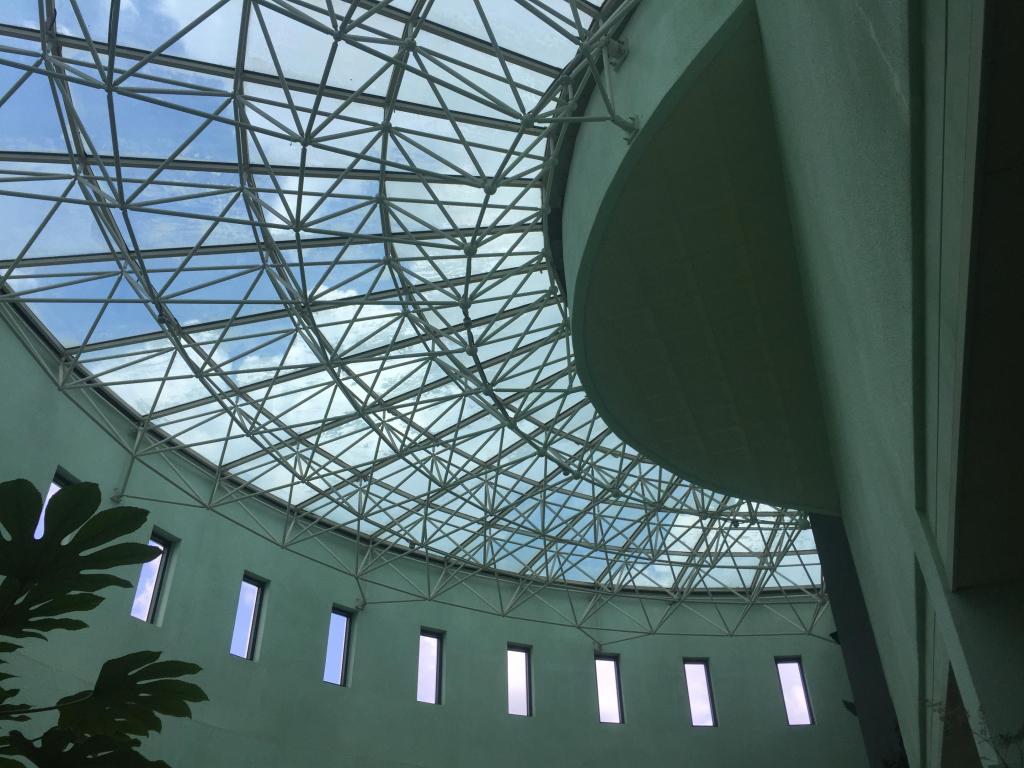
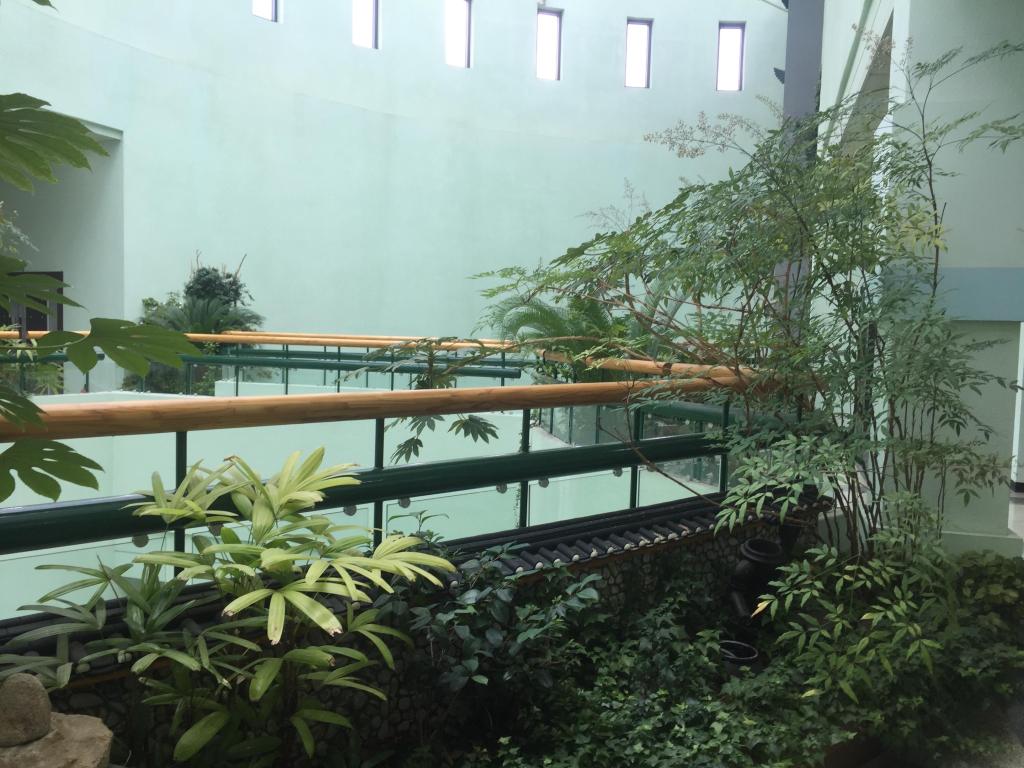
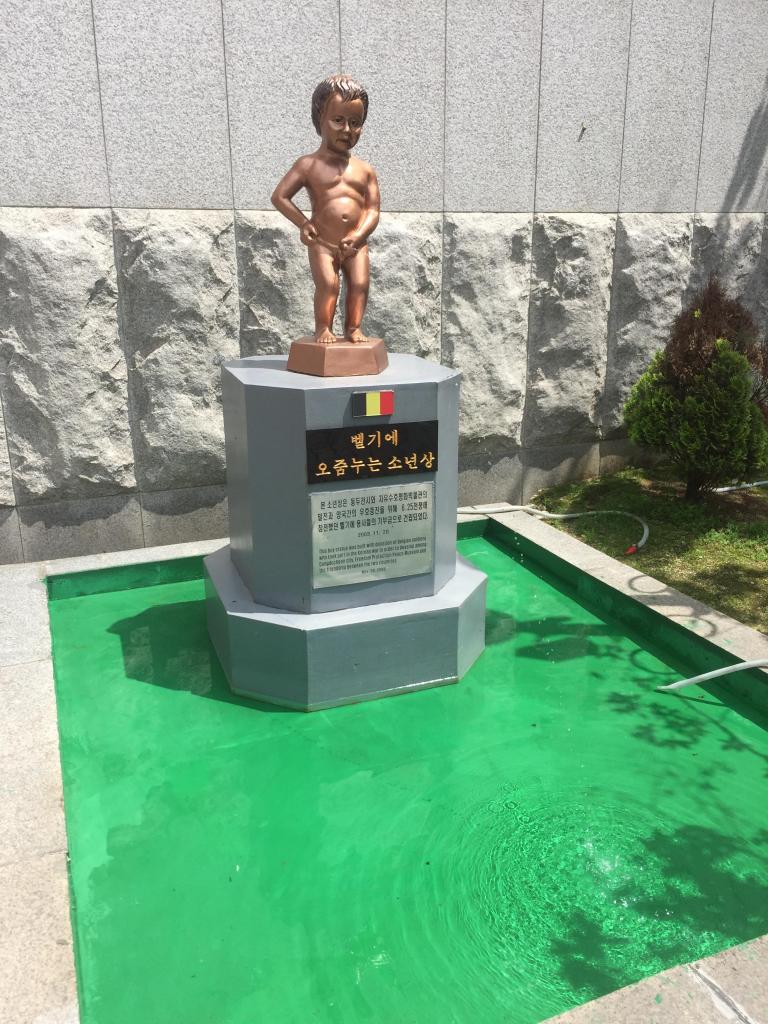
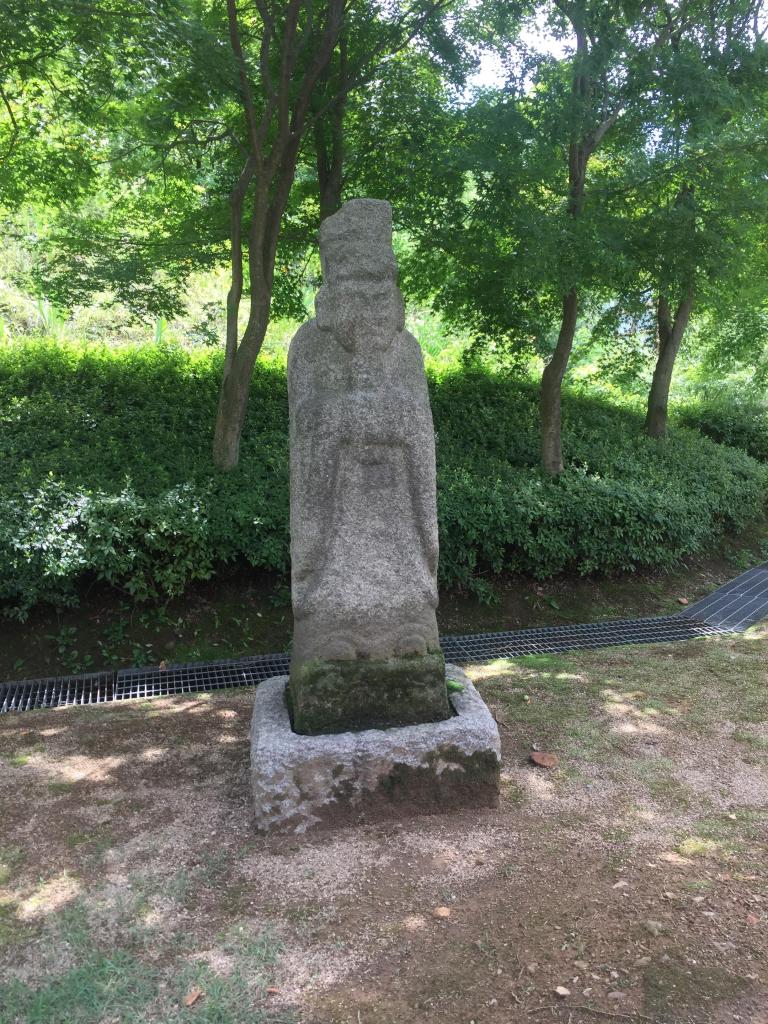
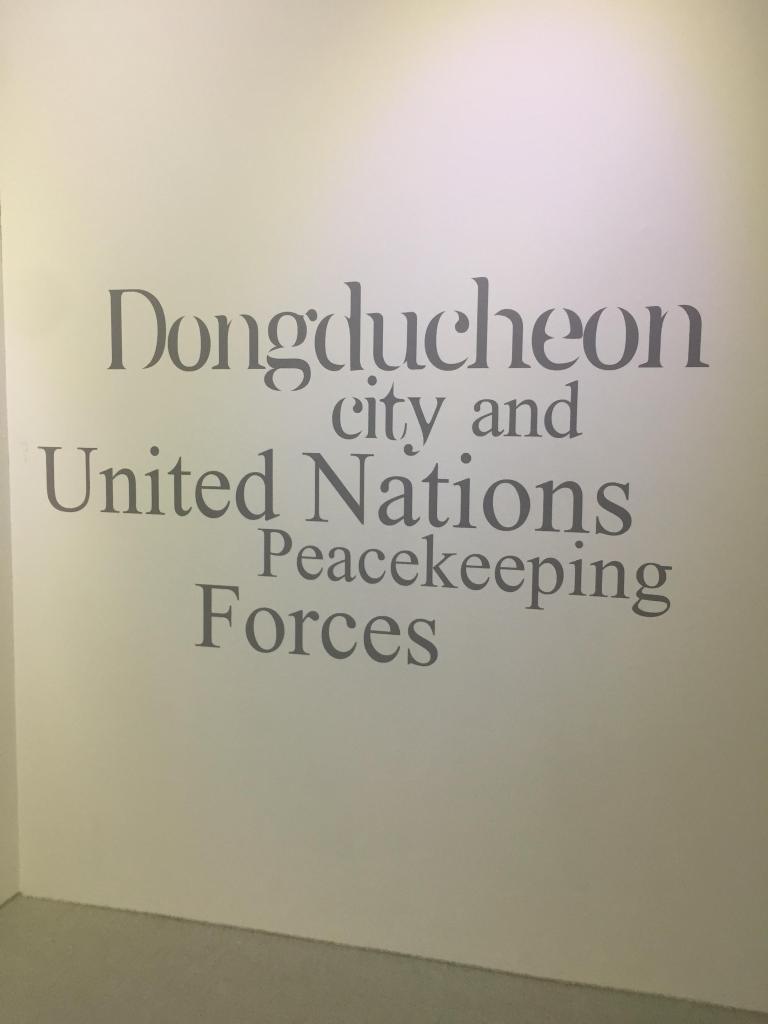
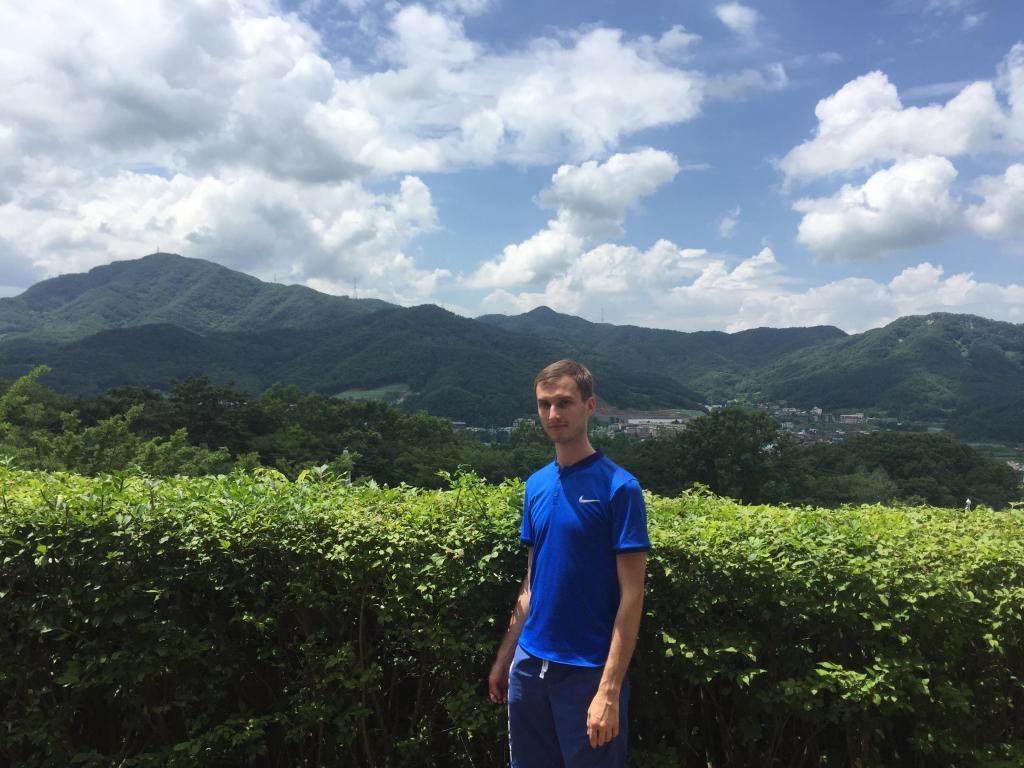
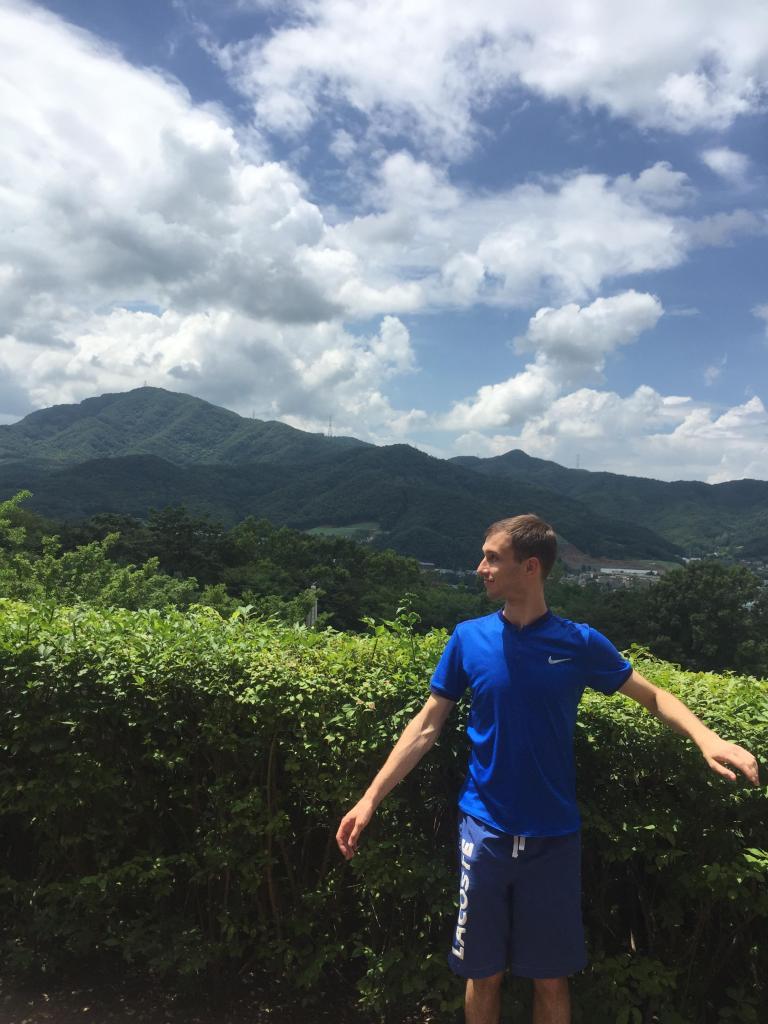
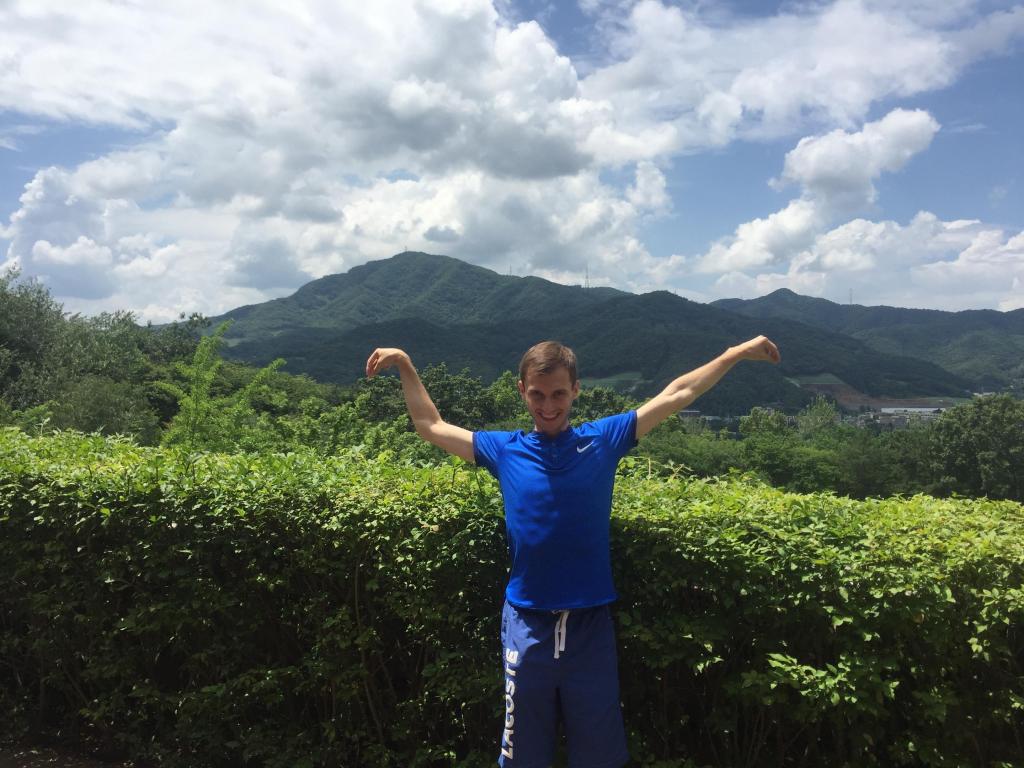
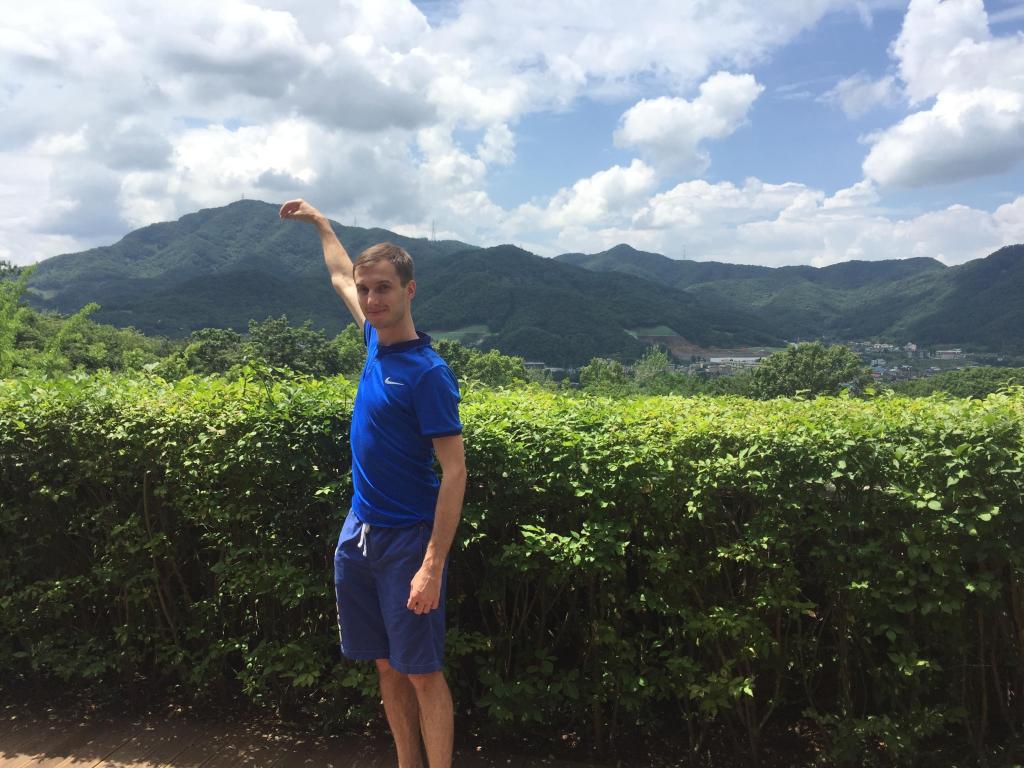
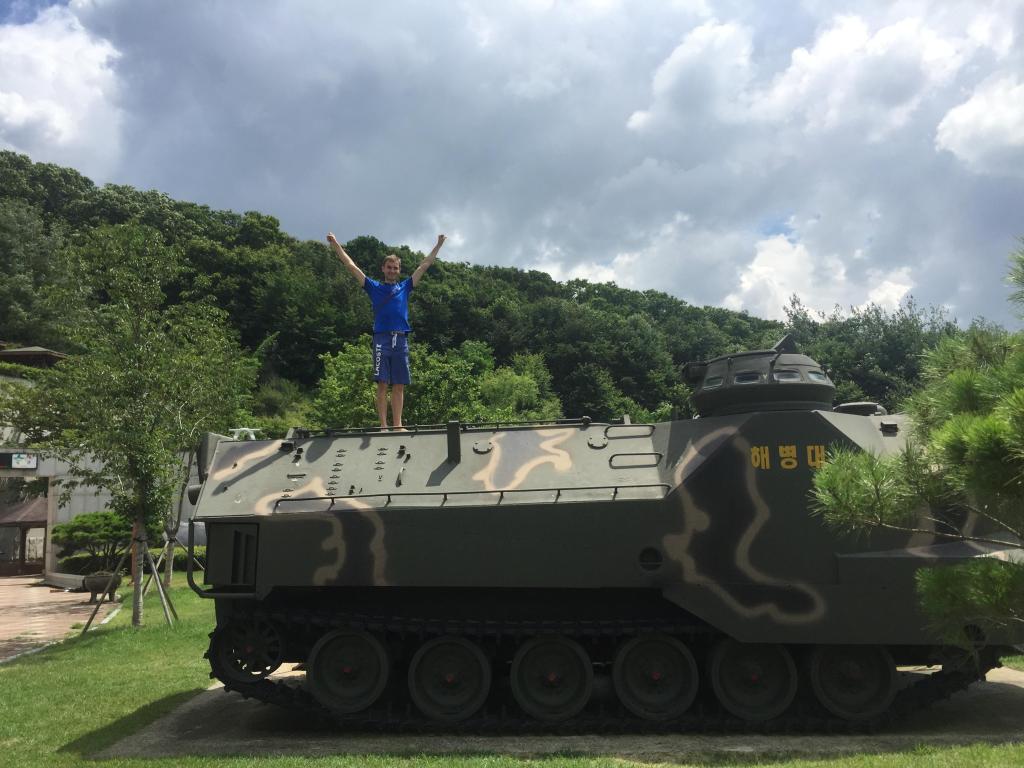
Amazing views from the museum. That what happens when you ask your friend to take a pic of me holding the top of the mountain. By the way, near the museum, there is Soyosan mountain I am going to visit next year.
Let us go somewhere out of Dongducheon!

 Try to Enter