I am heading to the north from Dongducheon!
The first destination is Bidulginang waterfall in Pocheon city.
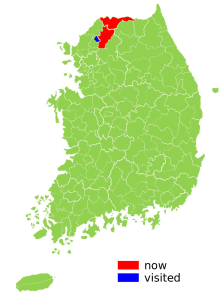
First of all, I would say a couple of words about Pocheon city. Why is it a city? It has a population of 151,767 people but covers quite a great as for a city area of 826.48 km. I will go through this city a few times when traveling to the east part of South Korea, like to the East sea. But today I am going to visit only one spot in this widespreaded city.
Bidulginang waterfall is just about 15 m in height (compare 119 m of Baekseok waterfall I will see in Jeongseon country), but this waterfall attracts visitors by its unusual appearance. The name Bidulginang is derived from a bowl-shaped cliff like a dove nest where white doves build nests inside a cave behind the waterfall.
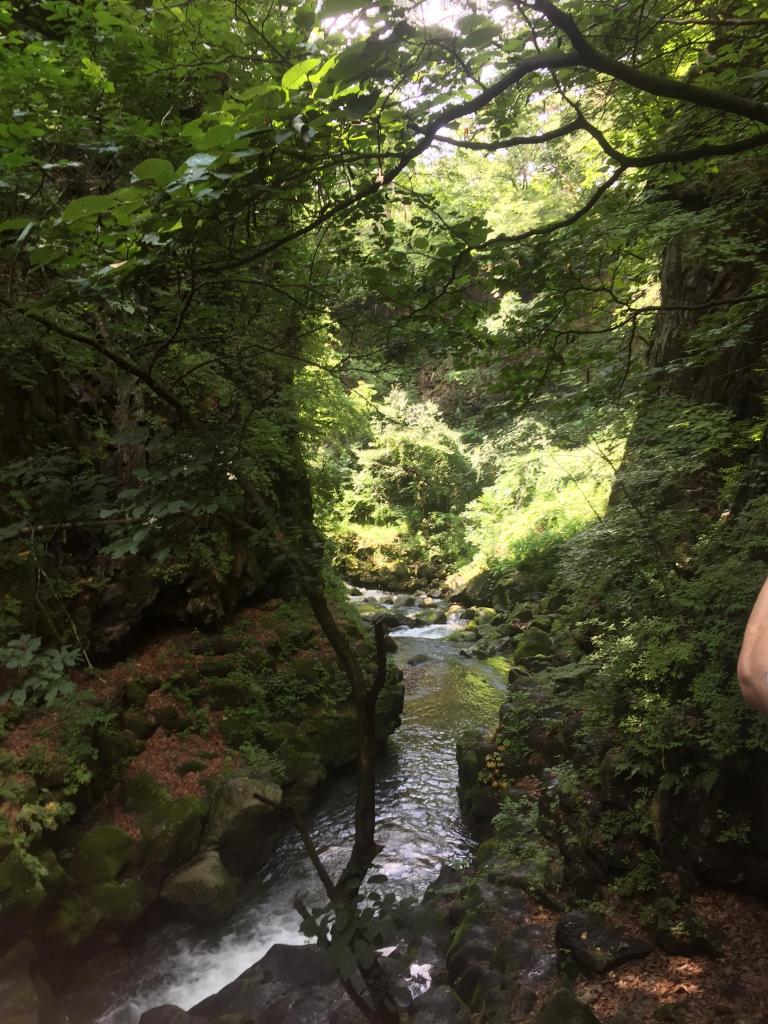
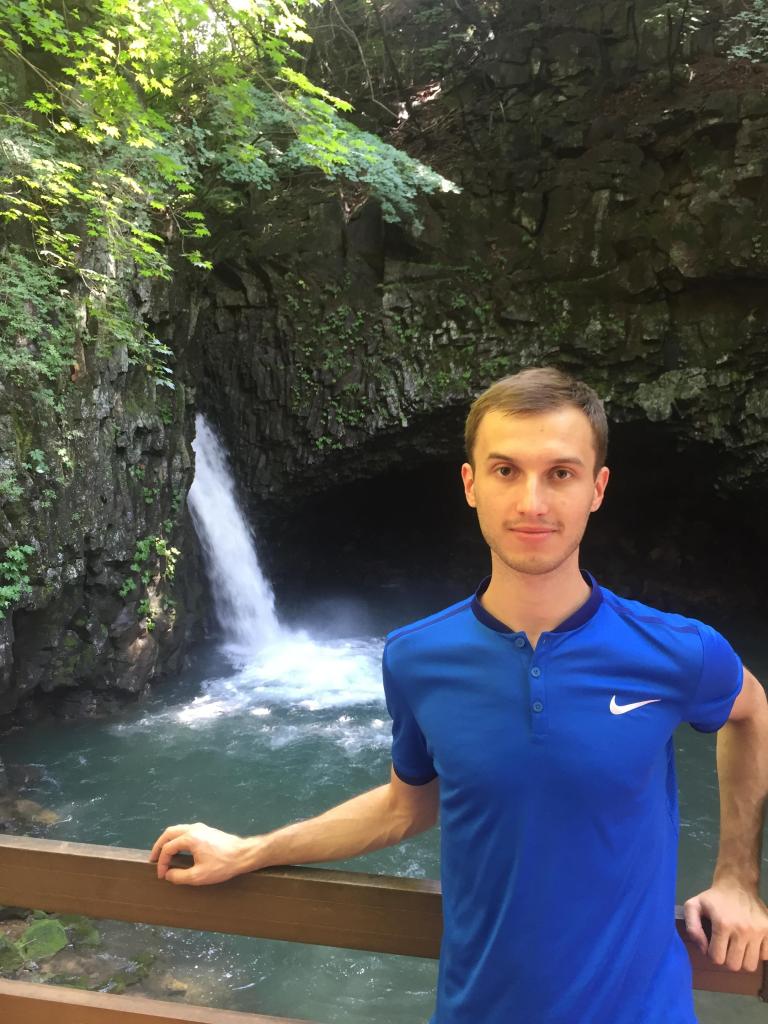
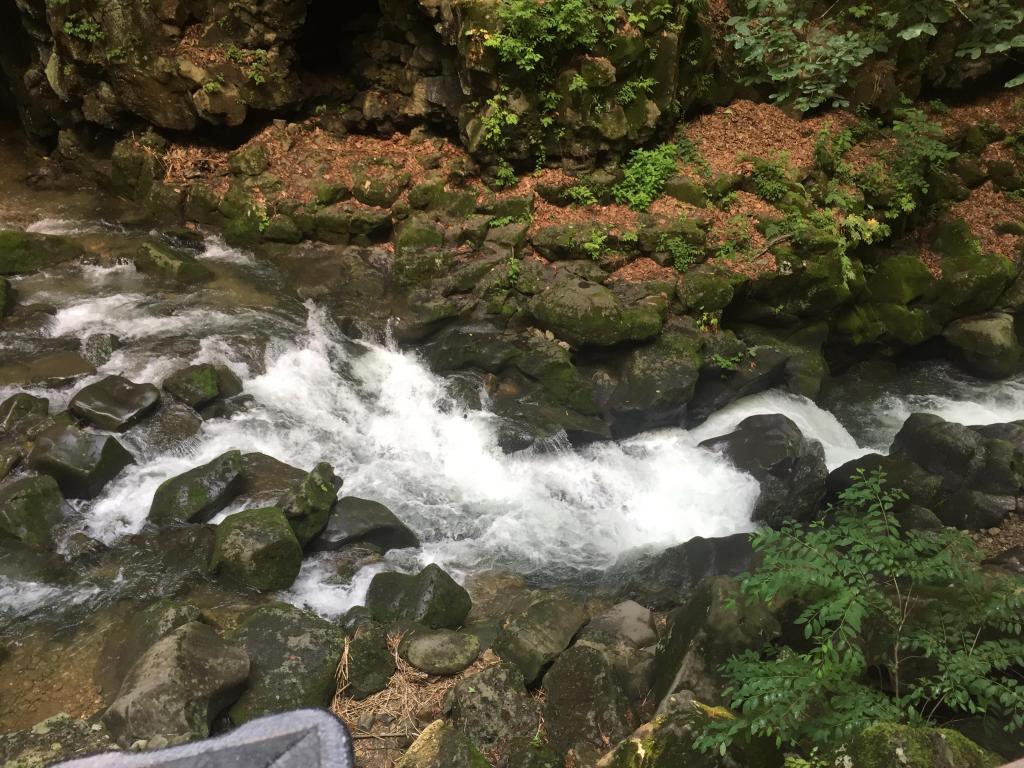
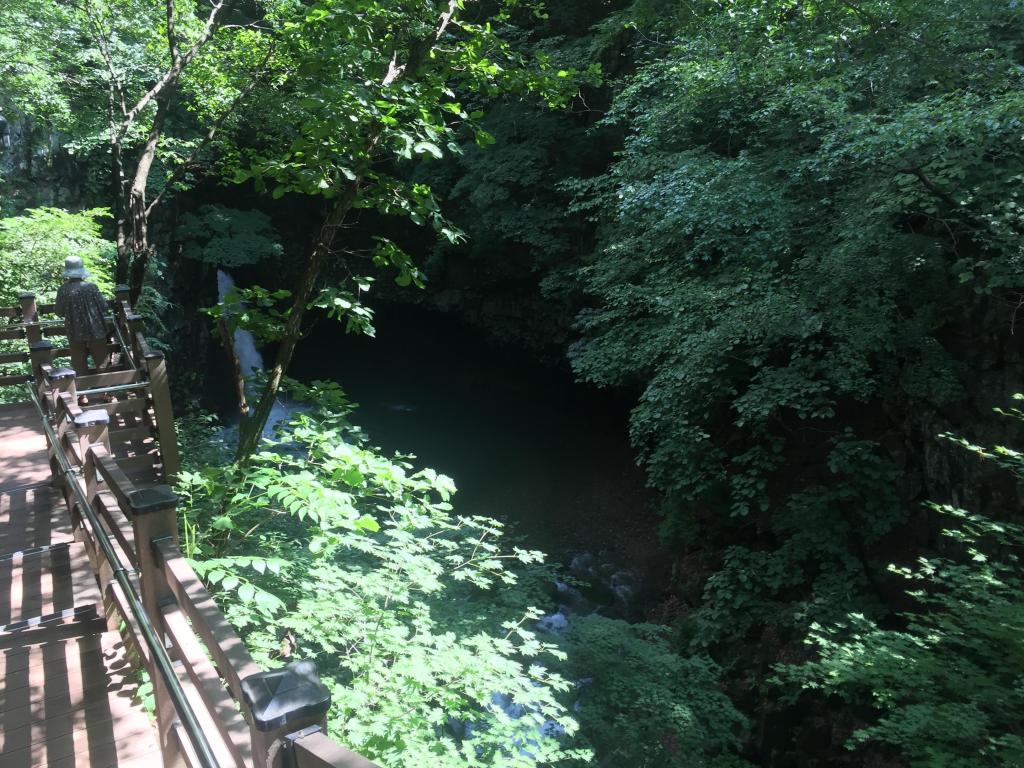
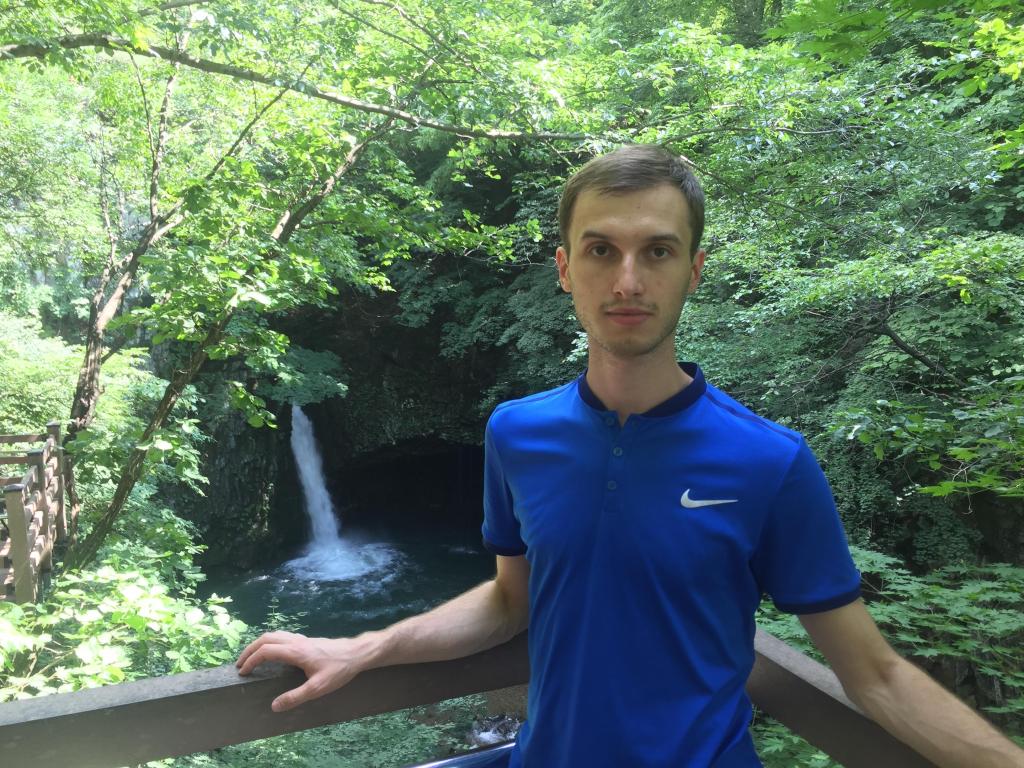
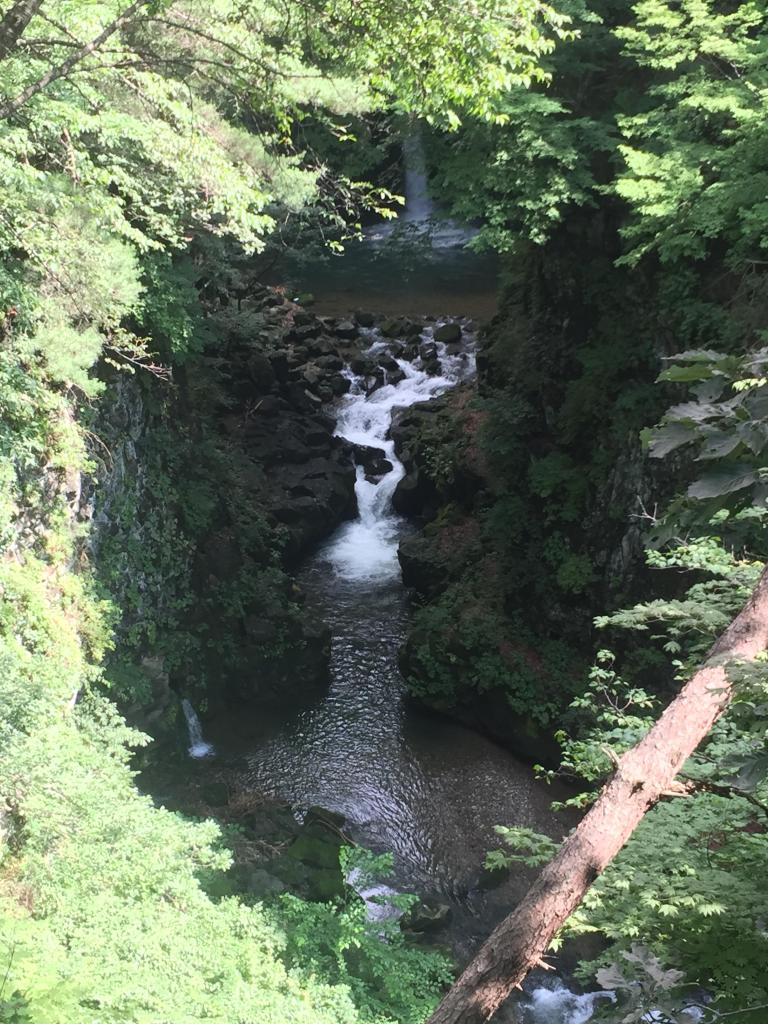
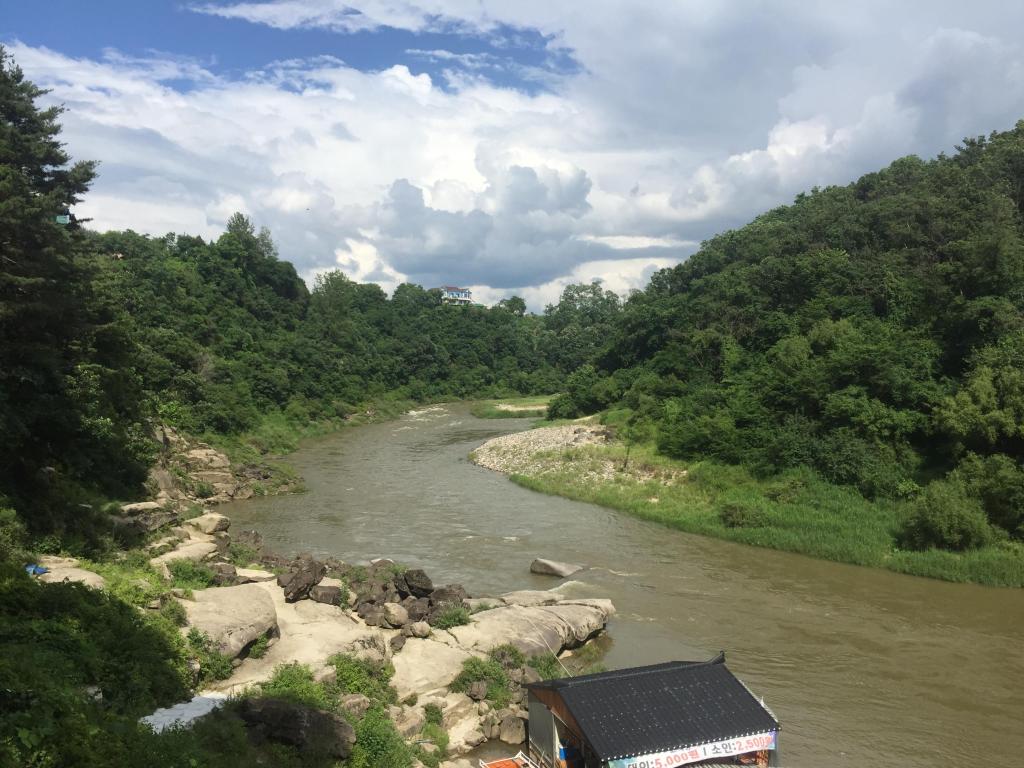
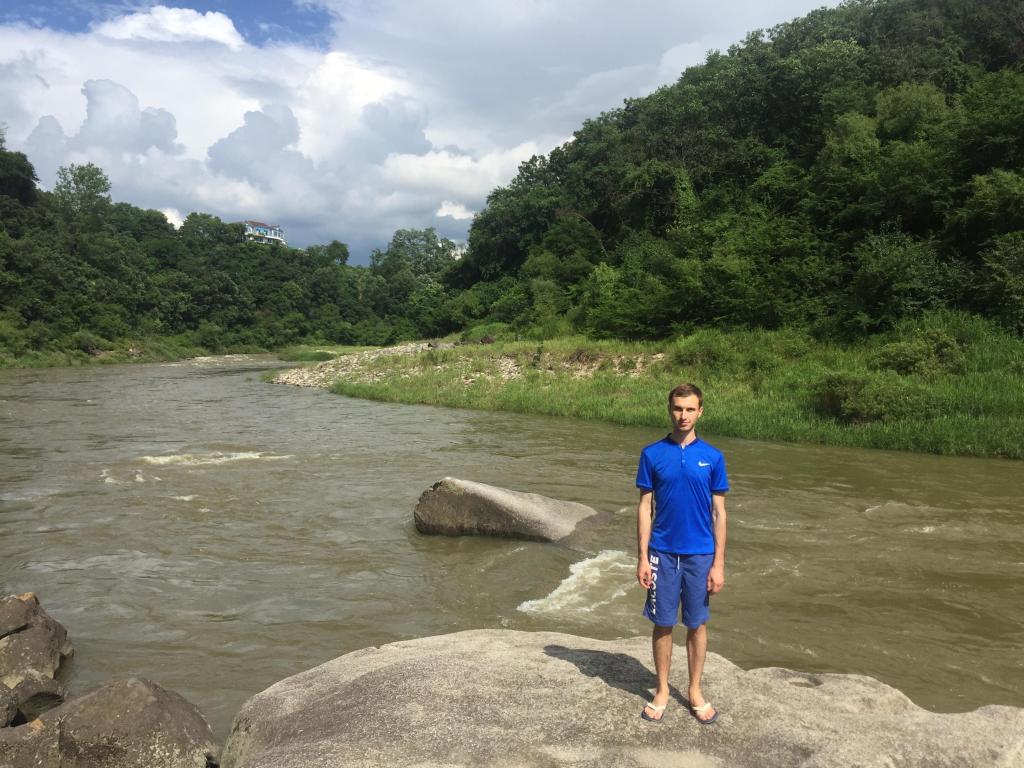
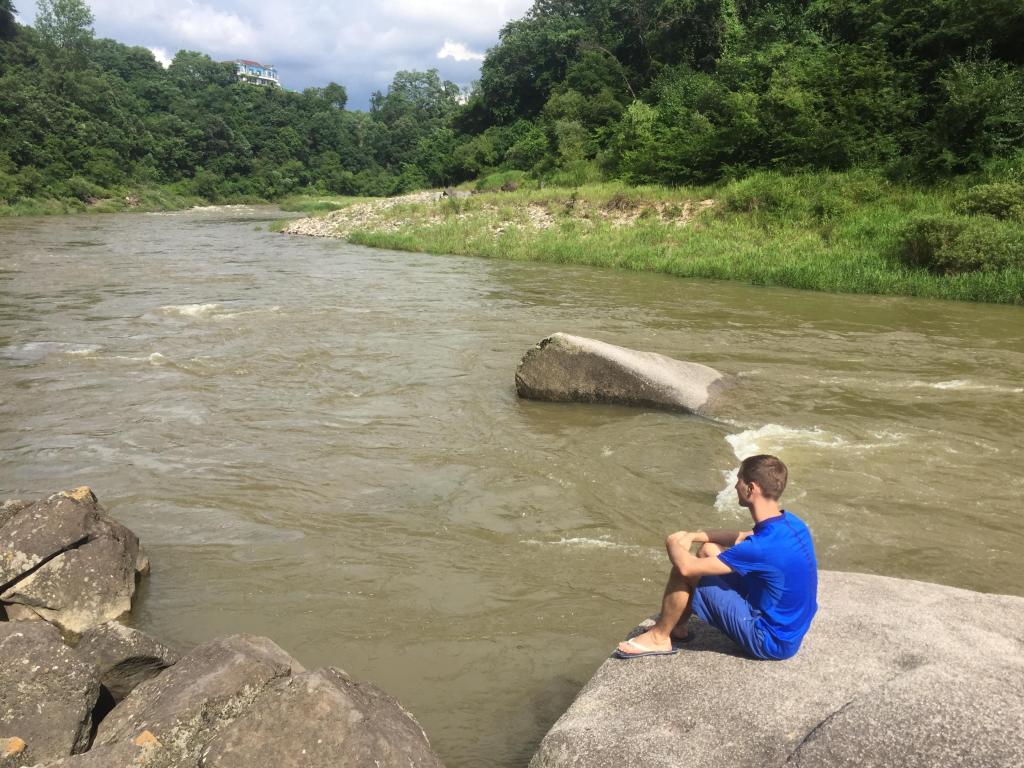
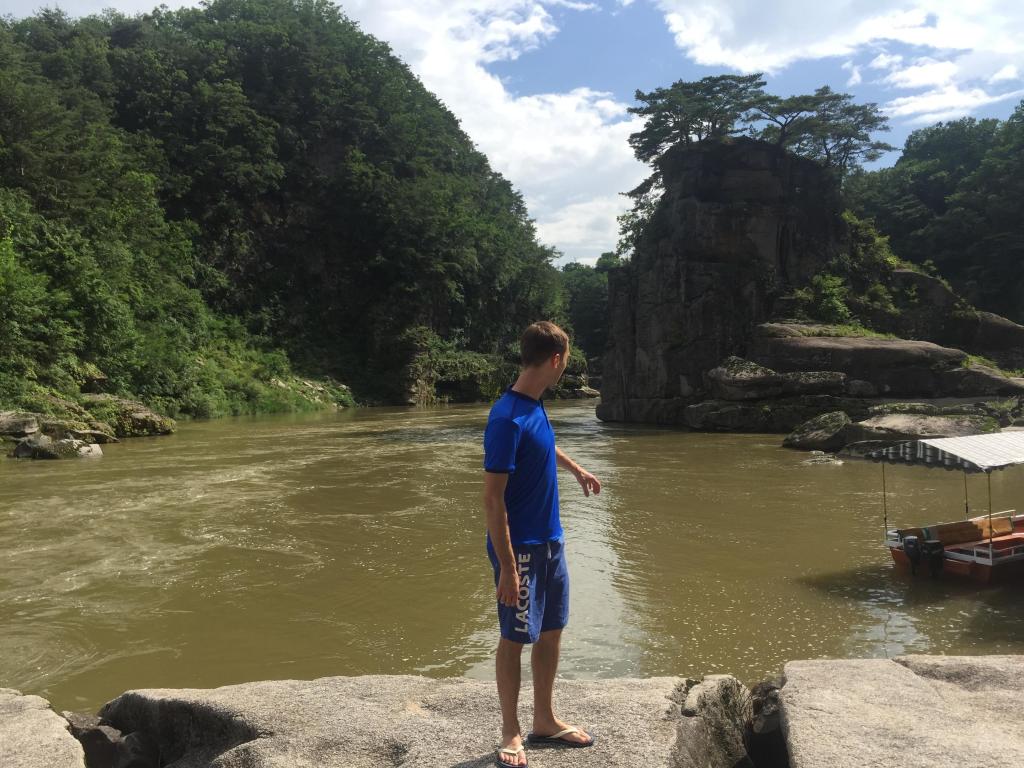
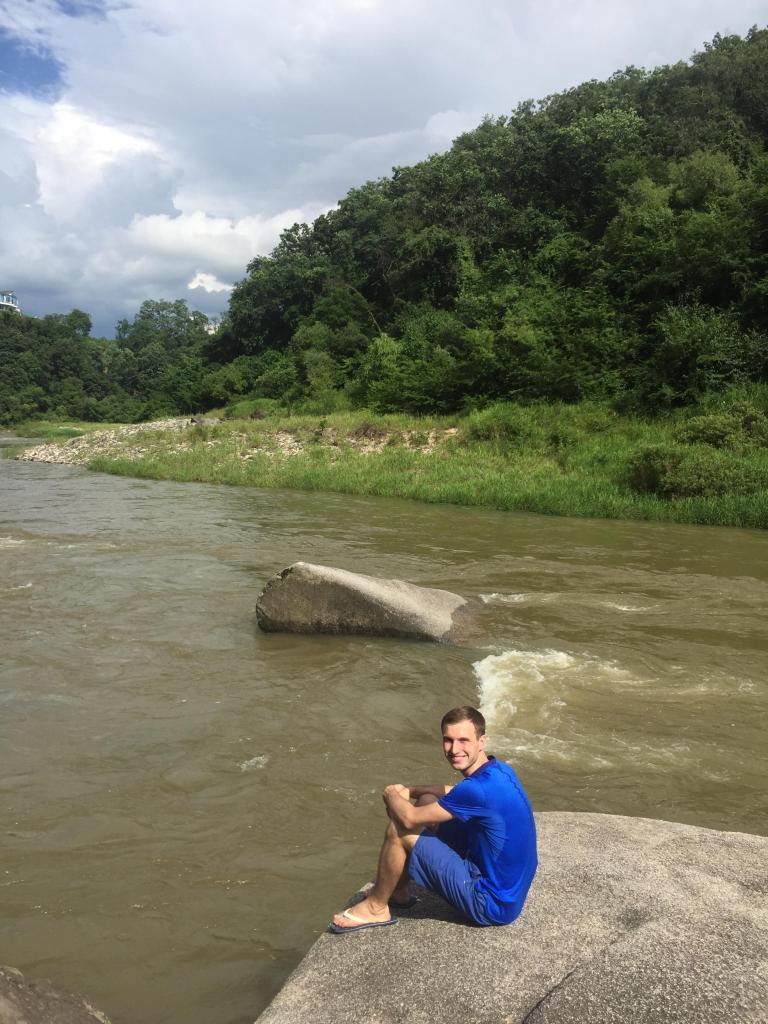
A few minutes walk away from the waterfall an amazing view on Hantangang river opens.
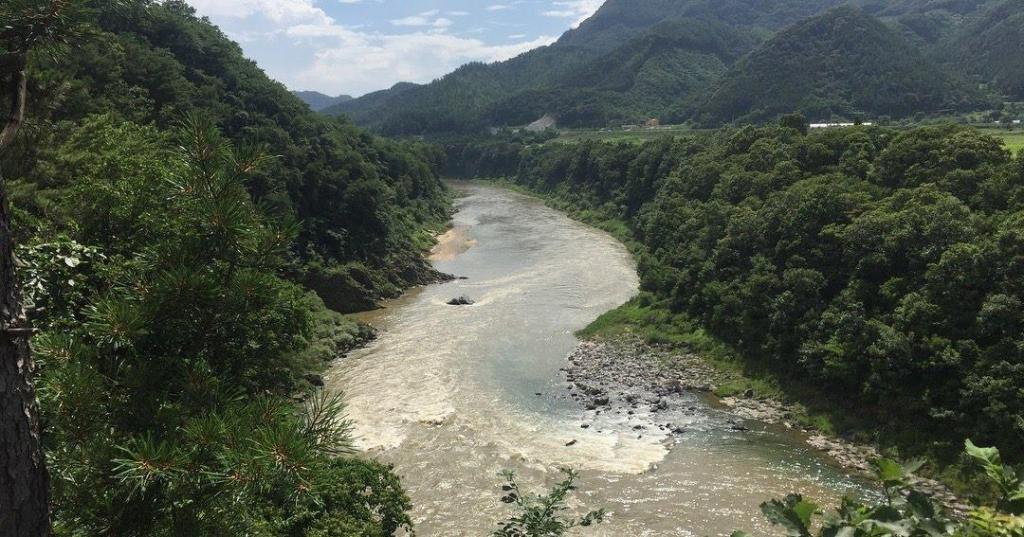
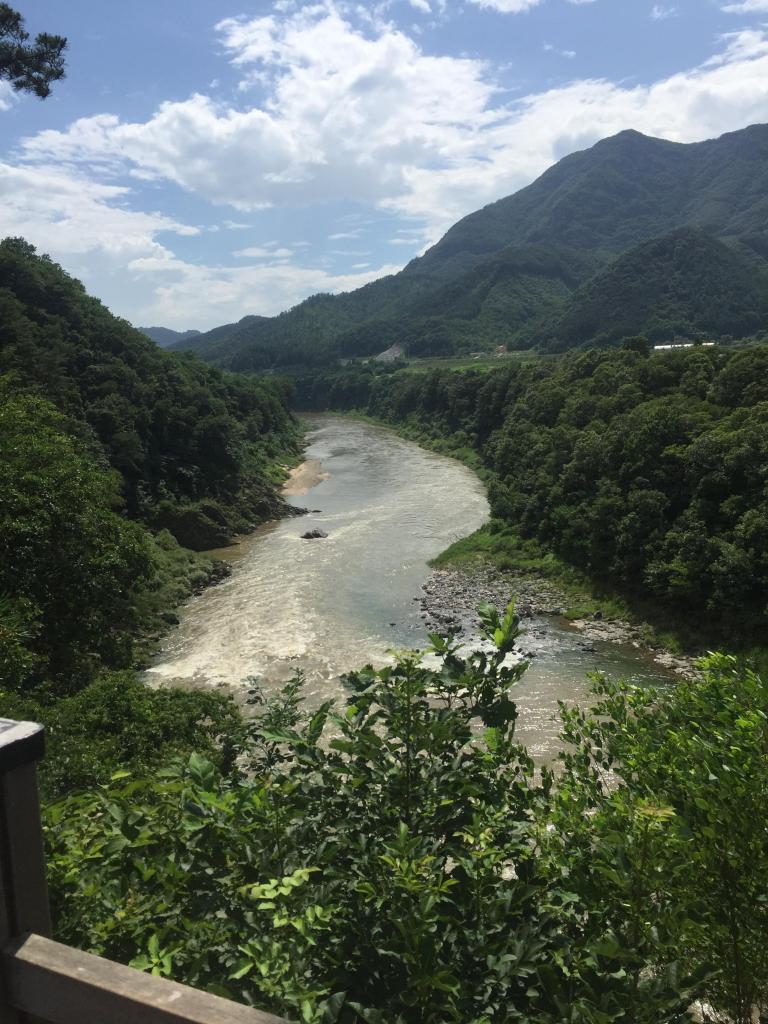
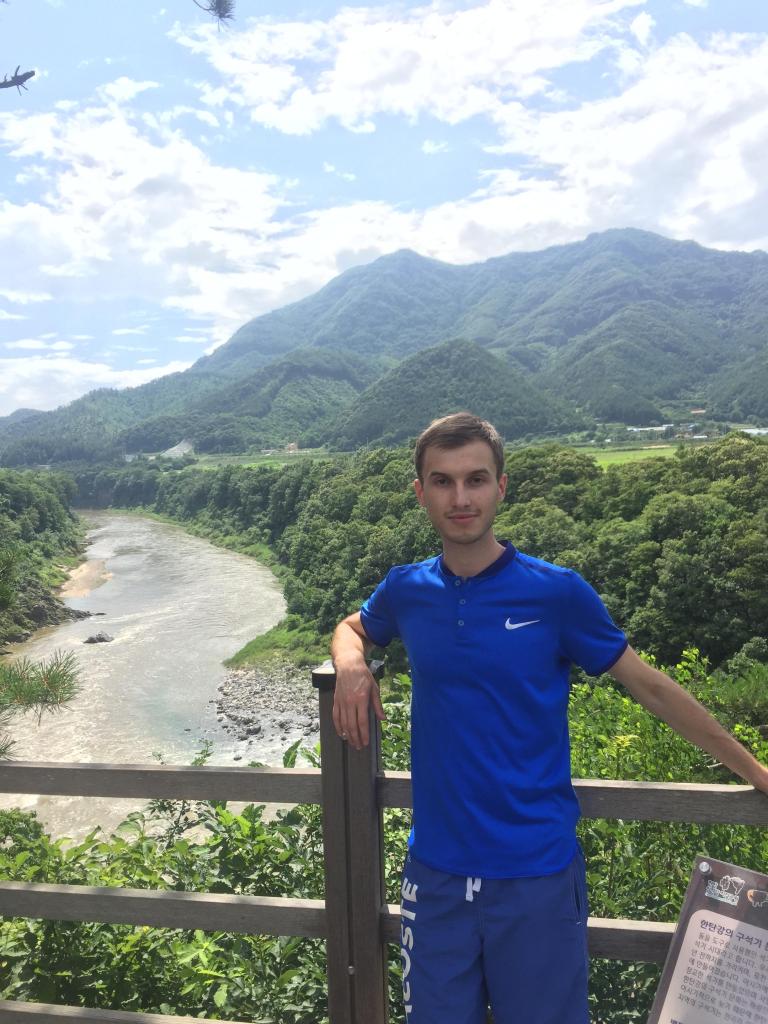
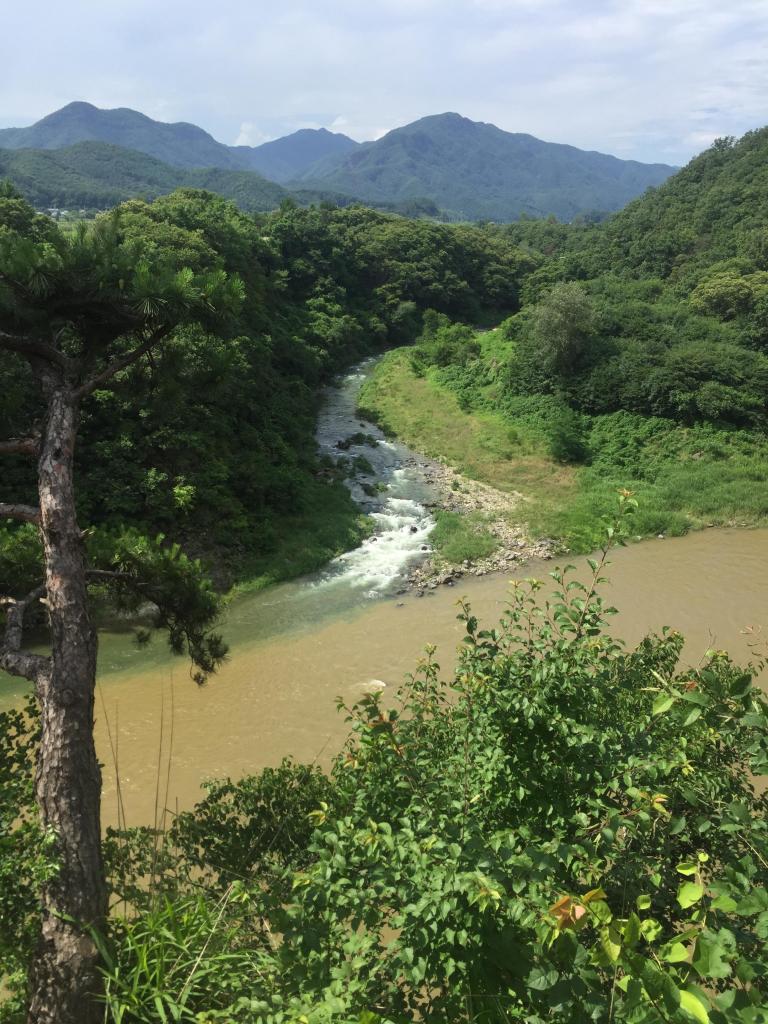
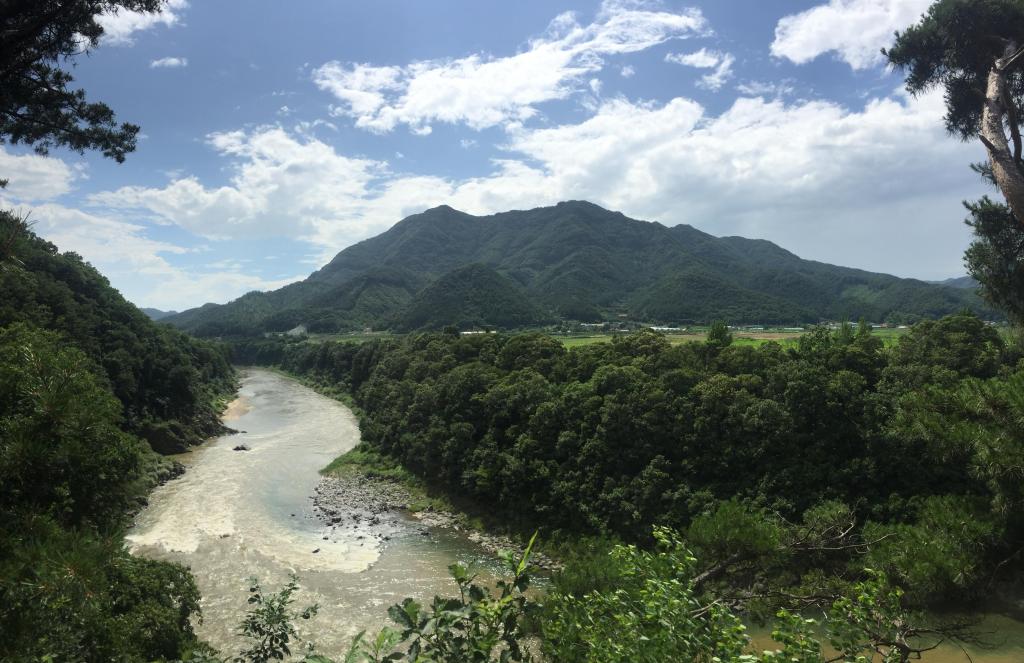
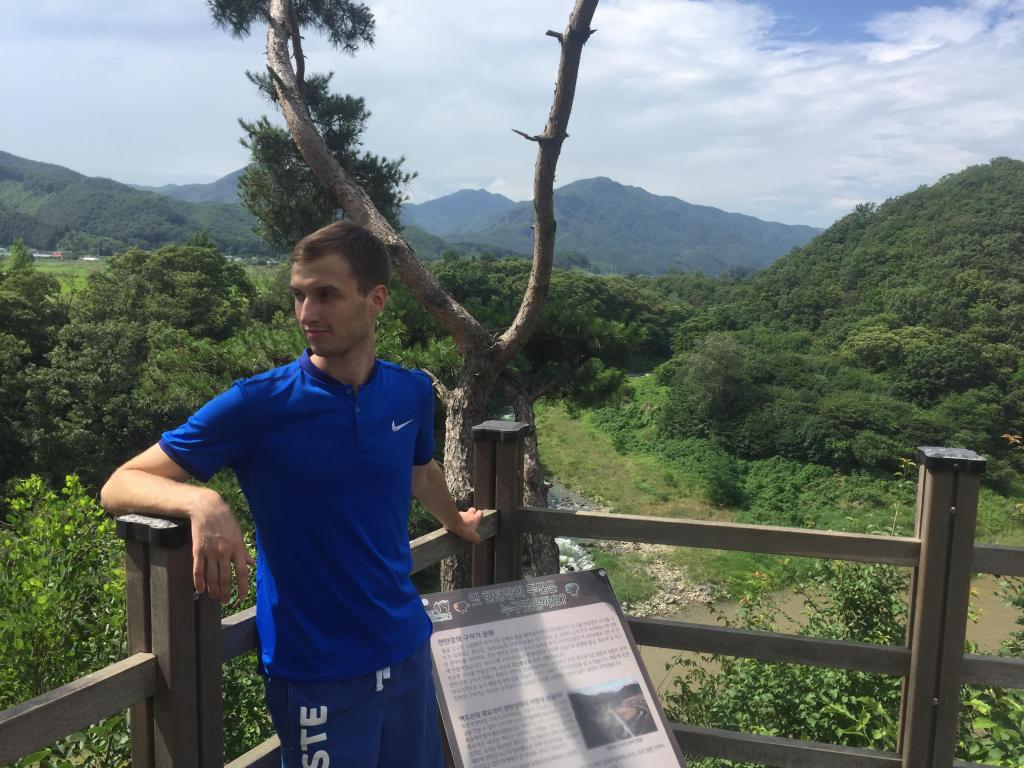
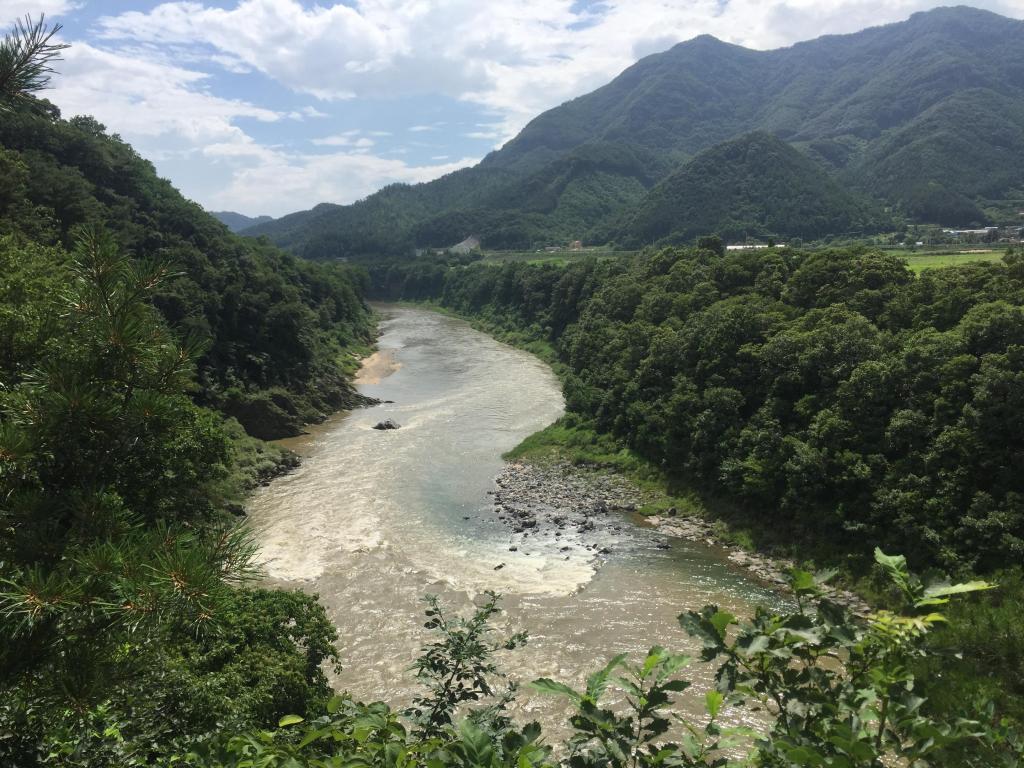
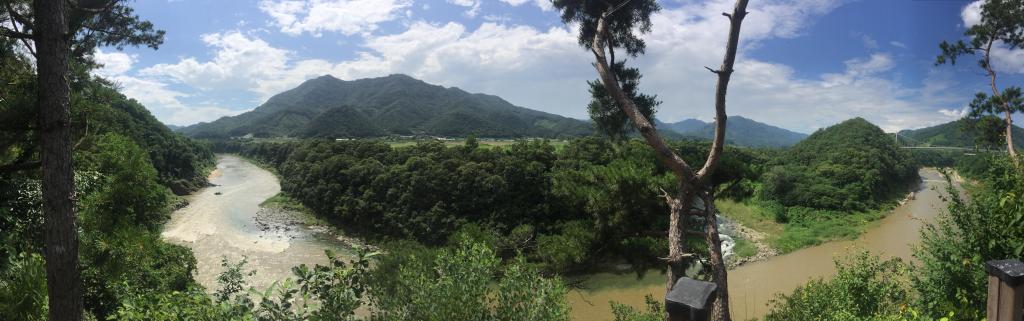
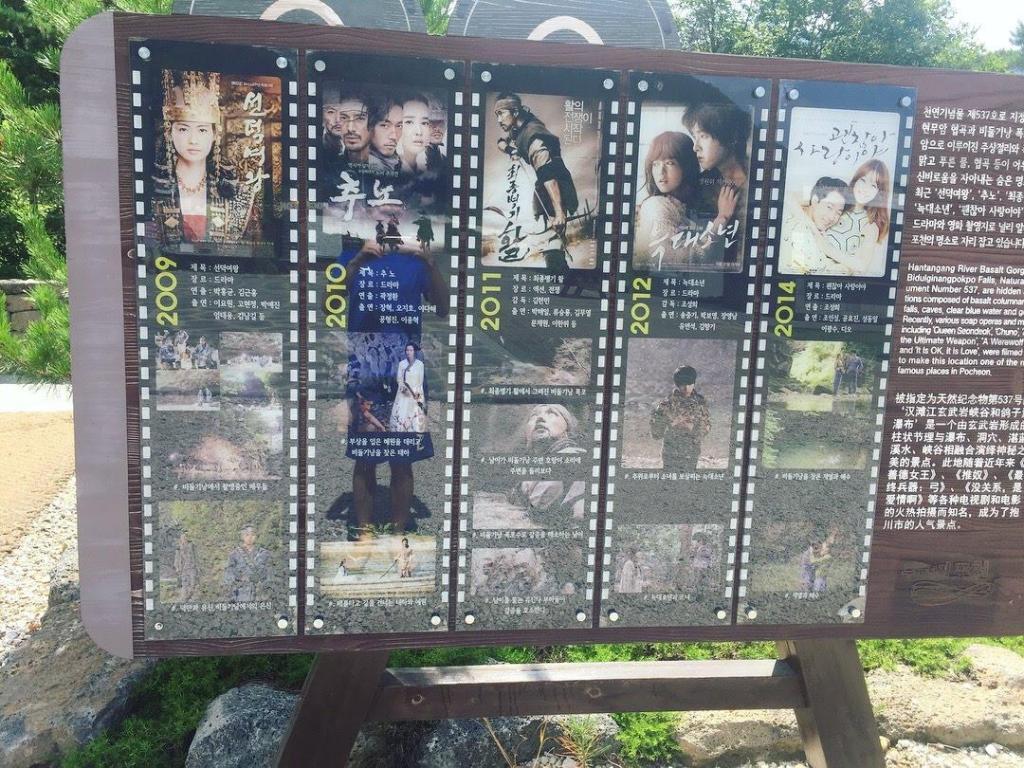
The beautiful scenes of this area used to be a scene for several movies.
Due to the specific landscape structure, the area provides information about the geological processes happened here.
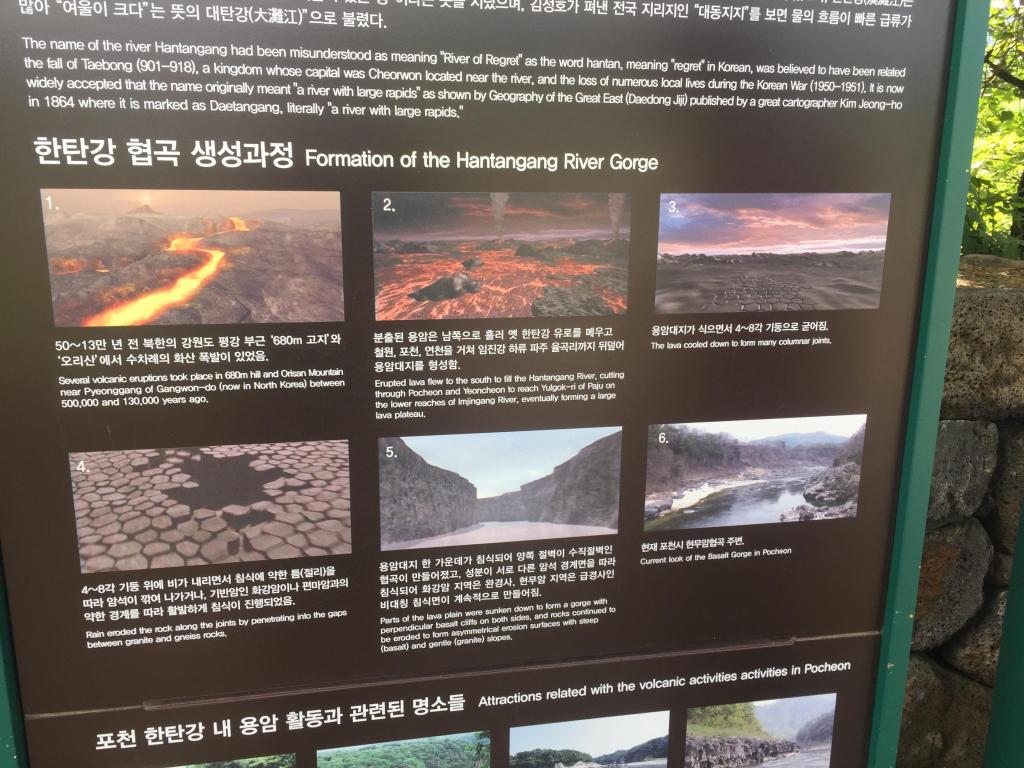
To continue the topic of relation of Koreans to heritage, I want to emphasize that Bidulginangpokpo Falls and Basalt Gorge along the Pocheon Hantangang River is designated as a natural monument #537, among all 559 monuments by February 3, 2020. So, besides the category “national treasures”, there is “natural monuments” too. For comparison, Wikipedia provides a list of over 2800 natural monuments in Ukraine (proportional to the areas of South Korea and Ukraine – 1/5).
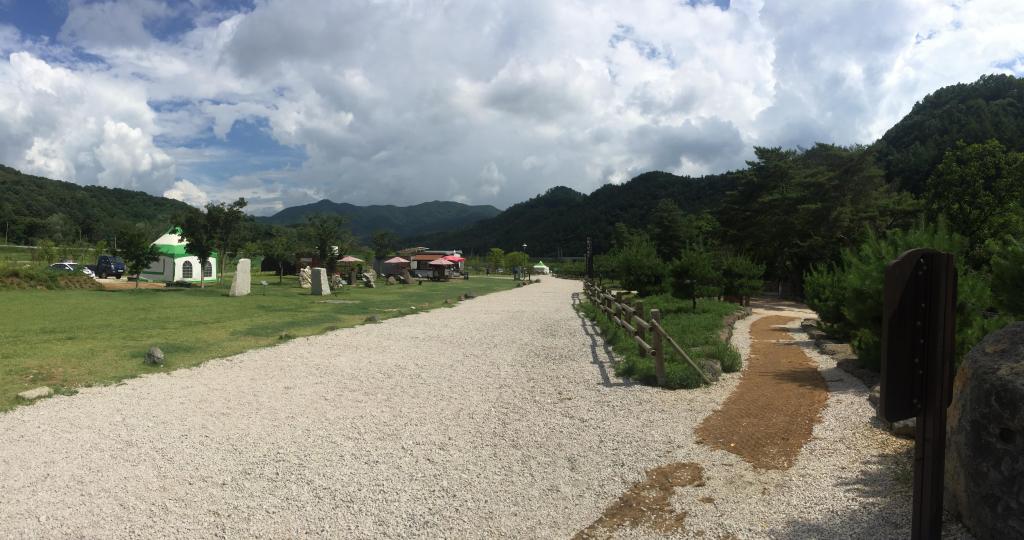
The Hantangang river falls into the Imjin river which falls into the Han river and then to the Yellow sea. But today I am not going to swim in the sea, there is another interesting place is waiting to be visited, up by the stream of the Hantangang.
Hantangang was called Hanyeoul, because of the big rapids on the stream. In old records Hanja was used, so the name of the river was written as Daetan 大灘, where dae 大 means big and tan 灘 means rapids (that is how Korean yeoul became tan). Later, this name was changed into Hantangang 漢灘江 which is used nowadays.
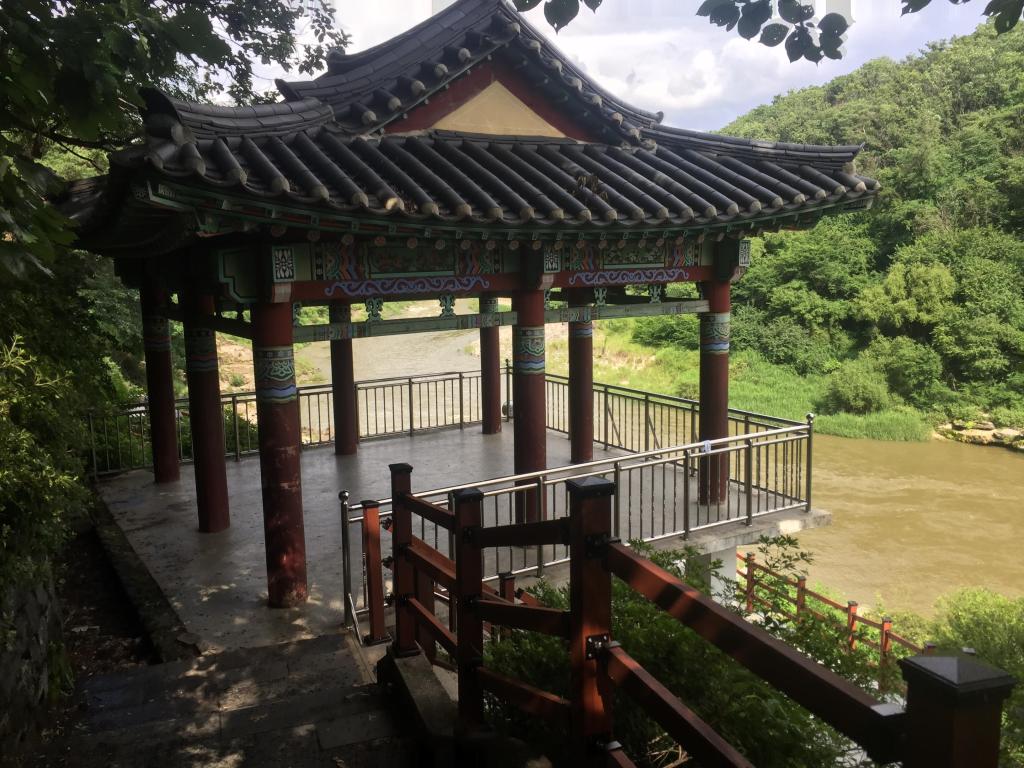
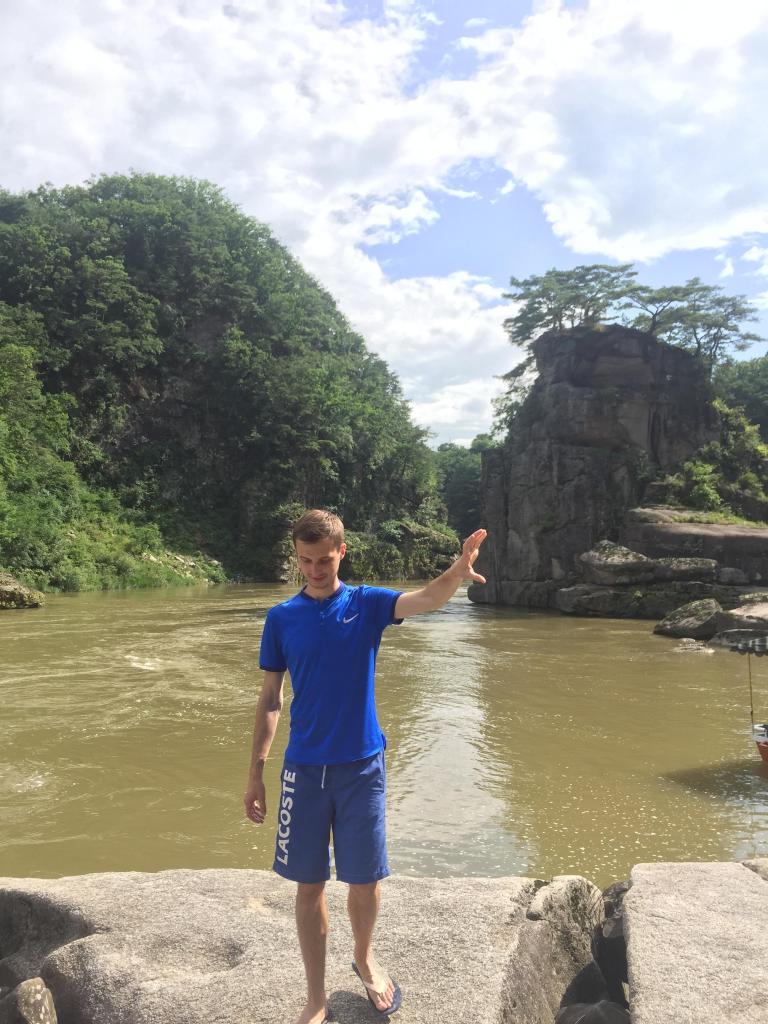
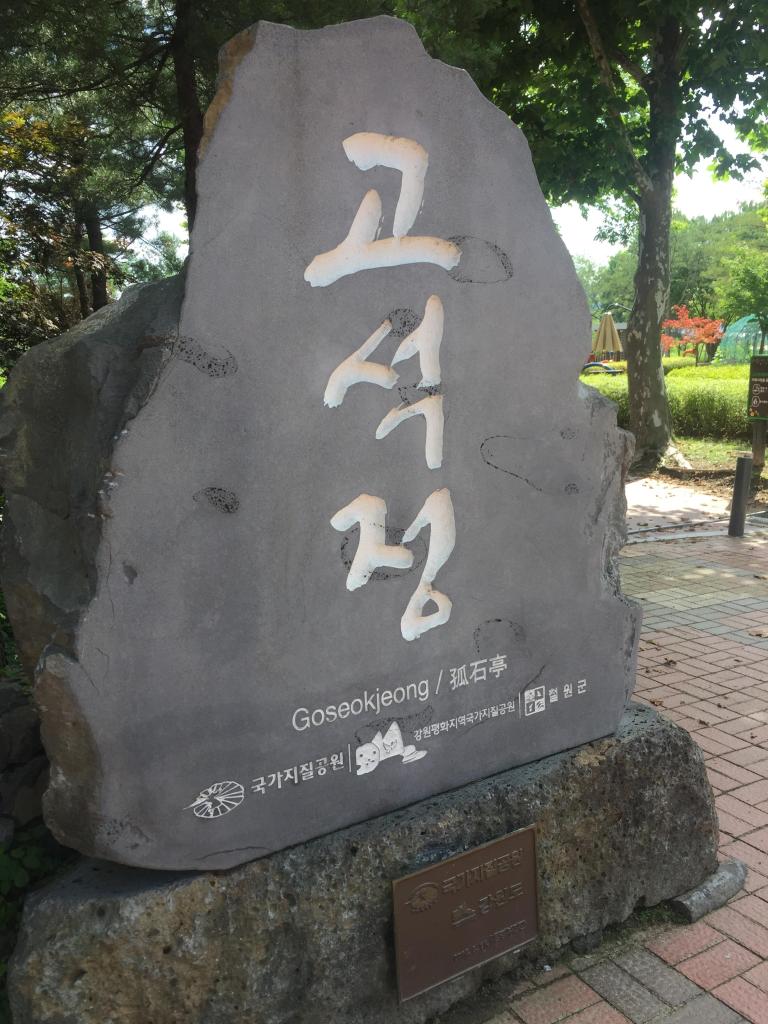
The next destination is Goseokjeong Pavilion in Cheorwon county. The name of the pavilion Goseokjeong 孤石亭 might be translated as a lonely stone pavilion. And that is why…
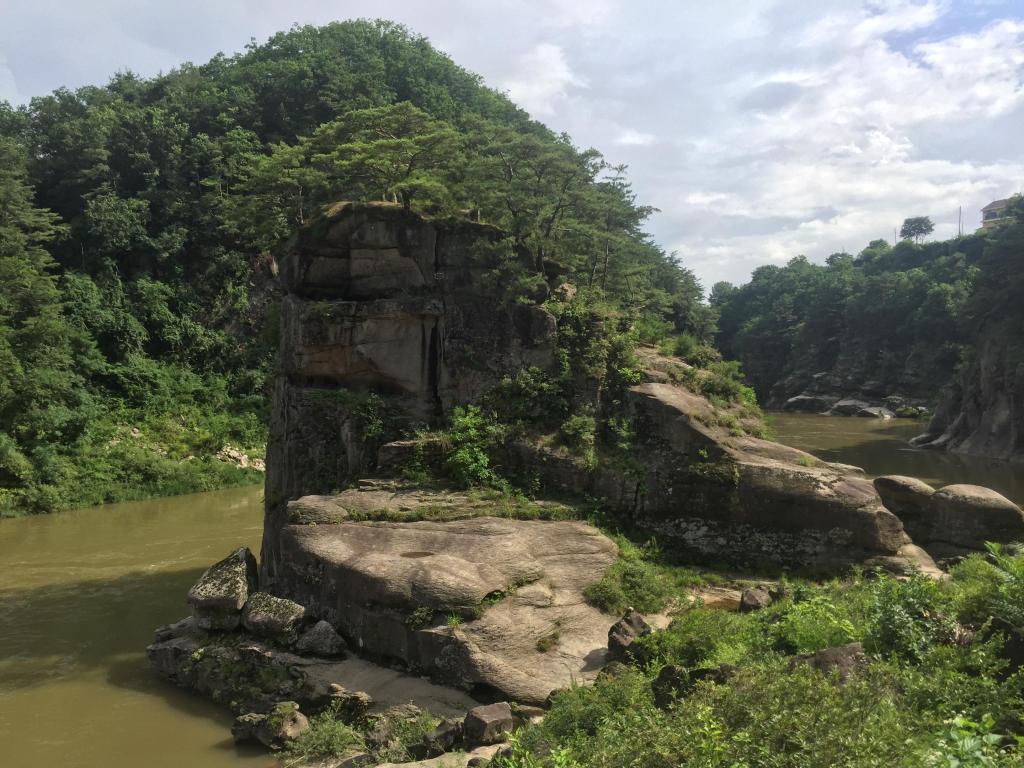
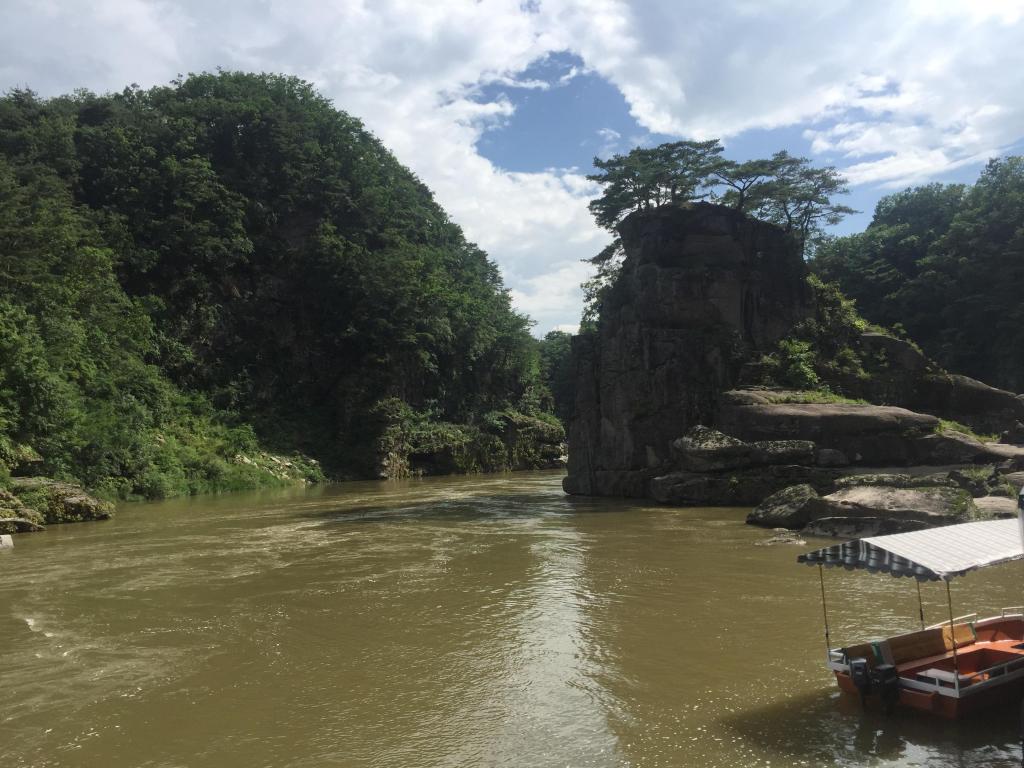
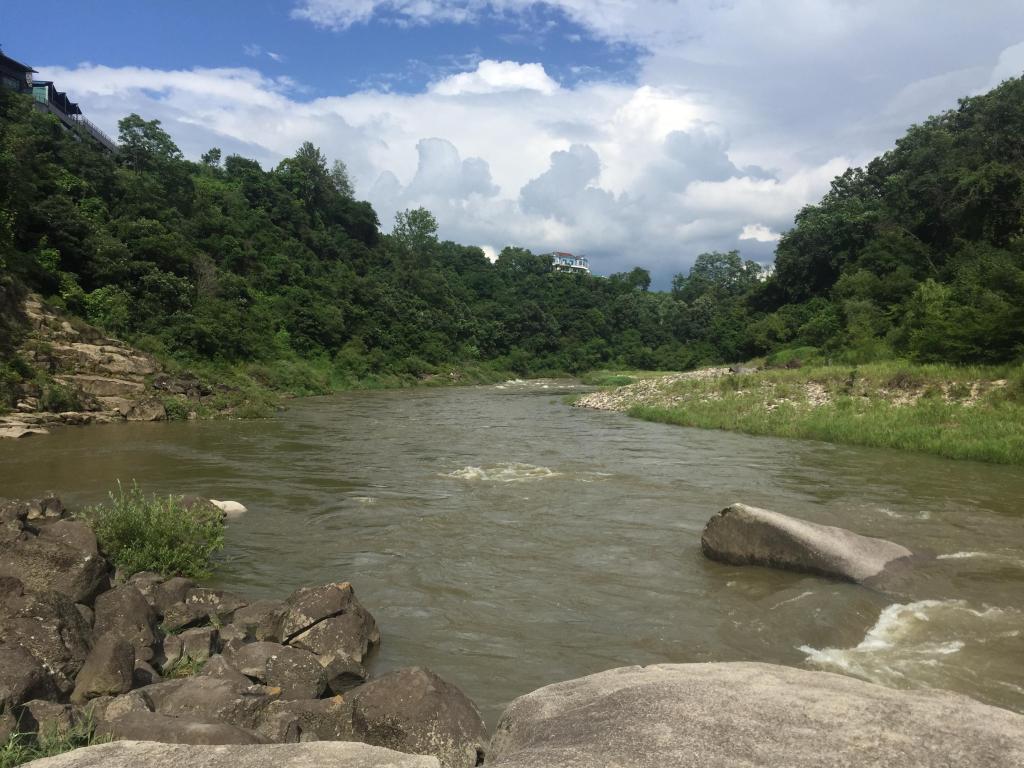
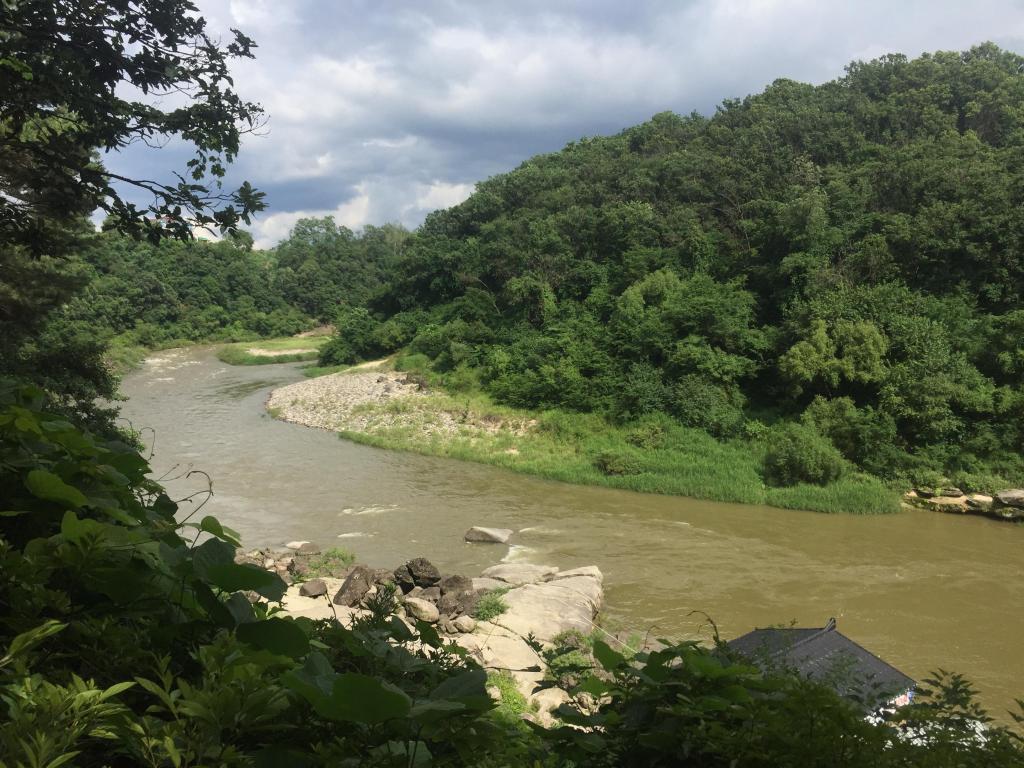
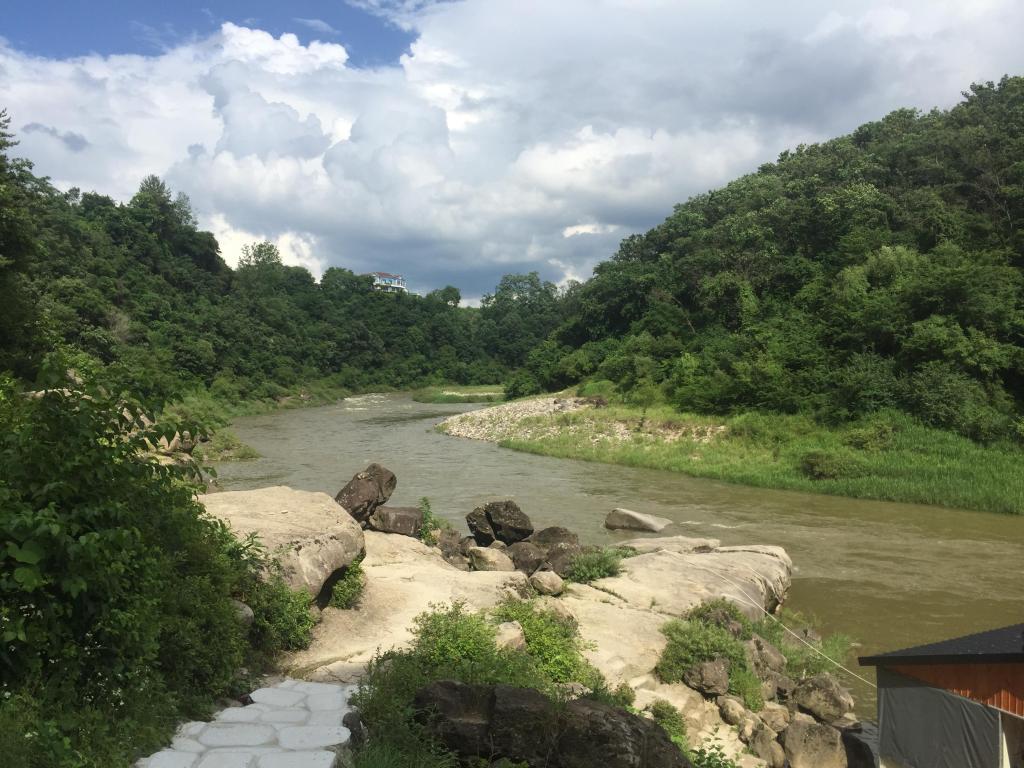
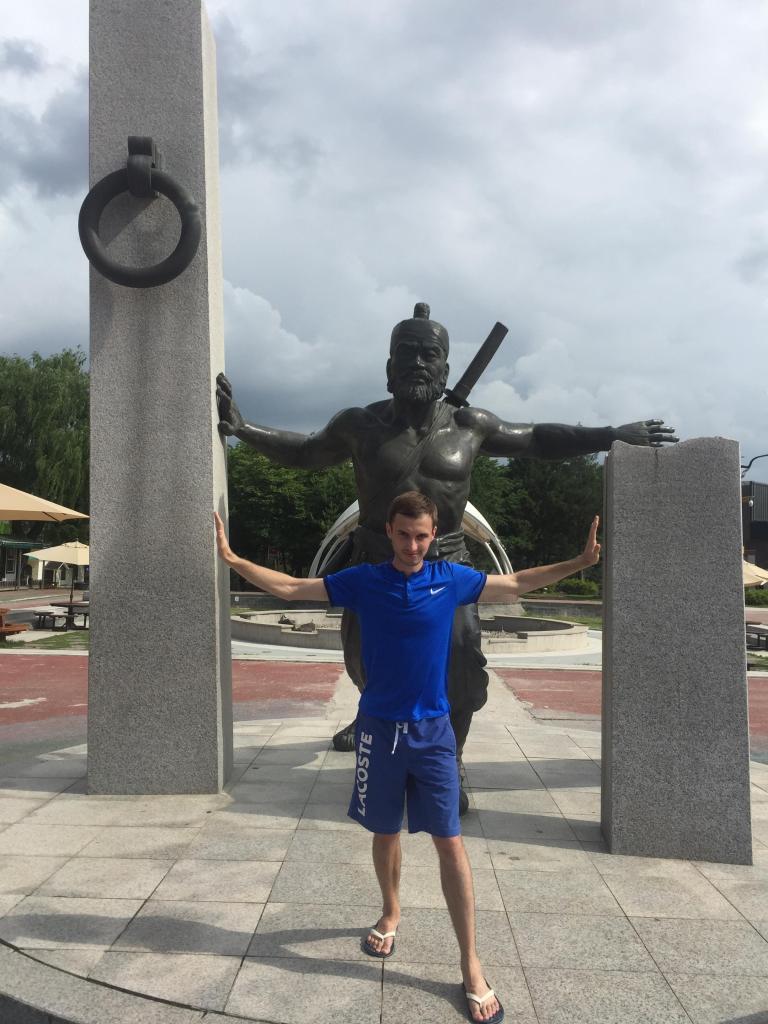
That is how my friend understands my phrase “photograph me holding the cliff”.
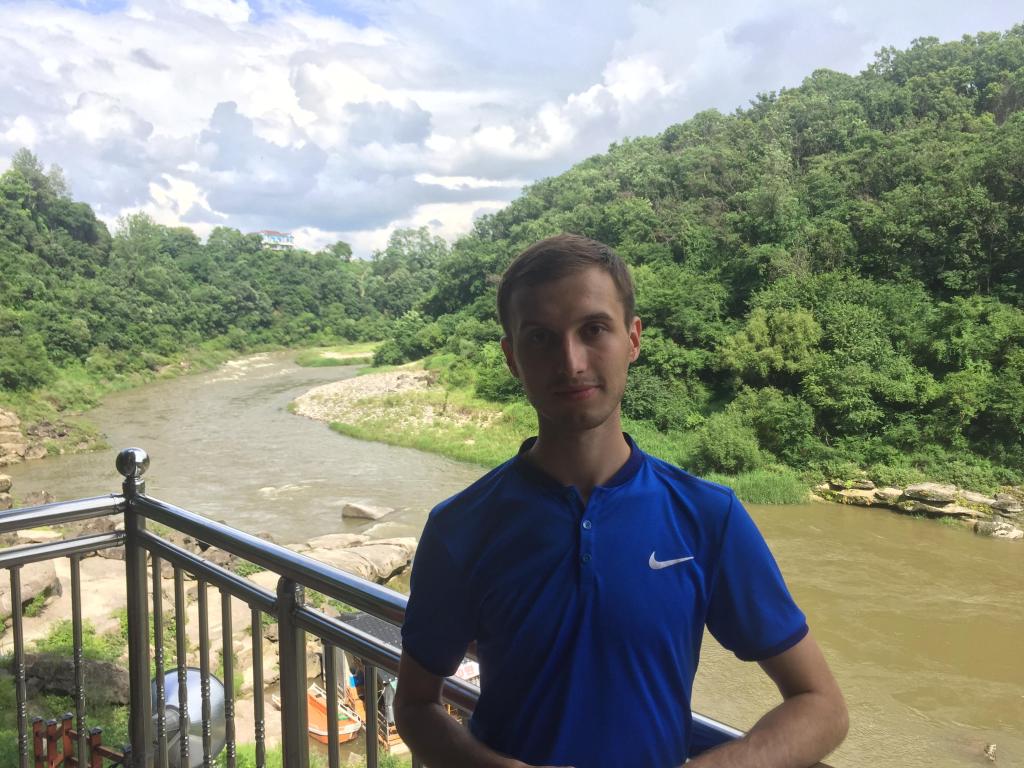
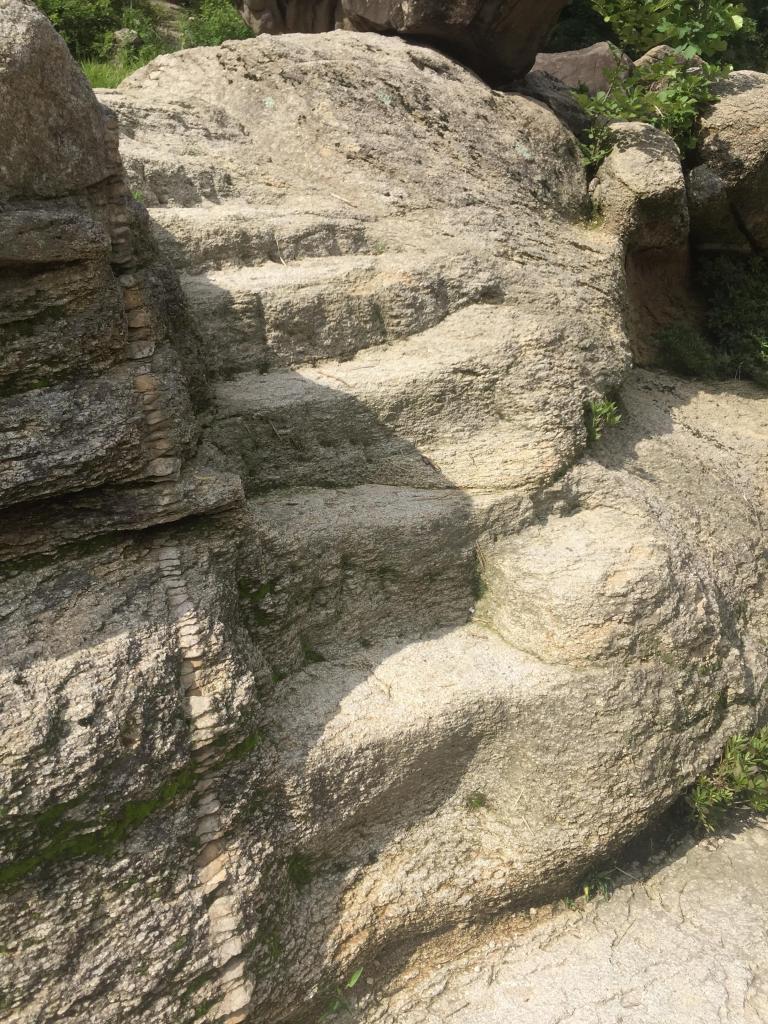
When I saw this stair I thought it is made to look like an ancient one. Actually, it is possible this stair is really ancient since although the exact date of the foundation is unknown there are records saying King Jinpyeong of the Silla Kingdom (579-632) and King Chungsook of the Goryeo Dynasty (1294-1339) stayed here.
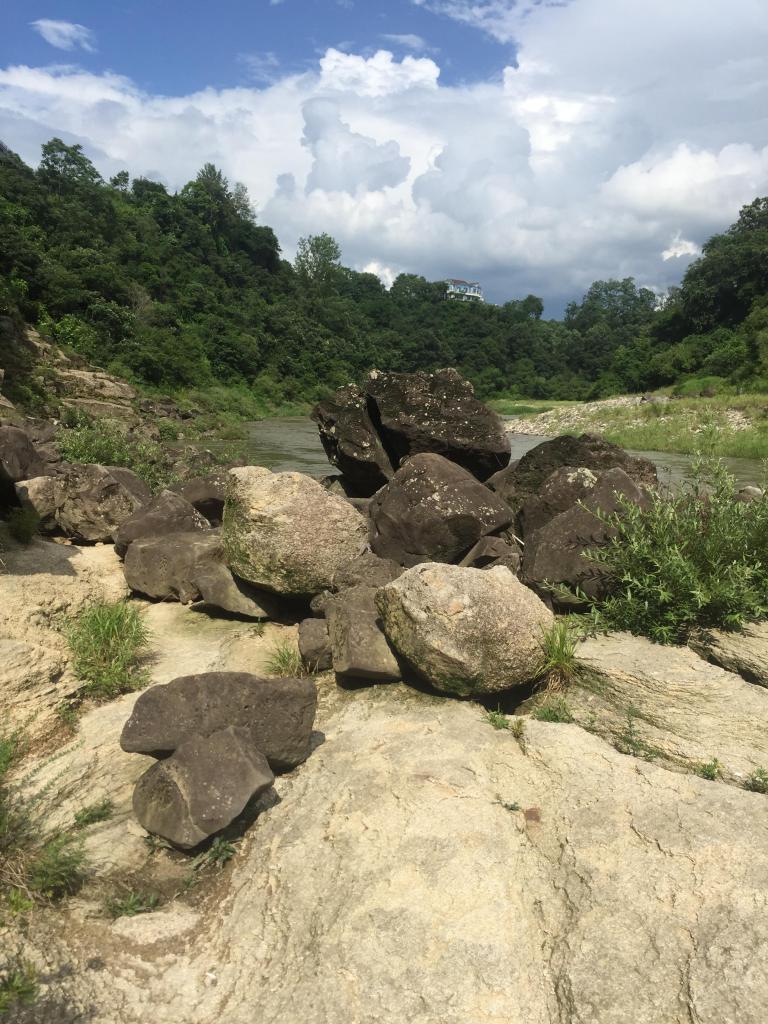
This place also used to be a scene where actions of some legends and poems were going on. One of those is a story of Im Kkeokjeong. Being a son of a man of humble origin, even though he had good personal skills, he was not able to get a better position in society, so, he become a thief. Once, he looted a tribute paid by King Jeongjo in Hamkyong Province, which was a source of concern for the country. When the government forces came to catch him, Im was in a rock-wall cave near Goseokjeong, and turned into a fish called Kkeokji and hid in the Hantan River. That is why Im Keokjeong 林巨正 was called Im Kkokjeong 林巪正.
Jeong Seongho, a realist in the late Joseon Dynasty, picked Im Kkeokjeong as one of the three major thieves of Joseon. However, Jeong notes, probably these people were not bandits but just farmers who resisted the selfish governers.
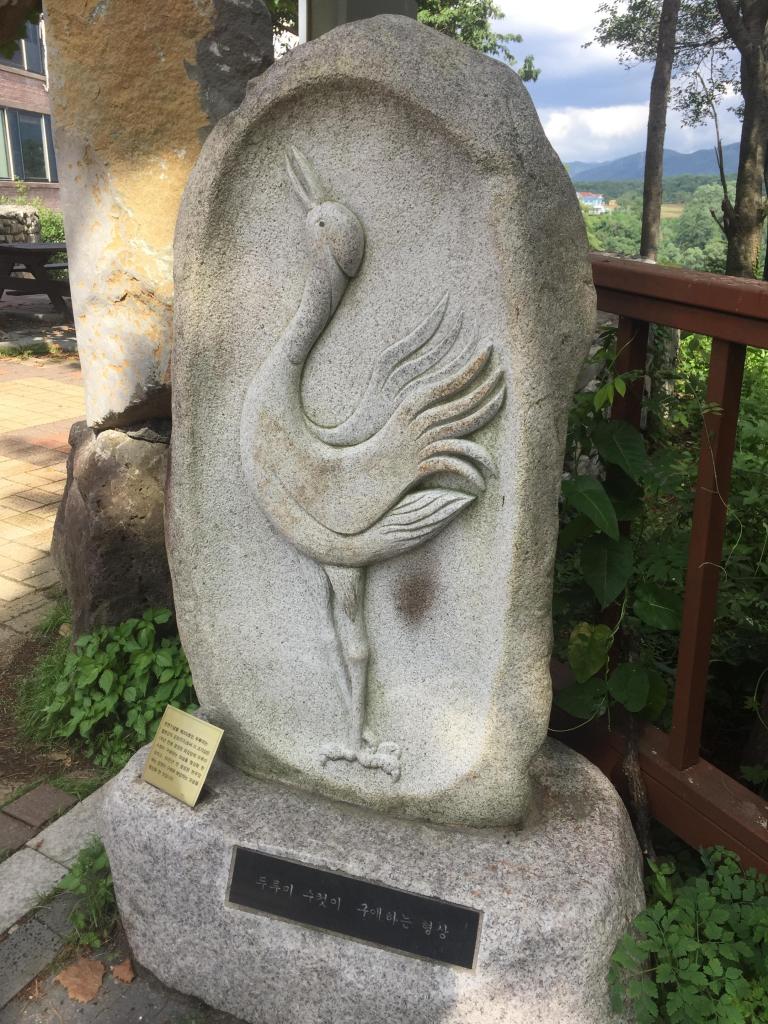
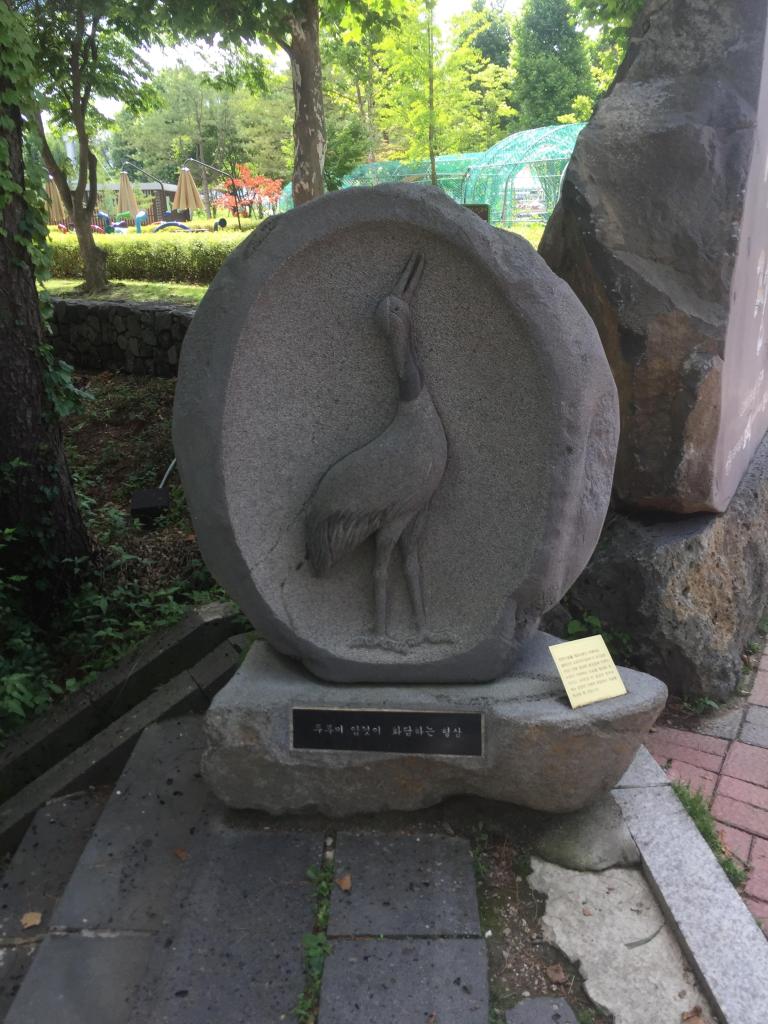
I noticed a few sculptures cranes. So, what special about the cranes? Durumi, or red-crowned crane, is a natural monument #202 in South Korea. There are only about 1,700-2,200 individuals surviving around the world. Cheorwon is one of the largest wintering places of the cranes in South Korea, so, they can be found on the Hantangang.
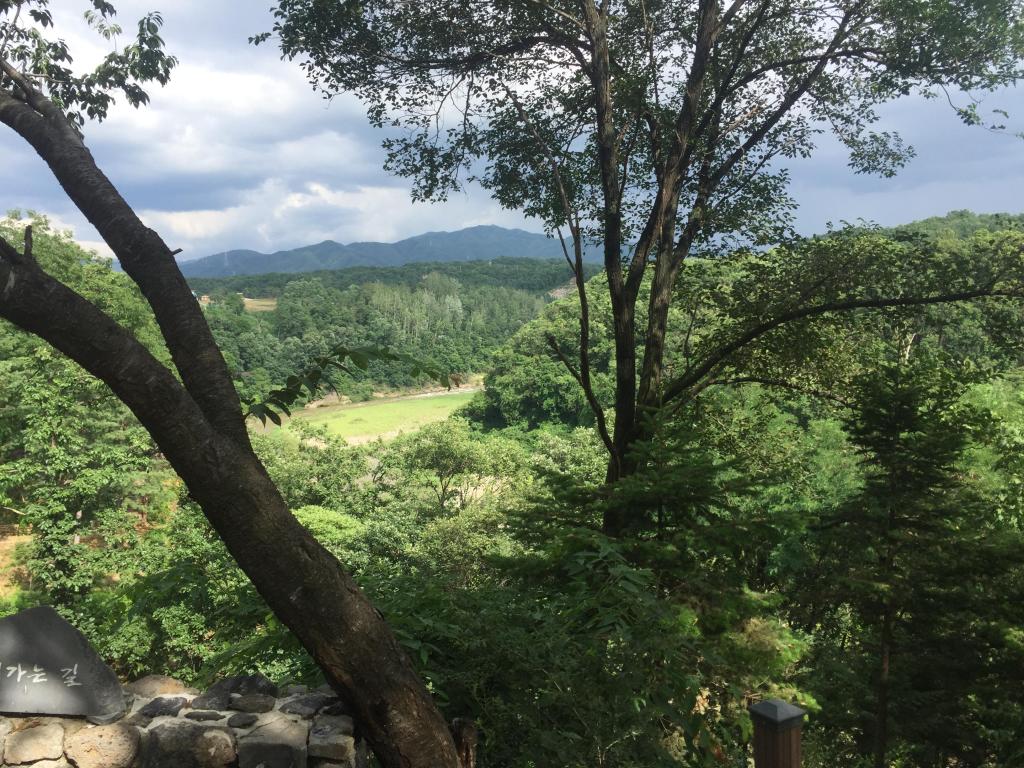
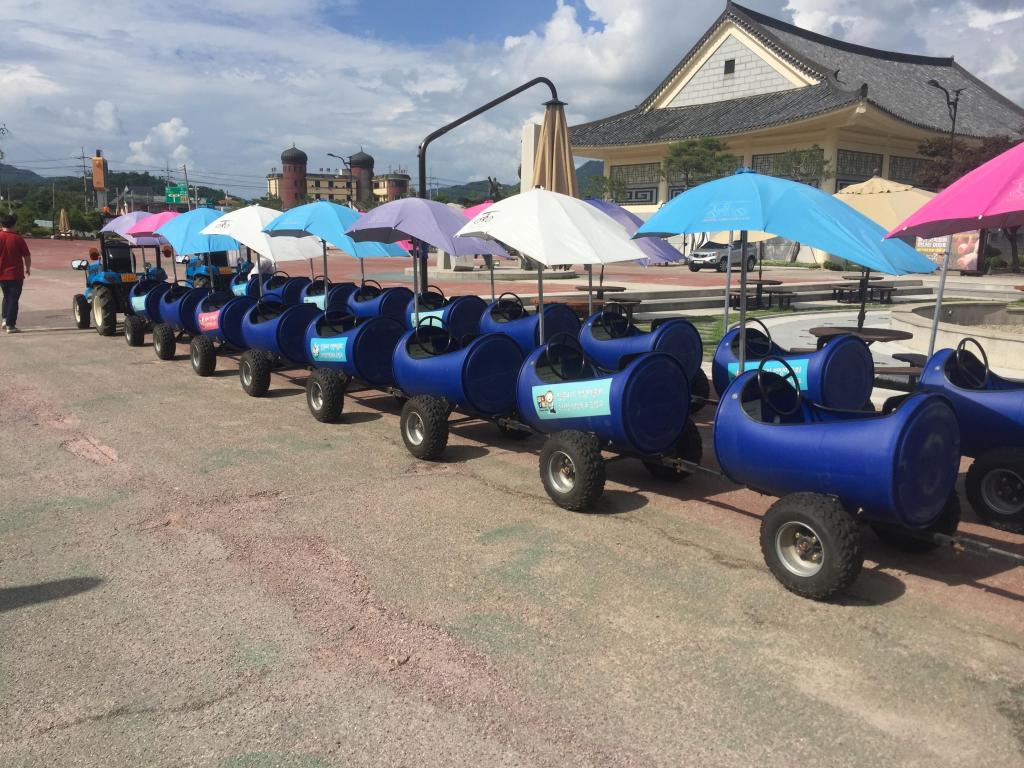
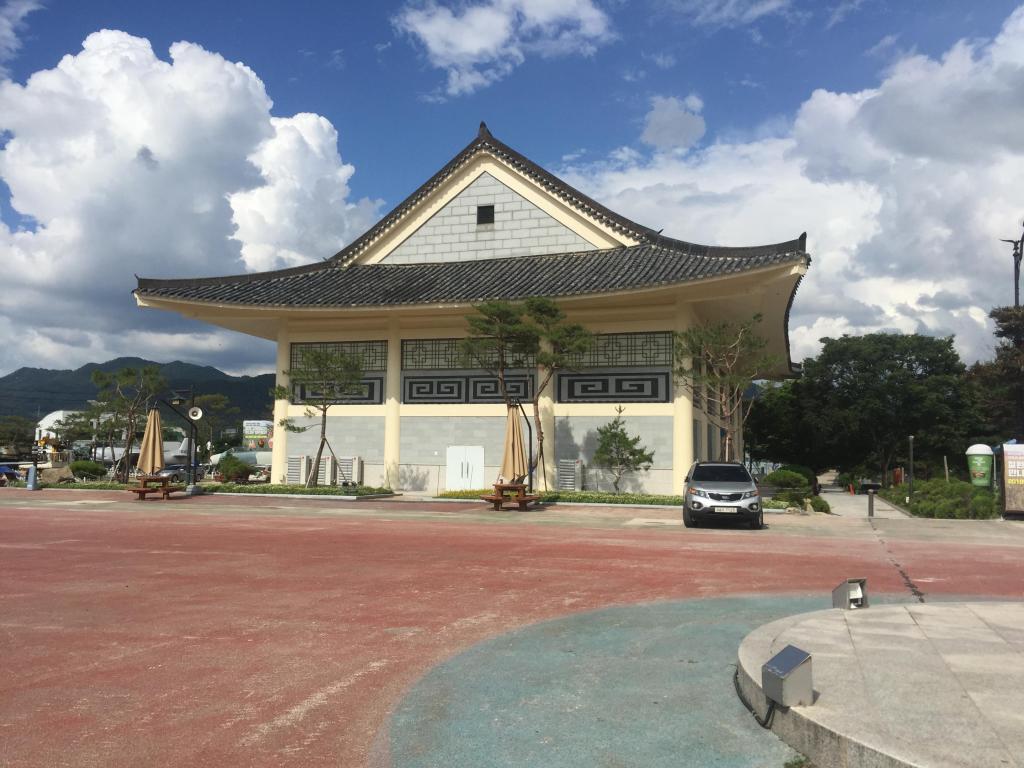
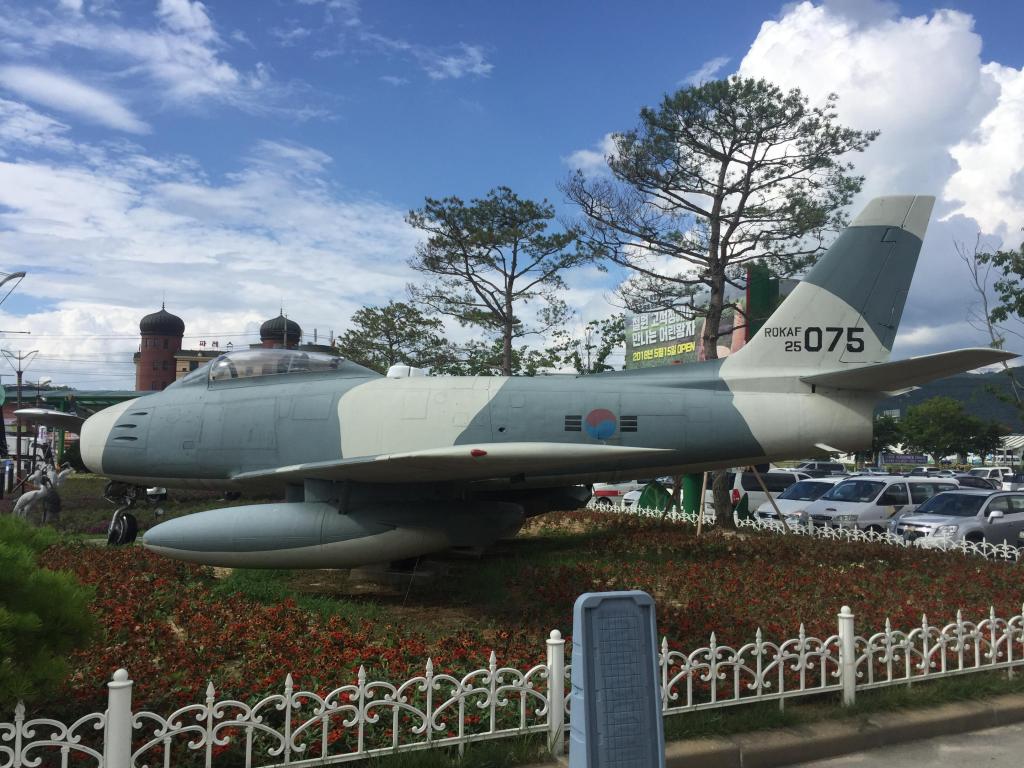
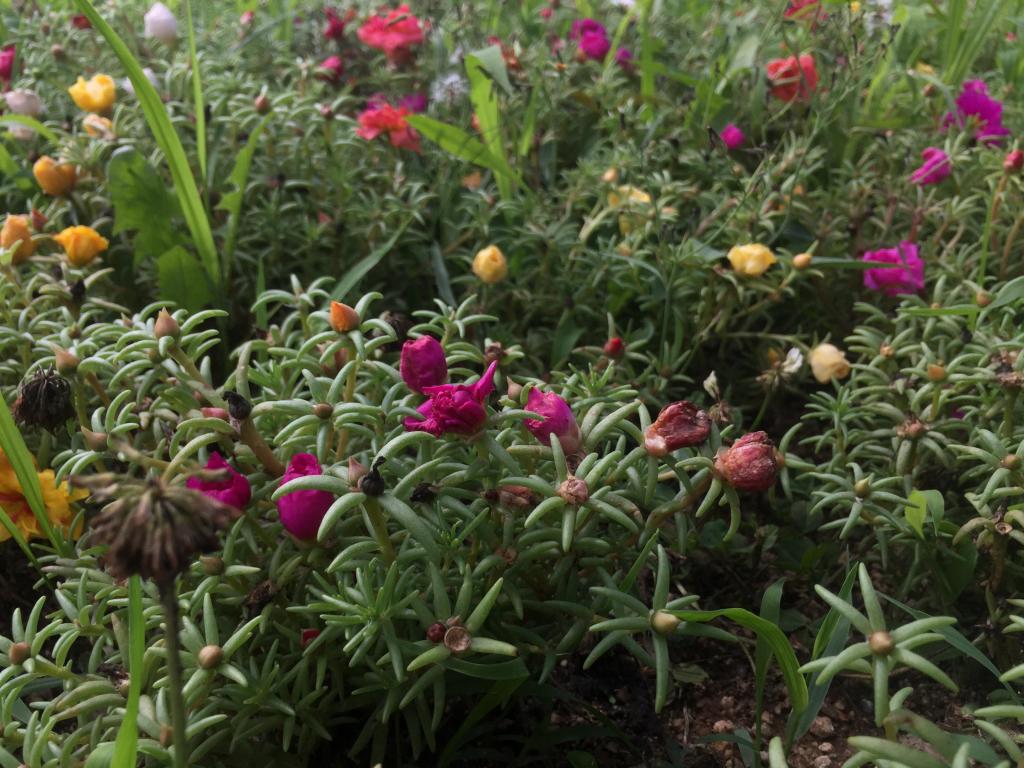
The length of the river is 137 km, and there are many touristic attractions along the river. But the river is known not only by its beauty.
Hantaan virus extracted from mouse lungs was named after Hantangang, where the mouse was caught. I saw the photograph of the scientist who extracted the virus, Lee Ho Wang, and plenty of rodents at the Freedom Protection Peace Museum at Dongducheon. But how is it related to the Korean War?
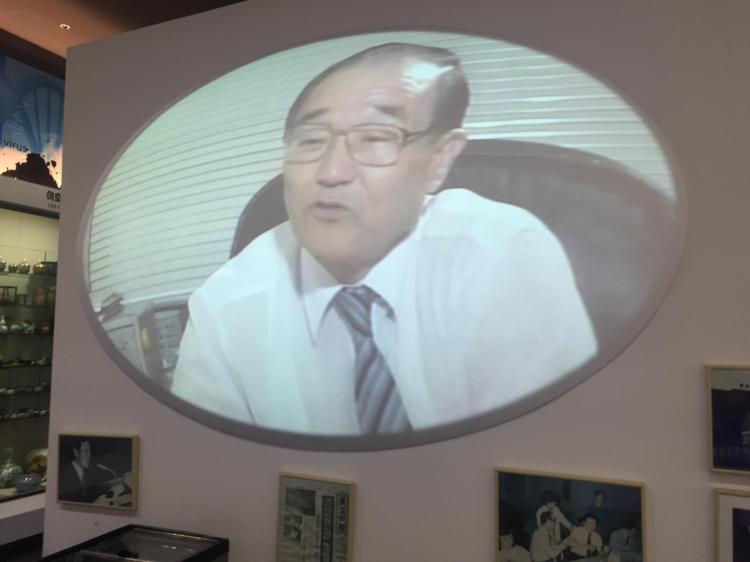
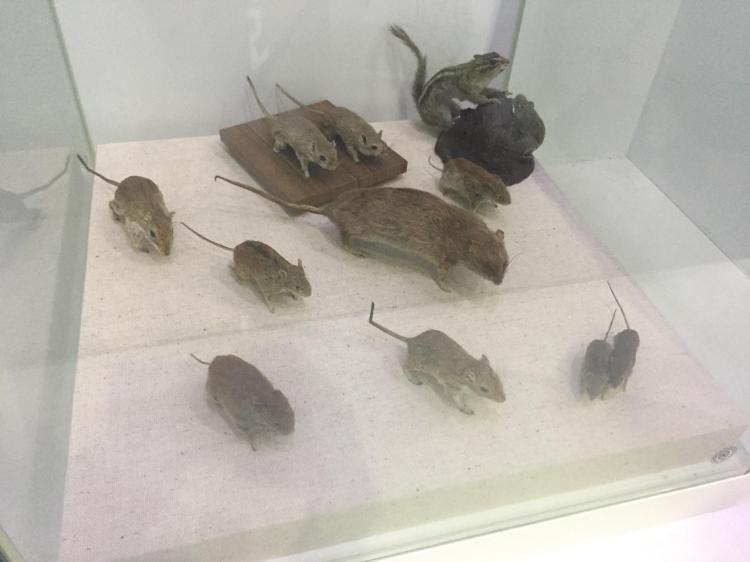
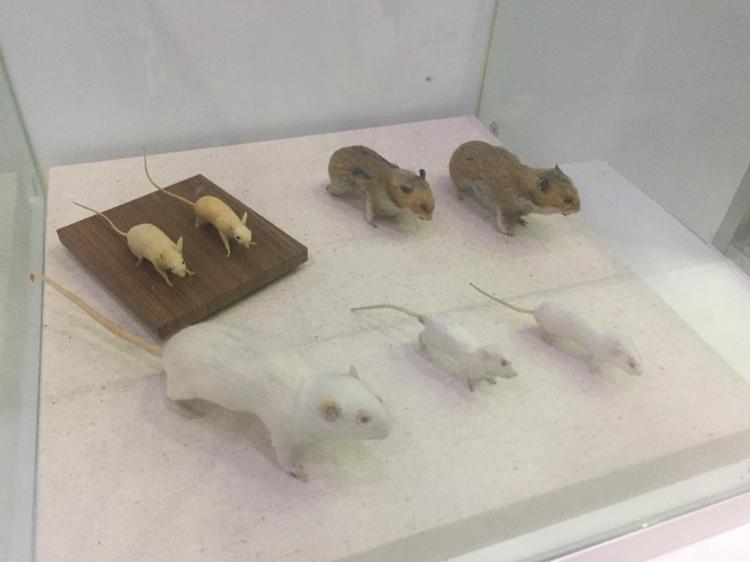
During the Korean War, more than 3000 American and Korean troops fell ill with renal failure, haemorrhage, and shock, the cause was discovered in 1976 thanks to developments of the virologist Lee Ho Wang. The virus transmits from mice to people via urine or faeces, that is why the cleanness is important on kitchens, which is a warning for Ukrainian restaurants, you should boil mice well.
Not far from Goseokjeong pavilion, a small river Daegyojeon falls into Hantangang. Up by the stream of Daegyojean there is Dopiansa temple.
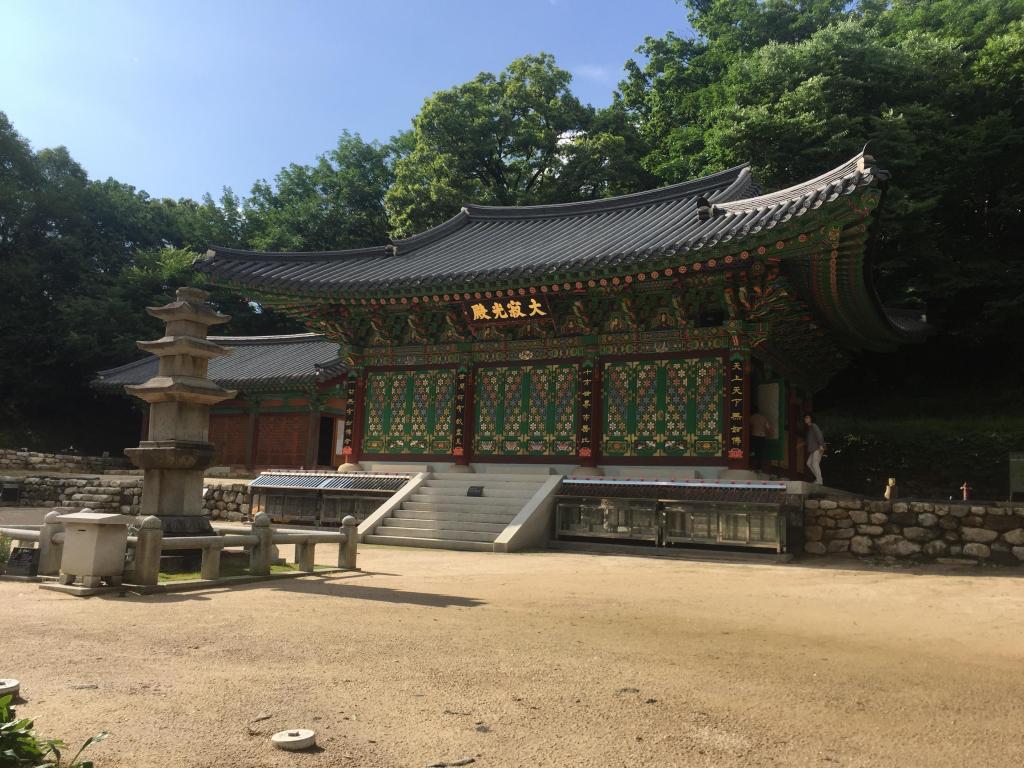
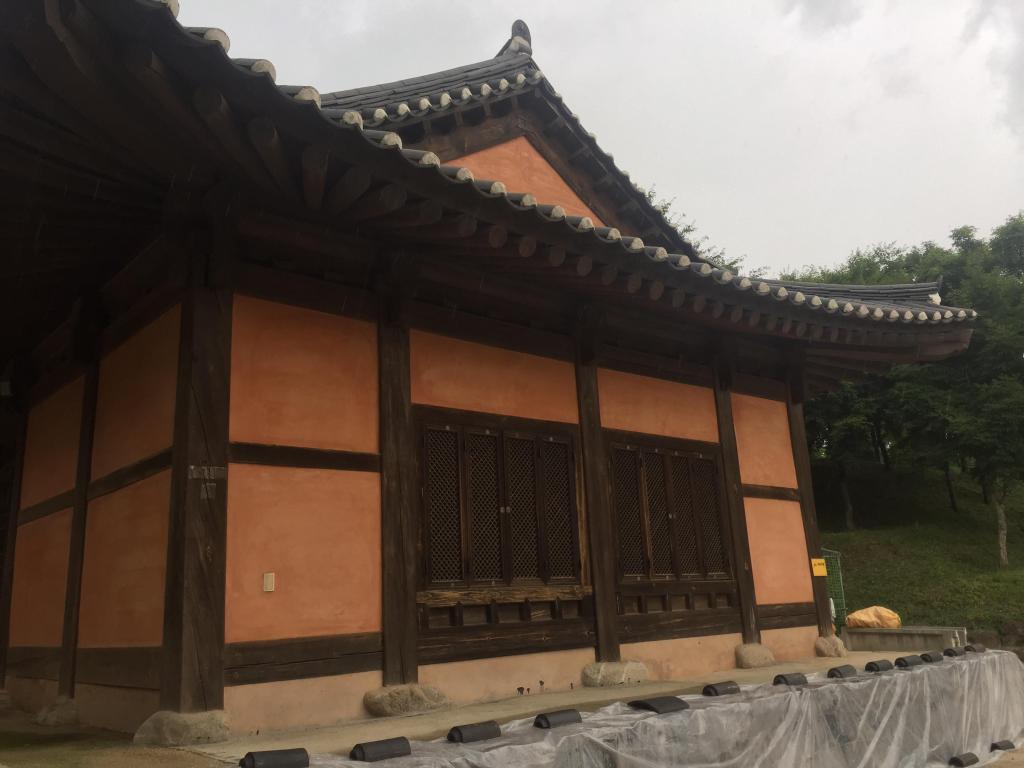
The Dopiansa 倒彼岸寺 temple was built in 865, during Unified Silla.
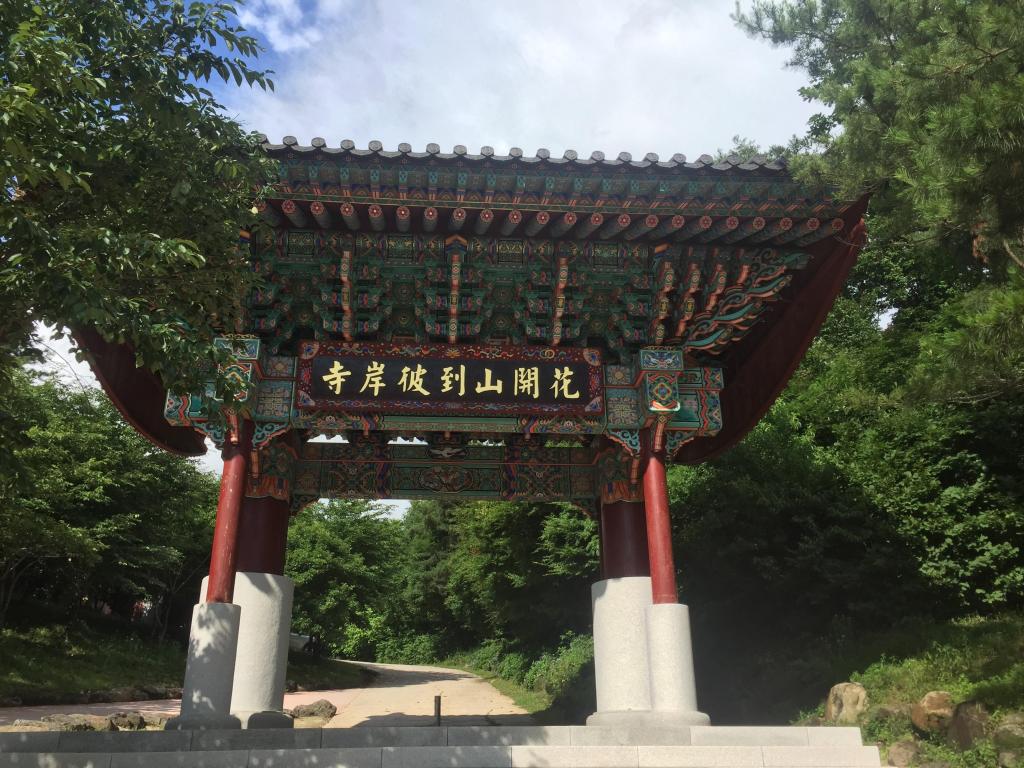
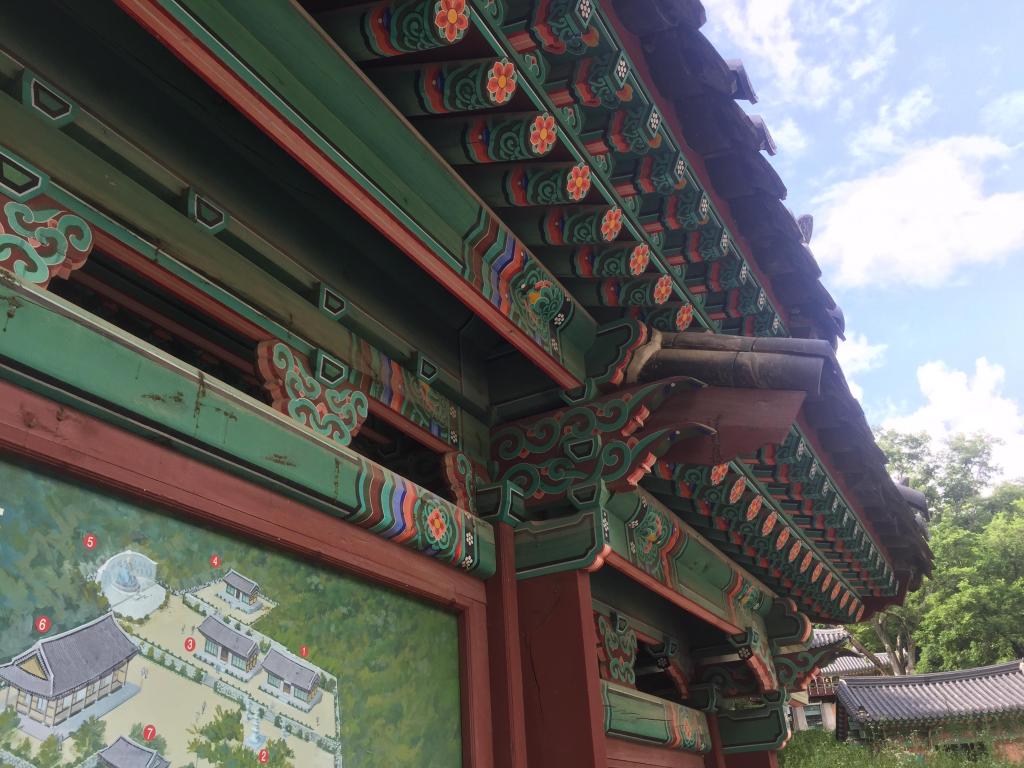
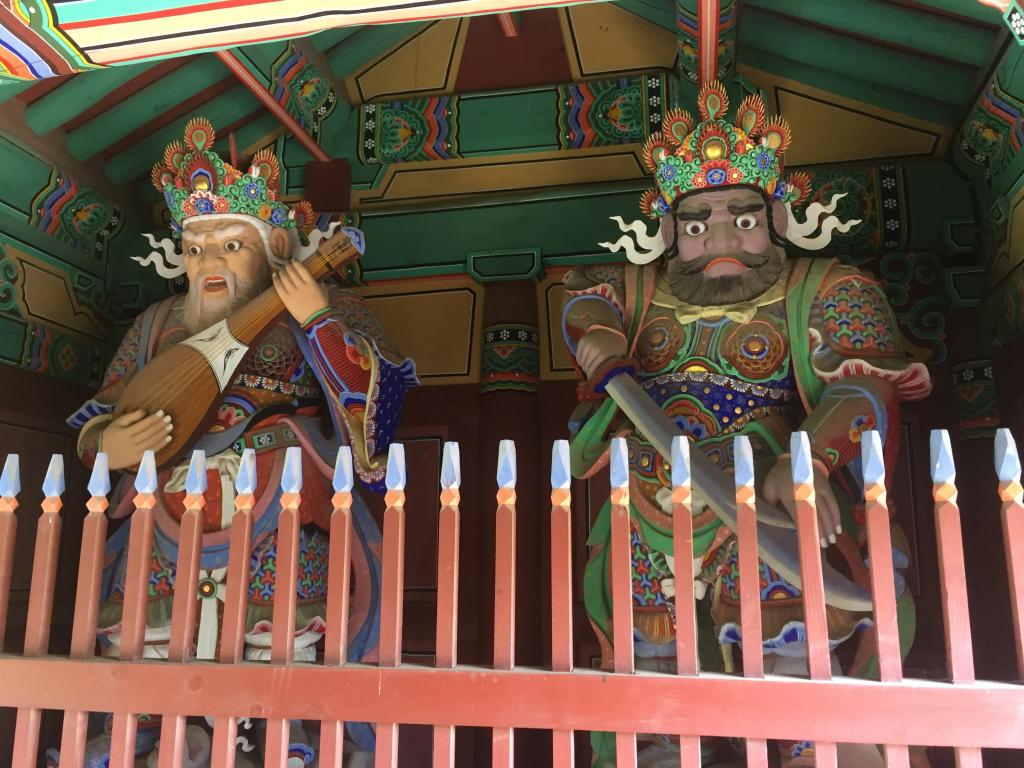
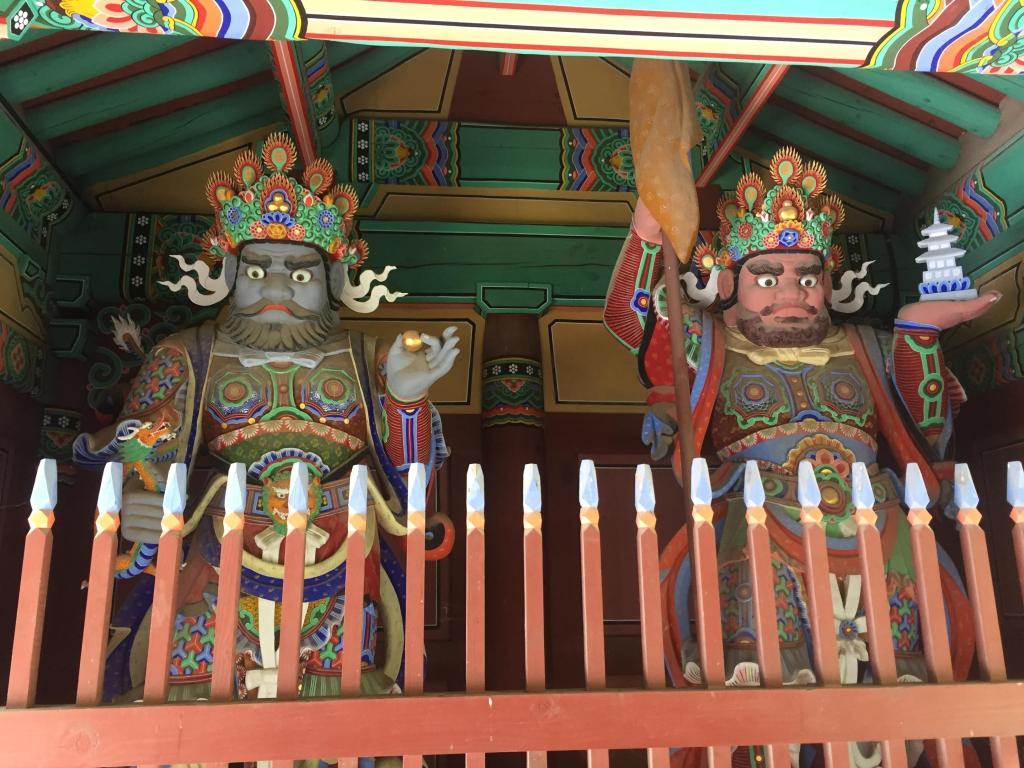
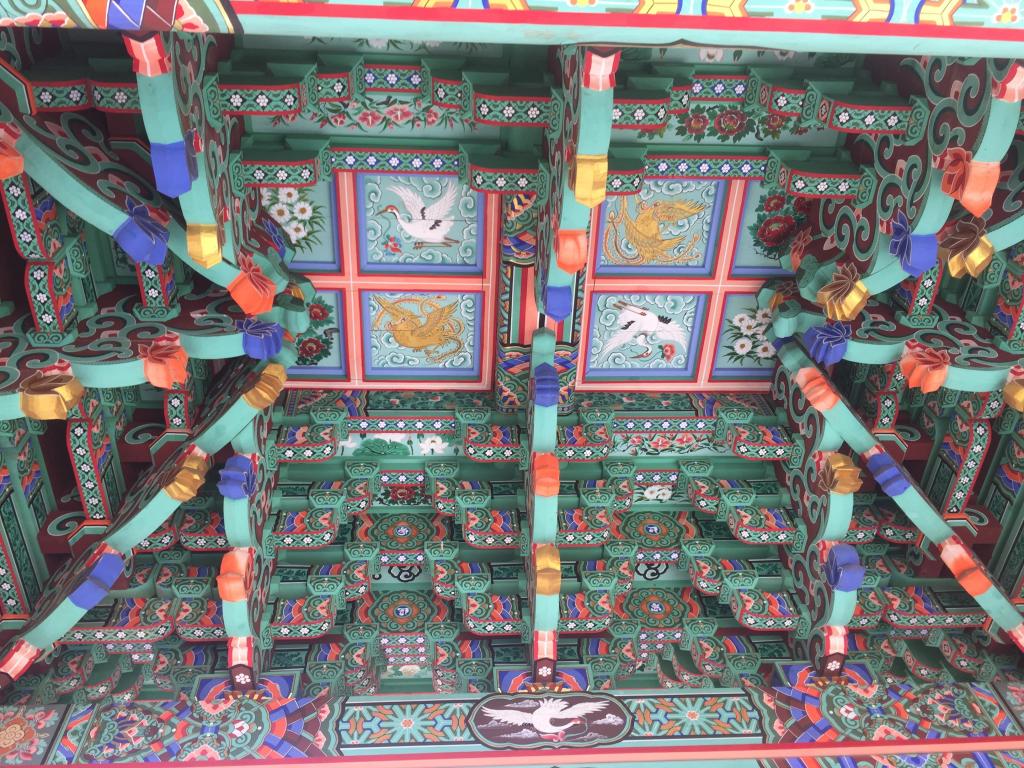
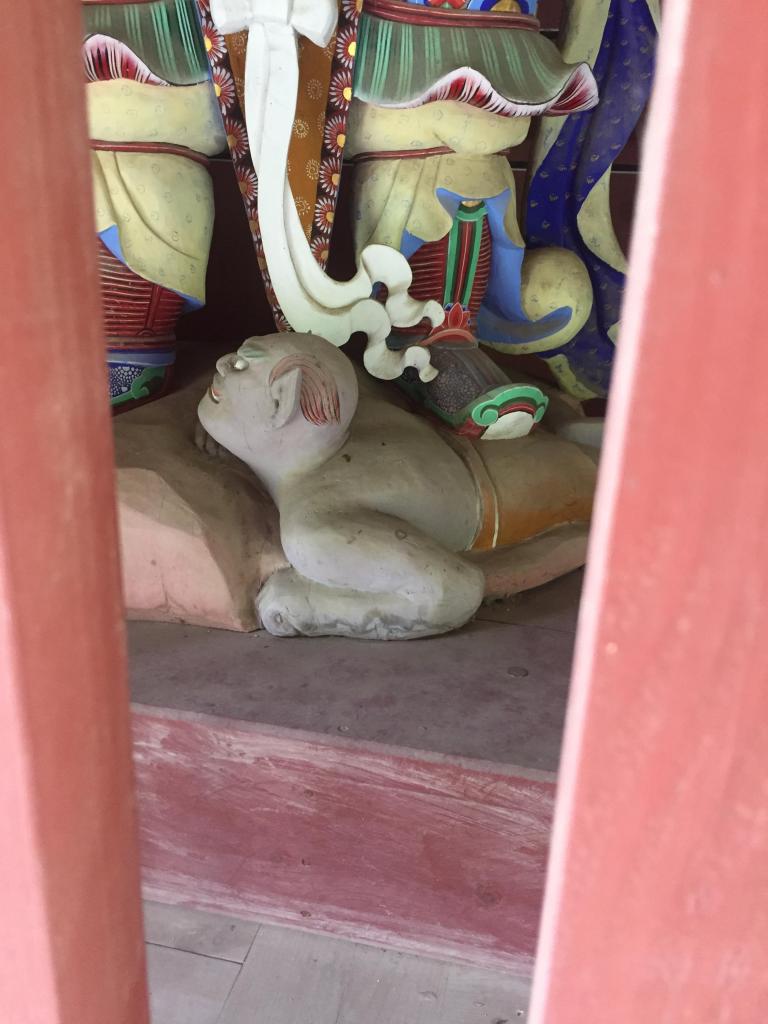
A monk Doseon (826-898) made an iron statue of Buddha statue and decided to bring it to Anyang, located in Yuli-ri, Cheorwon-eup. On the way, while the monk rested for a while, the Buddha statue suddenly disappeared. After searching it for a while, the monk found the statue in the nearby area. He understood that the statue found a proper place to be enshrined and decided to build a hermitage there. The statue found its paramita (or nirvana, heaven) – pian 彼岸, that is why the temple is called Dopiansa 倒彼岸寺.
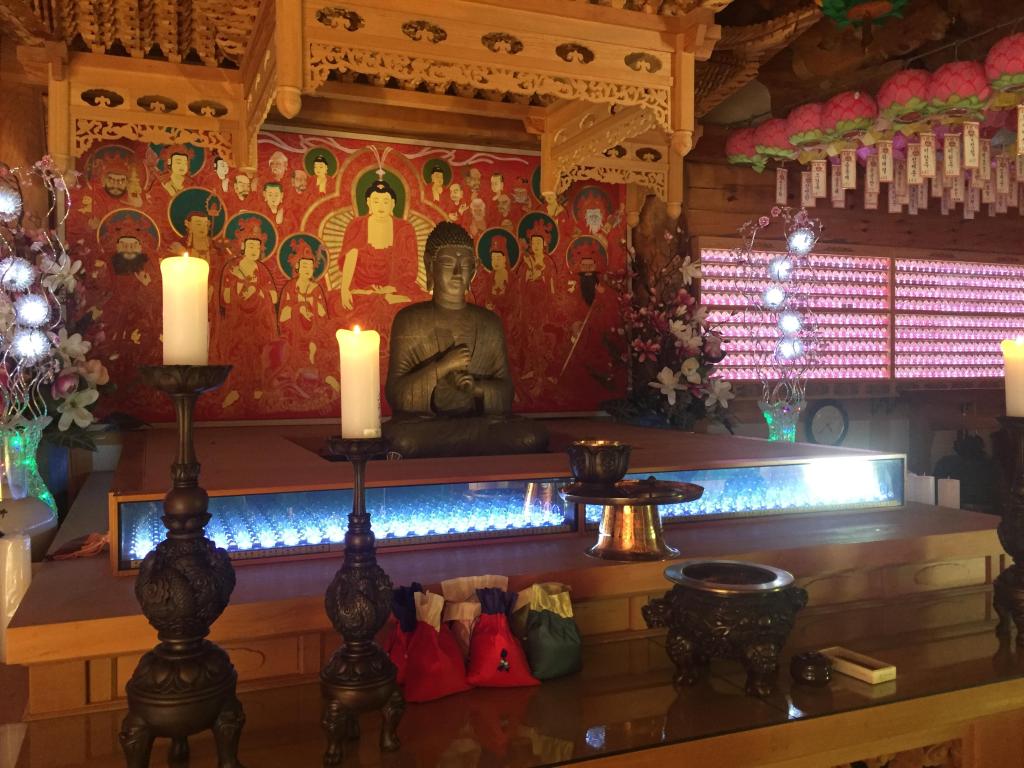
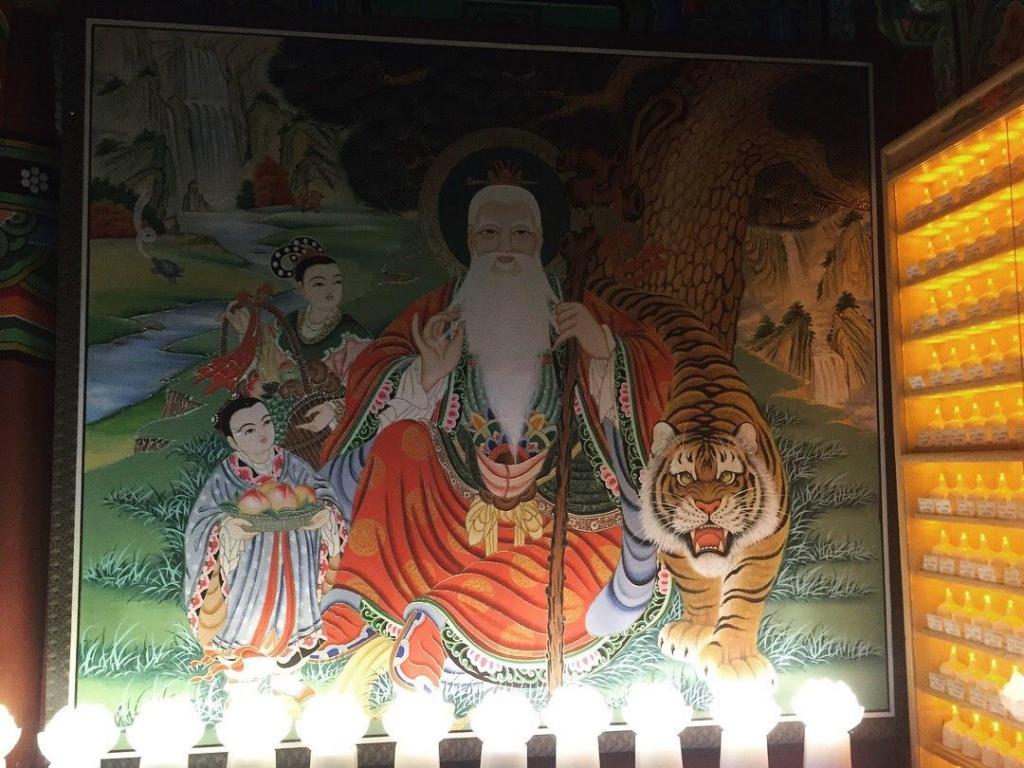
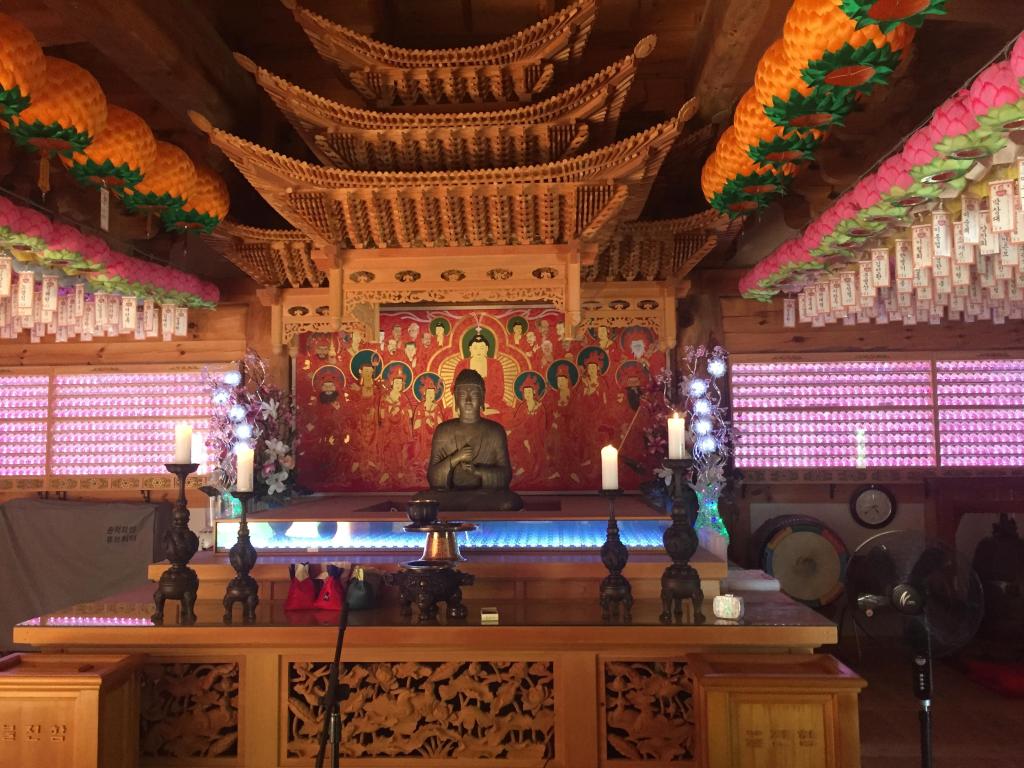
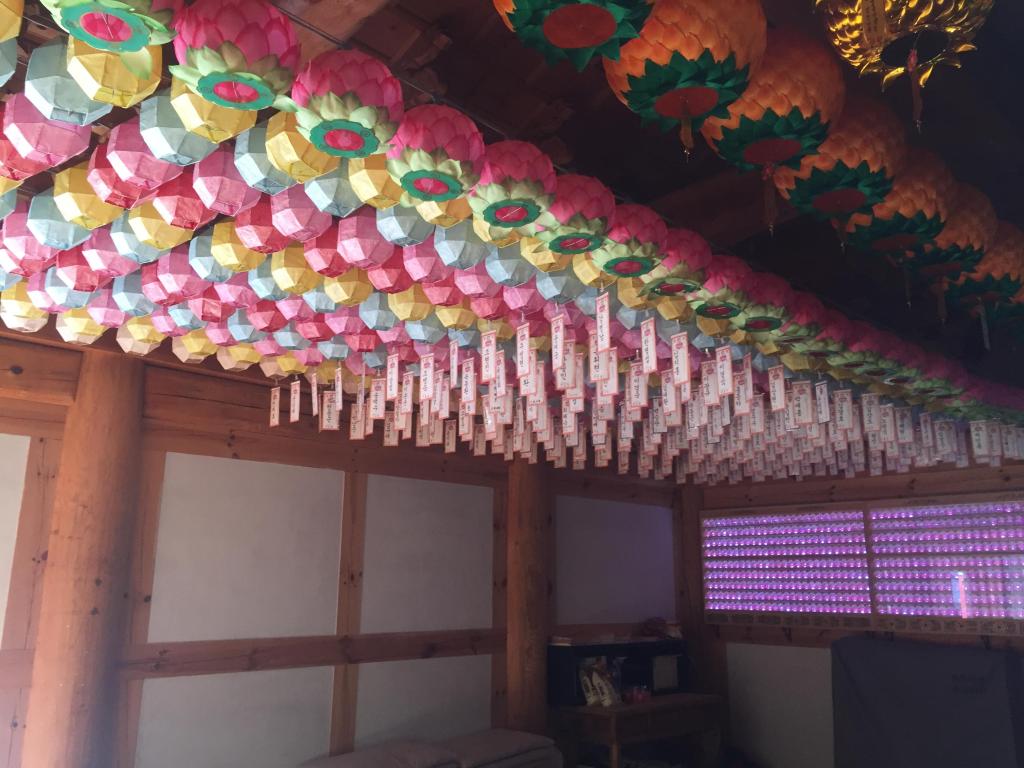
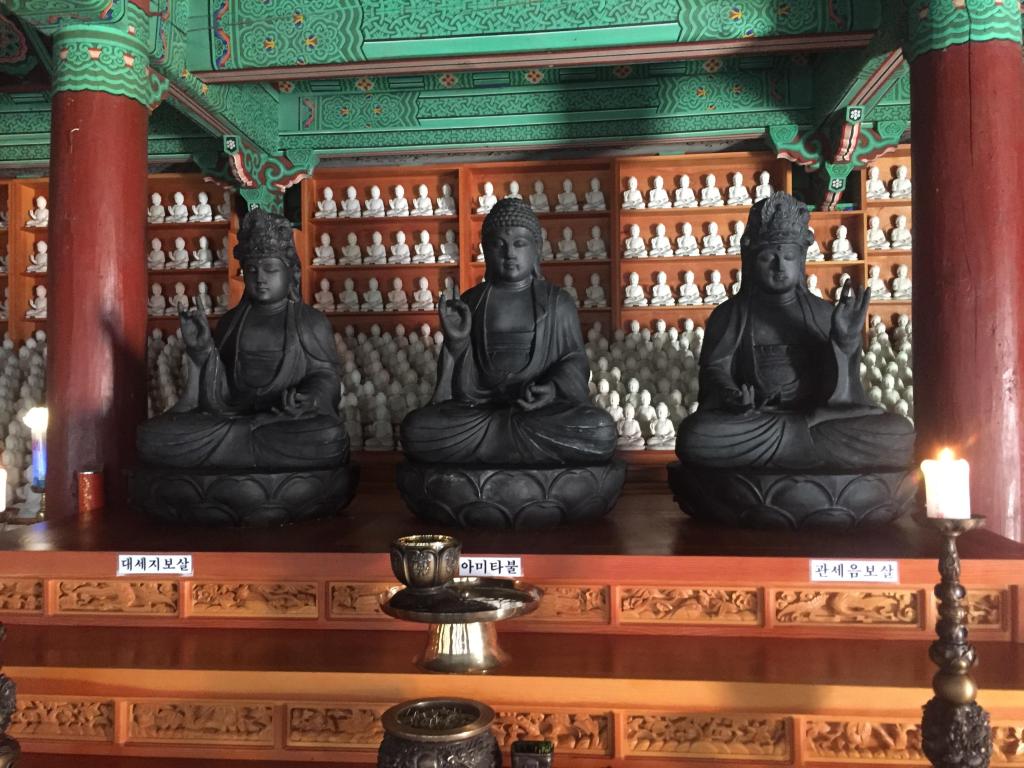
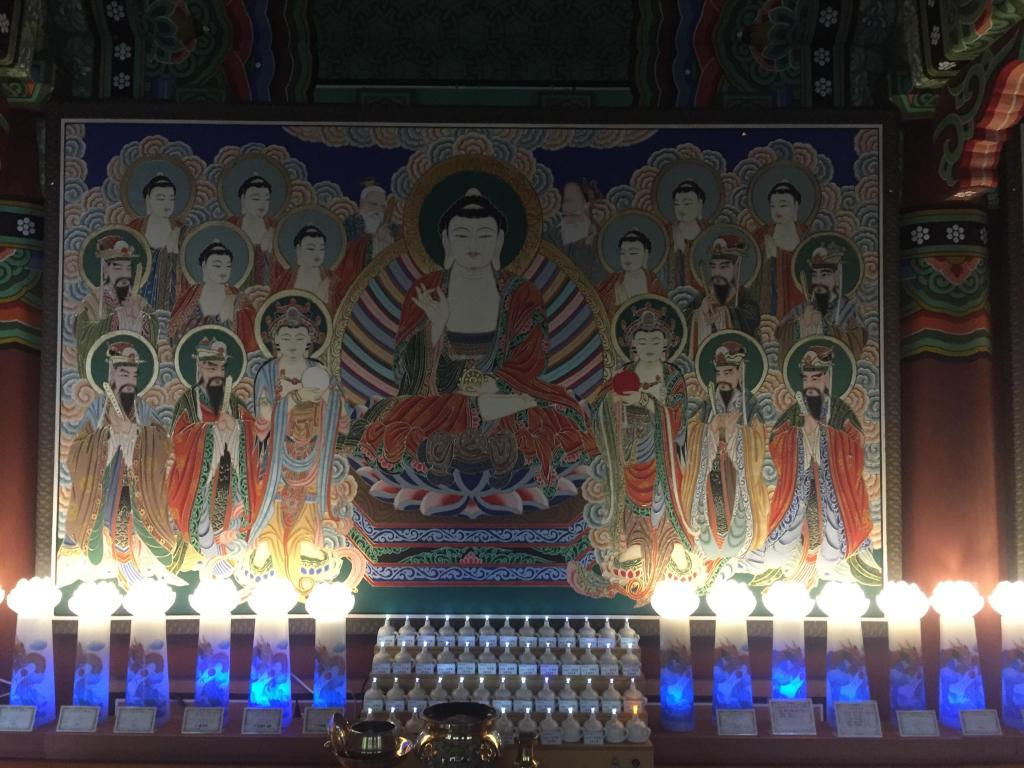
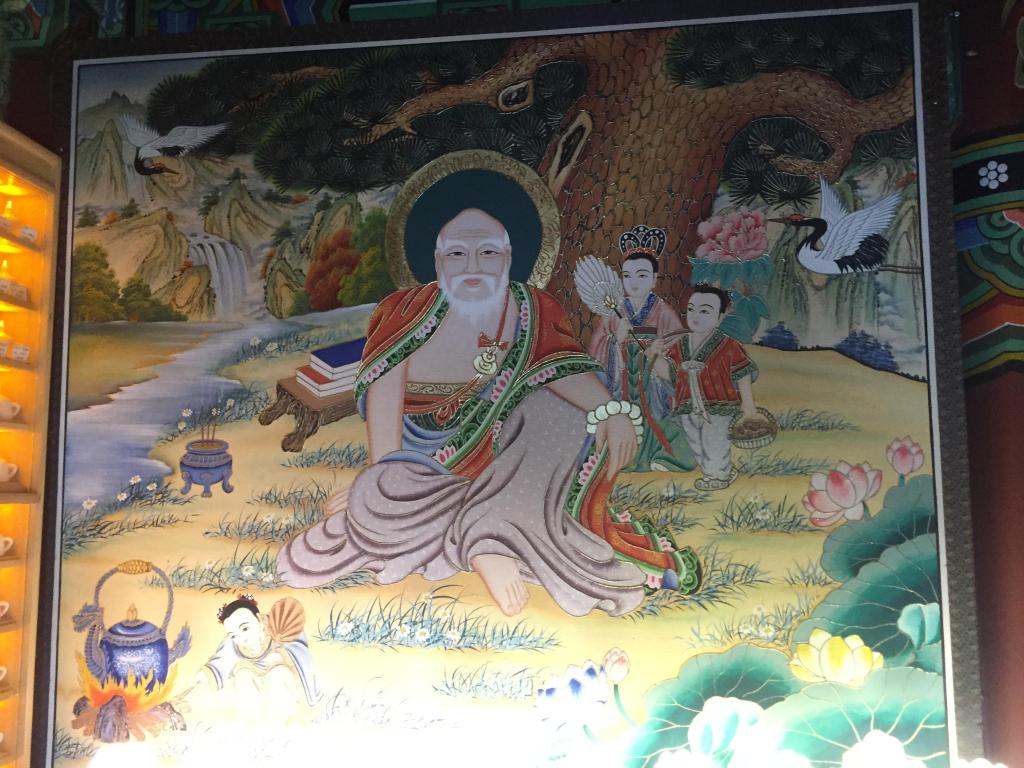
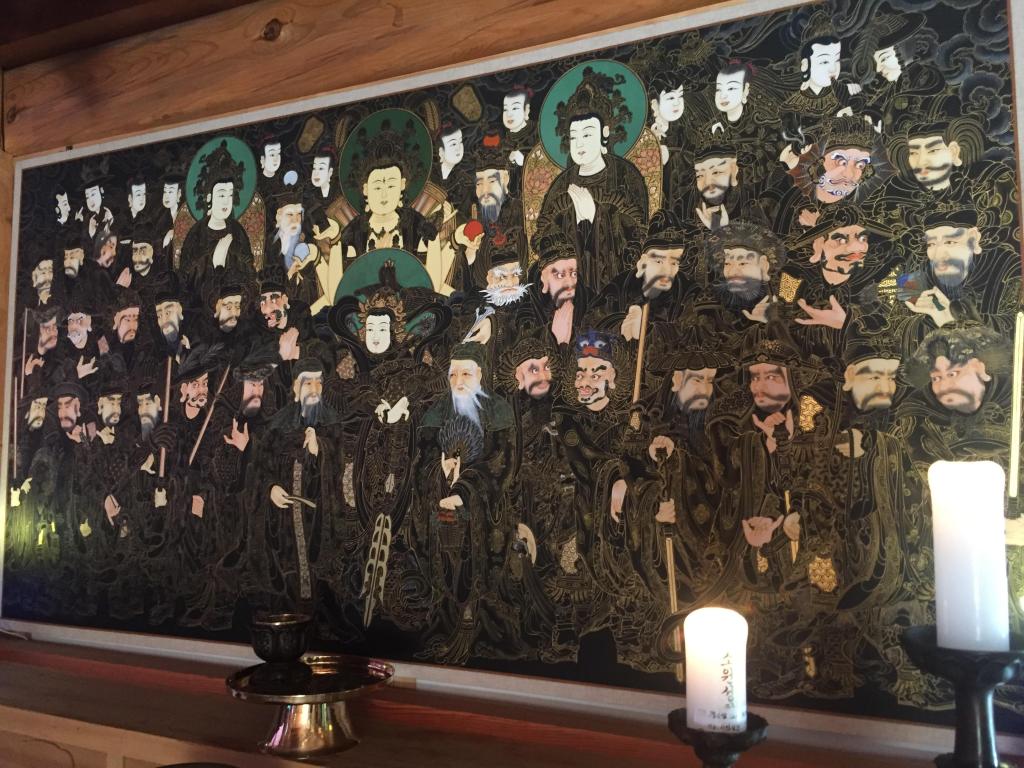
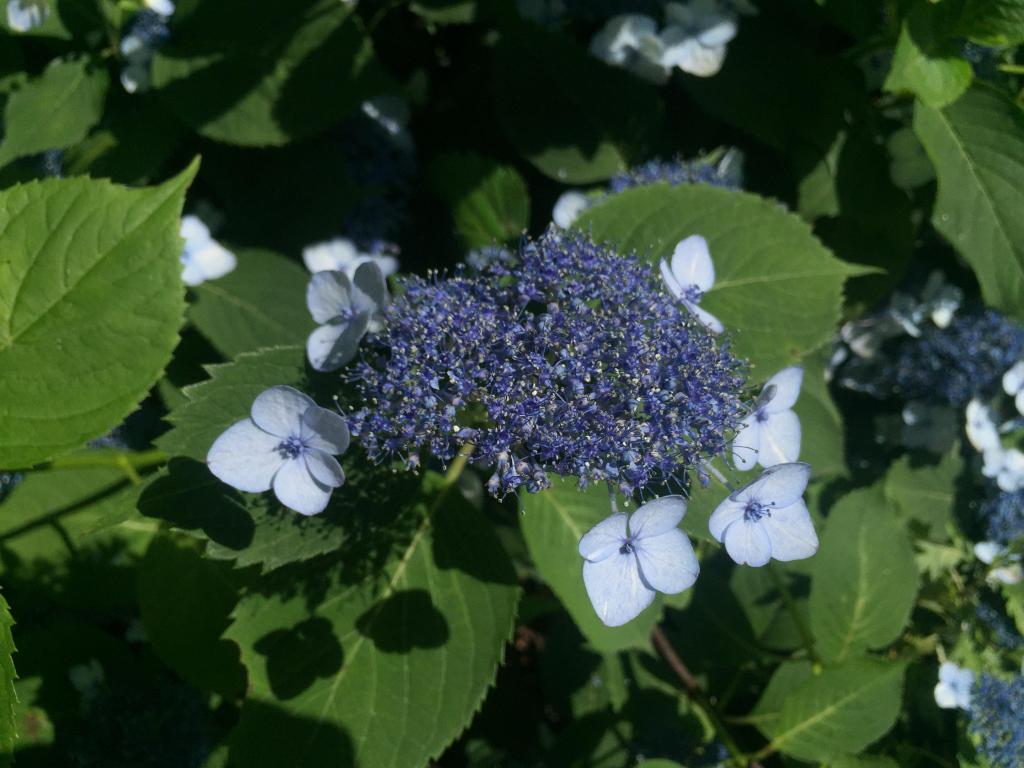
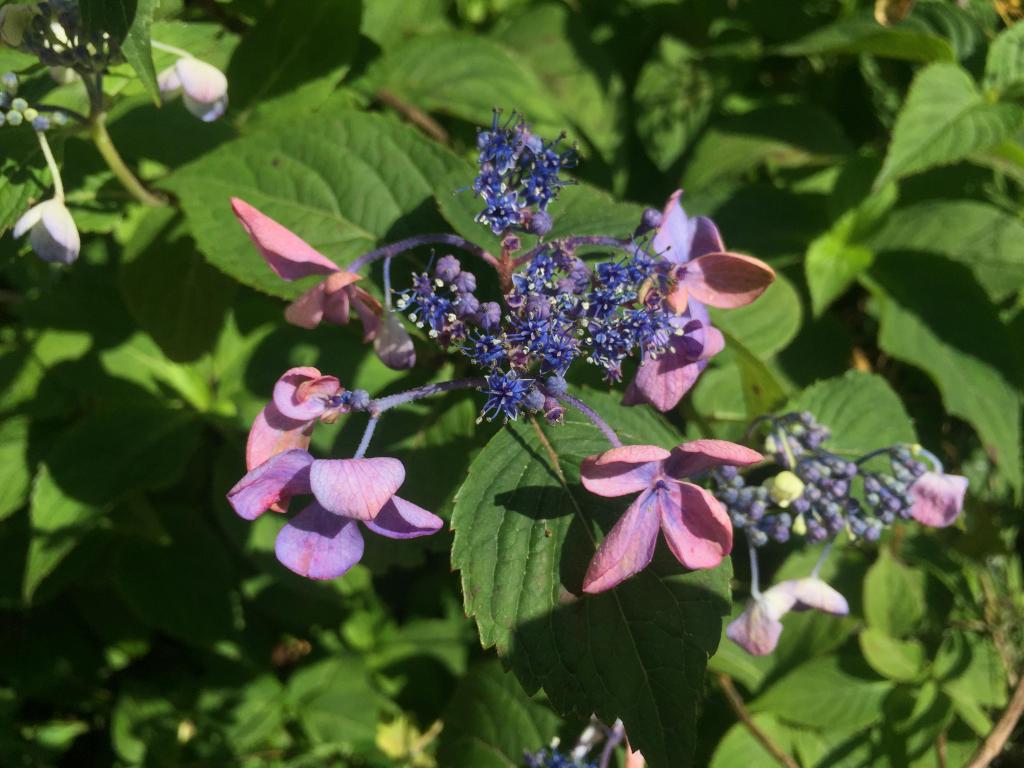
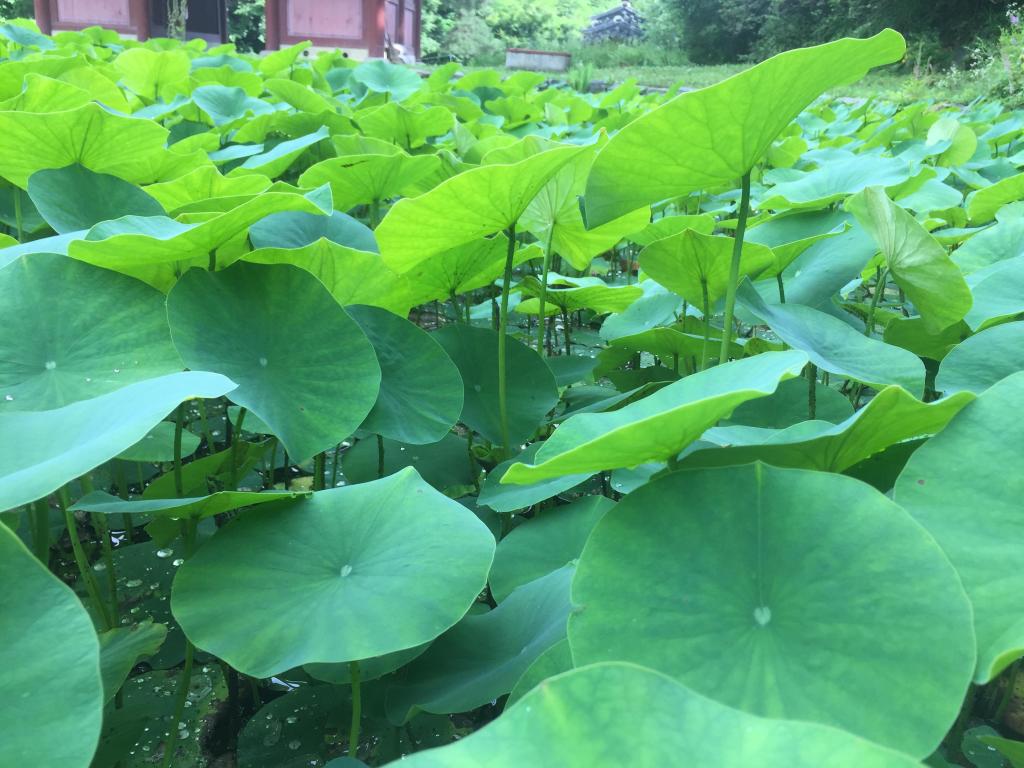
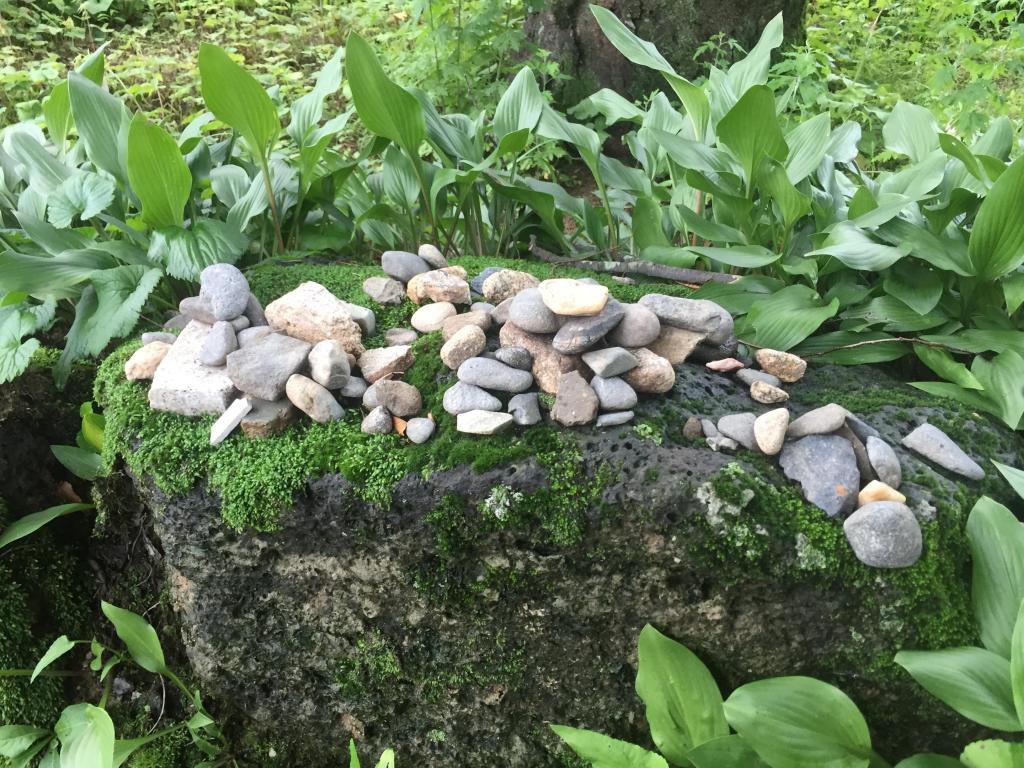
Views around the temple.
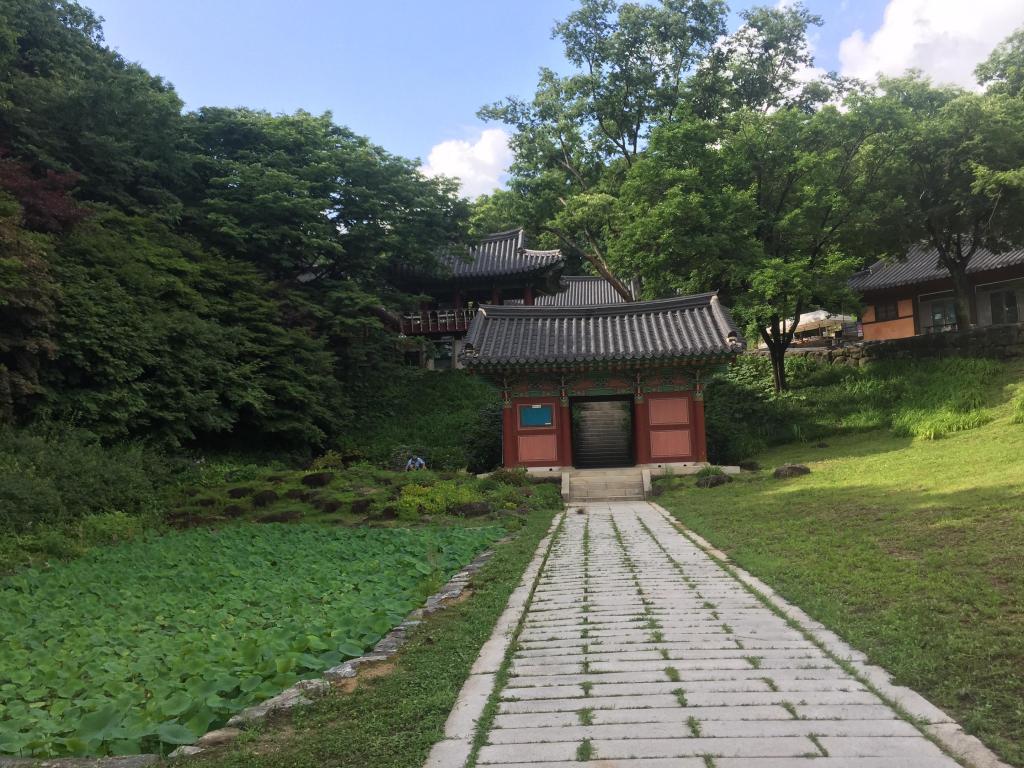
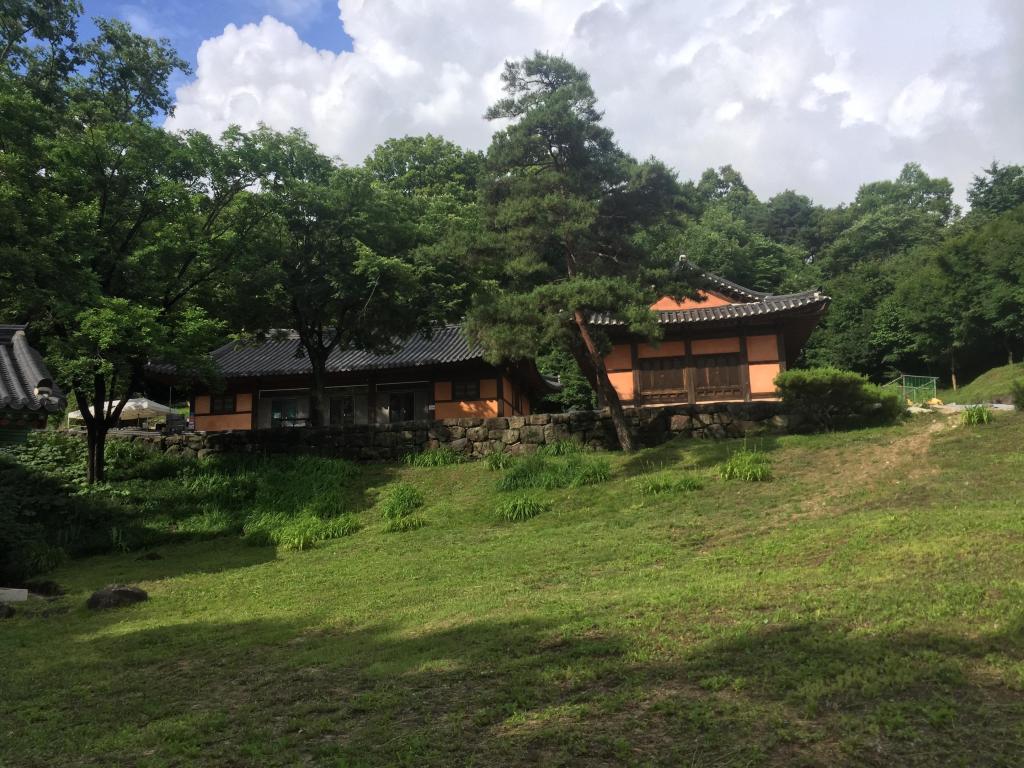
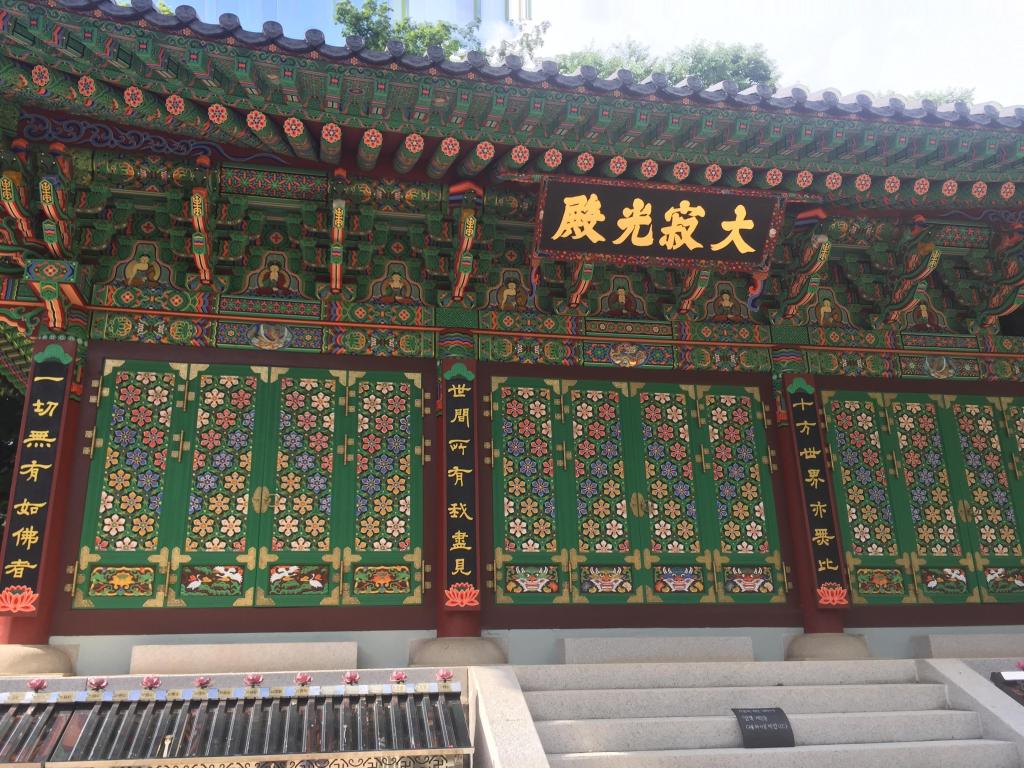
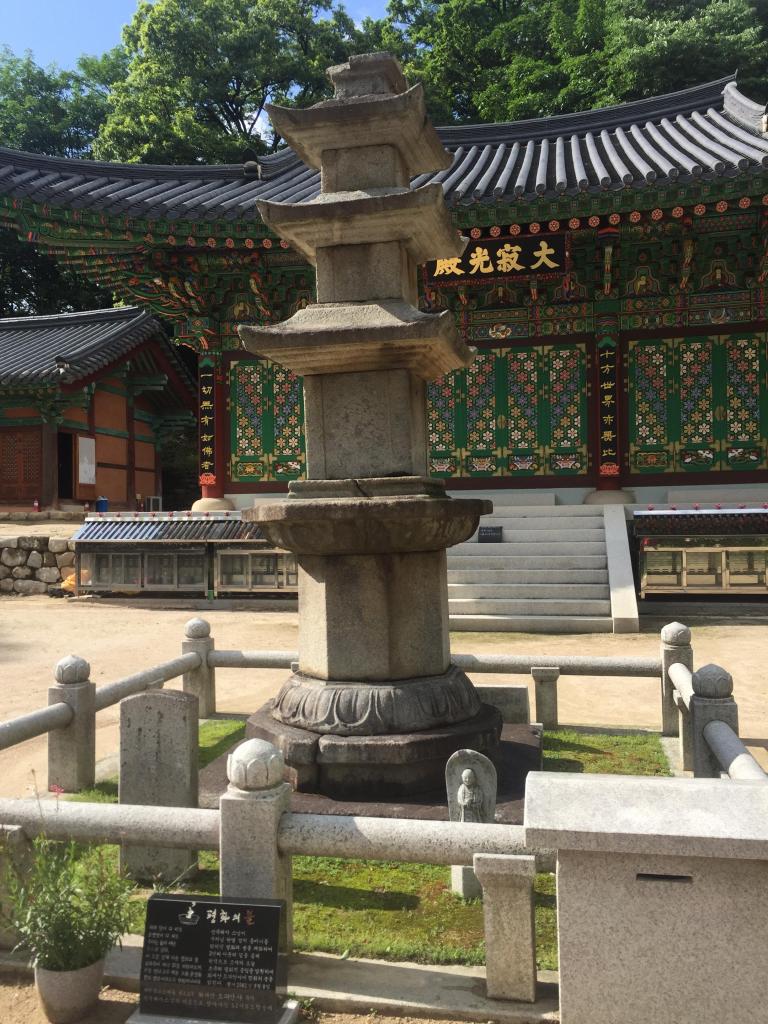
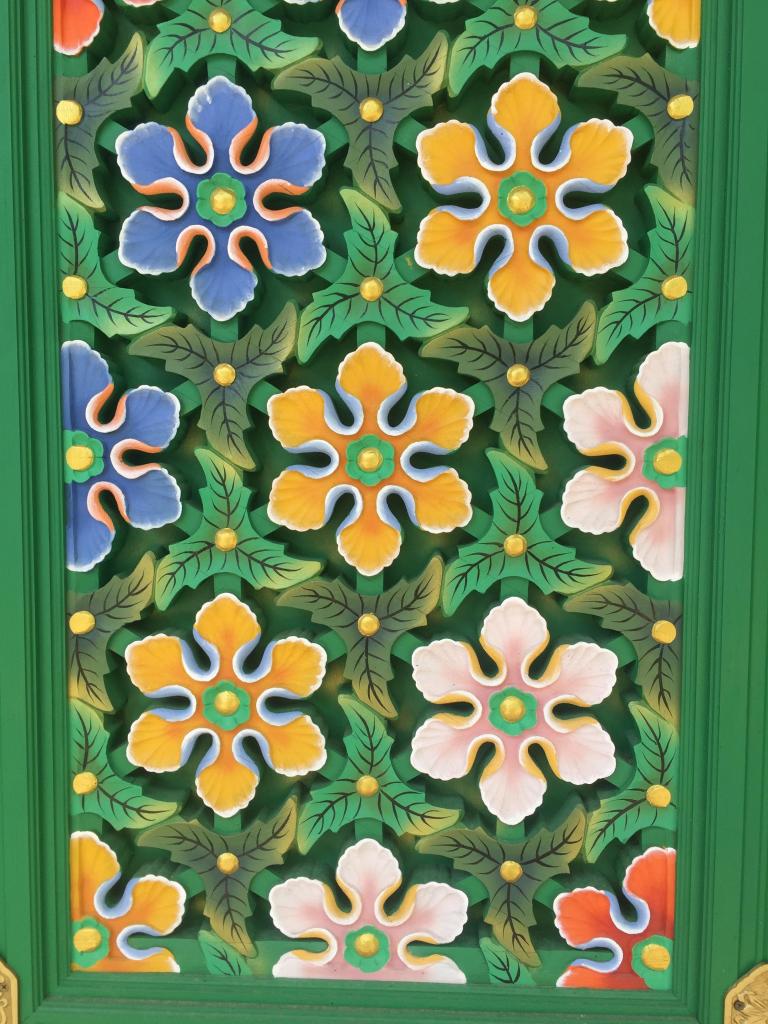
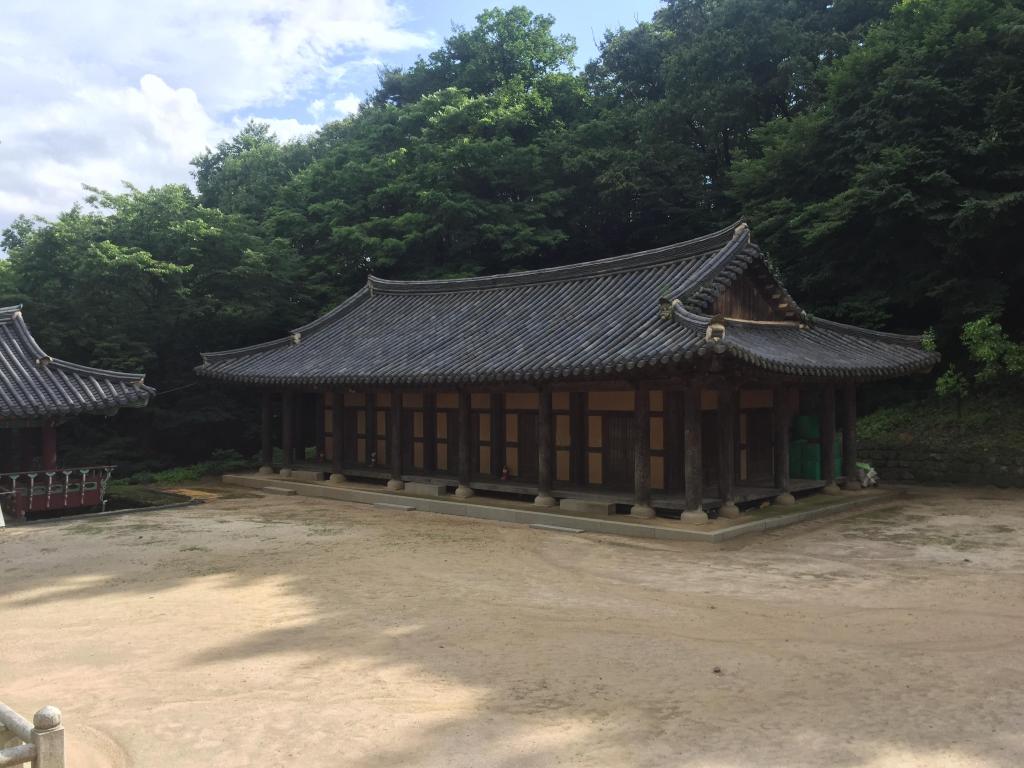
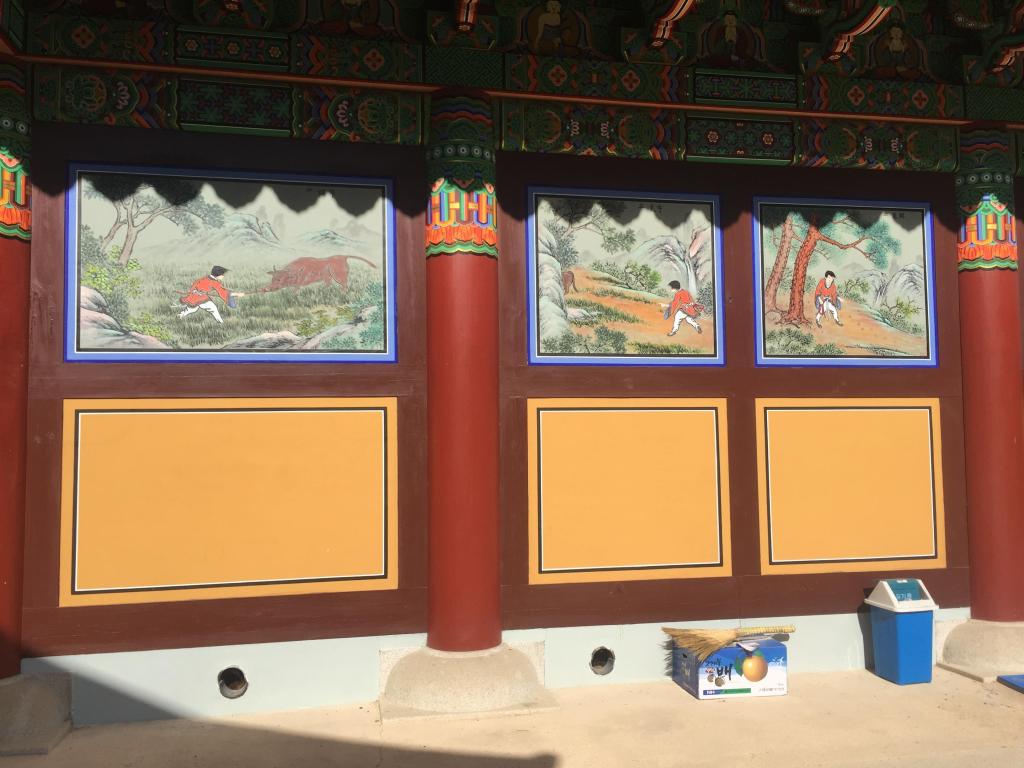
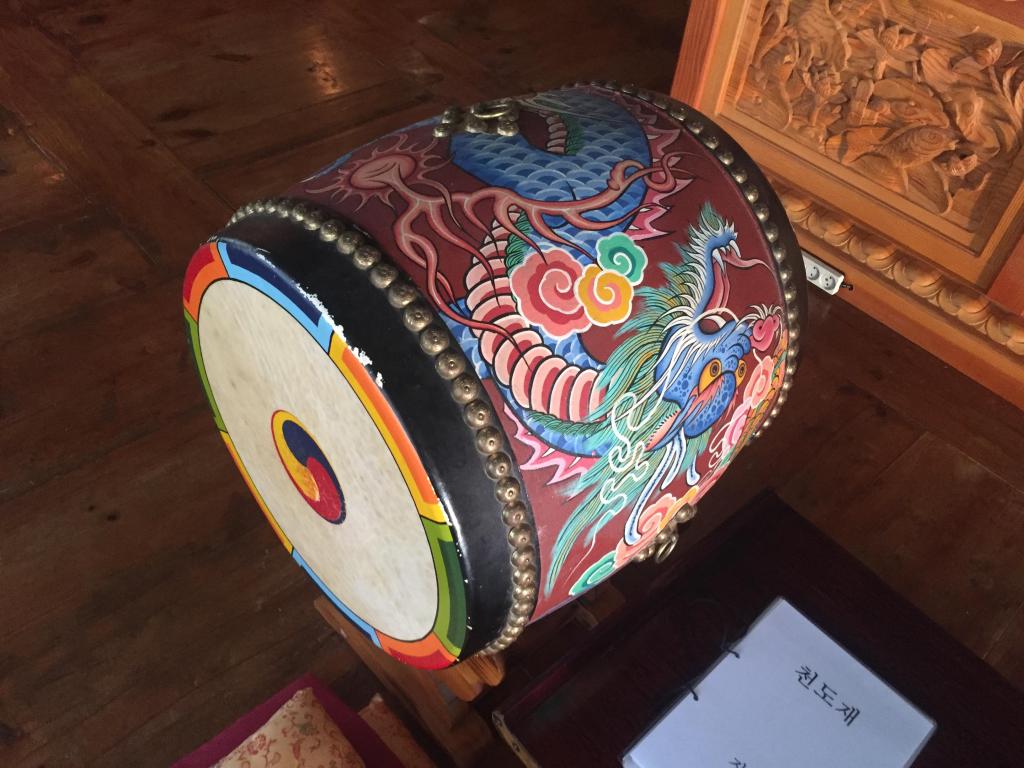
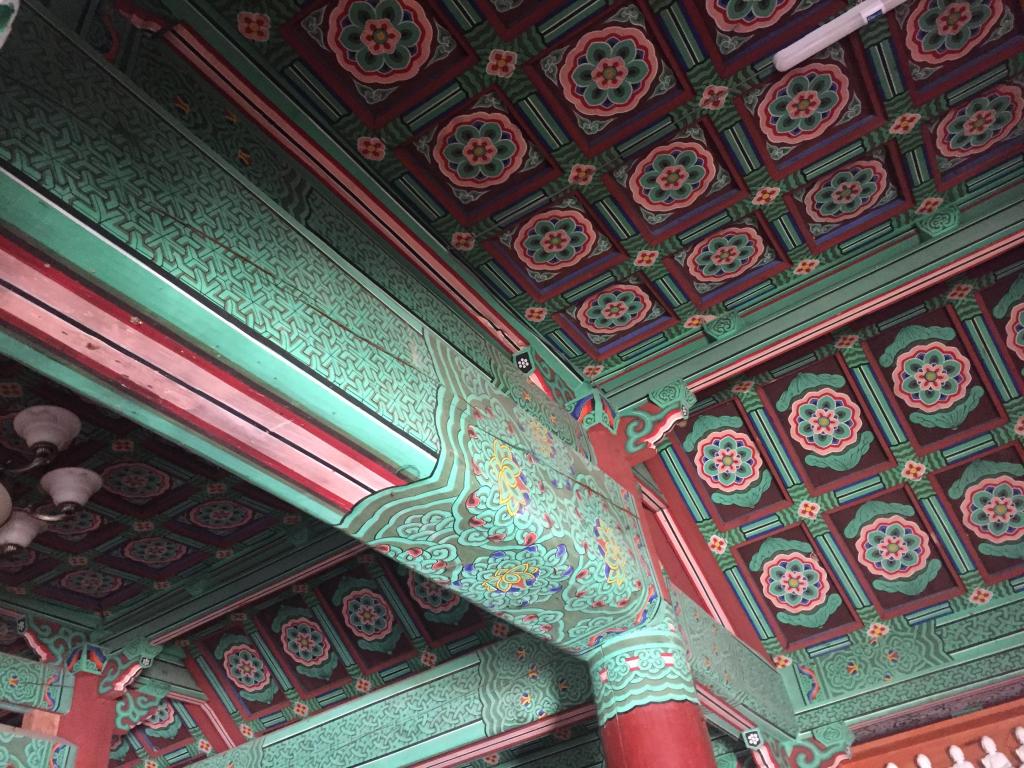
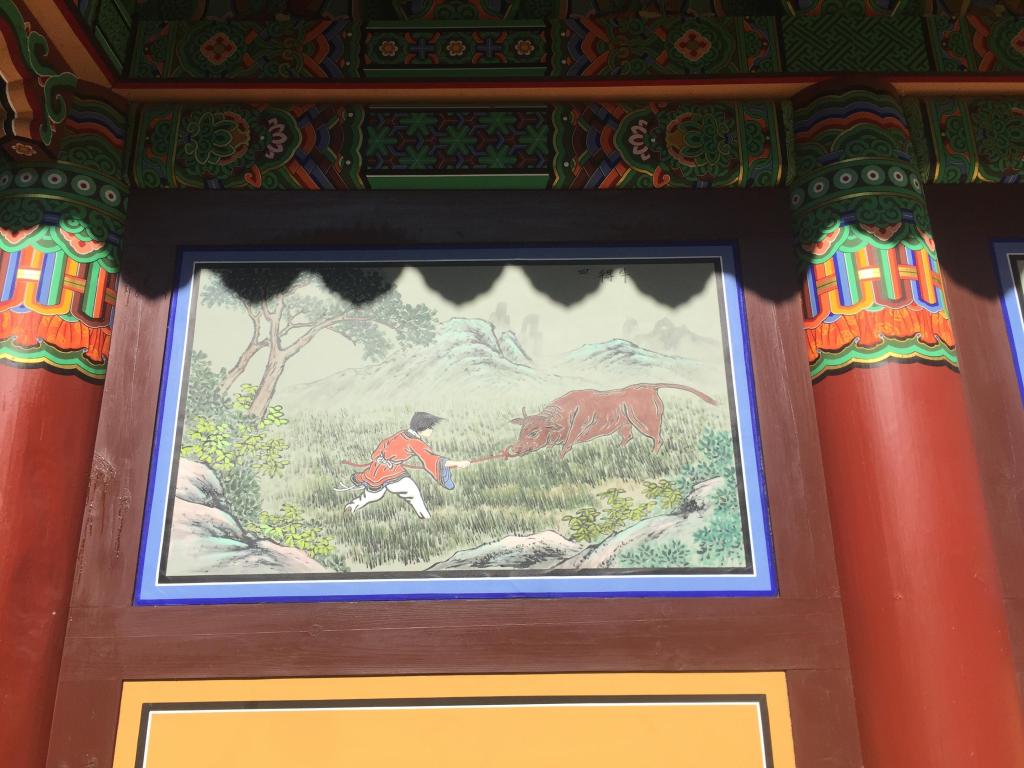
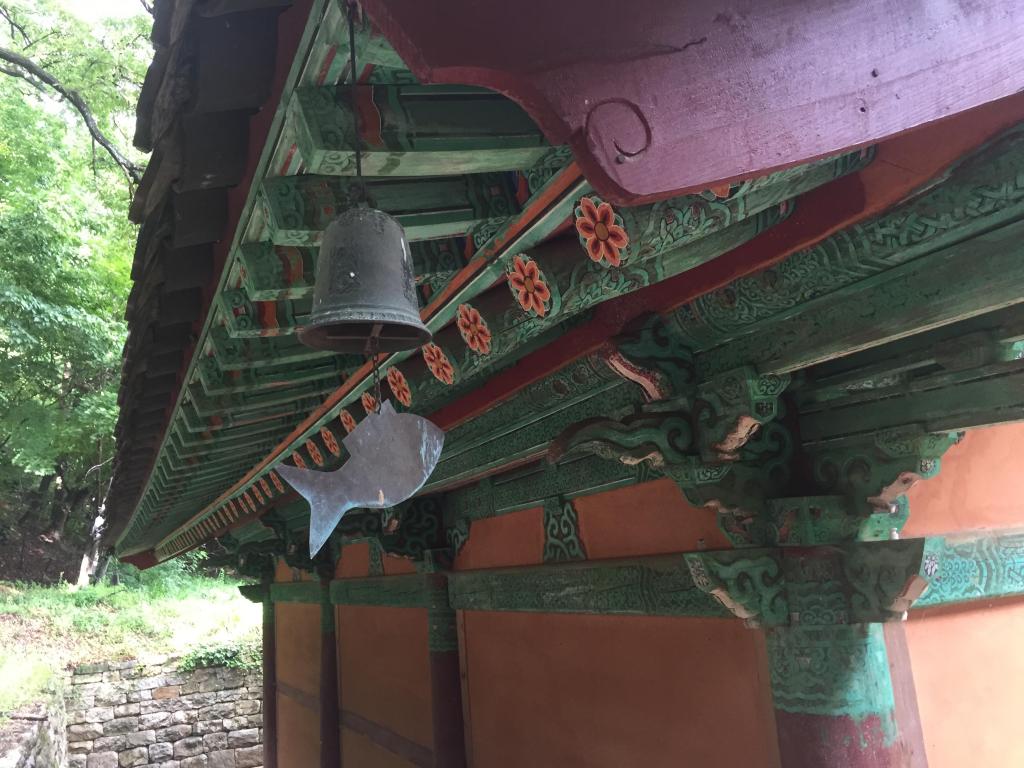
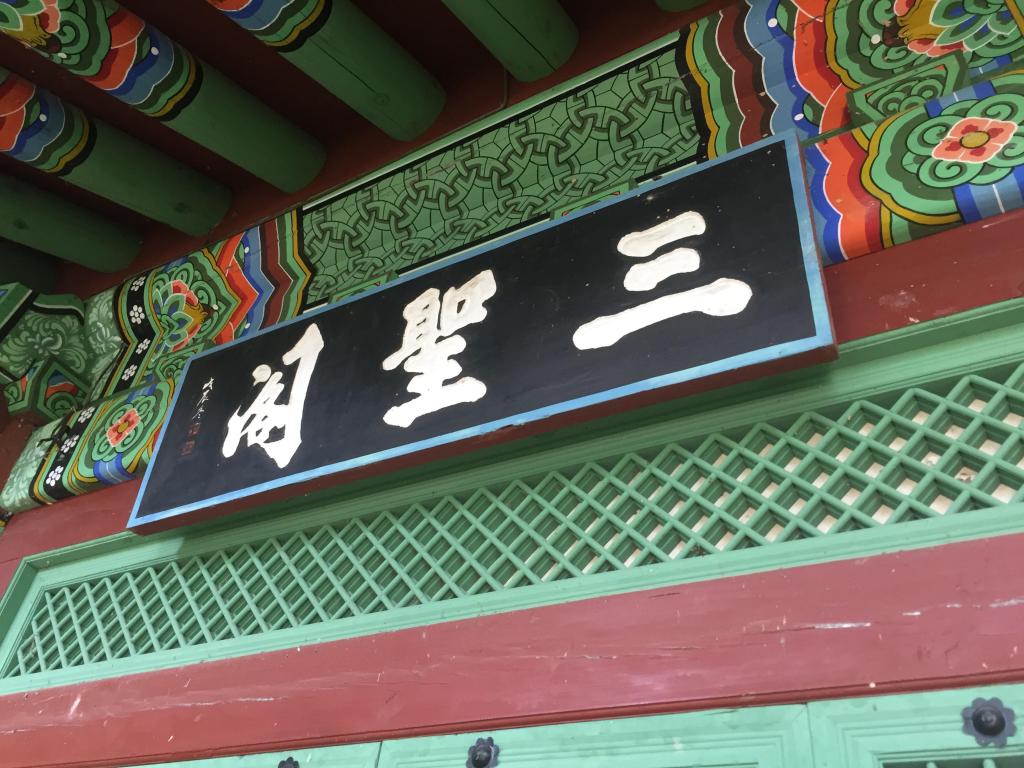
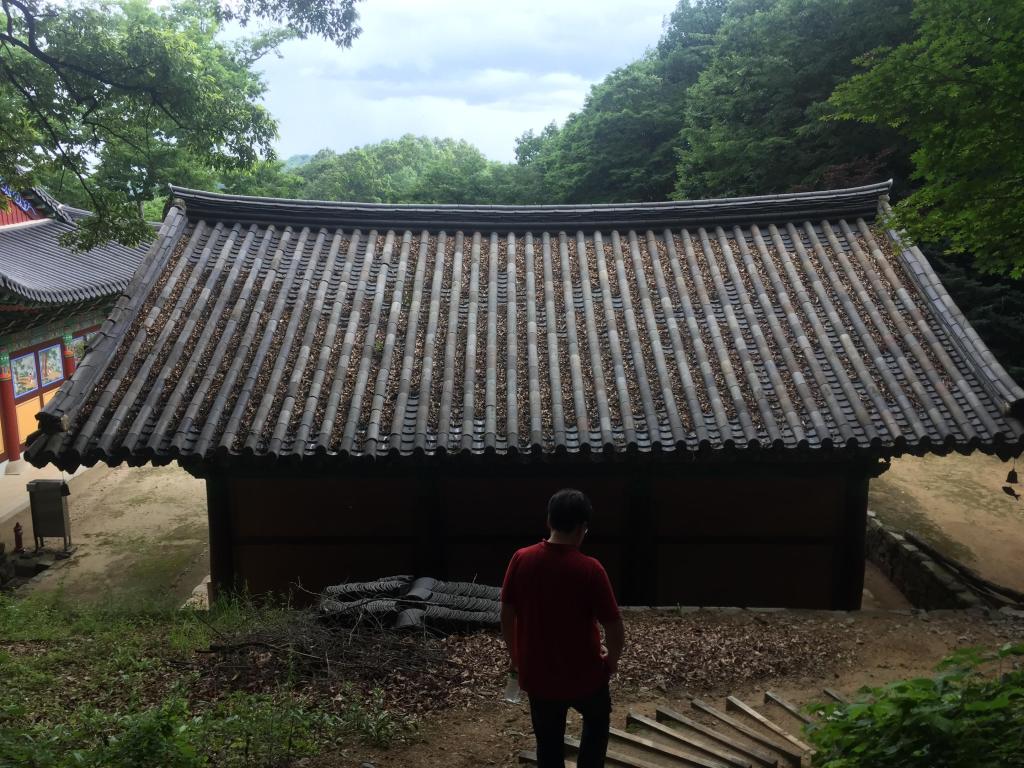
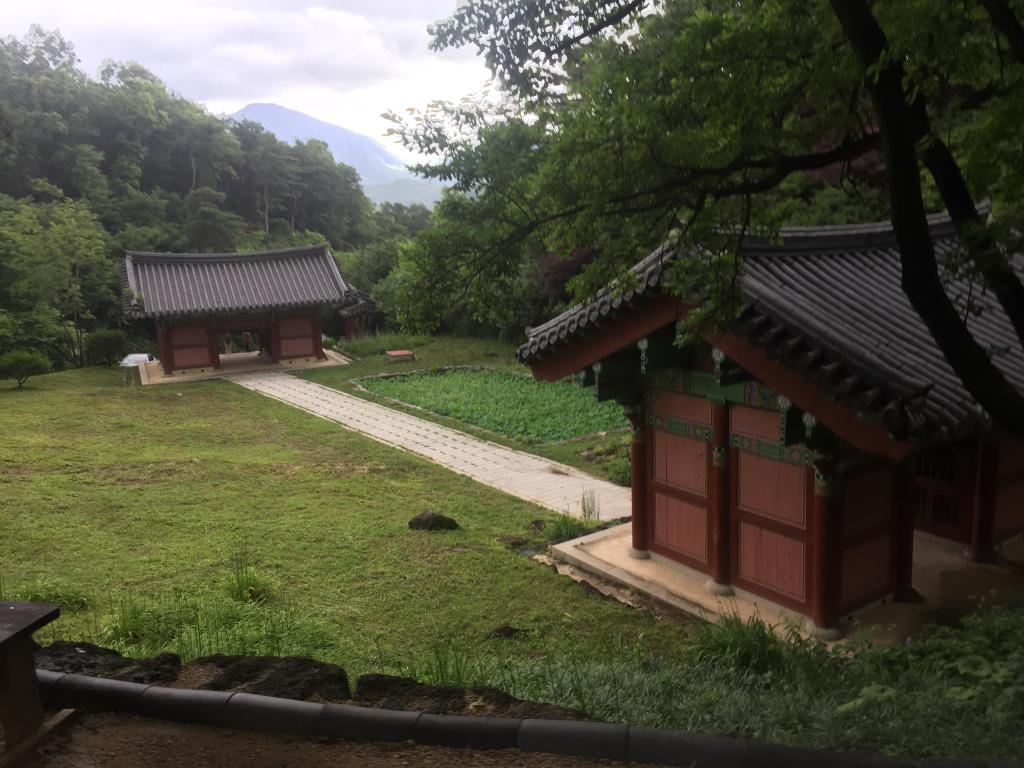
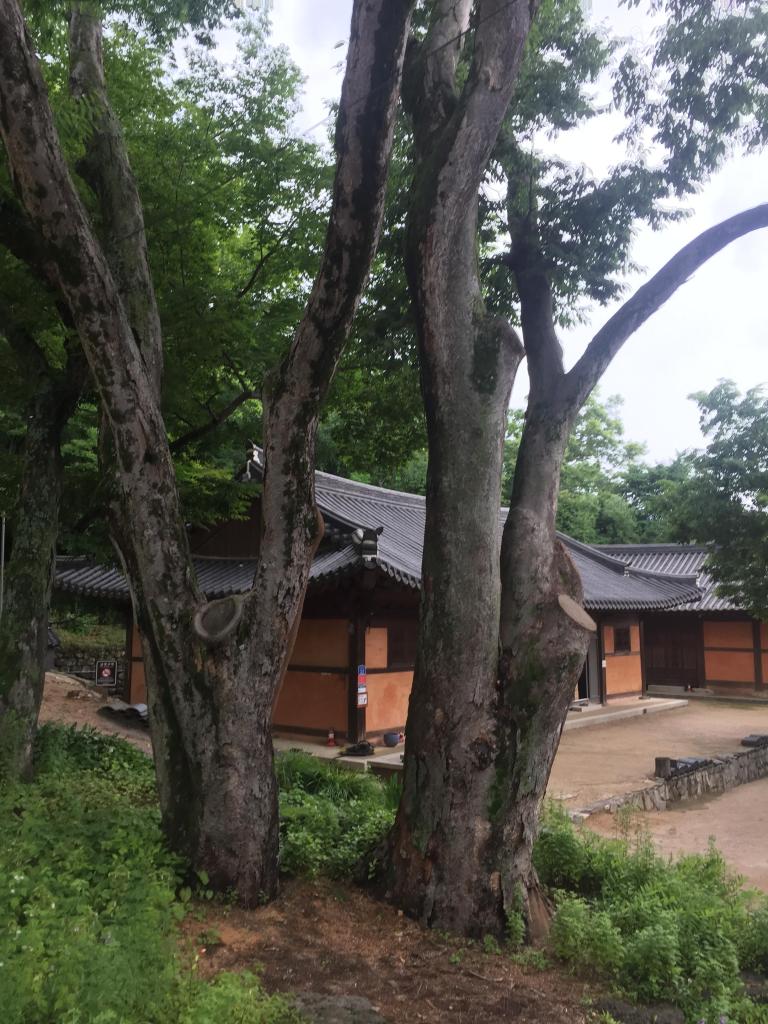
600 years old Zelkova serrata
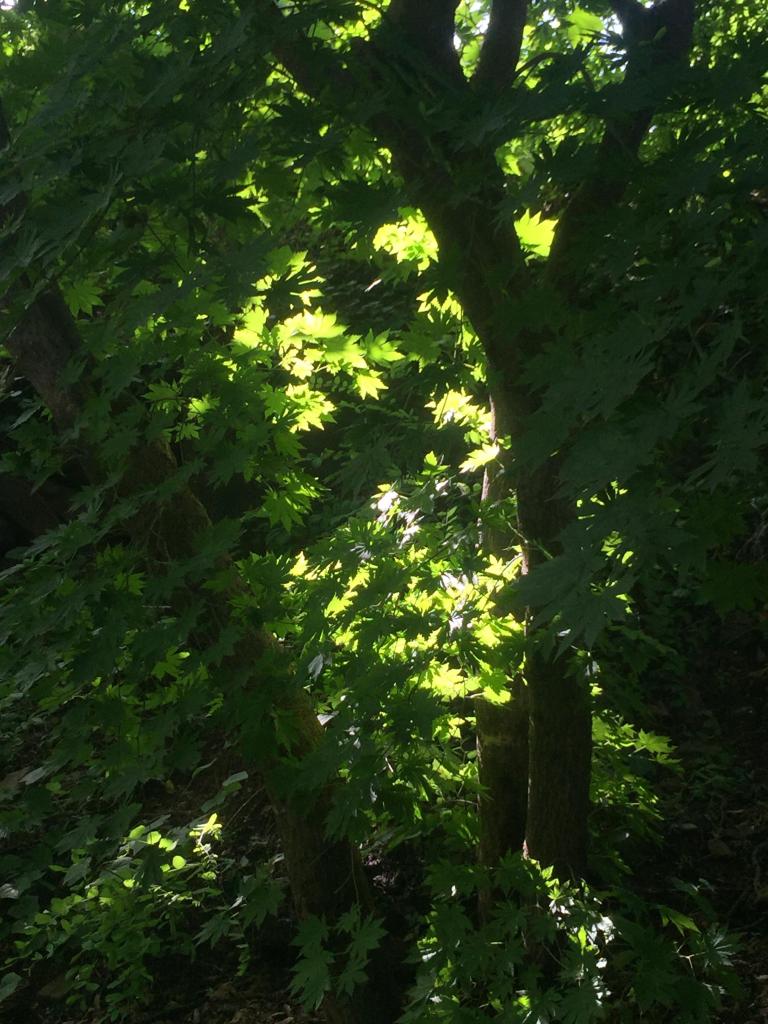
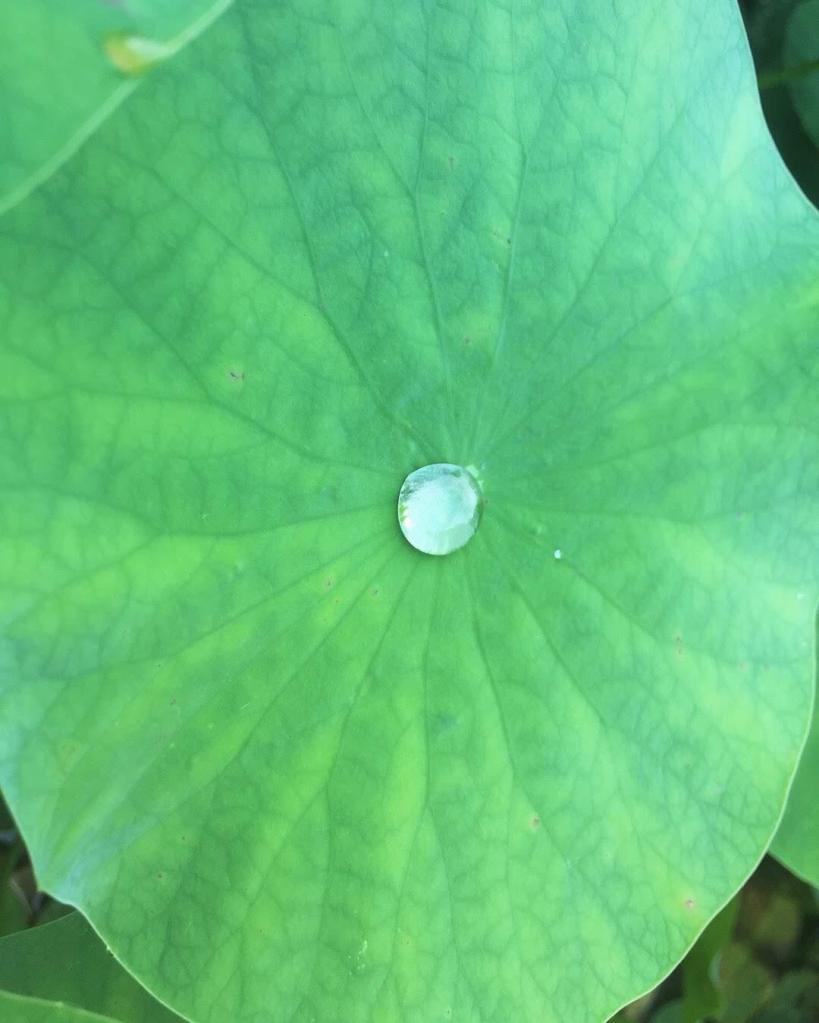
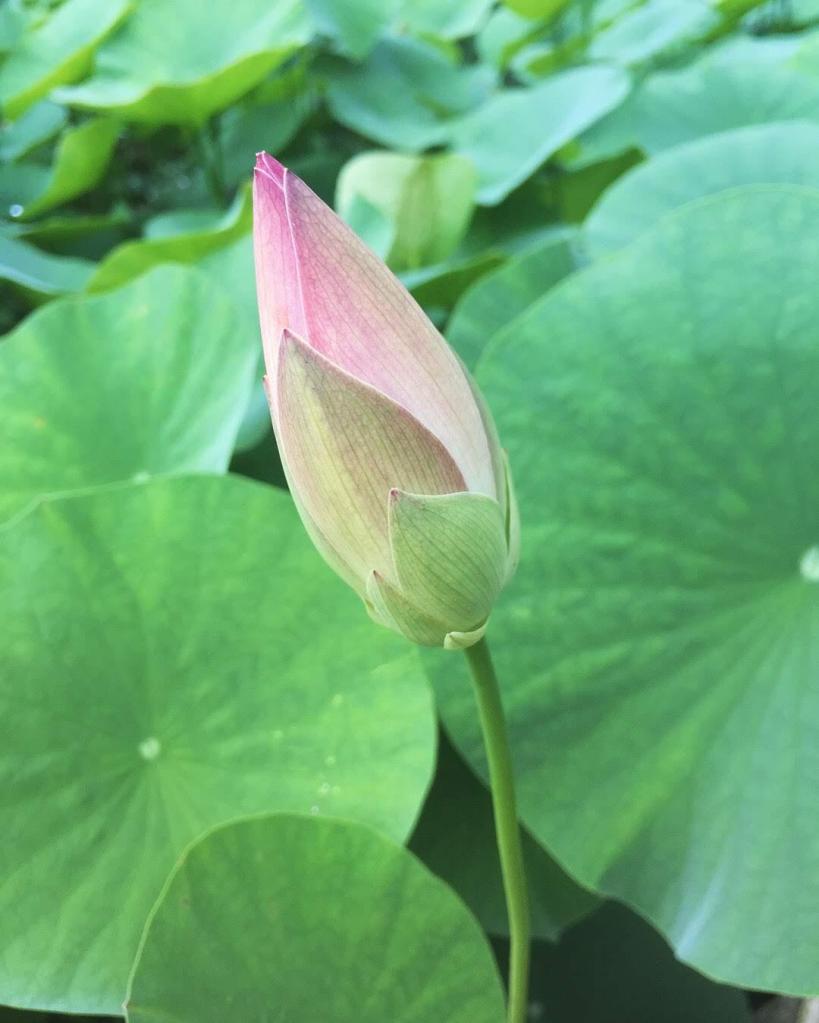
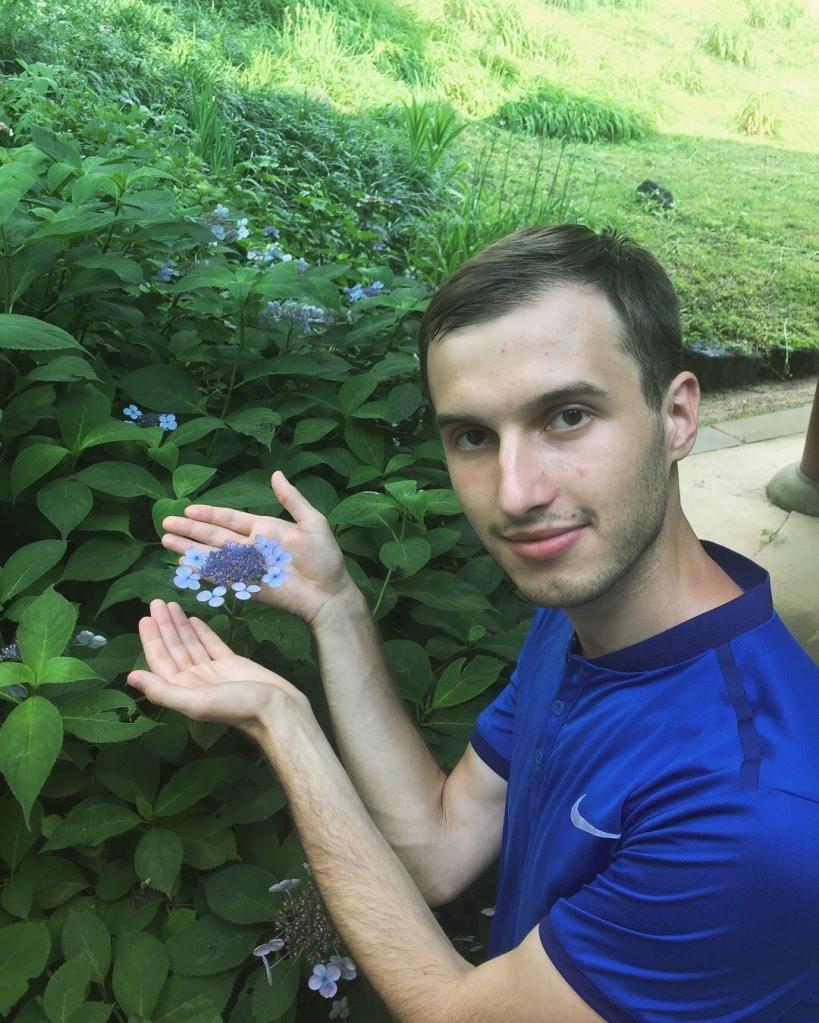
Natural views.
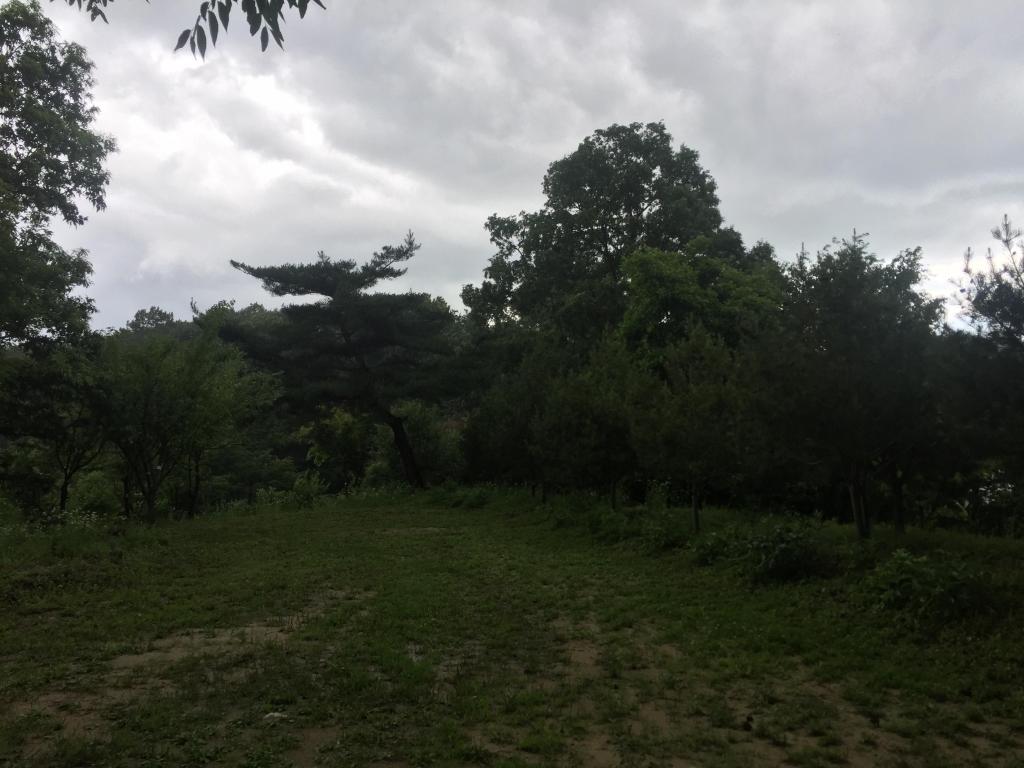
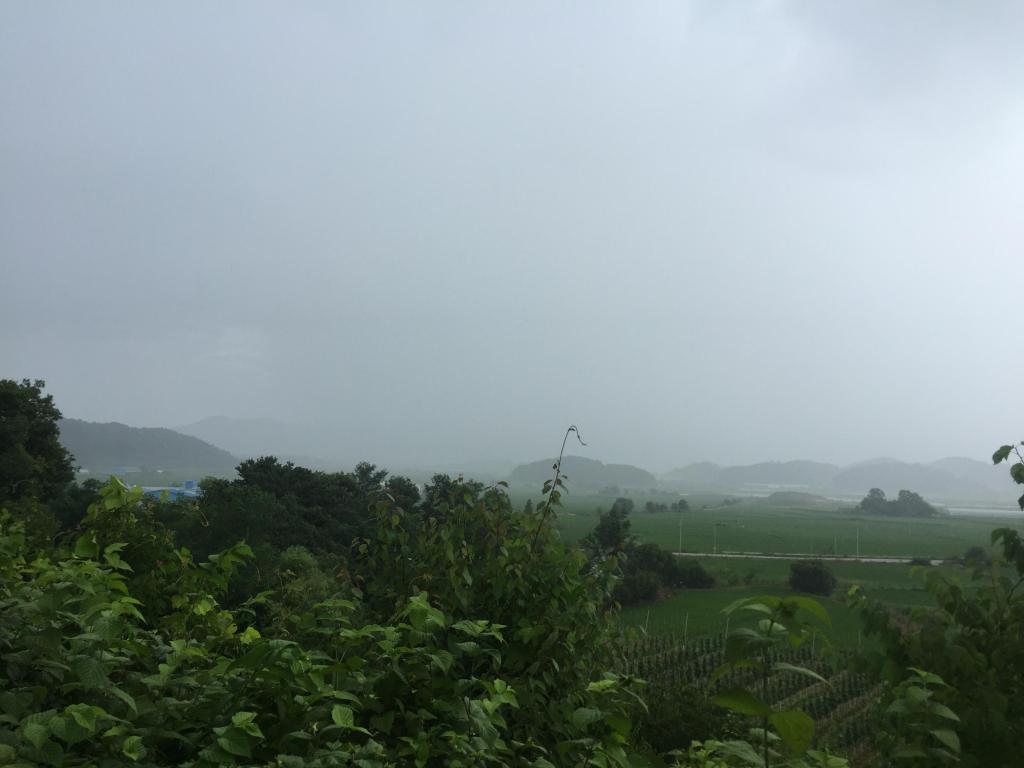
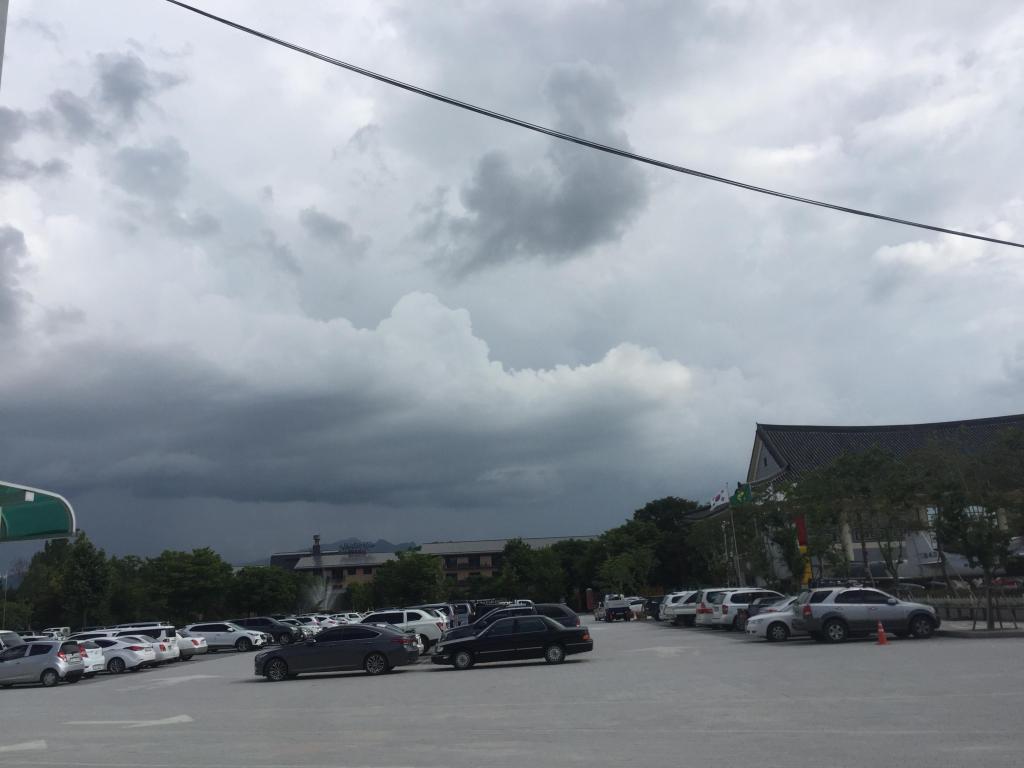
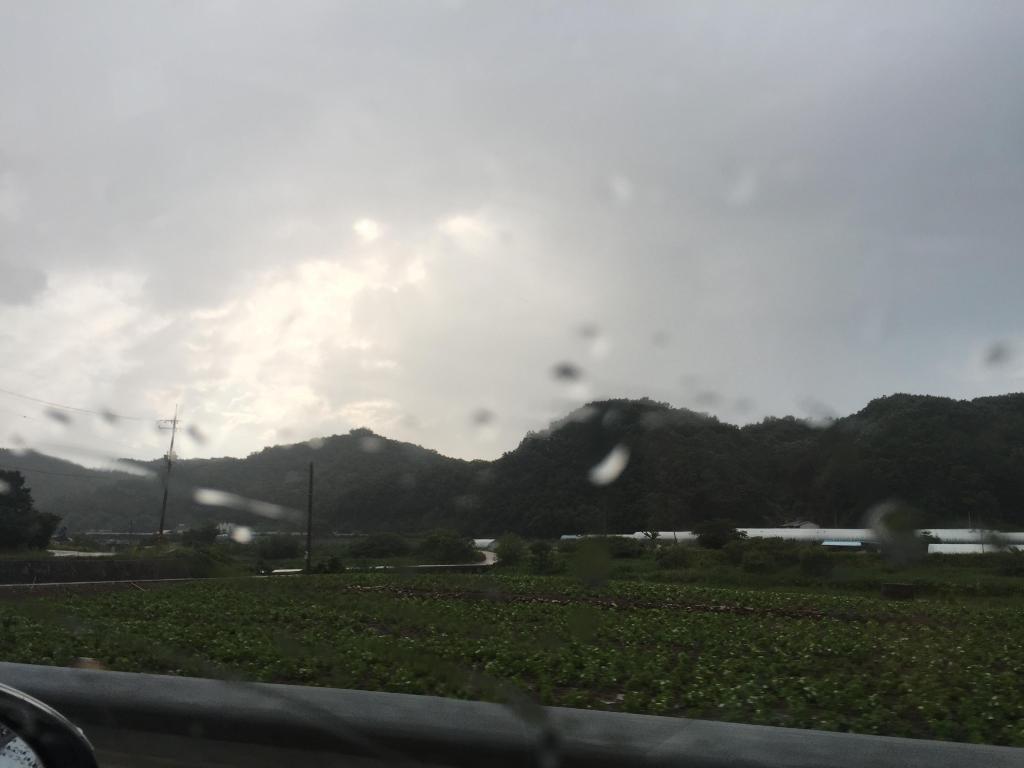
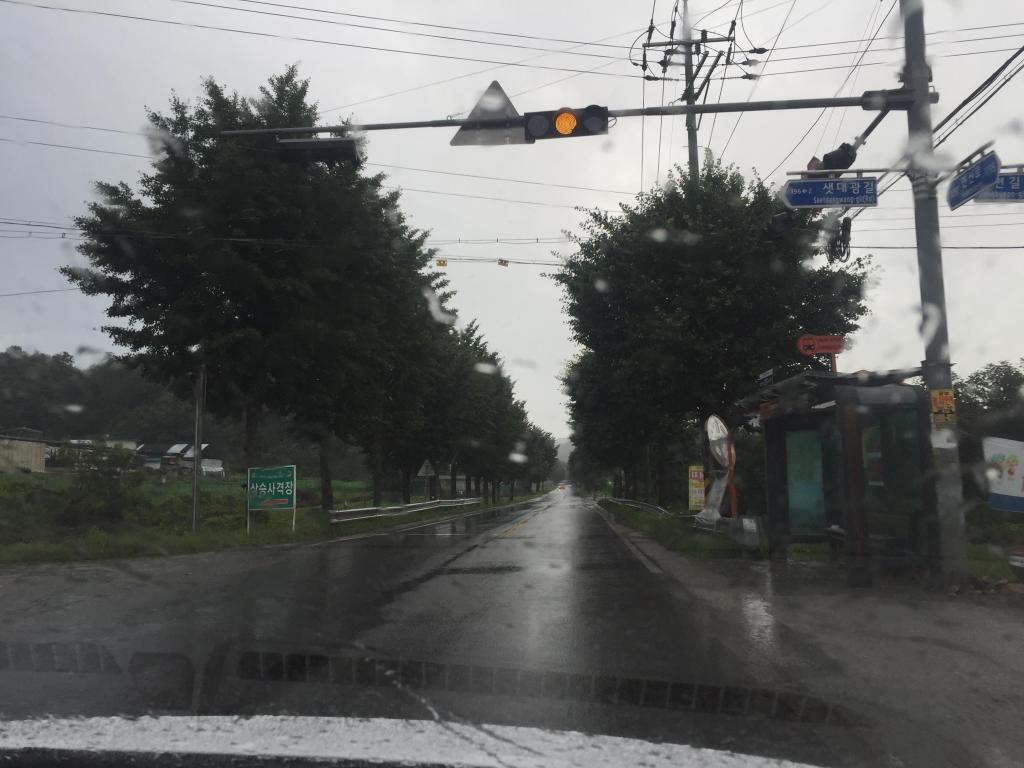
Then suddenly it started raining!
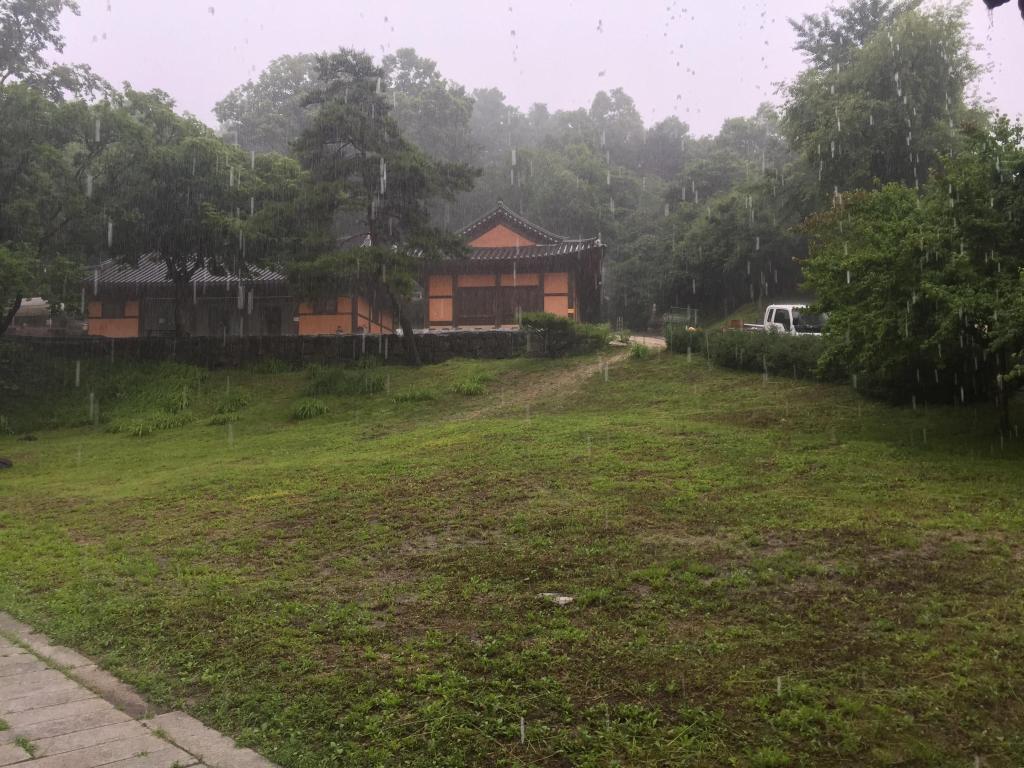
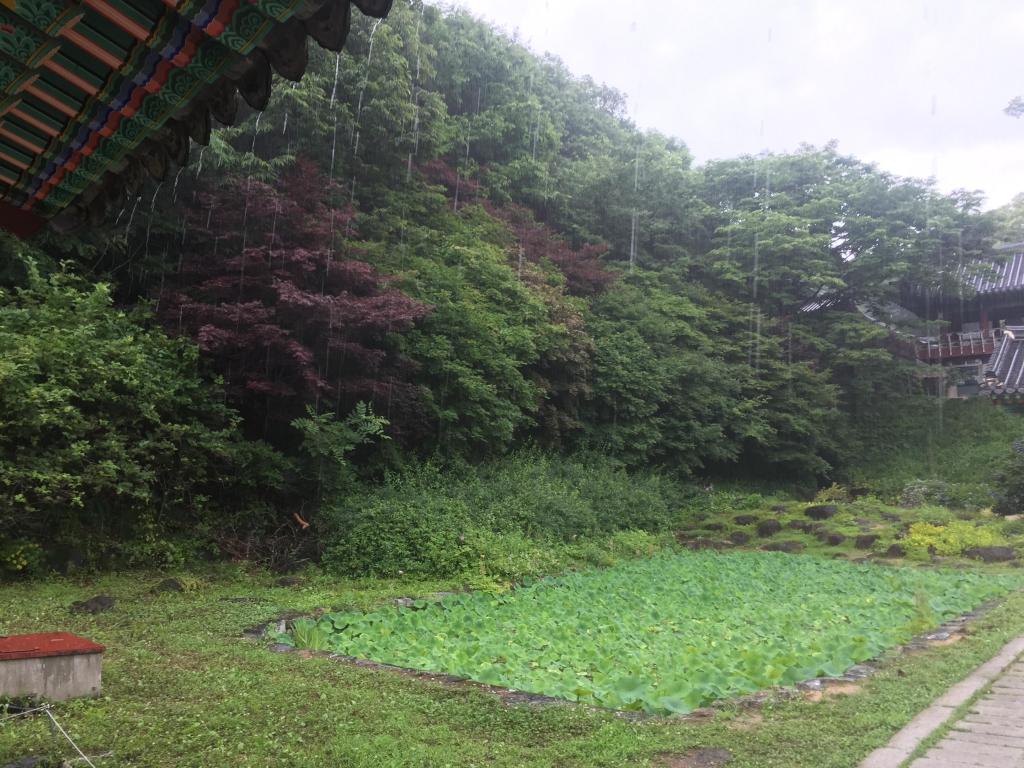
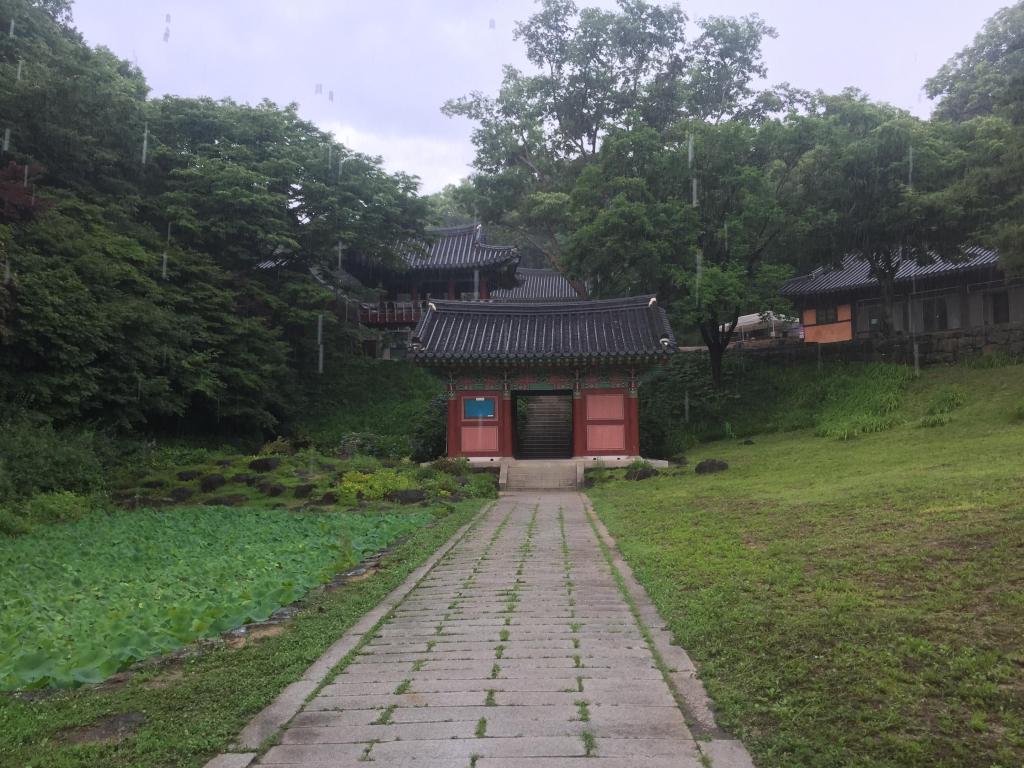
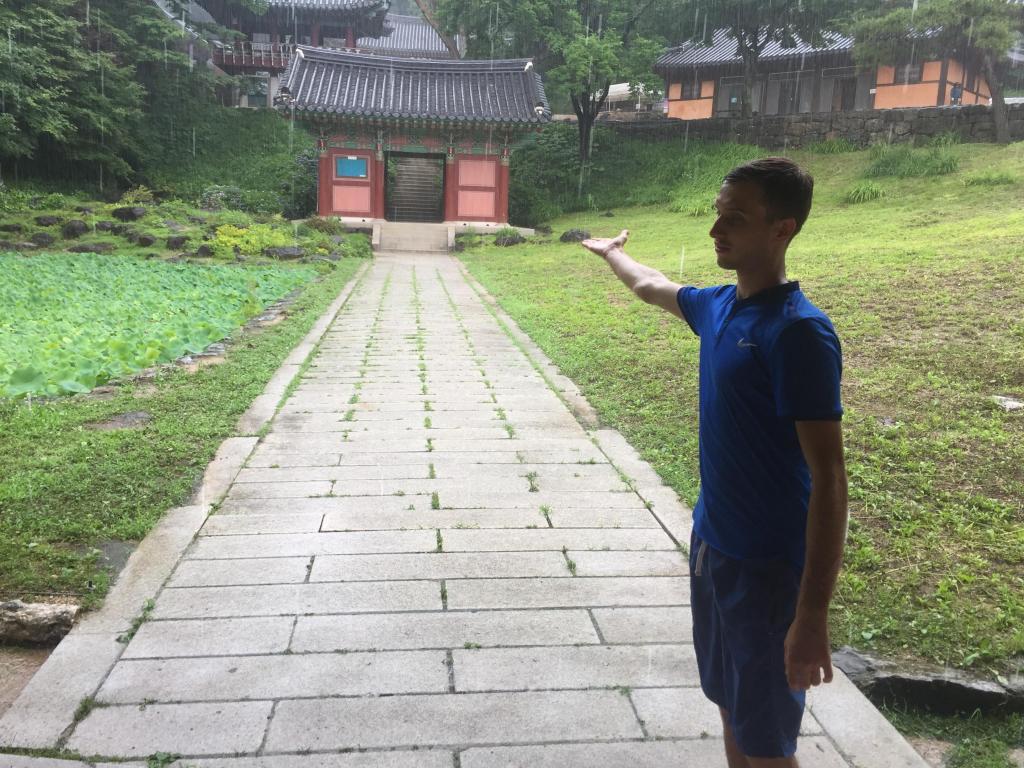
I still remember the lightning and me, running to the car under the rain with my electric phone. Danger.
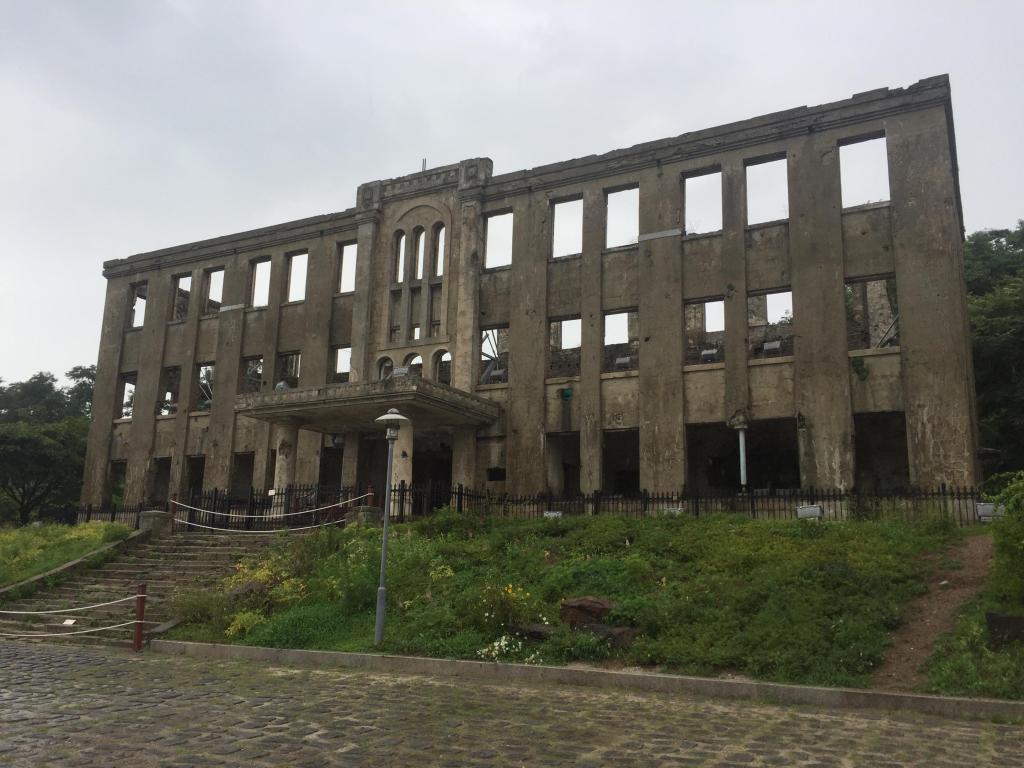
Up by the stream of Daegyojeon river, close to the border with North Korea, in Gwanjeonri, Cheorwon, the Korean Workers’ Party Headquarters is located. It was built in 1946, and today it stands destroyed, as a reminder of the days of the Democratic People’s Republic of Korea reign and the Korean War.
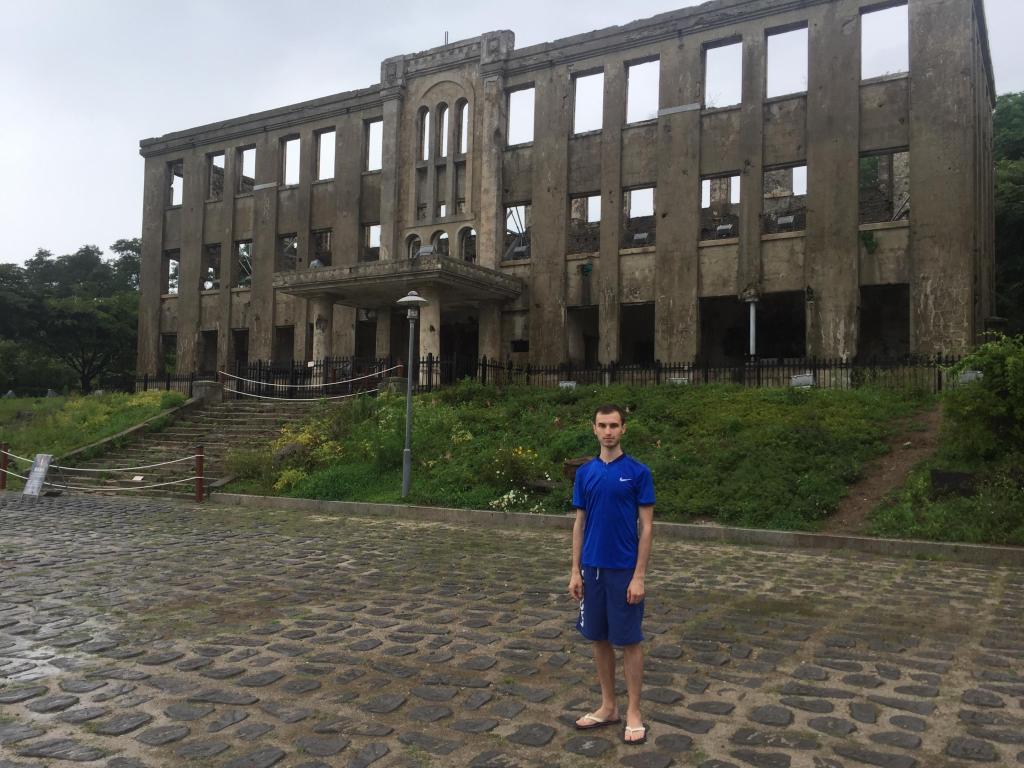
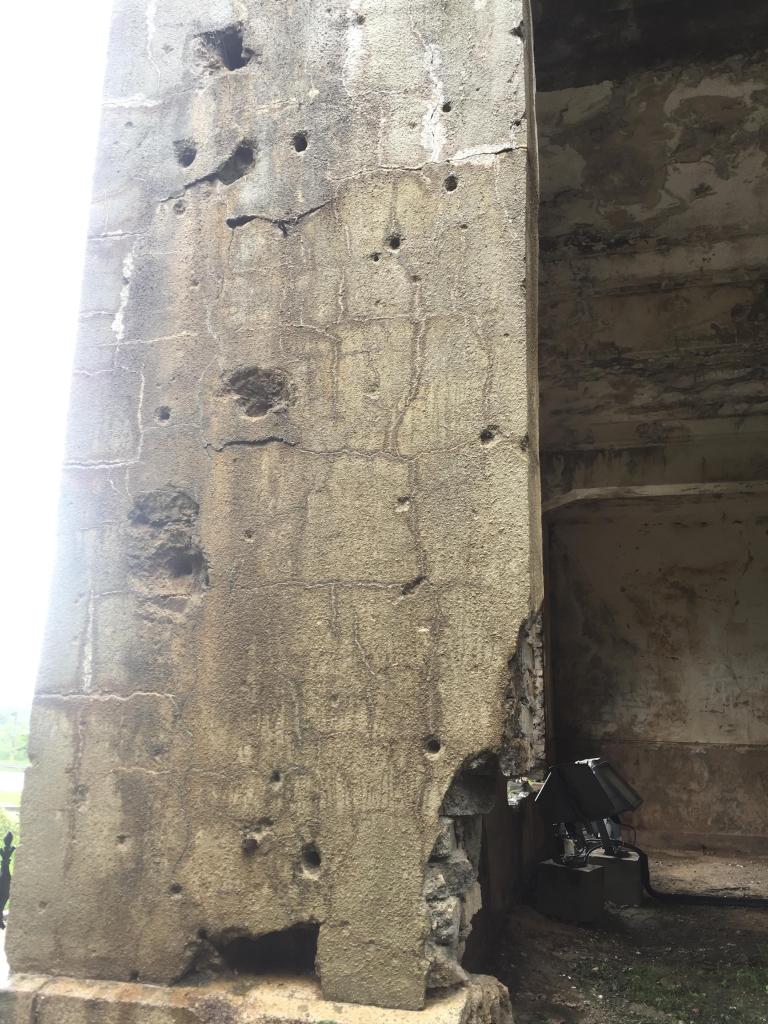
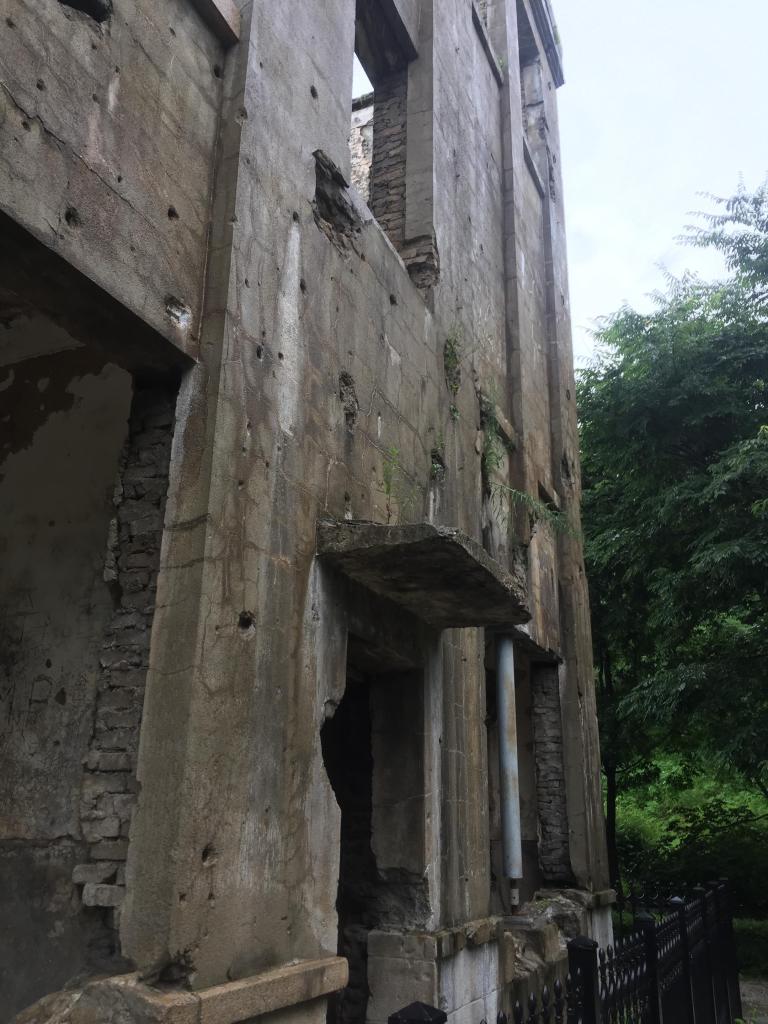
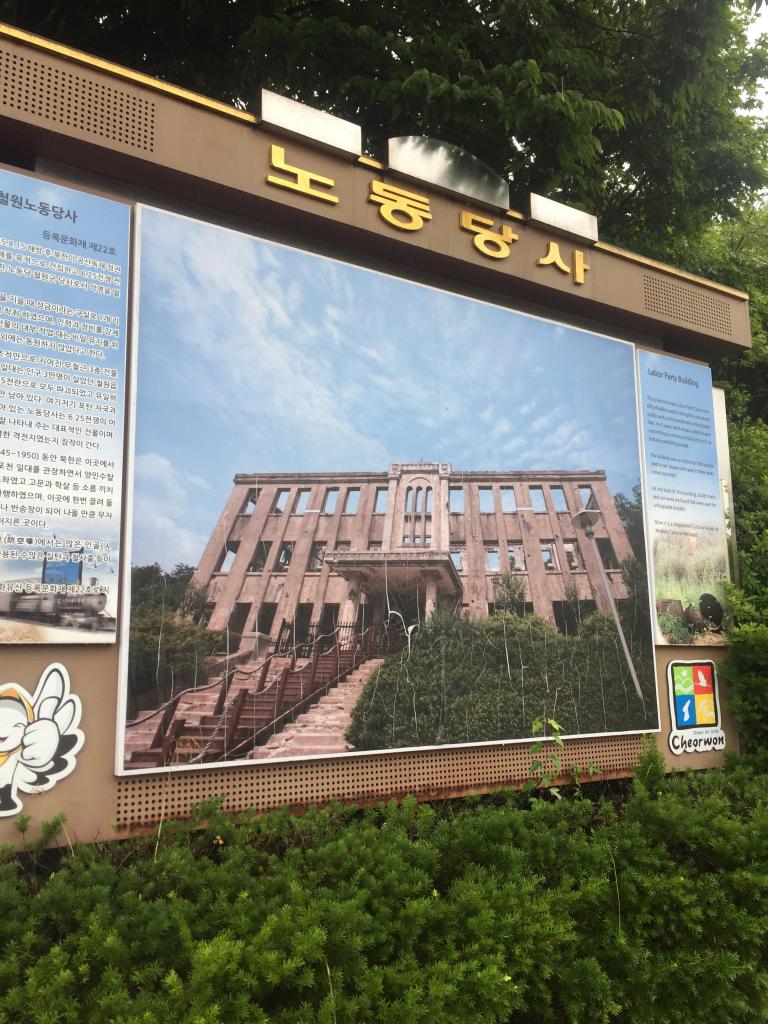
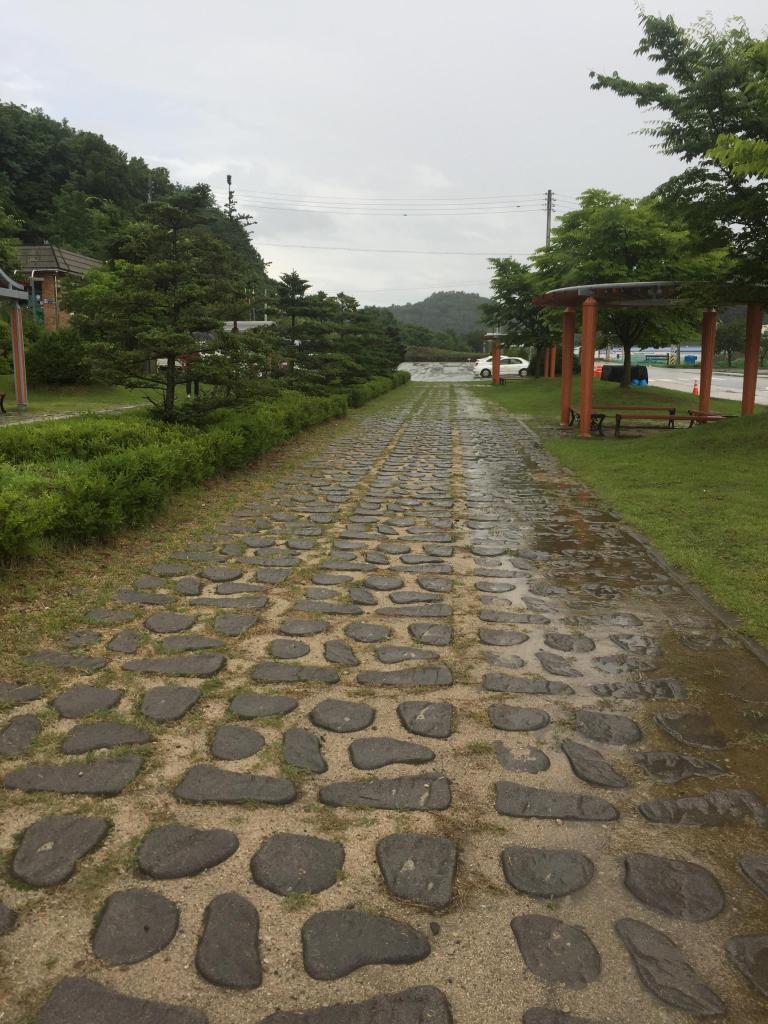
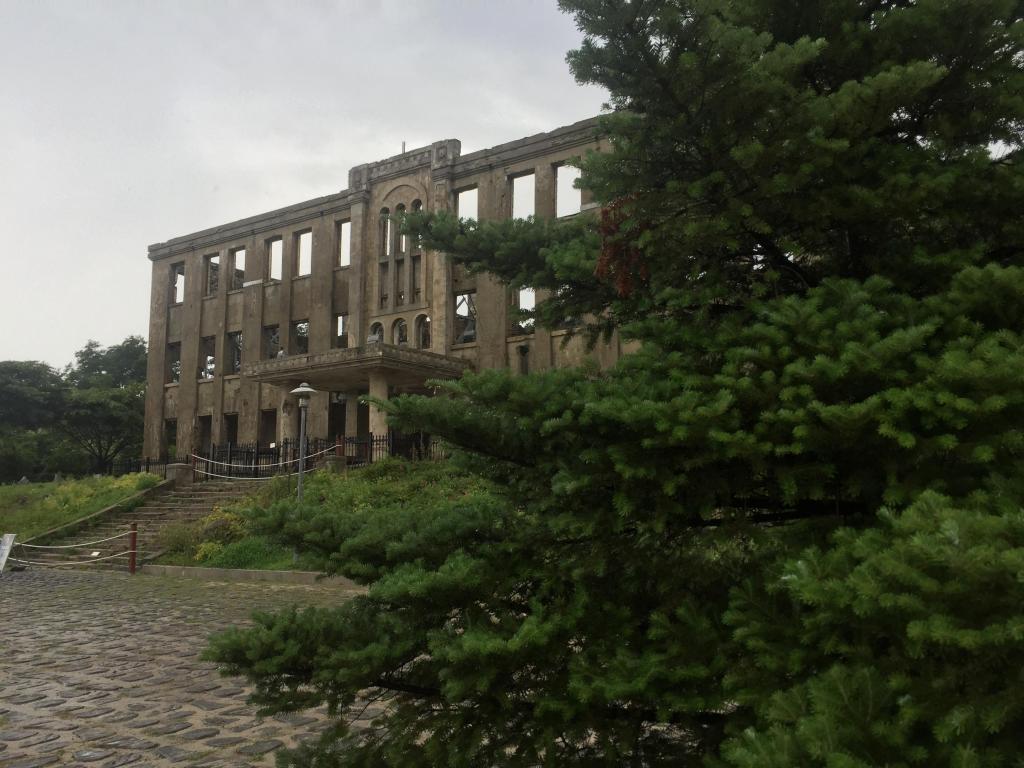
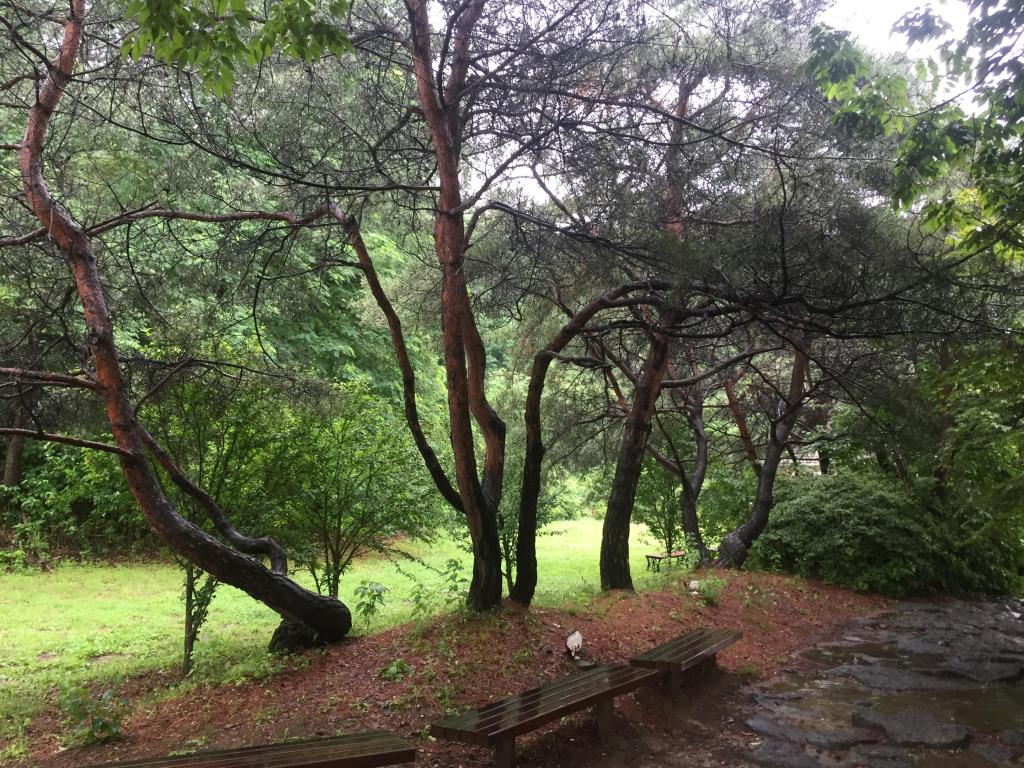
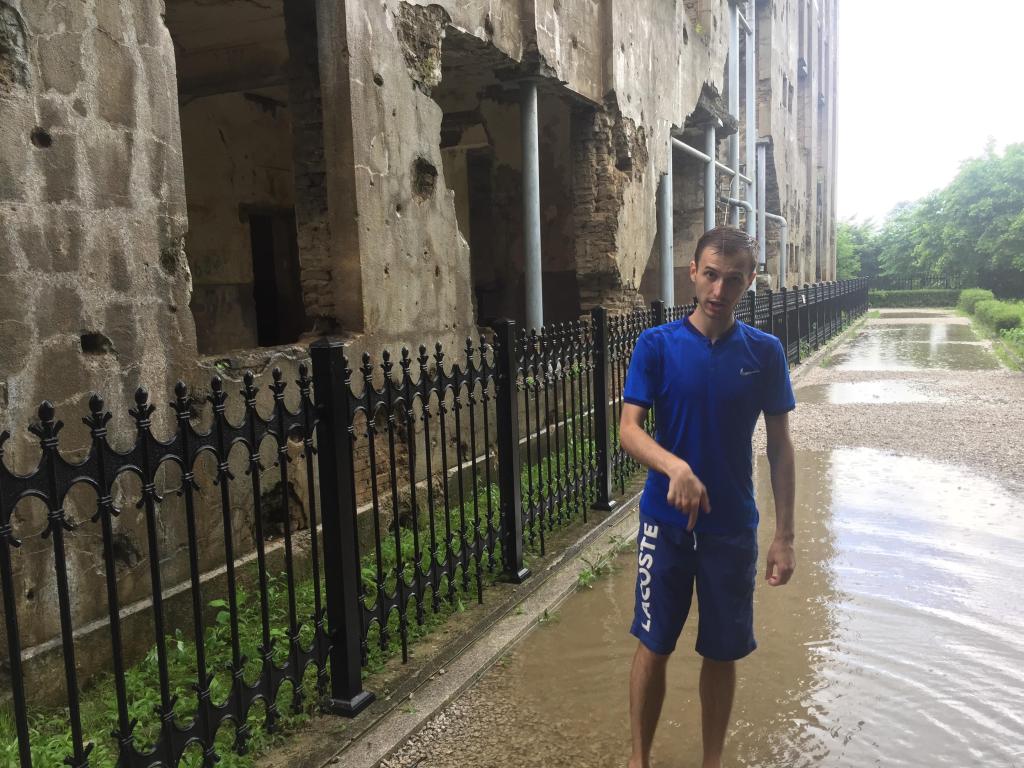
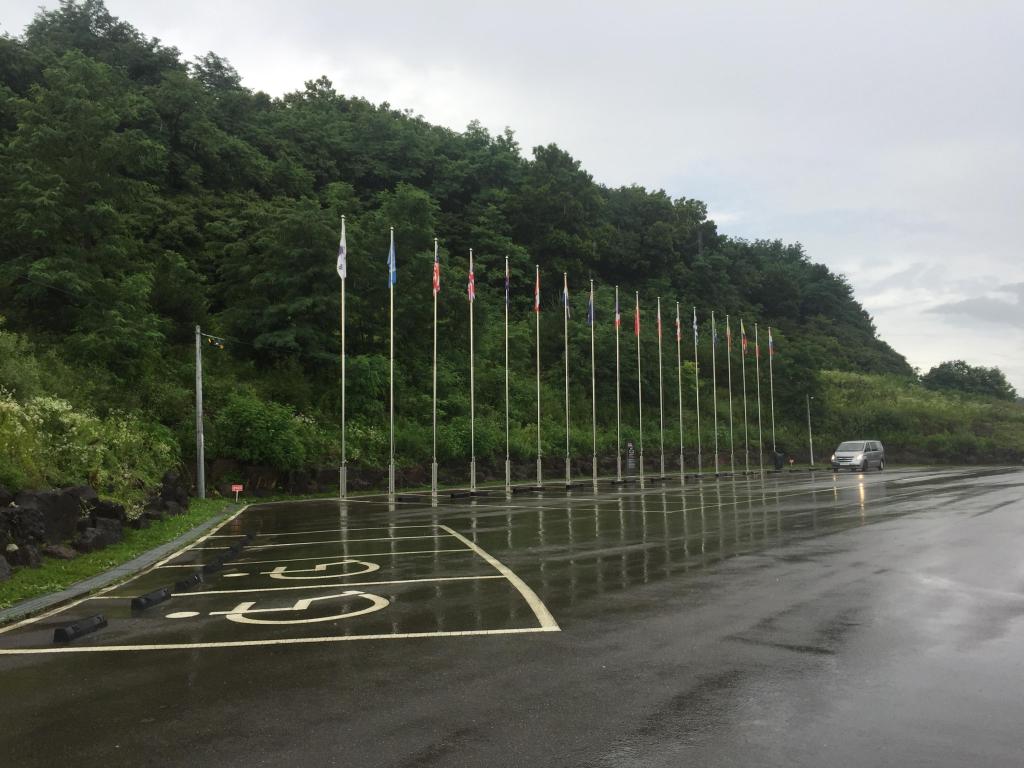
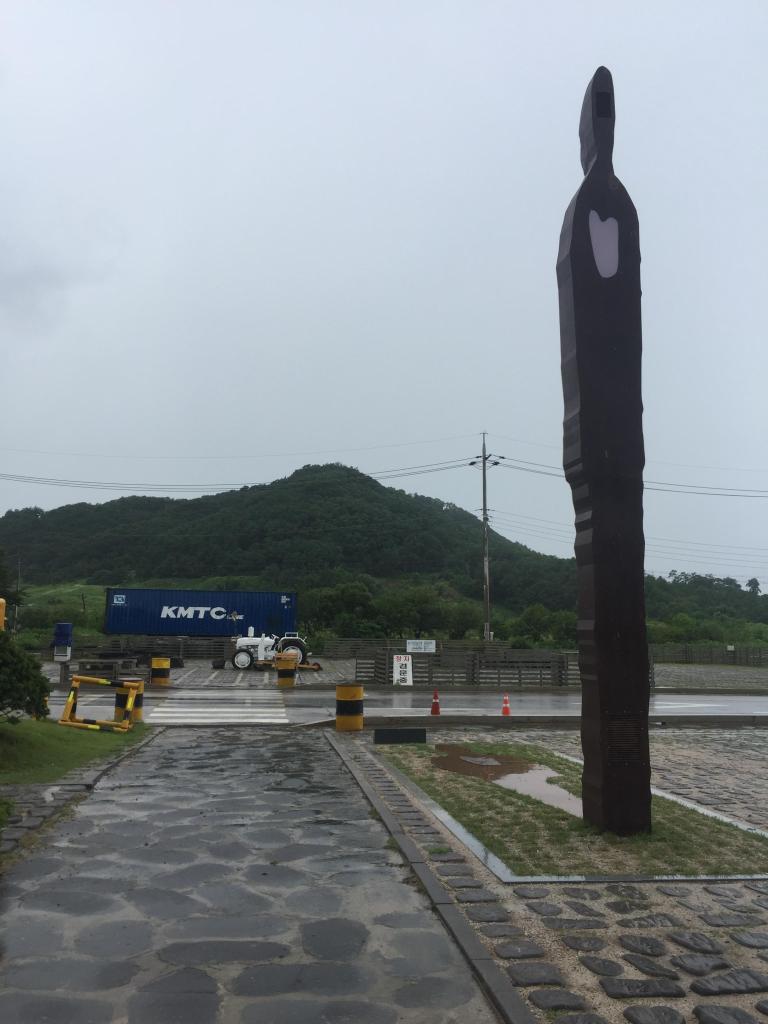
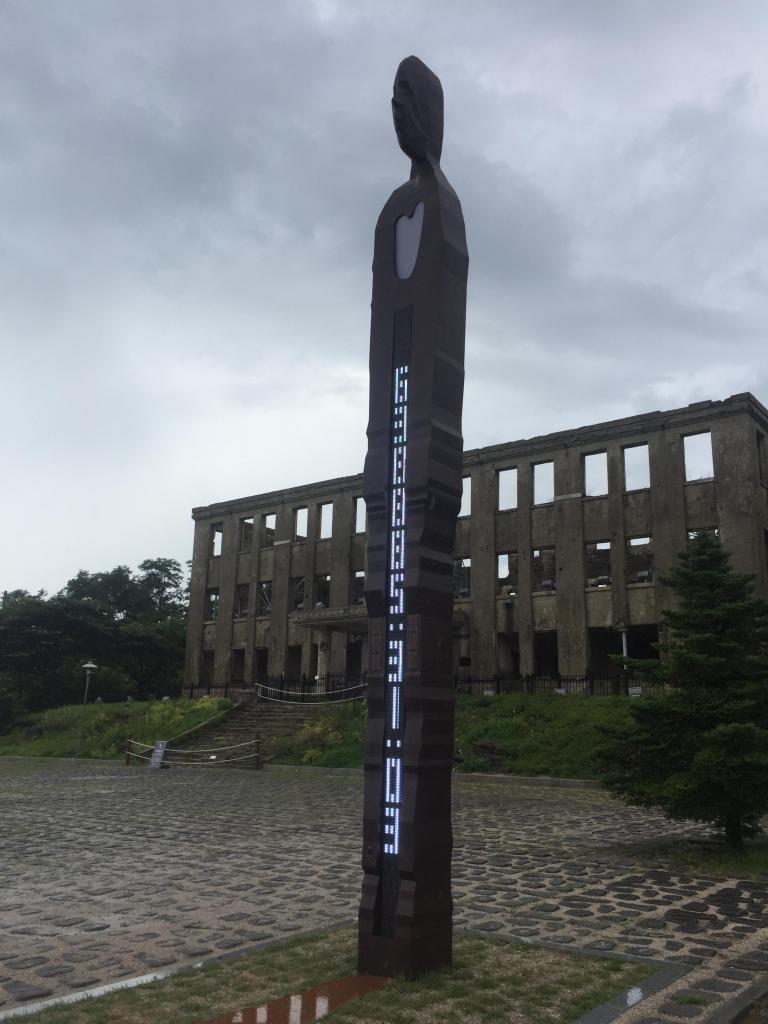
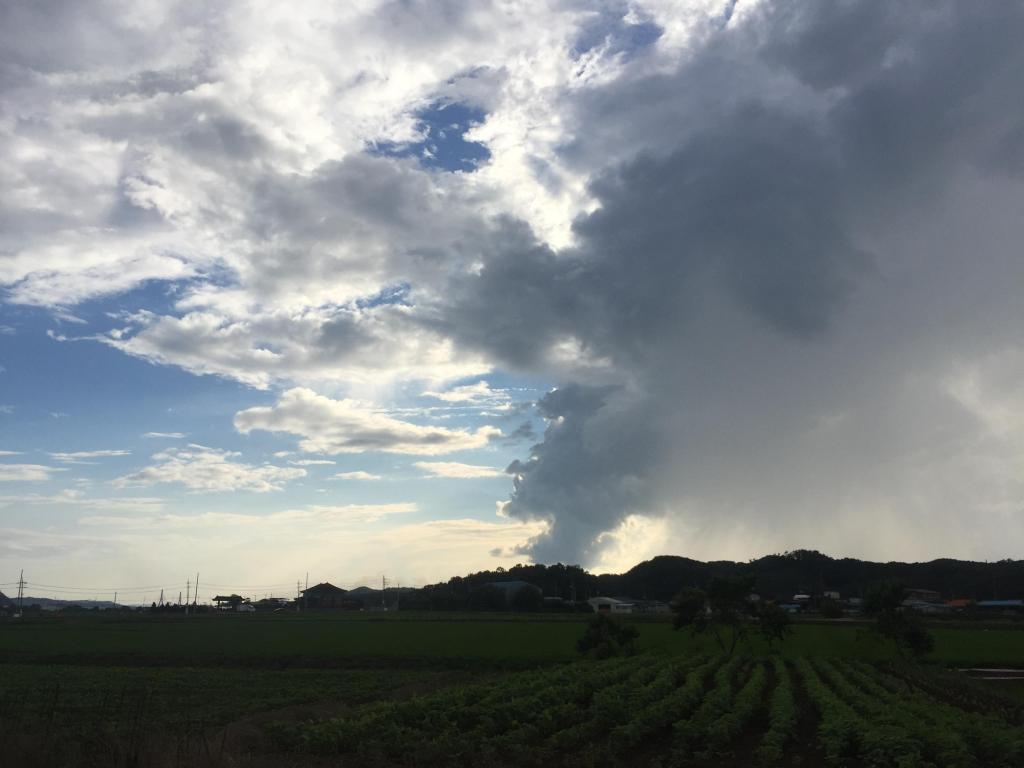
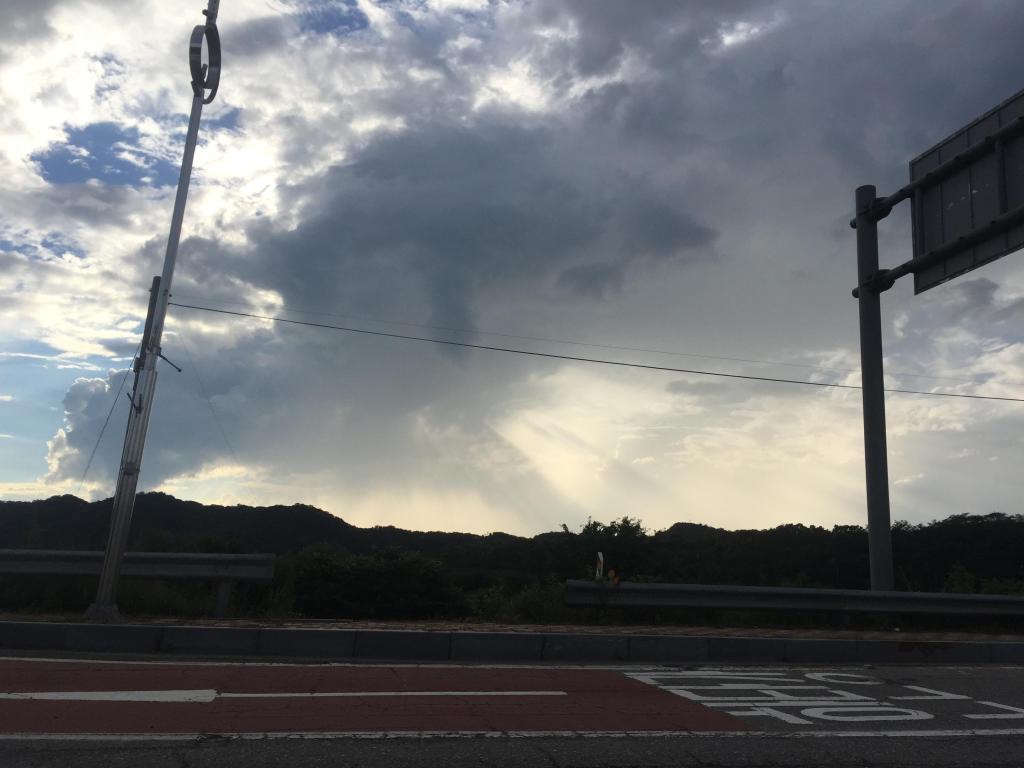
It was a beautiful and knowledgable trip around Pocheon and Cheorwon, around the places somehow attracted by the Hantangang and its daughter Daegyojeon. It is time to go back now.
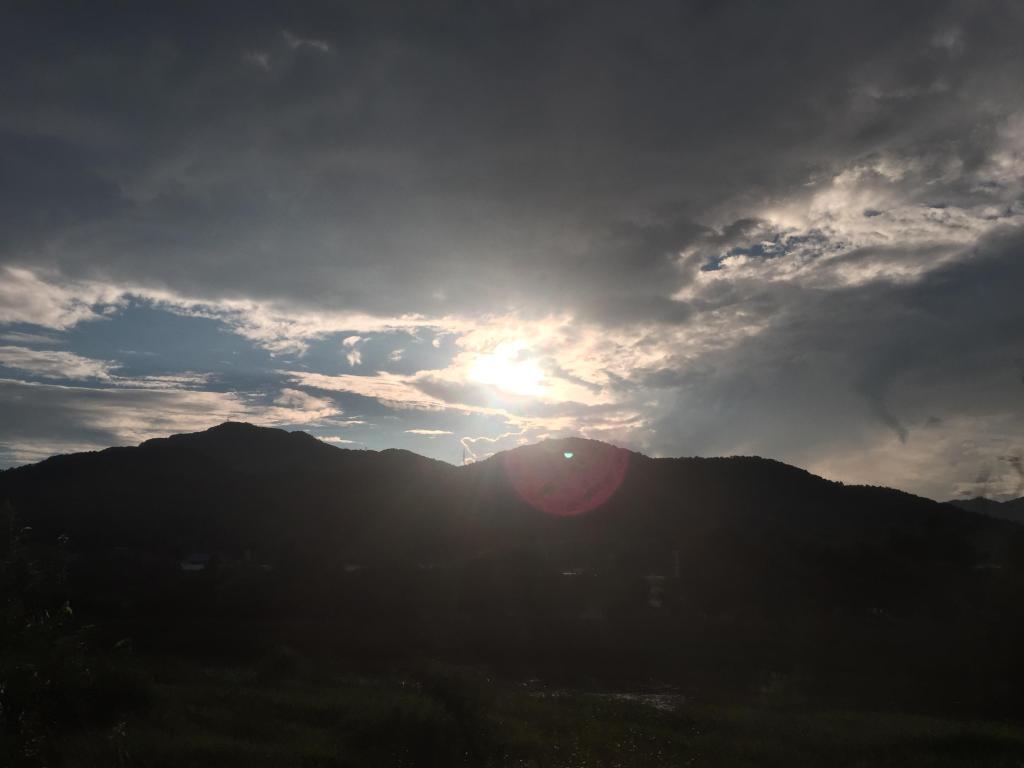
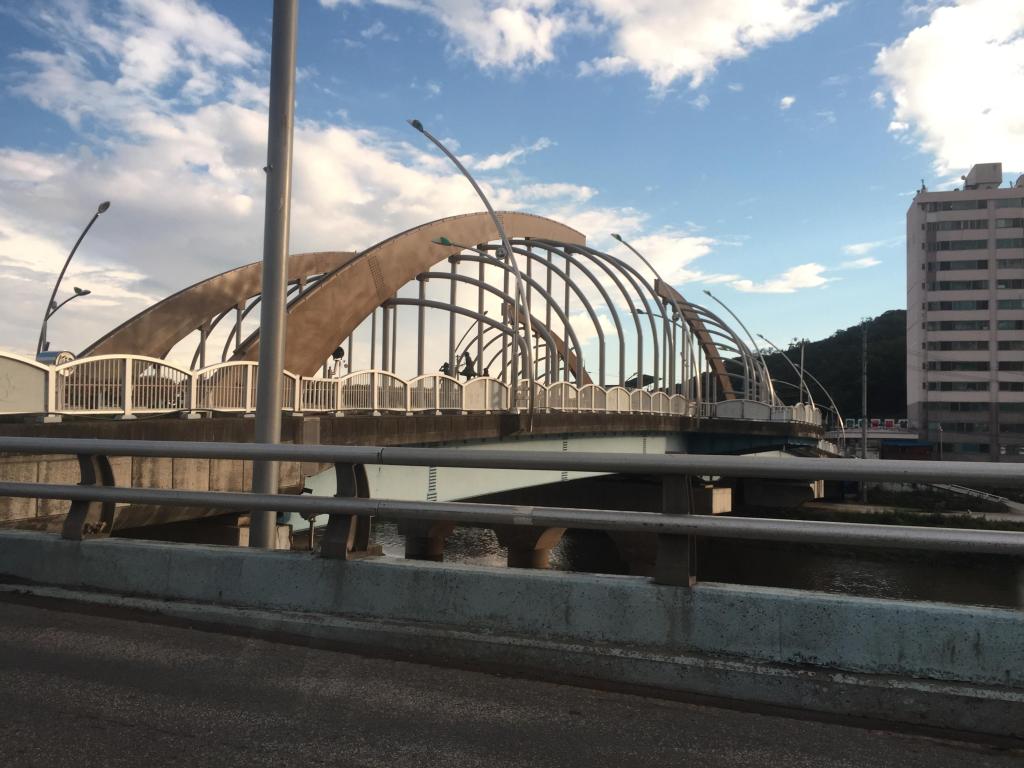
The evening will be spent in Uijeongbu!
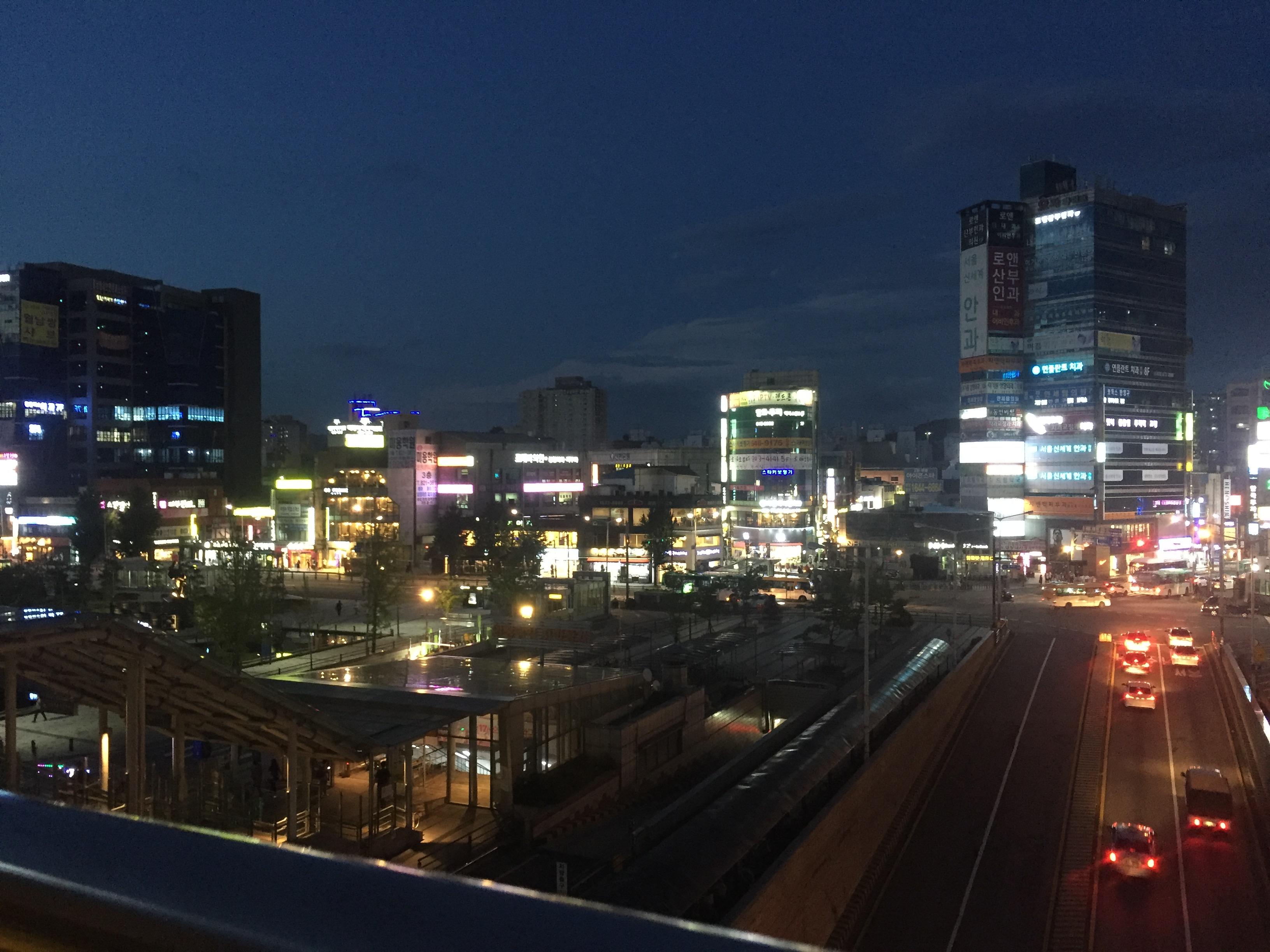
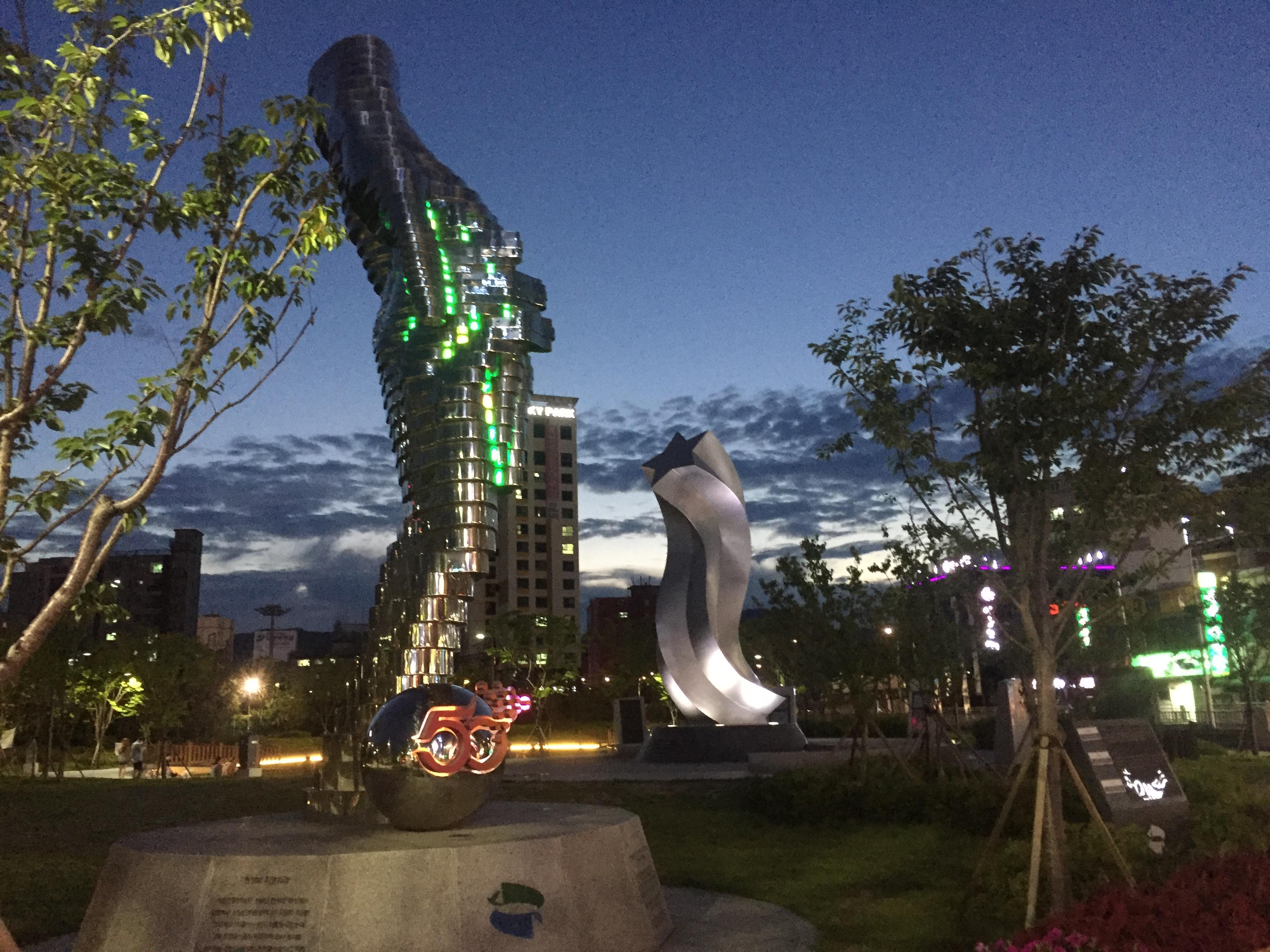
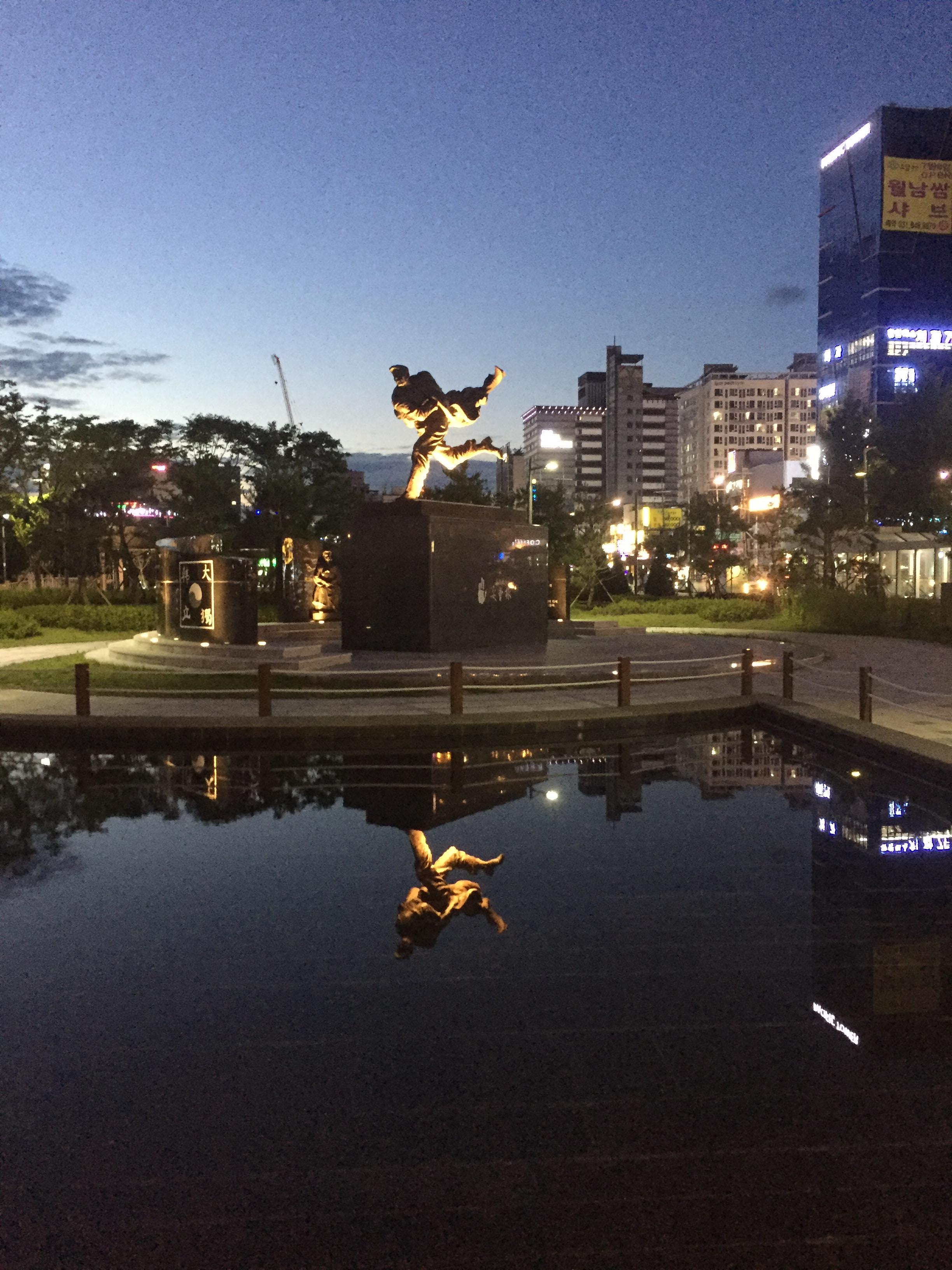
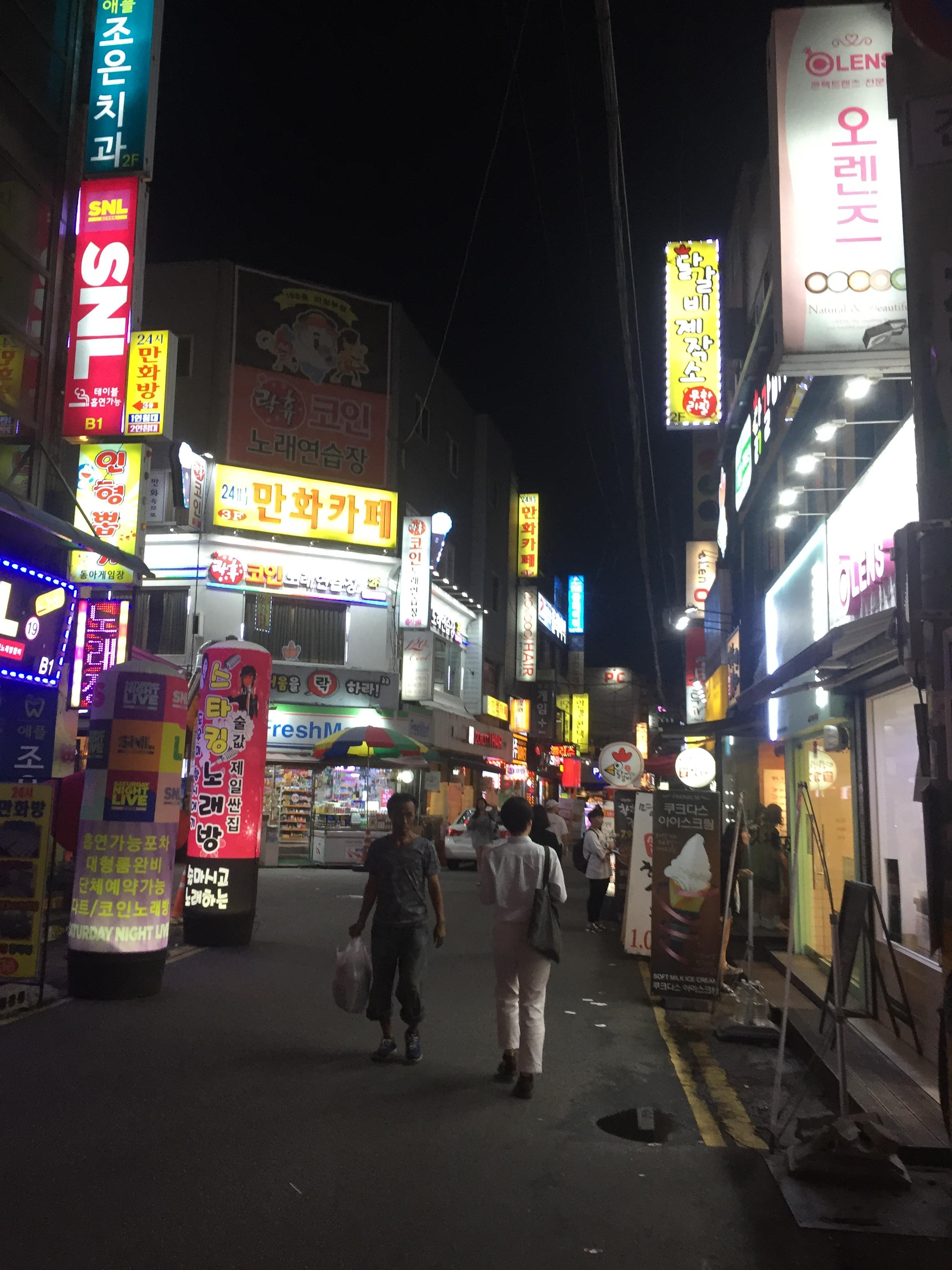
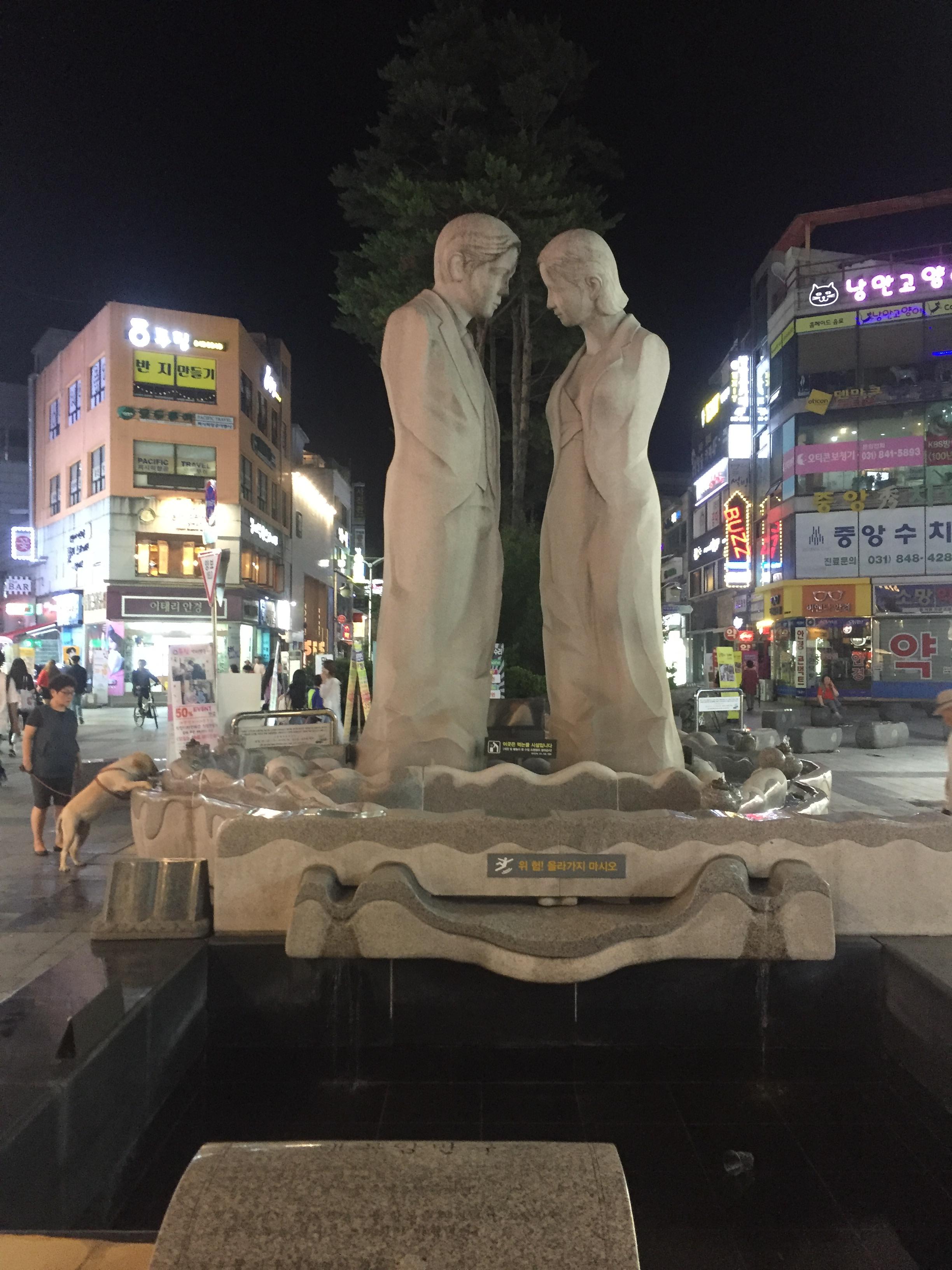
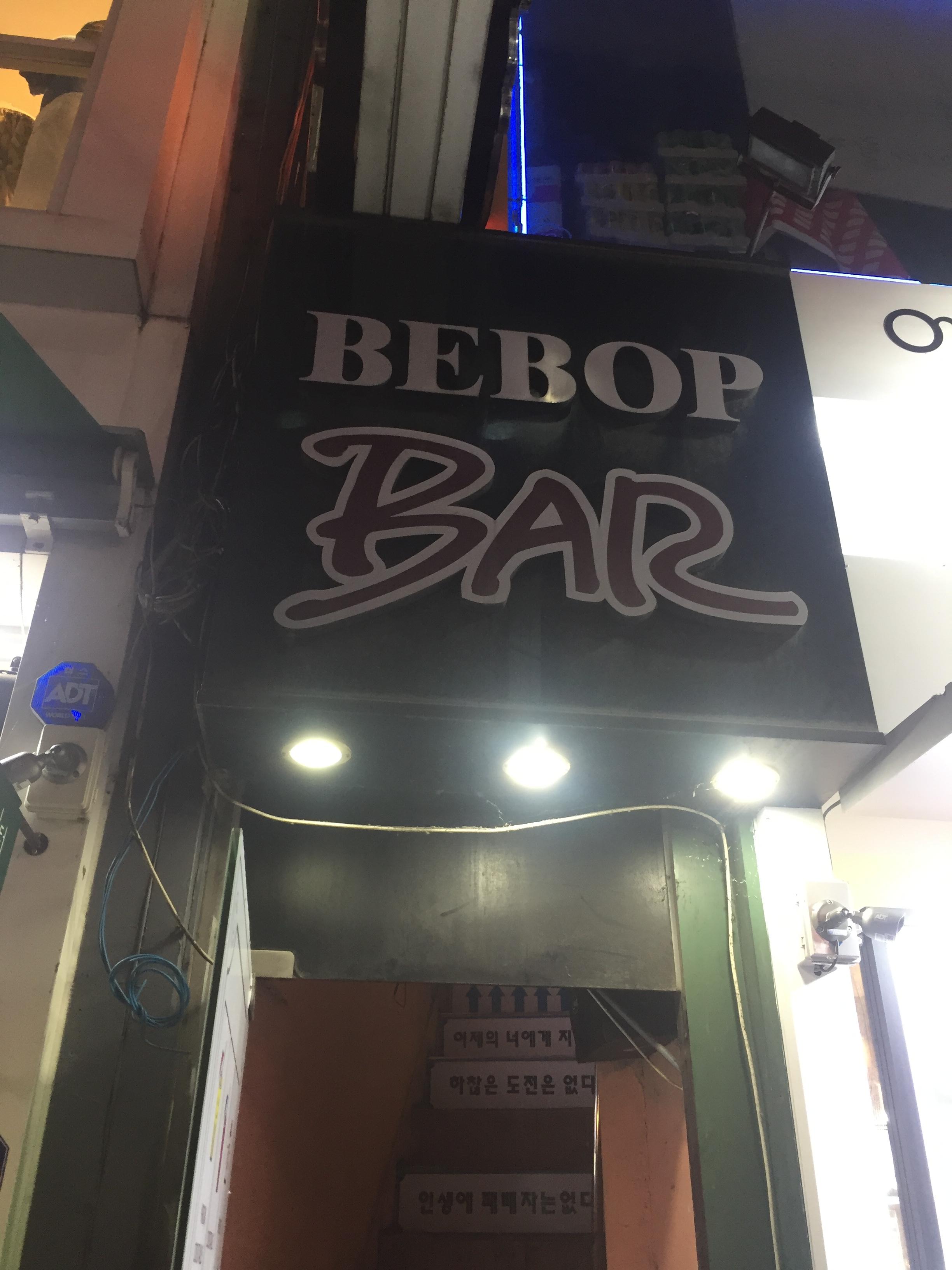
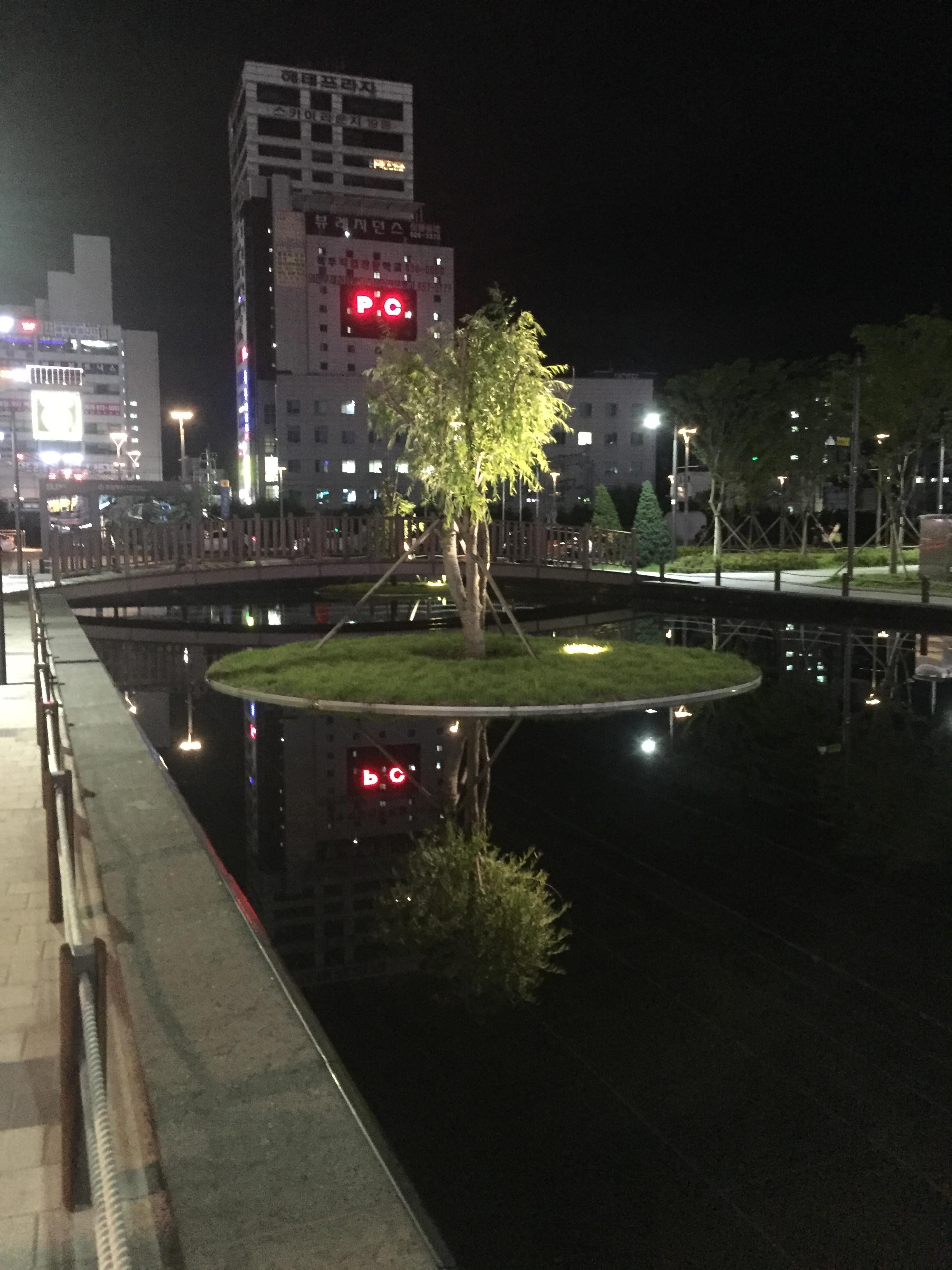
I do not remember the food but I still remember the bar, the narrow bar upstairs, Americans, even the place I was sitting, the barman and an offer to have unlimited drinks for a specific price. And my refusal. Why? Haha.
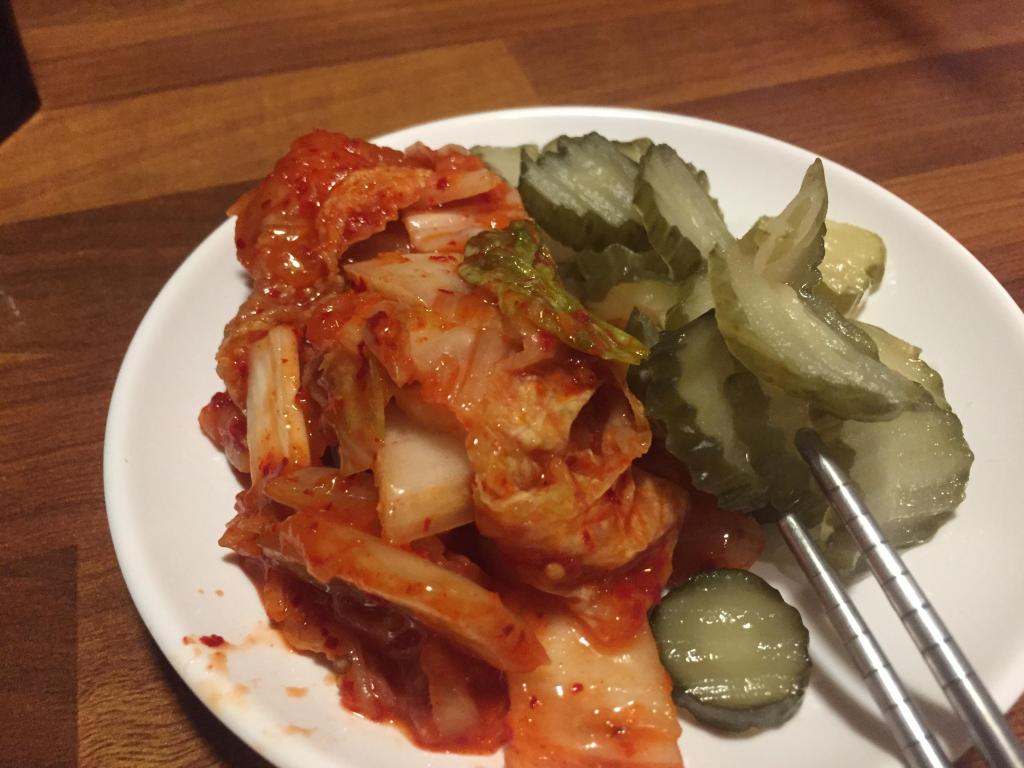
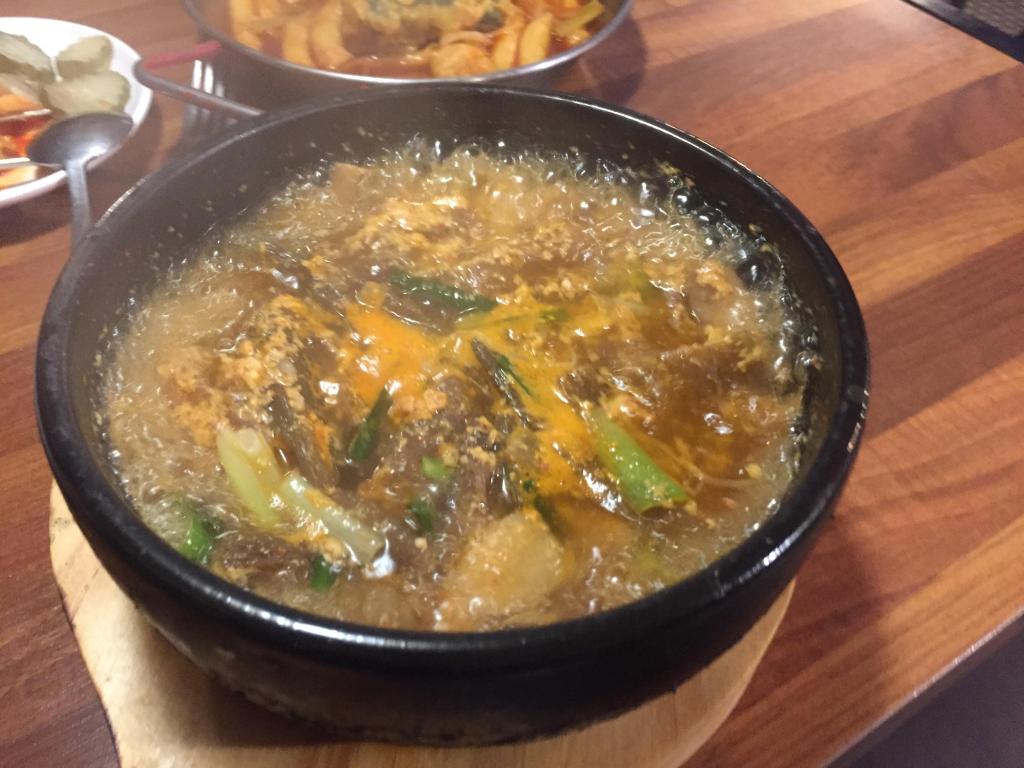
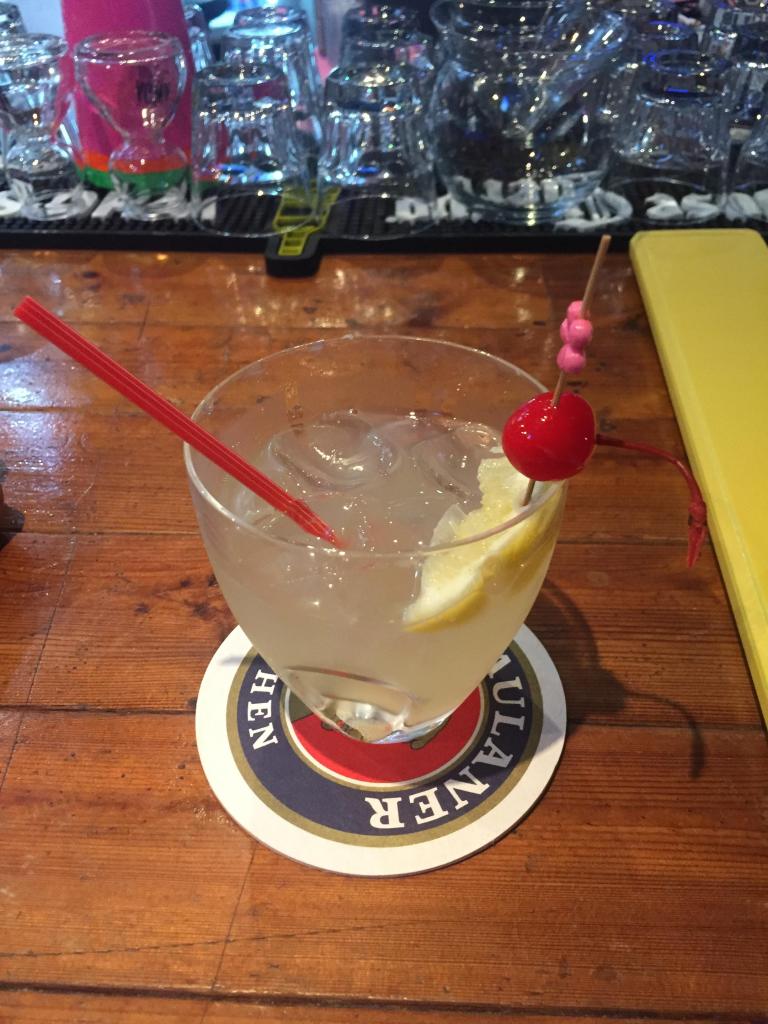
Let us see what the future brings! But first, sleep.
 Try to Enter