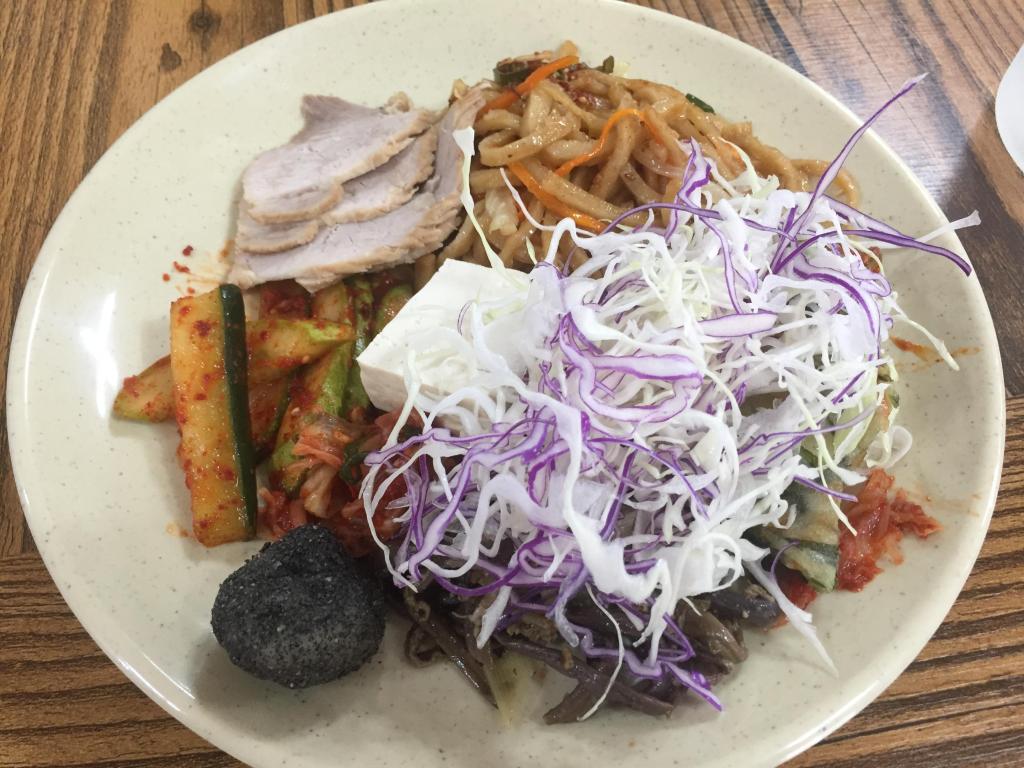
A new day starts with charging powers! I guess it was at this restaurant, it is a kind of restaurant where you can pick anything as much as you can. Sounds great, isn’t it? But anything supposed to be delicious, for example, meat, it so salty that you can’t eat much, and you have to balance it with rice. Such a tricky way to make guests full. Or fool?
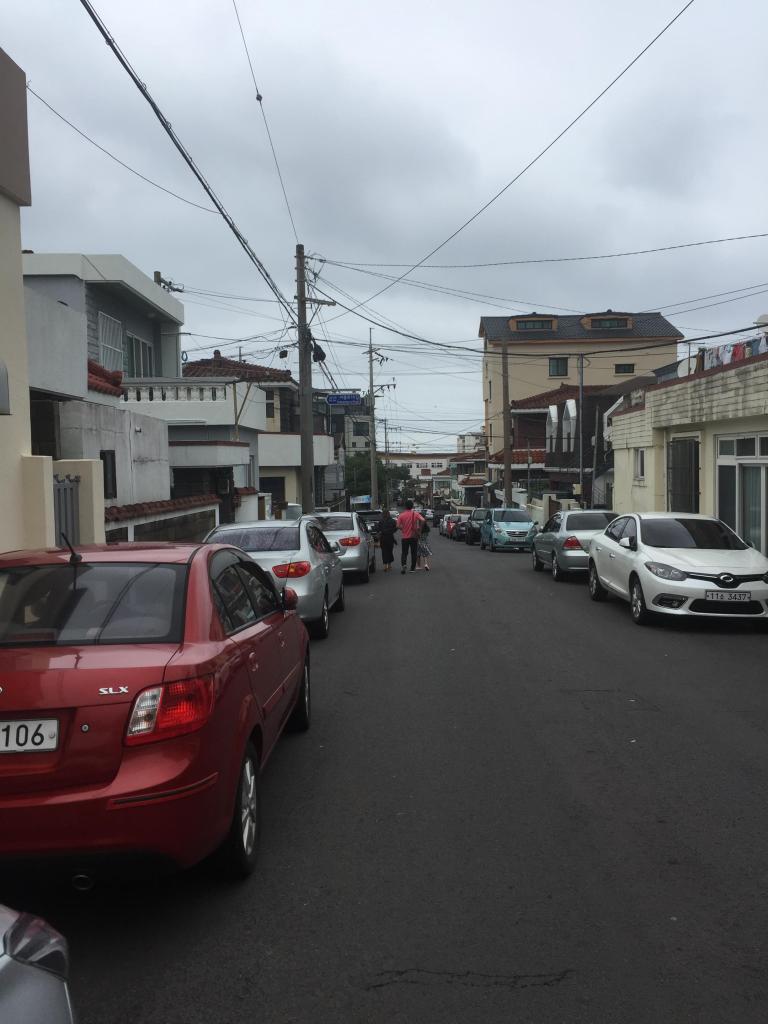
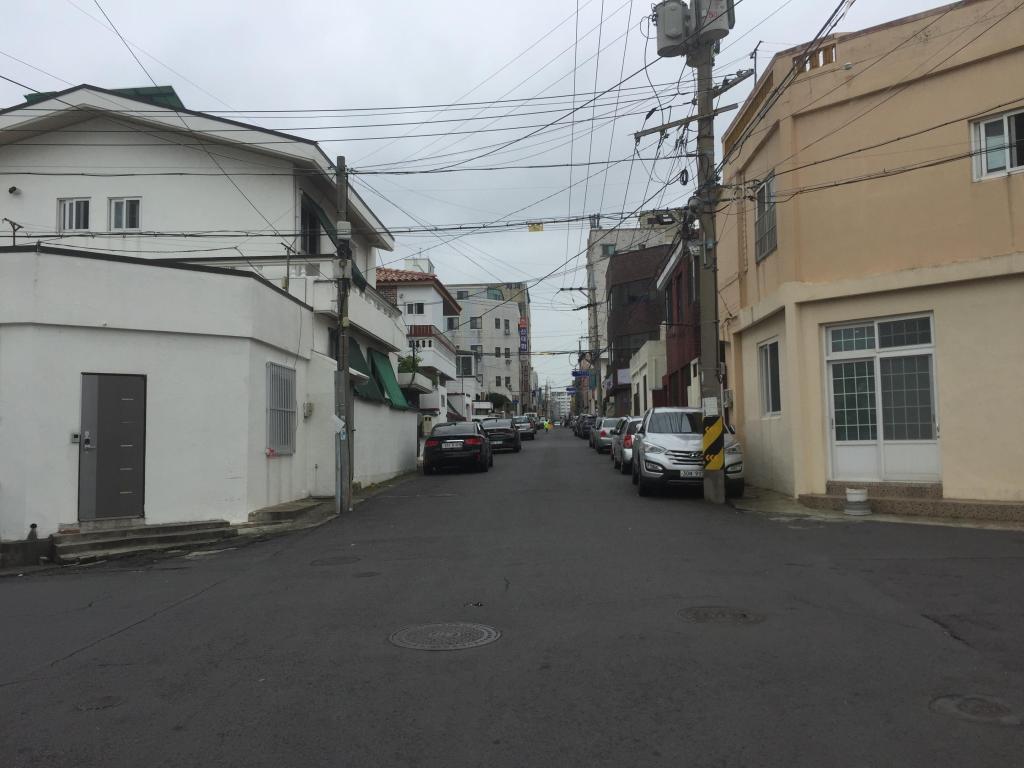
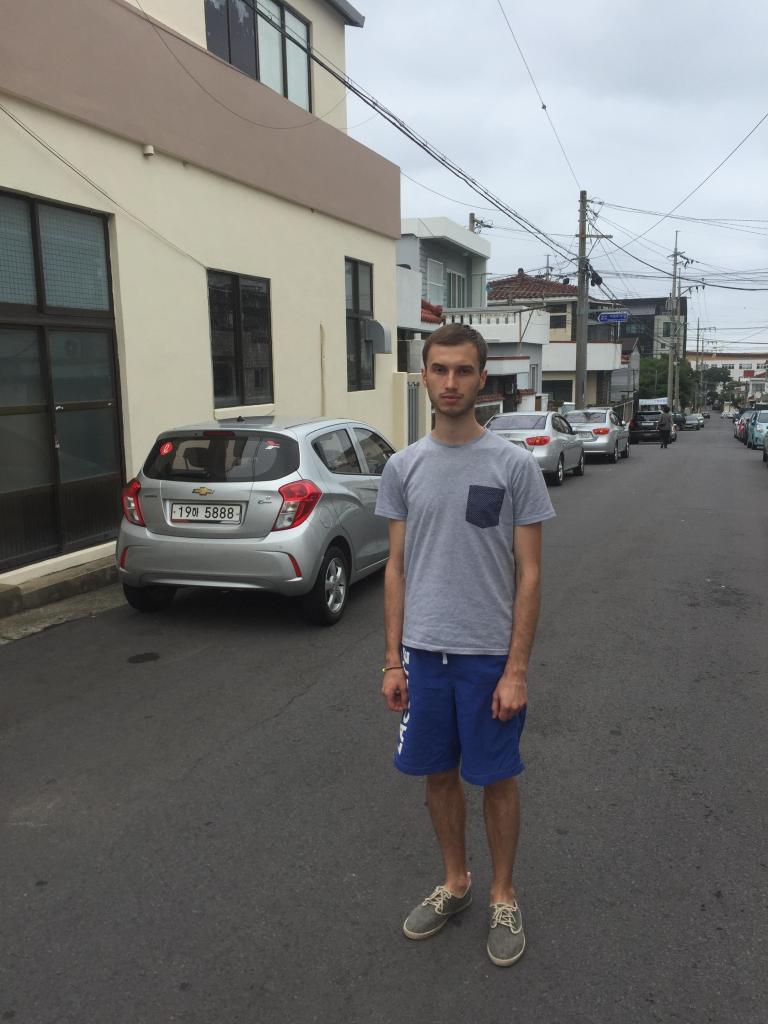
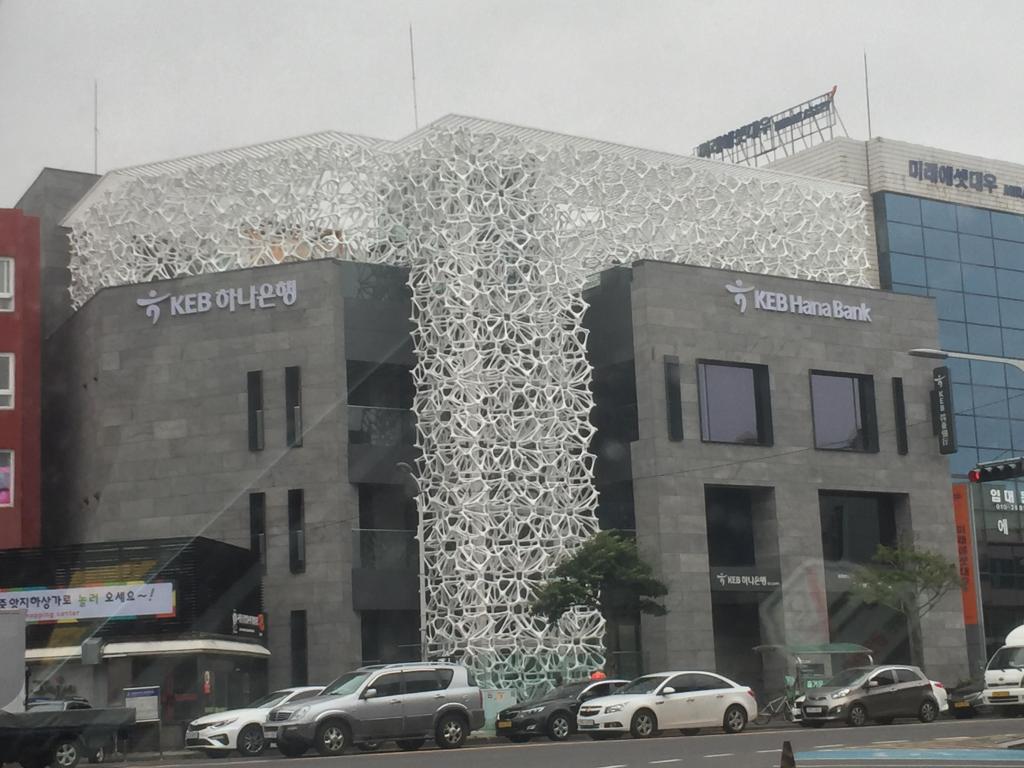
Where to go? What to do? Explore seaside of the island!
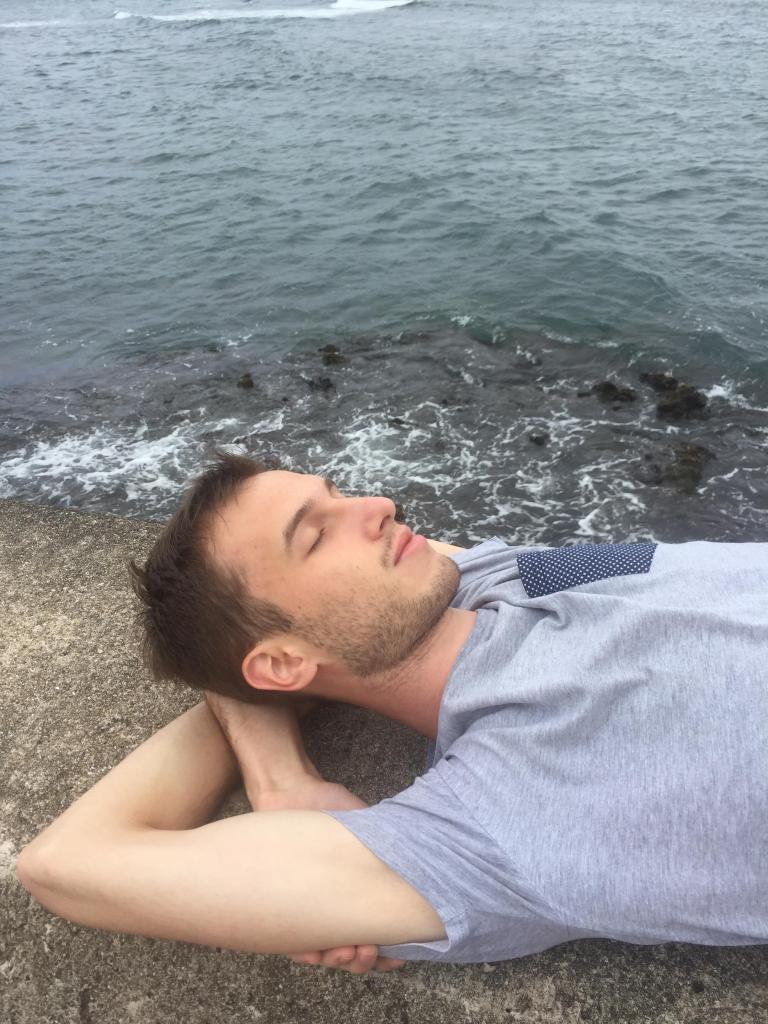
Only now due to my curiosity I realize that it was not just a seashore of covered with undiscovered for me plants and creatures but a place where an old lighthouse is located. So I even did not take any photo of that structure which seems likes more spiritual than practical, however, you can see its pictures here.
This lighthouse is located in Gueom village, but since Jeju is an island and fishing is one of the major activities, there are many lighthouses were built along the seacoast as they show fishers the way back to the land. The lighthouse located here is an example of typical Dodaebul lighthouses. The origin of this word is uncertain. Due to one of the theories, this word originates from Dottaebul sail fire, because the fire was set as high as a mast is; later this word transformed into modern Dodaebul. According to another theory, this word originates from Japanese Dodudai which means lighthouse 燈臺.
Anyway, there is no record of when the people of Jeju started making and using Dodaebul and the latest lighthouse was built in July 1967, used until the 1970s when electricity was turned on to the seaside of Jeju.Before the electricity was introduced, to set fire solkak (pine brunches full of resin) and fish fat or oil was used. Since oil was hard to obtain, usually fish fat made by rotting the entrails of various fishes such as mackerel was used.
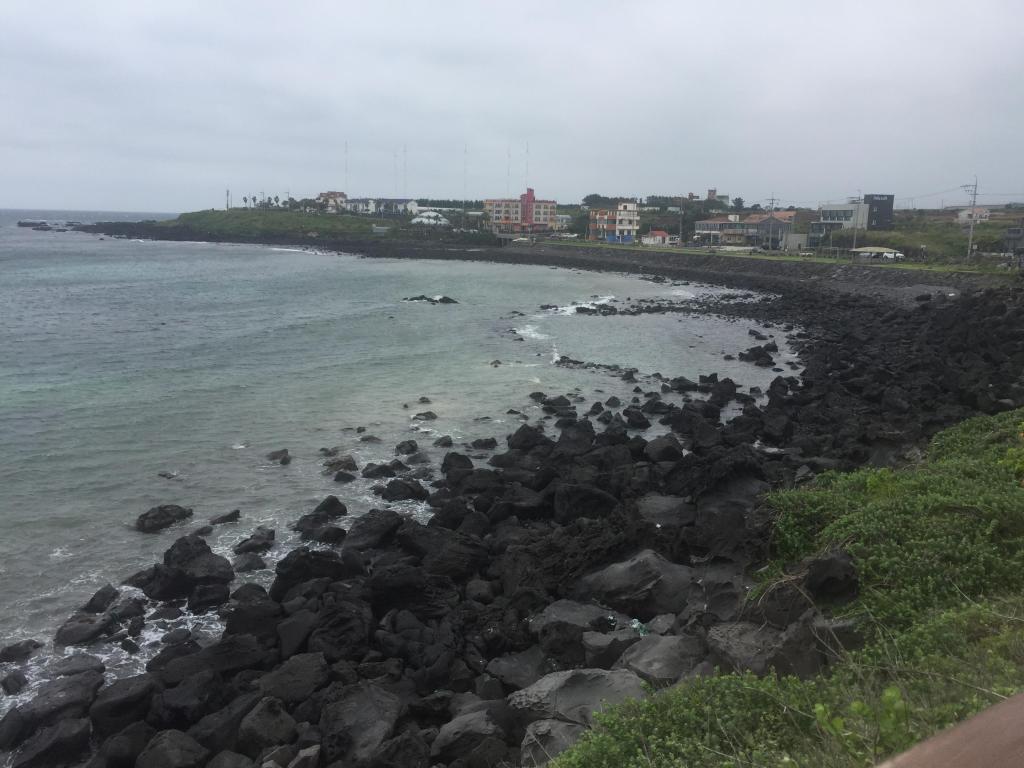
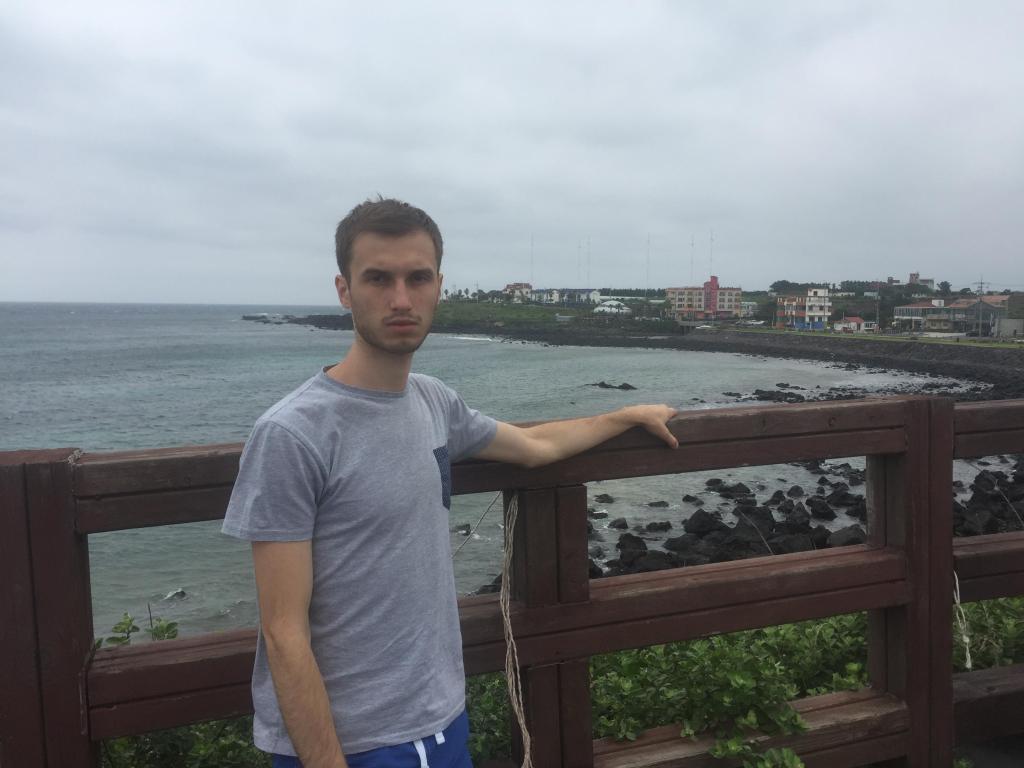
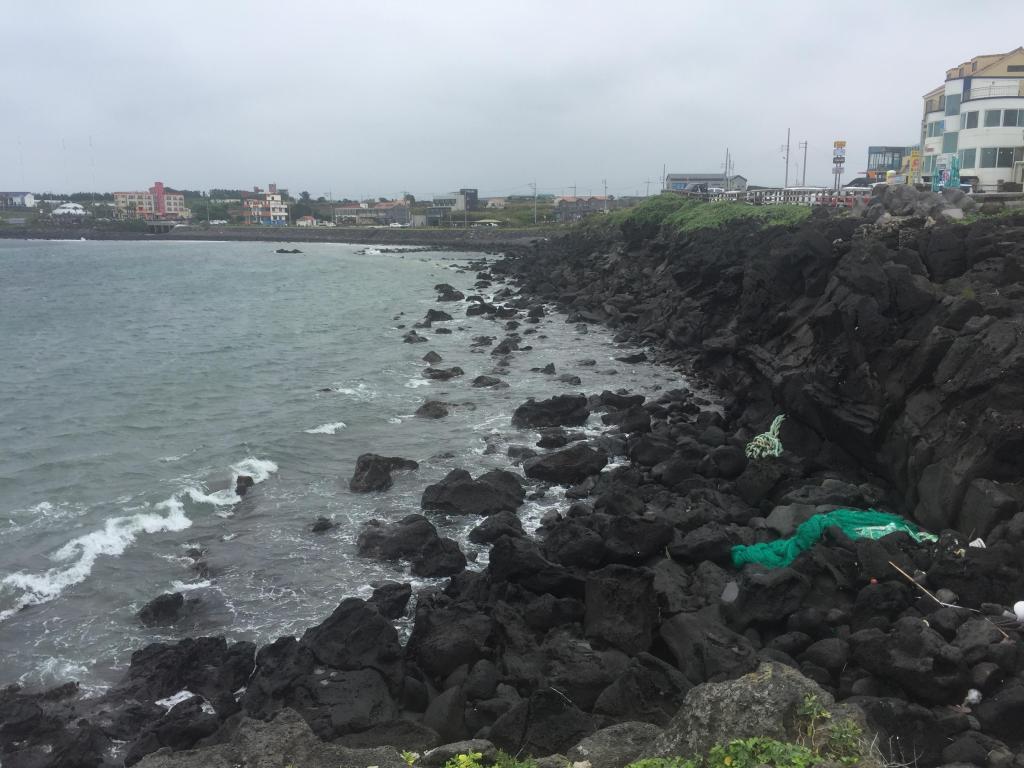
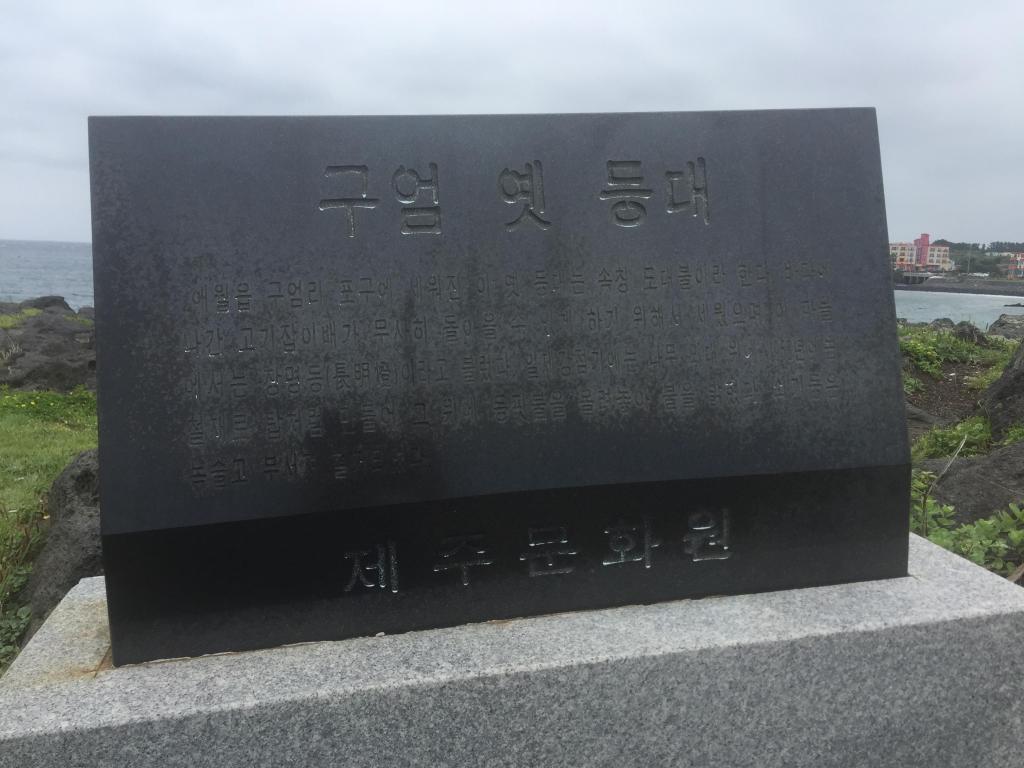
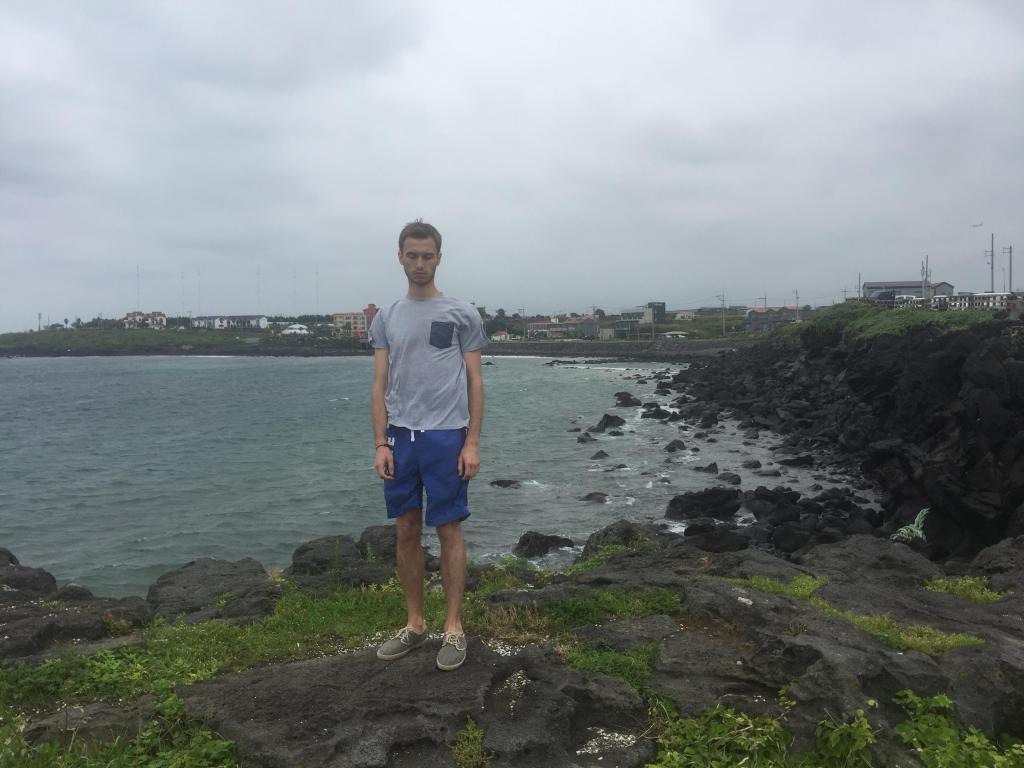
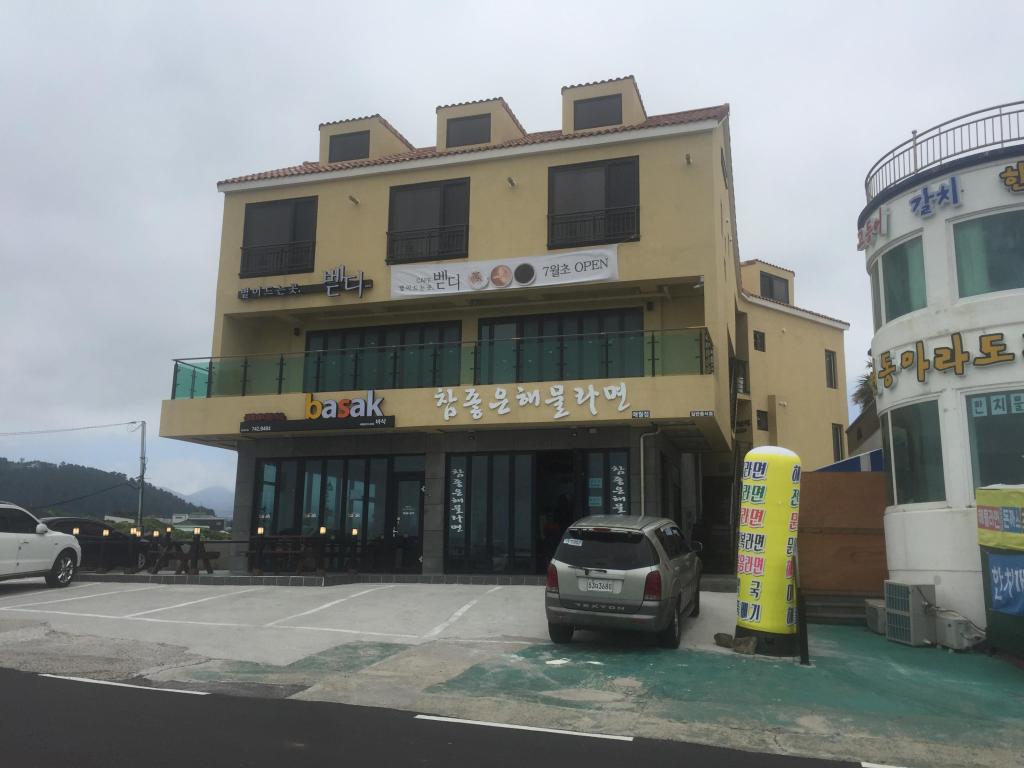
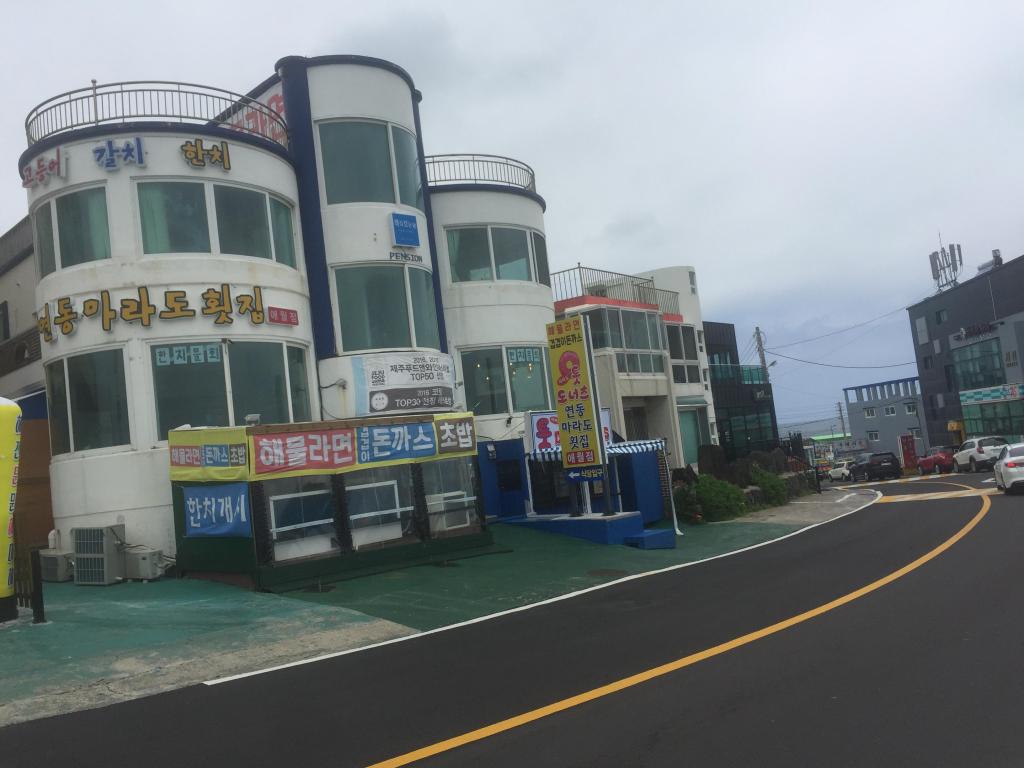
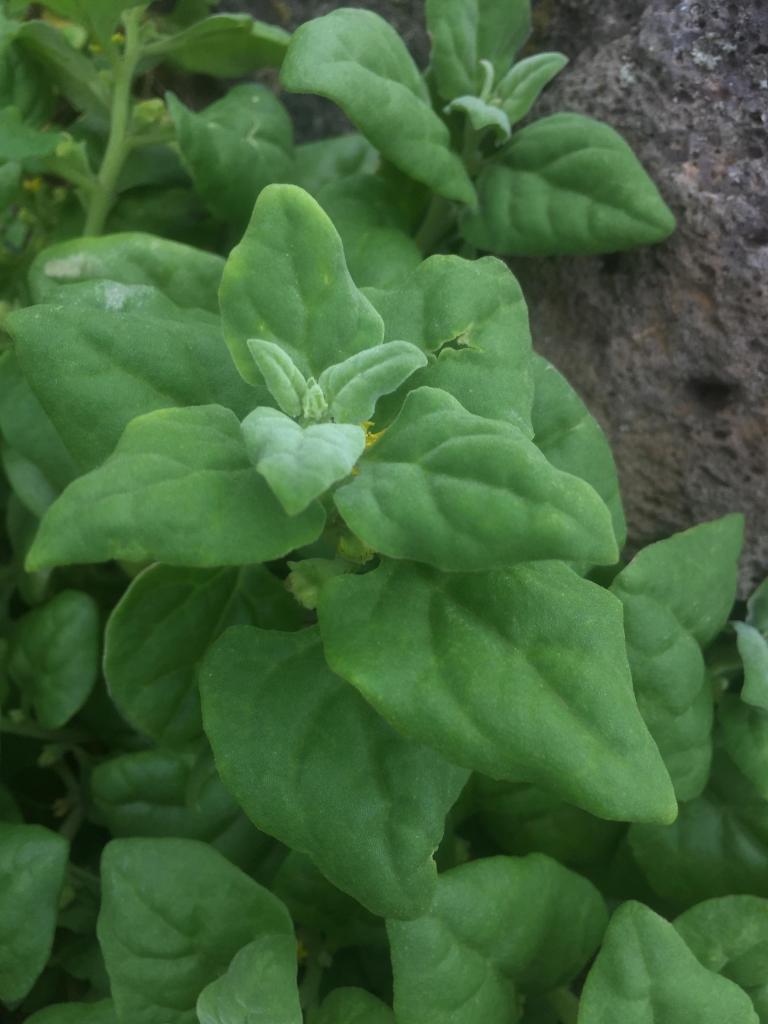
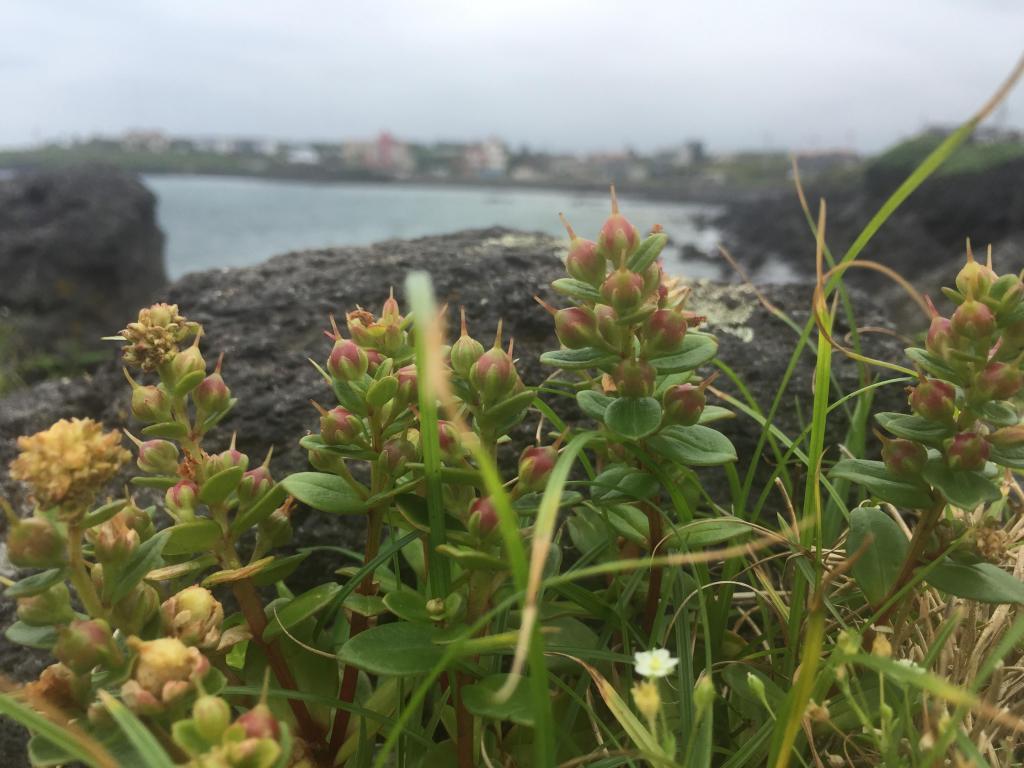
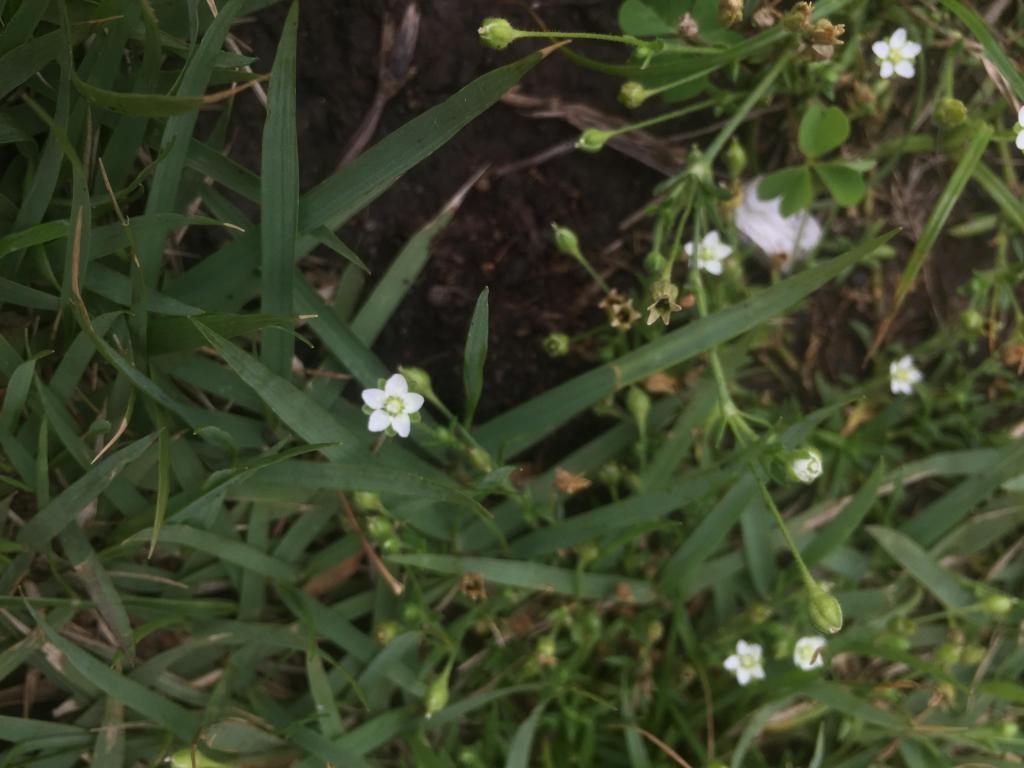
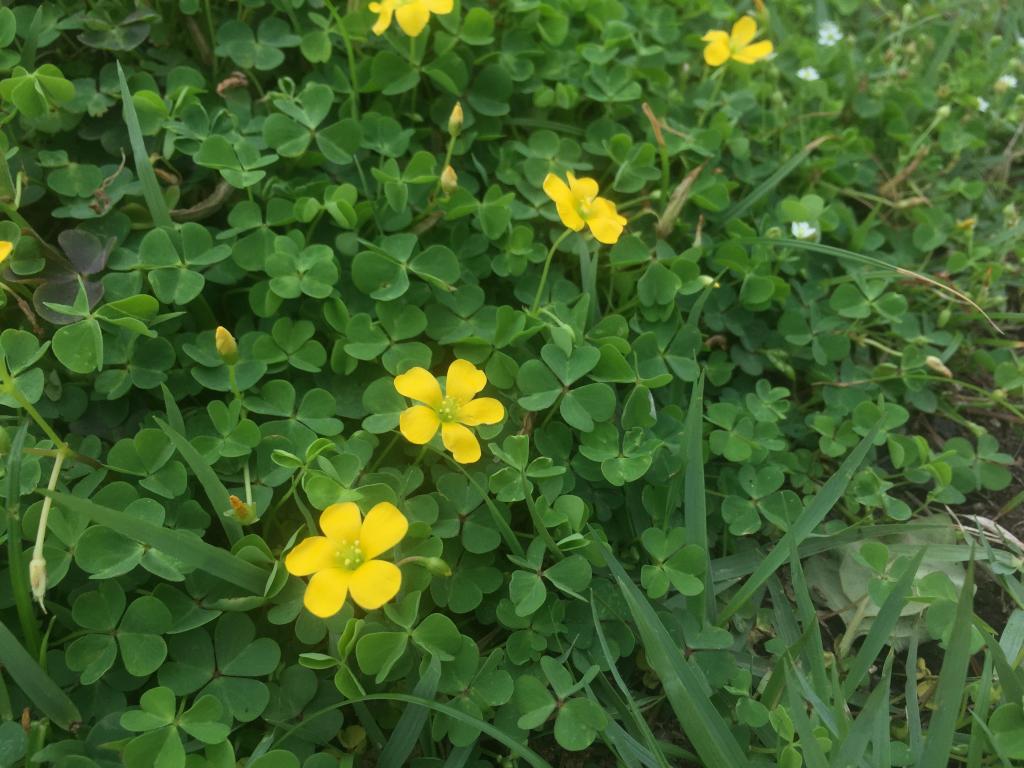
All of my attention was given to the unusual plants which seem to have a severe life, holding on the rocks subjected to the inexorable gale of the sea, but still looked pretty. Only the lonely 강아지풀 foxtail (Setaria) very reminds me of Ukraine.
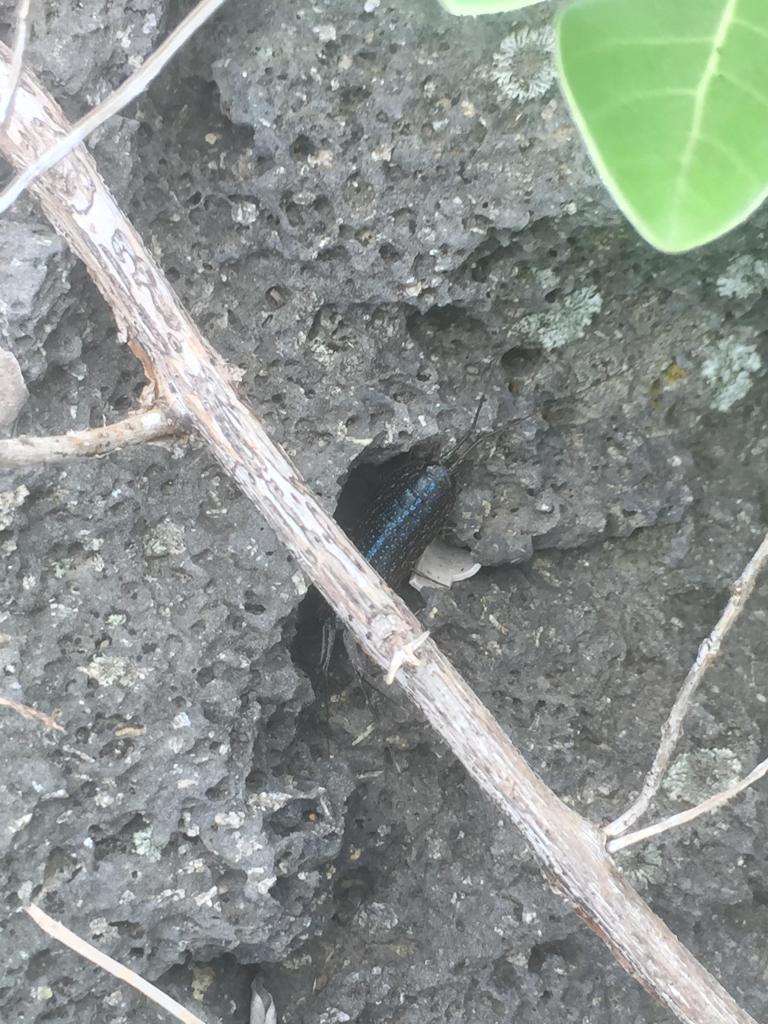
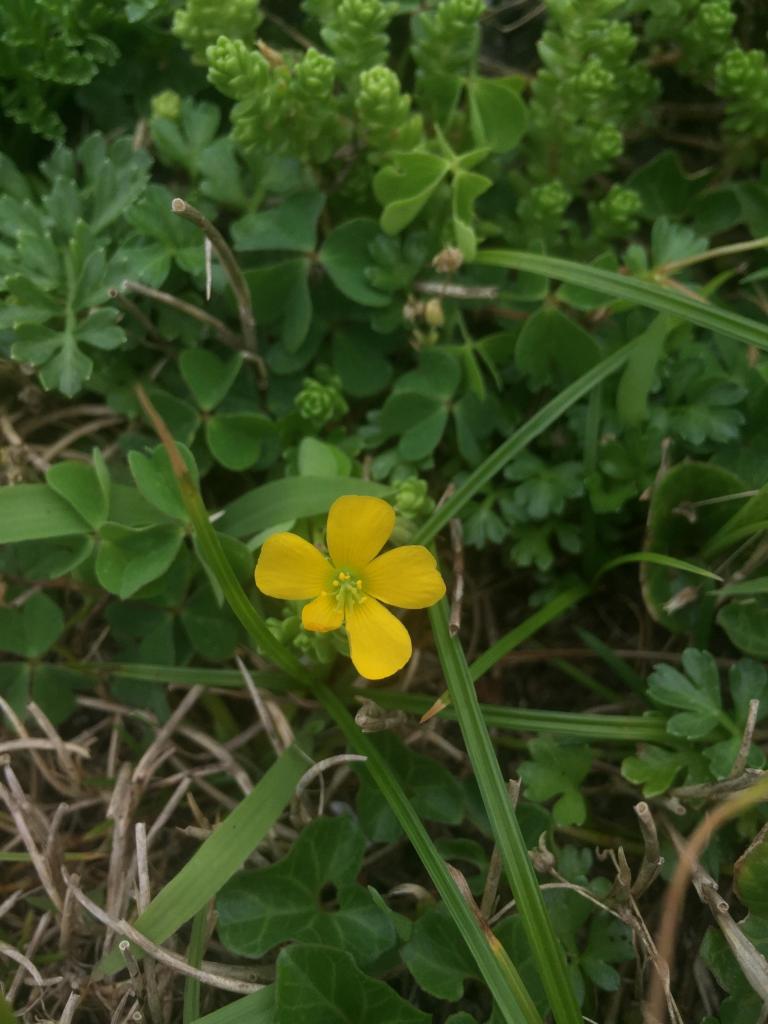
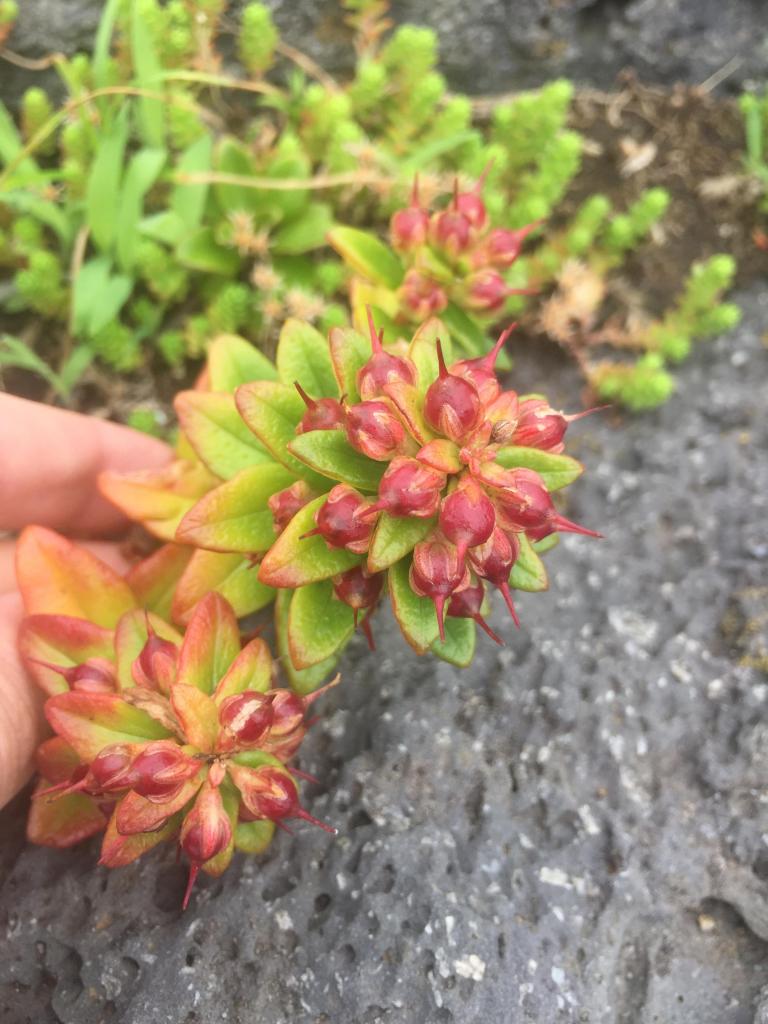
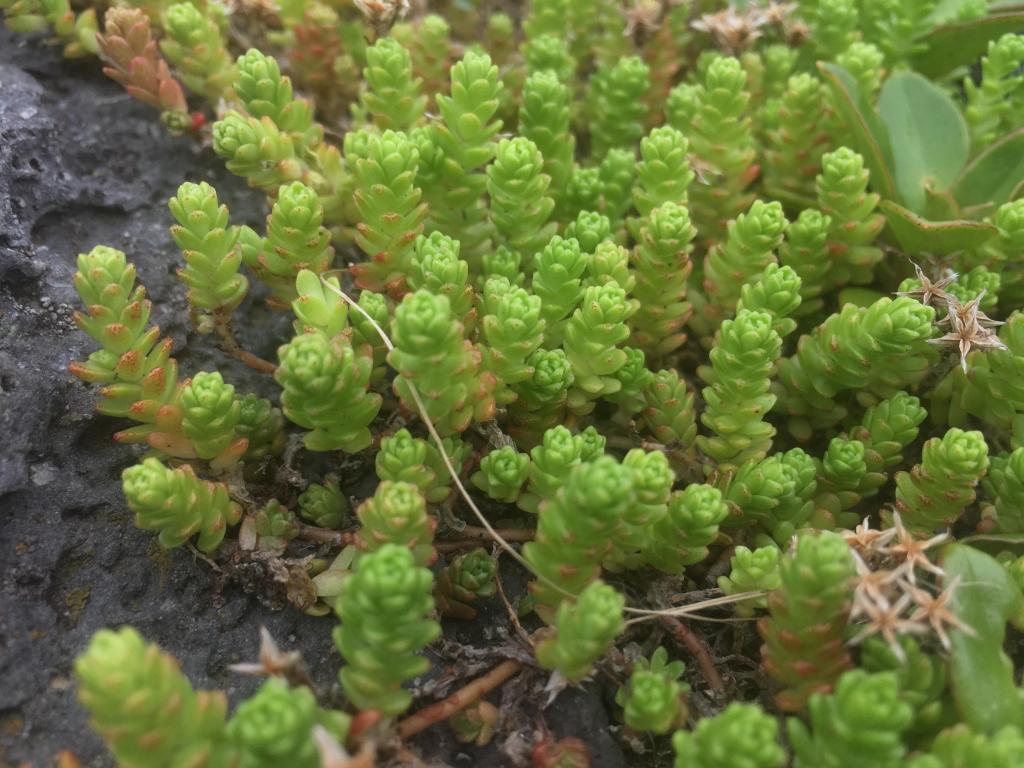
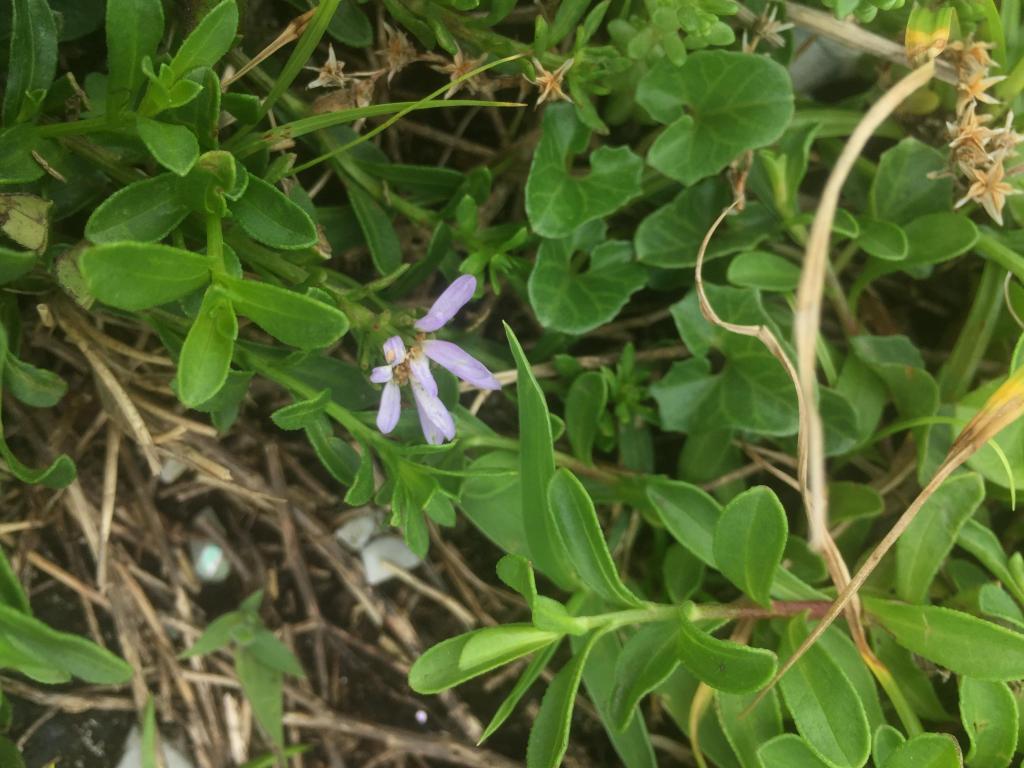
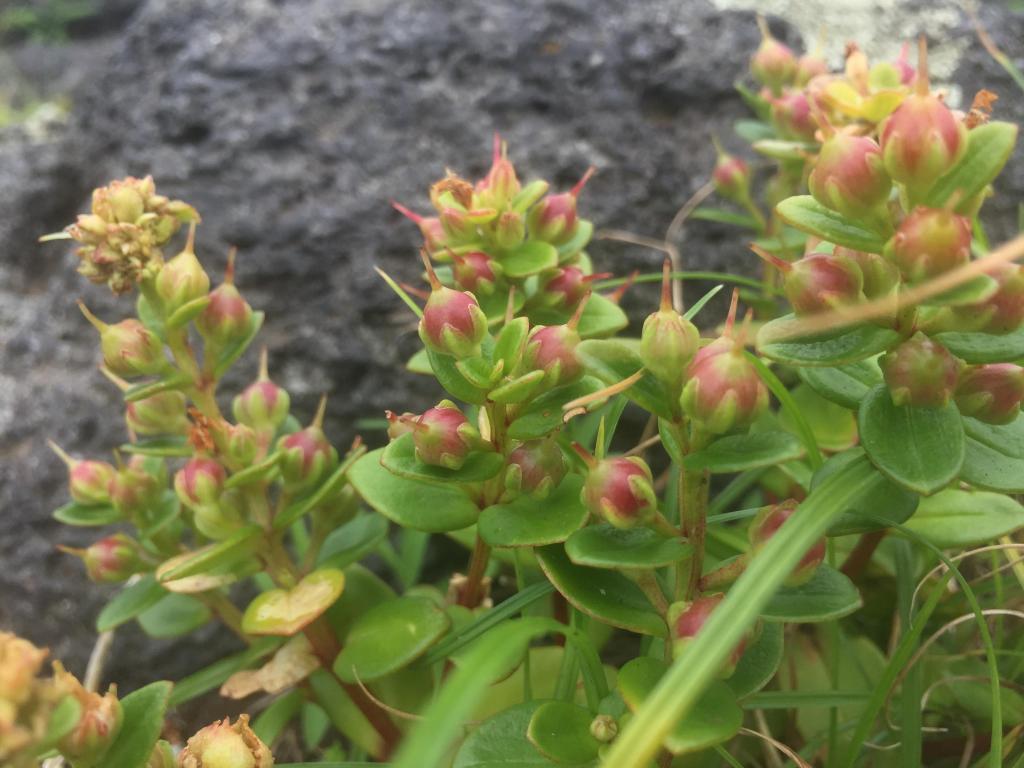
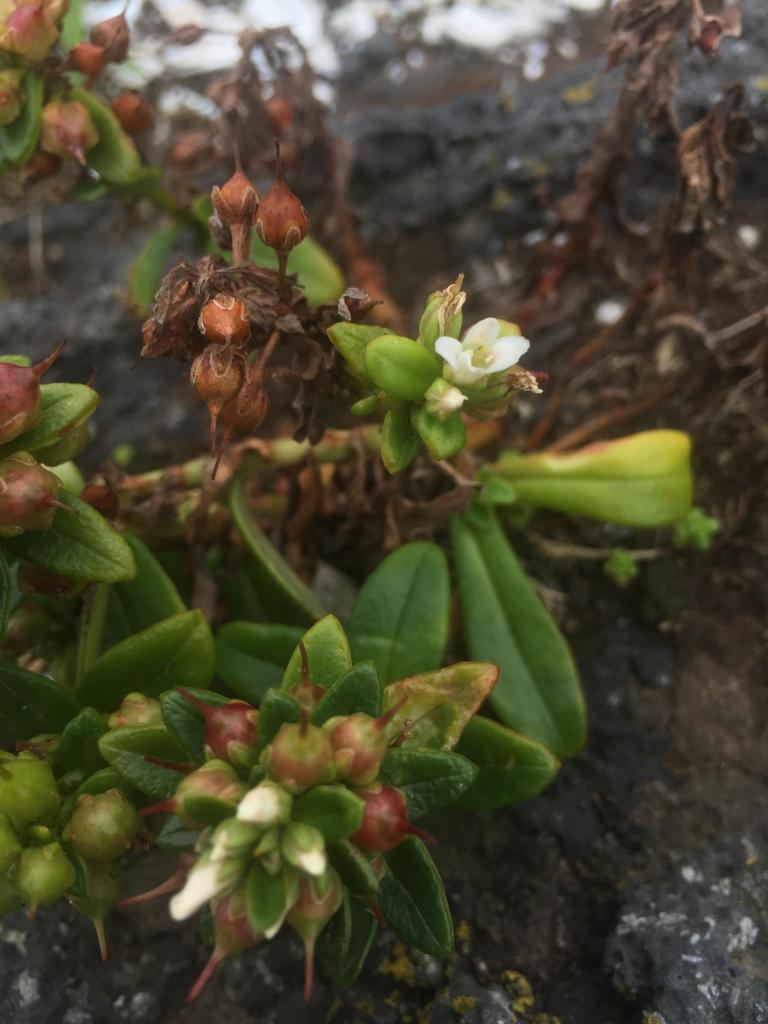
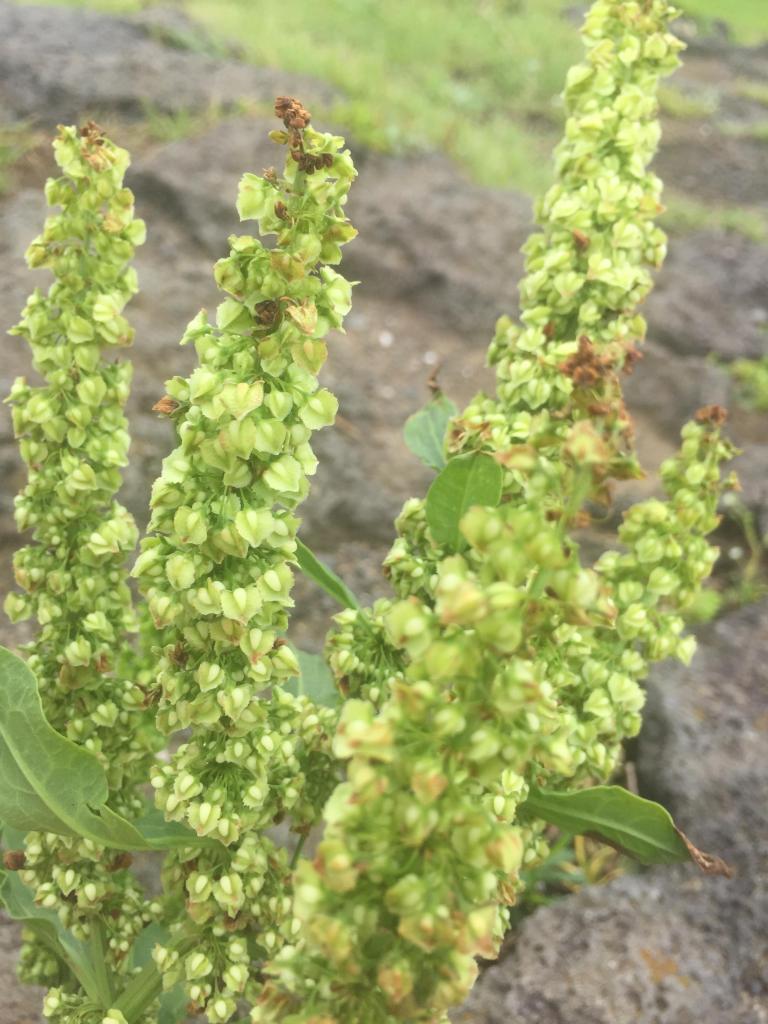
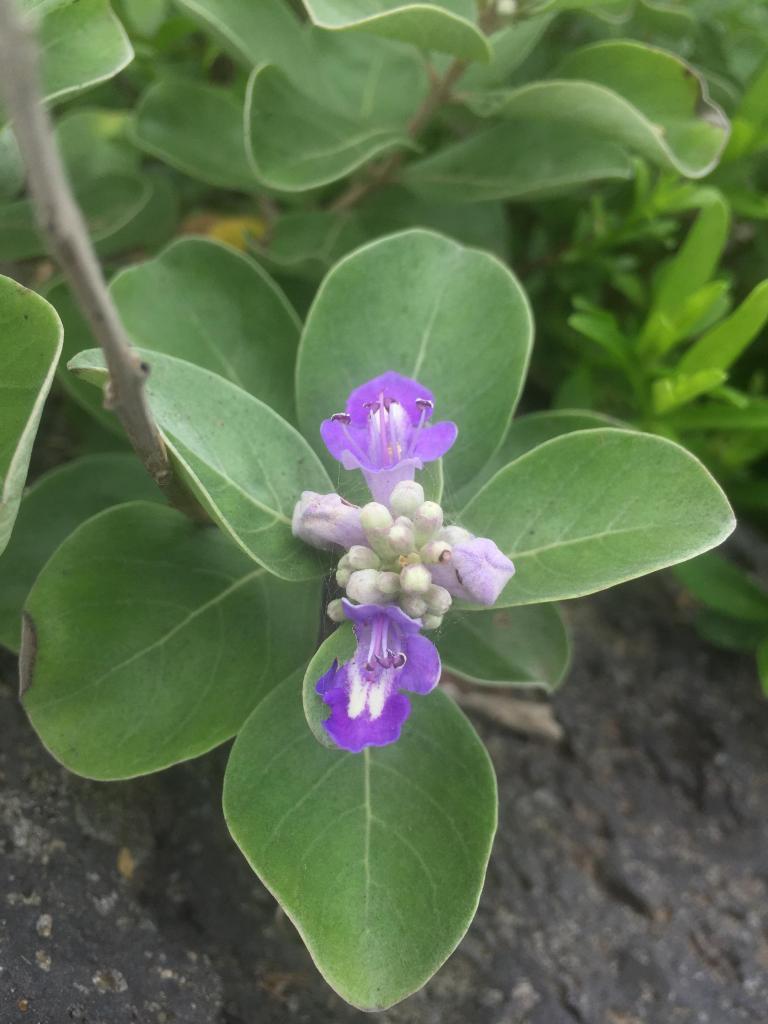
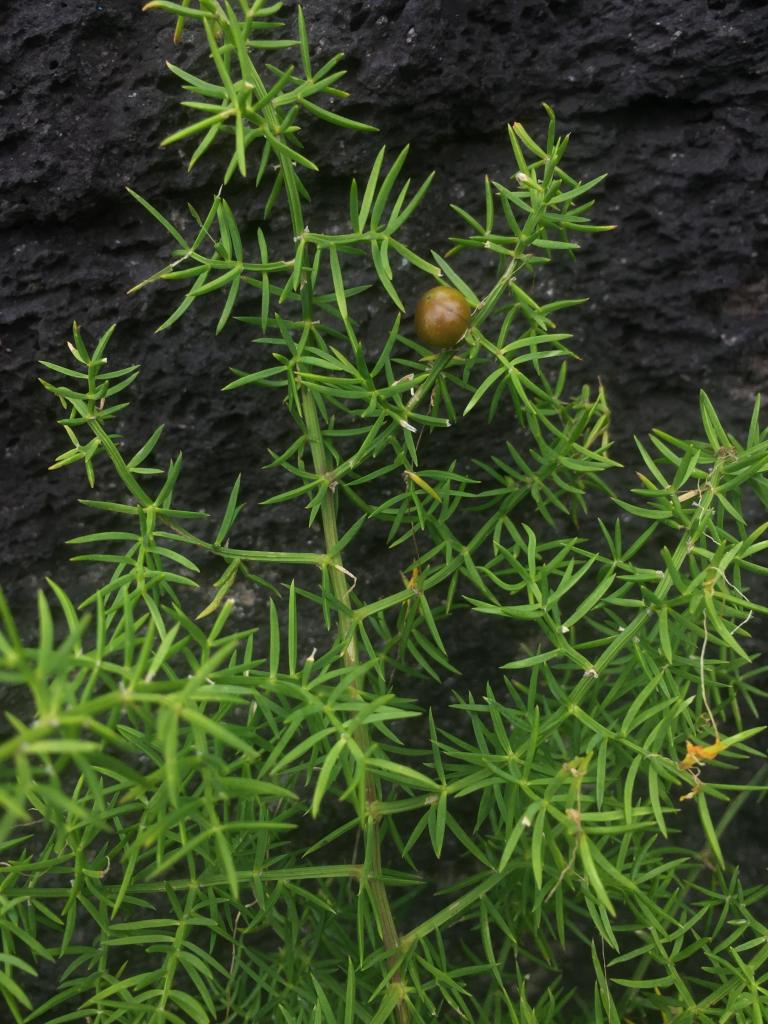
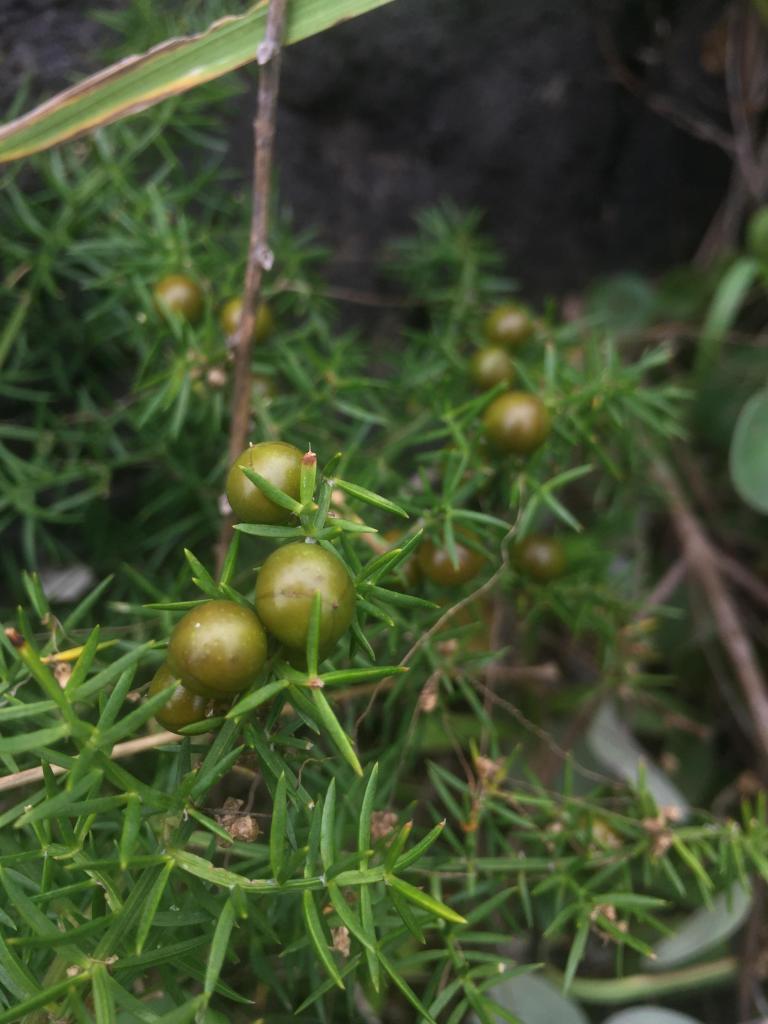
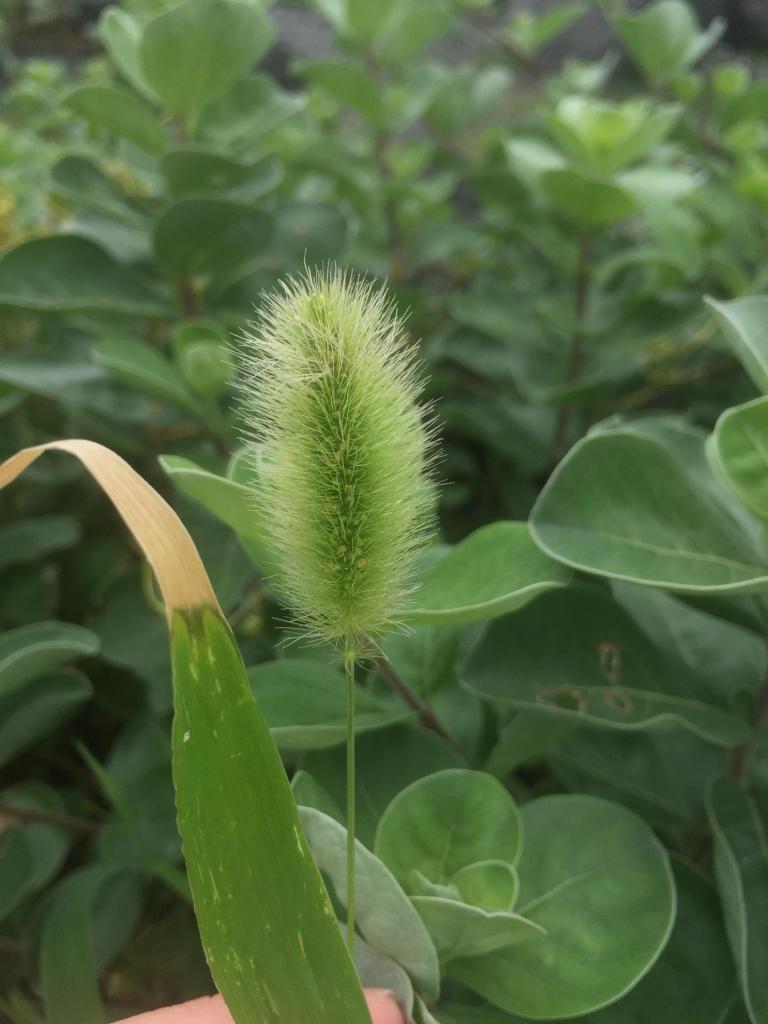
Another spot on the Jeju coastline, Gonaeri 高內里 coastal view. Why is it called so?
Here it is worth to mention, one should carefully pay attention to the appearance of these familiar, even simple, characters, a naughty dash might mislead the search of information about the object and eat a lot of brains. So, that happened to me! The search for “高内里” did not show information in Korean, but only in Chinese, which is very strange. So what is the problem? The problem lies inside, literally, 内 inside, since it has an almost unnoticeable difference in outline of the traditional character 內.
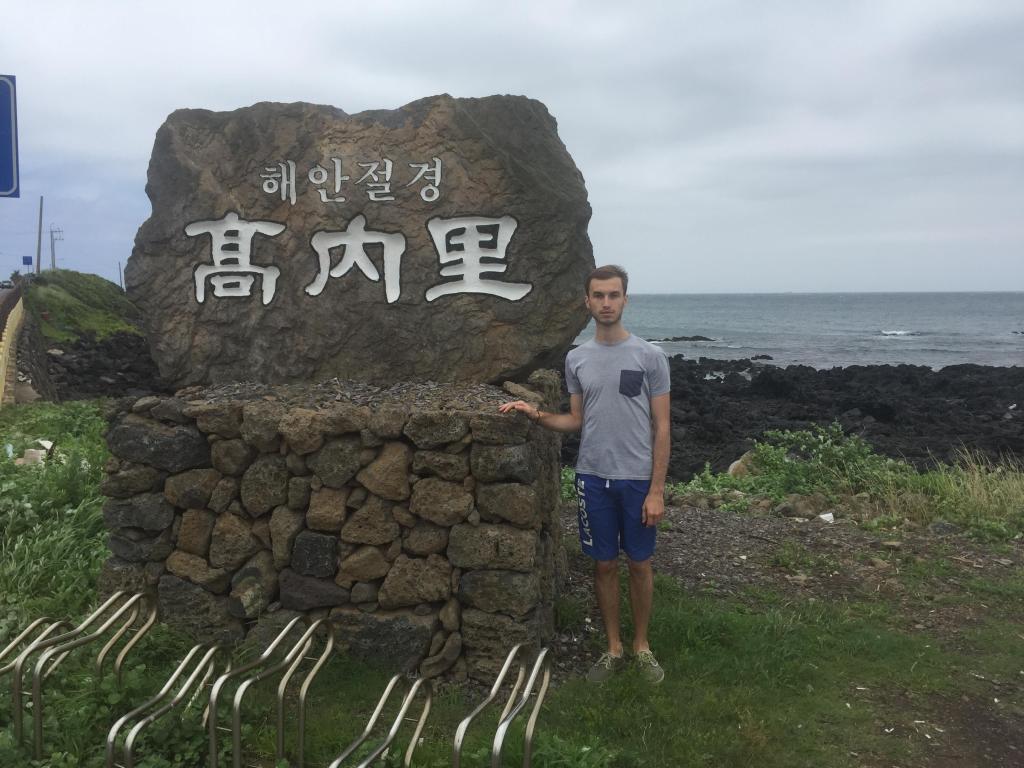
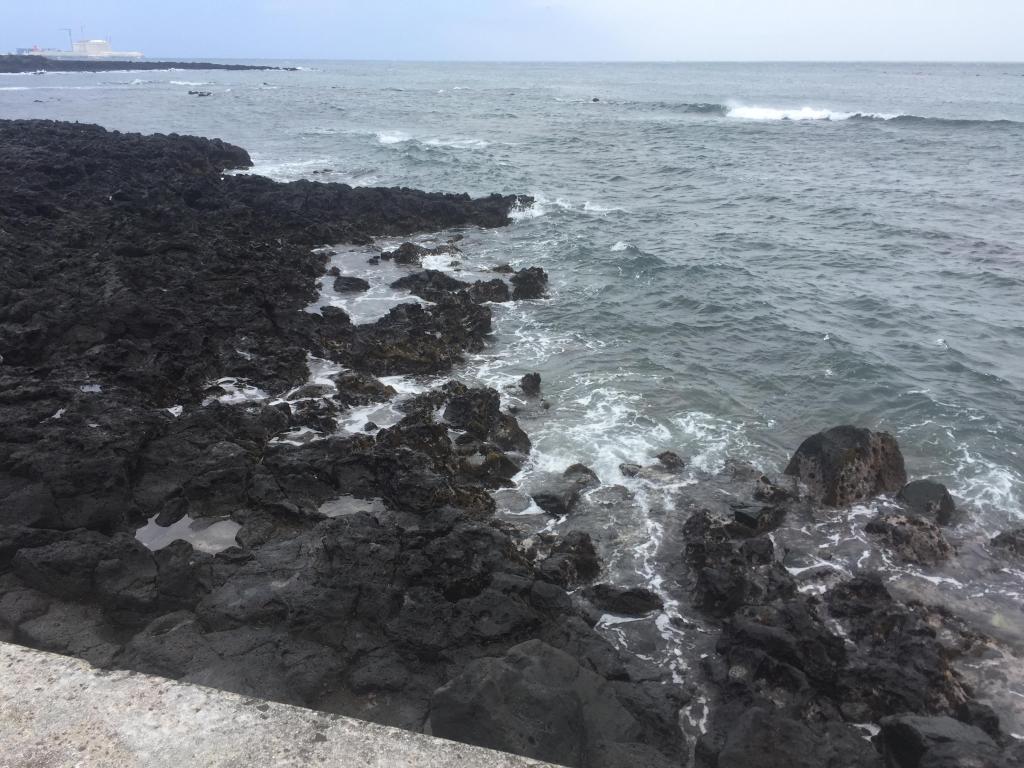
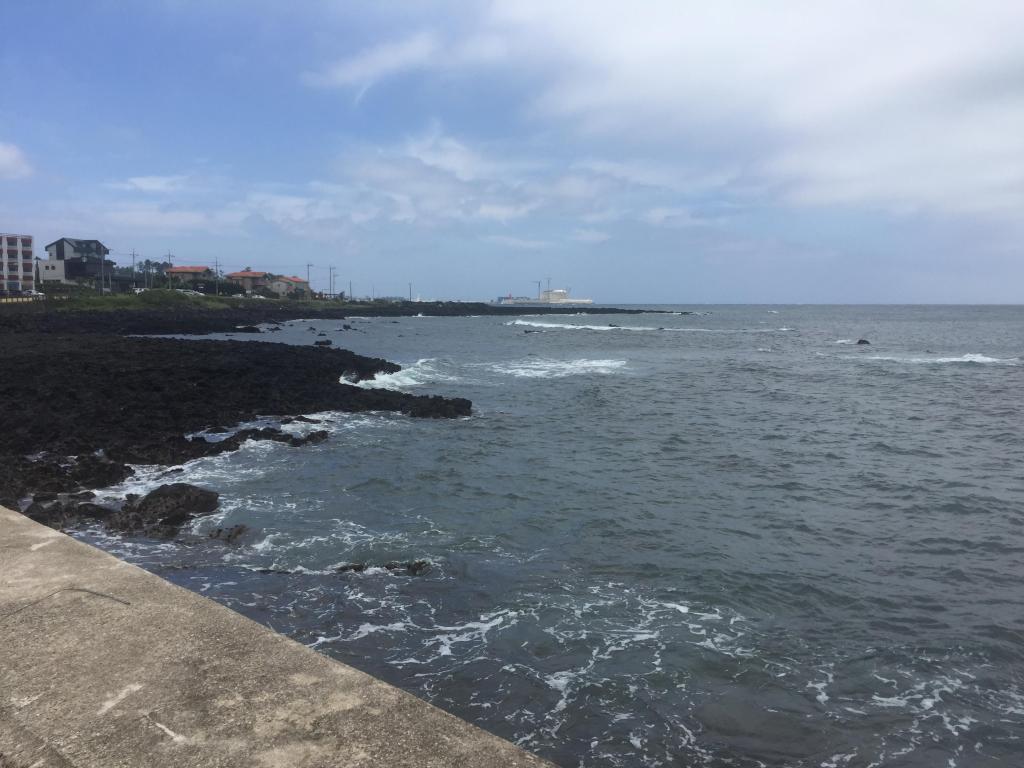
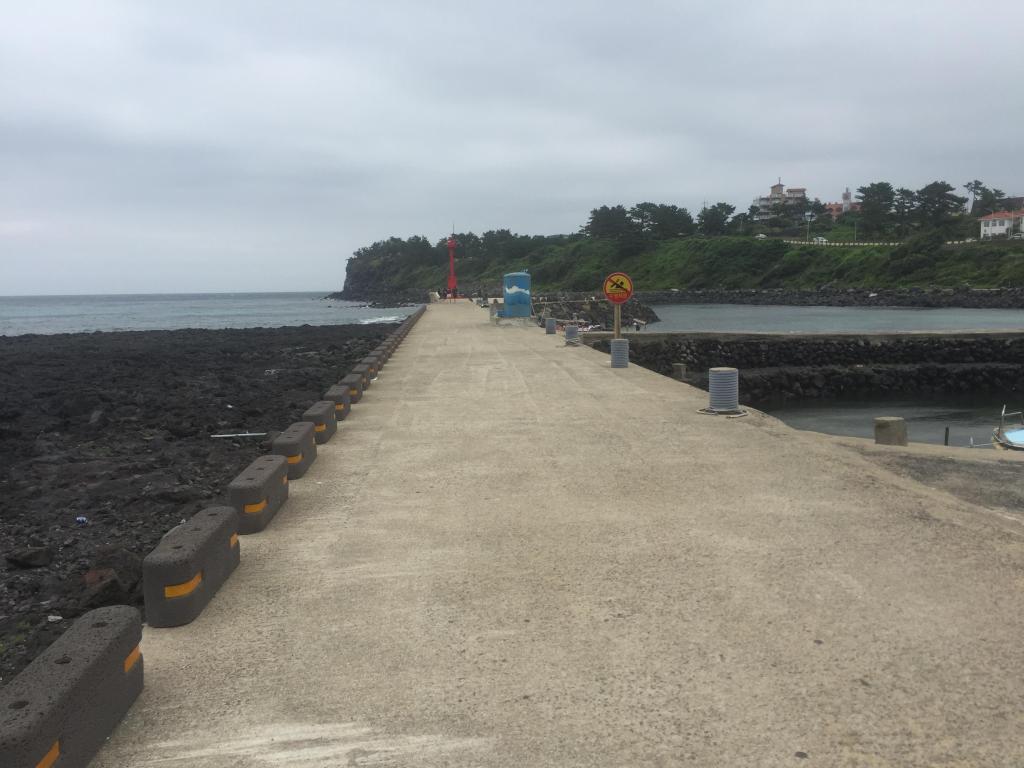

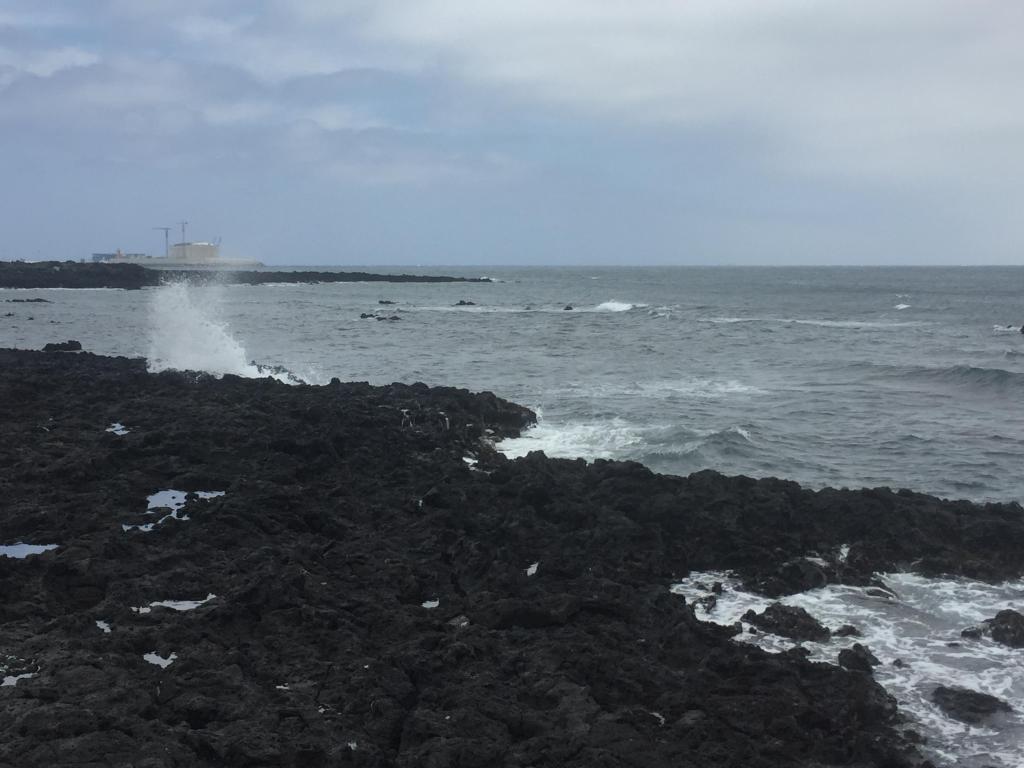
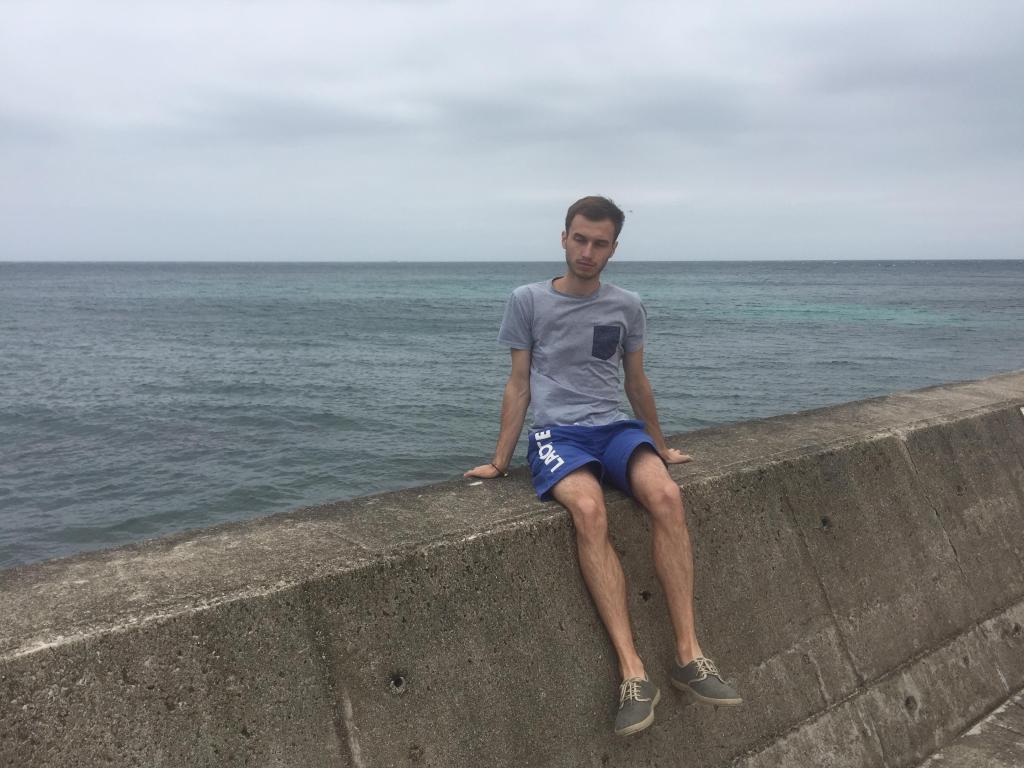

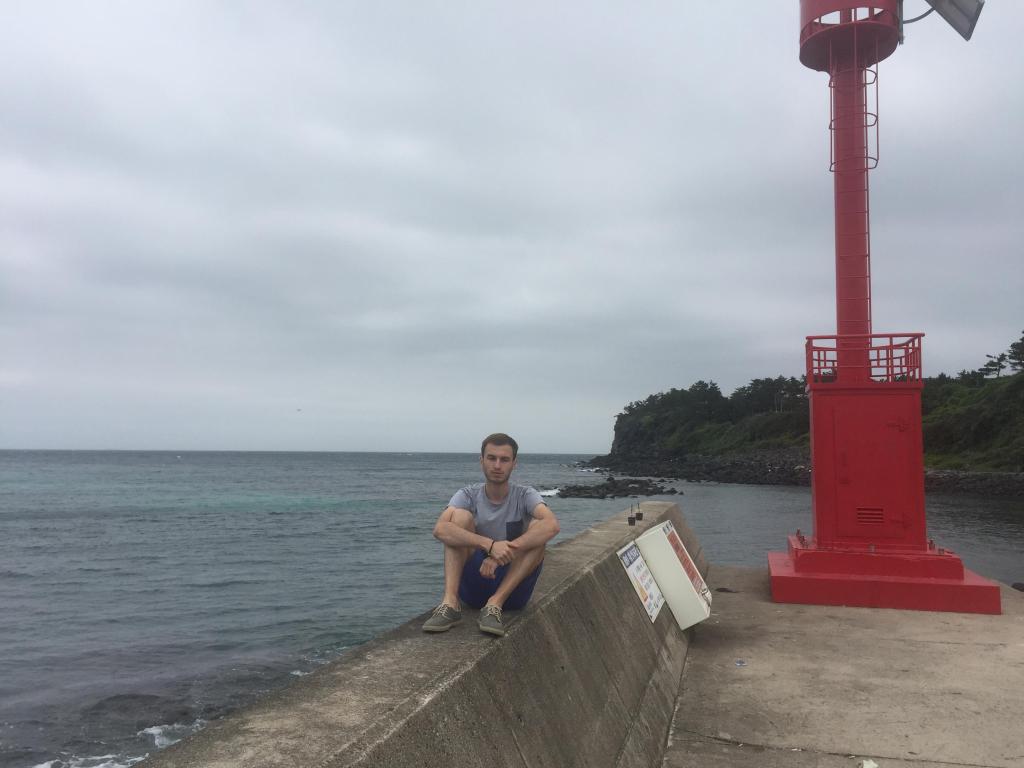


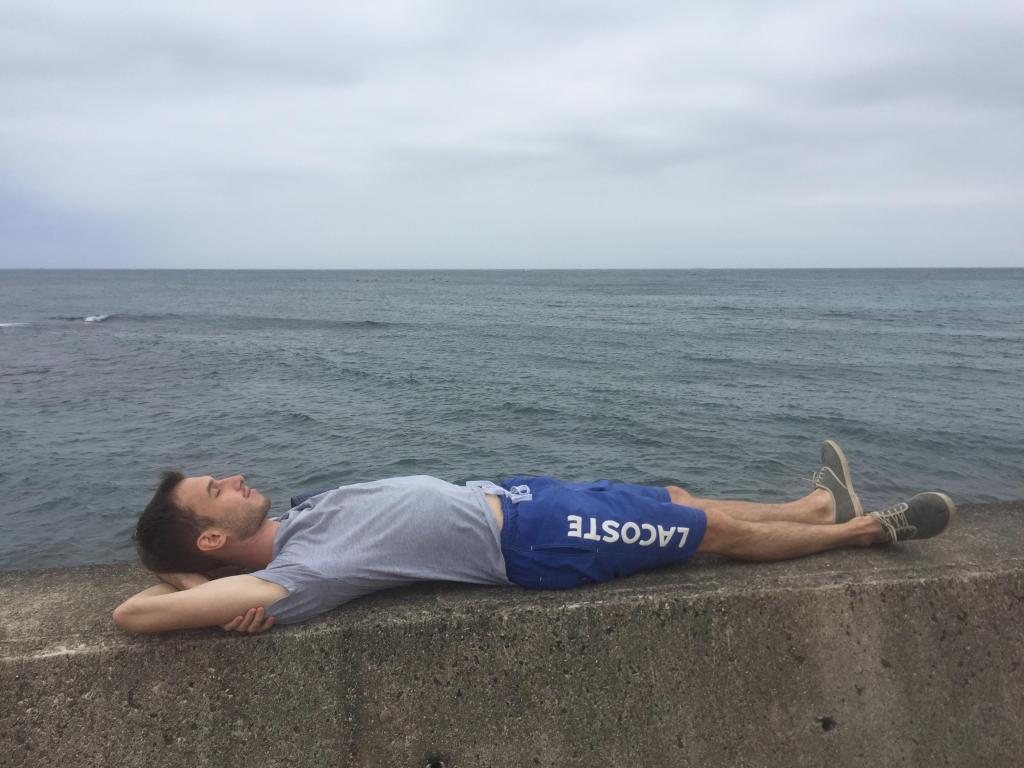
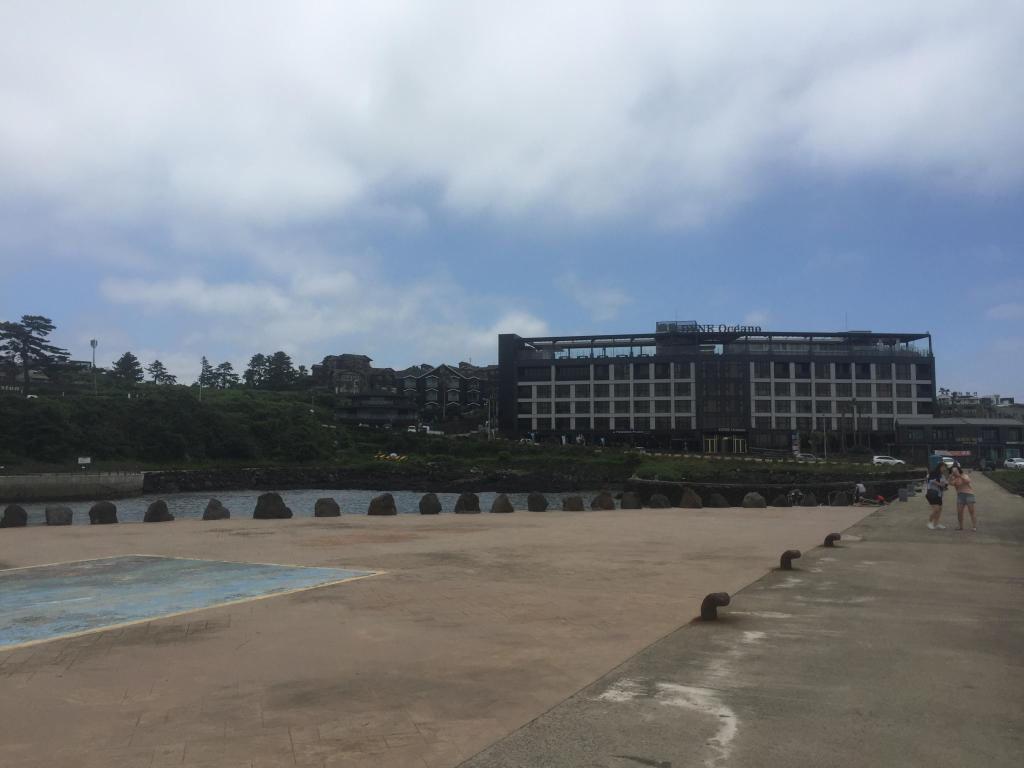
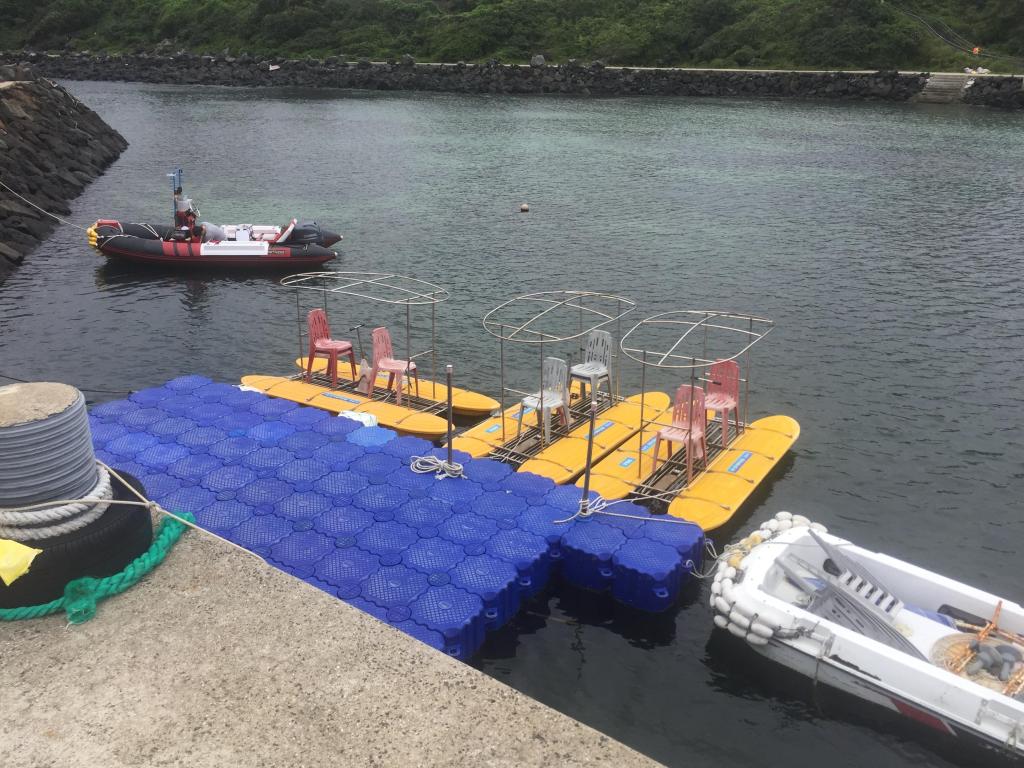
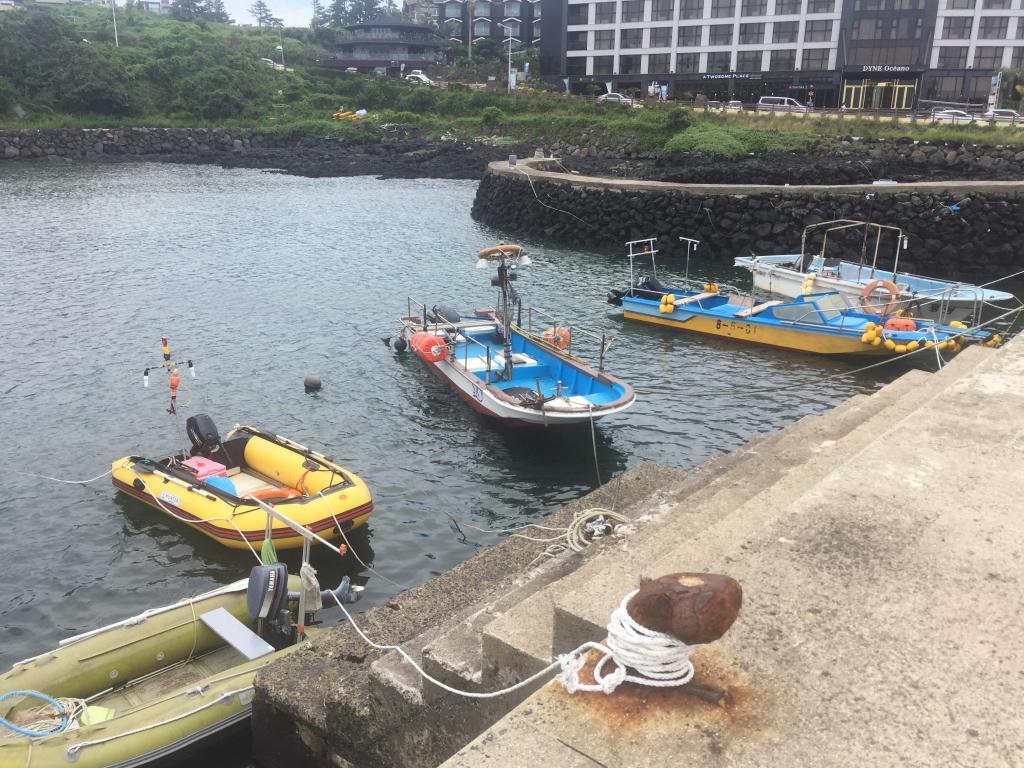
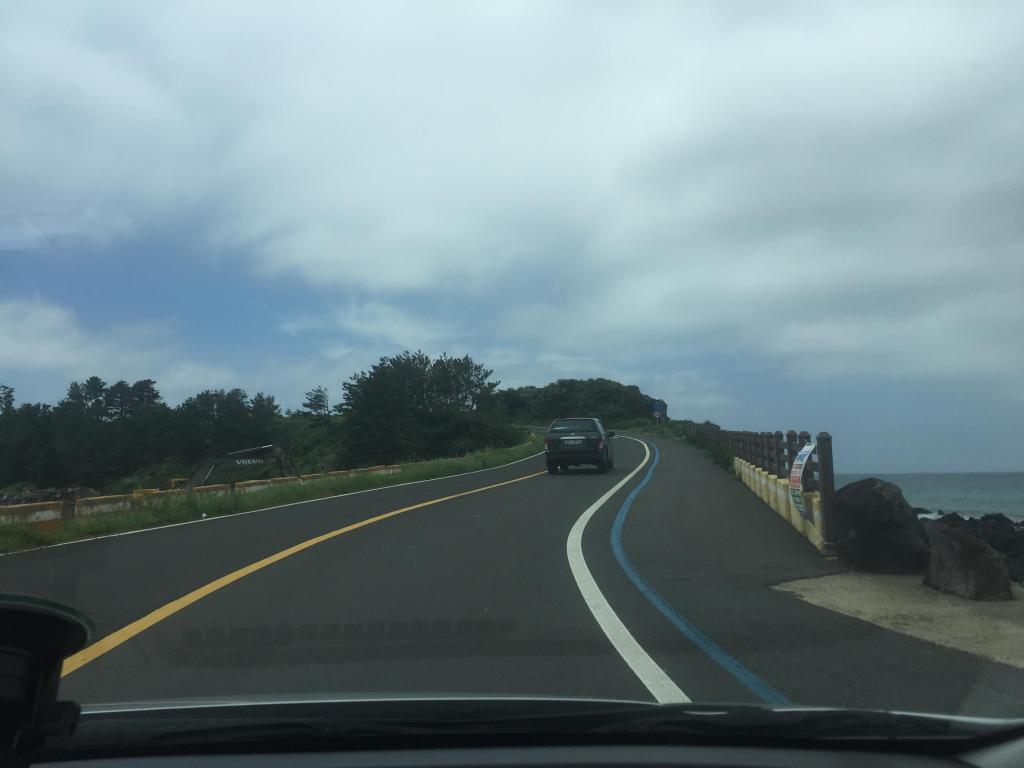
The place is named after the Goneari ruins located nearby.
Goneari dock 城艙 was build approximately in the 1230 year, during Goryeo Dynasty. A special thing about Jeju is that contrary to the only word most of Koreans use to designate dock (harbour, port) – pogu 浦口, a set of terms containing a special word ge개 (the area where seawater comes into a river) is used 개맛, 개맛디, 갯마리, 갯머리, 개창, along with word seongchang 성창 城艙 [***]. This terminology is adventurous for understanding. I do not dare to overlook such an ancient place, so I must go back and explore it carefully!
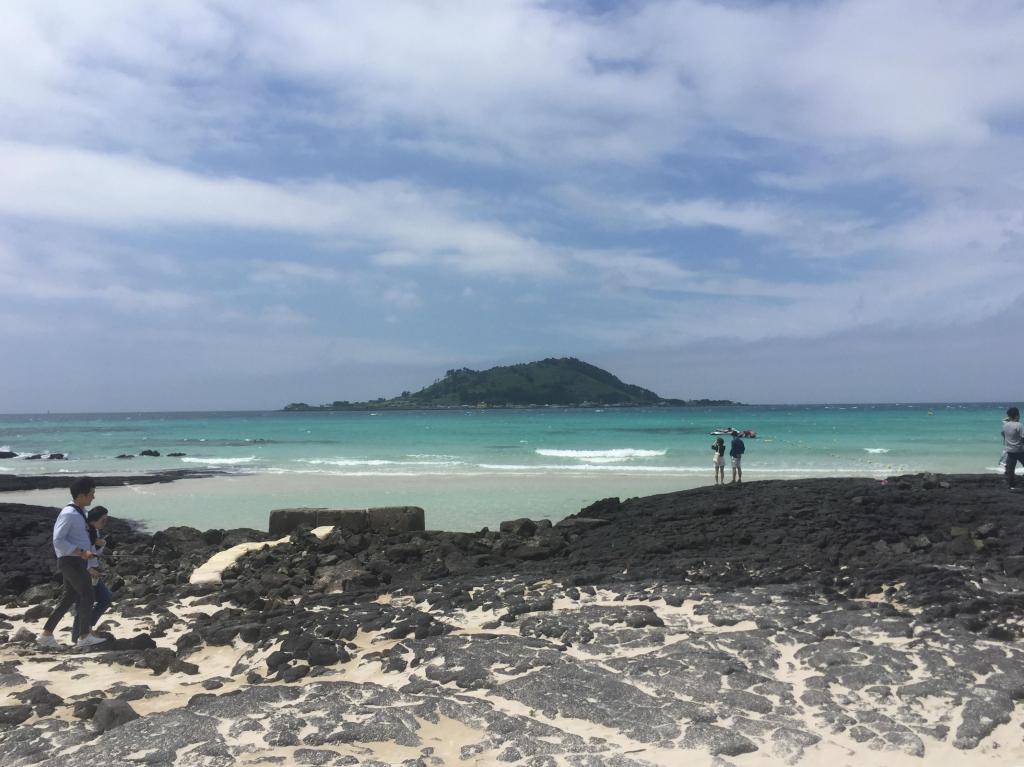
The next stop is Handam Beach located in neighbouring Aewol village. The sunshine is so bright that it is even hard to open eyes.
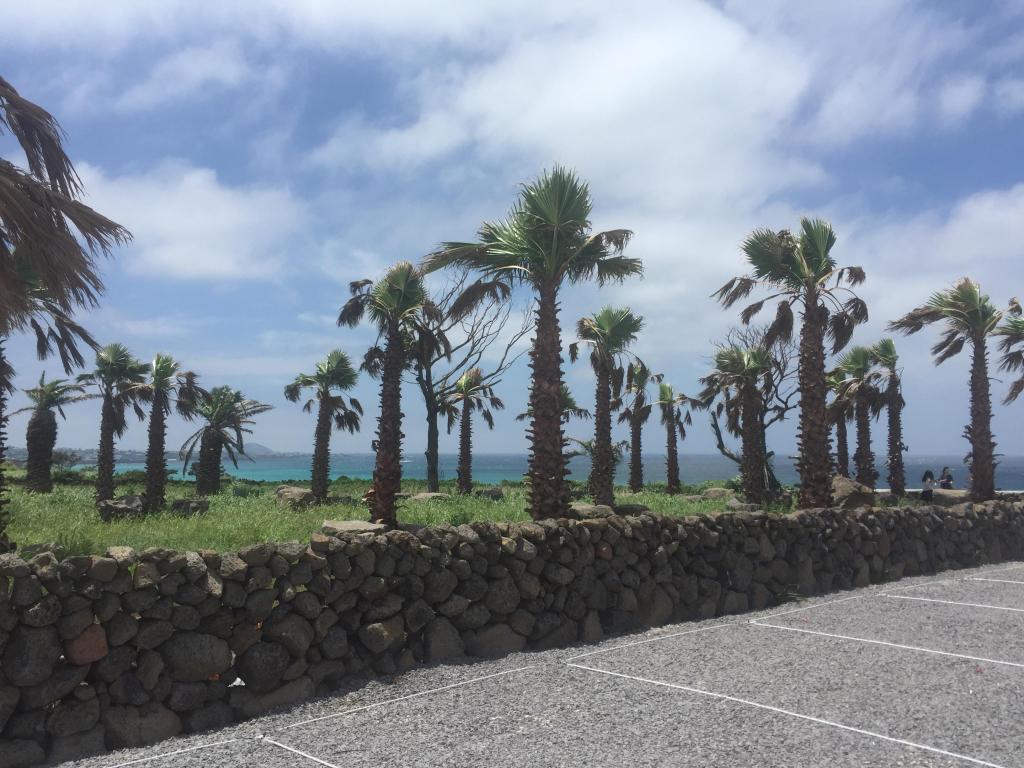
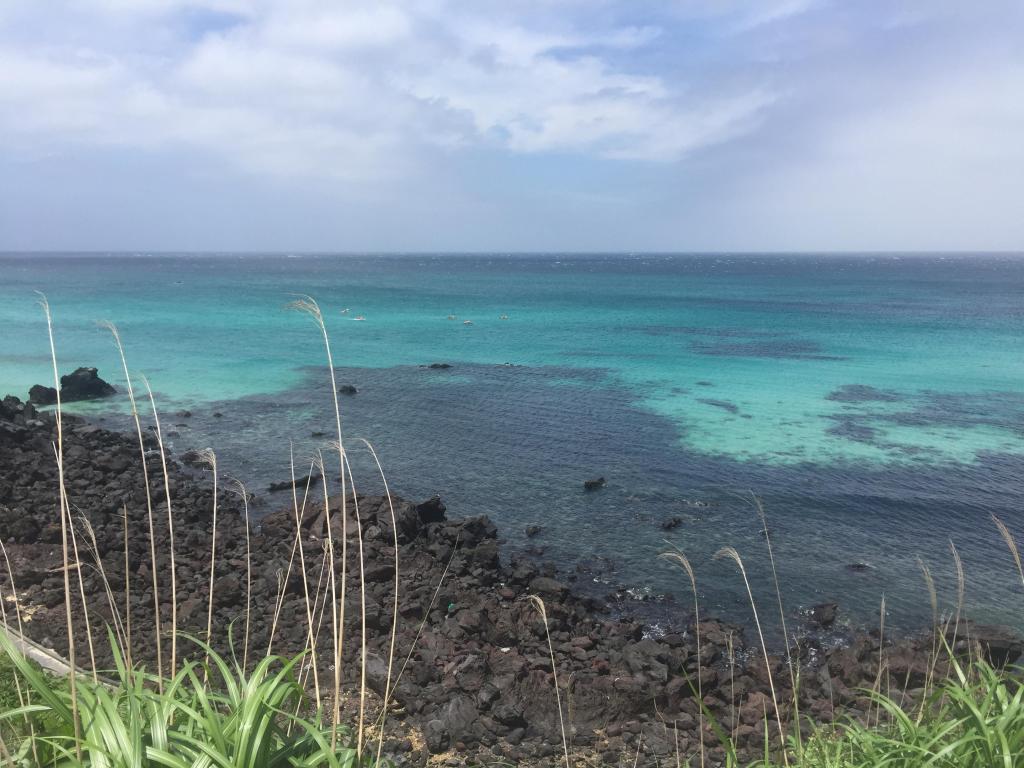
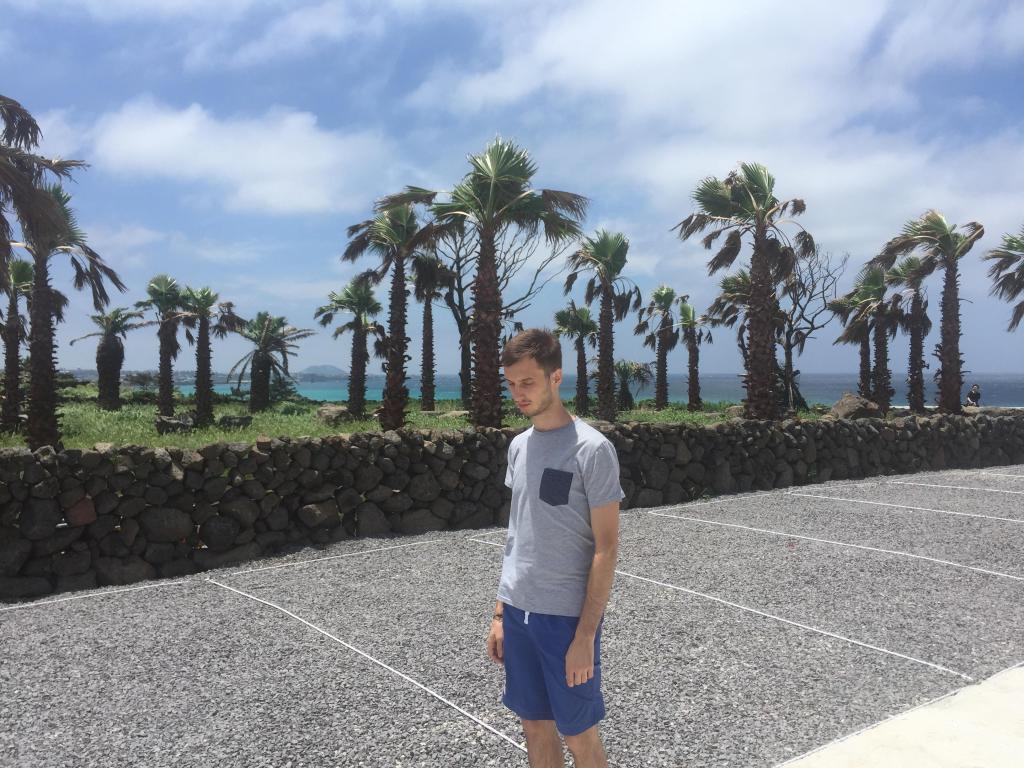
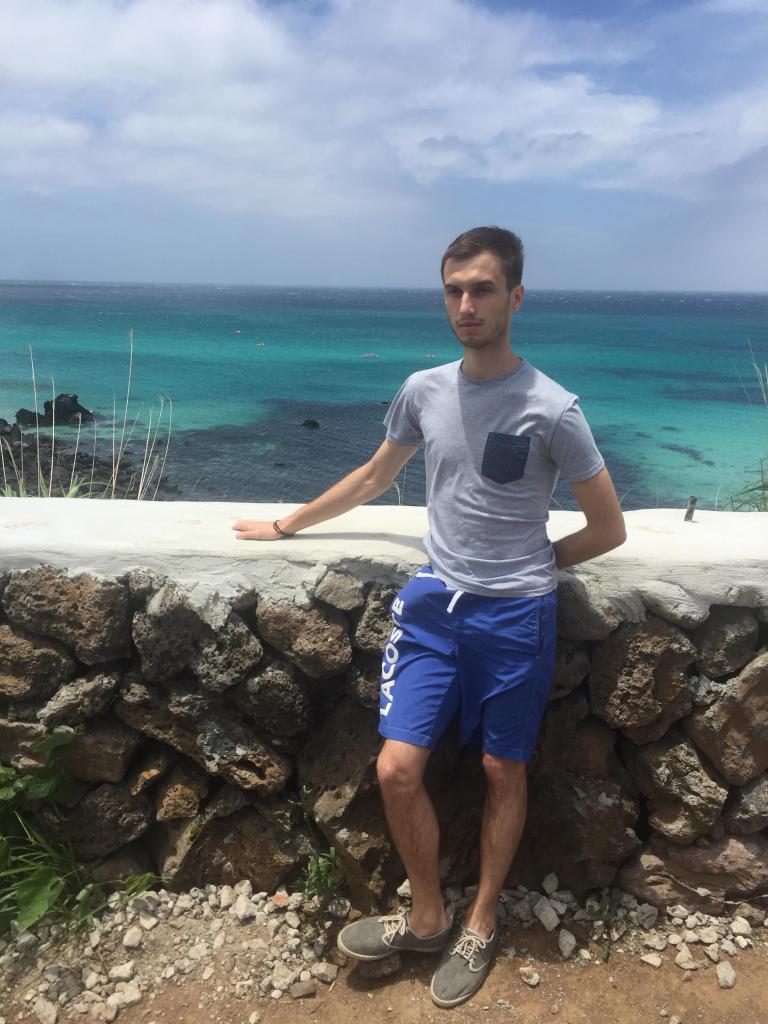
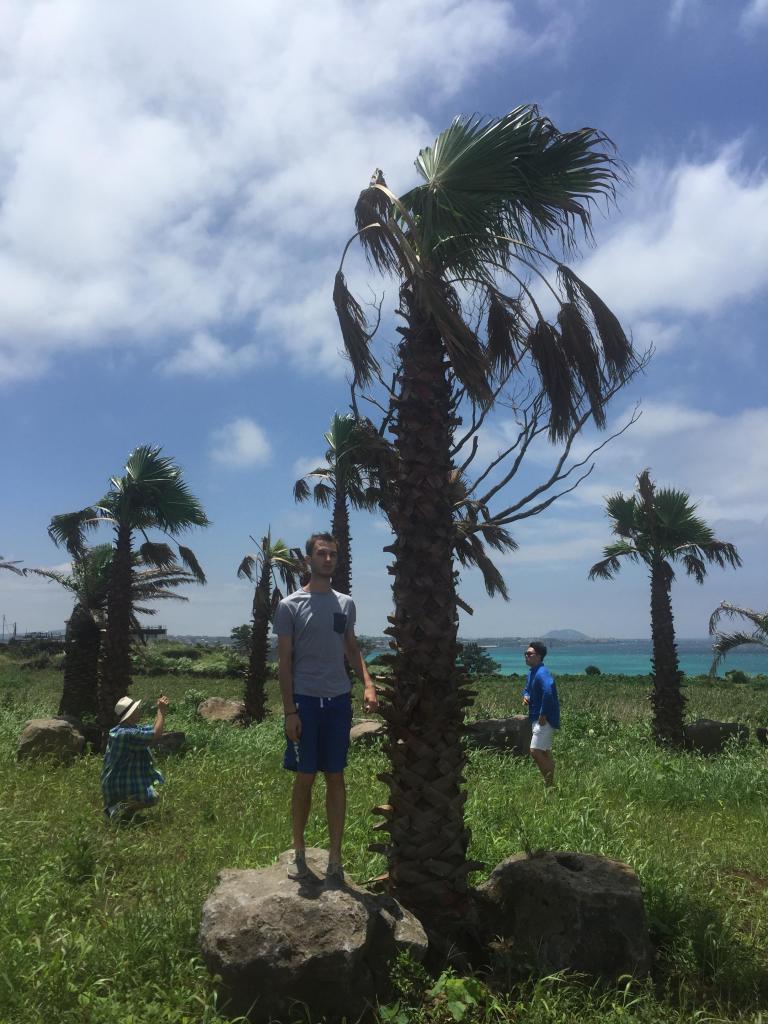
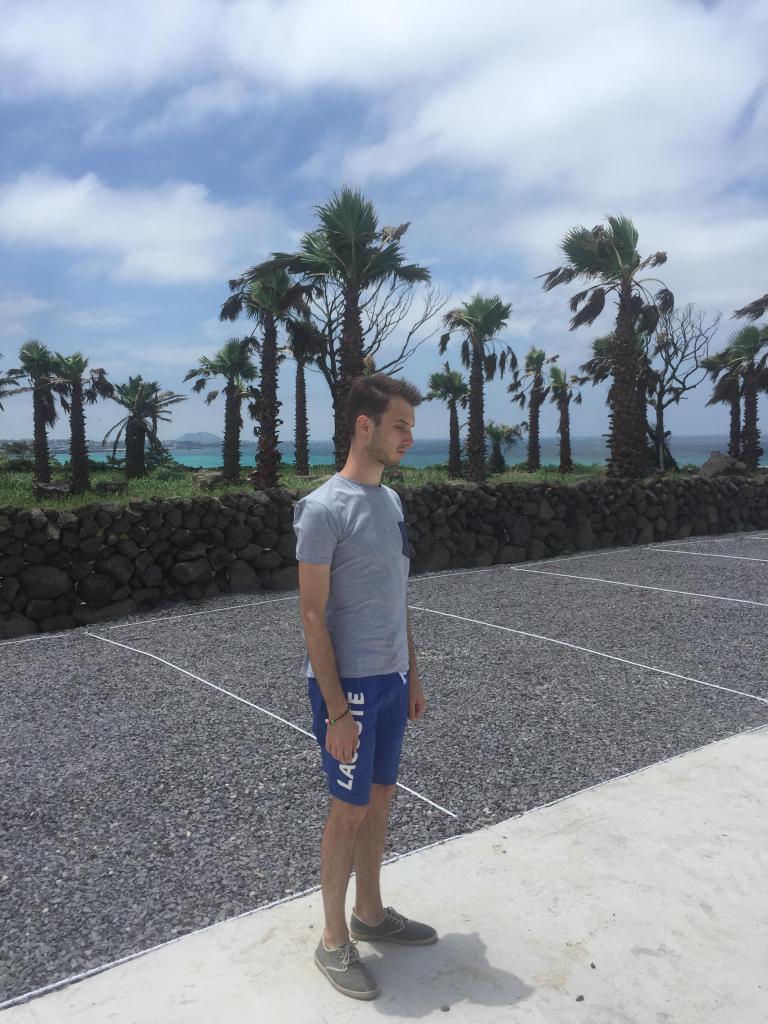
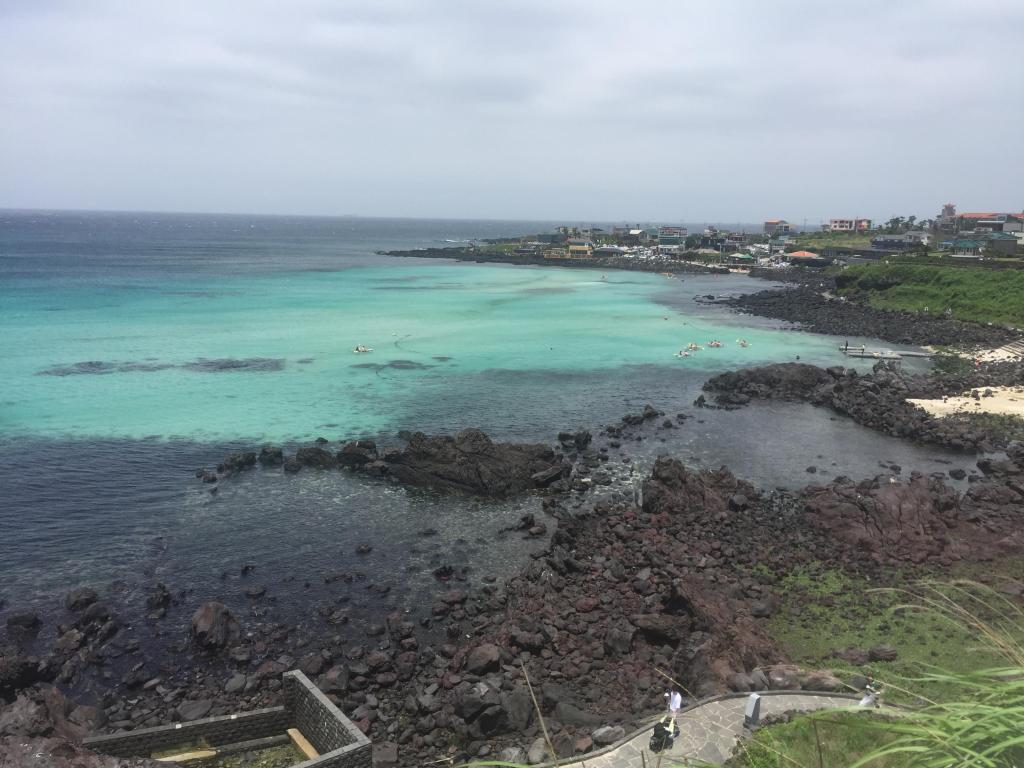
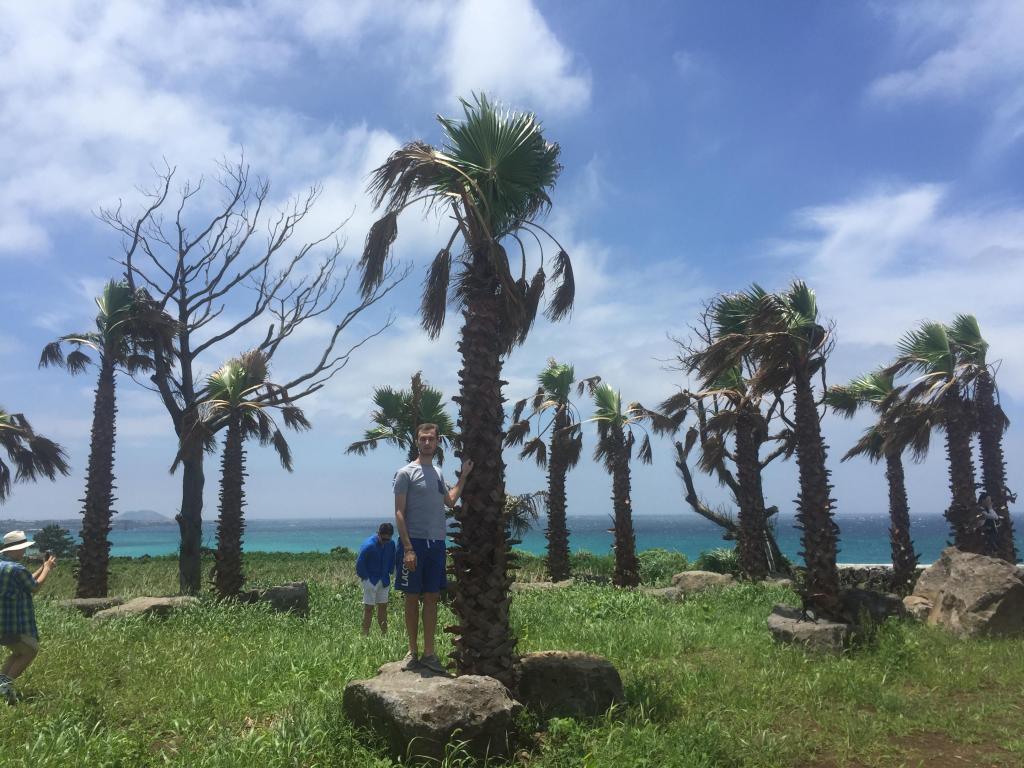
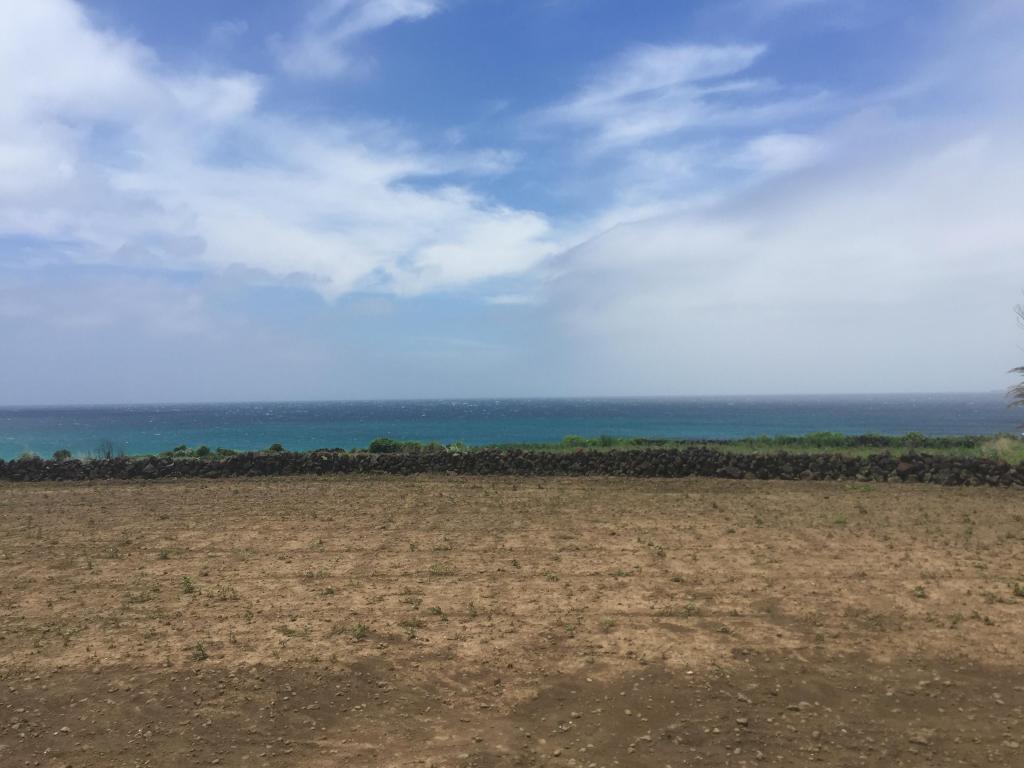
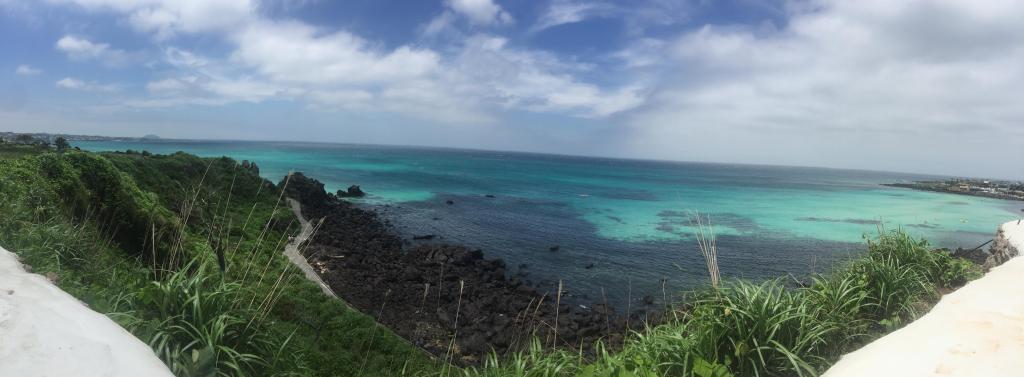
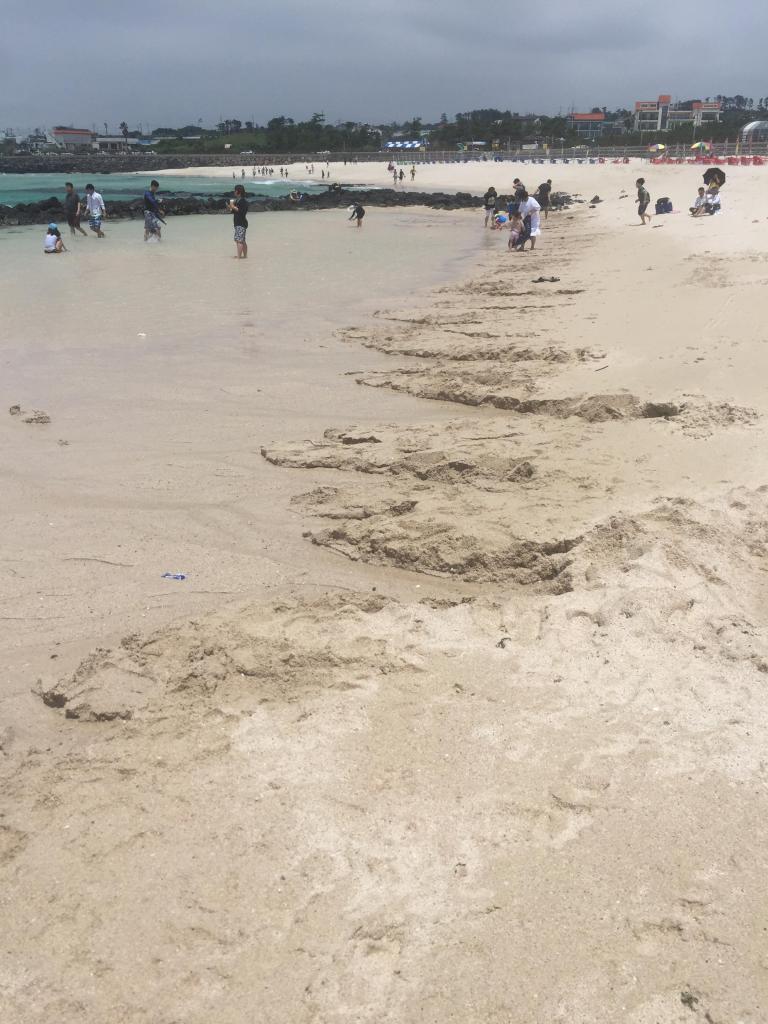
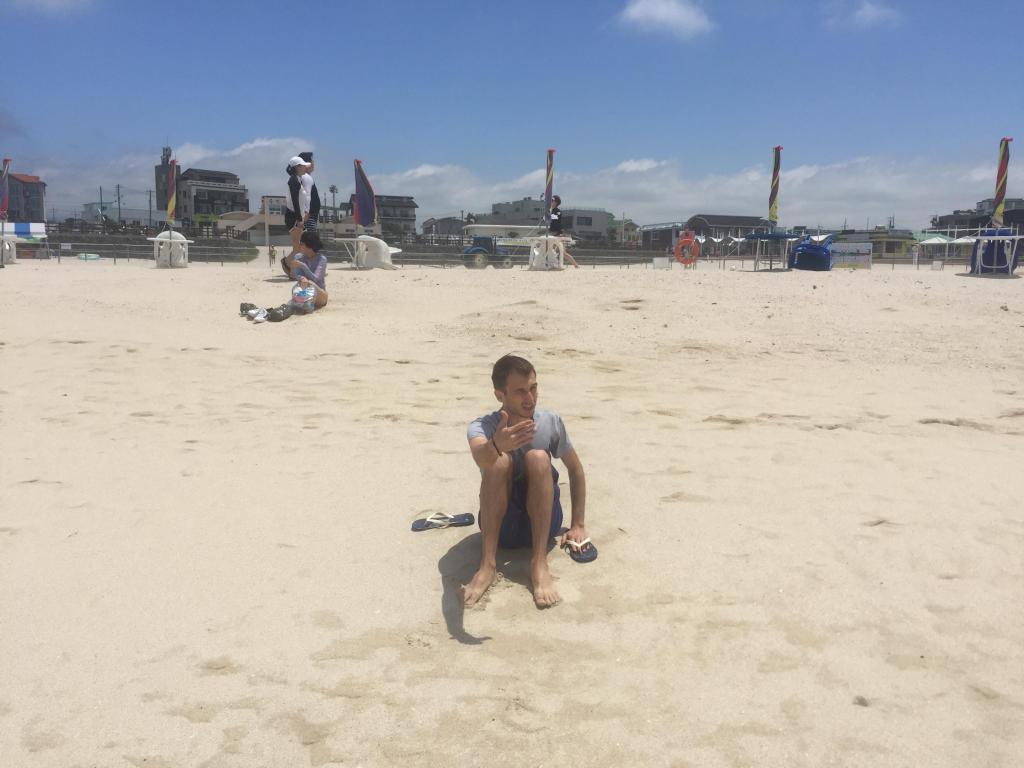
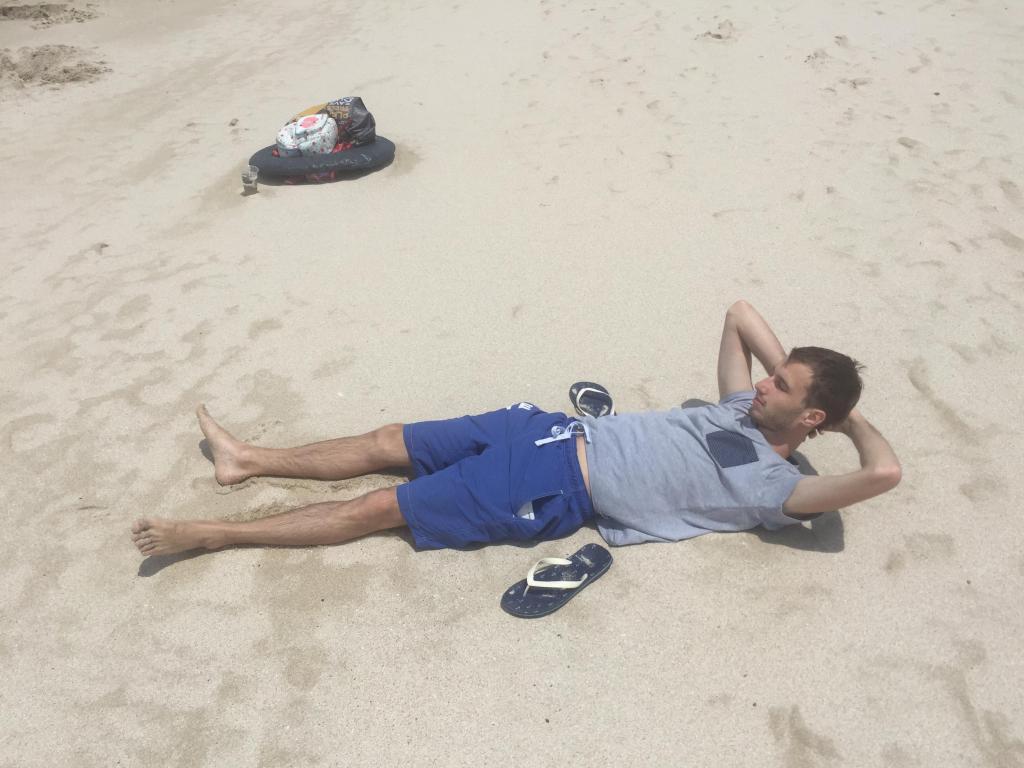
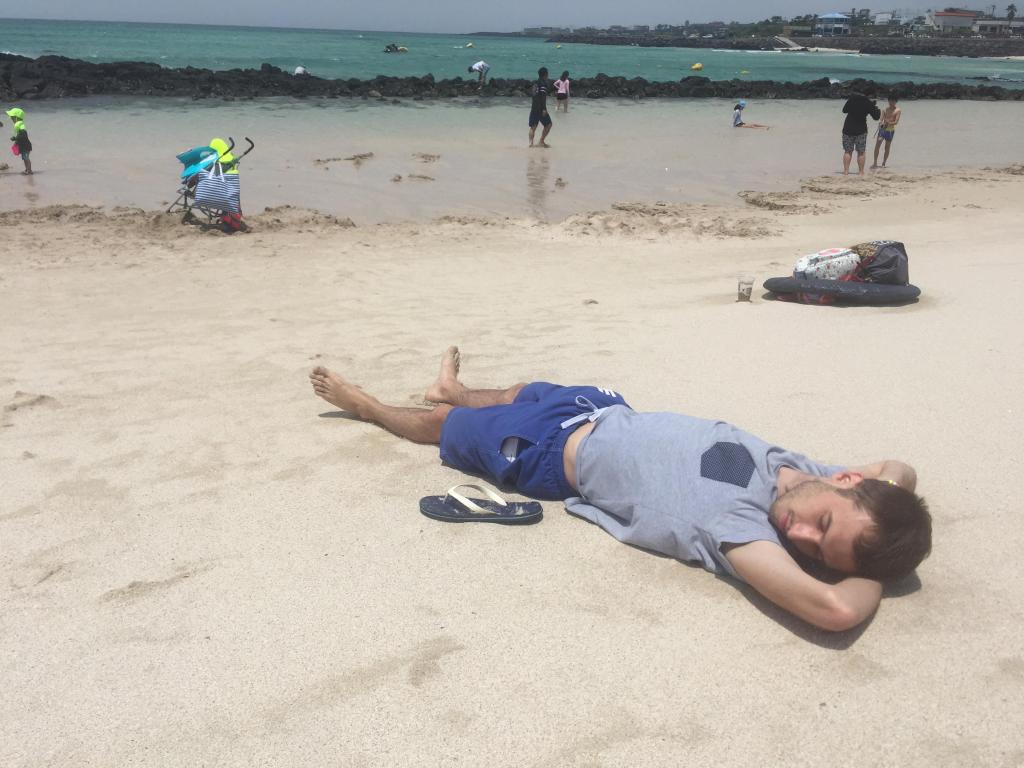
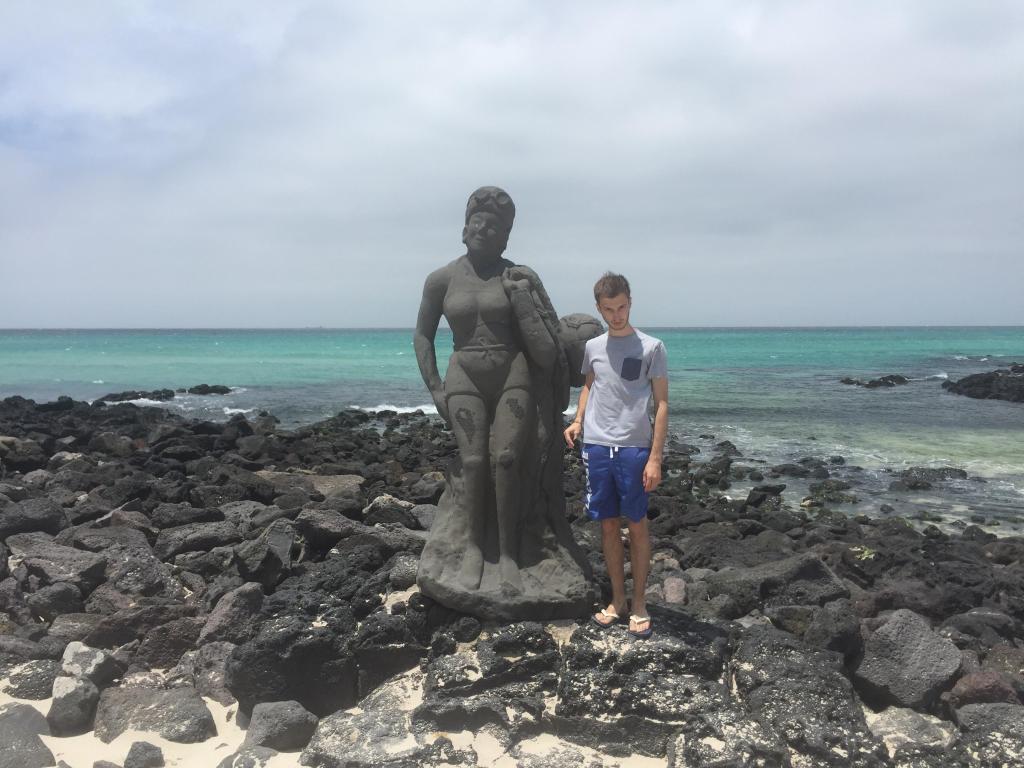
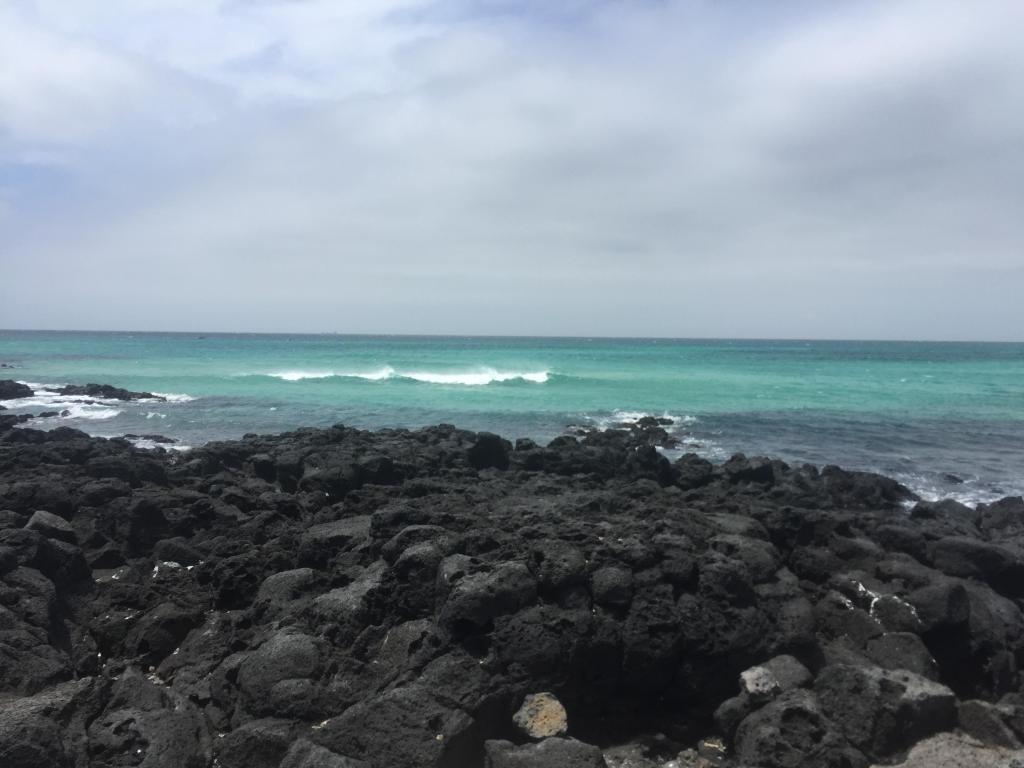
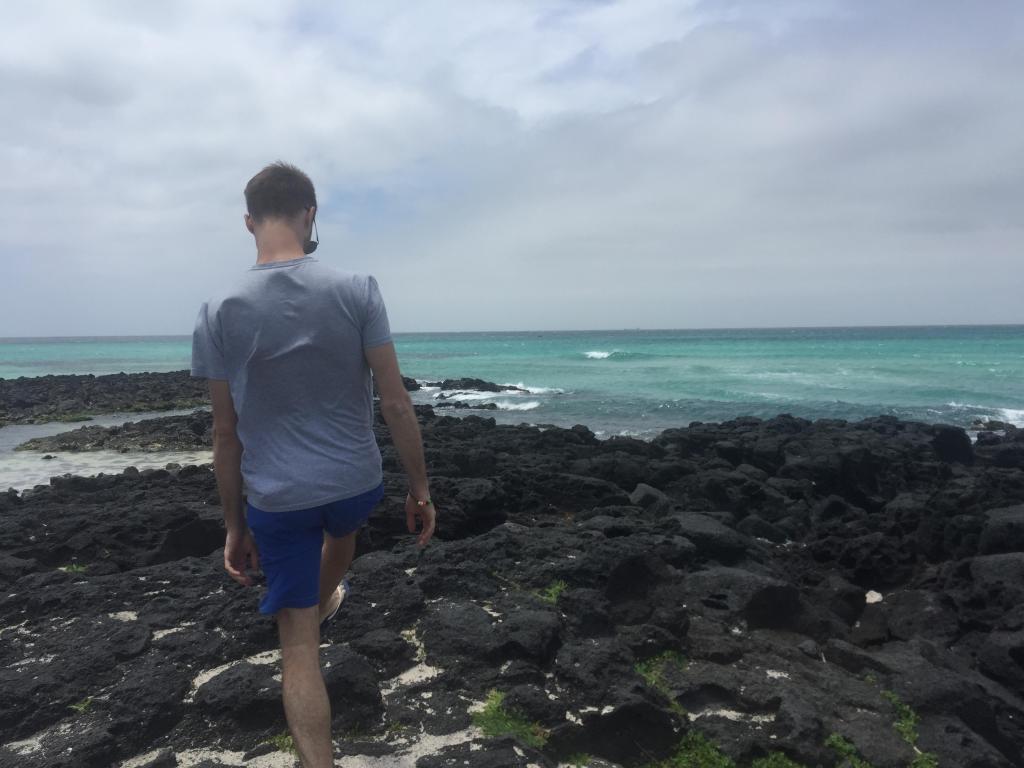
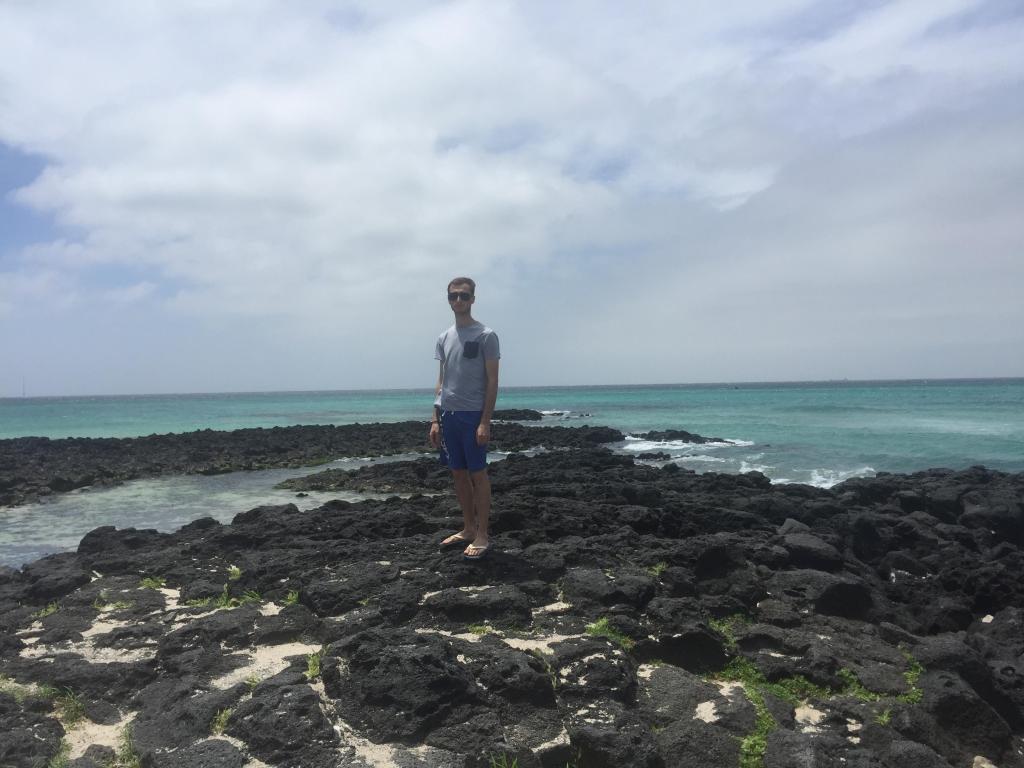
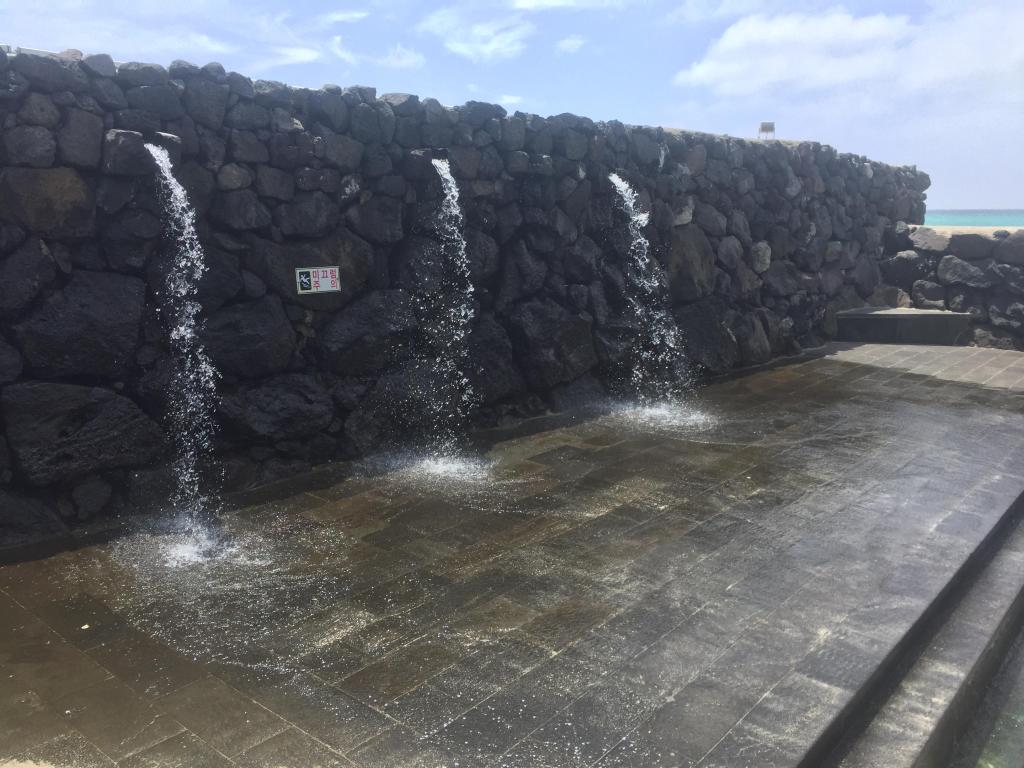
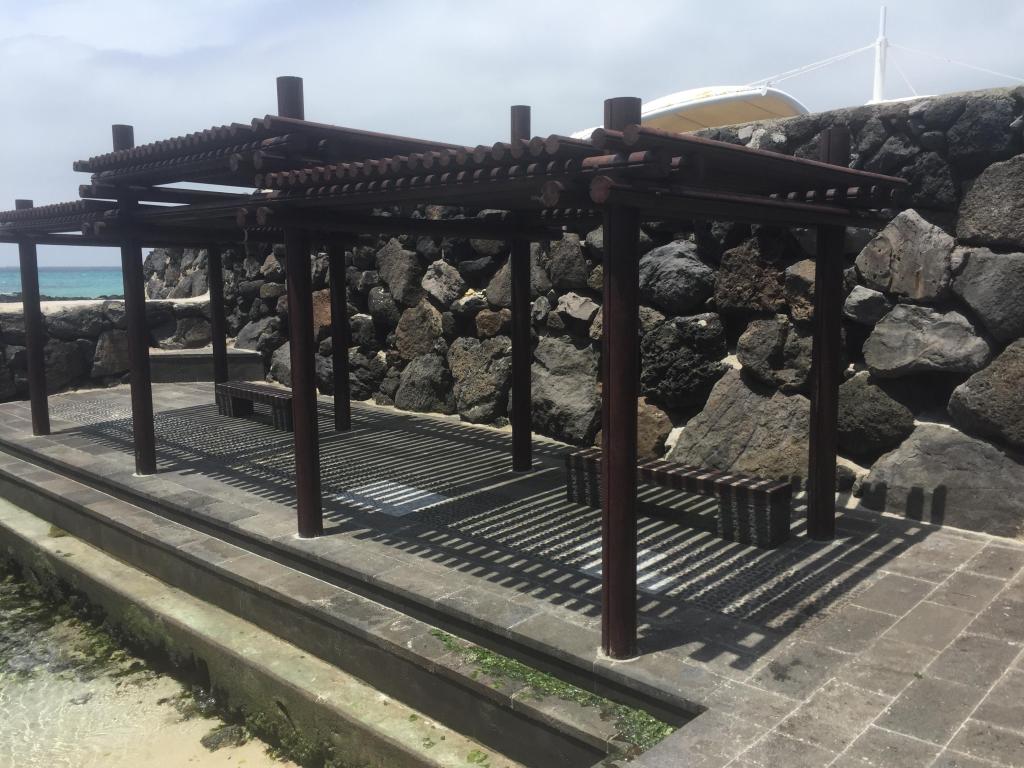
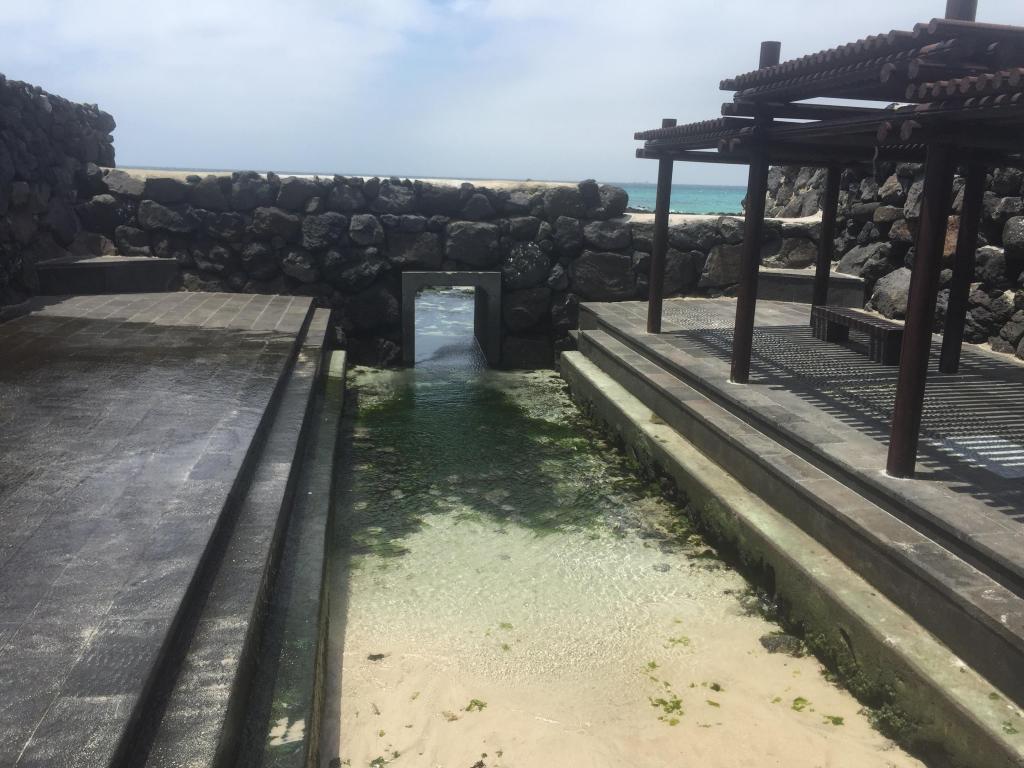
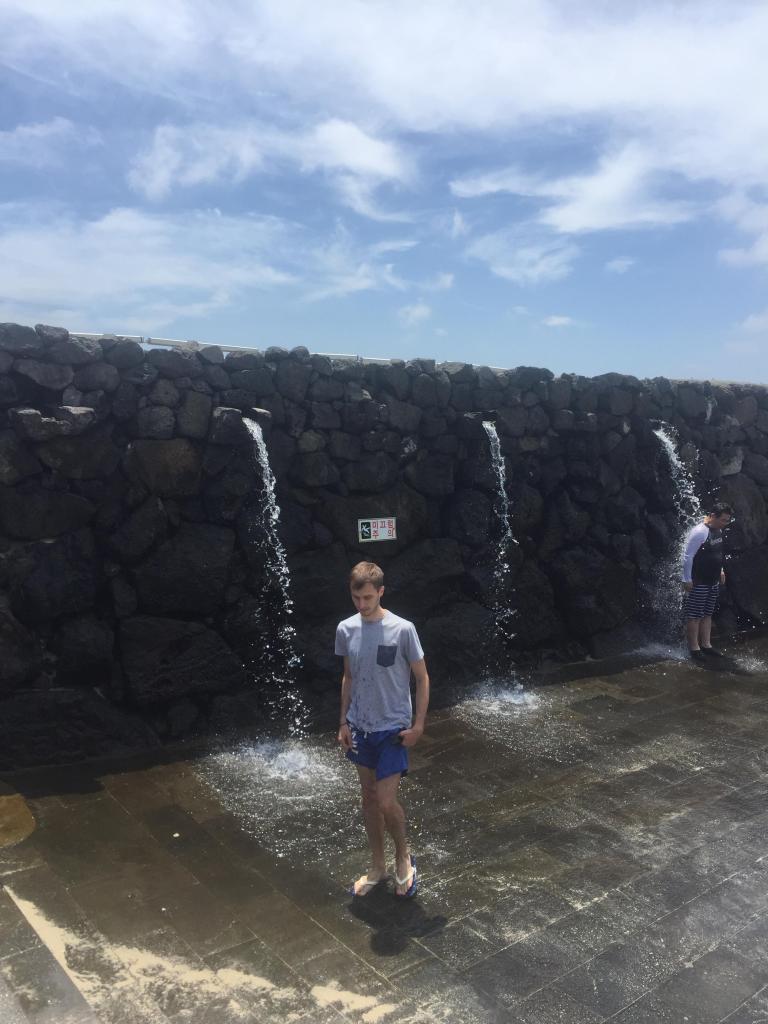
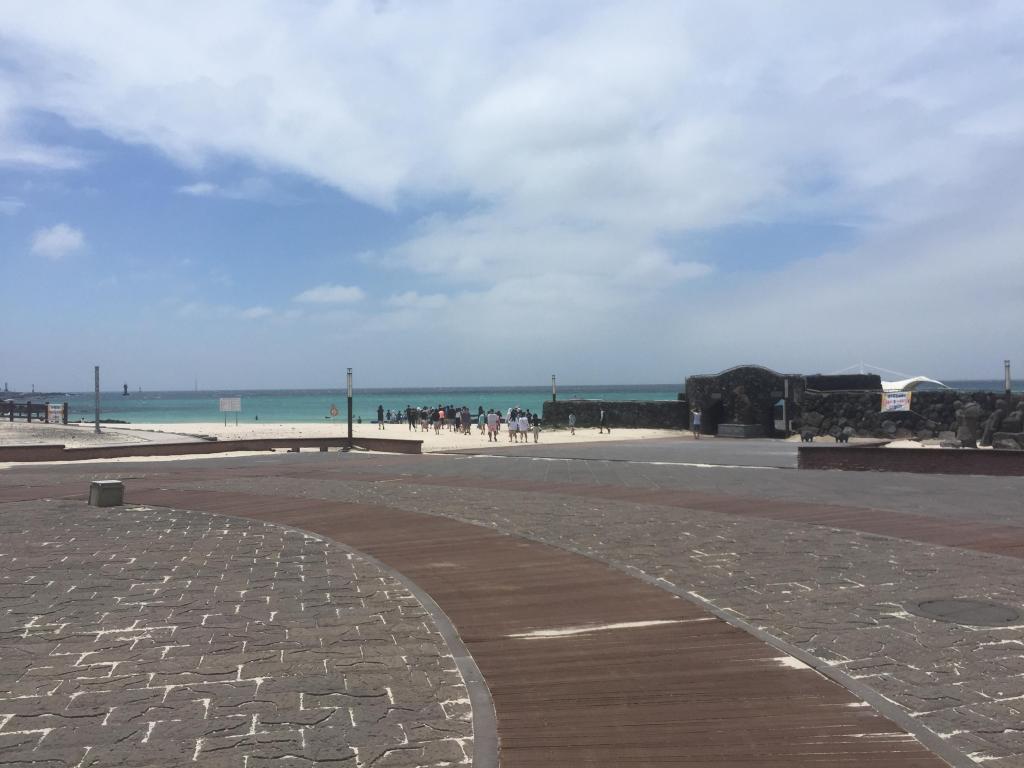
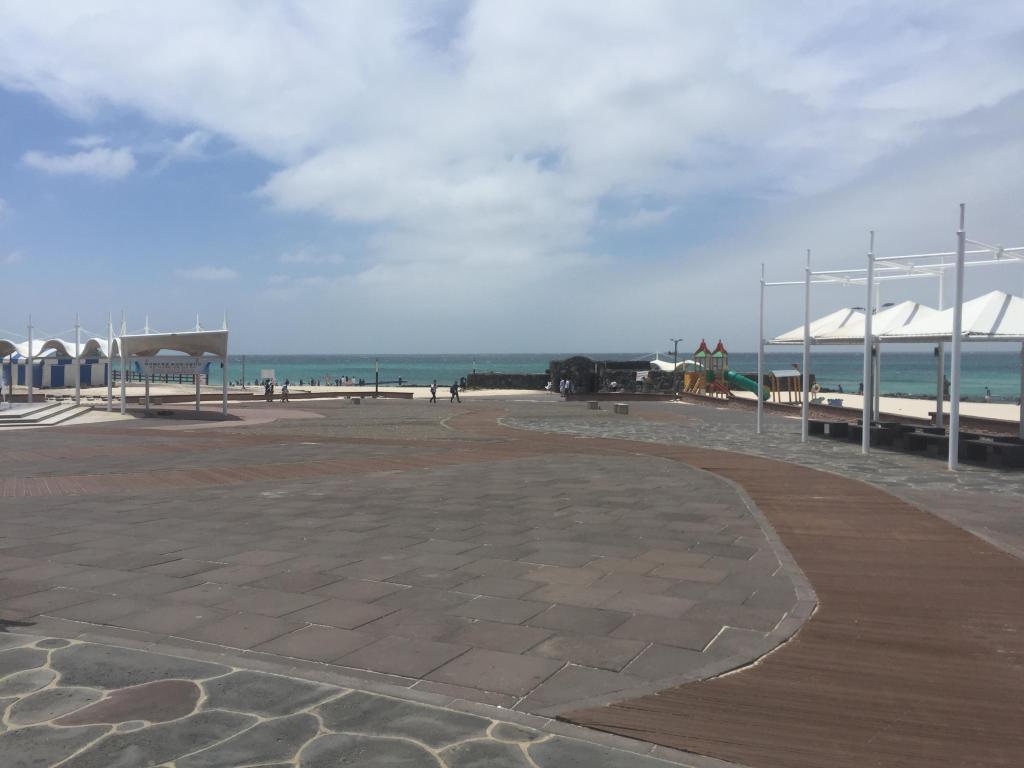
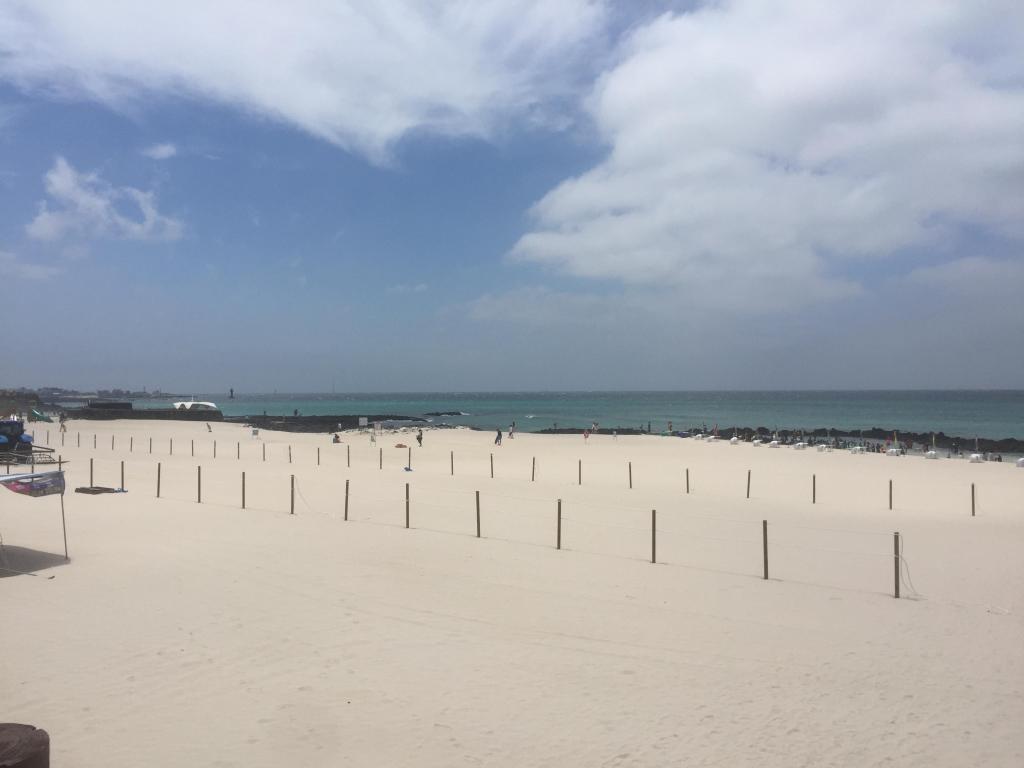
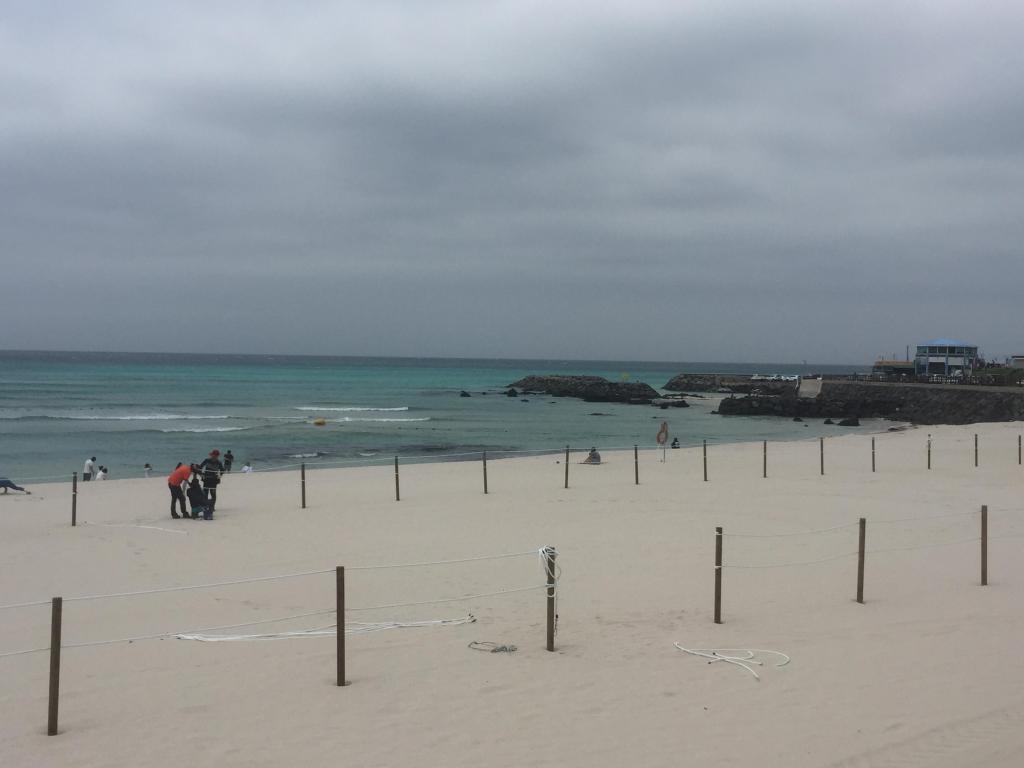
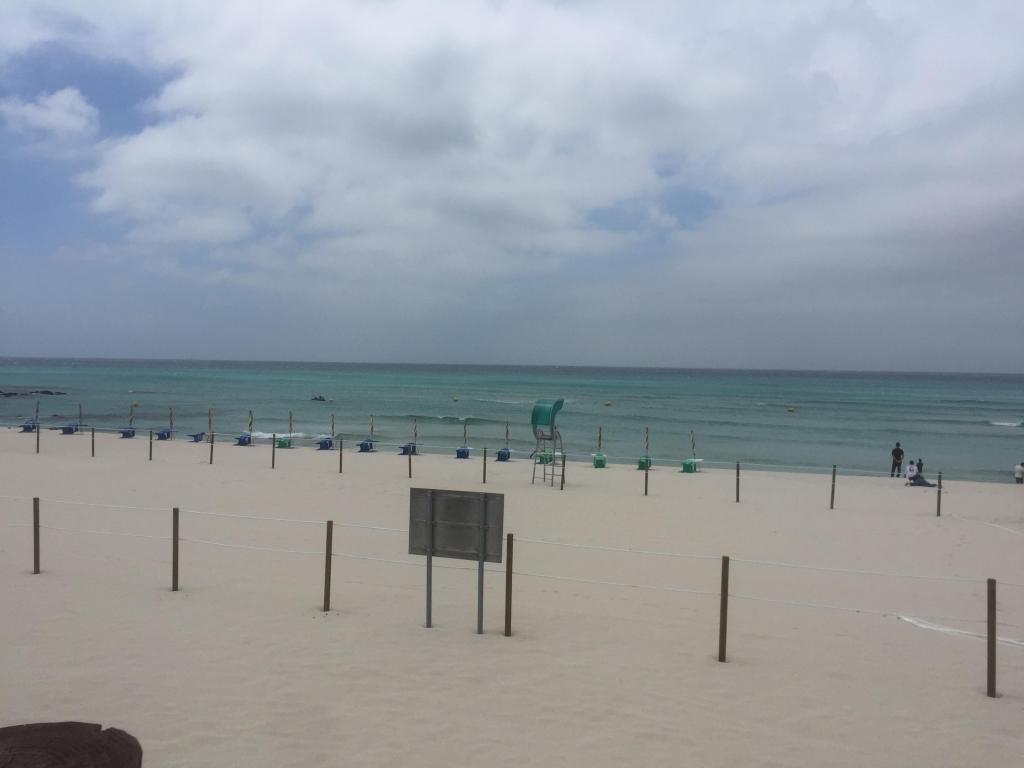
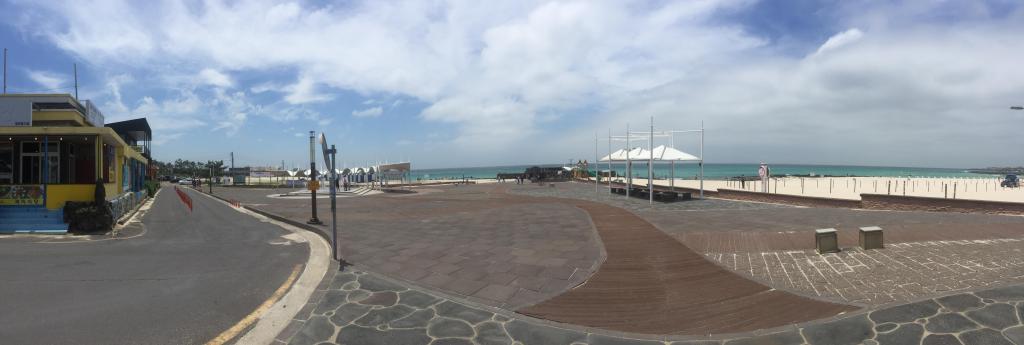
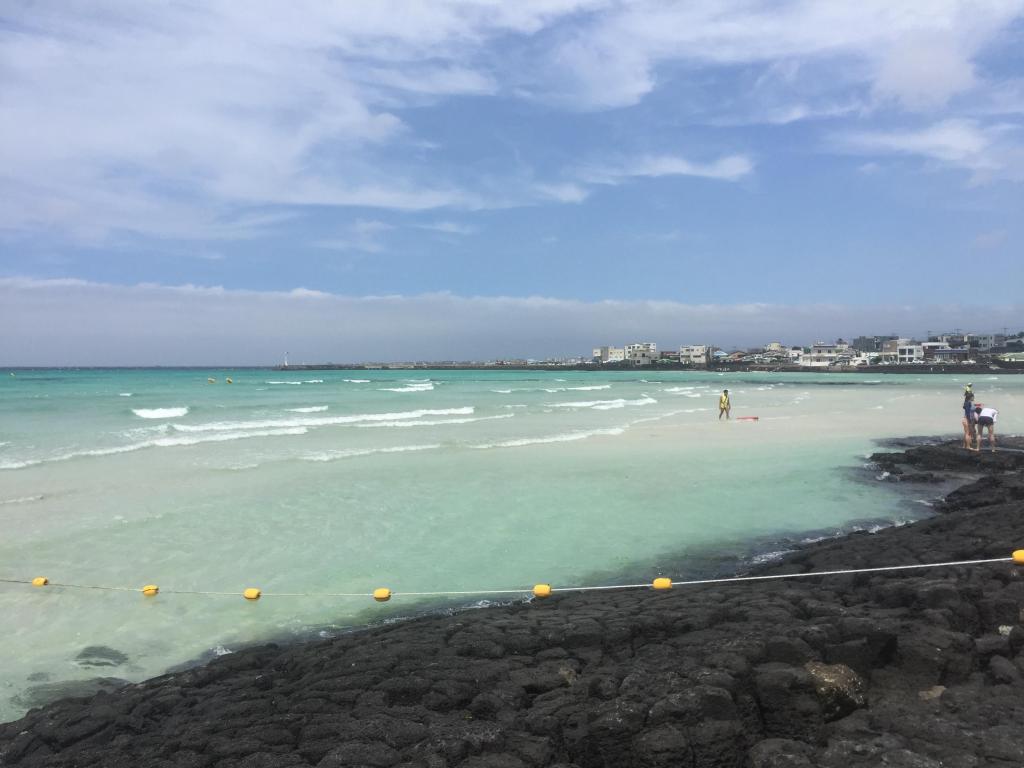
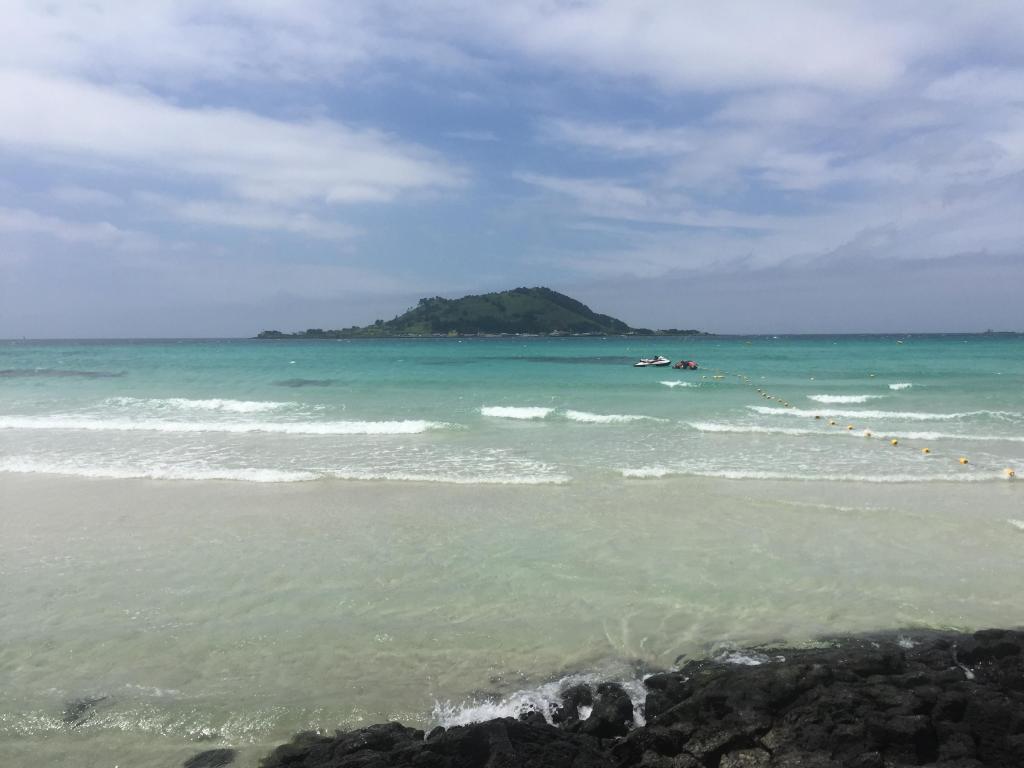
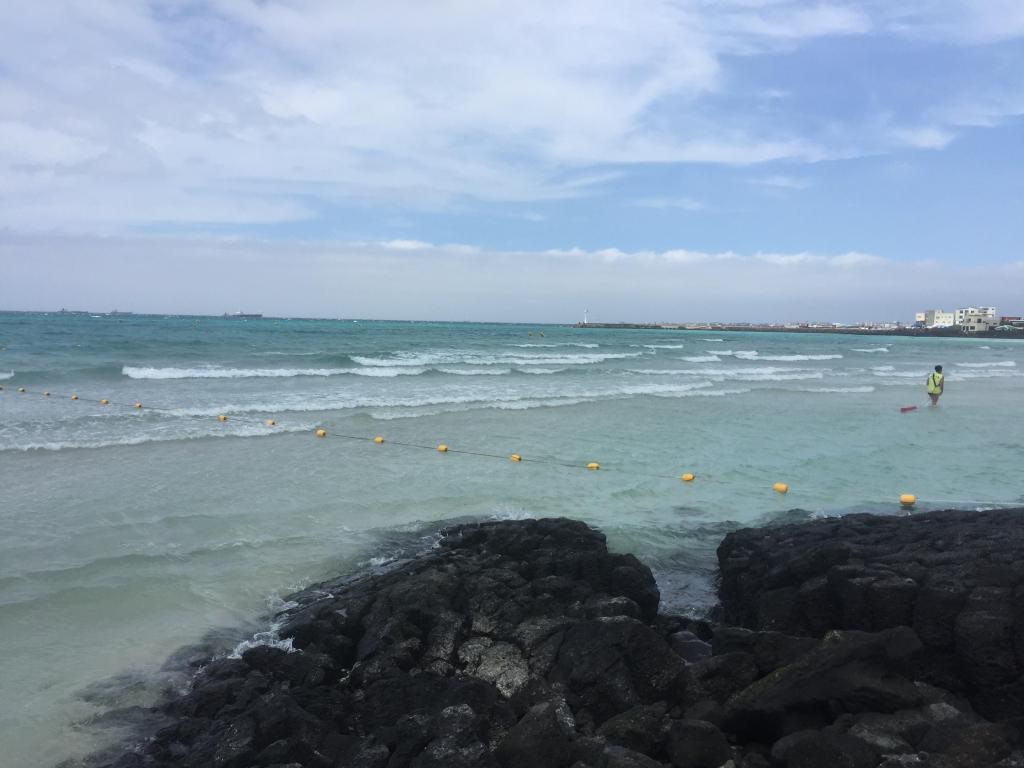
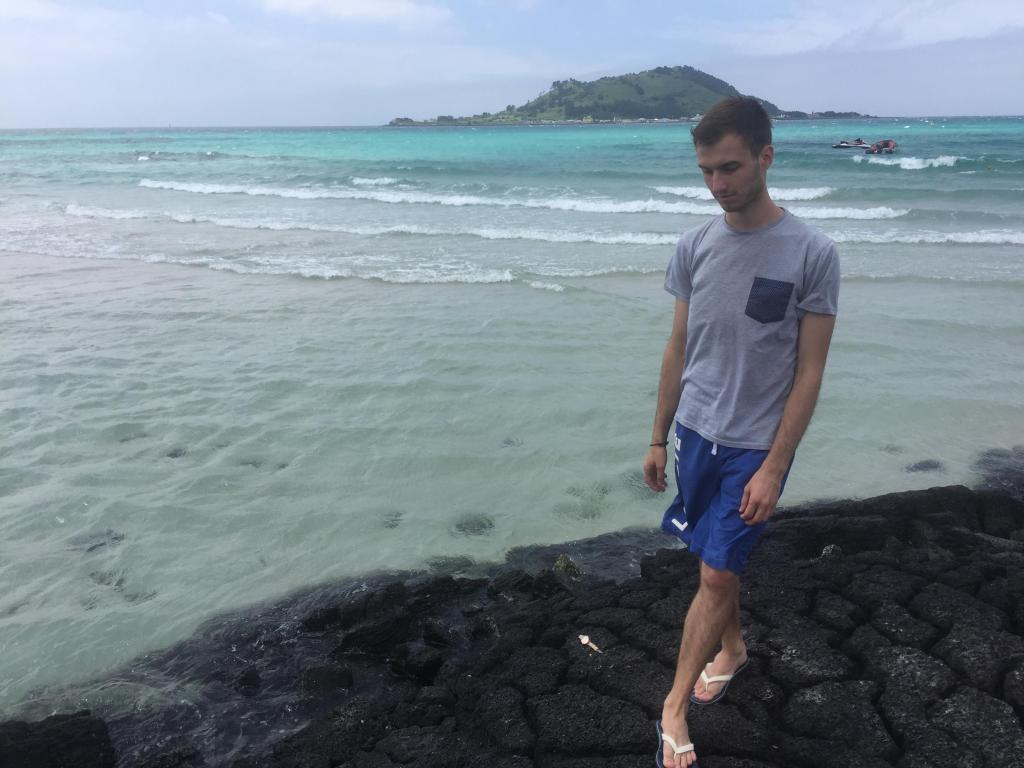
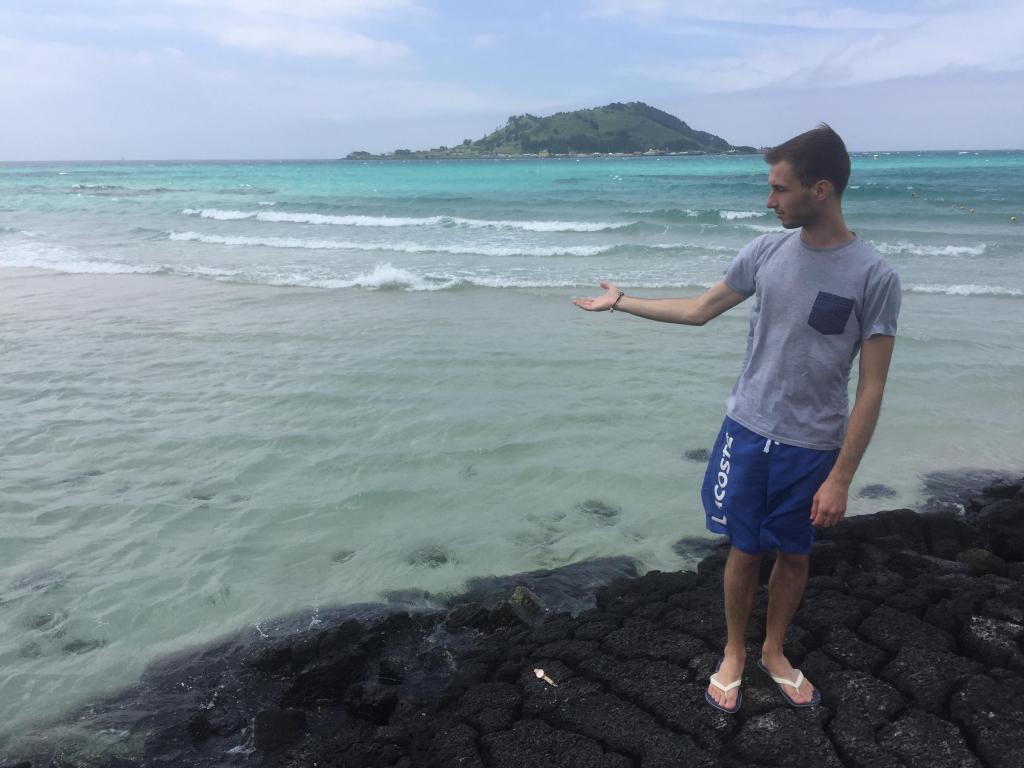
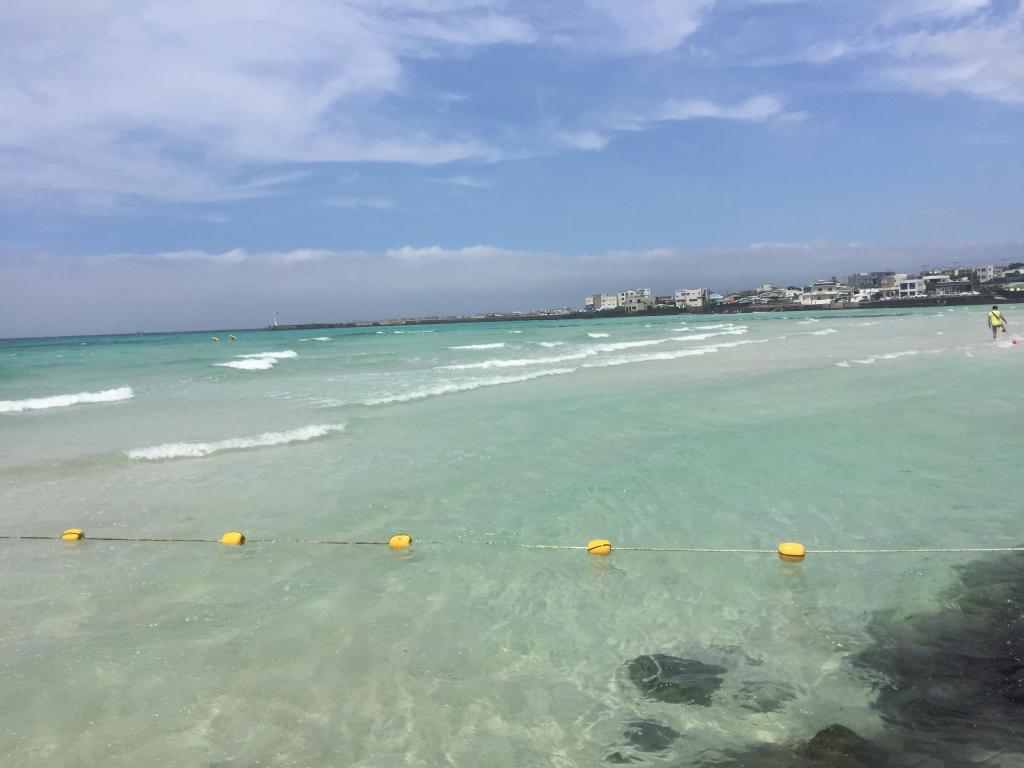
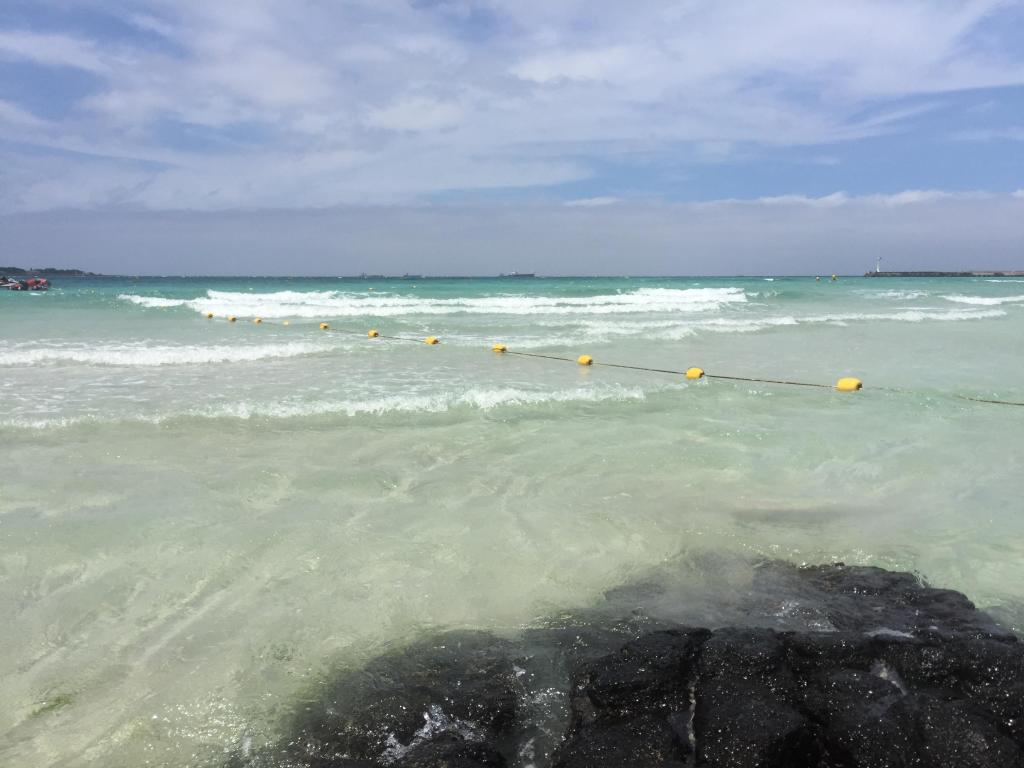
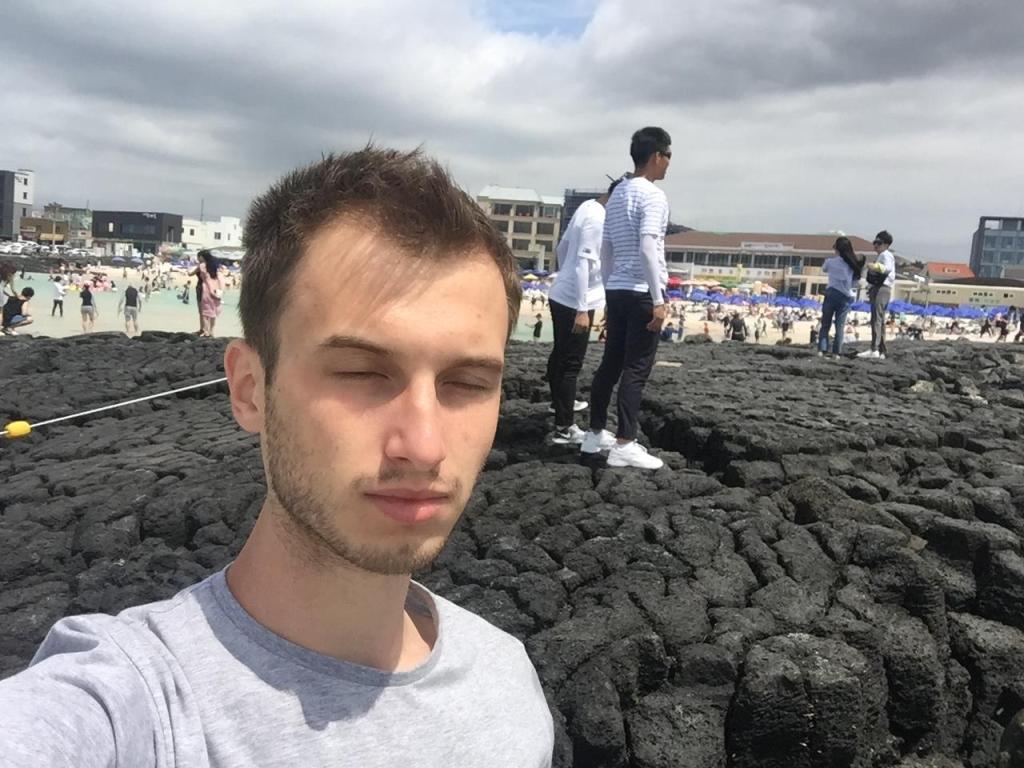
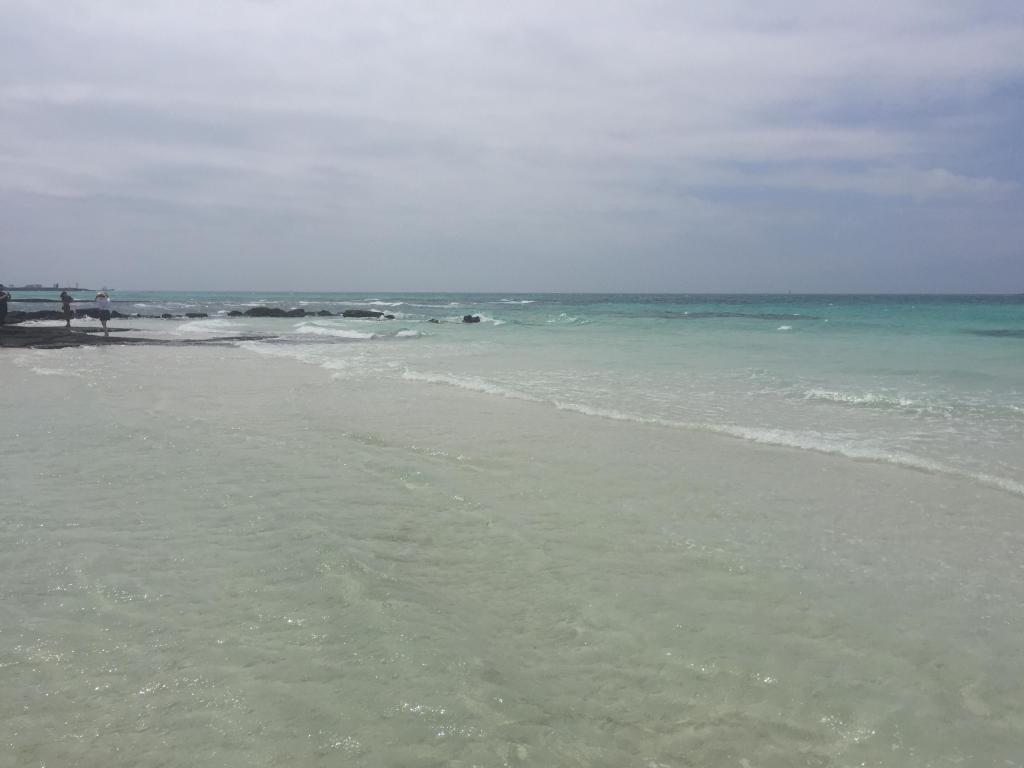
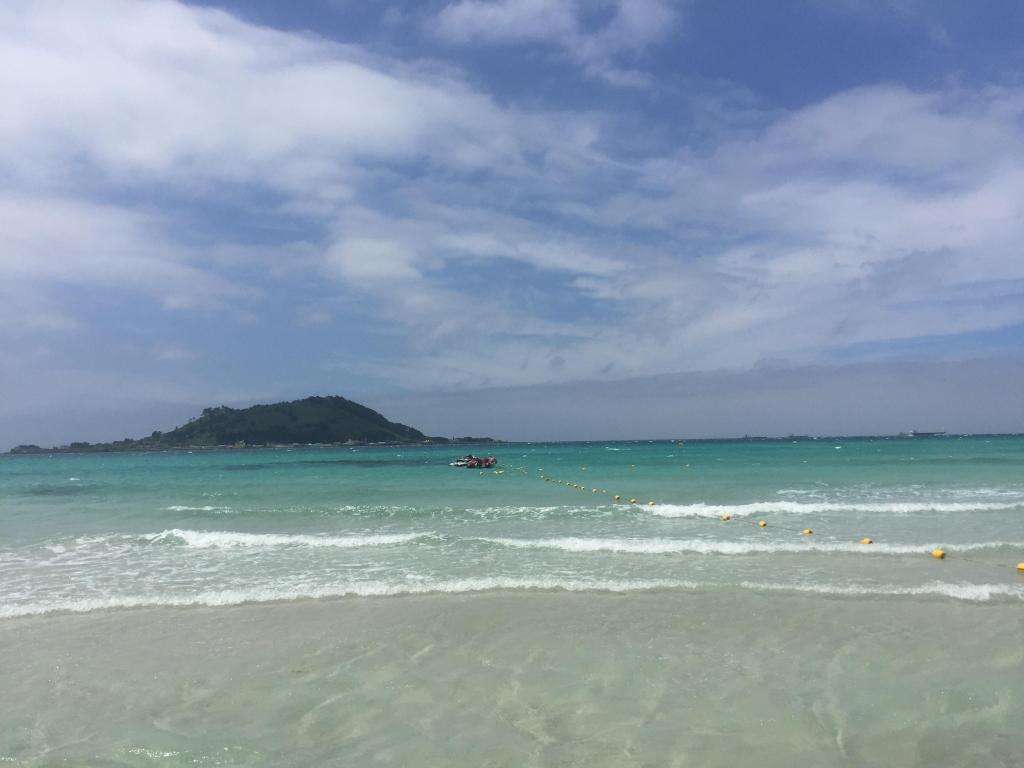
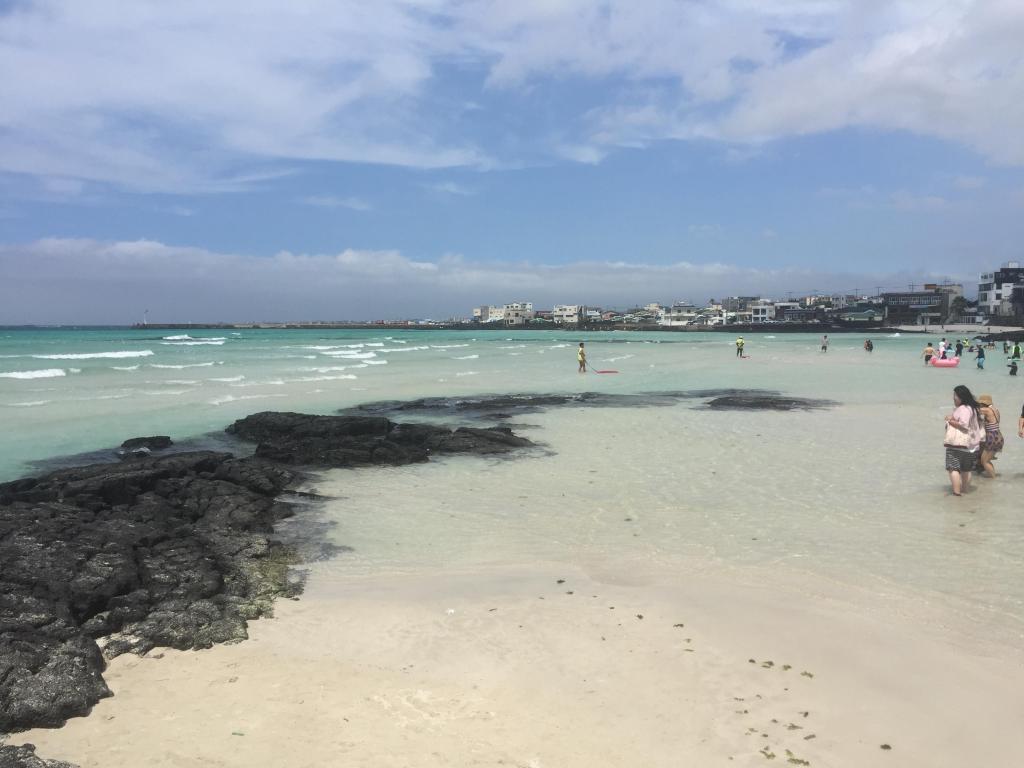
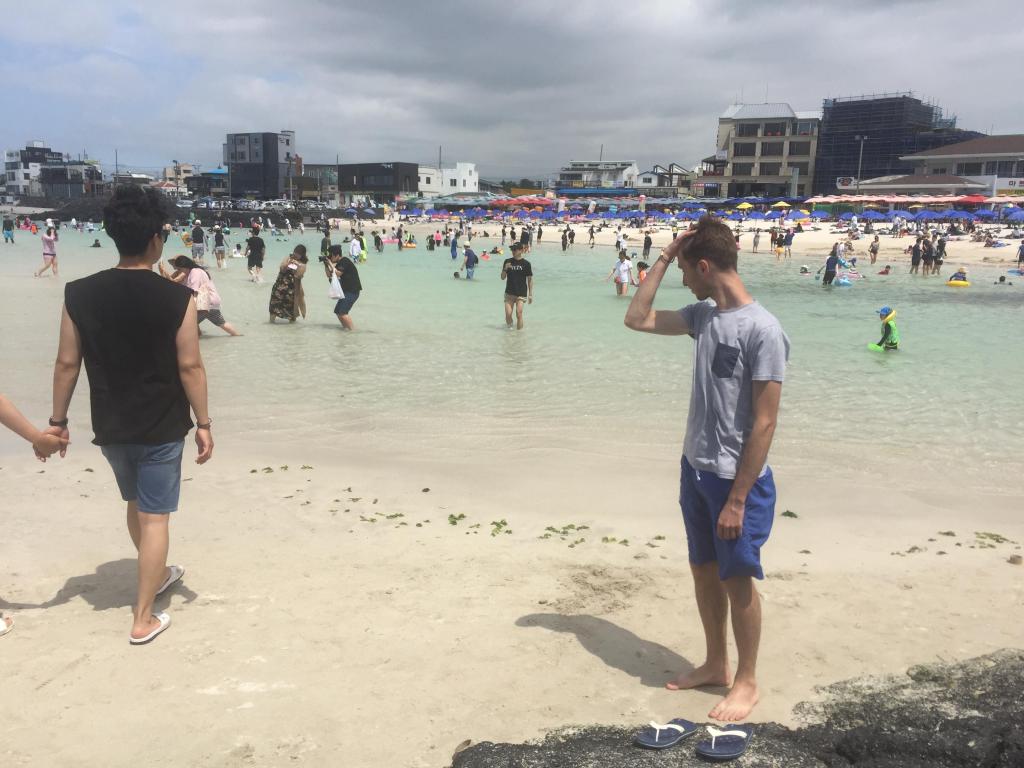
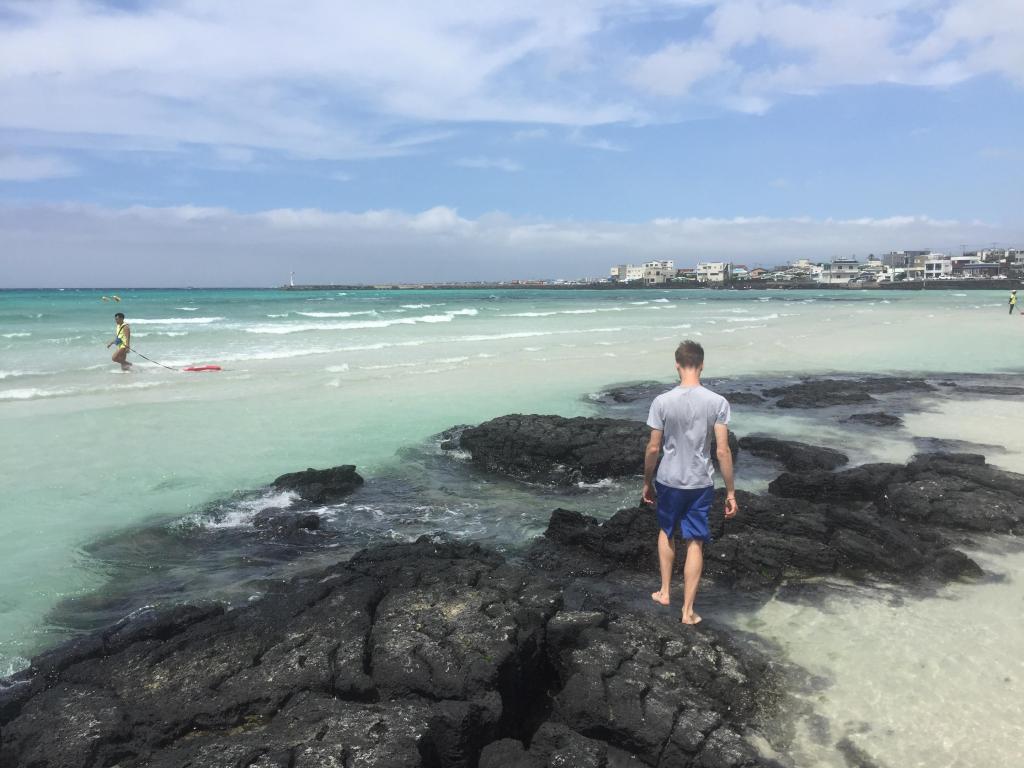
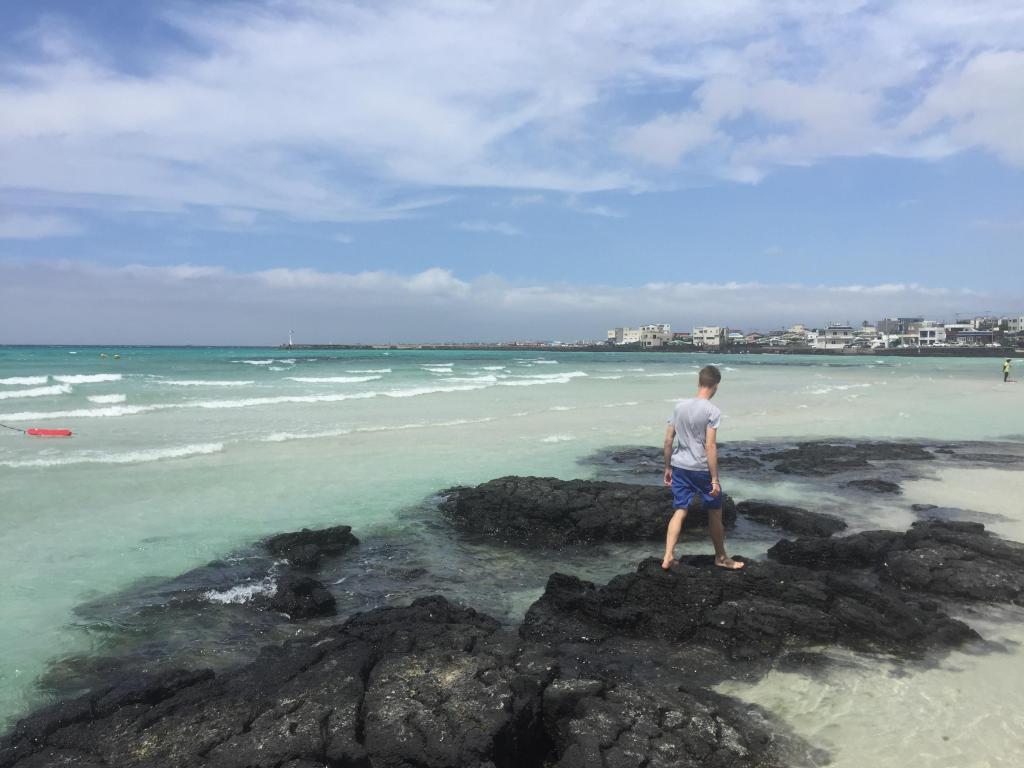
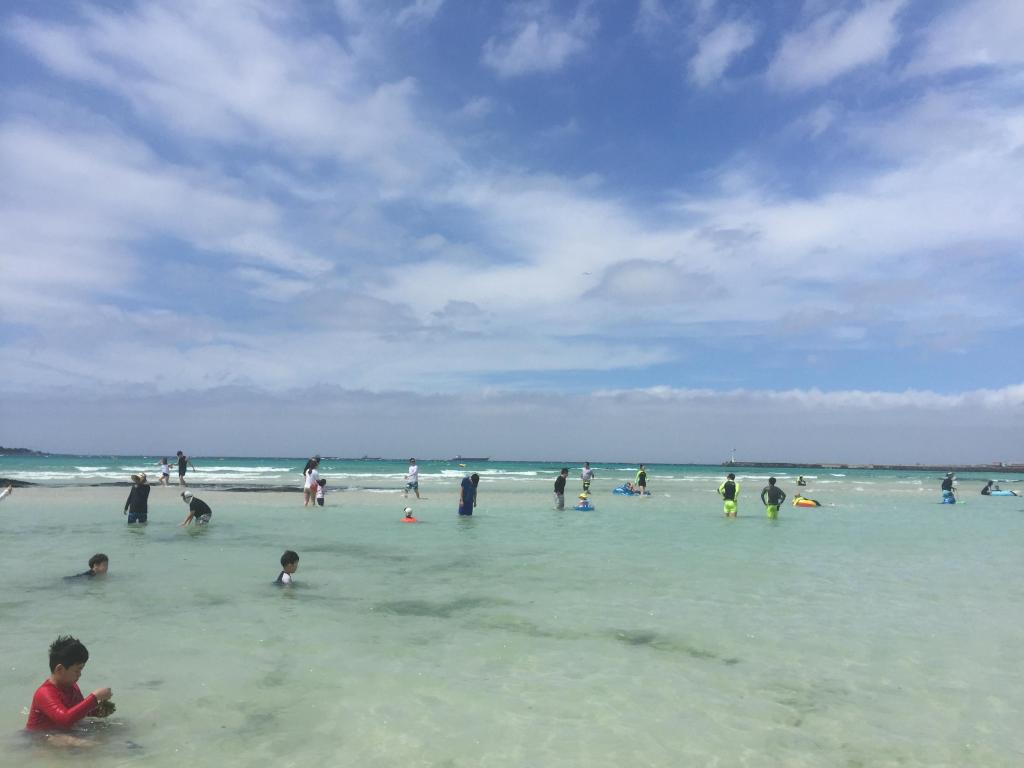
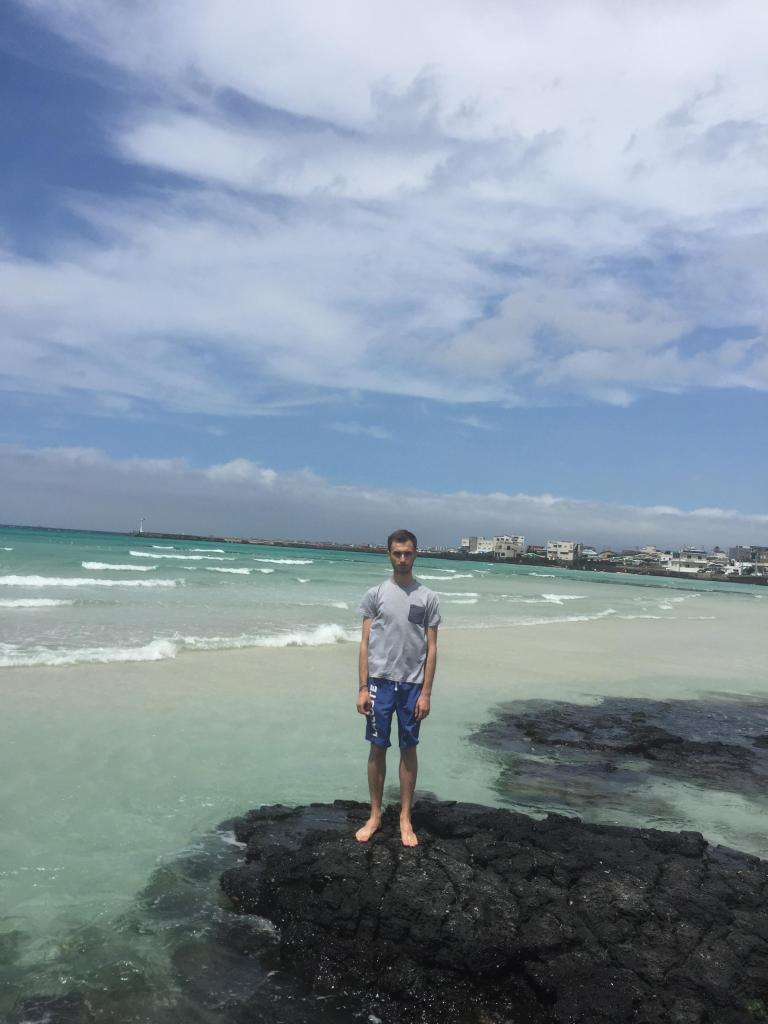
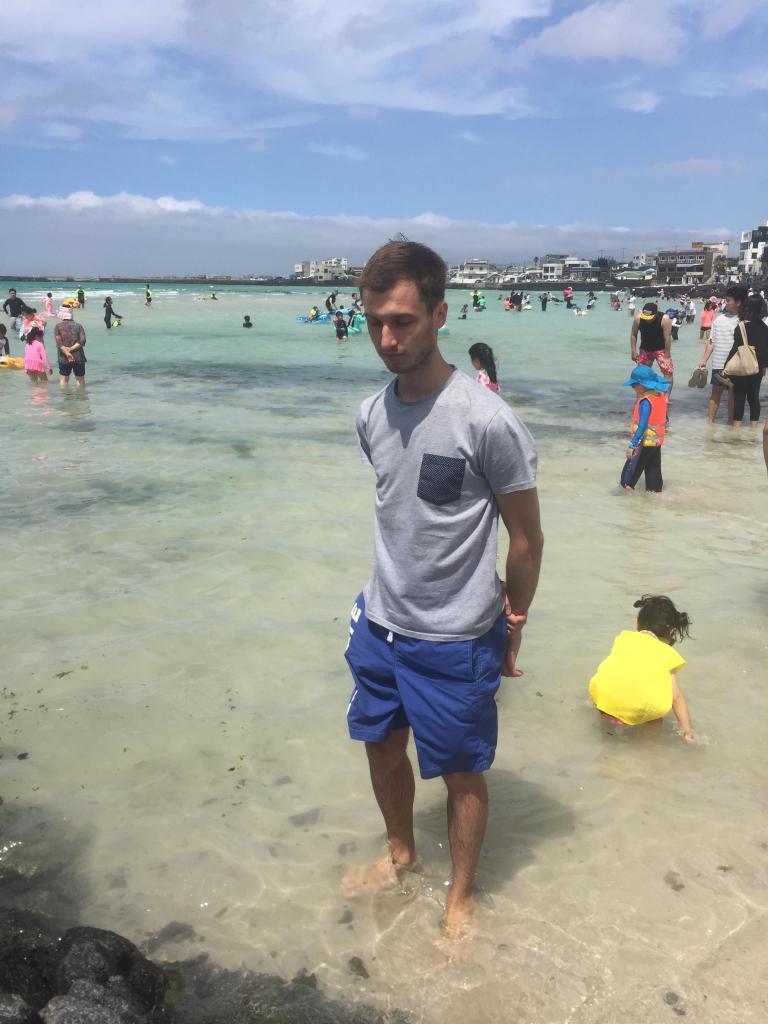
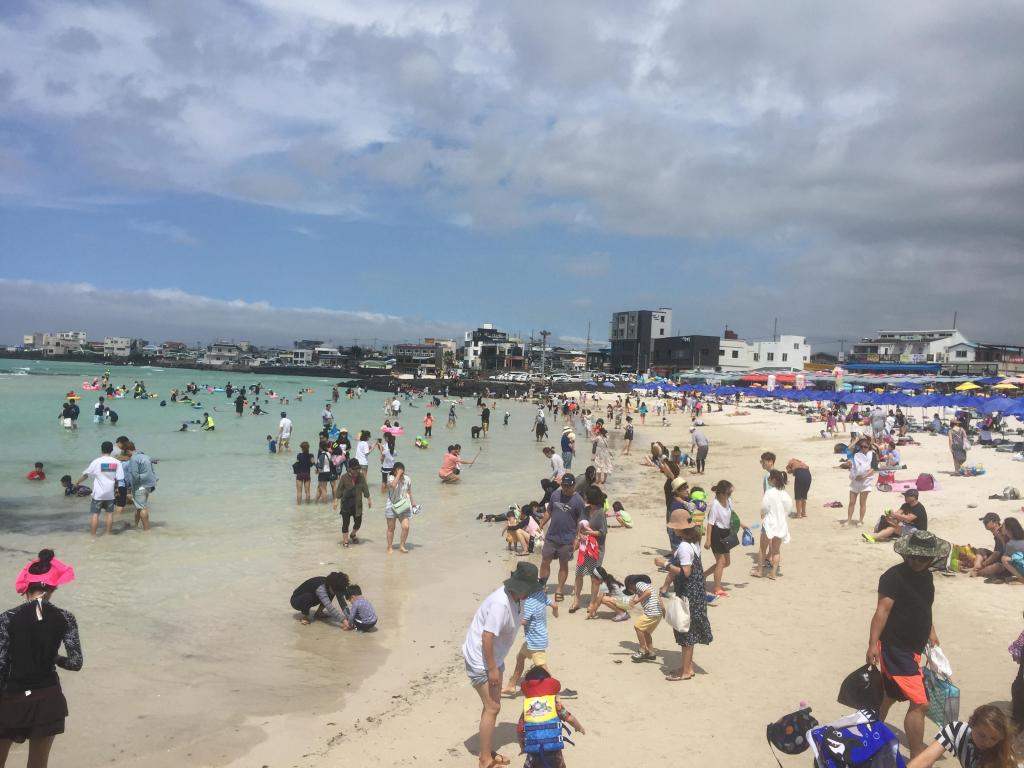
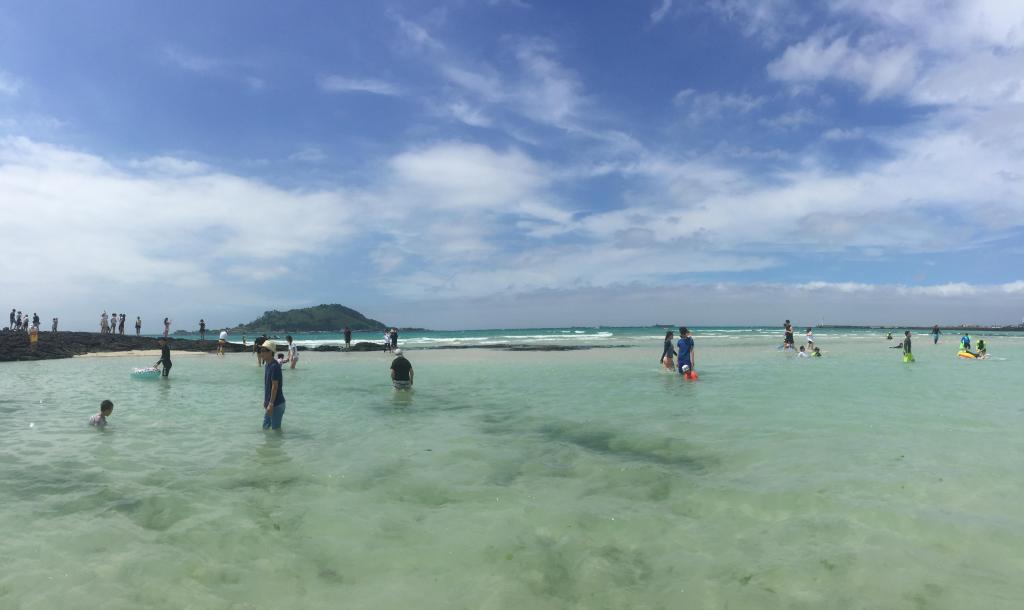
The next neighbouring location – Gwakji sea bathing beach! It is 350 metres long so I made a lot of photos here.
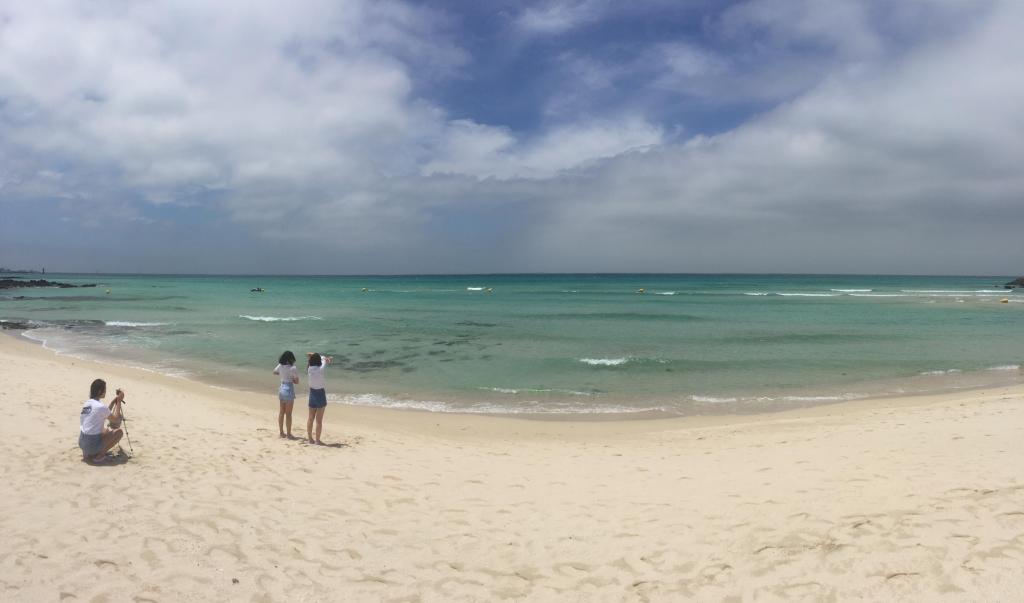
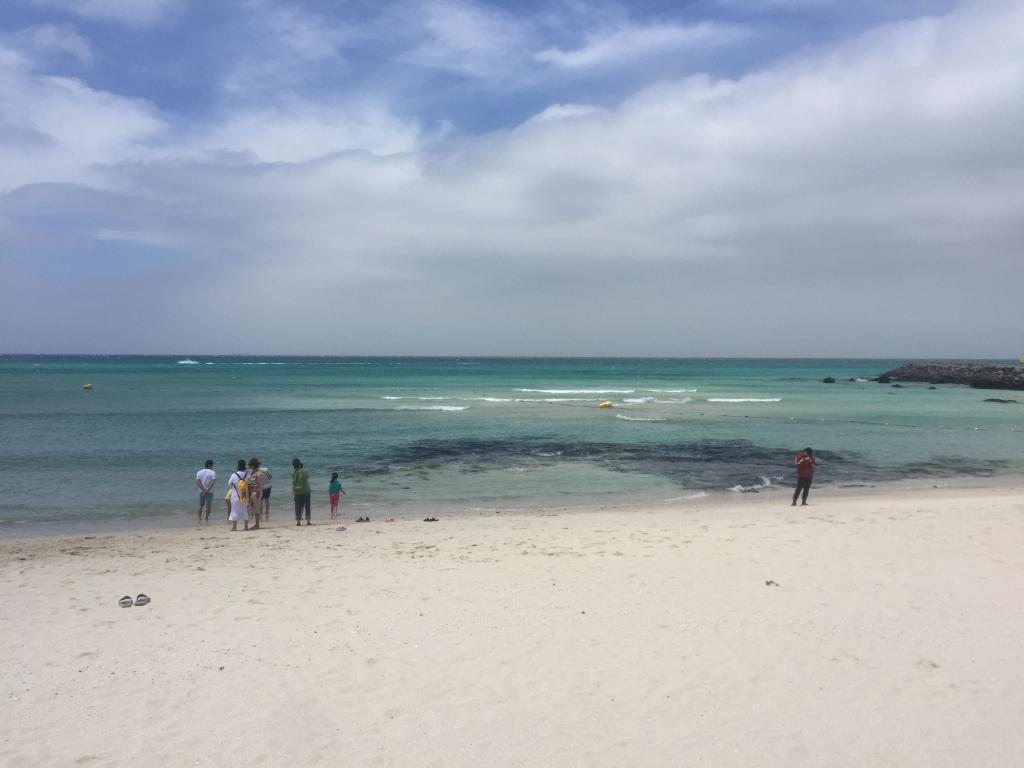
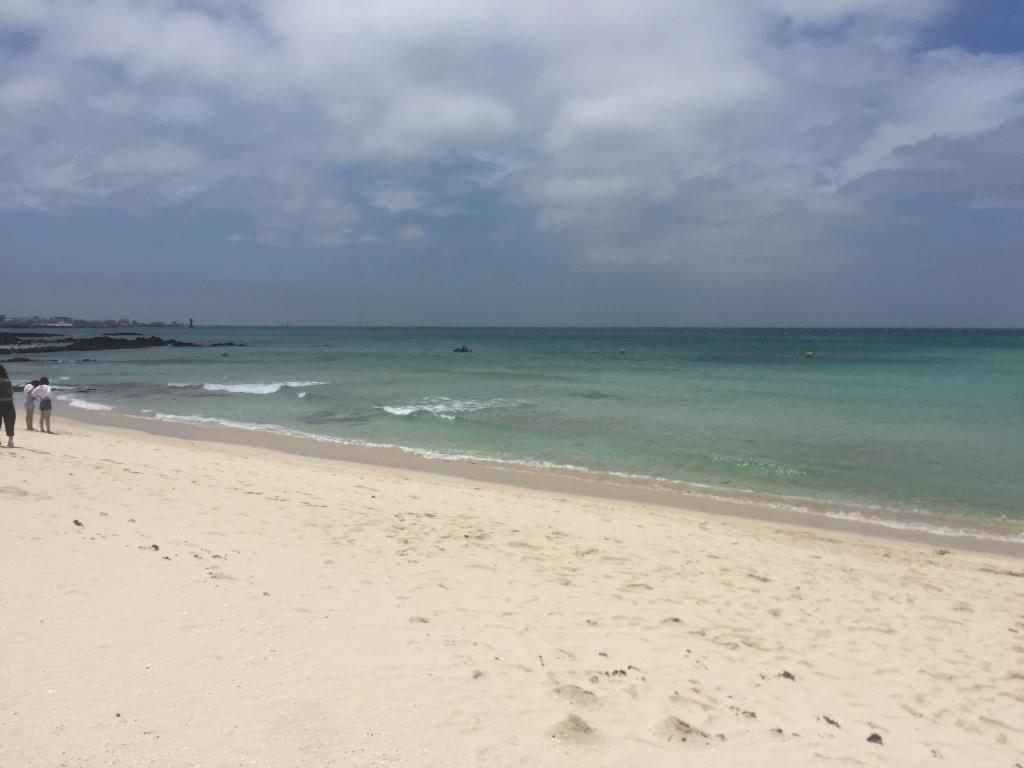
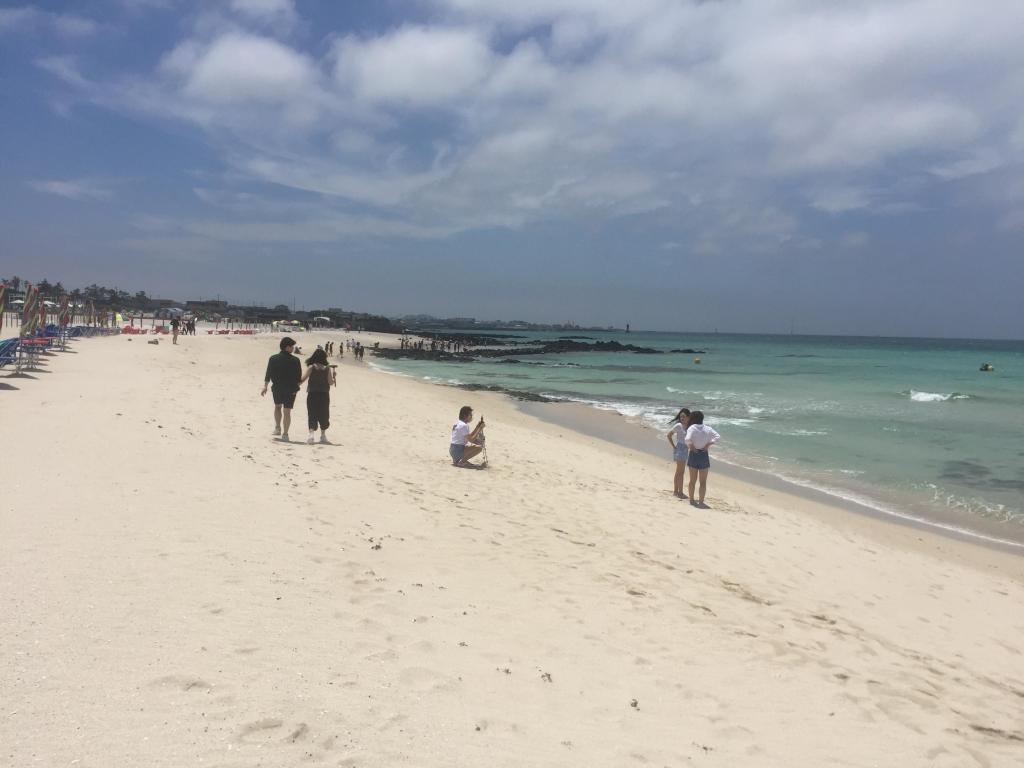
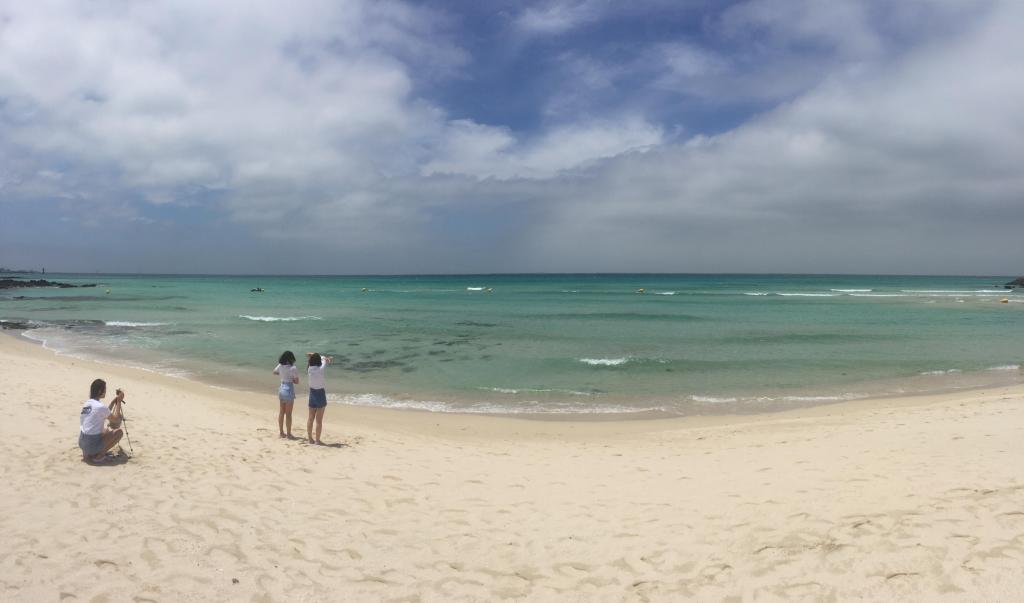
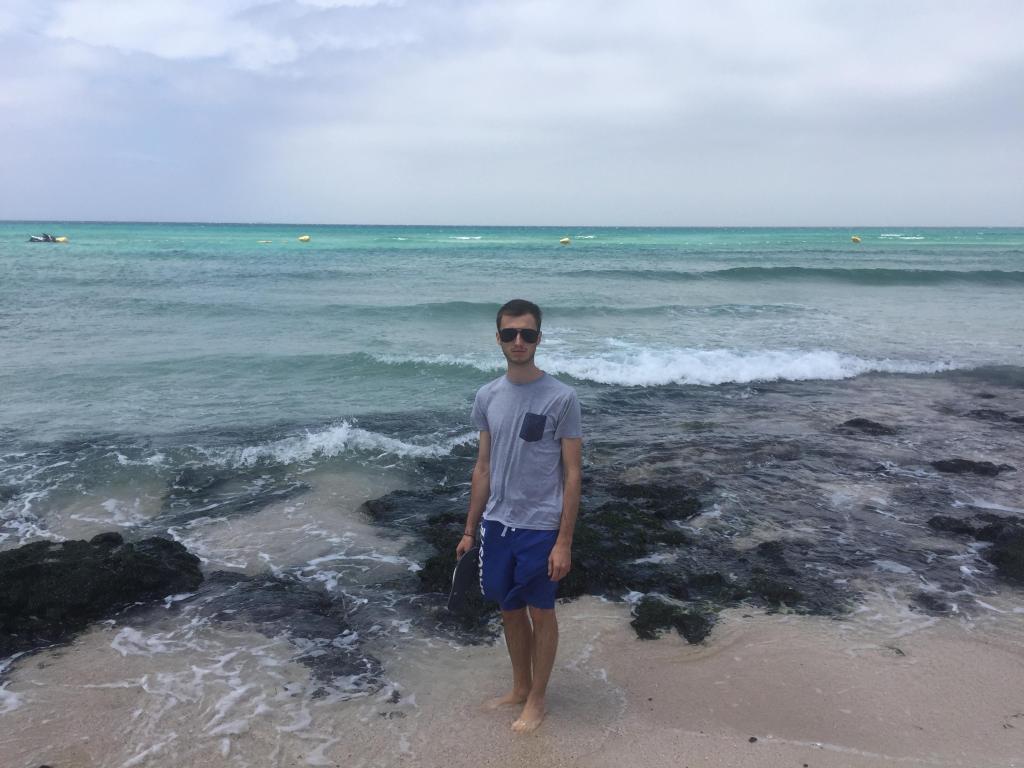
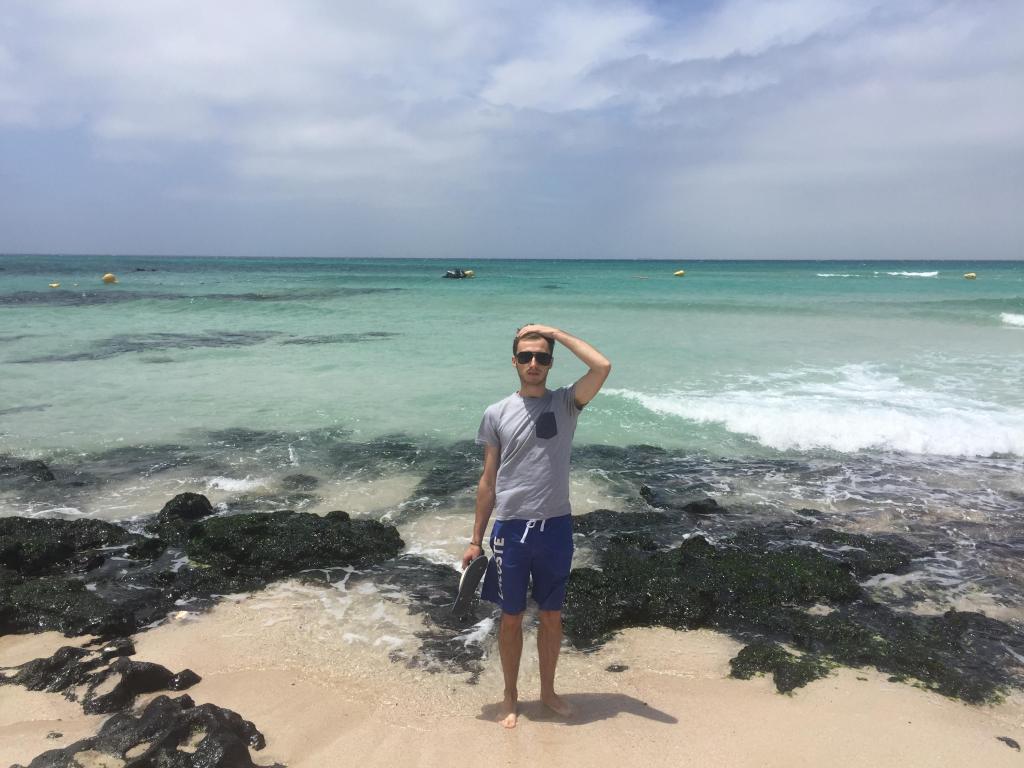
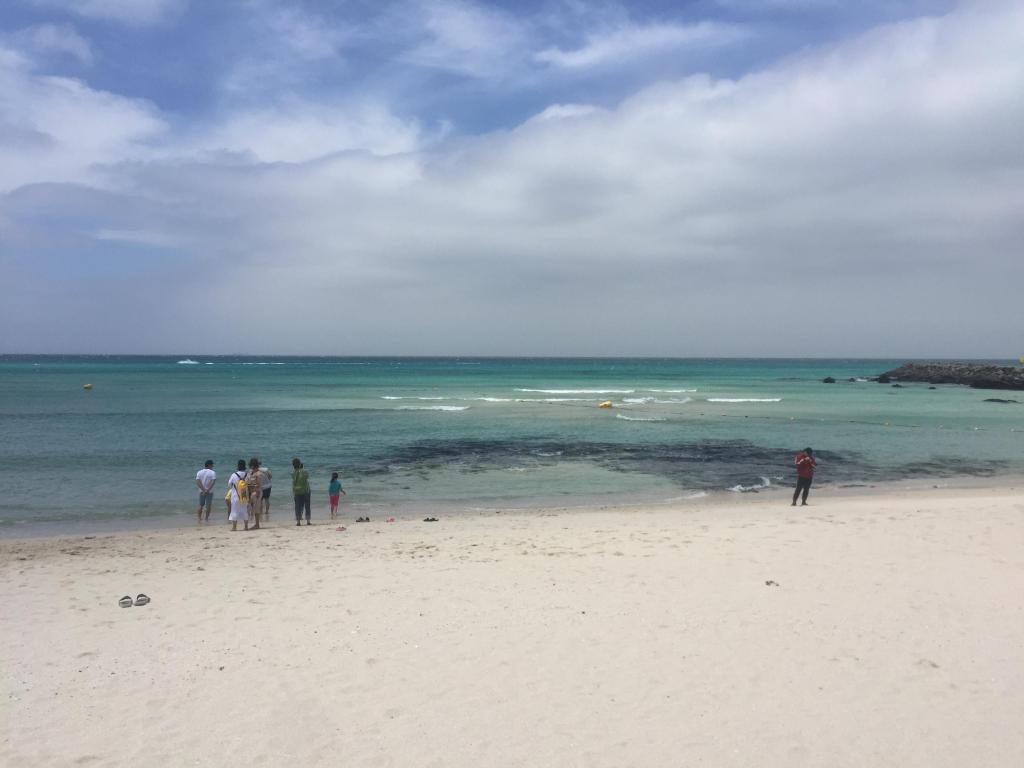
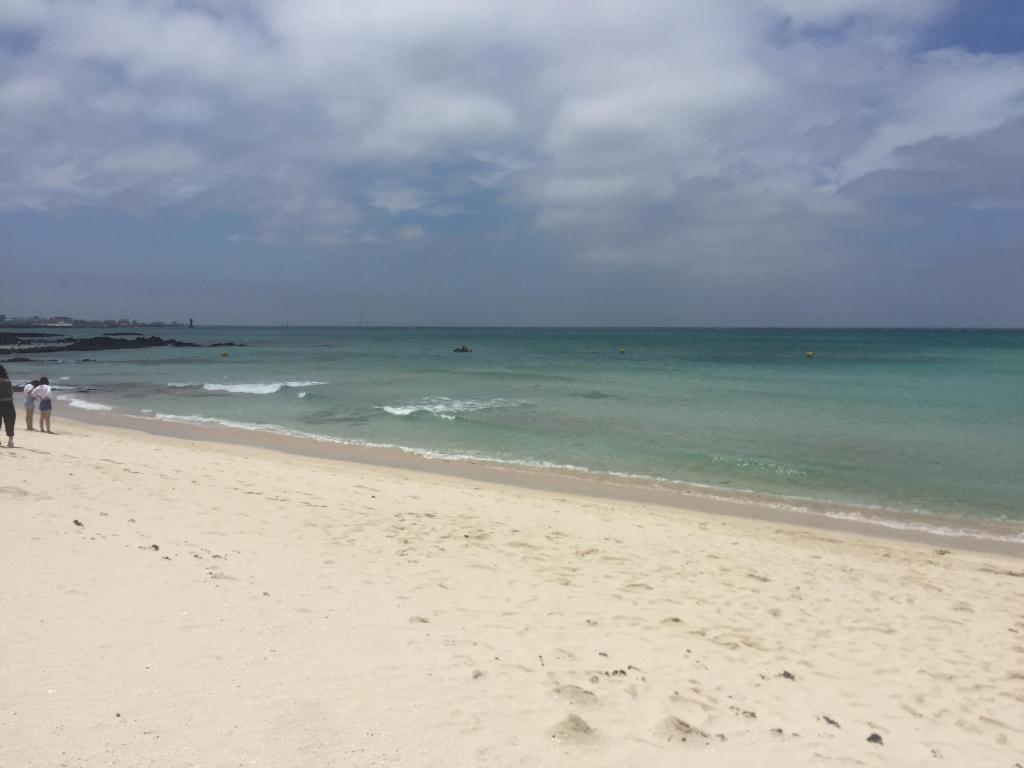
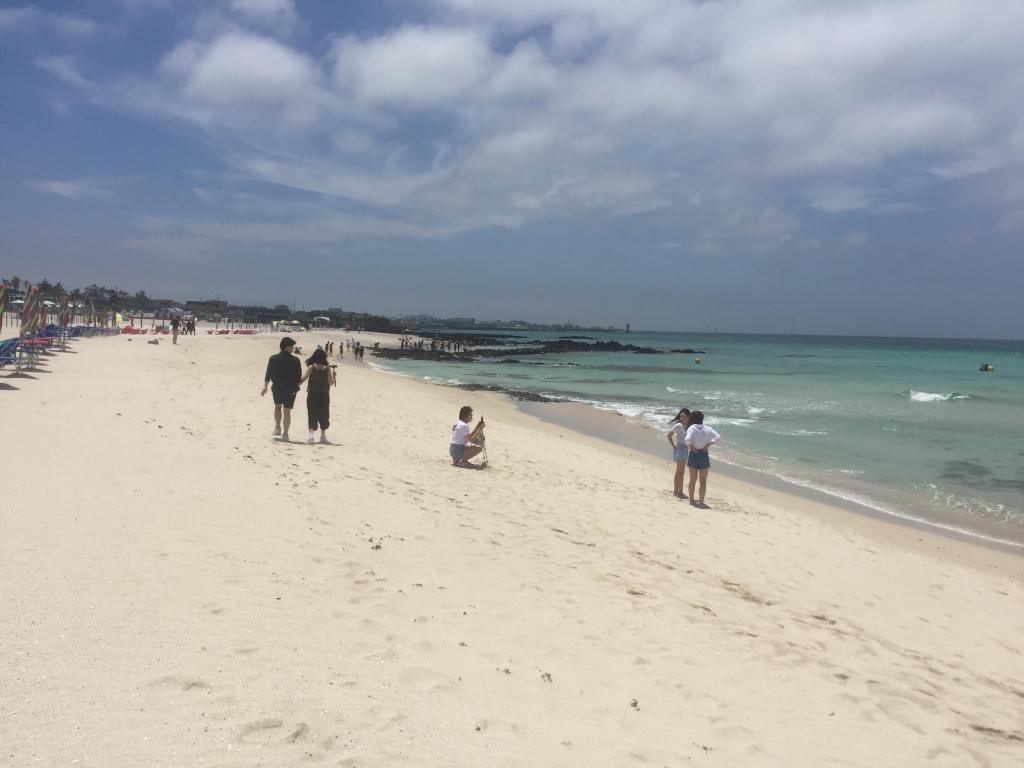
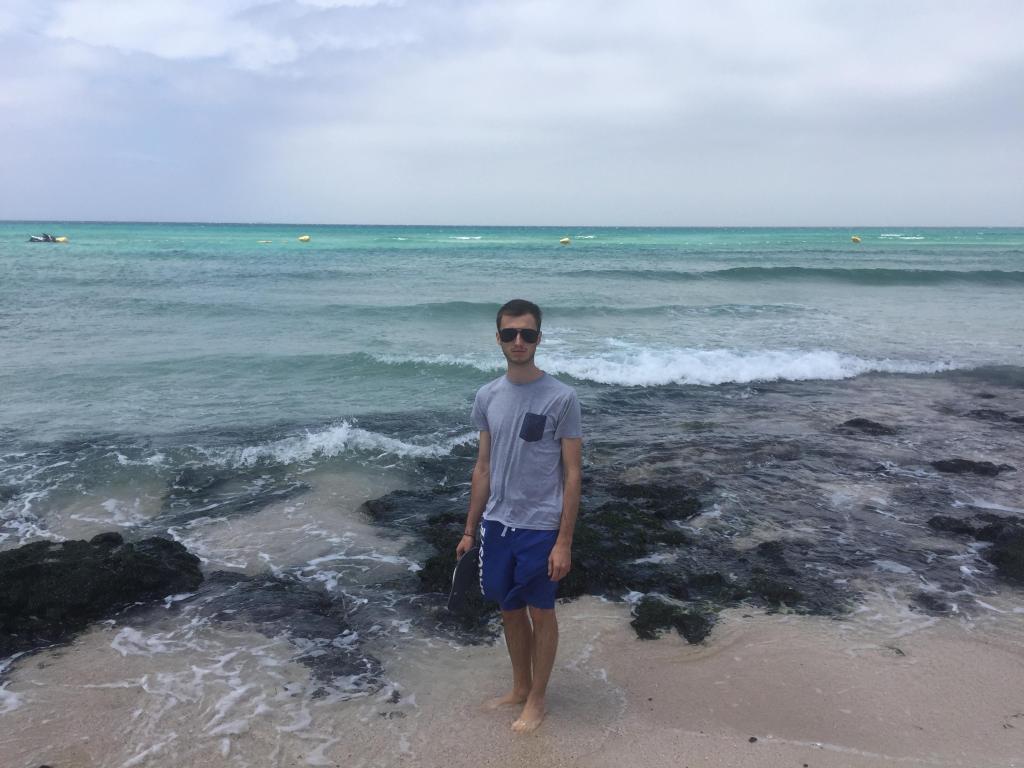
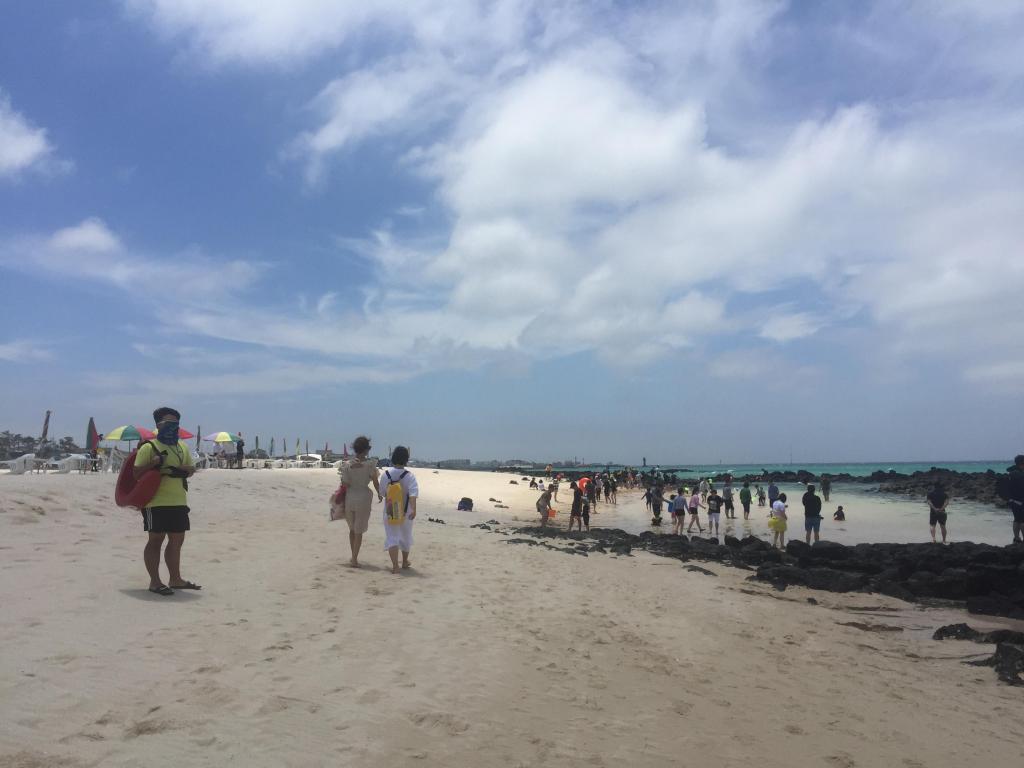
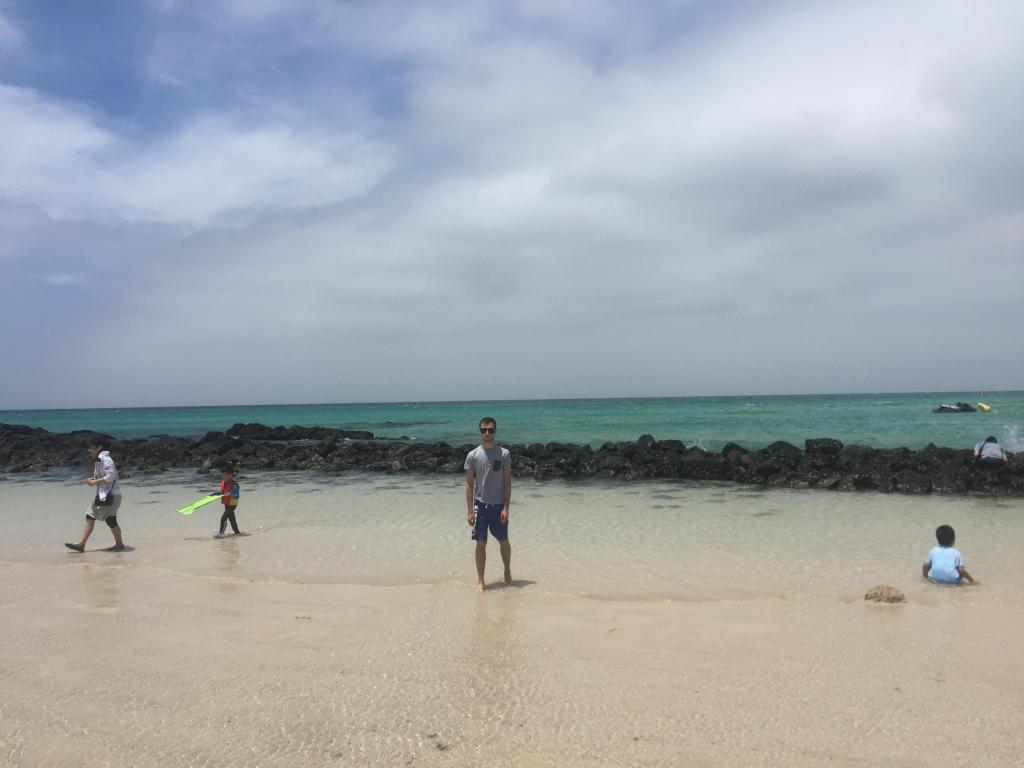
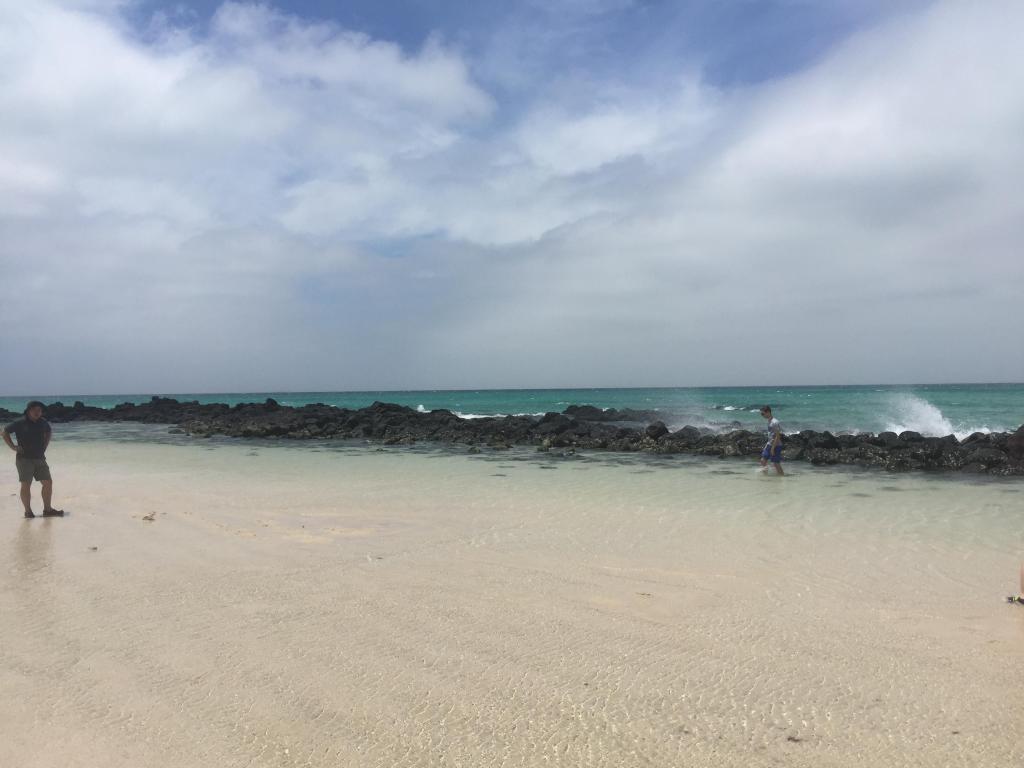
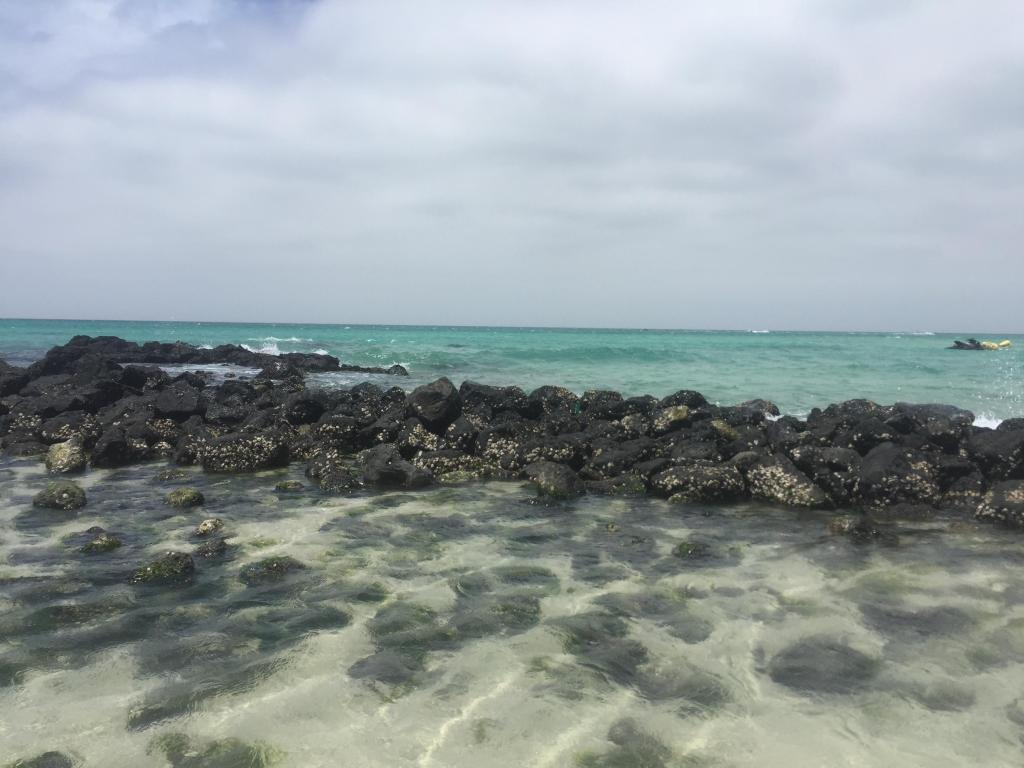
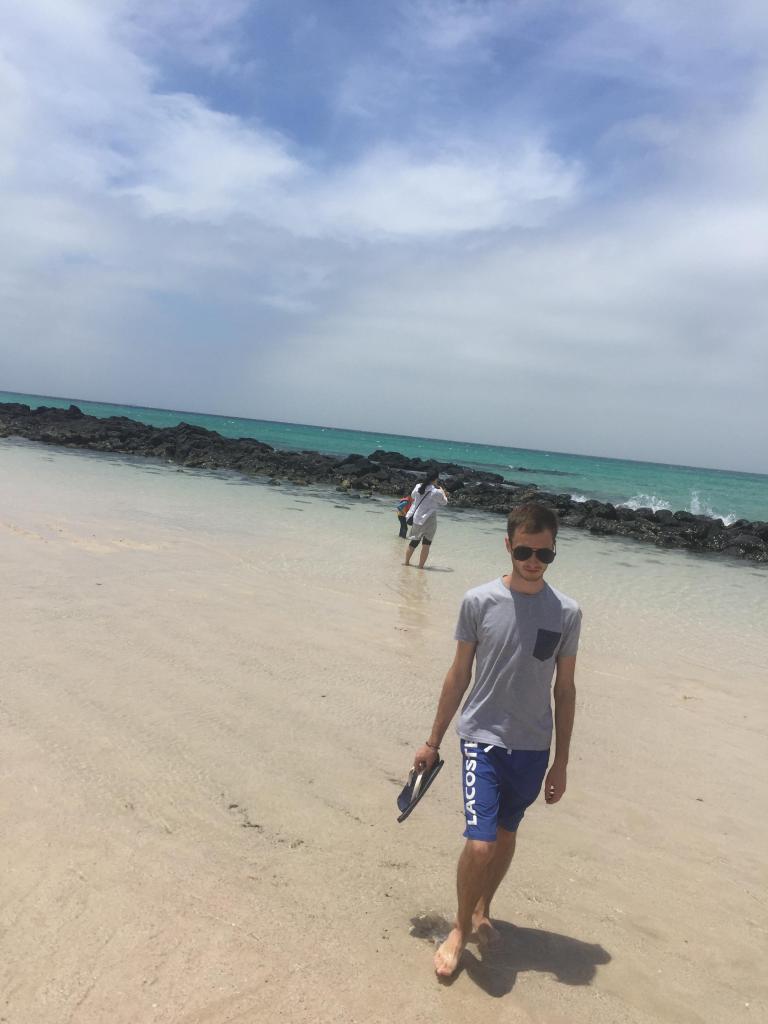

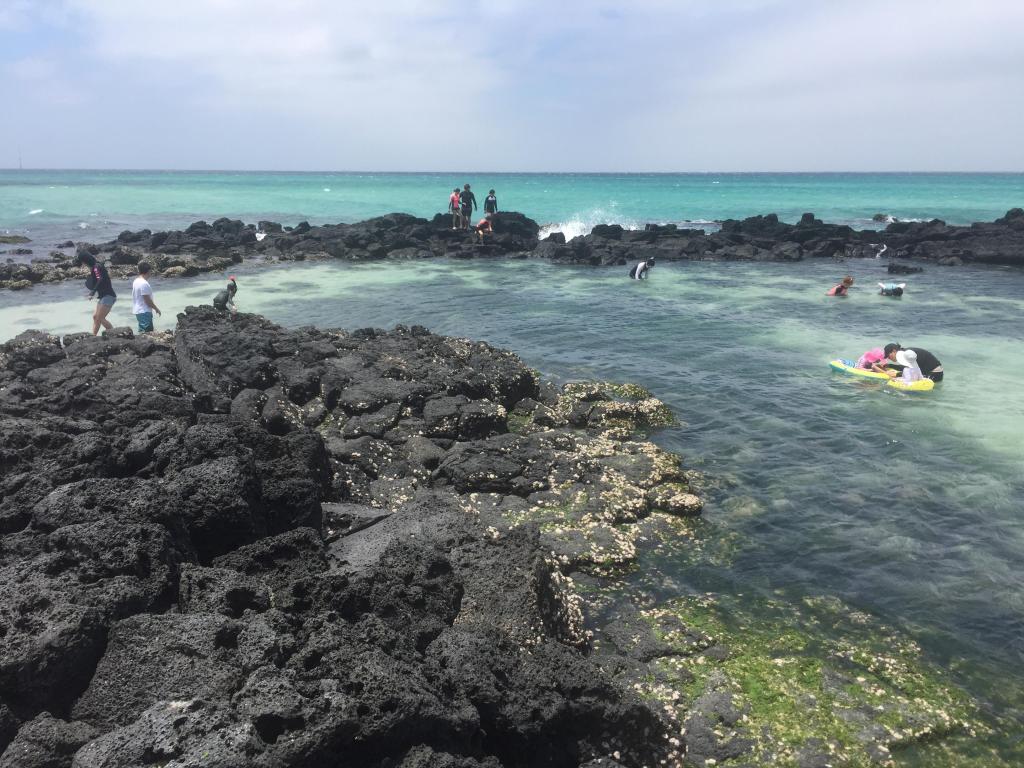

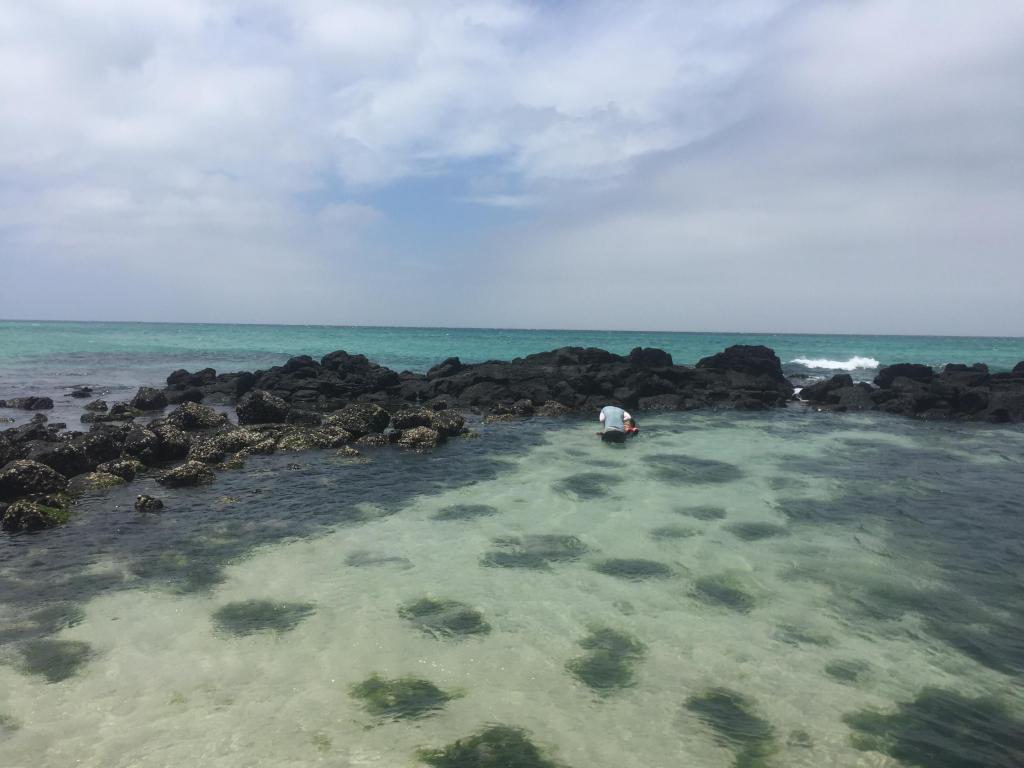
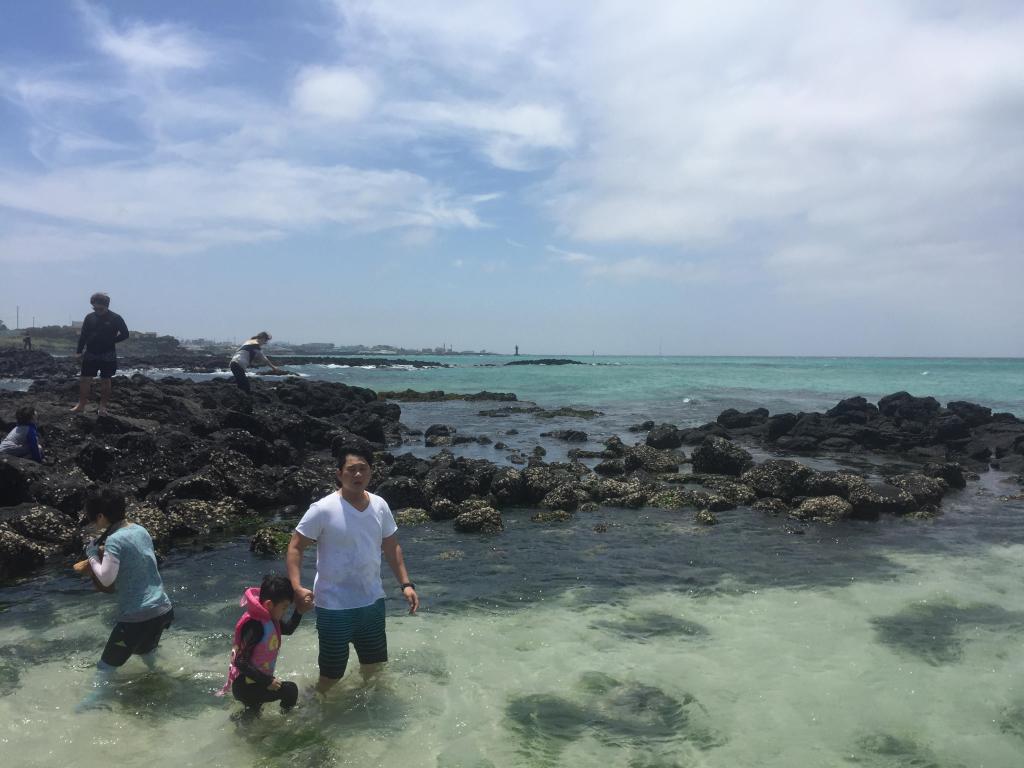
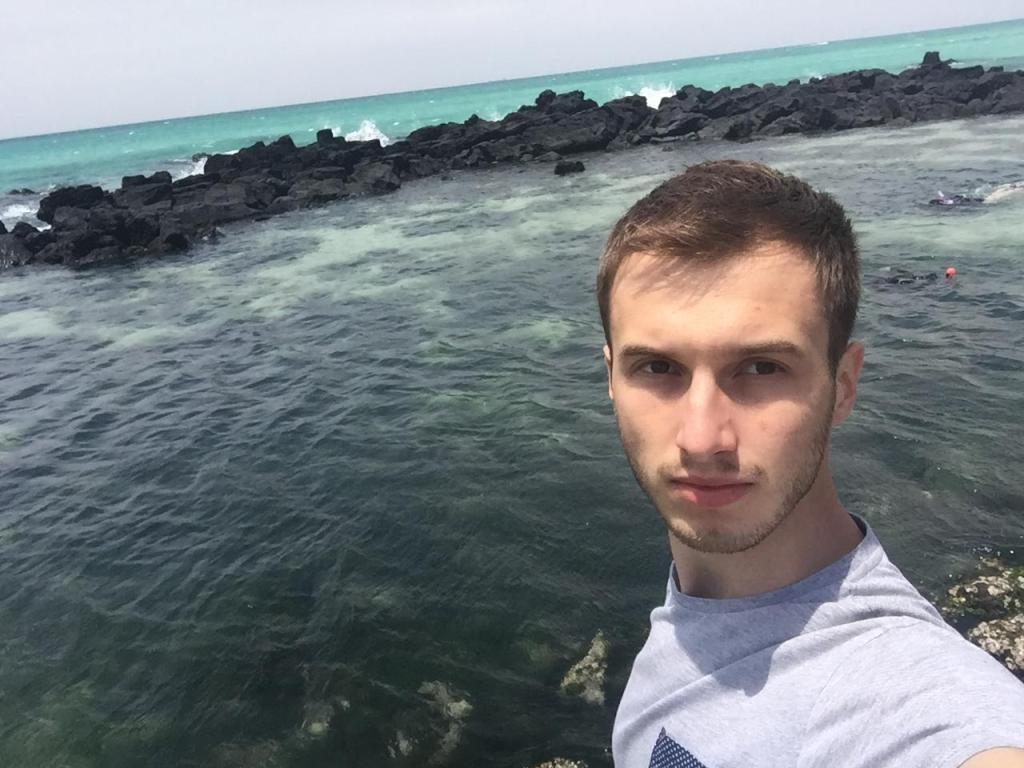
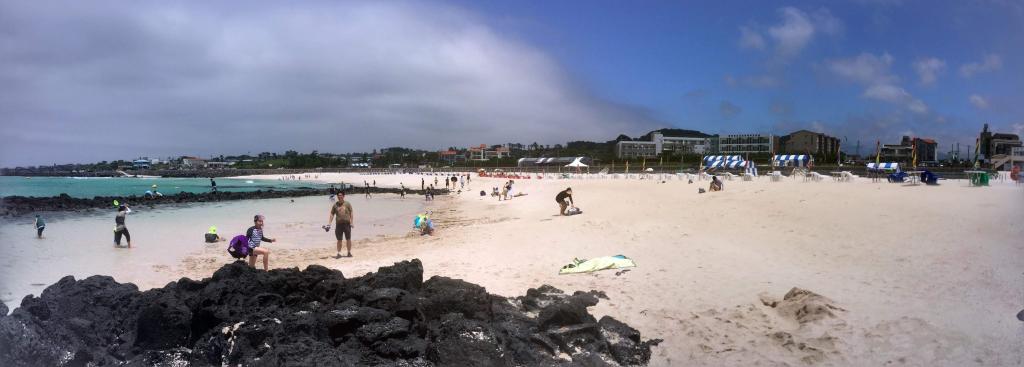
People do not swim naked in Korea, I do not understand why though it is so hot there!

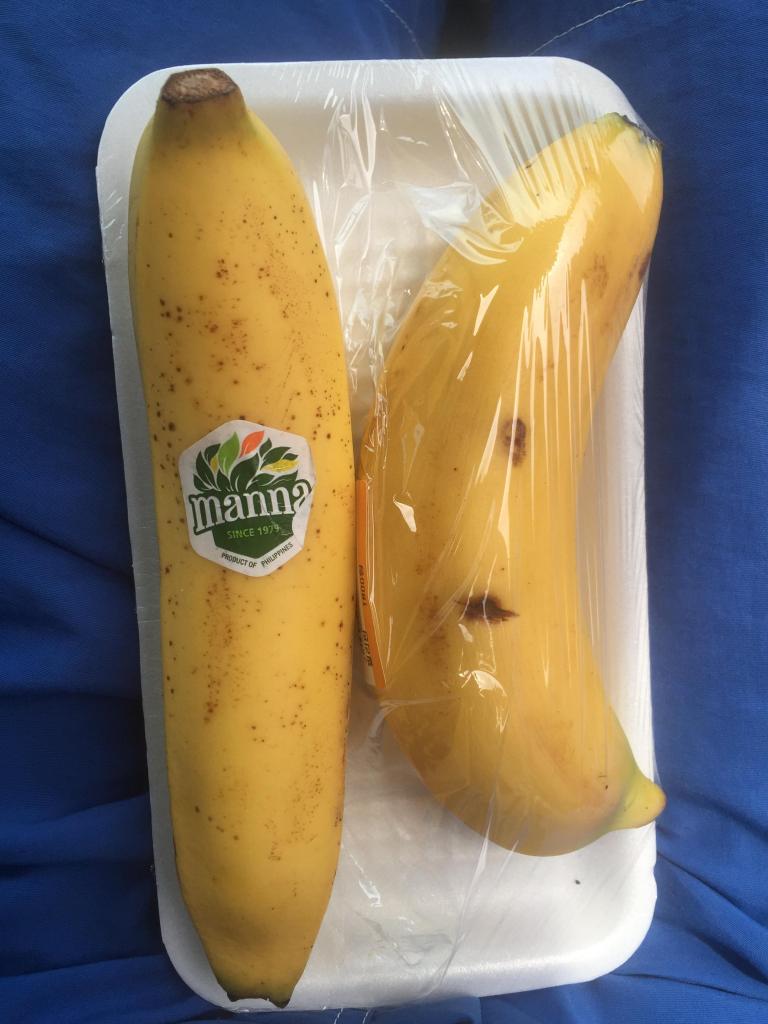
Korean bananas are short and thick. Where are they from?
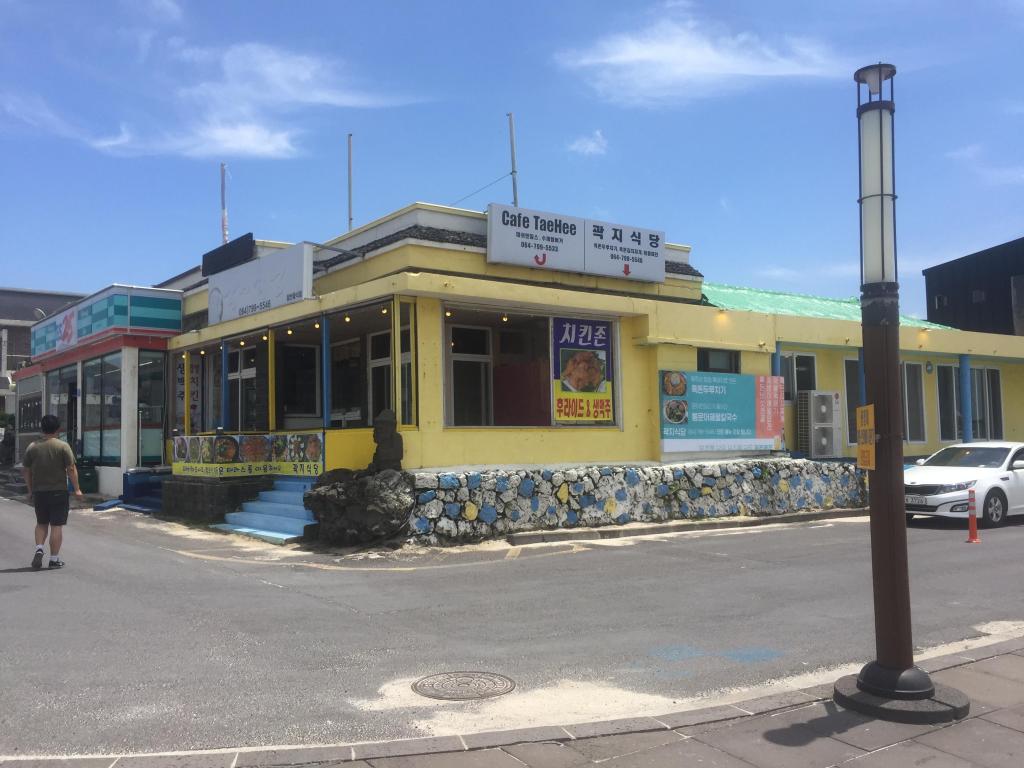

It is time to switch to another activity, and it is not having a meal. I am hungry. At this moment. I do not remember about that time.
 Try to Enter