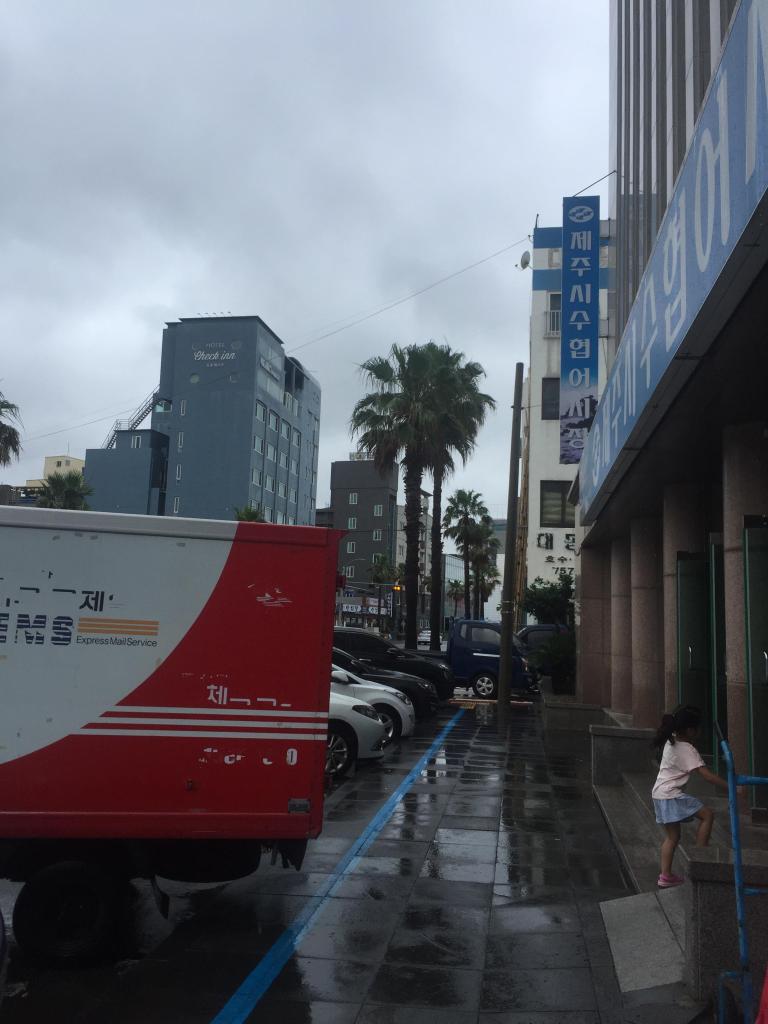
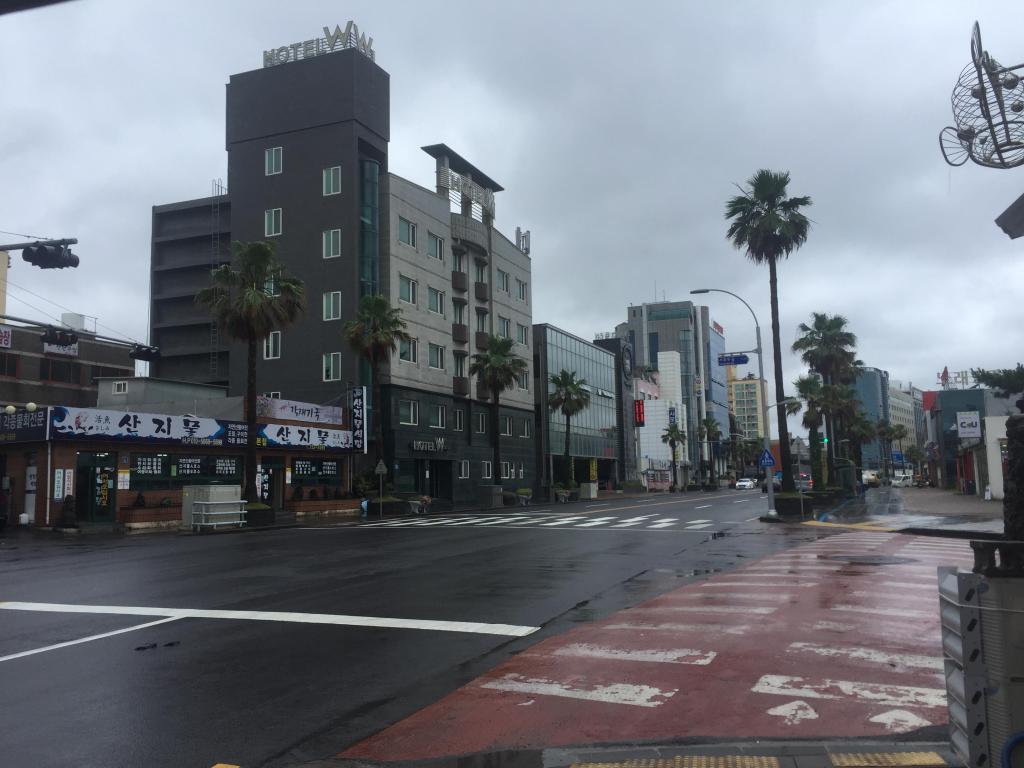
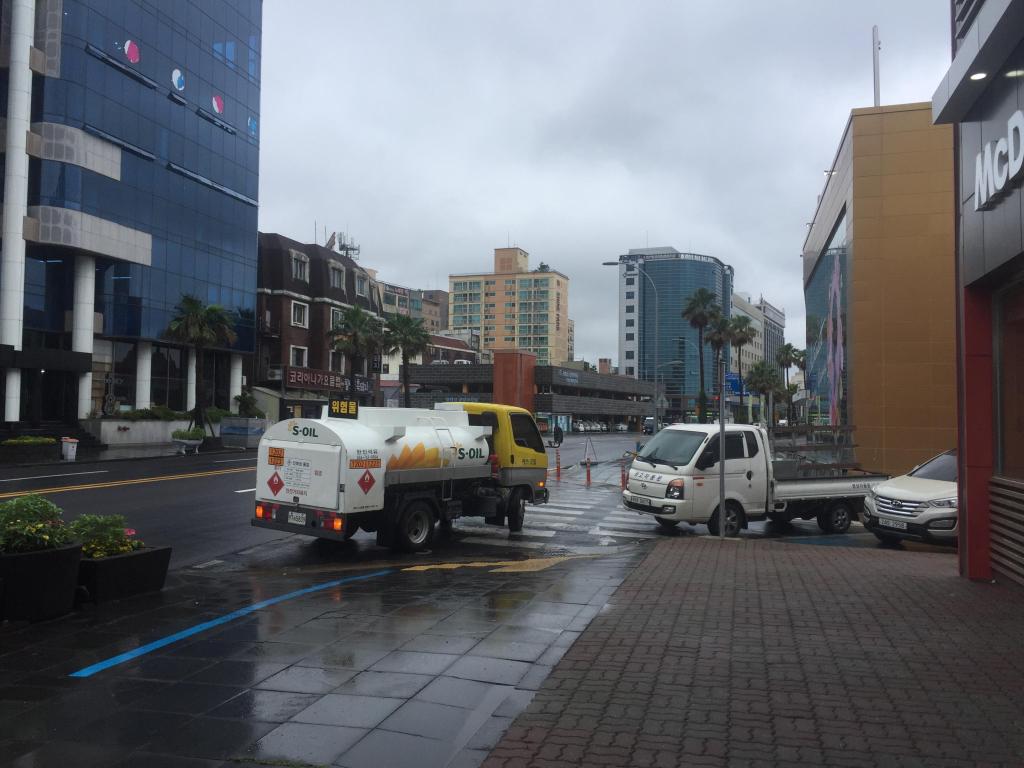
A day of an intense exploration of Jeju is to be started, and of course, I should be full of energy for that! Street views, looking for food.

That’s my name 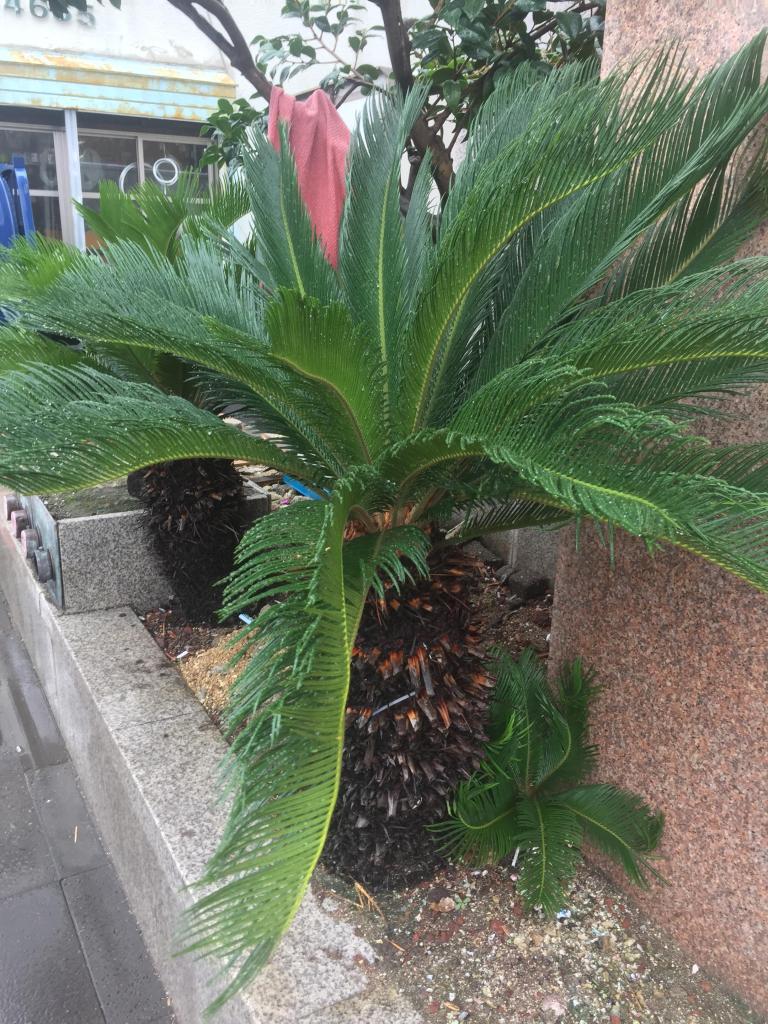
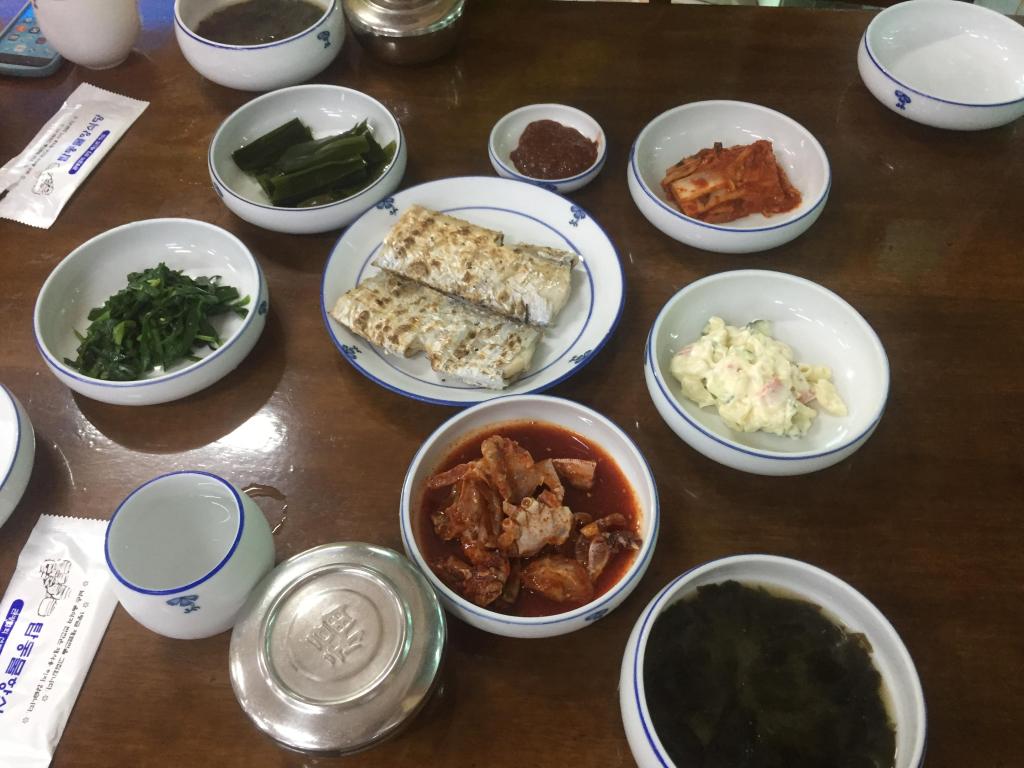
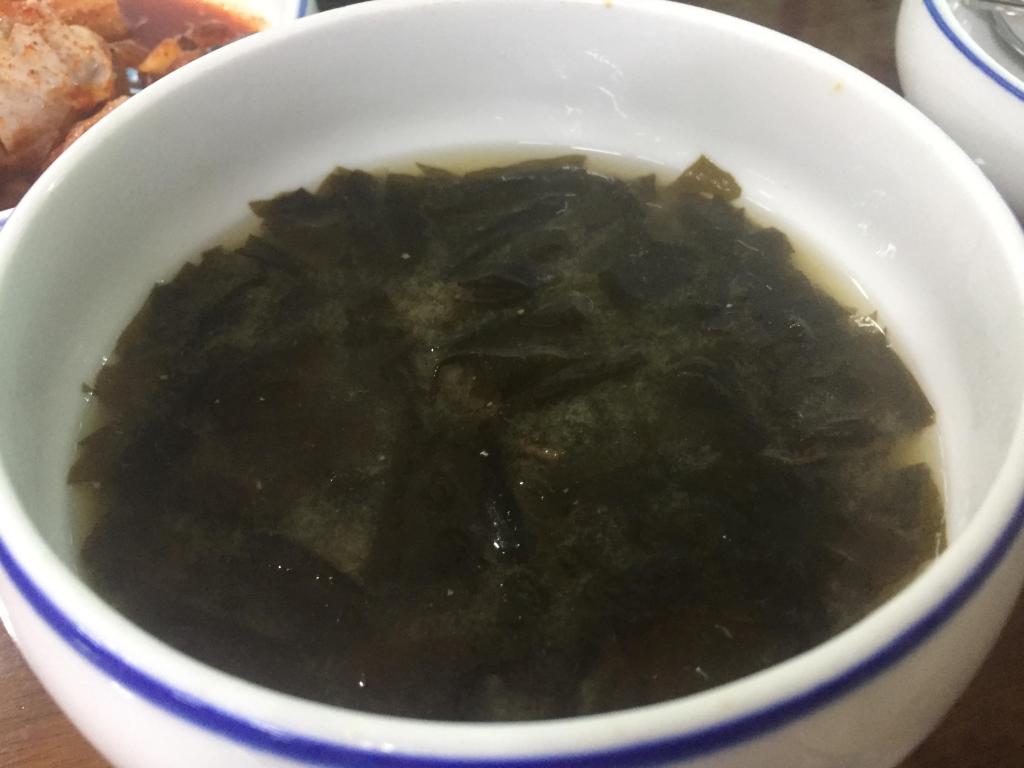
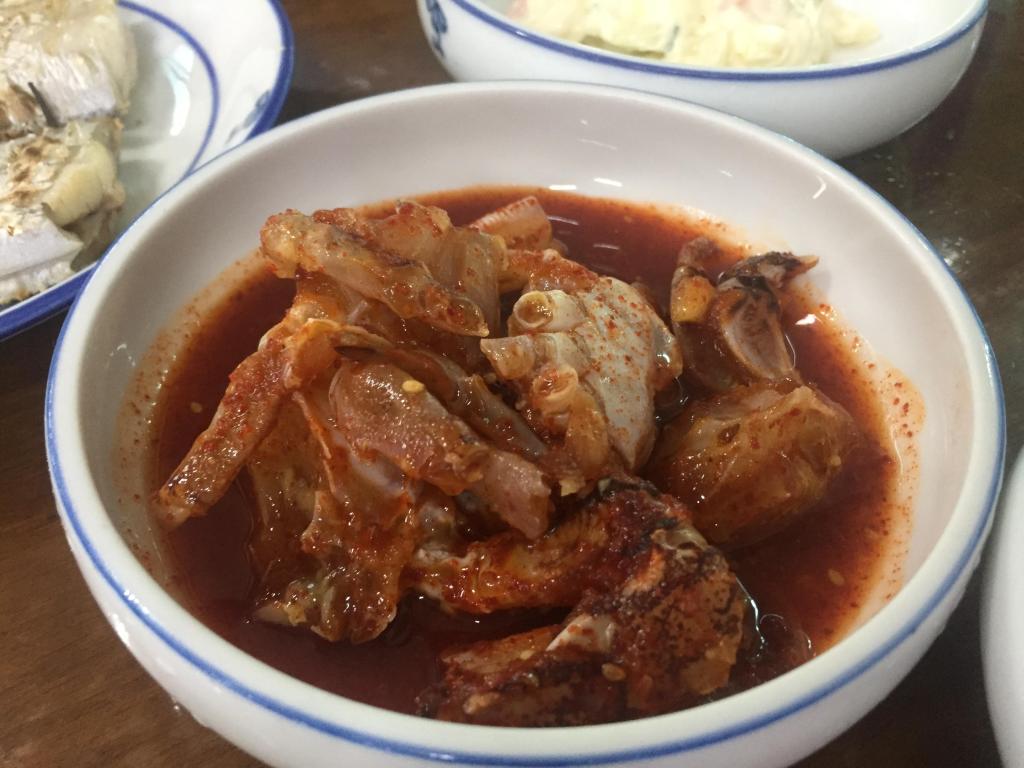
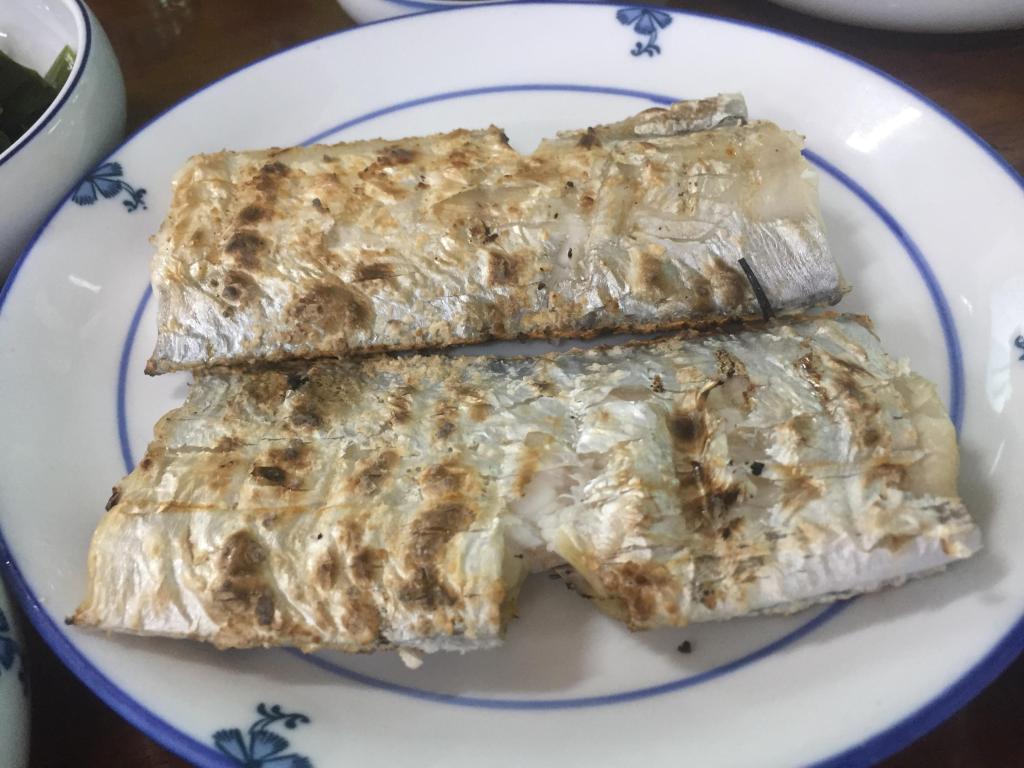
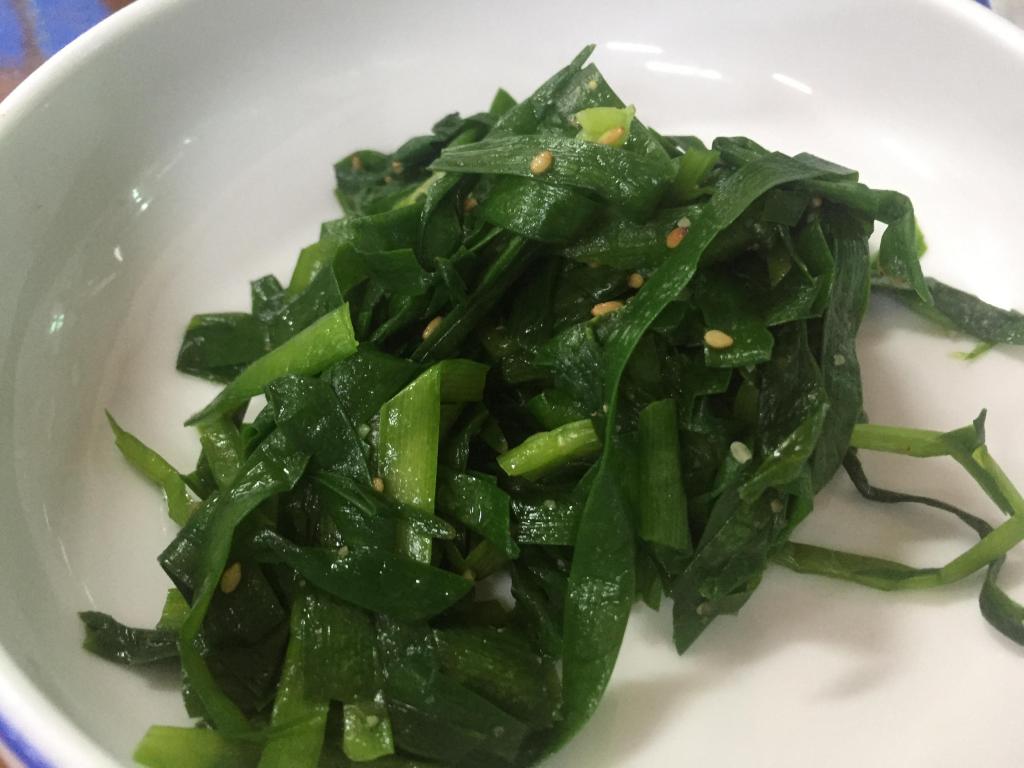
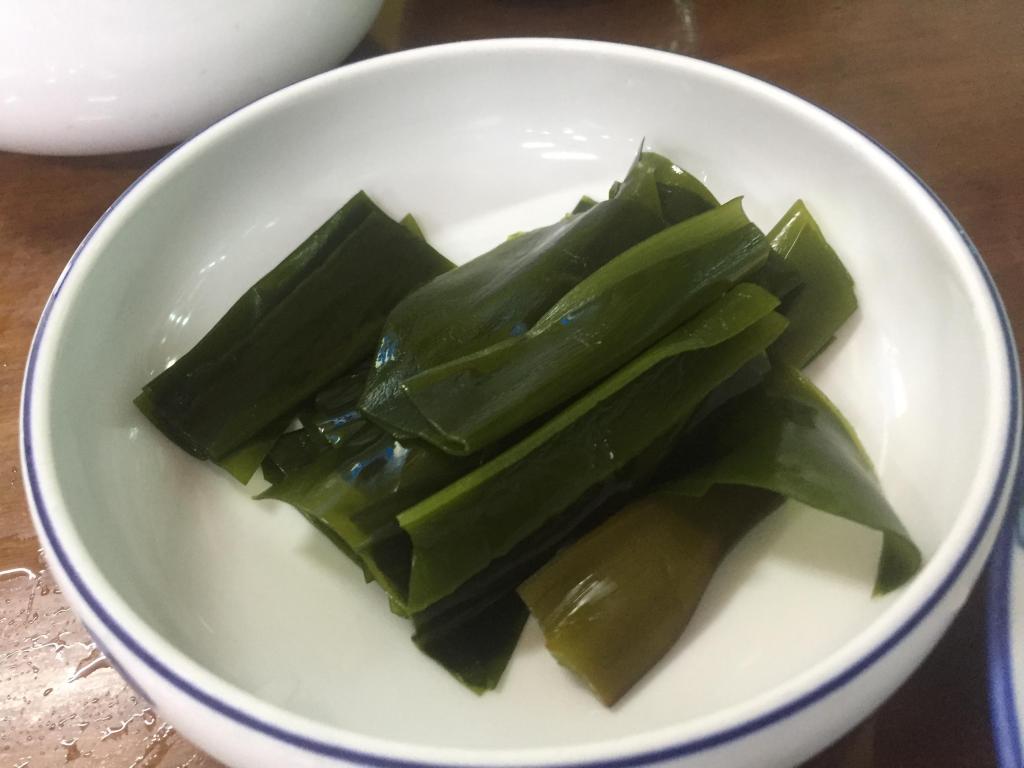
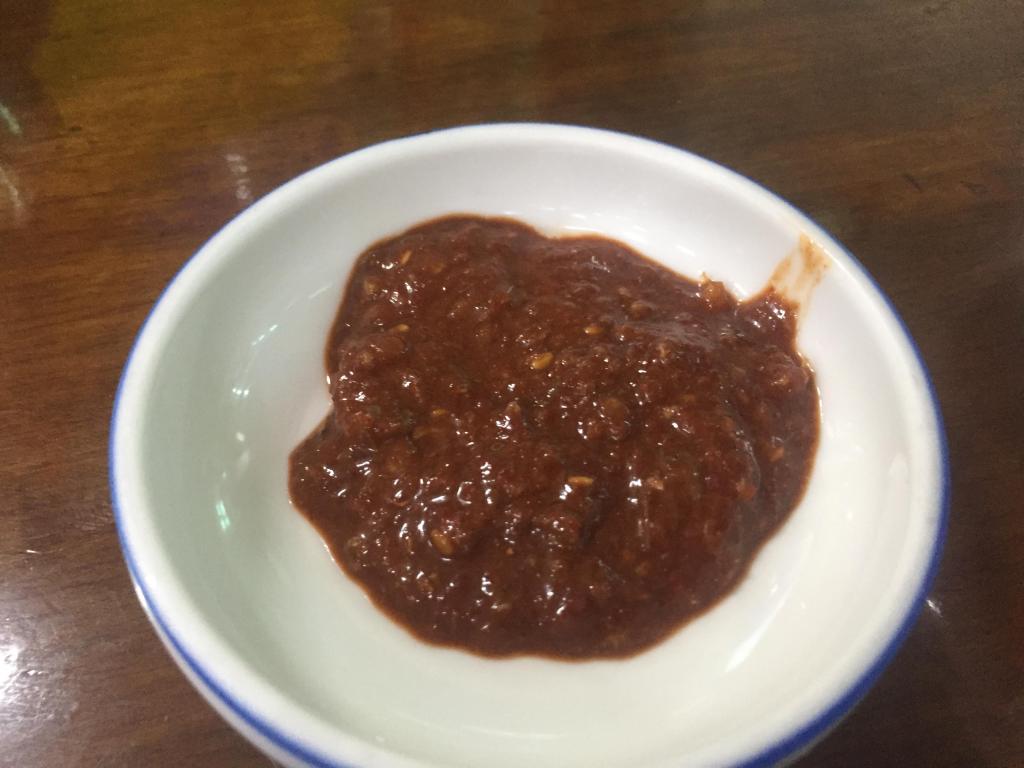
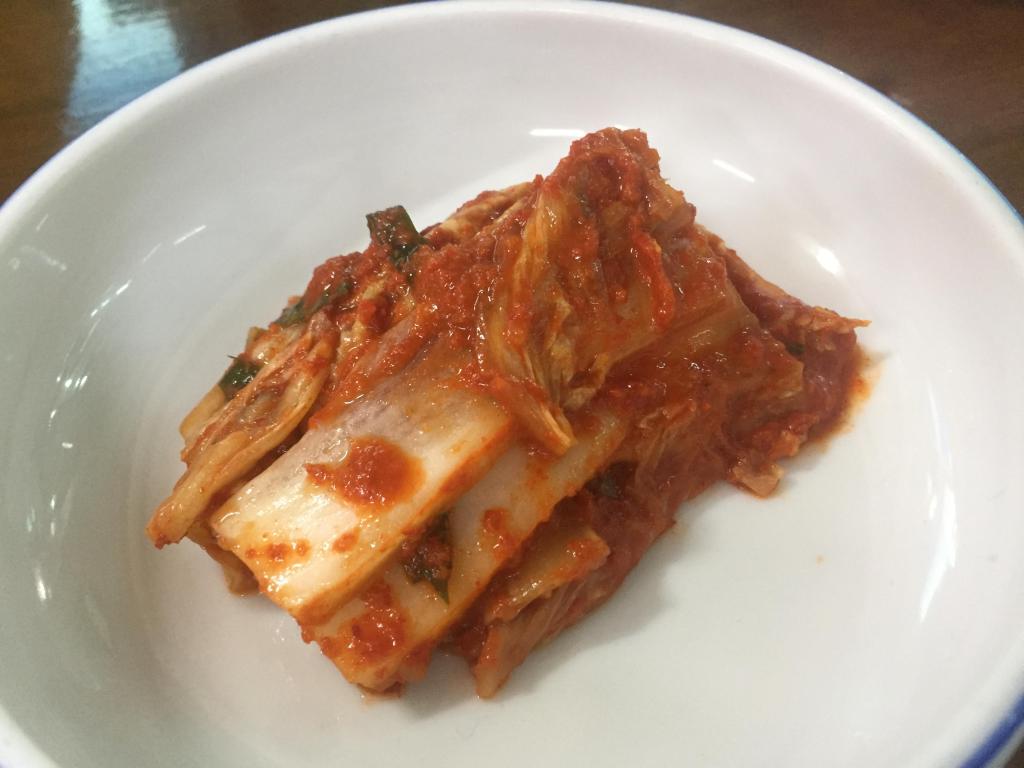
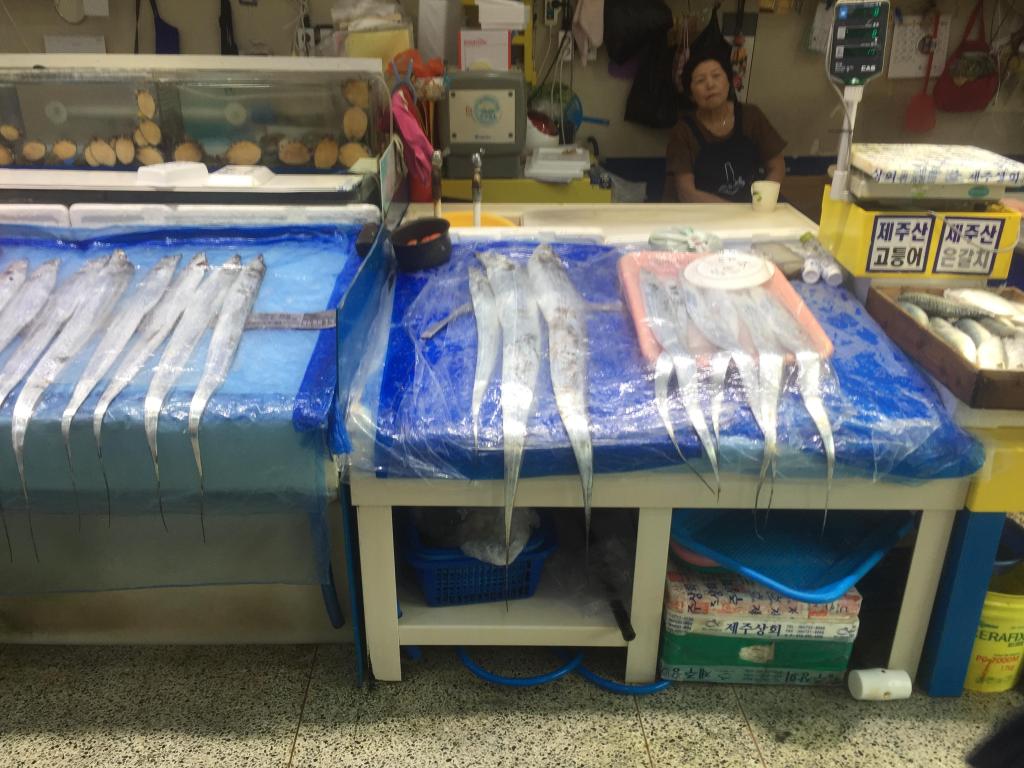
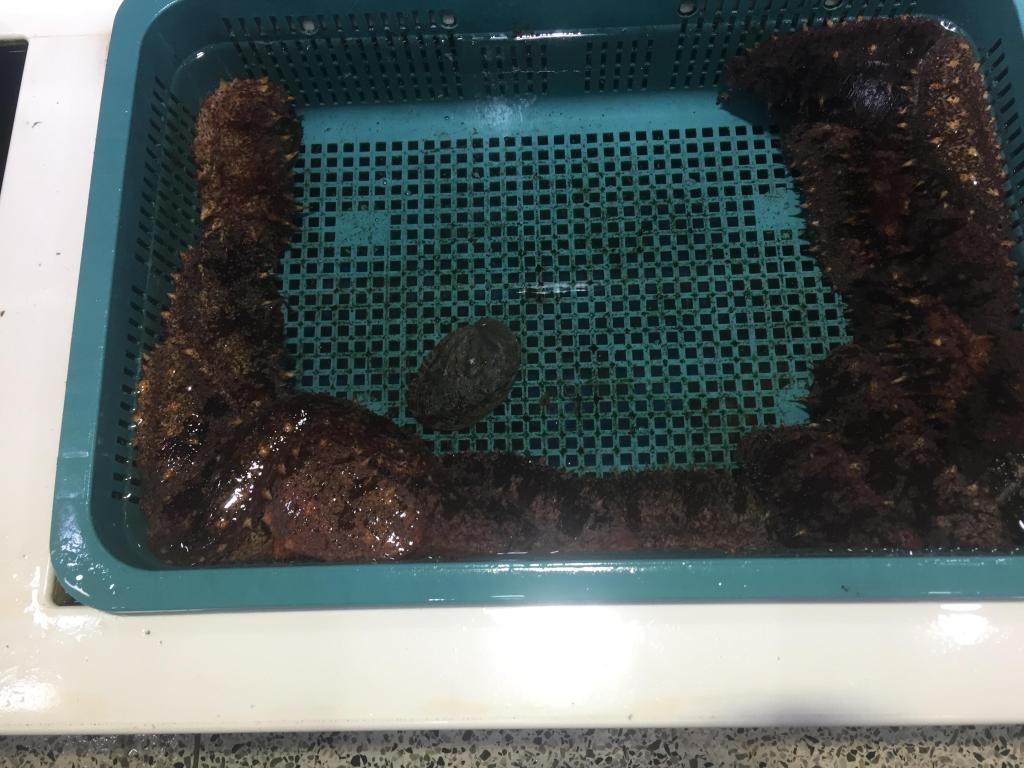
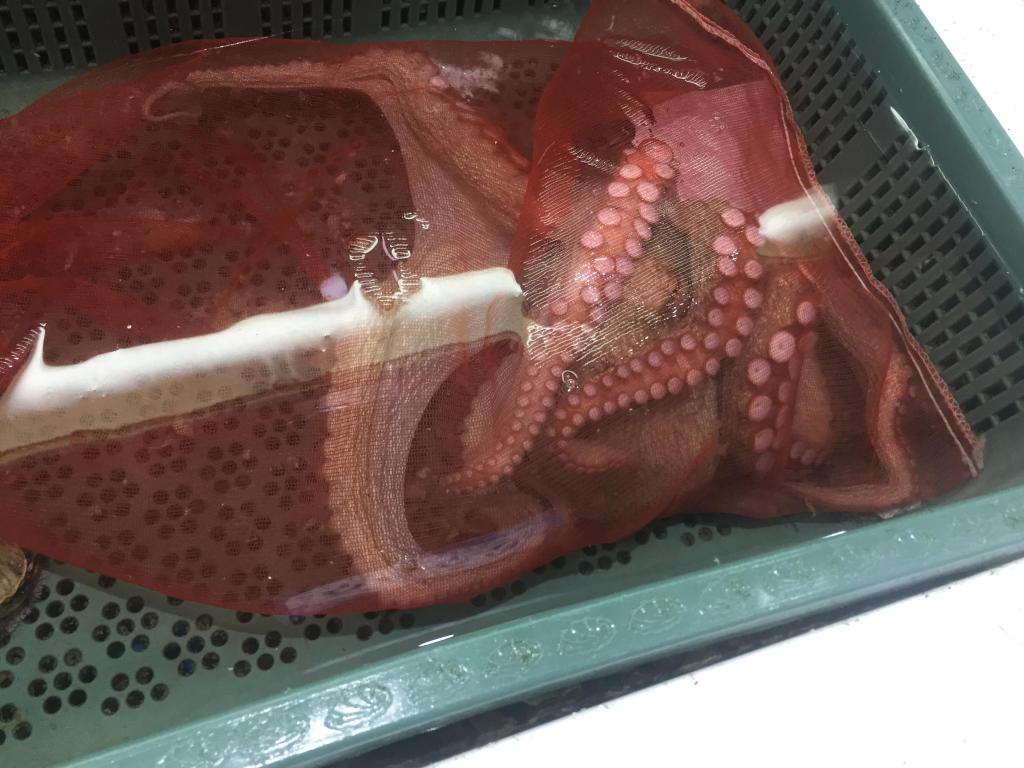
The seafood on the island is definitely fresh, right next to the restaurant’s door it is possible to buy any of those creatures. That explains the huge difference between the quality of food offered in Korean and Ukrainian restaurants.
A fancy cafe, would I go to an exotic island in Korea to feel like in France?
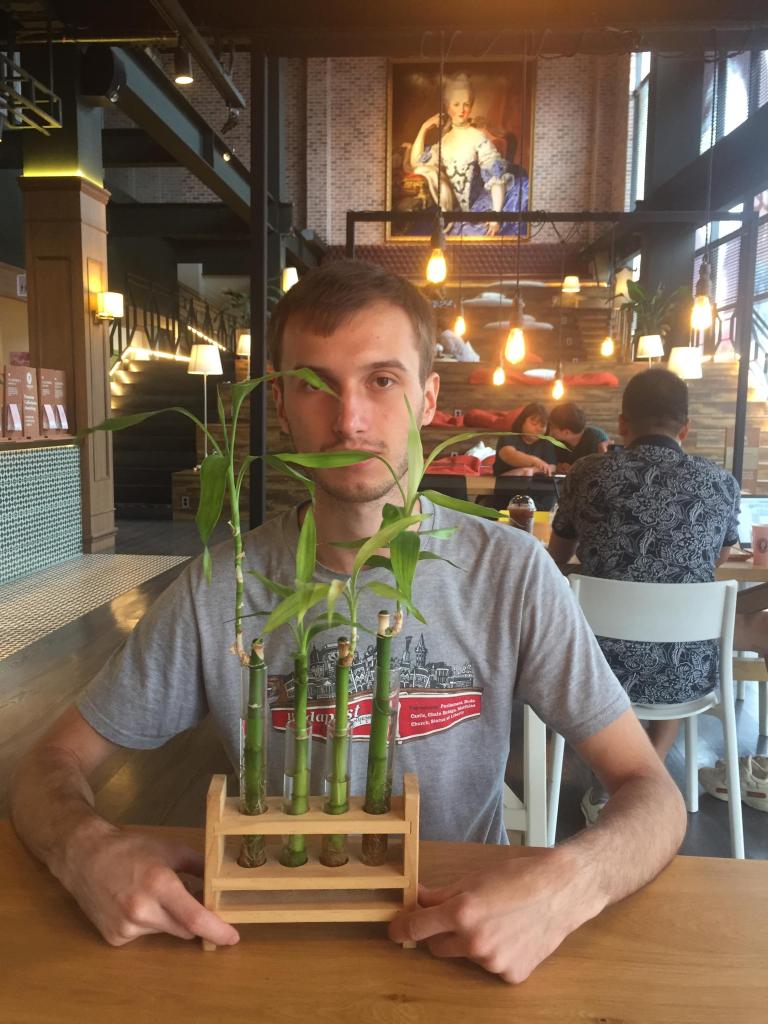
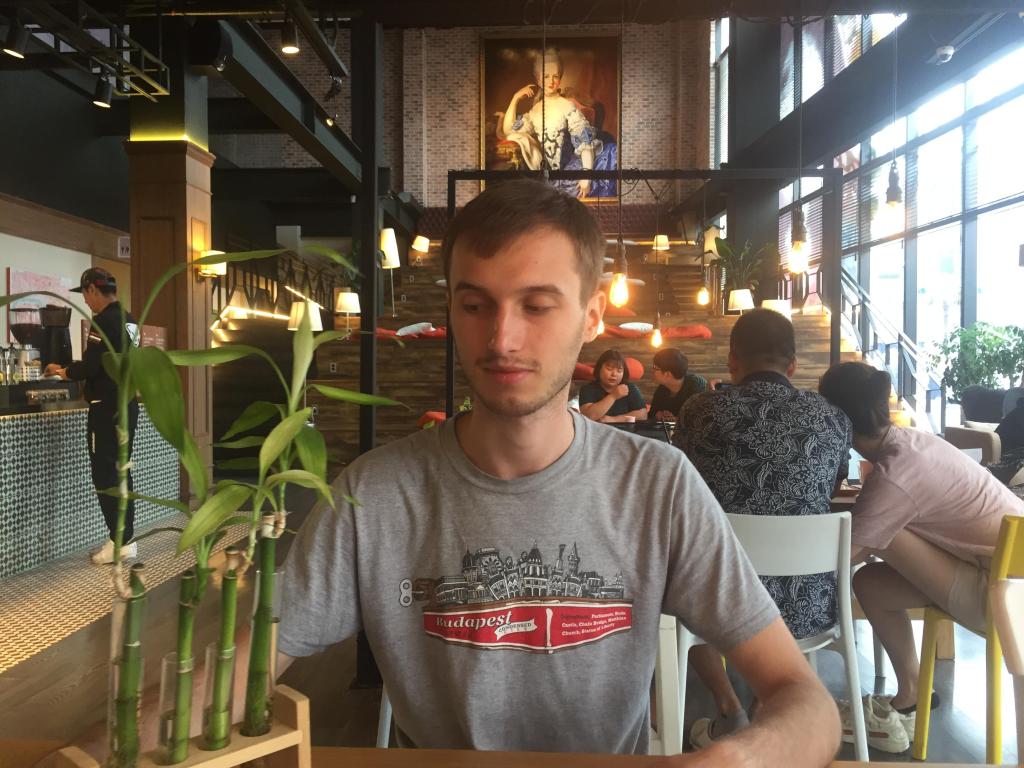
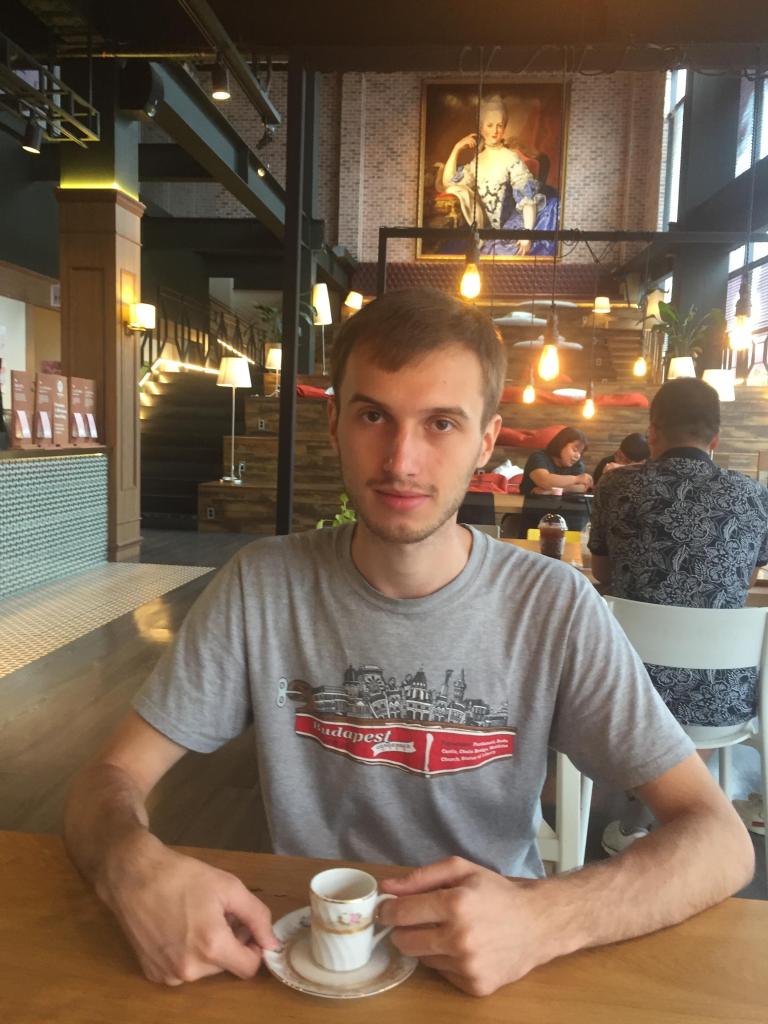
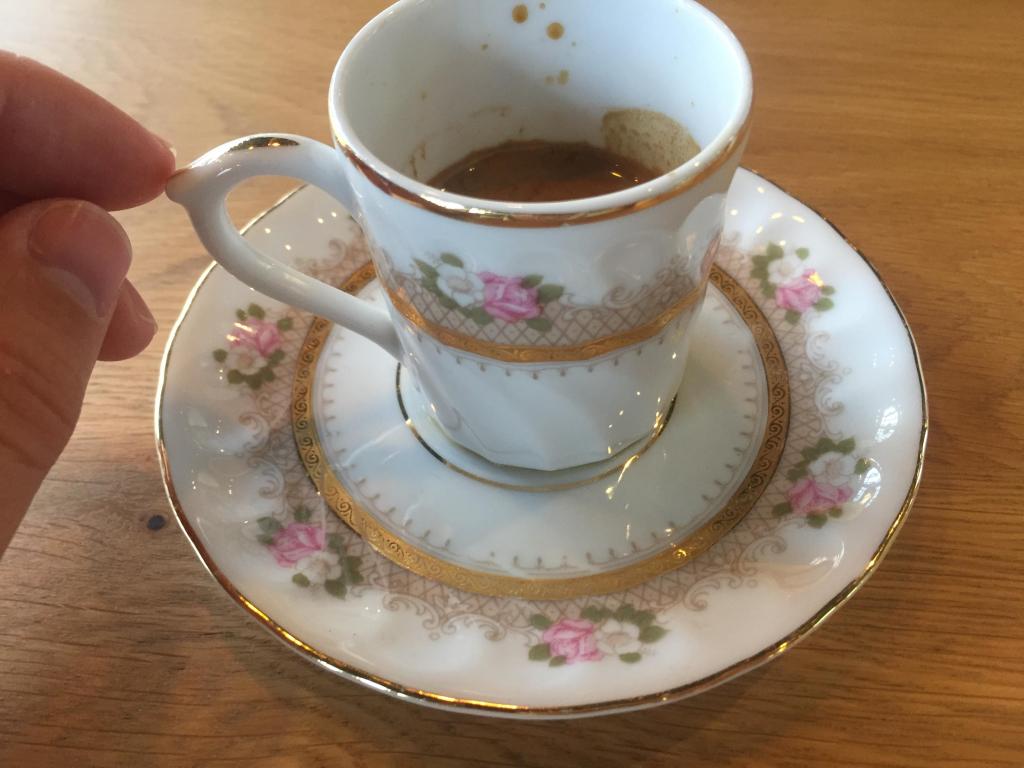
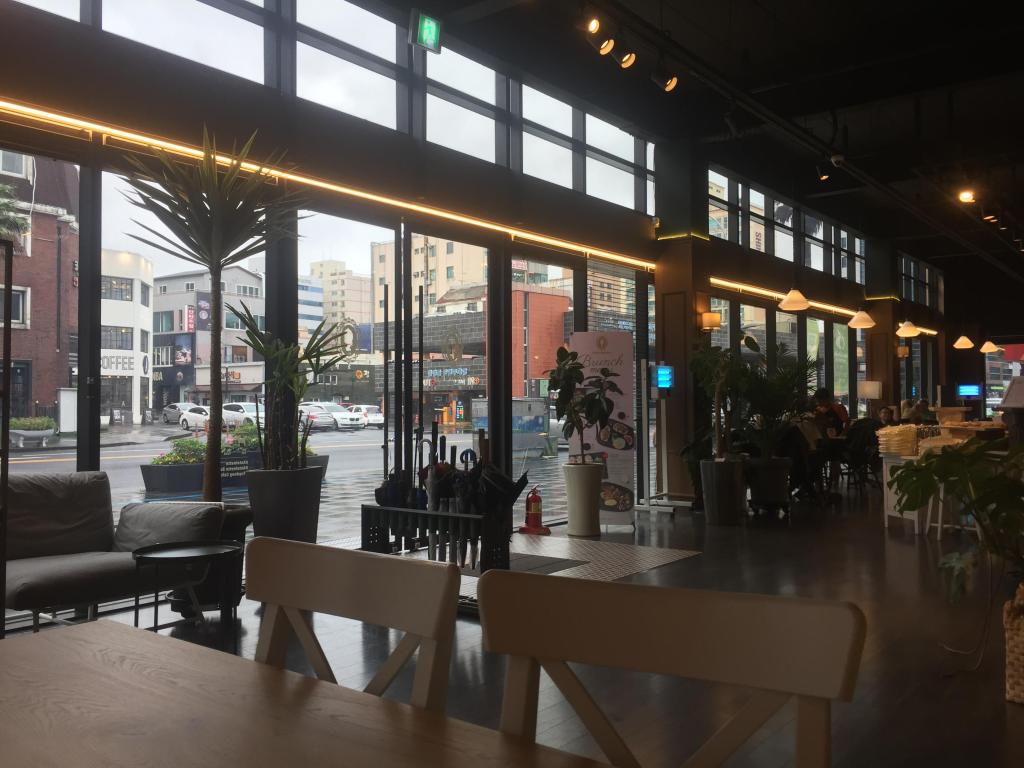
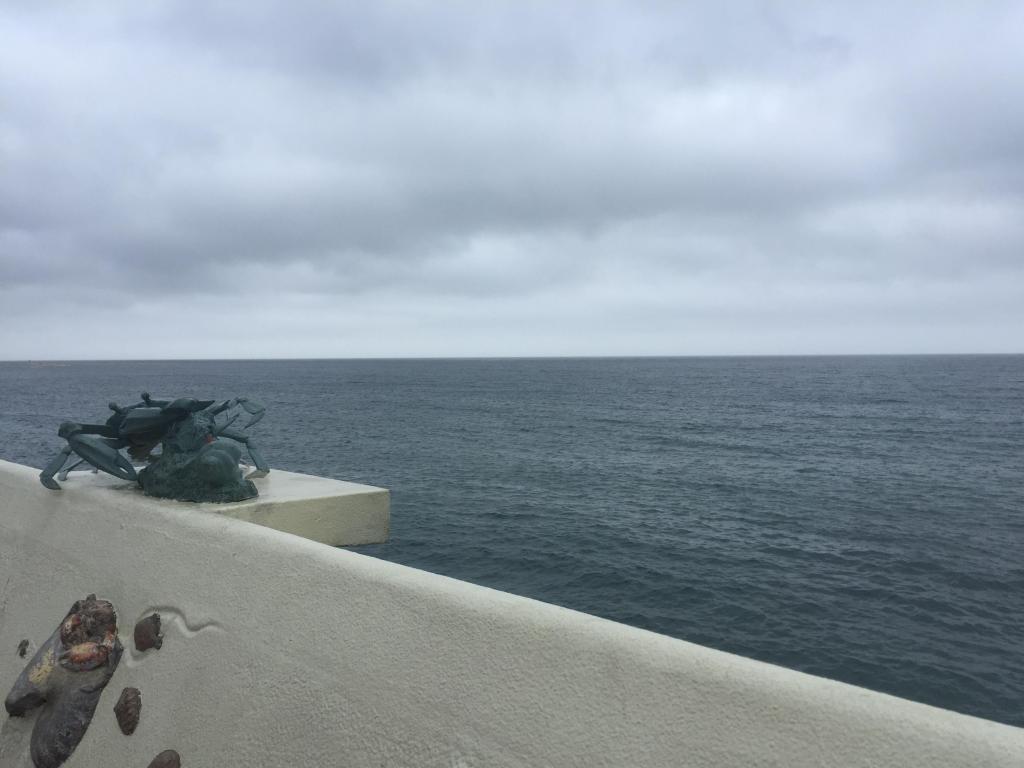
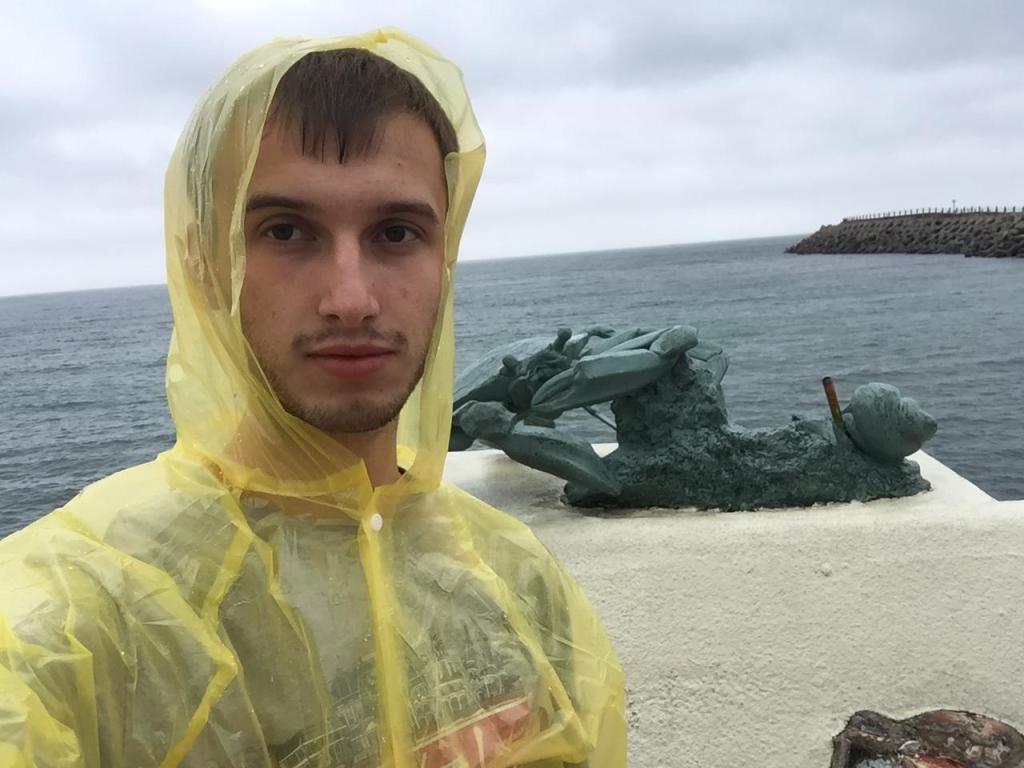
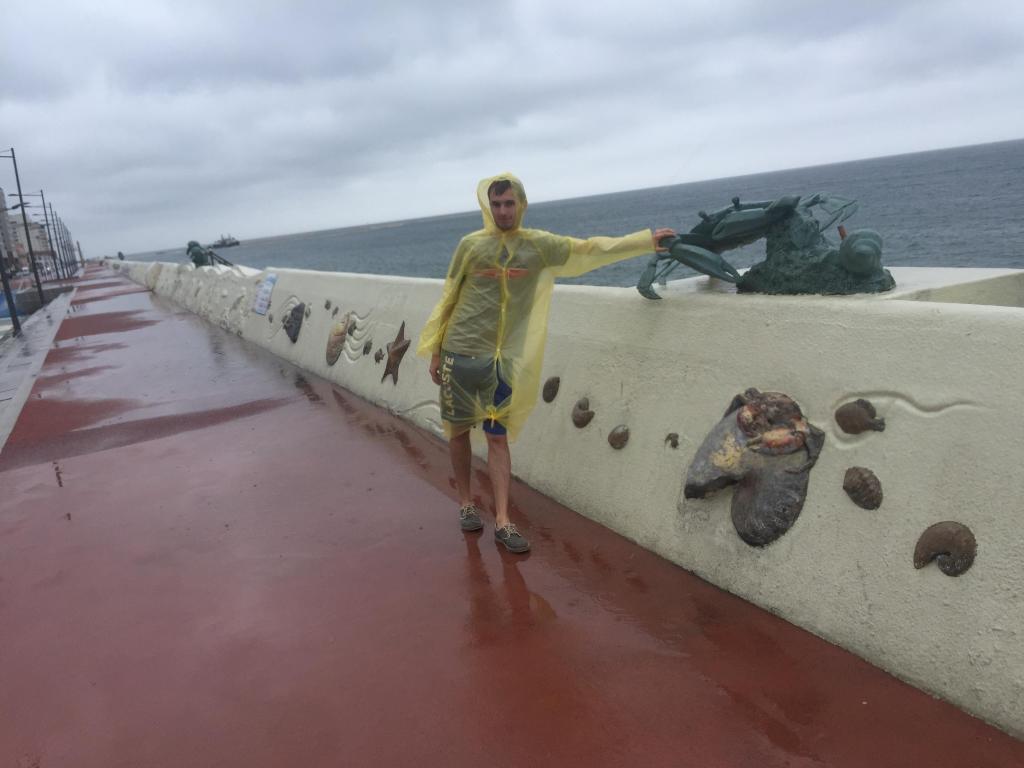
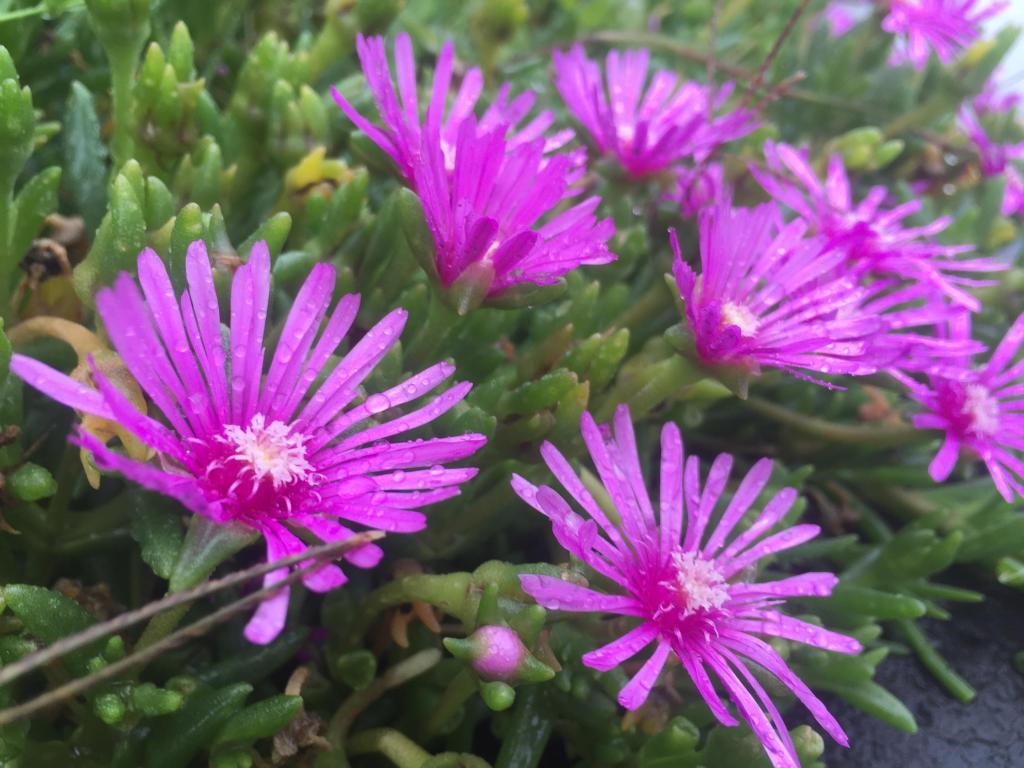
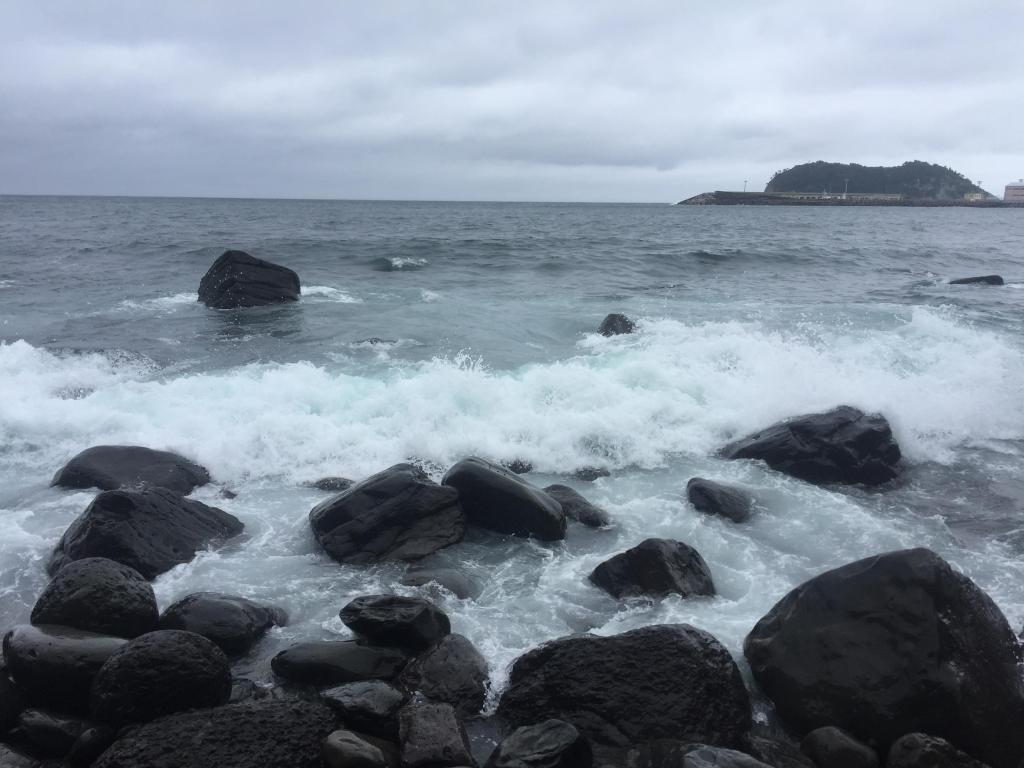
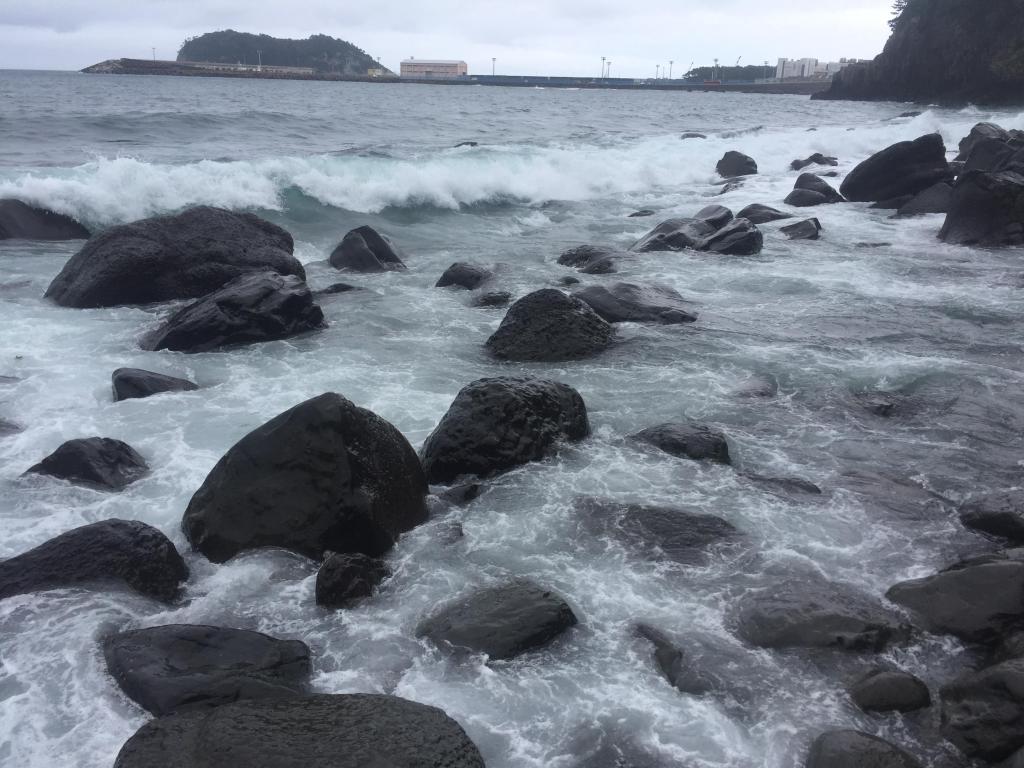
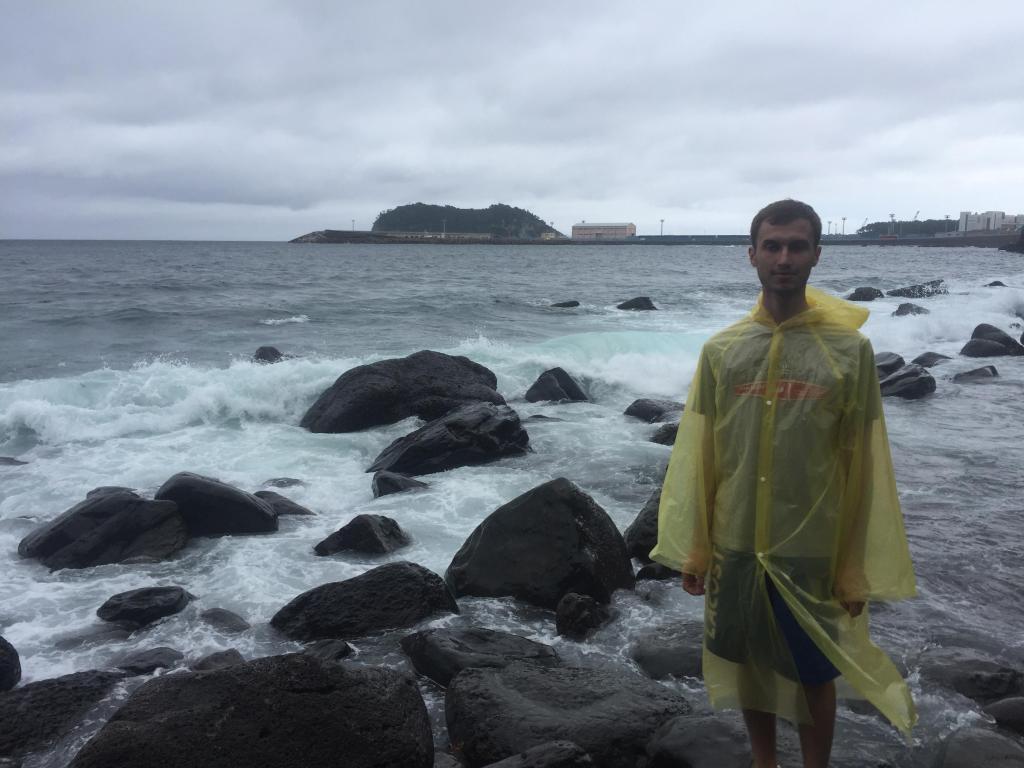
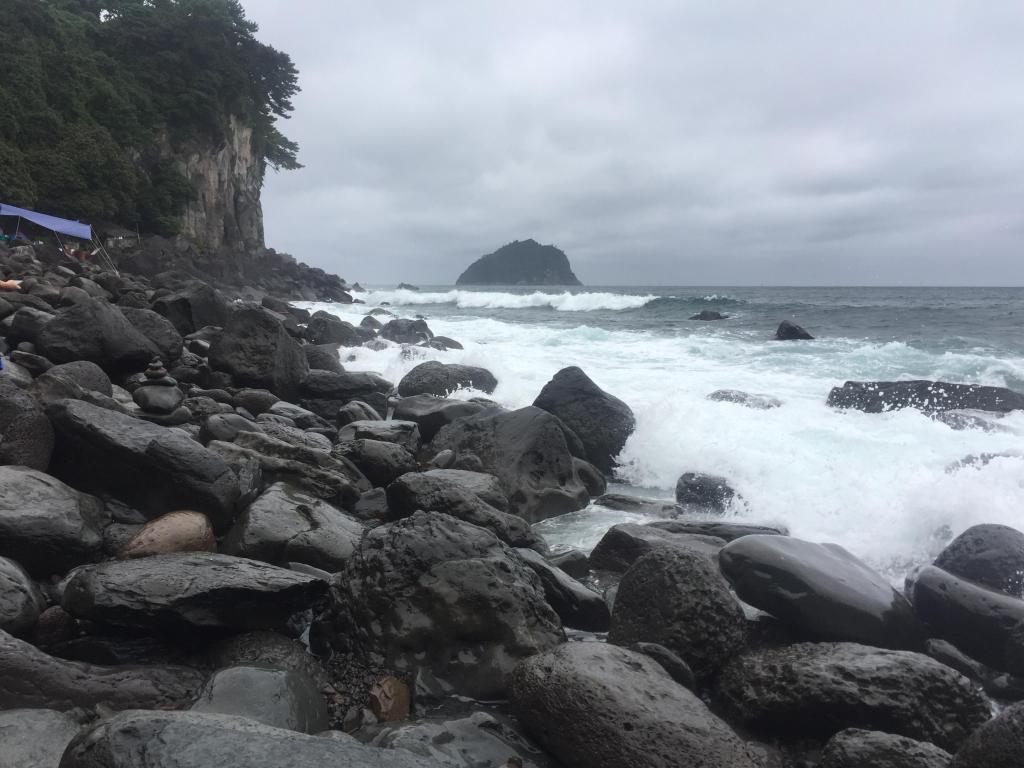
In front of hotels, near an alley of restaurants, there is a seafront. The sea was raging, thanks to the crab the wind did not blow me away, nevertheless, this place gives positive emotions.
So, it is time to explore something.
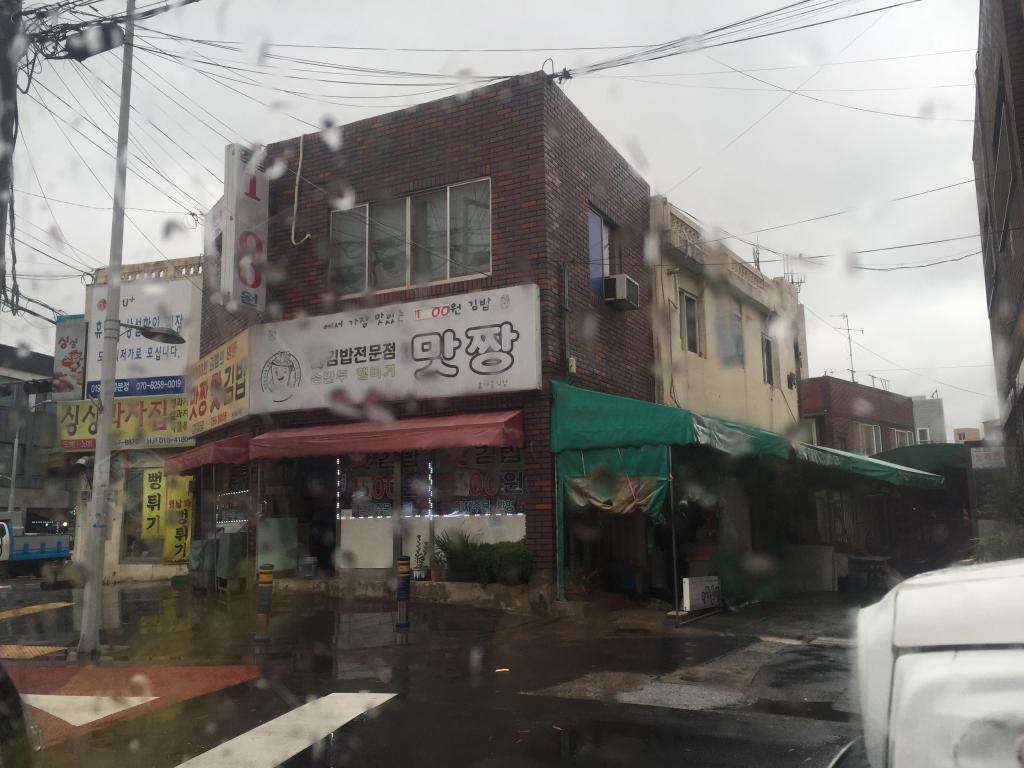
The first destination is ahead.
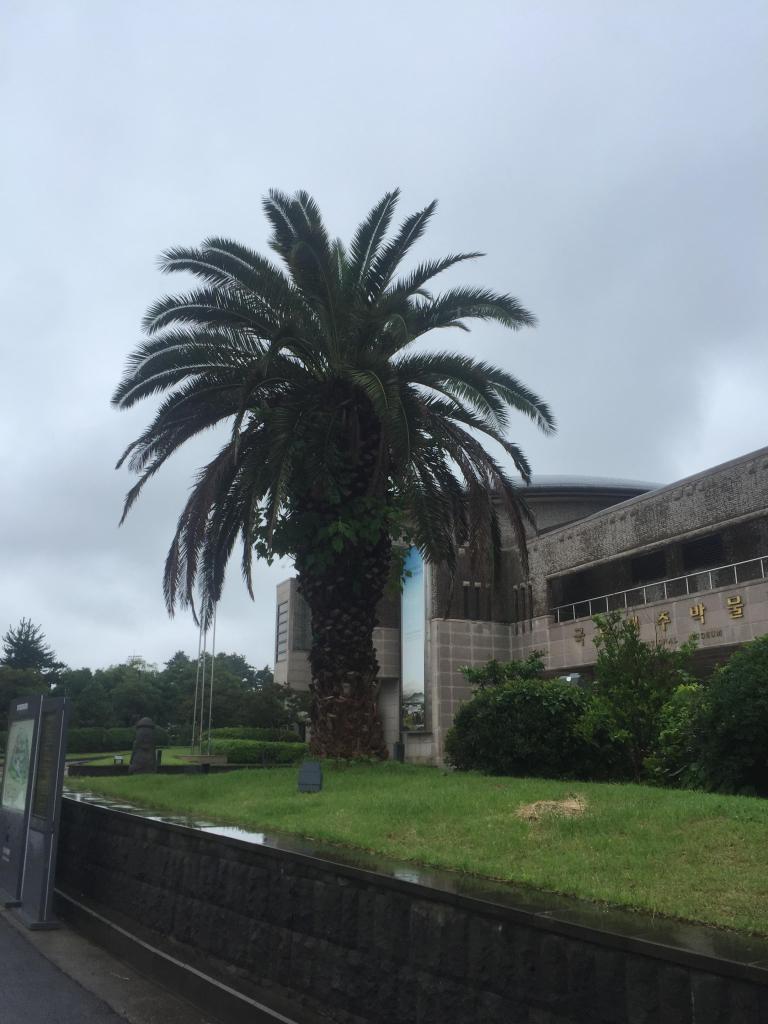
Jeju National Museum.
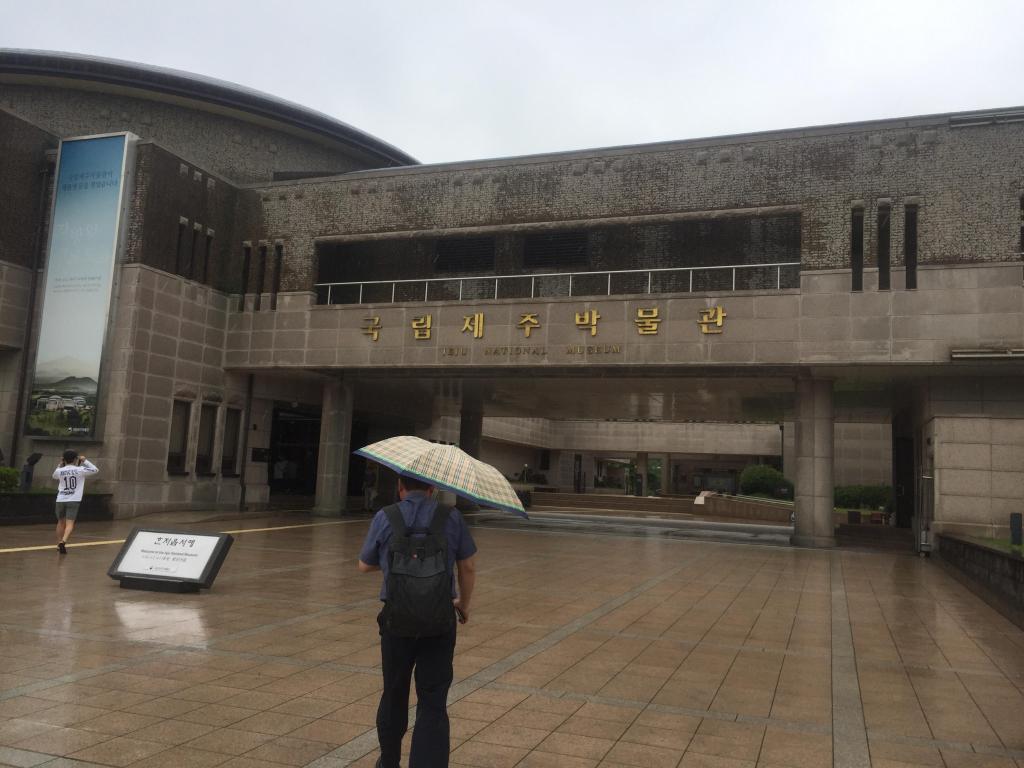
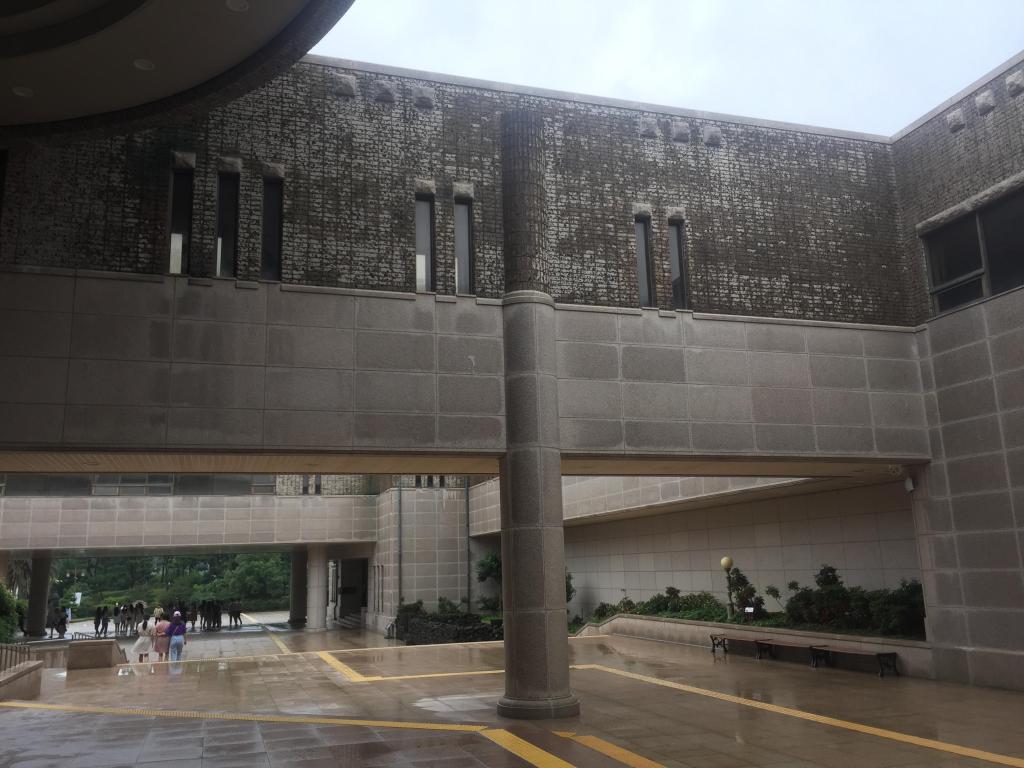
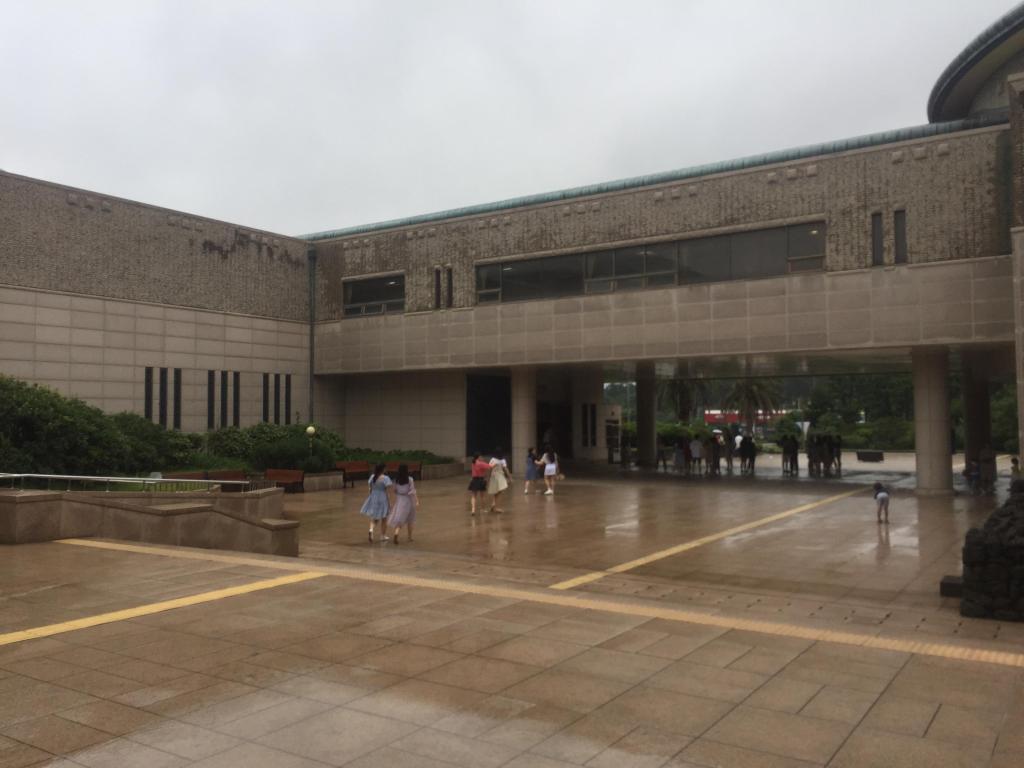
The museum provides photo gallery and brief information about exhibits on a website:
Jeju was formed by a series of volcanic eruptions that occurred 100,000 to 1.8 million years ago. About 40,000 years ago, Jeju, the Korean Peninsula, China and Kyushu in Japan were connected by land. During the Paleolithic Period, people migrated to Jeju from the Korean Peninsula and made a living by hunting and gathering food while living under the shade of boulders. They used chipped stone and intricate stone blades as tools for daily life.
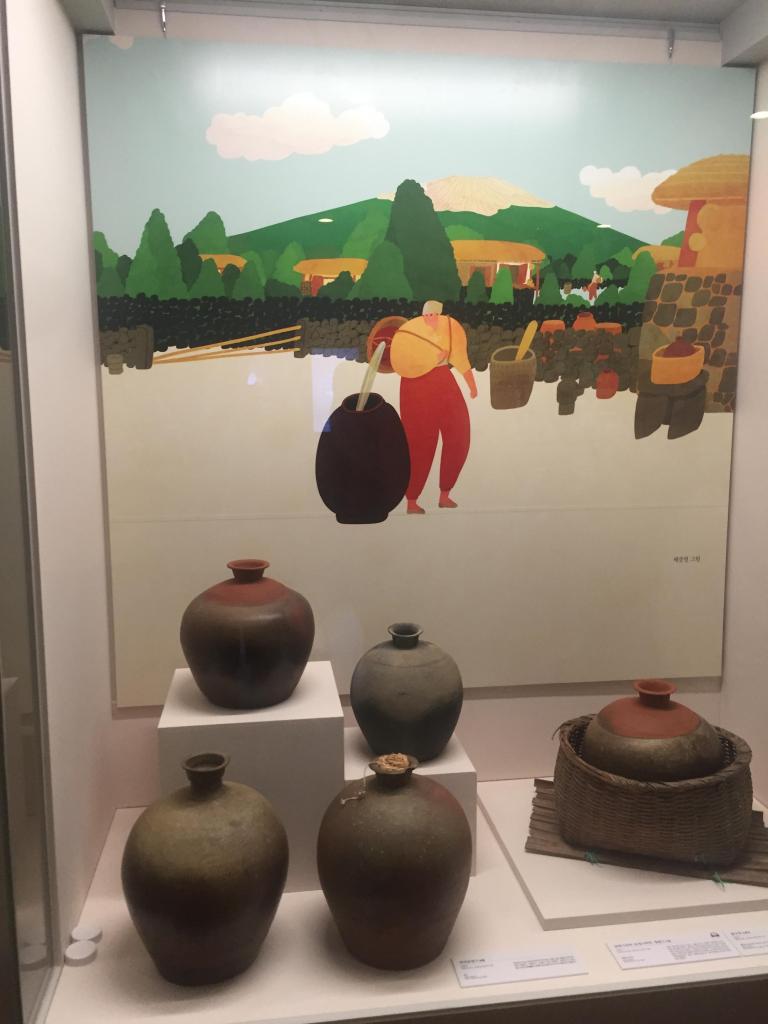
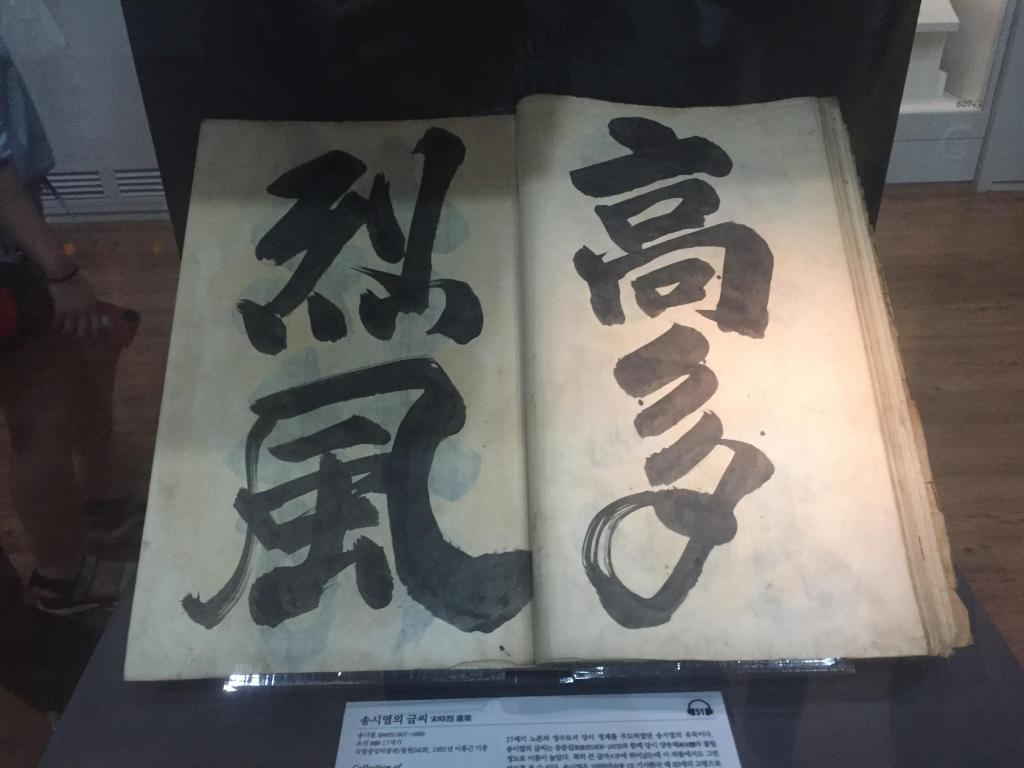
The museum exhibits artefacts related to the history of the Jeju people. The huge number of the prehistoric artefacts indicates the buoyant activity of Jeju people during the prehistoric times. Later, the cultural development will become base for a kingdom emergence.
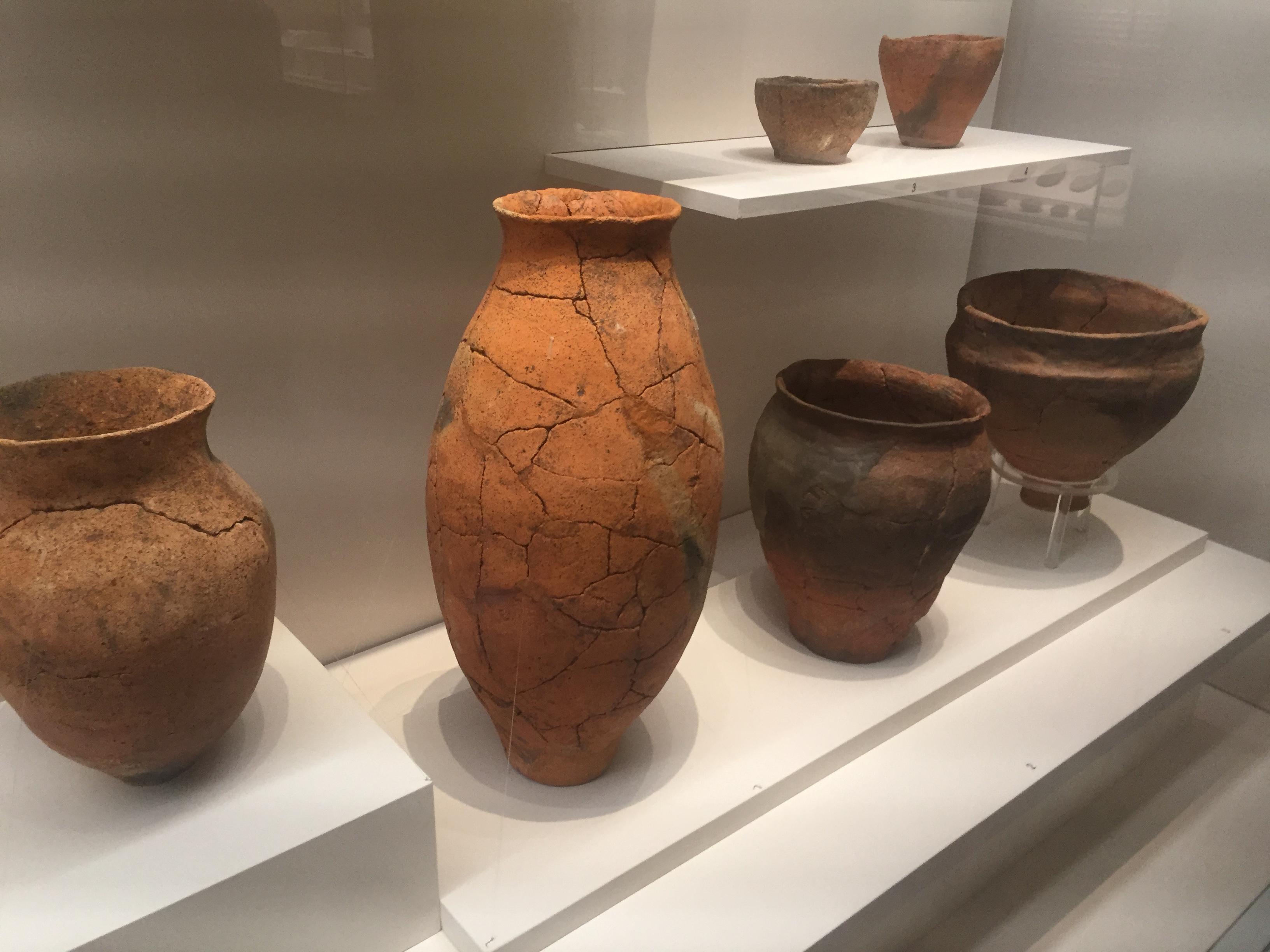
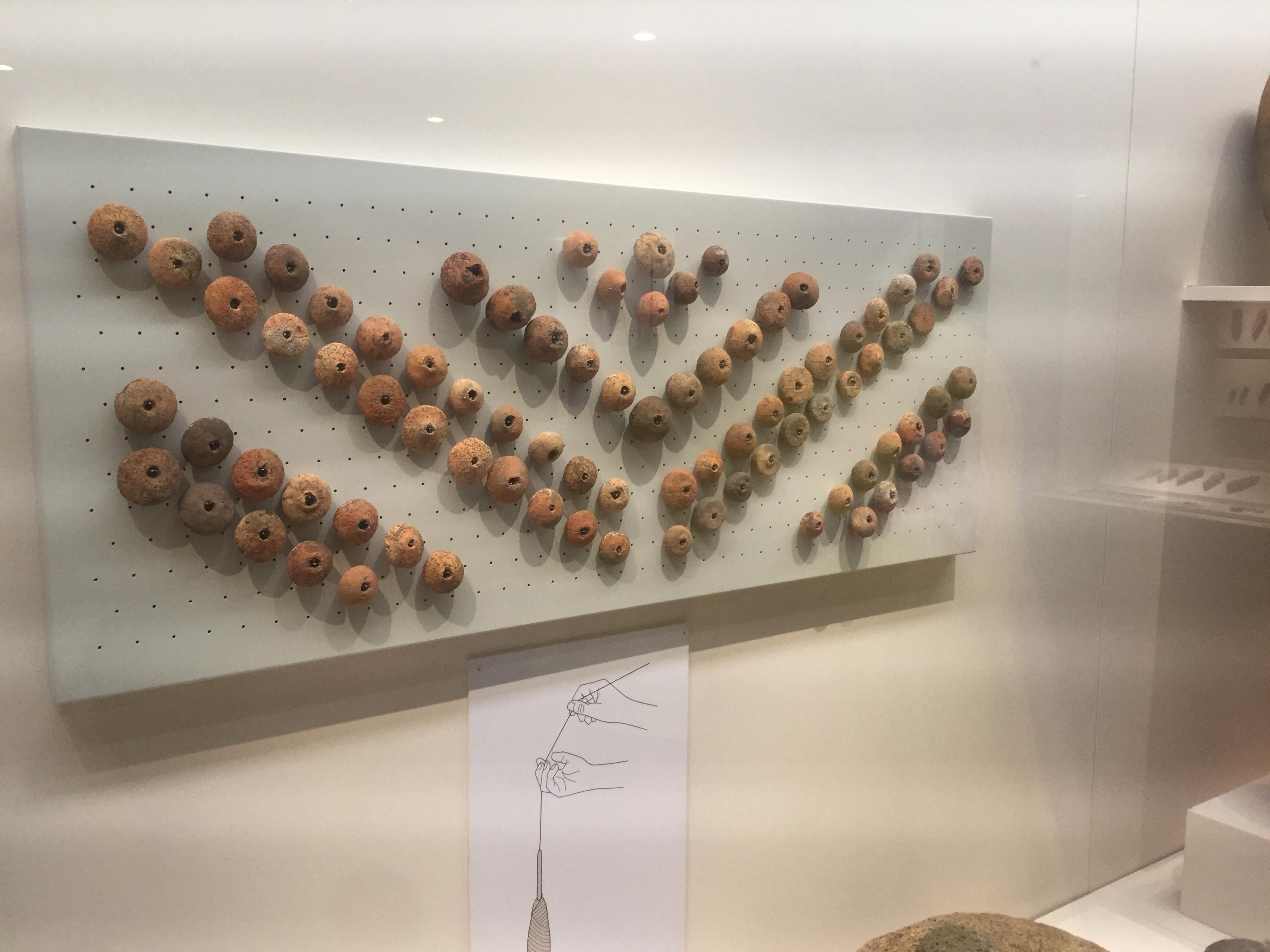
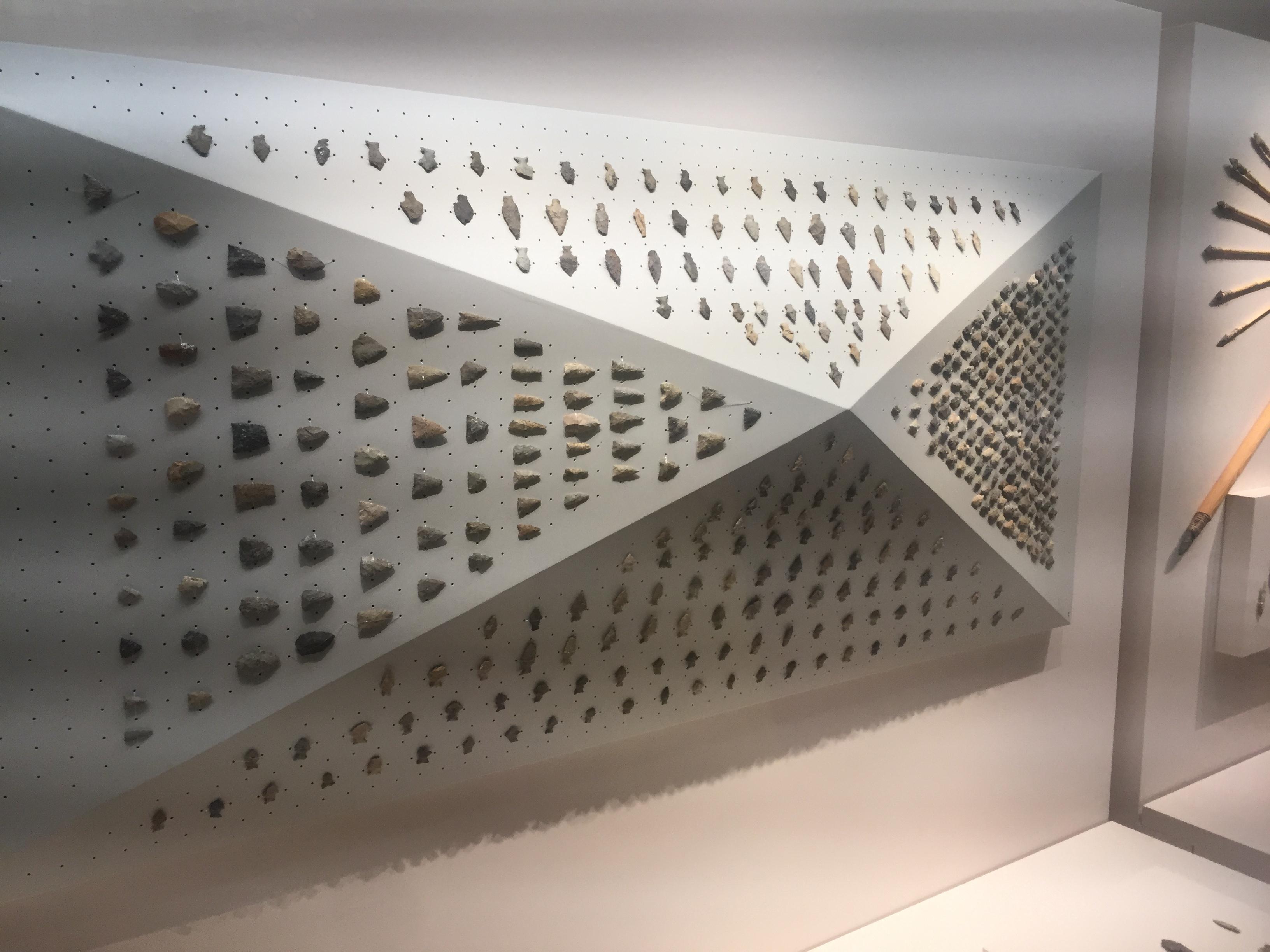
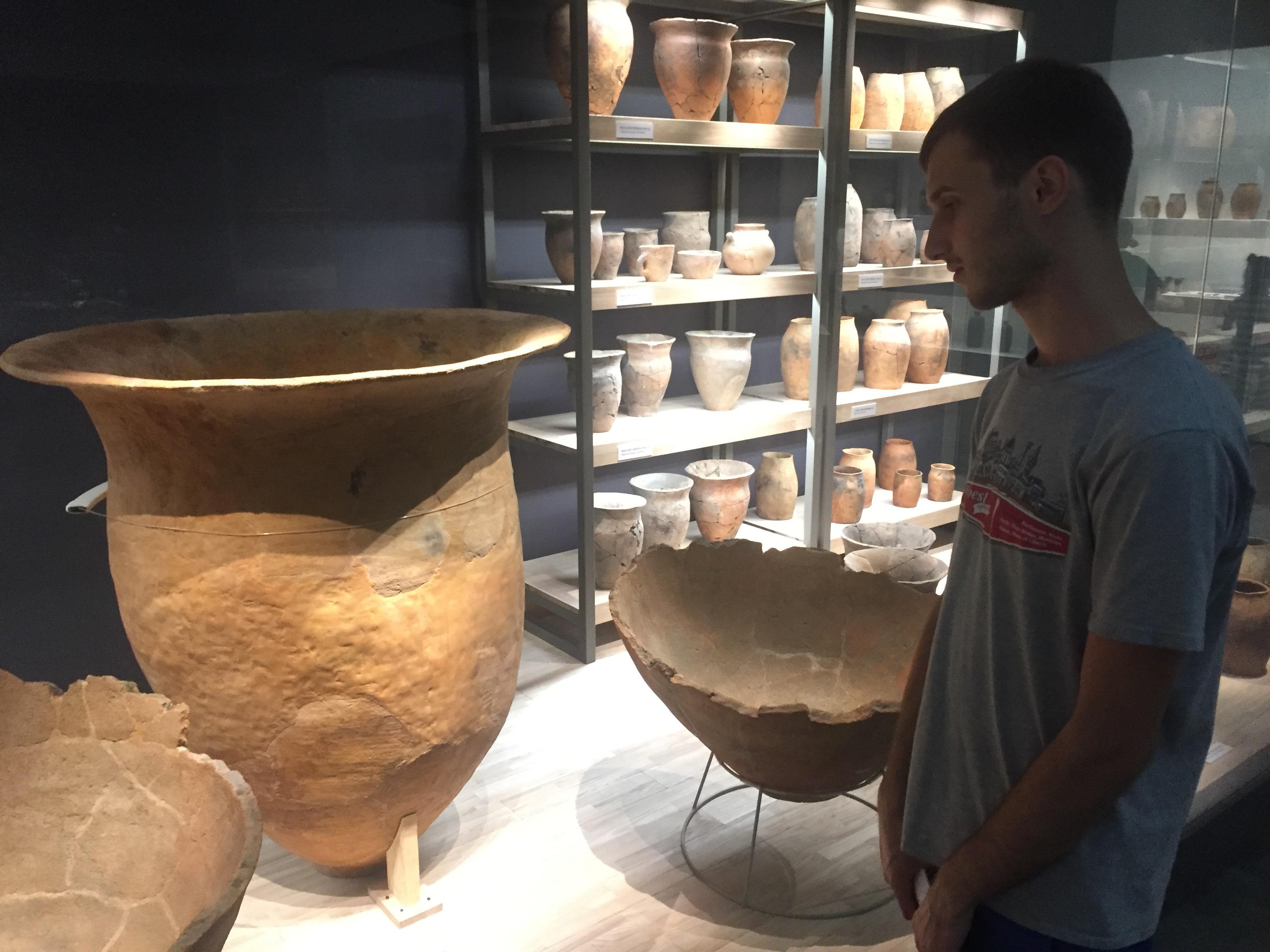
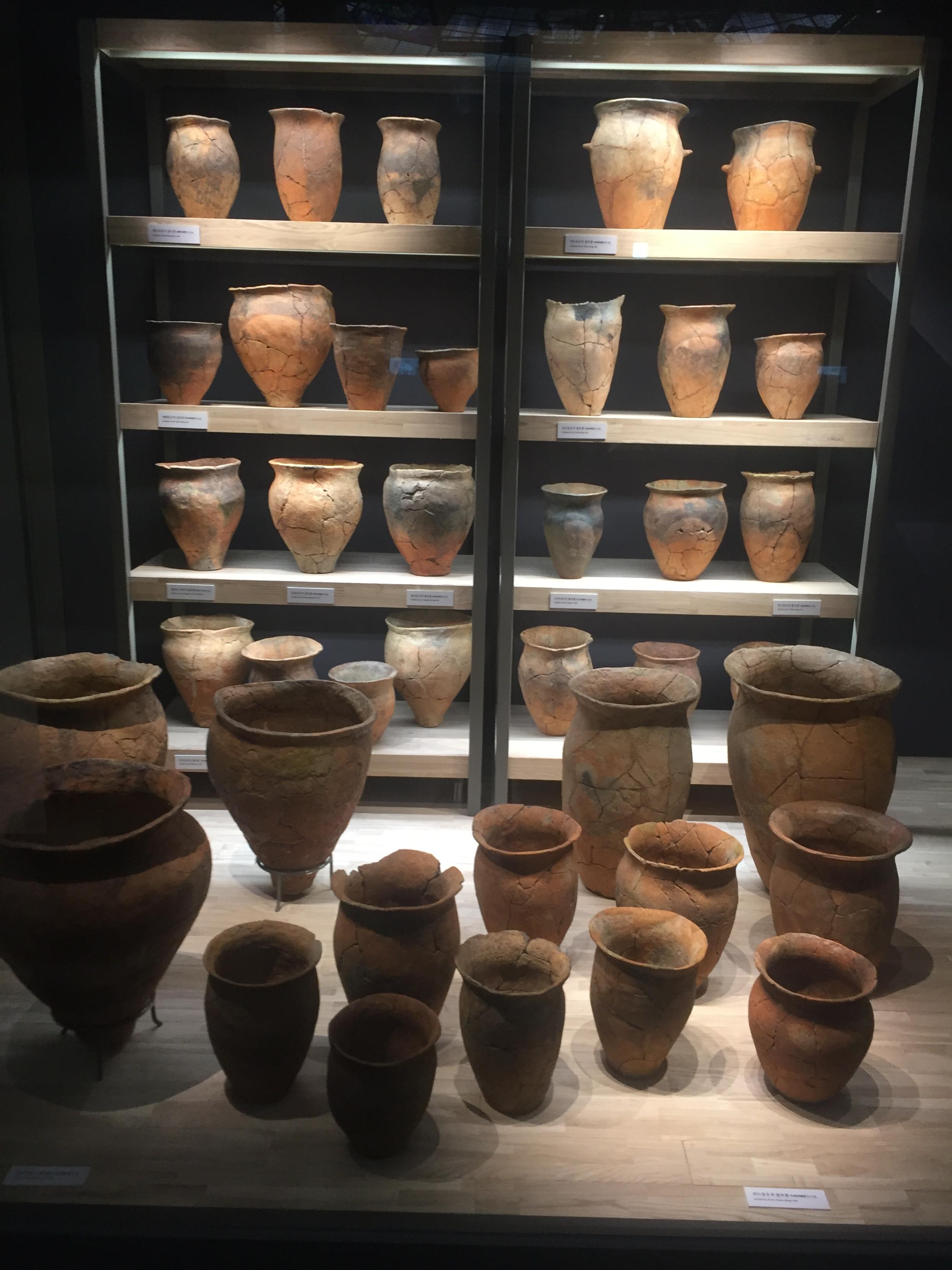
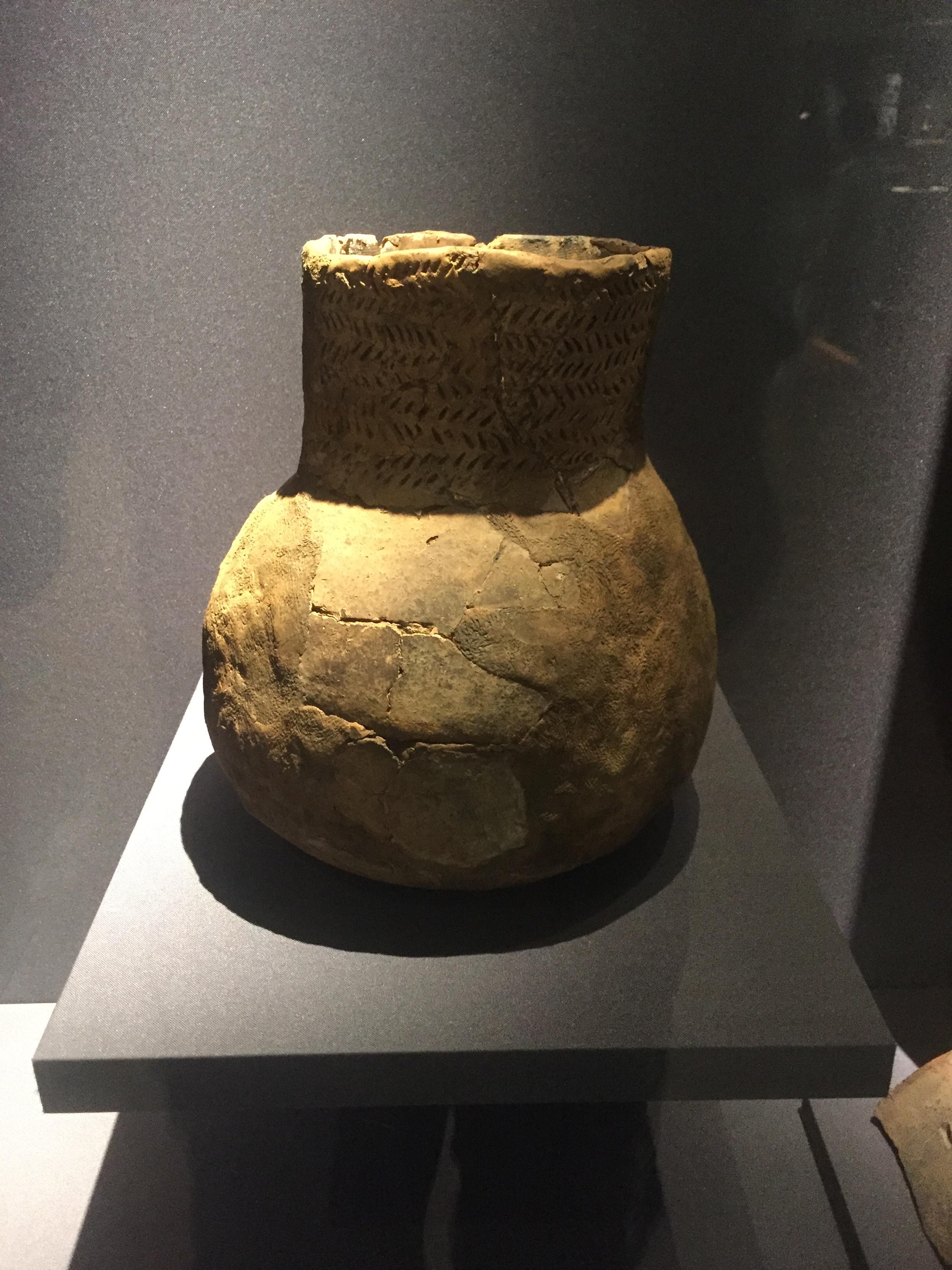
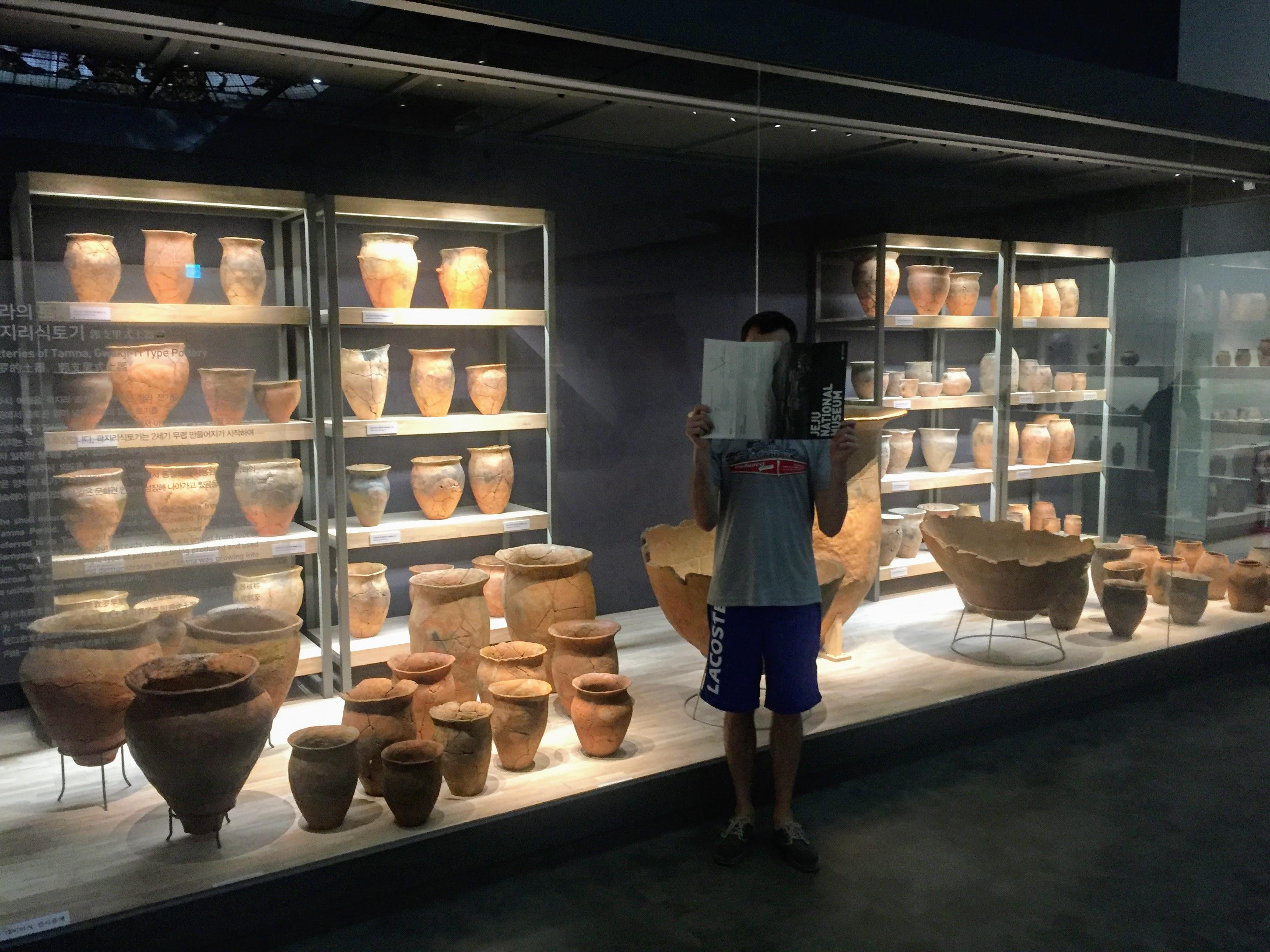
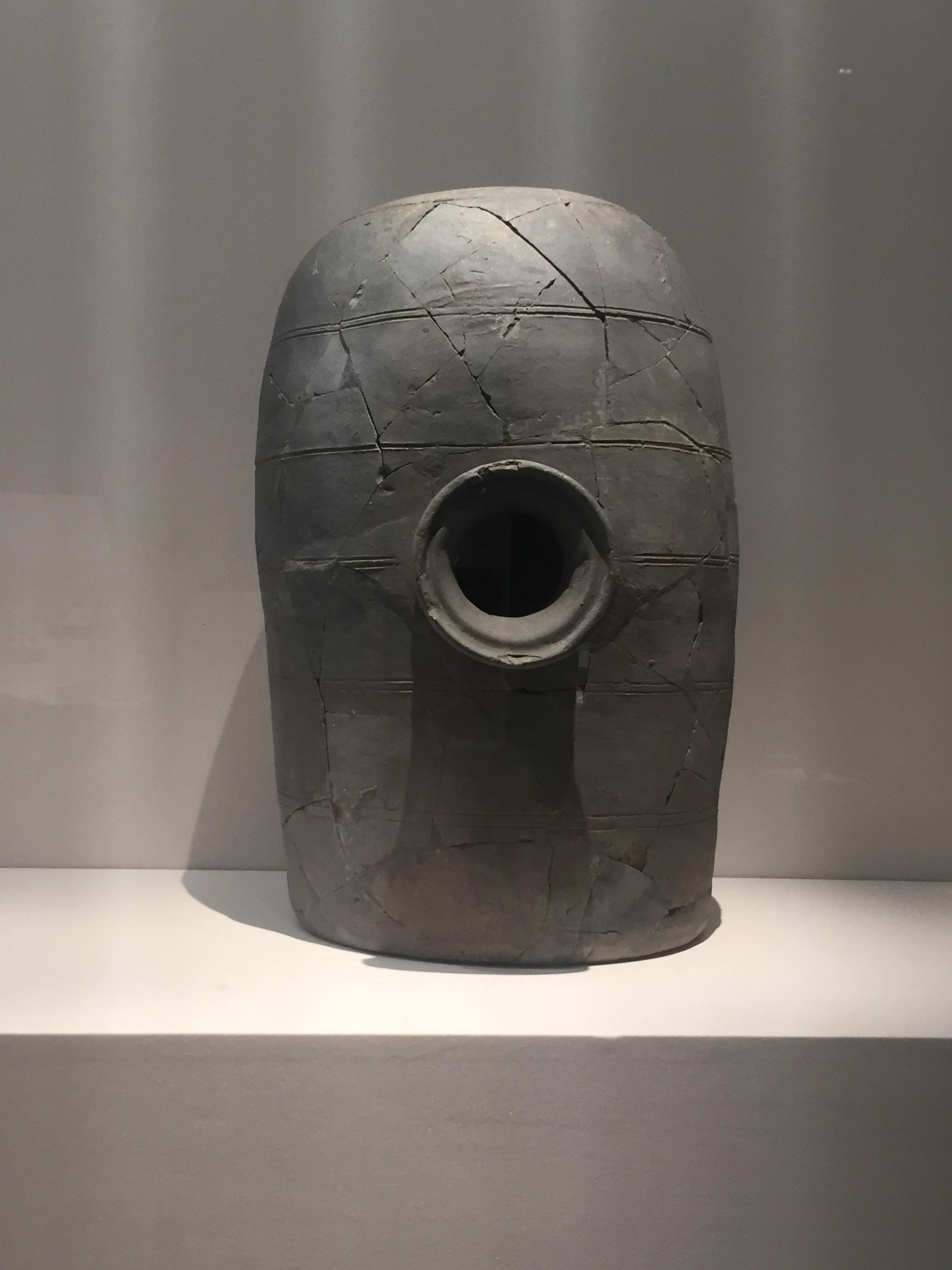
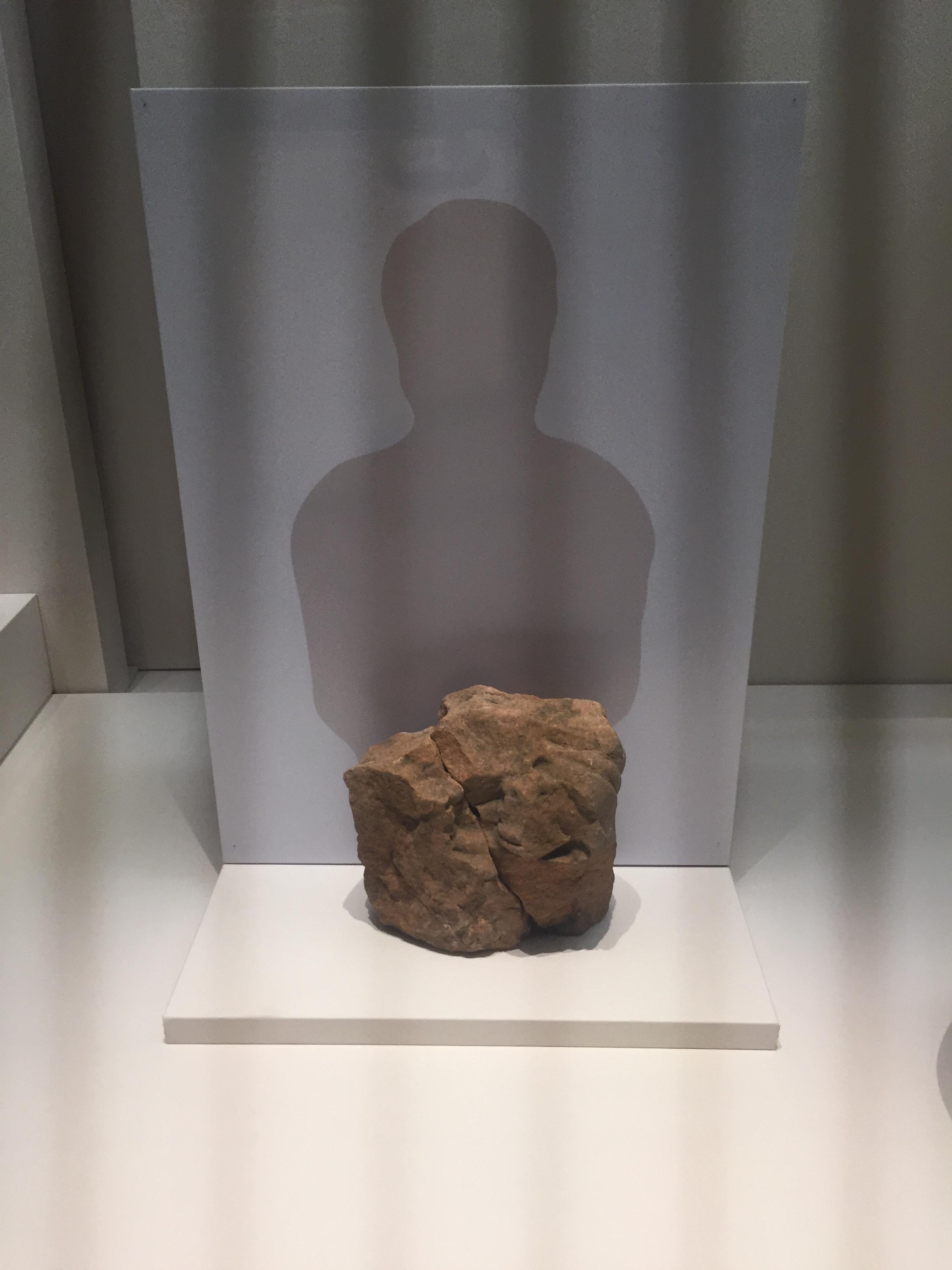
At the time when Goguryeo, Baekje, Silla and Gaya expanded their influence on the Korean Peninsula, the kingdom of Tamna (tam means island and na means country) was established on Jeju Island. It existed until 1404 when it was absorbed by the Joseon Dynasty.
Sancho-baegdu-do 산초백두도 山椒白頭圖 – a painting of white heads on top of the mountain – is a painting by Kimjeong 金淨 (1486~1521), an official who was known also as a poet. The scene of the painting is hwajohwa 花鳥畵 – flower and bird – is one of the three common scenes in the traditional paintings of East Asia, along with landscapes and portraits. One of those I saw in the Hwacheon Museum.
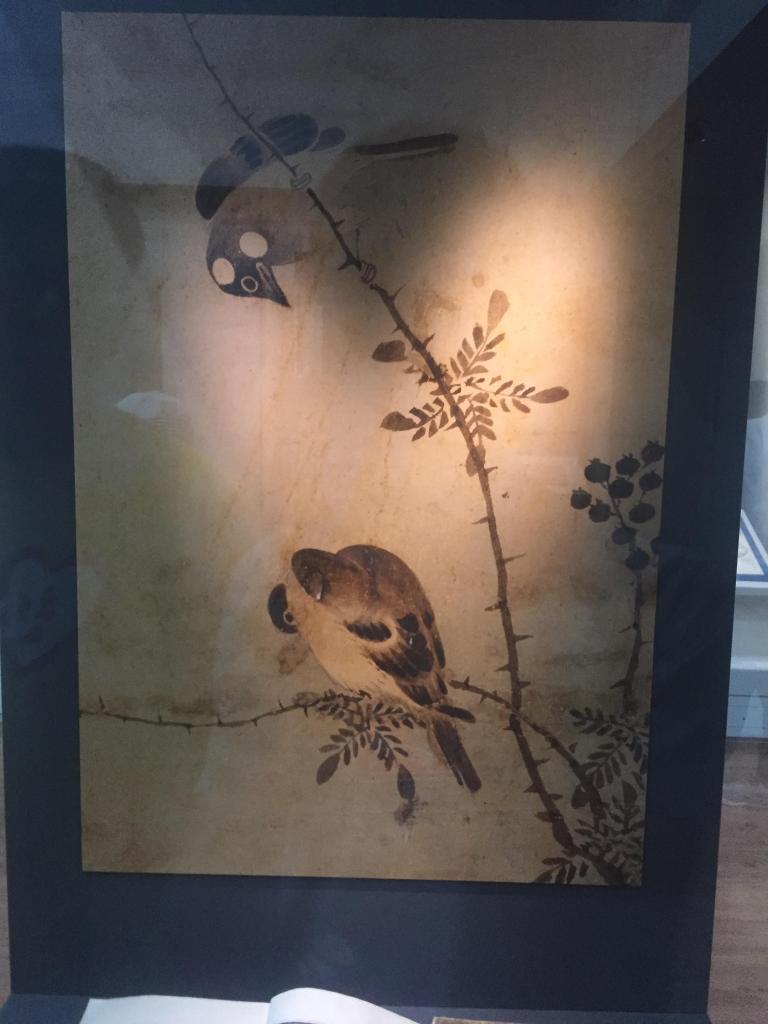
The specie of birds, plants, animals, their expressions and poses bear a whole story in one painting. Tomas, considering the thickness of the branches, poses of the birds, says the birds represent two confronting political powers. also, five leaves on the top branch according to numerology mean success, while 4 leaves on the bottom branch mean anxiety.
Beneath the painting there is a poem:
臨絶辭
投絶國兮作孤魂
遺慈母兮隔天倫
遭斯世兮隕余身
乘雲氣兮歷帝閽
從屈原兮高逍遙
長夜暝兮何時朝
烱丹衷兮埋草萊
堂堂壯志兮中道摧
嗚呼千秋萬世兮應我哀
Coming to the last farewell
I was thrown on a remote island and became a lonely soul
When I left my mother behind, I broke the rules of nature
I walk through this life, and then my body fell down
On a cloud rising to the palace gates of the lord of heaven
I’m going to walk up high after Quyuan
The long night is dark, the morning will come any time
The burning red heart is buried in the grass
The great intentions are broken on the halfway
Hooray for God’s sake, let my sorrow be known.
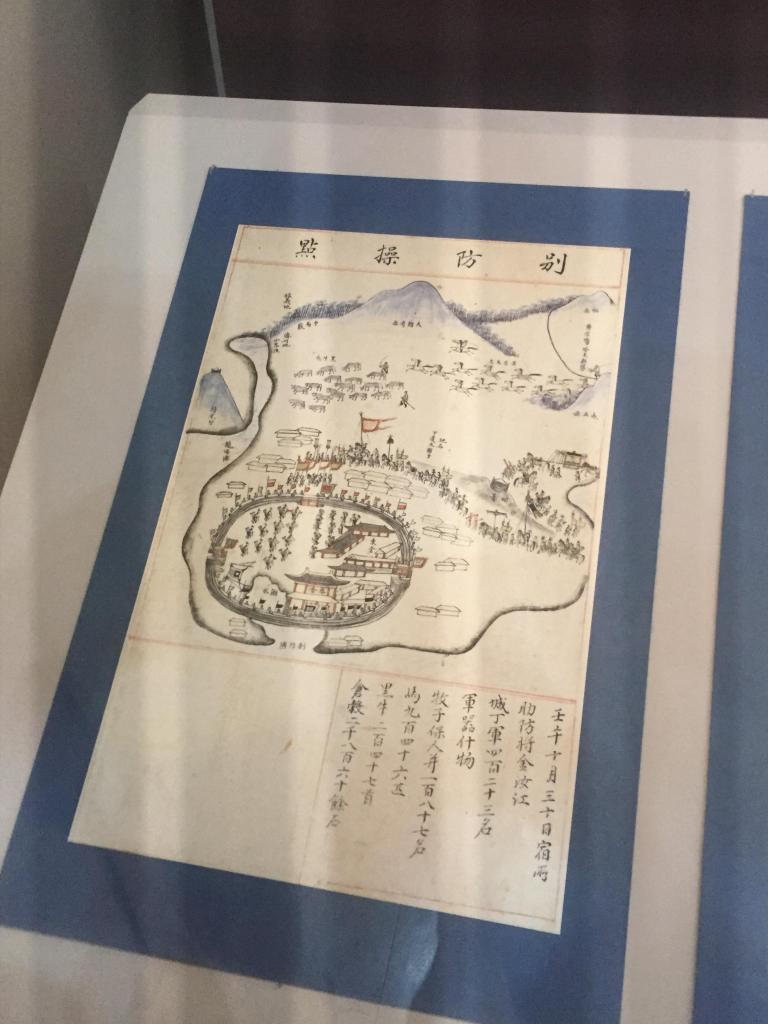
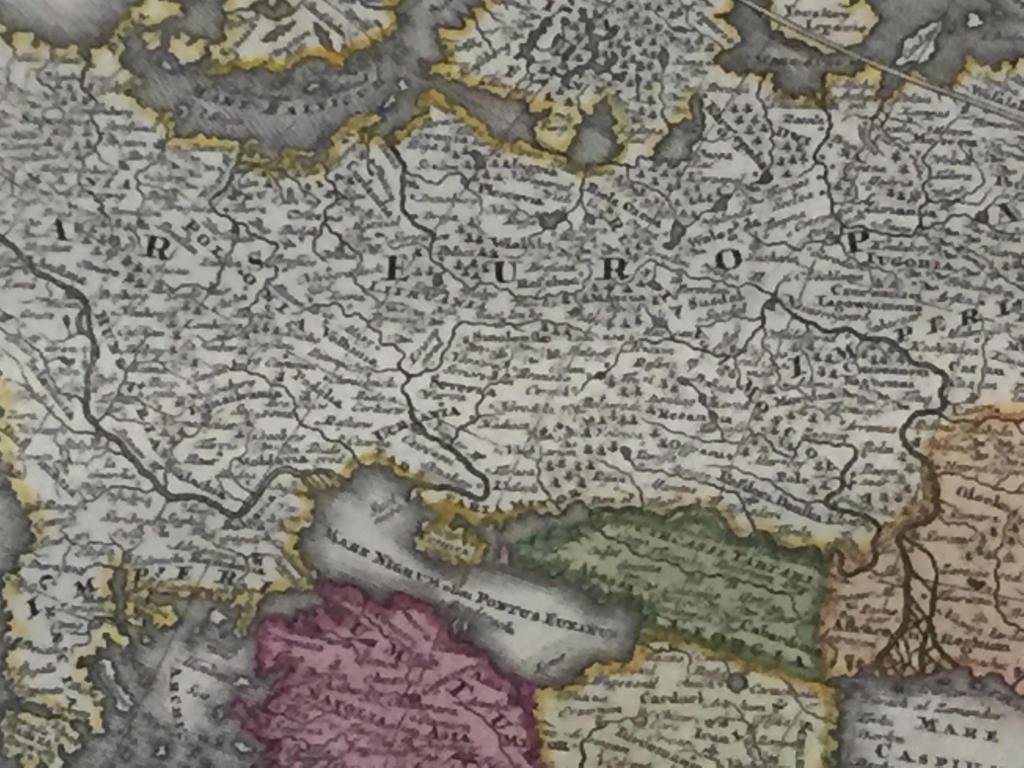
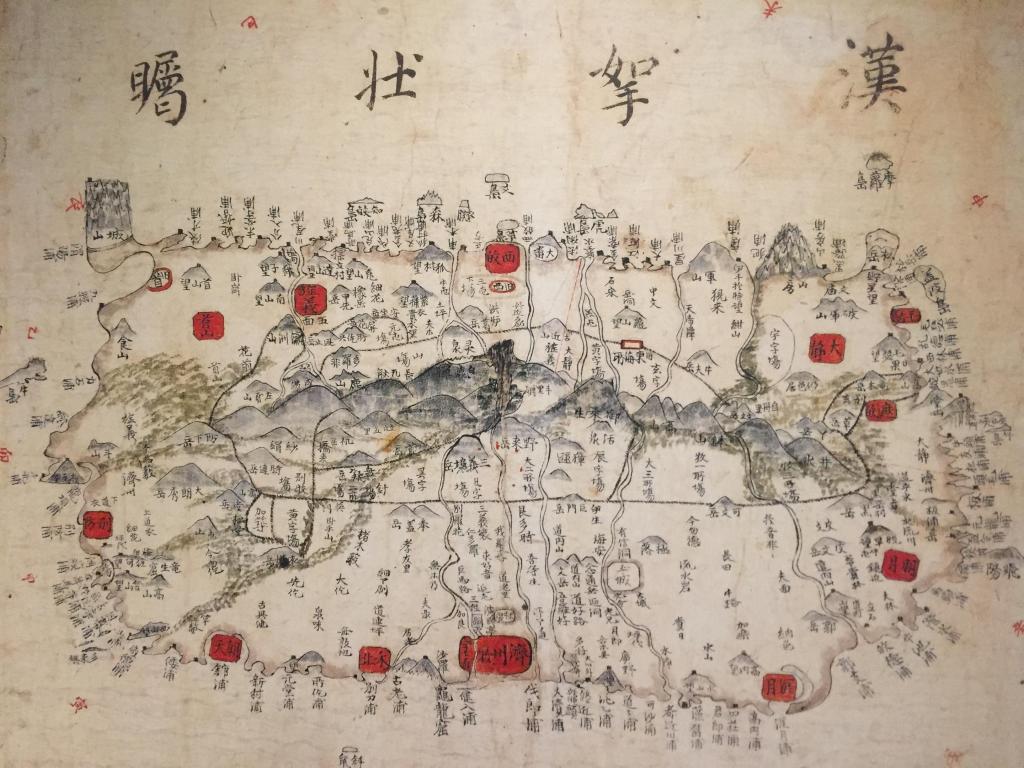
The island on the maps looks like an imaginary fantastic world.
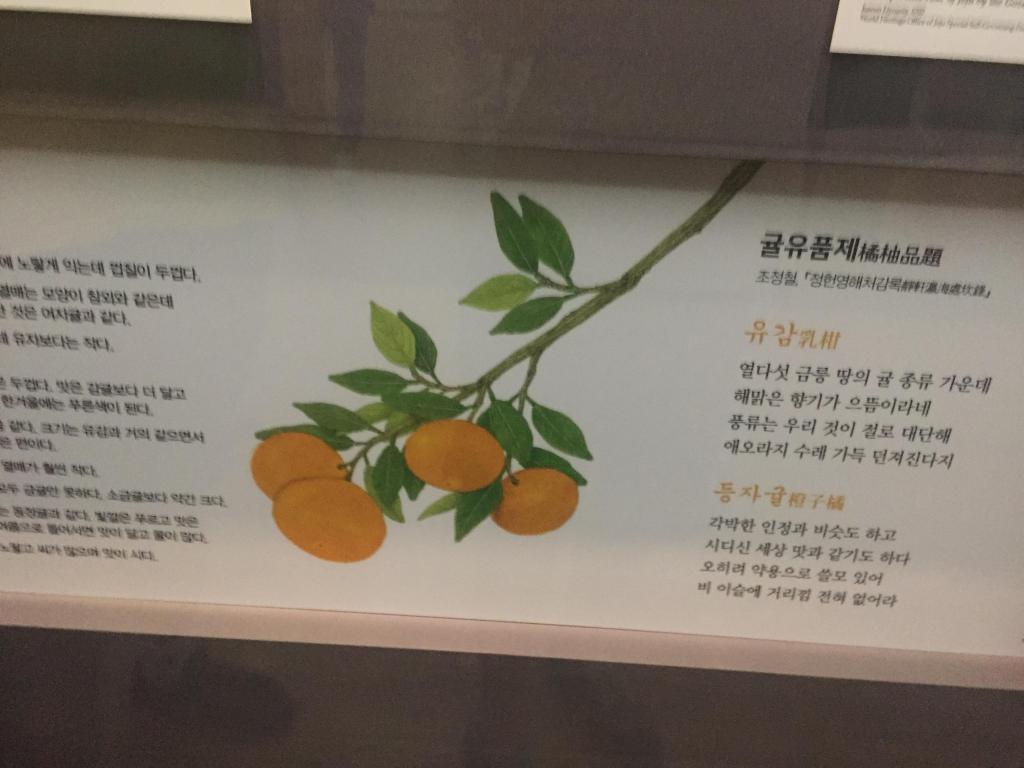
At least for one thousand years, citrus fruits were cultivated on Jeju (records of 1052, about the number of fruits given to the central government every year). Besides tangerines, Jeju is known by long history of the horse breeding, the first records appear in 1073. Nowadays there is a breed called Jeju horse.
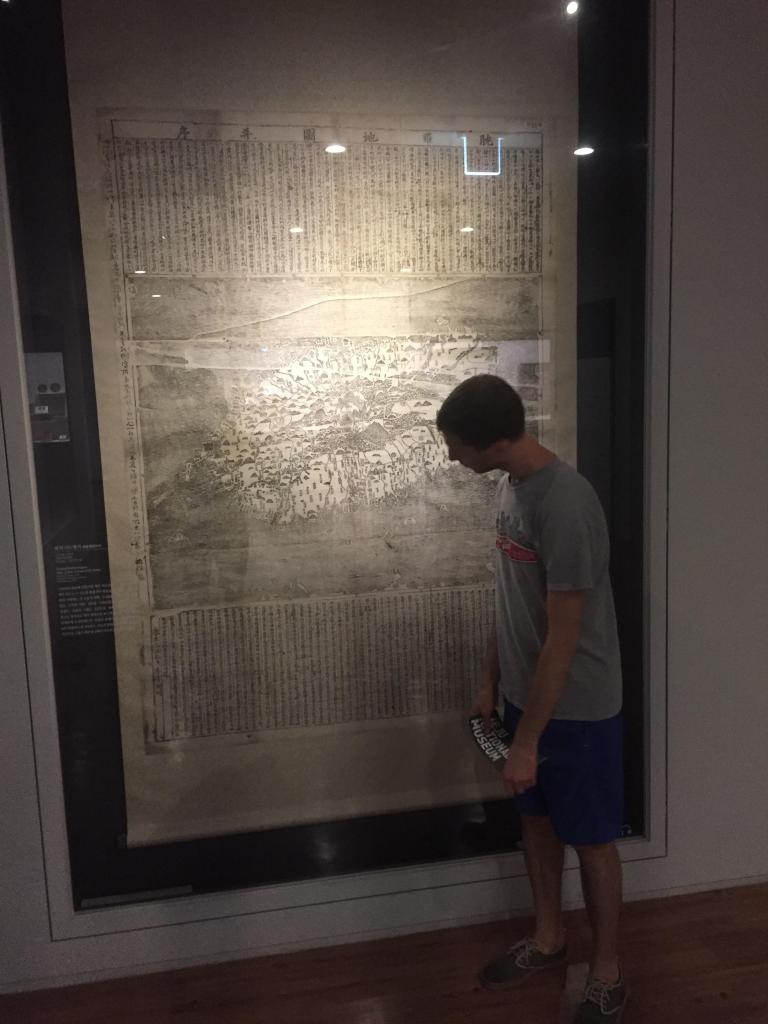
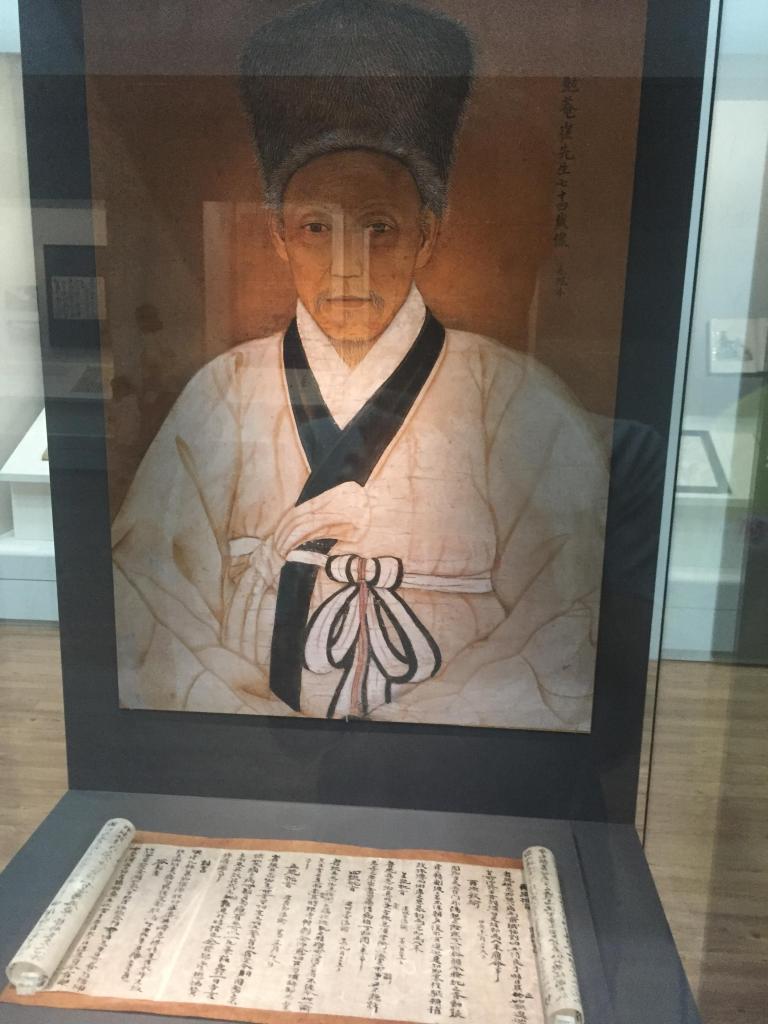
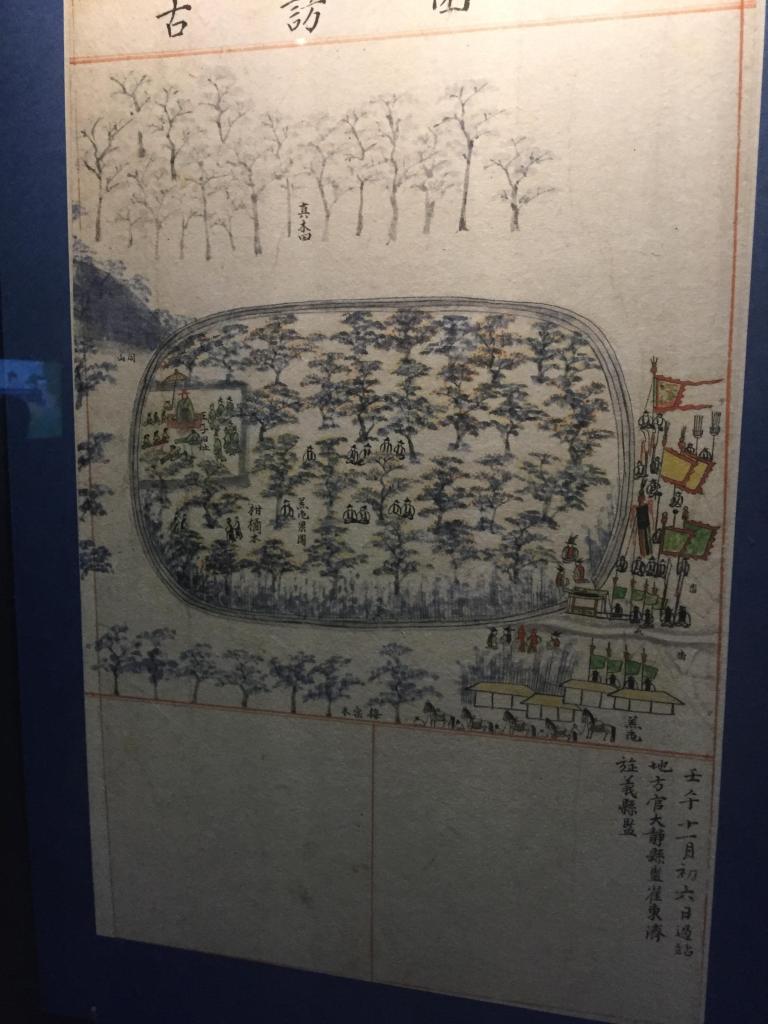
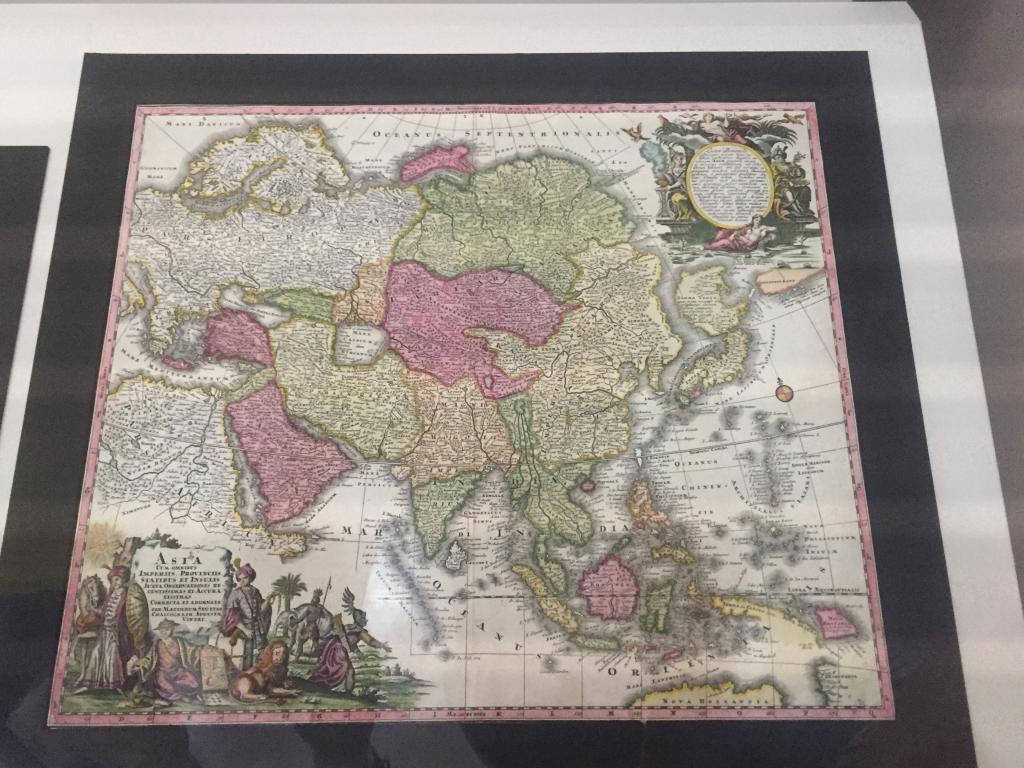
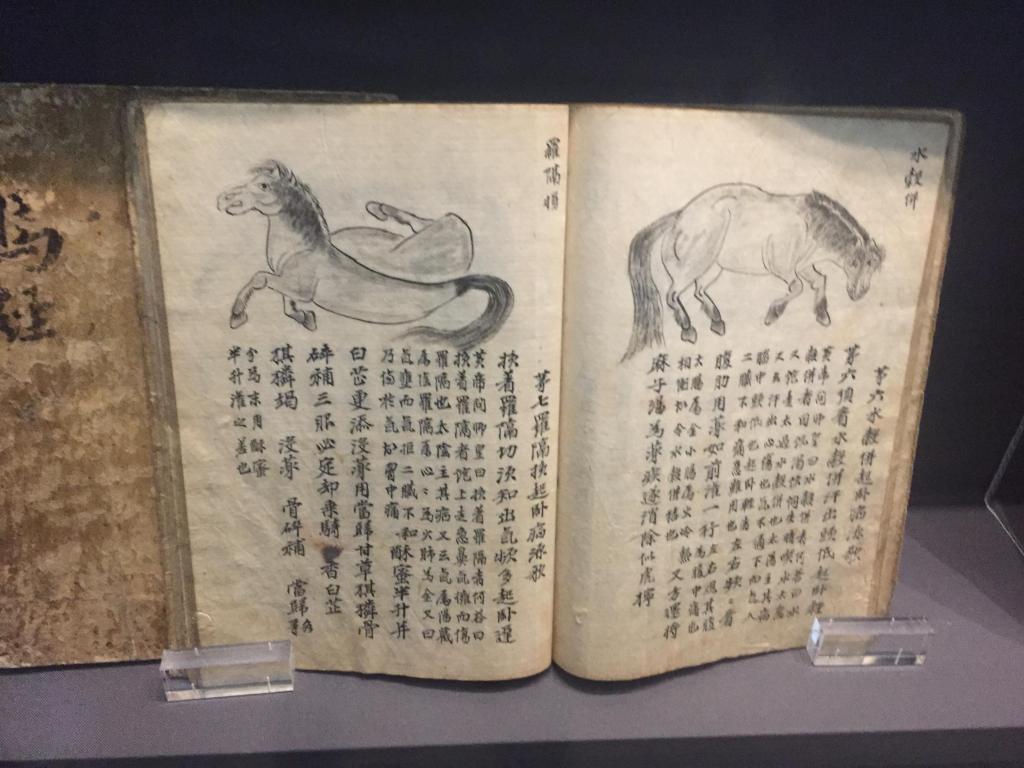
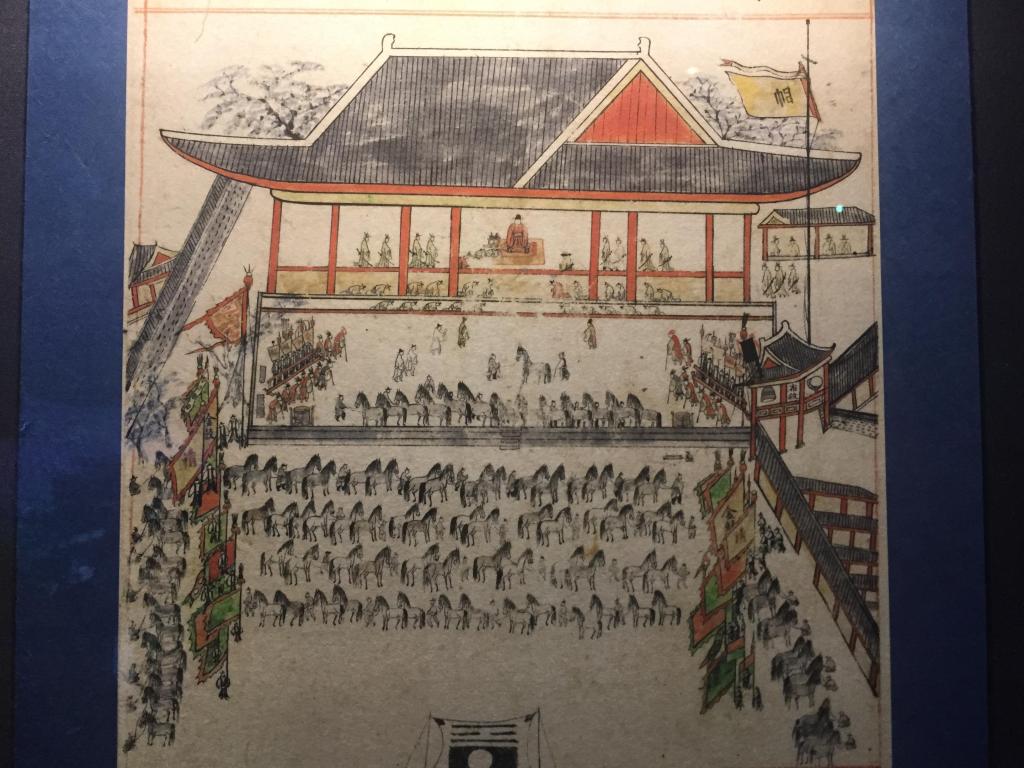
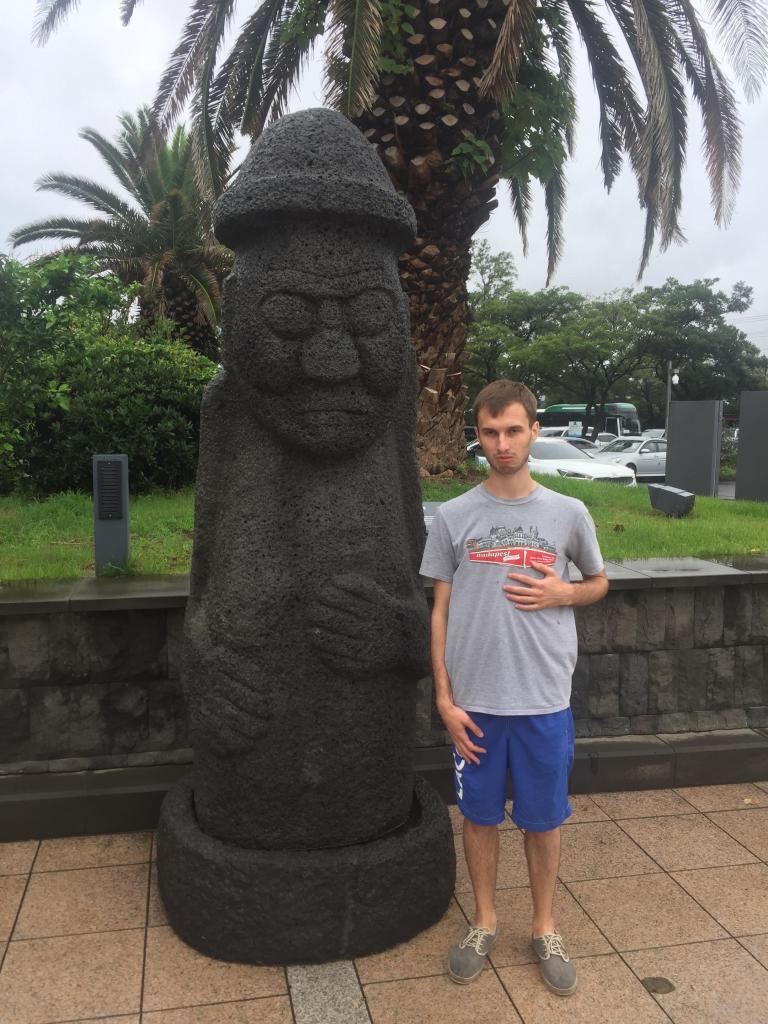
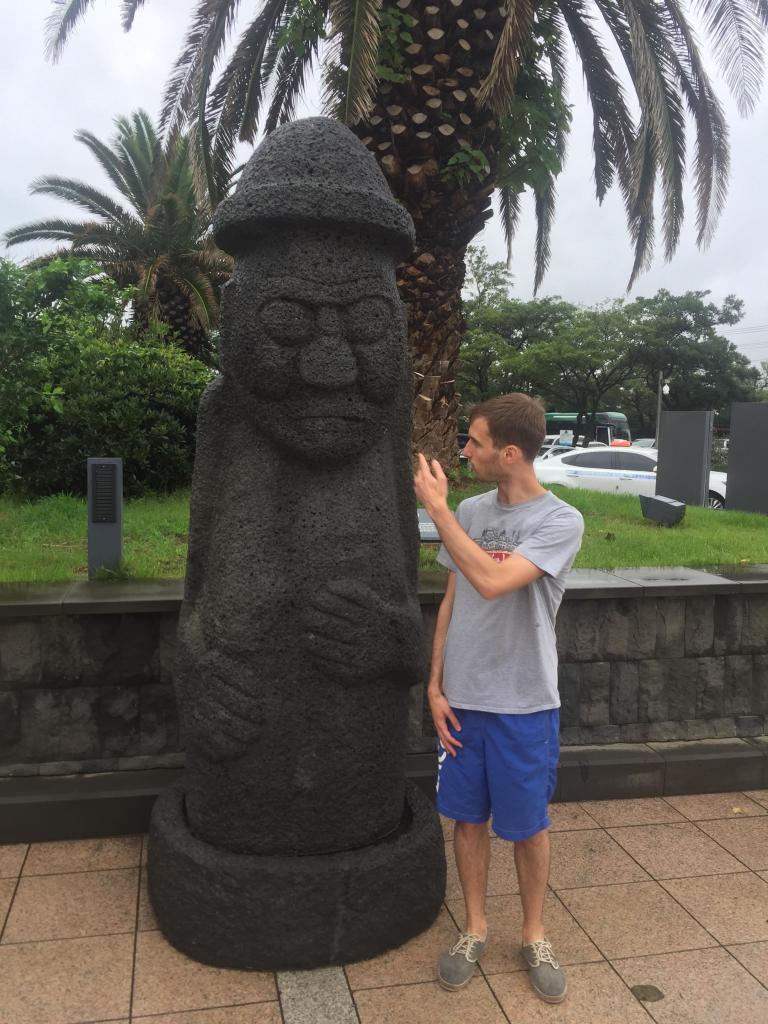
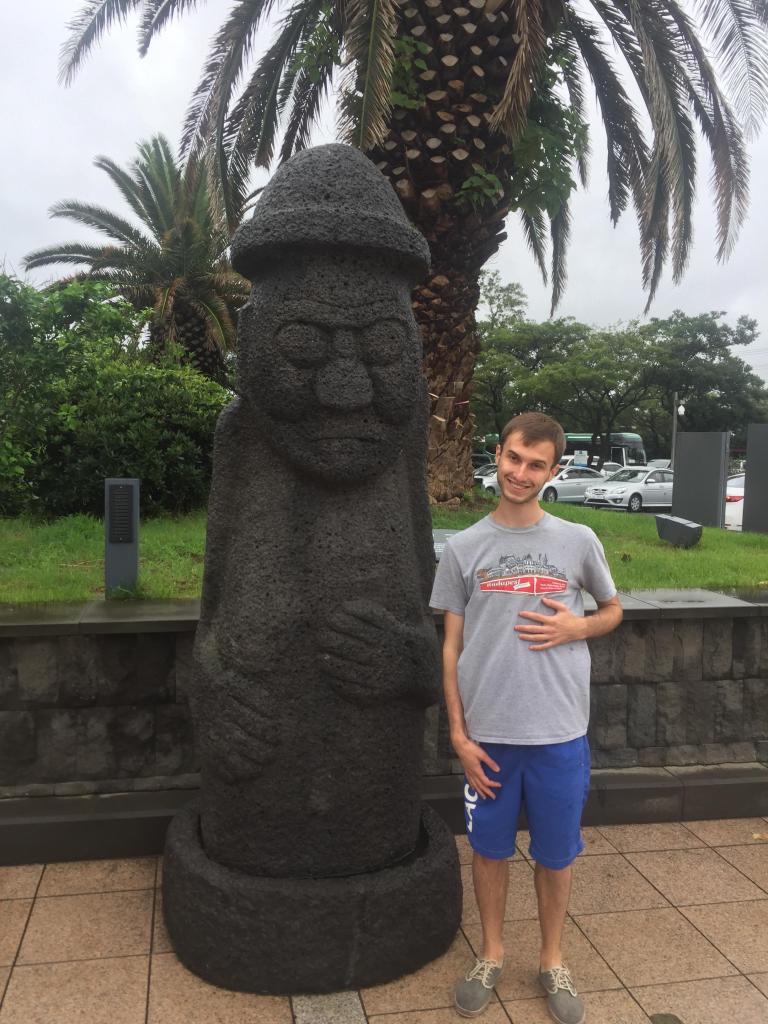
There are many stone statues hareubang, resembling Moai of Polynesia. The statues are considered to be gods offering both protection and fertility and were placed outside of gates for protection against demons travelling between realitiesAccording to the Tamnaji, a work dealing with the geography of Jejudo, the first hareubang was manufactured in 1754, however, some scholars assume the statues could have been manufactured since earlier time.
The National Jeju museum tells an interesting story about such a special and distinct culture of the island, but it is time to move on!
This view reminds me of Ganghwa. By the way, Jeju is the biggest island of South Korea with the area of 1845,55 sq. km, 6 times bigger than that of Ganghwa.
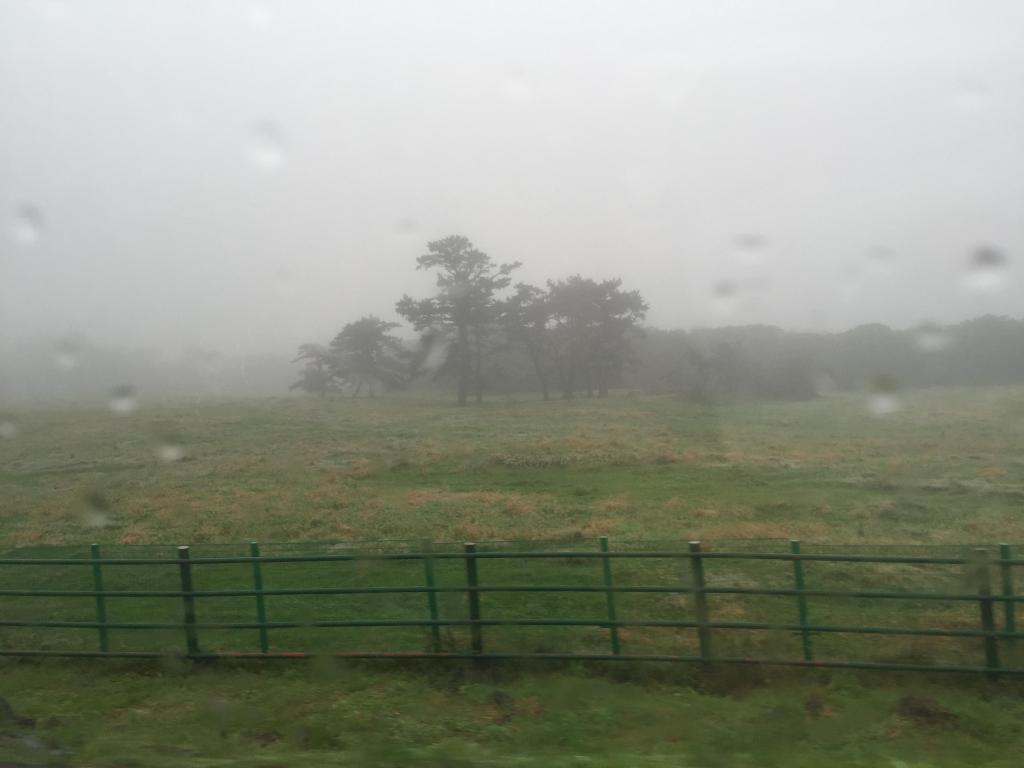
The next destination is Hallasan mountain.
This the height of 1950 m it is the highest mountain in South Korea. A problem was the way to the top of the mountain was closed that day, and who knows would I see anything through that fog?
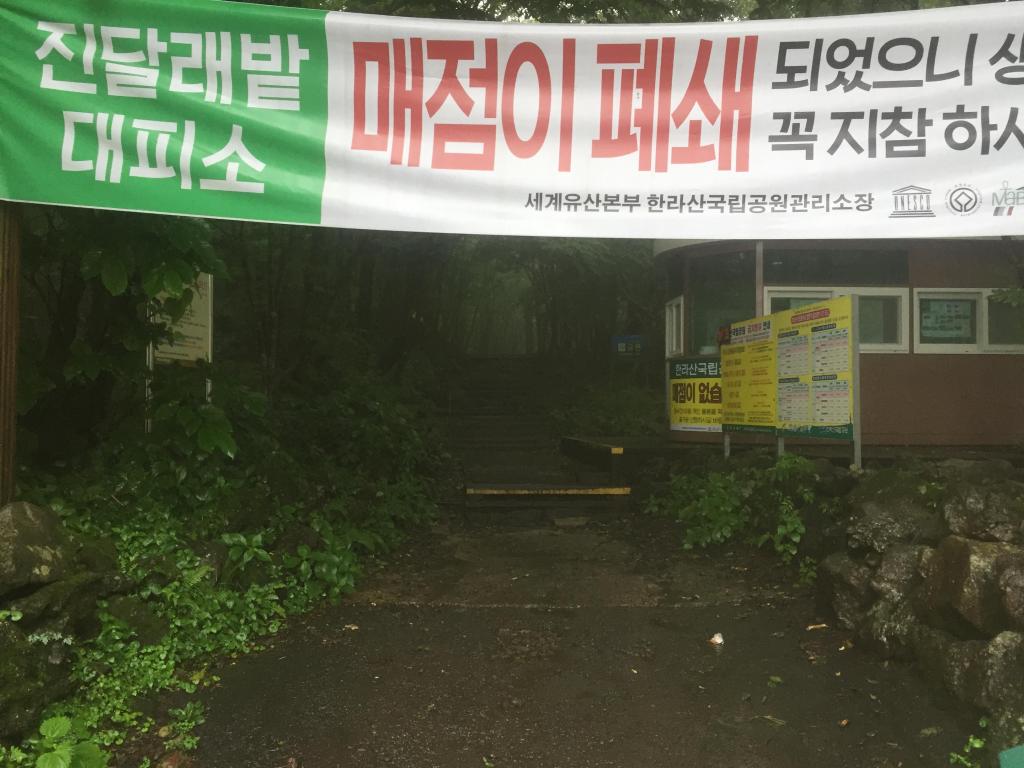
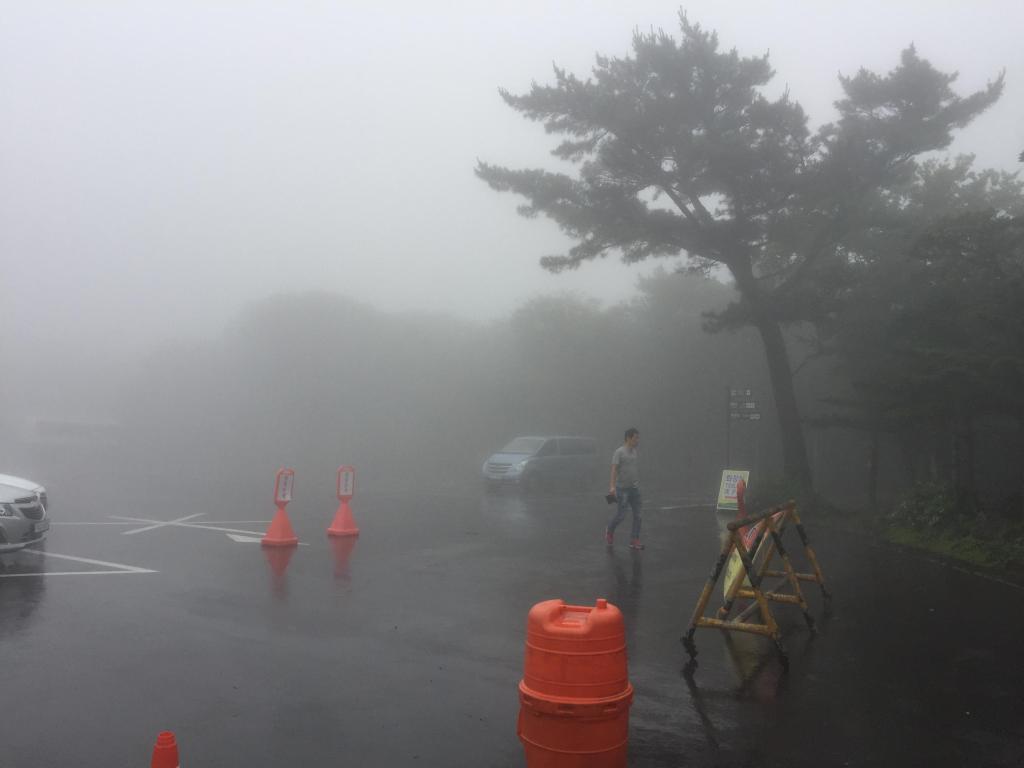
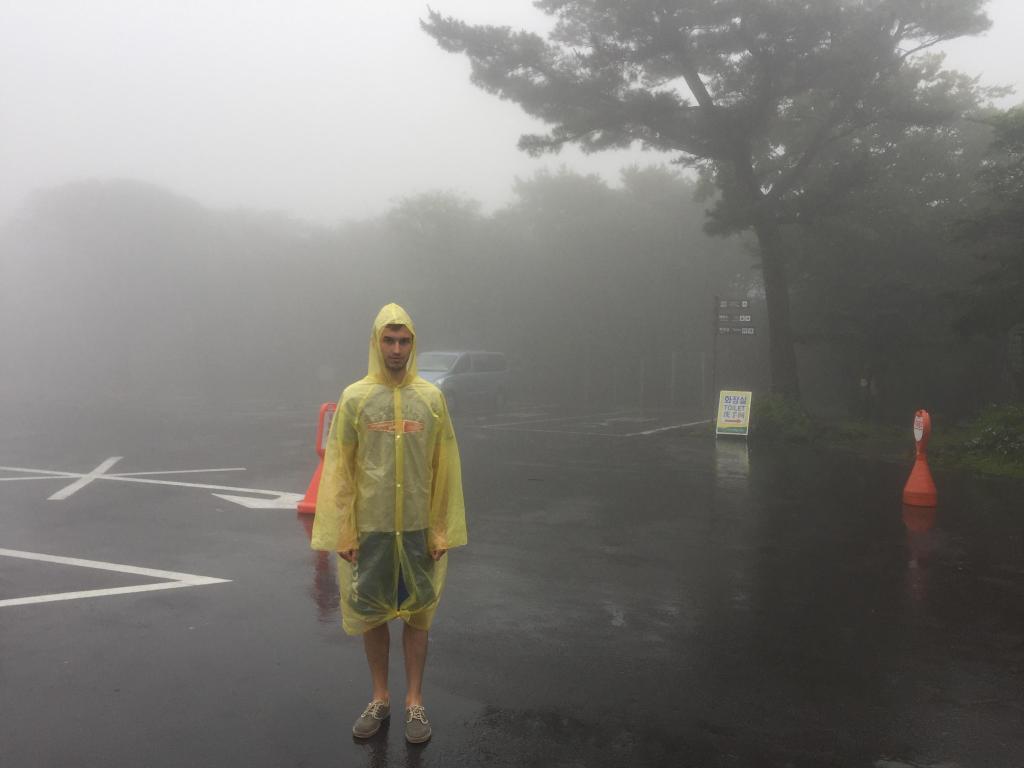
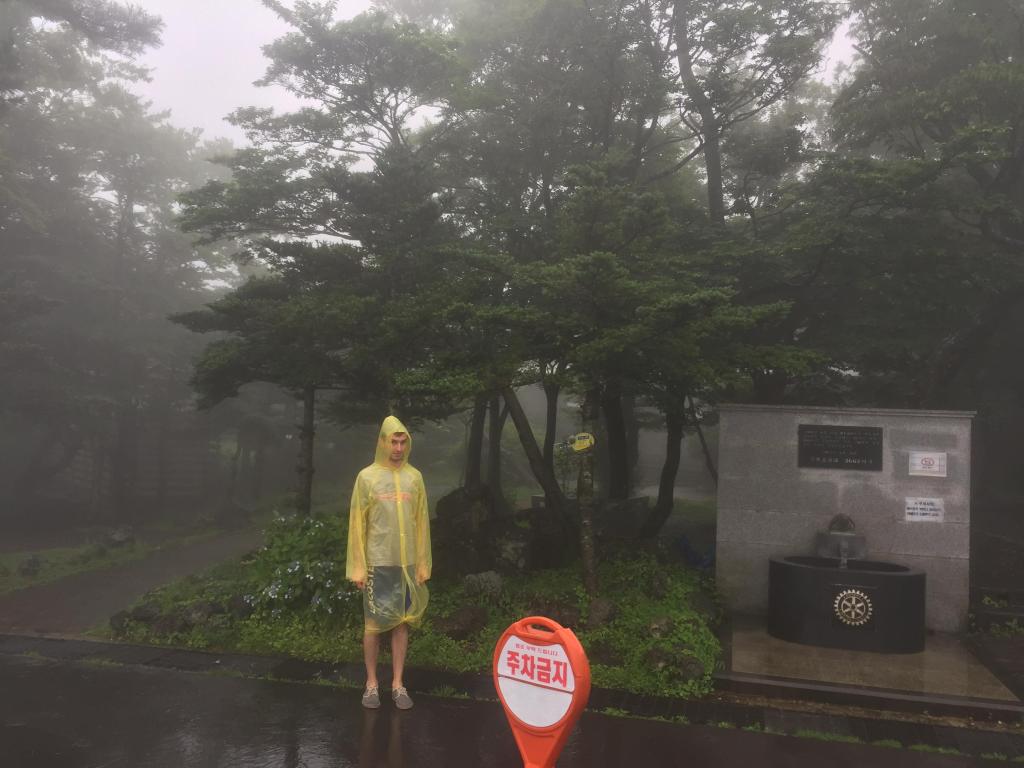
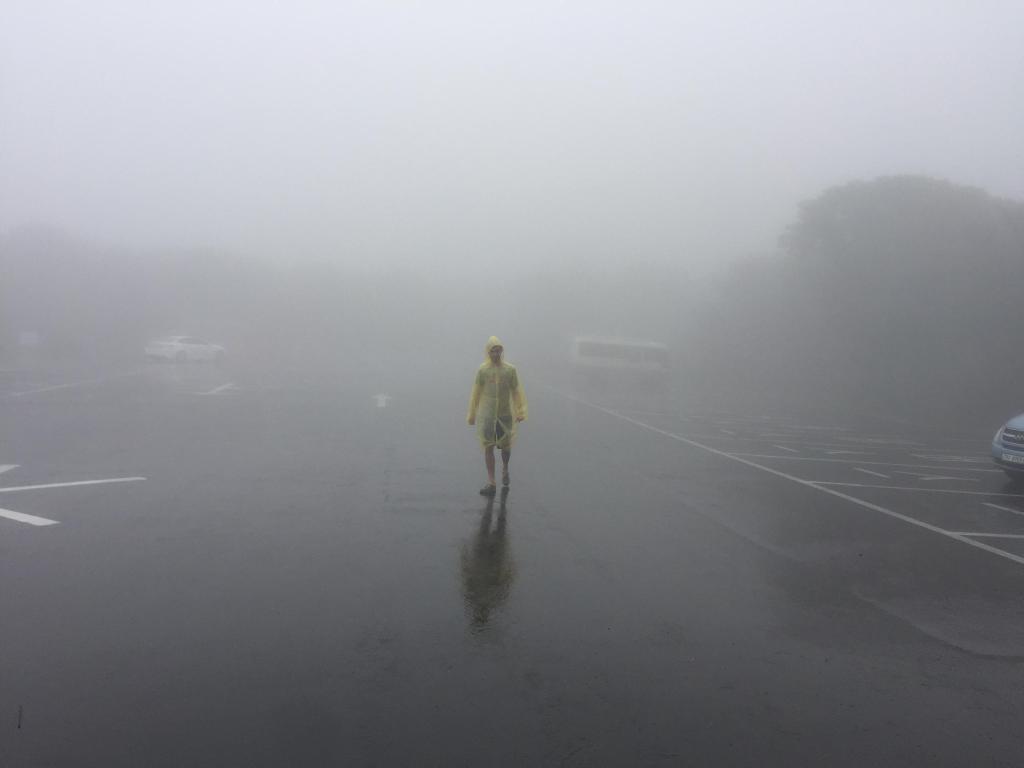
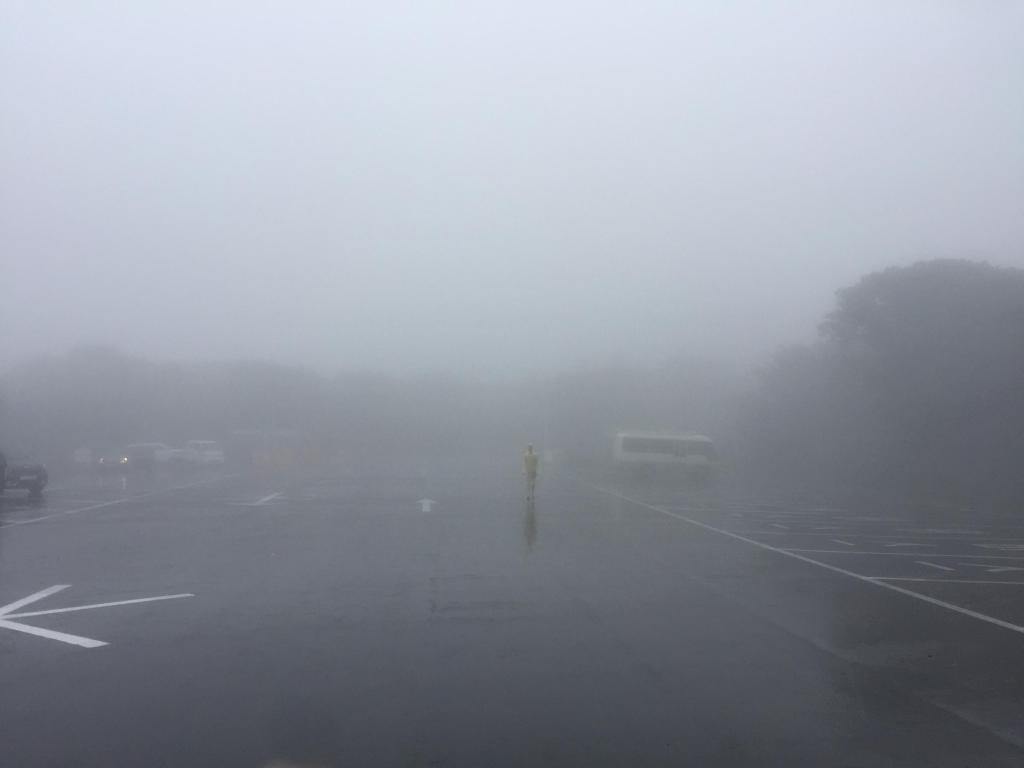
So, I am coming next time to explore it. Maybe in 2020?
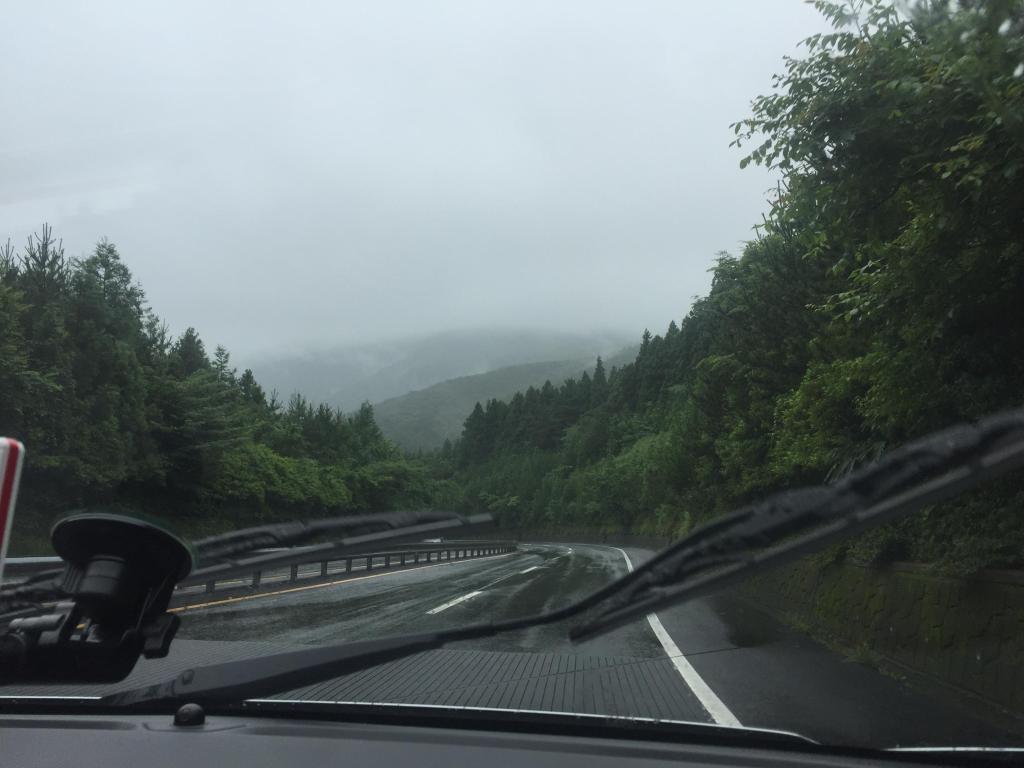
The next destination is a famous waterfall, Jeongbang falls.
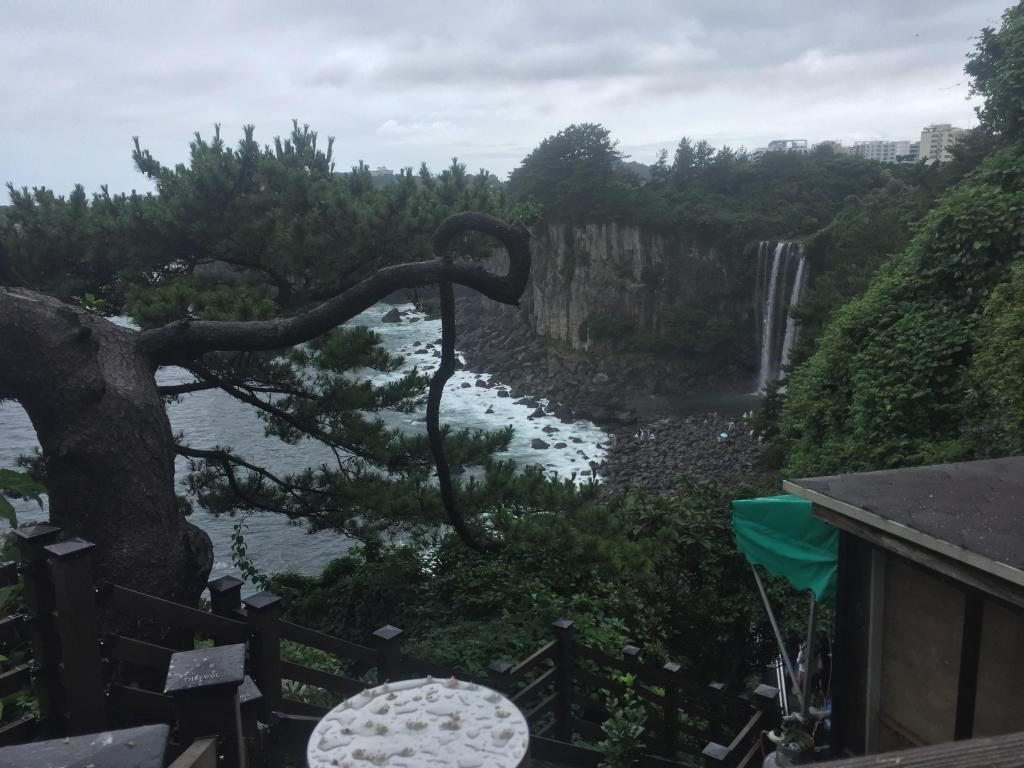
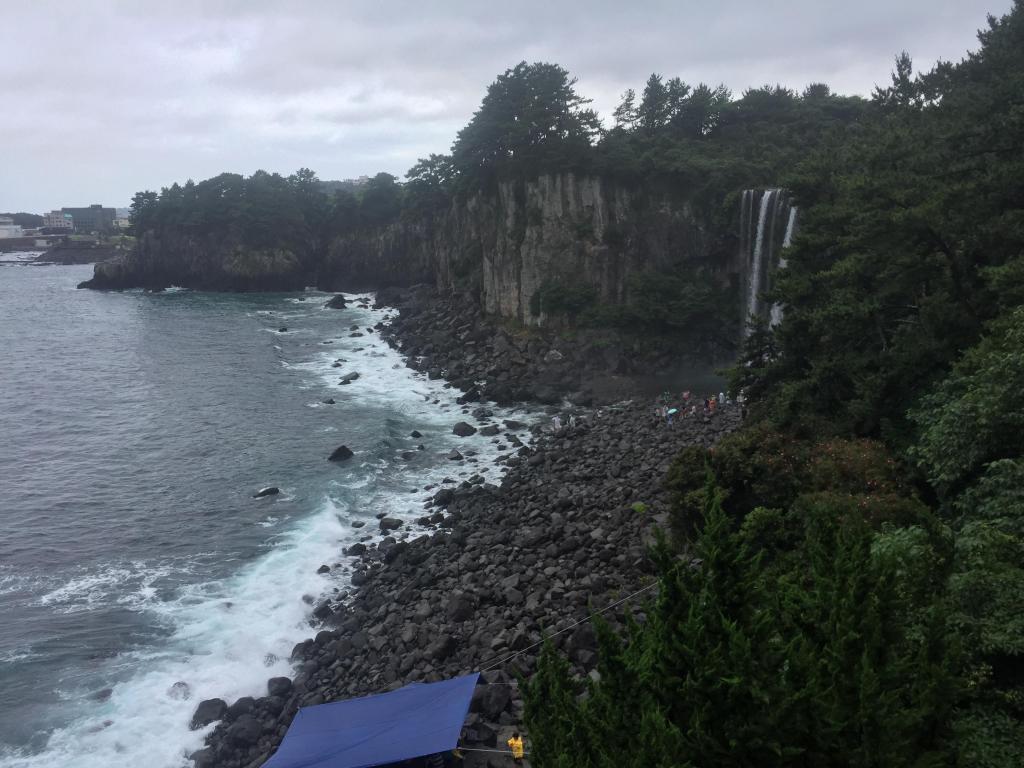
It is 23 m high. Not as high as 119 m Baekseok waterfall of Jeongseon country.
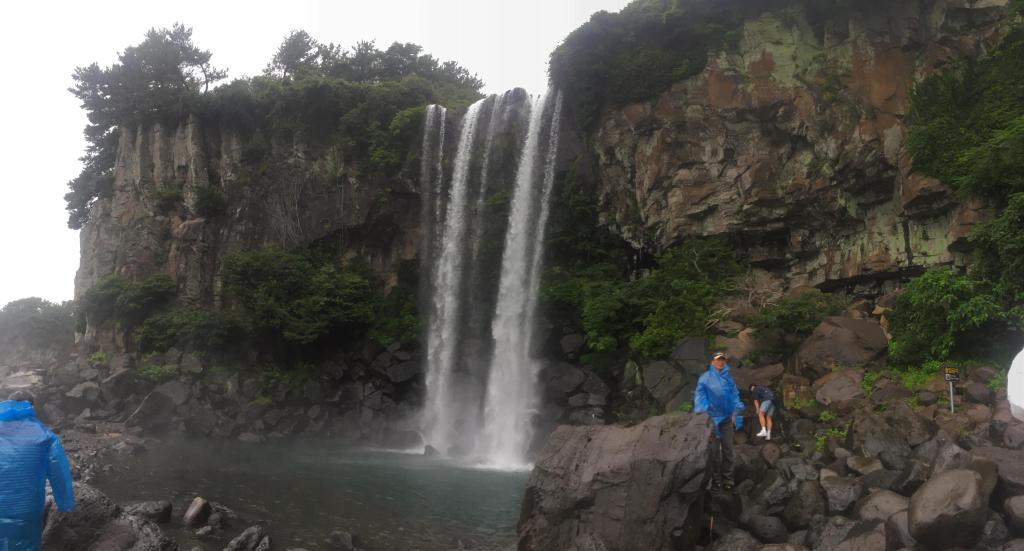
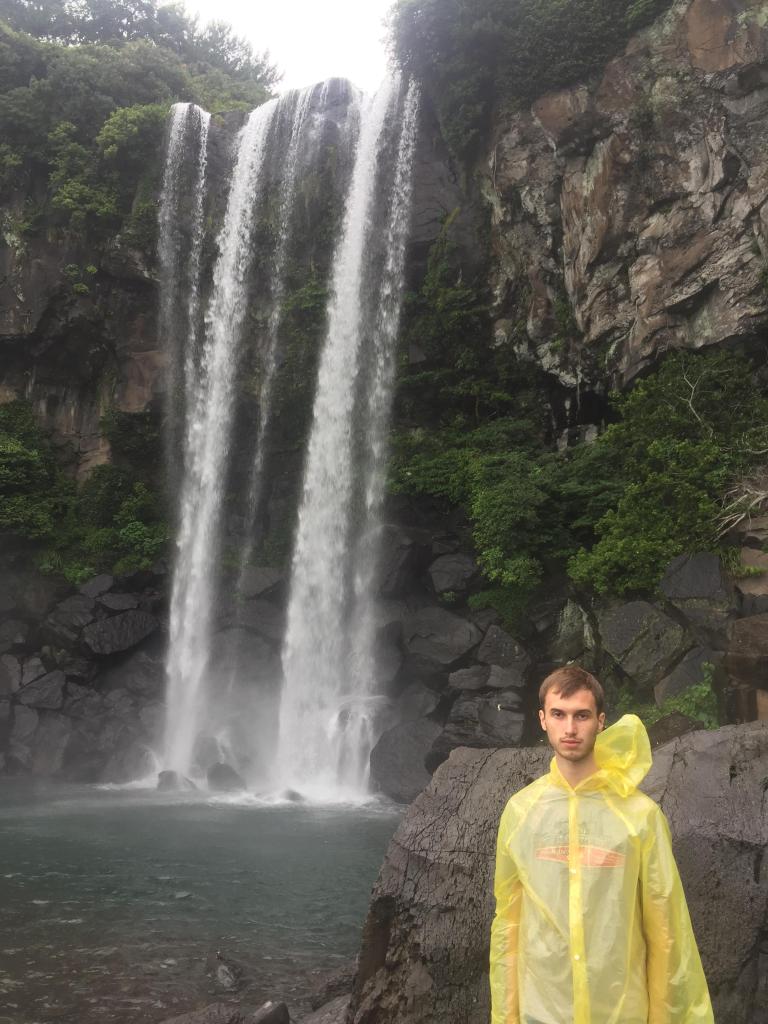
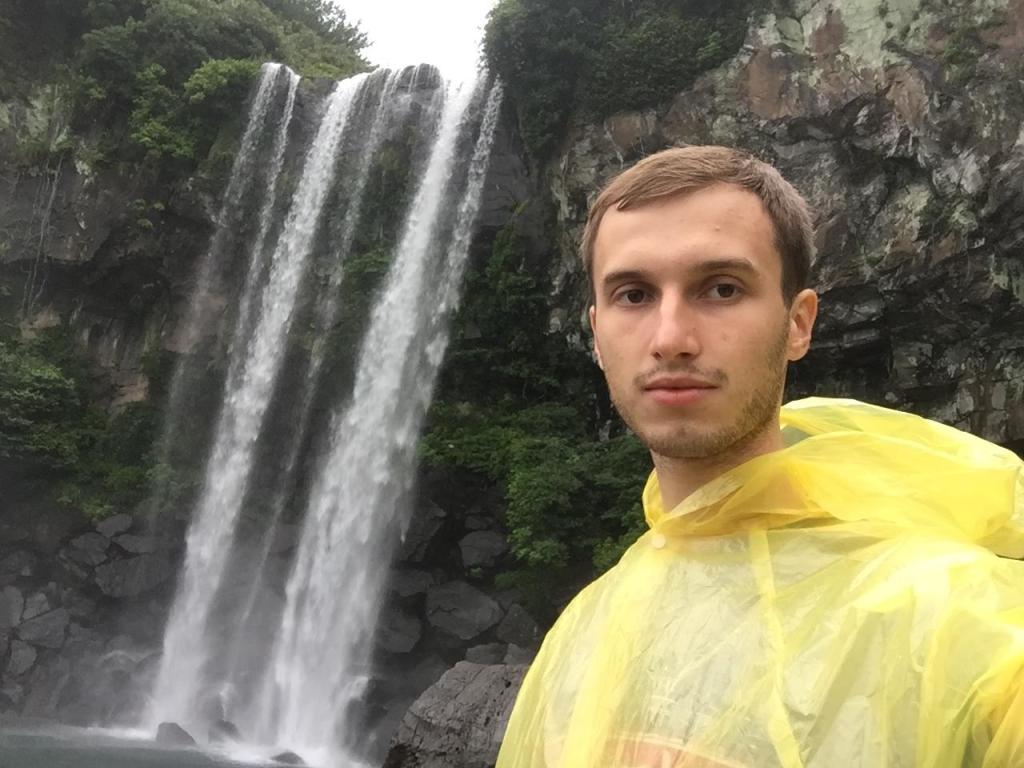
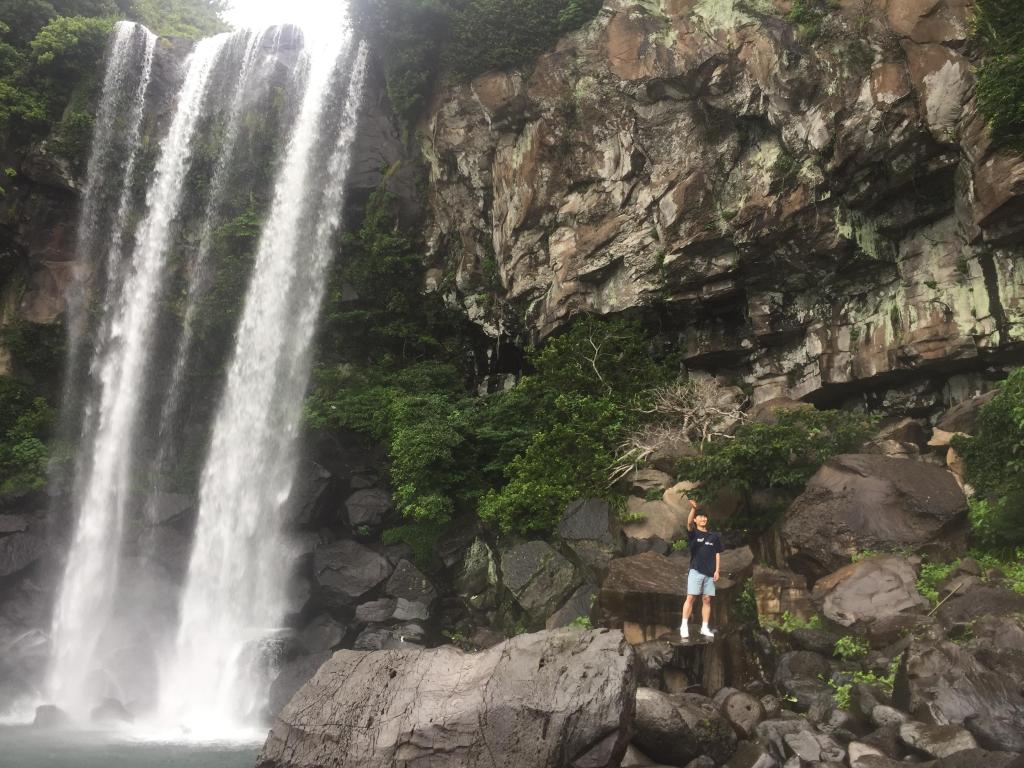
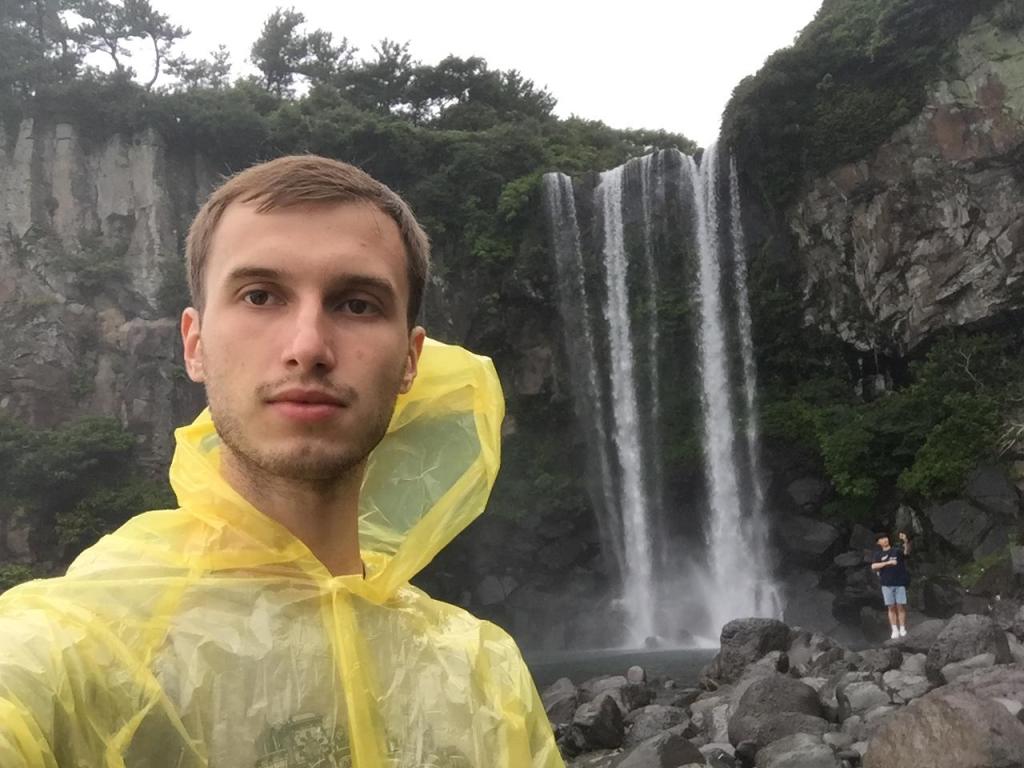
The waterfall is situated close to the ocean what makes this scene particularly attractive.

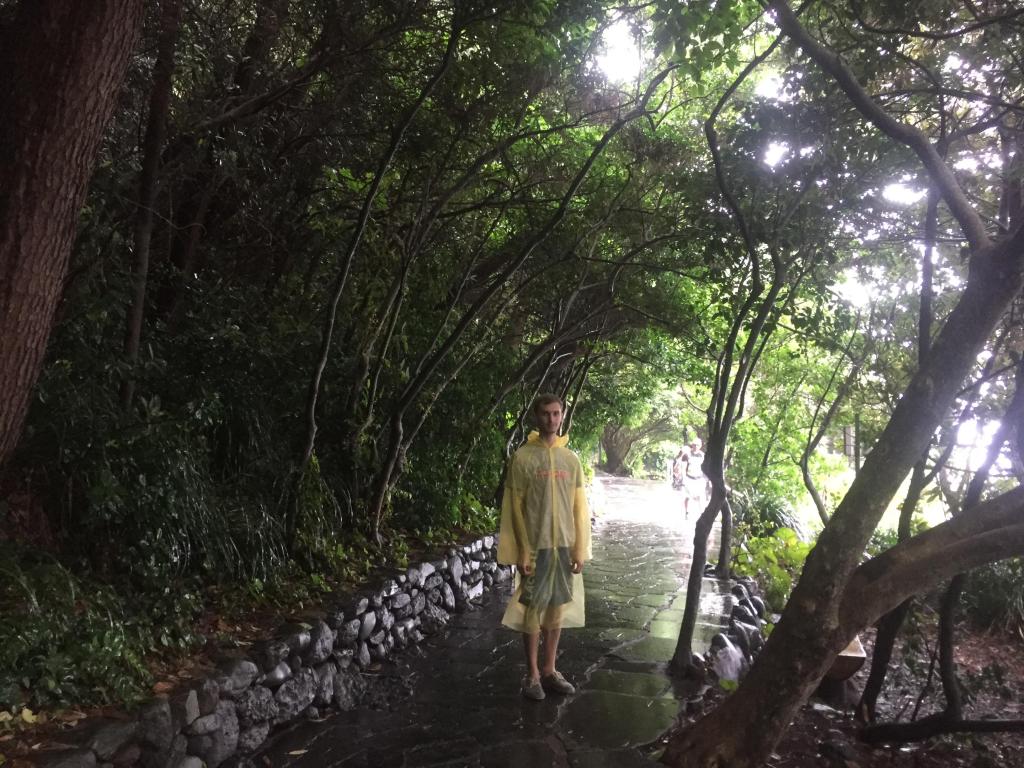
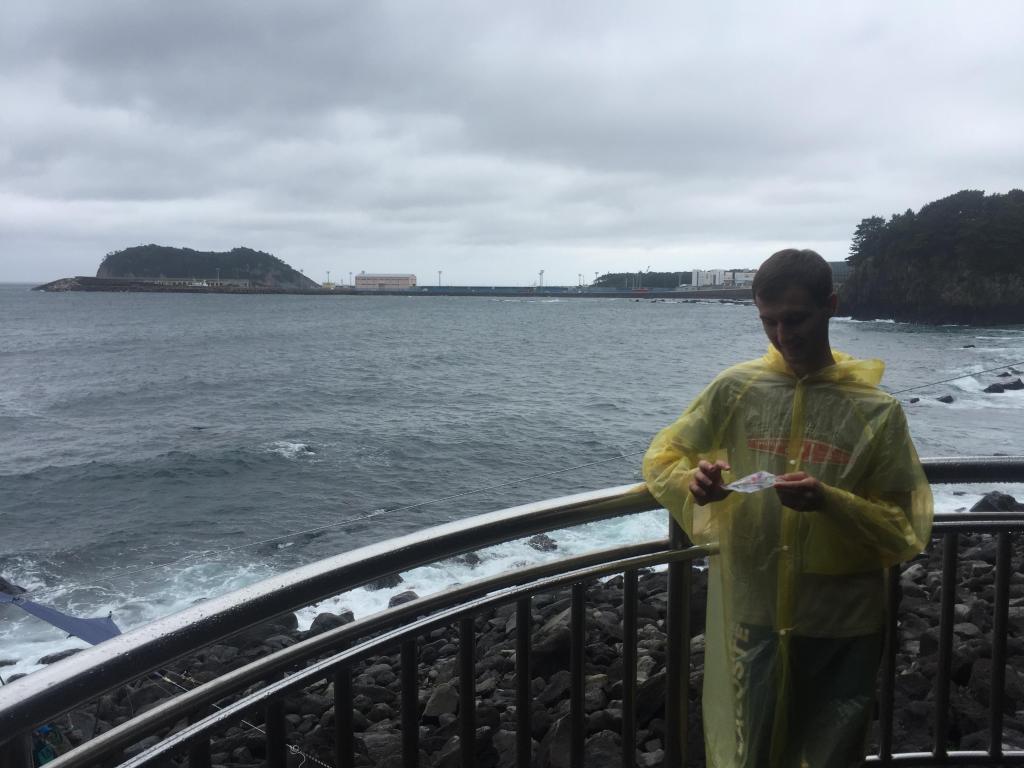
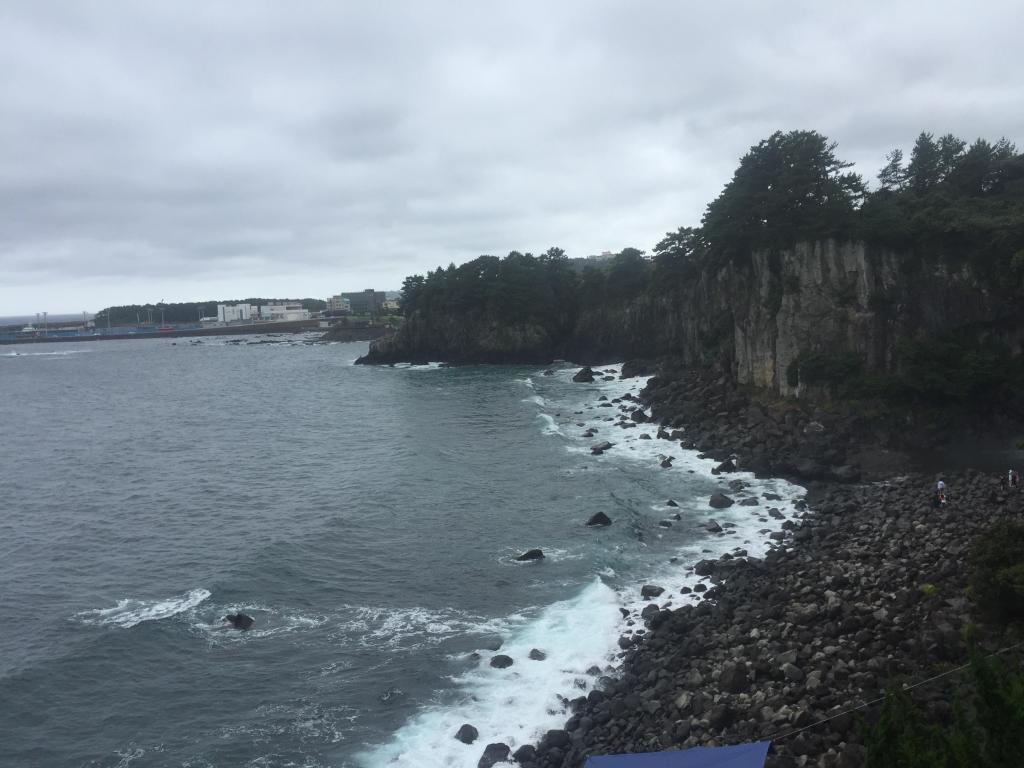
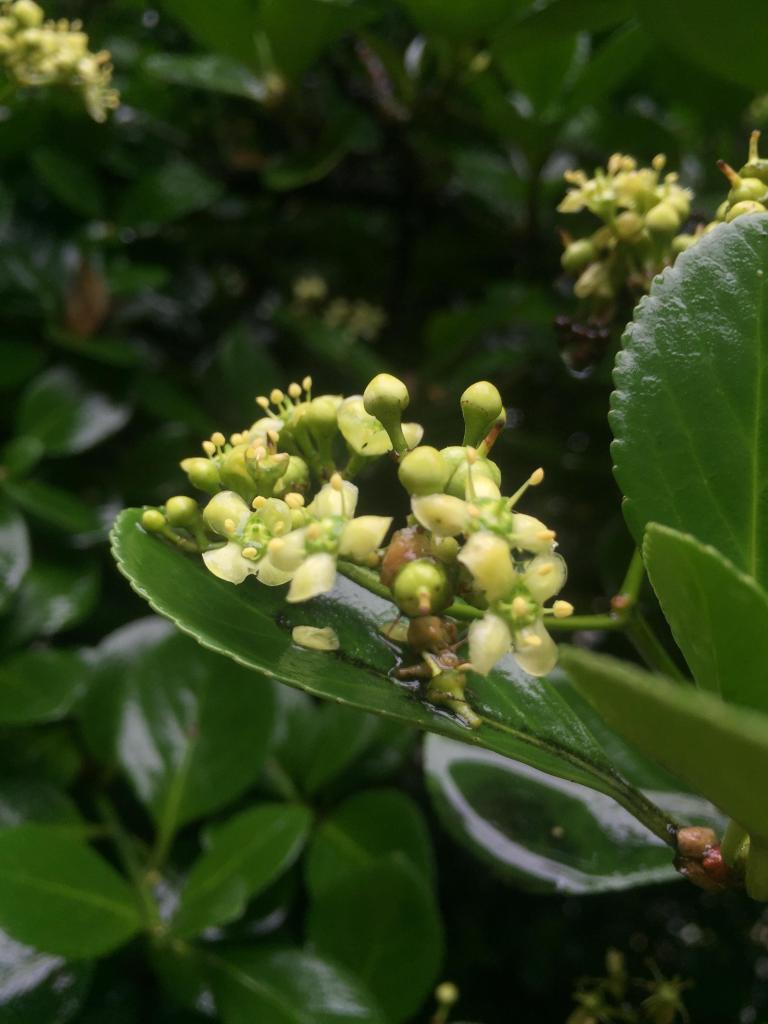
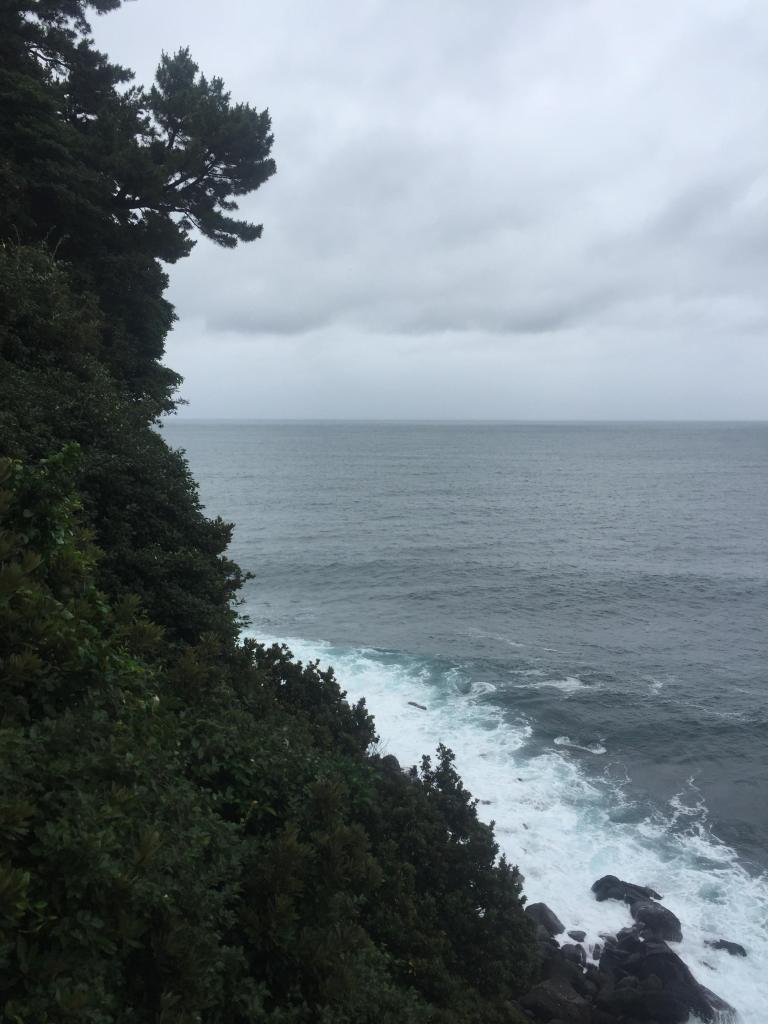
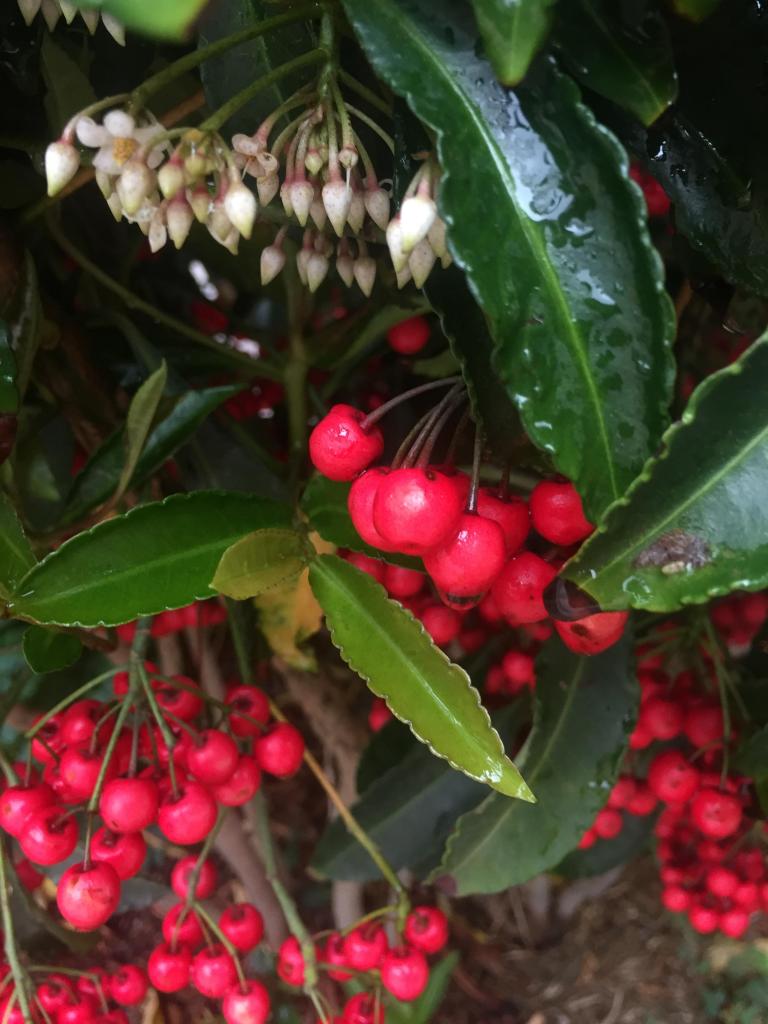
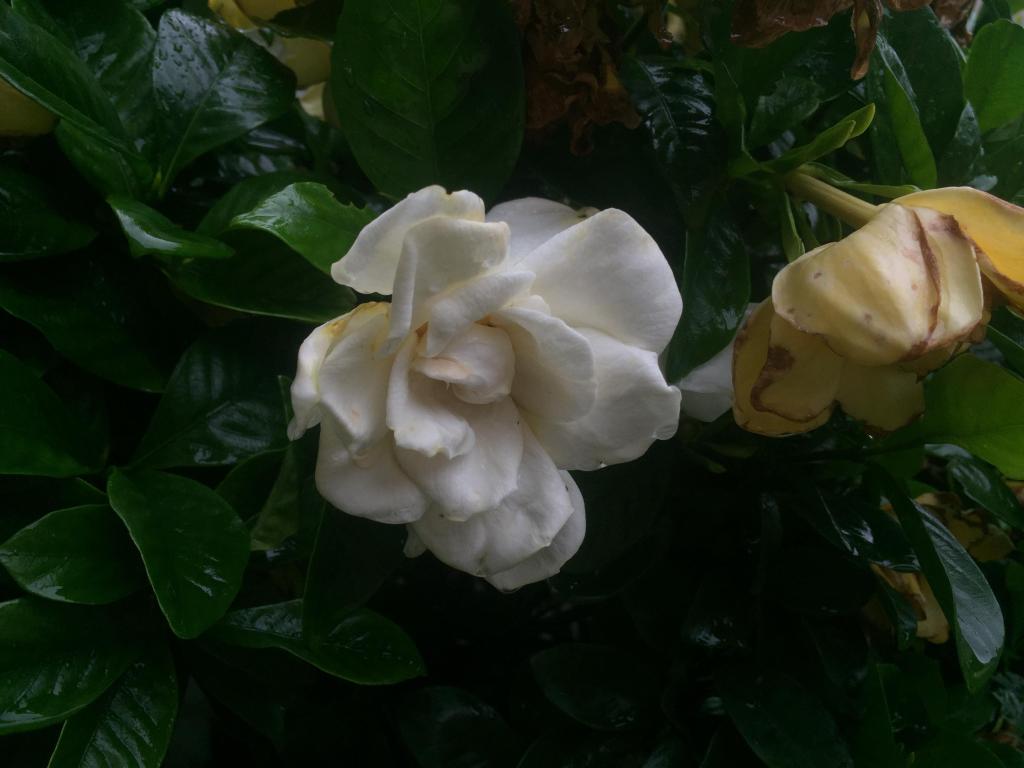
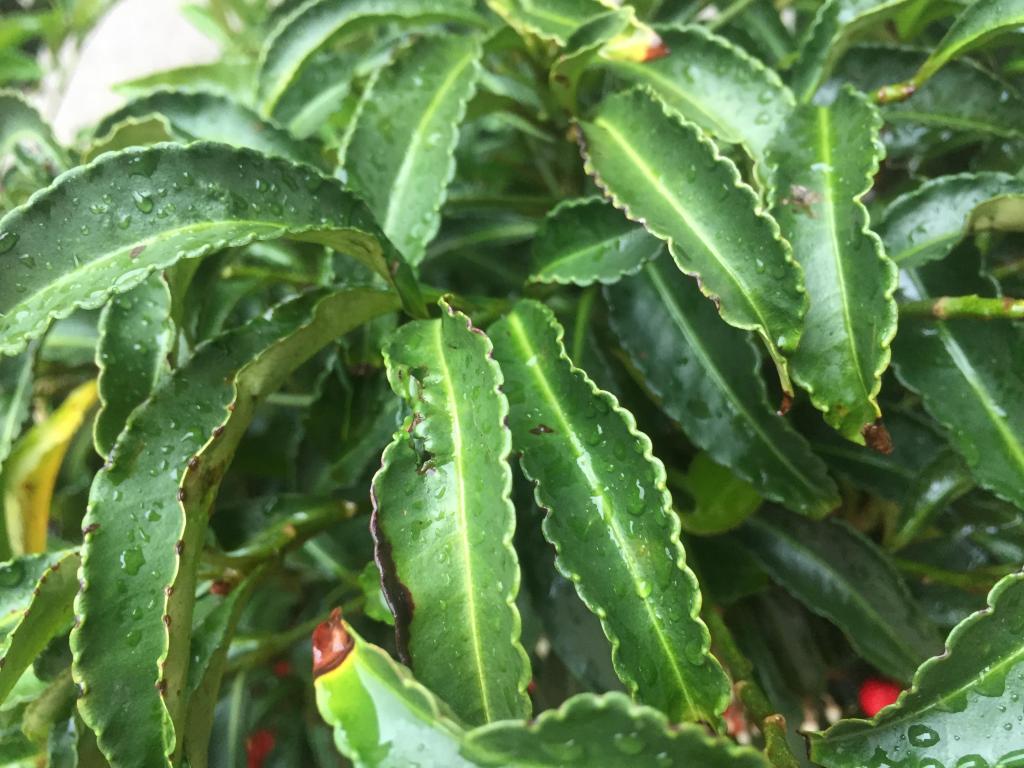
Near the parking, there is a silent alley protected by buoyant and gorgeous plants.
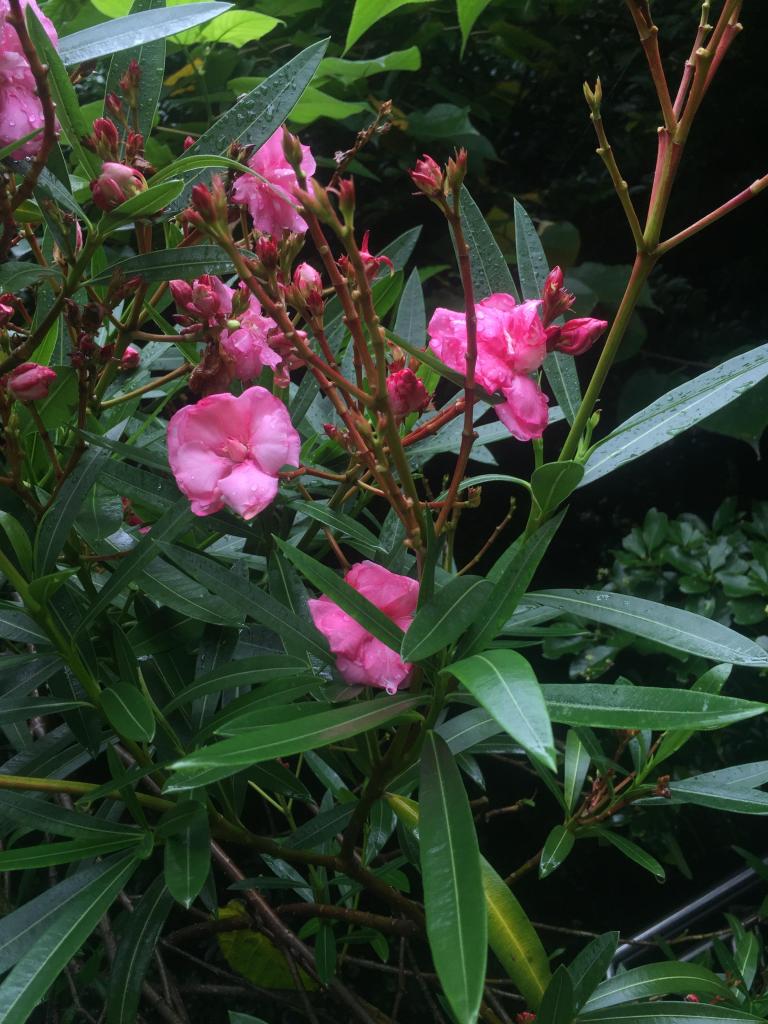
At first, the blooming palms near road attracted my attention. I made a short walk to discover the plants, and the more I was walking in the alley, the greater my exciting curiosity was. I was just charmed by the beauty and purity of these plants so I dared to walk away alone, being itself not brave, but this magic drove me to walk further and further, to the castle of shells. I remember an old man who passed by. Maybe he was surprised why do I take so many photos. Did he say something to me? Or he just made a special sight on me?
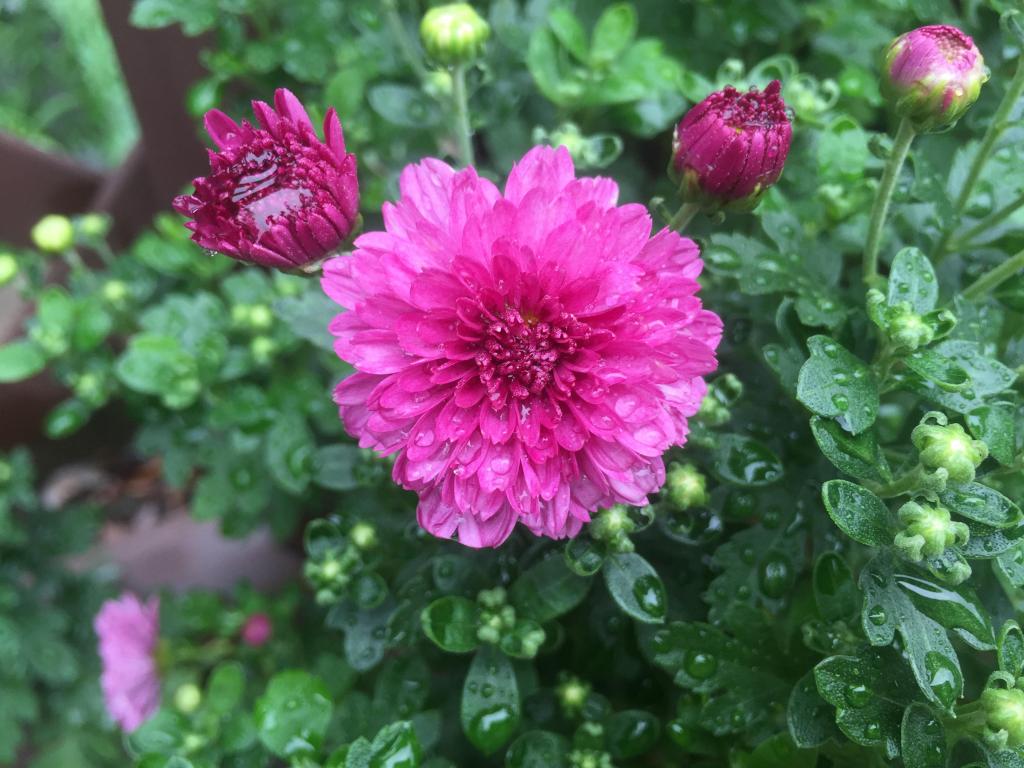
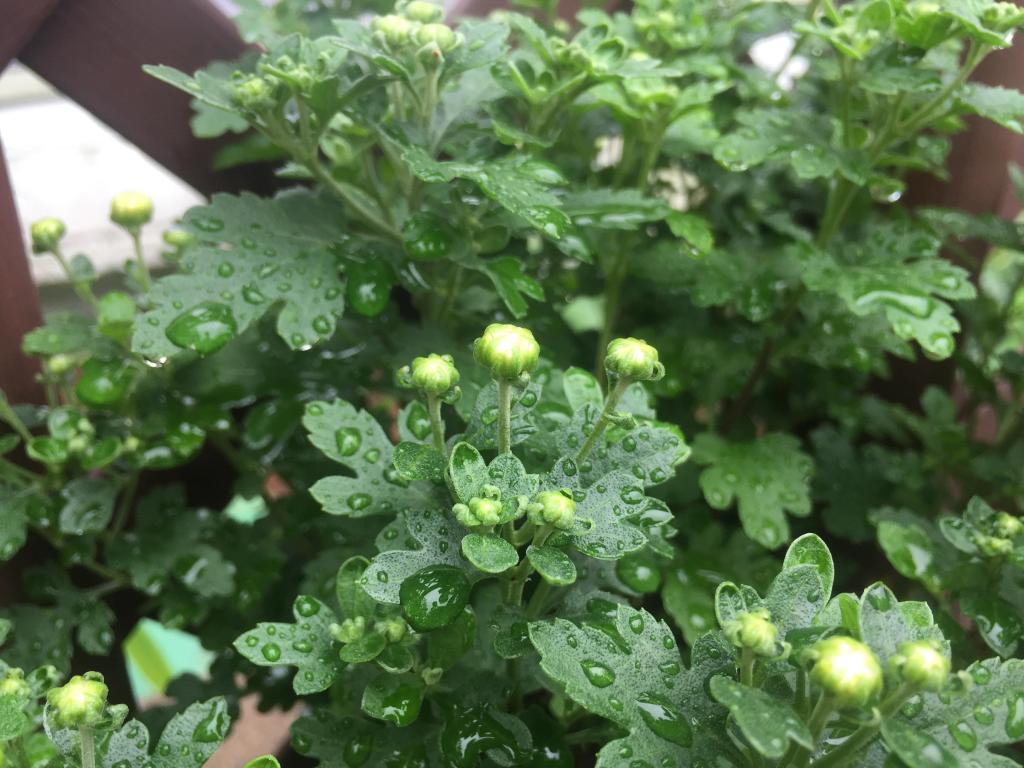
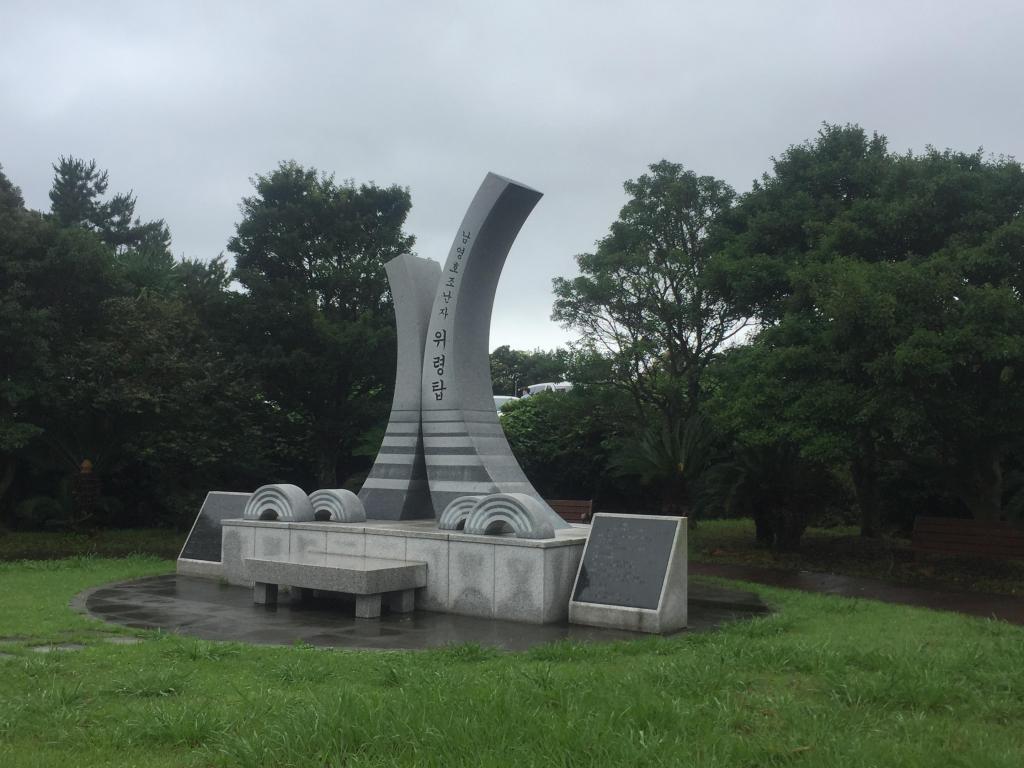
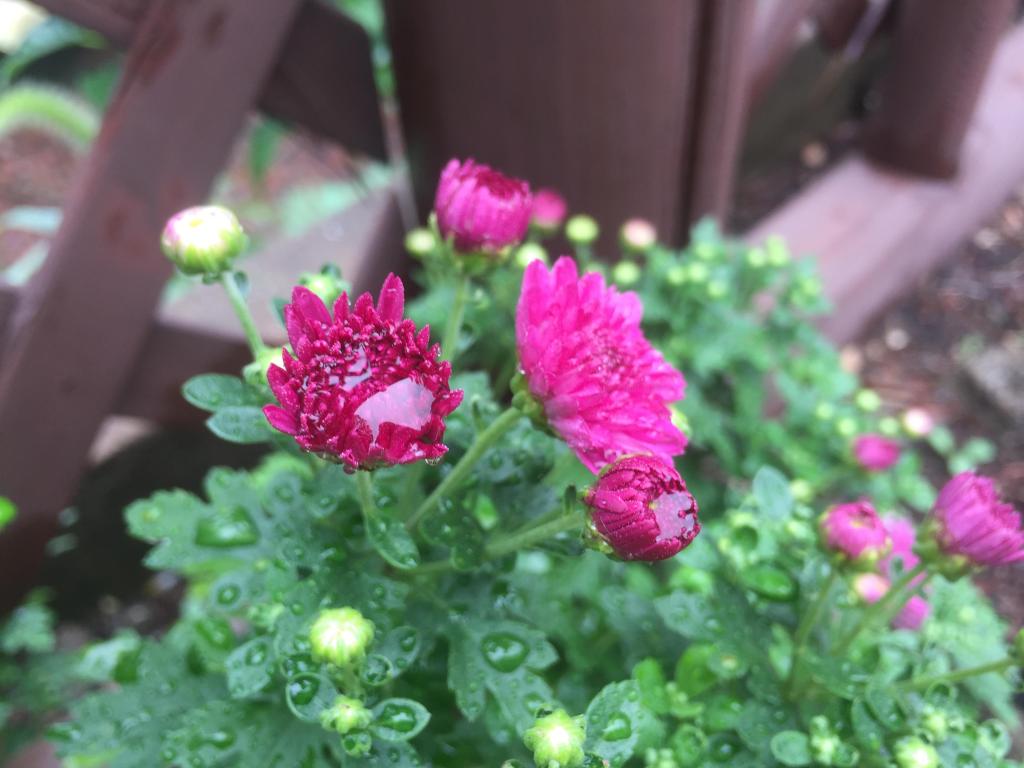
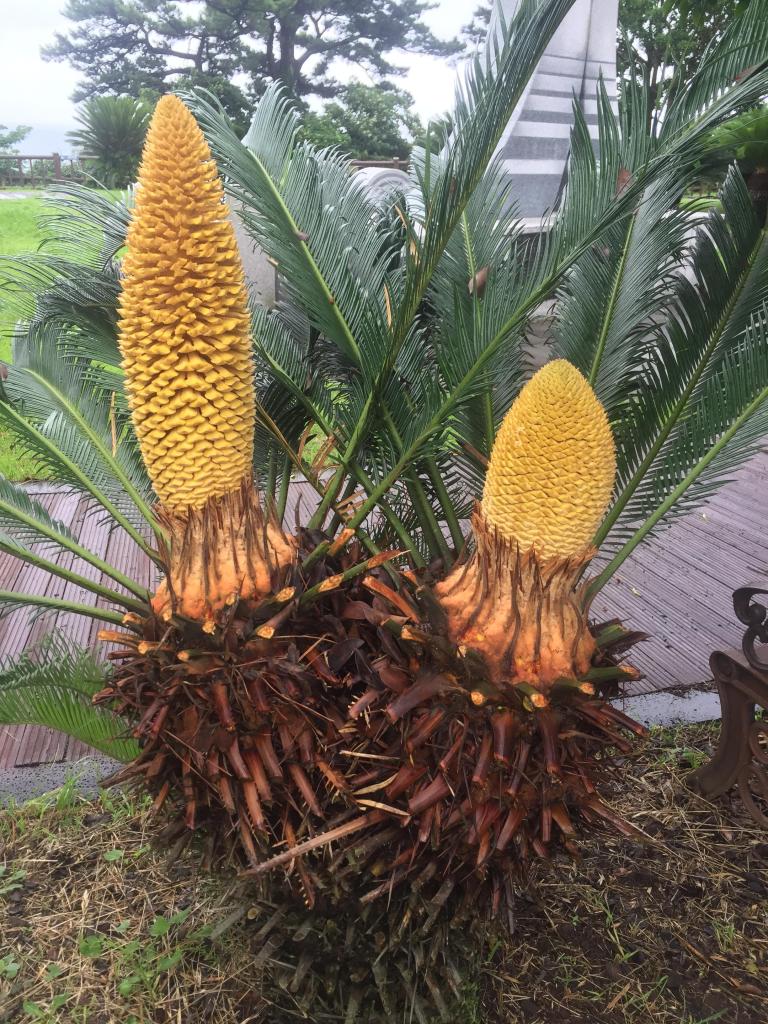
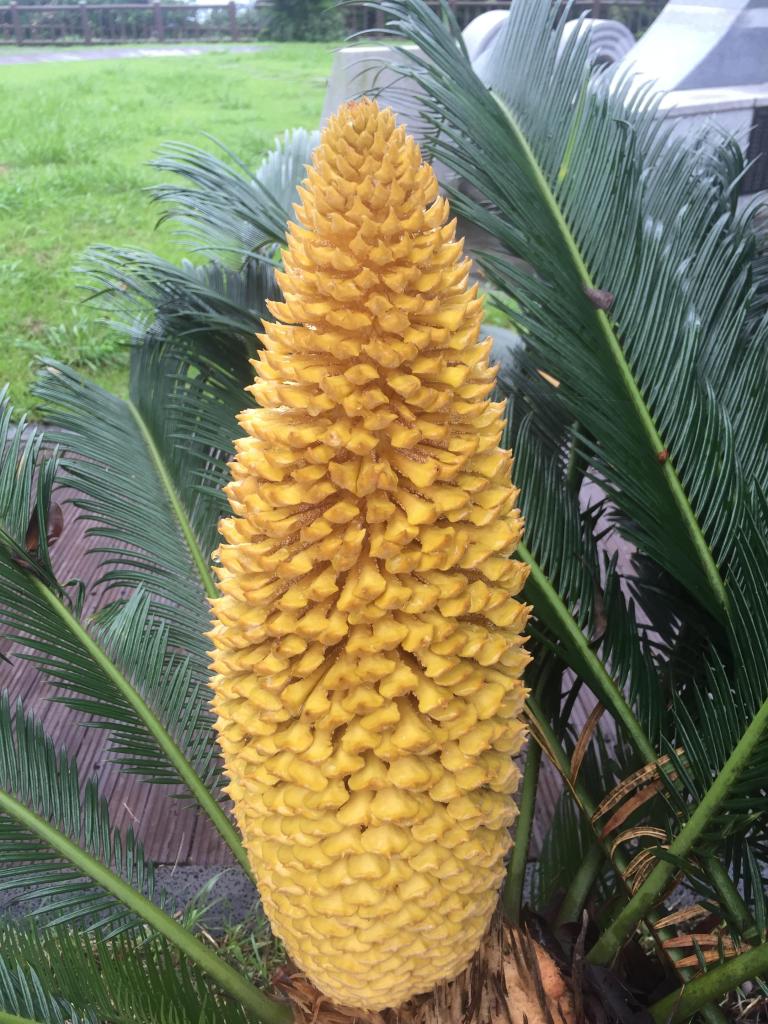
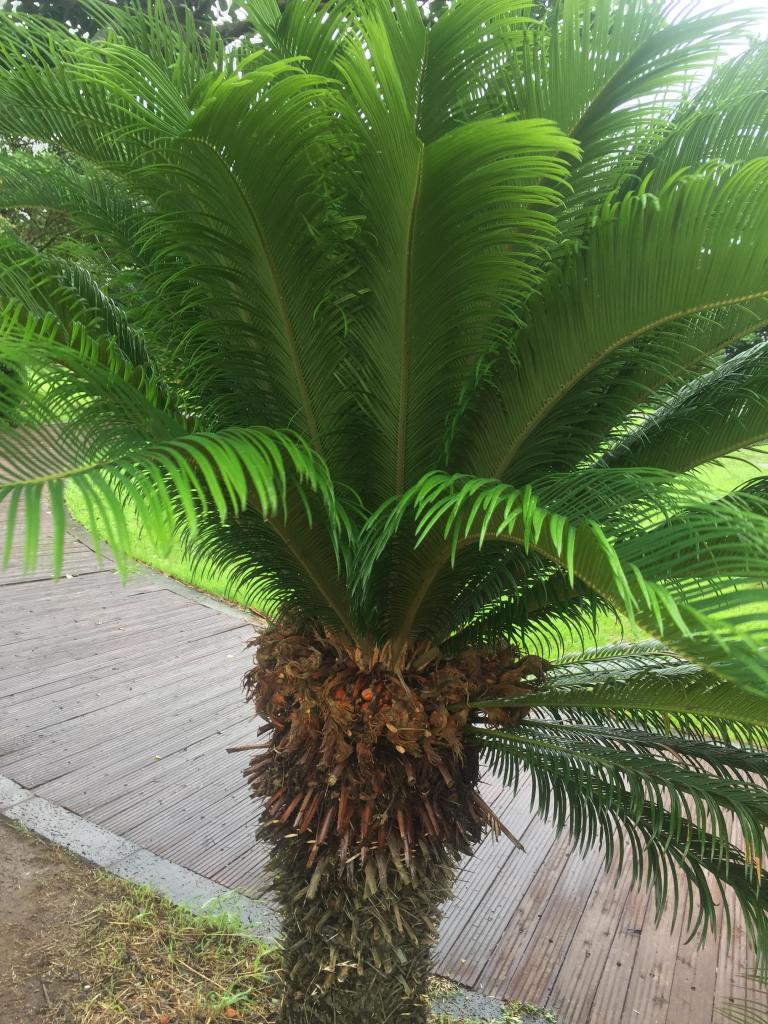
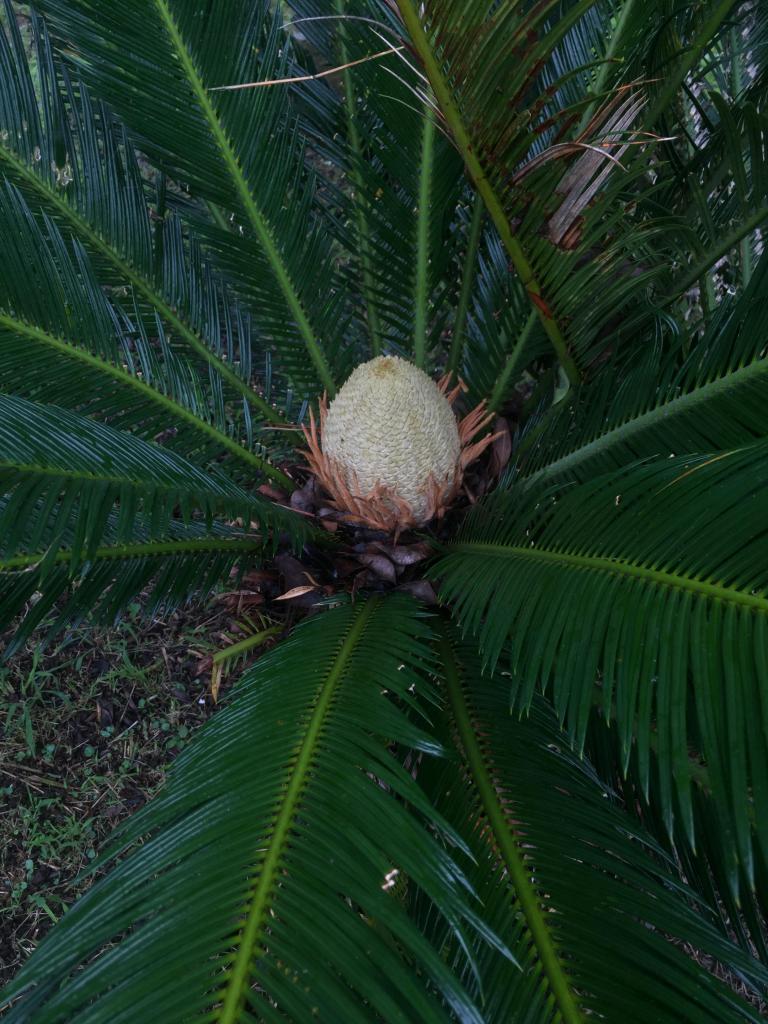
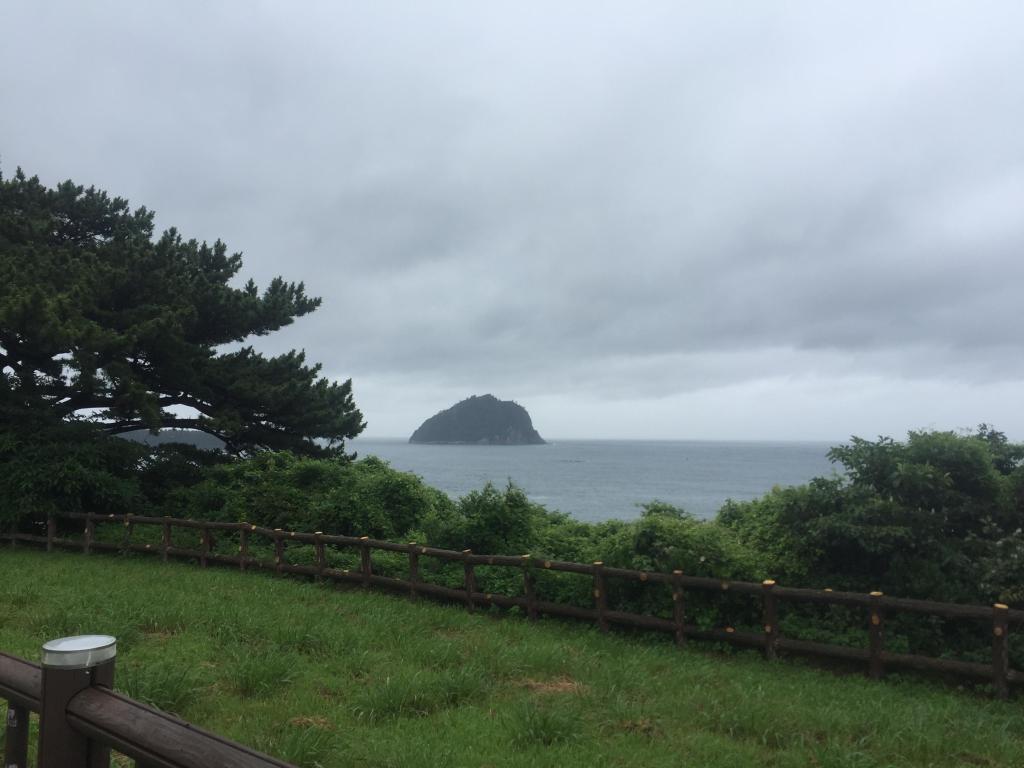
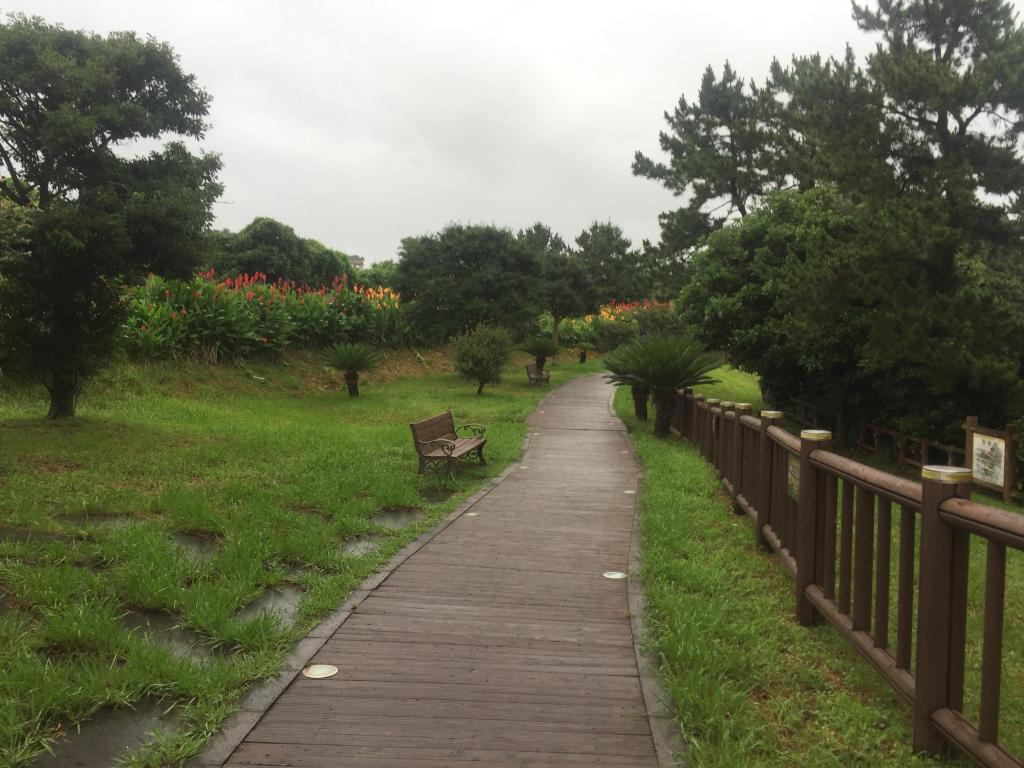
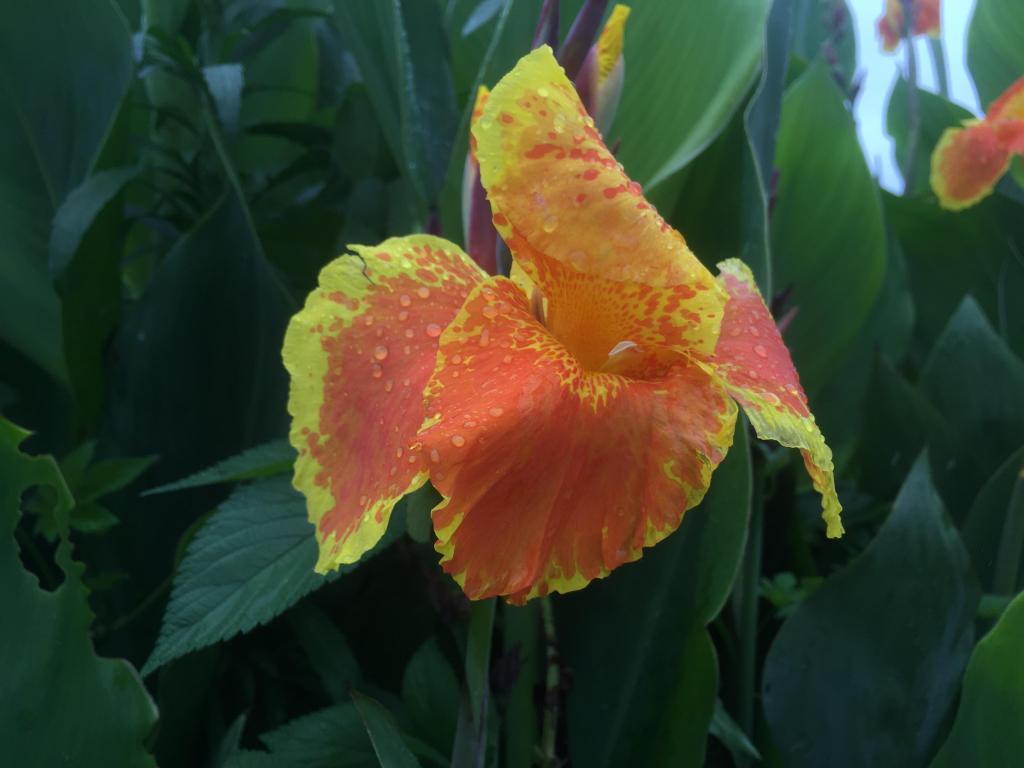
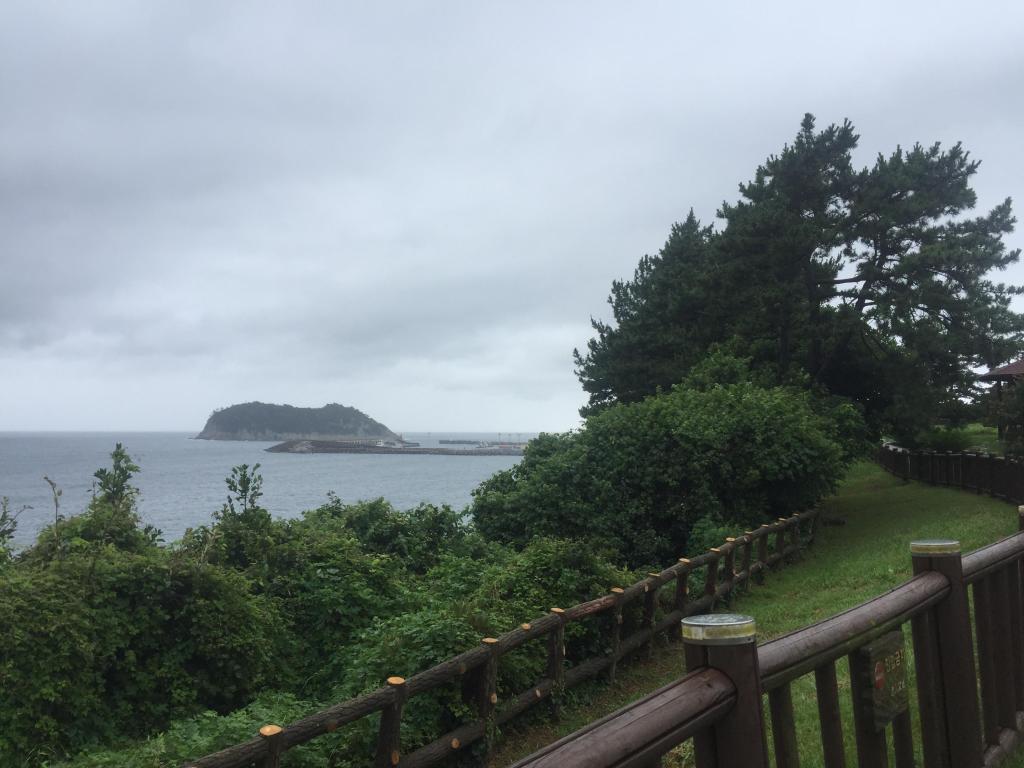
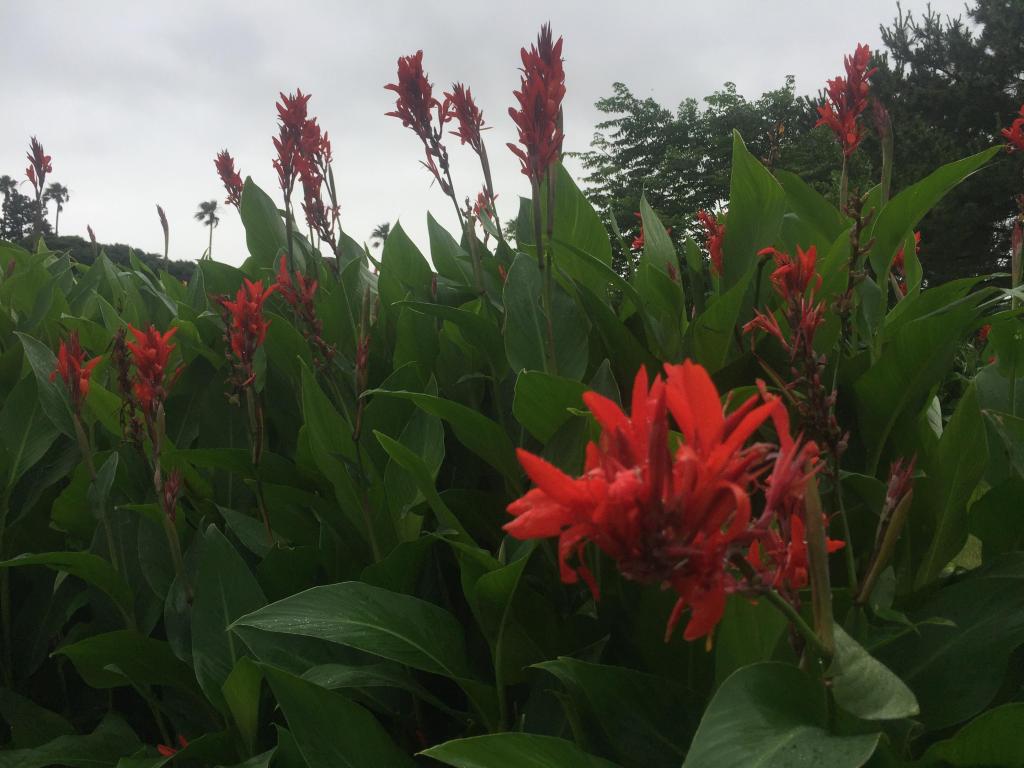
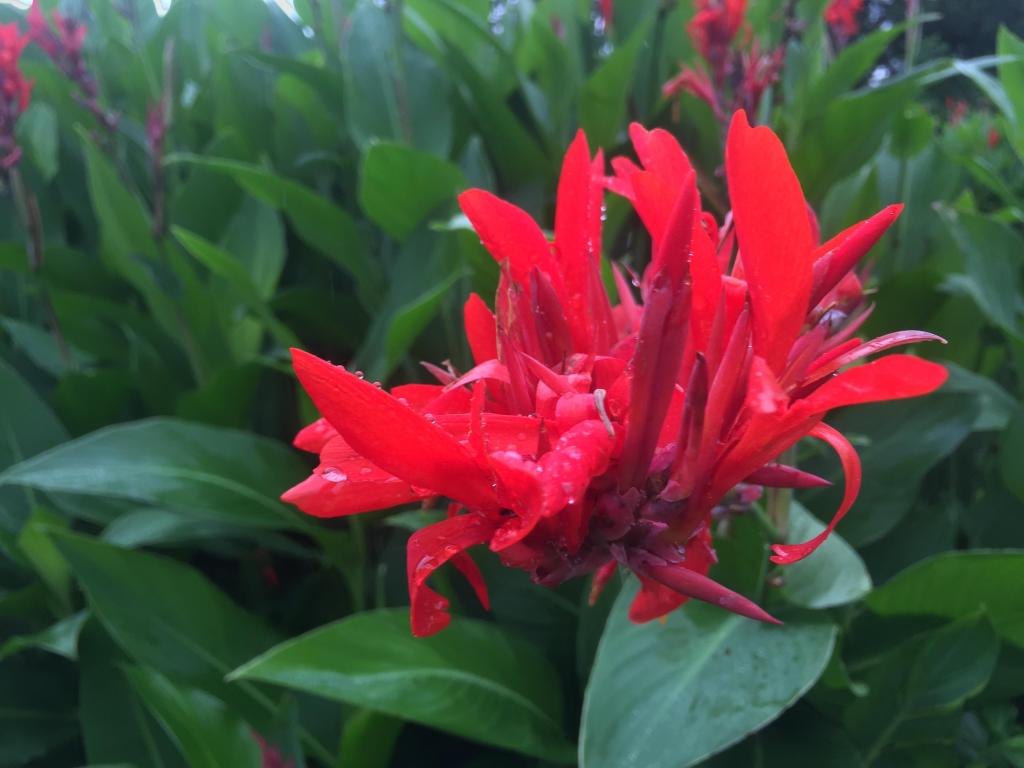
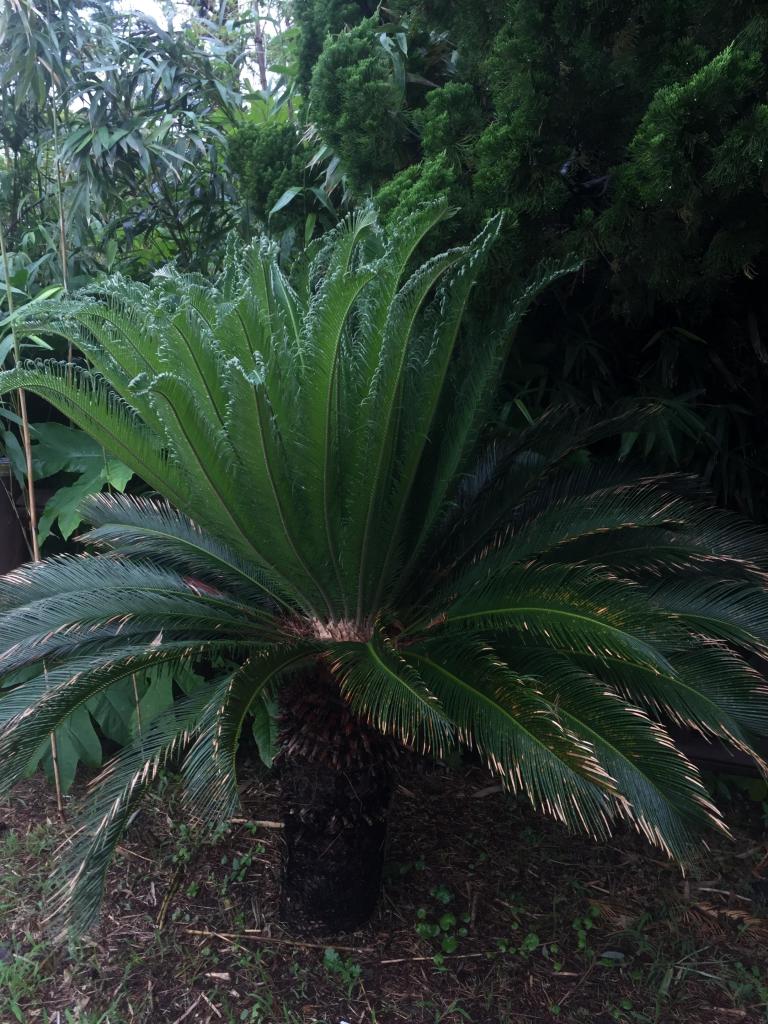
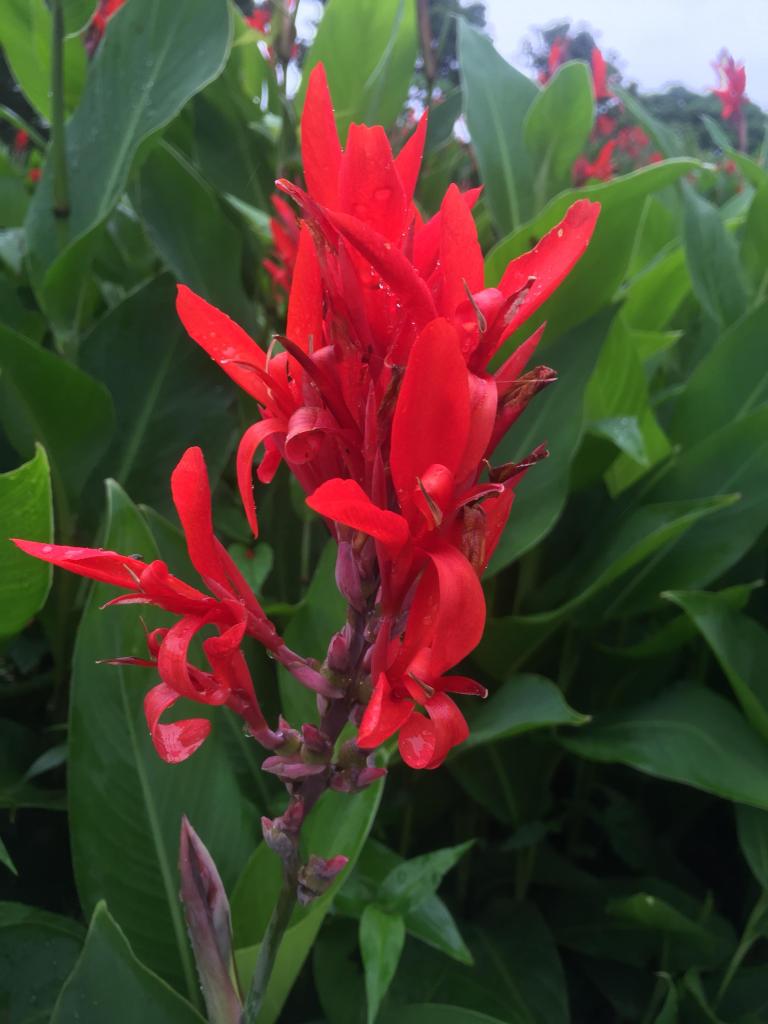
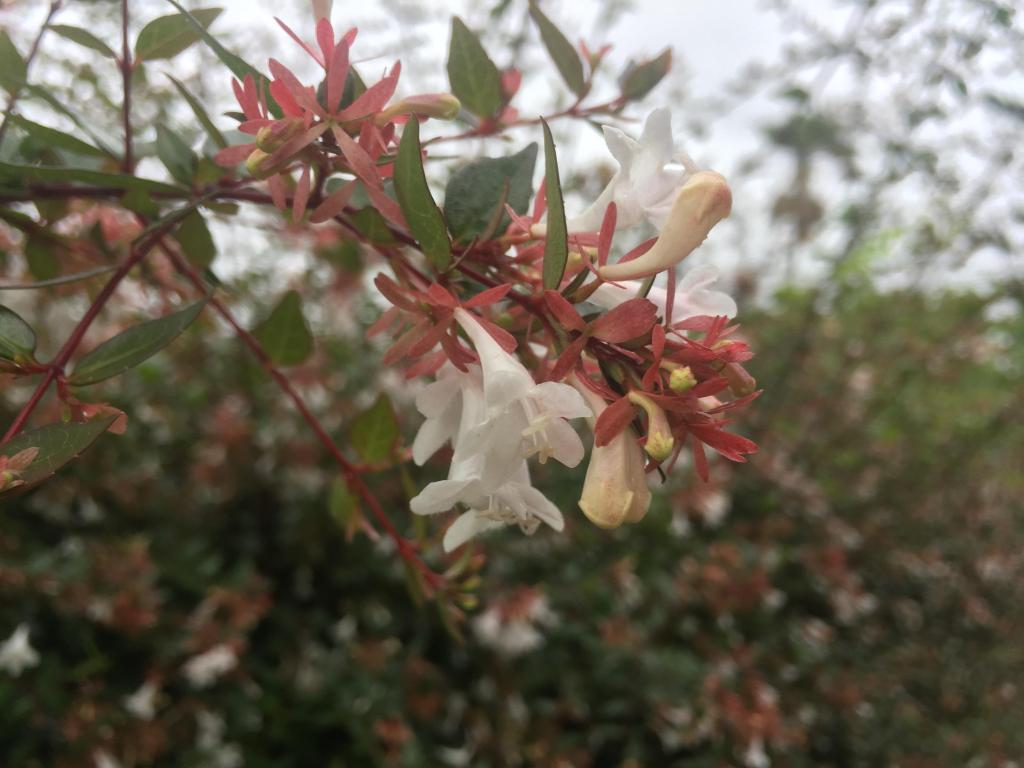
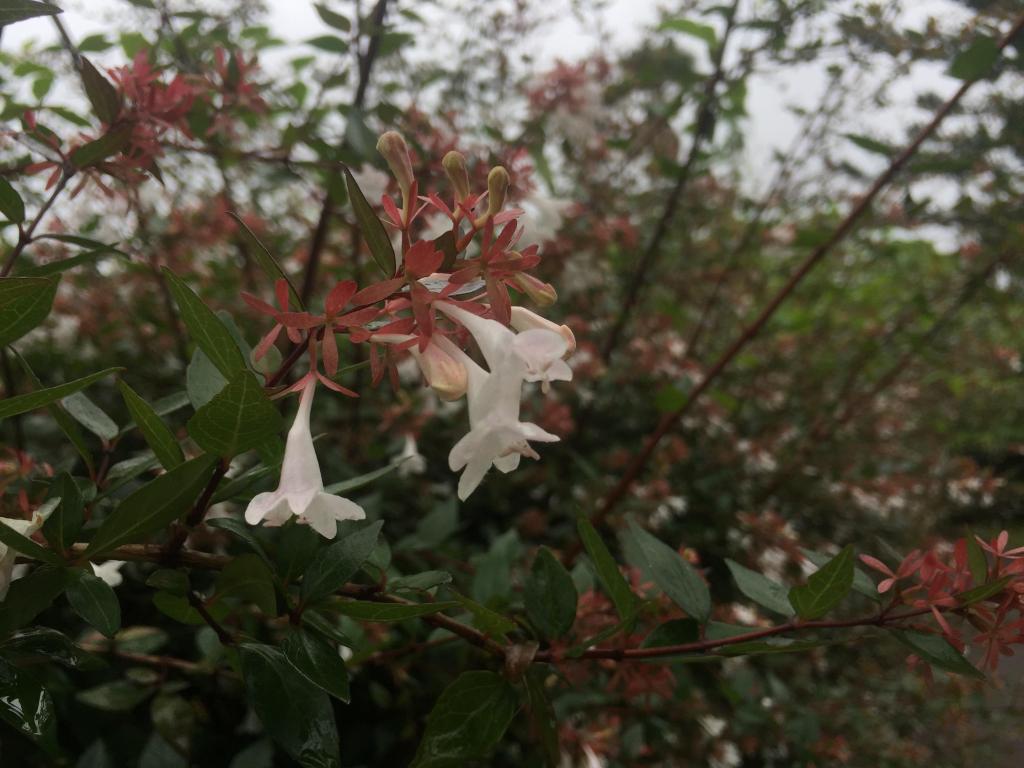
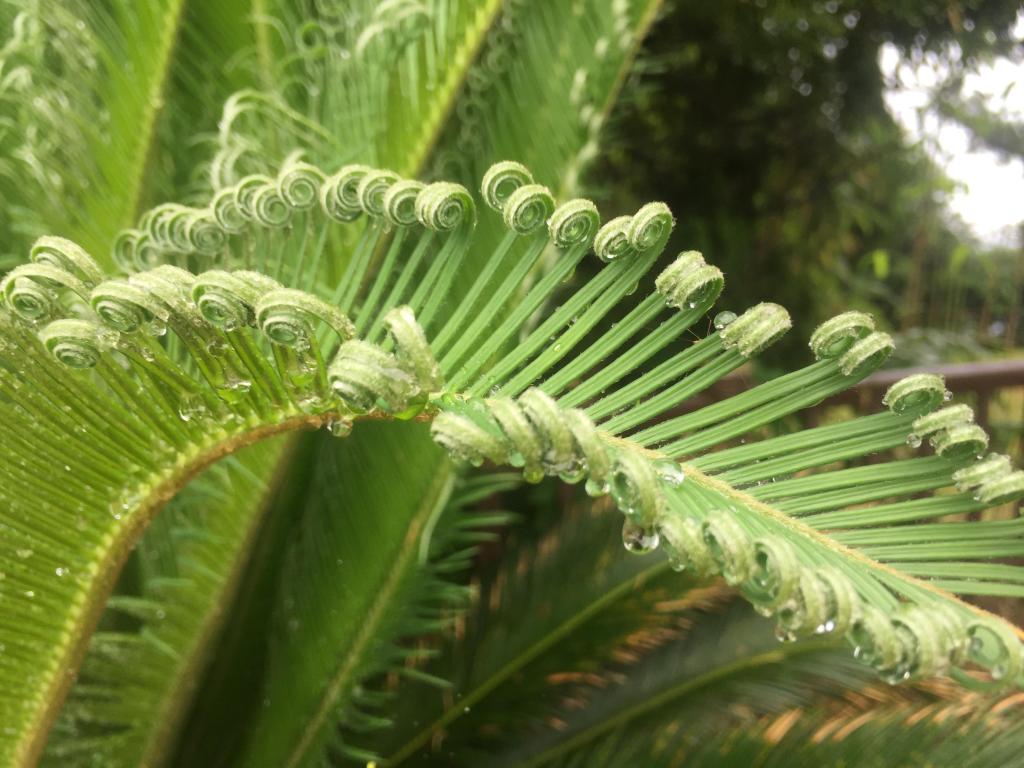
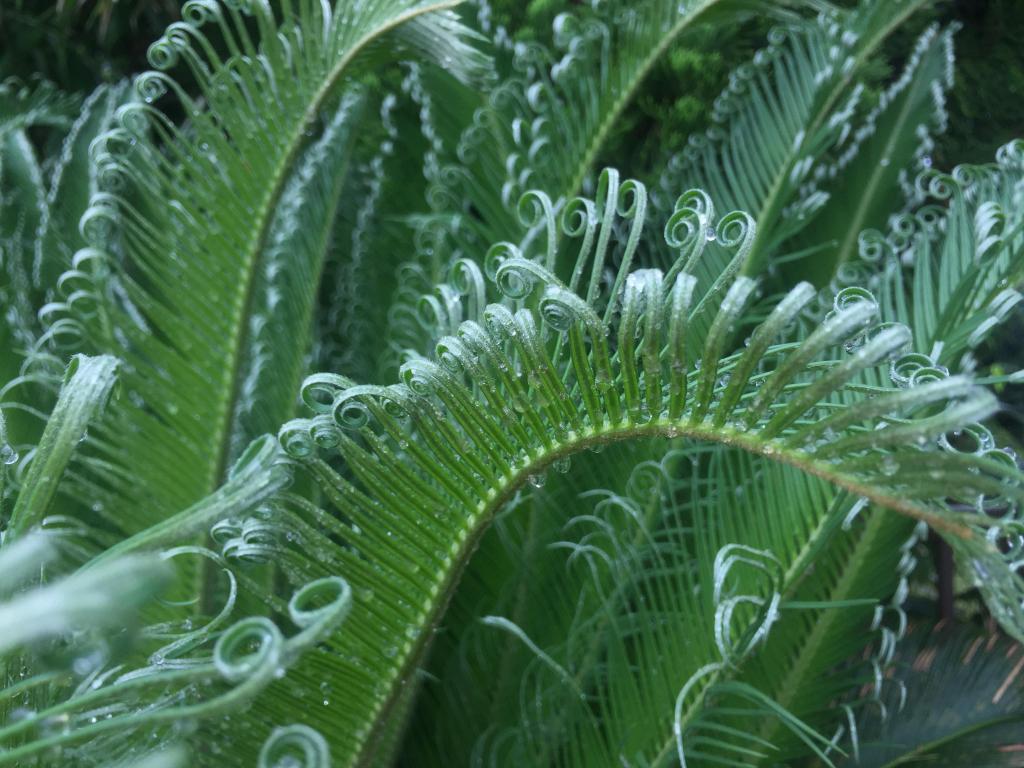
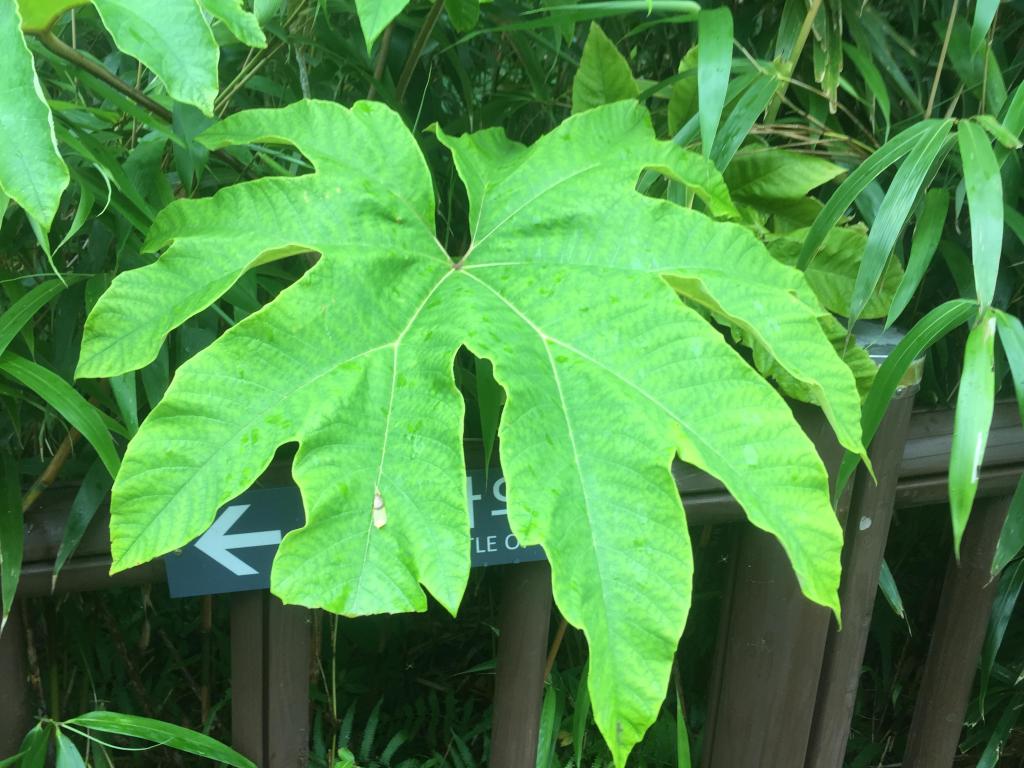
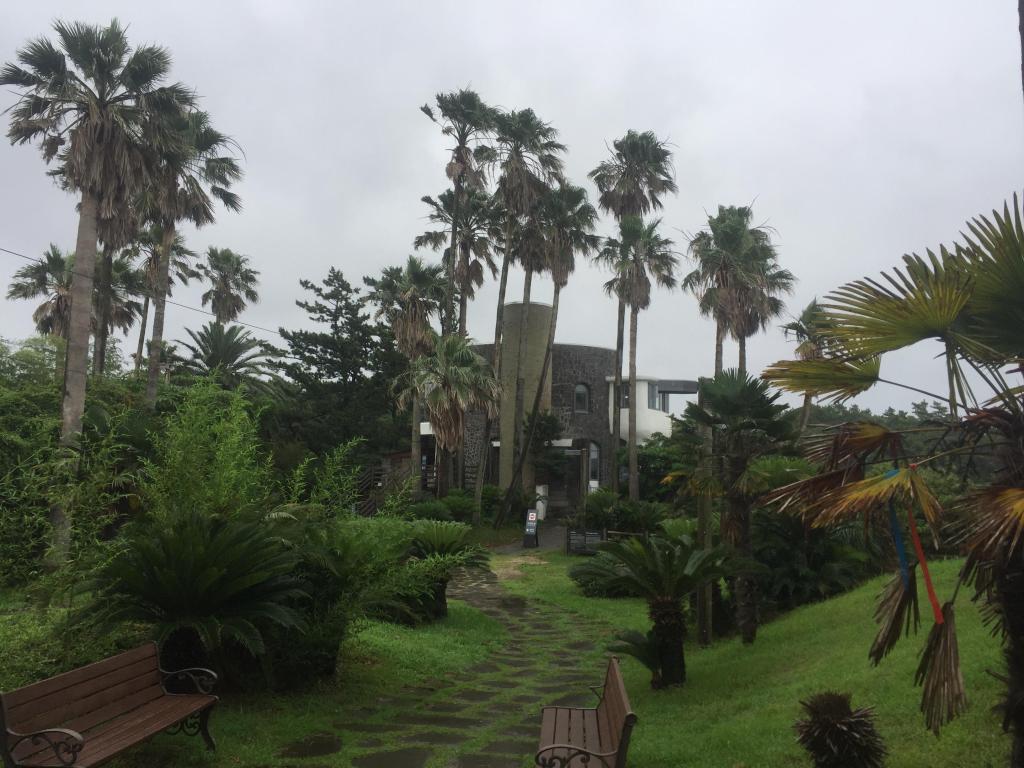
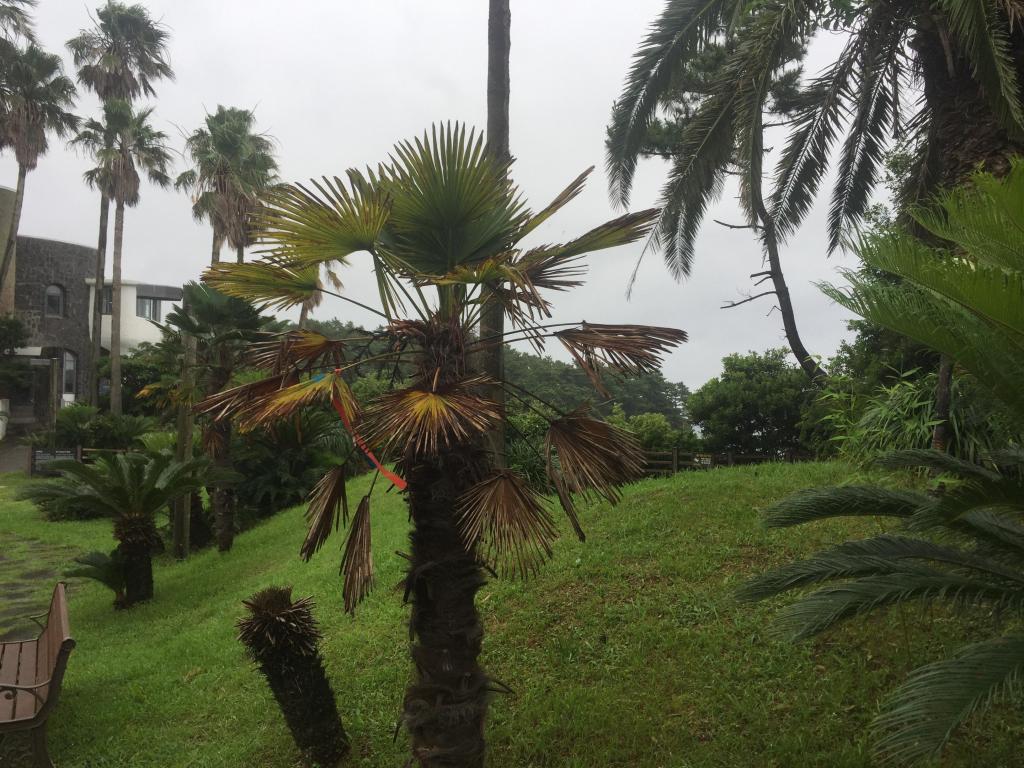
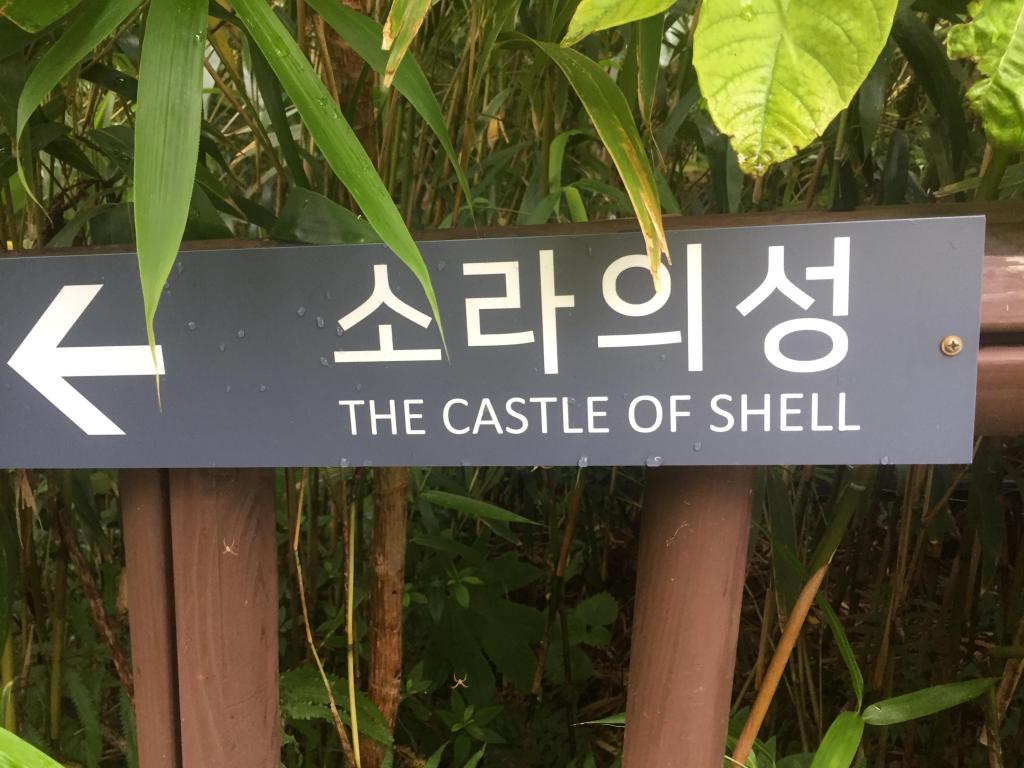
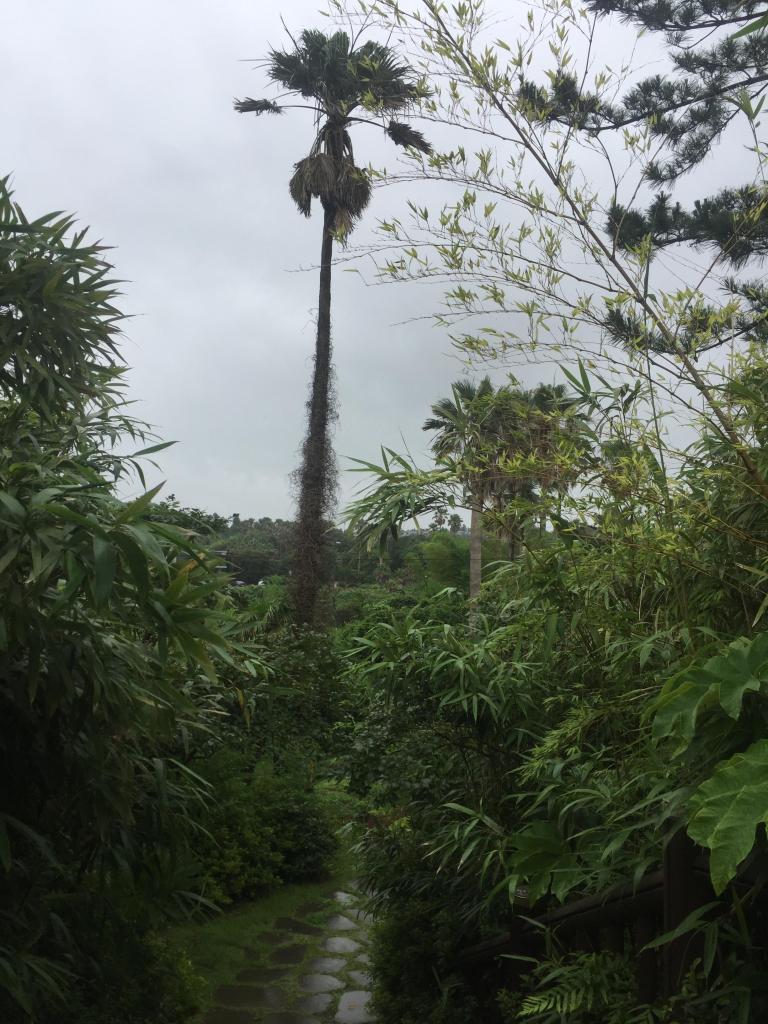
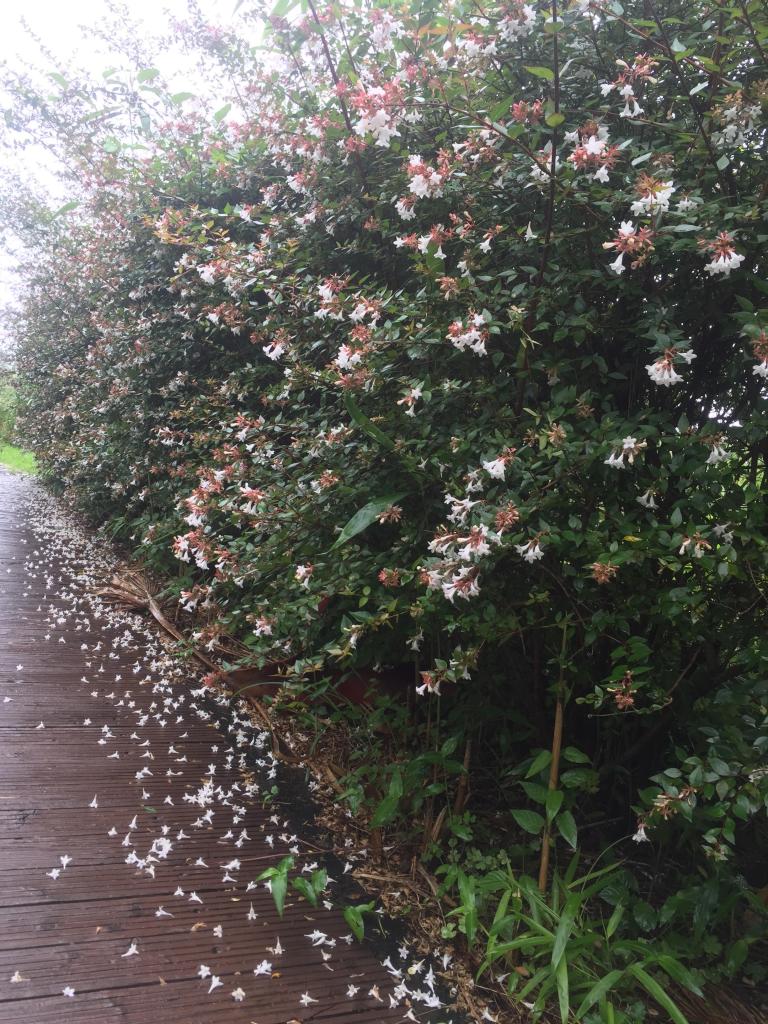
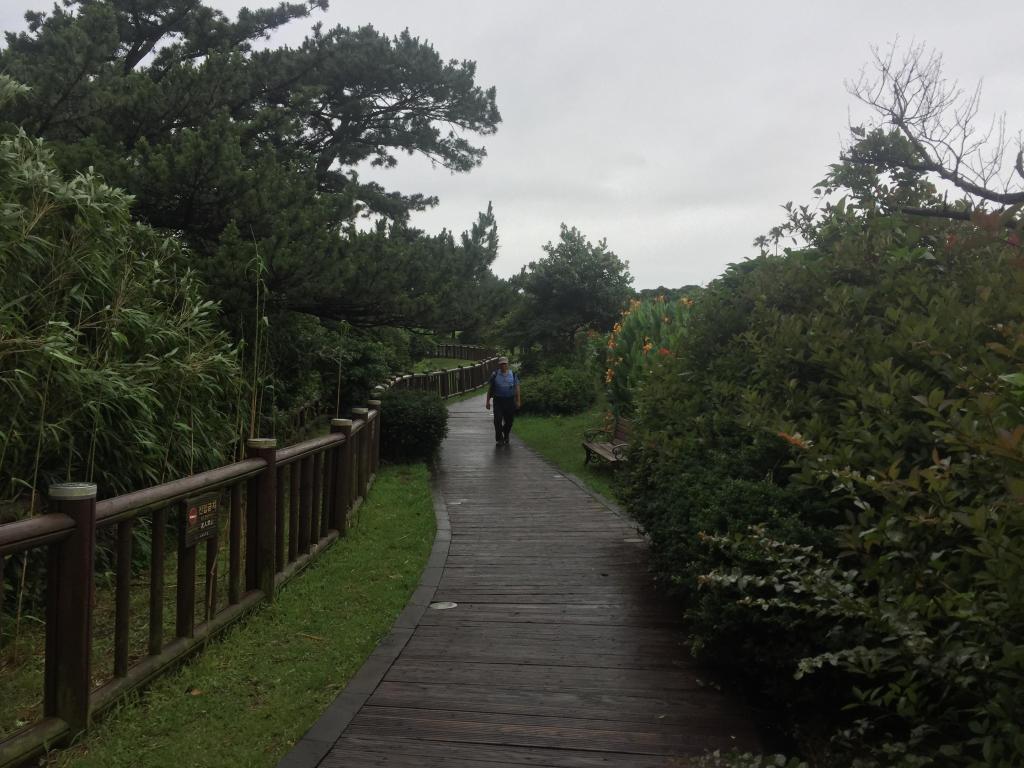
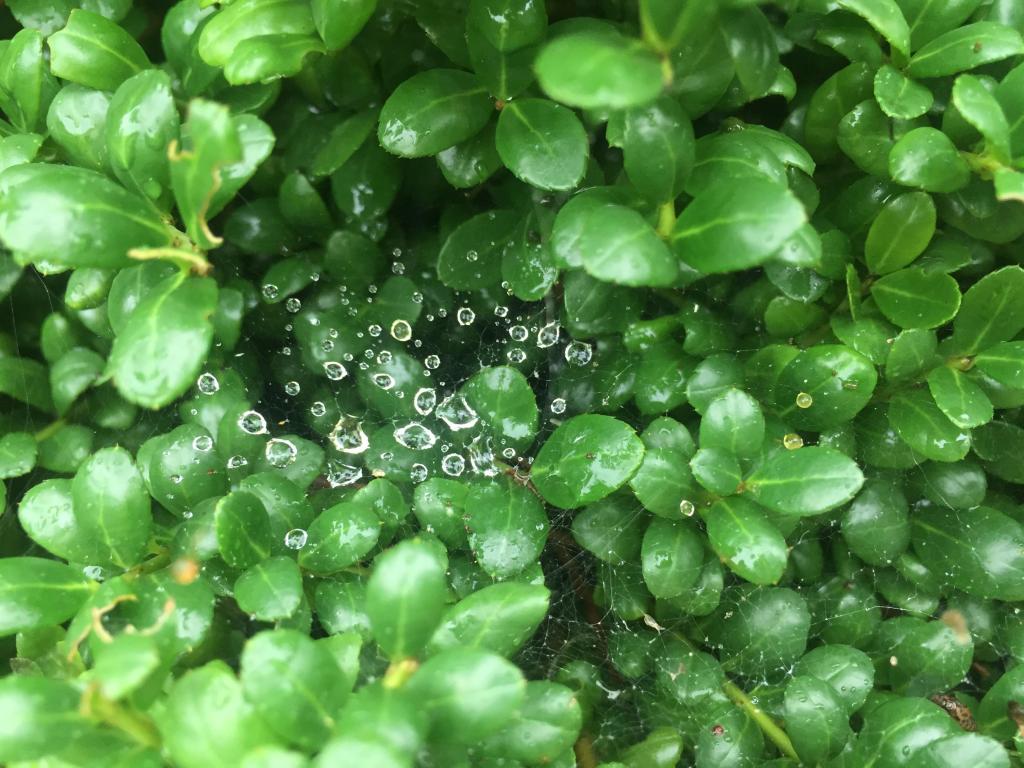
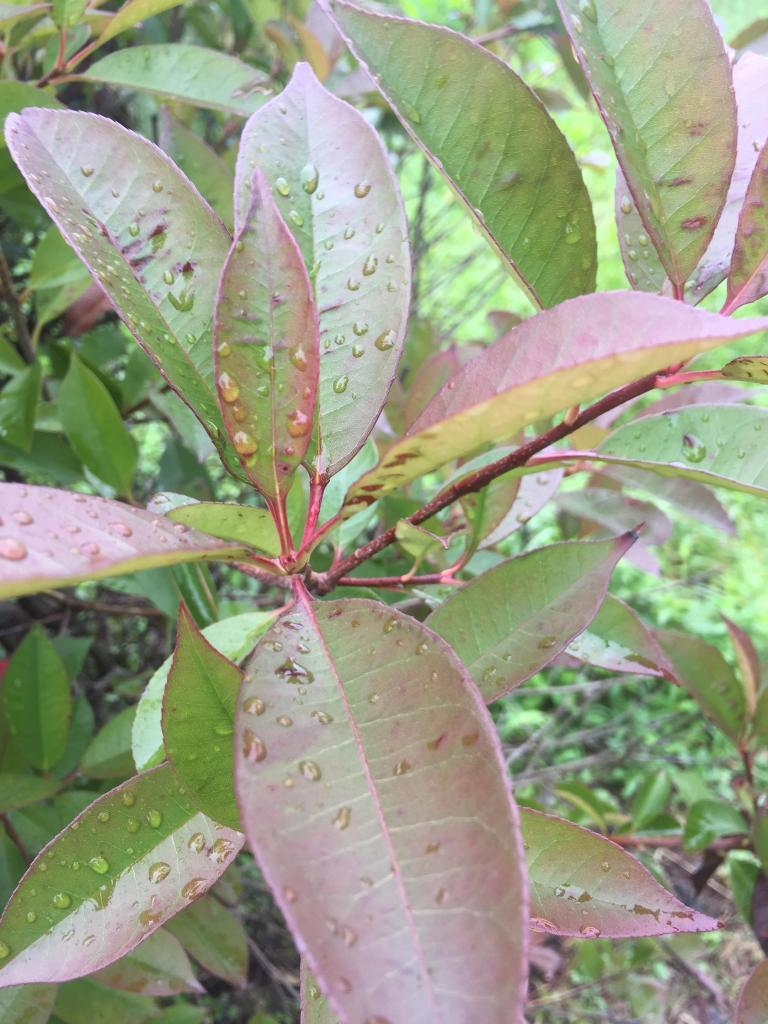
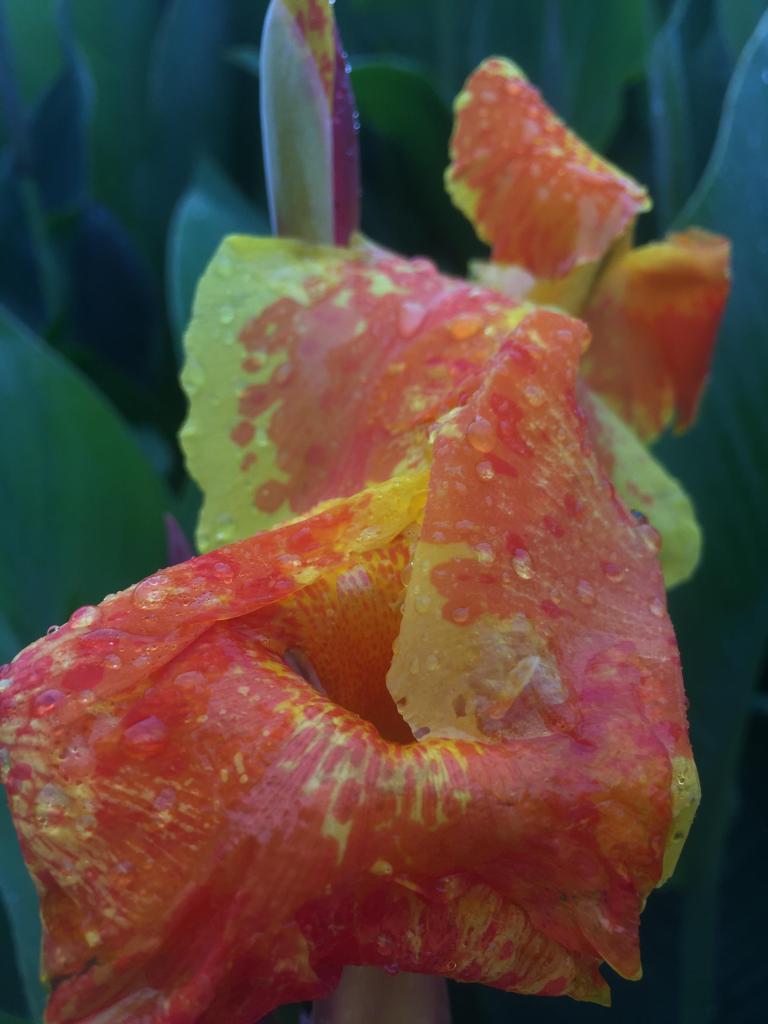
The uniform lighting due to the cloudy weather, the droplets on the leaves and petals just increased the charm and elegance of these plants.
To be continued…
 Try to Enter
One thought on “Jeju. Start the Exploration”